



Weird Warfare: 15 of the Most Unusual Weapons in Military History
The history of warfare stretches back thousands of years. One of the earliest recorded conflicts took place around 2700 B.C., when the ancient civilization of Sumer, located in present-day Iraq, fought with neighboring Elam, in what is now southwestern Iran. Historians estimate that thousands of wars have occurred since then, though the exact number is difficult to determine because definitions of conflict vary widely.
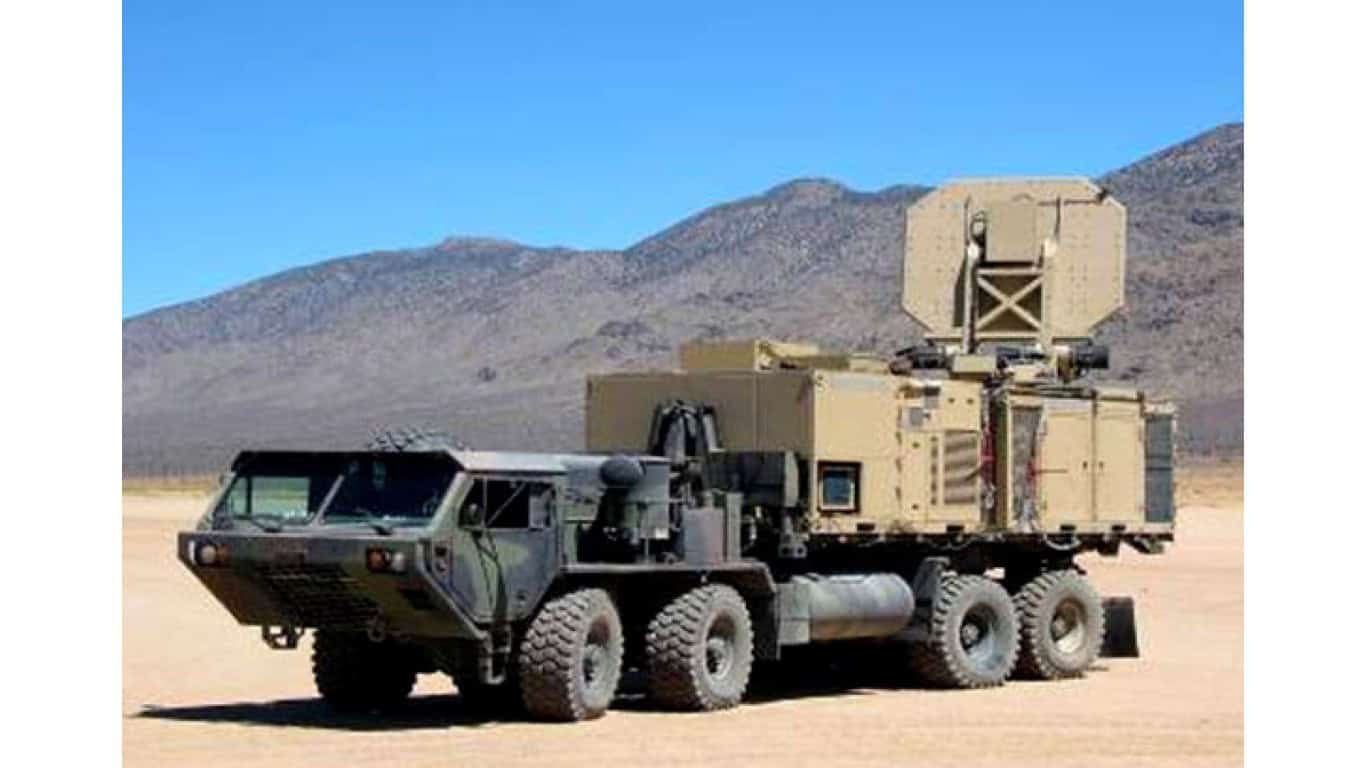
As warfare evolved, so did the technology used to fight it. Early weapons were relatively simple, including spears, daggers, and swords. By the 9th century, Chinese inventors had developed gunpowder, which eventually led to rockets, bombs, and the earliest firearms by the late 13th century. Over the centuries that followed, military technology advanced rapidly with the introduction of artillery, aerial bombing, nuclear weapons, and even experimental laser systems.
Along the way, some weapons were far more unusual than others. In this slideshow, History Computer explores 15 of the most unconventional weapons ever created for warfare. To identify these examples, History Computer reviewed historical sources including Britannica, Live Science, Imperial War Museums, Sandboxx, and Forgotten Weapons.
The list features a range of strange inventions, from unusual firearms and experimental artillery to unconventional bomb delivery systems and massive war machines. It also highlights some of the more controversial ideas in military history, including attempts to use animals as weapons. While many nations experimented with unusual designs, the United States and the United Kingdom account for several of the most notable examples.
Exploding rats
- Origin: United Kingdom
- When developed: 1941
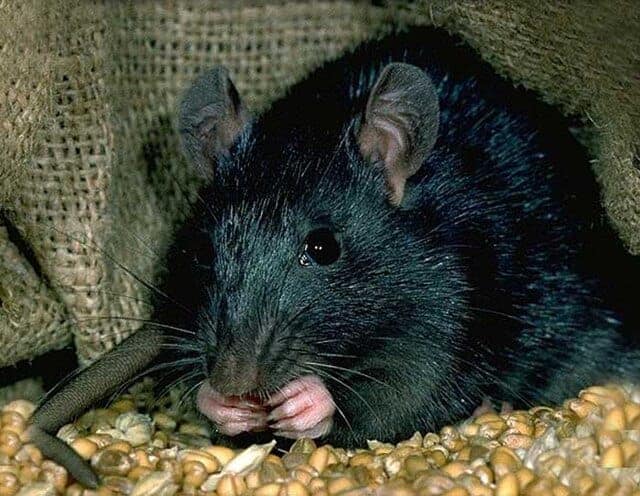
In 1996, uncovered documents revealed the existence of a clandestine U.K. government organization known as the Special Operations Executive, which developed an assortment of lethal James Bond-style gadgets during WWII. Among their weirder inventions was the exploding rat. Real rats were collected (by an SOE officer pretending to need them for lab experiments), killed, skinned, filled with plastic explosives, and then sewn up. The concept aimed to have infiltrators scatter the rats near boilers in industrial plants, where workers would spot them and toss them into the fire, causing explosions. When the plan failed, it had an unintended effect: When the Germans intercepted a shipment of prepared rats before they could be deployed, the discovery unnerved them to the extent that they allocated valuable resources to search for similar rats they feared might have already been distributed.
Bat bombs
- Origin: U.S.A.
- When developed: 1942
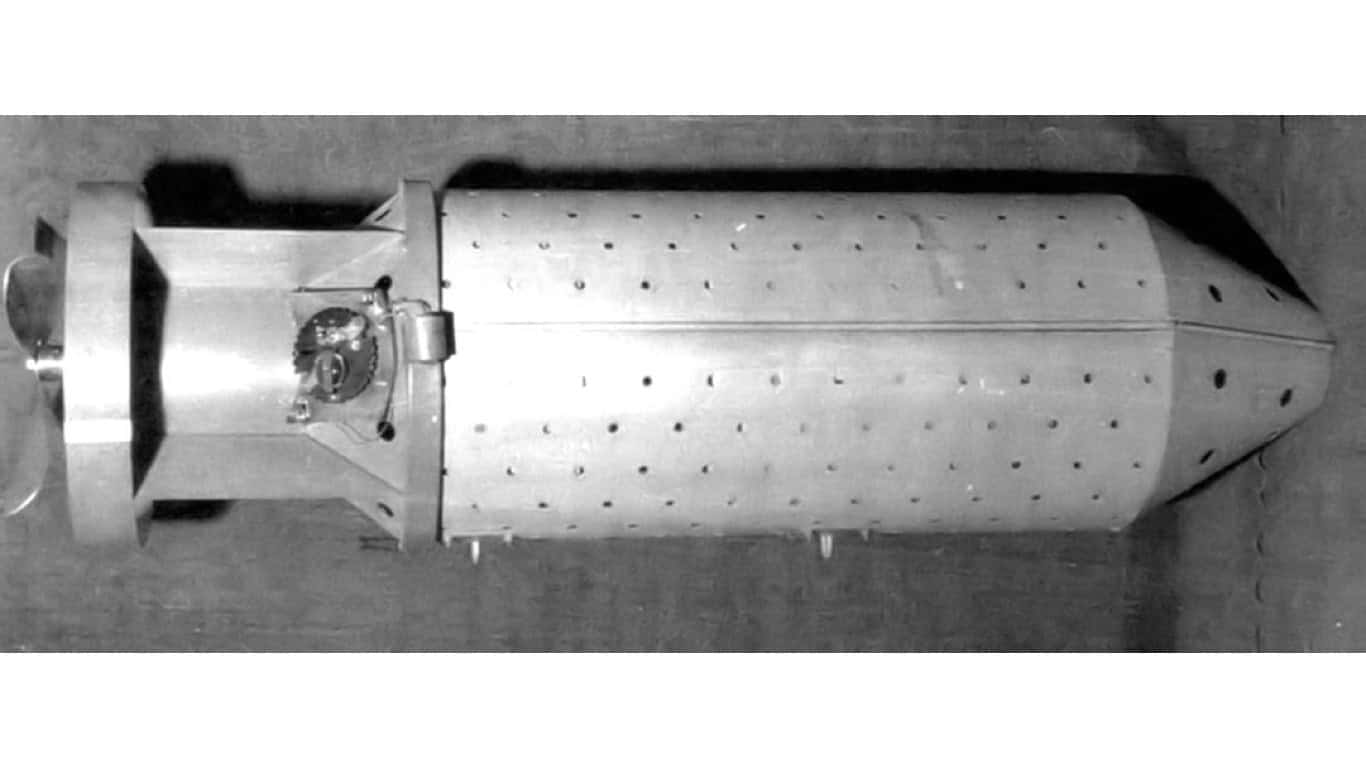
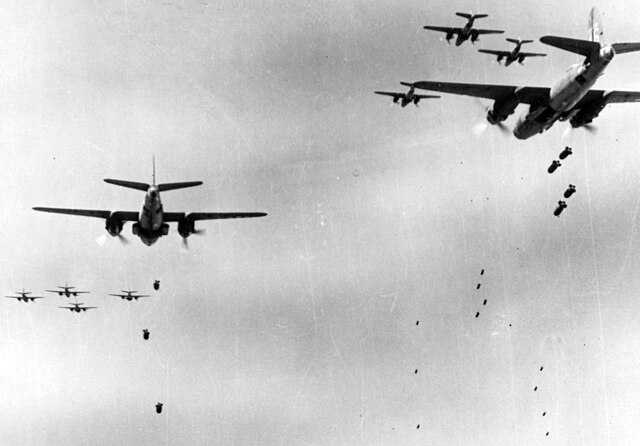
In another instance of animals being used for destructive purposes, the U.S. developed a cunning scheme that involved bats. A large bomb was outfitted with small compartments, each containing a hibernating Mexican free-tailed bat with a timed incendiary device attached. Upon being dropped from an aircraft with a parachute, the bomb would open in mid-air, releasing the bats. It was anticipated that they would find shelter in buildings nearby, where they would ignite at a predetermined time. This tactic would have been especially devastating in Japan, where many structures were made of wood and paper. After the bats accidentally set fire to an army airfield in New Mexico, the Navy eventually took over the project and shut it down.
Hallucinogenic artillery shells
- Origin: U.S.A.
- When developed: 1950s
Beginning in the mid-1950s, secret studies were conducted by the U.S. on the potential effects of various drugs, including LSD, on soldiers in combat situations, primarily at the Edgewood Arsenal in Maryland. One outcome of the research was the creation of softball-sized artillery shells containing a substance known as 3-Quinuclidinyl benzilate, abbreviated as BZ, which is an odorless powder that causes delirium and hallucinations. The objective was to disorient enemy troops, rendering them incapable of combat. Although the Army did test these shells, their effects proved to be too unpredictable, causing them to abandon the idea.
512-foot cannon
- Origin: Iraq
- When developed: 1988-1990
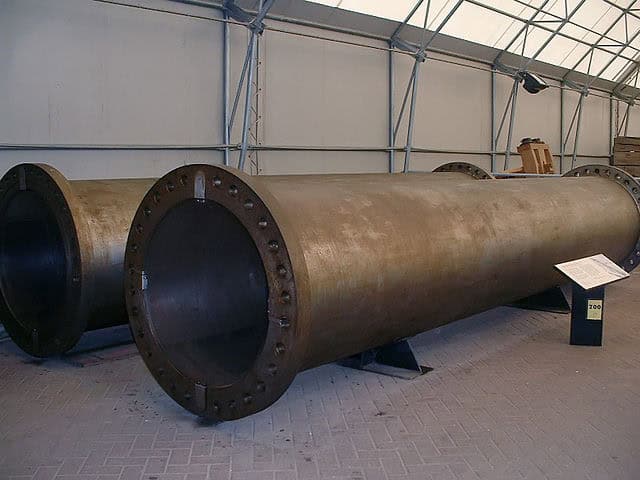
Big Babylon was a massive cannon commissioned by Saddam Hussein and engineered by Canadian Gerald Bull. Its purpose was to launch projectiles into space, potentially to redirect them back to earth, targeting regions such as Iran or Israel. However, the project was impractical due to its immobility and the risk of revealing its location to enemies upon firing.
Anti-tank dogs
- Origin: Soviet Union
- When developed: 1941-1943
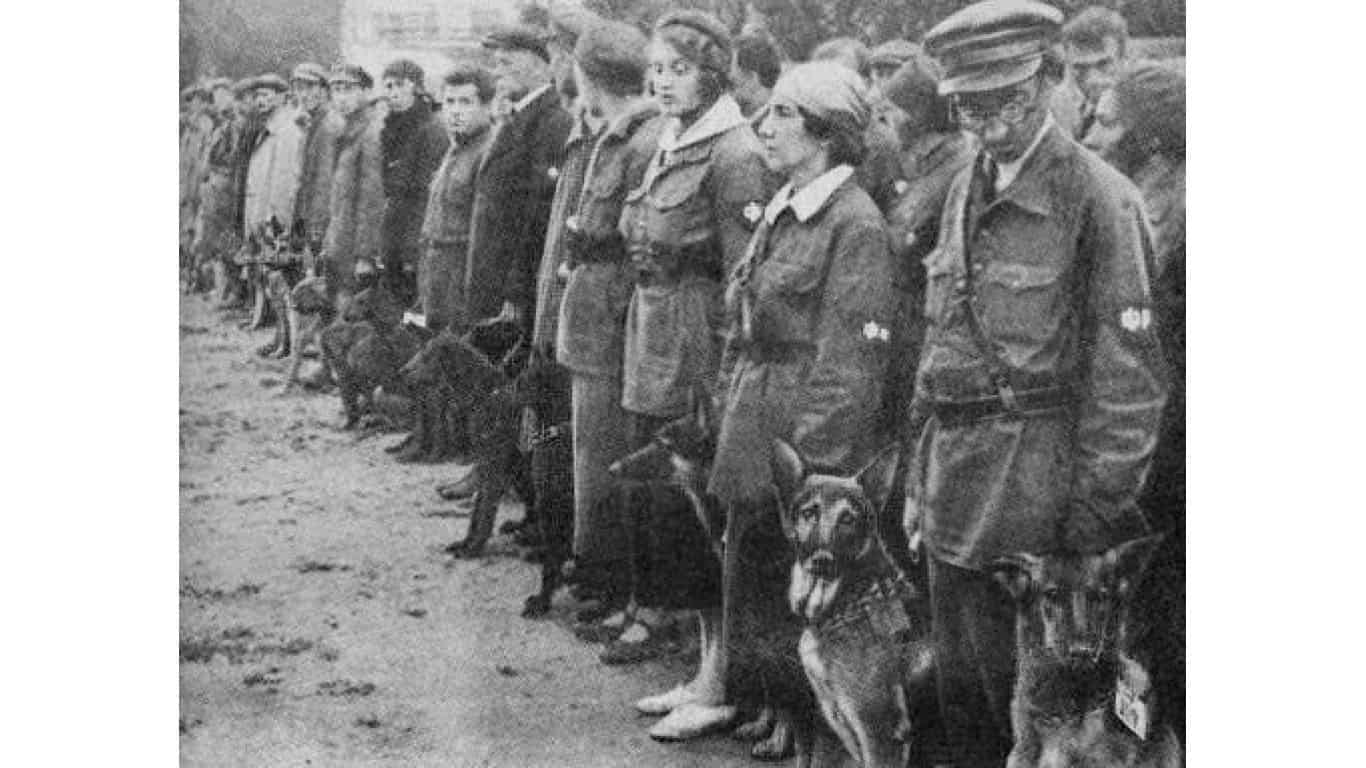
Throughout history, dogs have played different roles in warfare, serving to relay messages, sound alerts, track enemies, and occasionally, to attack. As early as 1930, the Soviets trained dogs for a new purpose – to transport explosives that would detonate upon reaching their targets. It wasn't until 1941 that these dogs were widely deployed against German tanks. Their success rate was somewhat hindered by their training on stationary vehicles, which led to reluctance in approaching moving tanks.
Hormone weapons
- Origin: U.S.A.
- When developed: 1994
One U.S. Air Force research lab came up with a bizarre idea that they used with the slogan, Make love, not war." The plan involved dispersing sex pheromones over enemy territories via a mid-air bomb, supposedly inducing sexual attraction among opposing soldiers – earning the weapon the informal name "gay bomb" – with the idea of diverting their focus from combat to romance. A related proposal involved dispersing compounds that emitted foul body odors, to disorient soldiers and also make them easy to find. However, since no pheromone has been proven to directly affect sexual behavior, the gay bomb was never made.
Curved-barrel rifle
- Origin: Germany
- When developed: 1944
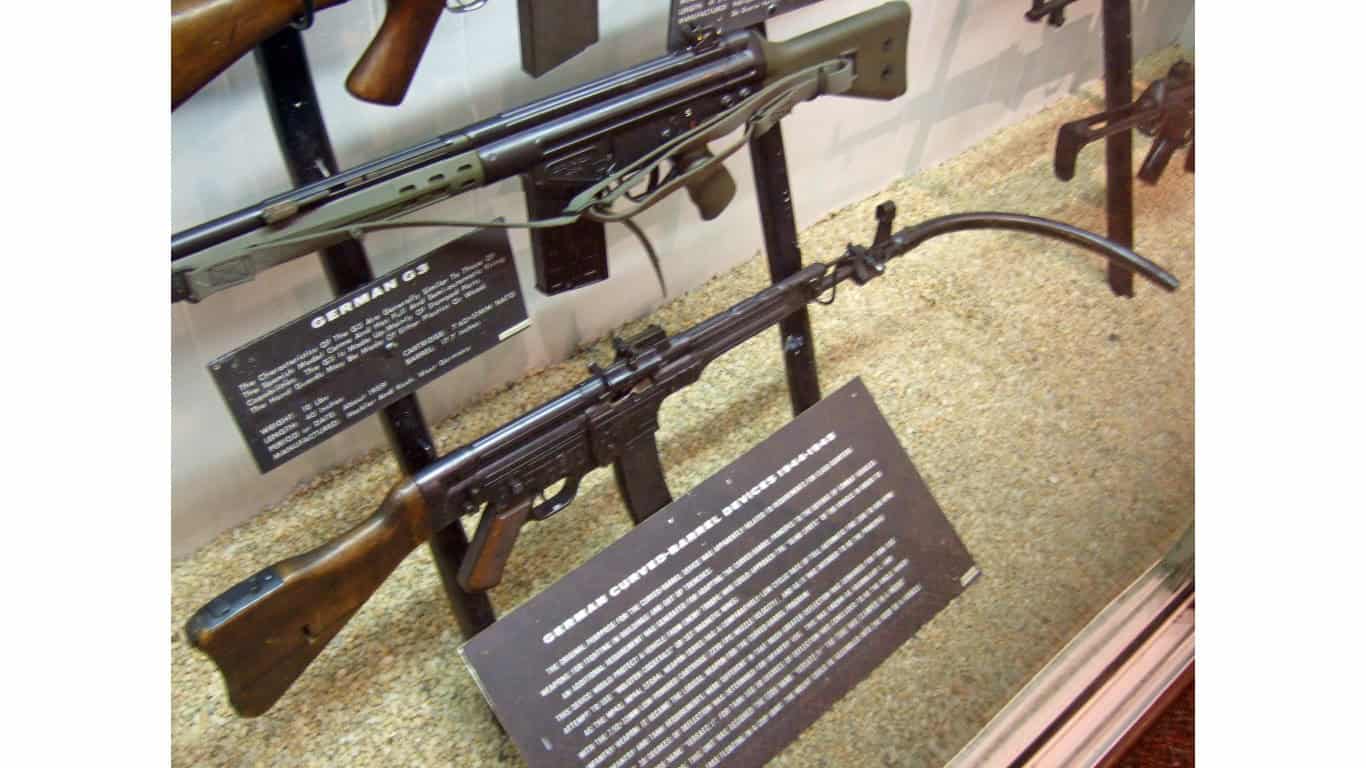
The Krummlauf, meaning "crooked run," was an attachment for the German army's standard STG 44 assault rifle, designed to allow soldiers to shoot around corners using a periscope-like device. These attachments had barrels curving 30, 45, 60, and 90 degrees, although only the 30-degree version was produced in significant quantities. The Krummlauf-equipped rifles didn't function very well because the pressure buildup within the curved barrel caused it to deteriorate after firing only a few hundred rounds, and the bullets often fractured when rounding the curve.
Sticky grenades
- Origin: United Kingdom
- When developed: 1940-1943
These were anti-tank explosive devices with a sticky coating designed to adhere them to enemy vehicles on contact. Widely used in the initial stages of World War II, they achieved moderate success. However, they struggled to stick to surfaces covered indirt or mud, like tank exteriors tended to be. Worse still, they occasionally got attached to the clothing of the soldier attempting to deploy them.
Robot dog
- Origin: U.S.A.
- When developed: 2005
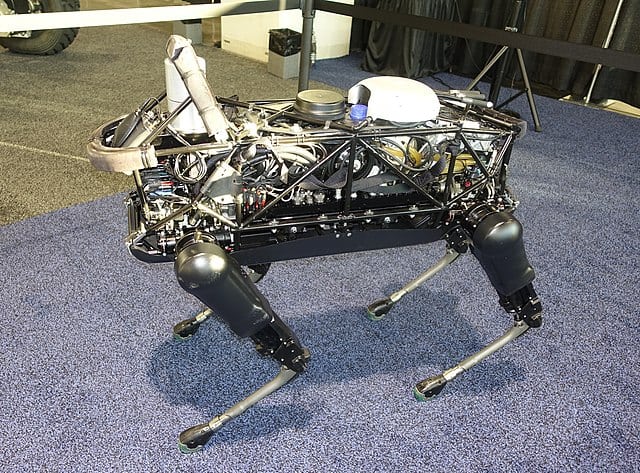
America's Defense Advanced Research Projects Agency (DARPA), known for creating the precursor to the internet, ARPANET, also developed a military robot named BigDog. While not a weapon per se, it was meant to function as an automated pack animal capable of navigating rugged terrain while carrying weapons and supplies. The problem was that it was powered by an internal combustion engine, which was deemed too noisy for battlefield operations, leading to the discontinuation of BigDog.
Heat ray
- Origin: Ancient Greece
- When developed: 213-212 B.C.
The renowned Sicilian-born Greek mathematician, scientist, and inventor Archimedes is said to have devised a devastating heat ray by constructing a bank of mirrors that focused sunlight onto Roman ships during the Siege of Syracuse, causing them to catch on fire. However, modern scientists remain skeptical, and efforts to reproduce the effect have had mixed results. At the very least, historians agree that the mirrors would have blinded sailors and possibly disoriented them, giving the Greeks a strategic edge.
Fire balloons
- Origin: Japan
- When developed: 1944-1945
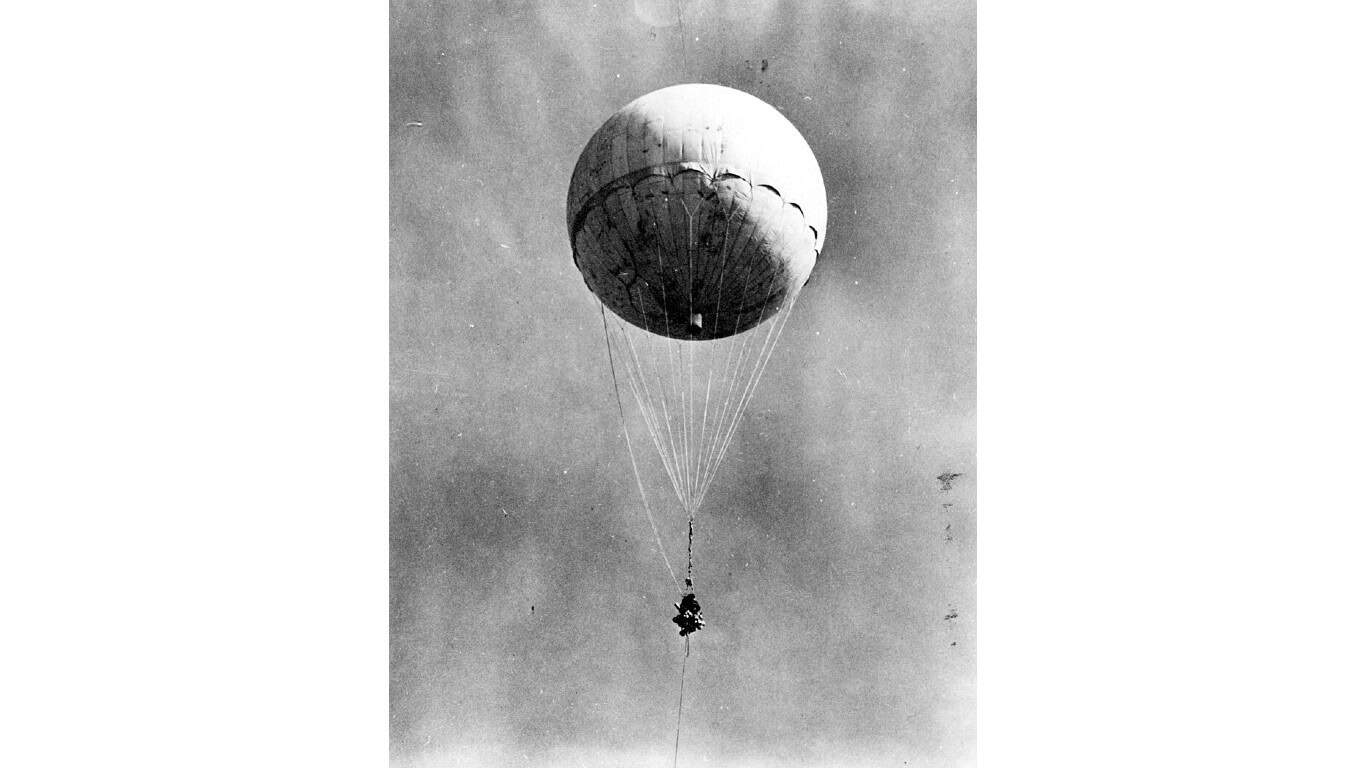
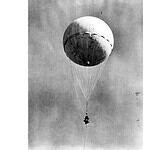
Created by the research institute of the Imperial Japanese Army, these were hydrogen-filled paper balloons with incendiary devices attached. Launched from Japan's western coast, thousands were sent across the Pacific Ocean, propelled by the jet stream, toward the U.S., with even their creators estimating that only about 10% would successfully make the crossing. They were intended to start forest fires in densely wooded areas, panicking residents and demonstrating the Japanese military's capability. However, as they were launched during winter and early spring when the forests were damp, even the few that reached American soil had no impact. Remnants of the balloons were later discovered in approximately 17 states, stretching as far east as Michigan, as well as in the territories of Alaska and Hawaii, and parts of Canada and Mexico.
Tsar tank
- Origin: Russian Empire
- When developed: 1914-1915
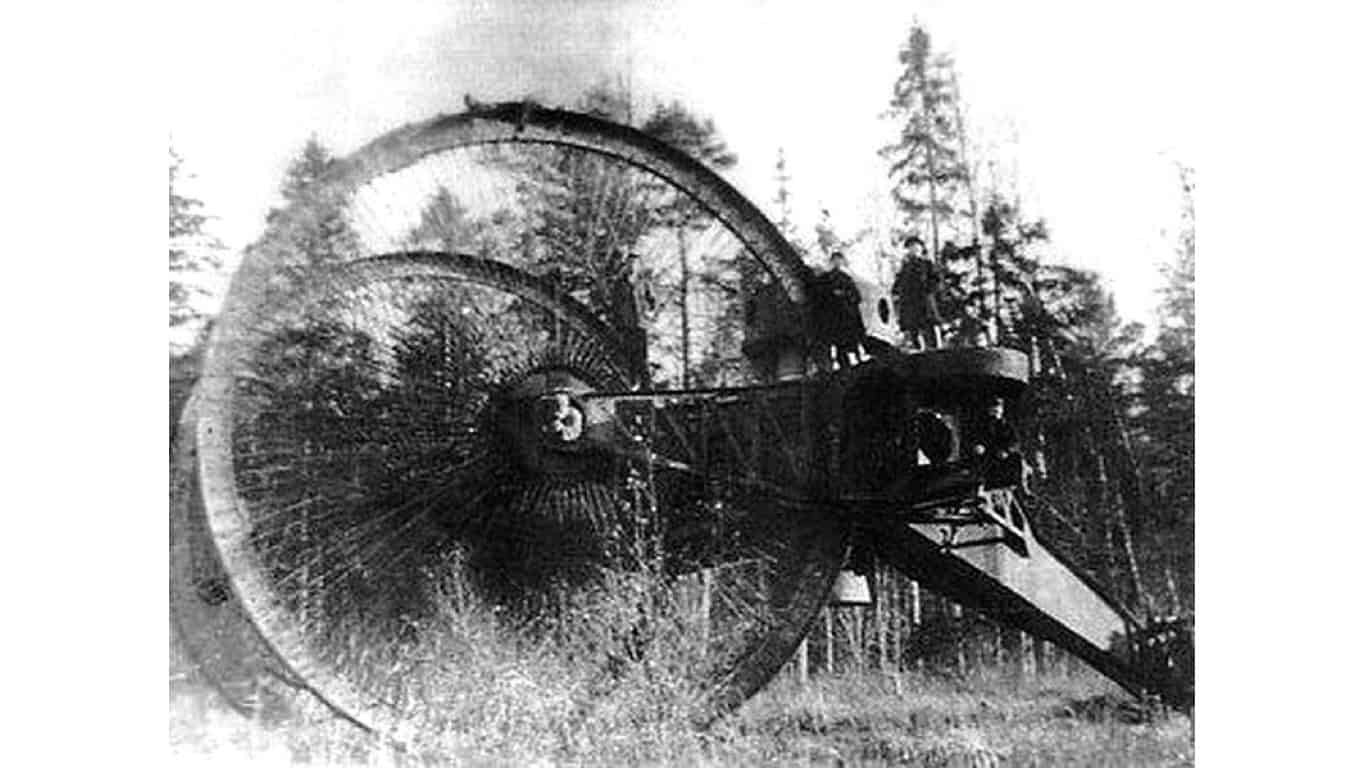
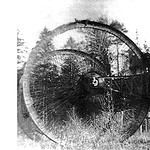
This unconventional armored vehicle, commissioned for tsarist forces in pre-revolutionary Russia, was unlike conventional tank designs in that it featured three large wheels like a tricycle. The front two wheels were nearly 30 feet in diameter, while the third wheel was only five feet high. Powered by Maybach engines salvaged from the captured German aircraft, each of the larger wheels was driven independently. However, development of the tank stopped in 1915 after it became stuck in soft ground during a test, and its powerful engines couldn't dislodge it. Two of the tank's creators were determined to fit it with an engine that would overcome the problem and continued to work on it even after the cancellation. They were unable to free it from its resting place, however, and following the Russian Revolution of 1917, it was forgotten and left to rust until 1923, when it was dismantled and sold for scrap.
Incendiary pigs
- Origin: Ancient Greece, etc.
- When developed: 3rd century B.C. and later
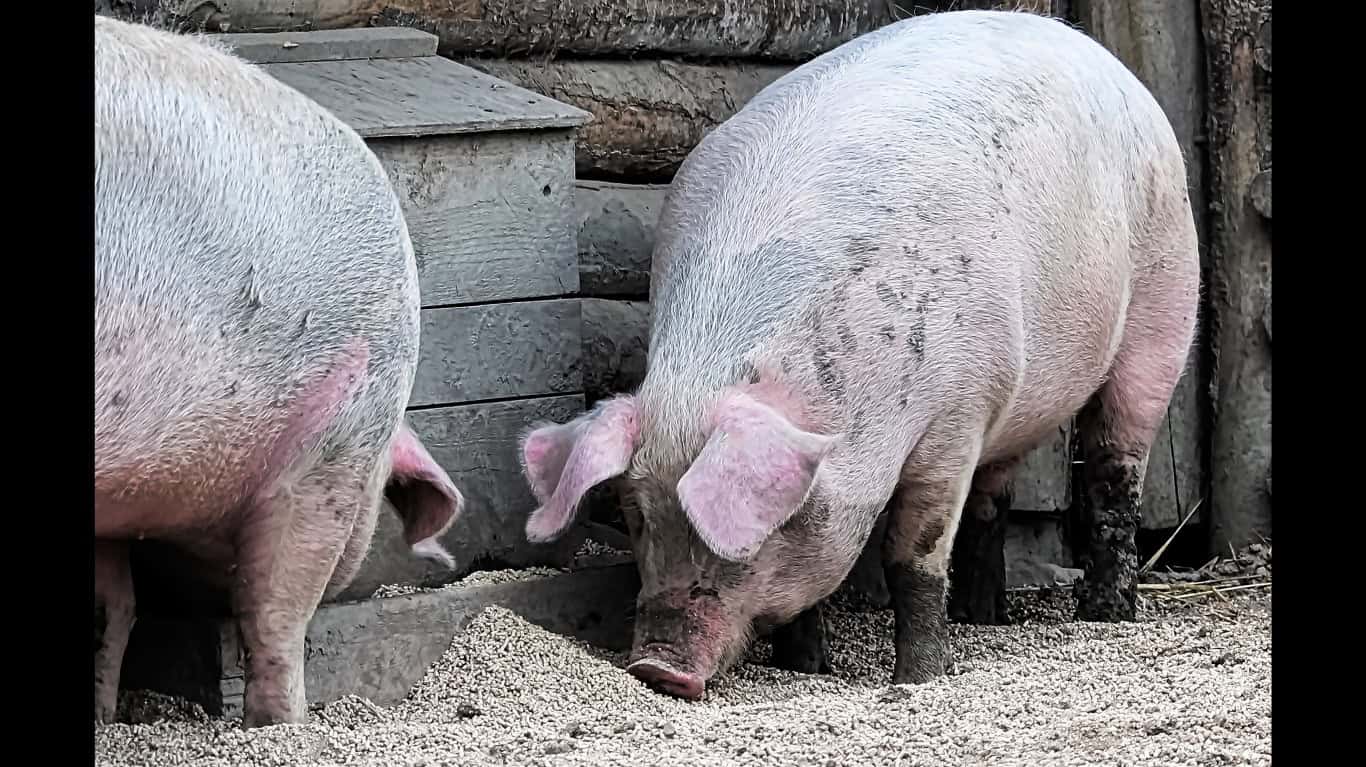
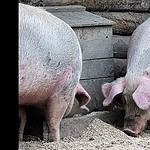
One of the cruelest military tactics involving animals was the use of pigs coated in resin or pitch, set on fire, and directed towards the enemy. This tactic dates back to 266 B.C. during the siege of Megara, Greece. Macedonian forces, facing war elephants, deployed the flaming pigs, causing chaos and panic among the elephants, resulting in casualties among their own ranks. Greeks and Romans later used similar methods with success in subsequent battles.
Panjandrum
- Origin: United Kingdom
- When developed: 1943-1944
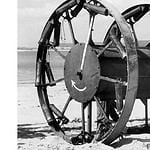
Named after a whimsical term used by British actor and playwright Samuel Foote in the mid-18th century, the Panjandrum looked cartoonish. It had two large wooden wheels with metal treads, each being 10 feet in diameter, revolving around a steel drum packed with explosives. Cordite rockets along the inside rims propelled the wheels. The concept was for the rockets to drive the Panjandrum into concrete fortifications, where the explosives would create an opening large enough for a tank to pass through. However, during testing, the rockets frequently detached and veered off course, and the entire contraption was difficult to control. During its final trial, it came dangerously close to spectators, before crashing and disintegrating. The project was canceled shortly thereafter.
Calcium floodlights
- Origin: U.S.A.
- When developed: 1863
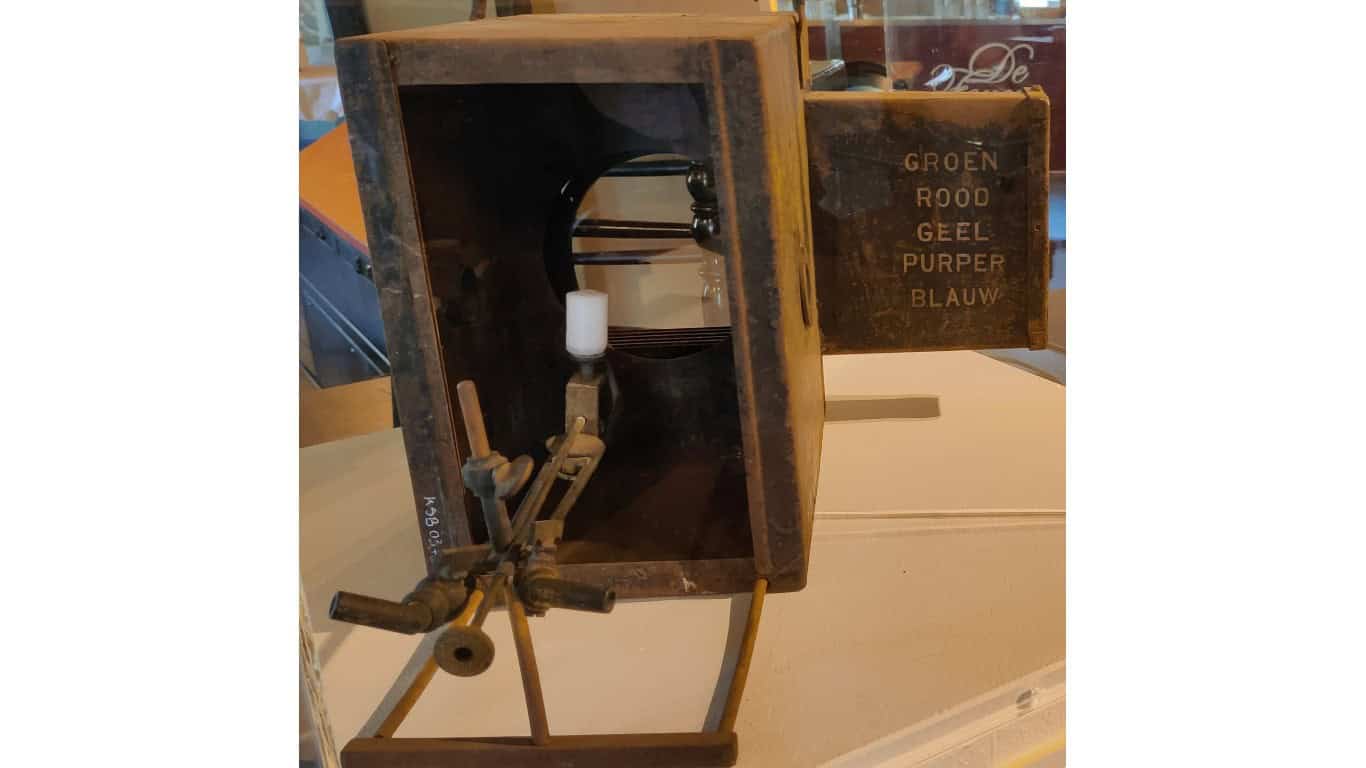
In a modern-day tactic reminiscent of Archimedes' legendary heat ray from ancient times, Union troops besieging the Confederate-controlled Fort Wagner at the entrance of Charleston Harbor adapted calcium floodlights, also referred to as limelights, previously used for stage lighting. These powerful lights were aimed at the fort during the night, illuminating it for the Union artillery and momentarily blinding the Confederate defenders.
The image featured at the top of this post is ©Public Domain/Wikimedia Commons