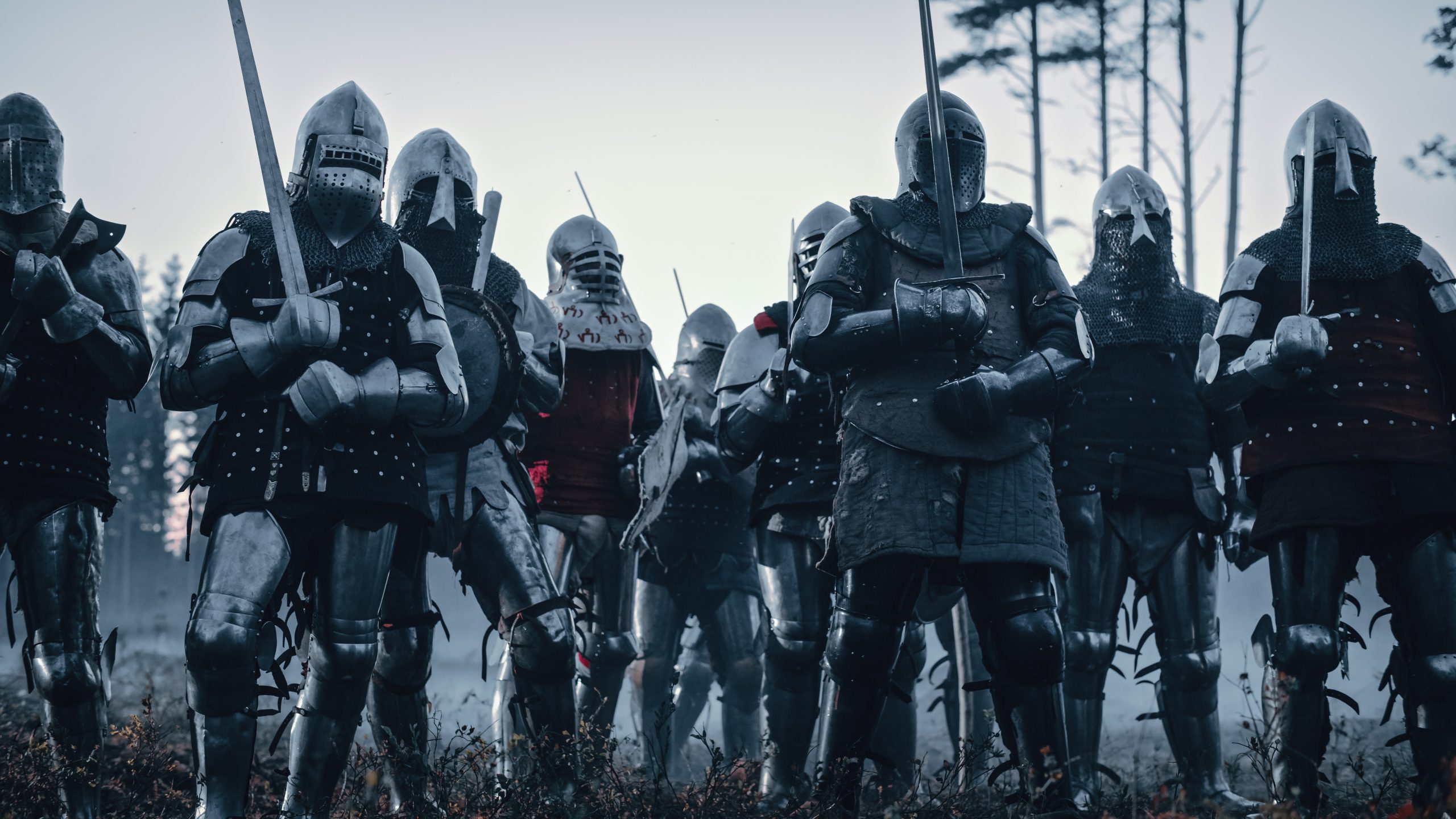

Much of human history has been influenced and shaped by warfare. Warfare itself predates history, with the squabbles and fights of our ancestors being noted simply due to archaeological finds. That said, warfare is a powerful thing, transforming political landscapes, leading empires to ruin, and elevating certain individuals to near eternal fame. Strategy, politics, and more play a key role in how history’s greatest warriors waged battle. However, when it came time to meet in the field, the arms and armor in their possession ruled the day. Today, we’re going to take a closer look at some of history’s most famous warriors, the weapons they used, the traditions and technology that enabled them, and how these came together to shape history.
Rome’s Legionaries
©James Steidl/Shutterstock.com
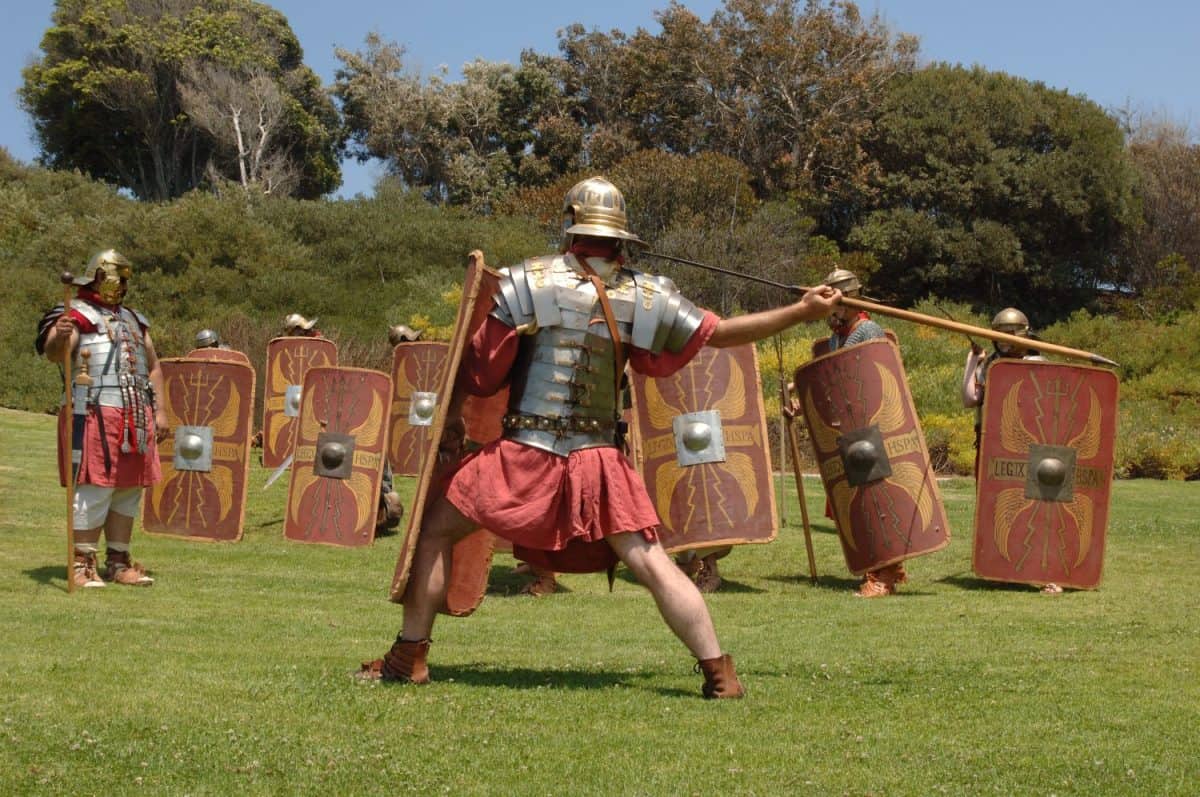
It is hard to imagine a military force as influential to the ancient world as Rome. Whether you’re discussing the Republic or the Empire, there is no denying that the legions at Rome’s back were the driving force behind its overwhelming dominance of Europe throughout Antiquity. Legionaries had standard equipment, a rarity for the time, and an exceptional rarity when looking at the medieval knights we’ll also be discussing. Each Roman soldier made use of a standard shield, the scutum, which was made of wood and usually covered in canvas or leather. Rank and discipline were vital for the survival and success of any Roman military campaign, and the scutum played a key part in the development of formations and tactics.
Legionaries carried pilum, or javelins, which were thrown in volleys as the Roman formations closed the distance. These were designed with a soft iron shank, intended to bend upon impact. This design choice helped to minimize the chances of Roman javelins being used against legionaries while also rendering shields useless. If it hit a human body, the injuries could be quite grave, as you might imagine.
The most iconic weapon of Rome’s military ambitions would be the gladius, a double-edged short sword that was the bread and butter of any military campaign. While Legionaries would chuck pilum at targets as they approached, when they closed in, the gladius was the weapon of choice. Its design enabled chopping and thrusting, making it an ideal weapon in packed, shield-wall formations. Rome’s military dominance wasn’t so much the result of any sort of cutting-edge weaponry, but basic, fundamentally sound arms that worked well in strictly disciplined military units.
Vikings
©Igor Faun/Shutterstock.com
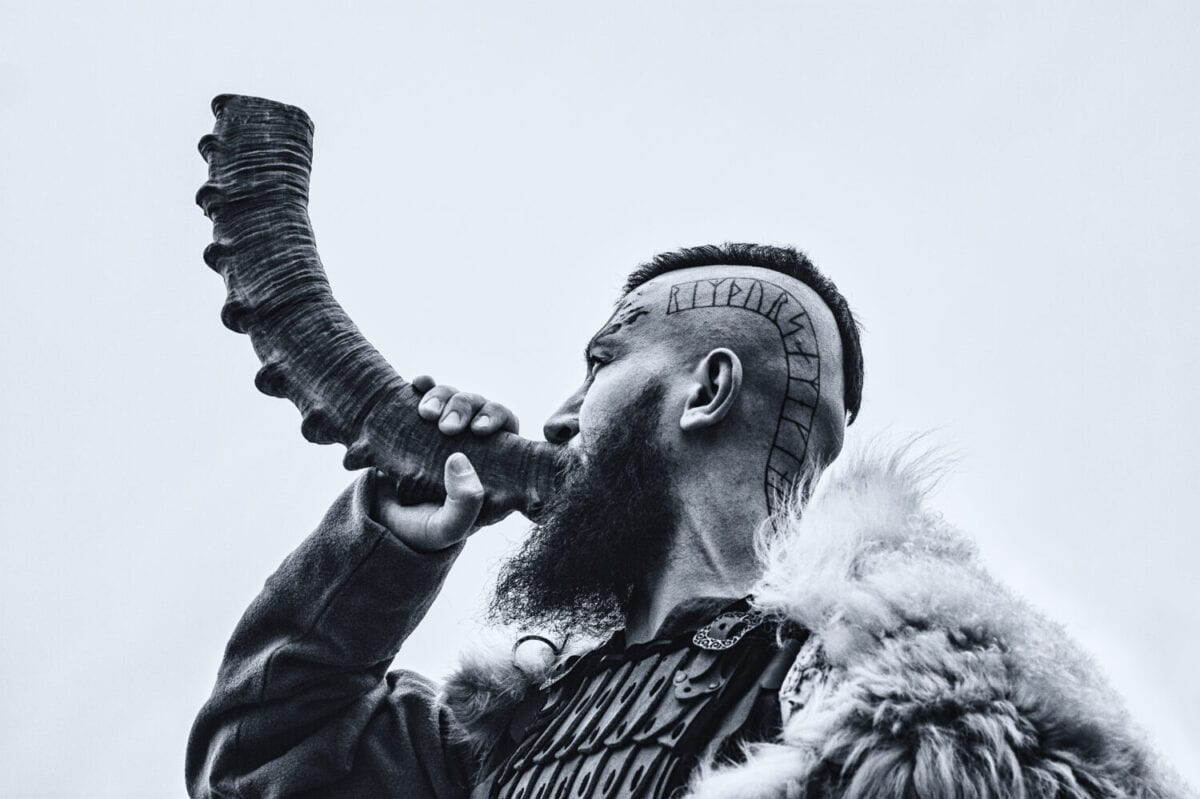
Jumping forward a little in history brings us to the age of steel. Rome had fallen, and the dominant power of Europe had shifted substantially. In the north, Vikings would become famed for their ferocity, conducting vicious raids across the coasts for centuries. They even took control of the English crown for a little while, showing just how influential and powerful their reach had become. The Viking raiders lacked the drilled discipline of the Roman centurions, but more than made up for it with sheer ferocity. At the center of this campaign of conquest was the Dane axe, a two-handed battle axe that could measure up to nearly six feet in length. Old Norse refers to it as a broad axe, and it pulled double duty against armored knights and shields alike.
It took finesse to properly use the Dane axe, given the heft and length of the weapon. When properly used, it was a devastating weapon that could cleave through just about anything a Viking might come across. This is starkly contrasted with the Ulfbehrt swords, which are thought to be a more typical style of Viking sword. The remaining samples that have been found are a fascinating look at the evolution of metallurgy in the early to middle Medieval periods of Europe.
For the time, the Viking way of producing steel was perhaps one of the most cutting-edge means of doing so. Early steel swords were pattern-welded, attempting to give the strength and resilience of the famed Damascus steel. The Ulfbehrt swords exhibit far more expertise, with some examples being of high-quality steel that likely originated from Central Asia, an oddity given its distance from Northern Europe. If anything, the skill in metalworking that the Vikings developed is a testament to just how broad their reach was.
Medieval Knights
©Ernesto Sevilla/Shutterstock.com
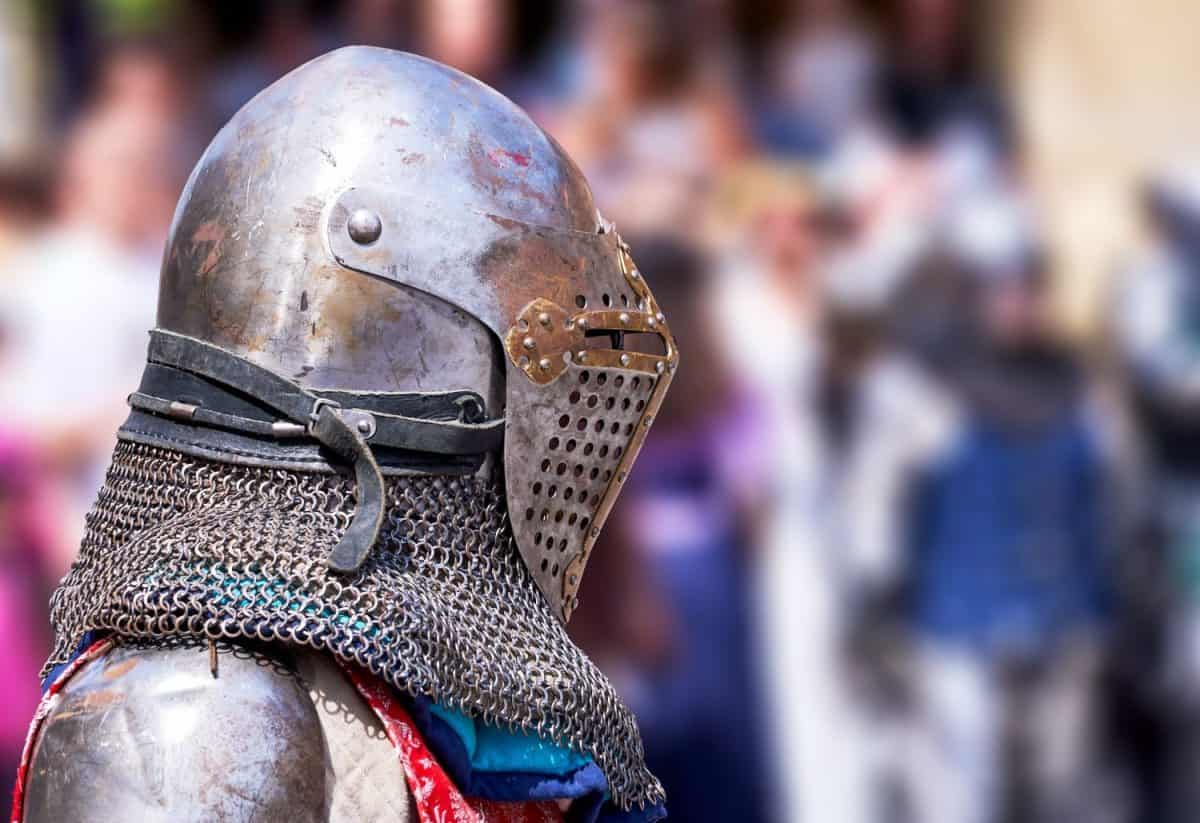
History shows us that many cultures developed their own martial traditions, with elevated warrior classes being one of the dominant forces on the battlefield. After the fall of Rome, the great powers of Europe started to build an aristocratic class of knights that were intended to be the bulwarks of the battlefield. It is hard to pin down an exact list of the weapons carried by your typical medieval knight, as this differs by location. However, there are two I’d like to highlight. Armor certainly changed throughout the centuries, with chainmail being fairly common until the rise of plate armor in the late 13th to early 14th centuries.
Knights often served as heavy cavalry, being mobile shock troops intended to scatter enemy ranks. Horses were a given, and often armored themselves. Knights often carried lances, which could deliver terrifying amounts of force to an intended target. Polearms were relatively common, especially as the Medieval period began to drew to a close. Halberds, poleaxes, billhooks, and other weapons became fairly common to see in use.
Of note is the European longsword, arguably the most enduring weapon of the Medieval period. If there was anything to flaunt the wealth and influence of a given knight, the longsword was it. A versatile sword intended for cutting and thrusting, whole schools of European martial arts were developed in the wake of the longsword’s introduction.
Samurai
©siriwat sriphojaroen/Shutterstock.com
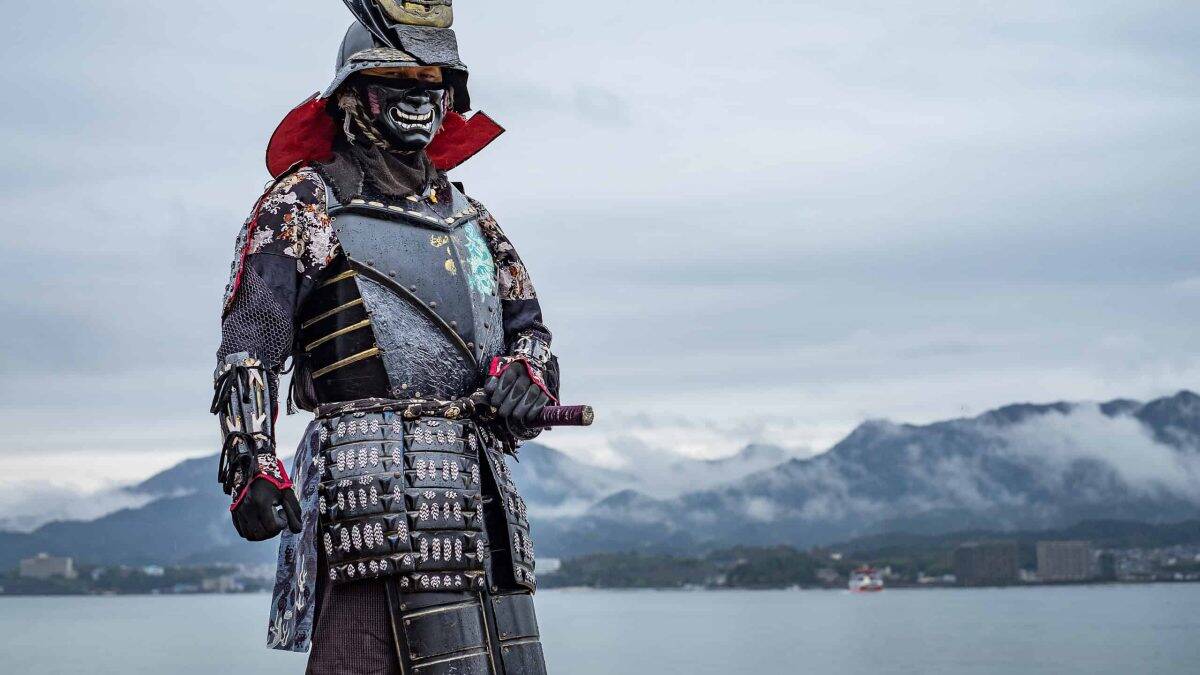
Speaking of the warrior classes, few have captivated international attention throughout history quite like the Japanese samurai. During the turbulent Sengoku Jidai between the 15th and 16th centuries, the samurai was one of the most important central figures on the battlefield. Much like Europe’s own knights, they obeyed a code of discipline and honor that was coupled with a lifetime of martial training to hone their skills.
The most famous of the samurai’s weapons would have to be the katana, a single-edged blade designed for slashing first and foremost. These were made with a unique forging process, relying on repeated folding of the steel to give it strength and resilience. These weren’t the only weapons of the samurai, however. Some would specialize in kyudo, or archery, and became renowned for their use of the yumi, or Japanese longbow.
Samurai would also make use of yari, or spears, which were about what you’d expect for any medieval spear. This trio of weapons was a fairly typical set of armament for any samurai, and what you could find in the armies of noteworthy figures like Nobunaga Oda, Shingen Takeda, and others.
The Mongols
©"Mongolian Archer" by Bernd Thaller is licensed under BY 2.0. – Original / License
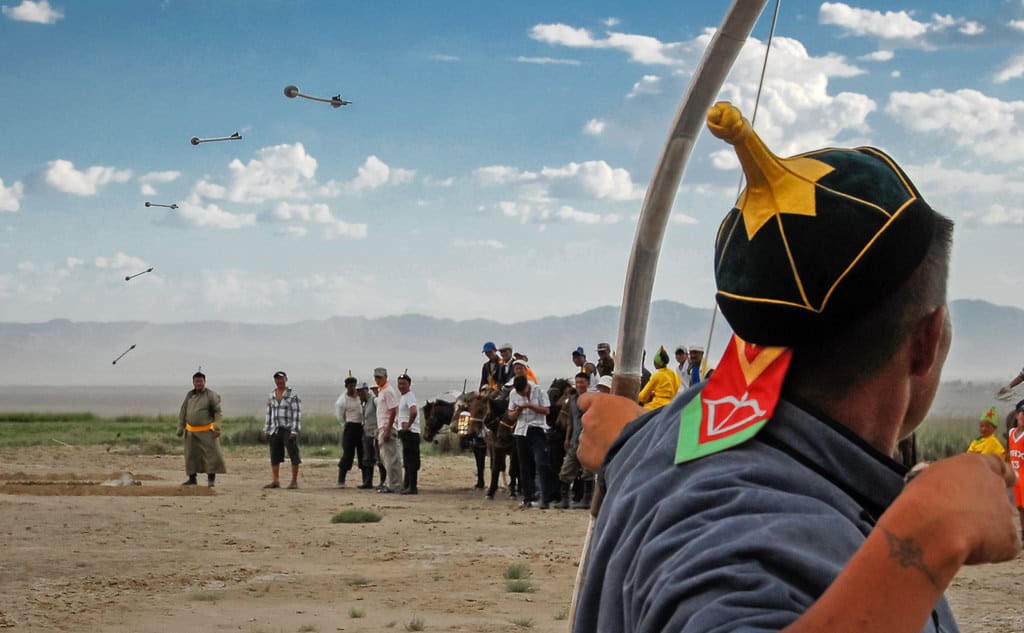
The East wasn’t prepared for the Mongols when they finally made their presence known. They swept through large portions of Asia and Europe relatively unopposed, handing out defeat after defeat to the fearsome armies they encountered. This wasn’t down solely to the use of any sort of wonder weapons, armor, and so forth. Instead, the Mongols were expert horse archers. The true killer weapon at their disposal was the composite bow, which made use of layered construction to impart significant power in a compact weapon.
Mongol horsemen could fire these accurately at a full gallop, an ability that none of their contemporaries could match. The great armies of powers like China might have been able to muster a more powerful army, but they’d have to catch the Mongols to do any sort of significant damage. If anything, the Mongols demonstrated the power of a mobile military. Despite their nickname as the Golden Horde, the Mongols relied on rather sophisticated means when conducting their campaigns.
Military units were mobile, and communication was a constant source of intelligence throughout the many battles the Mongols took part in. The composite bow played a key role in just about every campaign the Mongols participated in. It played a central role in the shape of warfare for centuries to come in Eurasia, until the introduction of gunpowder in earnest at least.
Greek Hoplites
©"Greek hoplite reenactor on the Areopagus, 24 October 2018" by George E. Koronaios is licensed under CC0 1.0. – Original / License
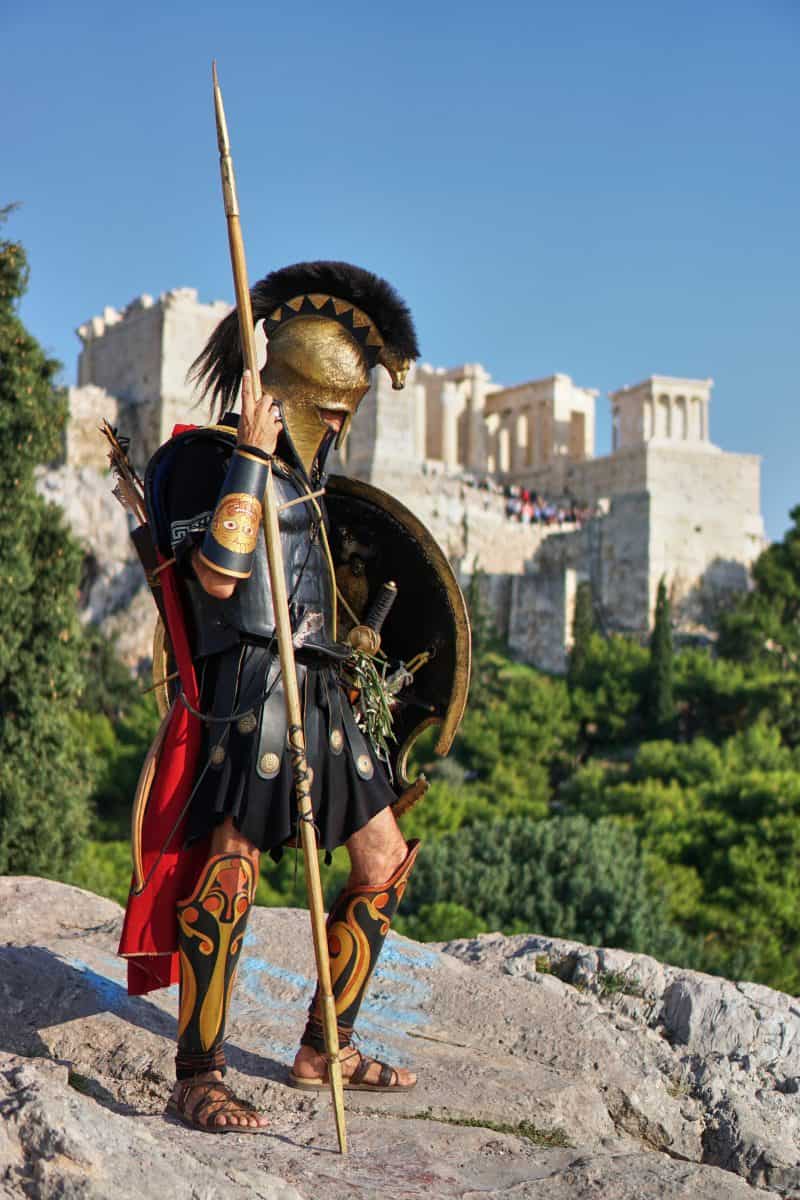
Rounding things out, we’re taking one final look at antiquity. The Greek city-states were among the dominant forces of the Ancient World, being one of the few that could stand against the threat posed by the Persians. Like the Romans who would come after them, the Greek city-states made use of disciplined, professional armies. Hoplites would make use of the phalanx, a shieldwall formation with coordinated movement, to great success.
At the center of this formation was the dory spear, a long spear measuring between 6 to 9 feet, that was used to thrust in unison against infantry and cavalry alike. Greek soldiers would also use the apsis, a large shield made of wood and bronze. These were heavy shields, with some surviving examples weighing as much as 20 pounds. However, they aided in providing substantial amounts of protection, something that the phalanx was built around.
Famous battles like the last stand at Thermopylae or the pivotal battle at Marathon had the hoplites fighting a desperate battle against superior forces. The spear and shield were front and center, and ultimately would inspire the military strategies of powers like Rome in the centuries to come.
Conclusion
While technology certainly plays a role in history’s greatest military conflicts, it is tempered by martial traditions, culture, and the ambition of people at the core of these militaries. Weapons like the gladius, katana, and composite bow were mere tools to this end, and were just as much an emblem of their cultural heritage as they were a means to exert force. The weapons we’ve taken a look at today go beyond mere violence to highlight what these military forces were about and the legacy they left behind.
The image featured at the top of this post is ©Gorodenkoff/Shutterstock.com