








These Submarines Could Spark the Next Global Arms Race
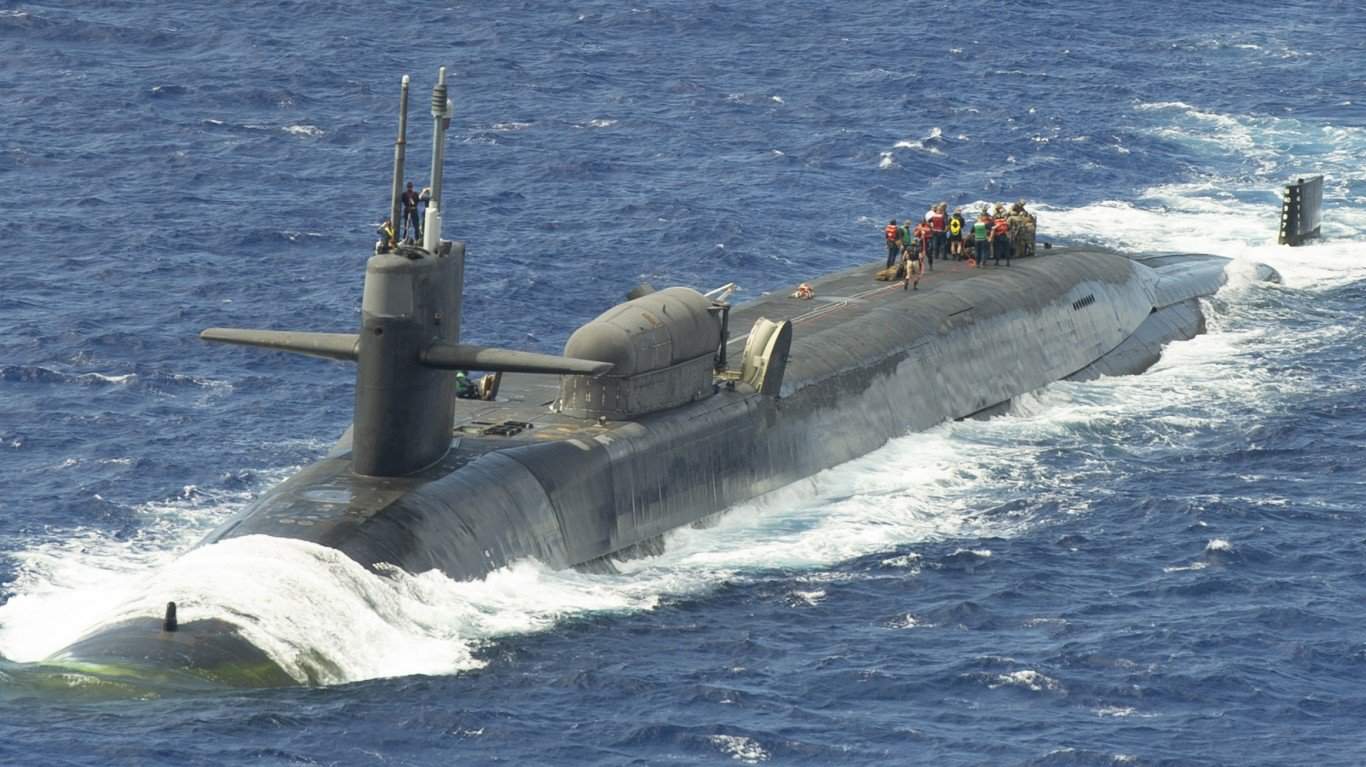
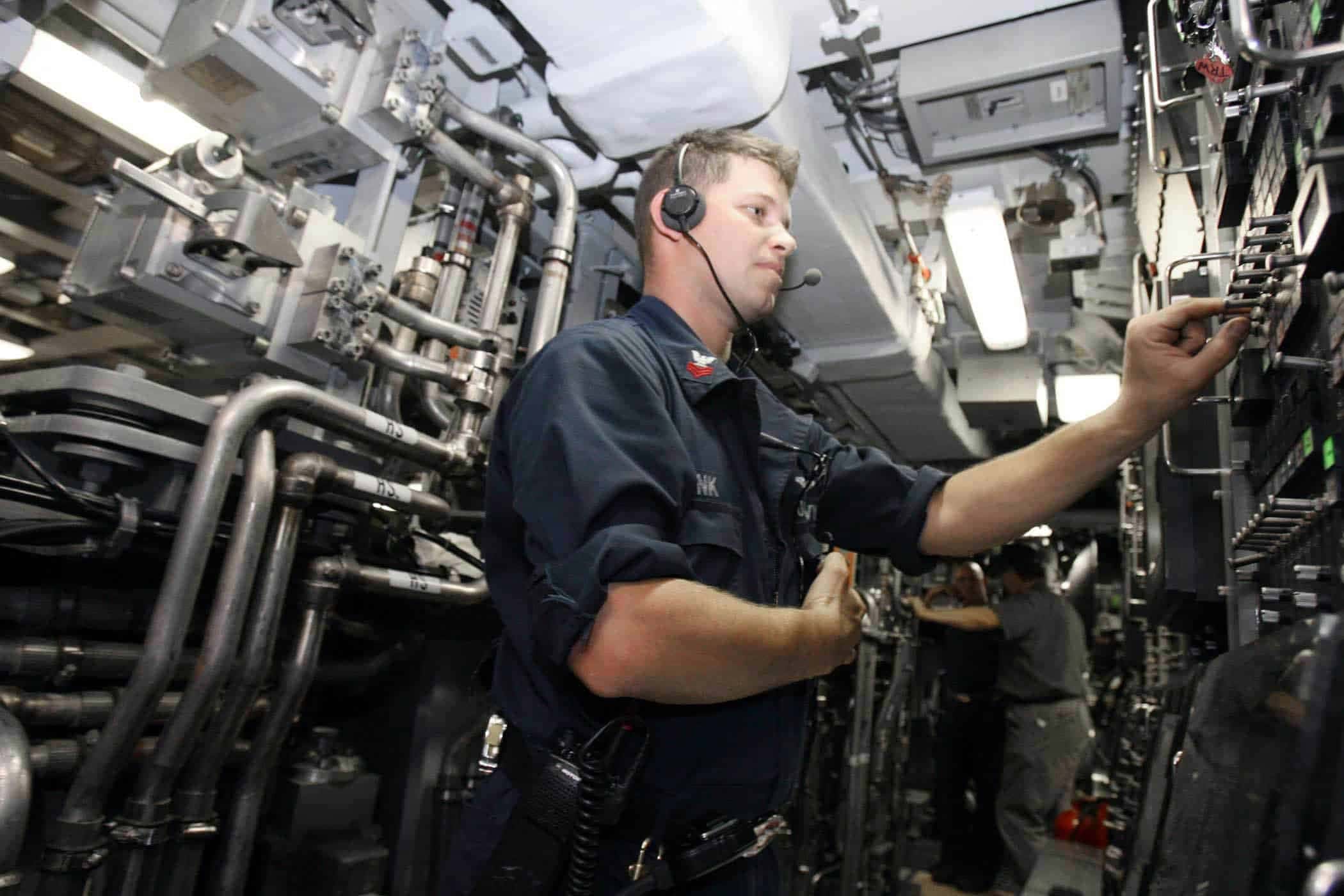
Submarines have become one of the most powerful and least visible forces in modern warfare. Capable of operating undetected for months while carrying advanced missiles and torpedoes, these vessels give nations a major strategic edge beneath the ocean’s surface. As global powers rapidly expand and upgrade their fleets, the race for undersea dominance is accelerating.
In this slideshow, History Computer breaks down the submarines that could shape the next global arms race. You will learn how these cutting-edge vessels combine stealth, firepower, and endurance, and why they are becoming central to military strategy in the years ahead.
Submarines Are Becoming More Important to Naval Power Than Ever
For more than a century, submarines have been among the most powerful tools in naval warfare. Their ability to operate undetected beneath the surface allows them to strike enemy ships, gather intelligence, and carry strategic weapons over vast distances. As modern navies invest in more advanced designs, submarines are becoming even more important to the future balance of military power at sea.
Stealth and Endurance Are Driving the Next Generation of Submarines
Stealth and endurance are at the heart of modern submarine development. Quiet propulsion systems, improved sonar, advanced hull shaping, and better onboard systems allow today's submarines to remain hidden for longer periods and operate far from home waters. These improvements make them harder to track and give navies greater flexibility in how they deploy underwater power.
Modern Submarines Carry Some of the Most Powerful Weapons on Earth
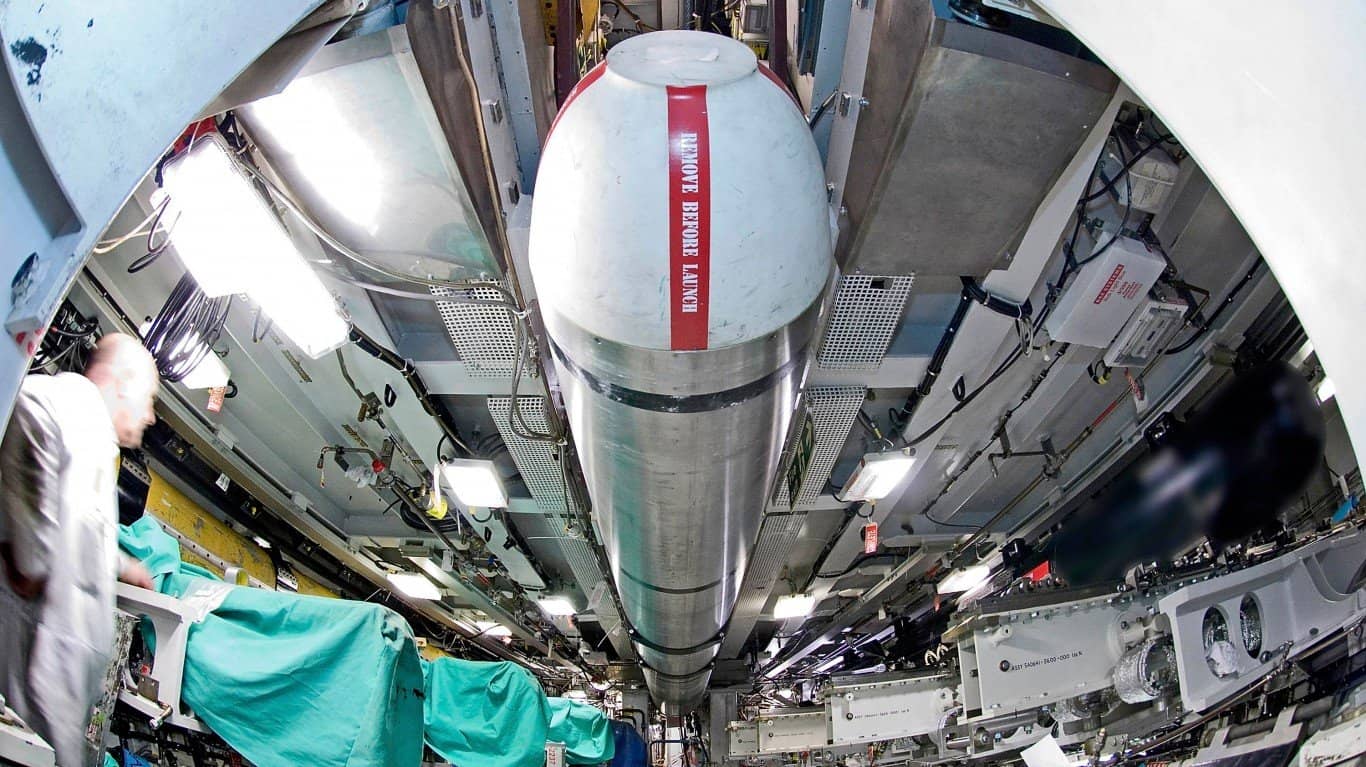
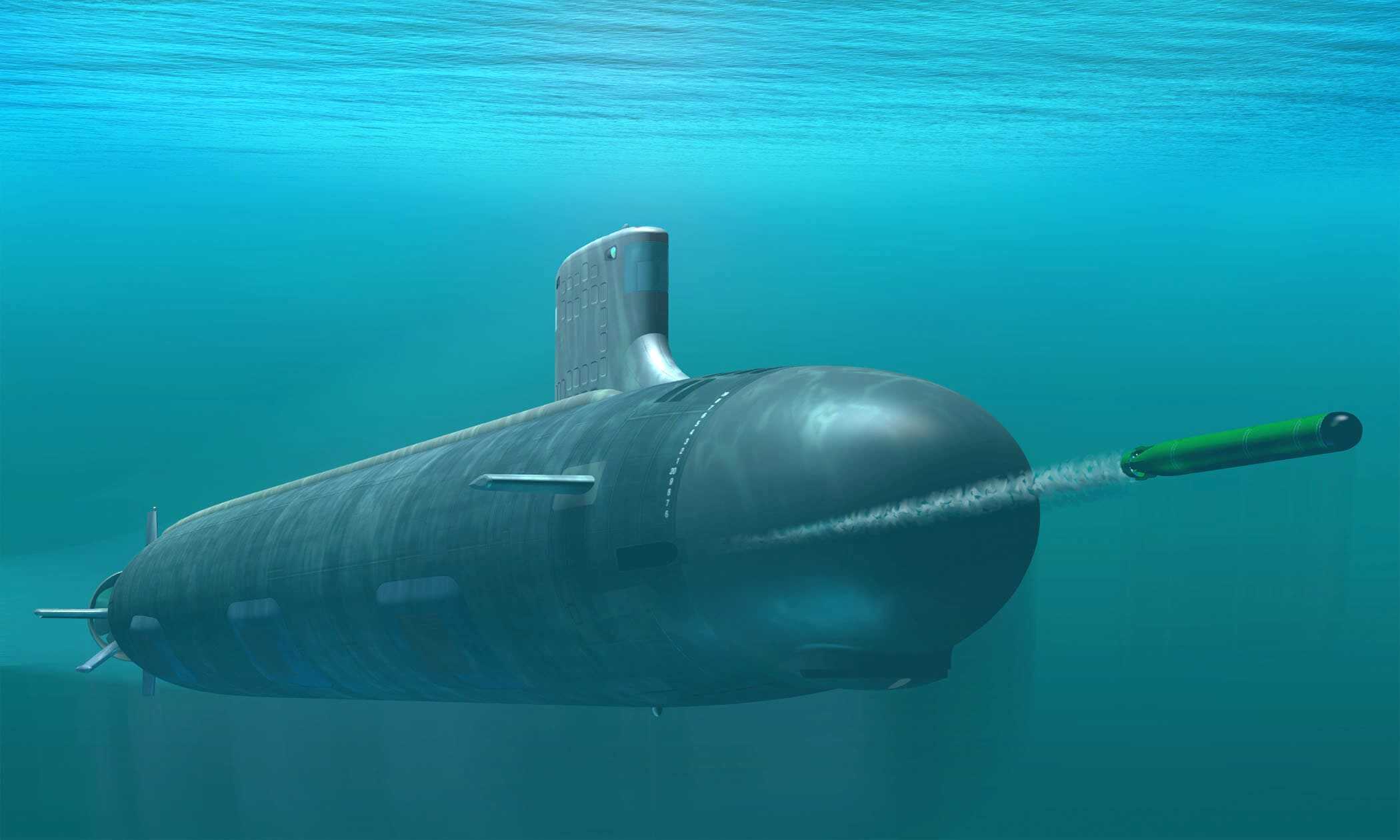
Submarines now carry some of the most powerful weapons in the world. Many modern boats can launch cruise missiles, ballistic missiles, heavyweight torpedoes, and in some cases nuclear weapons. Their ability to deliver these weapons from concealed underwater positions makes them uniquely dangerous and gives them a major role in both conventional warfare and nuclear deterrence.
Global Naval Powers Are Investing Heavily in New Submarine Fleets
Major naval powers are now investing heavily in new submarine fleets. The United States, China, Russia, the United Kingdom, France, India, and several Indo-Pacific countries are developing more capable undersea platforms with better stealth, longer range, and larger missile loads. As these programs expand, the competition beneath the oceans is becoming more intense and more strategically important.
These Submarines Could Shape the Next Naval Arms Race
The submarines on this list represent some of the most advanced undersea weapons systems now operating or under development. Each one reflects the growing importance of undersea warfare and the strategic advantages submarines provide in deterrence, strike capability, and naval competition. Together, they show how submarines could become central to the next major naval arms race.
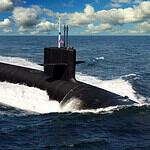
Columbia-class
- Country: United States
- Submarine type: SSBN
- Builder or developer: General Dynamics Electric Boat / Huntington Ingalls
- Year introduced / expected service: 2031 (expected)
- Displacement: 20,800 tons submerged
- Primary weapons: Trident II D5 SLBMs
- Strategic role: Nuclear deterrence
- Strategic significance: Next-generation U.S. strategic deterrent submarine
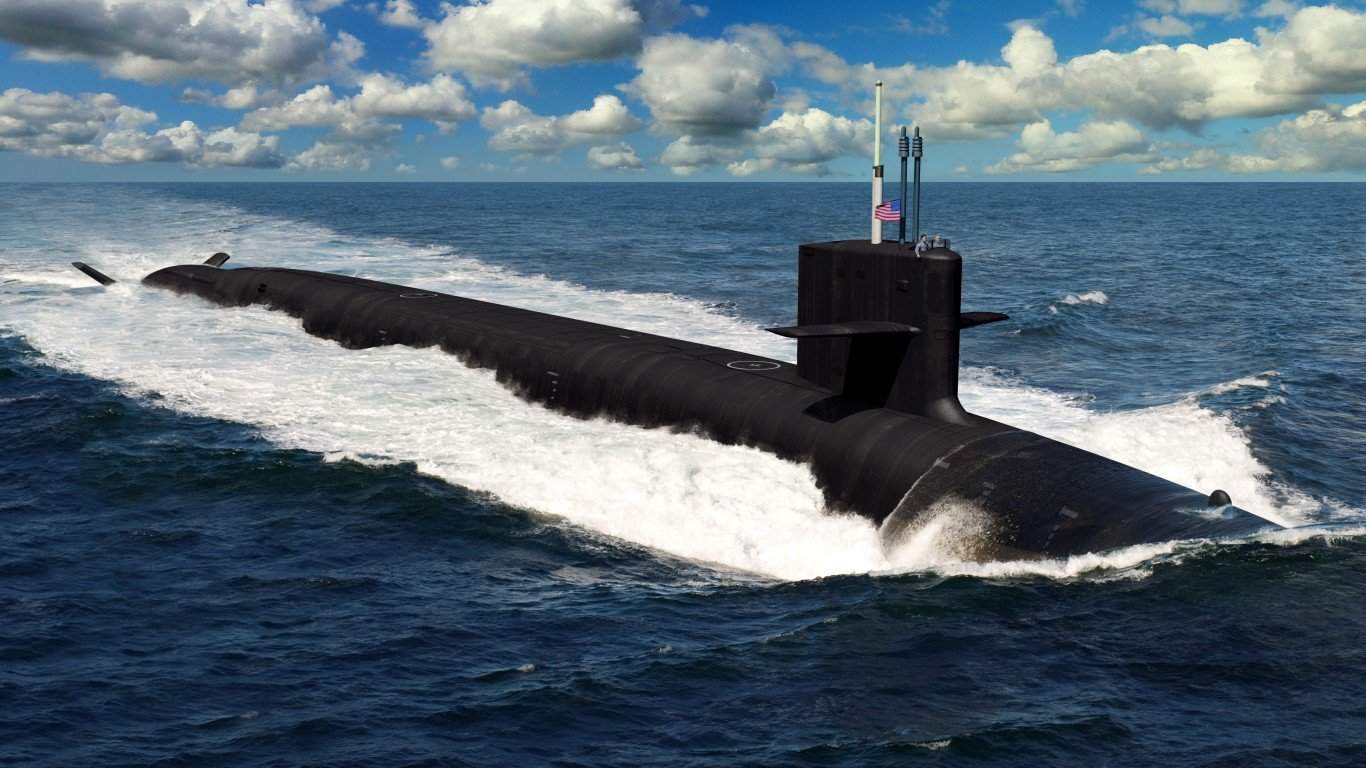
The Columbia-class submarine will replace the U.S. Navy's aging Ohio-class ballistic missile submarines and form the backbone of America's sea-based nuclear deterrent for decades. Designed with advanced quieting technology and extended reactor life, these submarines will patrol undetected while carrying Trident II ballistic missiles, ensuring the United States maintains a credible second‑strike nuclear capability well into the future.
Virginia-class Block V
- Country: United States
- Submarine type: SSN
- Builder or developer: General Dynamics Electric Boat / Huntington Ingalls
- Year introduced / expected service: 2020
- Displacement: 10,200 tons submerged
- Primary weapons: Tomahawk cruise missiles, torpedoes
- Strategic role: Attack / cruise missile strike
- Strategic significance: Large missile payload module expands strike capability
The Virginia-class Block V submarine introduces a major expansion in missile capacity through the Virginia Payload Module. This additional section dramatically increases the number of cruise missiles the submarine can carry. By combining stealth, advanced sensors, and expanded strike capability, the Block V variant strengthens the U.S. Navy's ability to conduct long-range precision strikes from beneath the ocean.
SSN(X)
- Country: United States
- Submarine type: SSN
- Builder or developer: U.S. Navy future program
- Year introduced / expected service: 2030s (expected)
- Displacement: TBD
- Primary weapons: Advanced cruise missiles, torpedoes
- Strategic role: Next-generation attack submarine
- Strategic significance: Designed to counter advanced Chinese and Russian submarines
The SSN(X) program represents the U.S. Navy's next-generation nuclear attack submarine concept intended to succeed the Virginia class. Expected to incorporate greater speed, stealth, and advanced sensors, it is being designed specifically to counter increasingly capable Chinese and Russian submarines. If realized as planned, SSN(X) could redefine undersea dominance in the coming decades.
Borei-class (Project 955A)
- Country: Russia
- Submarine type: SSBN
- Builder or developer: Sevmash Shipyard
- Year introduced / expected service: 2013
- Displacement: 24,000 tons submerged
- Primary weapons: Bulava SLBMs
- Strategic role: Nuclear deterrence
- Strategic significance: Core of Russia's modern nuclear submarine fleet
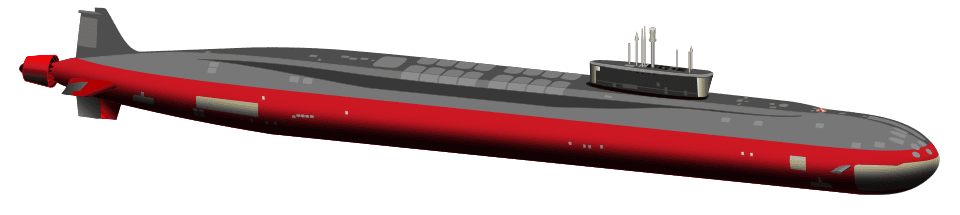
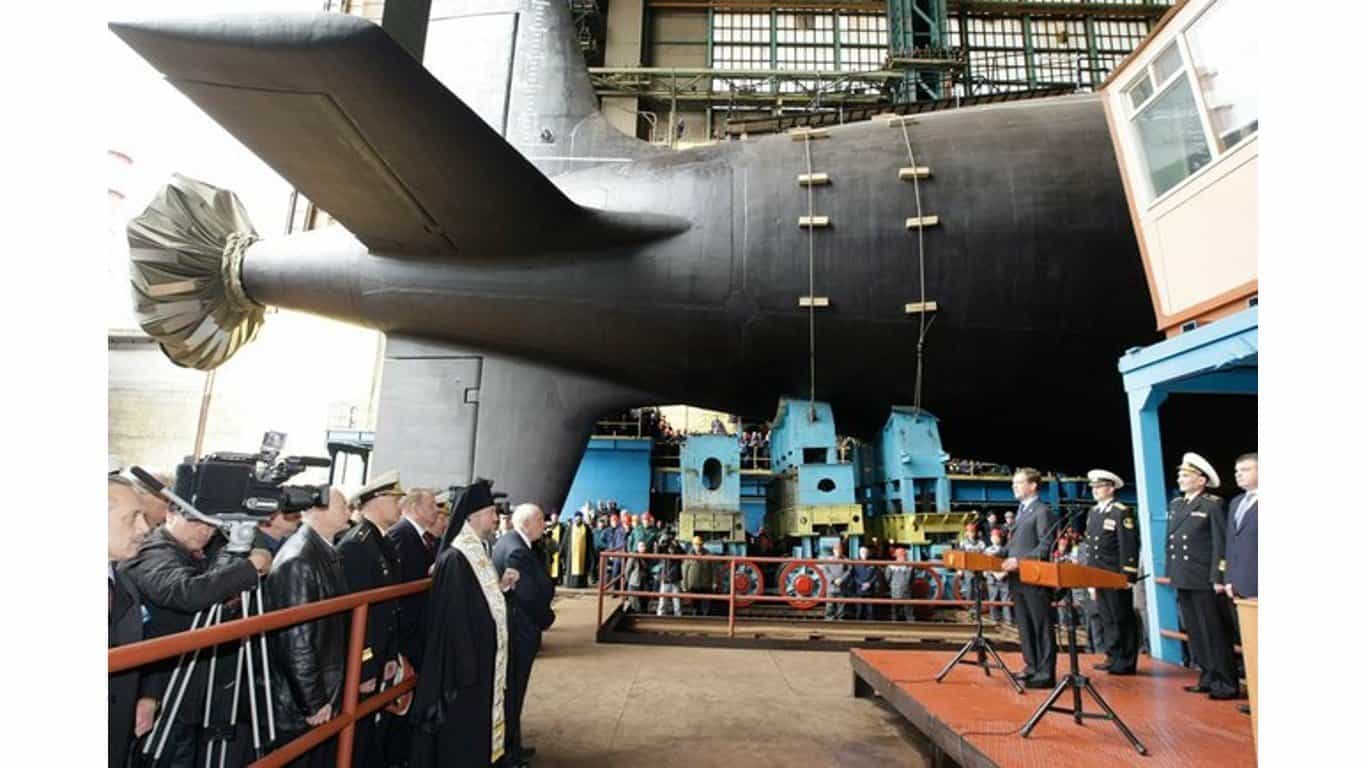
The Borei-class submarine is the centerpiece of Russia's modern sea-based nuclear deterrent. Designed to carry the Bulava submarine-launched ballistic missile, these vessels represent a major improvement over older Soviet-era submarines. With advanced quieting technologies and modern missile systems, the Borei class ensures Russia retains a survivable nuclear strike capability beneath the ocean.
Yasen-class (Project 885M)
- Country: Russia
- Submarine type: SSN
- Builder or developer: Sevmash Shipyard
- Year introduced / expected service: 2014
- Displacement: 13,800 tons submerged
- Primary weapons: Kalibr and Oniks cruise missiles
- Strategic role: Cruise missile strike / attack
- Strategic significance: Highly capable Russian strike submarine
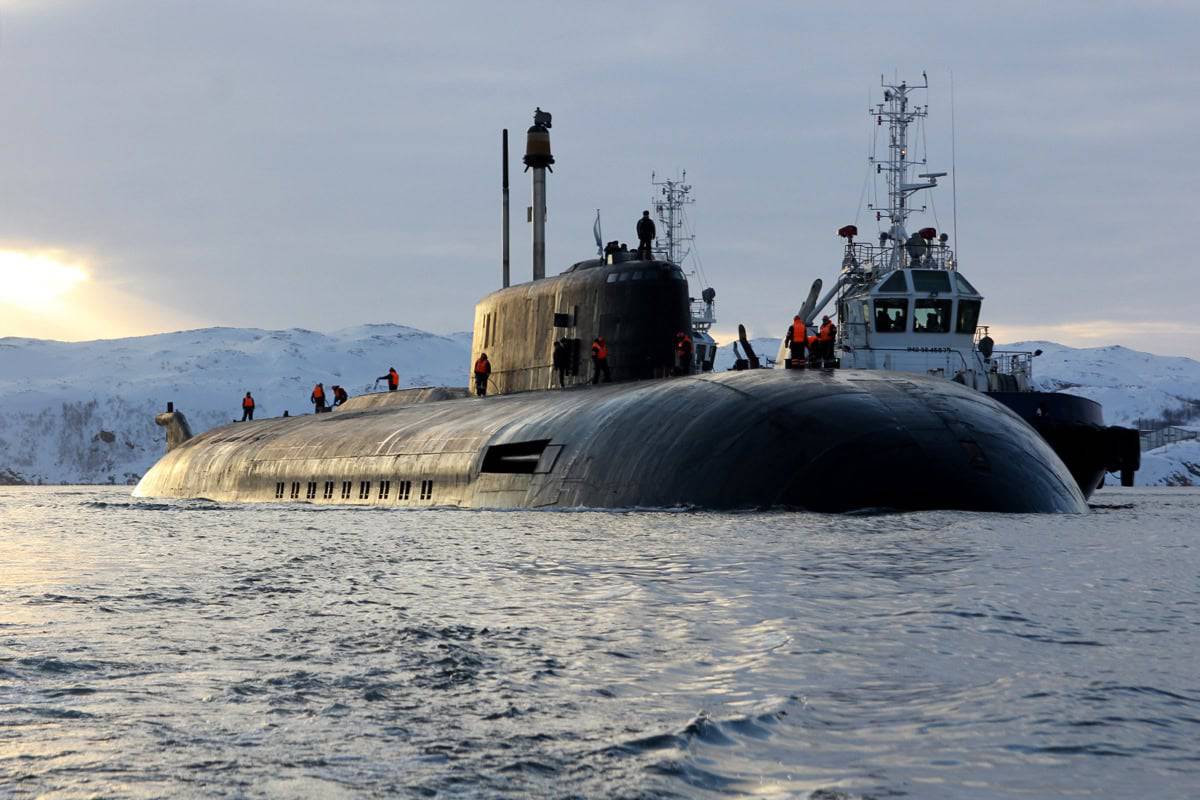
The Yasen-class nuclear attack submarine is one of Russia's most capable modern underwater strike platforms. Armed with long-range cruise missiles such as Kalibr and Oniks, it can attack both naval and land targets from great distances. Its powerful sensor suite and quiet design make it a major component of Russia's modern submarine fleet.
Belgorod (Project 09852)
- Country: Russia
- Submarine type: Special-purpose nuclear submarine
- Builder or developer: Sevmash Shipyard
- Year introduced / expected service: 2022
- Displacement: 30,000+ tons submerged
- Primary weapons: Poseidon nuclear torpedoes
- Strategic role: Strategic deterrence
- Strategic significance: Carrier of nuclear-powered Poseidon torpedo
The Belgorod submarine is one of the most unusual underwater vessels ever built. Derived from an earlier submarine hull, it was modified to carry the Poseidon nuclear-powered torpedo, a strategic weapon designed to travel vast distances underwater. Its unique mission and powerful payload make Belgorod a symbol of Russia's experimental approach to strategic deterrence.
Laika-class (Project 545)
- Country: Russia
- Submarine type: SSN
- Builder or developer: Malakhit Design Bureau
- Year introduced / expected service: 2030s (expected)
- Displacement: TBD
- Primary weapons: Cruise missiles, torpedoes
- Strategic role: Next-generation attack submarine
- Strategic significance: Future stealth-focused Russian submarine design
The planned Laika-class submarine represents Russia's next generation of nuclear attack submarines. Intended to succeed both the Akula and Yasen designs, it is expected to incorporate new stealth features and modular weapons systems. If successfully developed, it could become a central component of Russia's future undersea warfare capabilities.
Type 096
- Country: China
- Submarine type: SSBN
- Builder or developer: Bohai Shipyard
- Year introduced / expected service: 2030 (expected)
- Displacement: 20,000+ tons estimated
- Primary weapons: JL-3 SLBMs
- Strategic role: Nuclear deterrence
- Strategic significance: Next-generation Chinese ballistic missile submarine
The Type 096 submarine is expected to become China's most advanced ballistic missile submarine. Designed to carry longer-range JL‑3 submarine-launched ballistic missiles, it could significantly expand China's nuclear deterrent. Its improved stealth and missile capabilities would allow China to conduct nuclear patrols far from its coastline.
Type 095
- Country: China
- Submarine type: SSN
- Builder or developer: China Shipbuilding Industry Corp
- Year introduced / expected service: Late 2020s (expected)
- Displacement: TBD
- Primary weapons: Cruise missiles, torpedoes
- Strategic role: Attack submarine
- Strategic significance: Designed to rival Western nuclear submarines
The Type 095 submarine is China's next-generation nuclear attack submarine currently under development. Analysts expect it to feature improved quieting technologies and advanced cruise missile capabilities. These improvements could bring Chinese submarine technology closer to Western standards and expand China's influence in undersea warfare.
Type 093B Shang-class
- Country: China
- Submarine type: SSN
- Builder or developer: Bohai Shipyard
- Year introduced / expected service: 2023
- Displacement: 7,000+ tons
- Primary weapons: Cruise missiles, torpedoes
- Strategic role: Attack submarine
- Strategic significance: Improved Chinese nuclear attack submarine
The Type 093B Shang-class submarine represents an upgraded version of China's existing nuclear attack submarine fleet. Improved sensors, propulsion systems, and missile capabilities make it a more capable underwater strike platform. As China expands its naval presence, submarines like the Type 093B are expected to play a growing strategic role.
Dreadnought-class
- Country: United Kingdom
- Submarine type: SSBN
- Builder or developer: BAE Systems
- Year introduced / expected service: Early 2030s
- Displacement: 17,000 tons submerged
- Primary weapons: Trident II D5 SLBMs
- Strategic role: Nuclear deterrence
- Strategic significance: Future backbone of UK nuclear deterrent
The Dreadnought-class submarine will replace the United Kingdom's Vanguard-class ballistic missile submarines and carry the nation's nuclear deterrent into the mid‑21st century. Equipped with Trident II missiles and advanced stealth features, these submarines will ensure the UK retains a continuous at-sea nuclear deterrent capability.
Triomphant-class
- Country: France
- Submarine type: SSBN
- Builder or developer: Naval Group
- Year introduced / expected service: 1997
- Displacement: 14,300 tons submerged
- Primary weapons: M51 SLBMs
- Strategic role: Nuclear deterrence
- Strategic significance: France's sea-based nuclear deterrent platform
The Triomphant-class submarines form the backbone of France's sea-based nuclear deterrent. Each vessel carries submarine-launched ballistic missiles capable of striking distant targets. Designed for stealth and endurance, these submarines allow France to maintain an independent nuclear deterrent beneath the oceans.
SNLE 3G
- Country: France
- Submarine type: SSBN
- Builder or developer: Naval Group
- Year introduced / expected service: 2035 (expected)
- Displacement: 15,000+ tons estimated
- Primary weapons: Future M51 ballistic missiles
- Strategic role: Nuclear deterrence
- Strategic significance: Next-generation French nuclear submarine program
The SNLE 3G program represents France's next generation of nuclear ballistic missile submarines. Planned to replace the Triomphant class, these submarines are expected to feature improved stealth and upgraded missile systems. They will ensure France maintains a credible nuclear deterrent well into the latter half of the 21st century.
Arihant-class
- Country: India
- Submarine type: SSBN
- Builder or developer: Shipbuilding Centre (India)
- Year introduced / expected service: 2016
- Displacement: 6,000 tons submerged
- Primary weapons: K-15 / K-4 SLBMs
- Strategic role: Nuclear deterrence
- Strategic significance: India's first indigenous nuclear ballistic missile submarine
The Arihant-class submarines marked India's entry into the group of nations operating nuclear ballistic missile submarines. Built domestically, these vessels allow India to establish a sea-based nuclear deterrent as part of its strategic triad. Their development represents a significant milestone in India's military modernization.
S5-class
- Country: India
- Submarine type: SSBN
- Builder or developer: Shipbuilding Centre (India)
- Year introduced / expected service: 2030s (expected)
- Displacement: 13,000 tons estimated
- Primary weapons: Long-range SLBMs
- Strategic role: Nuclear deterrence
- Strategic significance: Next-generation Indian strategic submarine
The planned S5-class submarines are expected to become India's most capable ballistic missile submarines. Larger and more powerful than the Arihant class, they are designed to carry longer-range nuclear missiles. Their development reflects India's ambition to strengthen its strategic deterrence capabilities.
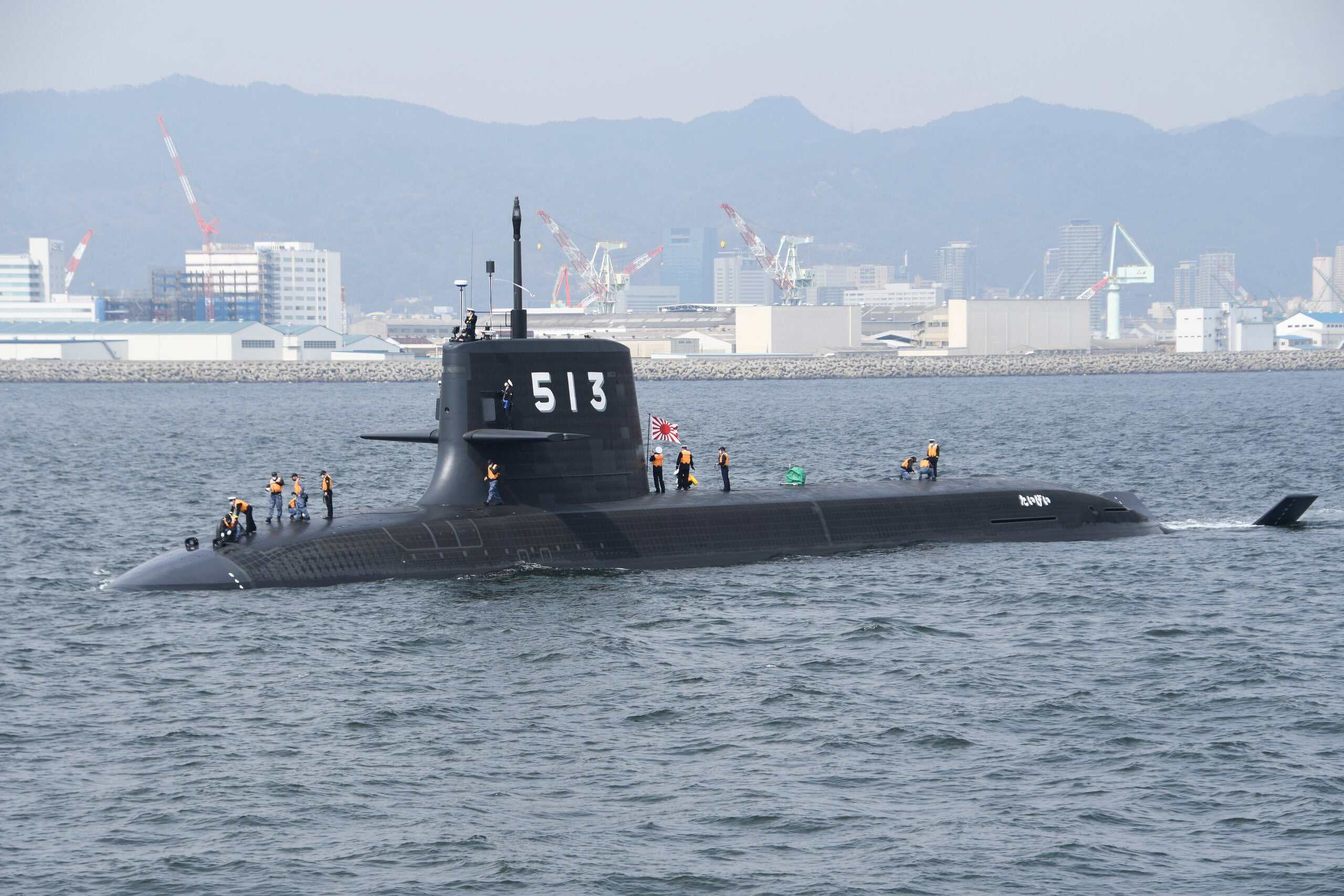
Taigei-class
- Country: Japan
- Submarine type: SSK
- Builder or developer: Mitsubishi Heavy Industries / Kawasaki
- Year introduced / expected service: 2022
- Displacement: 3,000 tons submerged
- Primary weapons: Torpedoes, anti-ship missiles
- Strategic role: Conventional attack submarine
- Strategic significance: Advanced lithium-ion battery submarine design
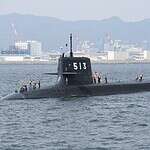
The Taigei-class submarine represents Japan's newest generation of diesel-electric attack submarines. Equipped with lithium-ion battery technology, these vessels can remain submerged longer and operate more quietly than earlier designs. This technological innovation enhances Japan's undersea defense capabilities in the Indo-Pacific region.
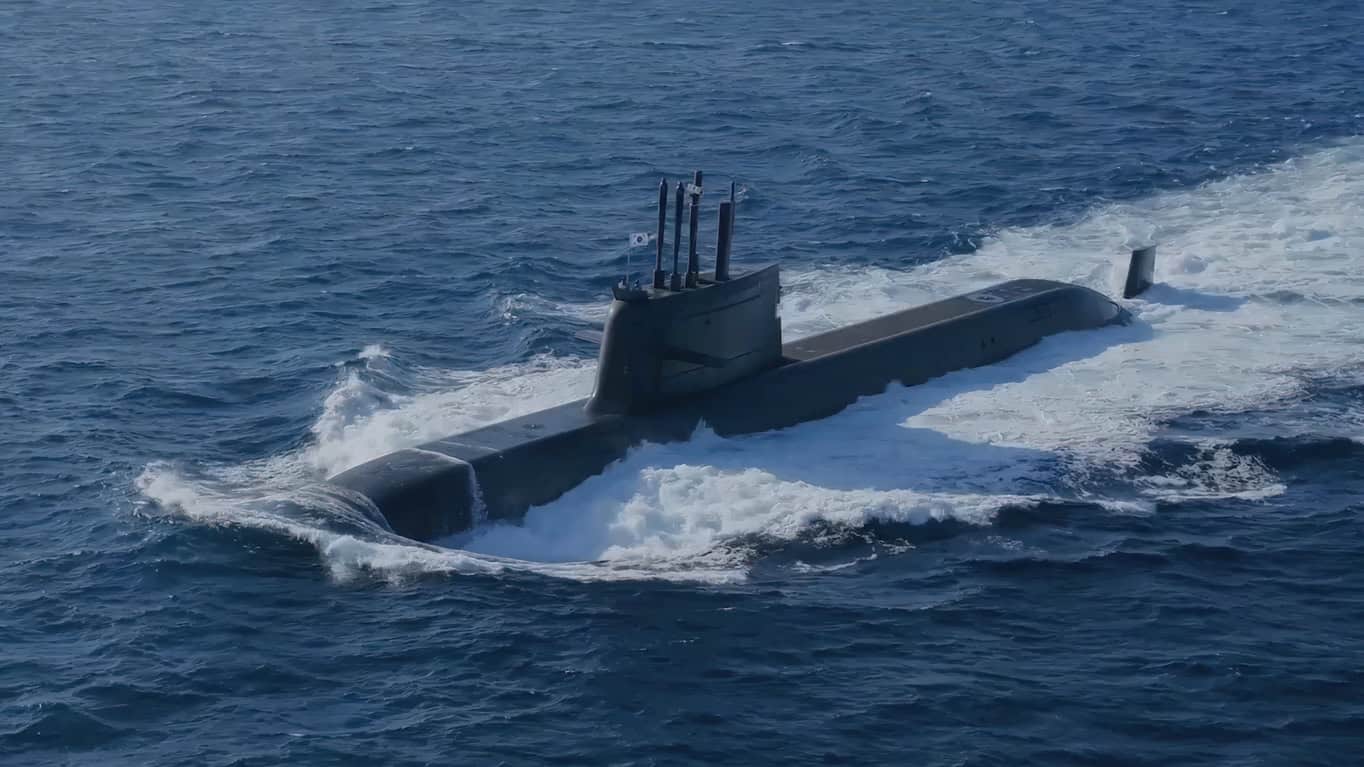
Dosan Ahn Changho-class (KSS-III)
- Country: South Korea
- Submarine type: SSK
- Builder or developer: Daewoo Shipbuilding
- Year introduced / expected service: 2021
- Displacement: 3,700 tons submerged
- Primary weapons: Submarine-launched ballistic missiles
- Strategic role: Regional deterrence
- Strategic significance: First South Korean submarine capable of launching SLBMs
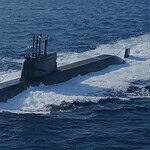
The Dosan Ahn Changho-class submarine is one of South Korea's most advanced naval platforms. Notably, it is capable of launching submarine-launched ballistic missiles, giving South Korea a new strategic capability. This development significantly strengthens the nation's ability to deter potential adversaries.
Type 212CD
- Country: Germany / Norway
- Submarine type: SSK
- Builder or developer: TKMS
- Year introduced / expected service: 2029 (expected)
- Displacement: 2,500+ tons
- Primary weapons: Torpedoes, anti-ship missiles
- Strategic role: Conventional attack submarine
- Strategic significance: Advanced stealth air-independent propulsion submarine
The Type 212CD submarine is a next-generation diesel-electric submarine jointly developed by Germany and Norway. Featuring air-independent propulsion and advanced stealth technologies, it is designed for extremely quiet underwater operations. These capabilities make it one of the most advanced conventional submarines under development in Europe.
Barracuda-class (Suffren)
- Country: France
- Submarine type: SSN
- Builder or developer: Naval Group
- Year introduced / expected service: 2020
- Displacement: 5,300 tons submerged
- Primary weapons: Cruise missiles, torpedoes
- Strategic role: Attack submarine
- Strategic significance: France's newest nuclear attack submarine class
The Barracuda-class submarine, also known as the Suffren class, represents France's newest nuclear attack submarine design. Built with advanced quieting technology and modern cruise missile capability, these submarines are designed for intelligence gathering, naval strike missions, and escorting strategic submarines.
AUKUS SSN
- Country: United Kingdom / Australia
- Submarine type: SSN
- Builder or developer: BAE Systems / Rolls-Royce
- Year introduced / expected service: Late 2030s (expected)
- Displacement: TBD
- Primary weapons: Cruise missiles, torpedoes
- Strategic role: Strategic Indo-Pacific deterrence
- Strategic significance: Major alliance submarine program reshaping regional naval balance
The AUKUS nuclear submarine program represents one of the most significant naval defense partnerships in decades. Through cooperation between the United Kingdom, Australia, and the United States, Australia will acquire nuclear-powered submarines for the first time. This initiative could significantly reshape naval power dynamics in the Indo-Pacific.
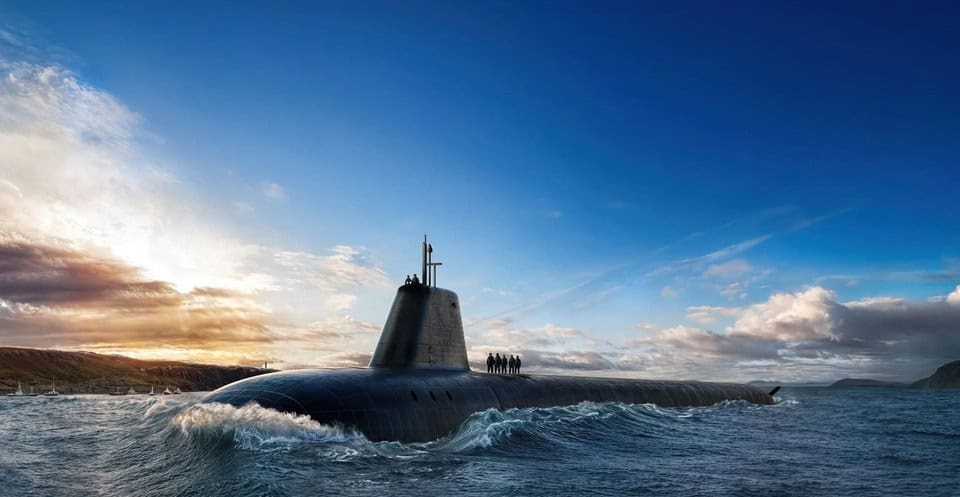
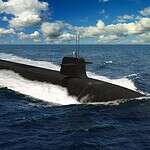
The image featured at the top of this post is ©BAE Systems / Wikimedia Commons – License / Original