




























These 25 Weapons Were So Brutal They Had to Be Banned From War
Throughout history, technological innovation has pushed the limits of what humans can build, whether on the battlefield, in science, or in everyday life. Some inventions changed the world for the better, while others proved so destructive, dangerous, or controversial that societies were forced to reconsider how they should be used. Examining these moments reveals how technology has shaped history and why certain breakthroughs sparked global debate, regulation, or outright bans. Here, History Computer takes a closer look at the innovations, events, and historical moments that continue to influence the modern world.
Here is a look at weapons so powerful they were banned from war:
Not Every Weapon Ever Created Was Allowed to Stay on the Battlefield
Throughout history, war has driven the development of increasingly powerful and destructive weapons. Nations often race to gain military advantages over their rivals, pushing technology into new and sometimes terrifying territory. Yet some inventions proved so devastating, indiscriminate, or cruel that the international community eventually decided they should never be used in war again.
The World Slowly Began Setting Limits on Warfare
By the late 19th and early 20th centuries, countries began negotiating agreements that attempted to limit the most inhumane weapons. Early conventions sought to ban poison weapons and certain types of ammunition that caused excessive suffering. Over time, these agreements evolved into broader international treaties designed to restrict entire categories of weapons.
Some Weapons Caused Suffering Far Beyond the Battlefield
Many banned weapons share a common characteristic: their effects do not stop when a battle ends. Chemical agents can linger in the environment, biological weapons can spread uncontrollably, and landmines can remain active for decades. These lingering dangers have often harmed civilians long after wars have concluded.
Global Treaties Tried to Prevent the Worst Weapons
International agreements such as the Chemical Weapons Convention, the Biological Weapons Convention, and the Ottawa Treaty represent efforts by nations to prevent the use of certain weapons altogether. These treaties reflect a rare global consensus that some technologies cross a moral line, even in the context of war.
These Weapons Were Eventually Deemed Too Dangerous to Use
The weapons on this list were once considered viable military tools, but their destructive power or humanitarian consequences eventually led to international bans or strict restrictions. Together, they reveal how warfare pushed technological boundaries and how the world ultimately decided that some weapons should never be used again.
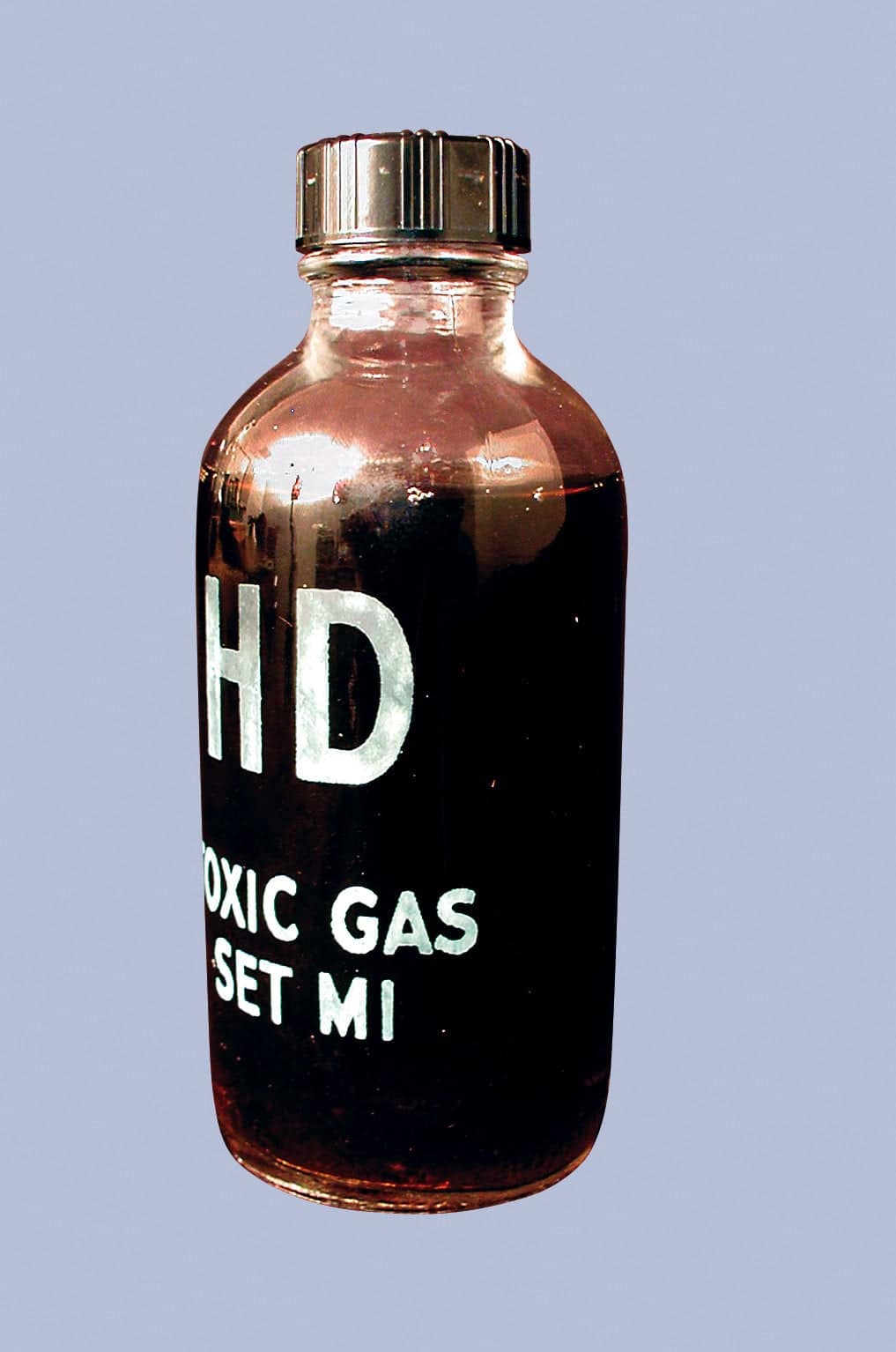
Mustard Gas
- Weapon Type: Chemical weapon
- Country of origin: Germany
- First major use: World War I
- Primary effect: Severe chemical burns and blindness
- Why it was considered inhumane: Causes extreme suffering and long-term injury
- Treaty or convention: Chemical Weapons Convention
- Year banned: 1997
Mustard gas became infamous during World War I for the horrific injuries it inflicted on soldiers. The chemical agent causes severe blistering of the skin, eyes, and lungs, often leaving survivors permanently scarred or blinded. Because its effects linger in the environment and cause prolonged suffering, mustard gas became a symbol of chemical warfare's cruelty and was ultimately banned under the Chemical Weapons Convention.
Sarin
- Weapon Type: Chemical weapon
- Country of origin: Germany
- First major use: Cold War
- Primary effect: Nerve agent paralysis
- Why it was considered inhumane: Extremely lethal nerve agent affecting civilians and soldiers alike
- Treaty or convention: Chemical Weapons Convention
- Year banned: 1997
Sarin is a highly toxic nerve agent that disrupts the nervous system by blocking essential enzymes. Even tiny exposures can cause paralysis and death within minutes. Developed in Germany in the 1930s, sarin later became one of the most feared chemical weapons of the Cold War era. International outrage over nerve agents helped drive the creation of the Chemical Weapons Convention banning their use.
VX
- Weapon Type: Chemical weapon
- Country of origin: United Kingdom
- First major use: Cold War
- Primary effect: Nerve agent paralysis
- Why it was considered inhumane: Highly persistent and deadly nerve agent
- Treaty or convention: Chemical Weapons Convention
- Year banned: 1997
VX is one of the most potent nerve agents ever produced. Unlike some chemical weapons that dissipate quickly, VX can persist on surfaces for long periods, making contaminated areas dangerous long after deployment. Exposure can be fatal through skin contact alone. Its extreme lethality and persistence led to its prohibition under international chemical weapons treaties.
Tabun
- Weapon Type: Chemical weapon
- Country of origin: Germany
- First major use: World War II
- Primary effect: Nerve agent poisoning
- Why it was considered inhumane: Mass casualty potential and indiscriminate impact
- Treaty or convention: Chemical Weapons Convention
- Year banned: 1997
Tabun was the first nerve agent discovered by German scientists in the 1930s while researching pesticides. Although it was stockpiled during World War II, it was never used in combat on a large scale. Its ability to disrupt the nervous system with devastating efficiency made it one of the early examples of weapons that the world later agreed should never be used in warfare.
Phosgene
- Weapon Type: Chemical weapon
- Country of origin: France / Germany
- First major use: World War I
- Primary effect: Choking chemical agent
- Why it was considered inhumane: Responsible for massive WWI casualties
- Treaty or convention: Chemical Weapons Convention
- Year banned: 1997
Phosgene gas caused a large percentage of chemical weapon deaths during World War I. The gas damages the lungs, often causing victims to suffocate hours after exposure. Because its effects are delayed, soldiers sometimes believed they had escaped harm before symptoms suddenly appeared. The suffering caused by phosgene helped fuel international efforts to prohibit chemical warfare.
Chlorine Gas (weaponized)
- Weapon Type: Chemical weapon
- Country of origin: Germany
- First major use: World War I
- Primary effect: Respiratory destruction
- Why it was considered inhumane: Indiscriminate chemical warfare against troops
- Treaty or convention: Chemical Weapons Convention
- Year banned: 1997
Chlorine gas was one of the first chemical agents used on a massive scale during World War I. Released from pressurized cylinders, the gas drifted across battlefields and caused severe damage to the lungs. Soldiers exposed to chlorine often died from respiratory failure. The shock and outrage generated by its use led to global efforts to outlaw chemical weapons.
Weaponized Anthrax
- Weapon Type: Biological weapon
- Country of origin: Multiple nations
- First major use: Cold War
- Primary effect: Severe infection and death
- Why it was considered inhumane: Potential for mass civilian casualties
- Treaty or convention: Biological Weapons Convention
- Year banned: 1975
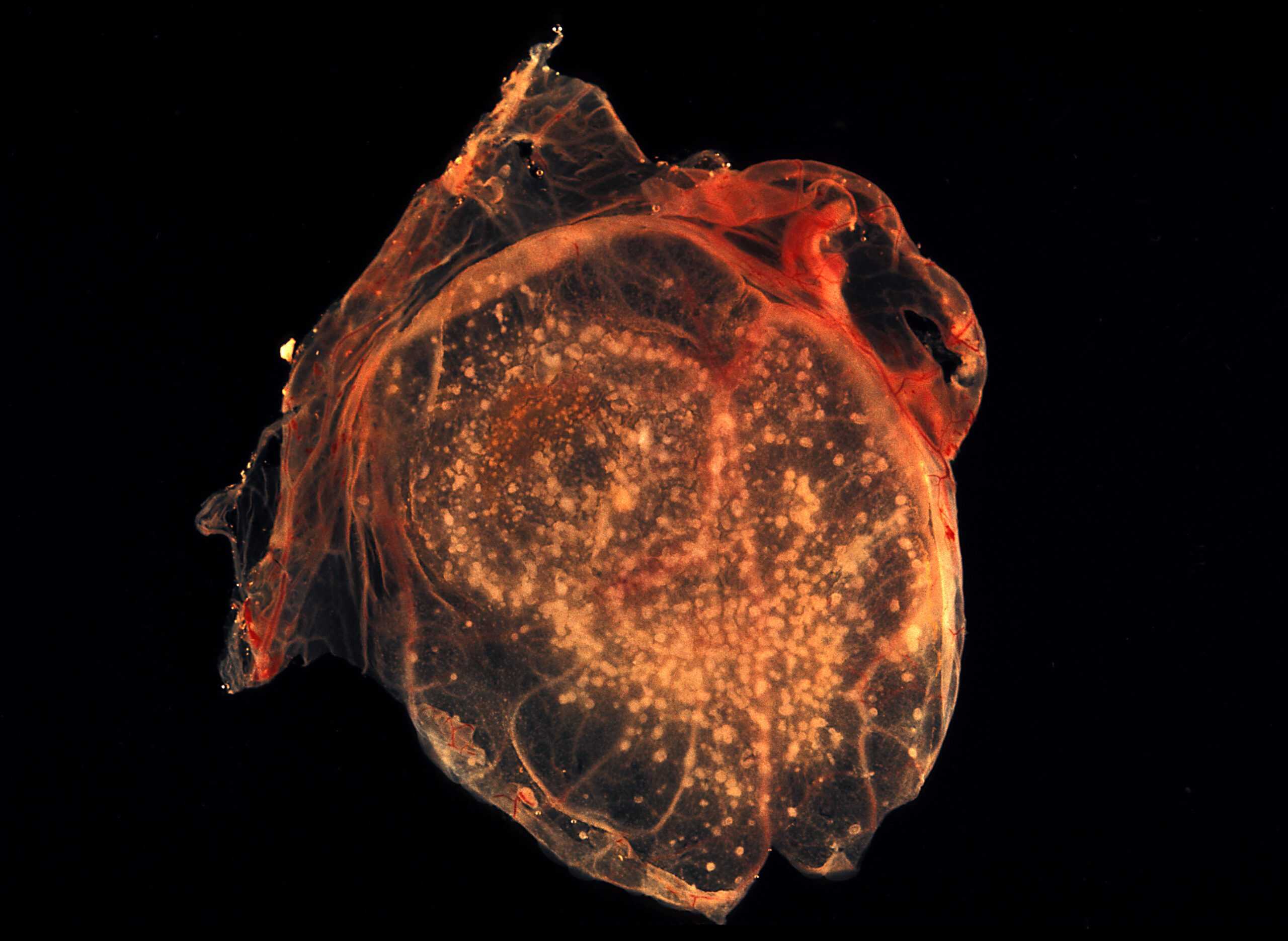
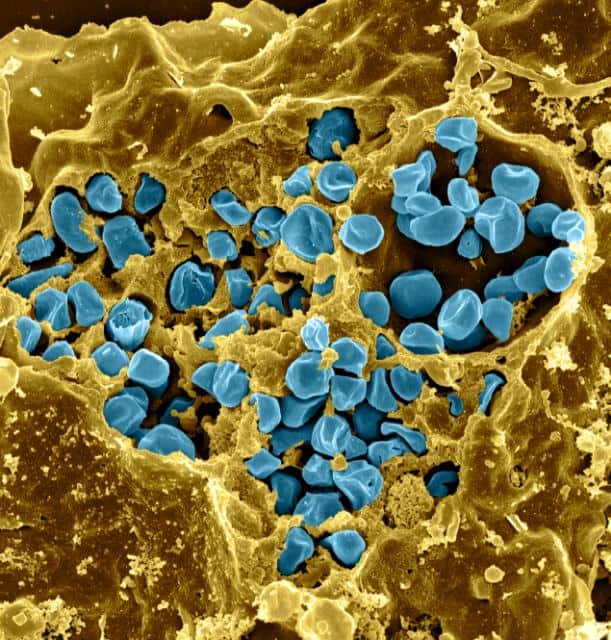
Anthrax is a deadly bacterium that can be weaponized into spores capable of infecting large populations. When inhaled, the spores can cause severe respiratory illness and death. Because anthrax can spread silently and contaminate large areas, it became one of the most feared biological warfare agents. The Biological Weapons Convention prohibited its development for military purposes.
Weaponized Smallpox
- Weapon Type: Biological weapon
- Country of origin: Multiple nations
- First major use: Cold War
- Primary effect: Highly contagious viral disease
- Why it was considered inhumane: Risk of global epidemic if deployed
- Treaty or convention: Biological Weapons Convention
- Year banned: 1975
Smallpox was once one of the most devastating diseases in human history. Weaponizing the virus would risk triggering catastrophic epidemics that could spread far beyond the battlefield. Because of its potential to devastate civilian populations, smallpox became one of the biological agents banned under international biological weapons treaties.
Botulinum Toxin Weapons
- Weapon Type: Biological toxin weapon
- Country of origin: United States / Japan
- First major use: World War II research
- Primary effect: Neurotoxin paralysis
- Why it was considered inhumane: One of the most lethal toxins known
- Treaty or convention: Biological Weapons Convention
- Year banned: 1975
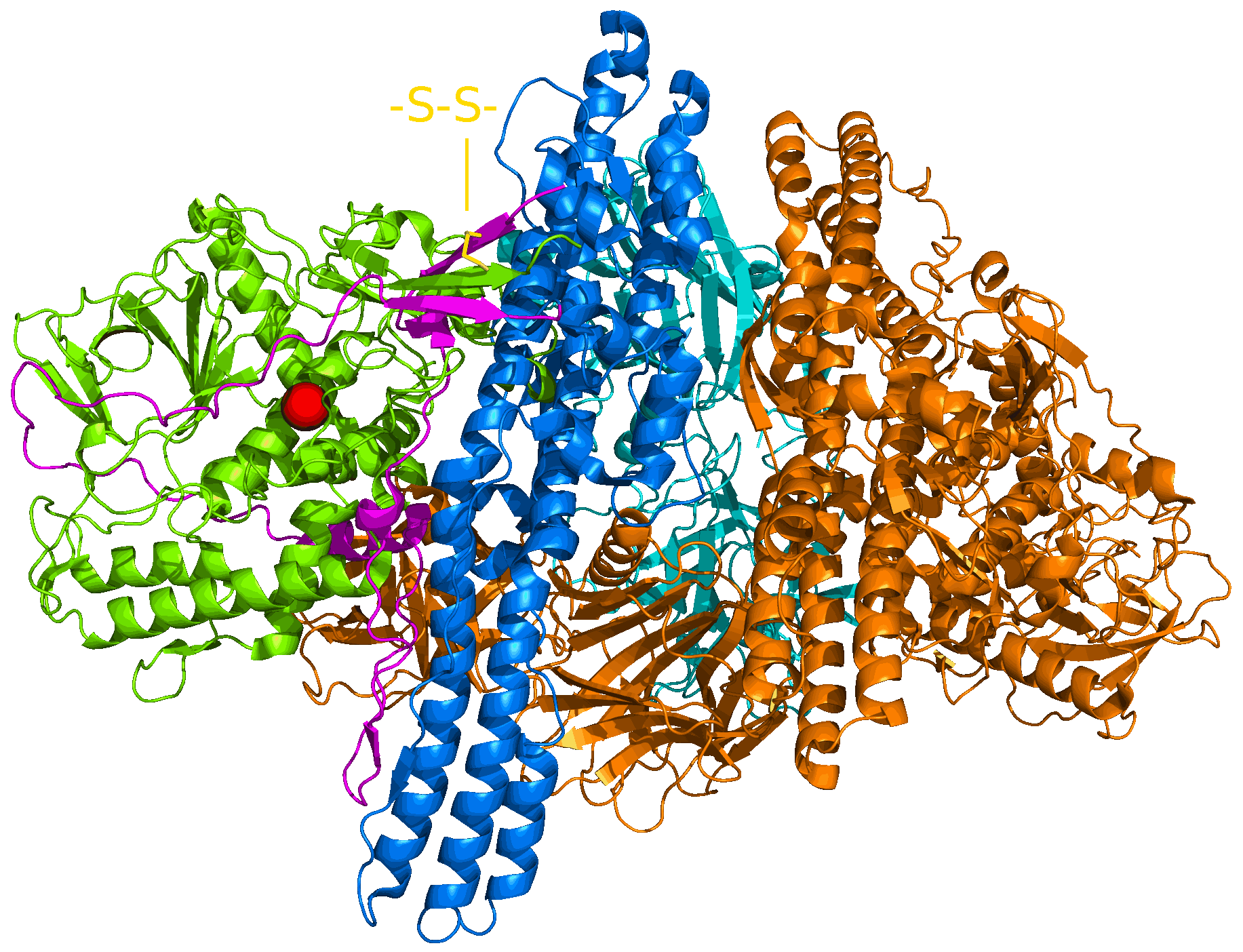
Botulinum toxin is one of the most lethal substances known to science. Produced by certain bacteria, the toxin can cause paralysis and death in extremely small doses. Its potential as a weapon alarmed researchers during World War II and the Cold War. International agreements banning biological weapons later prohibited its development as a military toxin.
Weaponized Plague
- Weapon Type: Biological weapon
- Country of origin: Japan
- First major use: World War II
- Primary effect: Bubonic plague infection
- Why it was considered inhumane: Mass civilian disease outbreaks
- Treaty or convention: Biological Weapons Convention
- Year banned: 1975
The bacterium responsible for plague has been studied as a potential biological weapon because of its ability to spread rapidly and cause deadly outbreaks. During World War II, Japan's Unit 731 experimented with plague-based warfare. The global horror surrounding such programs helped drive support for the Biological Weapons Convention.
Tularemia Weapons
- Weapon Type: Biological weapon
- Country of origin: United States / Soviet Union
- First major use: Cold War
- Primary effect: Highly infectious bacterial disease
- Why it was considered inhumane: Highly contagious biological agent
- Treaty or convention: Biological Weapons Convention
- Year banned: 1975
Tularemia is a highly infectious bacterial disease that can spread through inhalation or contaminated materials. Because even small quantities can infect large numbers of people, it was studied by several Cold War weapons programs. The disease's potential for mass disruption led to its prohibition under biological weapons treaties.
Anti-Personnel Landmines
- Weapon Type: Explosive weapon
- Country of origin: Multiple nations
- First major use: 20th century wars
- Primary effect: Hidden explosive blast
- Why it was considered inhumane: Remain dangerous long after wars end
- Treaty or convention: Ottawa Treaty
- Year banned: 1999
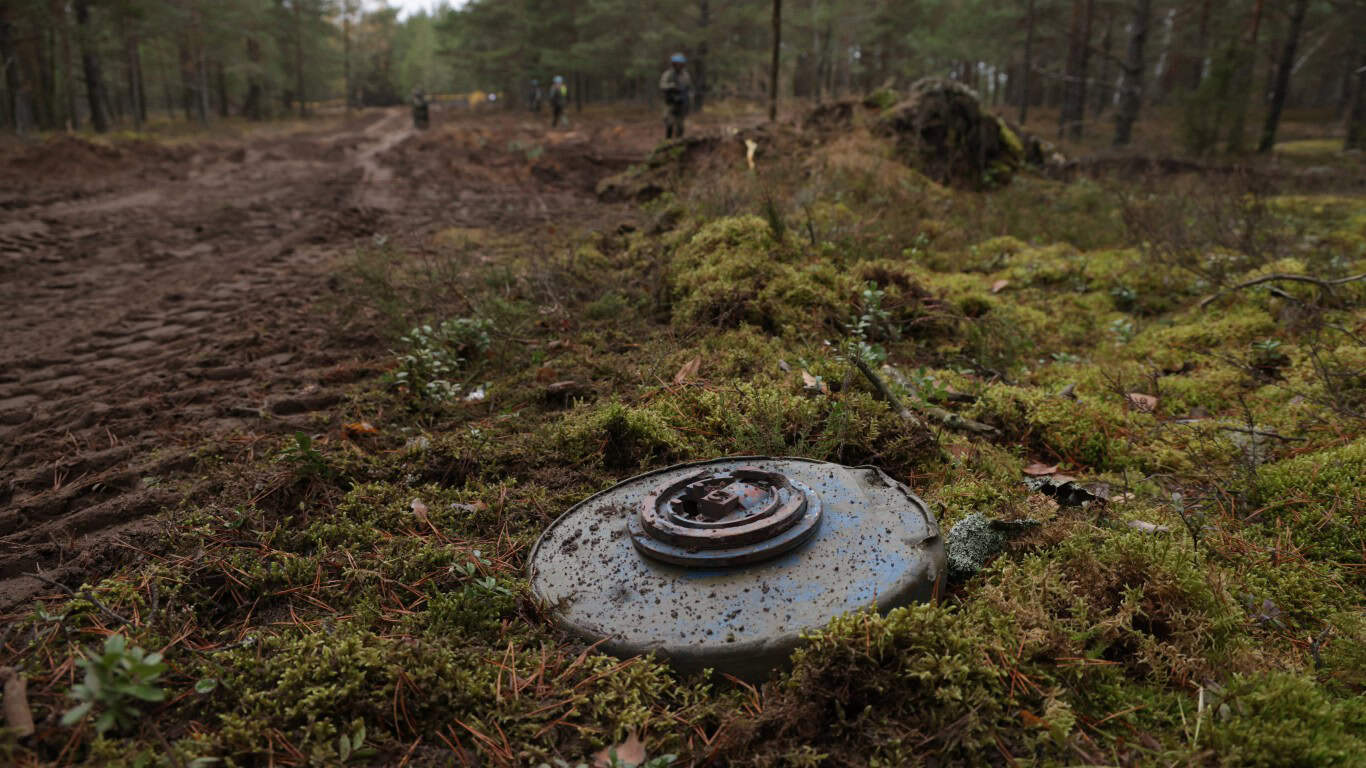
Anti-personnel landmines are explosive devices designed to detonate when stepped on or triggered by proximity. While effective for area denial during war, they often remain active for decades after conflicts end. Civilians are frequently injured or killed long after fighting stops. These long-term dangers led many countries to ban them under the Ottawa Treaty.
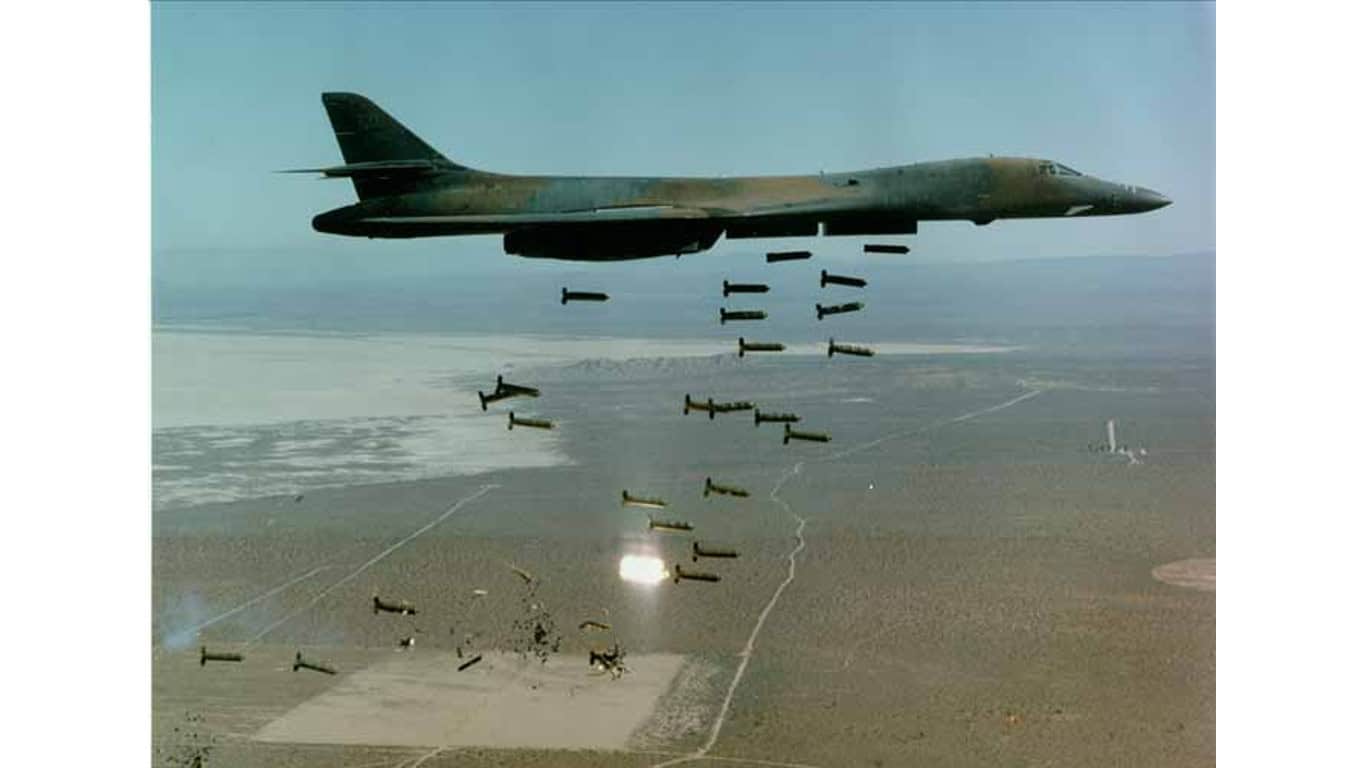
Cluster Munitions
- Weapon Type: Explosive weapon
- Country of origin: Multiple nations
- First major use: Cold War
- Primary effect: Dispersed explosive bomblets
- Why it was considered inhumane: Unexploded bomblets harm civilians
- Treaty or convention: Convention on Cluster Munitions
- Year banned: 2010
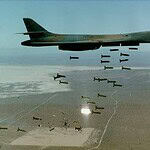
Cluster munitions disperse dozens or hundreds of smaller explosives over wide areas. Many of these bomblets fail to detonate immediately, leaving behind unexploded hazards that can injure civilians years later. Because of the persistent danger posed by these remnants, many nations agreed to prohibit cluster weapons under the Convention on Cluster Munitions.
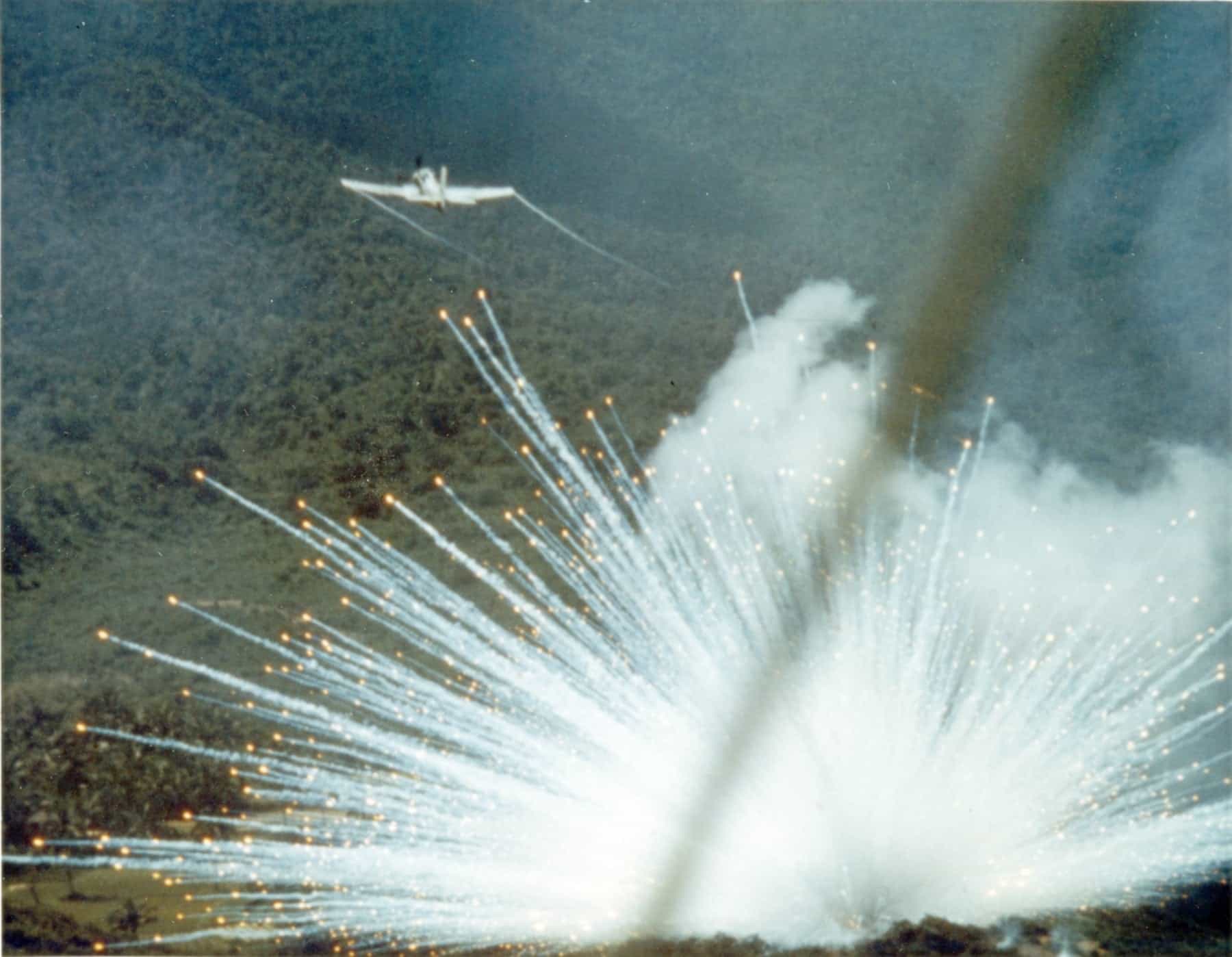
White Phosphorus Anti-Personnel Weapons
- Weapon Type: Incendiary weapon
- Country of origin: Multiple nations
- First major use: World War II
- Primary effect: Severe burning chemical reaction
- Why it was considered inhumane: Indiscriminate burns and civilian harm
- Treaty or convention: Convention on Certain Conventional Weapons
- Year banned: 1983
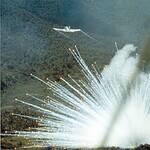
White phosphorus can ignite upon contact with oxygen and burn at extremely high temperatures. When used against personnel, it can cause severe and often fatal burns. Because its effects are difficult to control and can harm civilians, international agreements have restricted its use in populated areas.
Poisoned Projectiles
- Weapon Type: Poison weapon
- Country of origin: Multiple nations
- First major use: Pre-20th century warfare
- Primary effect: Toxic contamination
- Why it was considered inhumane: Causes unnecessary suffering
- Treaty or convention: Hague Convention
- Year banned: 1899
Poisoned projectiles were outlawed under early laws of war because they inflicted unnecessary suffering beyond normal battlefield injury. By coating weapons with toxic substances, attackers could cause prolonged and agonizing deaths. International agreements such as the Hague Conventions specifically prohibited the use of poison in warfare.
Blinding Laser Weapons
- Weapon Type: Directed energy weapon
- Country of origin: Multiple nations
- First major use: Late 20th century
- Primary effect: Permanent blindness
- Why it was considered inhumane: Designed to cause irreversible blindness
- Treaty or convention: Protocol on Blinding Laser Weapons
- Year banned: 1995
Blinding laser weapons were designed to permanently destroy eyesight. Because they target vision rather than combat capability, international negotiators viewed them as unnecessarily cruel. In 1995, the Protocol on Blinding Laser Weapons banned their use, making them one of the rare modern weapons prohibited before widespread deployment.
Poison Bullets
- Weapon Type: Poison weapon
- Country of origin: Multiple nations
- First major use: 19th century conflicts
- Primary effect: Toxic injury
- Why it was considered inhumane: Considered unnecessarily cruel
- Treaty or convention: Hague Convention
- Year banned: 1899
Poison bullets were banned because they combined conventional injury with toxic poisoning, greatly increasing suffering. Such weapons were viewed as violating humanitarian principles that attempt to limit unnecessary cruelty in war. The Hague Conventions therefore prohibited their use.
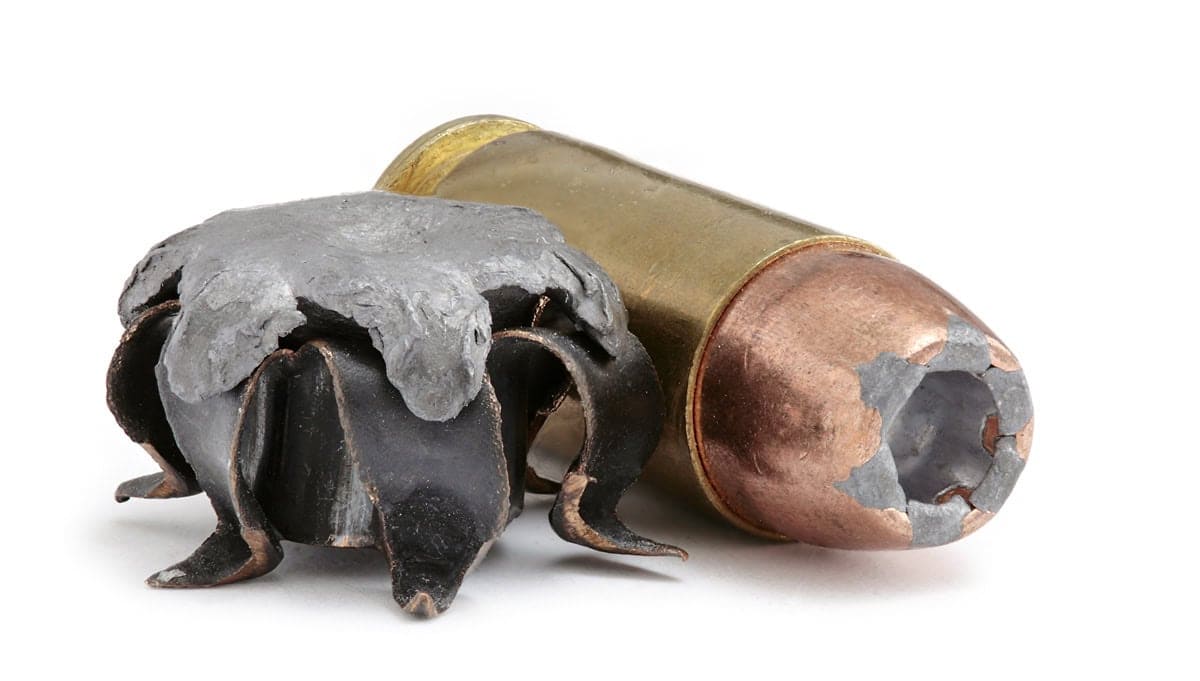
Expanding Bullets (Dum-Dum)
- Weapon Type: Small arms ammunition
- Country of origin: United Kingdom
- First major use: Colonial wars
- Primary effect: Expanding wound channel
- Why it was considered inhumane: Causes excessive injury
- Treaty or convention: Hague Convention
- Year banned: 1899
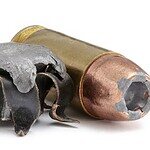
Expanding bullets, often called dum-dum bullets, deform or mushroom when they strike a target. This creates much larger wounds than standard ammunition. Because the injuries they produce were considered excessively destructive, international agreements banned their use in warfare between nations.
Glass Fragment Grenades
- Weapon Type: Explosive weapon
- Country of origin: Experimental
- First major use: Cold War
- Primary effect: Undetectable fragments
- Why it was considered inhumane: Fragments evade medical detection
- Treaty or convention: Protocol I Additional Geneva Conventions
- Year banned: 1977
Glass fragment grenades were designed so that their shrapnel could not be detected by standard medical imaging, making treatment far more difficult. Because the fragments were intentionally difficult to remove from wounded soldiers, these weapons were widely condemned and later restricted under international humanitarian law.
Poisoning Food or Water Supplies
- Weapon Type: Poison weapon
- Country of origin: Multiple nations
- First major use: Ancient warfare
- Primary effect: Mass poisoning
- Why it was considered inhumane: Indiscriminate civilian harm
- Treaty or convention: Hague Convention
- Year banned: 1907
Poisoning food or water supplies has long been condemned as a method of warfare because it indiscriminately targets both soldiers and civilians. International laws of war prohibit this tactic due to its potential to cause mass suffering among populations far removed from the battlefield.
Weather Modification Weapons
- Weapon Type: Environmental weapon
- Country of origin: Multiple nations
- First major use: Cold War
- Primary effect: Environmental manipulation
- Why it was considered inhumane: Potential large-scale environmental destruction
- Treaty or convention: ENMOD Convention
- Year banned: 1978
Weather modification weapons involve attempts to manipulate natural environmental processes for military purposes. During the Cold War, experiments raised concerns that large-scale environmental manipulation could cause devastating and uncontrollable effects. The ENMOD Convention was created to prohibit such environmental warfare.
Salted Nuclear Weapons (Cobalt Bomb)
- Weapon Type: Radiological weapon concept
- Country of origin: United States
- First major use: Cold War concept
- Primary effect: Global radioactive fallout
- Why it was considered inhumane: Potential global environmental devastation
- Treaty or convention: International condemnation / treaties
- Year banned:
The cobalt bomb concept envisioned a nuclear weapon designed to maximize radioactive fallout, potentially contaminating vast areas of the planet. Although never deployed, the idea demonstrated how extreme nuclear warfare concepts could threaten the environment on a global scale. Such ideas reinforced international efforts to control nuclear weapons.
Chemical Defoliant Warfare (persistent)
- Weapon Type: Chemical warfare
- Country of origin: United States
- First major use: Vietnam War
- Primary effect: Vegetation destruction and toxicity
- Why it was considered inhumane: Long-term environmental damage
- Treaty or convention: Various international restrictions
- Year banned: 1977
Persistent chemical defoliants used during the Vietnam War caused widespread environmental damage and long-term health problems. Although not banned outright like chemical weapons, their controversial effects helped push international discussions about limiting environmental destruction during war.
Biological Toxin Weapons
- Weapon Type: Biological weapon
- Country of origin: Multiple nations
- First major use: Cold War
- Primary effect: Toxin poisoning
- Why it was considered inhumane: Mass casualty potential
- Treaty or convention: Biological Weapons Convention
- Year banned: 1975
Biological toxin weapons involve using naturally occurring toxins as weapons against humans. Because these substances can cause mass casualties even in small amounts, they were banned under the Biological Weapons Convention. The treaty prohibits their development, production, and stockpiling for military use.
Chemical Weapon Stockpiles
- Weapon Type: Chemical warfare infrastructure
- Country of origin: Multiple nations
- First major use: Cold War
- Primary effect: Large-scale chemical warfare capability
- Why it was considered inhumane: Risk of catastrophic use
- Treaty or convention: Chemical Weapons Convention
- Year banned: 1997
Large stockpiles of chemical weapons once existed in several countries during the Cold War. The Chemical Weapons Convention required nations to destroy these stockpiles under international supervision. Eliminating them was considered essential to preventing future chemical warfare.
The image featured at the top of this post is ©Dr_Microbe / Getty Images