
The WWII Fighter Designs That Shaped Today’s Most Advanced Jets
Many of the technologies behind today’s most advanced fighter jets can be traced back to rapid innovations during World War II. As nations raced to gain air superiority, engineers developed faster aircraft, improved aerodynamics, and introduced early jet propulsion. These breakthroughs marked a turning point in aviation, transforming how air combat was fought and setting new standards for performance.
To understand how modern fighters evolved, we examined some of the most influential aircraft of the era, along with their design features, capabilities, and roles in combat. From piston-driven icons to the first operational jet fighters, these planes introduced concepts that continue to shape military aviation today. Their impact can still be seen in the speed, maneuverability, and technology of modern air forces.
The Origins of Modern Fighter Design
Modern fighter aircraft are often seen as products of the jet age, but many of their defining characteristics were first developed during World War II. Faced with intense combat demands, engineers and designers pushed the limits of speed, aerodynamics, and firepower, laying the groundwork for the fighters that would follow.
Innovation Driven by War
World War II created an environment where rapid innovation was essential for survival. Aircraft designs evolved quickly as nations sought advantages in speed, maneuverability, and range. These advancements were not isolated—they directly influenced the development of post-war jet fighters and modern air combat doctrine.
From Propellers to Jets
The transition from piston-engine aircraft to jet propulsion marked one of the most significant shifts in aviation history. Late-war designs introduced jet engines and explored high-speed aerodynamics, setting the stage for the modern fighter era. This evolution fundamentally changed how air combat would be fought.
Design Features That Still Matter Today
Many of the features first introduced during WWII remain central to modern fighter design. Concepts like aerodynamic efficiency, multi-role capability, and high-speed interception continue to define how fighters are built and operated. These innovations have stood the test of time, shaping decades of aircraft development.
The Aircraft That Shaped the Future of Air Combat
The aircraft on this list represent key moments in the evolution of fighter design, each contributing innovations that influenced future generations. From early jet fighters to advanced piston-engine designs, these aircraft demonstrate how WWII laid the foundation for the fighters that dominate the skies today.
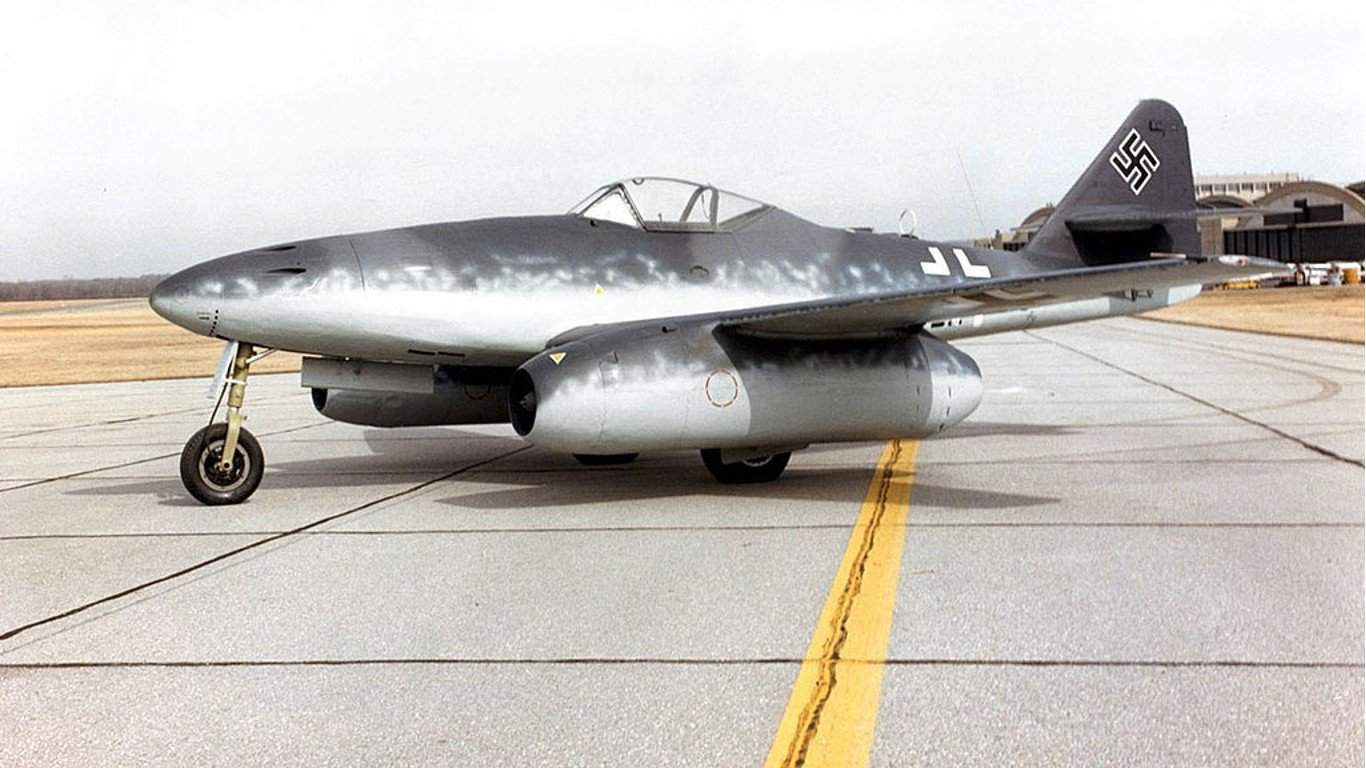
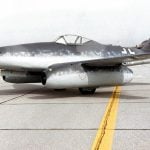
Me 262
- Country of origin: Germany
- Manufacturer: Messerschmitt
- Year introduced to service: 1944
- Propulsion type: Jet
- Top speed: ~540 mph
- Key design innovation: First operational jet fighter
- Primary role: Interceptor
- Influence on modern fighters: Foundation of jet fighter development
The Me 262 was the world's first operational jet fighter, introducing jet propulsion into combat and redefining speed in aerial warfare. Its design demonstrated the advantages of jet engines over piston aircraft, directly influencing post-war fighter development. Nearly every modern fighter traces its lineage back to the breakthrough concepts first proven by the Me 262.
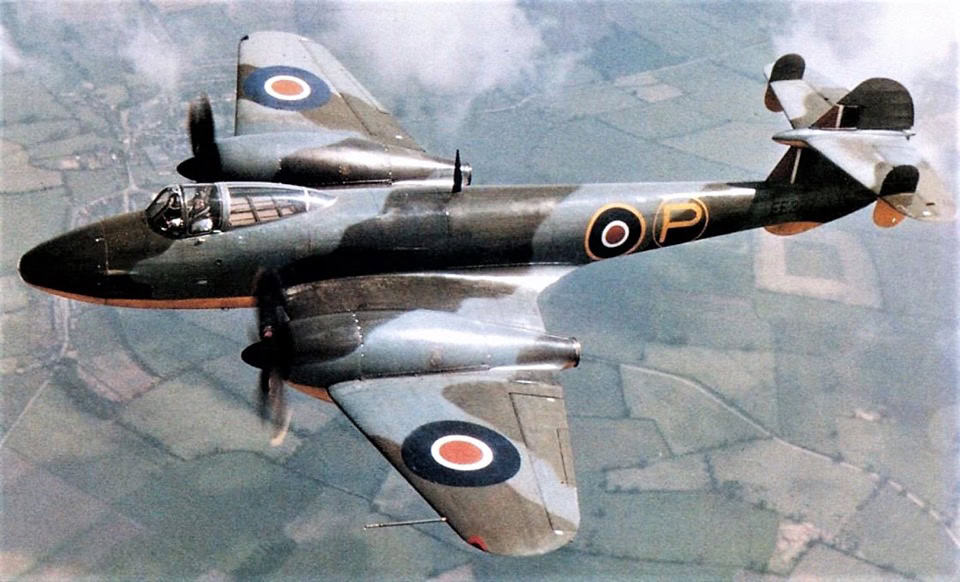
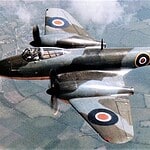
Gloster Meteor
- Country of origin: UK
- Manufacturer: Gloster
- Year introduced to service: 1944
- Propulsion type: Jet
- Top speed: ~410 mph
- Key design innovation: Early jet fighter design
- Primary role: Interceptor
- Influence on modern fighters: Helped refine early jet doctrine
The Gloster Meteor was the Allies' first operational jet fighter, helping validate jet propulsion in combat. While less advanced than the Me 262, it provided critical experience in jet operations. Its development contributed to refining early jet fighter doctrine, influencing the transition to modern jet-powered air forces.
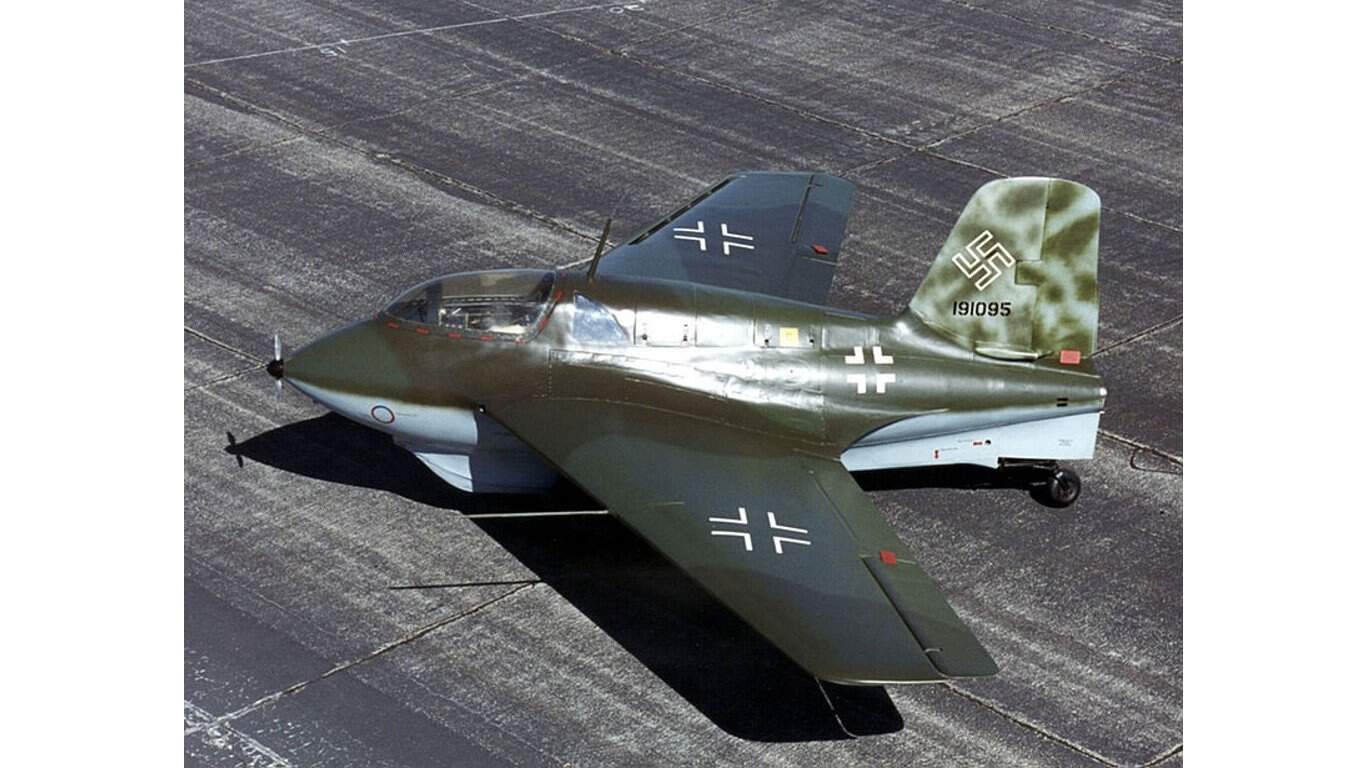
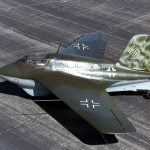
Me 163 Komet
- Country of origin: Germany
- Manufacturer: Messerschmitt
- Year introduced to service: 1944
- Propulsion type: Rocket
- Top speed: ~590 mph
- Key design innovation: Rocket-powered interceptor
- Primary role: Interceptor
- Influence on modern fighters: Explored extreme speed concepts
The Me 163 Komet pushed the limits of speed with rocket propulsion, achieving unprecedented performance. Although operationally limited, it demonstrated the potential—and risks—of extreme-speed interceptors. Its design explored concepts that would later influence high-speed flight research and interceptor development.
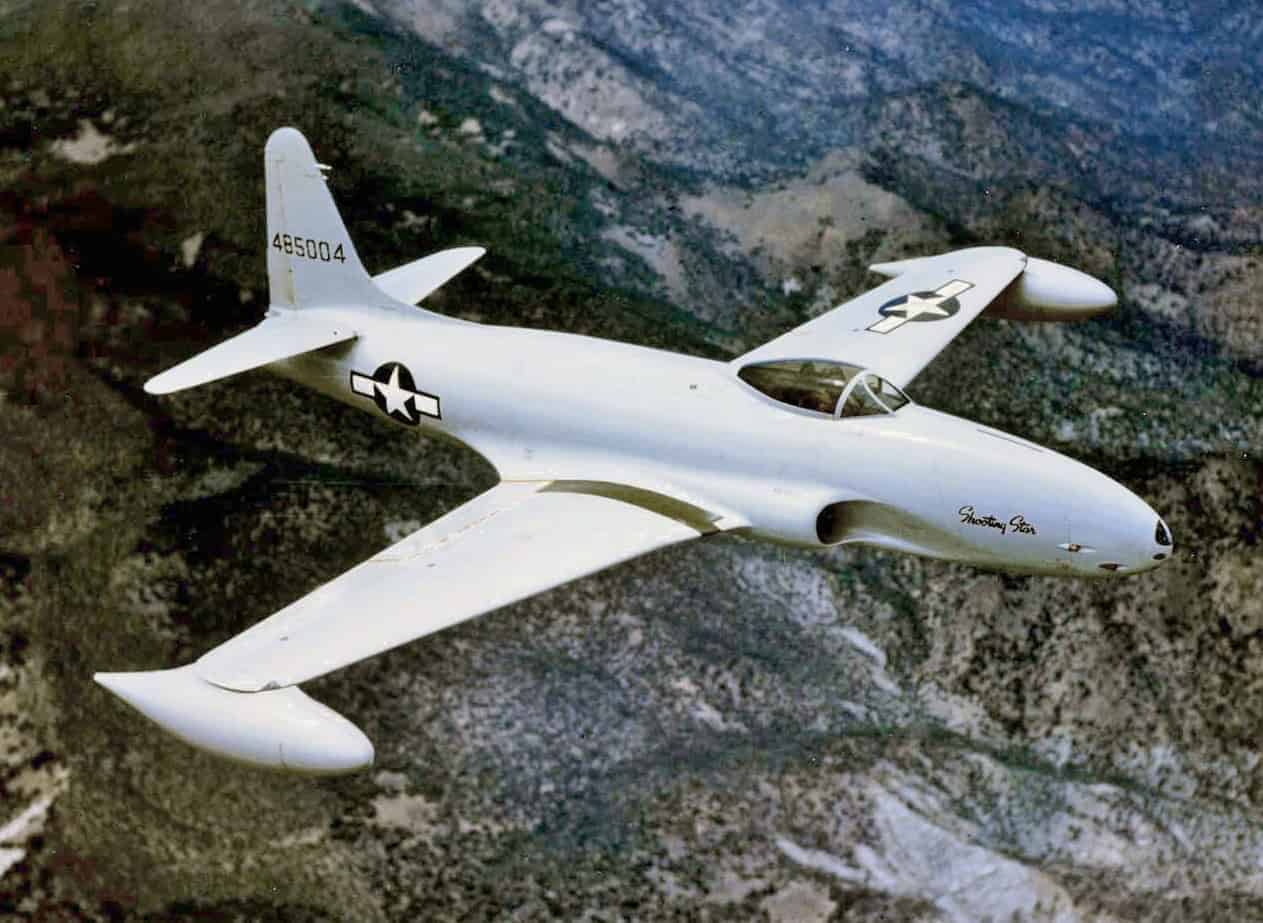
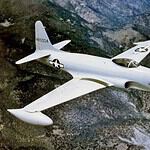
P-80 Shooting Star
- Country of origin: USA
- Manufacturer: Lockheed
- Year introduced to service: 1945
- Propulsion type: Jet
- Top speed: ~600 mph
- Key design innovation: First U.S. jet fighter
- Primary role: Interceptor
- Influence on modern fighters: Bridge to modern jet fighters
The P-80 Shooting Star marked the United States' entry into jet fighter development, bridging WWII technology and the jet age. Its design laid the foundation for future American fighters, influencing aircraft like the F-86 Sabre and beyond. It represents a critical step toward modern jet aviation.
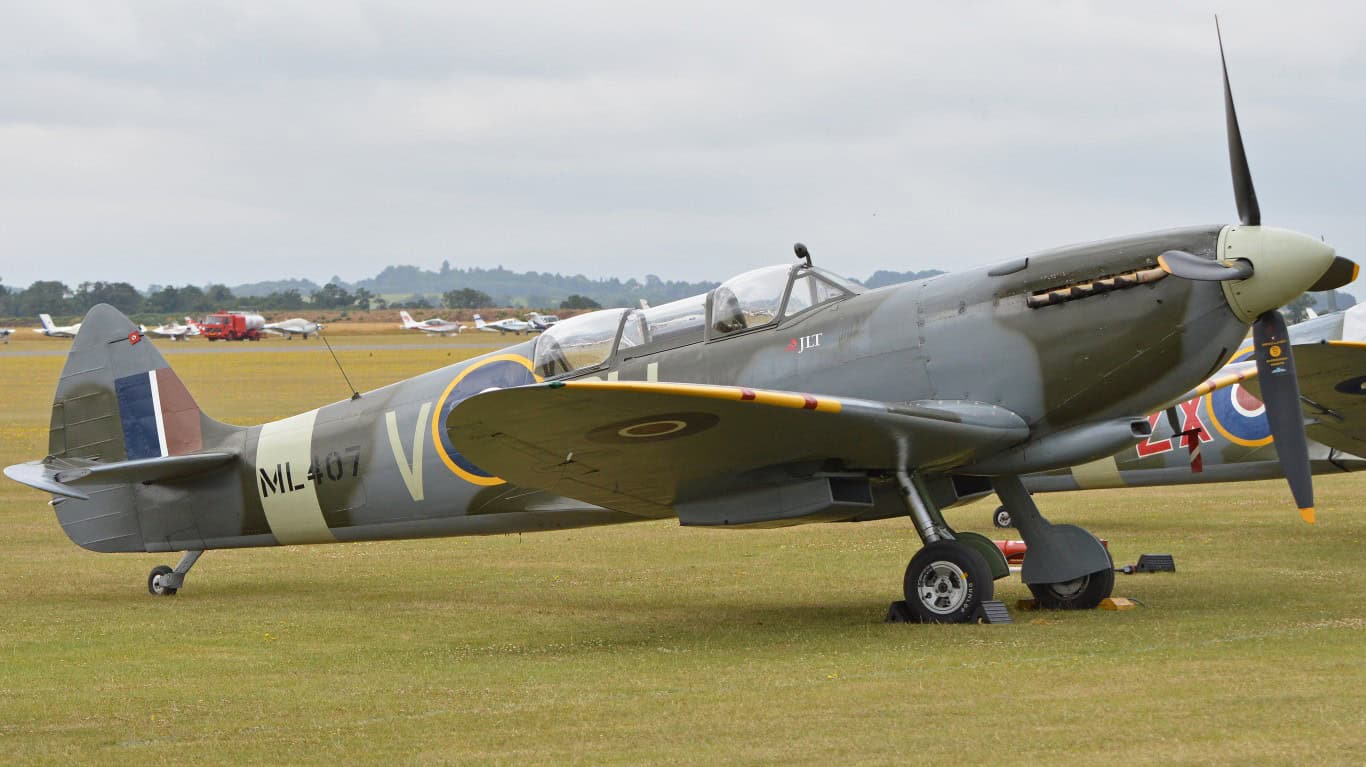
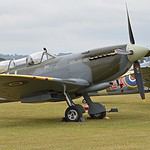
Spitfire
- Country of origin: UK
- Manufacturer: Supermarine
- Year introduced to service: 1938
- Propulsion type: Piston
- Top speed: ~360 mph
- Key design innovation: Elliptical wing design
- Primary role: Fighter
- Influence on modern fighters: Influenced aerodynamic efficiency
The Spitfire's elliptical wing design provided exceptional aerodynamic efficiency and maneuverability. Its influence can be seen in the continued emphasis on aerodynamic optimization in modern fighters. It demonstrated how refined wing design could significantly enhance performance in combat.
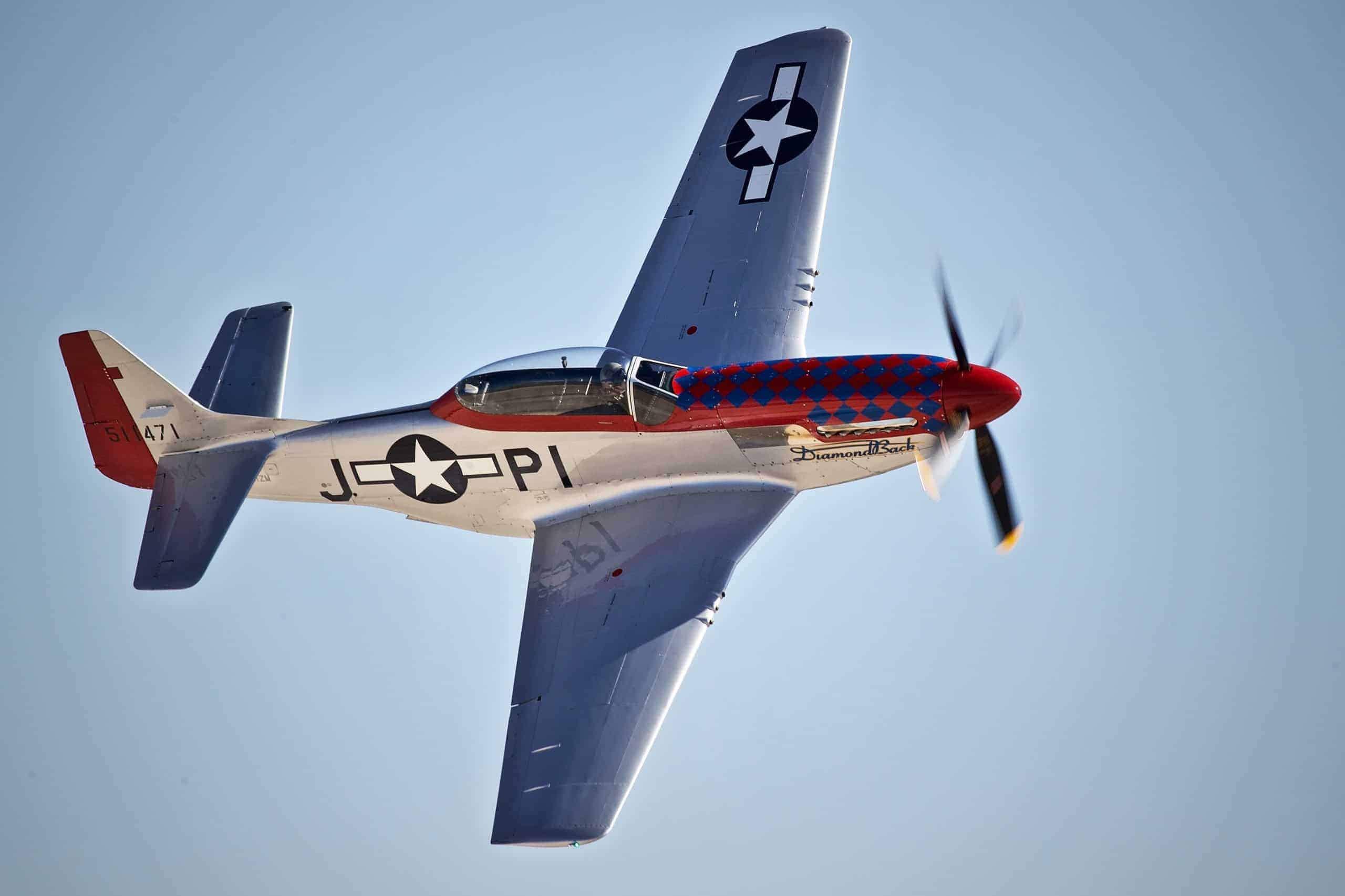
P-51 Mustang
- Country of origin: USA
- Manufacturer: North American
- Year introduced to service: 1942
- Propulsion type: Piston
- Top speed: ~440 mph
- Key design innovation: Laminar flow wing
- Primary role: Escort
- Influence on modern fighters: Influenced long-range fighter design
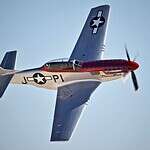
The P-51 Mustang introduced the laminar flow wing, dramatically improving speed and range. Its long-range escort capability reshaped fighter doctrine, influencing modern multi-role fighters designed for extended missions. Its aerodynamic efficiency remains a benchmark in aircraft design.
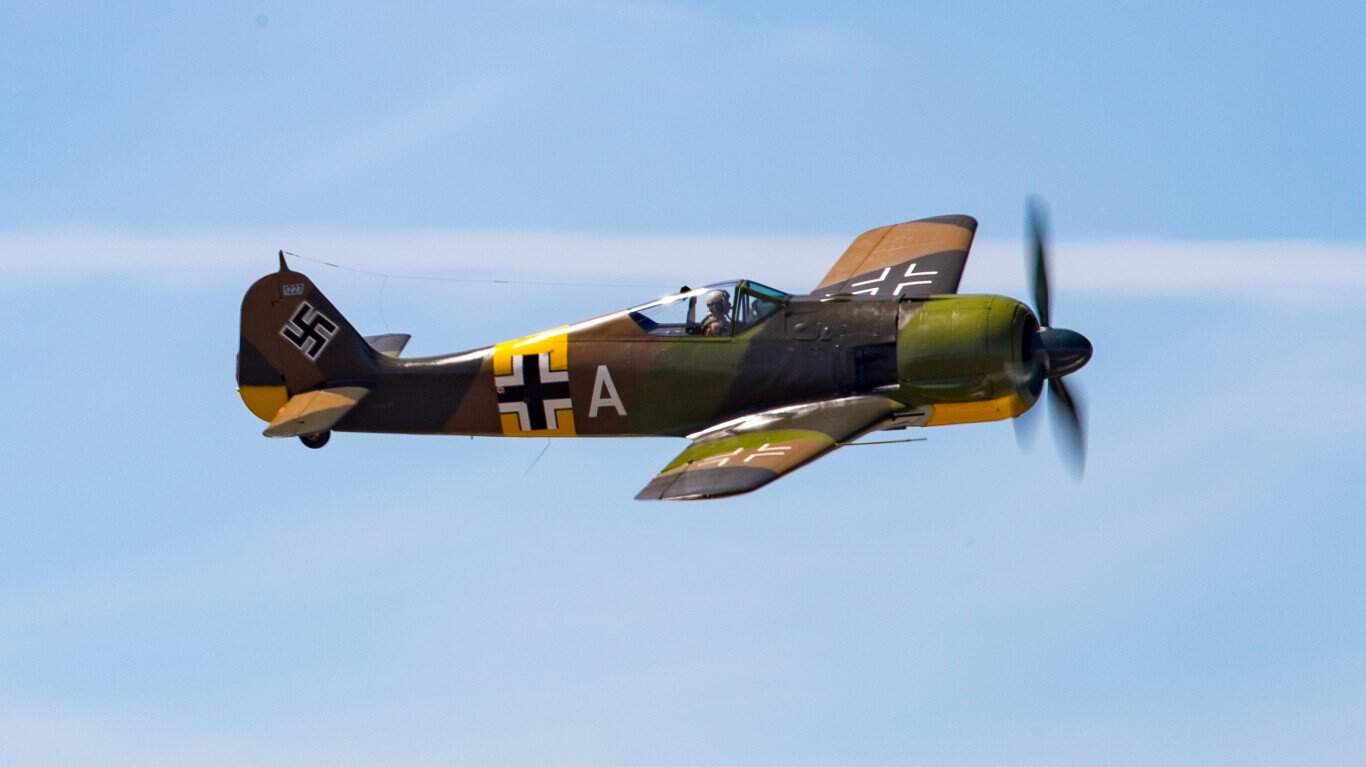
Fw 190
- Country of origin: Germany
- Manufacturer: Focke-Wulf
- Year introduced to service: 1941
- Propulsion type: Piston
- Top speed: ~408 mph
- Key design innovation: Radial engine fighter
- Primary role: Multi-role
- Influence on modern fighters: Influenced rugged multi-role fighters
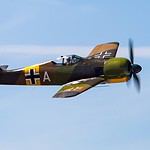
The Fw 190 combined ruggedness with versatility, excelling in multiple roles. Its design influenced the concept of multi-role fighters capable of adapting to different missions. This flexibility is a defining feature of modern fighter aircraft.
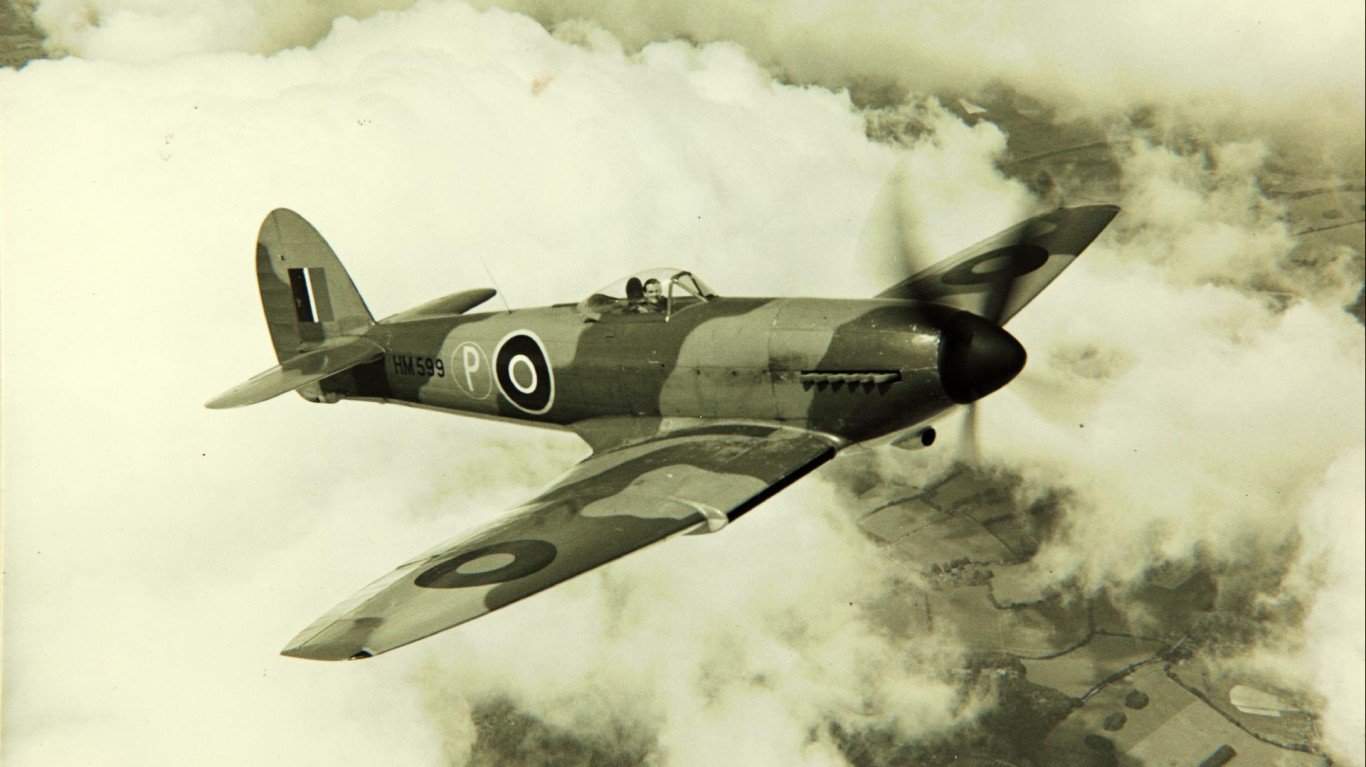
Hawker Tempest
- Country of origin: UK
- Manufacturer: Hawker
- Year introduced to service: 1944
- Propulsion type: Piston
- Top speed: ~435 mph
- Key design innovation: High-speed low-altitude performance
- Primary role: Interceptor
- Influence on modern fighters: Influenced high-speed intercept design
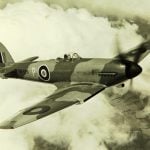
The Hawker Tempest was optimized for high-speed, low-altitude performance, making it highly effective against fast-moving targets. Its design influenced the development of high-speed interceptors, a role that remains central in modern air forces.
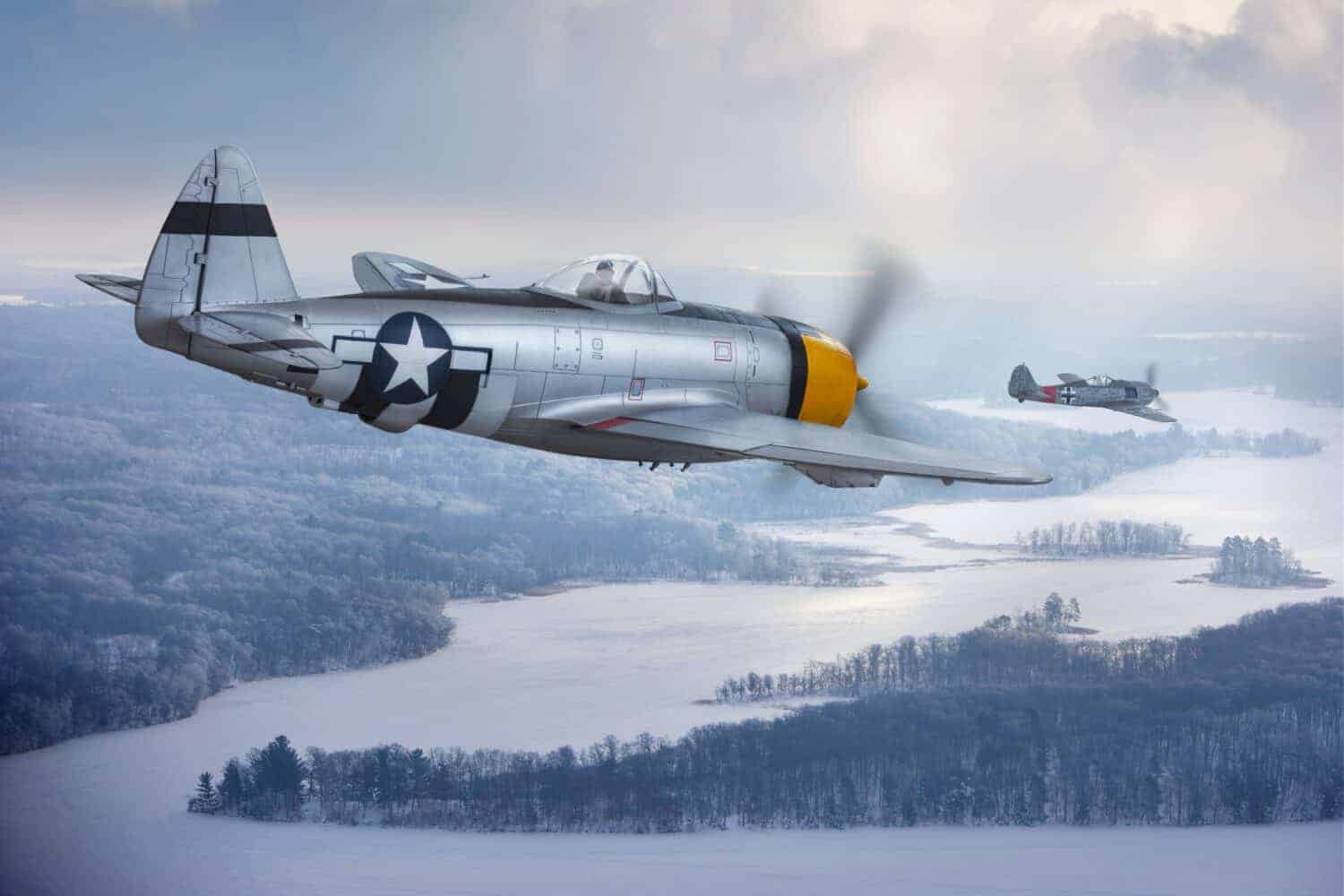
P-47 Thunderbolt
- Country of origin: USA
- Manufacturer: Republic
- Year introduced to service: 1943
- Propulsion type: Piston
- Top speed: ~433 mph
- Key design innovation: Turbocharged engine
- Primary role: Escort
- Influence on modern fighters: Influenced high-altitude performance fighters
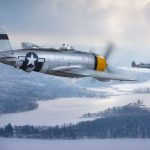
The P-47 Thunderbolt demonstrated the value of turbocharging for high-altitude performance and durability in combat. Its ability to operate effectively in multiple roles influenced the development of robust, high-performance fighters in the jet age.
La-7
- Country of origin: USSR
- Manufacturer: Lavochkin
- Year introduced to service: 1944
- Propulsion type: Piston
- Top speed: ~408 mph
- Key design innovation: Lightweight design
- Primary role: Fighter
- Influence on modern fighters: Influenced agility-focused fighters
The La-7 emphasized lightweight construction and agility, making it highly effective in dogfights. Its focus on maneuverability influenced later fighter designs that prioritize agility alongside speed and firepower.
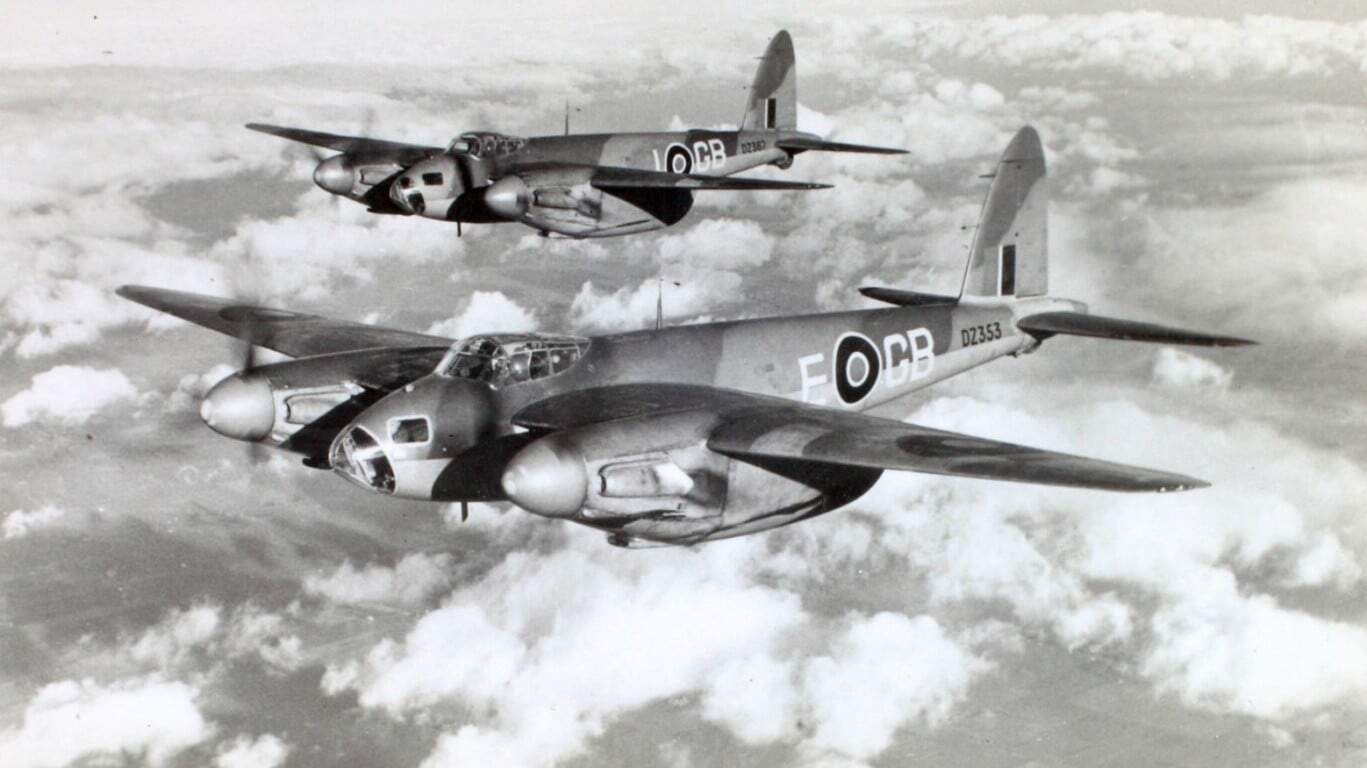
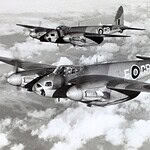
Mosquito
- Country of origin: UK
- Manufacturer: De Havilland
- Year introduced to service: 1941
- Propulsion type: Piston
- Top speed: ~415 mph
- Key design innovation: Wood composite construction
- Primary role: Multi-role
- Influence on modern fighters: Influenced multi-role design philosophy
The Mosquito's innovative use of lightweight materials and multi-role capability demonstrated that speed and versatility could offset heavy armament. Its design philosophy influenced modern multi-role aircraft that balance speed, payload, and flexibility.
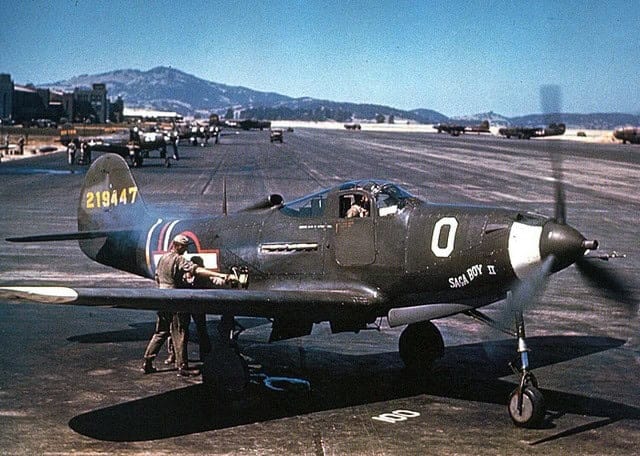
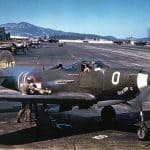
P-39 Airacobra
- Country of origin: USA
- Manufacturer: Bell
- Year introduced to service: 1941
- Propulsion type: Piston
- Top speed: ~376 mph
- Key design innovation: Mid-engine layout
- Primary role: Fighter
- Influence on modern fighters: Explored alternative layouts
The P-39 Airacobra explored a mid-engine layout, offering improved weight distribution and firepower concentration. While unconventional, it contributed to experimentation in aircraft design that informed future innovations.
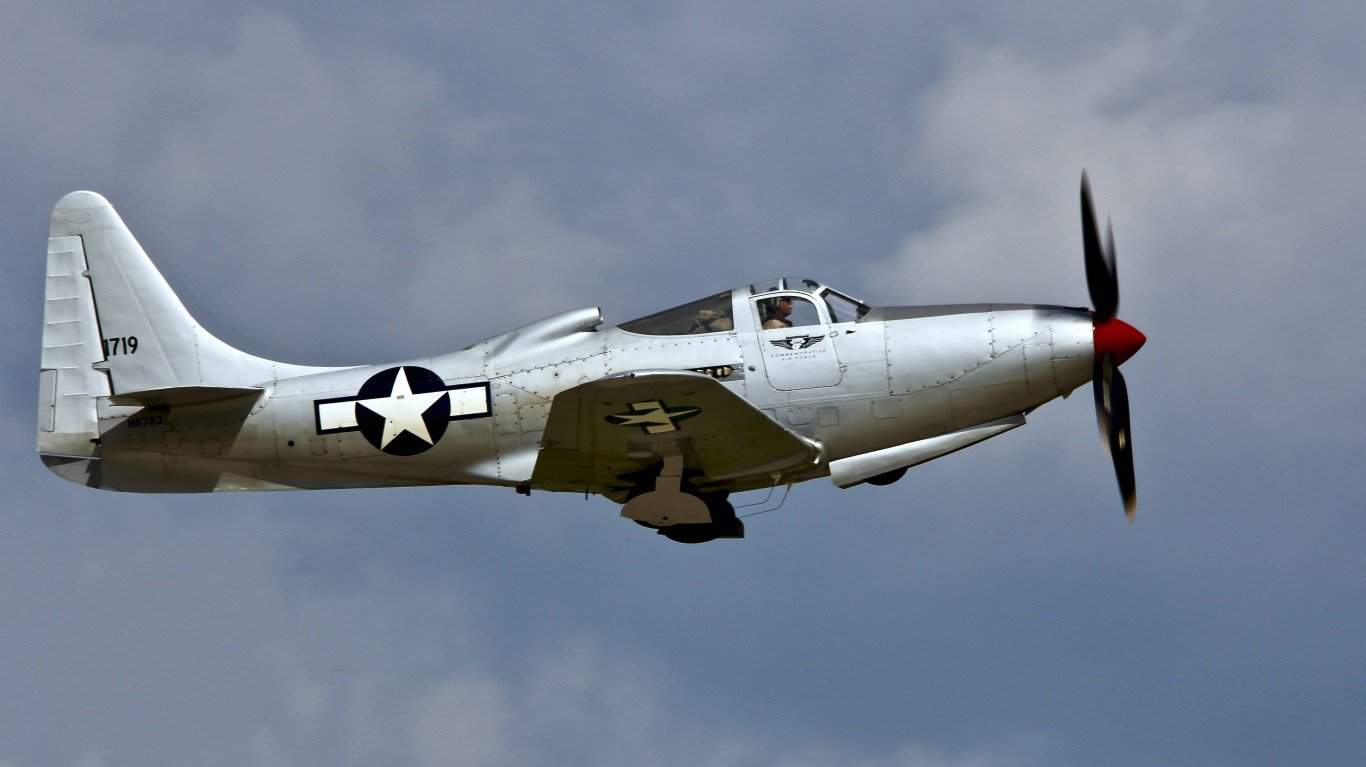
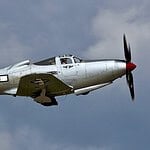
P-63 Kingcobra
- Country of origin: USA
- Manufacturer: Bell
- Year introduced to service: 1943
- Propulsion type: Piston
- Top speed: ~410 mph
- Key design innovation: Refined mid-engine design
- Primary role: Fighter
- Influence on modern fighters: Improved experimental configurations
The P-63 Kingcobra refined the mid-engine concept, improving performance and handling. Its development provided further insight into alternative aircraft configurations, influencing post-war design experimentation.
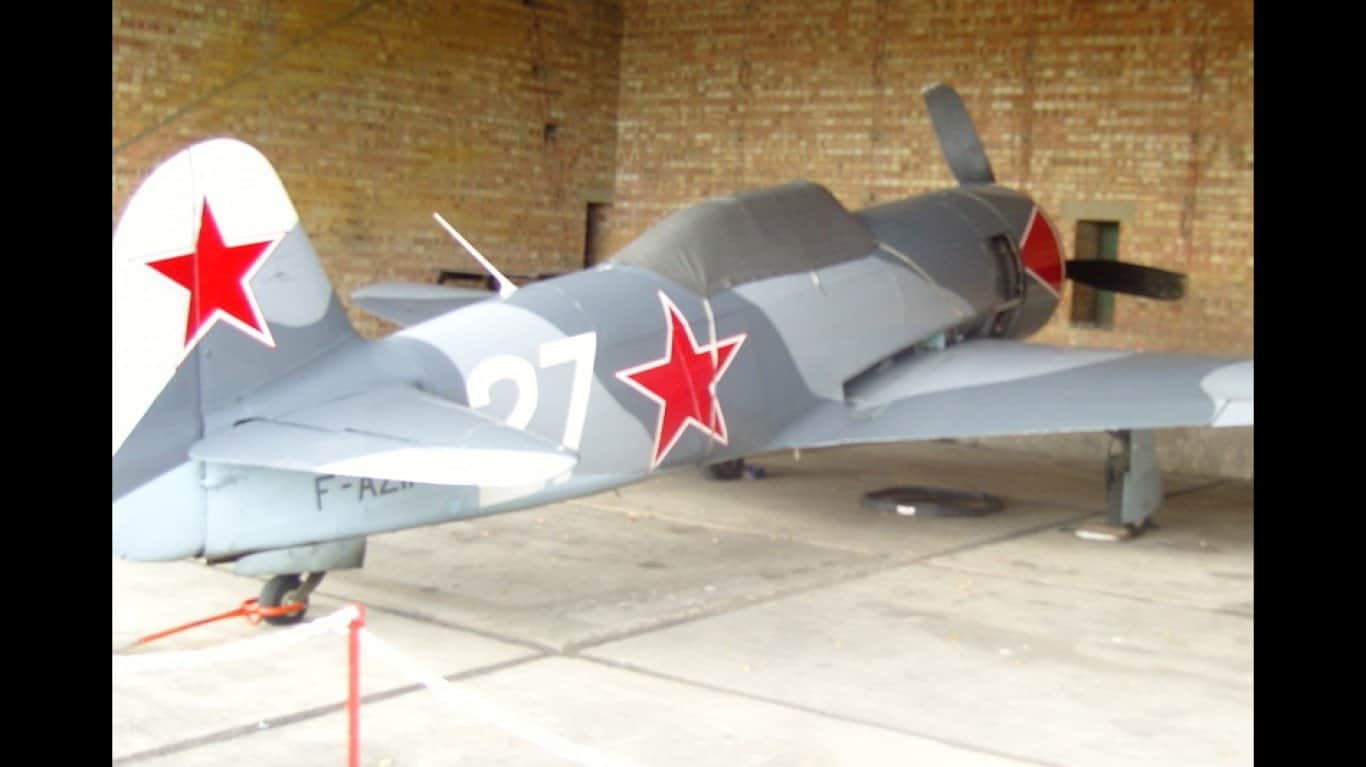
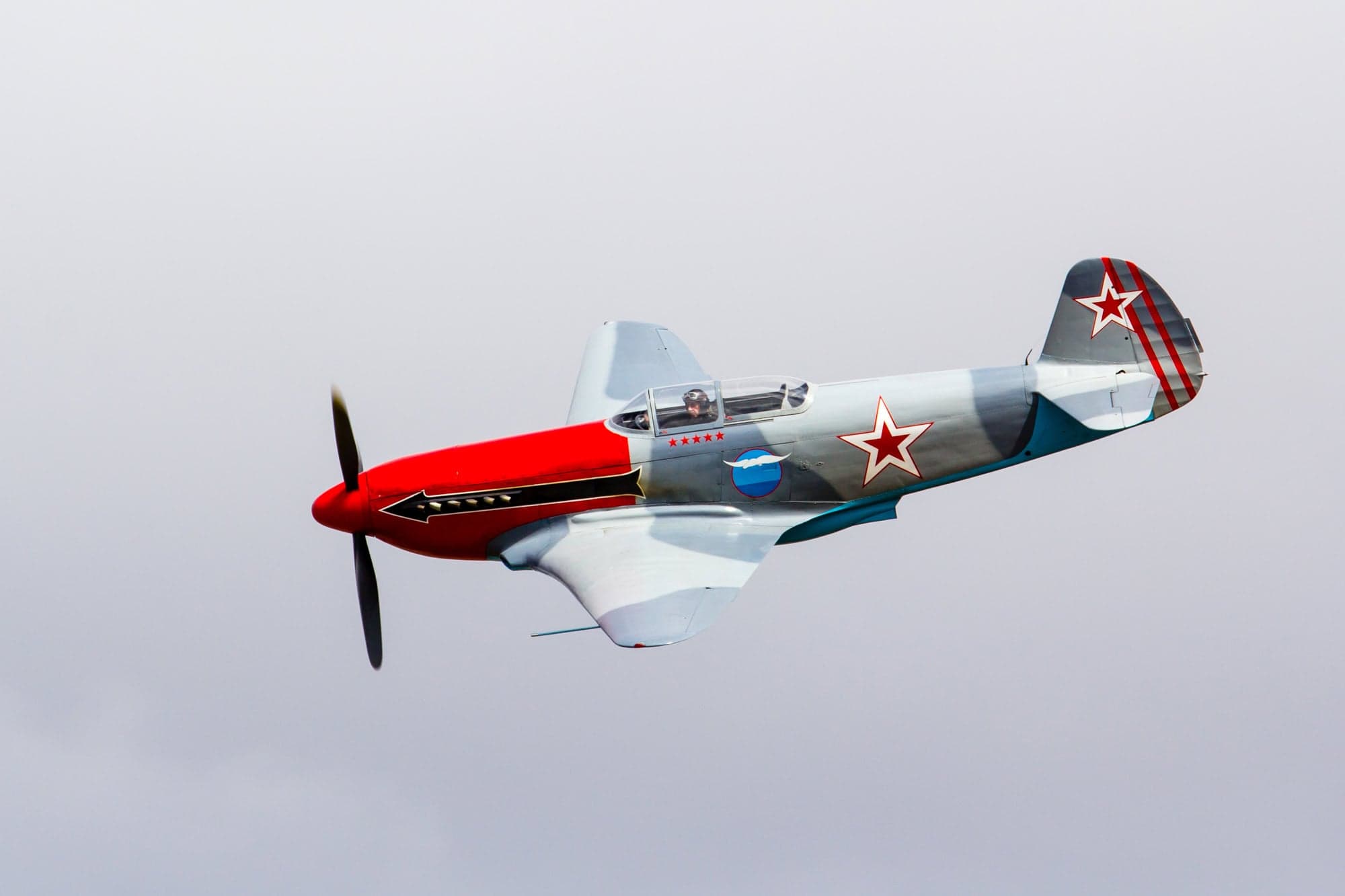
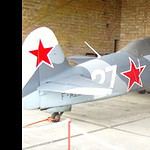
Yak-3
- Country of origin: USSR
- Manufacturer: Yakovlev
- Year introduced to service: 1944
- Propulsion type: Piston
- Top speed: ~400 mph
- Key design innovation: Lightweight agility
- Primary role: Fighter
- Influence on modern fighters: Influenced dogfight-oriented designs
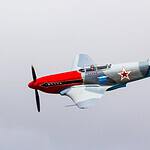
The Yak-3's lightweight and highly maneuverable design made it one of the most effective dogfighters of WWII. Its emphasis on agility influenced future fighter designs focused on close-range combat performance.
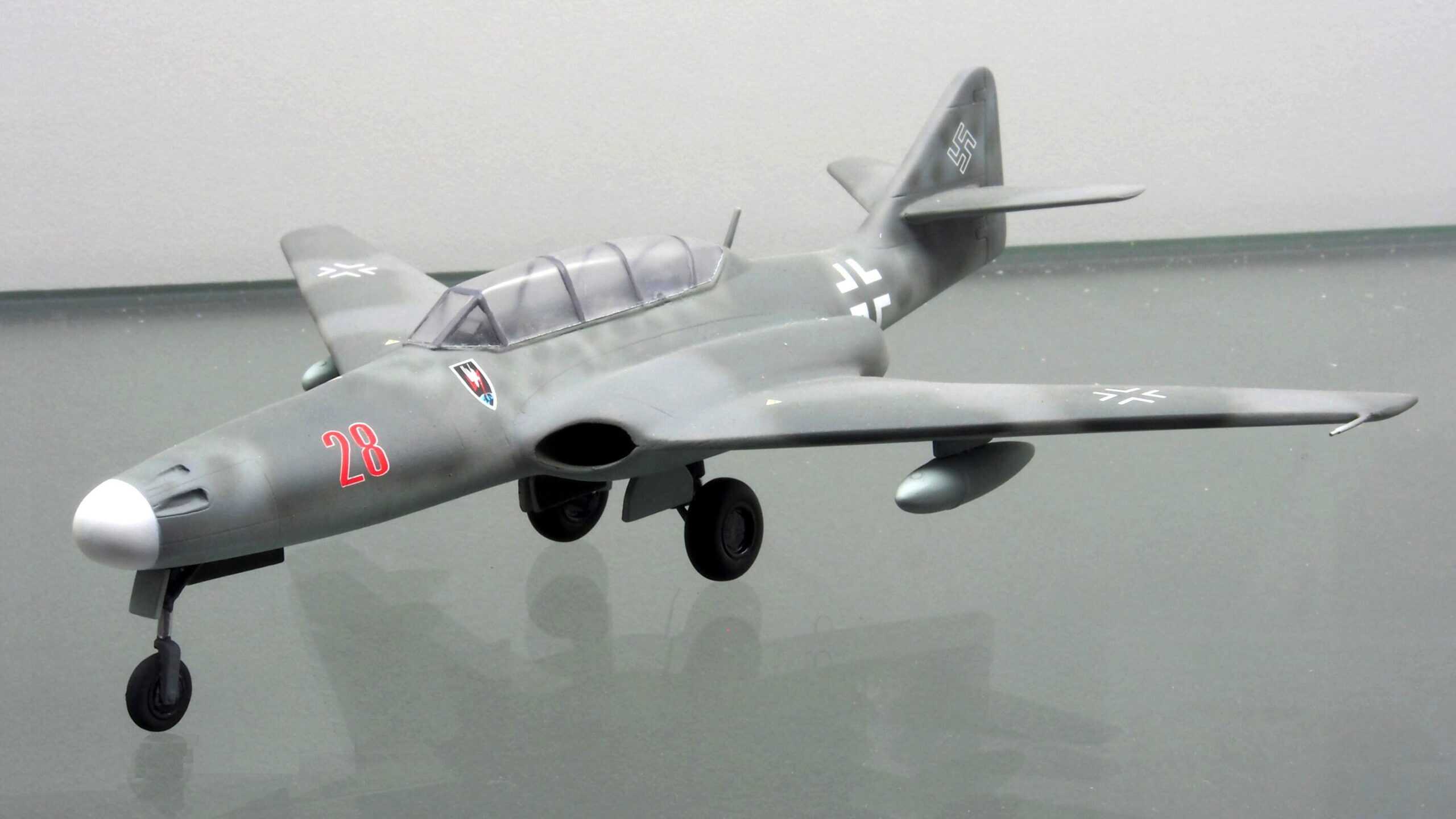
Me 262 HG III
- Country of origin: Germany
- Manufacturer: Messerschmitt
- Year introduced to service: Concept
- Propulsion type: Jet
- Top speed: Projected
- Key design innovation: Swept wing concept
- Primary role: Interceptor
- Influence on modern fighters: Influenced swept-wing jets
The Me 262 HG III concept introduced swept-wing designs, which became a defining feature of modern jet fighters. This aerodynamic innovation allowed for improved high-speed performance and is now standard in fighter aircraft.
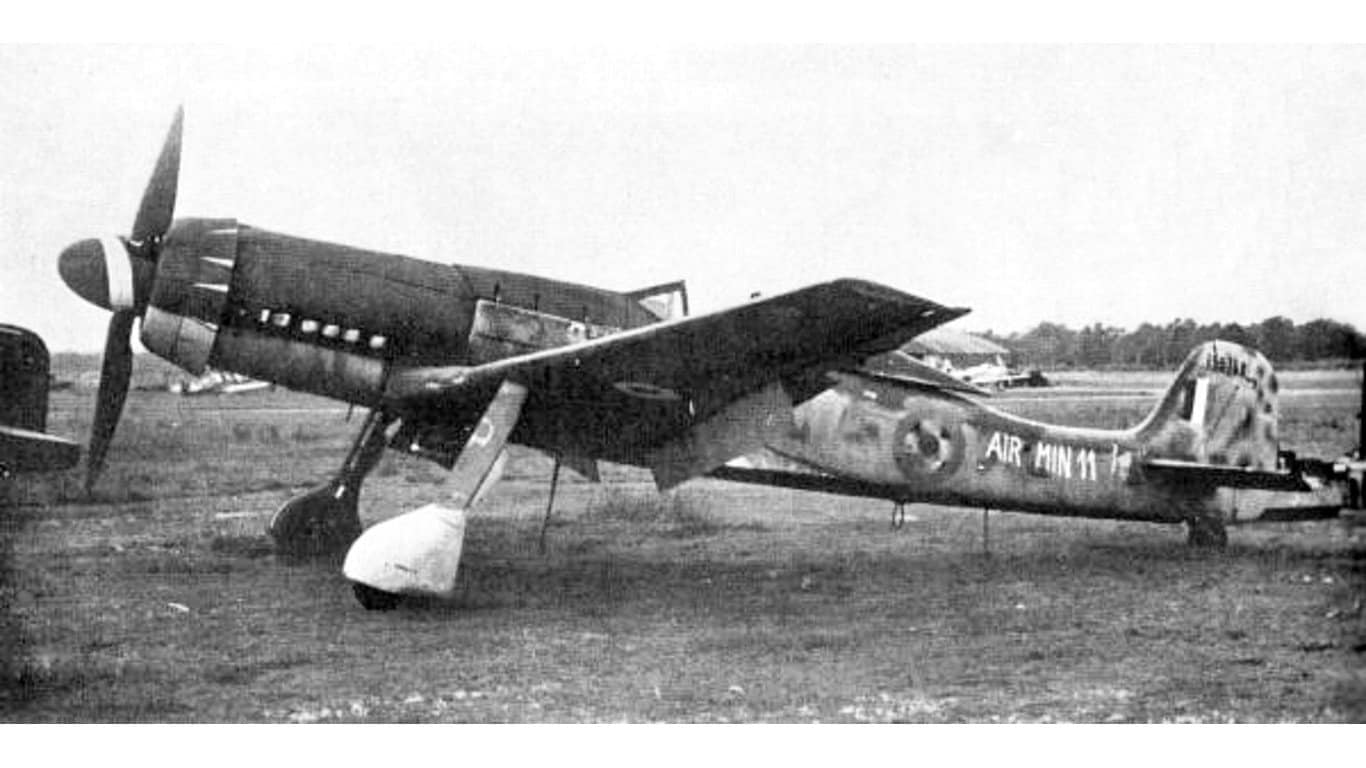
Ta 152
- Country of origin: Germany
- Manufacturer: Focke-Wulf
- Year introduced to service: 1945
- Propulsion type: Piston
- Top speed: ~472 mph
- Key design innovation: High-altitude design
- Primary role: Interceptor
- Influence on modern fighters: Influenced altitude performance fighters
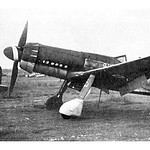
The Ta 152 was designed for high-altitude interception, featuring advanced aerodynamics and engine performance. Its focus on altitude optimization influenced modern fighters designed for diverse operational environments.
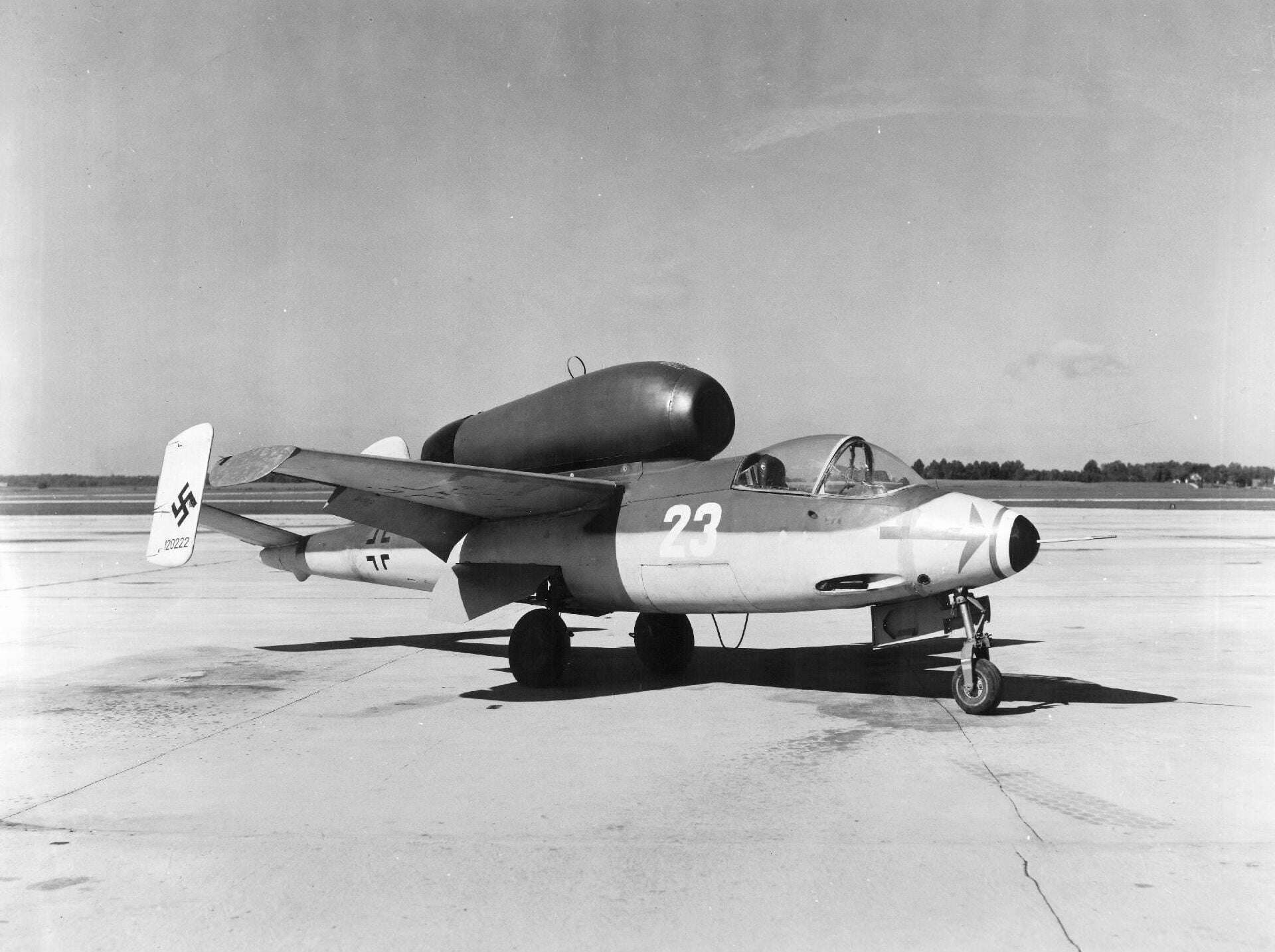
He 162
- Country of origin: Germany
- Manufacturer: Heinkel
- Year introduced to service: 1945
- Propulsion type: Jet
- Top speed: ~520 mph
- Key design innovation: Lightweight jet design
- Primary role: Interceptor
- Influence on modern fighters: Explored simplified jet production
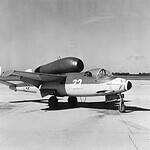
The He 162 demonstrated that jet fighters could be produced quickly and with simplified designs. While rushed, its concept influenced later approaches to efficient fighter production and design.
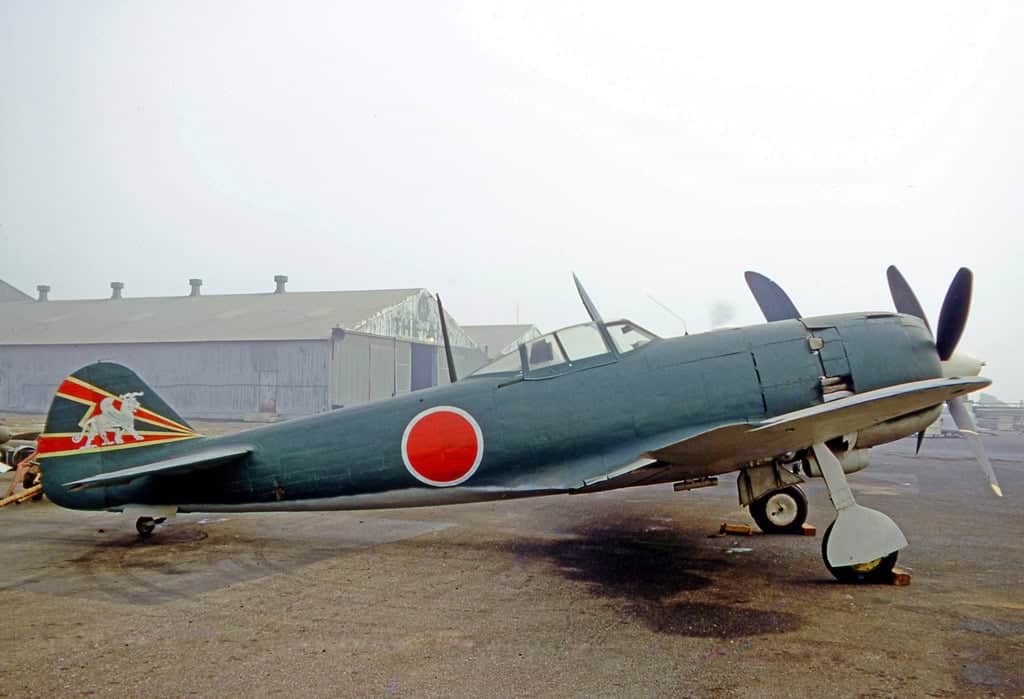
Ki-84
- Country of origin: Japan
- Manufacturer: Nakajima
- Year introduced to service: 1944
- Propulsion type: Piston
- Top speed: ~392 mph
- Key design innovation: High-performance multi-role
- Primary role: Fighter
- Influence on modern fighters: Influenced balanced fighter design
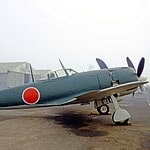
The Ki-84 Hayate combined speed, maneuverability, and firepower, representing a well-balanced fighter design. Its versatility influenced the development of modern multi-role fighters capable of excelling in various combat scenarios.
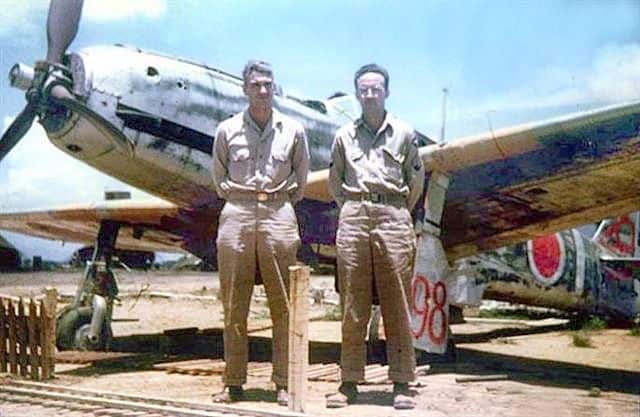
Ki-61
- Country of origin: Japan
- Manufacturer: Kawasaki
- Year introduced to service: 1943
- Propulsion type: Piston
- Top speed: ~368 mph
- Key design innovation: Inline engine fighter
- Primary role: Fighter
- Influence on modern fighters: Adopted Western-style design
The Ki-61 Hien adopted an inline engine configuration similar to Western fighters, demonstrating the global convergence of design principles. Its influence can be seen in the standardization of fighter aircraft layouts.
A7M Reppu
- Country of origin: Japan
- Manufacturer: Mitsubishi
- Year introduced to service: 1945
- Propulsion type: Piston
- Top speed: ~390 mph
- Key design innovation: Advanced naval fighter
- Primary role: Fighter
- Influence on modern fighters: Influenced carrier fighter evolution
The A7M Reppu was designed as an advanced carrier-based fighter, emphasizing performance and range. Its concepts influenced the evolution of naval aviation, contributing to the development of modern carrier-based fighters.
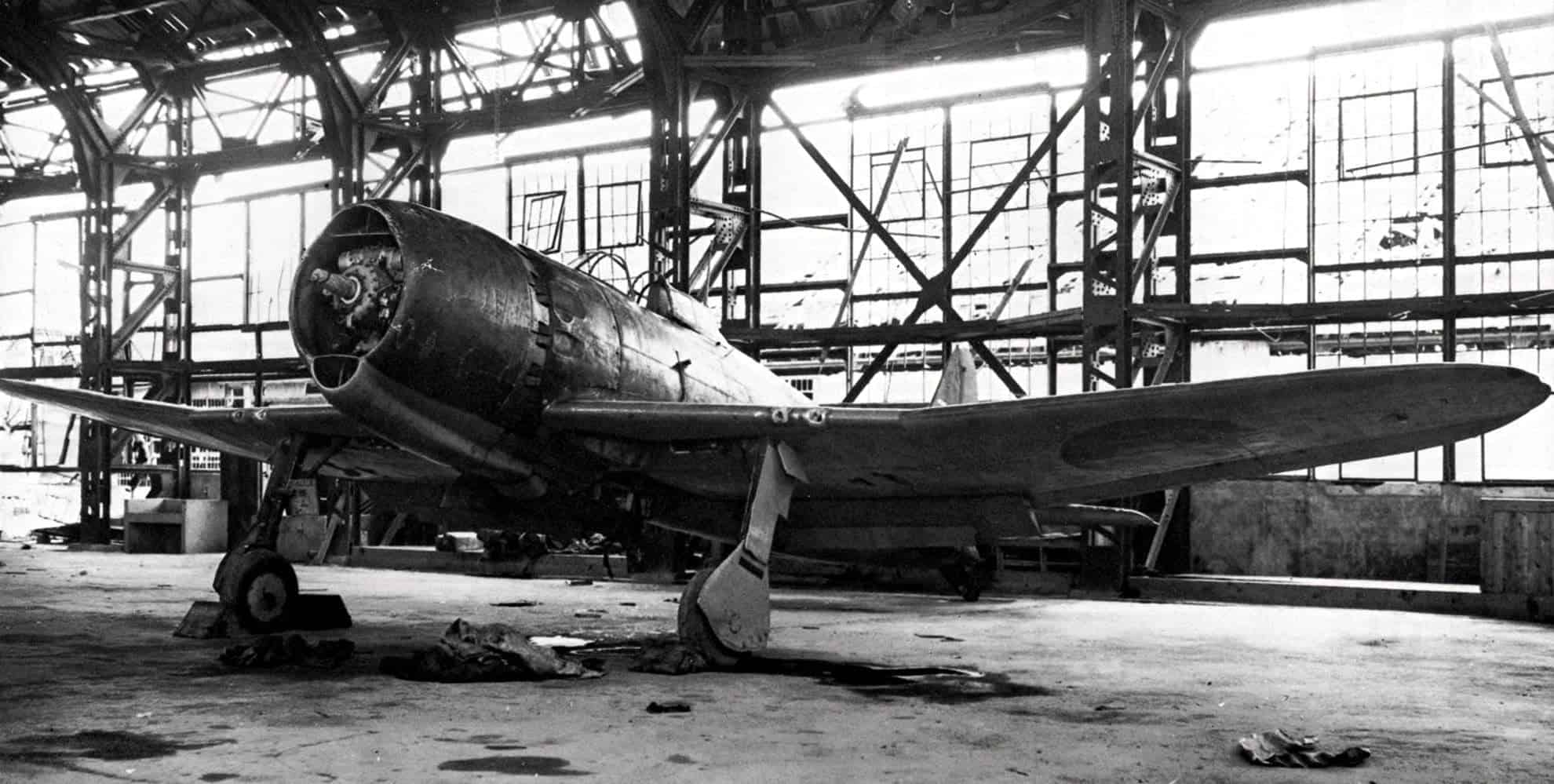
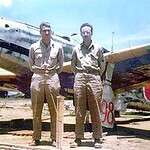
The image featured at the top of this post is ©Public Domain / Wikimedia Commons / Original