

The Warships That Could Control the Strait of Hormuz
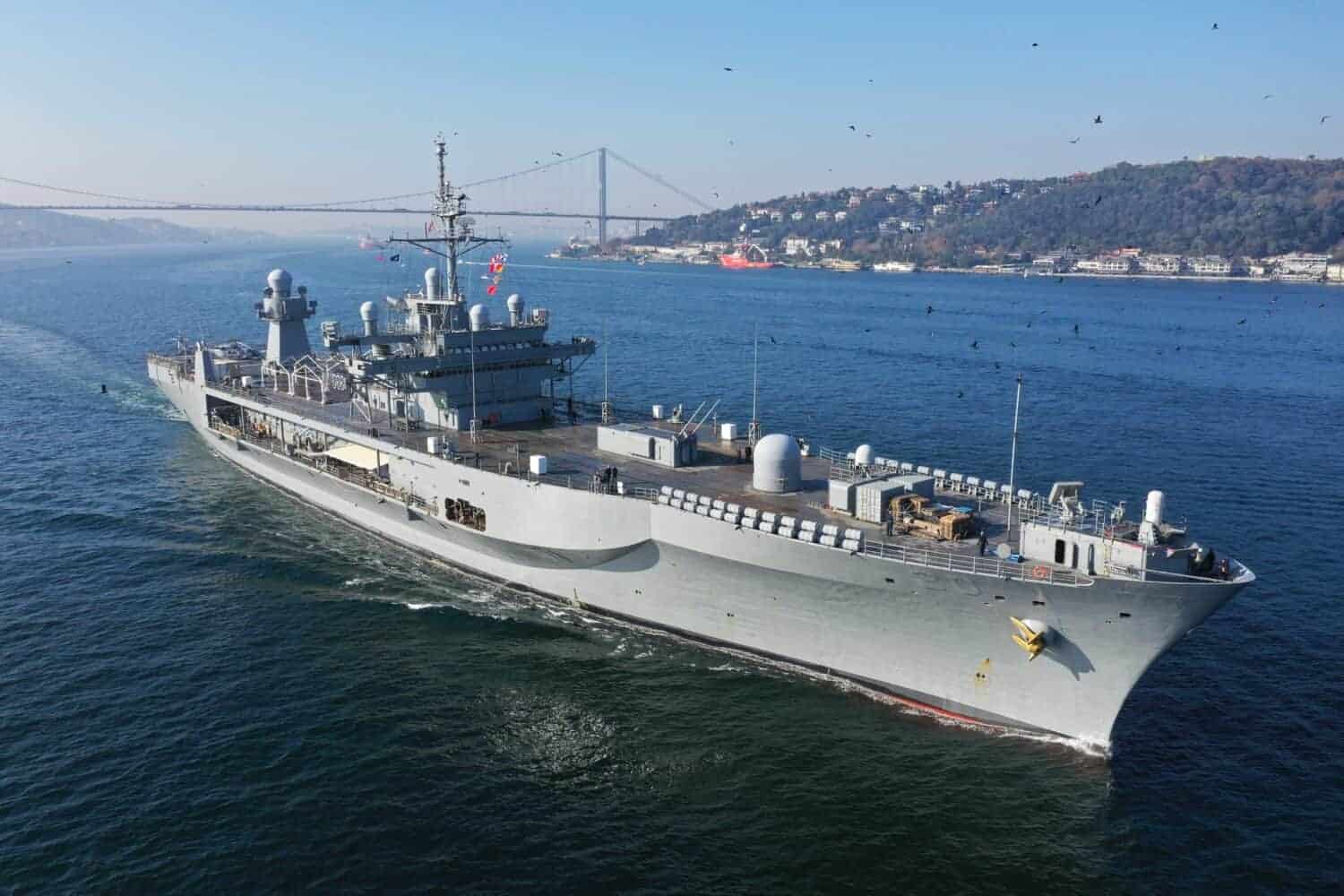
The warships capable of controlling the Strait of Hormuz must balance advanced firepower with the ability to operate in one of the world’s most strategically sensitive and confined waterways. In this narrow passage, large surface combatants such as destroyers and frigates must contend with fast attack craft, anti-ship missiles, and naval mines, creating an environment where control can shift quickly.
To identify the warships best suited for this region, 24/7 Wall St. reviewed a range of historical and military sources. Each entry includes key details such as the country of origin, ship type, displacement, weapons systems, and the tactical advantages that make these vessels effective in contested waters.
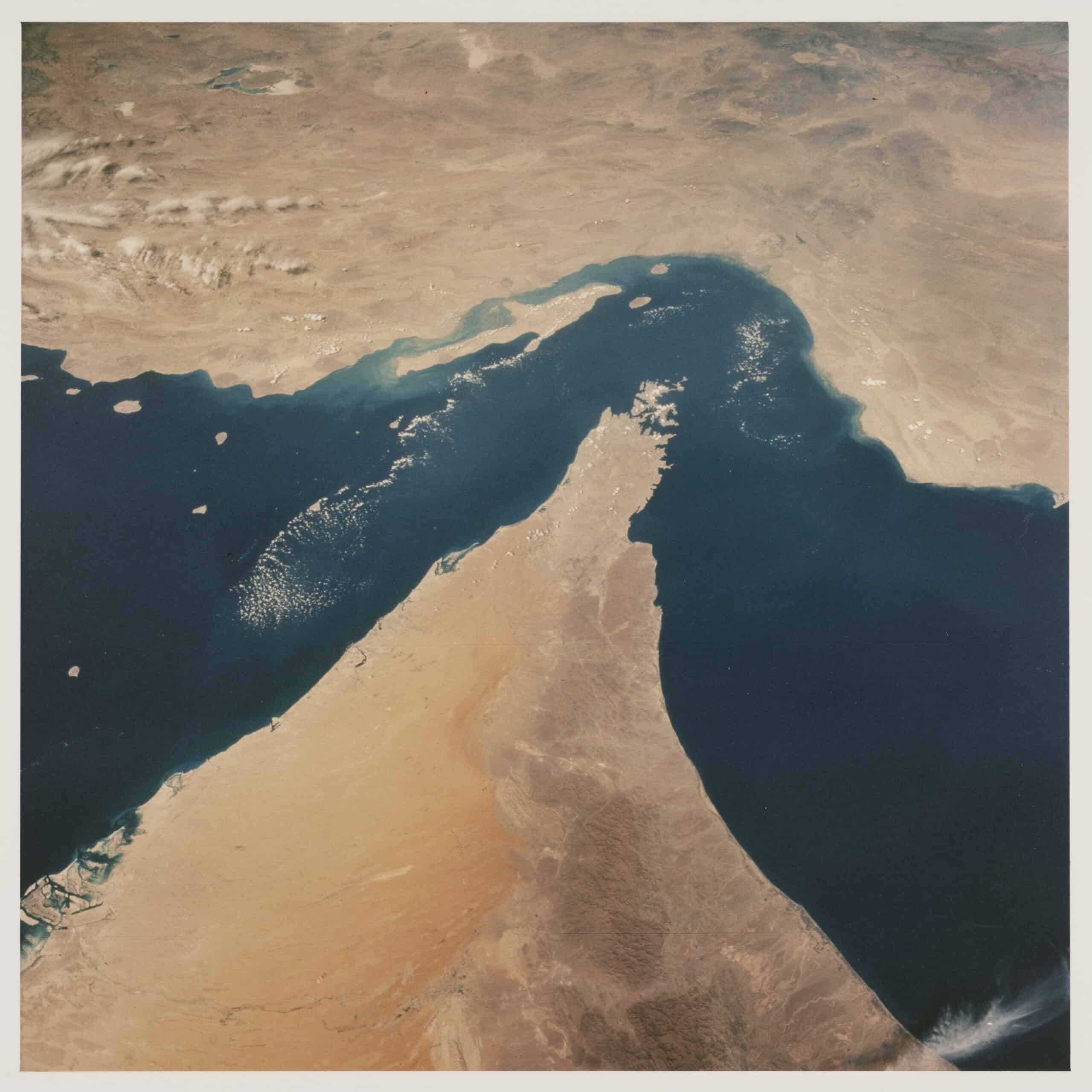
The Strait of Hormuz remains one of the most critical maritime chokepoints in the world, with a significant portion of global energy supplies passing through it each day. As a result, naval forces operating in this region play a central role in maintaining security, deterring conflict, and ensuring the flow of international trade. The warships highlighted here reflect the evolving strategies navies use to project power and maintain control in a high-risk, high-importance environment.
The Strait of Hormuz Is the World's Most Critical Chokepoint
The Strait of Hormuz is one of the most strategically important waterways on earth, serving as a vital artery for global energy supply. A significant portion of the world's oil passes through this narrow corridor, making it a focal point for military planning and geopolitical tension. Control of this chokepoint has implications far beyond the region, affecting global markets and security.
Control of Hormuz Is About More Than Firepower
Unlike open-ocean warfare, operations in Hormuz are defined by confined waters, heavy traffic, and constant threat from land-based systems. Warships operating here must balance firepower with maneuverability, situational awareness, and the ability to operate in tight spaces. Success depends on controlling the environment, not just overwhelming it with force.
Asymmetric Warfare Shapes the Battlefield
The dynamics of Hormuz are heavily influenced by asymmetric tactics, particularly those employed by Iran. Fast attack craft, missile boats, mines, and drones create a layered threat environment that challenges even the most advanced navies. In this setting, smaller, faster vessels can pose a serious danger to larger, more powerful ships.
Air Defense and Mine Warfare Are Decisive
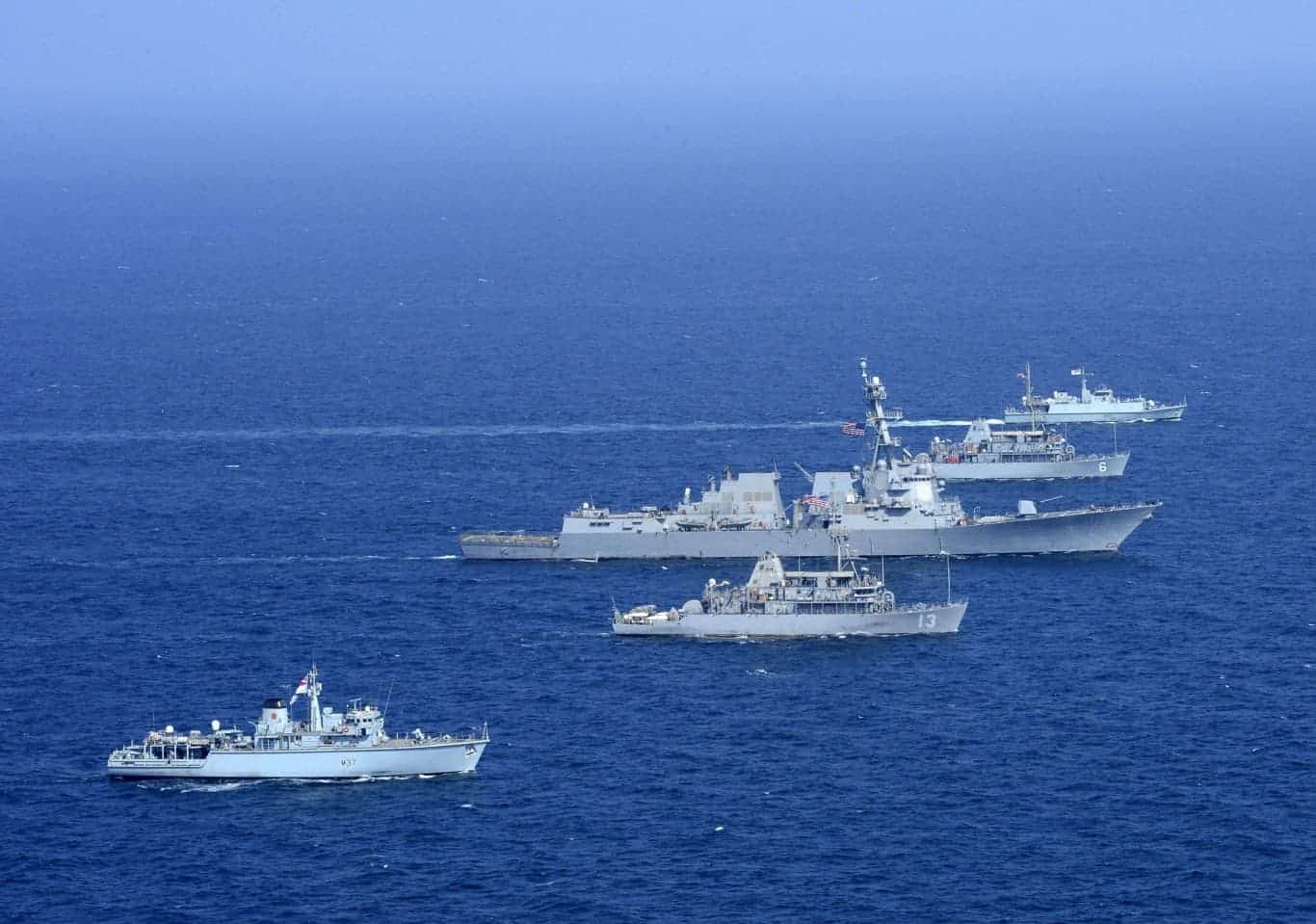
Two capabilities define control of the strait: the ability to defend against missile and drone attacks, and the ability to clear naval mines. Advanced air defense systems protect ships from saturation attacks, while mine countermeasure vessels ensure that shipping lanes remain open. Without these capabilities, control of Hormuz can be quickly lost.
The Warships That Would Decide Control of Hormuz
The ships on this list represent the platforms most capable of shaping the outcome of any conflict in the Strait of Hormuz. From heavily armed destroyers to fast attack craft and specialized mine-clearing vessels, each plays a unique role in either securing or denying access to one of the world's most important maritime chokepoints.
Arleigh Burke-class
- Country / Operator: USA
- Ship type: Destroyer
- Displacement: ~9,000 tons
- Primary role in hormuz: Air defense / sea control
- Key weapons systems: SM-2/SM-6, Tomahawk, CIWS
- Air defense capability: Aegis BMD
- Anti-ship capability: Long-range strike
- Key tactical advantage: Dominates airspace over chokepoint
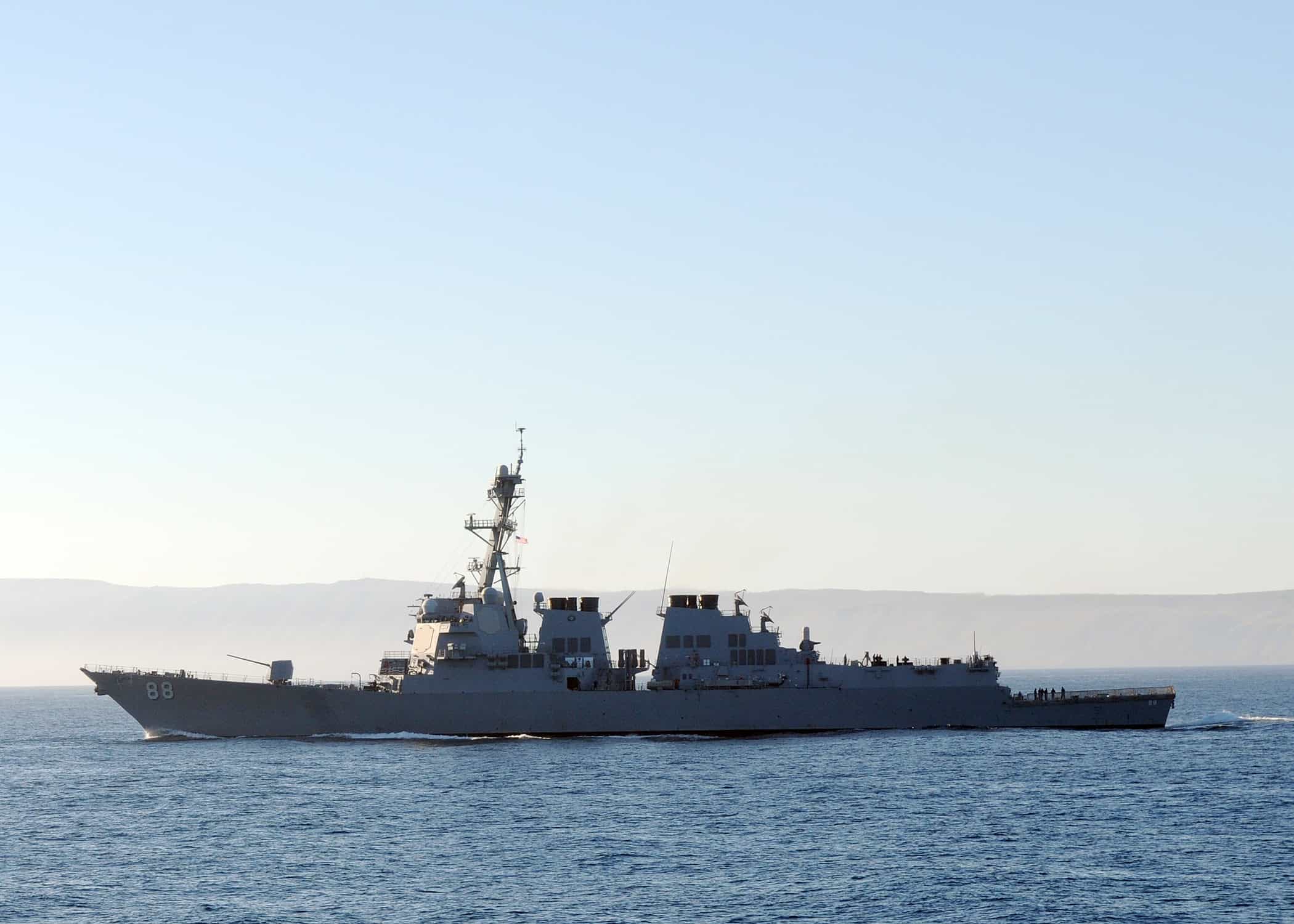
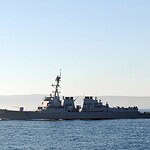
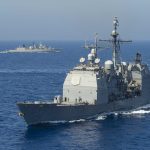
Arleigh Burke-class destroyers are the backbone of U.S. naval power in the Persian Gulf, combining Aegis air defense with long-range strike capability. In the Strait of Hormuz, they would provide layered missile defense against drones and anti-ship threats while projecting offensive power. Their ability to control airspace and coordinate engagements makes them central to keeping shipping lanes open under threat.
Ticonderoga-class
- Country / Operator: USA
- Ship type: Cruiser
- Displacement: ~9,800 tons
- Primary role in hormuz: Command / air defense
- Key weapons systems: SM-2/SM-6, Tomahawk, CIWS
- Air defense capability: Aegis BMD
- Anti-ship capability: Long-range strike
- Key tactical advantage: Command-level missile coordination
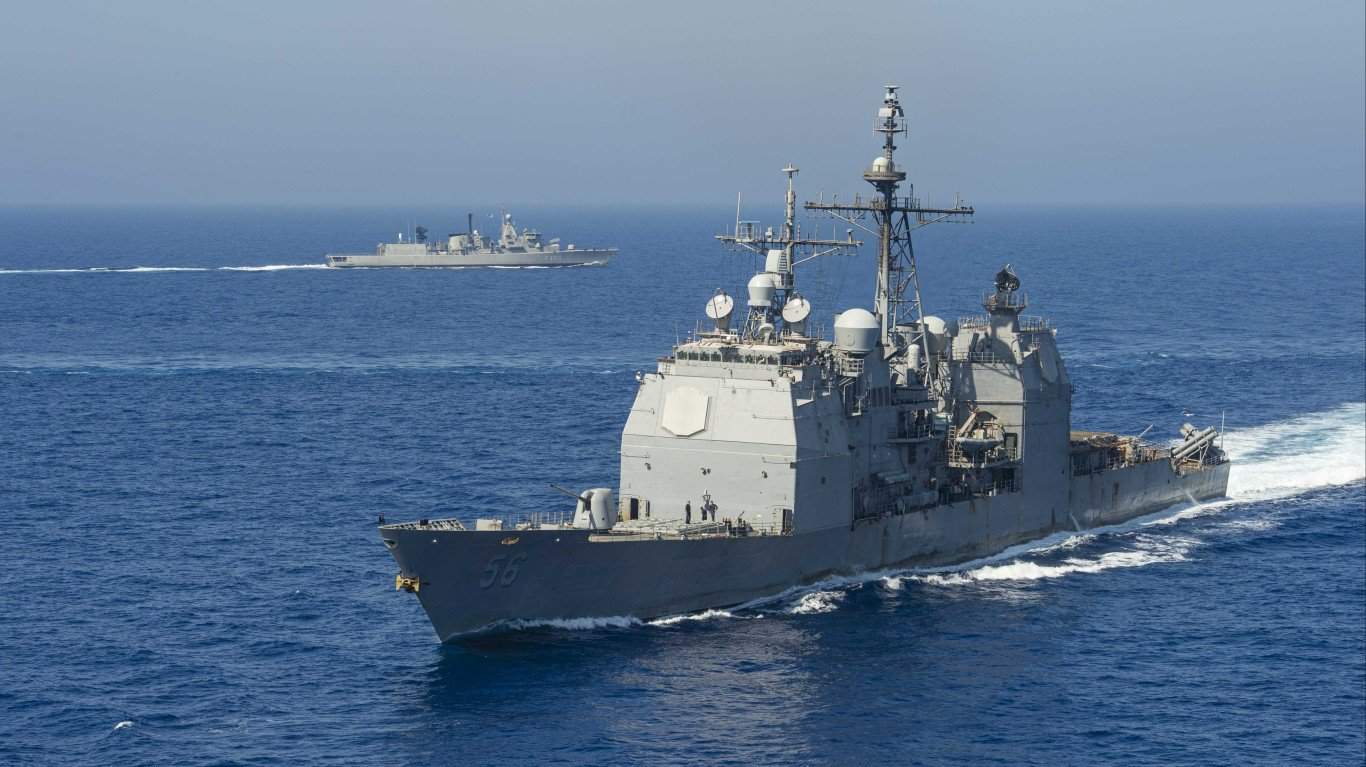
Ticonderoga-class cruisers serve as command and control hubs, directing complex naval operations in high-threat environments. In Hormuz, their extensive missile loadout and Aegis system allow them to manage air defense across a wide area. Acting as force multipliers, they coordinate multiple ships and aircraft to maintain control of the chokepoint.
Freedom-class LCS
- Country / Operator: USA
- Ship type: Littoral Combat Ship
- Displacement: ~3,500 tons
- Primary role in hormuz: Littoral ops / patrol
- Key weapons systems: 57mm gun, missiles
- Air defense capability: Limited
- Anti-ship capability: Moderate
- Key tactical advantage: High-speed littoral maneuver
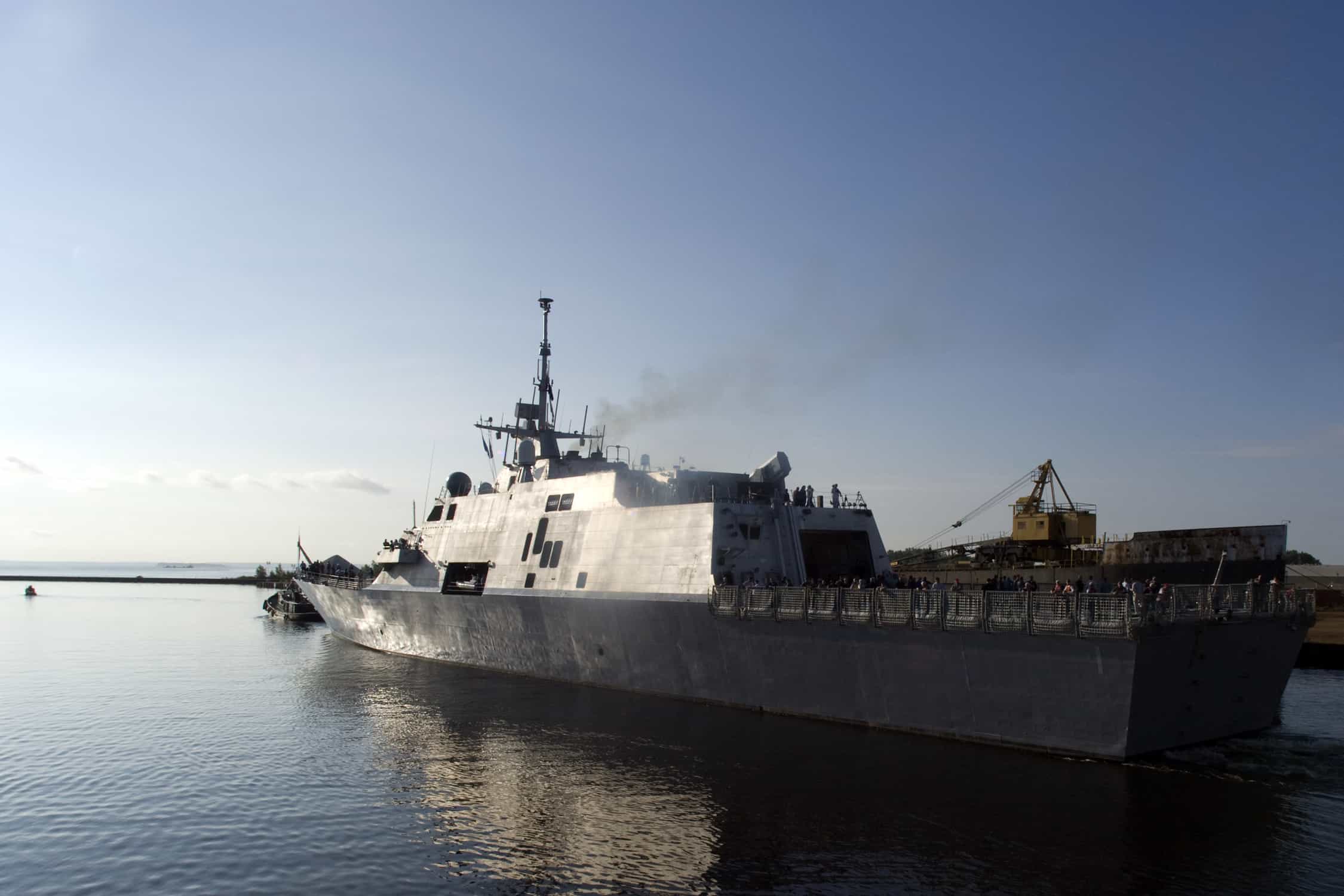
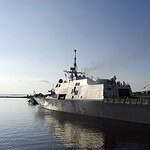
The Freedom-class LCS is designed for high-speed operations in confined waters, making it well-suited for the Strait of Hormuz. Its modular mission packages allow it to adapt to surface warfare or patrol roles. While lightly armed compared to destroyers, its speed and flexibility enable it to respond quickly to emerging threats in the littoral environment.
Independence-class LCS
- Country / Operator: USA
- Ship type: Littoral Combat Ship
- Displacement: ~3,100 tons
- Primary role in hormuz: Littoral ops / mine warfare
- Key weapons systems: 57mm gun, modules
- Air defense capability: Limited
- Anti-ship capability: Moderate
- Key tactical advantage: Shallow-water dominance
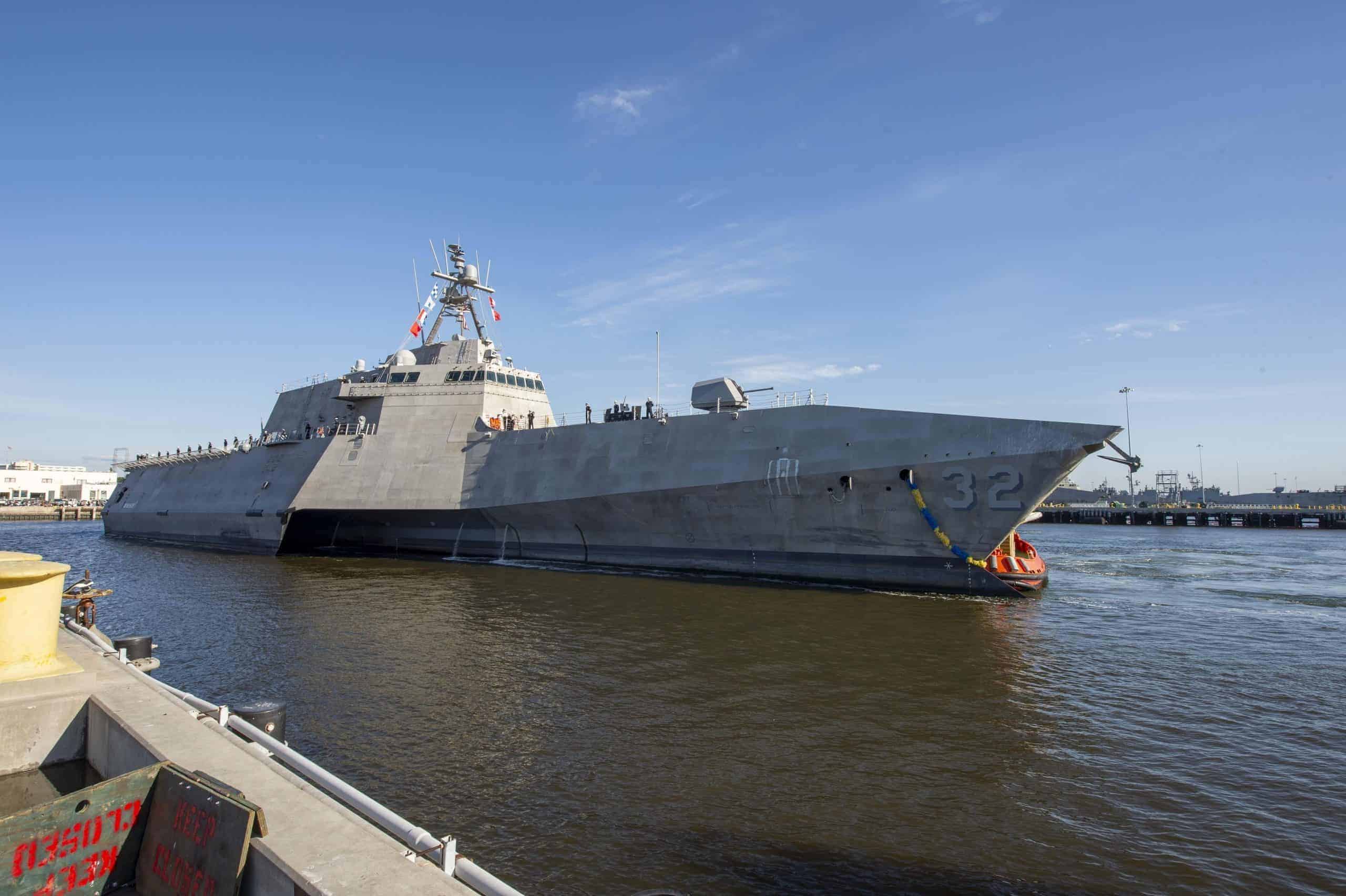
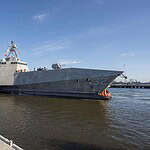
The Independence-class LCS emphasizes shallow-water operations and mine warfare, both critical in Hormuz. Its trimaran design provides stability and speed, allowing it to operate effectively in constrained environments. Equipped with mission modules, it can help detect and neutralize mines while supporting patrol operations in high-risk areas.
Avenger-class
- Country / Operator: USA
- Ship type: MCM
- Displacement: ~1,300 tons
- Primary role in hormuz: Mine countermeasures
- Key weapons systems: Mine-hunting systems
- Air defense capability: Minimal
- Anti-ship capability: None
- Key tactical advantage: Clears critical sea lanes
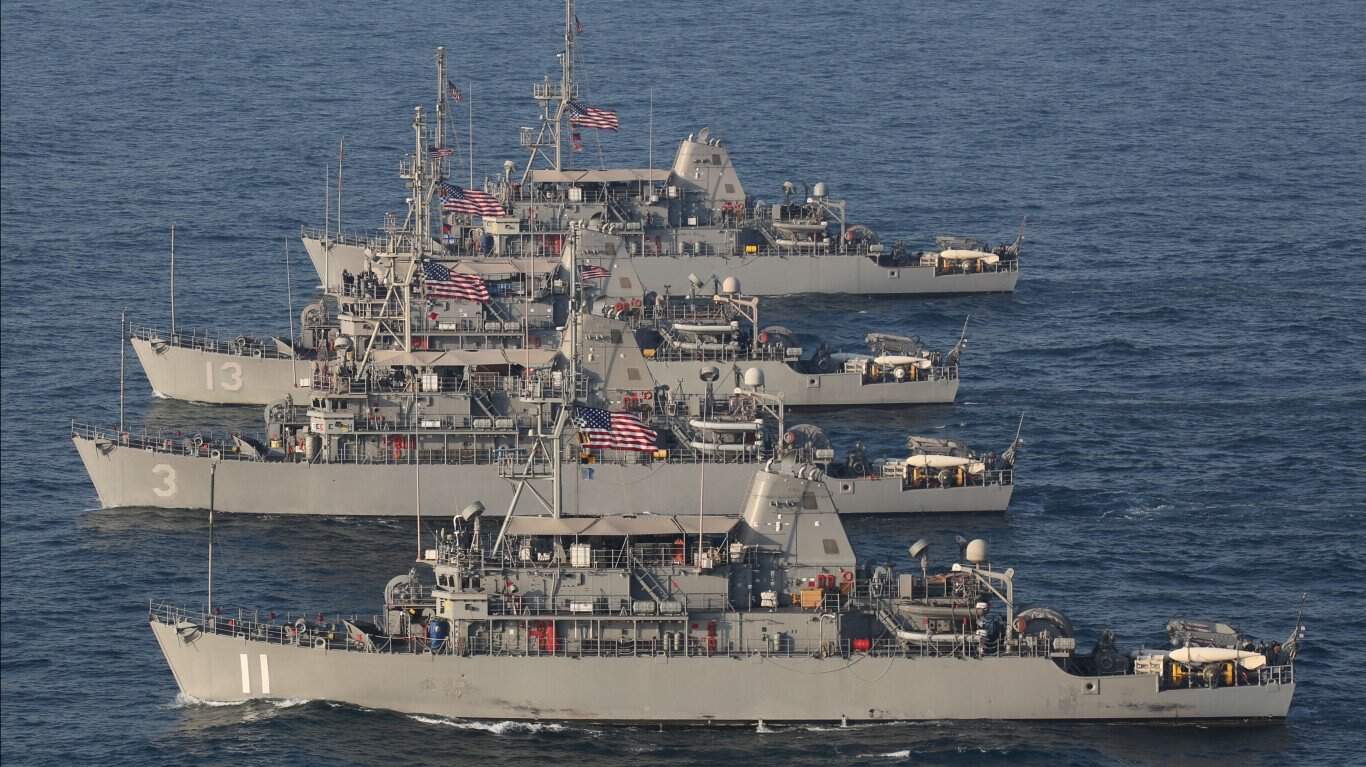
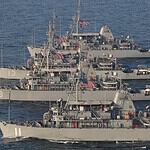
Avenger-class ships are among the most strategically important vessels in Hormuz, as mines pose one of the greatest threats to shipping. These ships specialize in detecting and clearing naval mines, ensuring safe passage through the strait. Without them, even the most powerful fleets could be effectively blocked by relatively simple weapons.
San Antonio-class
- Country / Operator: USA
- Ship type: Amphibious
- Displacement: ~25,000 tons
- Primary role in hormuz: Force projection
- Key weapons systems: Guns, missiles
- Air defense capability: Moderate
- Anti-ship capability: Limited
- Key tactical advantage: Deploys Marines in littoral zones
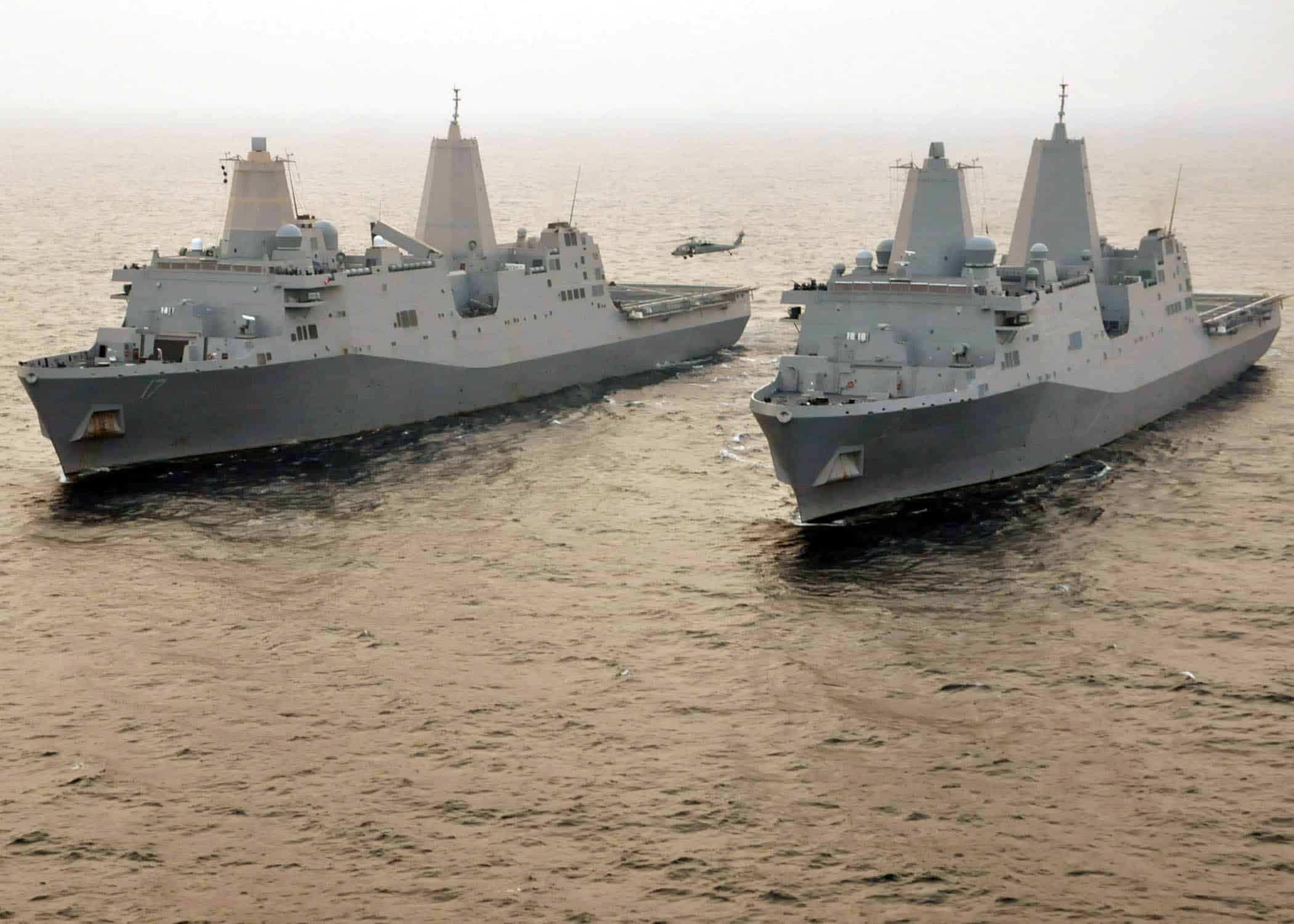
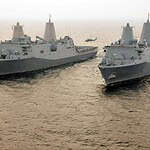
The San Antonio-class supports amphibious operations, enabling rapid deployment of Marines and equipment into coastal areas. In Hormuz, it provides flexibility for responding to crises on land or securing key infrastructure. While not a frontline combatant, its ability to project force ashore makes it an important asset in controlling the broader operational environment.
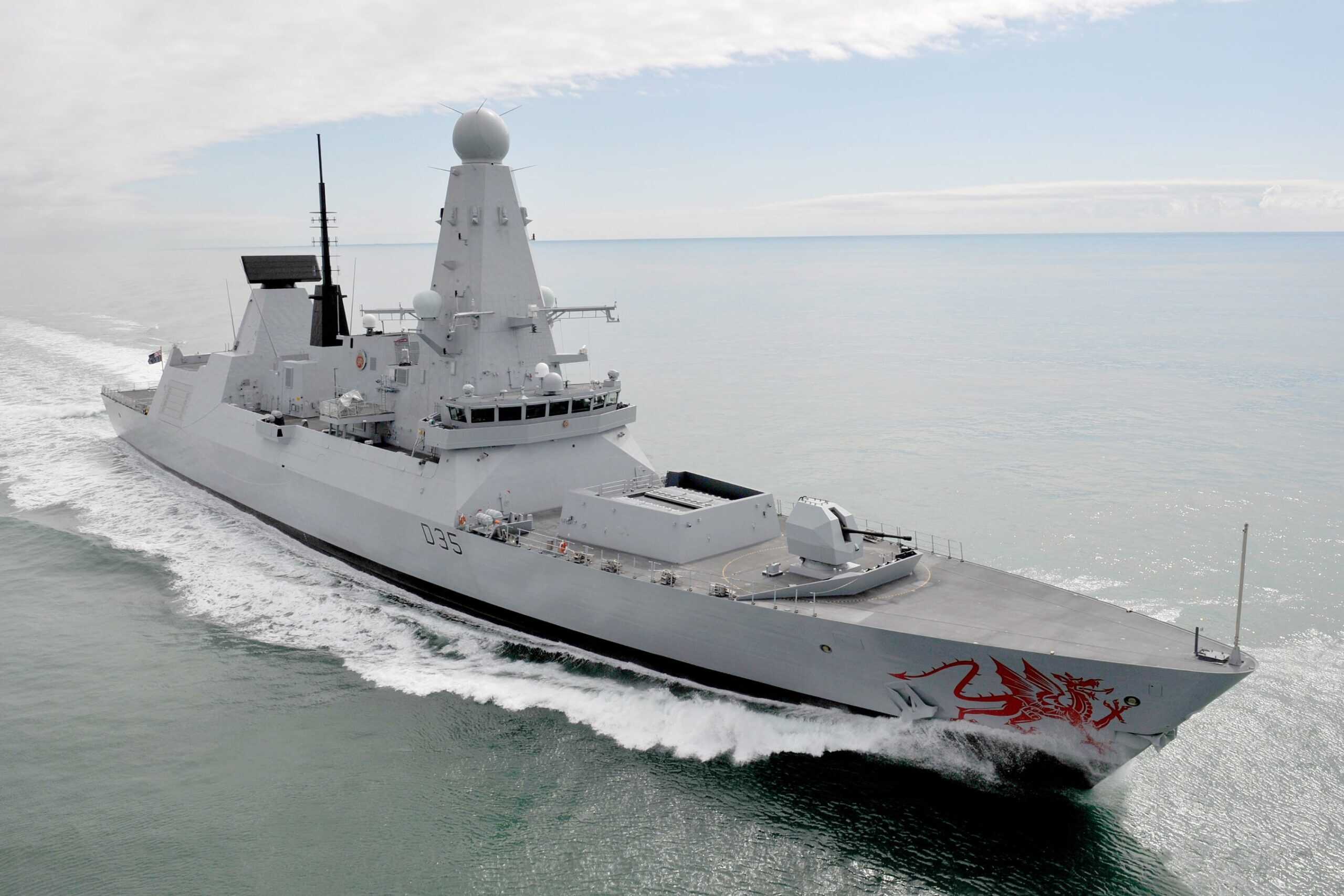
Type 45
- Country / Operator: UK
- Ship type: Destroyer
- Displacement: ~8,500 tons
- Primary role in hormuz: Air defense
- Key weapons systems: Sea Viper missiles
- Air defense capability: Advanced area defense
- Anti-ship capability: Limited
- Key tactical advantage: Elite air defense coverage
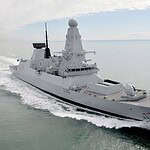
The Type 45 destroyer is one of the most advanced air defense platforms in the world, designed to protect fleets from missile and aircraft threats. In Hormuz, it would play a critical role in shielding allied vessels from incoming attacks. Its advanced radar and missile systems make it highly effective in maintaining air superiority over the chokepoint.
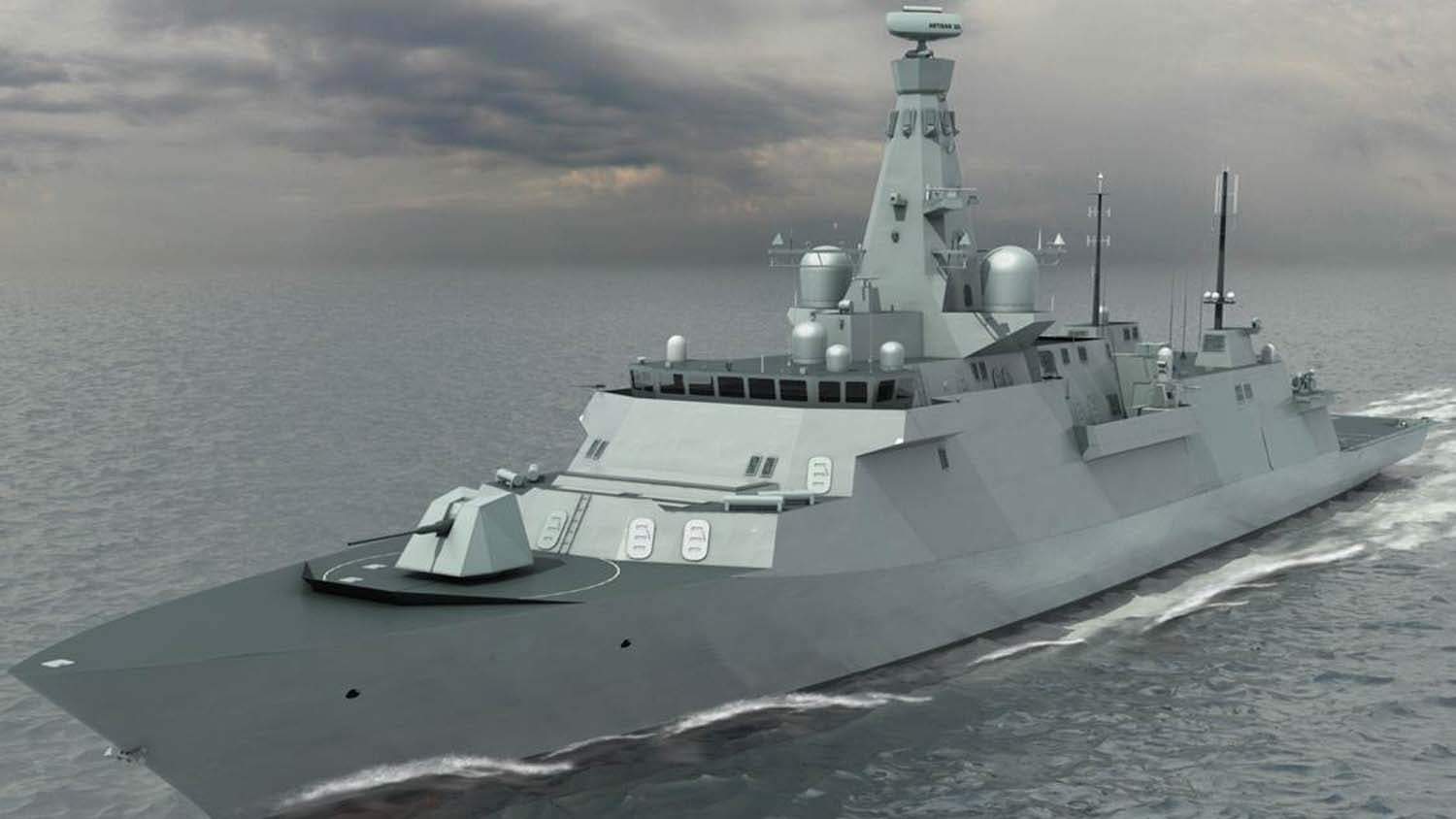
Type 26
- Country / Operator: UK
- Ship type: Frigate
- Displacement: ~8,000 tons
- Primary role in hormuz: Escort / ASW
- Key weapons systems: Missiles, guns
- Air defense capability: Advanced
- Anti-ship capability: Moderate
- Key tactical advantage: Next-gen multi-role escort
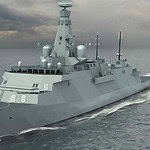
The Type 26 frigate represents the next generation of British naval capability, combining stealth, flexibility, and advanced sensors. In Hormuz, it would serve as a multi-role escort, capable of handling surface and subsurface threats. Its adaptability makes it valuable in a complex and rapidly changing operational environment.
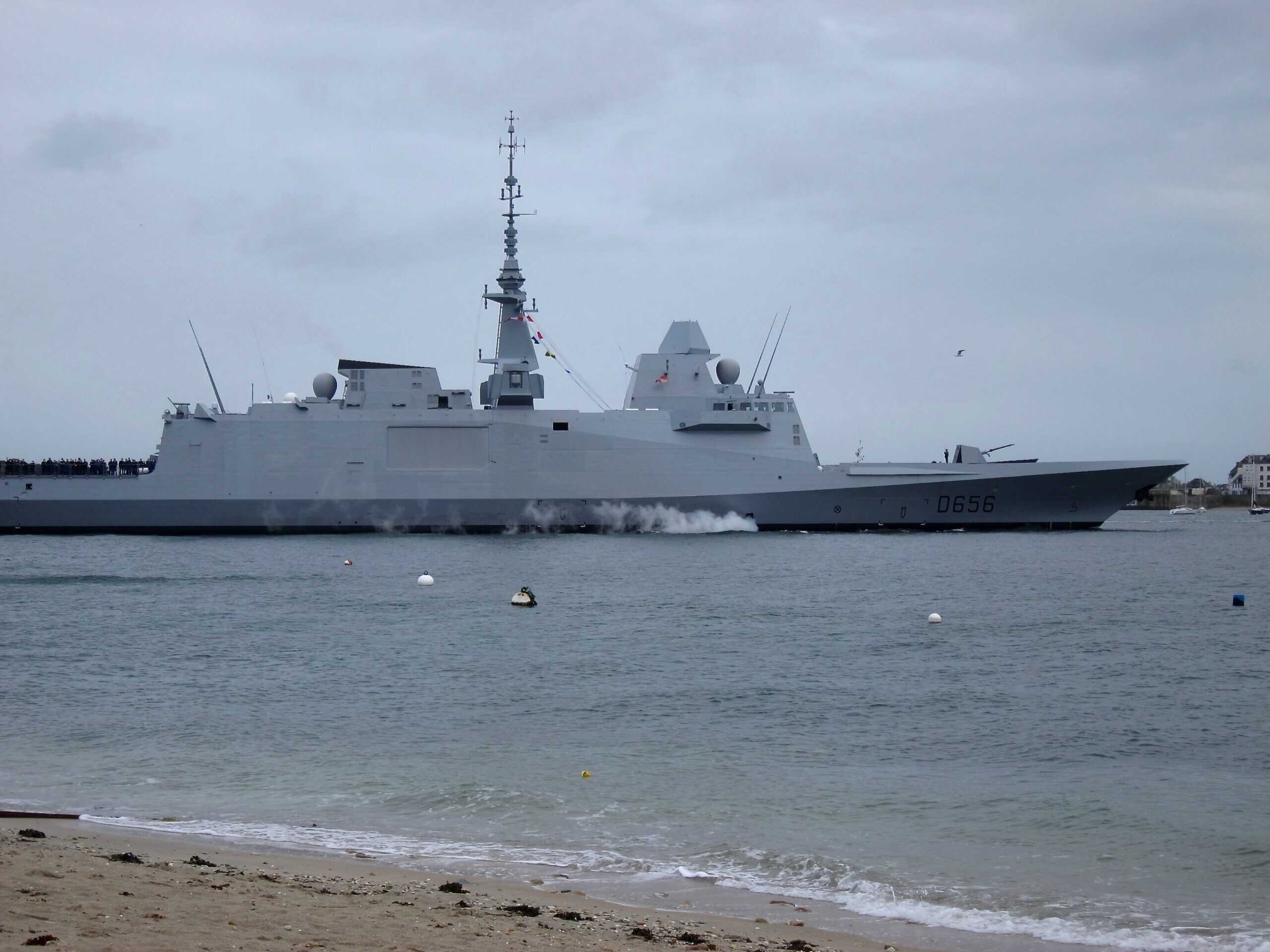
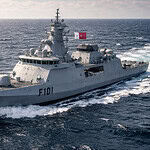
FREMM
- Country / Operator: France/Italy
- Ship type: Frigate
- Displacement: ~6,700 tons
- Primary role in hormuz: Escort / multi-role
- Key weapons systems: Exocet, Aster missiles
- Air defense capability: Advanced
- Anti-ship capability: Long-range strike
- Key tactical advantage: Flexible multi-mission capability
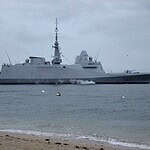
FREMM frigates are highly versatile warships designed for multi-mission roles, including escort and strike operations. In Hormuz, they provide strong anti-ship and air defense capabilities, allowing them to protect commercial shipping and allied vessels. Their flexibility makes them a key component of coalition naval operations.
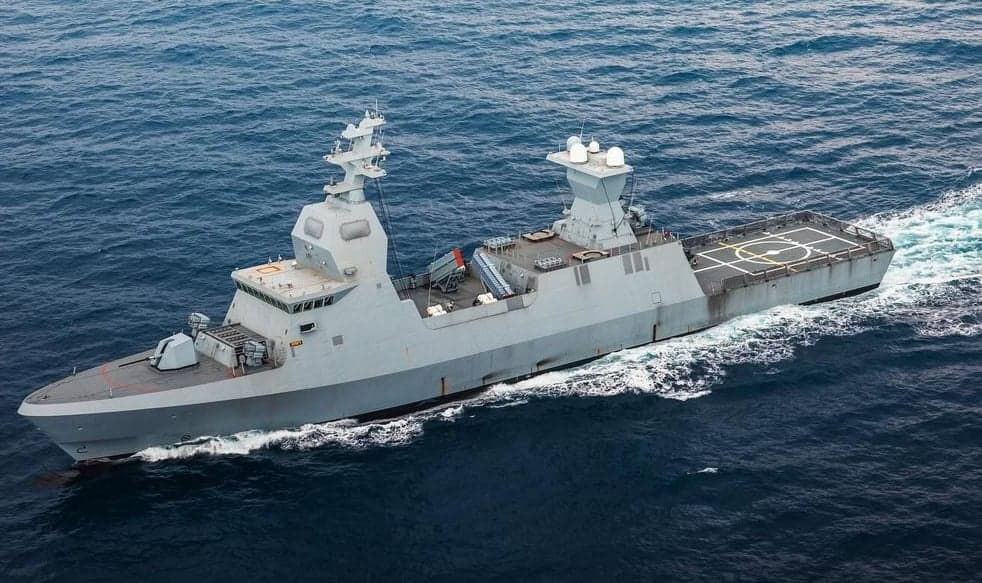
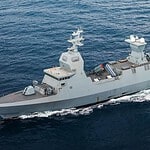
Sa'ar 6
- Country / Operator: Israel
- Ship type: Corvette
- Displacement: ~2,000 tons
- Primary role in hormuz: Coastal defense
- Key weapons systems: Barak-8, anti-ship missiles
- Air defense capability: Advanced
- Anti-ship capability: Moderate
- Key tactical advantage: Compact high-firepower platform
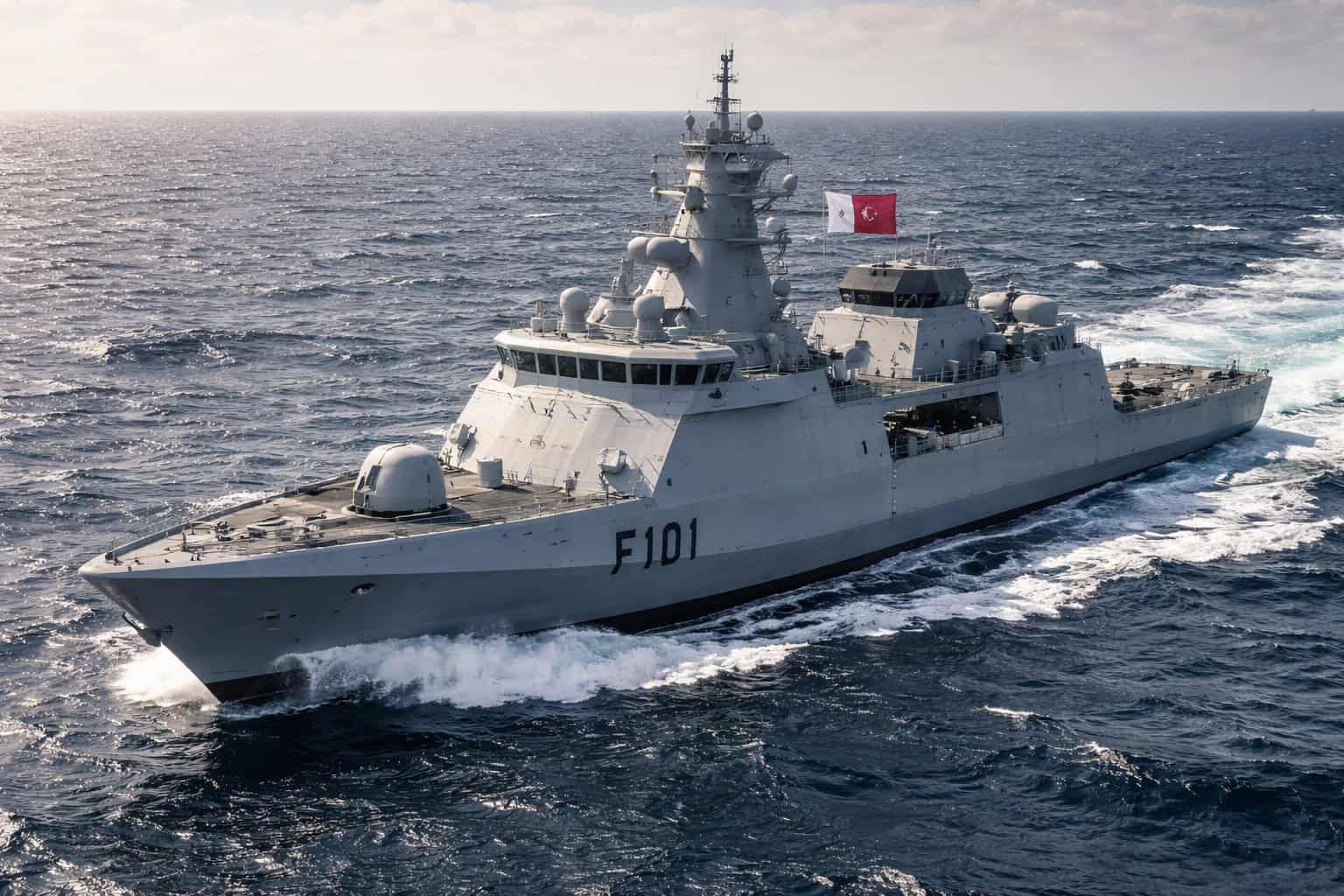
The Sa'ar 6 corvette packs significant firepower into a compact platform, making it highly effective in coastal environments. In Hormuz, its advanced missile systems and air defenses allow it to operate as a powerful deterrent. Its size and capabilities make it well-suited for defending critical maritime zones.
Al Zubarah-class
- Country / Operator: Qatar
- Ship type: Corvette
- Displacement: ~3,200 tons
- Primary role in hormuz: Patrol / escort
- Key weapons systems: Missiles, guns
- Air defense capability: Moderate
- Anti-ship capability: Moderate
- Key tactical advantage: Modern regional patrol power
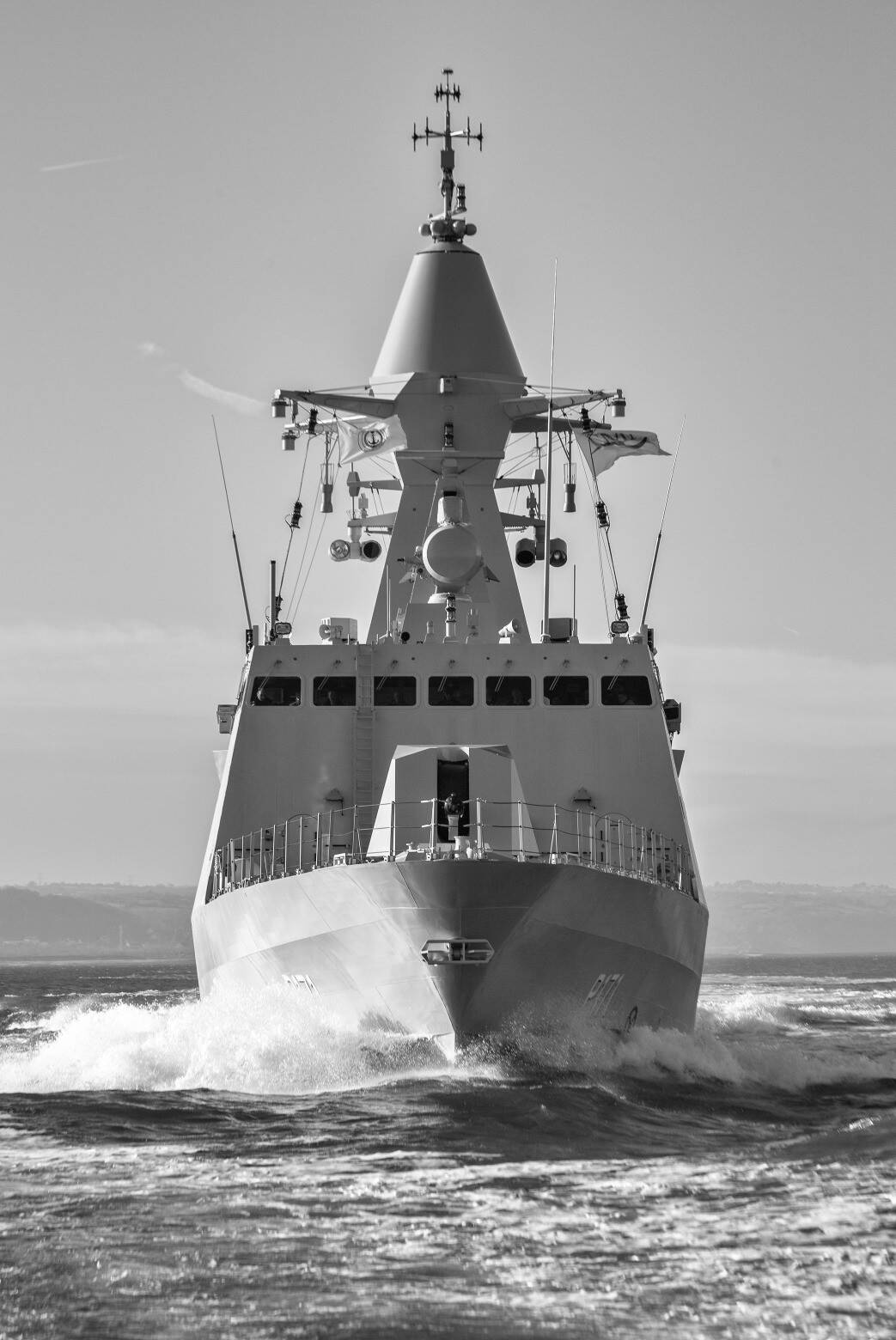
The Al Zubarah-class corvette enhances Qatar's ability to patrol and secure its maritime interests. In Hormuz, it would contribute to escort and surveillance operations. Equipped with modern systems, it provides a capable regional presence in maintaining stability within the strait.
Baynunah-class
- Country / Operator: UAE
- Ship type: Corvette
- Displacement: ~900 tons
- Primary role in hormuz: Coastal patrol
- Key weapons systems: Missiles, guns
- Air defense capability: Limited
- Anti-ship capability: Moderate
- Key tactical advantage: Fast coastal response
The Baynunah-class corvette is optimized for coastal patrol and rapid response missions. Its speed and maneuverability make it effective in the confined waters of Hormuz. While smaller than major warships, it plays an important role in monitoring and responding to potential threats in the region.
Al Jubail-class
- Country / Operator: Saudi Arabia
- Ship type: Corvette
- Displacement: ~2,500 tons
- Primary role in hormuz: Escort / patrol
- Key weapons systems: Missiles, guns
- Air defense capability: Moderate
- Anti-ship capability: Moderate
- Key tactical advantage: Modernized coastal defense
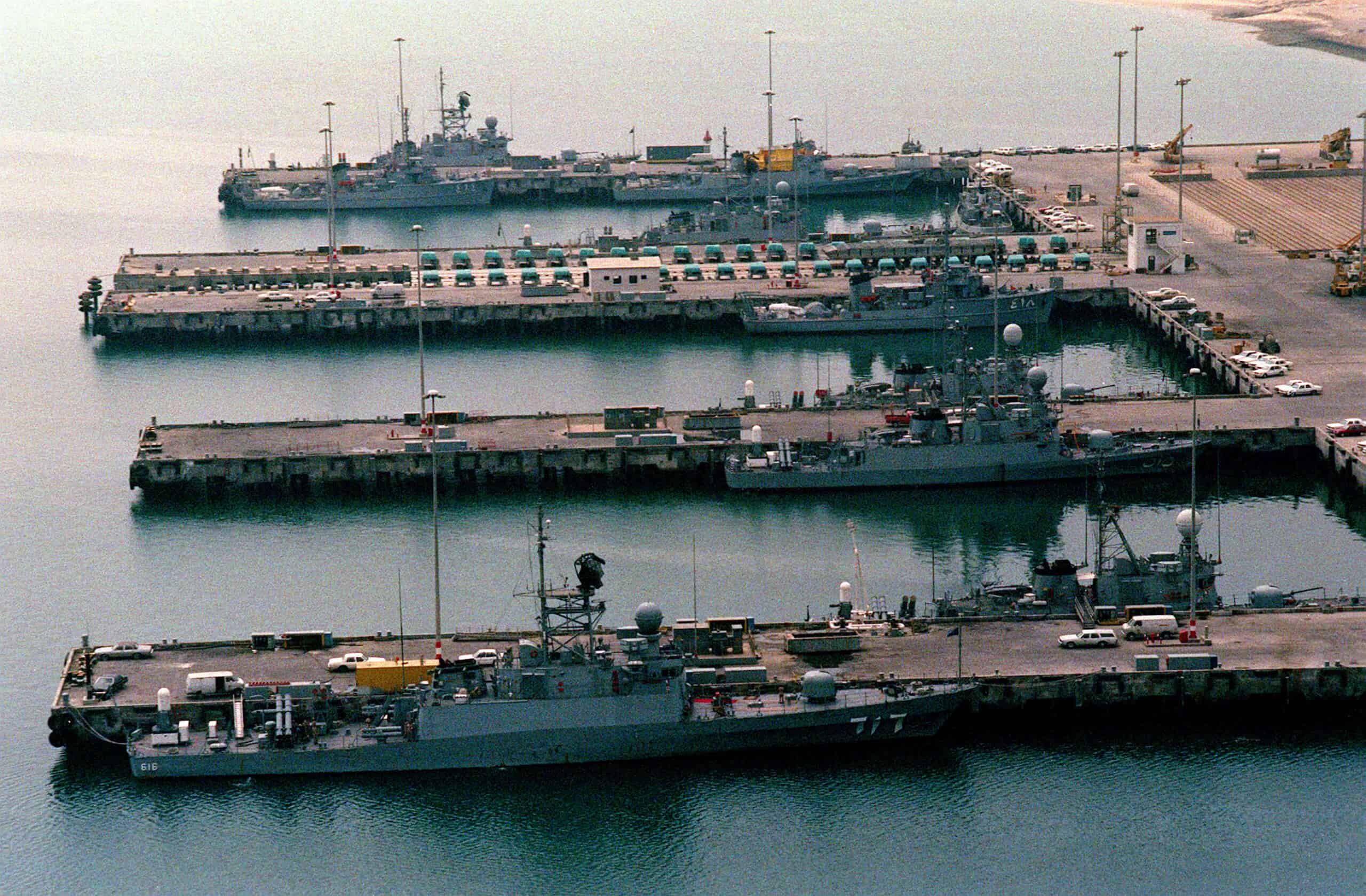
The Al Jubail-class corvette represents Saudi Arabia's investment in modern naval capabilities. In Hormuz, it would support escort missions and coastal defense operations. Its modern systems allow it to operate effectively alongside allied forces in maintaining maritime security.
Moudge-class
- Country / Operator: Iran
- Ship type: Frigate
- Displacement: ~1,500 tons
- Primary role in hormuz: Area denial
- Key weapons systems: Missiles, guns
- Air defense capability: Limited
- Anti-ship capability: Moderate
- Key tactical advantage: Indigenous missile platform
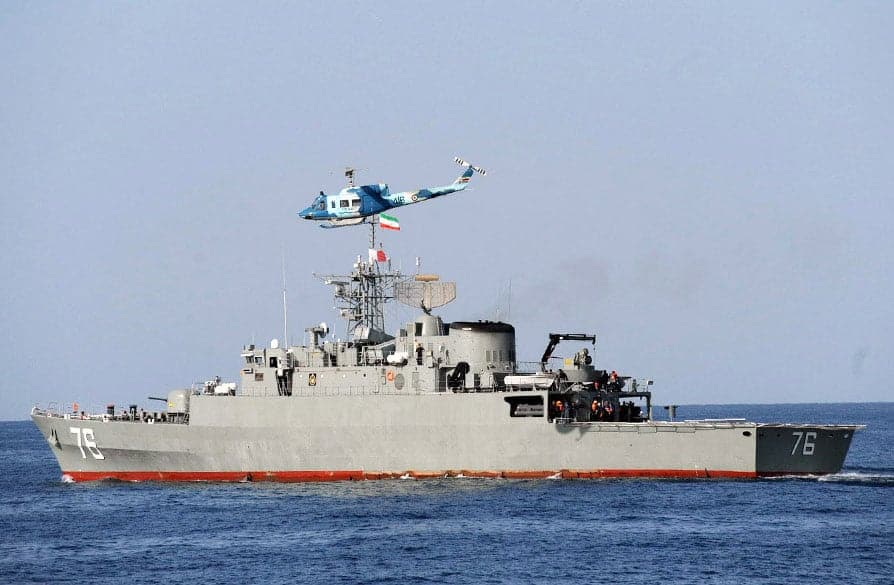
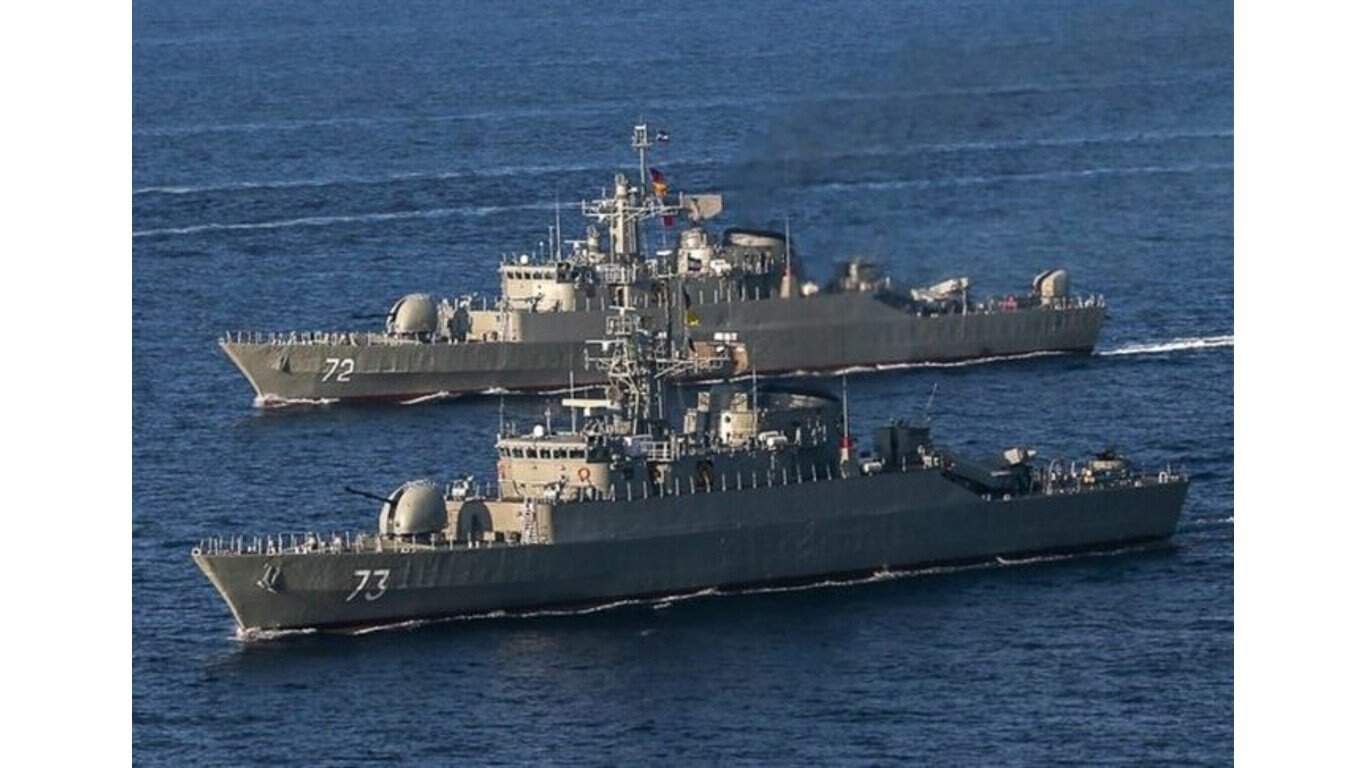
The Moudge-class frigate reflects Iran's efforts to develop indigenous naval capabilities. In Hormuz, it serves as a platform for missile-based area denial, capable of threatening larger ships. Its presence contributes to Iran's strategy of complicating naval operations in the strait.
Alvand-class
- Country / Operator: Iran
- Ship type: Frigate
- Displacement: ~1,500 tons
- Primary role in hormuz: Patrol / strike
- Key weapons systems: Missiles, guns
- Air defense capability: Limited
- Anti-ship capability: Moderate
- Key tactical advantage: Legacy regional presence
The Alvand-class frigate, though older, remains a part of Iran's naval force structure. In Hormuz, it provides patrol and limited strike capability. While less advanced, it still plays a role in maintaining a visible naval presence in the region.
Sina-class
- Country / Operator: Iran
- Ship type: Fast Attack Craft
- Displacement: ~275 tons
- Primary role in hormuz: Swarm attack
- Key weapons systems: Anti-ship missiles
- Air defense capability: Minimal
- Anti-ship capability: Saturation attack
- Key tactical advantage: Fast missile strike
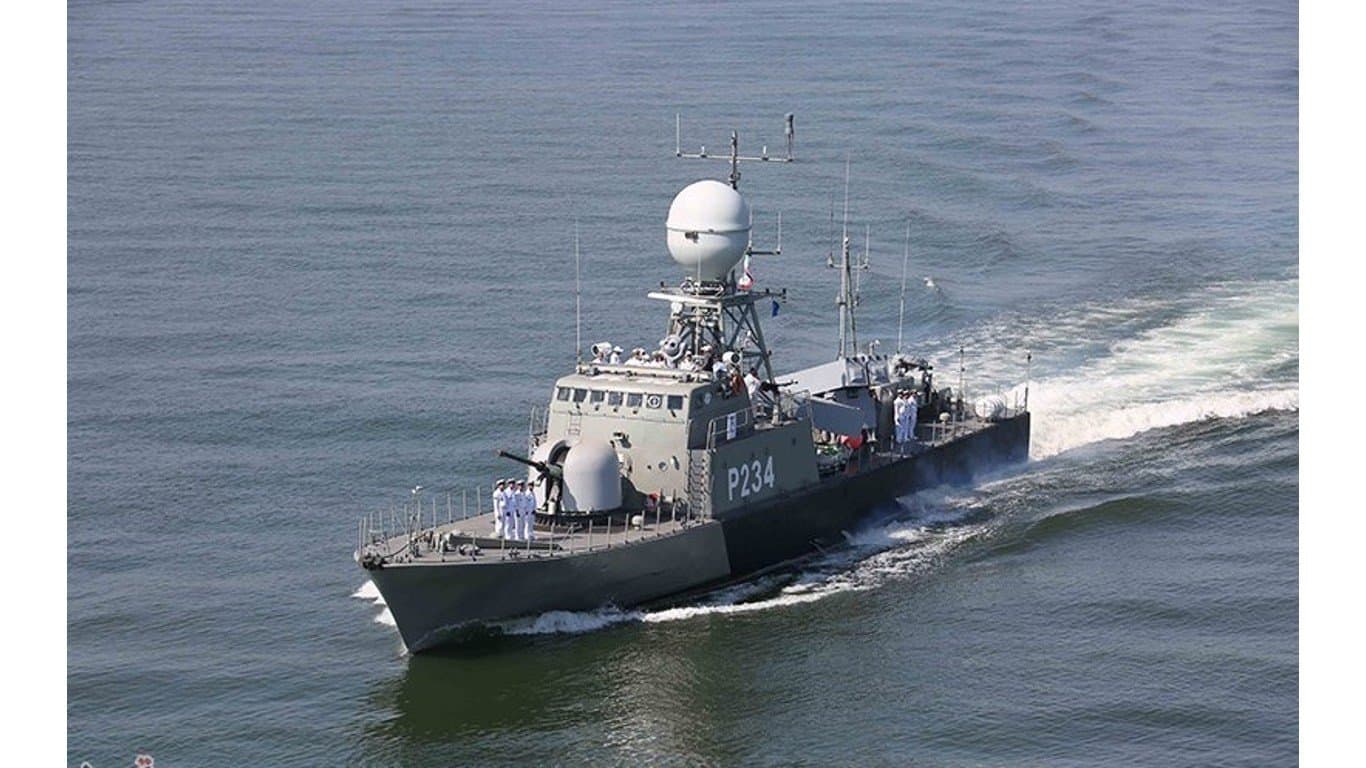
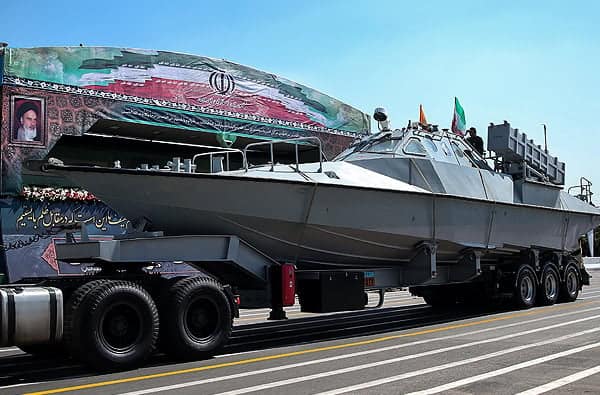
The Sina-class fast attack craft is a key component of Iran's asymmetric strategy, using speed and missiles to threaten larger vessels. In Hormuz, it would operate in groups to launch coordinated attacks. Its small size and agility make it difficult to detect and counter.
Houdong-class
- Country / Operator: Iran/China
- Ship type: Missile Boat
- Displacement: ~200 tons
- Primary role in hormuz: Swarm attack
- Key weapons systems: Anti-ship missiles
- Air defense capability: Minimal
- Anti-ship capability: Saturation attack
- Key tactical advantage: High-speed missile threat
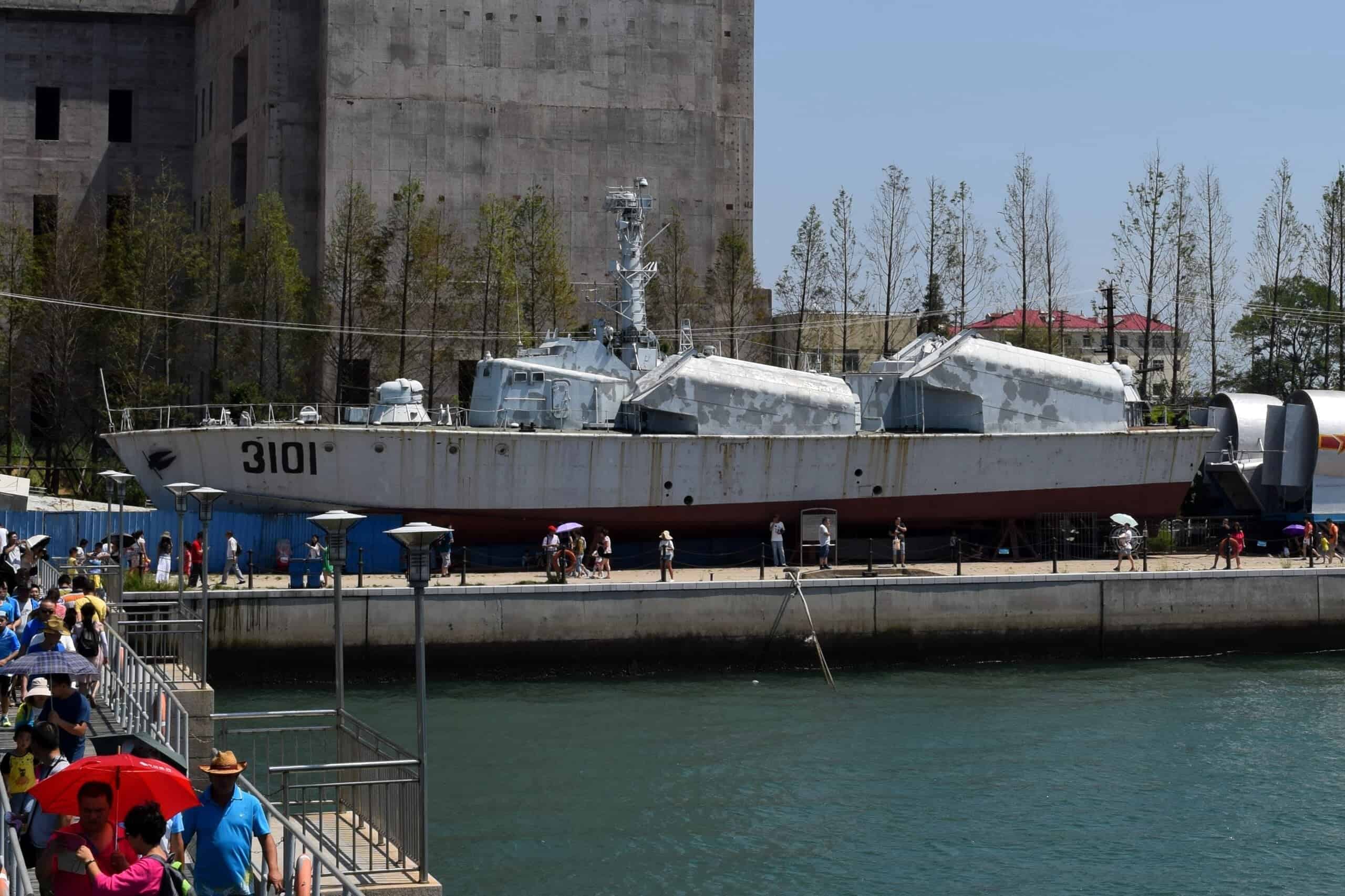
The Houdong-class missile boat is designed for rapid, high-speed attacks using anti-ship missiles. In Hormuz, it contributes to swarm tactics aimed at overwhelming defenses. Its role is to create pressure on larger ships through saturation attacks.
Zolfaghar-class
- Country / Operator: Iran
- Ship type: Fast Attack Craft
- Displacement: ~300 tons
- Primary role in hormuz: Swarm attack
- Key weapons systems: Rockets, missiles
- Air defense capability: Minimal
- Anti-ship capability: Saturation attack
- Key tactical advantage: Mass swarm capability
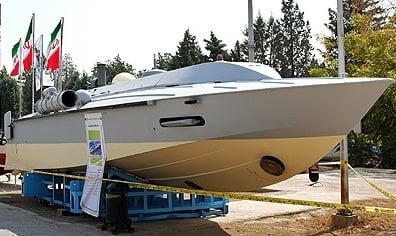
The Zolfaghar-class fast attack craft is built for swarm operations, using rockets and missiles to engage targets at close range. In Hormuz, it would operate in numbers to complicate defensive responses. Its speed and numbers make it a persistent threat.
Peykaap III
- Country / Operator: Iran
- Ship type: Missile Boat
- Displacement: ~150 tons
- Primary role in hormuz: Swarm attack
- Key weapons systems: Anti-ship missiles
- Air defense capability: Minimal
- Anti-ship capability: Saturation attack
- Key tactical advantage: Extreme speed hit-and-run
The Peykaap III missile boat is one of Iran's fastest attack craft, designed for hit-and-run tactics. In Hormuz, it would exploit its speed to launch quick strikes and withdraw before retaliation. Its role is to disrupt and harass larger naval forces.
Shahid Soleimani-class
- Country / Operator: Iran
- Ship type: Missile Corvette
- Displacement: ~600 tons
- Primary role in hormuz: Area denial
- Key weapons systems: Missiles, drones
- Air defense capability: Limited
- Anti-ship capability: Moderate
- Key tactical advantage: Stealthy missile platform
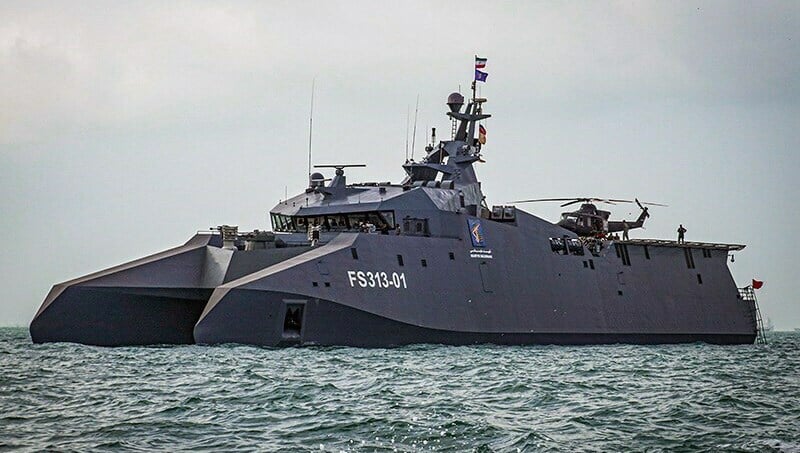
The Shahid Soleimani-class represents a newer generation of Iranian missile corvettes, combining stealth features with missile and drone capabilities. In Hormuz, it enhances Iran's ability to conduct area denial operations. Its design reflects a shift toward more advanced and survivable platforms.
The image featured at the top of this post is ©Archaeonavall / Shutterstock.com – License / Original