

The Power of What You Can’t See
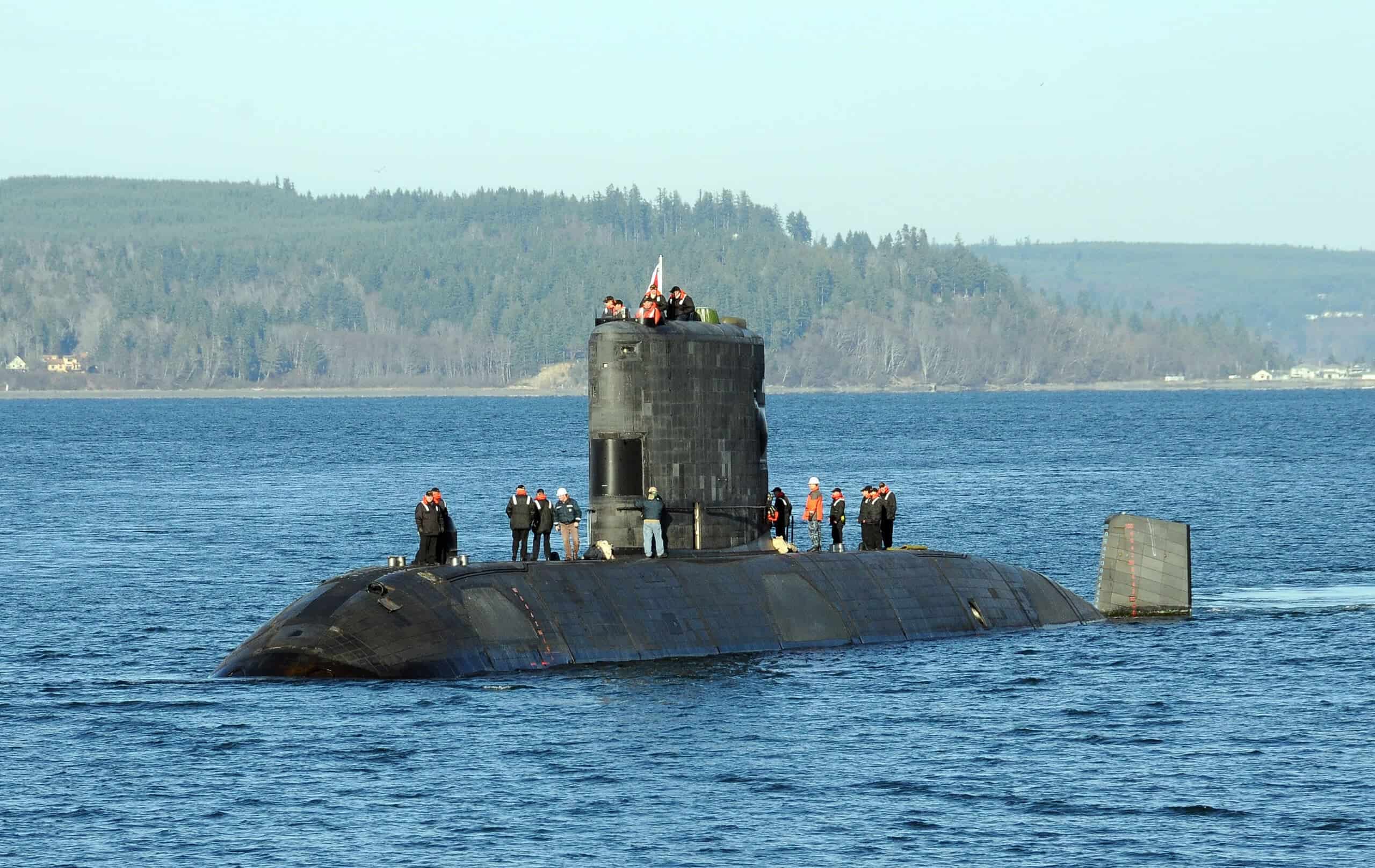
Some of the most powerful weapons in modern warfare are never seen—and rarely used. Submarines operate in silence, far below the surface, where their greatest strength is not in firing first, but in being there at all. Their presence alone can alter decisions, delay actions, and reshape entire strategies without a single shot being fired.
Deterrence Beneath the Surface
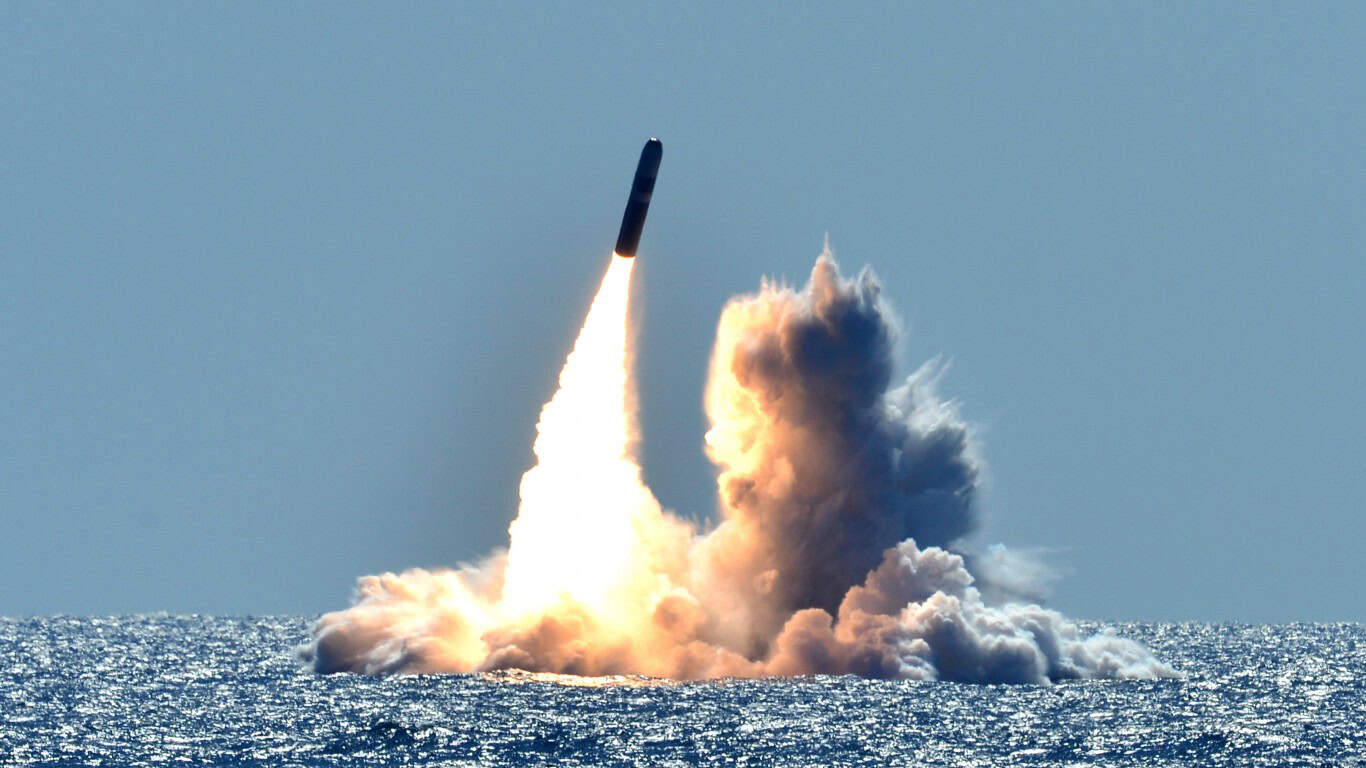
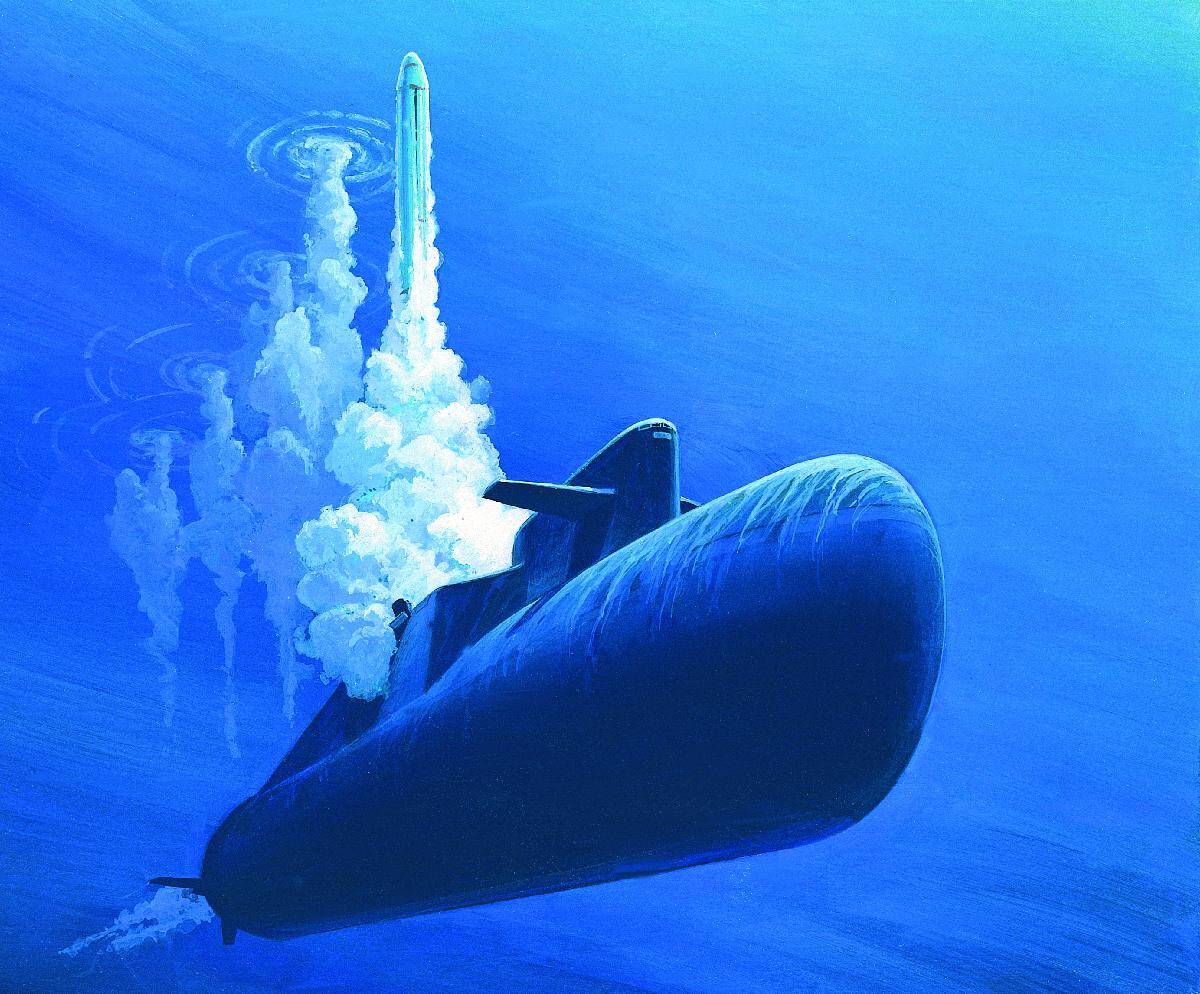
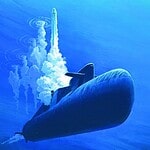
During the Cold War, submarines became one of the most important pillars of nuclear deterrence. Ballistic missile submarines ensured that even if a nation was struck first, it could still respond from hidden positions at sea. This constant, unseen threat helped prevent direct conflict between superpowers, making submarines central to maintaining global stability.
Shadow Wars and Silent Tracking
Not all submarine missions involve weapons—many involve watching, listening, and following. Attack submarines spent decades shadowing enemy fleets, gathering intelligence, and tracking movements without ever revealing their position. This silent form of warfare forced adversaries to operate cautiously, knowing they were likely being observed at all times.
Crisis Moments That Almost Changed Everything
In several moments throughout history, submarines have been at the center of events that nearly escalated into major conflict. From Cold War standoffs to near-launch decisions, the actions of submarine crews have carried enormous consequences. In these moments, restraint—not firepower—was what ultimately shaped the outcome.
Influence Without Engagement
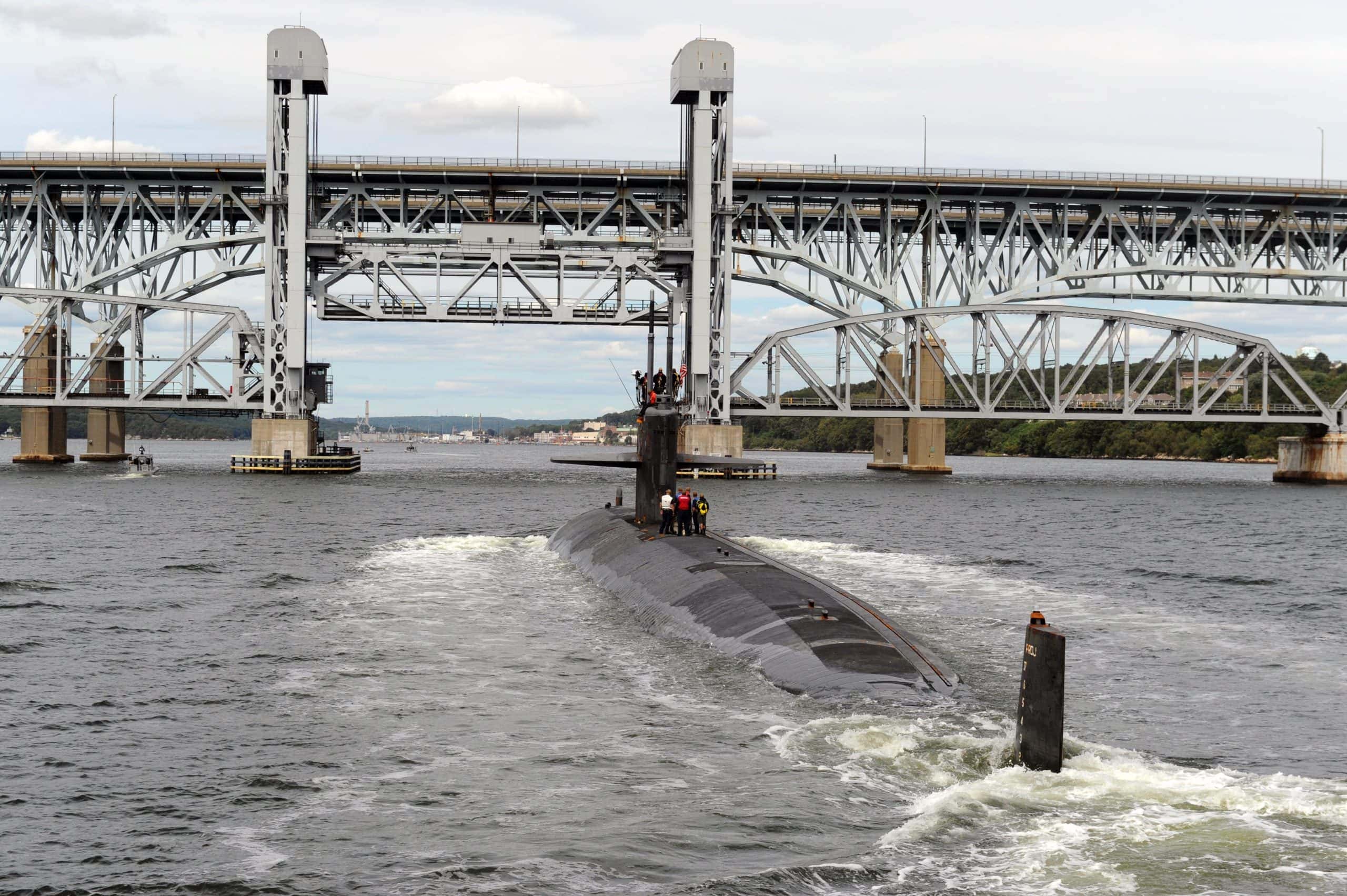
Today’s submarines continue to shape global strategy through presence, stealth, and uncertainty. Whether conducting intelligence missions, maintaining deterrence patrols, or simply existing as an unseen threat, these platforms influence how nations plan and respond. They prove that in modern warfare, the most powerful move is sometimes the one never made.
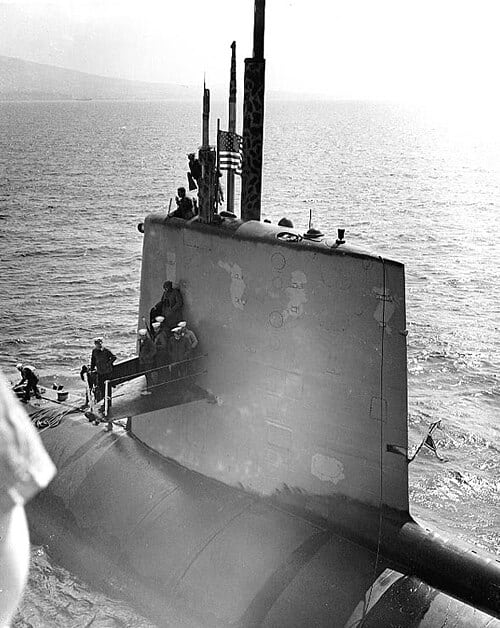
USS George Washington (SSBN-598)
- Country: United States
- Submarine Type: SSBN
- Year Commissioned: 1959
- Era of Strategic Relevance: Cold War
- Key Capability: SLBMs
- Type of Influence (Without First Strike): Deterrence
- Notable Event / Strategic Impact: First operational SSBN patrols
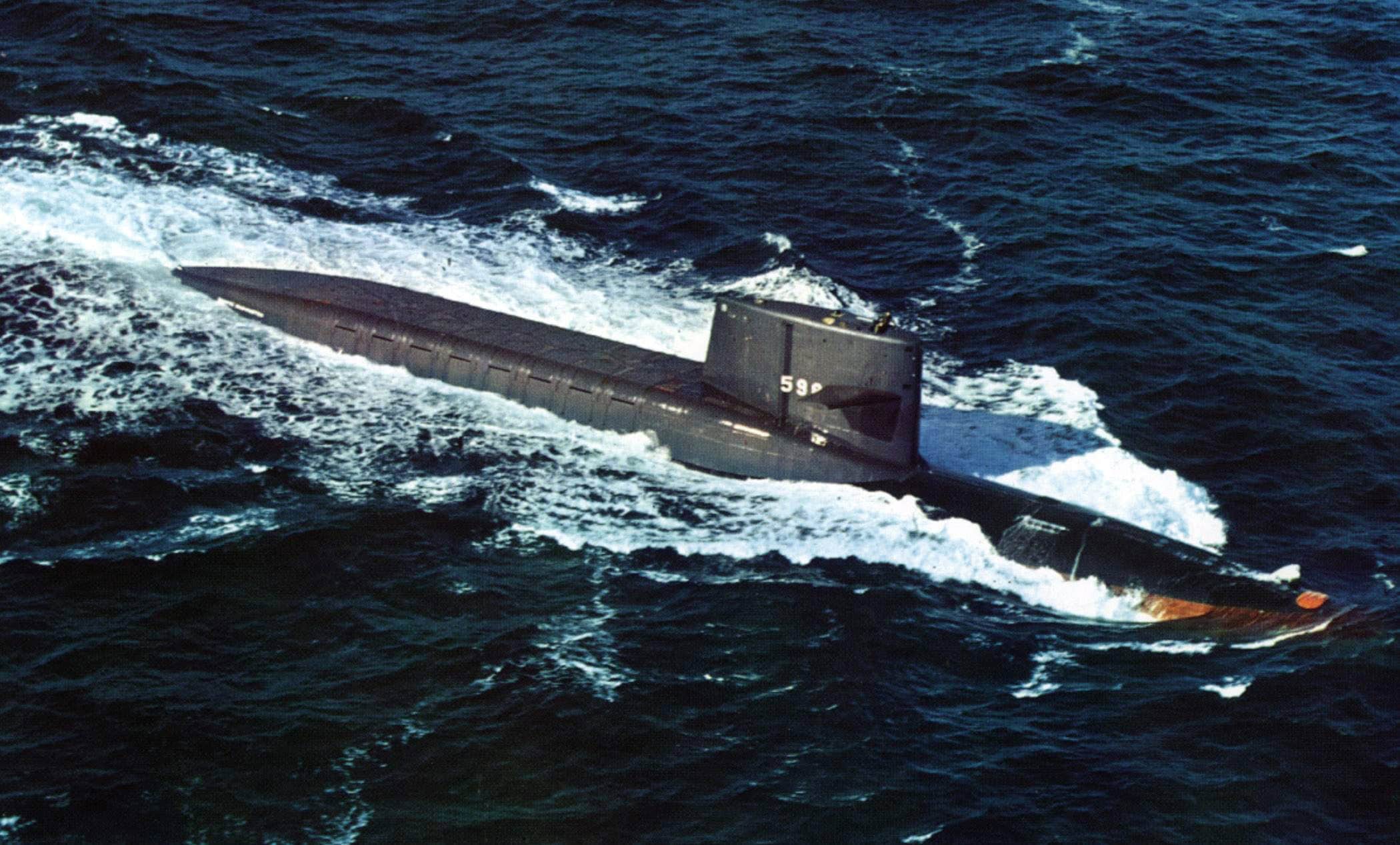
USS George Washington fundamentally changed nuclear strategy by introducing a survivable second-strike capability at sea. Its ability to remain hidden while carrying ballistic missiles forced adversaries to assume retaliation was always possible. This shifted deterrence from land-based vulnerability to continuous underwater presence, stabilizing Cold War strategy without requiring direct combat.
USS Skipjack (SSN-585)
- Country: United States
- Submarine Type: SSN
- Year Commissioned: 1959
- Era of Strategic Relevance: Cold War
- Key Capability: High-speed nuclear propulsion
- Type of Influence (Without First Strike): Psychological pressure
- Notable Event / Strategic Impact: Introduced teardrop hull + speed
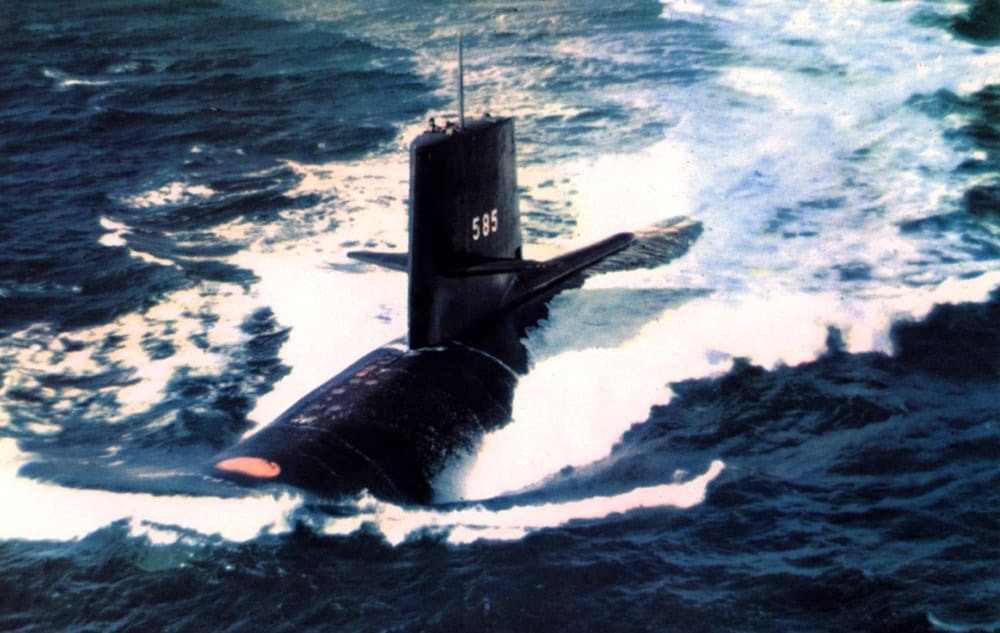
USS Skipjack introduced speed and maneuverability that allowed submarines to shadow adversary fleets effectively. Its presence alone forced opposing navies to account for unseen threats beneath the surface. This capability changed naval planning, as surface fleets could no longer operate freely without considering persistent underwater tracking.
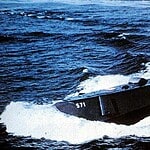
USS Nautilus (SSN-571)
- Country: United States
- Submarine Type: SSN
- Year Commissioned: 1954
- Era of Strategic Relevance: Cold War
- Key Capability: Nuclear propulsion
- Type of Influence (Without First Strike): Doctrinal shift
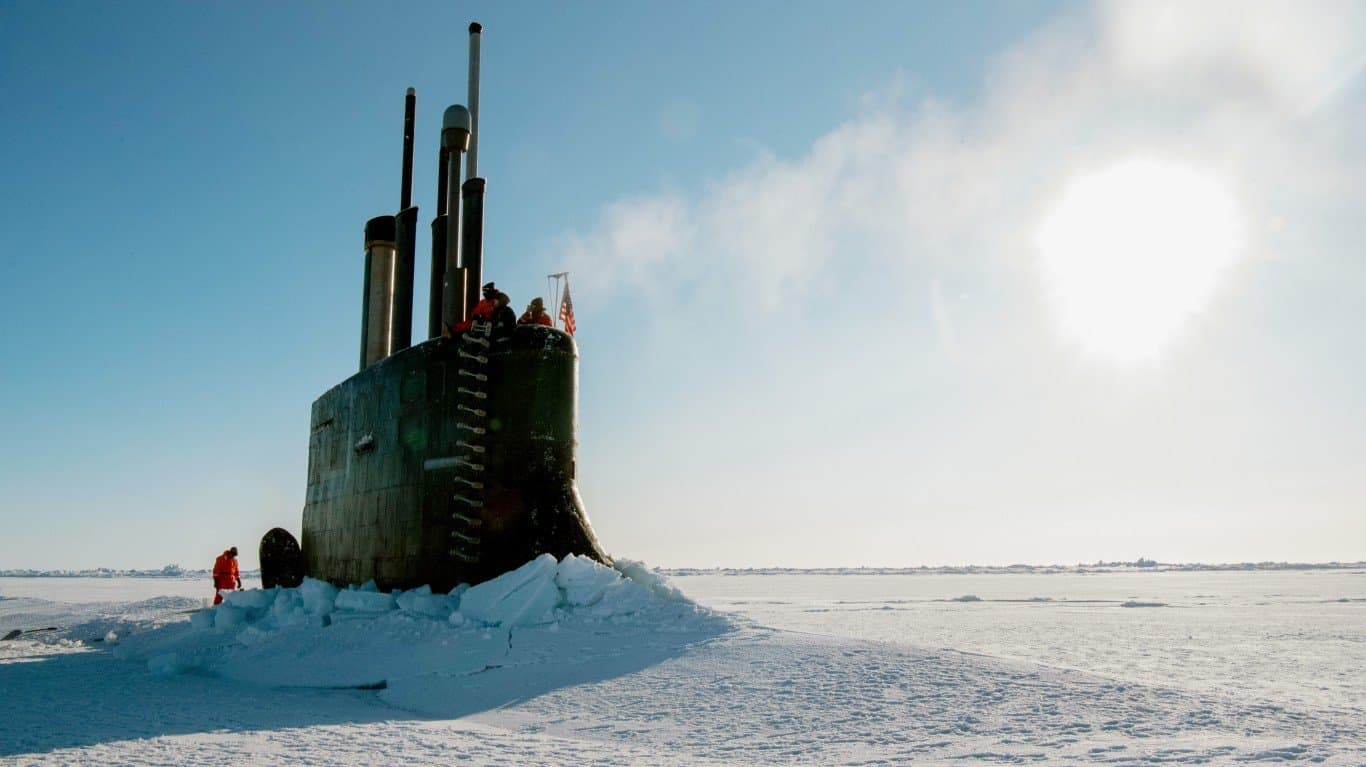
- Notable Event / Strategic Impact: Transited under Arctic ice
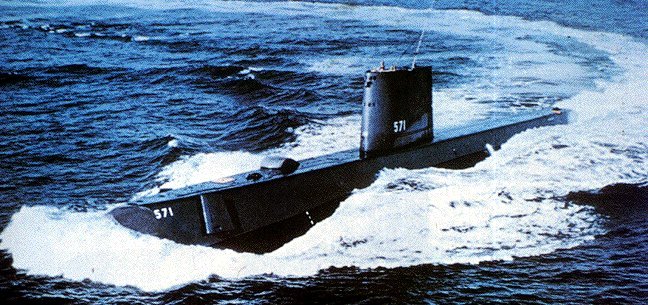
USS Nautilus proved that nuclear propulsion could free submarines from traditional endurance limits, allowing them to operate globally without surfacing. Its Arctic transit demonstrated unprecedented reach and strategic flexibility. This forced a reevaluation of naval boundaries and established submarines as global assets rather than regional tools.
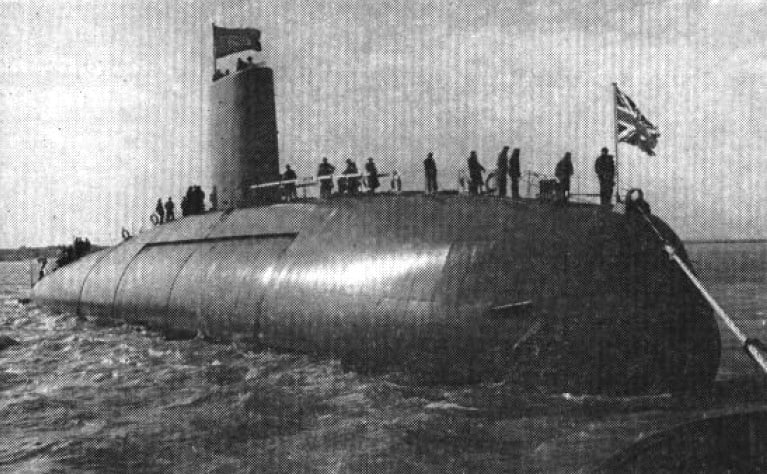
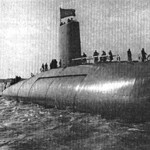
HMS Dreadnought (S101)
- Country: United Kingdom
- Submarine Type: SSN
- Year Commissioned: 1963
- Era of Strategic Relevance: Cold War
- Key Capability: Nuclear propulsion
- Type of Influence (Without First Strike): Deterrence
- Notable Event / Strategic Impact: Extended NATO undersea capability
HMS Dreadnought extended nuclear submarine capability beyond the United States, strengthening NATO’s collective deterrent. Its presence ensured that undersea nuclear and surveillance operations were not limited to a single nation. This broadened strategic coverage and reinforced alliance-based deterrence without direct engagement.
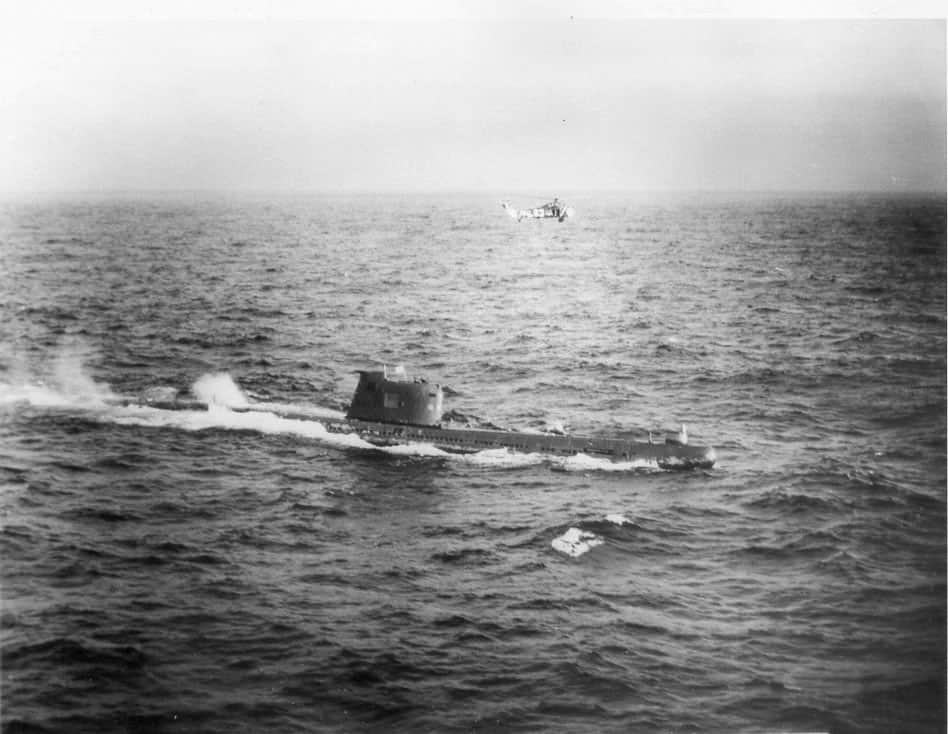
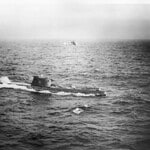
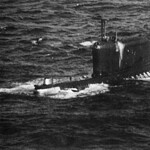
B-59 submarine
- Country: Soviet Union
- Submarine Type: Diesel-electric
- Year Commissioned: 1959
- Era of Strategic Relevance: Cold War
- Key Capability: Nuclear-capable torpedo
- Type of Influence (Without First Strike): Crisis de-escalation
- Notable Event / Strategic Impact: Cuban Missile Crisis incident
The Soviet B-59 submarine played a critical role during the Cuban Missile Crisis, where its presence nearly escalated into nuclear conflict. The decision not to launch a nuclear torpedo demonstrated how submarine commanders could influence global outcomes. Its restraint highlighted the immense strategic weight carried by submerged platforms.
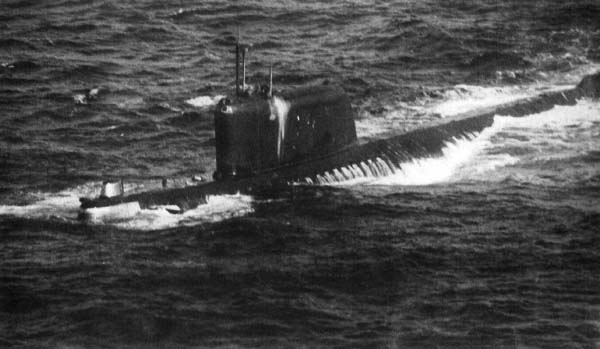
K-19
- Country: Soviet Union
- Submarine Type: SSBN
- Year Commissioned: 1961
- Era of Strategic Relevance: Cold War
- Key Capability: SLBMs
- Type of Influence (Without First Strike): Doctrinal impact
- Notable Event / Strategic Impact: Reactor crisis influenced safety doctrine
K-19’s reactor crisis exposed the risks of early nuclear submarine operations, prompting significant changes in safety protocols and engineering standards. While it did not engage in combat, its impact reshaped how both sides approached nuclear fleet management. It underscored that submarine influence extended beyond warfare into doctrine and policy.
USS Scorpion (SSN-589)
- Country: United States
- Submarine Type: SSN
- Year Commissioned: 1960
- Era of Strategic Relevance: Cold War
- Key Capability: Nuclear propulsion
- Type of Influence (Without First Strike): Psychological pressure
- Notable Event / Strategic Impact: Loss triggered tracking improvements
The loss of USS Scorpion had a profound impact on submarine tracking and safety practices. Its disappearance intensified efforts to monitor undersea activity and improved global detection capabilities. Even in loss, it influenced how nations approached submarine survivability and accountability in contested waters.
K-129
- Country: Soviet Union
- Submarine Type: SSBN
- Year Commissioned: 1960
- Era of Strategic Relevance: Cold War
- Key Capability: SLBMs
- Type of Influence (Without First Strike): Intelligence impact
- Notable Event / Strategic Impact: Triggered Project Azorian
K-129’s sinking led to one of the most ambitious intelligence recovery efforts of the Cold War. The U.S. attempt to recover the submarine highlighted the value of undersea intelligence. Its existence and loss influenced how both superpowers approached secrecy, recovery, and submarine monitoring.
USS Halibut (SSGN-587)
- Country: United States
- Submarine Type: SSGN
- Year Commissioned: 1960
- Era of Strategic Relevance: Cold War
- Key Capability: Undersea surveillance
- Type of Influence (Without First Strike): Intelligence dominance
- Notable Event / Strategic Impact: Cable tapping missions
USS Halibut conducted covert missions that reshaped undersea intelligence operations, including tapping Soviet communication cables. These actions provided critical insight without direct conflict. Its role demonstrated that submarines could influence warfare through information dominance rather than firepower.
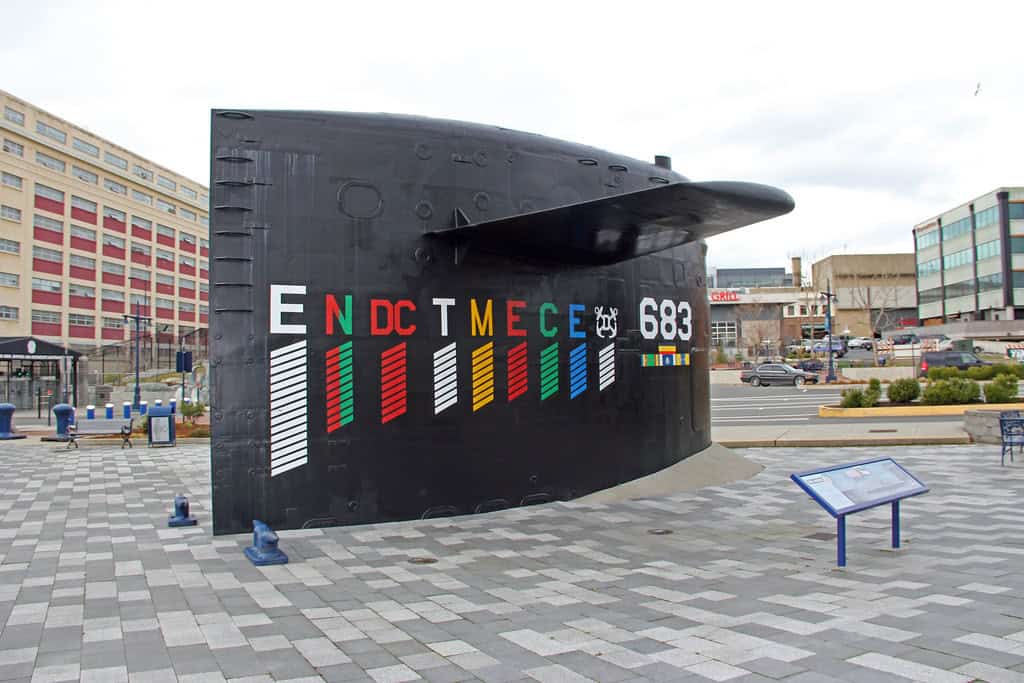
USS Parche (SSN-683)
- Country: United States
- Submarine Type: SSN
- Year Commissioned: 1974
- Era of Strategic Relevance: Cold War
- Key Capability: SIGINT systems
- Type of Influence (Without First Strike): Intelligence dominance
- Notable Event / Strategic Impact: Highly classified missions
USS Parche became one of the most decorated submarines due to its intelligence-gathering missions. Operating silently, it collected valuable data that shaped U.S. strategy. Its influence came from what it revealed, not what it destroyed, reinforcing the importance of undersea surveillance.
USS Jimmy Carter (SSN-23)
- Country: United States
- Submarine Type: SSN
- Year Commissioned: 2005
- Era of Strategic Relevance: Modern
- Key Capability: Multi-mission platform
- Type of Influence (Without First Strike): Intelligence dominance
- Notable Event / Strategic Impact: Advanced covert ops
USS Jimmy Carter represents the evolution of submarines into multi-role intelligence platforms. Its modifications allow for advanced surveillance and special operations. This capability ensures that modern submarines continue to shape strategy without direct engagement.
HMS Conqueror (S48)
- Country: United Kingdom
- Submarine Type: SSN
- Year Commissioned: 1971
- Era of Strategic Relevance: Cold War
- Key Capability: Torpedoes
- Type of Influence (Without First Strike): Psychological pressure
- Notable Event / Strategic Impact: Falklands War presence
While HMS Conqueror is known for combat, its broader impact included demonstrating the reach of British submarine power during the Falklands War. Its presence forced Argentina to restrict naval operations, showing how submarines can shape outcomes without constant engagement.
Typhoon-class submarine
- Country: Soviet Union
- Submarine Type: SSBN
- Year Commissioned: 1981
- Era of Strategic Relevance: Cold War
- Key Capability: Massive SLBM load
- Type of Influence (Without First Strike): Deterrence
- Notable Event / Strategic Impact: Largest submarines ever built
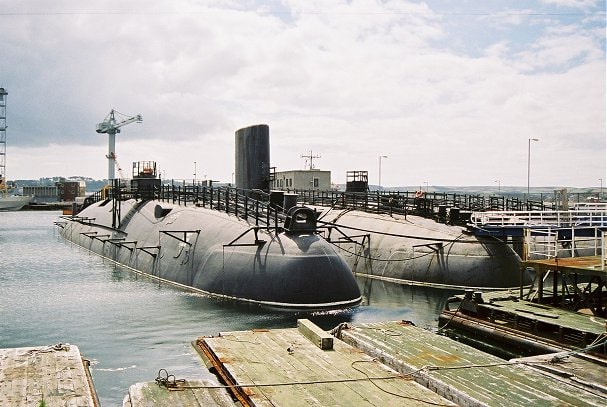
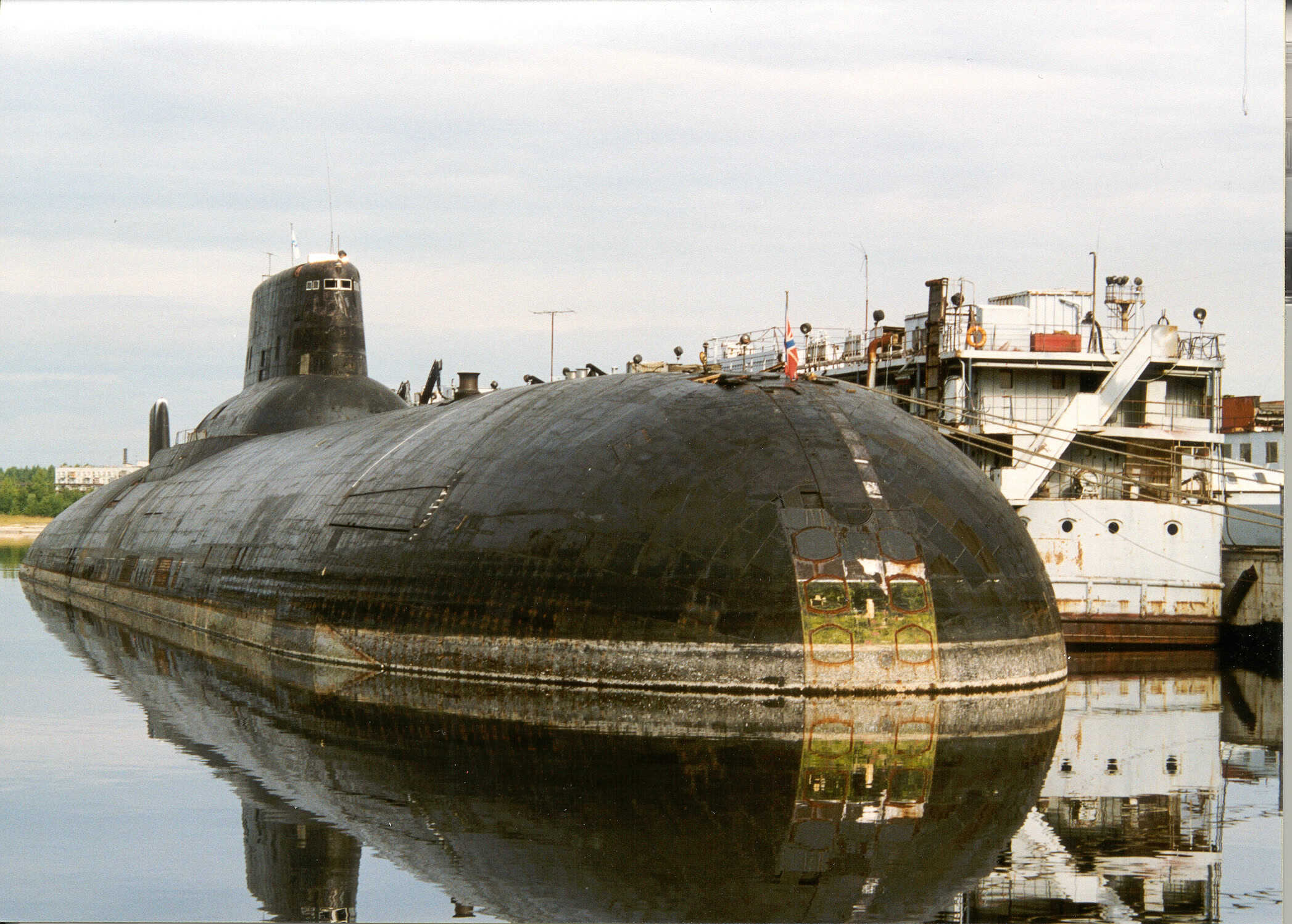
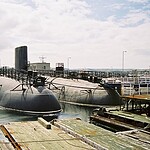
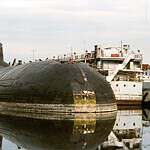
The Typhoon-class submarines represented overwhelming deterrent capability, carrying large numbers of ballistic missiles. Their size and capability forced the U.S. to adapt its anti-submarine strategies. They exemplified how sheer presence could influence strategic planning. By introducing a platform that was both difficult to track and heavily armed, they shifted the balance of undersea competition during the Cold War. Their existence alone required constant vigilance, proving that scale and survivability can be as influential as deployment.
Delta-class submarine
- Country: Soviet Union
- Submarine Type: SSBN
- Year Commissioned: 1973
- Era of Strategic Relevance: Cold War
- Key Capability: SLBMs
- Type of Influence (Without First Strike): Deterrence
- Notable Event / Strategic Impact: Extended missile range patrols
Delta-class submarines extended the range of Soviet deterrence, allowing patrols closer to home waters while maintaining global reach. This reduced vulnerability and increased survivability. Their presence forced NATO to adjust tracking and response strategies. By enabling “bastion” operations under protective cover, they complicated Western efforts to locate and neutralize strategic assets. In doing so, they strengthened deterrence through survivability and forced a more cautious, resource-intensive approach from adversaries.
Ohio-class submarine
- Country: United States
- Submarine Type: SSBN
- Year Commissioned: 1981
- Era of Strategic Relevance: Cold War/Modern
- Key Capability: Trident SLBMs
- Type of Influence (Without First Strike): Deterrence
- Notable Event / Strategic Impact: Backbone of US nuclear triad
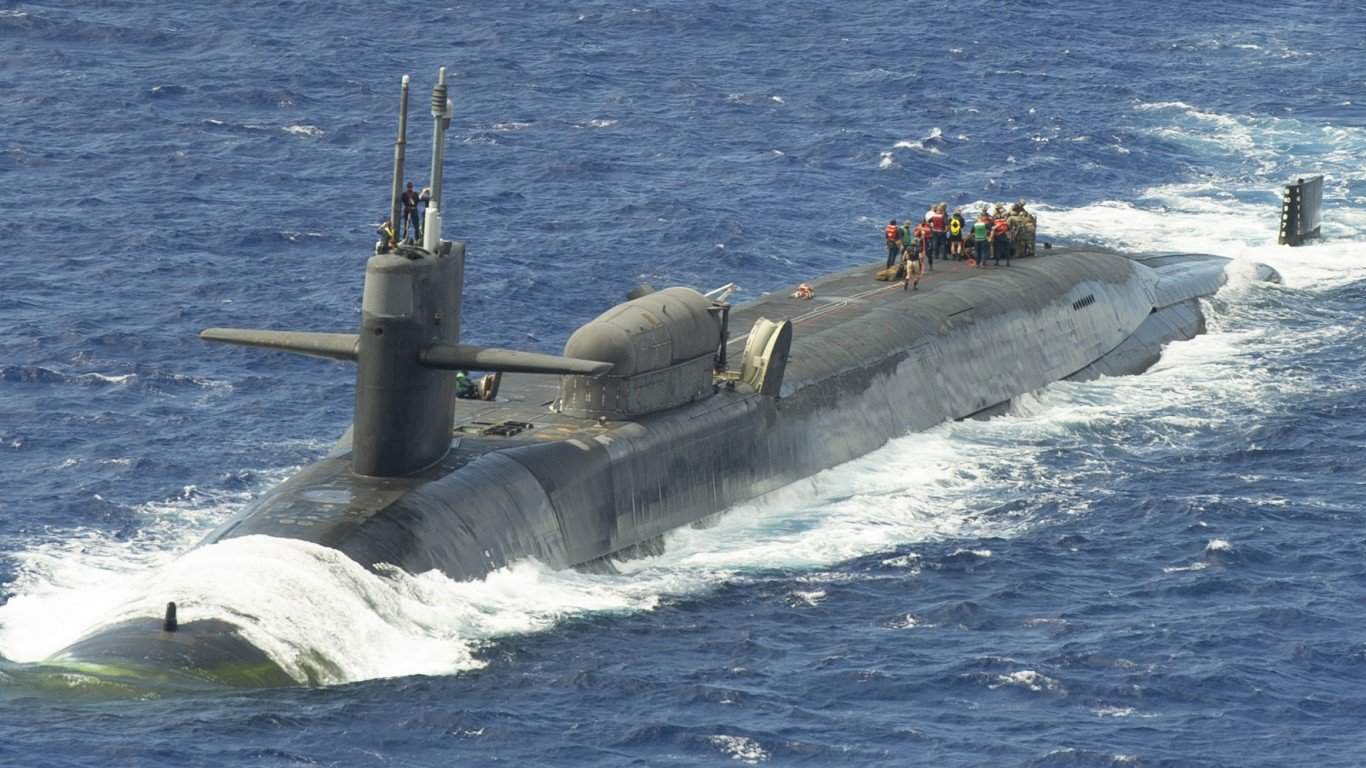
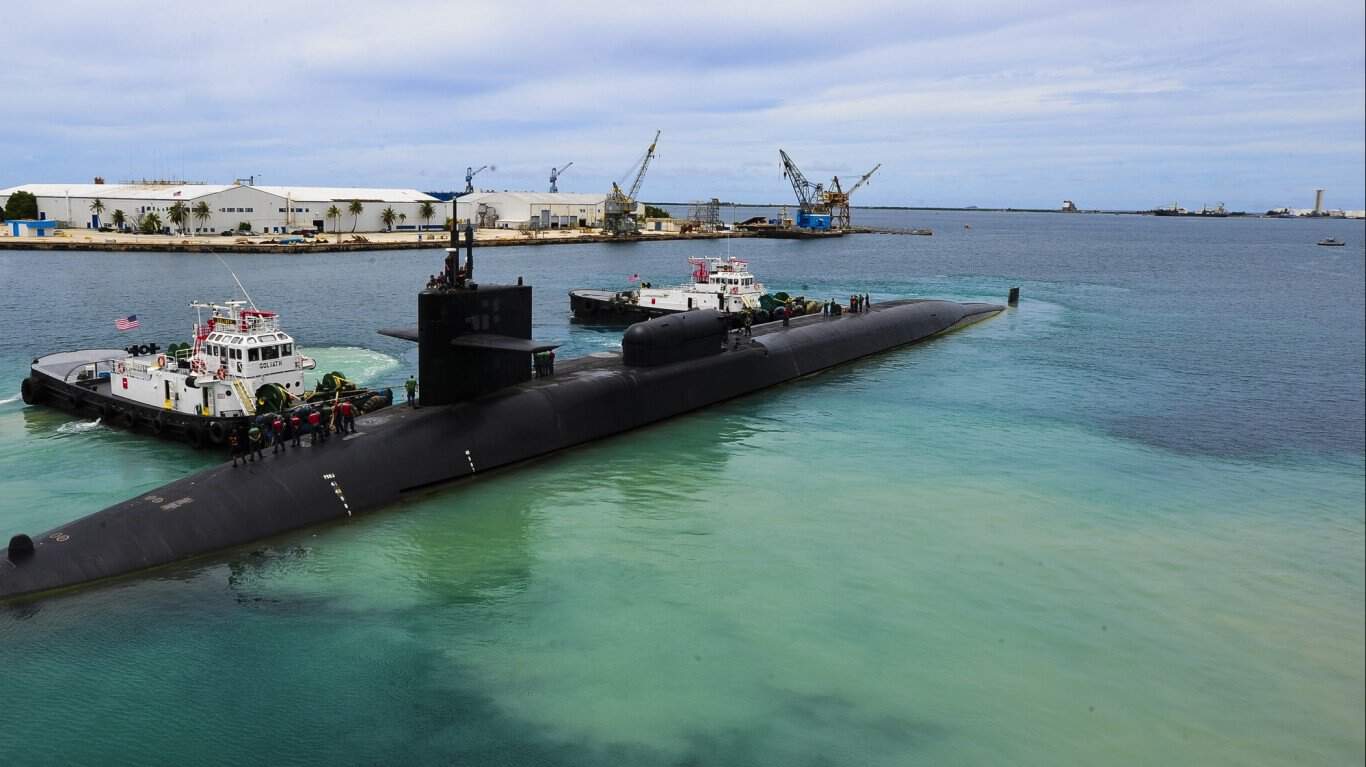
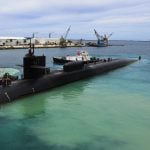
The Ohio-class submarines form the backbone of U.S. nuclear deterrence, providing continuous at-sea presence. Their ability to remain undetected ensures a credible second-strike capability. This stability reduces the likelihood of nuclear conflict by making first strikes less viable. By guaranteeing retaliation even under the worst conditions, they reinforce strategic balance between nuclear powers. In this way, their greatest impact lies not in launching weapons, but in preventing them from ever being used.
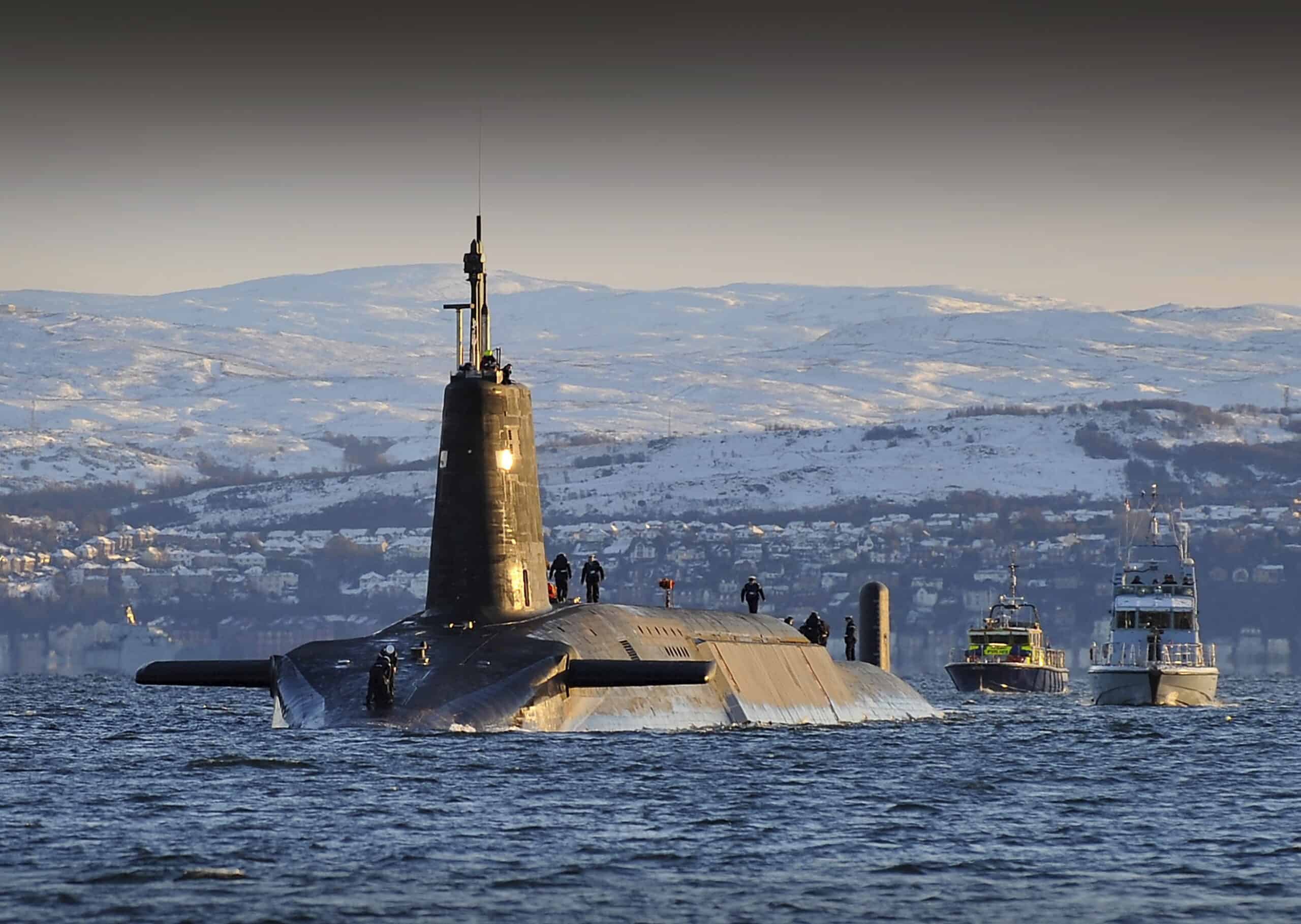
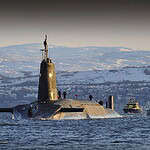
Vanguard-class submarine
- Country: United Kingdom
- Submarine Type: SSBN
- Year Commissioned: 1993
- Era of Strategic Relevance: Modern
- Key Capability: Trident missiles
- Type of Influence (Without First Strike): Deterrence
- Notable Event / Strategic Impact: UK nuclear deterrent patrols
Vanguard-class submarines ensure the United Kingdom maintains an independent nuclear deterrent. Their continuous patrols contribute to global strategic stability. By existing as a constant threat, they influence geopolitical dynamics without firing a shot. This uninterrupted presence guarantees a credible response at all times, reinforcing the UK’s strategic autonomy. In turn, it shapes adversary calculations by ensuring that any escalation carries unavoidable consequences.
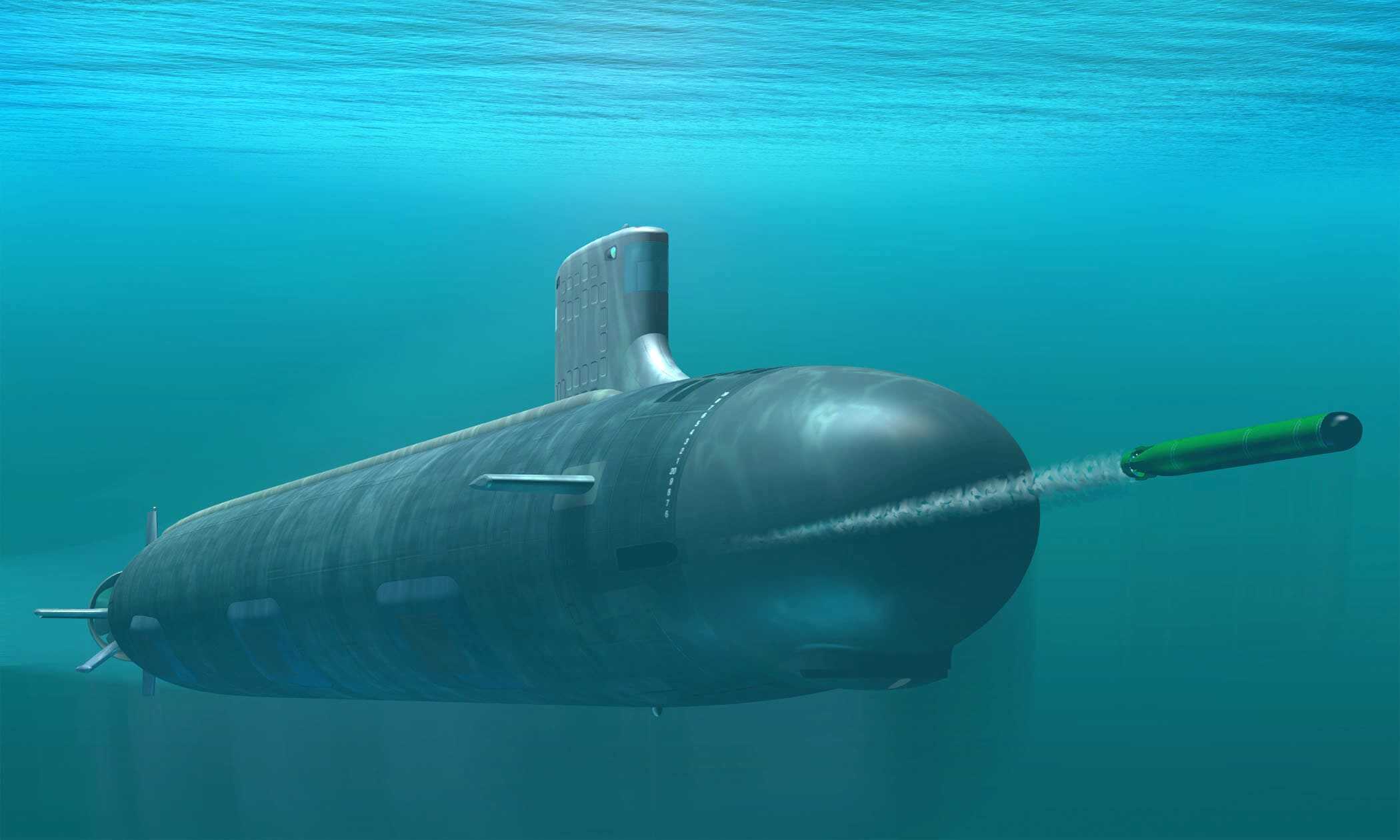
Virginia-class submarine
- Country: United States
- Submarine Type: SSN
- Year Commissioned: 2004
- Era of Strategic Relevance: Modern
- Key Capability: Advanced sensors
- Type of Influence (Without First Strike): Intelligence dominance
- Notable Event / Strategic Impact: Littoral operations
Virginia-class submarines operate in both deep and shallow waters, expanding their strategic utility. Their advanced sensors allow for detailed intelligence gathering in contested areas. They influence modern warfare by providing information and presence rather than direct engagement. This ability to observe without detection allows commanders to shape operations before conflict fully unfolds. In many cases, the intelligence they gather becomes more decisive than the weapons they carry.
Seawolf-class submarine
- Country: United States
- Submarine Type: SSN
- Year Commissioned: 1997
- Era of Strategic Relevance: Modern
- Key Capability: High-speed stealth
- Type of Influence (Without First Strike): Psychological pressure
- Notable Event / Strategic Impact: Elite stealth capabilities
Seawolf-class submarines represent peak stealth and performance, designed to operate undetected in high-threat environments. Their presence alone complicates adversary planning. They embody the idea that unseen capability can shape strategy without direct conflict. By forcing opponents to account for threats they cannot track or counter, they create constant uncertainty beneath the surface. In doing so, they reinforce deterrence not through visibility, but through the persistent possibility of decisive action.
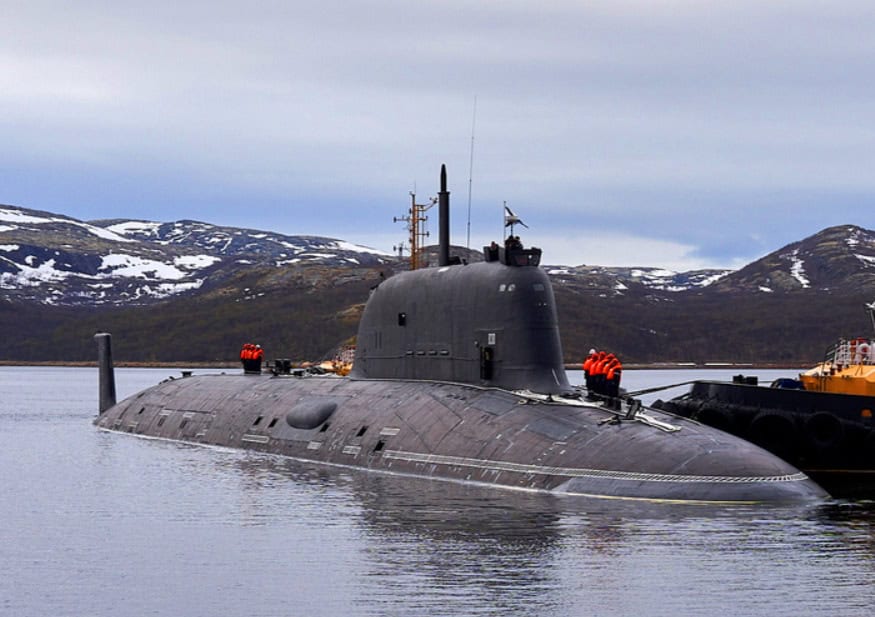
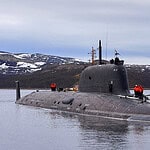
Yasen-class submarine
- Country: Russia
- Submarine Type: SSN
- Year Commissioned: 2013
- Era of Strategic Relevance: Modern
- Key Capability: Cruise missiles
- Type of Influence (Without First Strike): Deterrence
- Notable Event / Strategic Impact: Modern Russian projection
Yasen-class submarines combine stealth with advanced missile systems, extending Russia’s global reach. Their capability forces NATO to account for long-range threats from unseen platforms. They demonstrate how modern submarines continue to influence strategy through presence.
Type 212 submarine
- Country: Germany
- Submarine Type: Diesel-electric
- Year Commissioned: 2005
- Era of Strategic Relevance: Modern
- Key Capability: AIP propulsion
- Type of Influence (Without First Strike): Psychological pressure
- Notable Event / Strategic Impact: Near-silent operations
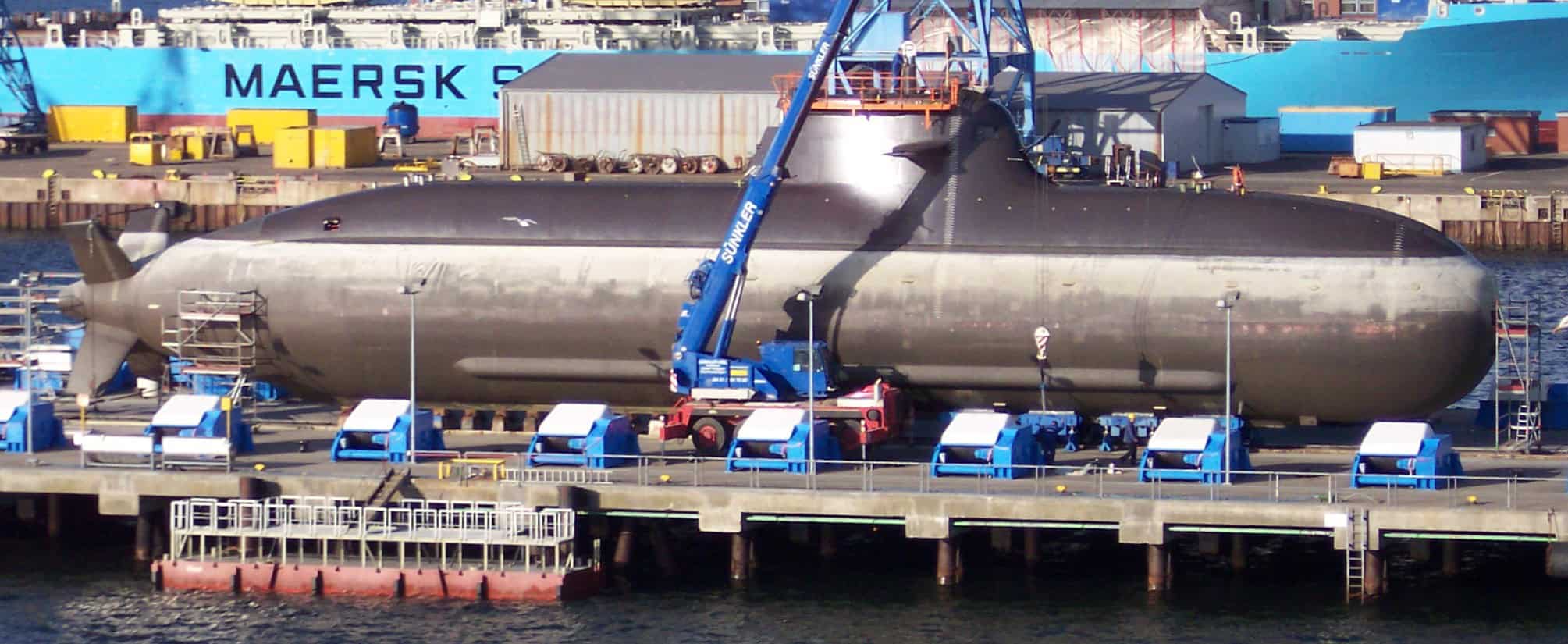
Type 212 submarines are among the quietest in the world, capable of operating undetected in coastal regions. Their stealth forces adversaries to assume constant risk in confined waters. They highlight how even smaller submarines can exert outsized influence through invisibility.
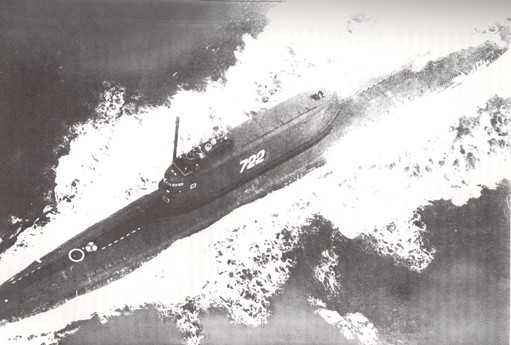
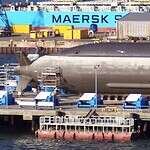
The image featured at the top of this post is ©Ministry of Defense of Russia / Wikimedia Commons – License / Original