
The Planes That Won the Air War in World War II
The air war in World War II was not decided by a single aircraft, but by a combination of platforms that delivered consistent, large-scale impact across multiple theaters. Fighters, bombers, and ground-attack aircraft each played critical roles in achieving air superiority, supporting ground operations, and crippling enemy industry. The aircraft that proved most decisive were not only technologically advanced, but also they were reliable, widely produced, and capable of shaping the outcome of the war.
Together, these aircraft created a layered air power strategy that overwhelmed opponents through persistence and coordination rather than isolated breakthroughs. Their ability to operate at scale, adapt to evolving tactics, and sustain pressure across multiple fronts ultimately shifted the balance, proving that winning the air war required integration, not just innovation. Here, History Computer is taking a closer look at the aircraft that won World War II.
To determine the aircraft that won the air war in World War II, History Computer reviewed various historical and military sources. We included supplemental information for each aircraft regarding type, country of origin, year introduced, primary theater of operation, key combat role, and ultimately the overall impact on the war.
Here is a look at the aircraft that won the air war in WWII:
Why Are We Covering This?
Understanding which aircraft truly won the air war in World War II reveals how victory in modern conflict is shaped by more than just technological superiority. The aircraft that mattered most were those that combined performance, production scale, and battlefield impact to achieve air superiority across multiple theaters. From long-range escort fighters to heavy bombers and carrier-based aircraft, these systems enabled sustained operations that crippled enemy infrastructure and supported ground forces. By examining these aircraft, we gain insight into how air power became a decisive element of warfare and why the principles established during World War II continue to define military aviation strategy today.
The Battle for Control of the Skies
Air superiority became one of the most decisive factors in determining the outcome of World War II, as control of the skies directly influenced the success of ground and naval operations. Throughout the conflict, dominance in the air shifted between Axis and Allied forces, with each side striving to gain the upper hand. Ultimately, the aircraft that secured control of the skies played a critical role in shaping the direction and outcome of the war.
Why Production Was as Important as Performance
Winning the air war required more than technological superiority—it demanded the ability to produce aircraft at an unprecedented scale. Industrial capacity became a decisive advantage, allowing nations like the United States and the Soviet Union to sustain continuous operations across multiple fronts. Aircraft that could be manufactured quickly and in large numbers often had a greater impact than more advanced but limited designs, highlighting the importance of production in modern warfare.
Fighters, Bombers, and the Shift in Strategy
As the war progressed, the roles of aircraft evolved significantly, reflecting changing strategic priorities. Fighters transitioned from primarily defensive interceptors to long-range escorts capable of protecting bombers deep into enemy territory. Bombers shifted from tactical support roles to strategic campaigns aimed at crippling industrial infrastructure. At the same time, ground-attack aircraft became essential for supporting advancing armies, demonstrating the interconnected nature of air and land operations.
The War Across Multiple Theaters
World War II was fought across diverse theaters, each presenting unique challenges that influenced aircraft design and deployment. In Europe, fighters and bombers dominated the battle for air superiority, while in the Pacific, long-range aircraft were essential for operating across vast ocean distances. On the Eastern Front, harsh conditions and large-scale engagements required durable and adaptable systems. Success in the air required the ability to operate effectively across these varied environments.
The Aircraft That Defined Modern Air Power
Many of the aircraft developed during World War II introduced concepts that continue to shape modern air power. Innovations such as long-range escort missions, strategic bombing campaigns, and carrier-based aviation became foundational elements of military doctrine. The aircraft that excelled during the war not only contributed to victory but also laid the groundwork for the development of modern air forces around the world.
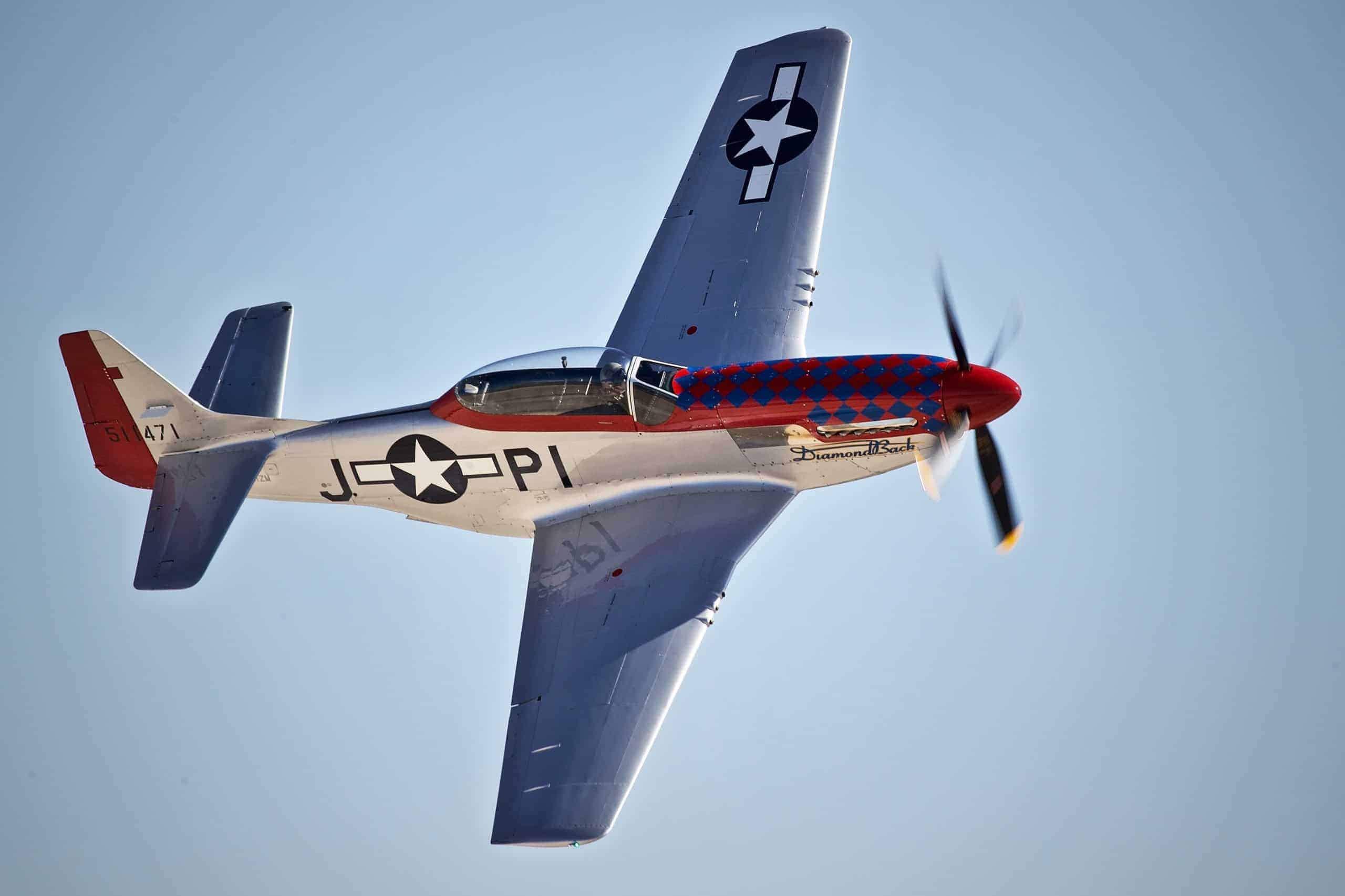
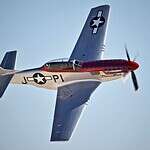
P-51 Mustang
- Aircraft Type: Fighter
- Country of Origin: United States
- Year Introduced: 1942
- Primary Theater of Operation: Western Europe
- Production Volume: 15000
- Key Combat Role: Escort
- Defining Advantage: Long range
- Impact on the Air War: Enabled bomber escort deep into Germany
The P-51 Mustang fundamentally changed the air war in Europe by providing long-range escort for Allied bombers deep into German territory. Its range and performance allowed it to counter Luftwaffe interceptors effectively, reducing bomber losses and enabling sustained strategic bombing. This shift played a decisive role in weakening Germany’s industrial capacity and achieving Allied air superiority.
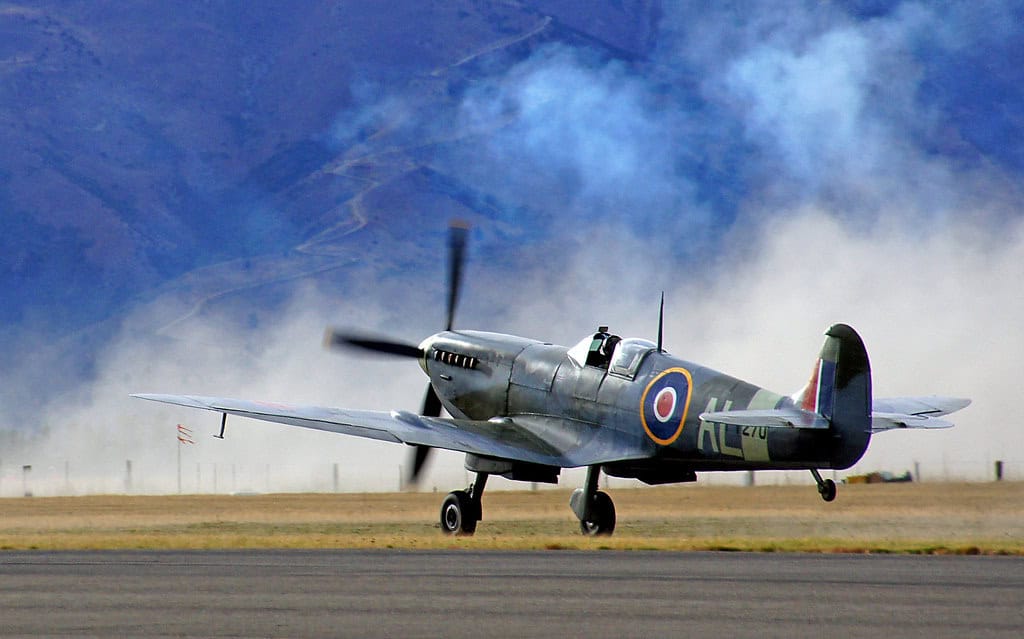
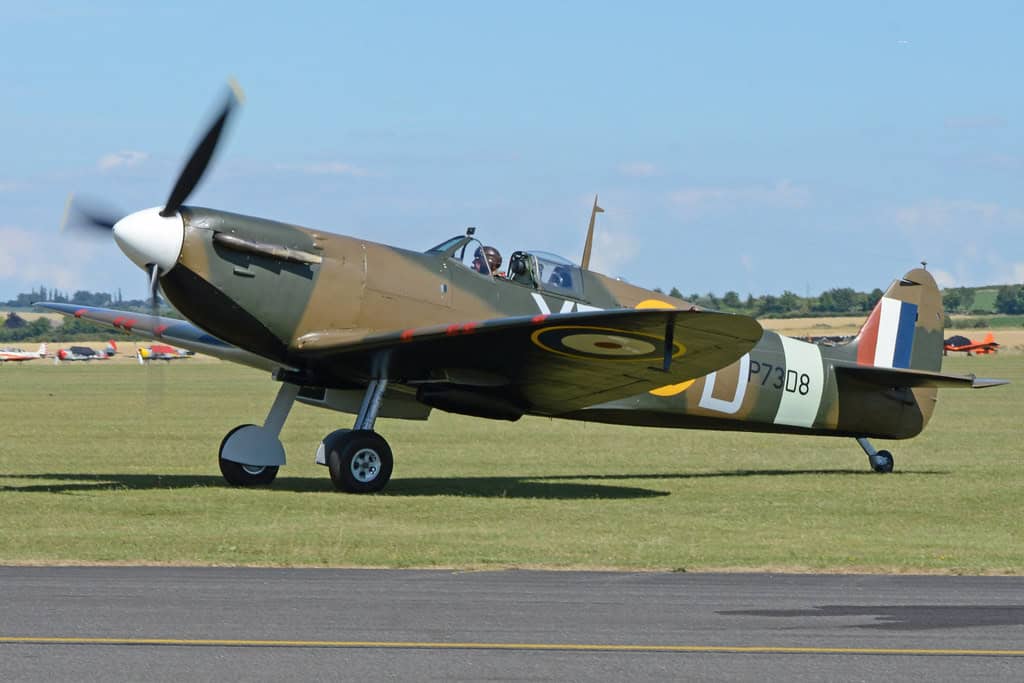
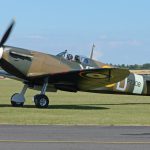
Supermarine Spitfire
- Aircraft Type: Fighter
- Country of Origin: United Kingdom
- Year Introduced: 1938
- Primary Theater of Operation: Western Europe
- Production Volume: 20000
- Key Combat Role: Air superiority
- Defining Advantage: Agility
- Impact on the Air War: Defended Britain during Battle of Britain
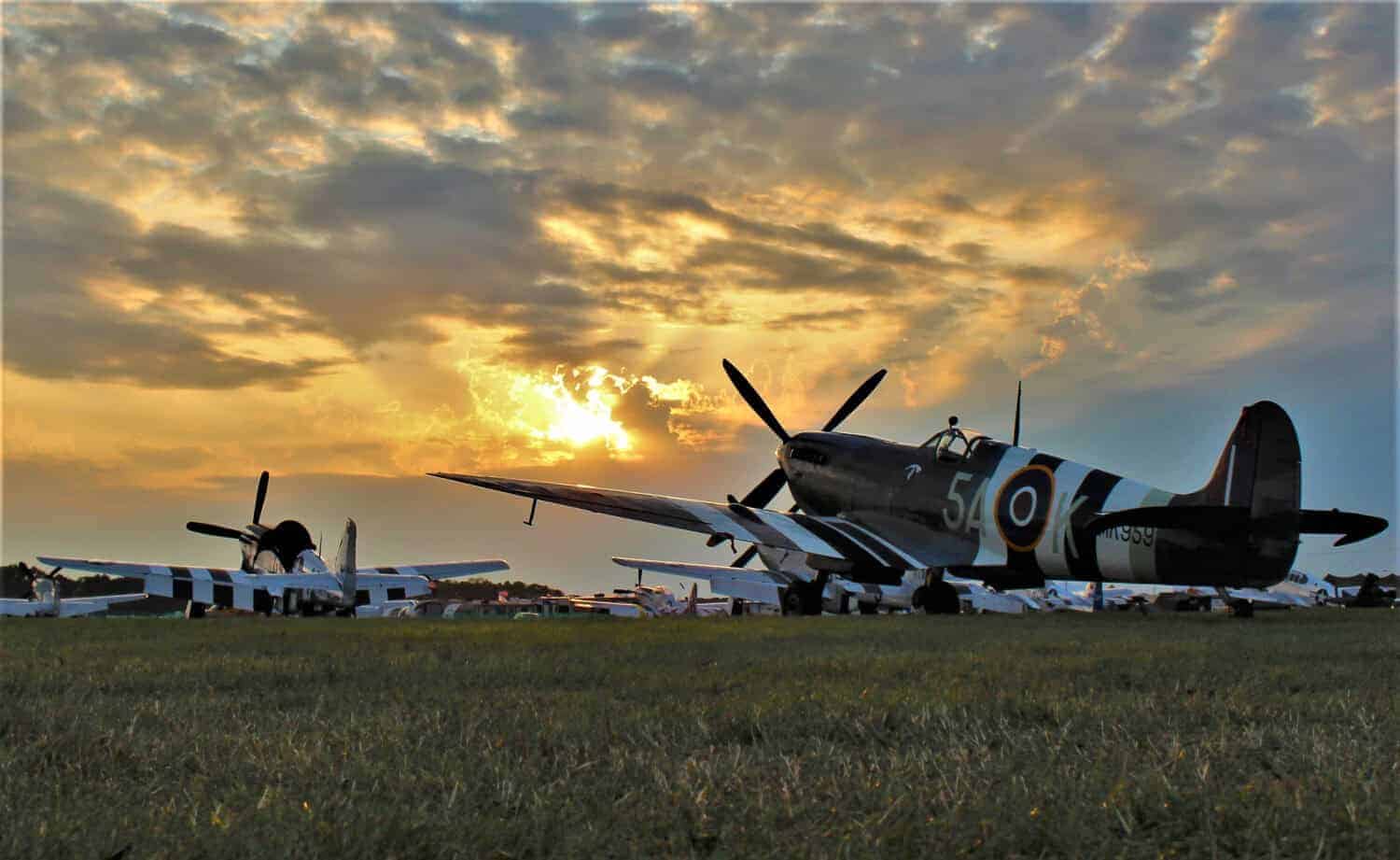
The Spitfire’s agility and performance made it a cornerstone of Britain’s defense during the Battle of Britain. Its ability to match and counter German fighters prevented the Luftwaffe from gaining air superiority over the United Kingdom. This ensured Britain remained in the war and provided a base for future Allied operations in Europe.
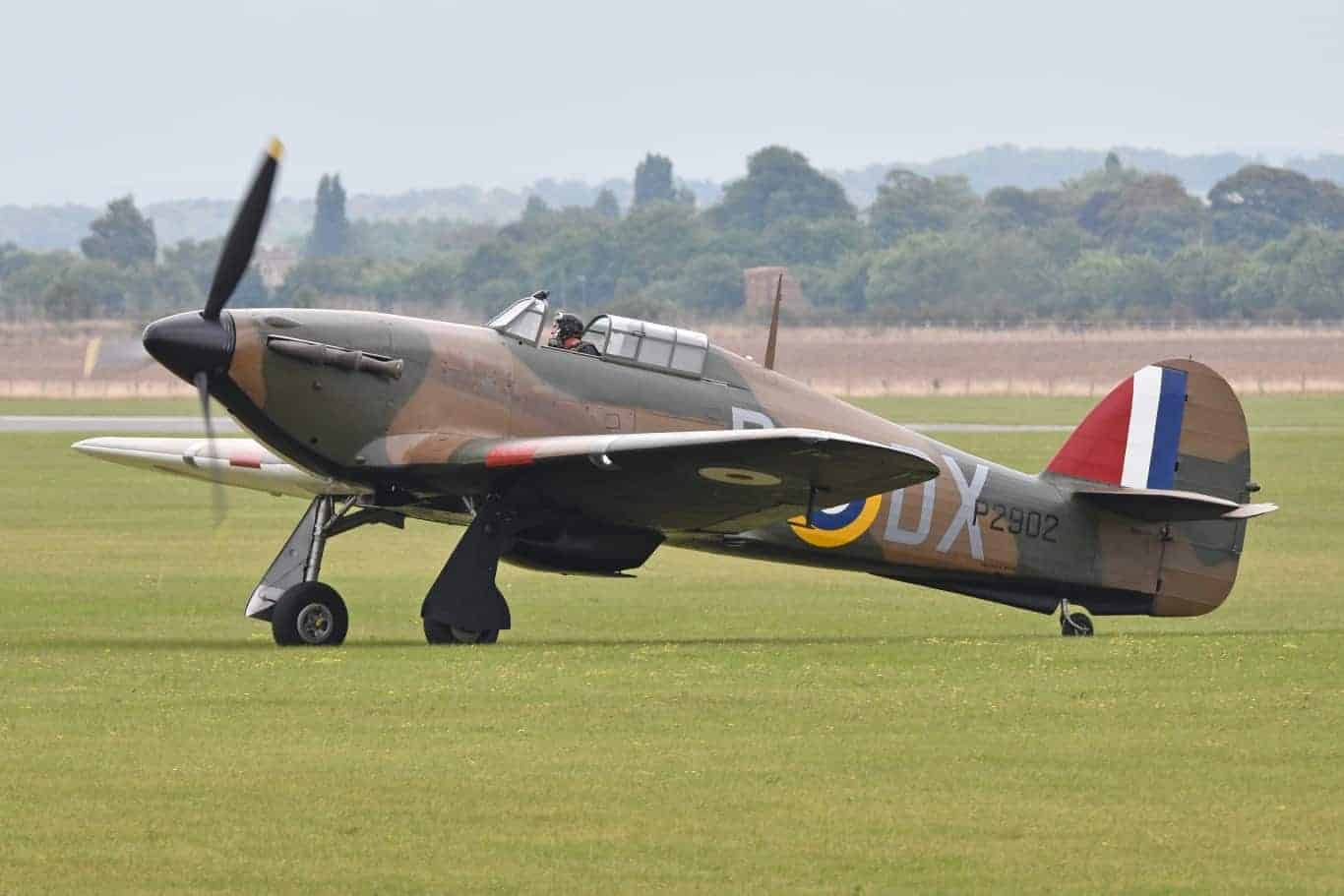
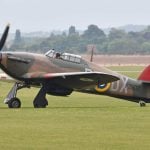
Hawker Hurricane
- Aircraft Type: Fighter
- Country of Origin: United Kingdom
- Year Introduced: 1937
- Primary Theater of Operation: Western Europe
- Production Volume: 14000
- Key Combat Role: Interceptor
- Defining Advantage: Stability
- Impact on the Air War: Backbone of early RAF defense
While often overshadowed by the Spitfire, the Hurricane was the backbone of early RAF fighter forces. Its stability and rugged design made it highly effective against German bombers during the Battle of Britain. By absorbing the bulk of engagements, it played a critical role in preventing a German invasion and maintaining Allied resistance.
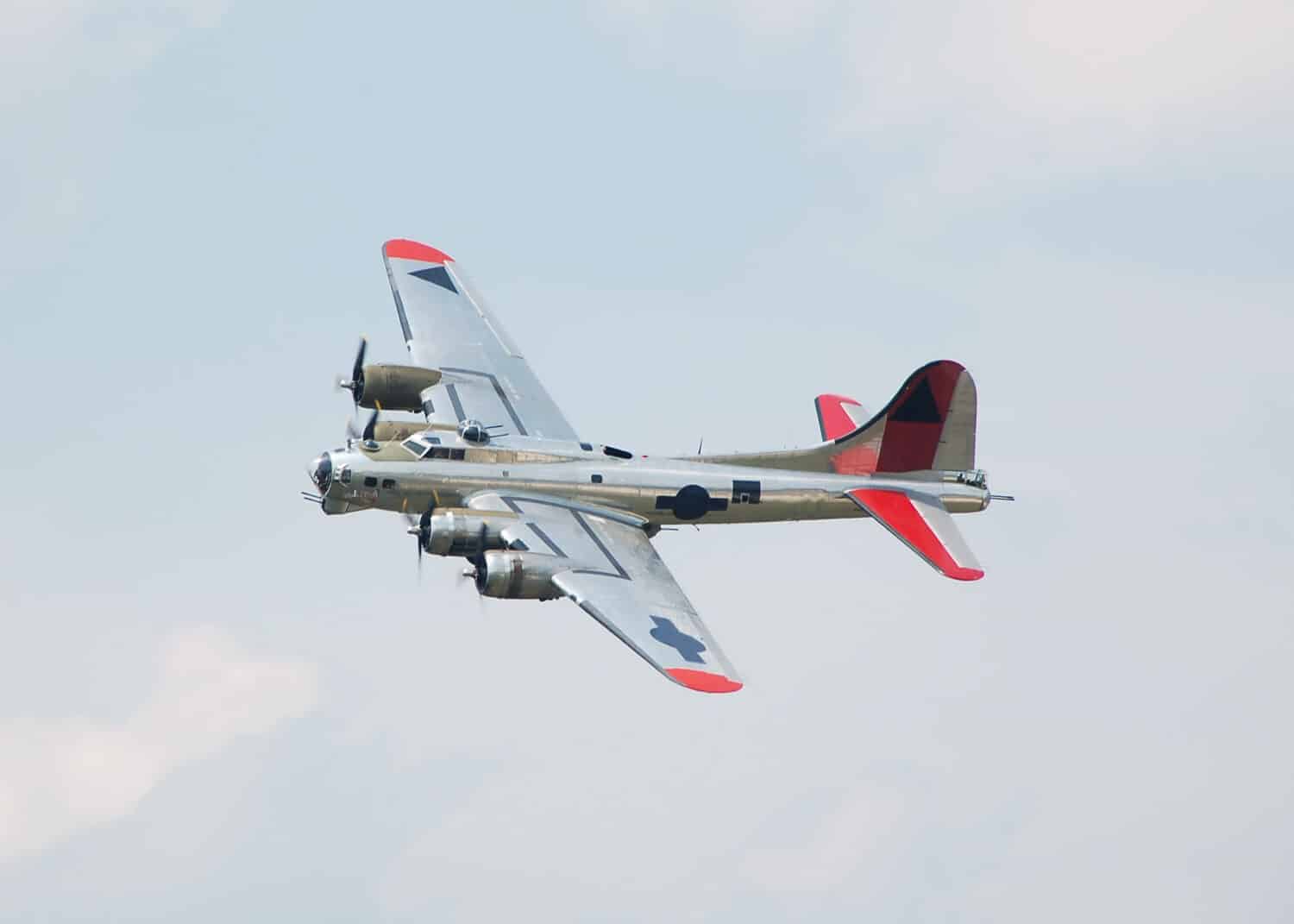
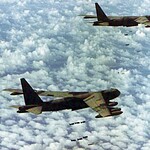
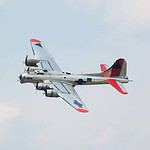
B-17 Flying Fortress
- Aircraft Type: Heavy Bomber
- Country of Origin: United States
- Year Introduced: 1938
- Primary Theater of Operation: Western Europe
- Production Volume: 12000
- Key Combat Role: Strategic bombing
- Defining Advantage: Durability
- Impact on the Air War: Sustained bombing over Germany
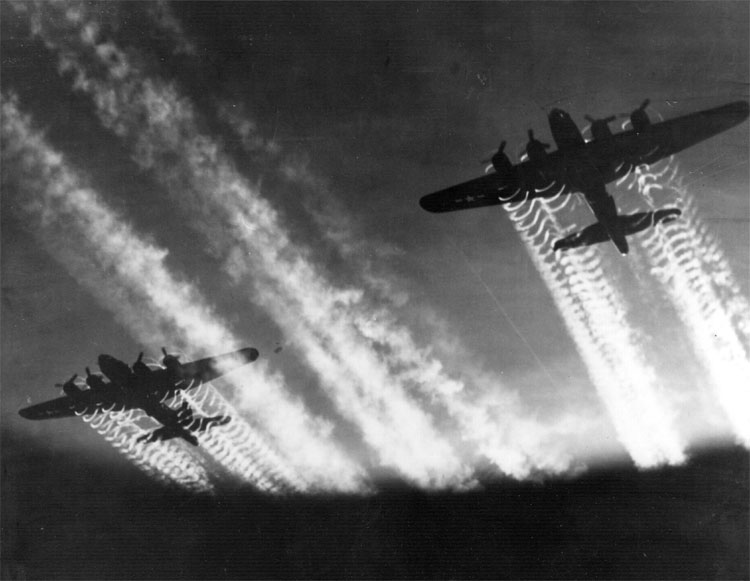
The B-17 Flying Fortress became synonymous with daylight strategic bombing in Europe. Its durability and defensive armament allowed it to penetrate heavily defended airspace and deliver sustained attacks on German industry. These operations weakened the Axis war machine and forced Germany to divert resources to air defense.
B-24 Liberator
- Aircraft Type: Heavy Bomber
- Country of Origin: United States
- Year Introduced: 1941
- Primary Theater of Operation: Global
- Production Volume: 18000
- Key Combat Role: Strategic bombing
- Defining Advantage: Range
- Impact on the Air War: Expanded bombing reach
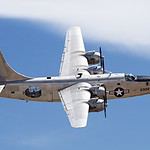
The B-24 Liberator’s long range and high production numbers made it one of the most versatile bombers of the war. It operated across multiple theaters, extending Allied bombing reach and supporting both strategic and tactical missions. Its flexibility and scale contributed significantly to the overall Allied air campaign.
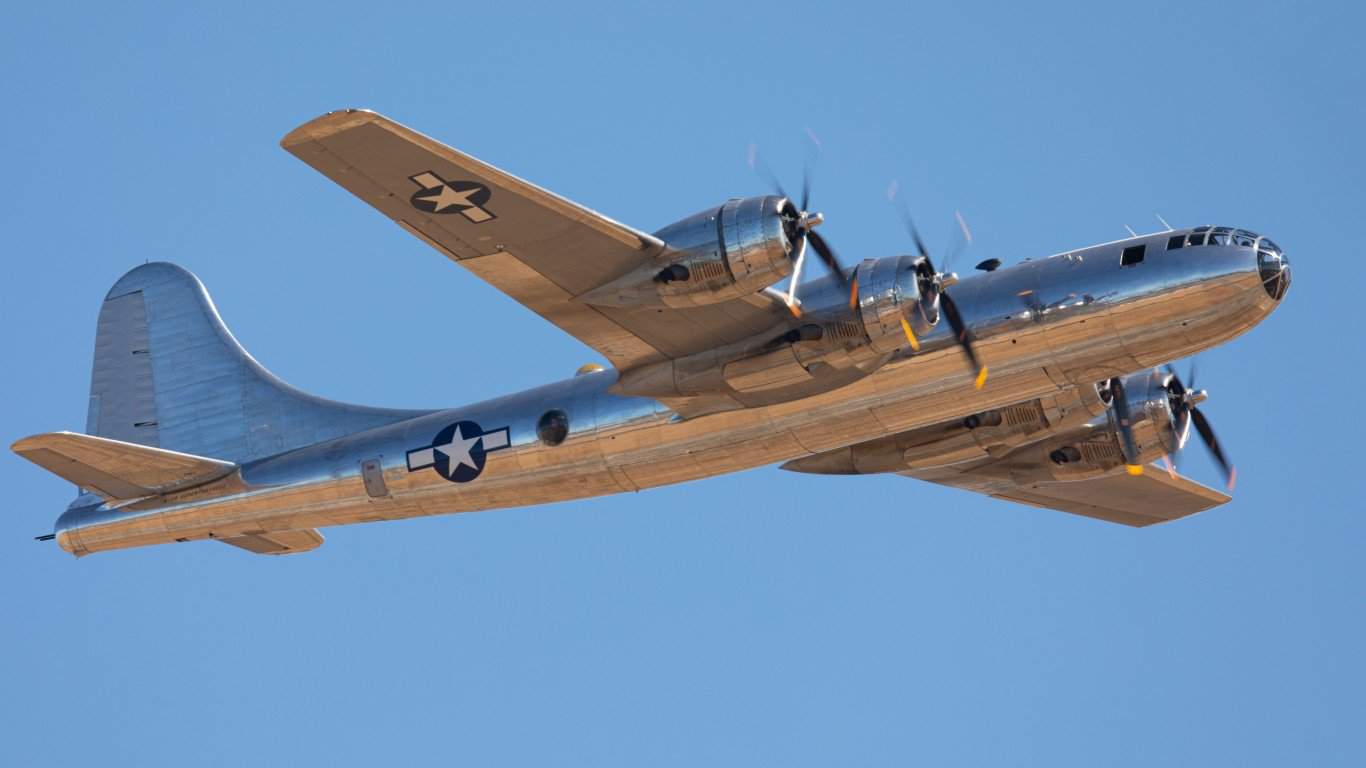
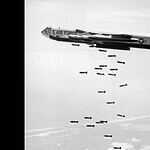
B-29 Superfortress
- Aircraft Type: Strategic Bomber
- Country of Origin: United States
- Year Introduced: 1944
- Primary Theater of Operation: Pacific
- Production Volume: 4000
- Key Combat Role: Strategic bombing
- Defining Advantage: Payload
- Impact on the Air War: Enabled bombing of Japan
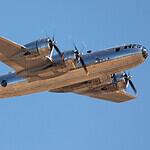
The B-29 Superfortress enabled the United States to carry out long-range bombing campaigns against Japan from distant bases. Its advanced technology and payload capacity allowed for devastating strikes, including the atomic bomb missions. This capability played a decisive role in ending the war in the Pacific.
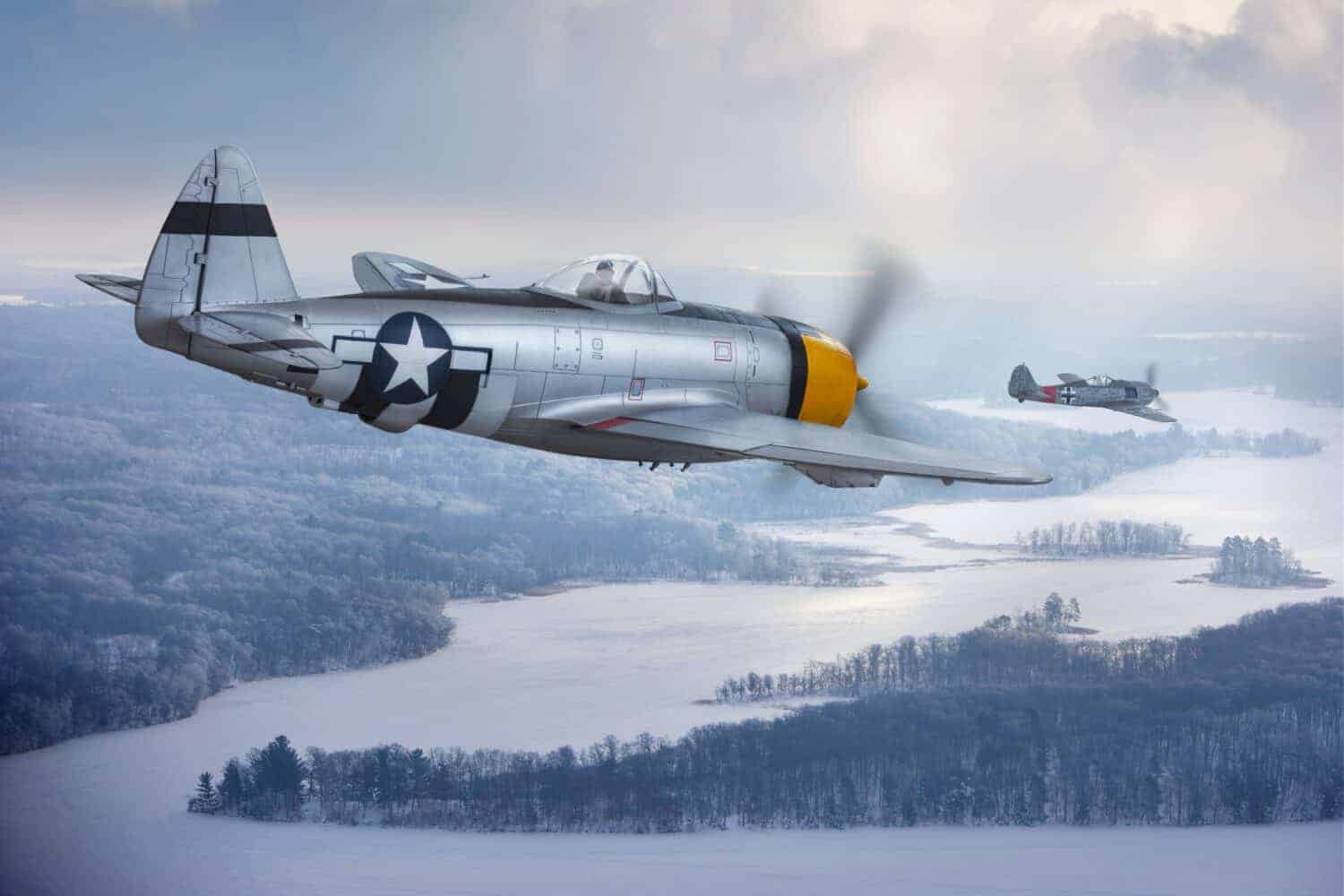
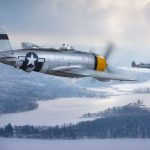
P-47 Thunderbolt
- Aircraft Type: Fighter-Bomber
- Country of Origin: United States
- Year Introduced: 1941
- Primary Theater of Operation: Western Europe
- Production Volume: 15000
- Key Combat Role: Ground attack
- Defining Advantage: Durability
- Impact on the Air War: Dominated ground support missions
The P-47 Thunderbolt excelled as both a fighter and ground-attack aircraft, providing critical support to Allied forces in Europe. Its durability and heavy armament made it highly effective against both air and ground targets. By disrupting German logistics and troop movements, it contributed directly to Allied battlefield success.
P-38 Lightning
- Aircraft Type: Fighter
- Country of Origin: United States
- Year Introduced: 1941
- Primary Theater of Operation: Pacific
- Production Volume: 10000
- Key Combat Role: Interceptor
- Defining Advantage: Twin-engine range
- Impact on the Air War: Key Pacific engagements
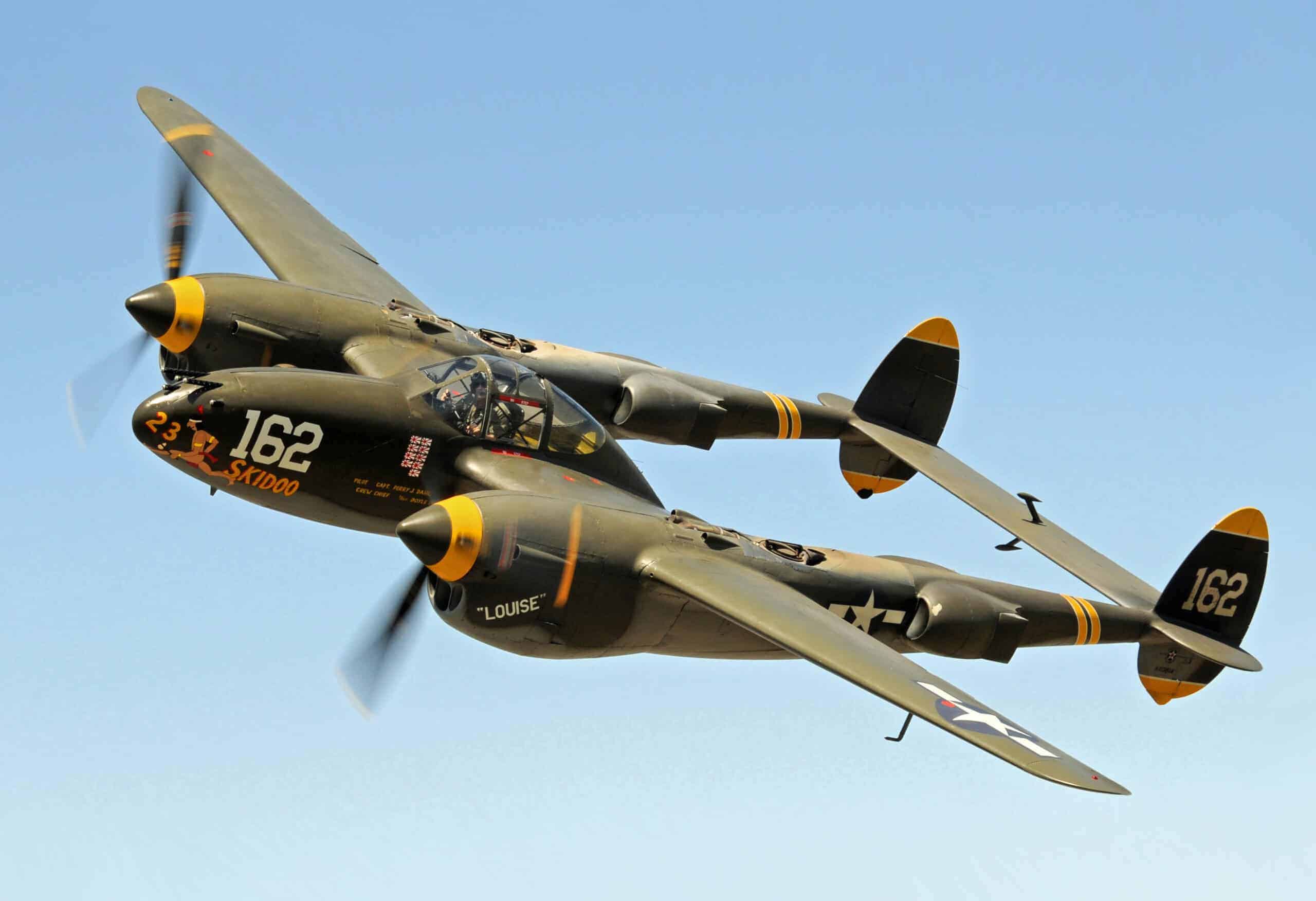
The P-38 Lightning’s long range and twin-engine design made it ideal for operations in the Pacific. It was instrumental in key missions, including the interception of Admiral Yamamoto. Its versatility and performance helped establish Allied air superiority across vast oceanic distances.
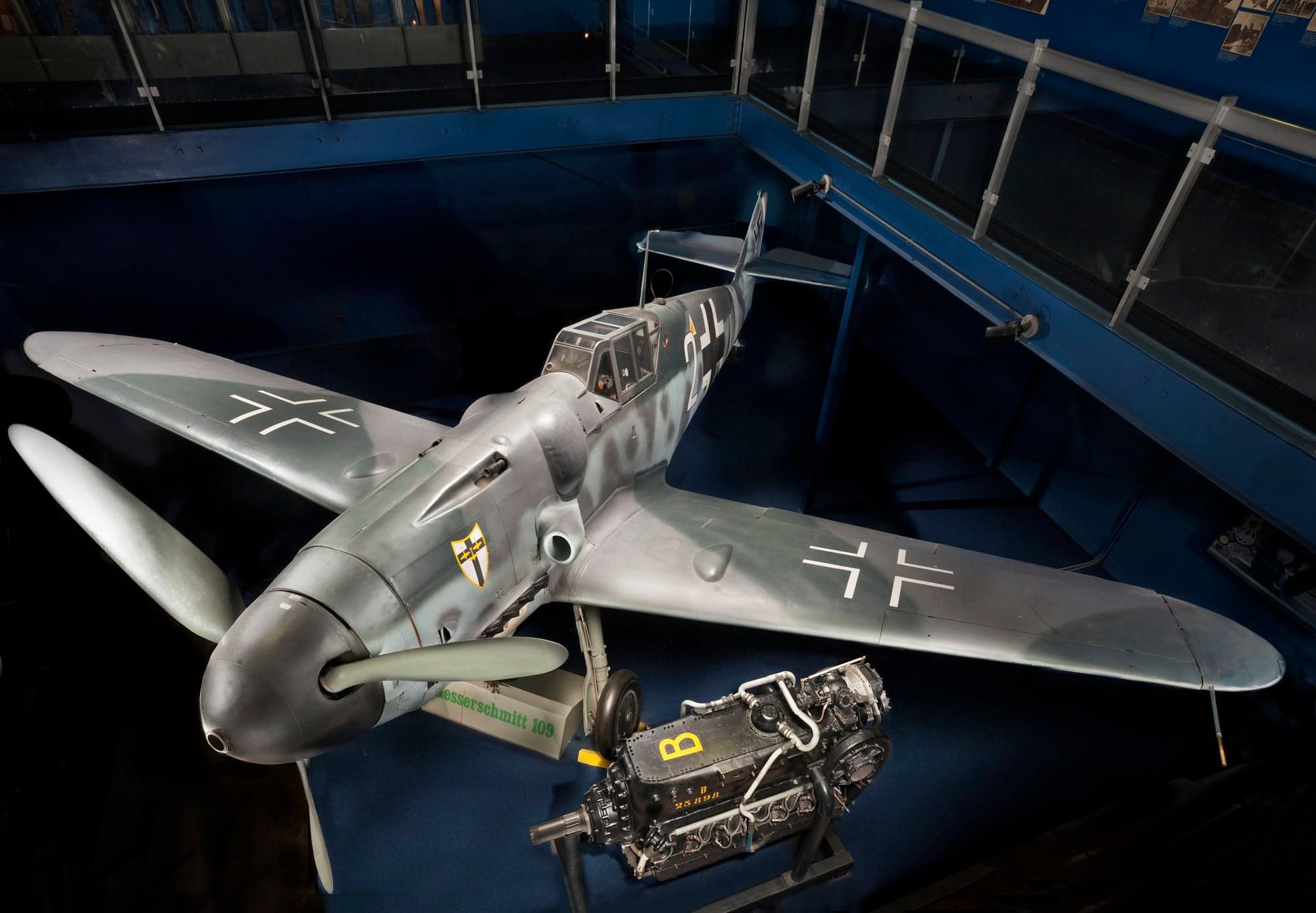
Messerschmitt Bf 109
- Aircraft Type: Fighter
- Country of Origin: Germany
- Year Introduced: 1937
- Primary Theater of Operation: Europe
- Production Volume: 33000
- Key Combat Role: Air superiority
- Defining Advantage: Speed
- Impact on the Air War: Core Luftwaffe fighter
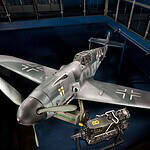
The Bf 109 served as the backbone of the Luftwaffe throughout the war, providing Germany with a capable and adaptable fighter across multiple fronts. Its performance allowed it to compete effectively against Allied aircraft, shaping early air combat dynamics. However, its inability to maintain superiority contributed to Germany’s eventual defeat in the air.
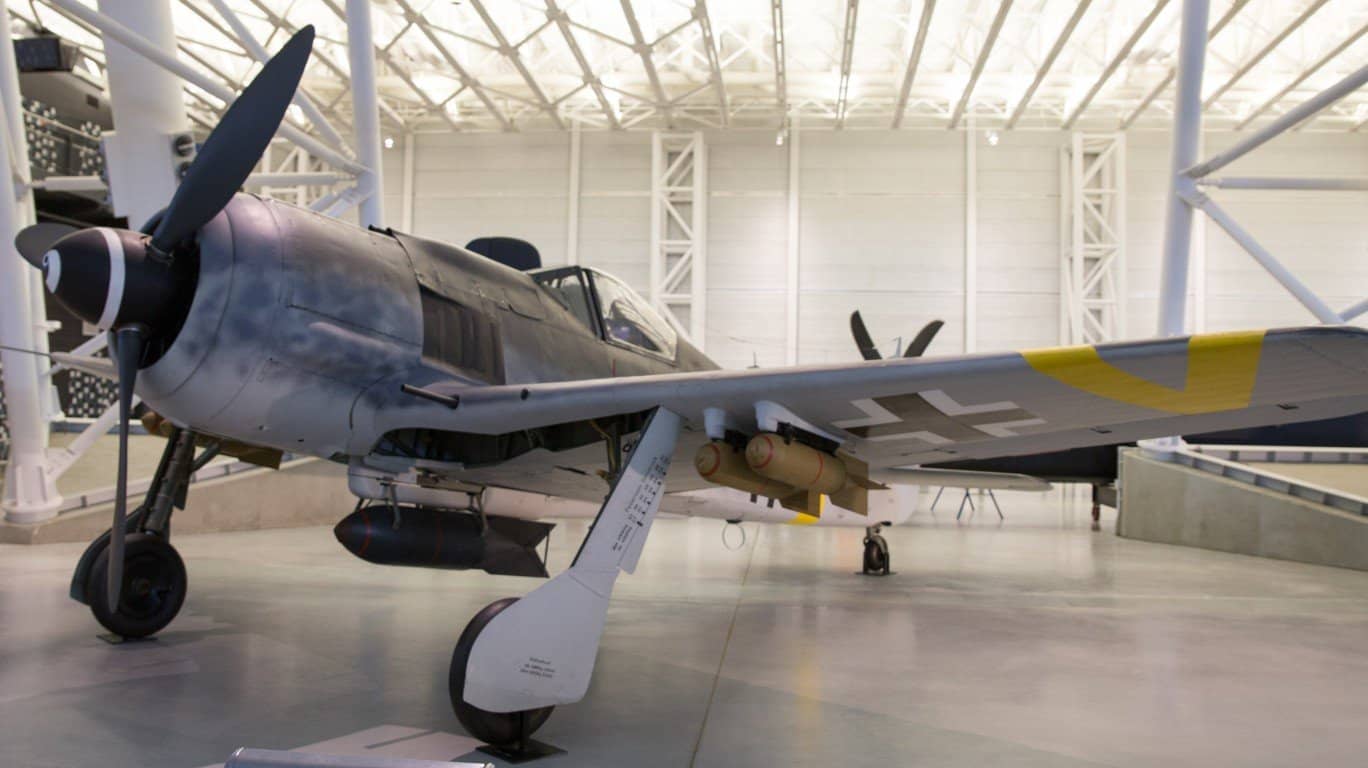
Focke-Wulf Fw 190
- Aircraft Type: Fighter
- Country of Origin: Germany
- Year Introduced: 1941
- Primary Theater of Operation: Europe
- Production Volume: 20000
- Key Combat Role: Interceptor
- Defining Advantage: Firepower
- Impact on the Air War: Challenged Allied air superiority
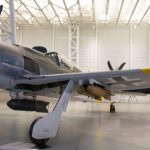
The Fw 190 introduced increased firepower and performance, posing a significant challenge to Allied aircraft when it entered service. Its effectiveness as both a fighter and ground-attack platform forced the Allies to adapt their tactics and develop countermeasures, highlighting the ongoing technological competition in the air war.
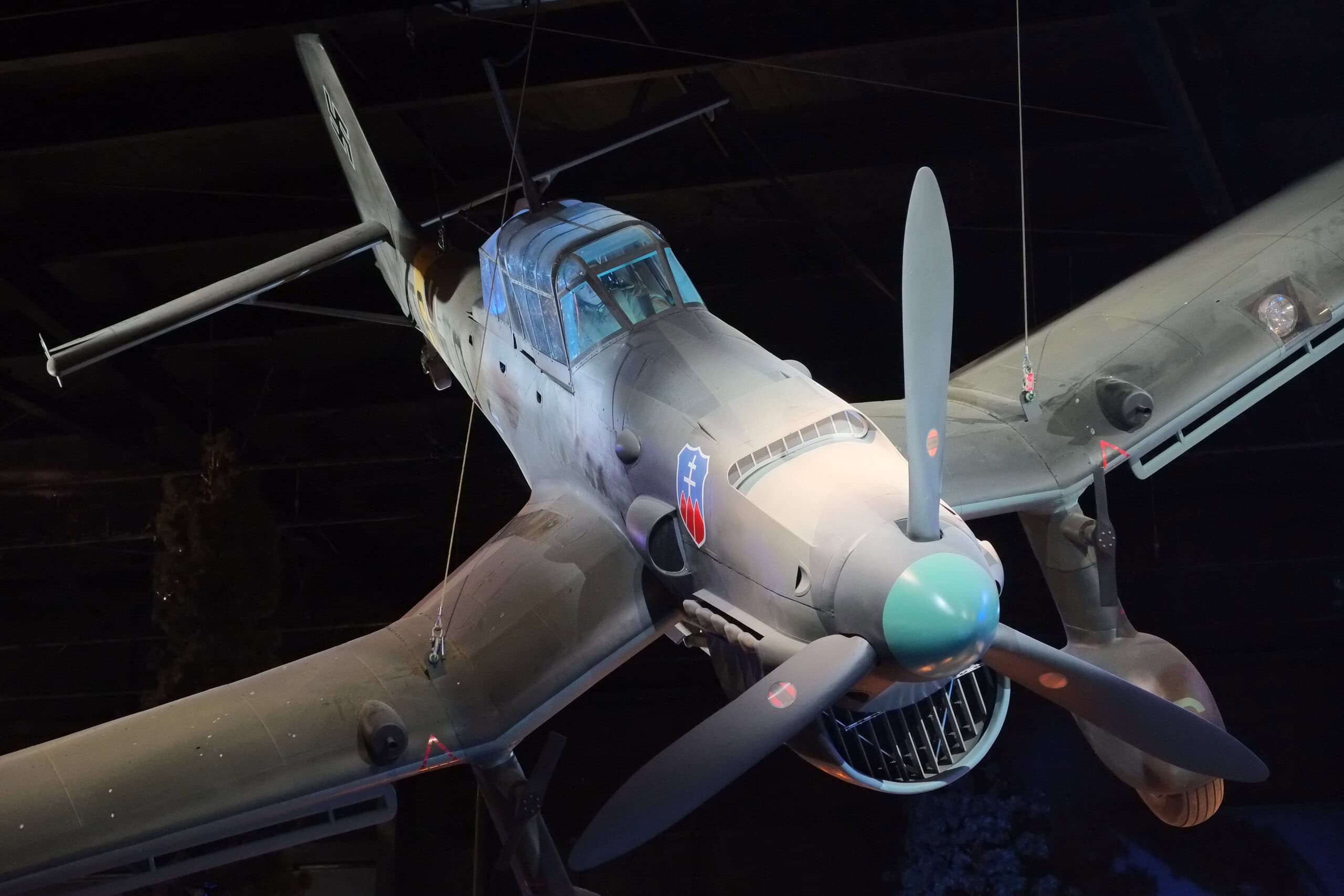
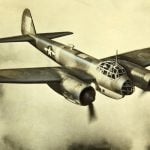
Junkers Ju 87 Stuka
- Aircraft Type: Dive Bomber
- Country of Origin: Germany
- Year Introduced: 1936
- Primary Theater of Operation: Europe
- Production Volume: 6000
- Key Combat Role: Close air support
- Defining Advantage: Precision dive bombing
- Impact on the Air War: Early war dominance
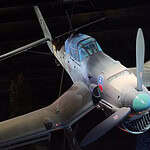
The Ju 87 Stuka’s precision dive-bombing capabilities made it a powerful tool during the early stages of the war. It provided close air support that enabled rapid German advances. However, its vulnerability to fighter interception later demonstrated the importance of air superiority in sustaining offensive operations.
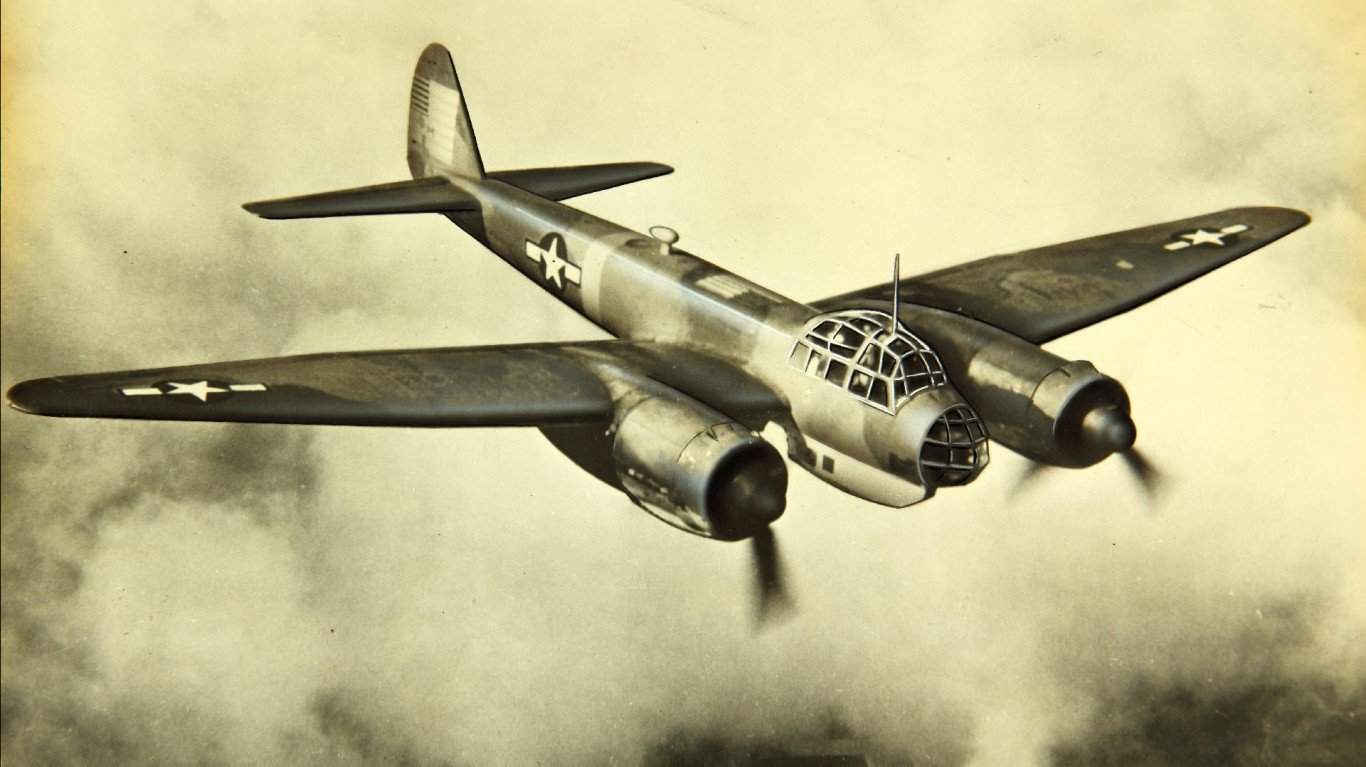
Junkers Ju 88
- Aircraft Type: Multirole
- Country of Origin: Germany
- Year Introduced: 1939
- Primary Theater of Operation: Europe
- Production Volume: 15000
- Key Combat Role: Bomber
- Defining Advantage: Versatility
- Impact on the Air War: Adaptable multi-role aircraft
The Ju 88’s versatility allowed it to serve in multiple roles, including bombing, reconnaissance, and night fighting. This adaptability made it one of Germany’s most valuable aircraft. Its widespread use demonstrated the importance of multi-role platforms in maintaining operational flexibility.
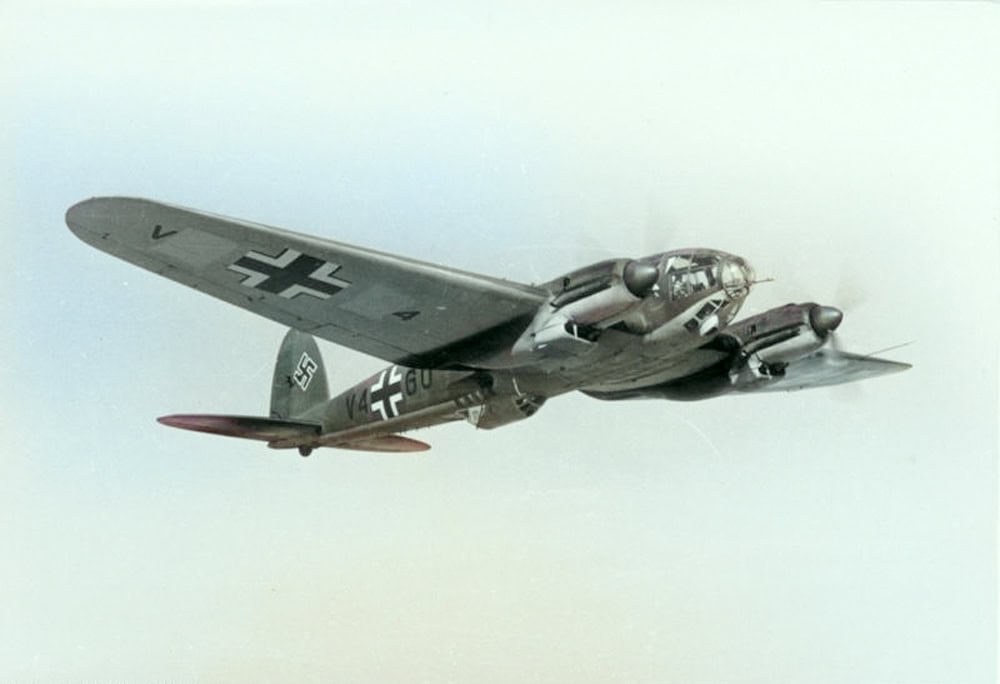
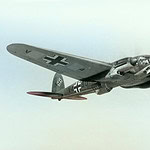
Heinkel He 111
- Aircraft Type: Medium Bomber
- Country of Origin: Germany
- Year Introduced: 1935
- Primary Theater of Operation: Europe
- Production Volume: 6500
- Key Combat Role: Strategic bombing
- Defining Advantage: Payload
- Impact on the Air War: Early Luftwaffe campaigns
The He 111 was a key component of Germany’s early strategic bombing efforts, including the Battle of Britain. While effective initially, its limitations became apparent as Allied defenses improved. Its role highlights the challenges of sustaining bombing campaigns without air superiority.
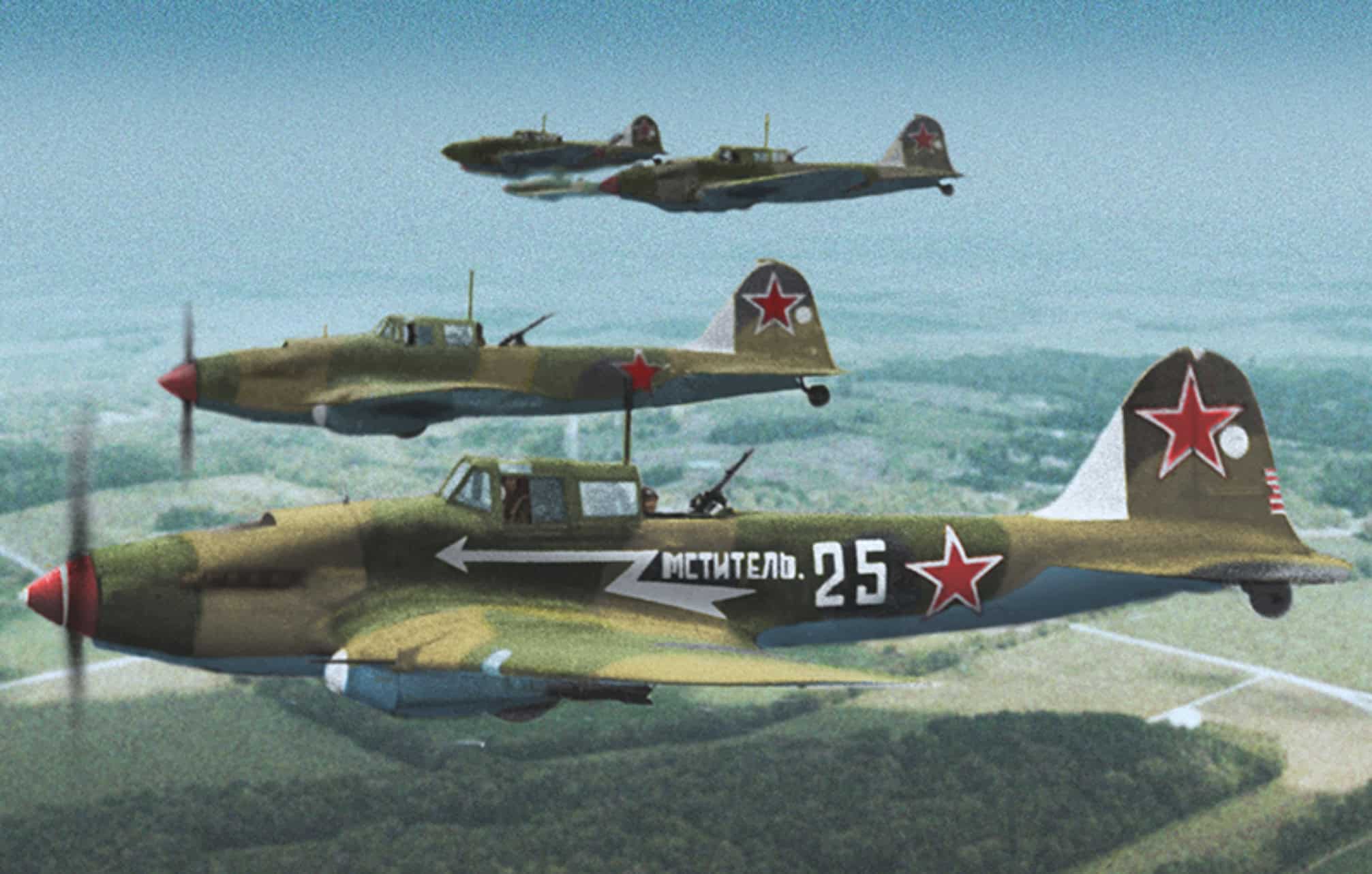
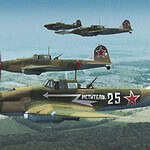
Ilyushin Il-2 Sturmovik
- Aircraft Type: Ground Attack
- Country of Origin: Soviet Union
- Year Introduced: 1941
- Primary Theater of Operation: Eastern Front
- Production Volume: 36000
- Key Combat Role: CAS
- Defining Advantage: Armor
- Impact on the Air War: Devastated German ground forces
The Il-2 Sturmovik played a crucial role on the Eastern Front by providing close air support to Soviet ground forces. Its heavy armor and firepower allowed it to withstand enemy fire while attacking German positions. This contributed significantly to the Soviet Union’s ability to repel and counter Axis advances.
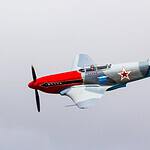
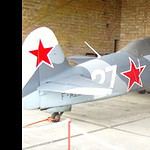
Yak-3
- Aircraft Type: Fighter
- Country of Origin: Soviet Union
- Year Introduced: 1944
- Primary Theater of Operation: Eastern Front
- Production Volume: 5000
- Key Combat Role: Air superiority
- Defining Advantage: Lightweight
- Impact on the Air War: High performance at low altitude
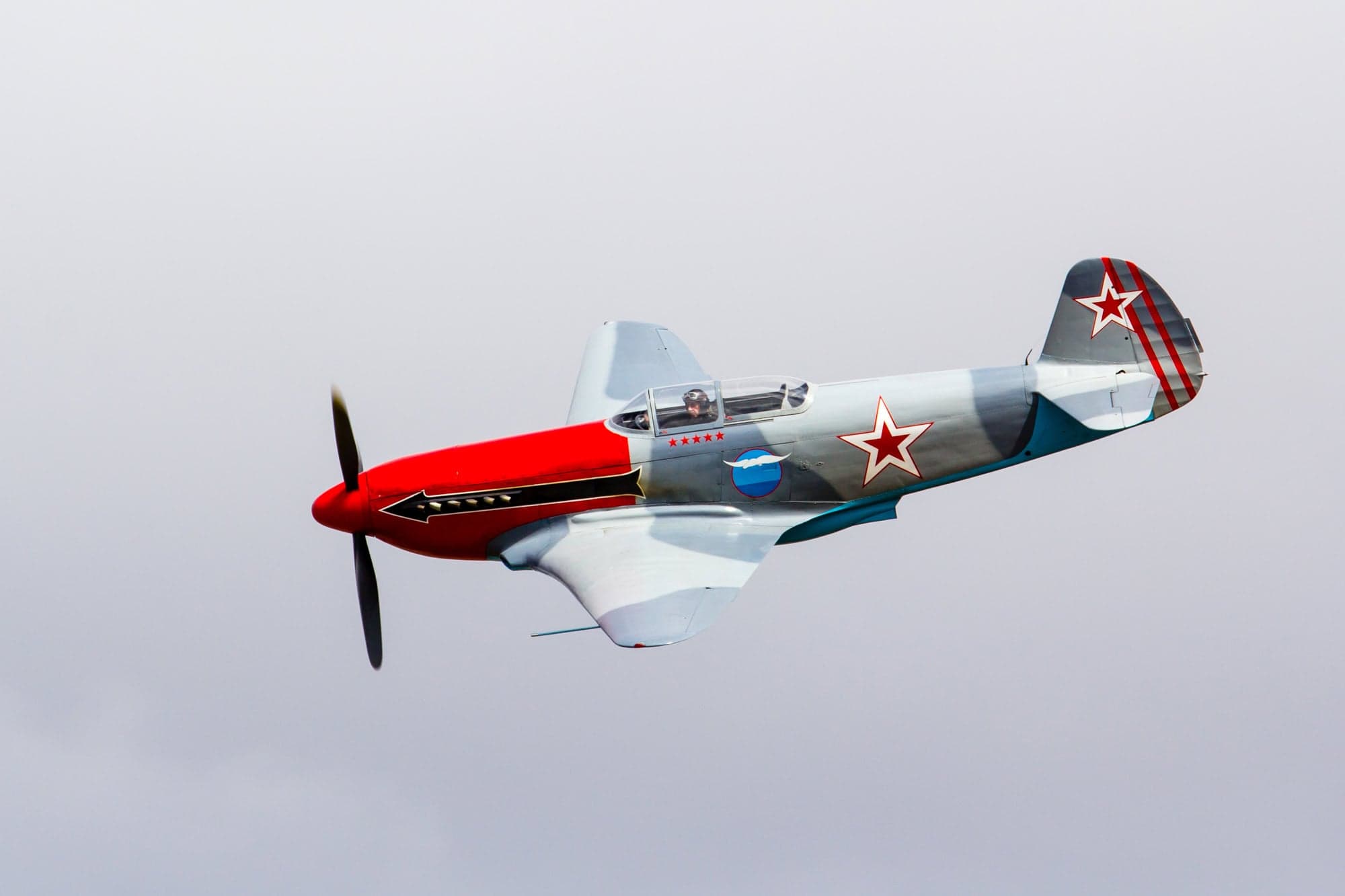
The Yak-3’s lightweight design and agility made it highly effective in low-altitude combat on the Eastern Front. Its performance allowed Soviet pilots to challenge German fighters successfully, contributing to the gradual shift in air superiority toward the Allies in that theater.
Lavochkin La-5
- Aircraft Type: Fighter
- Country of Origin: Soviet Union
- Year Introduced: 1942
- Primary Theater of Operation: Eastern Front
- Production Volume: 10000
- Key Combat Role: Air superiority
- Defining Advantage: Engine power
- Impact on the Air War: Matched German fighters
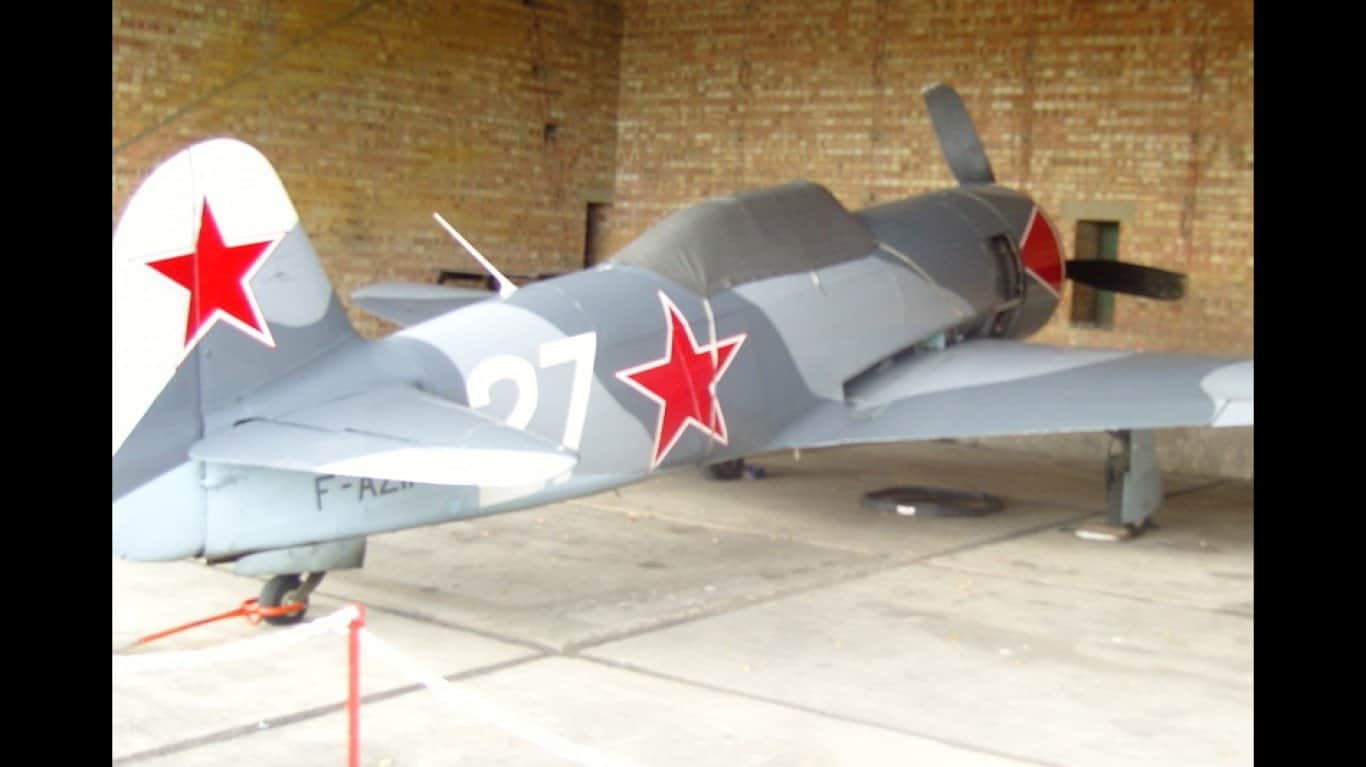
The La-5 provided the Soviet Air Force with a powerful and reliable fighter capable of competing with German aircraft. Its improved engine performance enhanced its effectiveness in combat, supporting Soviet efforts to regain control of the skies over the Eastern Front.
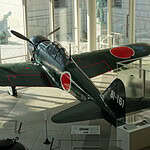
Mitsubishi A6M Zero
- Aircraft Type: Carrier Fighter
- Country of Origin: Japan
- Year Introduced: 1940
- Primary Theater of Operation: Pacific
- Production Volume: 10000
- Key Combat Role: Naval air superiority
- Defining Advantage: Range
- Impact on the Air War: Early Pacific dominance
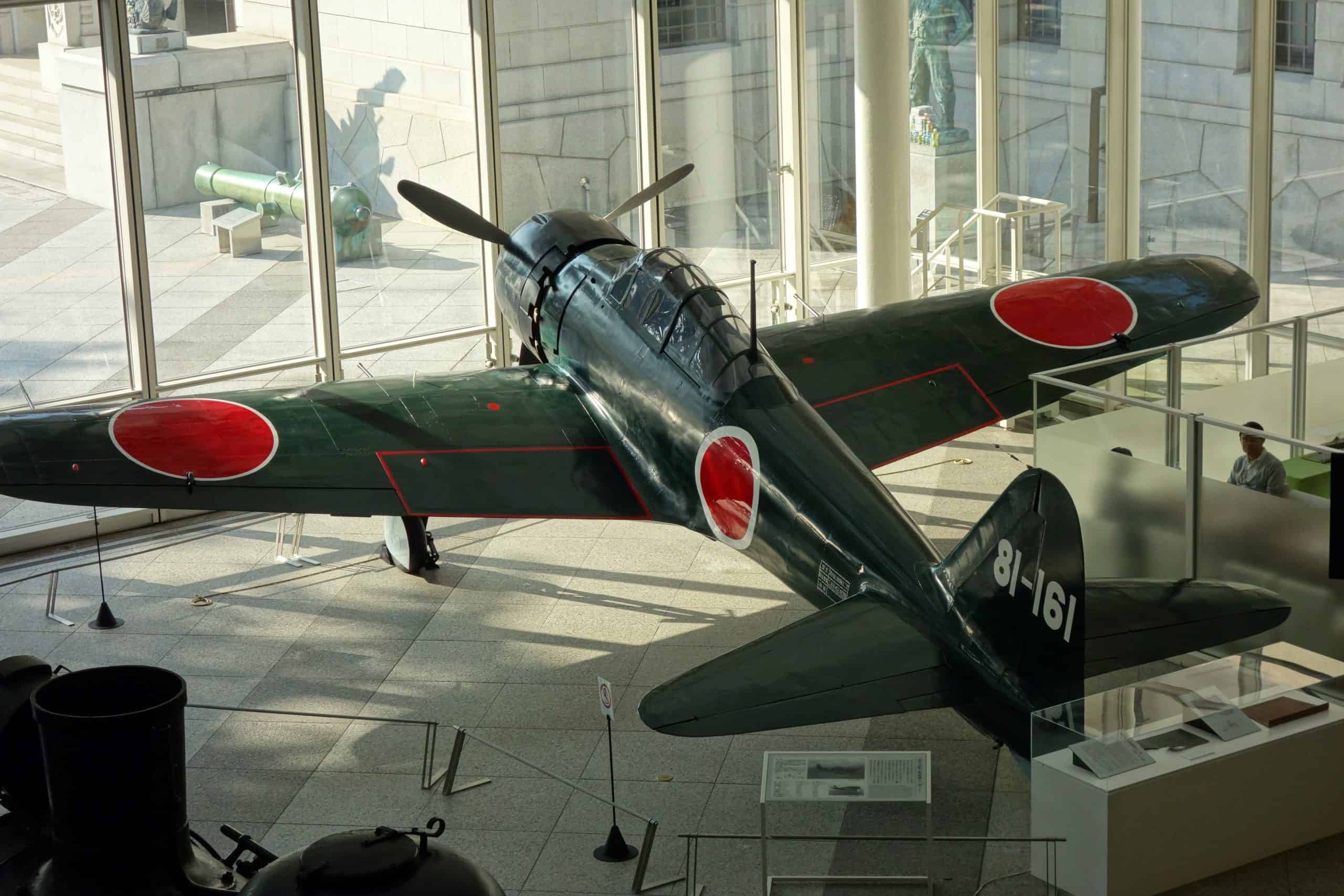
The Zero dominated early Pacific air combat due to its exceptional range and maneuverability. It allowed Japan to project air power across vast distances. However, its lack of armor and evolving Allied tactics eventually reduced its effectiveness, illustrating the importance of adaptability in warfare.
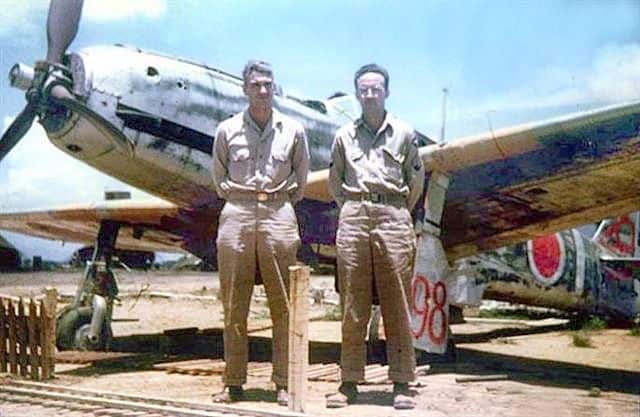
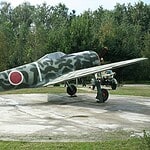
Nakajima Ki-43 Hayabusa
- Aircraft Type: Fighter
- Country of Origin: Japan
- Year Introduced: 1941
- Primary Theater of Operation: Pacific
- Production Volume: 6000
- Key Combat Role: Air superiority
- Defining Advantage: Maneuverability
- Impact on the Air War: Main Japanese Army fighter
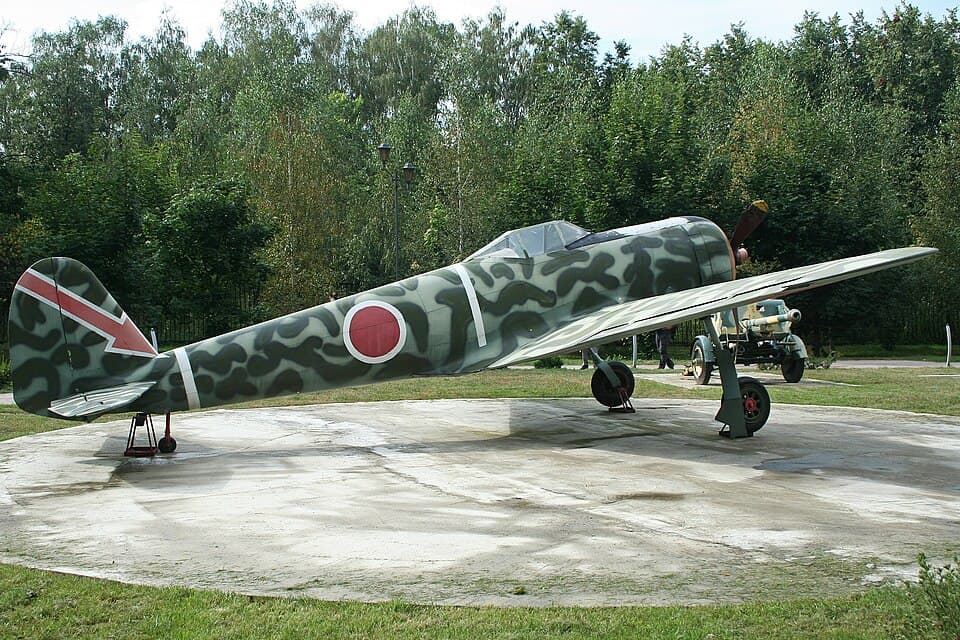
The Ki-43 Hayabusa served as the primary fighter for the Japanese Army, emphasizing maneuverability and range. While effective early in the war, it struggled against more heavily armed and durable Allied aircraft. Its performance reflects the tradeoffs inherent in aircraft design.
Kawasaki Ki-61 Hien
- Aircraft Type: Fighter
- Country of Origin: Japan
- Year Introduced: 1943
- Primary Theater of Operation: Pacific
- Production Volume: 3000
- Key Combat Role: Interceptor
- Defining Advantage: Speed
- Impact on the Air War: Improved Japanese air defense
The Ki-61 Hien introduced improved speed and firepower compared to earlier Japanese fighters. It played a key role in defending against Allied bombing raids, demonstrating Japan’s efforts to adapt to changing air combat conditions.
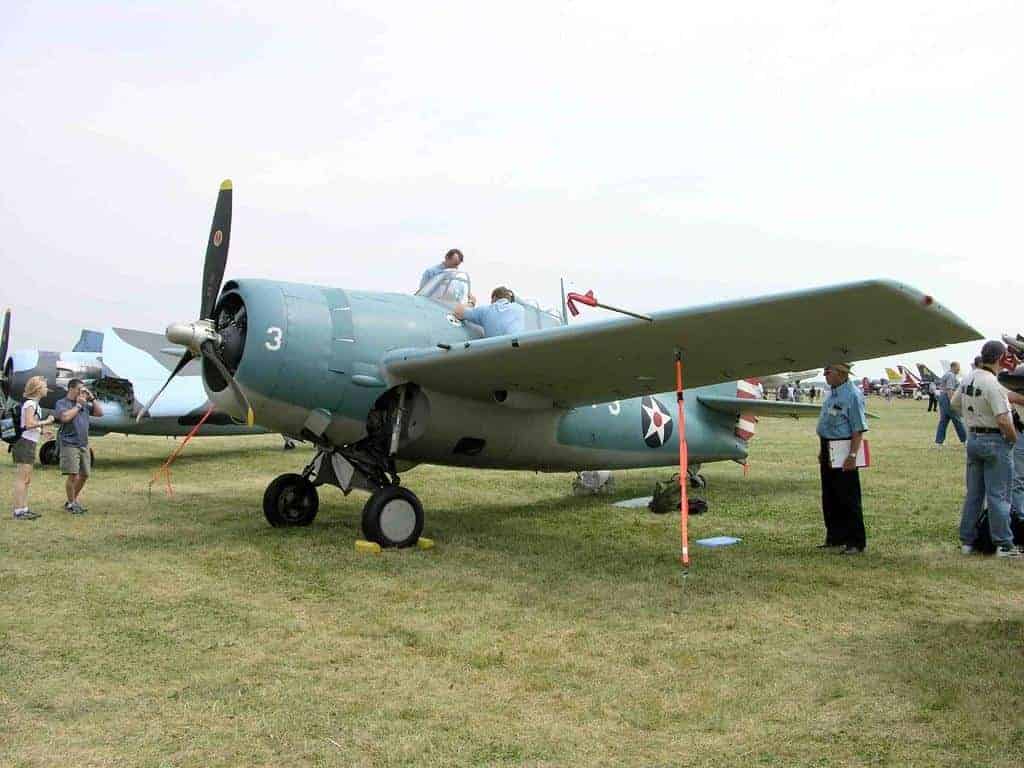
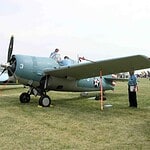
F4F Wildcat
- Aircraft Type: Carrier Fighter
- Country of Origin: United States
- Year Introduced: 1940
- Primary Theater of Operation: Pacific
- Production Volume: 8000
- Key Combat Role: Naval defense
- Defining Advantage: Durability
- Impact on the Air War: Held line early in Pacific
The Wildcat held the line during the early stages of the Pacific War, despite being outperformed by the Zero in some aspects. Its ruggedness and pilot tactics allowed it to remain effective, buying time for more advanced aircraft to enter service.
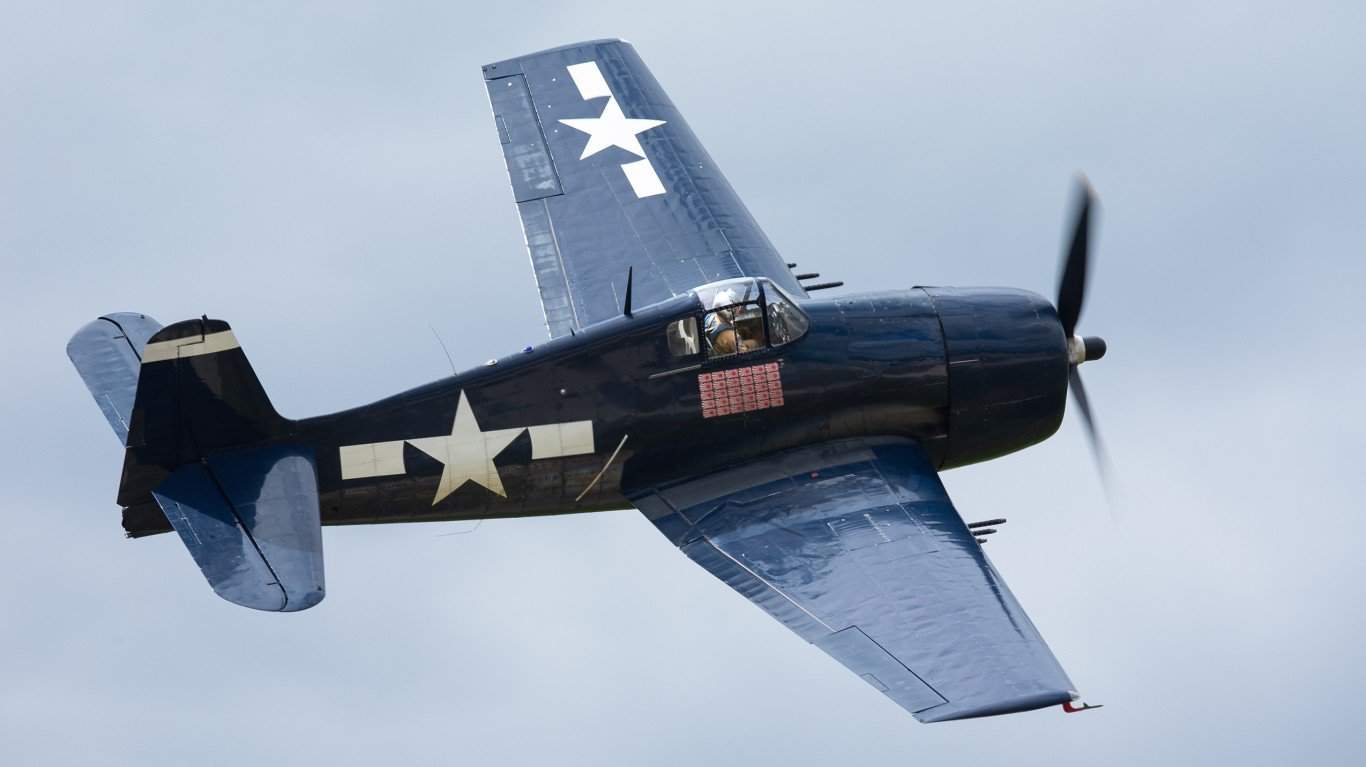
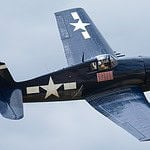
F6F Hellcat
- Aircraft Type: Carrier Fighter
- Country of Origin: United States
- Year Introduced: 1943
- Primary Theater of Operation: Pacific
- Production Volume: 12000
- Key Combat Role: Air superiority
- Defining Advantage: Kill ratio
- Impact on the Air War: Dominated Japanese aircraft
The Hellcat became one of the most successful carrier-based fighters of the war, achieving a high kill ratio against Japanese aircraft. Its performance allowed the United States to gain and maintain air superiority in the Pacific, contributing significantly to Allied victory.
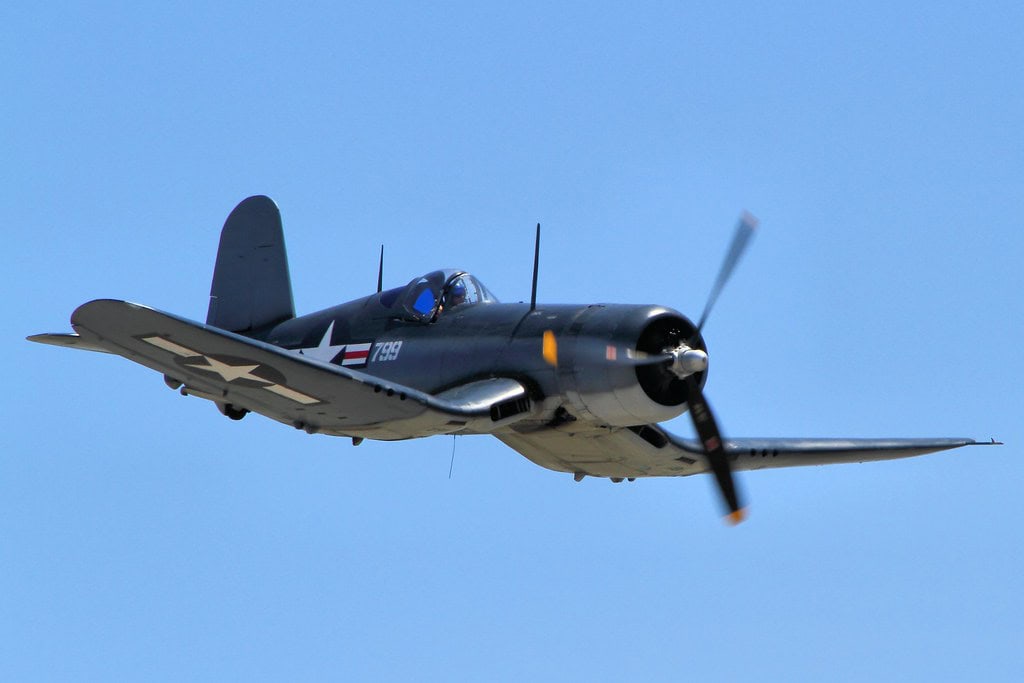
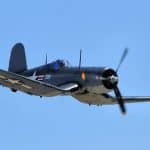
F4U Corsair
- Aircraft Type: Carrier Fighter
- Country of Origin: United States
- Year Introduced: 1942
- Primary Theater of Operation: Pacific
- Production Volume: 12000
- Key Combat Role: Ground attack
- Defining Advantage: Speed
- Impact on the Air War: Late war superiority
The Corsair’s speed and firepower made it a dominant force in the latter stages of the Pacific War. Its effectiveness in both air-to-air combat and ground attack roles contributed to Allied control of the skies and supported ground operations.
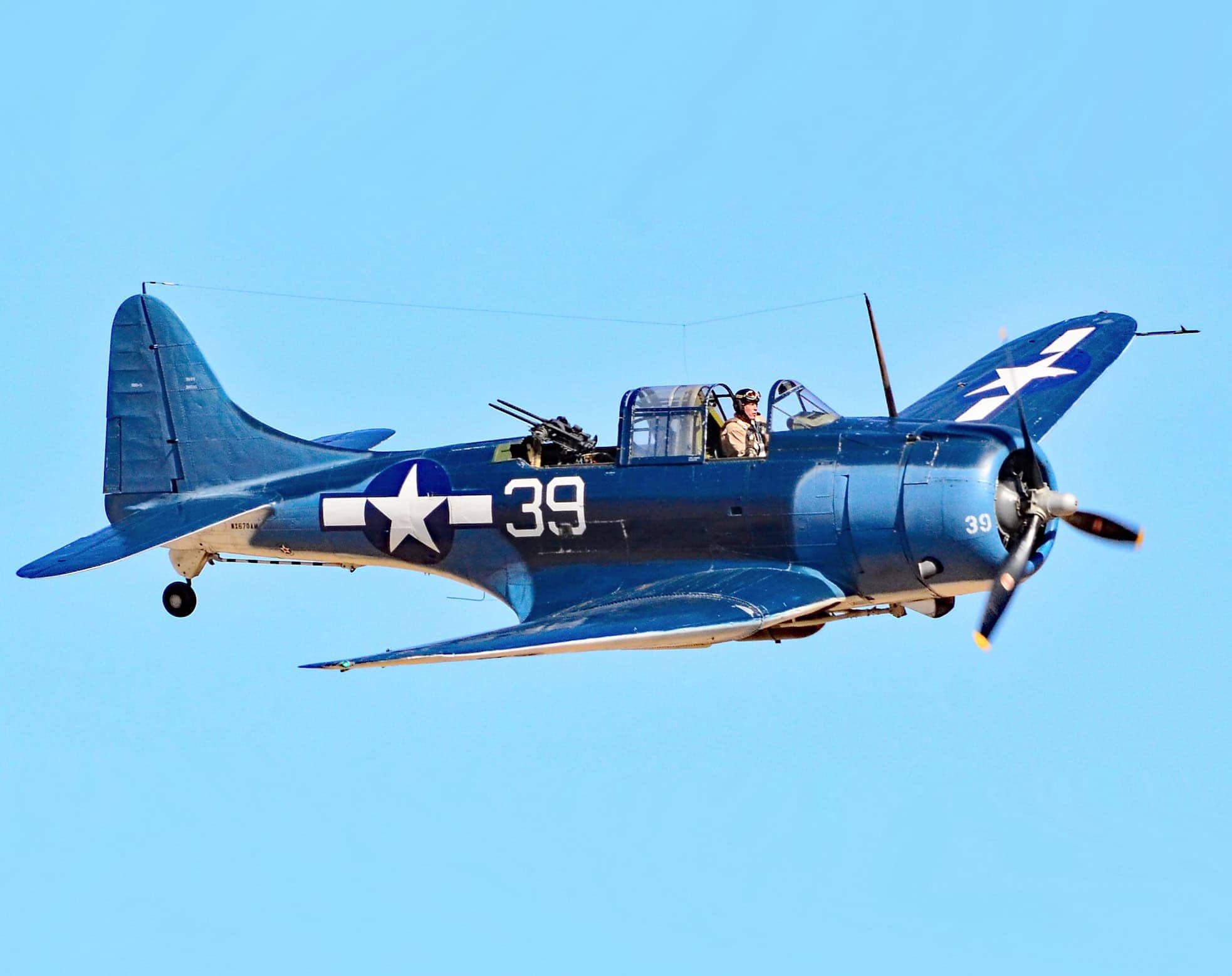
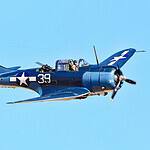
Douglas SBD Dauntless
- Aircraft Type: Dive Bomber
- Country of Origin: United States
- Year Introduced: 1940
- Primary Theater of Operation: Pacific
- Production Volume: 6000
- Key Combat Role: Naval strike
- Defining Advantage: Accuracy
- Impact on the Air War: Key role at Midway
The Dauntless played a decisive role in the Battle of Midway, where its dive-bombing accuracy led to the destruction of key Japanese carriers. This turning point shifted the balance of power in the Pacific and demonstrated the impact of precision strike capability.
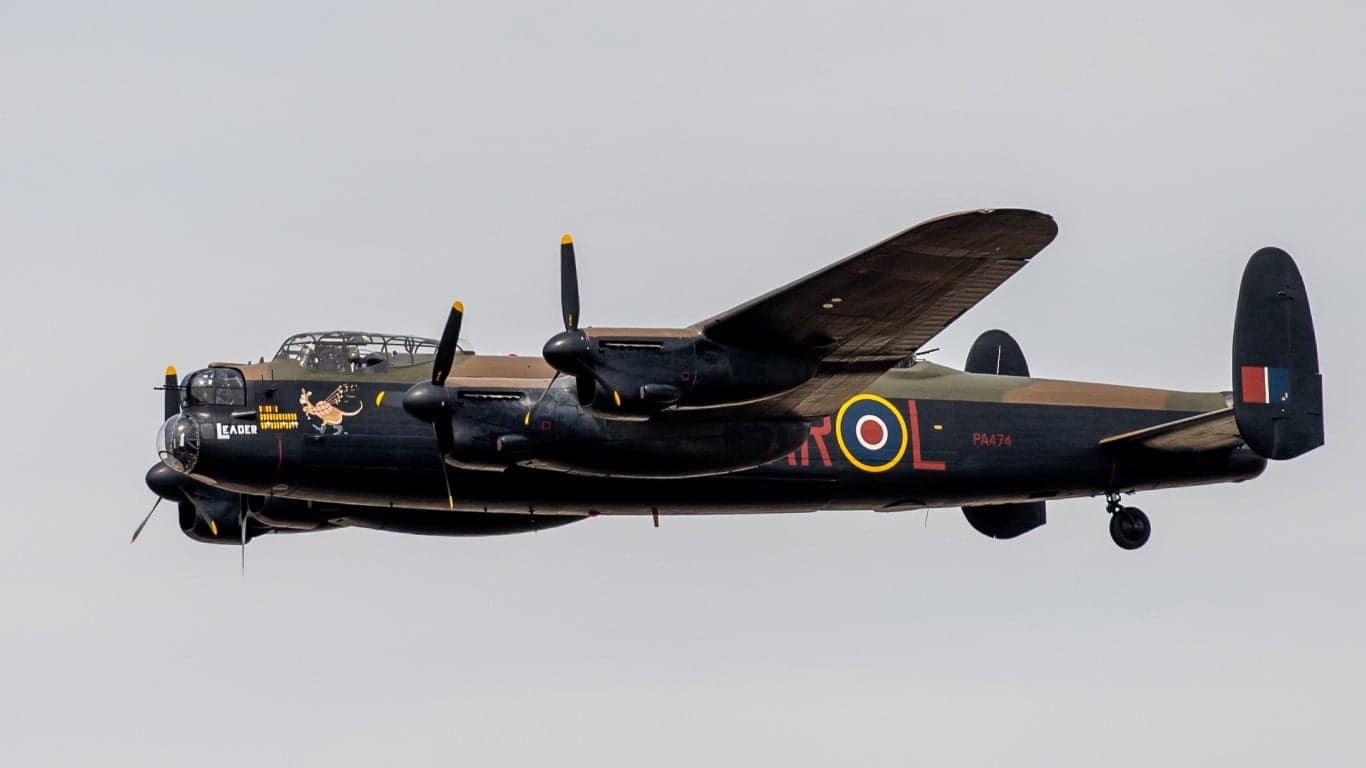
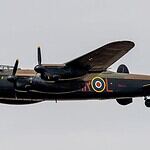
Avro Lancaster
- Aircraft Type: Heavy Bomber
- Country of Origin: United Kingdom
- Year Introduced: 1942
- Primary Theater of Operation: Europe
- Production Volume: 7000
- Key Combat Role: Strategic bombing
- Defining Advantage: Payload
- Impact on the Air War: Night bombing campaigns
The Lancaster became the backbone of Britain’s night bombing campaign against Germany. Its large payload capacity allowed it to carry out devastating raids on industrial targets. These operations weakened Germany’s war production and contributed to Allied strategic objectives.
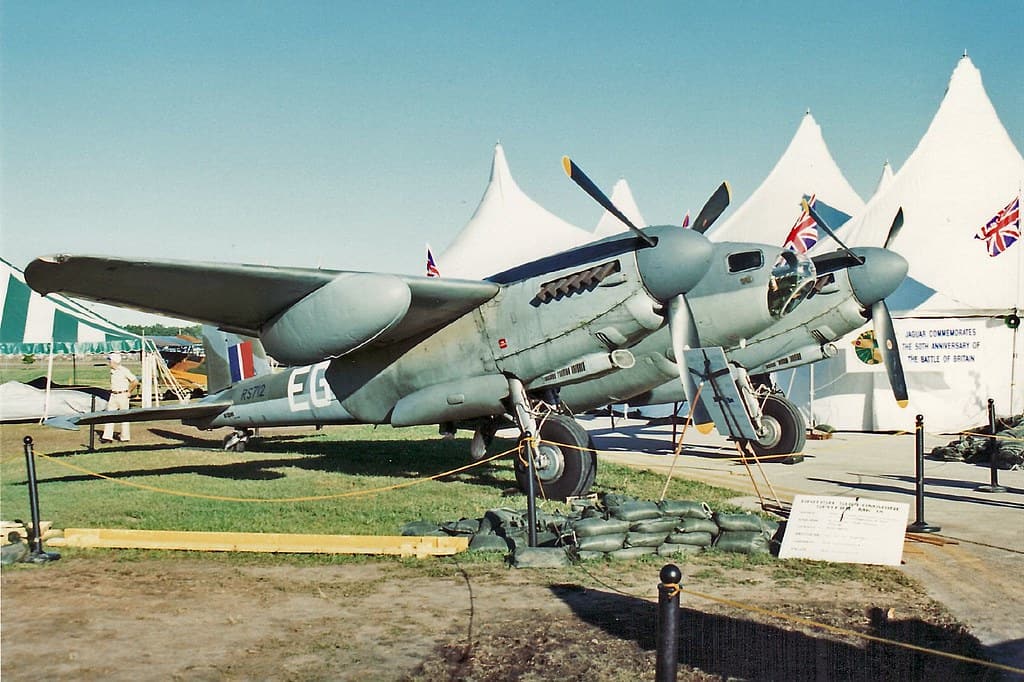
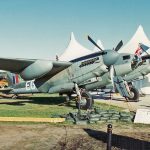
De Havilland Mosquito
- Aircraft Type: Multirole
- Country of Origin: United Kingdom
- Year Introduced: 1941
- Primary Theater of Operation: Europe
- Production Volume: 7000
- Key Combat Role: Recon / strike
- Defining Advantage: Speed
- Impact on the Air War: Versatile and fast
The Mosquito’s speed and versatility allowed it to perform a wide range of missions, from reconnaissance to precision bombing. Its ability to evade enemy defenses made it highly effective, showcasing the value of speed and adaptability in modern air warfare.
The image featured at the top of this post is ©CindyN / CC BY-SA 4.0, via Wikimedia Commons – License / Original