






The Most Devastating Bombing Campaigns in Military History
The rise of air power fundamentally changed modern warfare, allowing nations to strike far beyond the front lines and deep into enemy territory. As bombing campaigns grew in scale and intensity, they increasingly targeted not only military forces but also the infrastructure and industries that sustained them, blurring the line between battlefield and homeland.
To identify the most devastating bombing campaigns in history, 24/7 Wall St. reviewed a range of historical and military sources. Each entry includes key details such as the conflict, major participants, targets, scale of the attacks, and their overall impact.
From World War II to more recent conflicts, strategic bombing has been used to weaken economies, disrupt supply chains, and undermine civilian morale. These campaigns reveal how air power became one of the most decisive and far-reaching tools in modern warfare, reshaping conflicts and leaving lasting consequences. Here is a look at some of the most devastating bombing campaigns ever carried out.
Strategic Bombing Changed the Nature of War
Strategic bombing fundamentally reshaped warfare by extending the battlefield far beyond the front lines. Instead of focusing solely on military targets, entire cities, industries, and populations became part of the war effort. This shift transformed air power into a tool capable of targeting a nation's ability to function, not just its armies in the field.
Entire Nations Became Targets
As bombing campaigns intensified, the distinction between military and civilian targets became increasingly blurred. Industrial centers, transportation networks, and urban areas were all seen as critical components of a nation's war machine. The result was widespread destruction that impacted not only military capability, but also the daily lives of millions of civilians.
Scale and Technology Drove Devastation
Advancements in aircraft, bomb design, and delivery methods allowed bombing campaigns to reach unprecedented levels of scale. From massive bomber formations to precision-guided munitions, the ability to deliver destruction grew dramatically over time. These technological developments enabled campaigns that could devastate entire regions over sustained periods.
Bombing Campaigns Sought to Break Will and Capacity
The goal of many of these campaigns extended beyond physical destruction, aiming to break a nation's will to continue fighting. By targeting infrastructure, industry, and population centers, strategists sought to create conditions where resistance became unsustainable. This approach made bombing a central element of modern total war.
The Campaigns That Devastated Entire Nations
The bombing campaigns on this list represent some of the most destructive uses of air power in history. Each one reshaped the conflict in which it occurred, leaving lasting impacts on nations and populations. Together, they illustrate how strategic bombing has been used to alter the course of wars on a massive scale.
Allied Strategic Bombing of Germany
- Conflict / War: WWII
- Years conducted: 1942–1945
- Primary belligerents: Allies vs Germany
- Primary target type: Industrial + Civilian
- Scale of bombing: Massive strategic campaign
- Estimated damage / Impact: Widespread city destruction, industrial collapse
- Strategic objective: Cripple war production
- Outcome: Accelerated German defeat
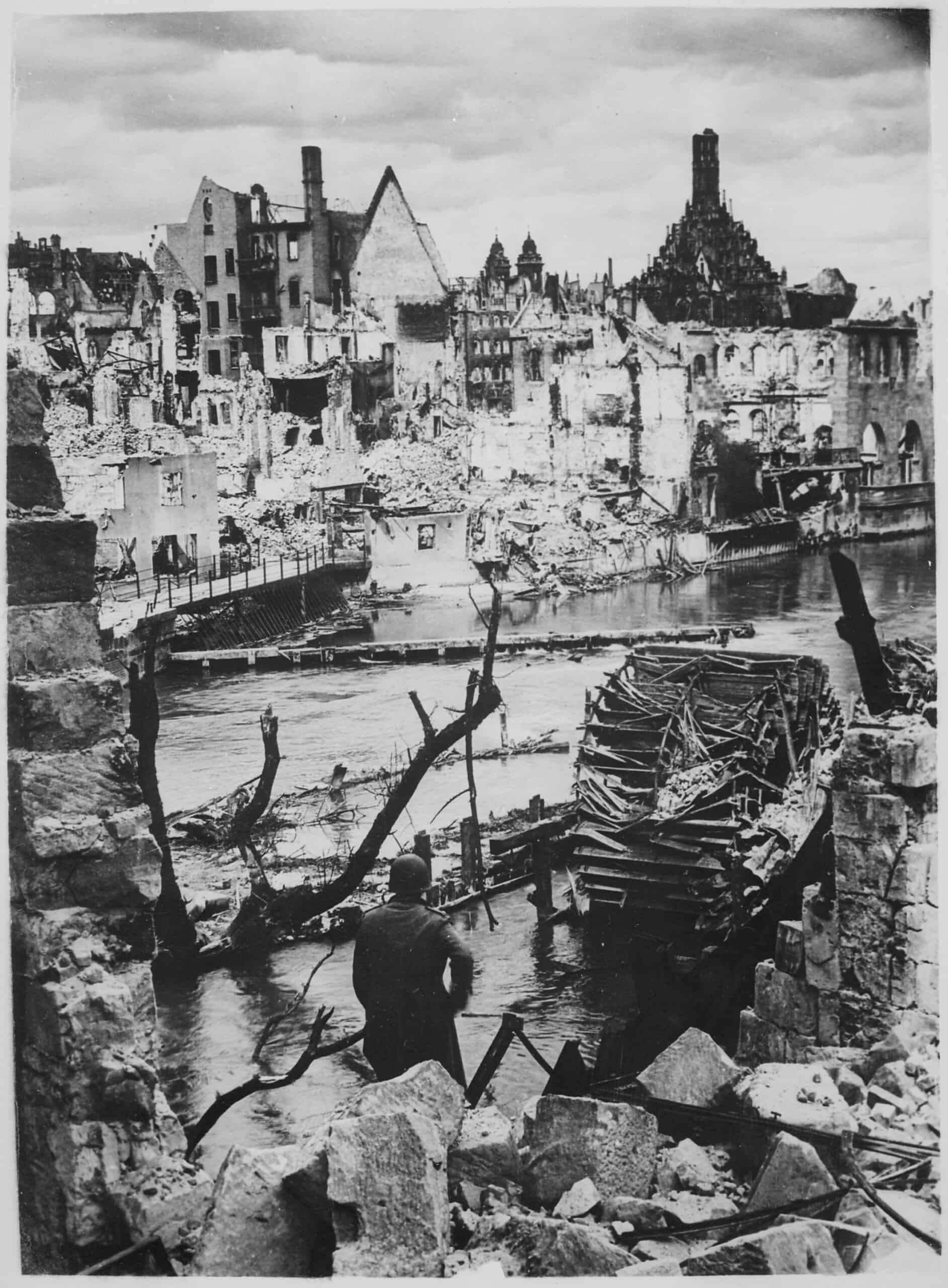
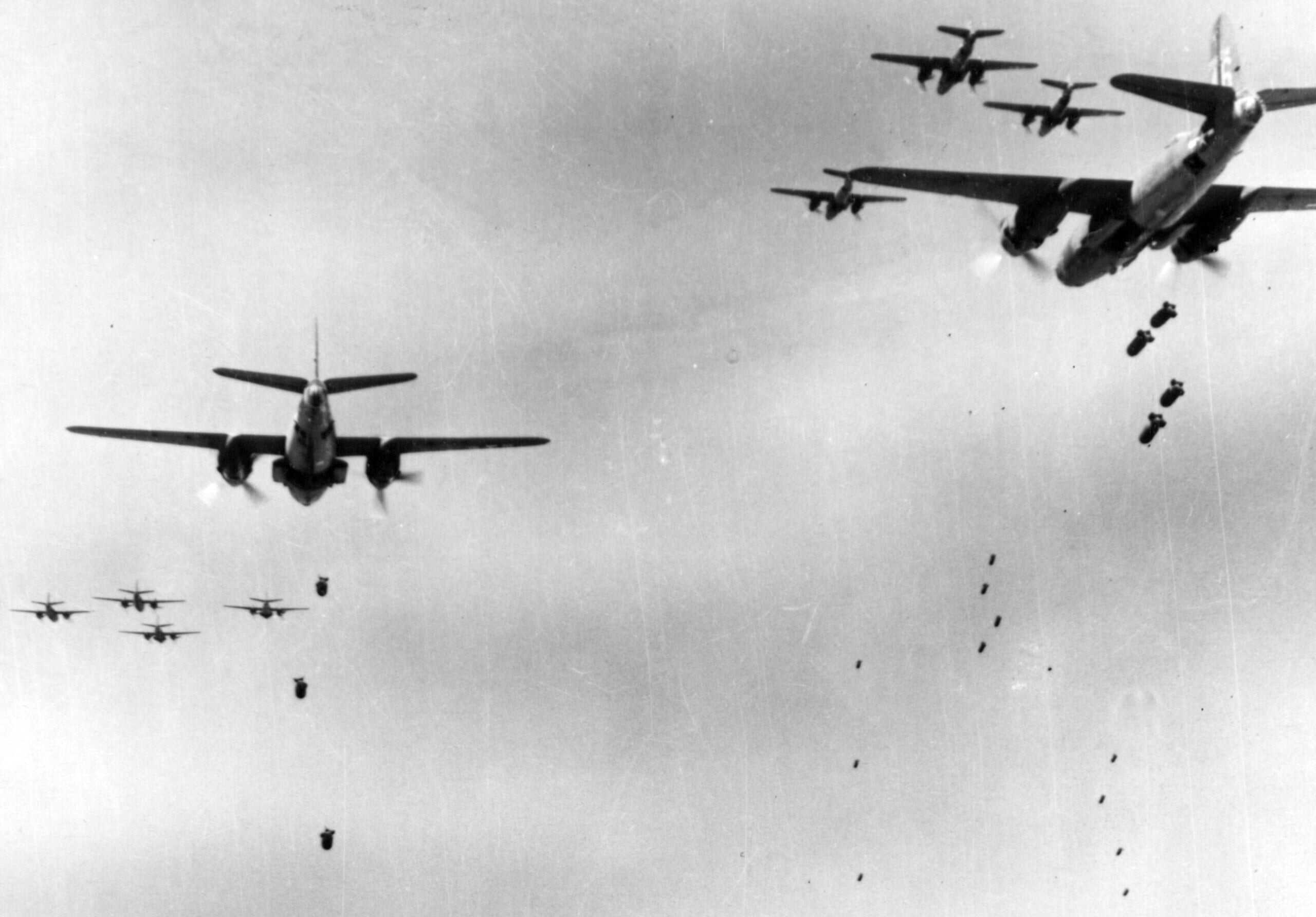
The Allied bombing of Germany represented one of the largest sustained air campaigns in history, targeting industrial centers and major cities. Waves of bombers devastated urban areas and crippled production, while also inflicting heavy civilian losses. The campaign demonstrated the power of strategic bombing to degrade a nation's ability to sustain war, ultimately contributing to Germany's collapse.
Firebombing Campaign Against Japan
- Conflict / War: WWII
- Years conducted: 1944–1945
- Primary belligerents: USA vs Japan
- Primary target type: Civilian urban
- Scale of bombing: Massive strategic campaign
- Estimated damage / Impact: Cities destroyed, massive casualties
- Strategic objective: Break civilian morale
- Outcome: Contributed to surrender
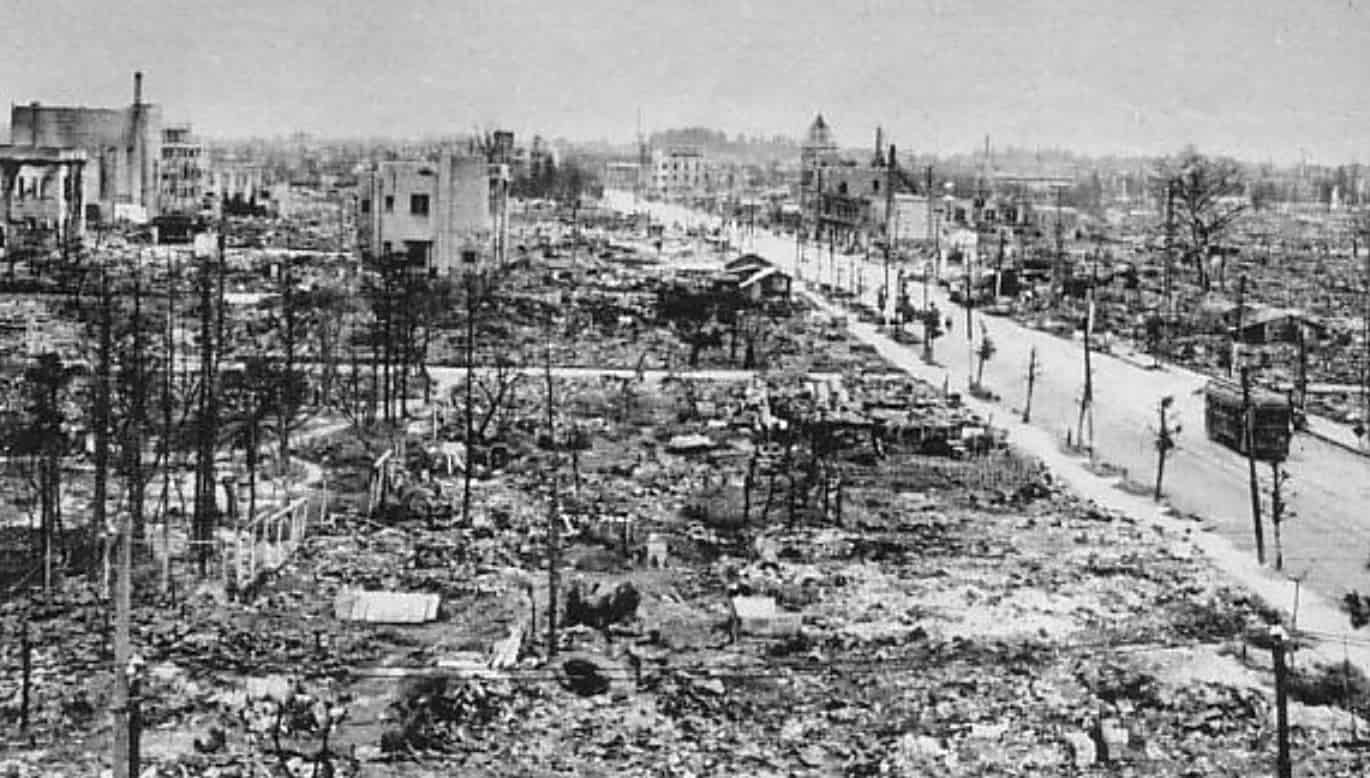
The firebombing campaign against Japan culminated in widespread destruction of urban centers, most notably Tokyo. Using incendiary bombs, entire city blocks were reduced to ashes in single raids. The scale of devastation and civilian casualties highlighted the destructive potential of conventional bombing, significantly weakening Japan's capacity and morale in the final months of the war.
Atomic Bombings of Hiroshima and Nagasaki
- Conflict / War: WWII
- Years conducted: 1945
- Primary belligerents: USA vs Japan
- Primary target type: Civilian urban
- Scale of bombing: Intensive short-duration
- Estimated damage / Impact: Two cities destroyed, nuclear devastation
- Strategic objective: Force immediate surrender
- Outcome: Directly led to surrender
The atomic bombings of Hiroshima and Nagasaki marked a turning point in warfare, introducing nuclear weapons to the battlefield. In two attacks, entire cities were devastated, causing immediate and long-term destruction. The unprecedented scale of damage forced Japan's surrender, demonstrating how a single strike could achieve what sustained bombing campaigns had struggled to accomplish.
Bombing of Dresden
- Conflict / War: WWII
- Years conducted: 1945
- Primary belligerents: Allies vs Germany
- Primary target type: Civilian urban
- Scale of bombing: Intensive short-duration
- Estimated damage / Impact: City largely destroyed
- Strategic objective: Disrupt logistics and morale
- Outcome: Controversial impact
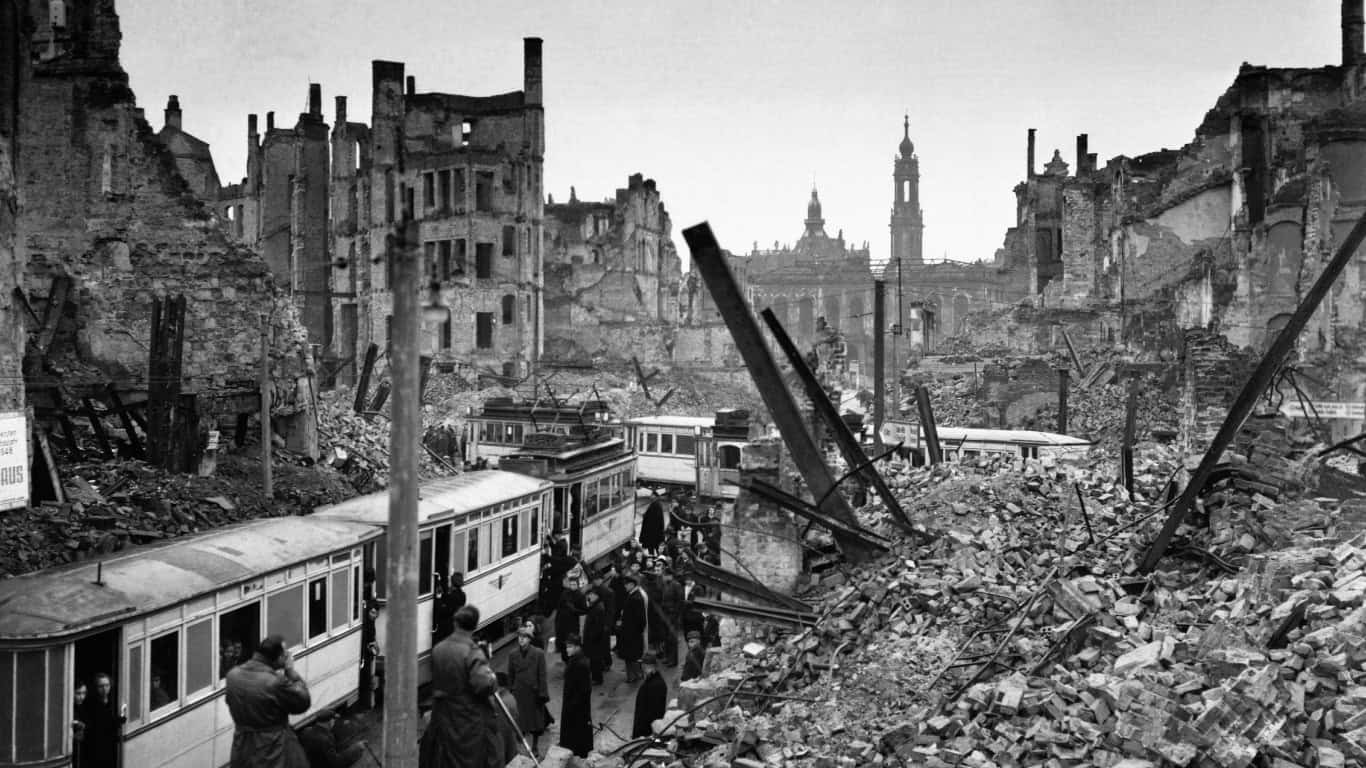
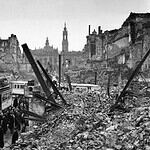
The bombing of Dresden remains one of the most controversial air raids of World War II, resulting in the near-total destruction of the city. Intended to disrupt German logistics and morale, the attack caused massive civilian casualties. It highlighted both the effectiveness and ethical complexities of strategic bombing in densely populated urban areas.
The Blitz
- Conflict / War: WWII
- Years conducted: 1940–1941
- Primary belligerents: Germany vs UK
- Primary target type: Civilian urban
- Scale of bombing: Sustained campaign
- Estimated damage / Impact: Heavy damage to cities
- Strategic objective: Break British morale
- Outcome: Failed to achieve objective
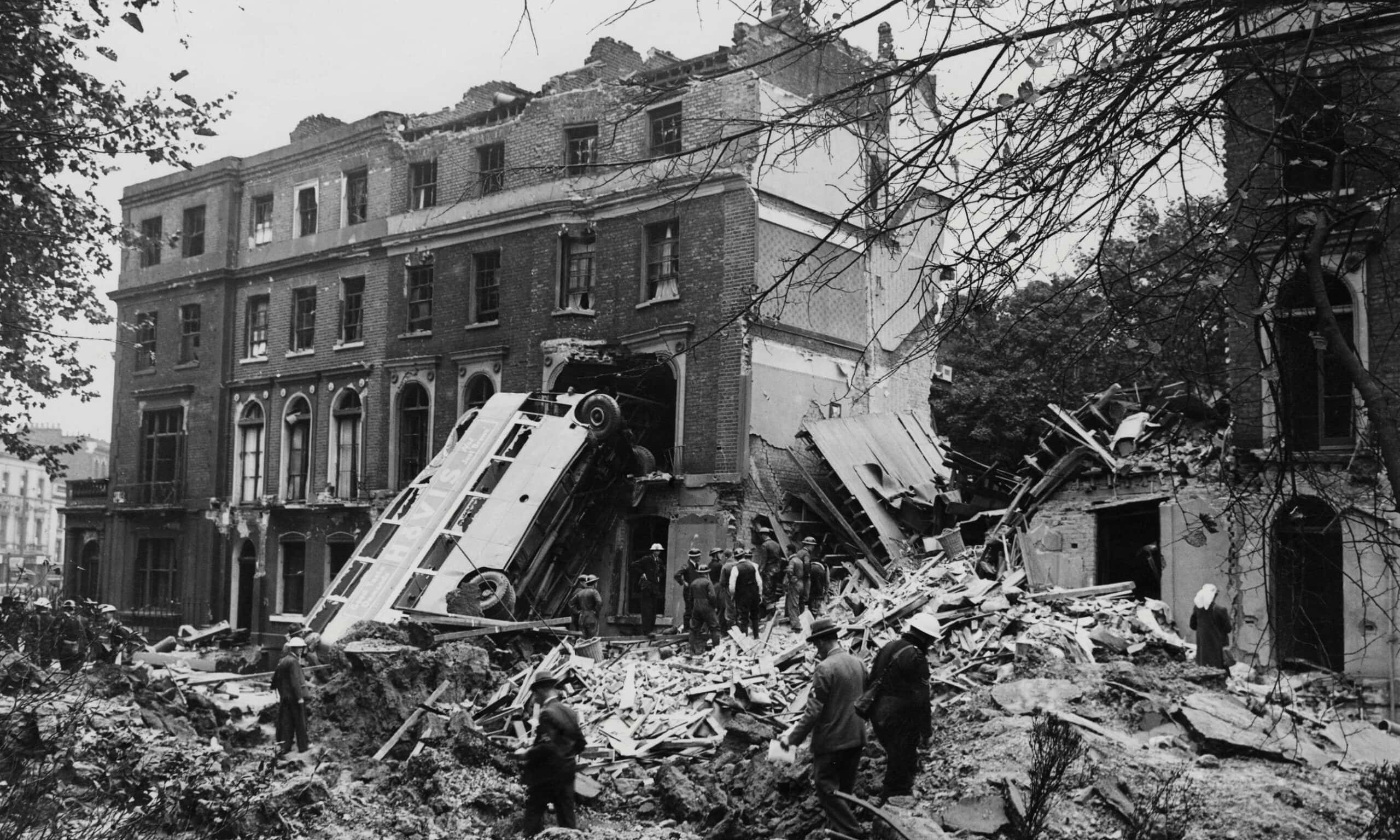
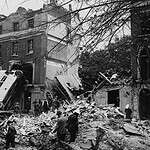
The Blitz was Germany's sustained bombing campaign against Britain, targeting London and other major cities. Designed to break civilian morale and force surrender, it caused widespread destruction and loss of life. Despite the intensity of the attacks, British resilience prevented the campaign from achieving its strategic objectives.
Korean War Bombing Campaign
- Conflict / War: Korean War
- Years conducted: 1950–1953
- Primary belligerents: USA/UN vs North Korea
- Primary target type: Infrastructure + Civilian
- Scale of bombing: Massive strategic campaign
- Estimated damage / Impact: Near-total infrastructure destruction
- Strategic objective: Force compliance
- Outcome: Severe devastation with limited strategic gain
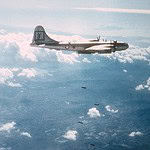
The bombing campaign during the Korean War resulted in extensive destruction across North Korea, with infrastructure and cities heavily damaged. Conducted over several years, it demonstrated the scale at which modern air power could devastate a nation. Despite this, the campaign did not achieve a decisive victory, highlighting the limits of bombing alone.
Operation Rolling Thunder
- Conflict / War: Vietnam War
- Years conducted: 1965–1968
- Primary belligerents: USA vs North Vietnam
- Primary target type: Infrastructure + Military
- Scale of bombing: Sustained campaign
- Estimated damage / Impact: Extensive damage but limited disruption
- Strategic objective: Pressure North Vietnam
- Outcome: Limited effectiveness
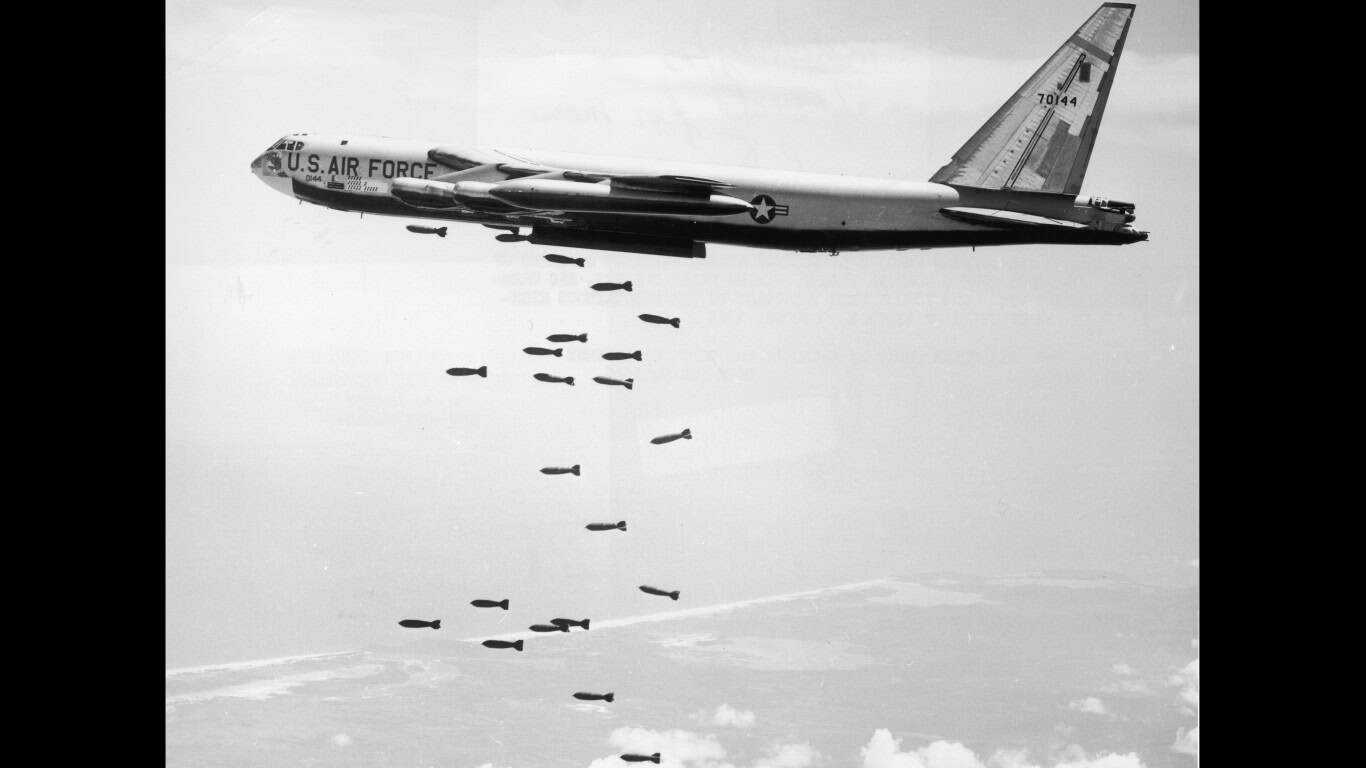
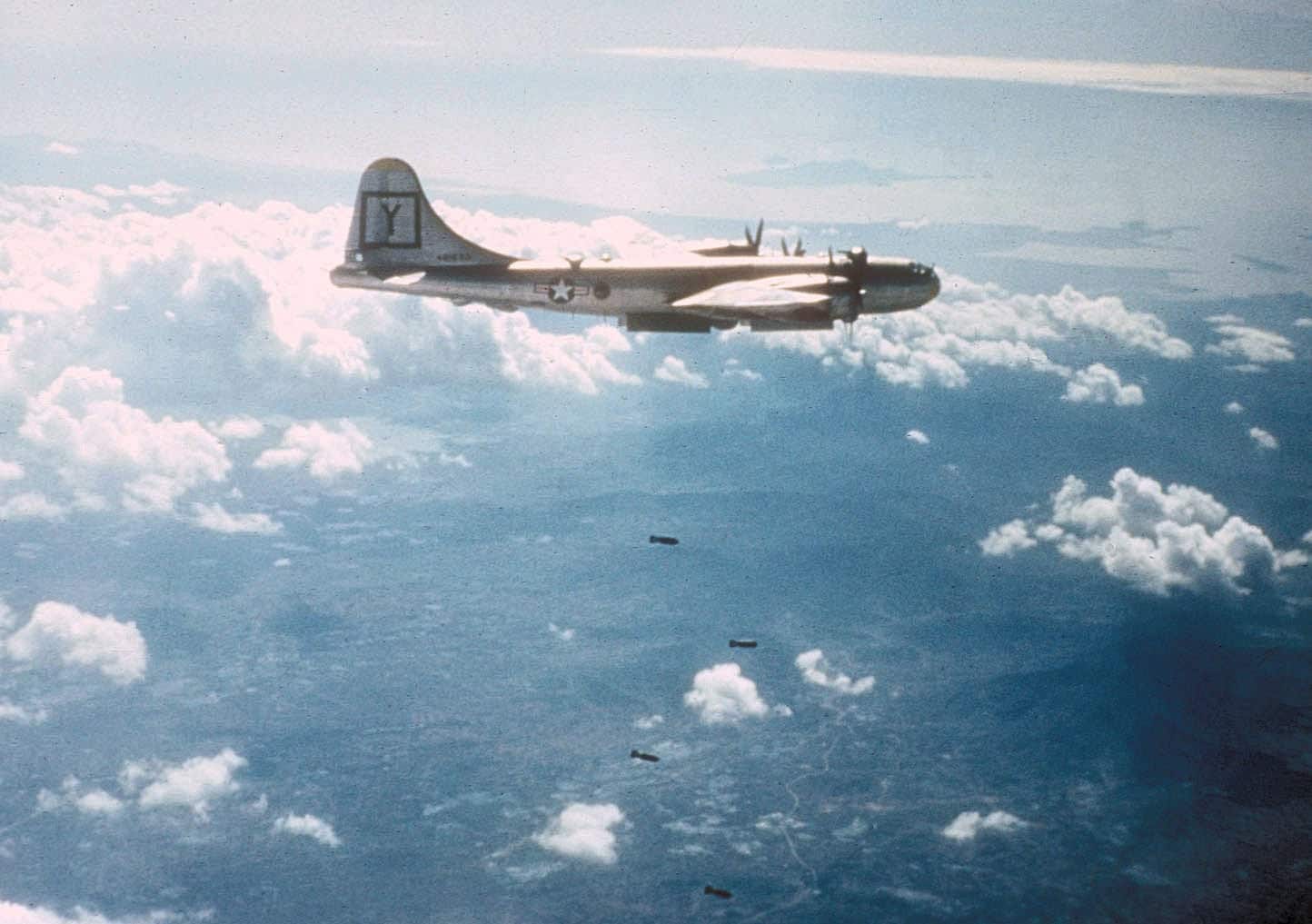
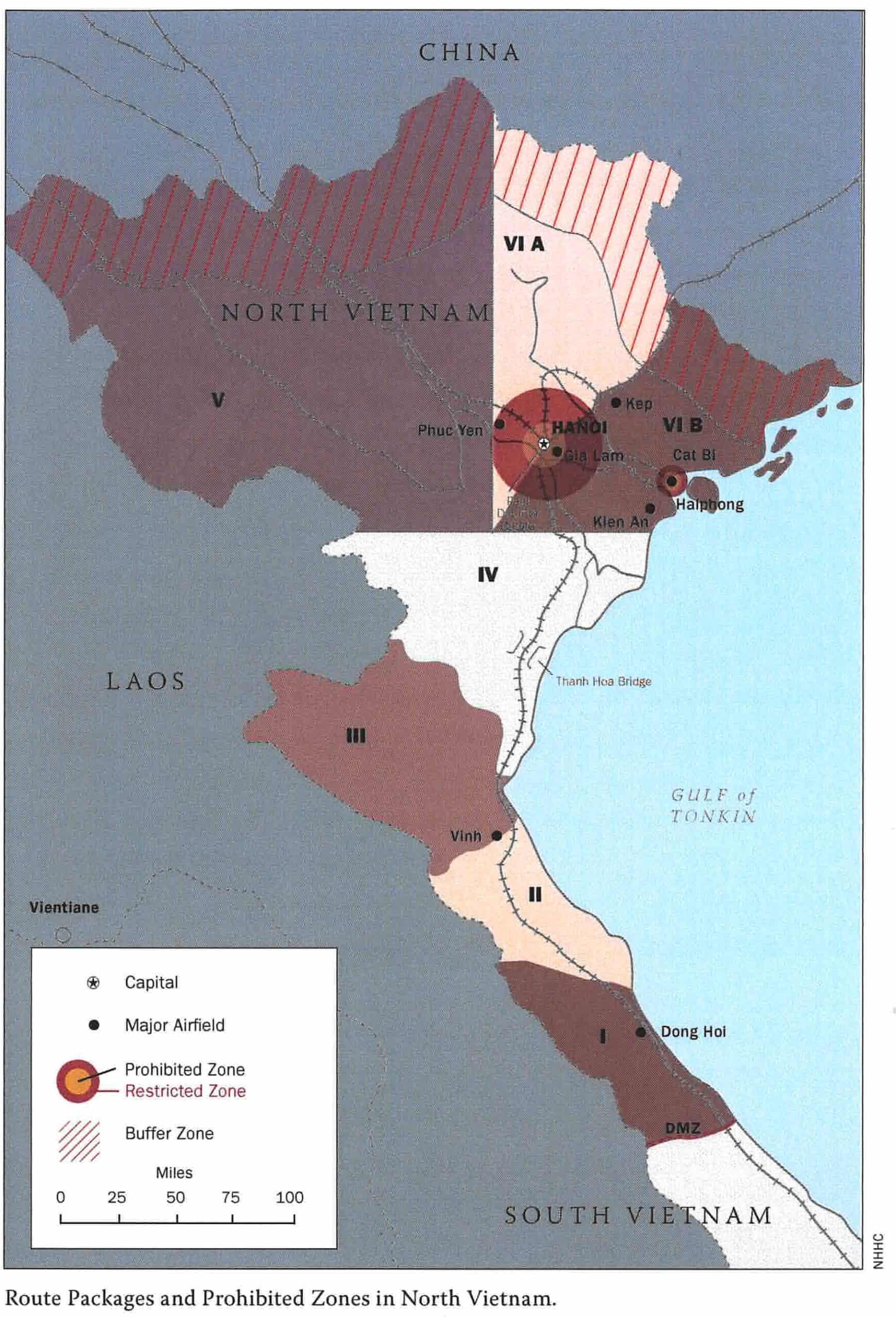
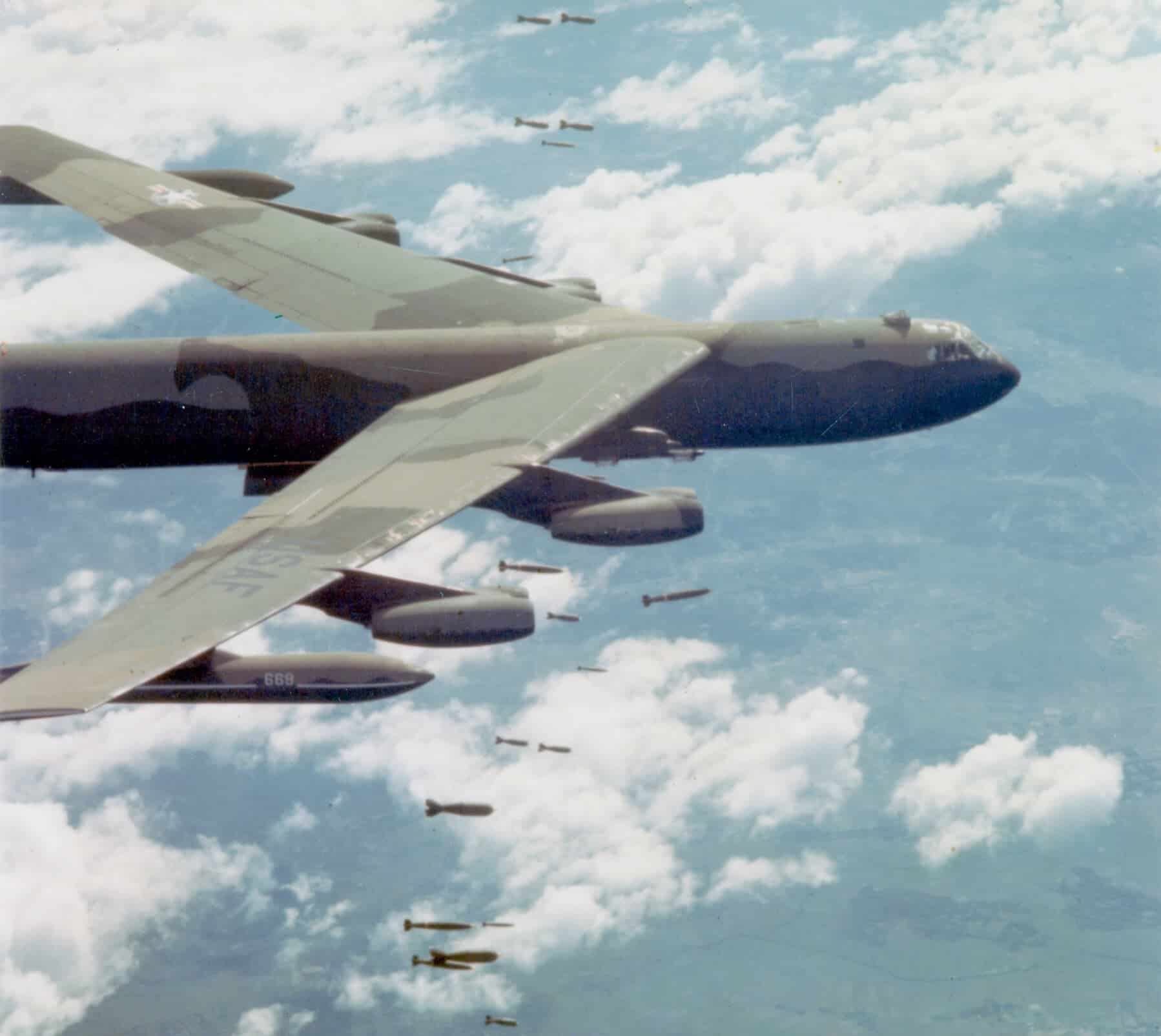
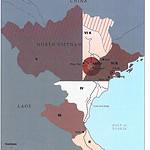
Operation Rolling Thunder was a prolonged bombing campaign aimed at weakening North Vietnam's ability to wage war. Despite its scale and duration, it struggled to achieve its strategic objectives. The campaign underscored the challenges of using air power to influence a determined adversary with strong logistical networks.
Operation Linebacker II
- Conflict / War: Vietnam War
- Years conducted: 1972
- Primary belligerents: USA vs North Vietnam
- Primary target type: Infrastructure + Military
- Scale of bombing: Intensive short-duration
- Estimated damage / Impact: Heavy bombing of Hanoi/Haiphong
- Strategic objective: Force negotiations
- Outcome: Accelerated peace talks
Operation Linebacker II was an intense bombing campaign targeting key infrastructure in North Vietnam. Conducted over a short period, it delivered significant damage to critical areas. The campaign is often credited with pressuring North Vietnam into negotiations, demonstrating the potential impact of concentrated air power.
Operation Menu
- Conflict / War: Vietnam War
- Years conducted: 1969–1970
- Primary belligerents: USA vs Cambodia
- Primary target type: Military + Infrastructure
- Scale of bombing: Sustained campaign
- Estimated damage / Impact: Hidden destruction in rural areas
- Strategic objective: Disrupt supply lines
- Outcome: Destabilized region
Operation Menu targeted suspected enemy positions in Cambodia, aiming to disrupt supply routes. Conducted in secrecy, it caused significant destruction in rural areas. While it achieved some tactical objectives, it also contributed to regional instability and long-term consequences.
U.S. Bombing of Laos
- Conflict / War: Vietnam War
- Years conducted: 1964–1973
- Primary belligerents: USA vs North Vietnam/Pathet Lao
- Primary target type: Infrastructure + Rural
- Scale of bombing: Sustained campaign
- Estimated damage / Impact: One of most bombed countries ever
- Strategic objective: Disrupt Ho Chi Minh trail
- Outcome: Long-term instability
The U.S. bombing of Laos made it one of the most heavily bombed countries in history. Aimed at disrupting supply lines, the campaign caused widespread damage to infrastructure and rural areas. Its long-term effects continue to impact the region, illustrating the enduring consequences of sustained bombing.
War of the Cities
- Conflict / War: Iran–Iraq War
- Years conducted: 1980s
- Primary belligerents: Iran vs Iraq
- Primary target type: Civilian urban
- Scale of bombing: Sustained campaign
- Estimated damage / Impact: Urban destruction in major cities
- Strategic objective: Break civilian morale
- Outcome: Mutual devastation
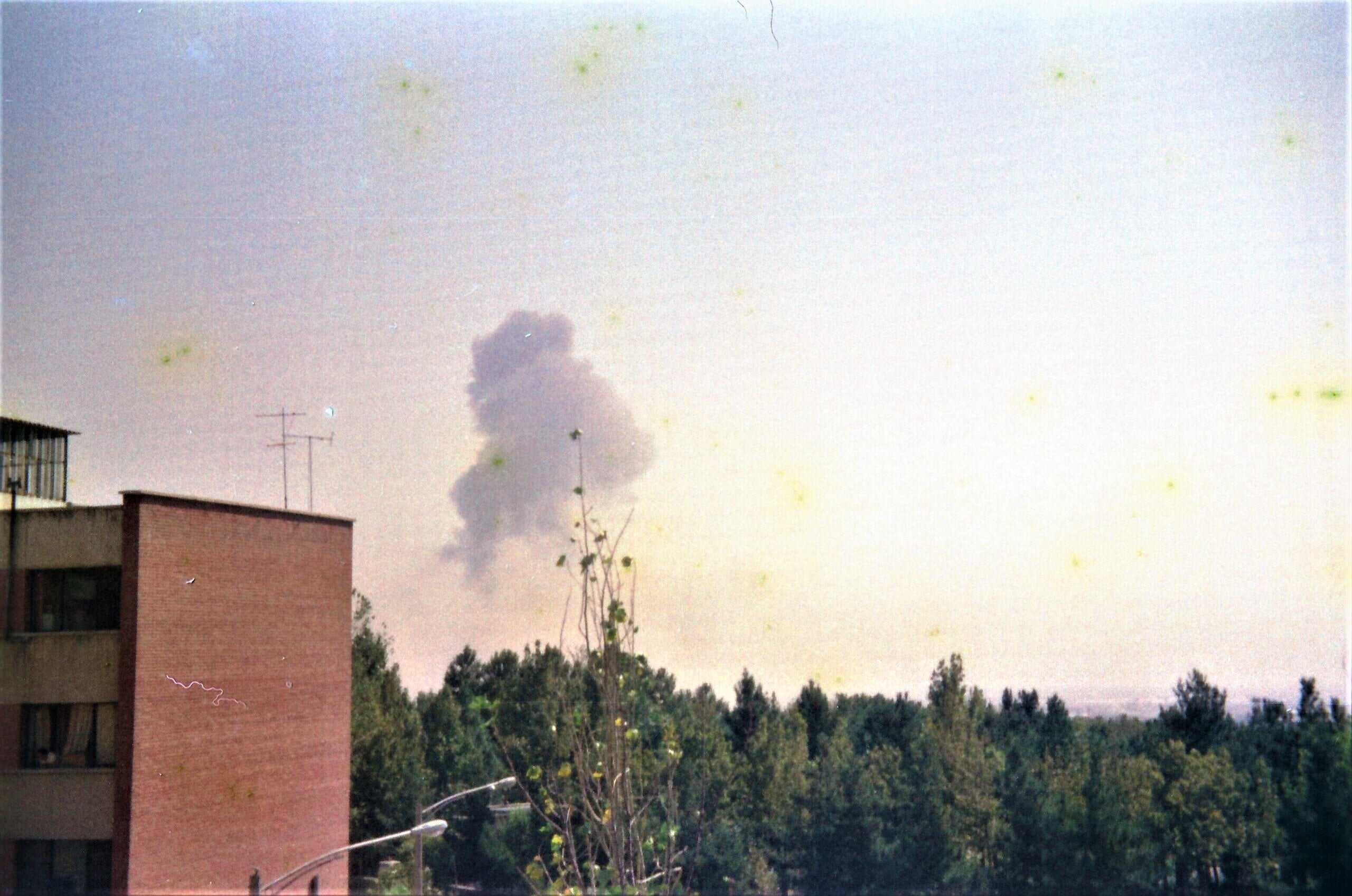
The "War of the Cities" during the Iran–Iraq War involved repeated attacks on urban centers, causing significant civilian casualties. Both sides targeted each other's cities in an attempt to break morale. The campaign demonstrated how bombing could be used as a tool of psychological warfare, with devastating humanitarian consequences.
Soviet Bombing in Afghanistan
- Conflict / War: Cold War
- Years conducted: 1979–1989
- Primary belligerents: USSR vs Afghan forces
- Primary target type: Civilian + Infrastructure
- Scale of bombing: Sustained campaign
- Estimated damage / Impact: Widespread destruction, displacement
- Strategic objective: Suppress insurgency
- Outcome: Failed to secure control
The Soviet bombing campaign in Afghanistan focused on suppressing insurgent forces and controlling territory. It resulted in widespread destruction and displacement, particularly in rural areas. Despite its intensity, the campaign failed to secure long-term control, highlighting the challenges of using air power in irregular warfare.
NATO Bombing of Yugoslavia
- Conflict / War: Kosovo War
- Years conducted: 1999
- Primary belligerents: NATO vs Yugoslavia
- Primary target type: Infrastructure + Military
- Scale of bombing: Intensive campaign
- Estimated damage / Impact: Infrastructure heavily damaged
- Strategic objective: Force withdrawal
- Outcome: Achieved NATO objectives
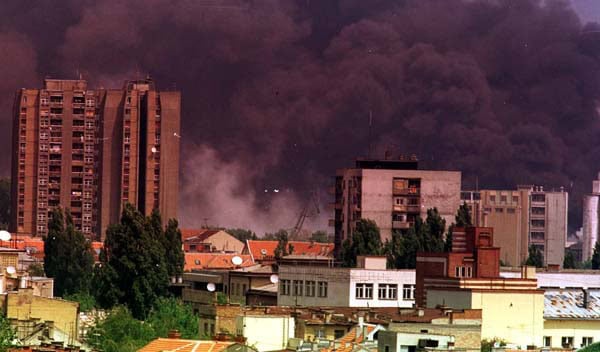
The NATO bombing of Yugoslavia targeted infrastructure and military assets to force political concessions. Conducted over several weeks, it caused significant damage across the country. The campaign achieved its objectives, demonstrating the effectiveness of modern precision bombing in achieving strategic goals.
Shock and Awe
- Conflict / War: Iraq War
- Years conducted: 2003
- Primary belligerents: USA/Coalition vs Iraq
- Primary target type: Military + Infrastructure
- Scale of bombing: Intensive short-duration
- Estimated damage / Impact: Rapid destruction of command structures
- Strategic objective: Overwhelm Iraqi forces
- Outcome: Enabled quick invasion success
The "Shock and Awe" campaign in Iraq aimed to rapidly dismantle Iraqi command structures through overwhelming air strikes. The intensity and speed of the bombing created immediate shock within Iraqi forces. This approach enabled a swift ground invasion, showcasing the effectiveness of coordinated air power.
Coalition Bombing Against ISIS
- Conflict / War: War on Terror
- Years conducted: 2014–2019
- Primary belligerents: Coalition vs ISIS
- Primary target type: Urban + Military
- Scale of bombing: Sustained campaign
- Estimated damage / Impact: Cities heavily damaged (Mosul, Raqqa)
- Strategic objective: Destroy ISIS strongholds
- Outcome: Territorial defeat of ISIS
The coalition bombing campaign against ISIS focused on urban strongholds, resulting in heavy destruction in cities like Mosul and Raqqa. While it succeeded in dismantling ISIS territorial control, it left behind significant urban damage. The campaign highlighted the trade-offs between defeating entrenched forces and preserving infrastructure.
Saudi-led Bombing in Yemen
- Conflict / War: Yemen Conflict
- Years conducted: 2015–present
- Primary belligerents: Saudi coalition vs Houthis
- Primary target type: Civilian + Infrastructure
- Scale of bombing: Sustained campaign
- Estimated damage / Impact: Widespread destruction, humanitarian crisis
- Strategic objective: Defeat Houthi forces
- Outcome: Ongoing conflict
The Saudi-led bombing campaign in Yemen has caused widespread destruction across civilian and infrastructure targets. Conducted over several years, it has contributed to a severe humanitarian crisis. The ongoing nature of the conflict underscores the complexity of achieving decisive outcomes through air power alone.
Russian Bombing in Syria
- Conflict / War: Syrian Civil War
- Years conducted: 2015–present
- Primary belligerents: Russia vs rebel groups
- Primary target type: Urban + Infrastructure
- Scale of bombing: Sustained campaign
- Estimated damage / Impact: Heavy destruction in cities
- Strategic objective: Support Assad regime
- Outcome: Shifted war balance
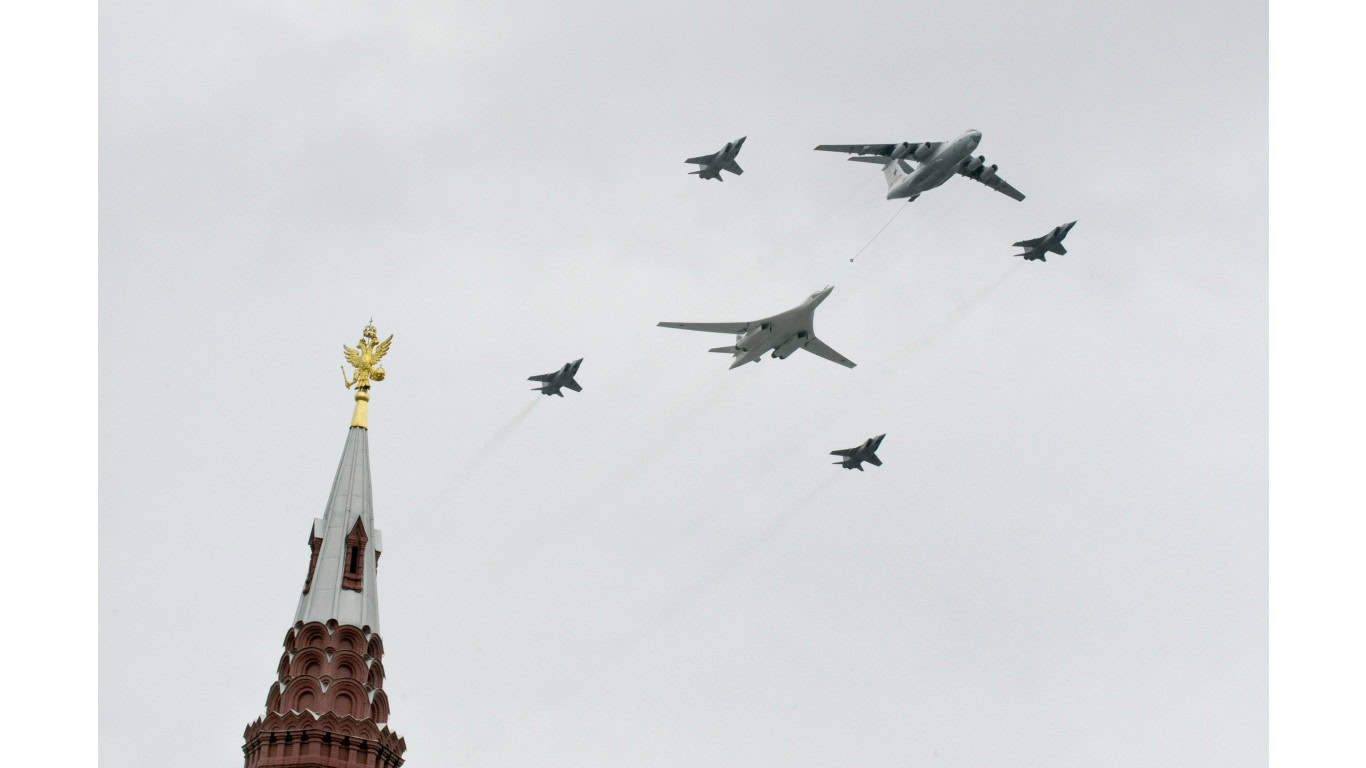
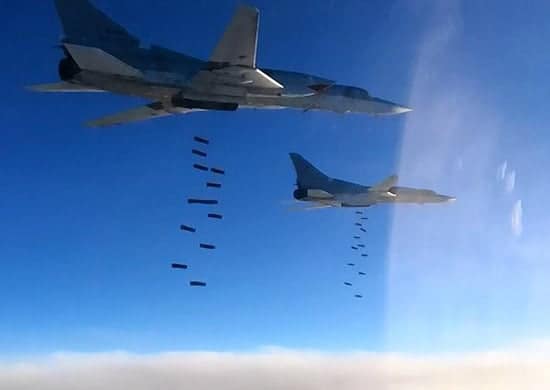
The Russian bombing campaign in Syria played a key role in supporting the Assad regime, targeting opposition-held areas. It resulted in significant destruction of urban centers and infrastructure. The campaign shifted the balance of the conflict, demonstrating how air power can decisively influence ground outcomes.
Israeli Bombing Campaigns in Gaza
- Conflict / War: Israel–Hamas Conflicts
- Years conducted: 2008–present
- Primary belligerents: Israel vs Hamas
- Primary target type: Urban
- Scale of bombing: Repeated campaigns
- Estimated damage / Impact: Extensive urban damage
- Strategic objective: Degrade militant capabilities
- Outcome: Ongoing conflict cycles
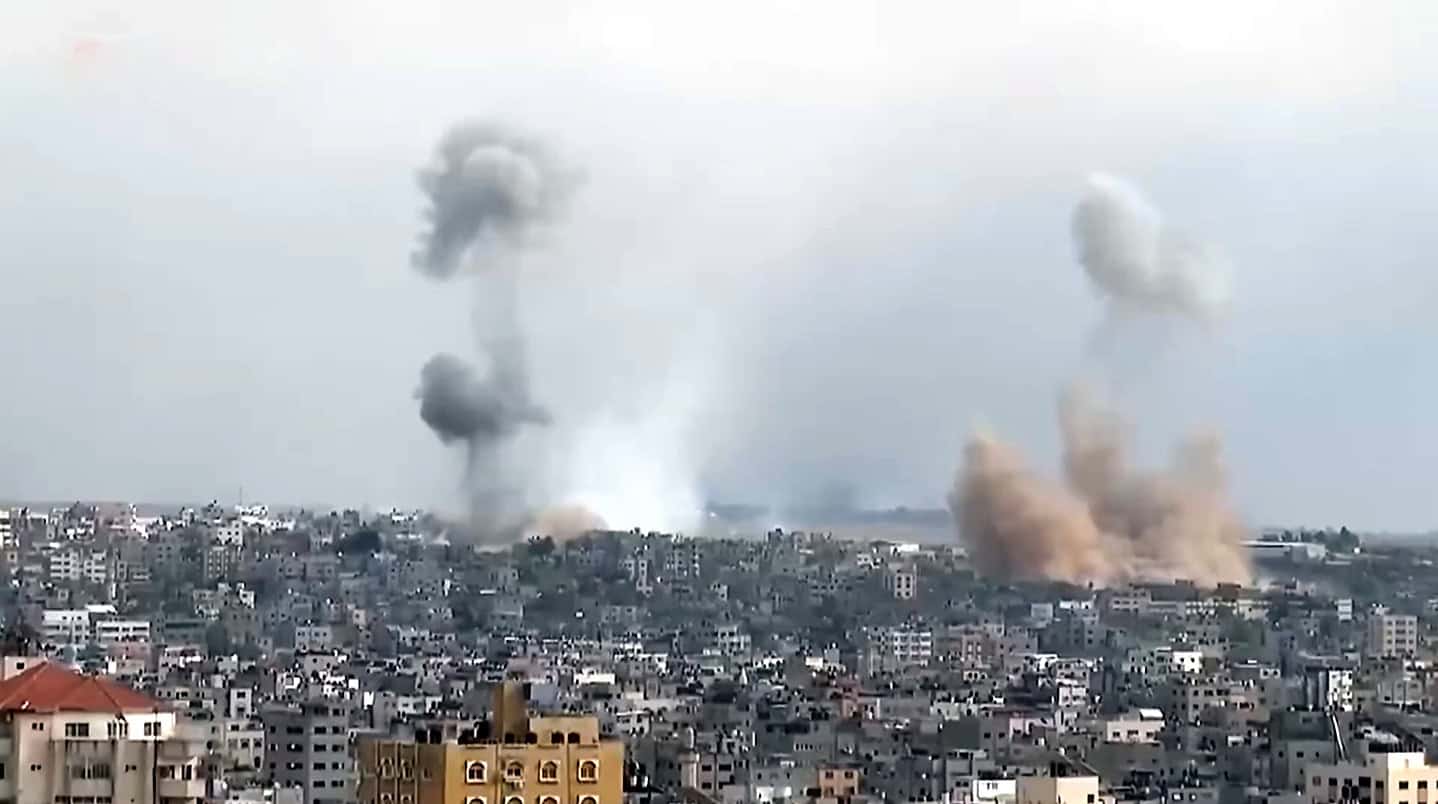
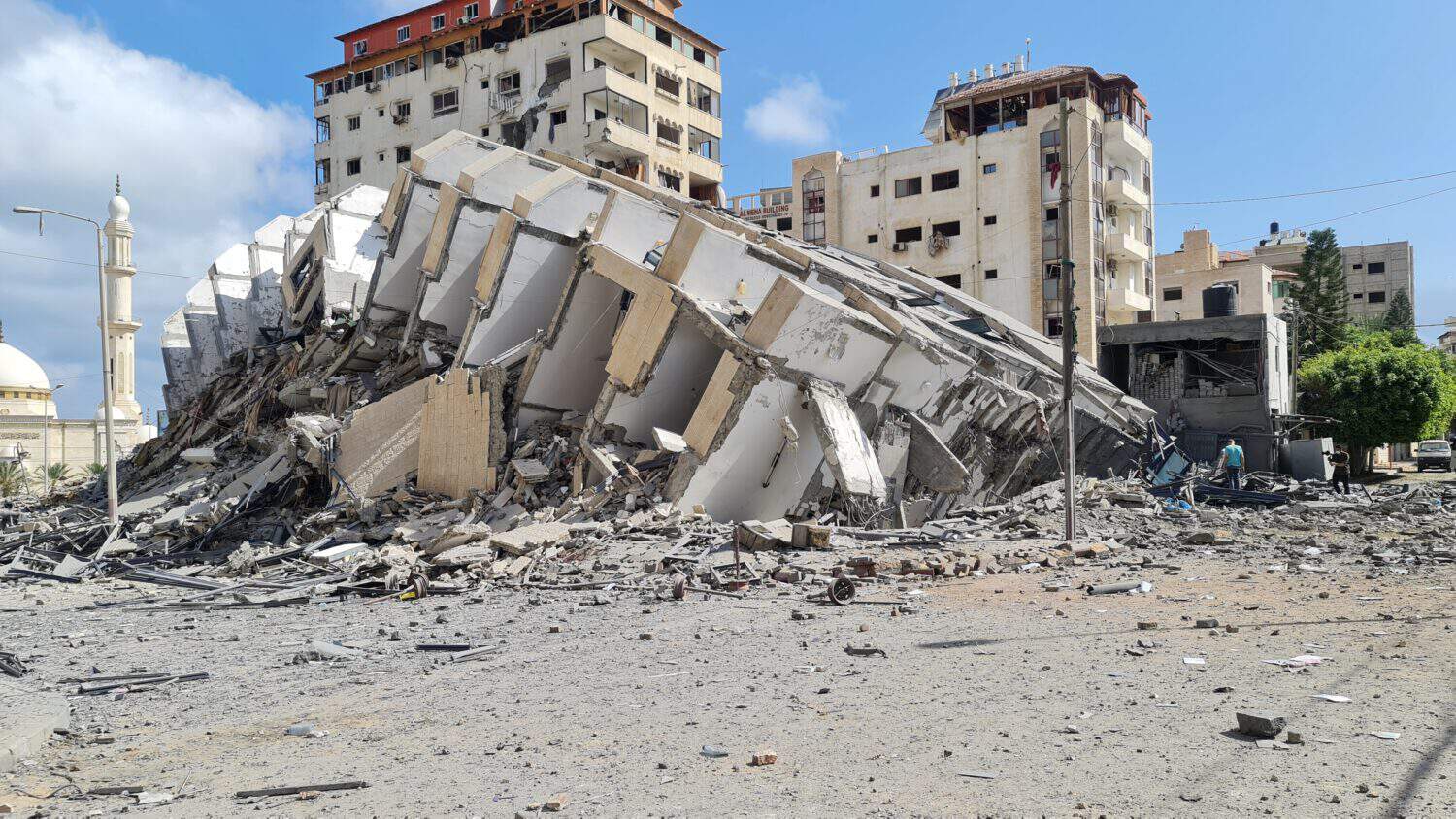
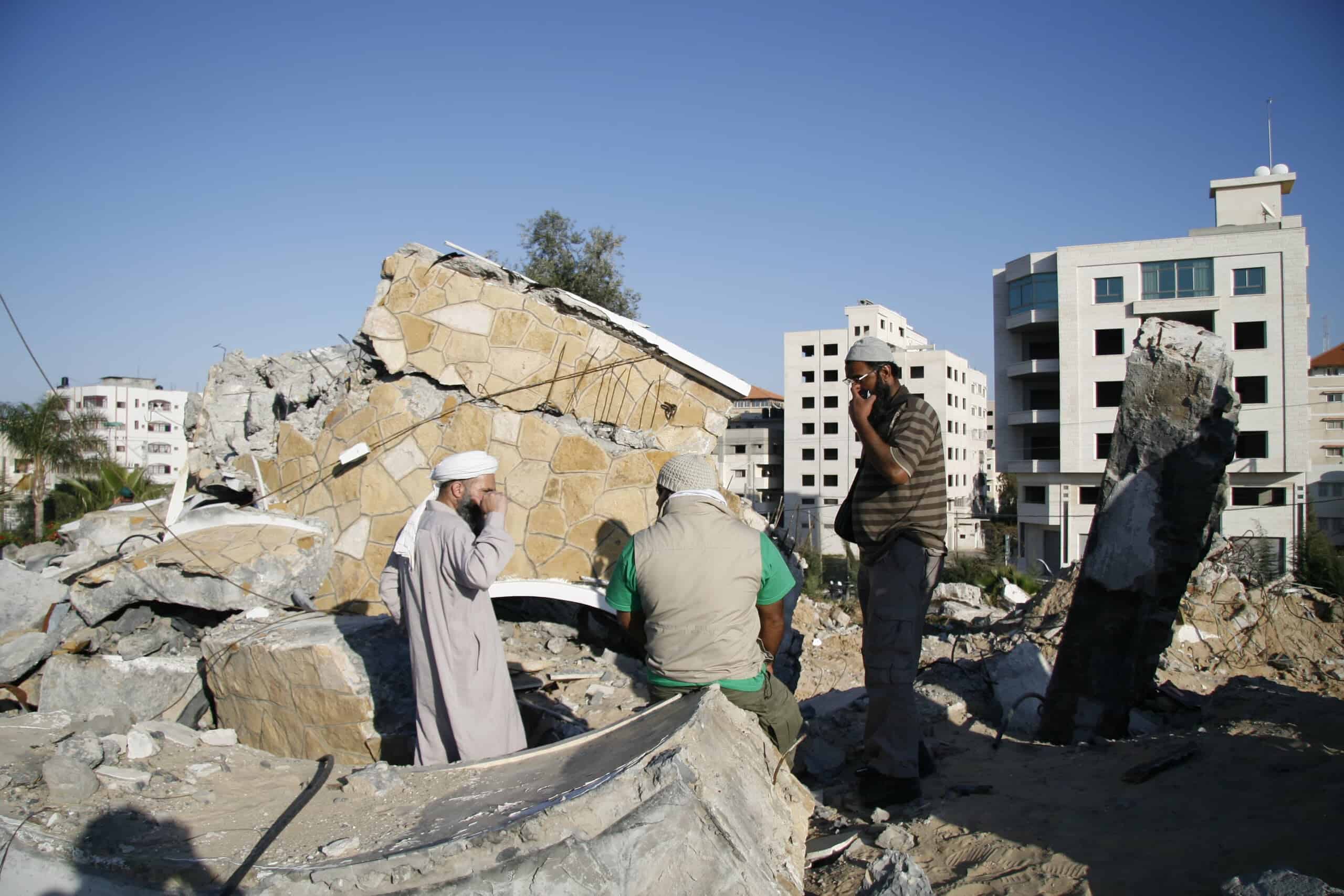
Israeli bombing campaigns in Gaza have involved repeated strikes targeting militant infrastructure within densely populated areas. These operations have caused extensive urban damage and civilian impact. The recurring nature of these campaigns highlights the challenges of achieving lasting strategic outcomes.
Allied Bombing of Italy
- Conflict / War: WWII
- Years conducted: 1943–1945
- Primary belligerents: Allies vs Italy/Germany
- Primary target type: Industrial + Urban
- Scale of bombing: Sustained campaign
- Estimated damage / Impact: Cities and infrastructure damaged
- Strategic objective: Weaken Axis position
- Outcome: Contributed to Italian surrender
The Allied bombing of Italy targeted industrial and urban centers to weaken Axis control. Sustained air attacks damaged infrastructure and disrupted military operations. The campaign contributed to Italy's eventual surrender, demonstrating the strategic impact of coordinated bombing efforts.
German Bombing of Soviet Union
- Conflict / War: WWII
- Years conducted: 1941–1945
- Primary belligerents: Germany vs USSR
- Primary target type: Infrastructure + Military
- Scale of bombing: Sustained campaign
- Estimated damage / Impact: Heavy early war destruction
- Strategic objective: Support invasion
- Outcome: Failed long-term impact
The German bombing of the Soviet Union was part of its broader invasion strategy, targeting infrastructure and military assets. While initially effective in causing disruption, it failed to achieve long-term strategic success. The campaign illustrates the limitations of bombing when faced with a resilient adversary.
The image featured at the top of this post is ©celafon / Getty Images