





The Most Advanced Tanks in the World That Are Redefining Modern Warfare
Modern tanks are no longer just about thick armor and big guns. Today’s most advanced tanks are built to survive in a battlefield filled with drones, precision strikes, and constant surveillance. To stay effective, they rely on cutting-edge technology that can detect threats, intercept incoming attacks, and adapt in real time.
From active protection systems to advanced targeting and battlefield networking, these machines represent the future of ground warfare. They’re faster, smarter, and far more lethal than anything that came before. Here’s a look at the most advanced tanks in the world right now.
Here is a look at the most advanced tanks in the world:
Modern Tanks Are Defined by Technology, Not Just Armor
Today's main battle tanks are no longer just heavily armored vehicles with large guns—they are advanced combat systems built around sensors, data, and survivability. Modern designs prioritize battlefield awareness, protection systems, and integration with other forces, reflecting a shift away from raw firepower toward technological dominance.
The Battlefield Has Changed—And Tanks Had to Adapt
Recent conflicts have shown that tanks face new threats from drones, precision-guided missiles, and loitering munitions. These challenges have forced designers to rethink survivability, leading to the widespread adoption of active protection systems, modular armor, and digital countermeasures that help tanks survive in increasingly dangerous environments.
Survivability Is Now the Top Priority
The most advanced tanks are designed to keep crews alive in conditions where traditional armor alone is no longer enough. Systems like Trophy and Afghanit actively intercept incoming threats, while internal layouts and armor design reduce the risk to personnel. This shift reflects a broader emphasis on protecting crews as much as platforms.
Connectivity and Awareness Define Modern Combat
Modern tanks are increasingly part of a networked battlefield, sharing data with other units in real time. Advanced sensors, thermal imaging, and digital communication systems allow crews to detect threats faster and respond more effectively. In this environment, information can be just as decisive as firepower.
The Most Advanced Tanks in the World Right Now
The tanks on this list represent the cutting edge of armored warfare, combining firepower, protection, and technology into highly capable systems. Each platform reflects a different approach to modern combat, but all are designed to operate in a battlefield where survivability, awareness, and adaptability are more important than ever.
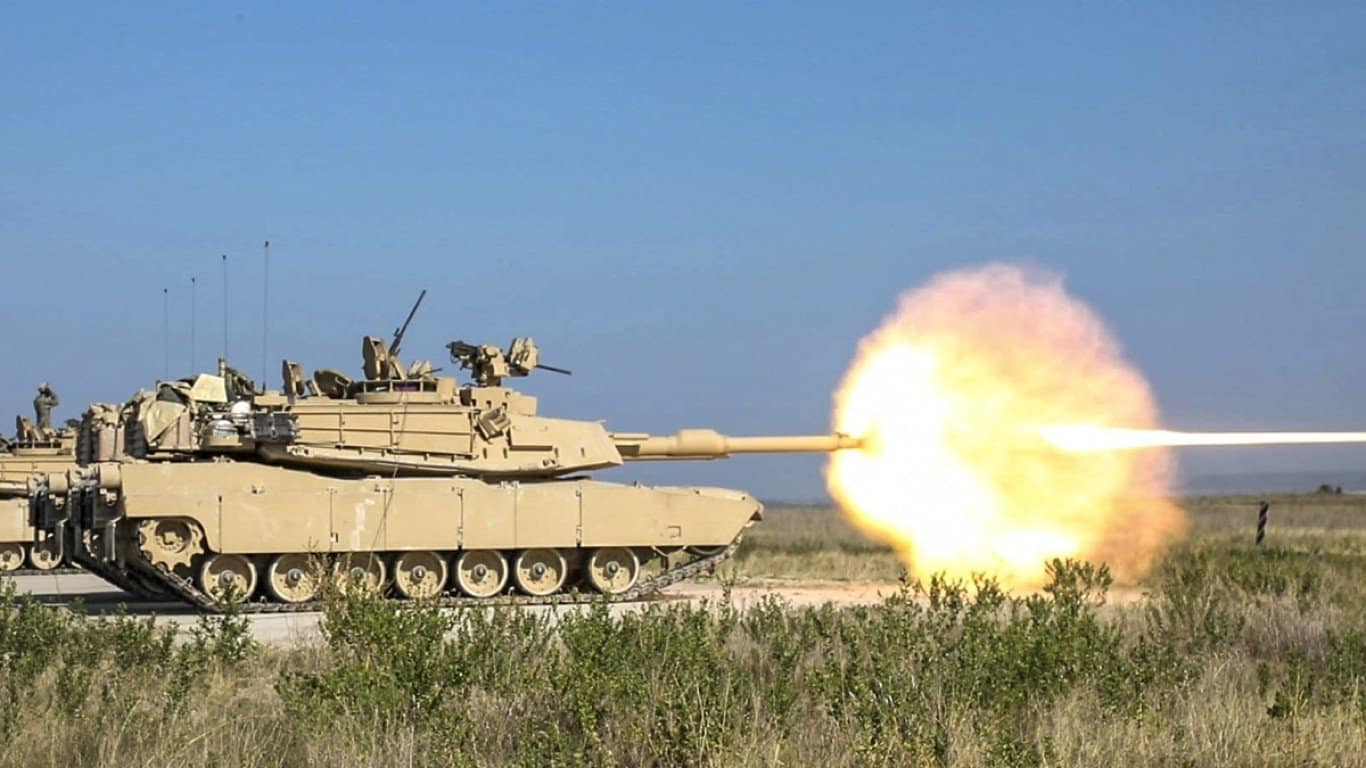
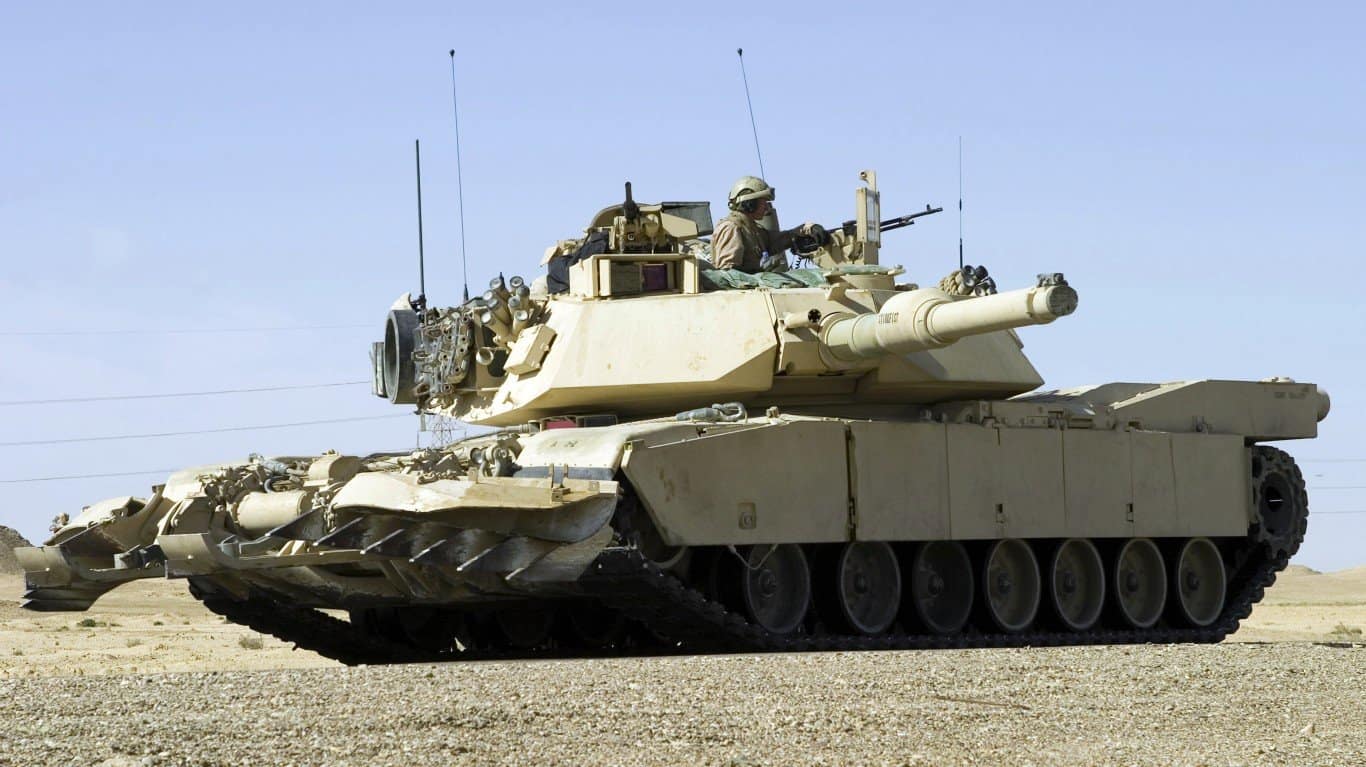
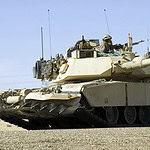
M1A2 SEPv3/4 Abrams
- Country of origin: USA
- Manufacturer: General Dynamics
- Year introduced to service: 2017
- Crew size: 4
- Main gun: 120mm smoothbore
- Protection systems: Composite + Trophy APS
- Engine and power output: Gas turbine ~1500 hp
- Key technological advantage: Advanced sensors + APS integration
The M1A2 SEPv3/4 Abrams represents the latest evolution of America's premier main battle tank, integrating advanced sensors, upgraded armor, and the Trophy active protection system. Designed for survivability in missile-heavy environments, it combines digital battlefield awareness with proven firepower. Its continued modernization ensures it remains a dominant force in high-intensity conflict, where protection and networked capability are as critical as raw lethality.
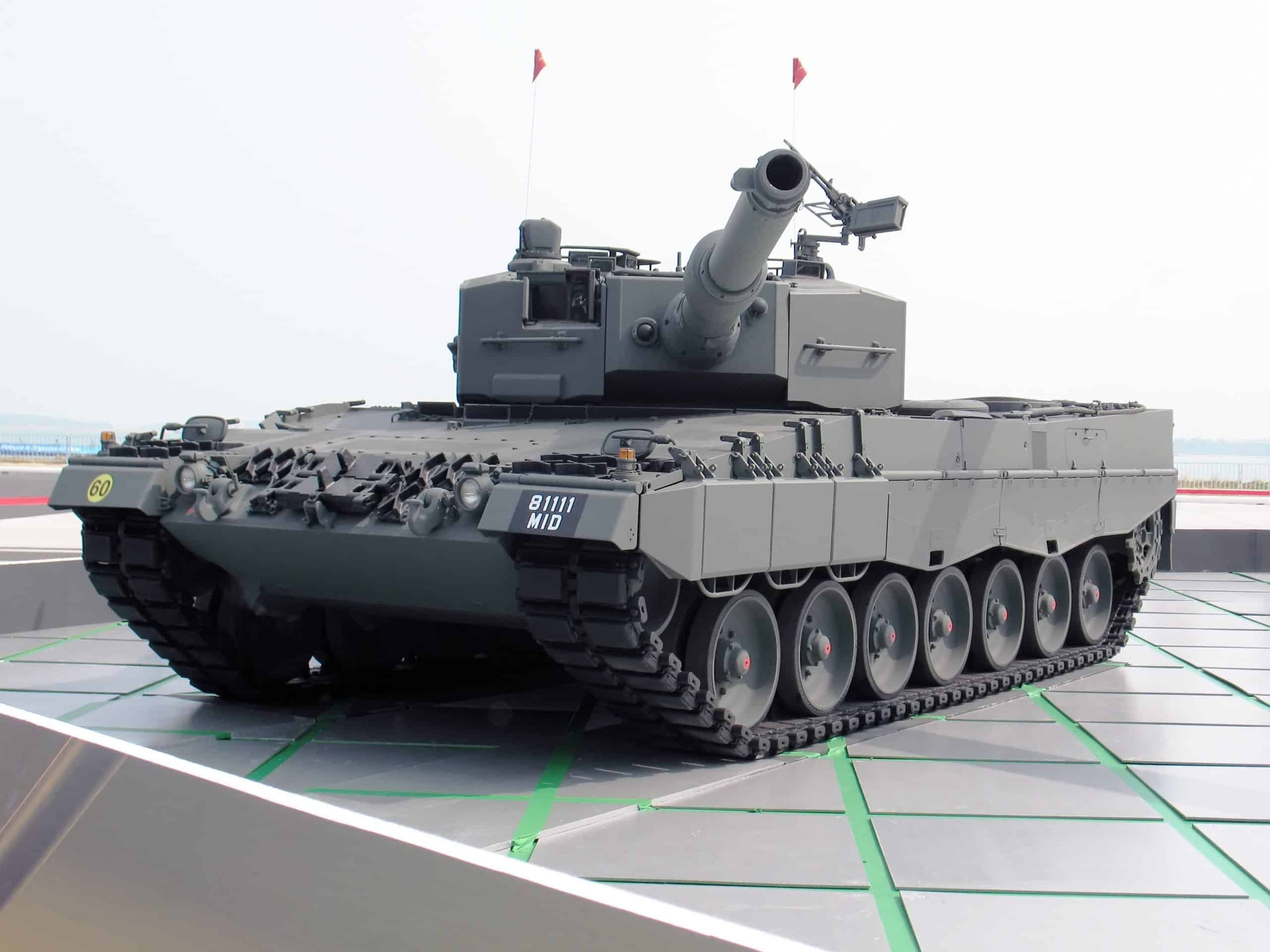
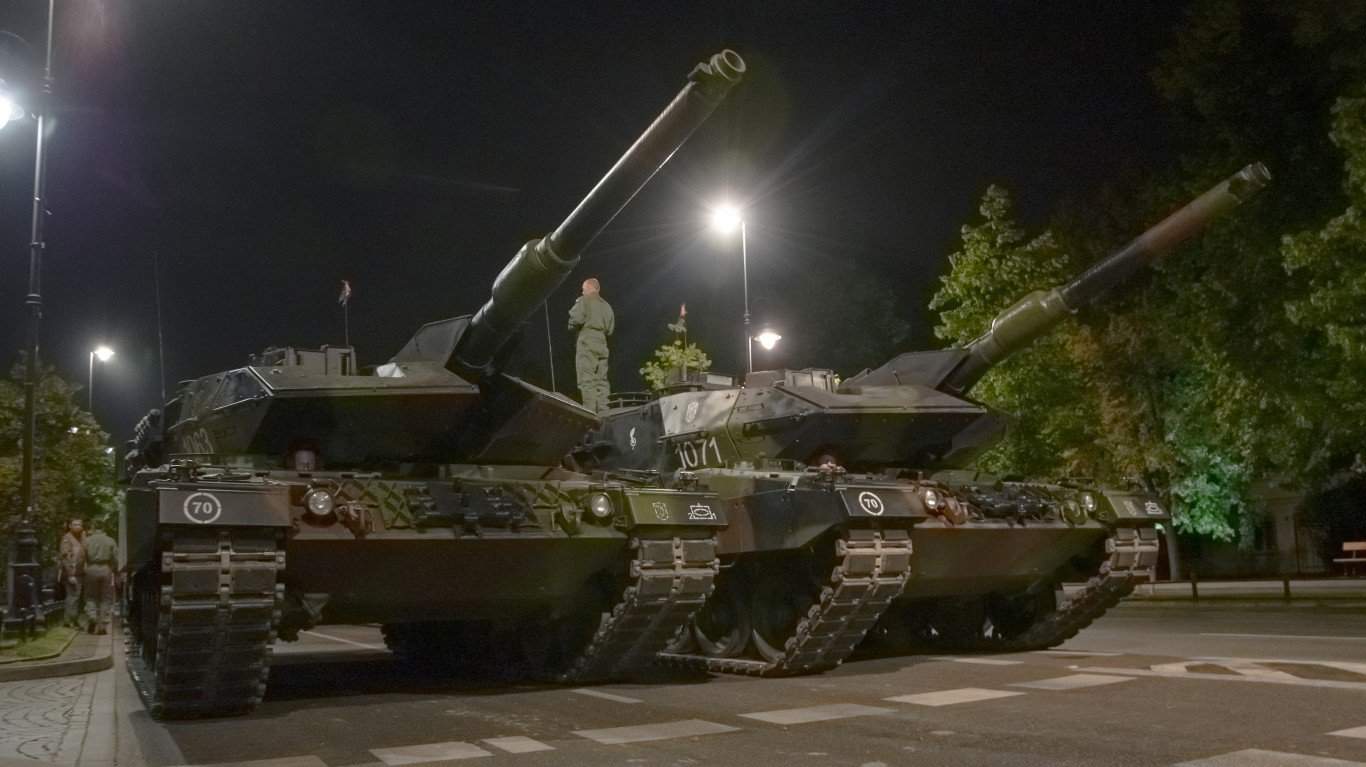
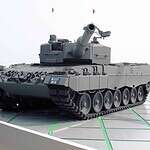
Leopard 2A8
- Country of origin: Germany
- Manufacturer: KMW / Rheinmetall
- Year introduced to service: 2024
- Crew size: 4
- Main gun: 120mm smoothbore
- Protection systems: Modular armor + APS
- Engine and power output: Diesel ~1500 hp
- Key technological advantage: Next-gen modular protection
The Leopard 2A8 builds on decades of proven German engineering, incorporating next-generation modular armor and active protection systems. Designed to counter modern anti-tank threats, it emphasizes survivability and adaptability. Its advanced electronics and fire control systems allow it to operate effectively in networked combat environments, making it one of the most technologically refined tanks currently entering service.
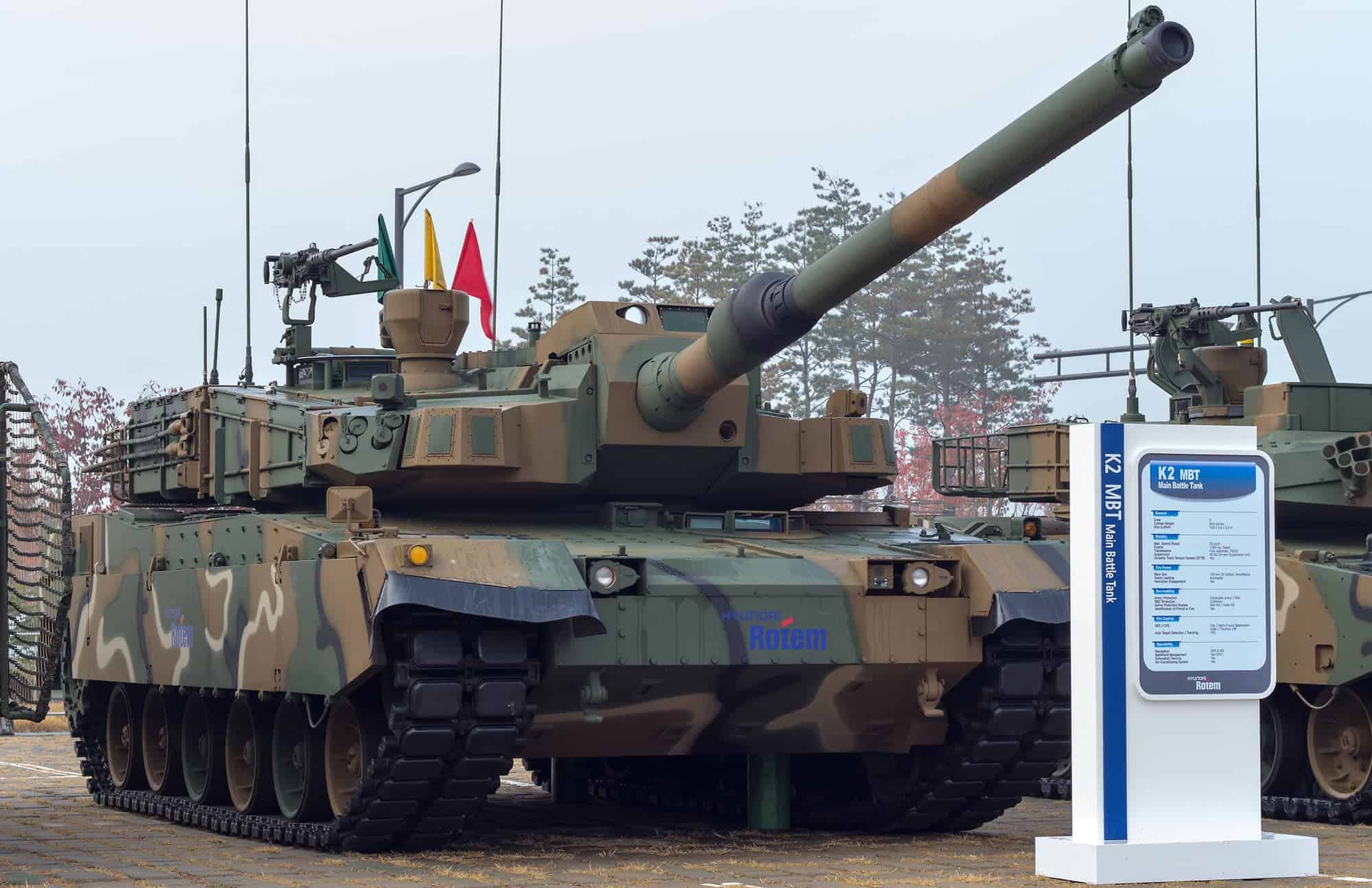
K2 Black Panther
- Country of origin: South Korea
- Manufacturer: Hyundai Rotem
- Year introduced to service: 2014
- Crew size: 3
- Main gun: 120mm smoothbore
- Protection systems: Composite + APS-ready
- Engine and power output: Diesel ~1500 hp
- Key technological advantage: High automation and mobility
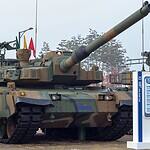
The K2 Black Panther is one of the most advanced tanks in terms of automation and mobility, featuring a highly sophisticated fire control system and advanced suspension. With a reduced crew size, it reflects a shift toward efficiency and technological integration. Its ability to adapt to varied terrain while maintaining high levels of situational awareness makes it a standout in modern armored warfare.
Merkava Mk.4 Barak
- Country of origin: Israel
- Manufacturer: IMI
- Year introduced to service: 2023
- Crew size: 4
- Main gun: 120mm smoothbore
- Protection systems: Trophy APS + modular armor
- Engine and power output: Diesel ~1500 hp
- Key technological advantage: Crew survivability + AI systems
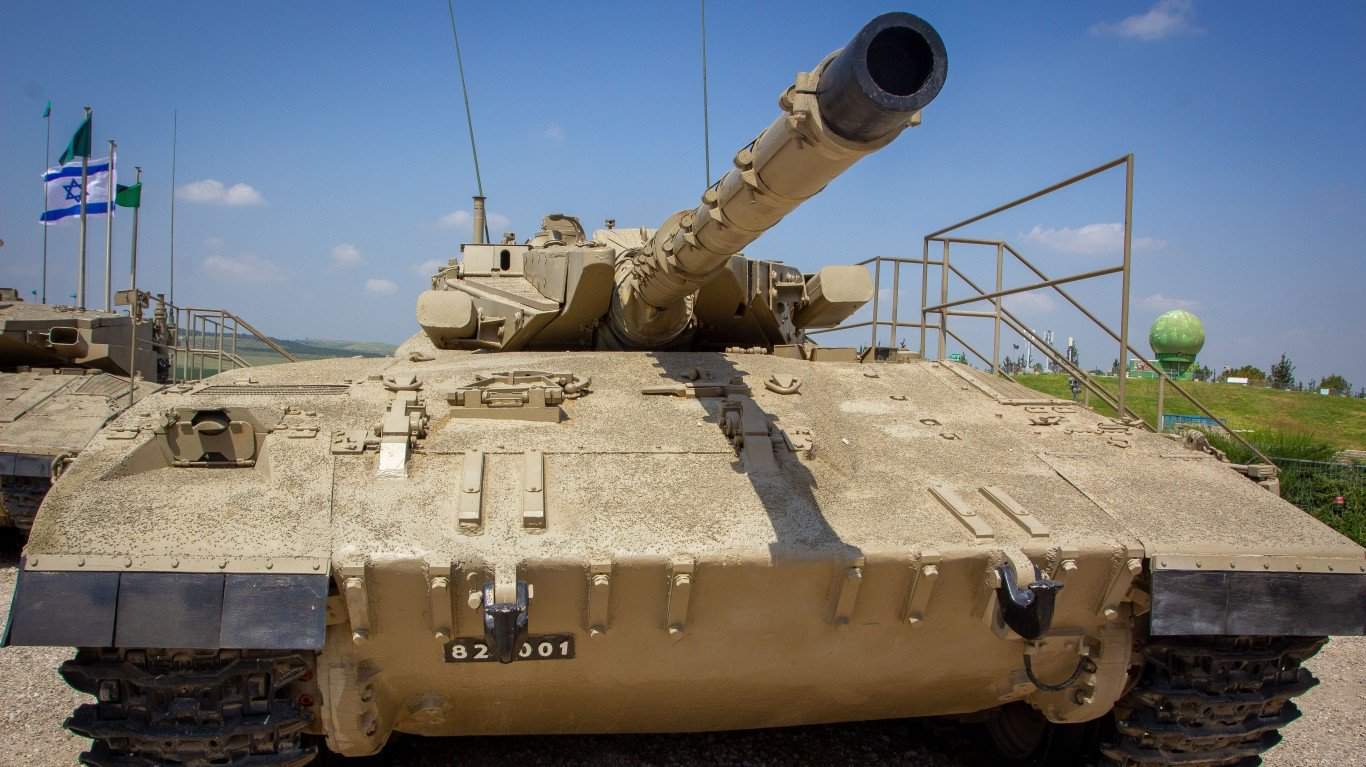
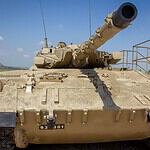
The Merkava Mk.4 Barak prioritizes crew survivability above all else, integrating the Trophy active protection system alongside advanced digital systems and AI-assisted targeting. Designed for urban and asymmetric warfare, it offers exceptional protection and battlefield awareness. Its internal design also allows for troop transport or casualty evacuation, further enhancing its versatility in modern combat scenarios.
T-14 Armata
- Country of origin: Russia
- Manufacturer: Uralvagonzavod
- Year introduced to service: 2015
- Crew size: 3
- Main gun: 125mm smoothbore
- Protection systems: Afghanit APS + composite
- Engine and power output: Diesel ~1500 hp
- Key technological advantage: Unmanned turret + crew capsule
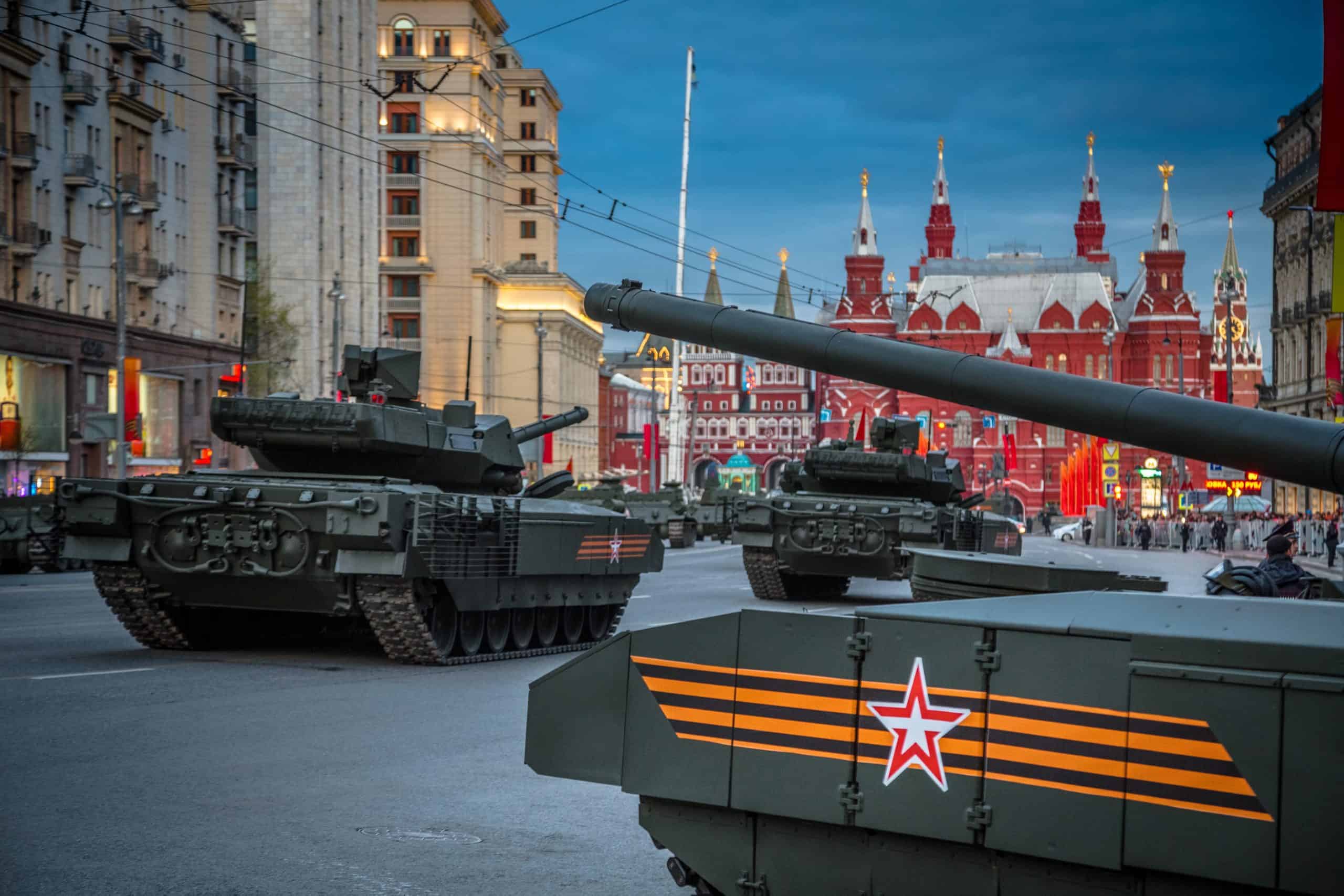
The T-14 Armata represents a radical departure from traditional tank design, featuring an unmanned turret and an armored crew capsule. This configuration is intended to maximize survivability while reducing risk to personnel. Combined with advanced sensors and the Afghanit active protection system, it reflects a forward-looking approach to armored warfare, even as its deployment remains limited.
Challenger 3
- Country of origin: UK
- Manufacturer: BAE Systems / Rheinmetall
- Year introduced to service: 2027
- Crew size: 4
- Main gun: 120mm smoothbore
- Protection systems: Composite + APS-ready
- Engine and power output: Diesel ~1500 hp
- Key technological advantage: Digital modernization
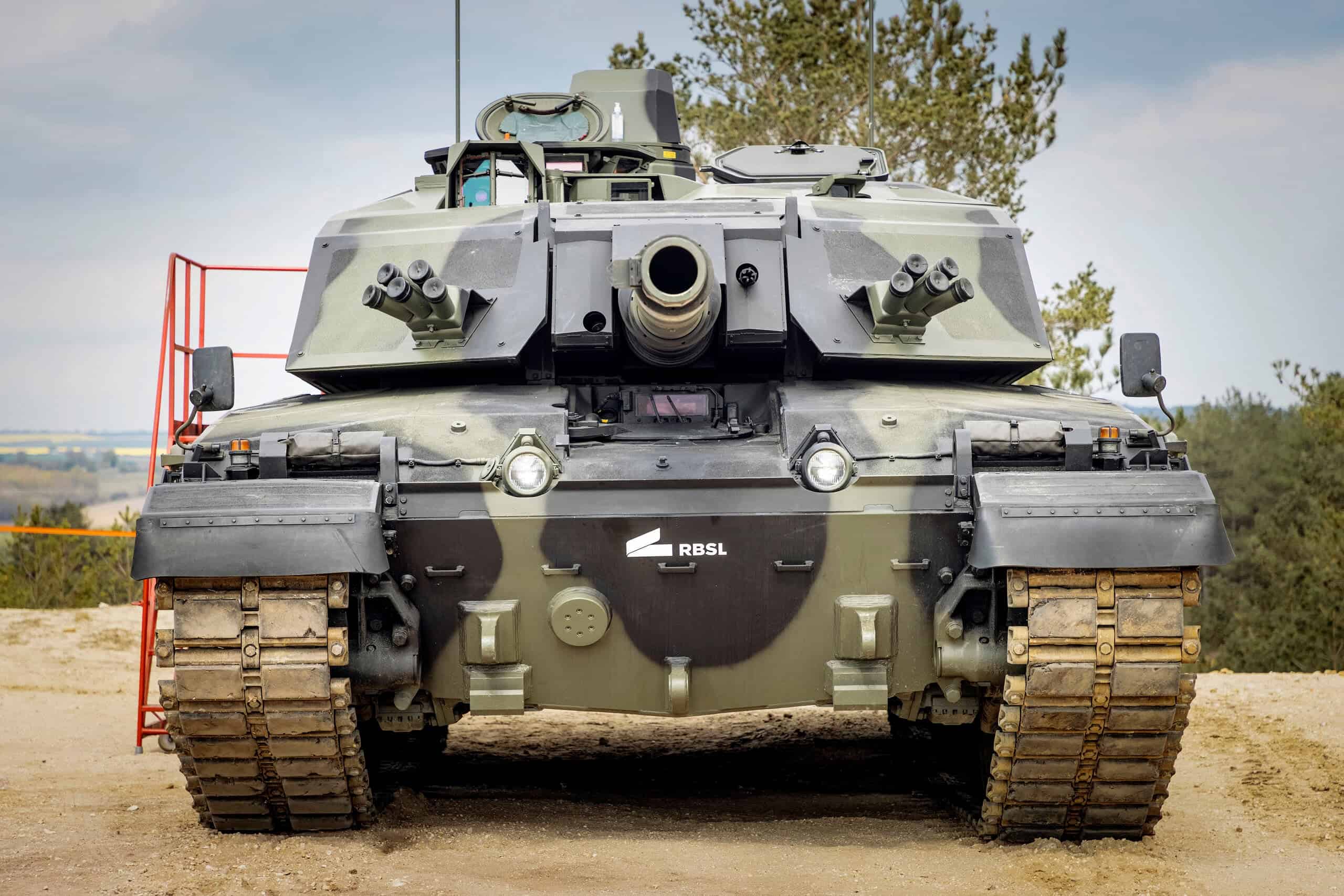
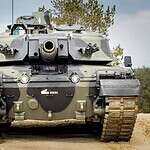
The Challenger 3 is a comprehensive modernization of the UK's armored capabilities, replacing older systems with advanced digital architecture and improved lethality. Its new smoothbore gun and upgraded armor are designed to meet modern battlefield threats. With a focus on survivability and interoperability, it ensures the platform remains relevant in an era of rapidly evolving anti-tank technologies.
Leclerc XLR
- Country of origin: France
- Manufacturer: Nexter
- Year introduced to service: 2021
- Crew size: 3
- Main gun: 120mm smoothbore
- Protection systems: Modular armor + APS-ready
- Engine and power output: Diesel ~1500 hp
- Key technological advantage: Networked battlefield integration
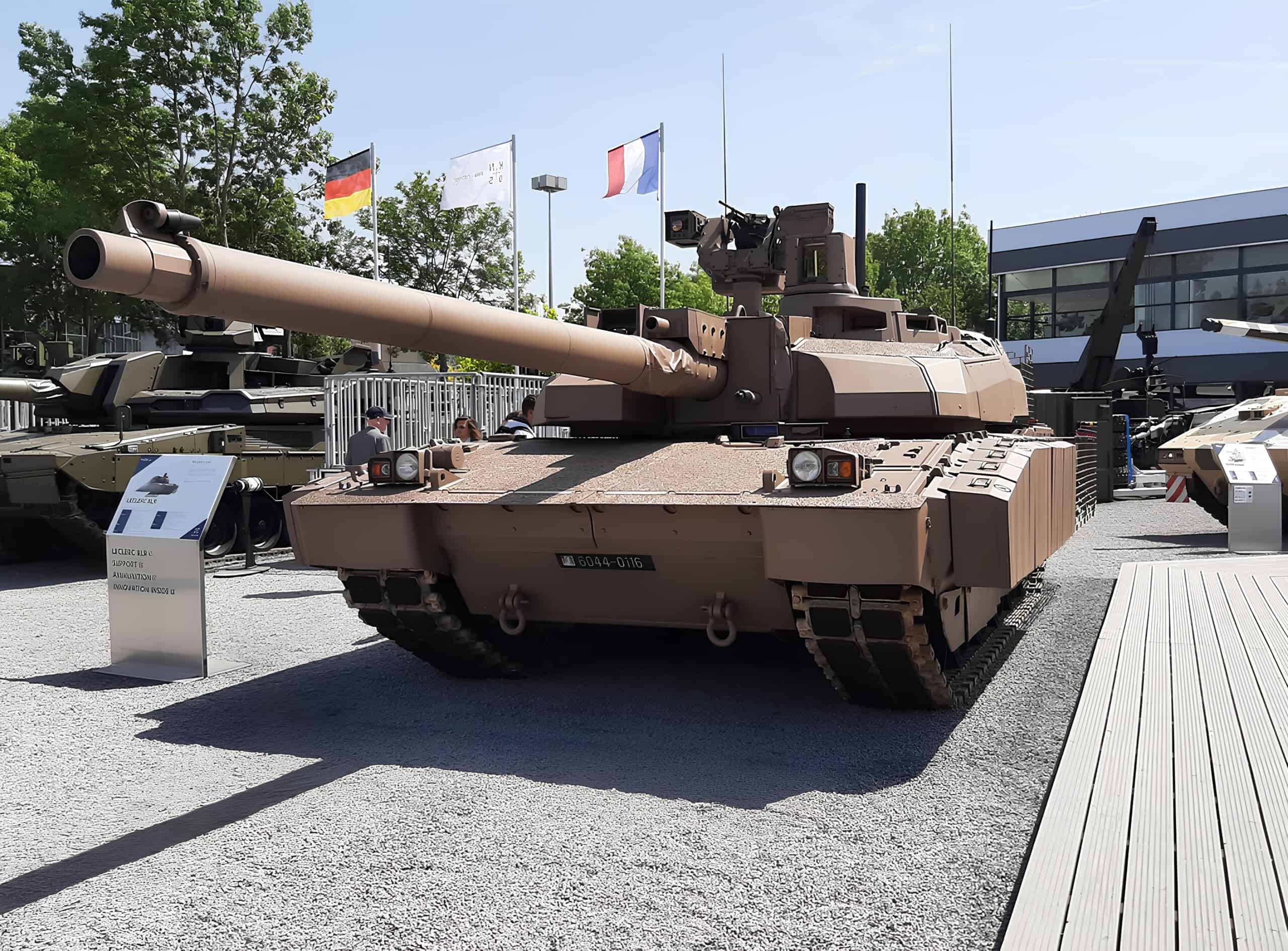
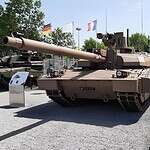
The Leclerc XLR upgrade transforms France's primary battle tank into a fully networked combat platform. Enhanced communication systems and modular armor improve both survivability and coordination on the battlefield. Designed to operate as part of a broader digital force, it reflects the increasing importance of connectivity and information sharing in modern armored warfare.
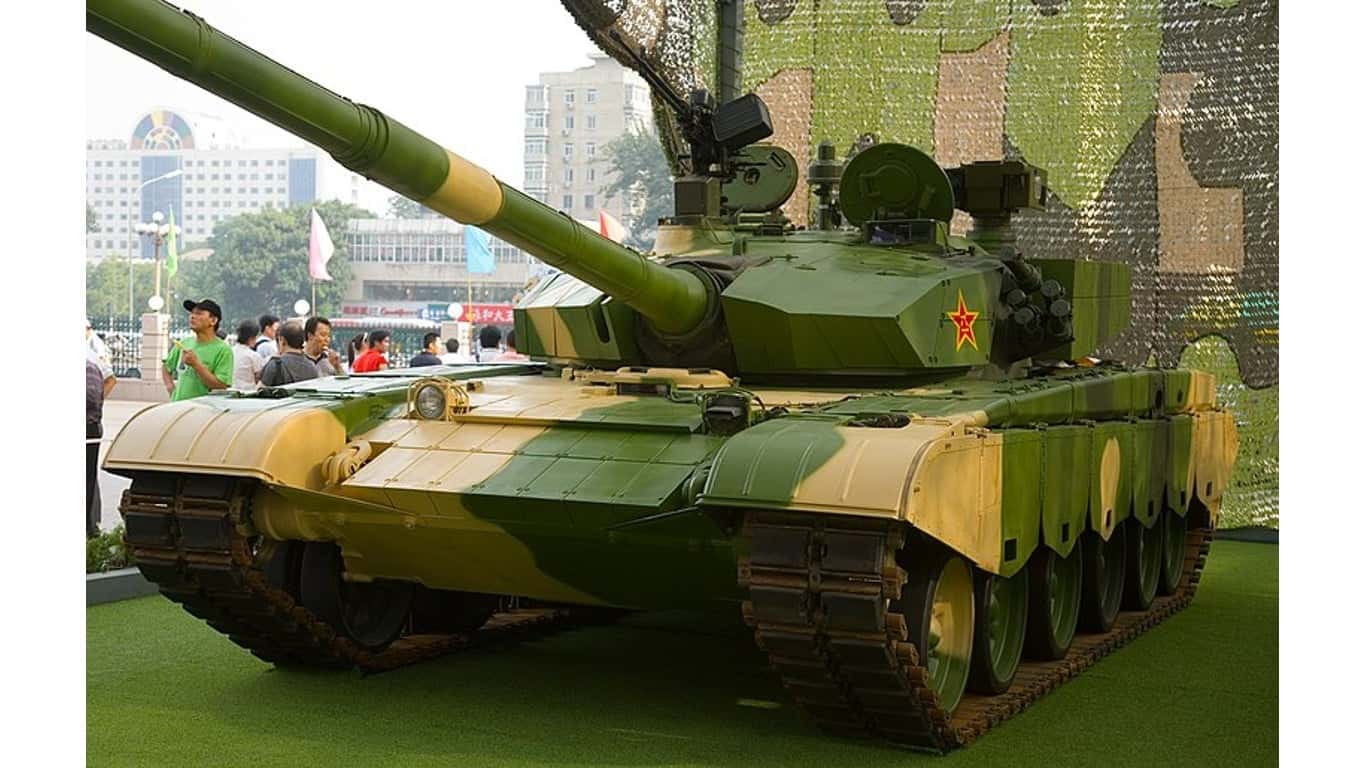
Type 99A
- Country of origin: China
- Manufacturer: Norinco
- Year introduced to service: 2011
- Crew size: 3
- Main gun: 125mm smoothbore
- Protection systems: Composite + ERA
- Engine and power output: Diesel ~1500 hp
- Key technological advantage: Advanced fire control
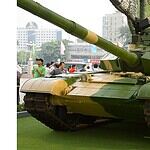
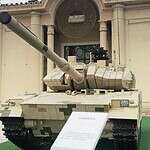
The Type 99A represents China's most advanced domestically produced tank, combining strong firepower with modern fire control and protection systems. Its design emphasizes a balance between speed, armor, and targeting capability. As part of China's modernization efforts, it showcases a growing focus on integrating advanced electronics into armored platforms.
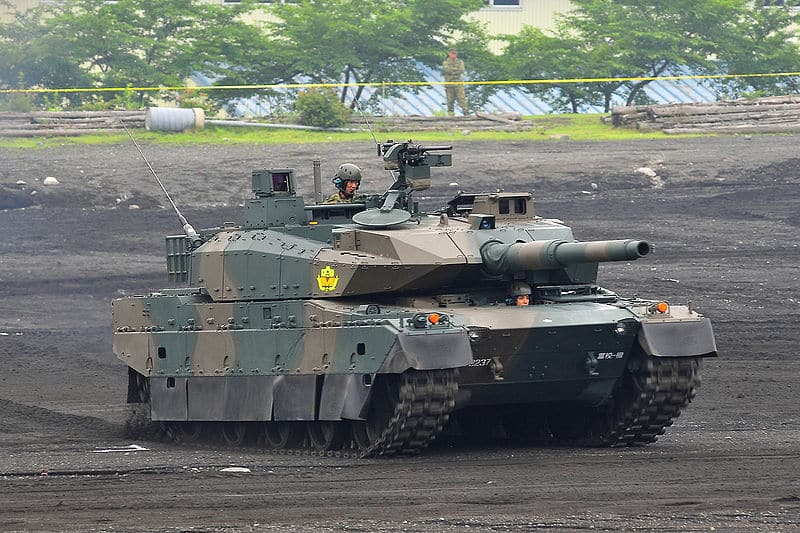
Type 10
- Country of origin: Japan
- Manufacturer: Mitsubishi
- Year introduced to service: 2012
- Crew size: 3
- Main gun: 120mm smoothbore
- Protection systems: Modular armor
- Engine and power output: Diesel ~1200 hp
- Key technological advantage: Lightweight digital MBT
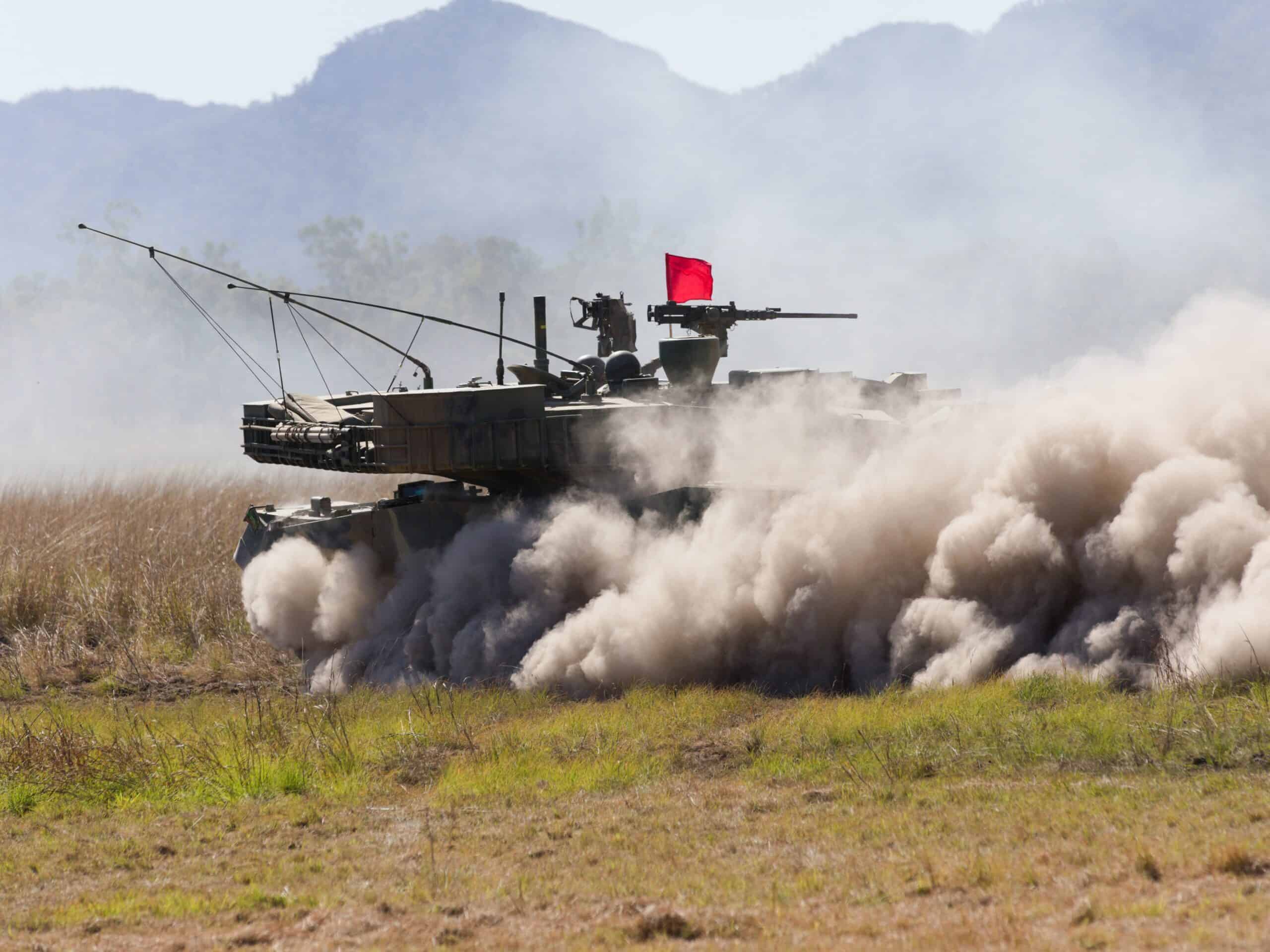
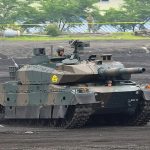
The Type 10 is a lightweight, highly mobile tank designed for rapid deployment and networked operations. Its modular armor and advanced fire control systems allow it to maintain effectiveness despite its smaller size. Built for Japan's terrain and operational needs, it reflects a shift toward flexible, digitally integrated armored forces.
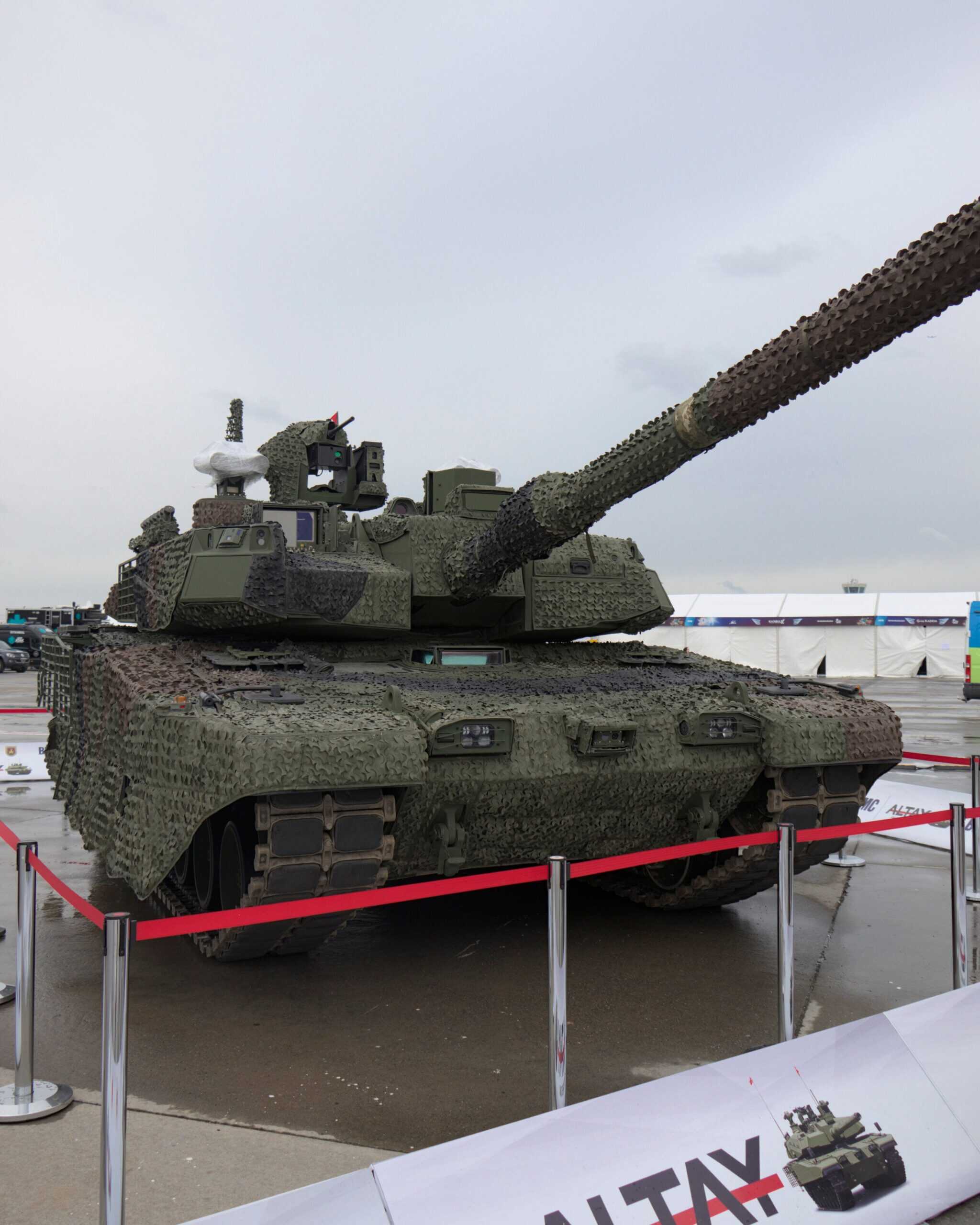
Altay
- Country of origin: Turkey
- Manufacturer: BMC
- Year introduced to service: 2023
- Crew size: 4
- Main gun: 120mm smoothbore
- Protection systems: Composite + APS-ready
- Engine and power output: Diesel ~1500 hp
- Key technological advantage: Modern Western-style systems
The Altay is Turkey's flagship main battle tank, incorporating modern Western design principles with advanced fire control and protection systems. Built to operate in diverse environments, it emphasizes survivability and firepower. Its development marks a significant step in Turkey's efforts to establish an indigenous armored capability.
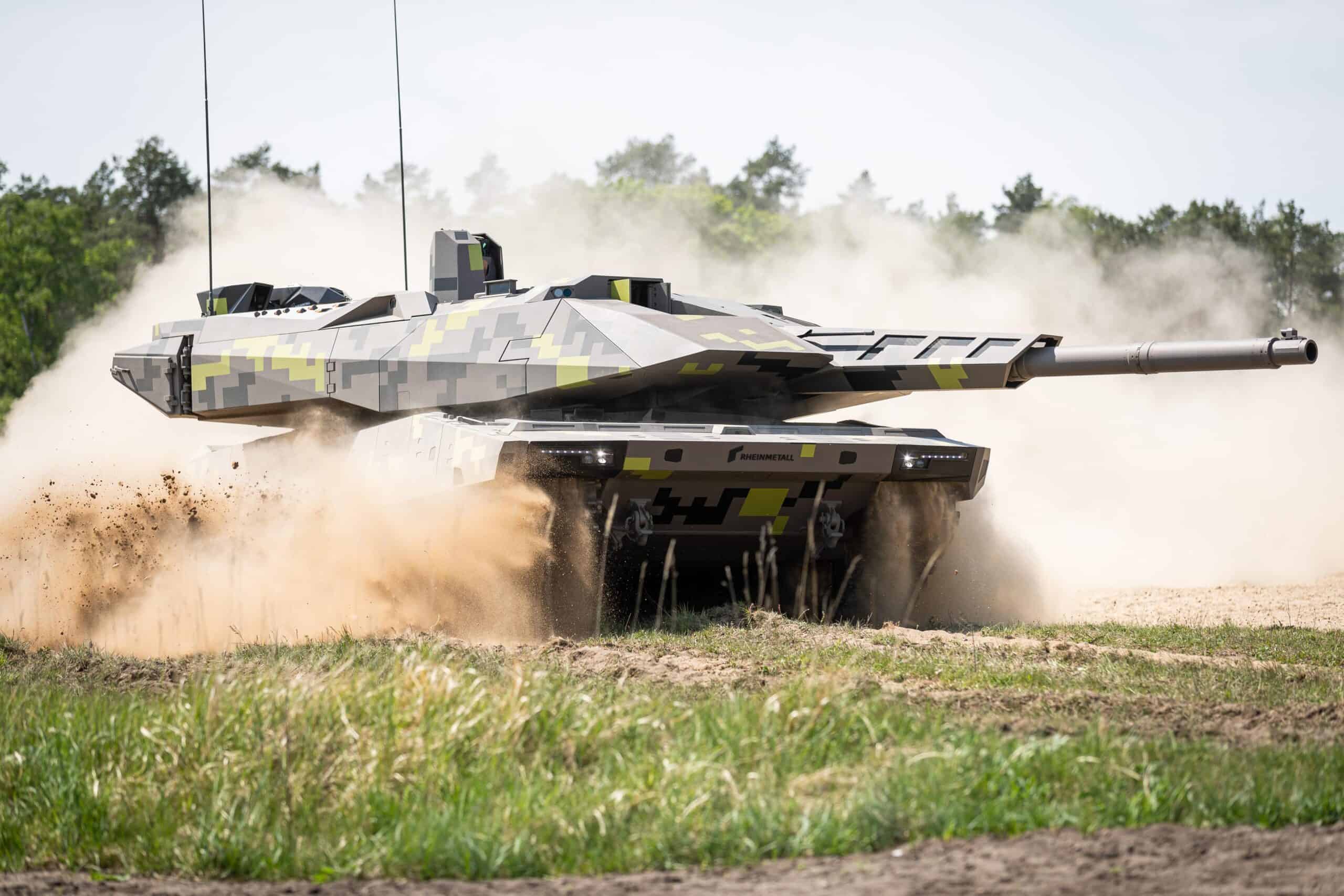
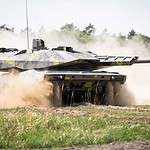
KF51 Panther
- Country of origin: Germany
- Manufacturer: Rheinmetall
- Year introduced to service: 2022
- Crew size: 3
- Main gun: 130mm smoothbore
- Protection systems: APS + modular armor
- Engine and power output: Diesel ~1500 hp
- Key technological advantage: Next-gen gun + automation
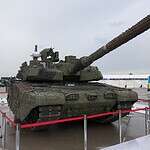
The KF51 Panther represents a next-generation approach to tank design, featuring a larger 130mm gun and advanced automation systems. Designed with future combat in mind, it incorporates active protection and digital integration as core features. It reflects the direction of future armored warfare, where firepower and technology must evolve together.
M1E3 Abrams
- Country of origin: USA
- Manufacturer: General Dynamics
- Year introduced to service: 2027
- Crew size: 3
- Main gun: 120mm smoothbore
- Protection systems: Next-gen APS + armor
- Engine and power output: Hybrid/advanced
- Key technological advantage: Weight reduction + digital
The M1E3 Abrams is a next-generation development aimed at reducing weight while enhancing survivability and digital integration. Expected to incorporate advanced protection systems and improved efficiency, it reflects lessons learned from modern conflicts. Its design signals a shift toward more agile and technologically integrated armored platforms.
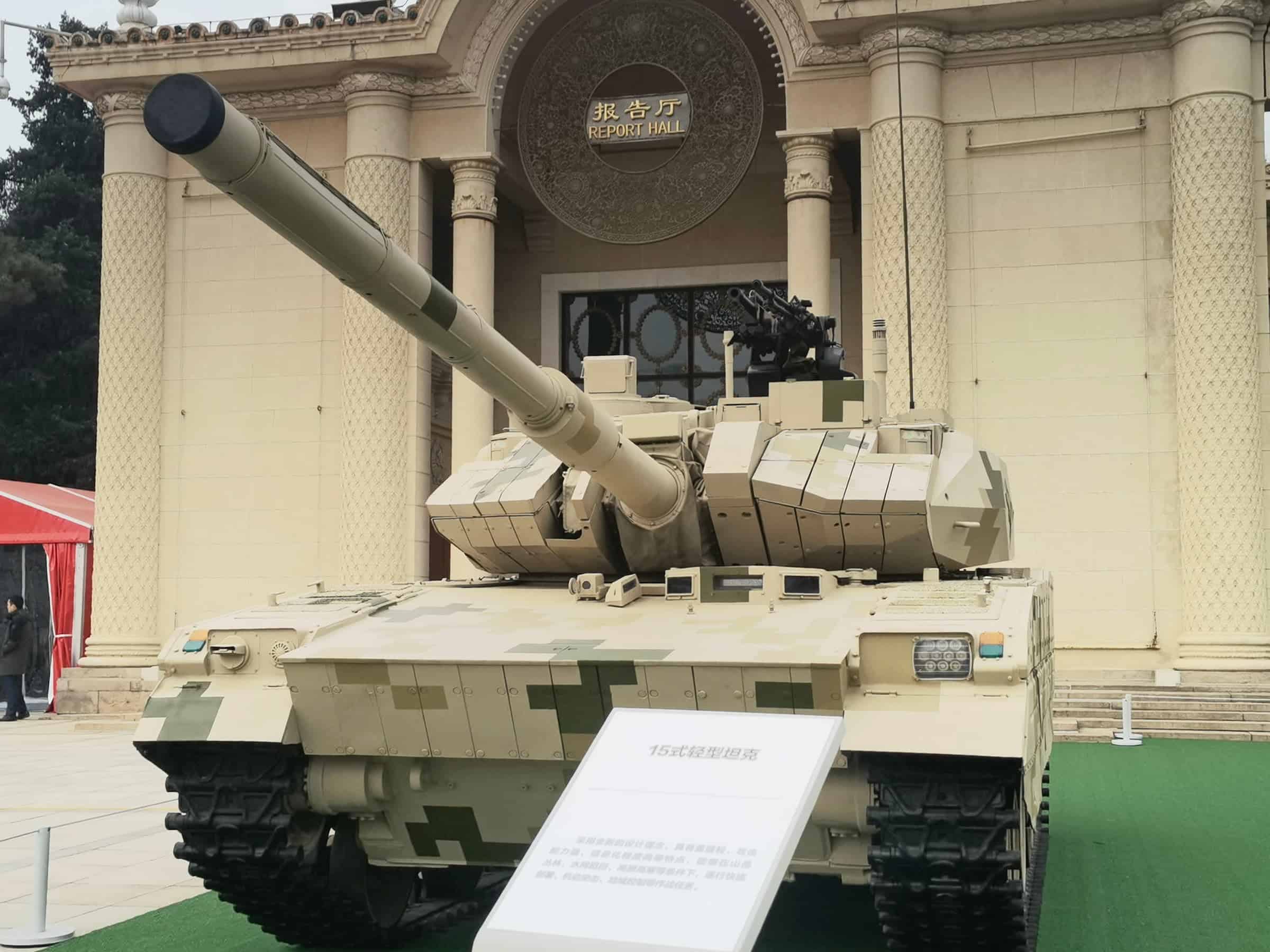
Type 15
- Country of origin: China
- Manufacturer: Norinco
- Year introduced to service: 2018
- Crew size: 3
- Main gun: 105mm
- Protection systems: Modular armor
- Engine and power output: Diesel ~1000 hp
- Key technological advantage: Lightweight high-tech platform
The Type 15 is a lightweight tank designed for high-altitude and difficult terrain operations. Despite its smaller size, it incorporates advanced fire control and modular armor systems. Its design prioritizes mobility and adaptability, making it well-suited for environments where heavier tanks would struggle to operate effectively.
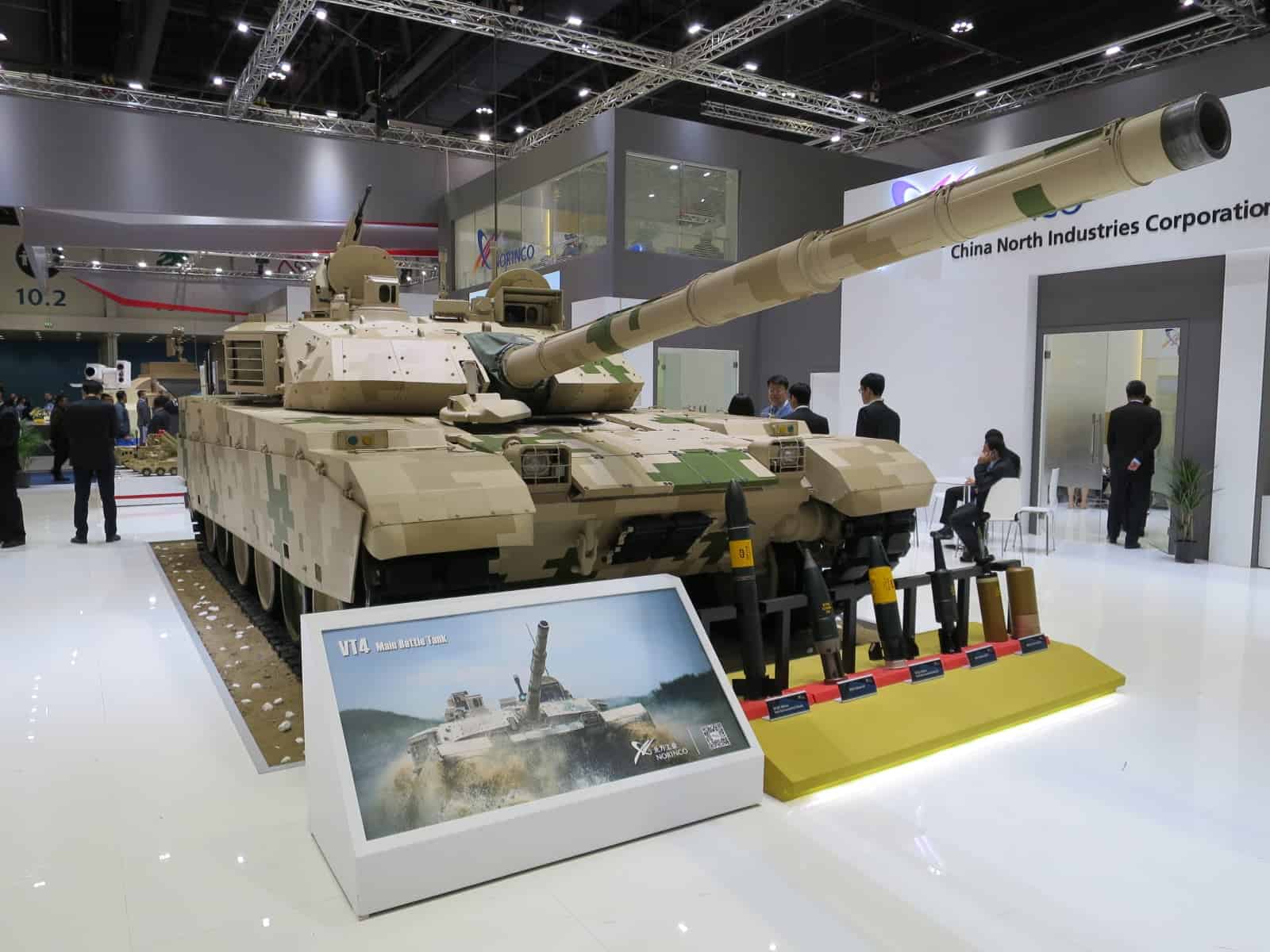
VT-4 / MBT-3000
- Country of origin: China
- Manufacturer: Norinco
- Year introduced to service: 2017
- Crew size: 3
- Main gun: 125mm smoothbore
- Protection systems: Composite + ERA
- Engine and power output: Diesel ~1300 hp
- Key technological advantage: Export-focused modern MBT
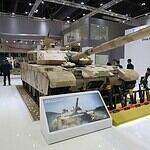
The VT-4 is an export-oriented main battle tank that incorporates many modern features, including advanced fire control and protection systems. Designed to appeal to international buyers, it balances capability with cost-effectiveness. Its inclusion highlights how advanced tank technologies are increasingly being distributed beyond traditional military powers.
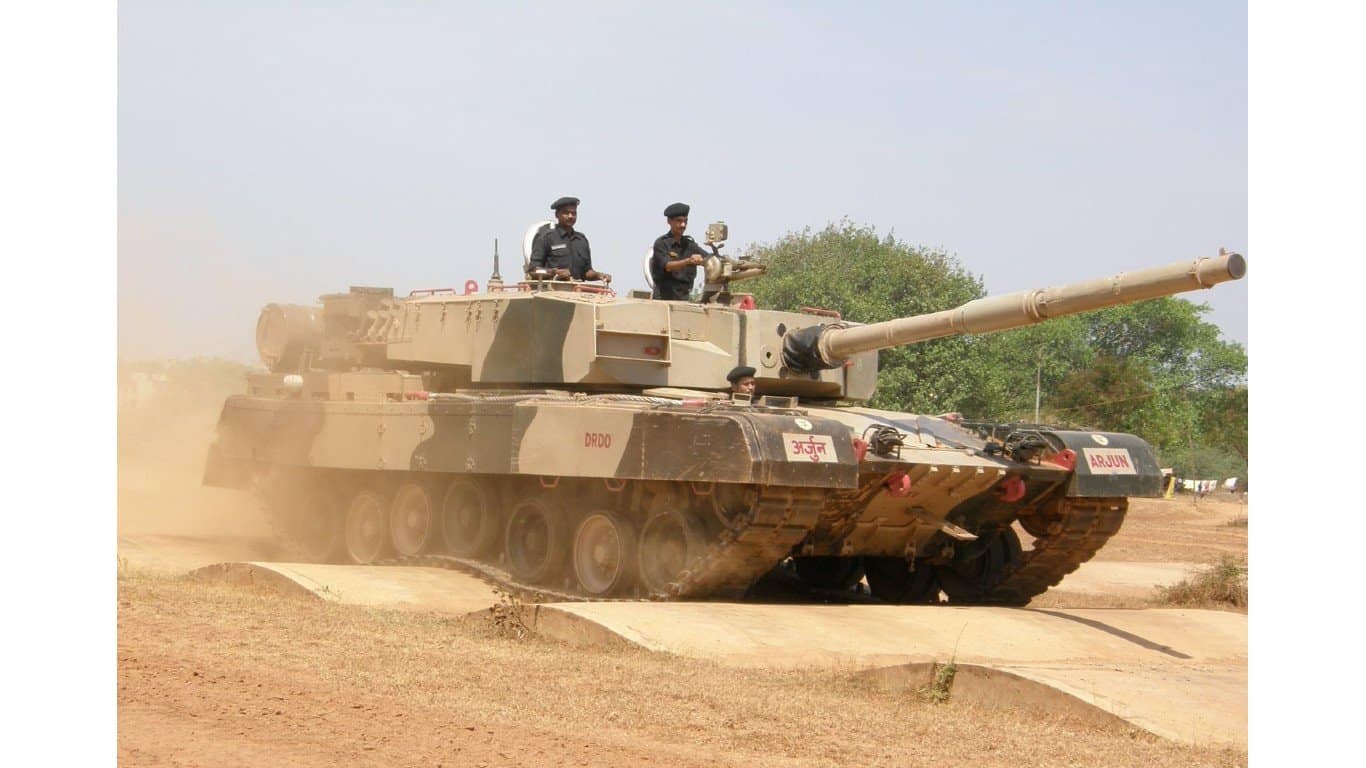
Arjun Mk1A
- Country of origin: India
- Manufacturer: DRDO
- Year introduced to service: 2021
- Crew size: 4
- Main gun: 120mm rifled
- Protection systems: Composite + ERA
- Engine and power output: Diesel ~1400 hp
- Key technological advantage: Enhanced fire control
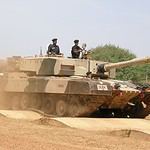
The Arjun Mk1A represents India's effort to develop a domestically advanced tank, featuring improved fire control, armor, and electronics. Designed for high-intensity combat, it emphasizes accuracy and survivability. Its continued development reflects India's push toward greater self-reliance in defense technology.
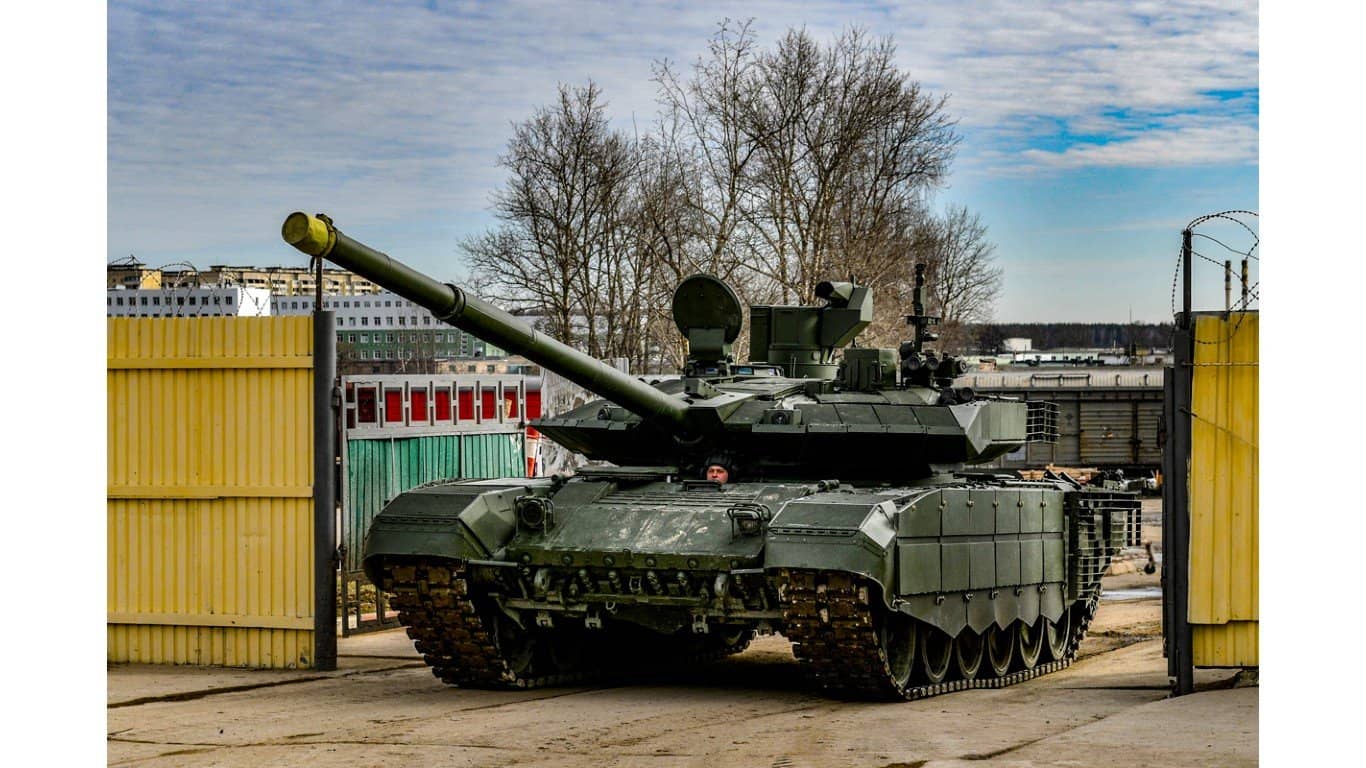
T-90M Proryv
- Country of origin: Russia
- Manufacturer: Uralvagonzavod
- Year introduced to service: 2016
- Crew size: 3
- Main gun: 125mm smoothbore
- Protection systems: Relikt ERA + APS
- Engine and power output: Diesel ~1130 hp
- Key technological advantage: Modernized survivability
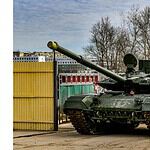
The T-90M Proryv is a heavily modernized version of Russia's widely used T-90 platform, incorporating improved armor, fire control, and survivability features. Designed to operate in modern combat environments, it reflects incremental upgrades aimed at keeping legacy systems competitive against newer threats.
PT-91M2
- Country of origin: Poland
- Manufacturer: Bumar
- Year introduced to service: 2020
- Crew size: 3
- Main gun: 125mm smoothbore
- Protection systems: ERA + composite
- Engine and power output: Diesel ~1000 hp
- Key technological advantage: Upgraded legacy platform
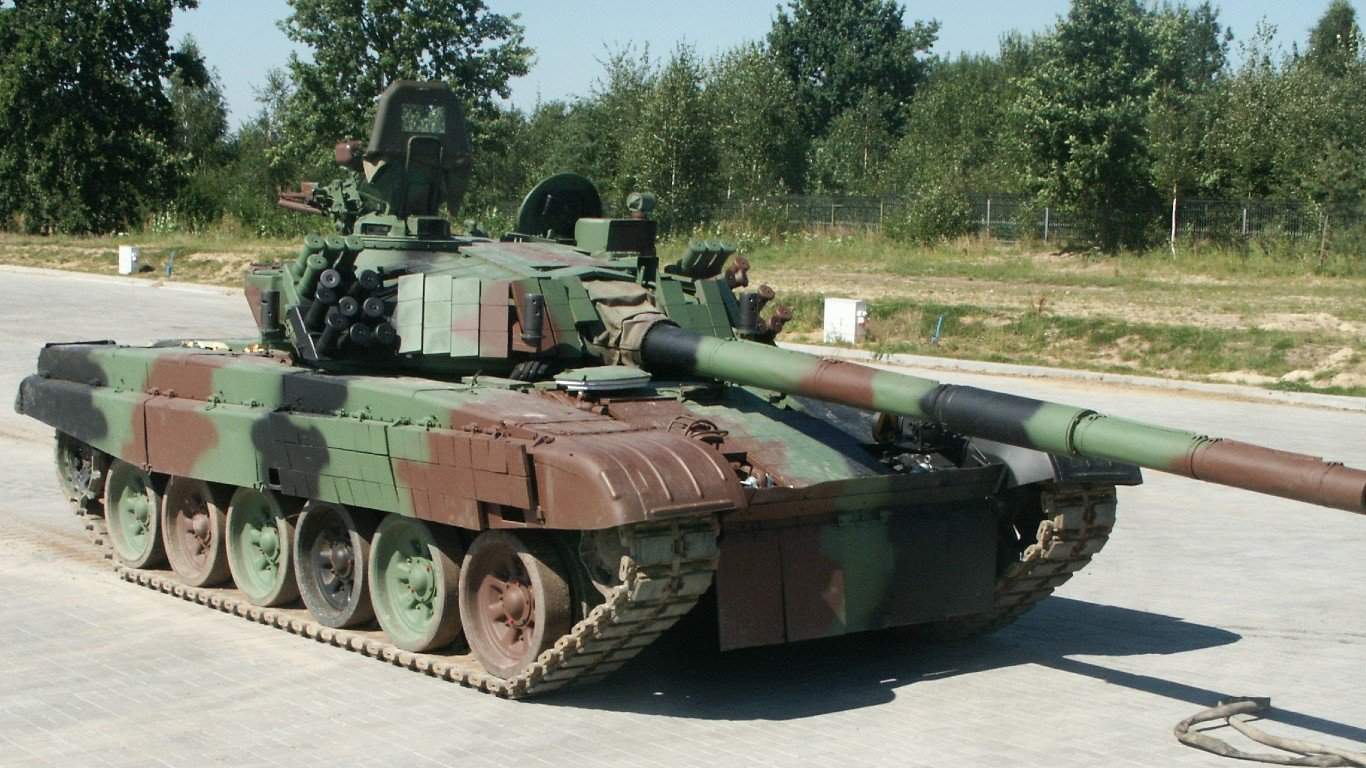
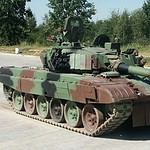
The PT-91M2 is an upgraded version of Poland's legacy tank platform, incorporating improved armor and modern electronics. While based on older designs, its upgrades enhance survivability and effectiveness. It demonstrates how modernization programs can extend the relevance of existing armored fleets.
Zulfiqar-3
- Country of origin: Iran
- Manufacturer: Iran MOD
- Year introduced to service: 2010s
- Crew size: 3
- Main gun: 125mm smoothbore
- Protection systems: Composite + ERA
- Engine and power output: Diesel
- Key technological advantage: Indigenous hybrid design
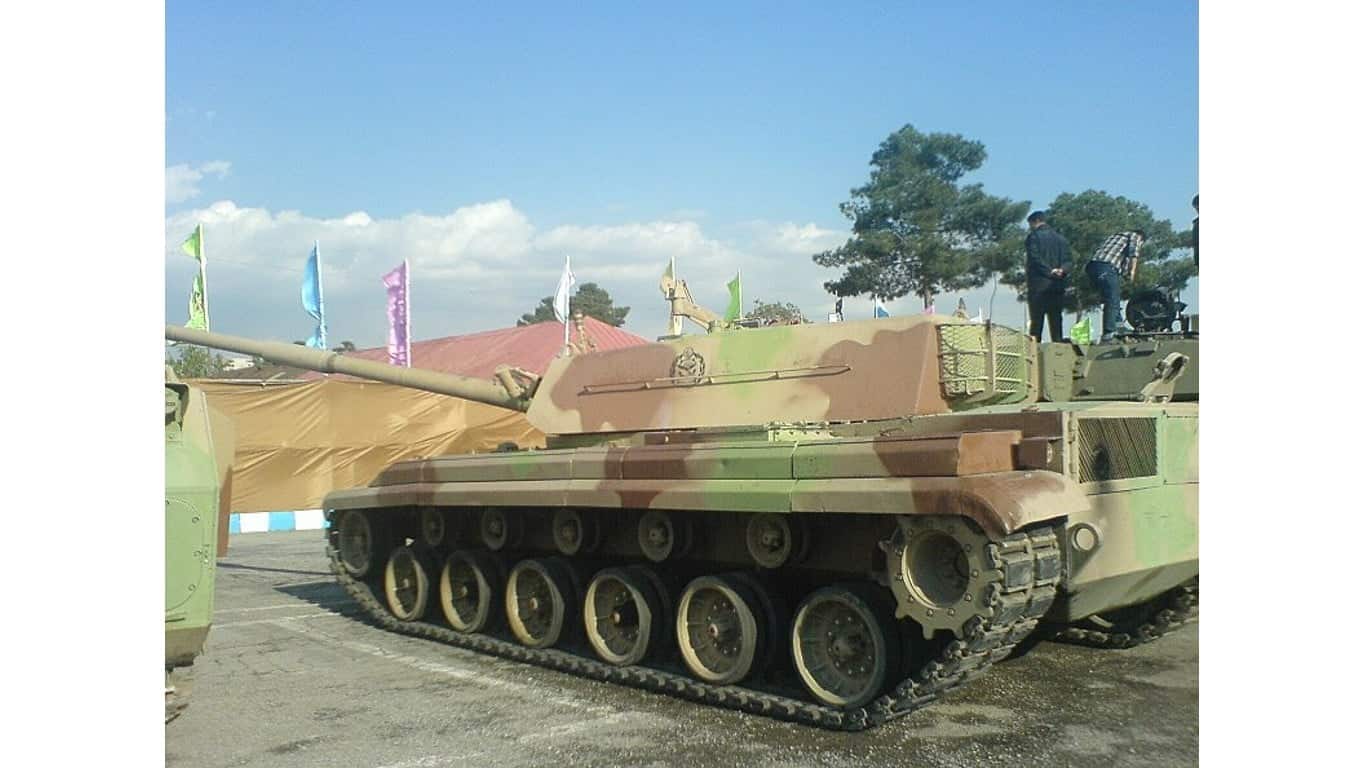
The Zulfiqar-3 represents Iran's attempt to develop a domestically produced main battle tank, combining elements from various designs. While less advanced than top-tier systems, it incorporates modern features such as composite armor and improved fire control. Its development highlights efforts to achieve self-sufficiency in armored capabilities.
K1A2
- Country of origin: South Korea
- Manufacturer: Hyundai Rotem
- Year introduced to service: 2007
- Crew size: 4
- Main gun: 120mm smoothbore
- Protection systems: Composite
- Engine and power output: Diesel ~1200 hp
- Key technological advantage: Digital upgrades
The K1A2 is an upgraded version of South Korea's earlier tank platform, incorporating digital systems and improved fire control. While not as advanced as the K2, it benefits from modernization efforts that enhance its battlefield effectiveness. It remains an important part of South Korea's armored forces.
Leopard 1A5BE
- Country of origin: Brazil
- Manufacturer: Various
- Year introduced to service: 2000s
- Crew size: 4
- Main gun: 105mm
- Protection systems: Upgraded armor
- Engine and power output: Diesel ~830 hp
- Key technological advantage: Modernized legacy MBT
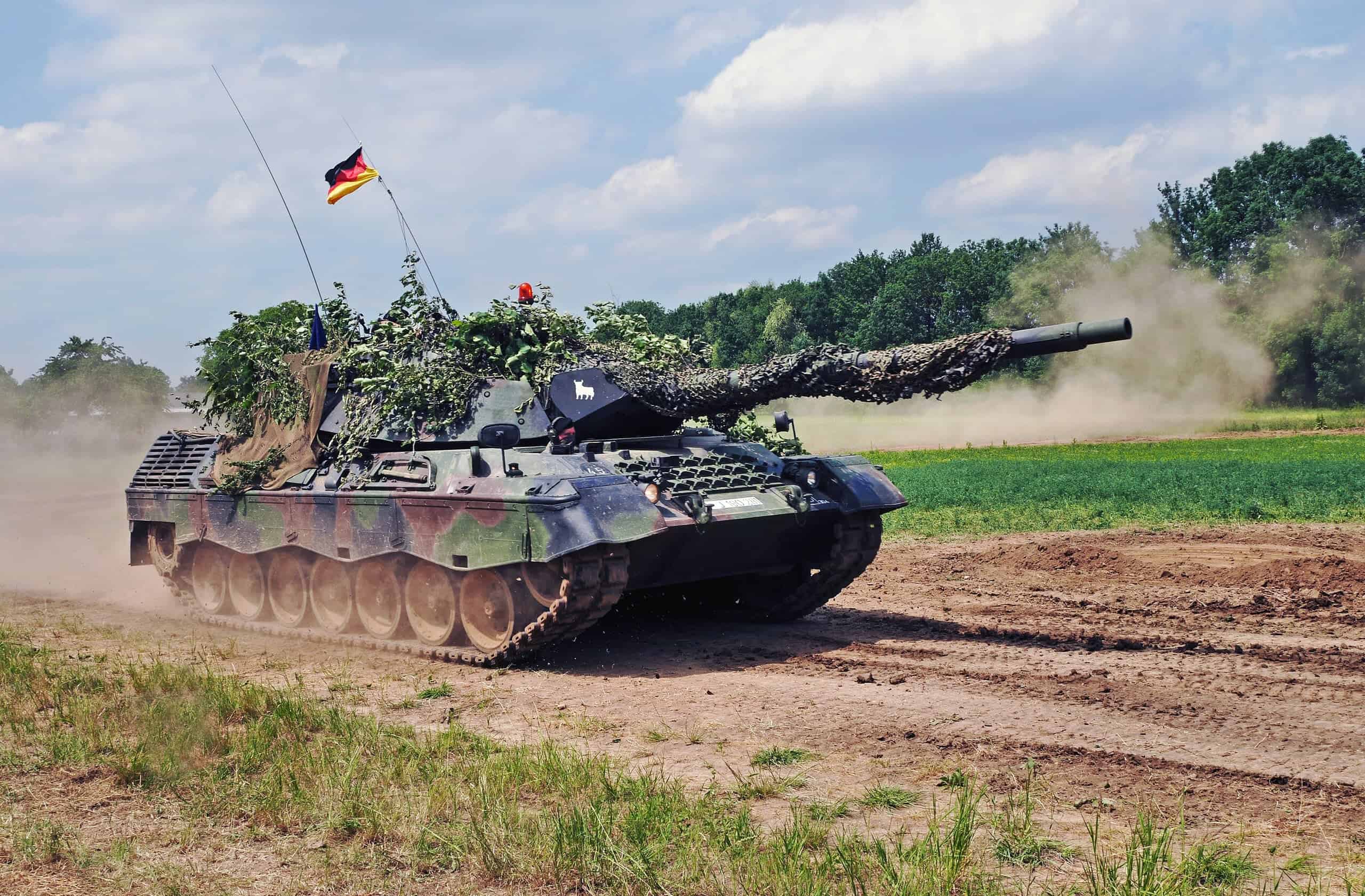
The Leopard 1A5BE is a heavily modernized version of an older tank design, upgraded with improved optics and fire control systems. While lacking the advanced protection of newer tanks, its upgrades allow it to remain operationally relevant. It demonstrates how legacy platforms can still play a role through targeted modernization.
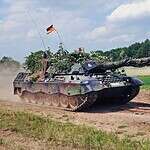
The image featured at the top of this post is ©Rheinmetall Defence / CC BY-SA 4.0 / Wikimedia Commons – License / Original