



The Deadliest Battles of World War II and Their Staggering Casualty Counts
The deadliest battles of World War II were fought on an unprecedented scale, involving millions of troops and resulting in immense losses across multiple fronts. These clashes were often turning points in the war, where strategy, geography, and sheer force combined to shape the outcome of the global conflict. The human cost was staggering, with casualties reaching into the hundreds of thousands and, in some cases, millions.
To better understand the scale of these battles, we examined historical records and military analyses to highlight when they occurred, how long they lasted, and why they were so deadly. While exact casualty figures can vary depending on the source, historians broadly agree on the devastating impact these engagements had on both soldiers and civilians. These battles not only influenced the direction of World War II, but also revealed the true cost of modern, large-scale warfare.
The Cost of War Measured in Lives
World War II was fought on an unprecedented scale, with battles that resulted in staggering human losses. Entire cities were reduced to rubble, and millions of soldiers and civilians were caught in prolonged, brutal fighting. These battles were not just strategic turning points—they were moments where the true cost of war was measured in lives.
Total War and Its Consequences
Unlike previous conflicts, World War II blurred the line between military targets and civilian populations. Many of the deadliest battles took place in or around populated areas, where civilians faced bombardment, starvation, and displacement. This shift toward total war dramatically increased the human toll of each major engagement.
Fighting Across Every Environment
From frozen landscapes in Eastern Europe to dense jungles in the Pacific, World War II battles were fought in some of the most challenging environments imaginable. Terrain, weather, and logistical challenges often intensified combat, contributing to higher casualty rates and prolonged engagements.
Attrition and Relentless Combat
Many of the bloodiest battles were defined by attrition, where both sides suffered heavy losses over extended periods. Encirclements, sieges, and repeated offensives created conditions where casualties mounted rapidly. These battles demonstrated how prolonged conflict could devastate entire armies.
The Battles That Defined the War's Human Toll
The battles on this list represent the most destructive and costly engagements of World War II. Each one reflects a combination of strategic importance and extreme human loss, showing how the war's outcome was shaped not just by victory, but by the immense sacrifices made along the way.
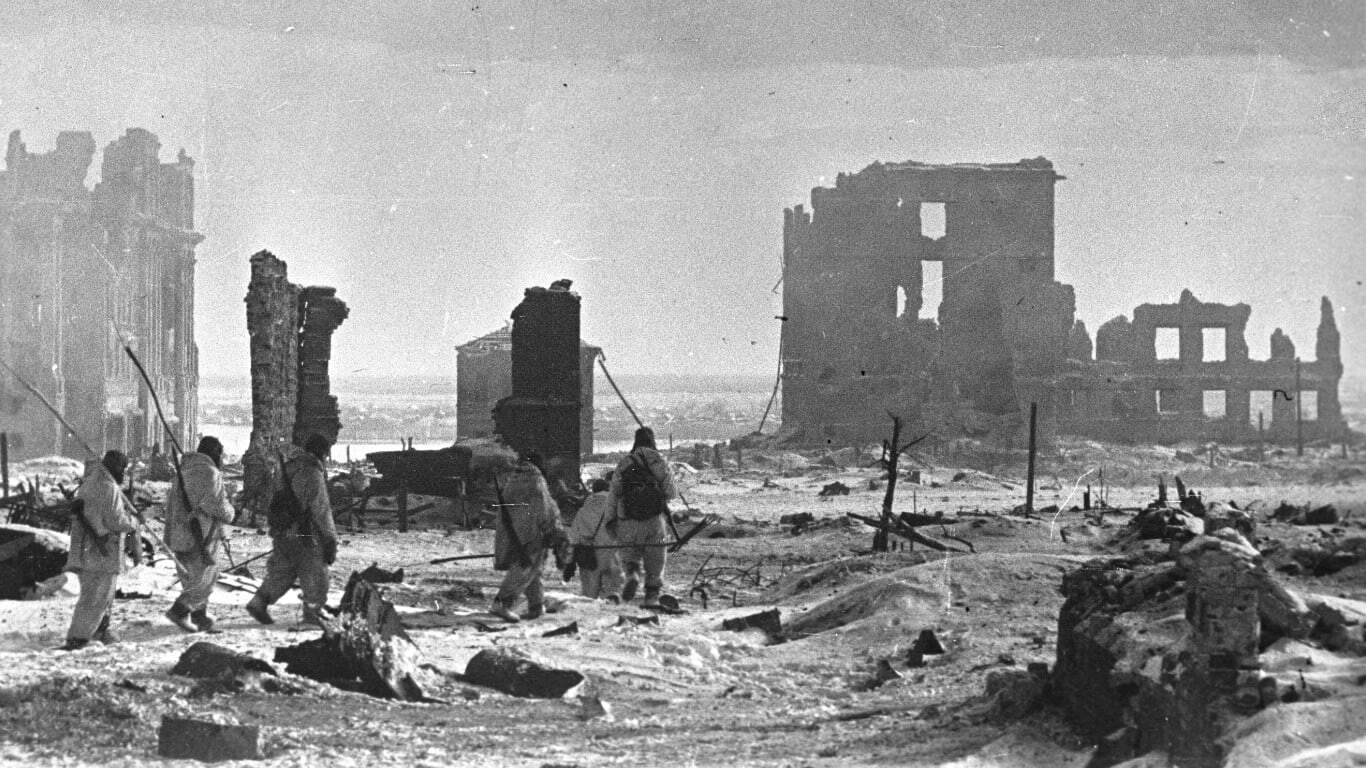
Battle of Stalingrad
- Theater / Region: Eastern Front
- Belligerents: Germany vs USSR
- Starting date of the battle: August 23, 1942
- Duration: ~5 months
- Estimated total casualties: ~2,000,000
- Estimated military casualties: ~1,800,000
- Estimated civilian casualties: ~200,000
- Why it was so deadly: Urban warfare, encirclement, attrition
Stalingrad became one of the deadliest battles in history due to intense urban combat and a prolonged encirclement that trapped entire armies. Both sides committed massive forces, leading to staggering casualties. The battle marked a turning point on the Eastern Front and demonstrated the devastating cost of attritional warfare.
Siege of Leningrad
- Theater / Region: Eastern Front
- Belligerents: Germany vs USSR
- Starting date of the battle: September 8, 1941
- Duration: ~872 days
- Estimated total casualties: ~1,500,000+
- Estimated military casualties: ~500,000
- Estimated civilian casualties: ~1,000,000+
- Why it was so deadly: Siege, starvation, bombardment
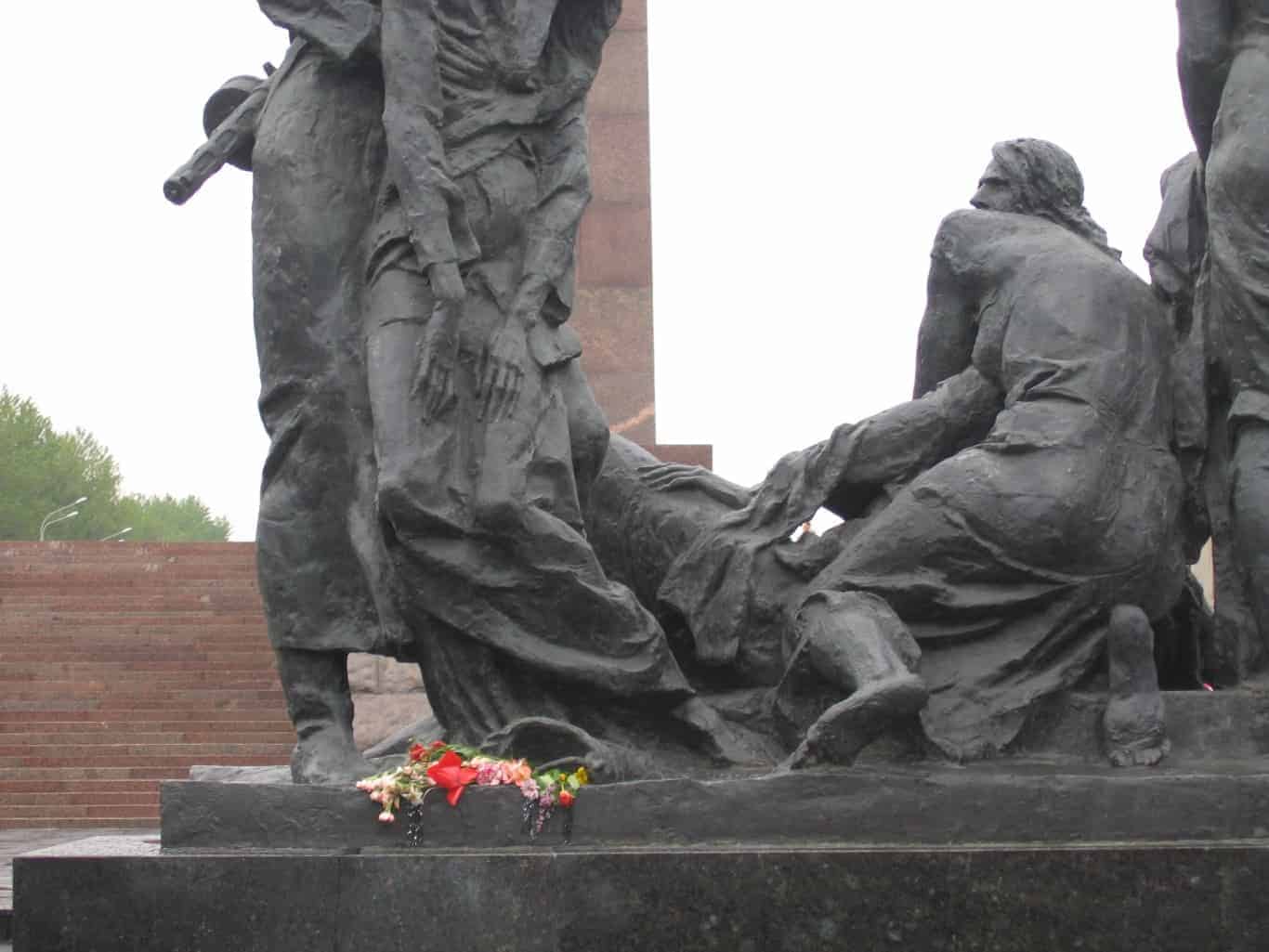
Leningrad endured one of the longest sieges in history, where starvation and bombardment caused massive civilian casualties. Cut off from supplies for nearly 900 days, the city's population suffered extreme conditions. The siege highlighted how total war could devastate both military forces and civilians alike.
Battle of Kursk
- Theater / Region: Eastern Front
- Belligerents: Germany vs USSR
- Starting date of the battle: July 5, 1943
- Duration: ~2 months
- Estimated total casualties: ~1,000,000
- Estimated military casualties: ~1,000,000
- Estimated civilian casualties: Minimal
- Why it was so deadly: Massive mechanized combat, attrition
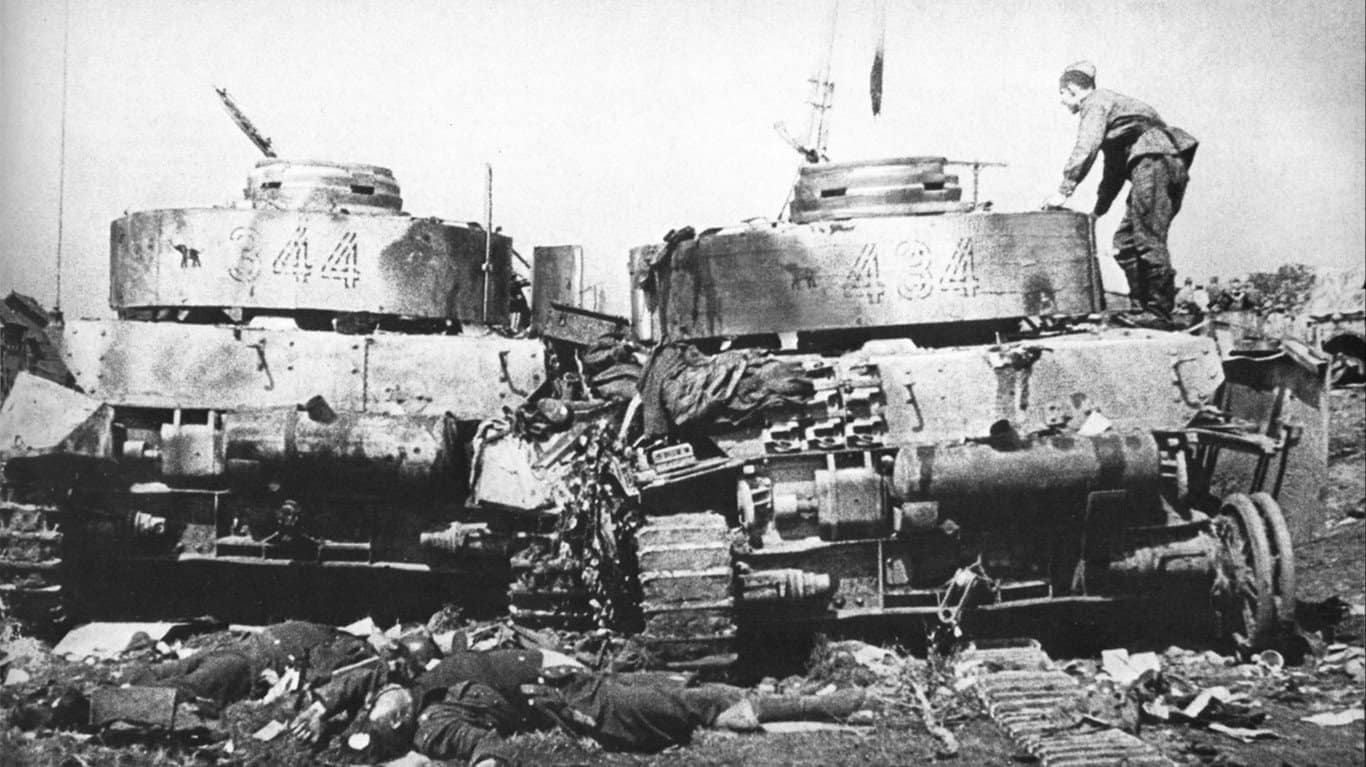
Kursk saw the largest tank battle in history, with massive armored forces clashing in a war of attrition. Defensive preparations and counteroffensives led to enormous losses on both sides. It marked the end of large-scale German offensives in the East.
Battle of Berlin
- Theater / Region: Eastern Front
- Belligerents: Germany vs USSR
- Starting date of the battle: April 16, 1945
- Duration: ~2 weeks
- Estimated total casualties: ~1,250,000
- Estimated military casualties: ~800,000
- Estimated civilian casualties: ~450,000
- Why it was so deadly: Urban warfare, final offensive
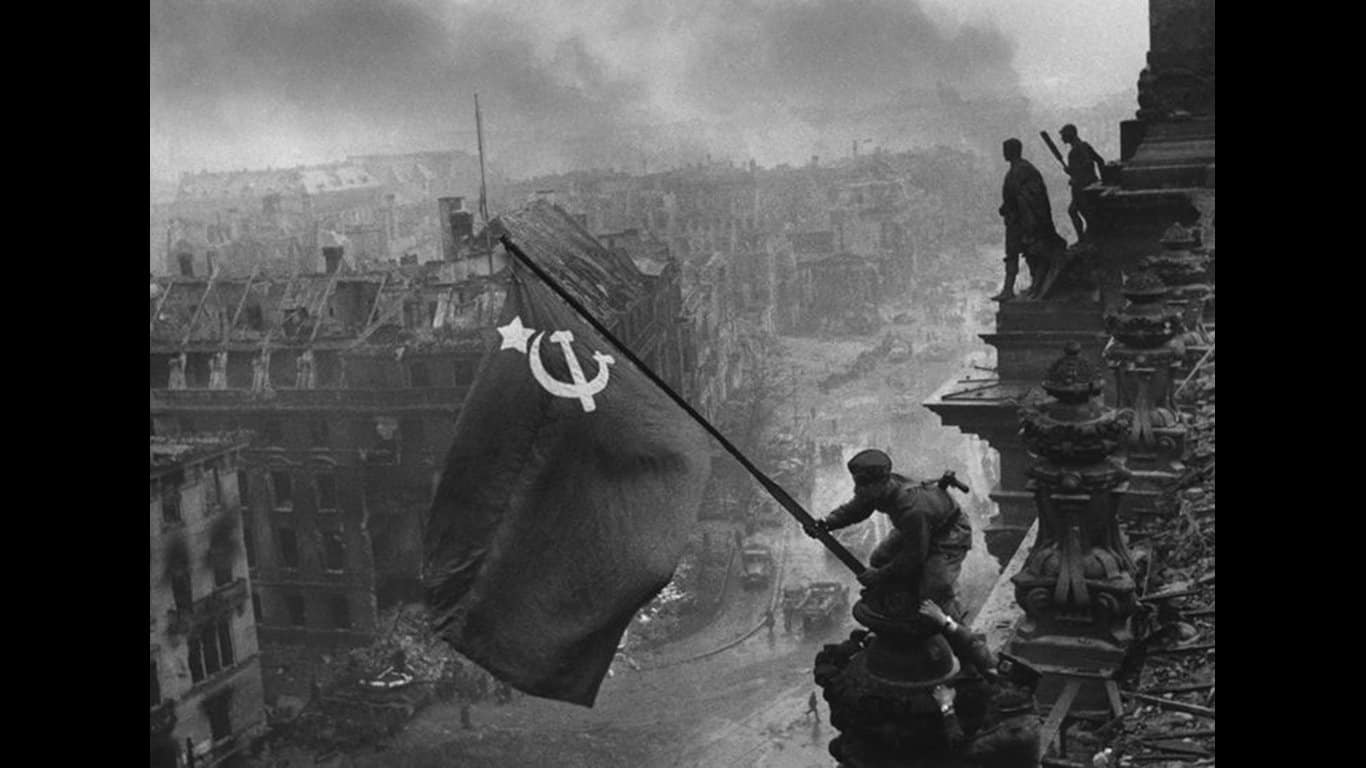
The Battle of Berlin was marked by brutal street fighting as Soviet forces closed in on the German capital. Civilians were caught in the crossfire, and the collapse of Nazi Germany came at an enormous human cost. The battle ended the war in Europe but at a devastating price.
Battle of Moscow
- Theater / Region: Eastern Front
- Belligerents: Germany vs USSR
- Starting date of the battle: October 2, 1941
- Duration: ~7 months
- Estimated total casualties: ~1,000,000
- Estimated military casualties: ~900,000
- Estimated civilian casualties: ~100,000
- Why it was so deadly: Extreme weather, attrition
Moscow's defense involved massive troop movements and harsh winter conditions that contributed to high casualties. The German advance stalled under logistical strain and Soviet resistance, making it one of the most critical and costly battles early in the war.
Battle of the Dnieper
- Theater / Region: Eastern Front
- Belligerents: Germany vs USSR
- Starting date of the battle: August 24, 1943
- Duration: ~4 months
- Estimated total casualties: ~1,700,000
- Estimated military casualties: ~1,700,000
- Estimated civilian casualties: Minimal
- Why it was so deadly: River crossings, large-scale operations
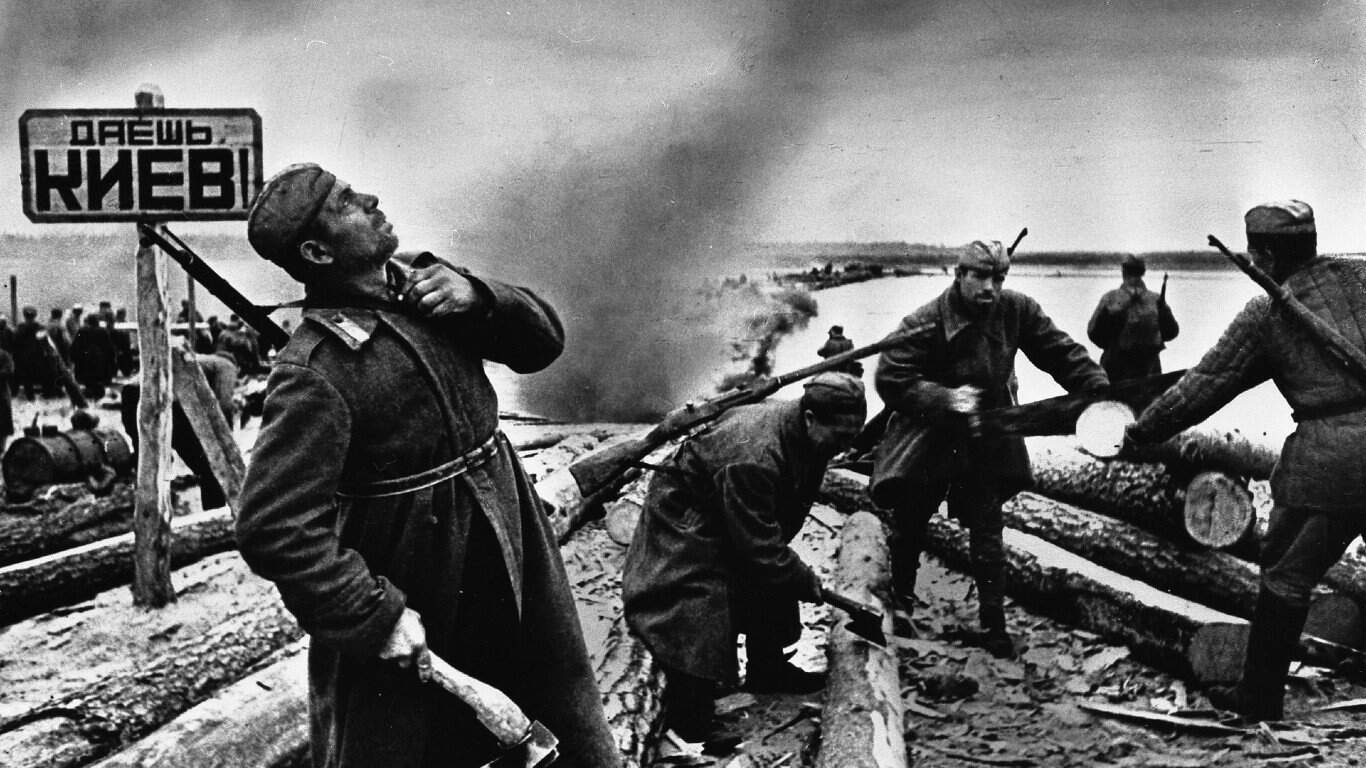
The Dnieper campaign involved one of the largest river-crossing operations in history, with forces fighting across a wide front. The scale of the operation and relentless offensives led to extremely high casualties, particularly among Soviet forces.
Operation Bagration
- Theater / Region: Eastern Front
- Belligerents: Germany vs USSR
- Starting date of the battle: June 22, 1944
- Duration: ~2 months
- Estimated total casualties: ~1,200,000
- Estimated military casualties: ~1,200,000
- Estimated civilian casualties: Minimal
- Why it was so deadly: Massive offensive, encirclement
Operation Bagration was a massive Soviet offensive that destroyed entire German army groups. Its scale and success came with enormous losses on both sides, reshaping the Eastern Front and accelerating Germany's defeat.
Battle of Kharkov
- Theater / Region: Eastern Front
- Belligerents: Germany vs USSR
- Starting date of the battle: May 12, 1942
- Duration: ~2 weeks
- Estimated total casualties: ~300,000
- Estimated military casualties: ~300,000
- Estimated civilian casualties: Minimal
- Why it was so deadly: Encirclement, maneuver warfare
Kharkov saw multiple battles with shifting control, each marked by encirclement and heavy fighting. The repeated offensives resulted in significant losses and demonstrated the fluid and brutal nature of the Eastern Front.
Battle of Normandy
- Theater / Region: Western Front
- Belligerents: Allies vs Germany
- Starting date of the battle: June 6, 1944
- Duration: ~3 months
- Estimated total casualties: ~425,000
- Estimated military casualties: ~350,000
- Estimated civilian casualties: ~75,000
- Why it was so deadly: Amphibious assault, attrition
Normandy combined amphibious assaults with prolonged ground combat across difficult terrain. The initial landings and subsequent campaign led to heavy casualties as Allied forces pushed inland against determined German defenses.
Battle of the Bulge
- Theater / Region: Western Front
- Belligerents: Germany vs Allies
- Starting date of the battle: December 16, 1944
- Duration: ~6 weeks
- Estimated total casualties: ~185,000
- Estimated military casualties: ~185,000
- Estimated civilian casualties: Minimal
- Why it was so deadly: Surprise offensive, winter combat
The Battle of the Bulge was Germany's last major offensive in the West, fought in harsh winter conditions. Surprise attacks and intense fighting resulted in heavy casualties, particularly among American forces caught off guard.
Battle of Monte Cassino
- Theater / Region: Western Front
- Belligerents: Allies vs Germany
- Starting date of the battle: January 17, 1944
- Duration: ~4 months
- Estimated total casualties: ~185,000
- Estimated military casualties: ~140,000
- Estimated civilian casualties: ~45,000
- Why it was so deadly: Fortified defense, terrain
Monte Cassino involved repeated assaults against heavily fortified German positions. Difficult terrain and strong defenses led to prolonged combat and high casualties, making it one of the toughest battles in Italy.
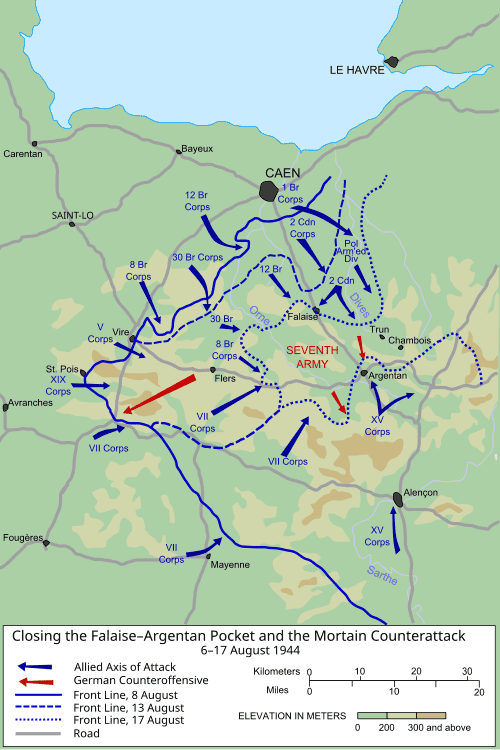
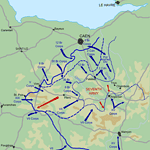
Falaise Pocket
- Theater / Region: Western Front
- Belligerents: Allies vs Germany
- Starting date of the battle: August 12, 1944
- Duration: ~1 week
- Estimated total casualties: ~90,000
- Estimated military casualties: ~90,000
- Estimated civilian casualties: Minimal
- Why it was so deadly: Encirclement, destruction of forces
The Falaise Pocket saw German forces encircled and destroyed as Allied forces closed in. The intense fighting and collapse of German defenses resulted in heavy losses and marked a decisive moment in the Normandy campaign.
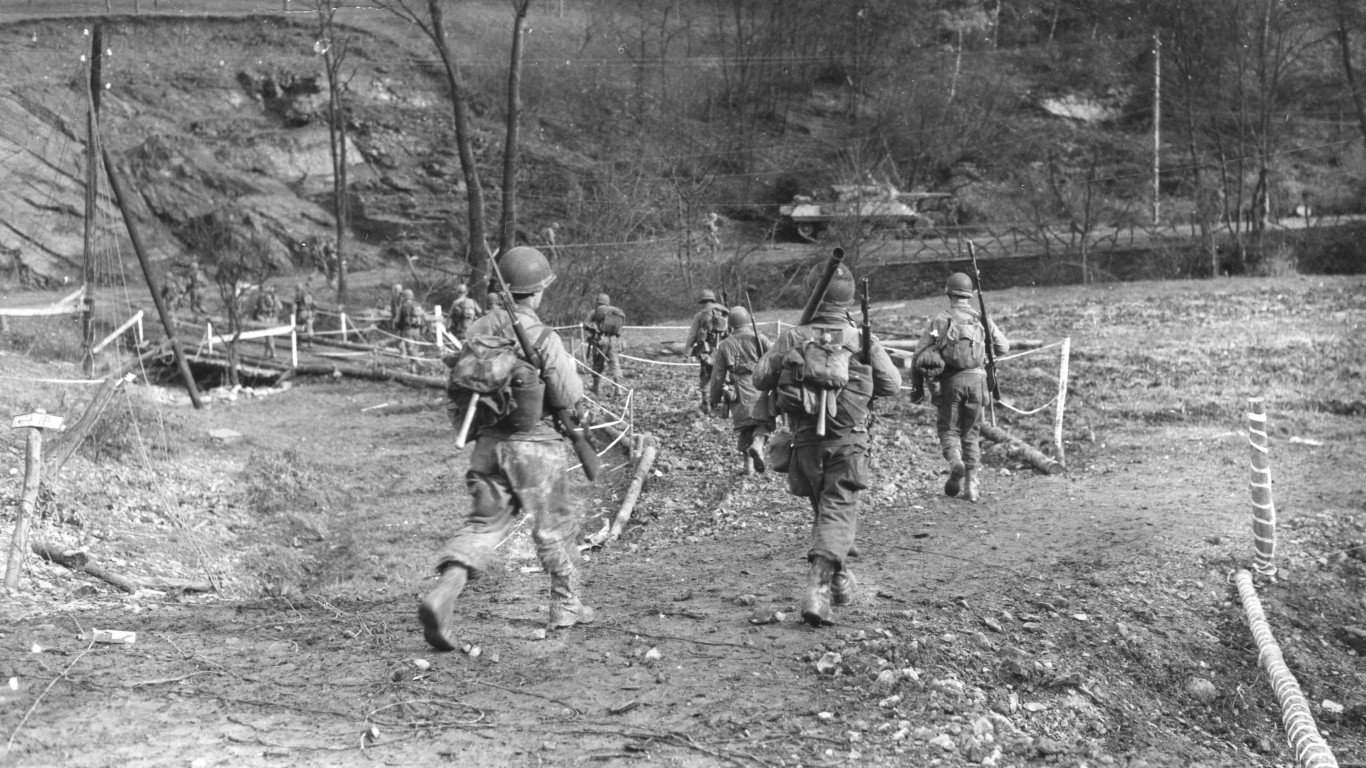
Hürtgen Forest
- Theater / Region: Western Front
- Belligerents: USA vs Germany
- Starting date of the battle: September 19, 1944
- Duration: ~5 months
- Estimated total casualties: ~140,000
- Estimated military casualties: ~140,000
- Estimated civilian casualties: Minimal
- Why it was so deadly: Terrain, attrition warfare
The Hürtgen Forest was characterized by prolonged fighting in dense terrain, where visibility and mobility were limited. Attritional combat and difficult conditions led to high casualties for relatively limited strategic gain.
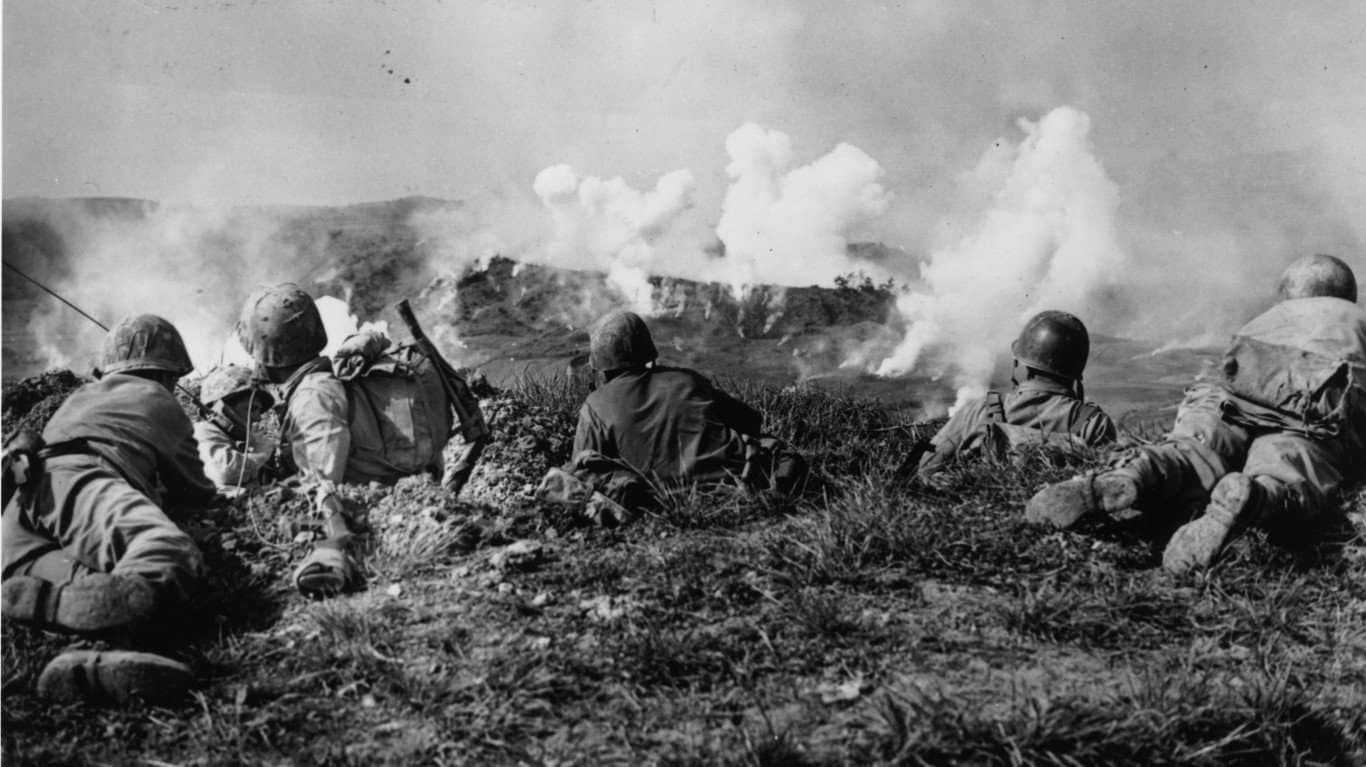
Battle of Okinawa
- Theater / Region: Pacific
- Belligerents: USA vs Japan
- Starting date of the battle: April 1, 1945
- Duration: ~3 months
- Estimated total casualties: ~200,000+
- Estimated military casualties: ~100,000
- Estimated civilian casualties: ~100,000+
- Why it was so deadly: Amphibious assault, civilian involvement
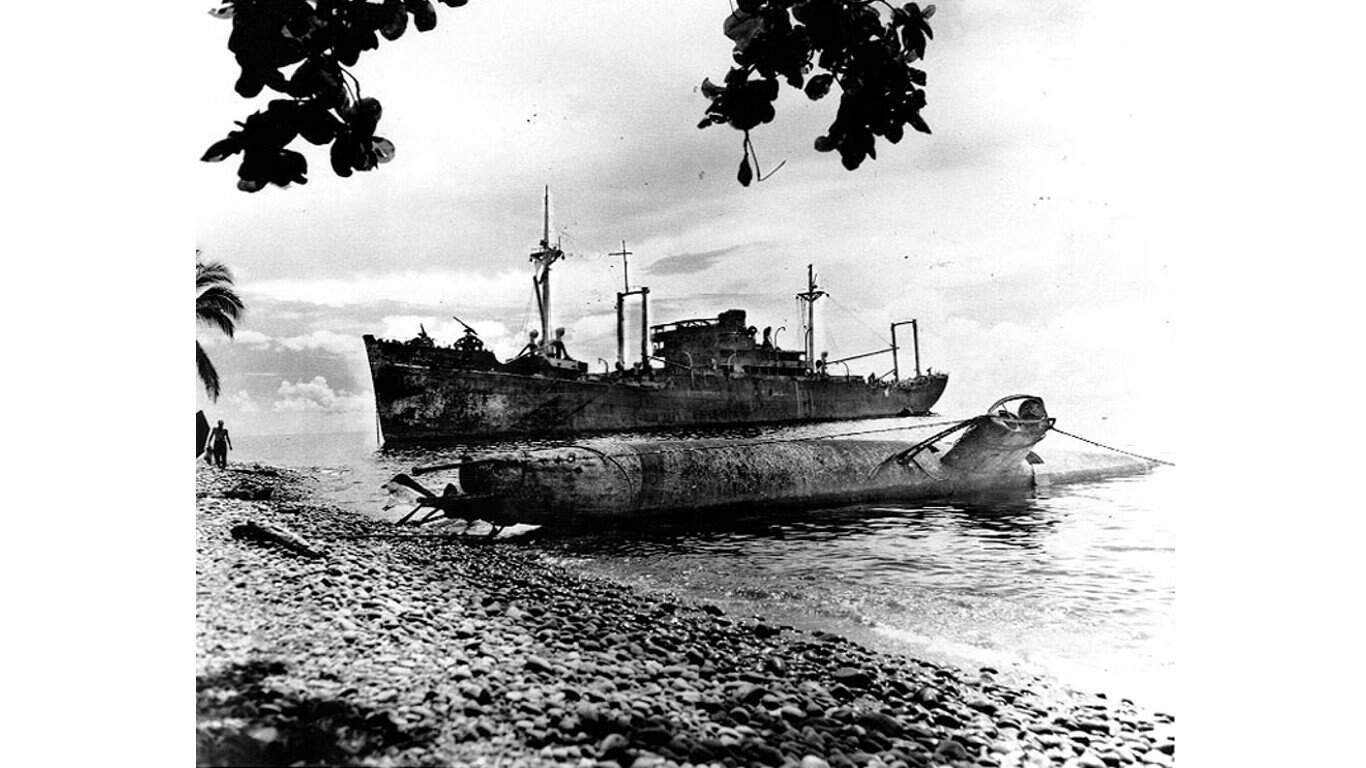
Okinawa was one of the bloodiest battles in the Pacific, involving fierce resistance and significant civilian casualties. The prolonged fighting and use of defensive tactics by Japanese forces contributed to its high death toll.
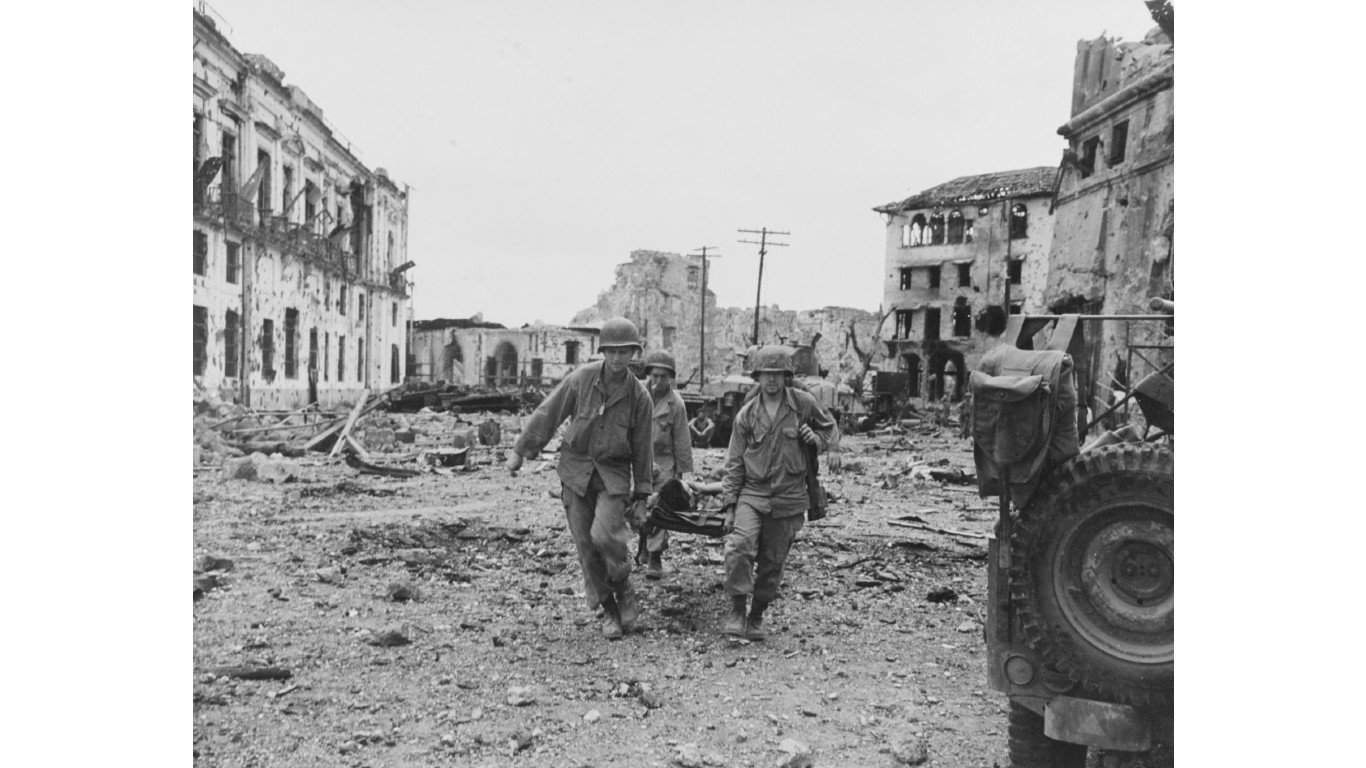
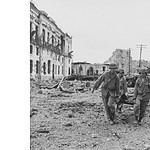
Battle of Manila
- Theater / Region: Pacific
- Belligerents: USA vs Japan
- Starting date of the battle: February 3, 1945
- Duration: ~1 month
- Estimated total casualties: ~100,000
- Estimated military casualties: ~16,000
- Estimated civilian casualties: ~84,000
- Why it was so deadly: Urban destruction, massacres
The Battle of Manila saw intense urban combat and widespread destruction, with civilians suffering heavily. The battle resulted in one of the highest civilian death tolls in the Pacific theater.
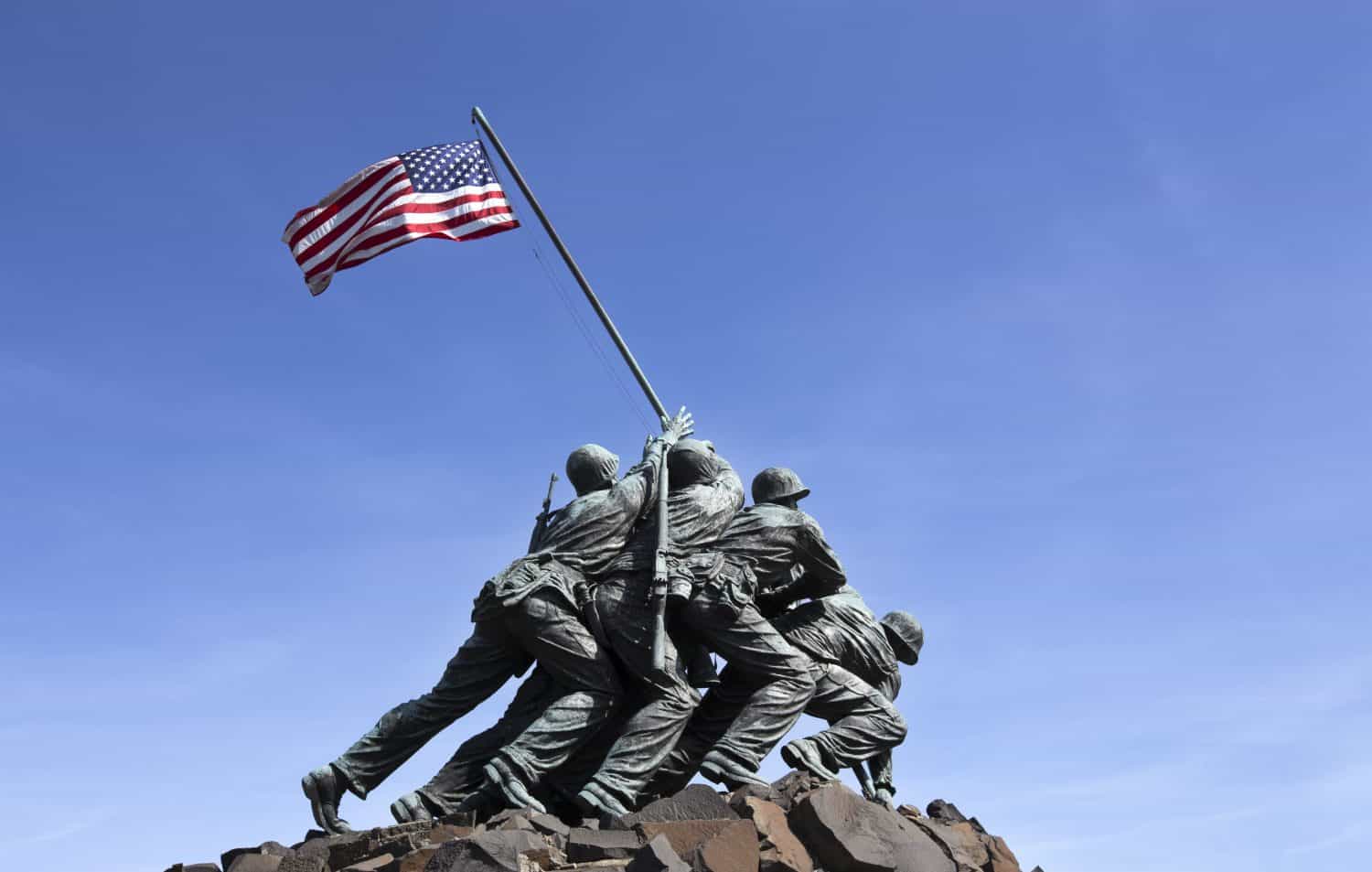
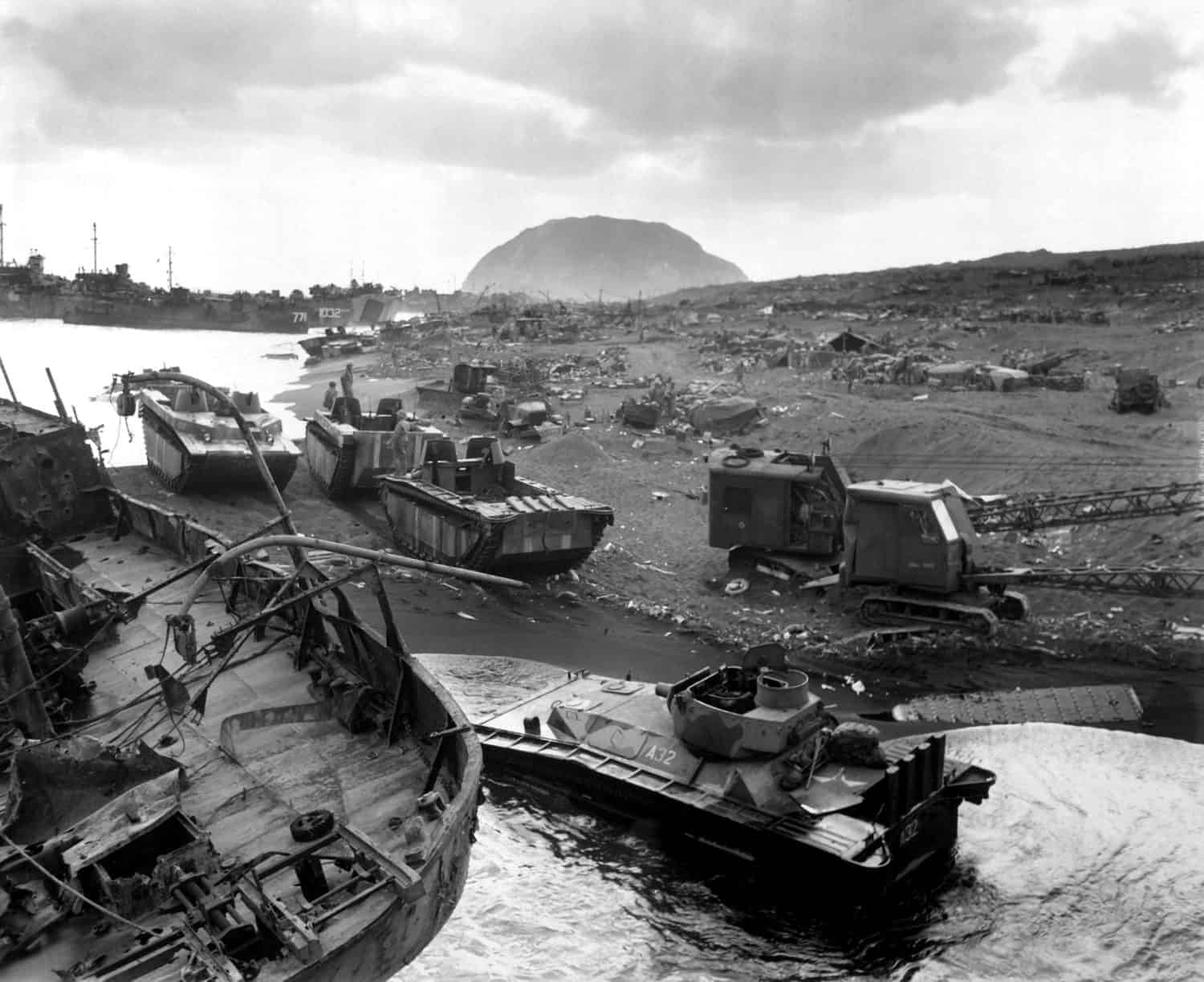
Battle of Iwo Jima
- Theater / Region: Pacific
- Belligerents: USA vs Japan
- Starting date of the battle: February 19, 1945
- Duration: ~1 month
- Estimated total casualties: ~26,000
- Estimated military casualties: ~26,000
- Estimated civilian casualties: Minimal
- Why it was so deadly: Fortified defense, attrition
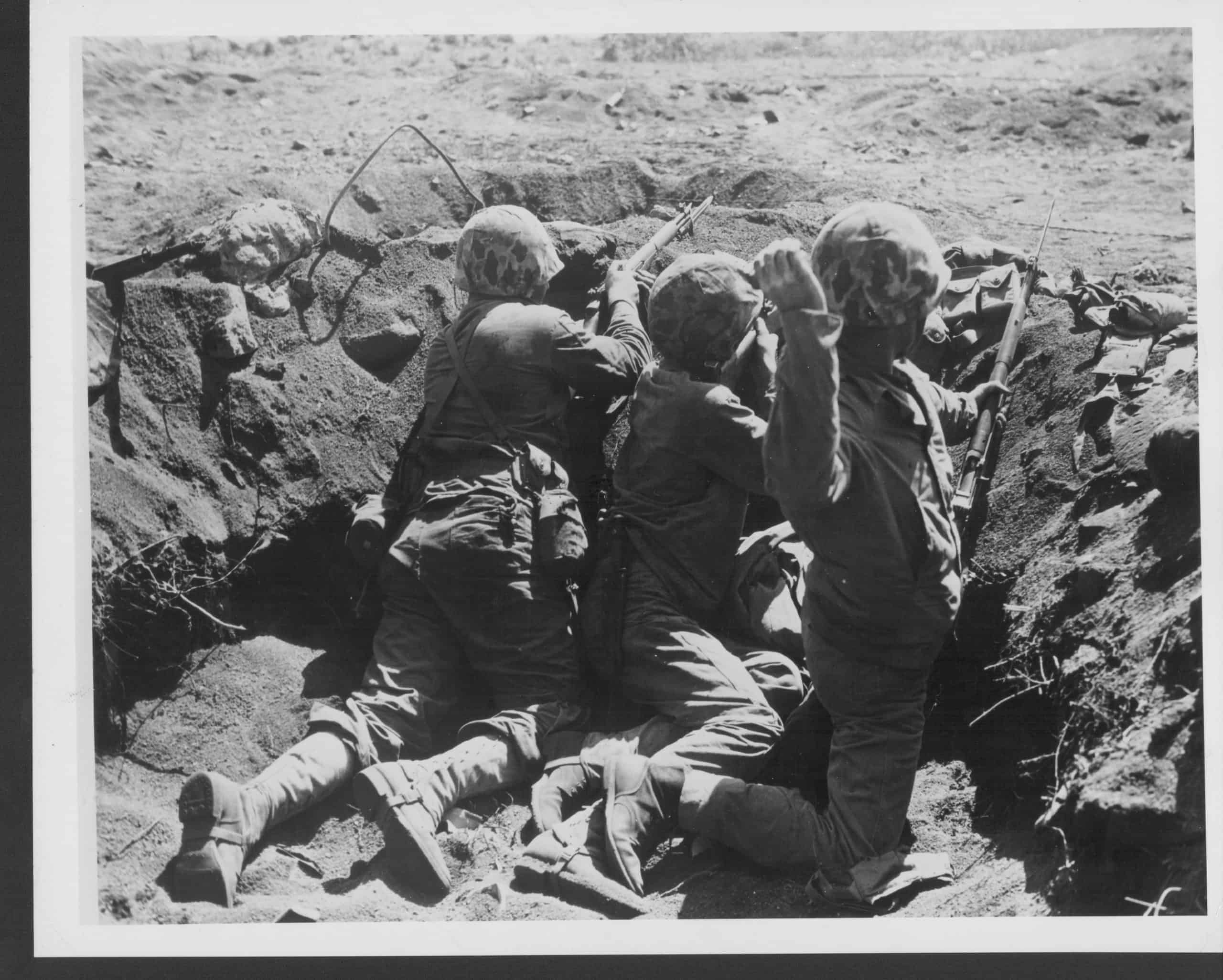
Iwo Jima involved a heavily fortified island where Japanese defenders fought to the last. The difficulty of the terrain and defensive positions led to extremely high casualties for both sides.
Battle of Guadalcanal
- Theater / Region: Pacific
- Belligerents: USA vs Japan
- Starting date of the battle: August 7, 1942
- Duration: ~6 months
- Estimated total casualties: ~60,000
- Estimated military casualties: ~60,000
- Estimated civilian casualties: Minimal
- Why it was so deadly: Attrition, jungle warfare
Guadalcanal was a prolonged campaign marked by attrition on land, sea, and air. The extended fighting and harsh conditions contributed to significant losses on both sides.
Battle of Saipan
- Theater / Region: Pacific
- Belligerents: USA vs Japan
- Starting date of the battle: June 15, 1944
- Duration: ~3 weeks
- Estimated total casualties: ~50,000
- Estimated military casualties: ~30,000
- Estimated civilian casualties: ~20,000
- Why it was so deadly: Amphibious assault, civilian losses
Saipan combined amphibious assault with intense ground combat, leading to heavy casualties among both military forces and civilians. The battle had major strategic implications for the Pacific war.
Second Sino-Japanese War
- Theater / Region: Asia
- Belligerents: China vs Japan
- Starting date of the battle: July 7, 1937
- Duration: ~8 years
- Estimated total casualties: ~20,000,000
- Estimated military casualties: ~4,000,000
- Estimated civilian casualties: ~16,000,000
- Why it was so deadly: Total war, civilian targeting
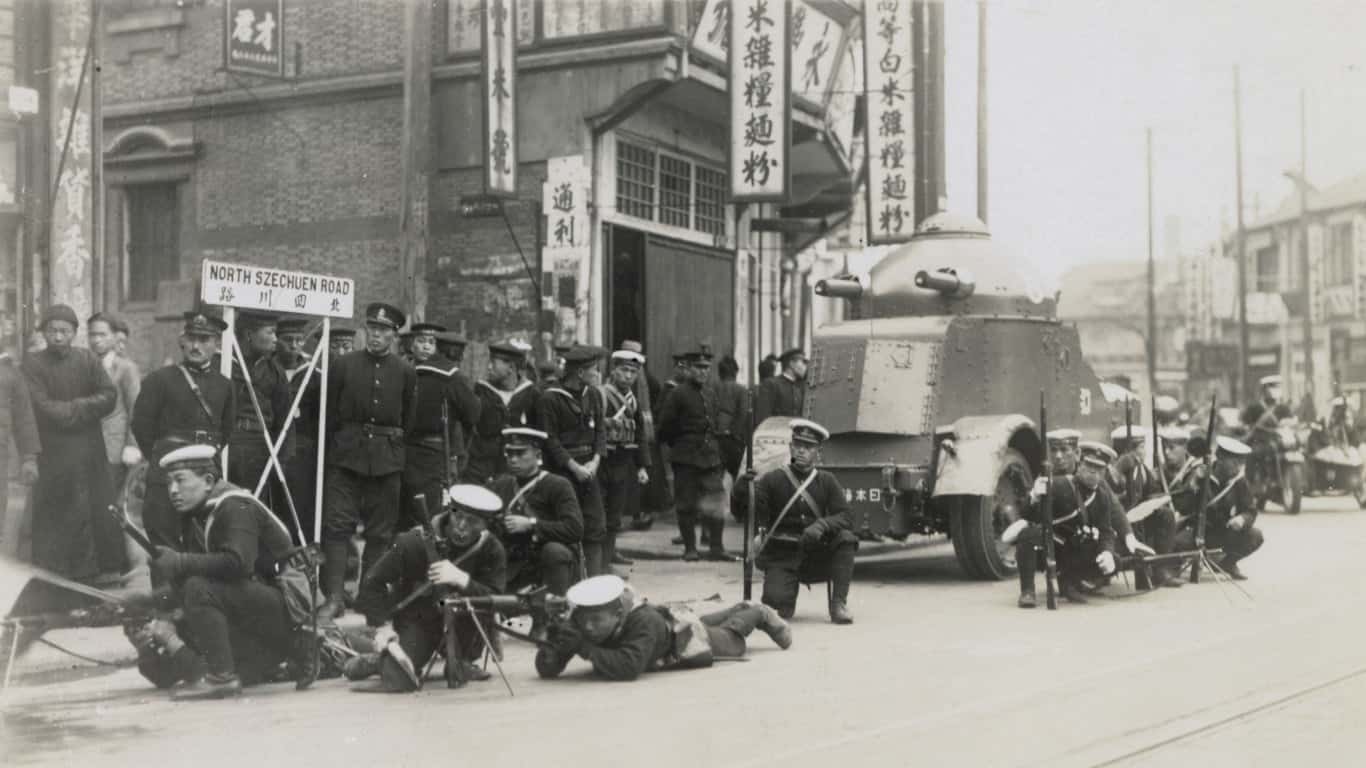
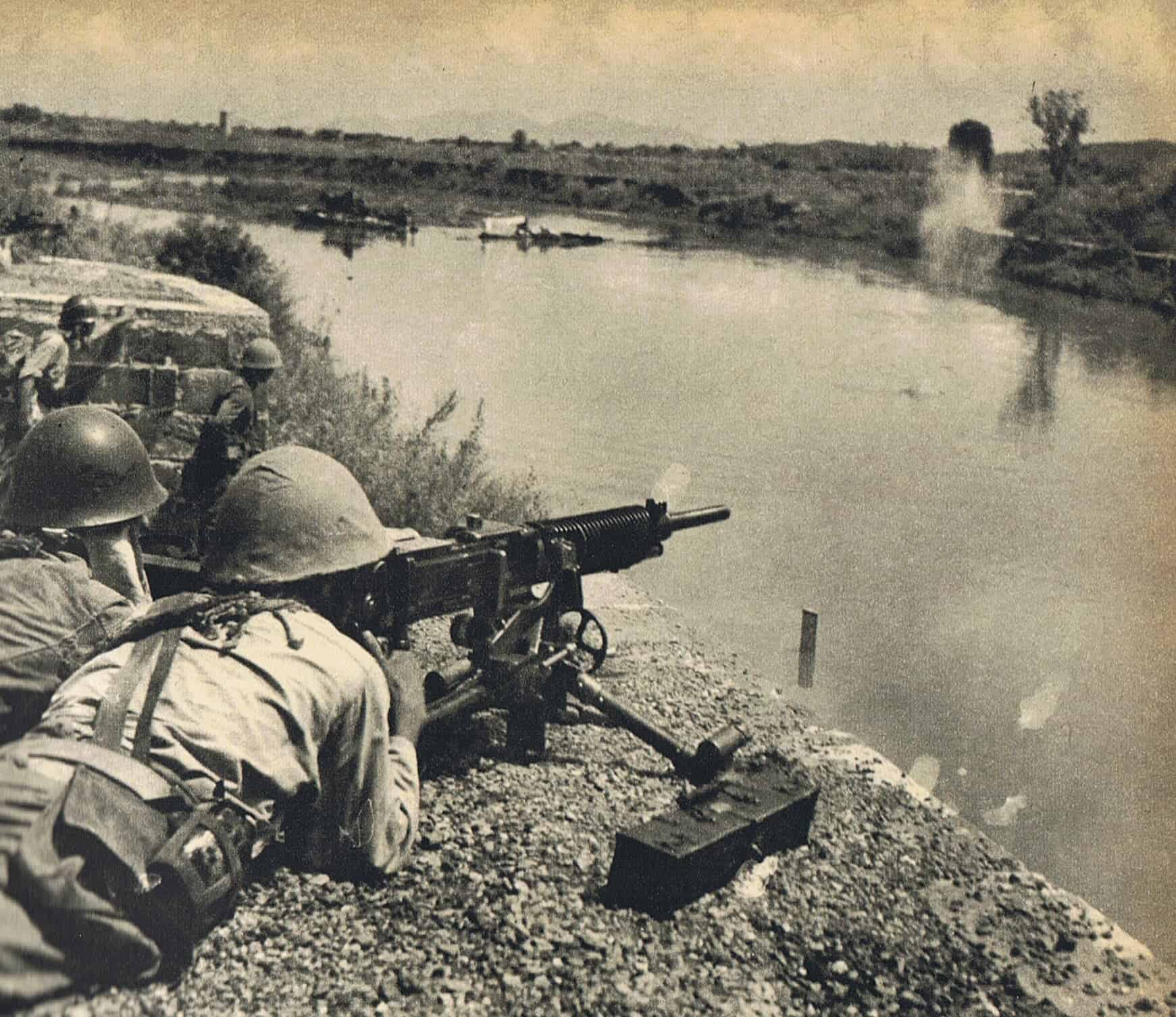
The broader Sino-Japanese War resulted in massive casualties over several years, with civilians bearing a significant portion of the losses. It represented one of the most destructive theaters of WWII.
Battle of Changsha
- Theater / Region: Asia
- Belligerents: China vs Japan
- Starting date of the battle: September 14, 1939
- Duration: ~1 month
- Estimated total casualties: ~100,000
- Estimated military casualties: ~100,000
- Estimated civilian casualties: Minimal
- Why it was so deadly: Repeated offensives, attrition
Changsha saw repeated battles with heavy casualties as Chinese and Japanese forces fought for control. The repeated offensives and defensive actions led to sustained losses.
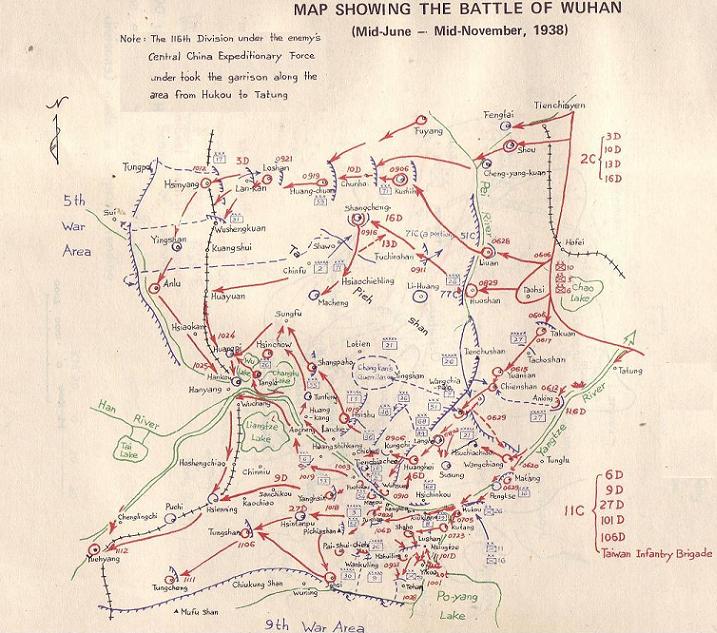
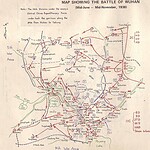
Battle of Wuhan
- Theater / Region: Asia
- Belligerents: China vs Japan
- Starting date of the battle: June 11, 1938
- Duration: ~4 months
- Estimated total casualties: ~1,200,000
- Estimated military casualties: ~1,000,000
- Estimated civilian casualties: ~200,000
- Why it was so deadly: Large-scale engagement
Wuhan was a large-scale battle involving massive troop deployments and prolonged combat. The scale of the engagement resulted in significant casualties on both sides.
Second Battle of El Alamein
- Theater / Region: North Africa
- Belligerents: Allies vs Germany/Italy
- Starting date of the battle: October 23, 1942
- Duration: ~2 weeks
- Estimated total casualties: ~70,000
- Estimated military casualties: ~70,000
- Estimated civilian casualties: Minimal
- Why it was so deadly: Breakthrough battle
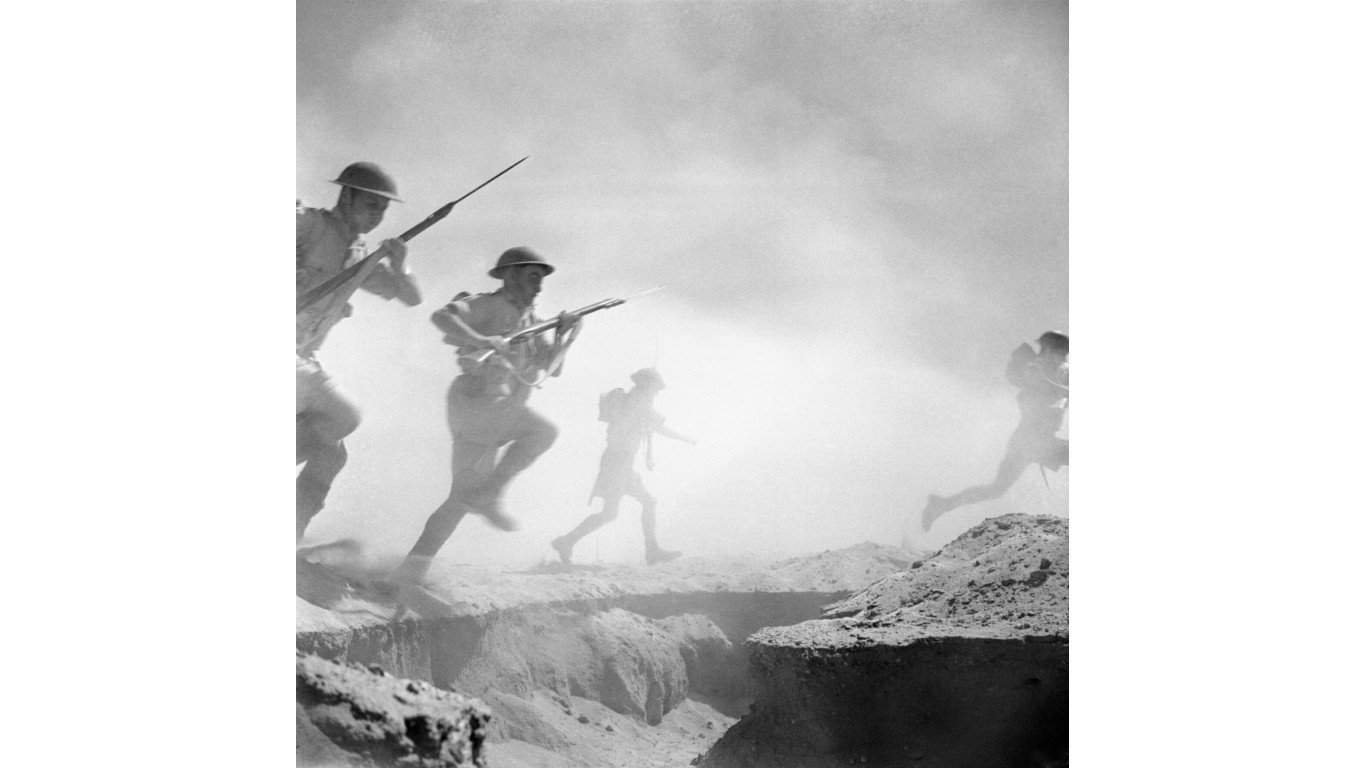
El Alamein marked a turning point in North Africa, with intense fighting leading to significant losses. The battle ended Axis advances in the region and shifted momentum to the Allies.
Tunisian Campaign
- Theater / Region: North Africa
- Belligerents: Allies vs Axis
- Starting date of the battle: November 17, 1942
- Duration: ~6 months
- Estimated total casualties: ~300,000
- Estimated military casualties: ~300,000
- Estimated civilian casualties: Minimal
- Why it was so deadly: Attrition, multi-front
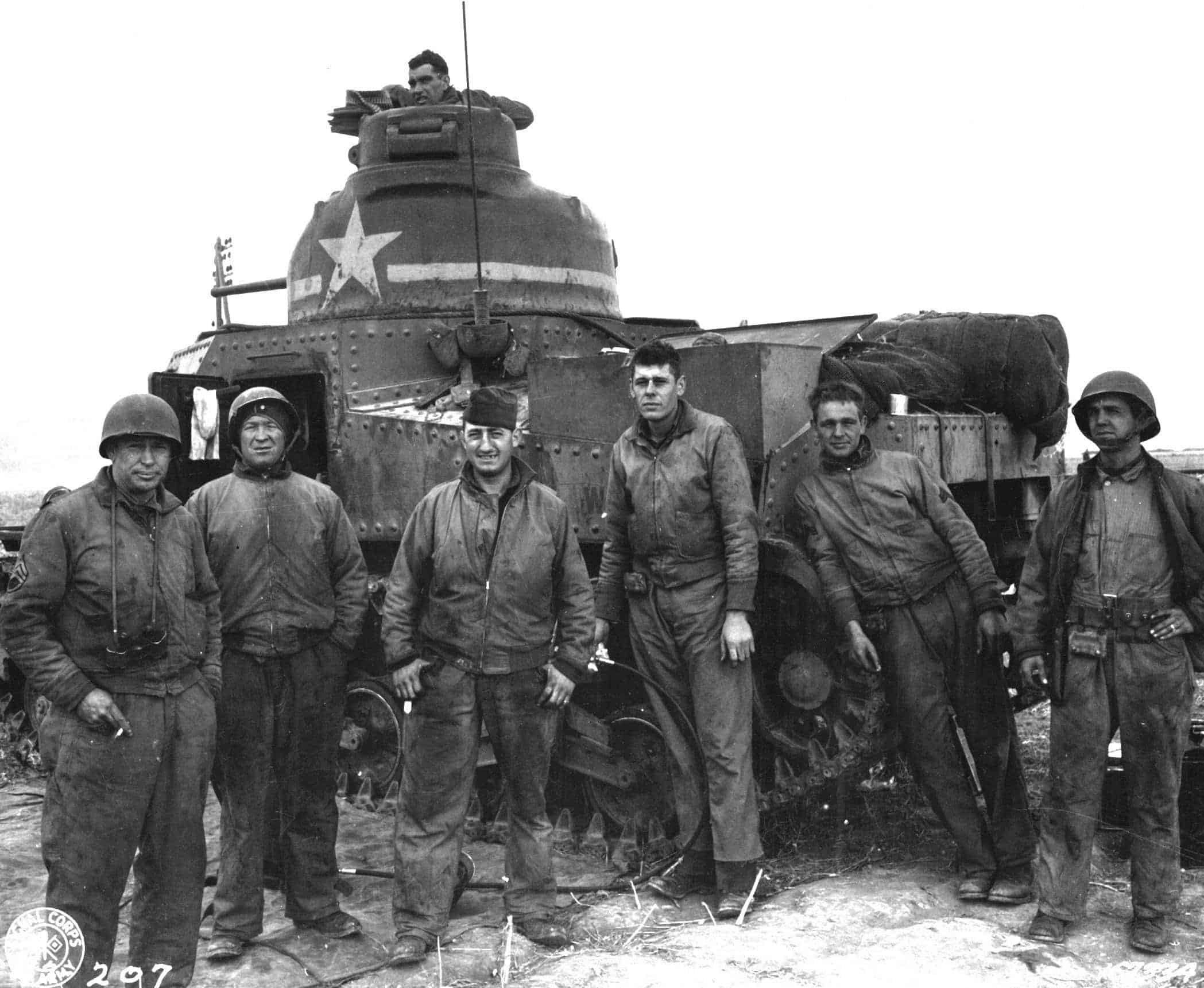
The Tunisian Campaign involved prolonged fighting across multiple fronts, leading to heavy casualties. It marked the end of Axis presence in North Africa.
Battle of France
- Theater / Region: Western Front
- Belligerents: Germany vs France/Allies
- Starting date of the battle: May 10, 1940
- Duration: ~6 weeks
- Estimated total casualties: ~469,000
- Estimated military casualties: ~400,000
- Estimated civilian casualties: ~69,000
- Why it was so deadly: Rapid mechanized warfare
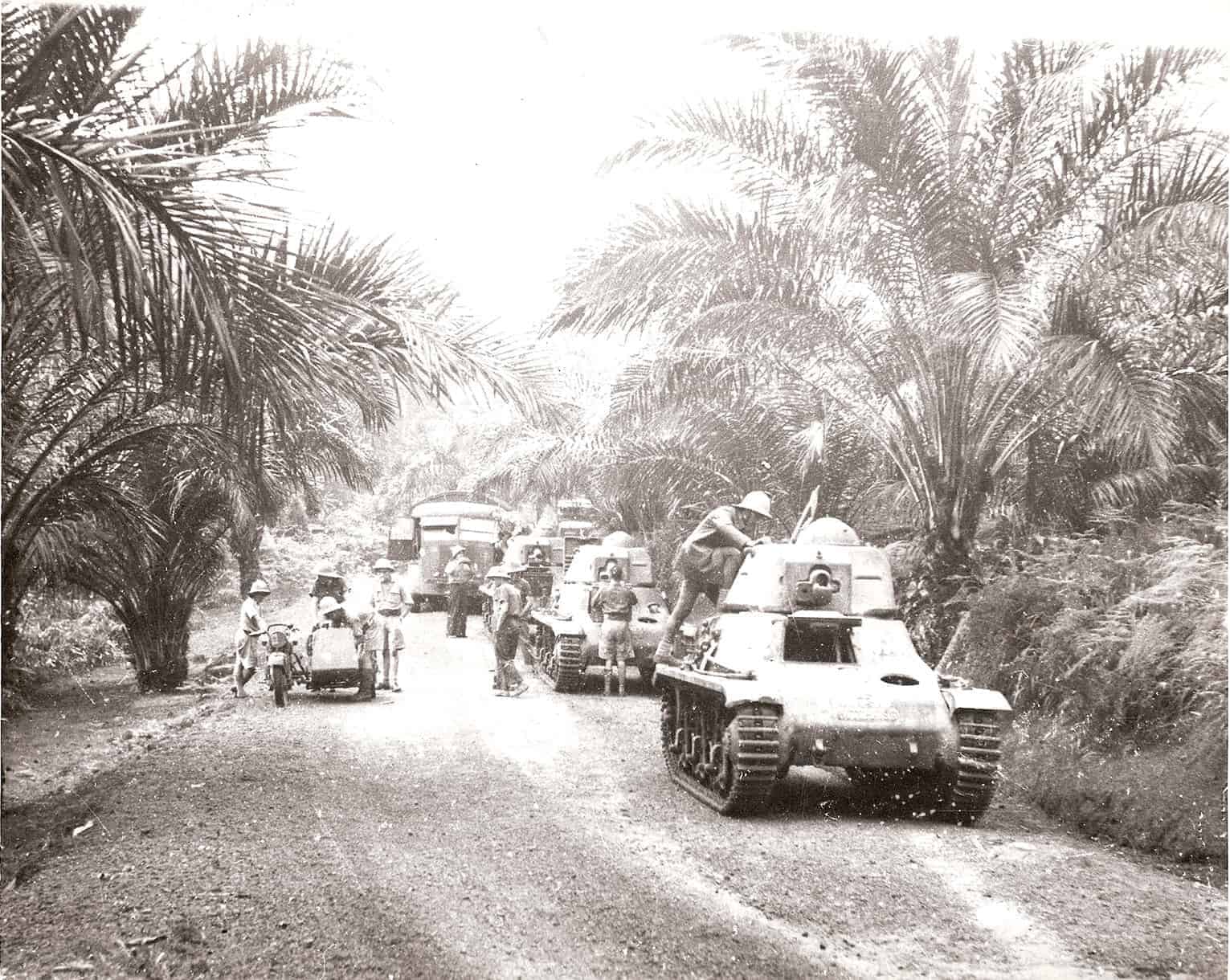
France's fall involved rapid mechanized warfare, but still resulted in significant casualties. The speed of the campaign masked the scale of losses involved.
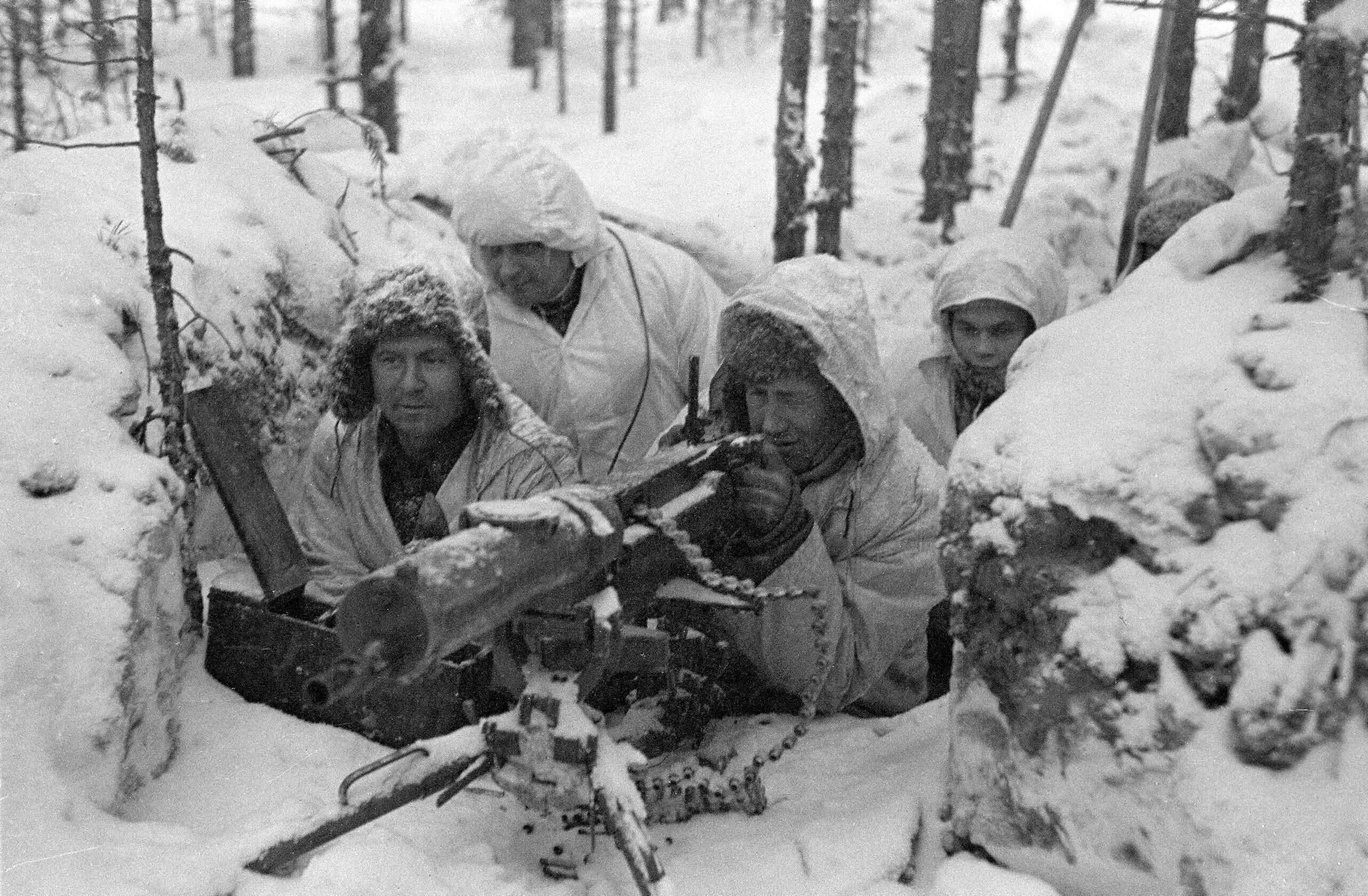
Winter War
- Theater / Region: Eastern Front
- Belligerents: USSR vs Finland
- Starting date of the battle: November 30, 1939
- Duration: ~3 months
- Estimated total casualties: ~300,000
- Estimated military casualties: ~300,000
- Estimated civilian casualties: Minimal
- Why it was so deadly: Extreme weather, attrition
The Winter War saw intense fighting in extreme conditions, with both sides suffering heavy losses. Harsh weather and difficult terrain contributed to the high casualty rates.
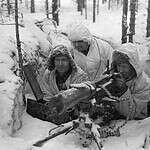
The image featured at the top of this post is ©jorik / Shutterstock.com – License / Original