






The Cold War Military Technologies That Redefined Global Power
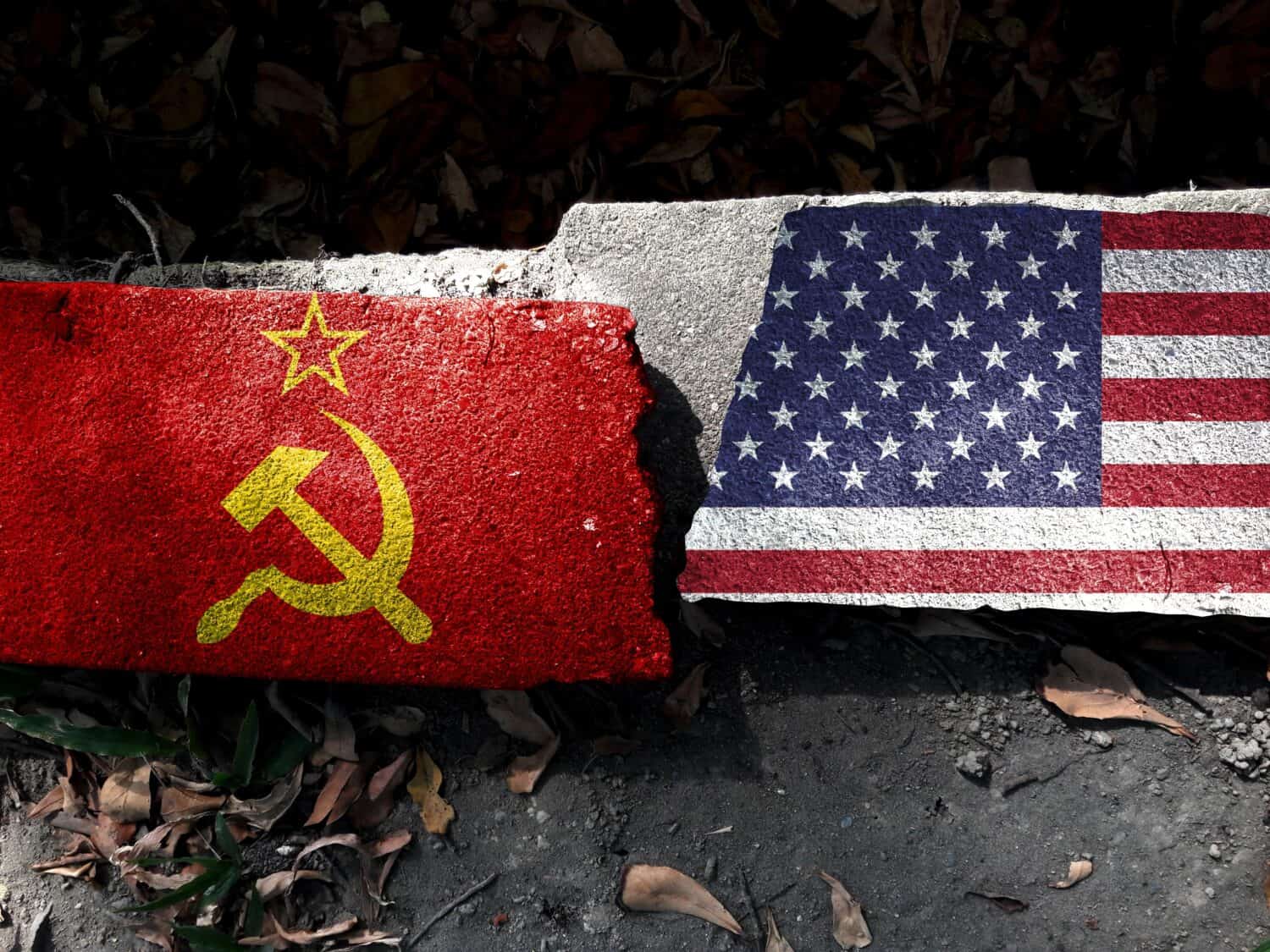
The Cold War was driven not by direct battles, but by a high-stakes race for technological dominance between the United States and the Soviet Union. Military innovation became the key to gaining an edge, as both sides developed new weapons and systems designed not just to win wars, but to prevent them. This era introduced technologies that fundamentally changed how global conflict was approached.
Breakthroughs such as intercontinental ballistic missiles, nuclear-powered submarines, and early warning radar systems created a new kind of strategic balance. Each superpower maintained the ability to respond instantly to a potential attack, reinforcing a doctrine of deterrence that helped avoid direct confrontation. At the same time, advances in surveillance including high-altitude reconnaissance aircraft and early satellites made it possible to monitor rival capabilities more closely than ever before.
To understand how this fragile balance was maintained, we examined the key military technologies that shaped the Cold War, along with their core functions and strategic impact. These innovations did more than influence military planning. They helped define the global power structure for decades and continue to shape modern defense strategies today.
The Cold War Was Fought Through Technology
The Cold War was not defined by direct conflict between superpowers, but by a constant race to develop more advanced military technologies. The United States and the Soviet Union competed to gain strategic advantages without triggering full-scale war. In this environment, innovation became one of the most powerful weapons.
Deterrence Became the New Battlefield
Rather than traditional combat, the Cold War centered on deterrence—the ability to prevent war through overwhelming capability. Technologies like nuclear weapons and missile systems created a balance where both sides had to consider the consequences of escalation. This shift changed how military power was measured and applied.
Intelligence and Surveillance Redefined Strategy
Knowing the enemy's capabilities became just as important as building your own. Advances in reconnaissance, from spy planes to satellites, reduced uncertainty and helped avoid catastrophic miscalculations. Intelligence systems became a critical part of maintaining stability during periods of tension.
New Domains of Warfare Emerged
The Cold War expanded conflict into new domains, including space and electronic warfare. Technologies developed during this time allowed nations to operate beyond traditional battlefields, influencing everything from communication to targeting. These advancements continue to shape modern military operations.
The Inventions That Shaped a Global Standoff
The technologies on this list represent the key innovations that defined the Cold War. Each invention played a role in shaping strategy, influencing deterrence, and altering the balance of power. Together, they show how technological advancement became the central factor in one of the most significant geopolitical rivalries in history.
Intercontinental Ballistic Missiles (ICBMs)
- Category: Nuclear delivery
- Country: USA/USSR
- Year introduced to service: 1959
- Core capability: Long-range nuclear strike
- Key innovation: Global nuclear strike capability
- Strategic impact: Enabled rapid nuclear exchange
- Role in deterrence or escalation: Destabilized balance
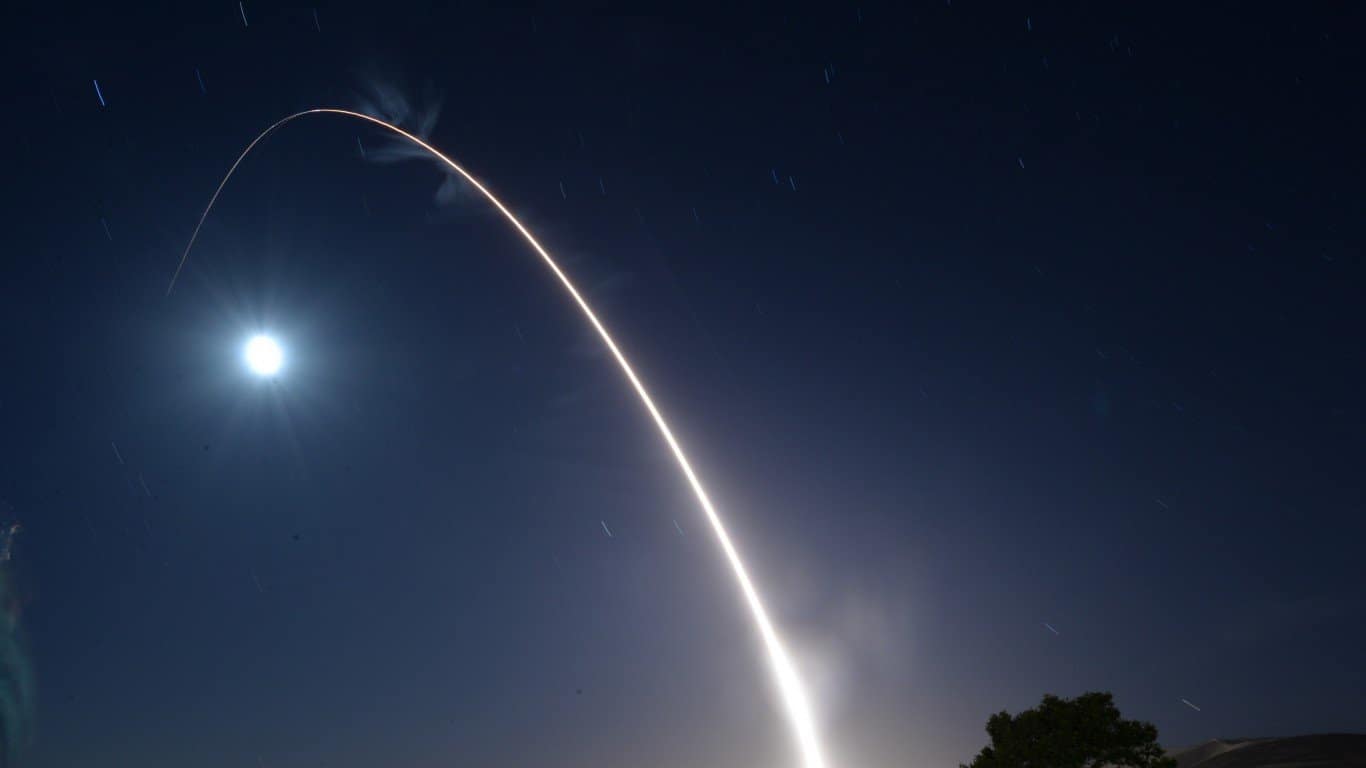
Intercontinental Ballistic Missiles gave both the United States and the Soviet Union the ability to strike anywhere on earth within minutes. This global reach fundamentally changed warfare by removing geographic barriers. ICBMs became the backbone of nuclear deterrence, forcing both sides to maintain constant readiness and reshaping strategic planning around the threat of immediate retaliation.
Submarine-Launched Ballistic Missiles (SLBMs)
- Category: Nuclear delivery
- Country: USA/USSR
- Year introduced to service: 1960
- Core capability: Sea-based nuclear strike
- Key innovation: Second-strike capability
- Strategic impact: Ensured retaliation capability
- Role in deterrence or escalation: Strengthened deterrence
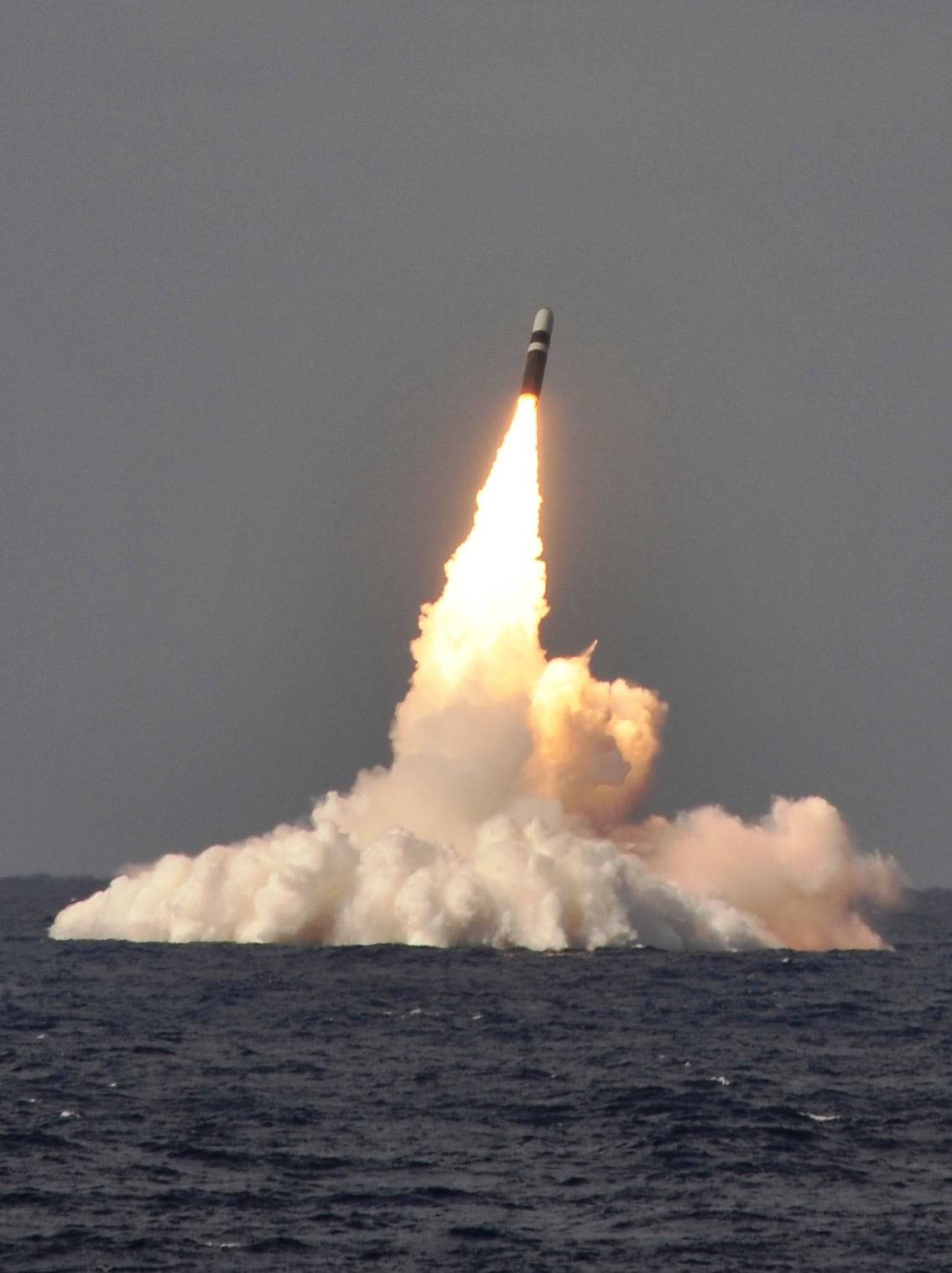
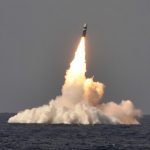
Submarine-Launched Ballistic Missiles introduced a survivable second-strike capability by placing nuclear weapons on stealthy submarines. This ensured that even after a first strike, retaliation was possible. SLBMs stabilized deterrence by making nuclear war less winnable, reinforcing the concept of mutually assured destruction throughout the Cold War.
MIRVs
- Category: Nuclear delivery
- Country: USA/USSR
- Year introduced to service: 1970s
- Core capability: Multiple warheads
- Key innovation: Multiple targets per missile
- Strategic impact: Increased strike efficiency
- Role in deterrence or escalation: Escalation risk
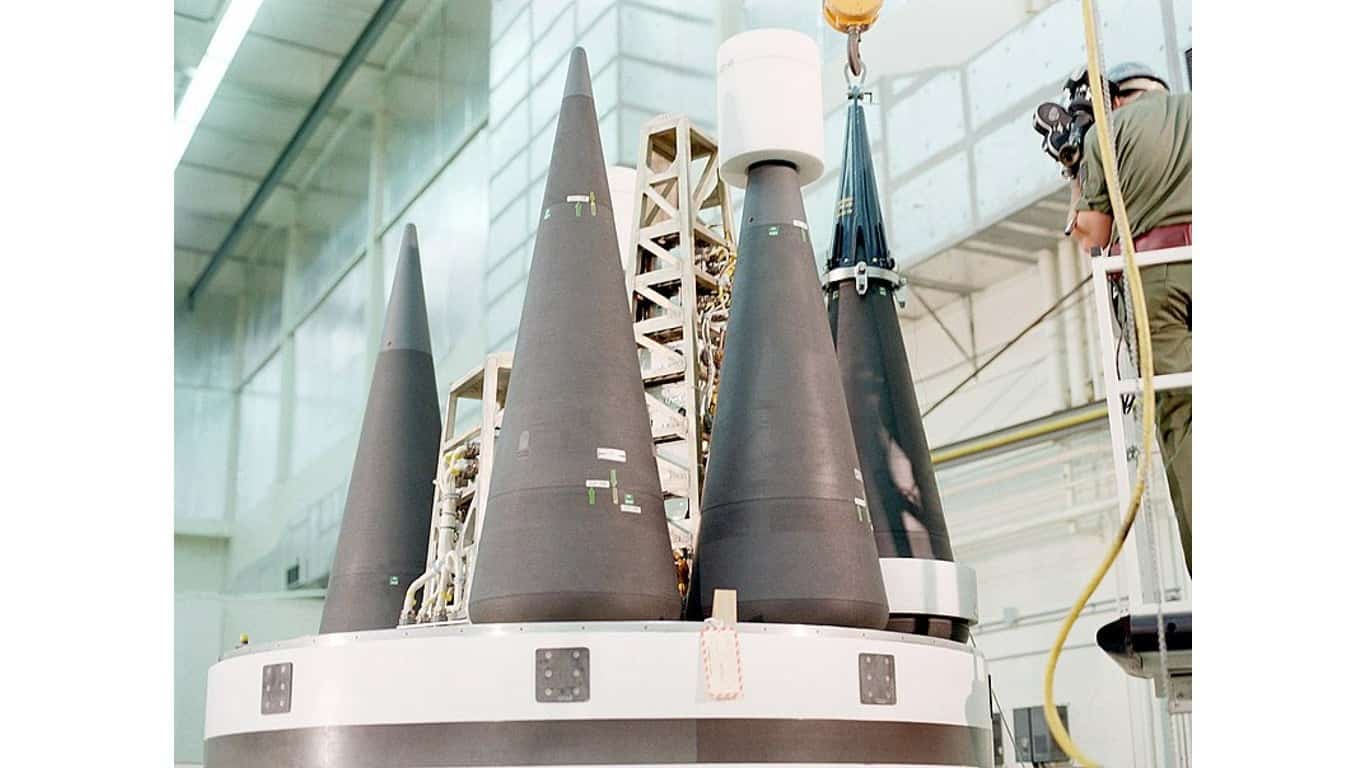
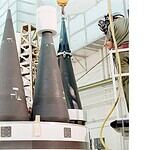
MIRVs allowed a single missile to carry multiple nuclear warheads, each capable of striking different targets. This dramatically increased the destructive potential of existing arsenals without increasing the number of launch systems. MIRVs intensified the arms race and complicated missile defense, raising concerns about rapid escalation.
Strategic Bombers
- Category: Airpower
- Country: USA/USSR
- Year introduced to service: 1950s
- Core capability: Nuclear delivery
- Key innovation: Long-range bomber capability
- Strategic impact: Flexible nuclear strike
- Role in deterrence or escalation: Deterrence support
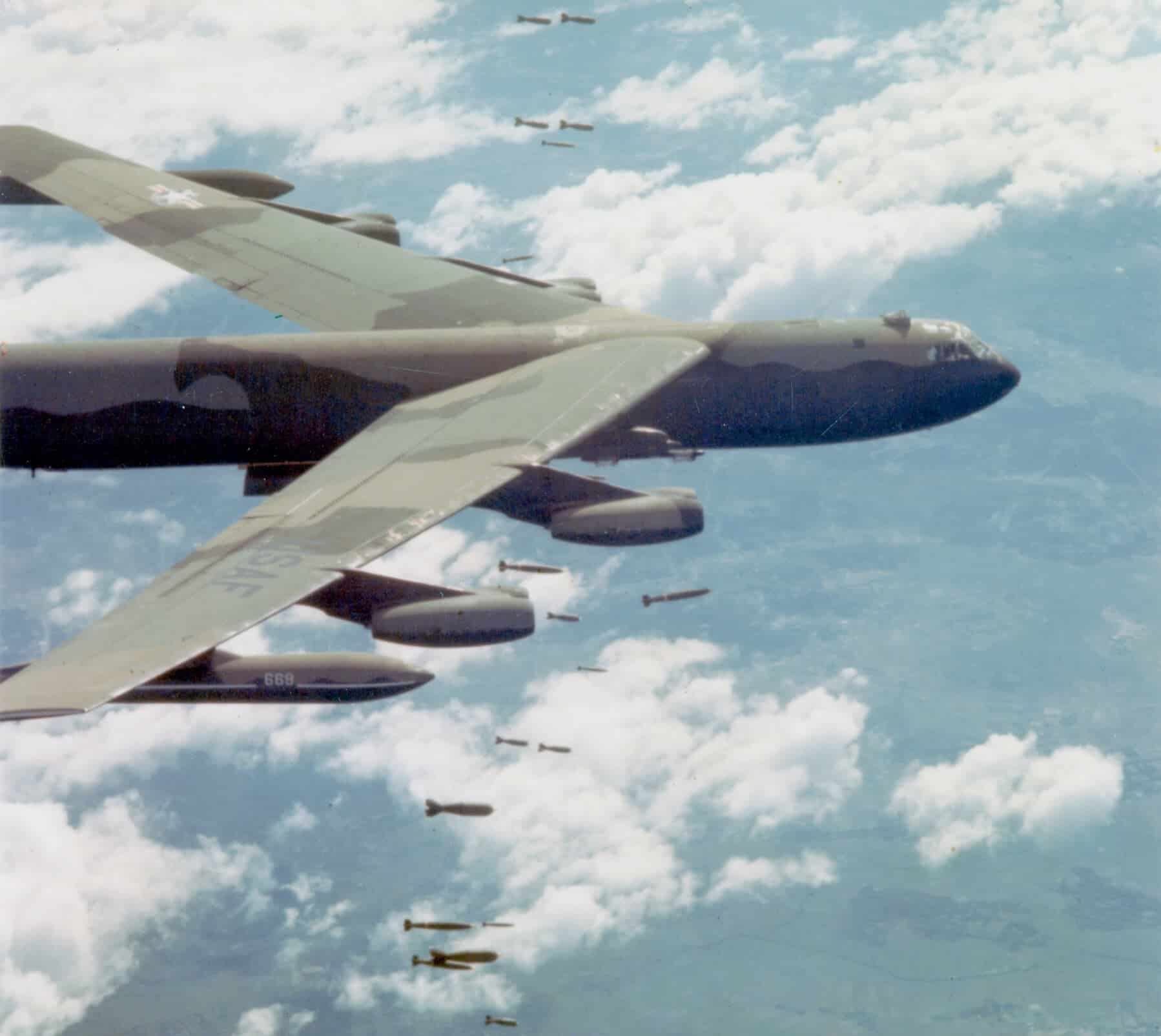
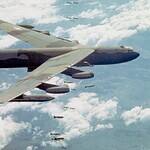
Strategic nuclear bombers provided flexible and visible deterrence, capable of being deployed or recalled. Aircraft like the B-52 allowed for sustained airborne alert missions and global strike capability. Their presence offered both strategic flexibility and psychological pressure during periods of heightened tension.
Nuclear Submarines
- Category: Nuclear delivery
- Country: USA/USSR
- Year introduced to service: 1950s
- Core capability: Stealth nuclear delivery
- Key innovation: Undersea deterrence
- Strategic impact: Survivable strike platform
- Role in deterrence or escalation: Strengthened deterrence
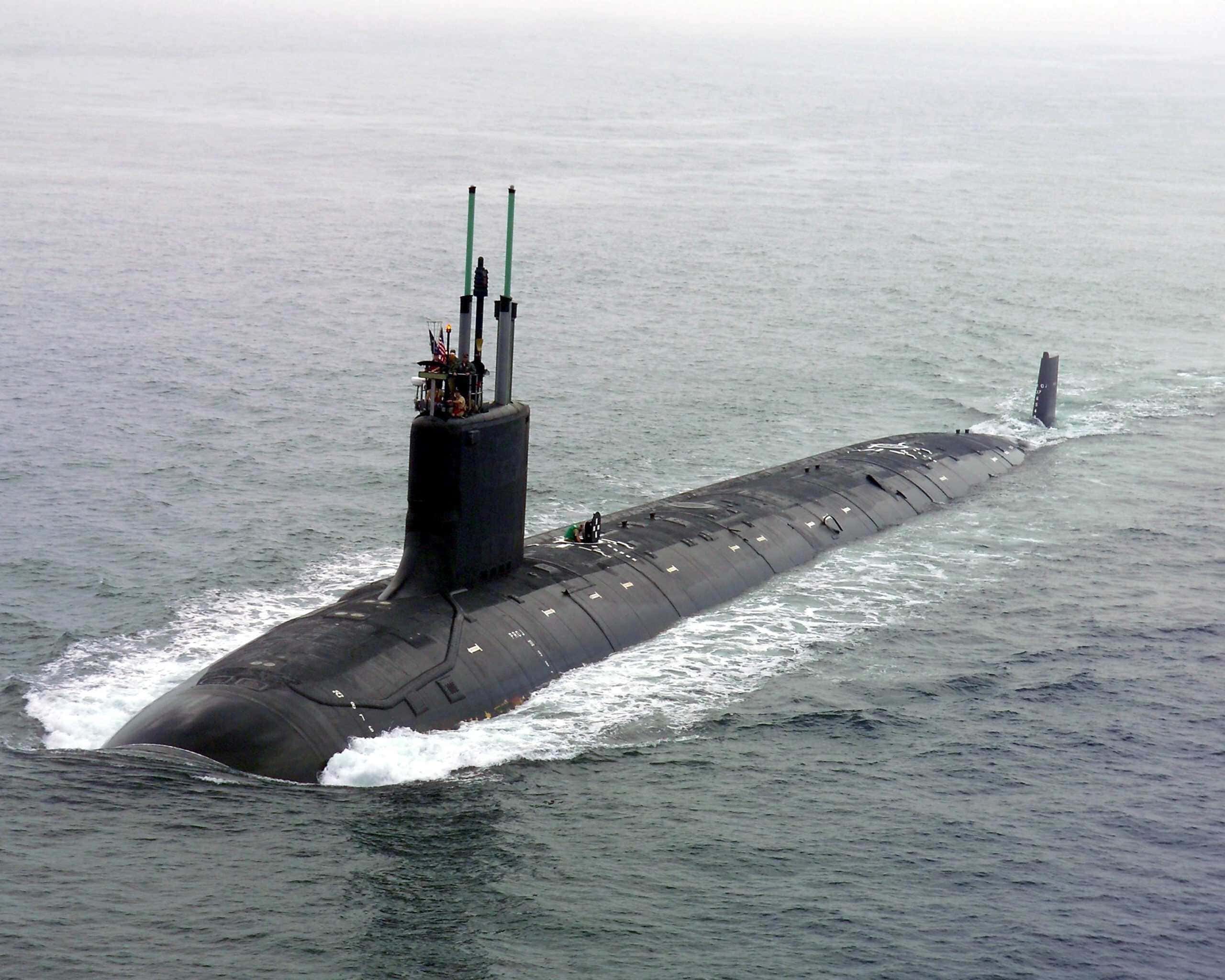
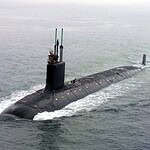
Nuclear-powered submarines enabled extended underwater operations, making them difficult to detect and track. Armed with ballistic missiles, they became one of the most secure elements of the nuclear triad. Their stealth and endurance ensured a constant deterrent presence beneath the oceans.
CORONA Satellites
- Category: Surveillance
- Country: USA
- Year introduced to service: 1960
- Core capability: Reconnaissance
- Key innovation: First spy satellites
- Strategic impact: Reduced intelligence gaps
- Role in deterrence or escalation: Stabilized balance
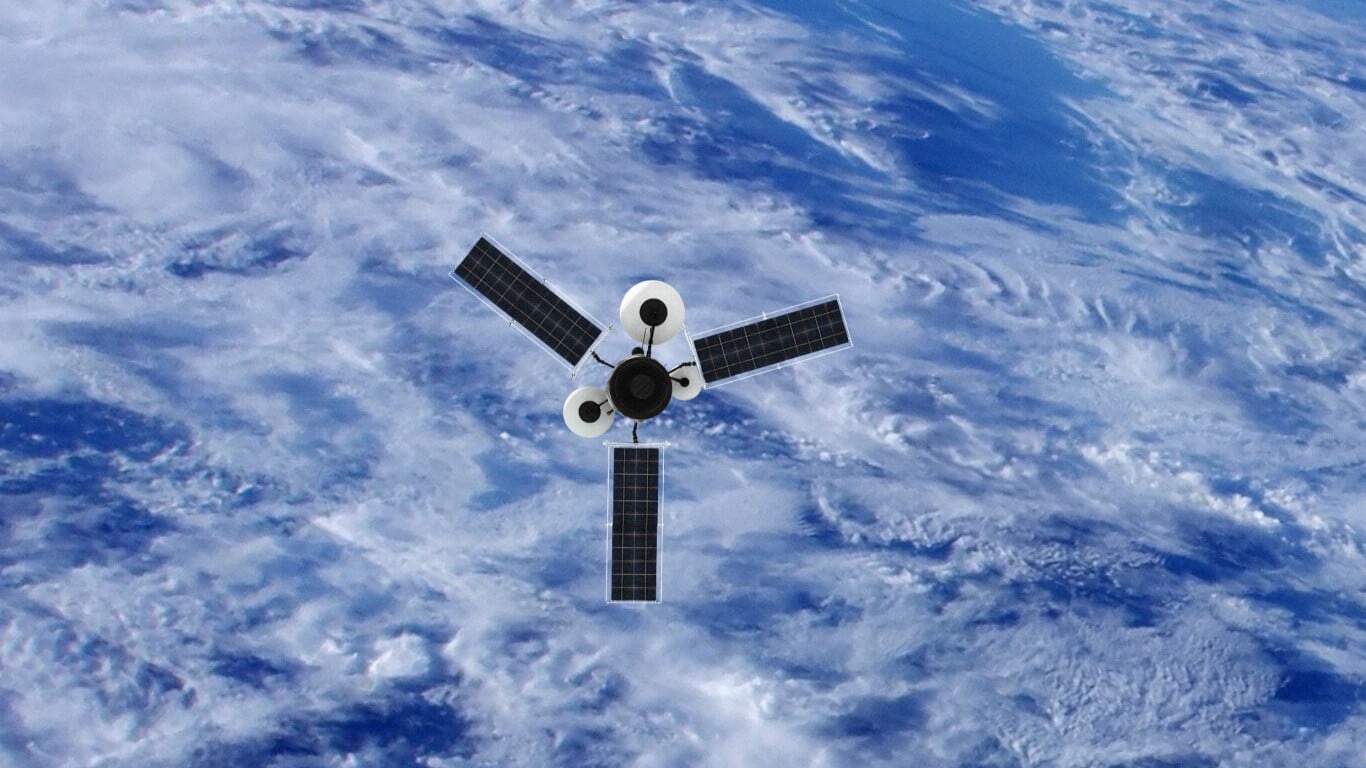
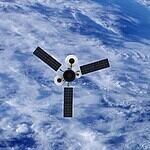
CORONA reconnaissance satellites revolutionized intelligence gathering by providing photographic evidence of enemy capabilities from space. This reduced uncertainty and helped prevent miscalculations between superpowers. It marked the beginning of space-based surveillance as a critical component of modern warfare.
KH-11 Satellites
- Category: Surveillance
- Country: USA
- Year introduced to service: 1976
- Core capability: Real-time imaging
- Key innovation: Digital surveillance
- Strategic impact: Improved intelligence
- Role in deterrence or escalation: Stabilized deterrence
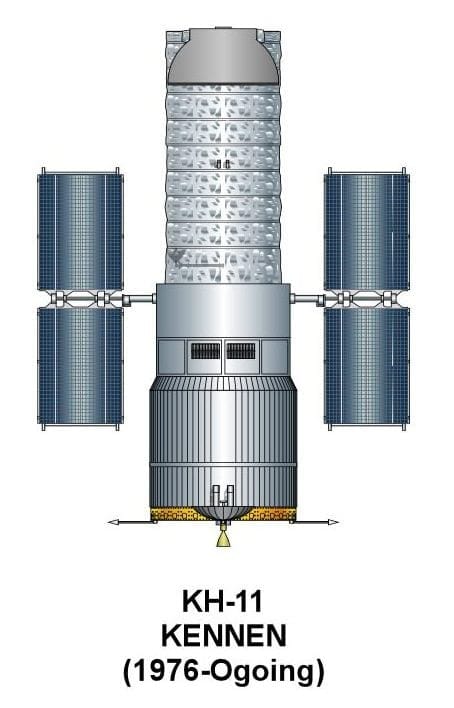
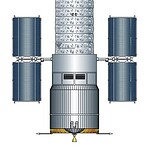
KH-11 satellites introduced near real-time imaging capabilities, allowing for more responsive intelligence collection. This advancement improved decision-making during crises and enhanced situational awareness. It represented a major leap forward in reconnaissance technology.
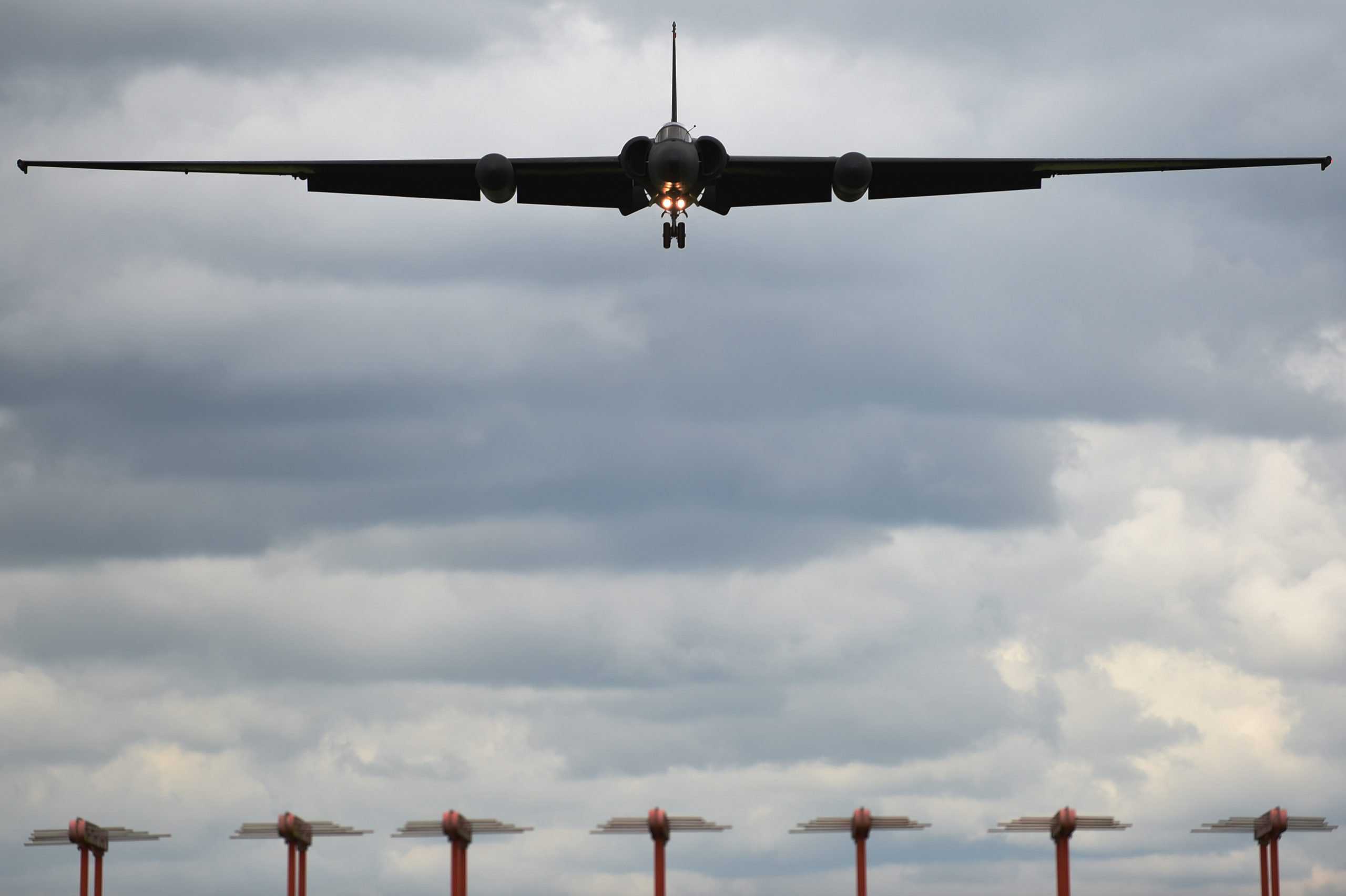
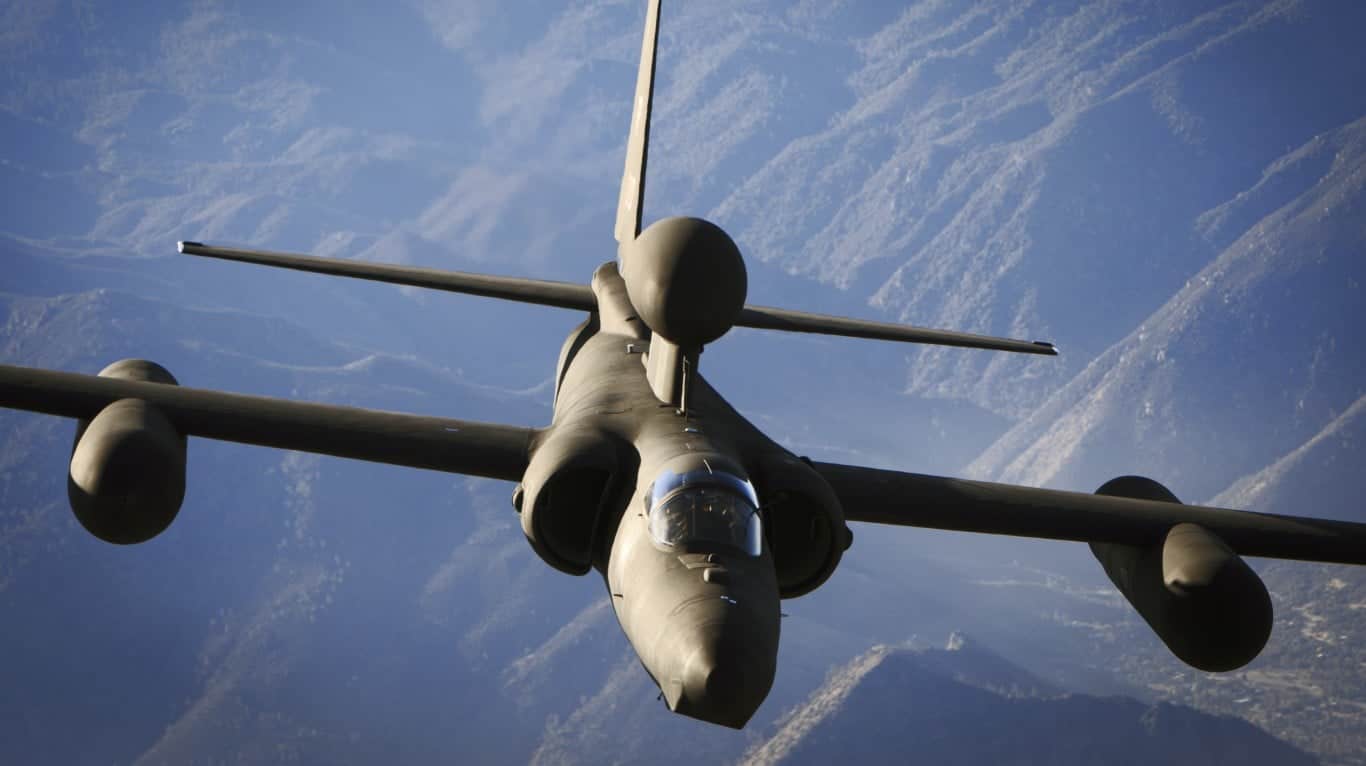
U-2 Spy Plane
- Category: Surveillance
- Country: USA
- Year introduced to service: 1955
- Core capability: High-altitude recon
- Key innovation: High-altitude surveillance
- Strategic impact: Enabled intelligence gathering
- Role in deterrence or escalation: Stabilized balance
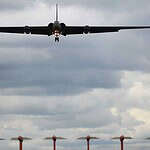
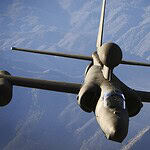
The U-2 spy plane enabled high-altitude reconnaissance, providing critical intelligence on Soviet military capabilities. Its ability to operate above most defenses made it invaluable early in the Cold War. Incidents involving the U-2 also highlighted the risks of espionage between rival powers.
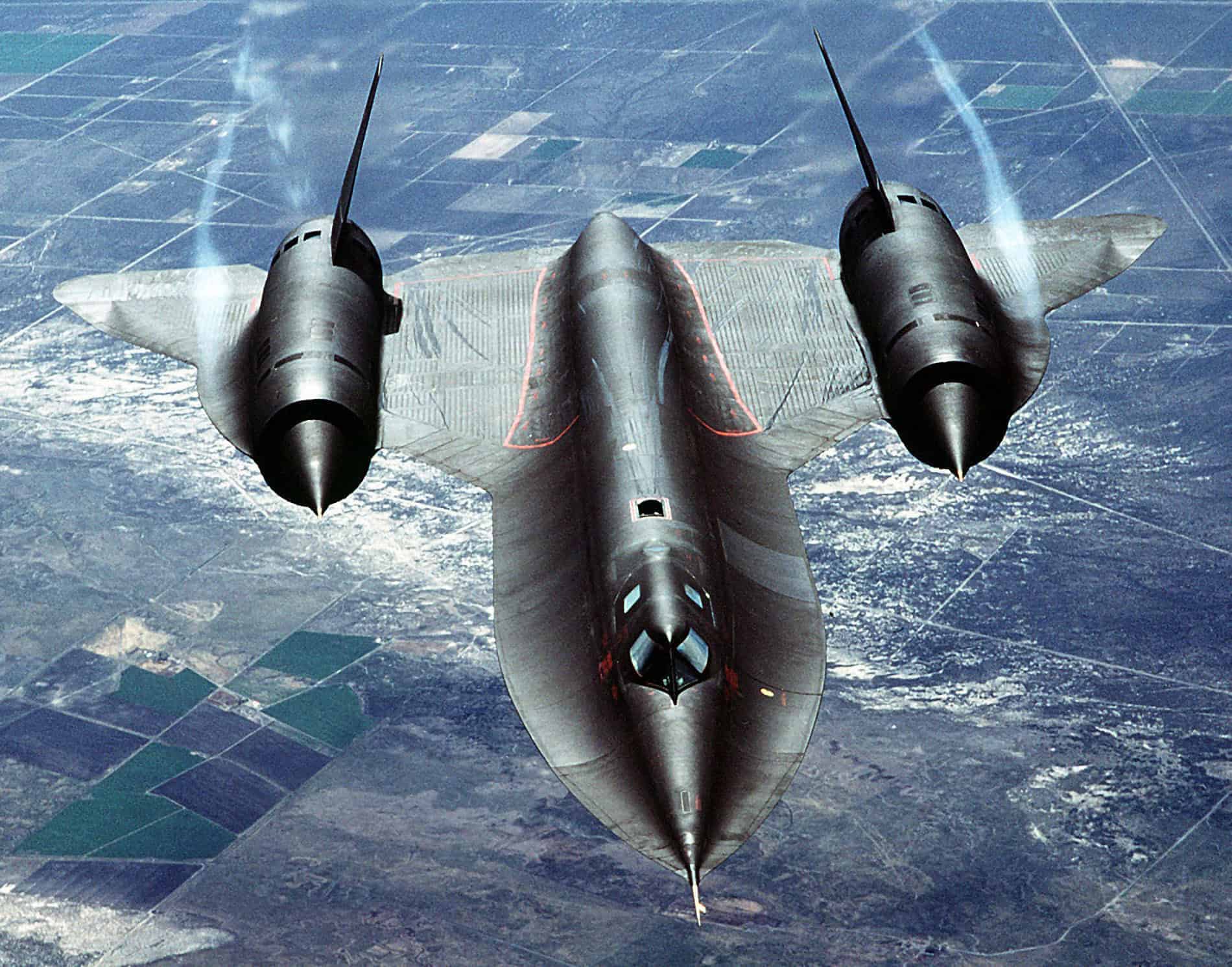
SR-71 Blackbird
- Category: Surveillance
- Country: USA
- Year introduced to service: 1966
- Core capability: High-speed recon
- Key innovation: Extreme speed surveillance
- Strategic impact: Avoided interception
- Role in deterrence or escalation: Stabilized intelligence
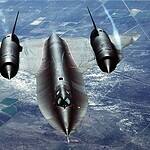
The SR-71 Blackbird combined extreme speed and altitude to conduct reconnaissance missions with minimal risk of interception. Its performance allowed it to gather intelligence in highly contested environments. It demonstrated the value of speed as a form of survivability.
SIGINT Systems
- Category: Surveillance
- Country: USA/USSR
- Year introduced to service: 1950s
- Core capability: Signal interception
- Key innovation: Electronic intelligence
- Strategic impact: Improved situational awareness
- Role in deterrence or escalation: Stabilized balance
Signals intelligence systems allowed both sides to intercept and analyze enemy communications. This capability provided insights into intentions and capabilities, reducing uncertainty. SIGINT became a cornerstone of Cold War intelligence operations.
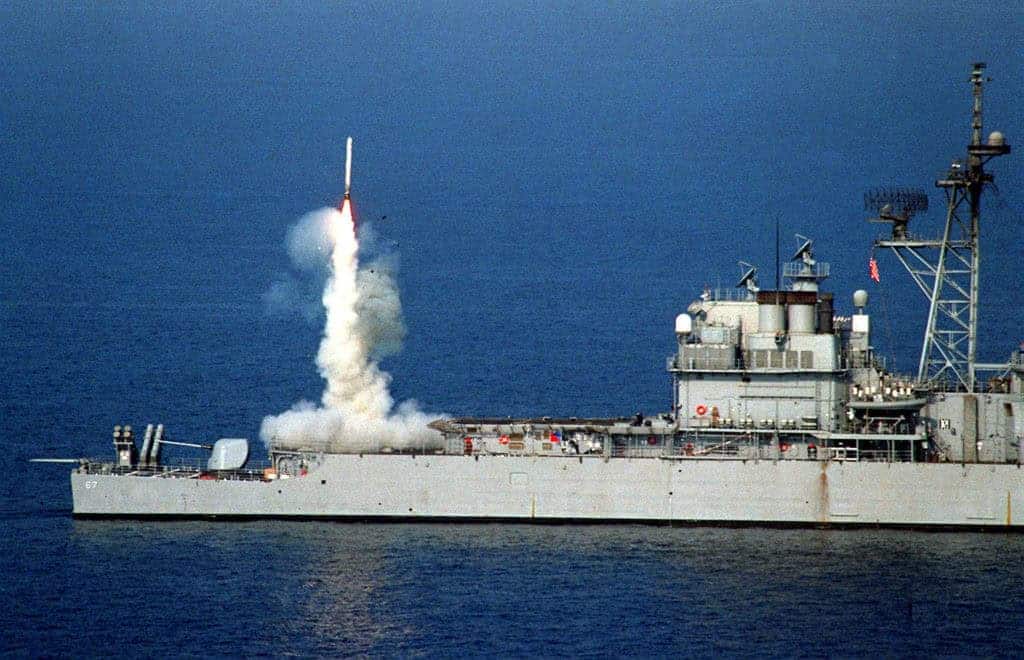
Cruise Missiles
- Category: Missile system
- Country: USA/USSR
- Year introduced to service: 1970s
- Core capability: Precision strike
- Key innovation: Low-altitude strike
- Strategic impact: Expanded strike options
- Role in deterrence or escalation: Escalation potential
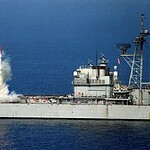
Cruise missiles introduced precision strike capability, flying at low altitudes to avoid detection. Their flexibility allowed them to be launched from air, sea, or land platforms. This added a new dimension to strategic and tactical operations, increasing both capability and complexity.
ABM Systems
- Category: Missile defense
- Country: USA/USSR
- Year introduced to service: 1970s
- Core capability: Missile interception
- Key innovation: Defensive interception
- Strategic impact: Threatened deterrence balance
- Role in deterrence or escalation: Destabilized MAD
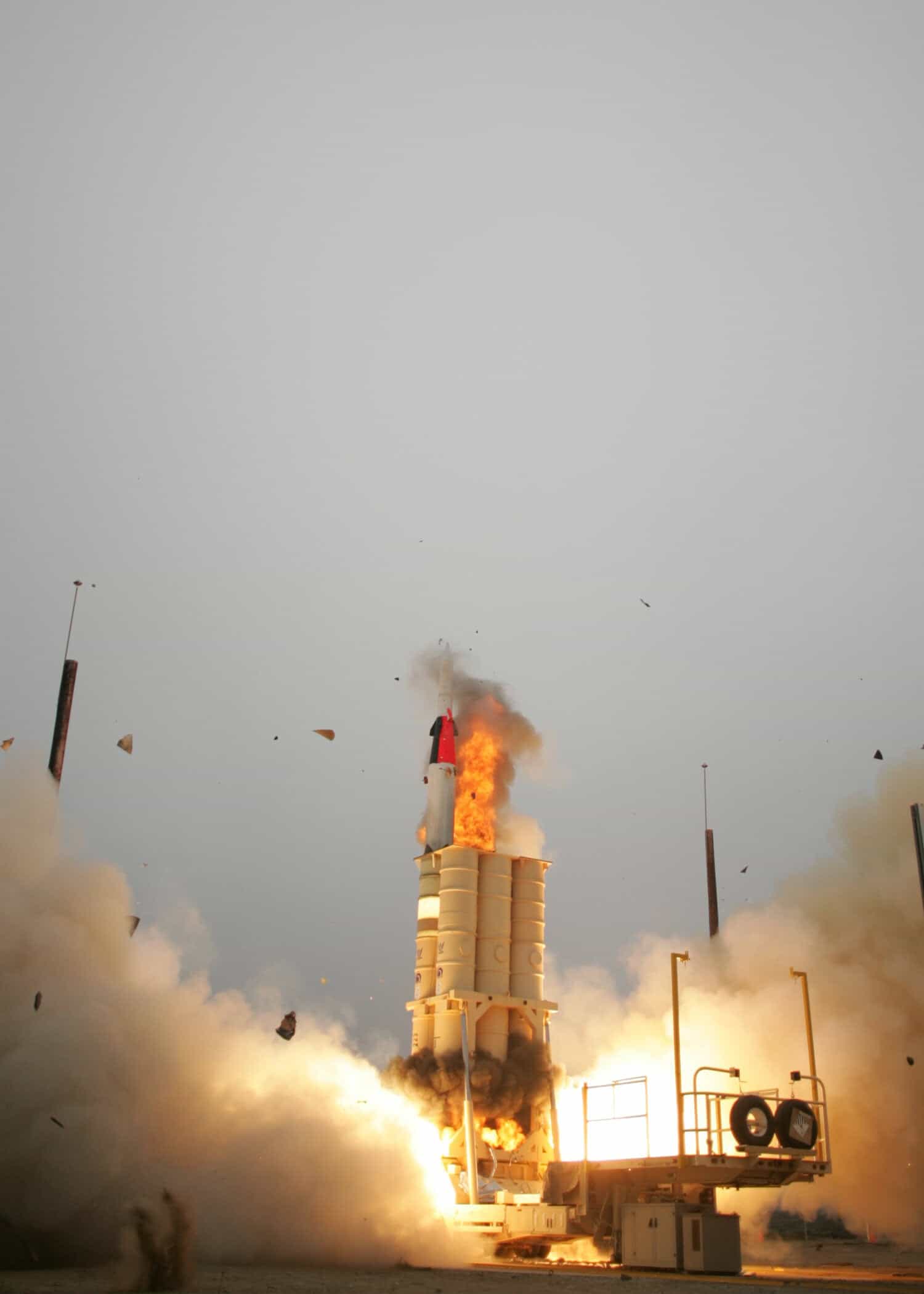
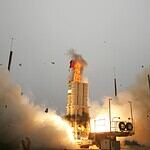
Anti-ballistic missile systems were designed to intercept incoming nuclear missiles, challenging the concept of mutually assured destruction. While intended as defensive systems, they raised concerns about destabilizing deterrence by potentially enabling a first strike without fear of retaliation.
SAM Systems
- Category: Missile system
- Country: USSR/USA
- Year introduced to service: 1950s
- Core capability: Air defense
- Key innovation: Radar-guided missiles
- Strategic impact: Changed air combat
- Role in deterrence or escalation: Escalation risk
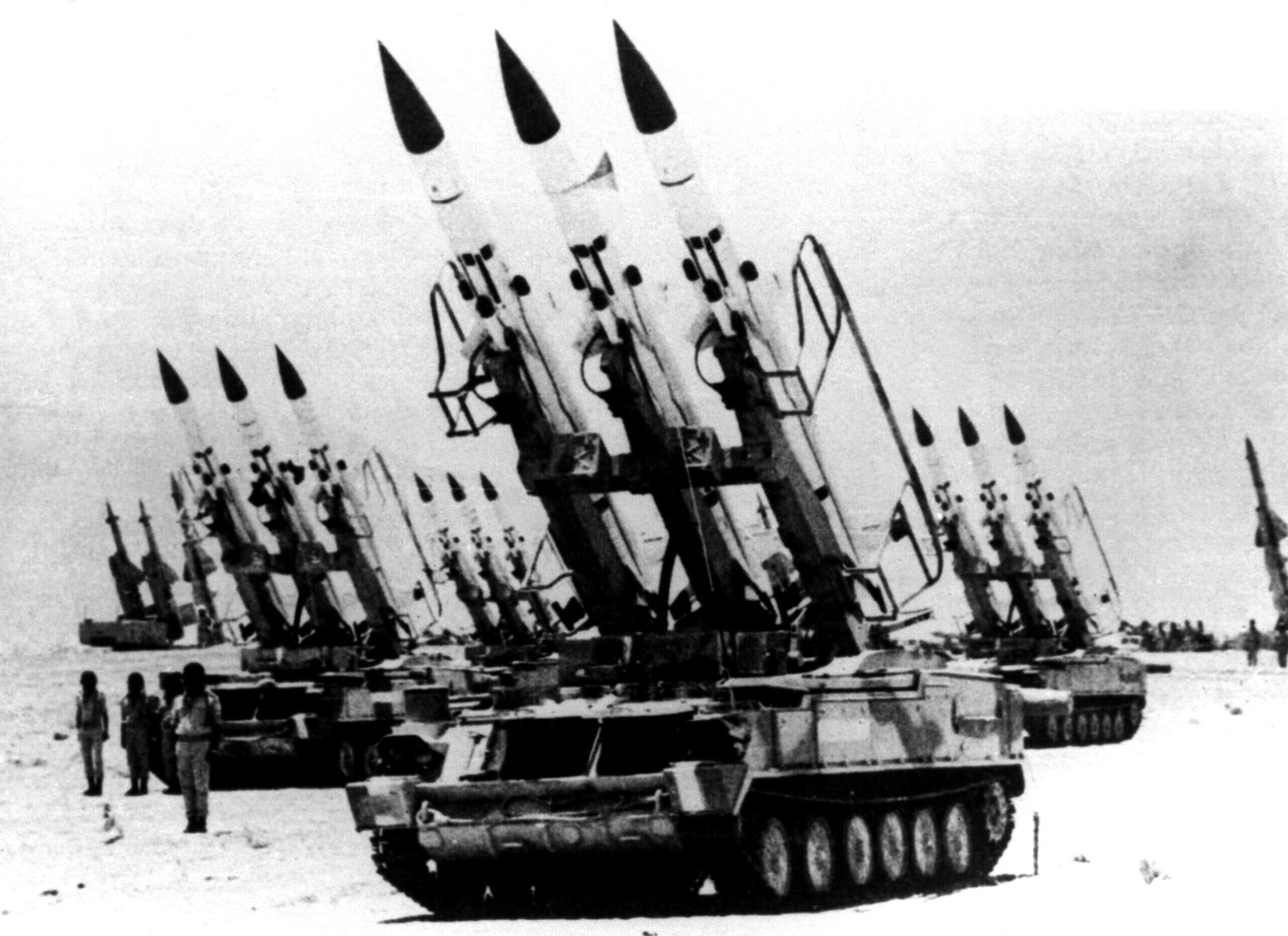
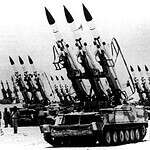
Surface-to-air missile systems transformed air defense, making high-altitude bombing missions far more dangerous. Their effectiveness forced changes in aircraft design and tactics. SAM systems became a key component of integrated air defense networks.
Anti-Ship Missiles
- Category: Missile system
- Country: USA/USSR
- Year introduced to service: 1960s
- Core capability: Naval strike
- Key innovation: Guided naval strike
- Strategic impact: Threatened fleets
- Role in deterrence or escalation: Escalation potential
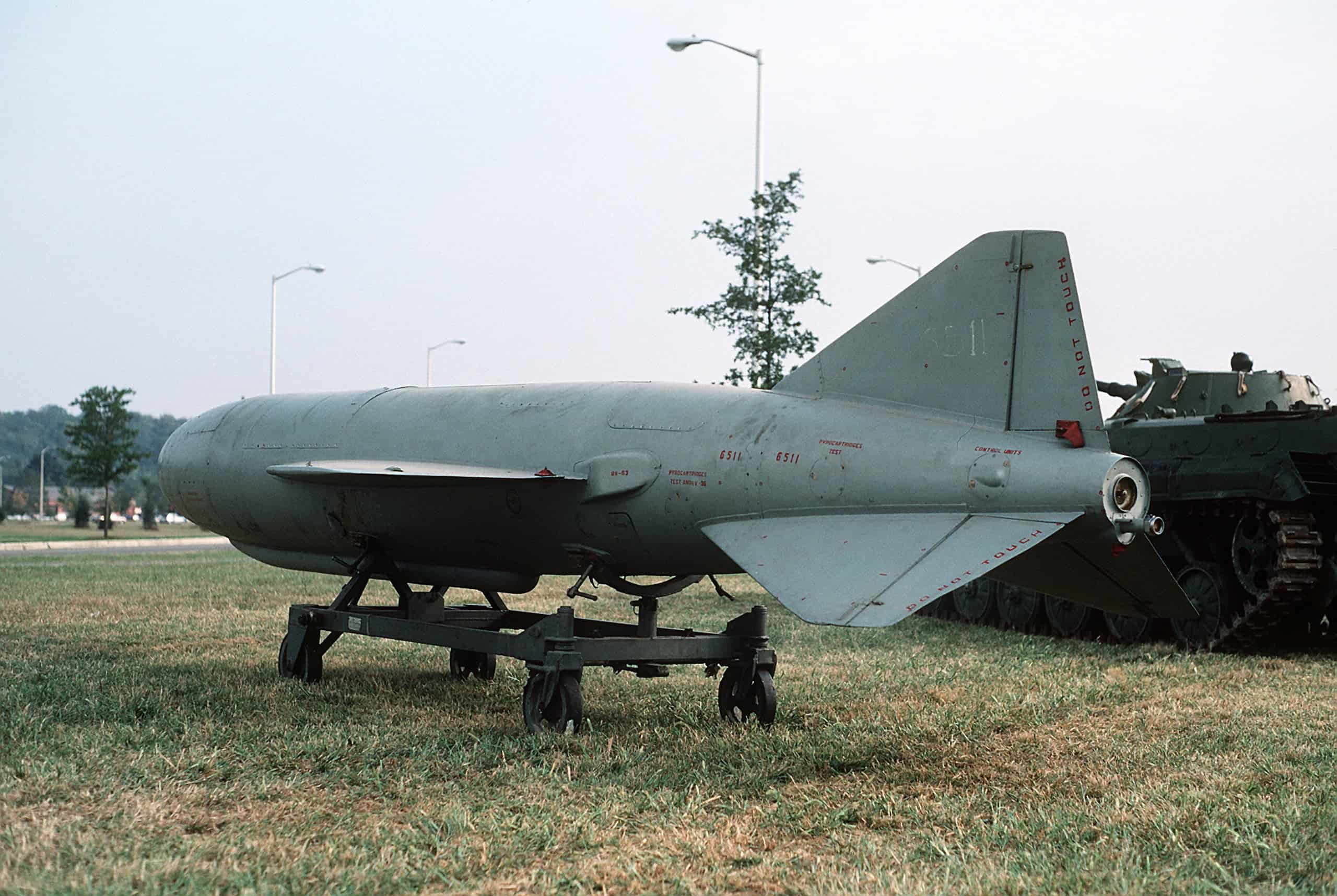
Anti-ship missiles introduced a new threat to naval forces, capable of striking ships from long distances with high accuracy. This shifted naval strategy, emphasizing defense against missile threats. They played a significant role in redefining maritime warfare.
Tactical Nuclear Weapons
- Category: Nuclear delivery
- Country: USA/USSR
- Year introduced to service: 1950s
- Core capability: Battlefield nukes
- Key innovation: Low-yield nukes
- Strategic impact: Lowered nuclear threshold
- Role in deterrence or escalation: Destabilized deterrence
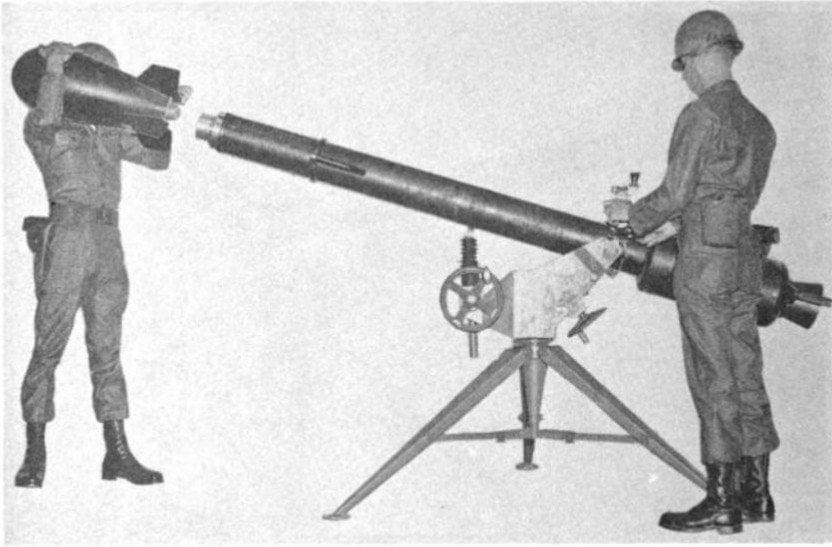
Tactical nuclear weapons brought nuclear capability to the battlefield, lowering the threshold for nuclear use. Their deployment raised concerns about escalation, as even limited use could quickly lead to broader conflict.
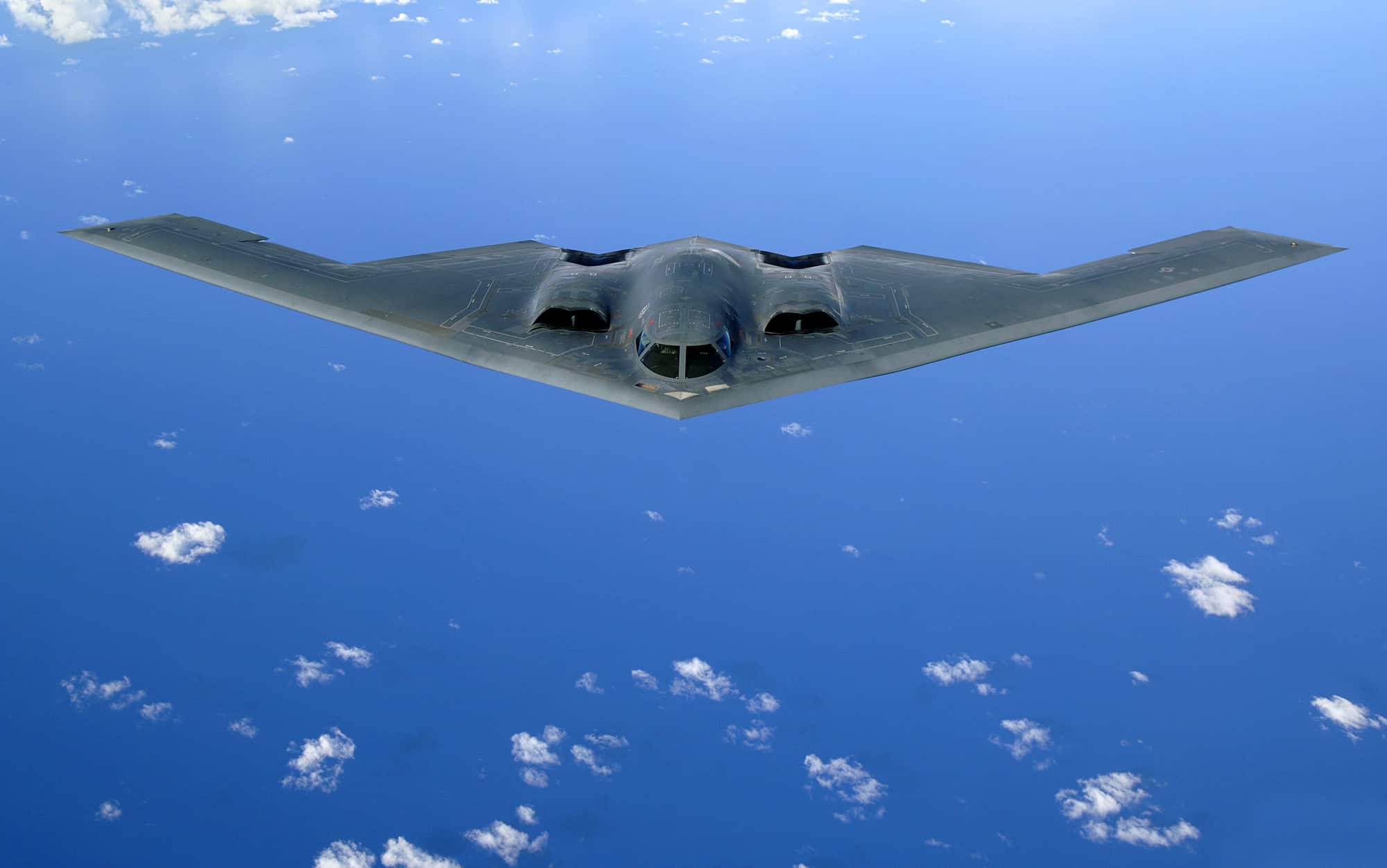
Stealth Technology
- Category: Airpower
- Country: USA
- Year introduced to service: 1970s
- Core capability: Radar evasion
- Key innovation: Low observability
- Strategic impact: Changed air warfare
- Role in deterrence or escalation: Stabilized strike capability
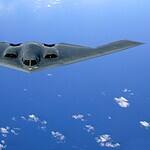
Stealth technology allowed aircraft to evade radar detection, fundamentally changing air combat. By reducing visibility, stealth platforms could penetrate defended airspace with reduced risk. This innovation continues to shape modern fighter and bomber design.
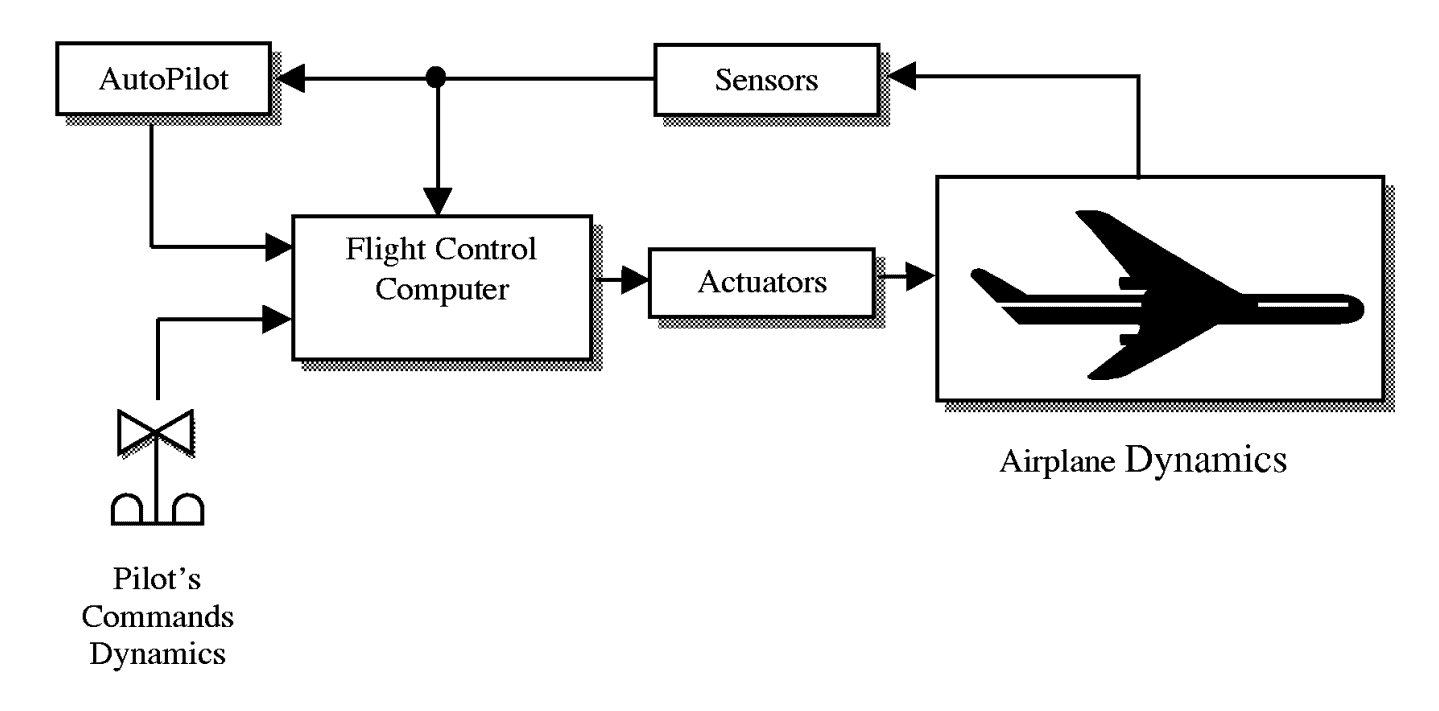
Fly-by-Wire
- Category: Airpower
- Country: USA
- Year introduced to service: 1970s
- Core capability: Flight control
- Key innovation: Computerized control
- Strategic impact: Improved maneuverability
- Role in deterrence or escalation: Enabled modern fighters
Fly-by-wire systems replaced mechanical flight controls with electronic systems, improving aircraft stability and maneuverability. This allowed for more advanced and agile designs, paving the way for modern high-performance fighters.
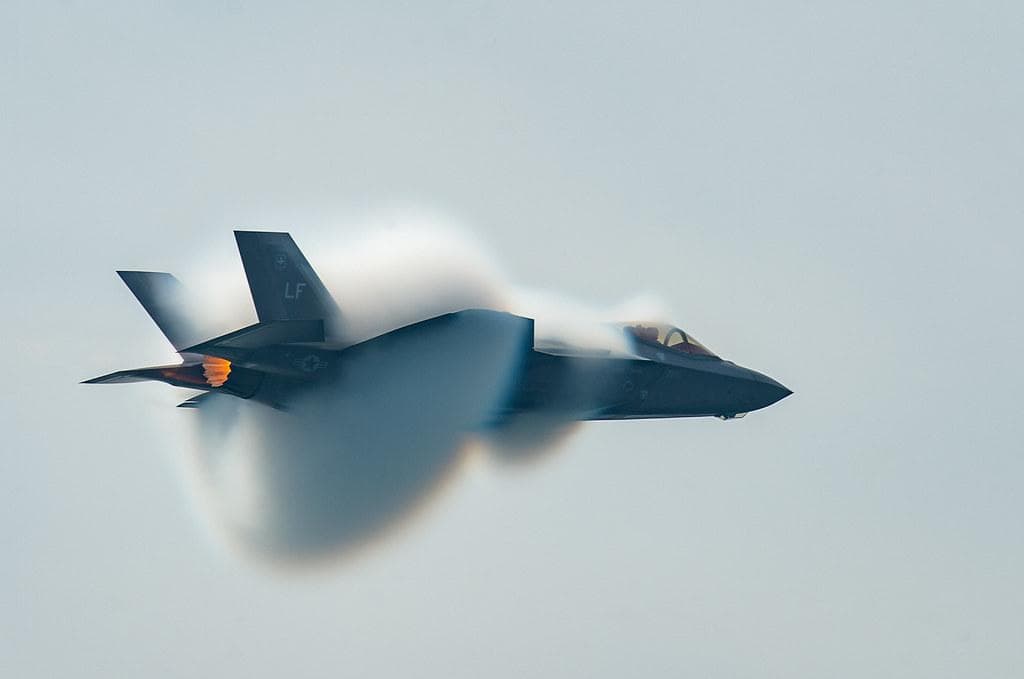
Supersonic Fighters
- Category: Airpower
- Country: USA/USSR
- Year introduced to service: 1950s
- Core capability: Air superiority
- Key innovation: Supersonic flight
- Strategic impact: Changed air combat speed
- Role in deterrence or escalation: Escalation potential
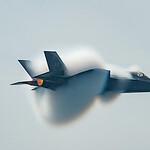
Supersonic fighters introduced sustained speeds above the speed of sound, dramatically changing aerial combat dynamics. This capability allowed for faster interception and engagement, influencing the design of future fighter aircraft.
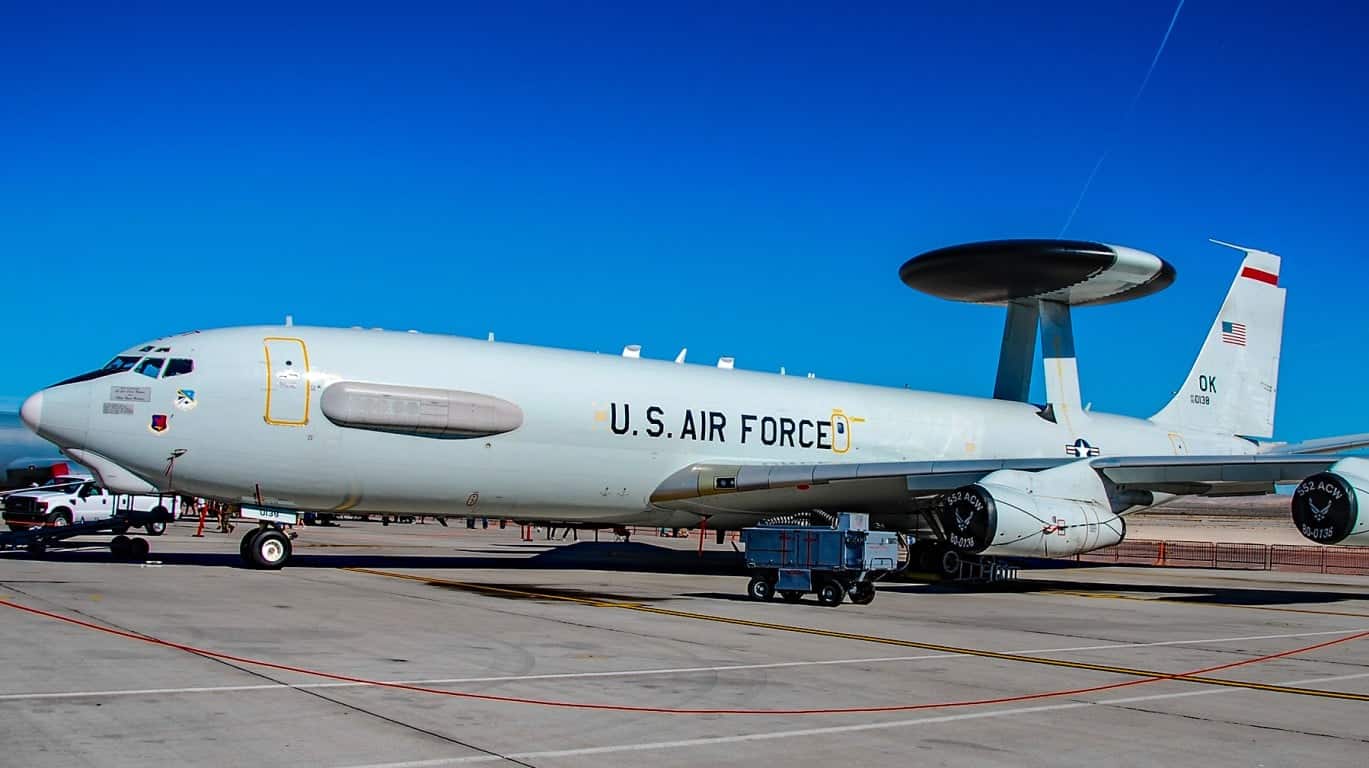
AWACS
- Category: Airpower
- Country: USA
- Year introduced to service: 1970s
- Core capability: Airborne radar
- Key innovation: Airspace awareness
- Strategic impact: Improved coordination
- Role in deterrence or escalation: Stabilized operations
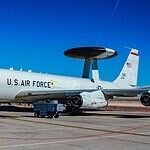
Airborne Early Warning systems like AWACS provided real-time monitoring of airspace, enhancing coordination and situational awareness. These platforms became essential for managing complex air operations and detecting threats at long range.
Aerial Refueling
- Category: Airpower
- Country: USA
- Year introduced to service: 1950s
- Core capability: Extended range
- Key innovation: In-flight refueling
- Strategic impact: Global reach
- Role in deterrence or escalation: Strengthened deterrence
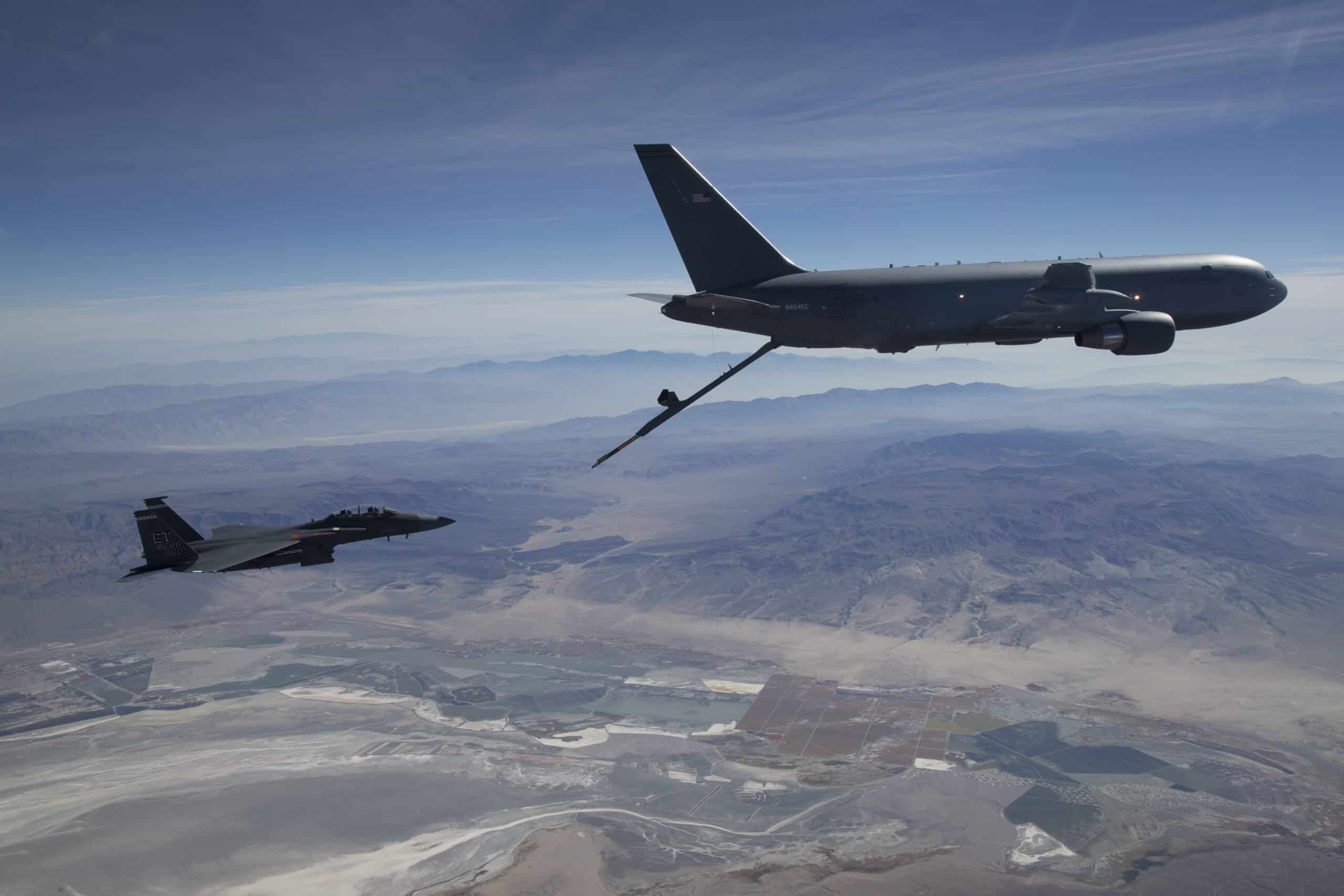
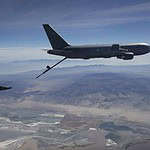
Aerial refueling extended the operational range of aircraft, allowing for global reach without landing. This capability supported sustained operations and strategic flexibility, becoming a cornerstone of modern air power.
DEW Line
- Category: Early warning
- Country: USA/Canada
- Year introduced to service: 1950s
- Core capability: Radar detection
- Key innovation: Early missile warning
- Strategic impact: Improved defense
- Role in deterrence or escalation: Stabilized deterrence
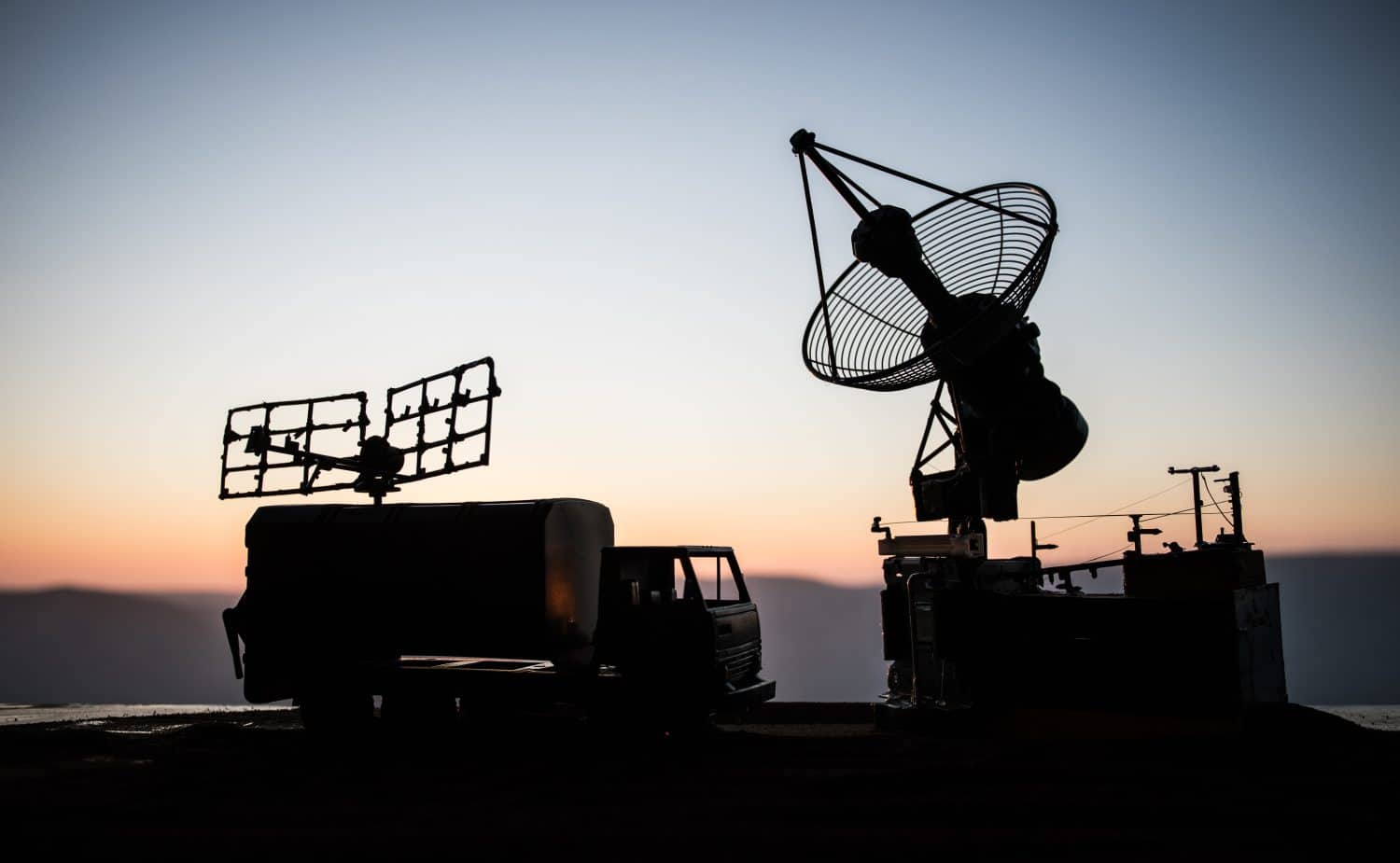
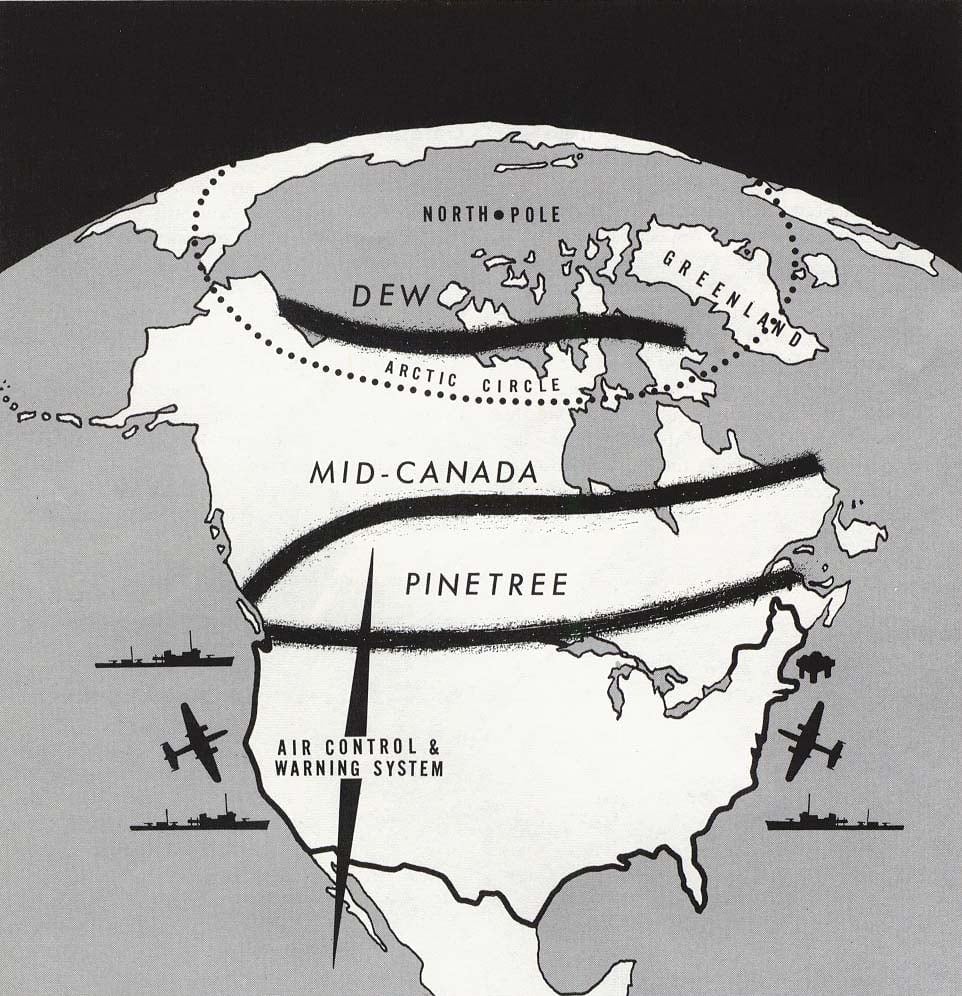
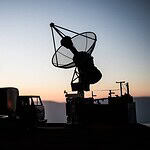
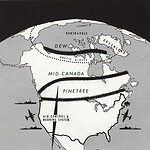
The DEW Line provided early warning of incoming Soviet bombers, forming a critical defensive barrier across North America. It improved reaction time and preparedness, contributing to overall deterrence during the Cold War.
BMEWS
- Category: Early warning
- Country: USA
- Year introduced to service: 1960s
- Core capability: Missile detection
- Key innovation: Ballistic tracking
- Strategic impact: Reduced surprise attack risk
- Role in deterrence or escalation: Stabilized balance
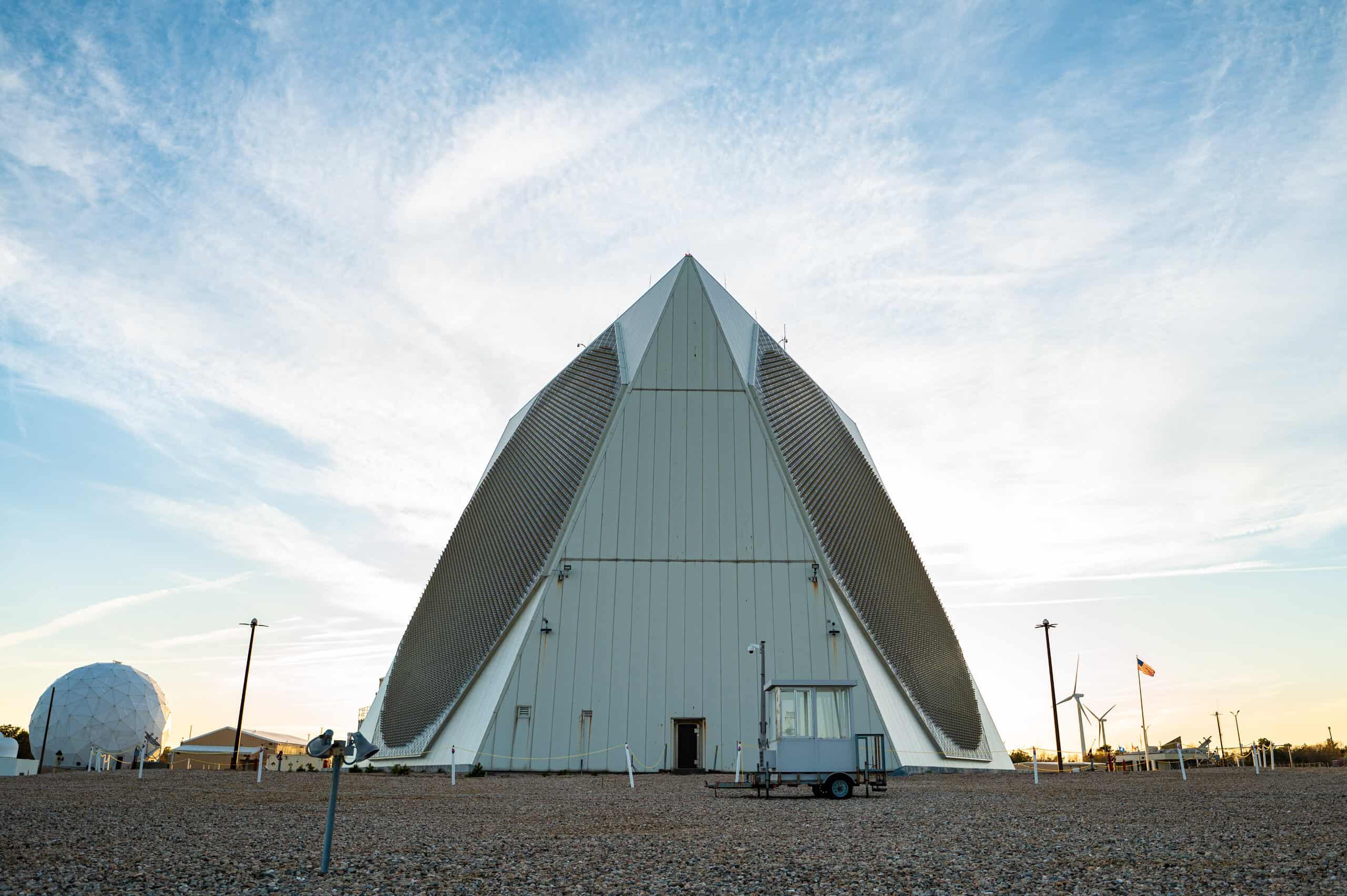
Ballistic Missile Early Warning Systems tracked incoming missiles, providing critical minutes of warning in the event of an attack. This capability reduced the risk of surprise and supported decision-making during crises.
Nuclear Command Systems
- Category: C2
- Country: USA/USSR
- Year introduced to service: 1960s
- Core capability: Command control
- Key innovation: Secure control networks
- Strategic impact: Prevented accidental war
- Role in deterrence or escalation: Stabilized deterrence
Nuclear command and control systems ensured that nuclear weapons could be managed securely and used only under proper authorization. These systems were essential in preventing accidental or unauthorized launches, maintaining stability.
GPS (early military)
- Category: C2
- Country: USA
- Year introduced to service: 1970s
- Core capability: Navigation
- Key innovation: Satellite navigation
- Strategic impact: Improved targeting
- Role in deterrence or escalation: Enhanced operations
Early military GPS development provided precise navigation and targeting capabilities. This innovation improved the effectiveness of military operations and laid the groundwork for modern navigation systems used worldwide.
Electronic Warfare Systems
- Category: EW
- Country: USA/USSR
- Year introduced to service: 1950s
- Core capability: Signal disruption
- Key innovation: Electronic combat
- Strategic impact: Disrupted enemy systems
- Role in deterrence or escalation: Escalation potential
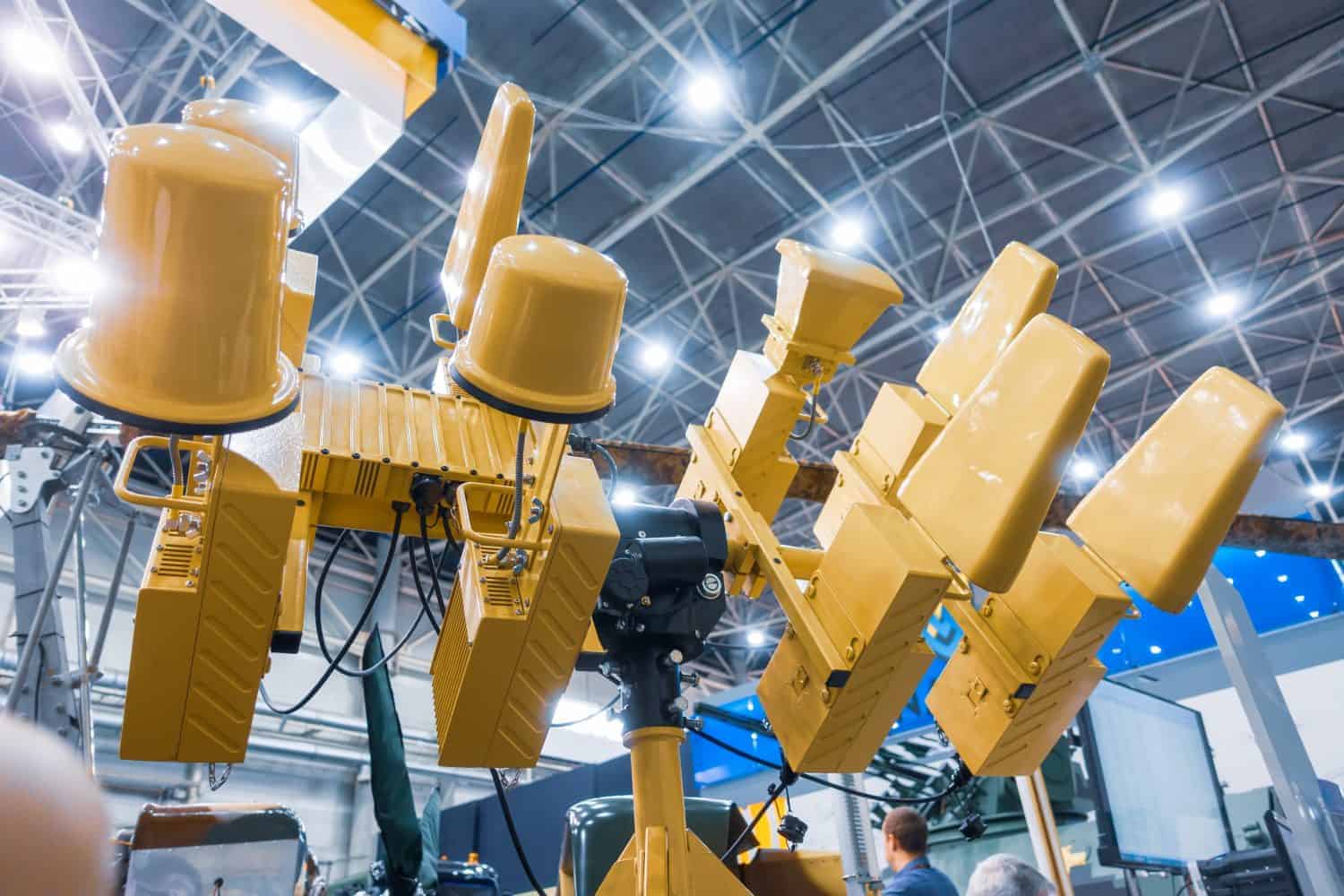
Electronic warfare systems enabled the disruption of enemy communications and radar, providing a significant tactical advantage. These capabilities became integral to modern combat, allowing forces to degrade enemy effectiveness without direct engagement.
The image featured at the top of this post is ©Andy.LIU / Shutterstock.com – License / Original