
From the F-22 to the C-130: The U.S. Air Force's Fleet
The United States Air Force is widely considered the most powerful air force in the world. Its capabilities were recently demonstrated during Operation Midnight Hammer, when stealth bombers carried out long-range missions across the globe to strike Iranian nuclear facilities. While the Air Force is often associated with advanced stealth aircraft and fifth generation fighters like the F-22 Raptor, its fleet includes dozens of other aircraft that perform everything from reconnaissance and aerial refueling to cargo transport and special operations missions. One of the most recognizable examples is the C-130J Super Hercules, a rugged logistics aircraft that helps move personnel, equipment, and supplies for U.S. forces around the world. In this article, History Computer takes a closer look at every aircraft currently in service with the U.S. Air Force.
To compile this list, History Computer reviewed the 2025 World Air Forces report from FlightGlobal, a leading aviation and aerospace industry publication. Aircraft are presented alphabetically, along with key details such as aircraft type, top speed, number of active aircraft, and armament where applicable. Trainer aircraft were excluded from this list.
Here is a look at every aircraft in the U.S. Air Force:
Why Are We Covering This?
Understanding the aircraft in the US Air Force is important because these aircraft play a pivotal role in maintaining national security and global stability. Each aircraft is designed for specific missions, from air superiority to strategic bombing and reconnaissance, which are essential for defending the country and projecting power abroad. Also knowing which aircraft are in service give context to military capabilities and a better understanding of national defense.
A-10C Thunderbolt II
- Type: Close-air support / forward air control
- Year introduced: 1976
- Active aircraft: 234
- Top speed: 439 mph
- Armament: 30mm GAU-8/A gatling gun, Maverick missiles, Sidewinder missiles, rocket pods, drop bombs, cluster bombs, Paveway bombs
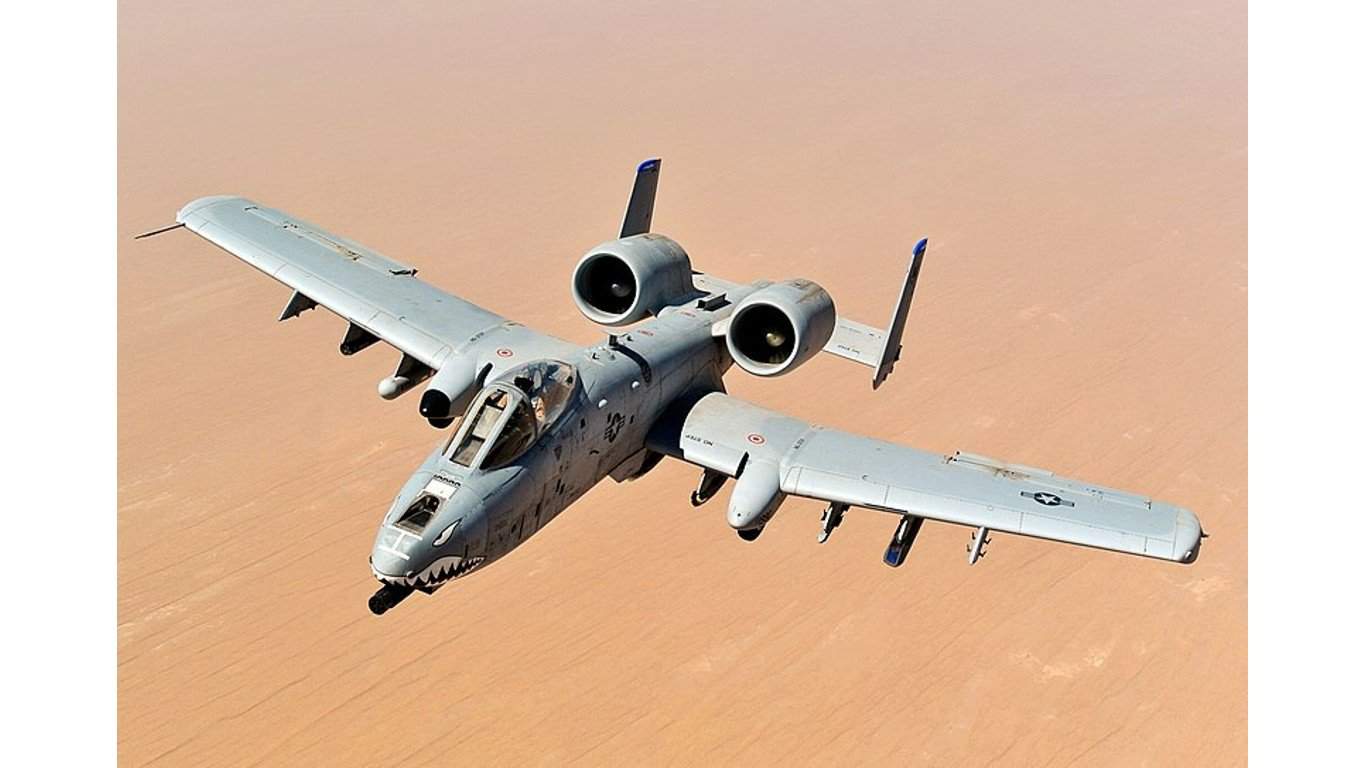
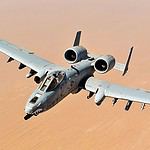
Built by Fairchild Republic and introduced in 1976, the A-10C Thunderbolt II is a close-air-support aircraft with an emphasis on survivability and firepower. Its 30mm GAU-8/A rotary cannon (capable of roughly 3,900 rounds per minute) complement an array of missiles and bombs that make it devastating against armor and ground targets. It is nicknamed the "Warthog," and known for its titanium "bathtub" cockpit that gives added pilot protection.
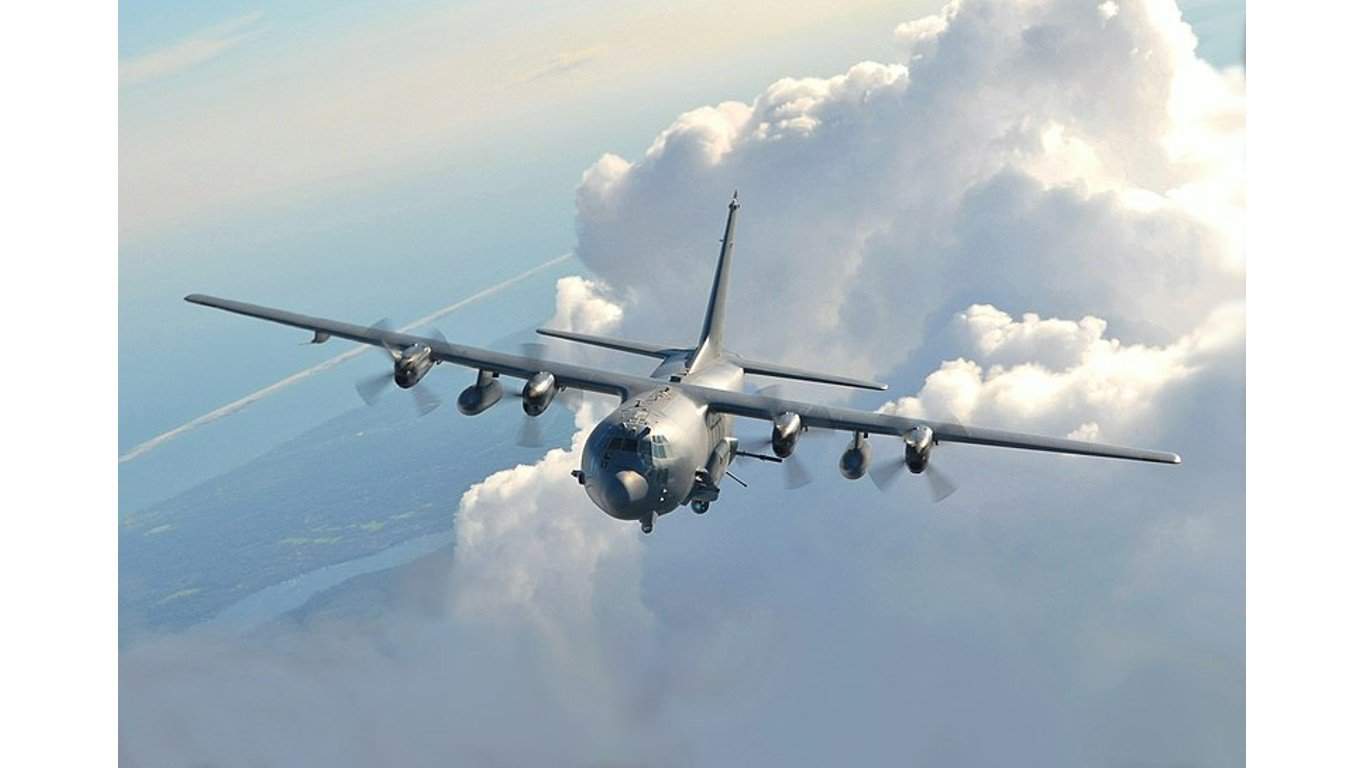
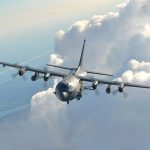
AC-130J Ghostrider
- Type: Ground attack / close-air support
- Year introduced: 2017
- Active aircraft: 29
- Top speed: 416 mph
- Armament: 30mm ATK GAU-23/A automatic cannon, 105mm M102 field howitzer, Griffin missiles, Viper Strike precision-guided bombs, Hellfire missiles, drop bombs
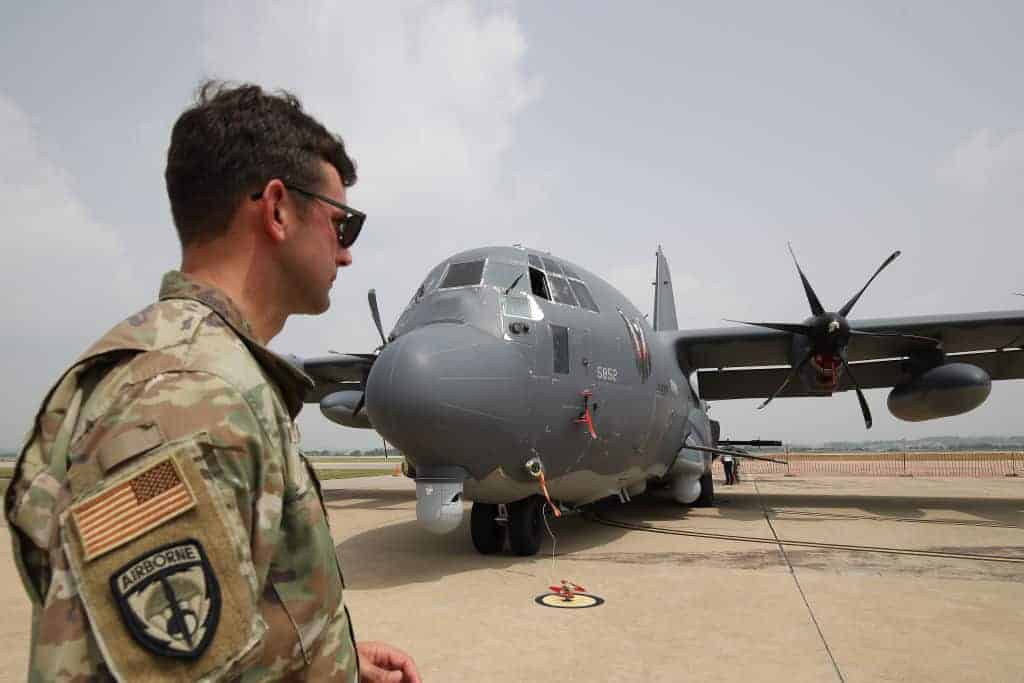
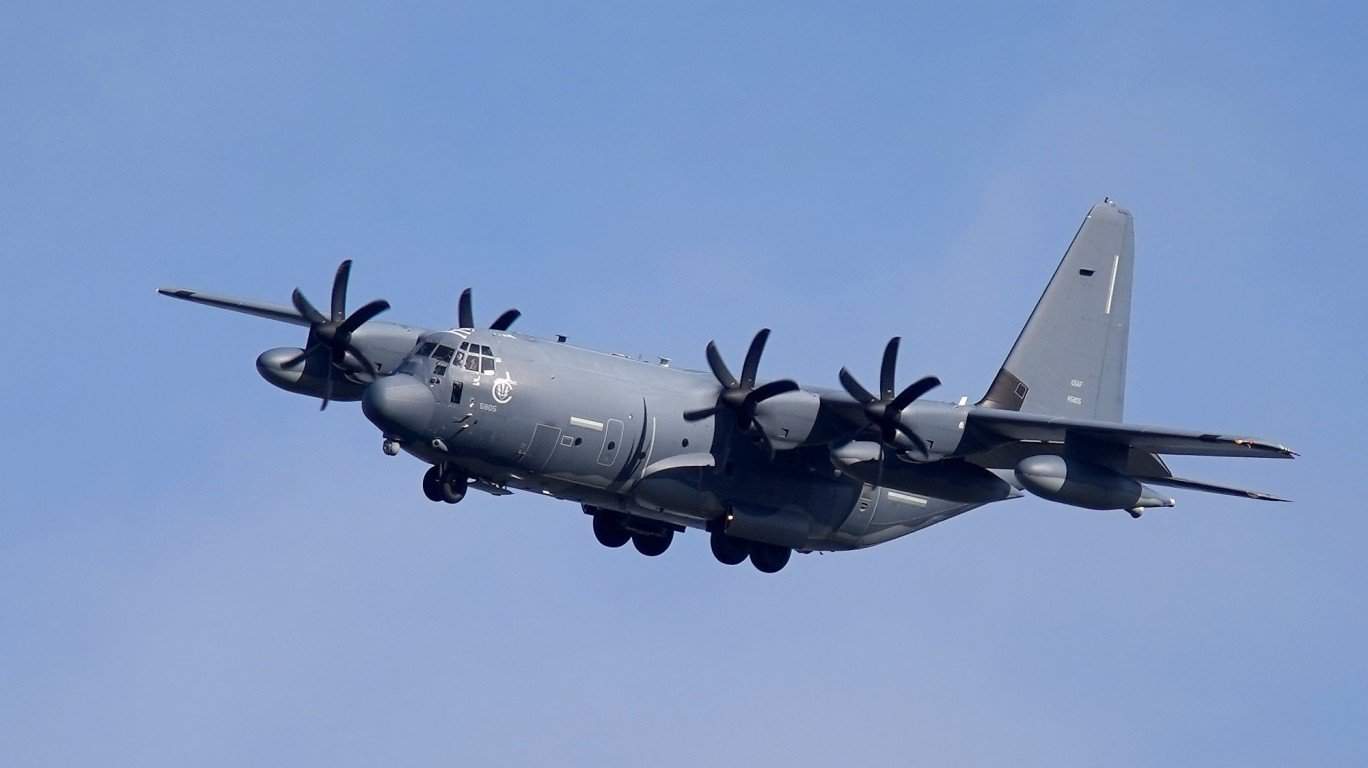
The AC-130J Ghostrider is the latest iteration of the C-130, with a focus on CAS and ground attack capabilities. Heavily armed and highly configurable, Ghostrider's arsenal includes a huge 105mm howitzer and a mix of precision missiles and guided bombs. It is easily one of the most formidable and recognizable gunships in service.
AC-130W Stinger II
- Type: Special operations fixed-wing gunship
- Year introduced: 2010
- Active aircraft: 3
- Top speed: 300 mph
- Armament: 30mm Bushmaster II GAU-23/A gatling gun, Viper Strike missiles, Griffin missiles, Hellfire missiles
The Stinger II is a step up from the legacy AC-130 gunships, notably integrating advanced missile systems. Built by Lockheed Martin, this gunship only recently entered service in 2010. Armed with a 30mm Bushmaster II GAU-23/A gatling gun, along with Viper Strike, Griffin, and Hellfire missiles, The Stinger II is designed to deliver serious firepower in support of ground forces.
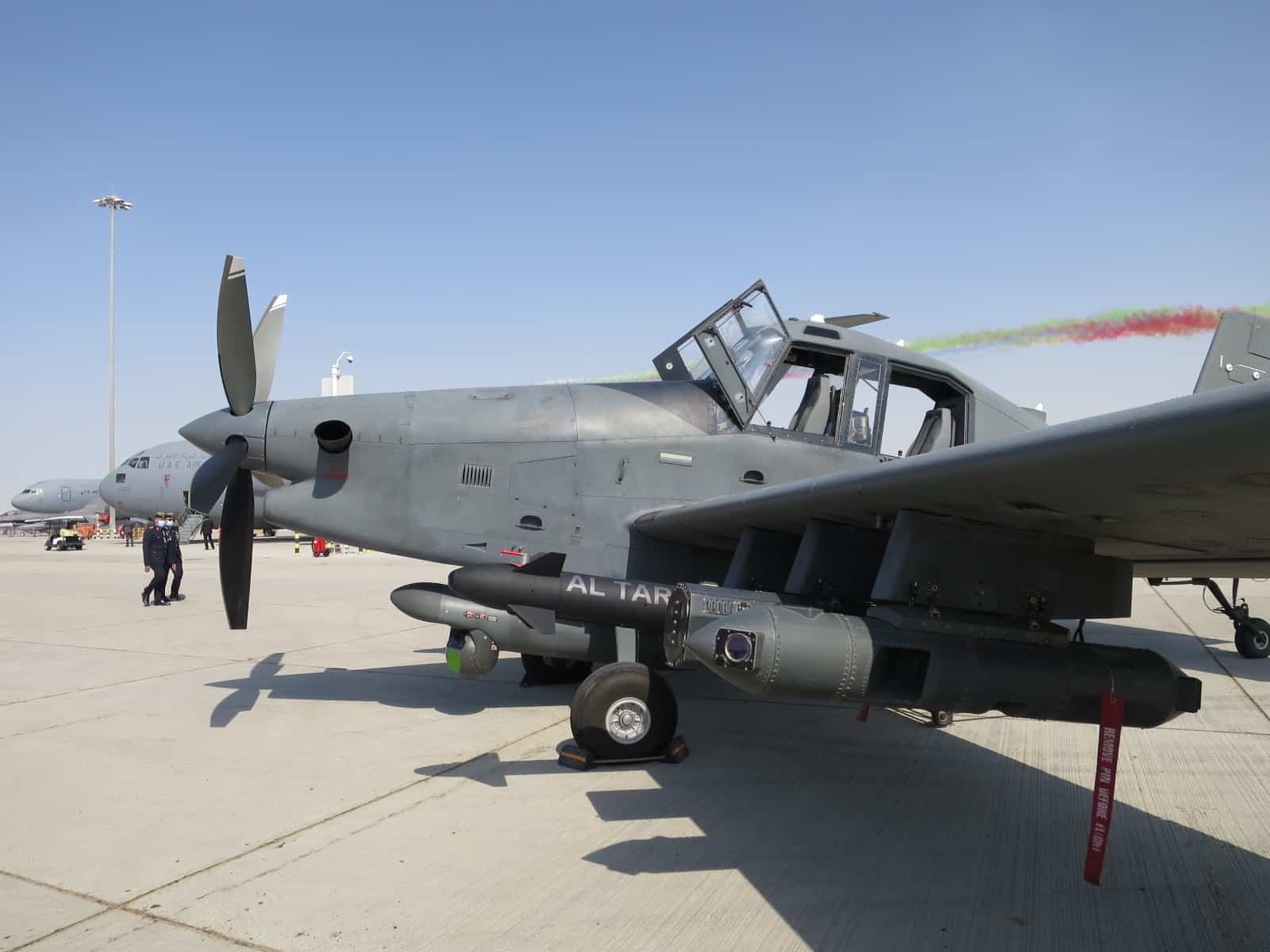
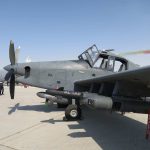
AT-802U Sky Warden
- Type: Multirole light aircraft
- Year introduced: 1990
- Active aircraft: *62 on order
- Top speed: 221 mph
- Armament: Gun pods, cannon pods, conventional drop bombs
The AT-802 Sky Warden is a militarized derivative of the Air Tractor, a single-engine turboprop. The USAF is adopting this aircraft for its endurance, heavy payload, and low-cost. Note that its agricultural roots give it huge endurance and payload for its class.
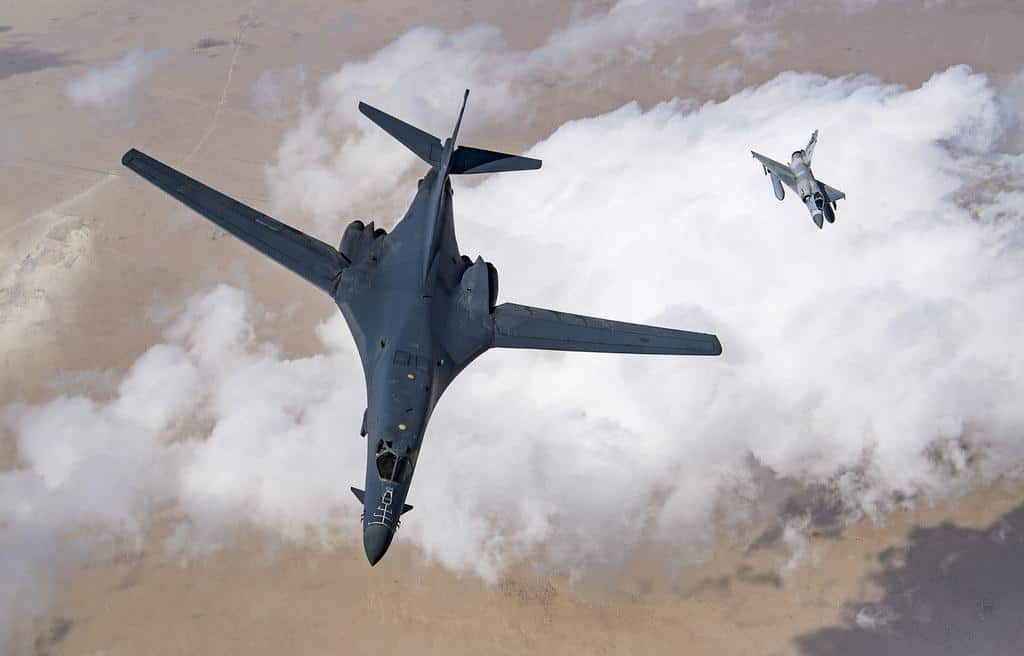
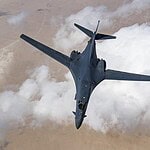
B-1B Lancer
- Type: Strategic heavy bomber
- Year introduced: 1986
- Active aircraft: 40
- Top speed: 833 mph
- Armament: Joint direct attack munitions, general purpose bombs, naval mines, cluster munitions, SRAM missiles, JASSM missiles, JSOW missiles, freefall nuclear bombs
Introduced in 1986, the B-1B Lancer is a strategic heavy bomber that is capable of reaching speeds up to 833 mph, which makes it one of the fastest bombers in the U.S. Air Force. It carries a wide range of armaments, including joint direct attack munitions, general-purpose bombs, JASSM missiles, and even freefall nuclear bombs.
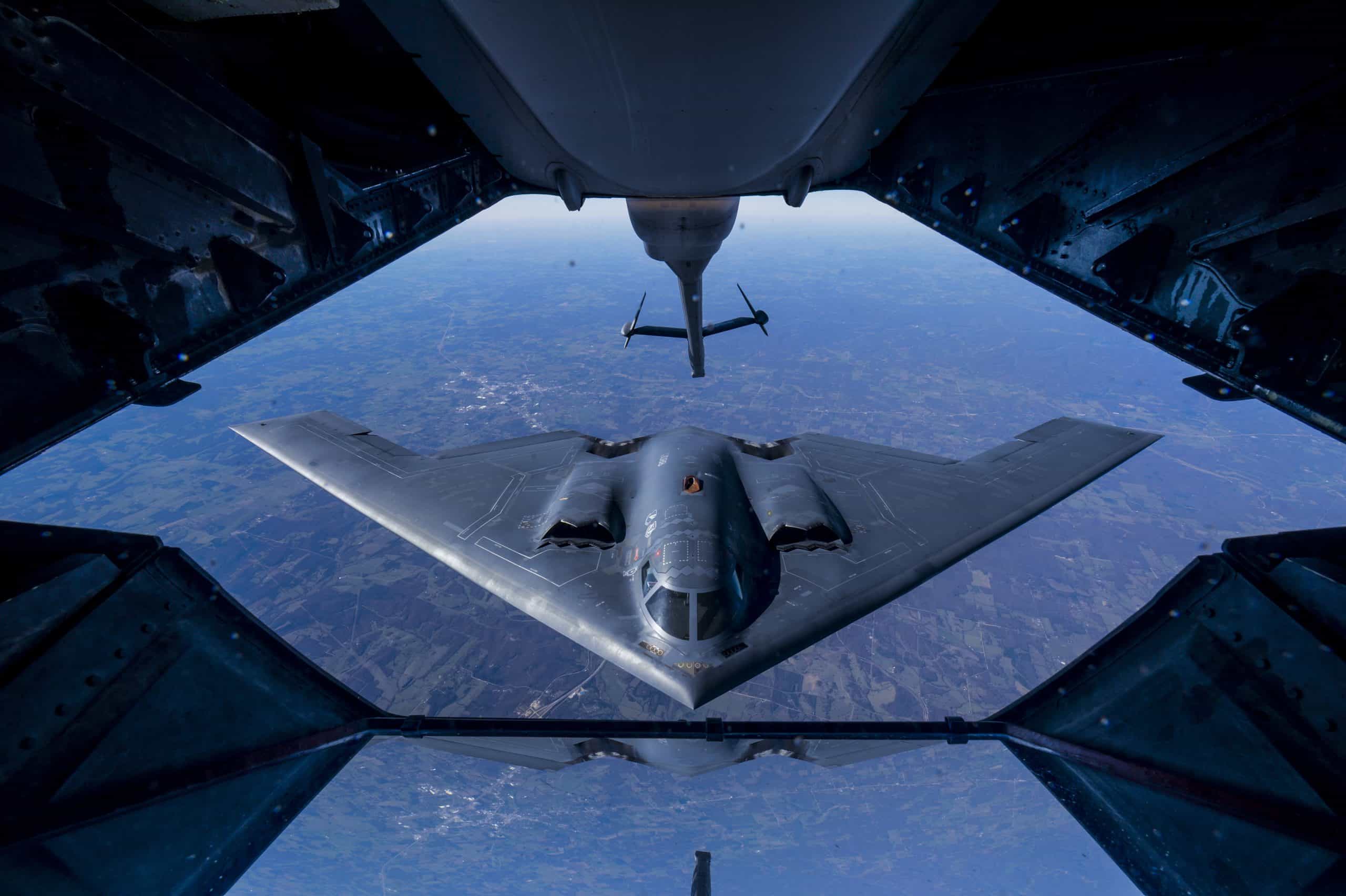
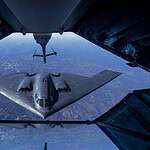
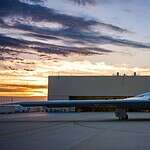
B-2 Spirit
- Type: Strategic stealth heavy bomber
- Year introduced: 1997
- Active aircraft: 18
- Top speed: 628 mph
- Armament: Air-launched cruise missiles, strategic free-fall nuclear bombs, conventional drop bombs, joint direct attack munitions, JASSM missiles
Introduced in 1997, the B-2 Spirit is a strategic stealth heavy bomber with a top speed of 628 mph. It is designed to deliver a wide range of ordnance including nuclear bombs. Although there are only 17 of these aircraft in active service, they can punch far above their class in terms of what they can deliver in payload.
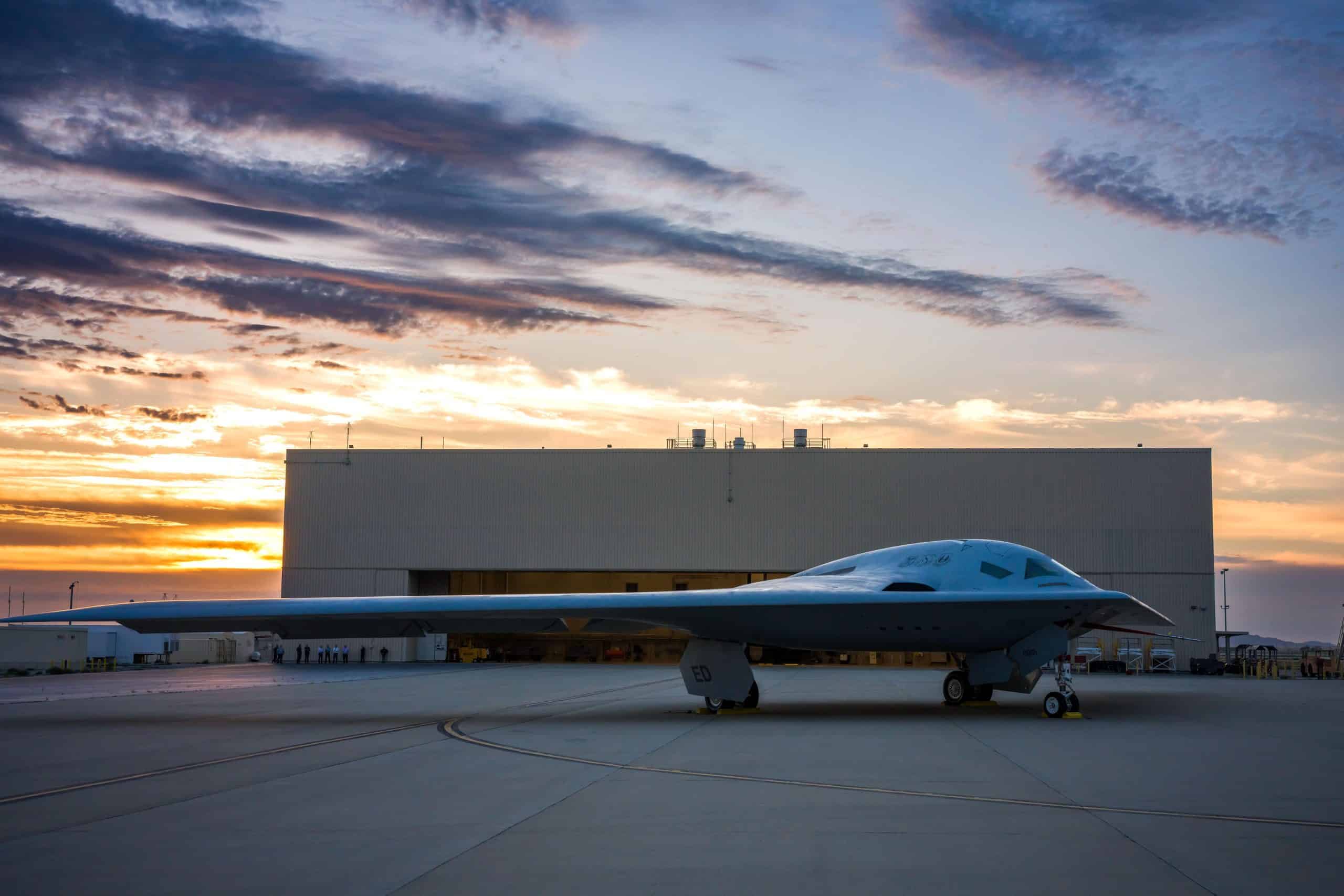
B-21 Raider
- Type: Long range strategic stealth bomber
- Year introduced: Expected 2028
- Active aircraft: *100 on order
- Top speed: 621 mph
- Armament: Conventional drop bombs, precision-guided bombs, nuclear-tipped bombs/missiles
Within the next decade, the B-21 Raider is expected to enter service to augment the B-2 Spirit stealth bombers. It will be capable of carrying both conventional and precision-guided bombs, as well as nuclear-tipped bombs and missiles. So far 100 of these stealth bombers are on order, with test flights already having taken place within the past year.
B-52H Stratofortress
- Type: Long range strategic heavy bomber
- Year introduced: 1955
- Active aircraft: 72
- Top speed: 595 mph
- Armament: ACLM cruise missiles, Harpoon missiles, CALCM cruise missiles, joint direct attack munitions, freefall nuclear bombs
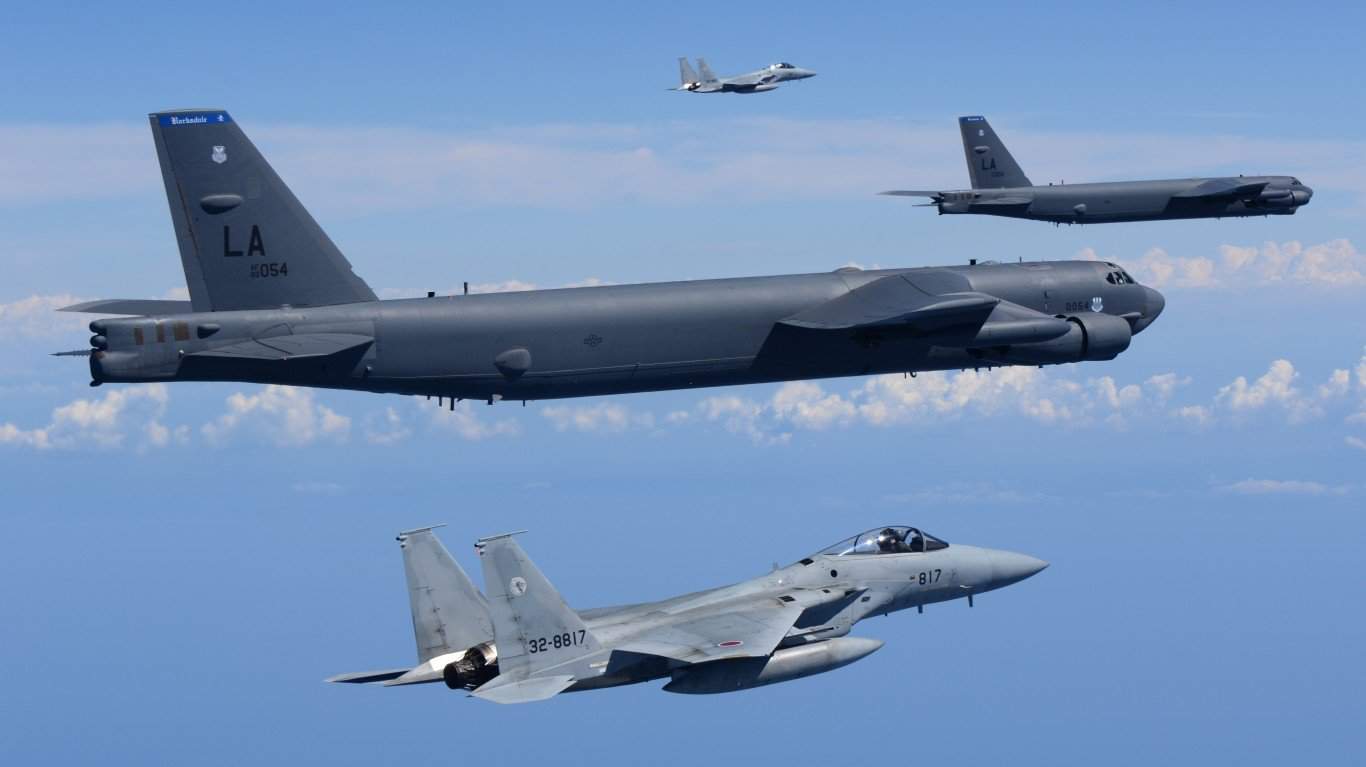
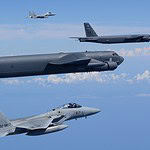
The B-52 is one of the longest serving aircraft in the U.S. Air Force, introduced in 1955. It was originally developed in the post-World War II years to succeed the B-29 Superfortress, which dropped the bomb on Japan. The B-52s were designed to carry larger payloads than the B-29, including nuclear weapons. The Stratofortress acted as a strong nuclear deterrent throughout the Cold War as well.
Beech C-12 Huron
- Type: Transport aircraft
- Year introduced: 1974
- Active aircraft: 55
- Top speed: 332 mph
- Armament: N/A
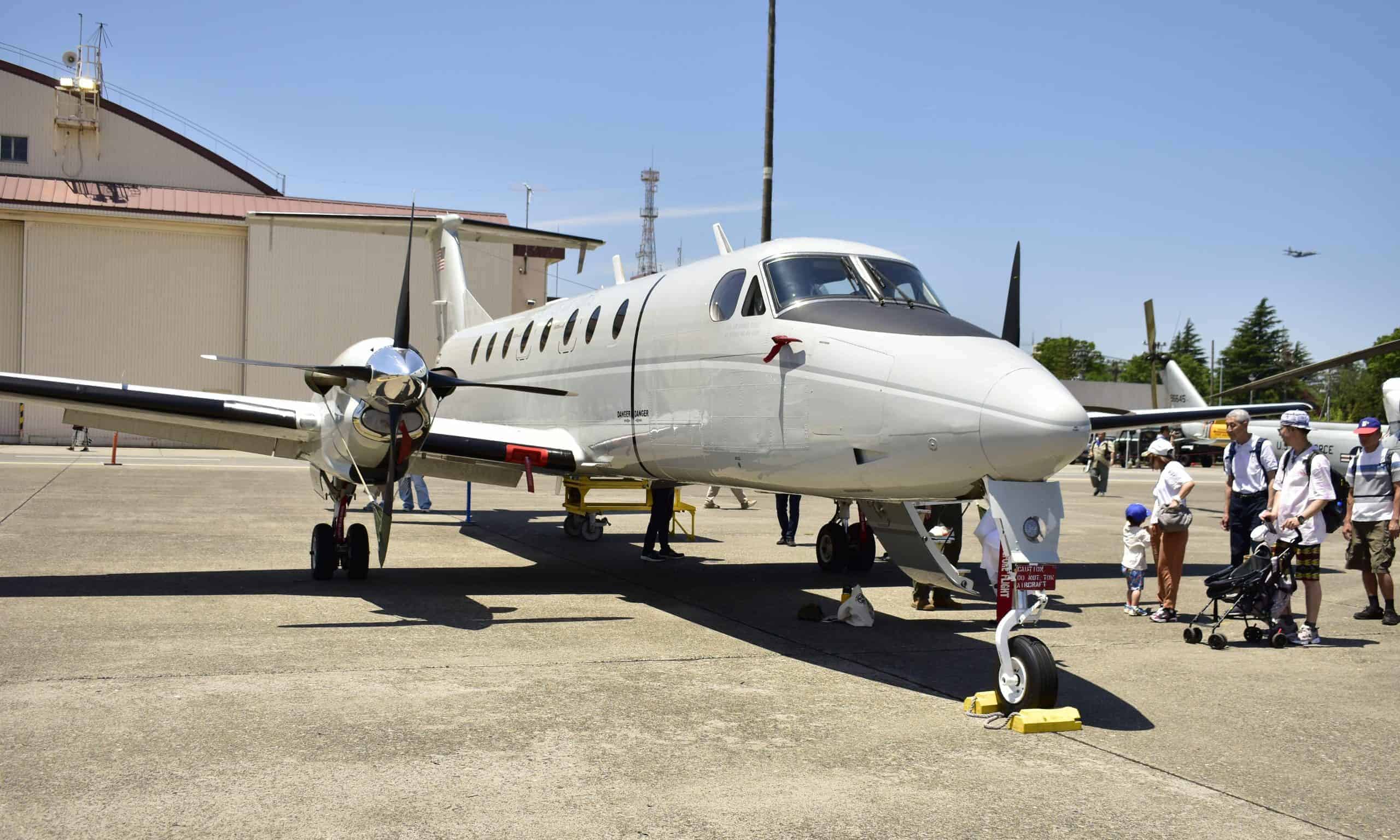
Introduced in 1974, the Beechcraft C-12 Huron has served as a special-missions workhorse for the U.S. Armed forces, known for its speed, flexibility and reliability. It can hit top speeds over 330 mph. The C-12's true strength lies in its mission adaptability and modular cabin.
Boeing C-32
- Type: VIP Transport
- Year introduced: 1996
- Active aircraft: 4
- Top speed: 605 mph
- Armament: N/A
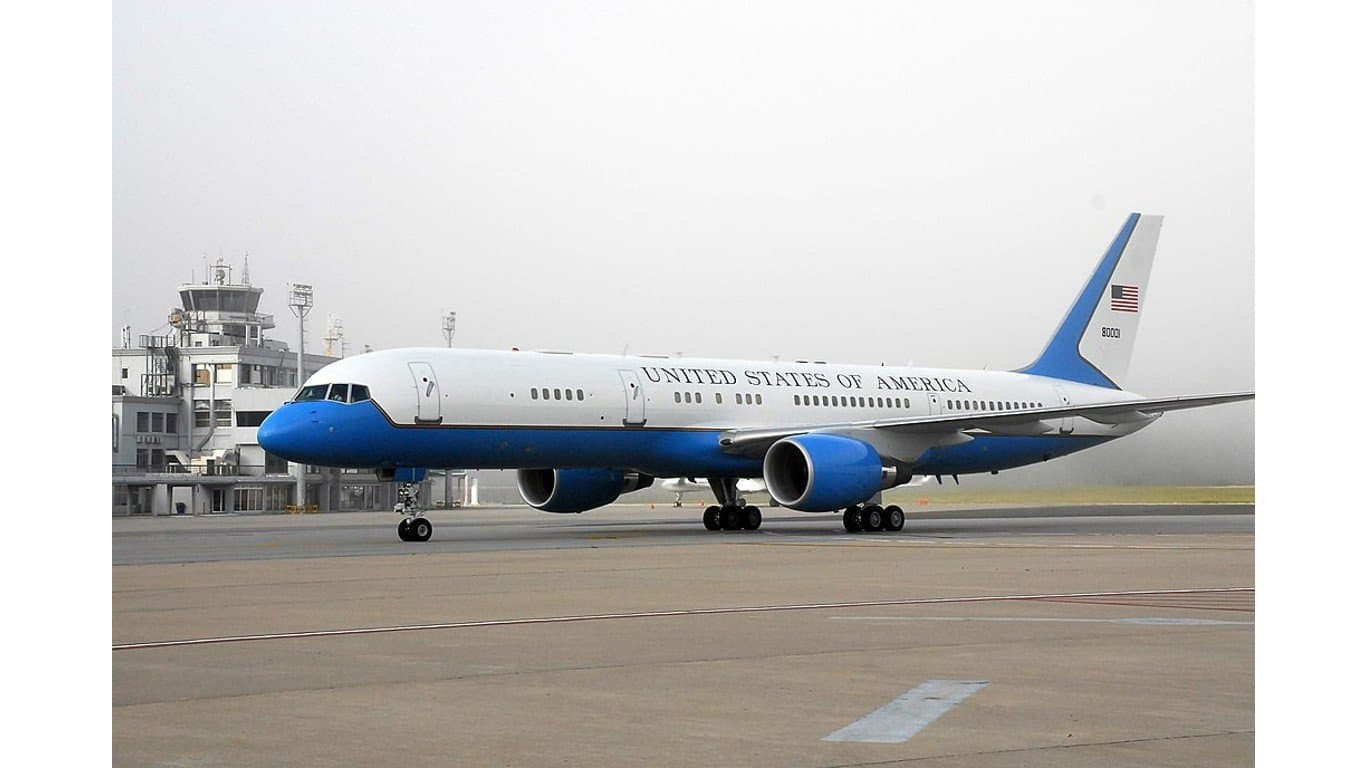
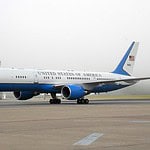
The C-32 is a militarized Boeing 757 used primarily for VIP transport (C-32A for the Vice President, Cabinet, and other senior officials) and as the C-32B "Gatekeeper" for global special-missions. It entered service in the late 1990s and can be configured a number of ways for extended range and other operations.
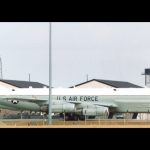
Boeing RC-135
- Type: Multi-mission reconnaissance aircraft
- Year introduced: 1962
- Active aircraft: 22
- Top speed: 581 mph
- Armament: N/A
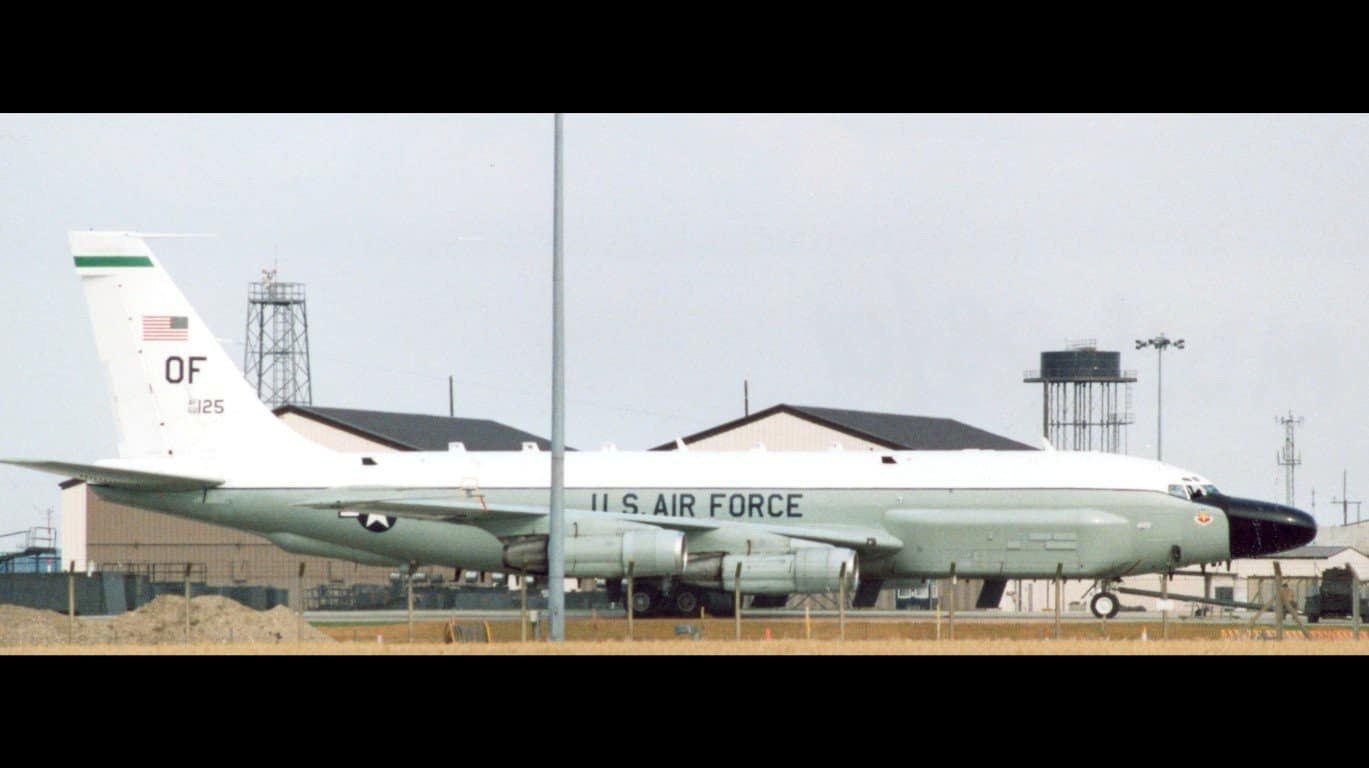
The RC-135 family is the USAF's signals-intelligence and ELINT workhorse, collecting electronic emissions and relaying near-real-time intel. The RC-135 has been in service since the Cold War and remains central to ISR missions today.
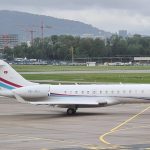
Bombardier Express E-11
- Type: Special missions platform
- Year introduced: 1997
- Active aircraft: 6
- Top speed: 684 mph
- Armament: N/A
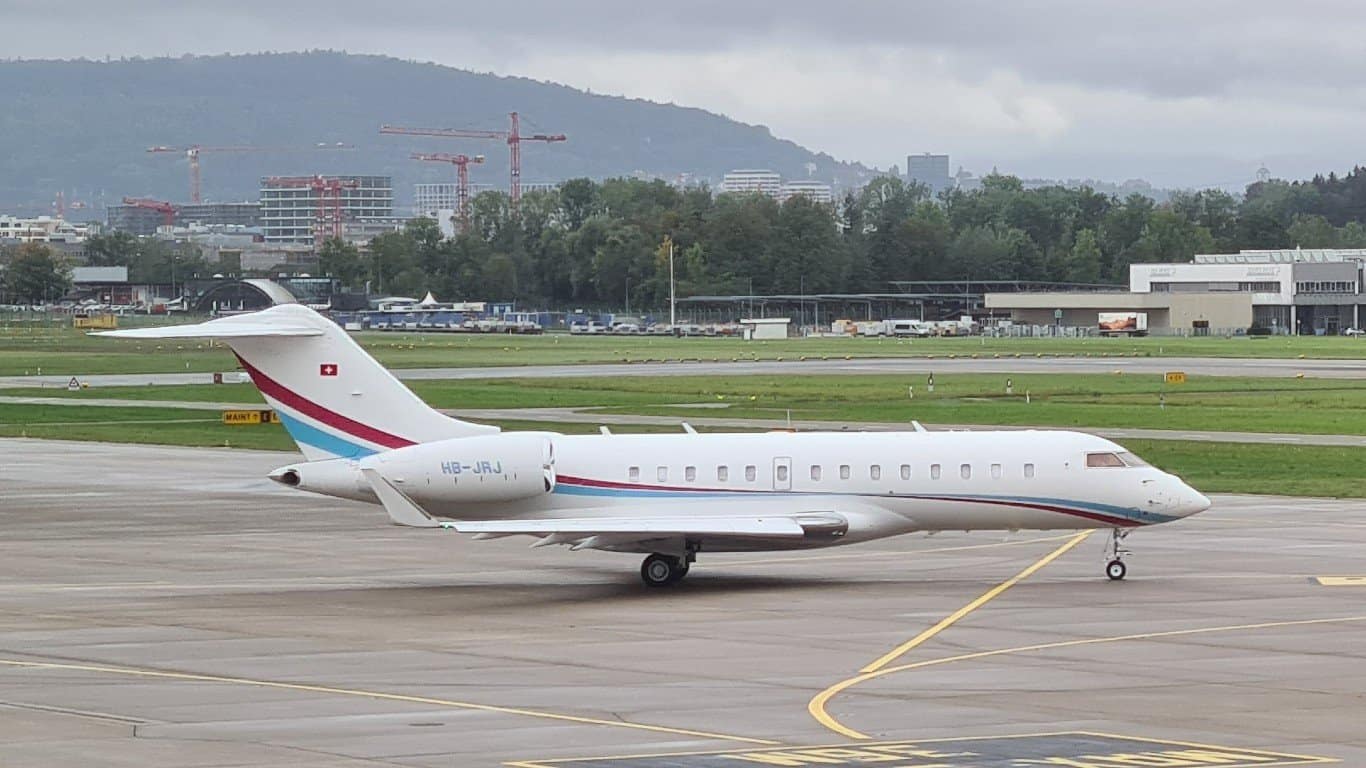
Bombardier Global Express business jets were militarized as the USAF's E-11A. Basically, the E-11A acts as a high-altitude communications gateway that bridges tactical data links with some calling it the "Wi-Fi in the sky" for contested battlefields.
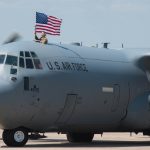
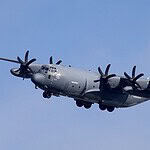
C-130J Super Hercules
- Type: Tactical medium transport aircraft
- Year introduced: 1999
- Active aircraft: 310
- Top speed: 416 mph
- Armament: N/A
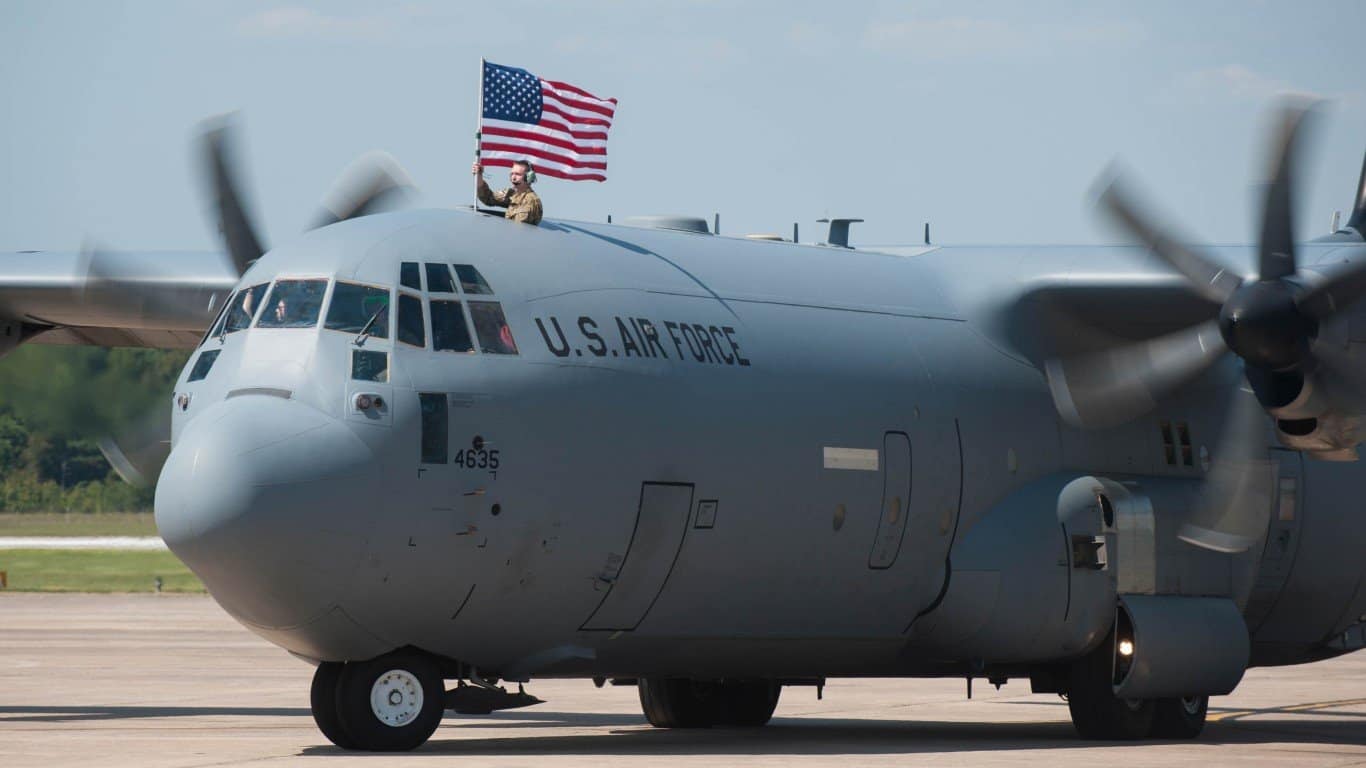
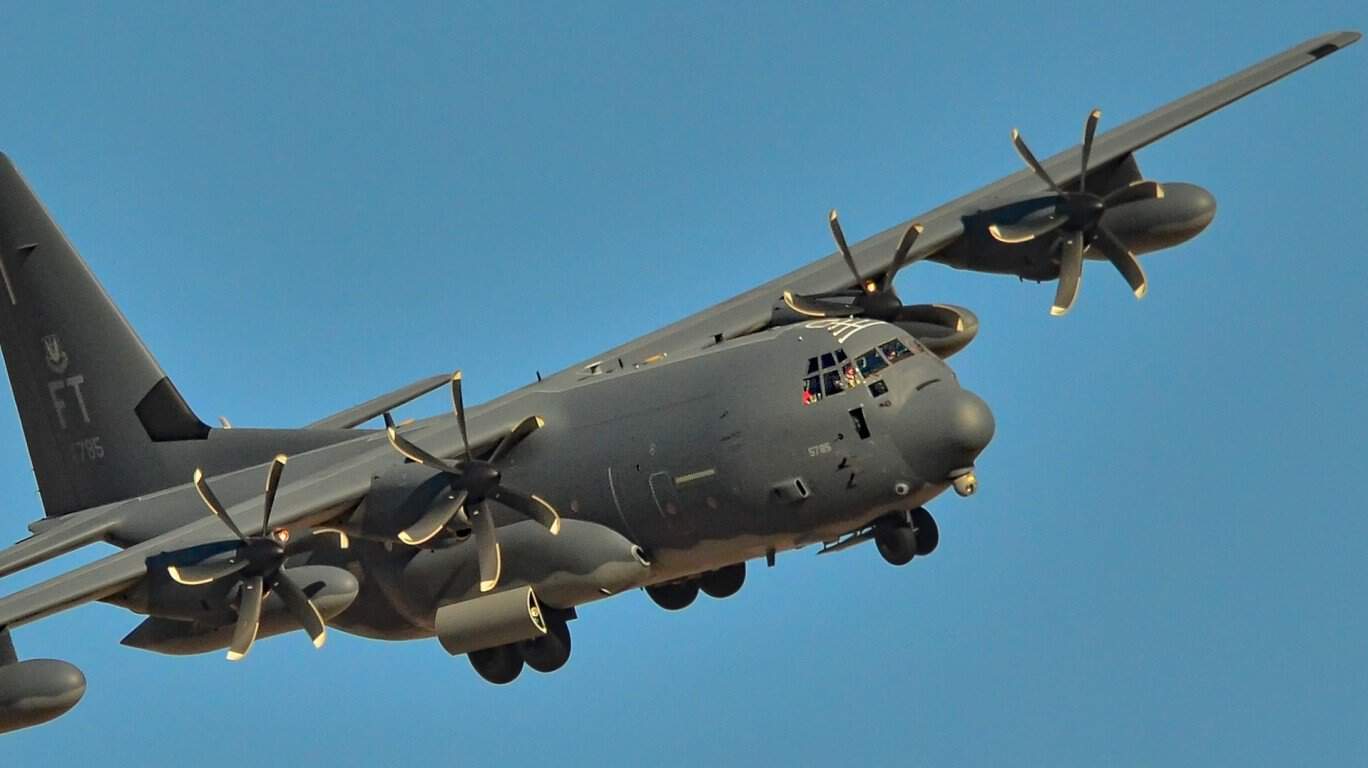
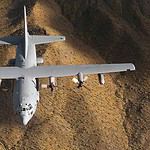
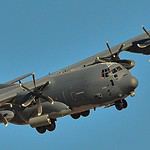
The C-130J Super Hercules is the modernized C-130 with new engines, propellers, and avionics. These massive jets perform tactical airlifts, airdrops, medevacs, and special-operations roles worldwide. The C-130J is truly the workhorse of the U.S. Armed Forces. This upgraded variant entered service in the late 1990s and was heavily used in Iraq, Afghanistan, as well as humanitarian missions. Some other variants are used for combat like the Stinger or the Ghostrider.
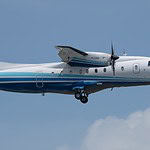
C-146 Wolfhound
- Type: Special missions support
- Year introduced: 2000
- Active aircraft: 21
- Top speed: 217 mph
- Armament: N/A
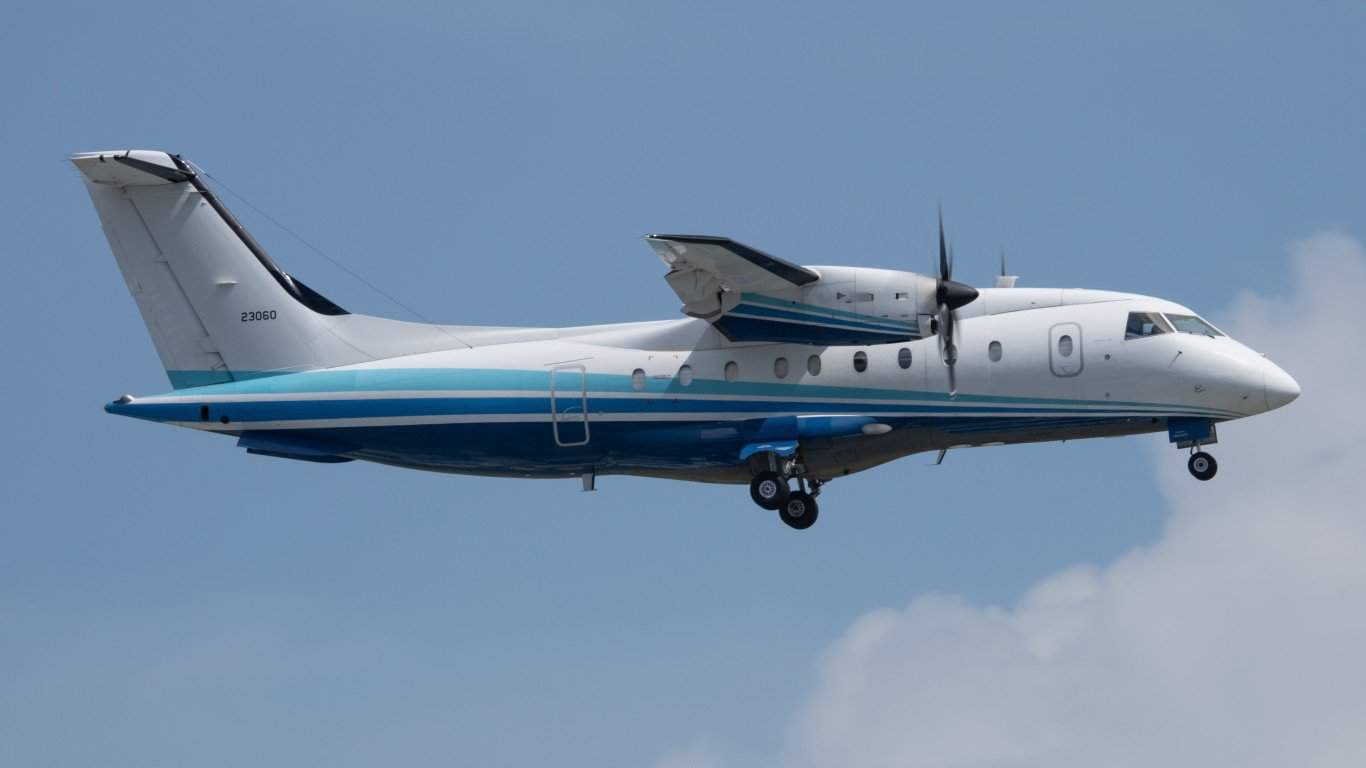
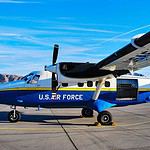
The C-146 Wolfhound is a twin-engine, high-wing transport used by Air Force Special Operations for small teams, cargo, and medevac. It originally entered AFSOC service in the 2000s for theater-level special-operations lift.
C-17 Globemaster III
- Type: Tactical transport aircraft
- Year introduced: 1995
- Active aircraft: 220
- Top speed: 518 mph
- Armament: N/A
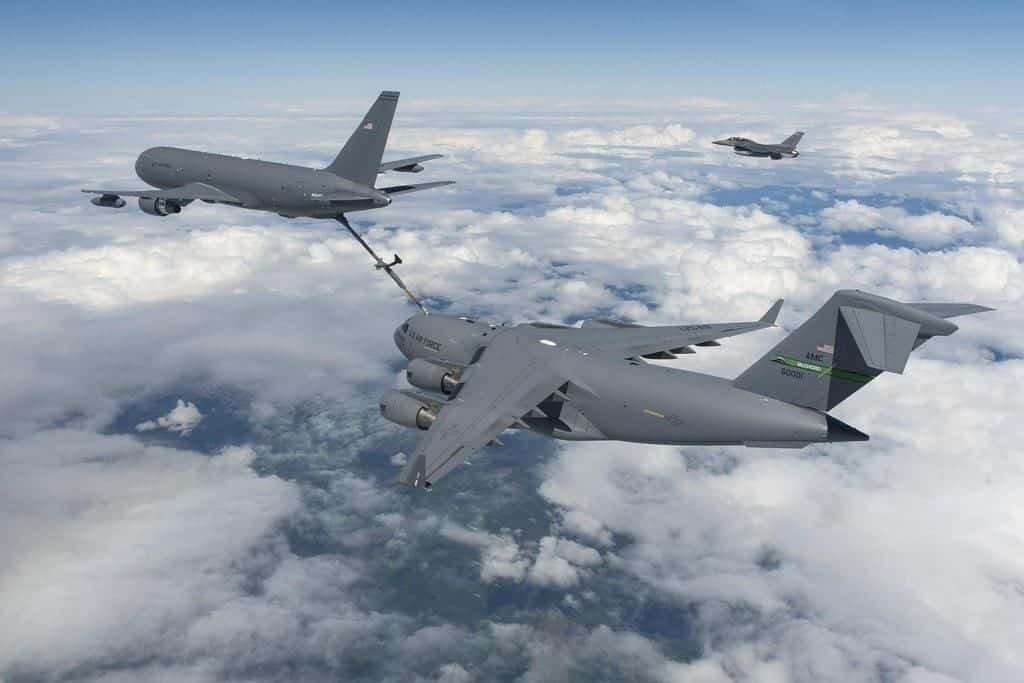
The Globemaster III is a tactical transport known for its rapid delivery. Fielded since the late 1990s, it was indispensable in Iraq and Afghanistan, as well as for humanitarian missions. C-17s have been used as flying hospitals and to carry presidential support equipment when needed.
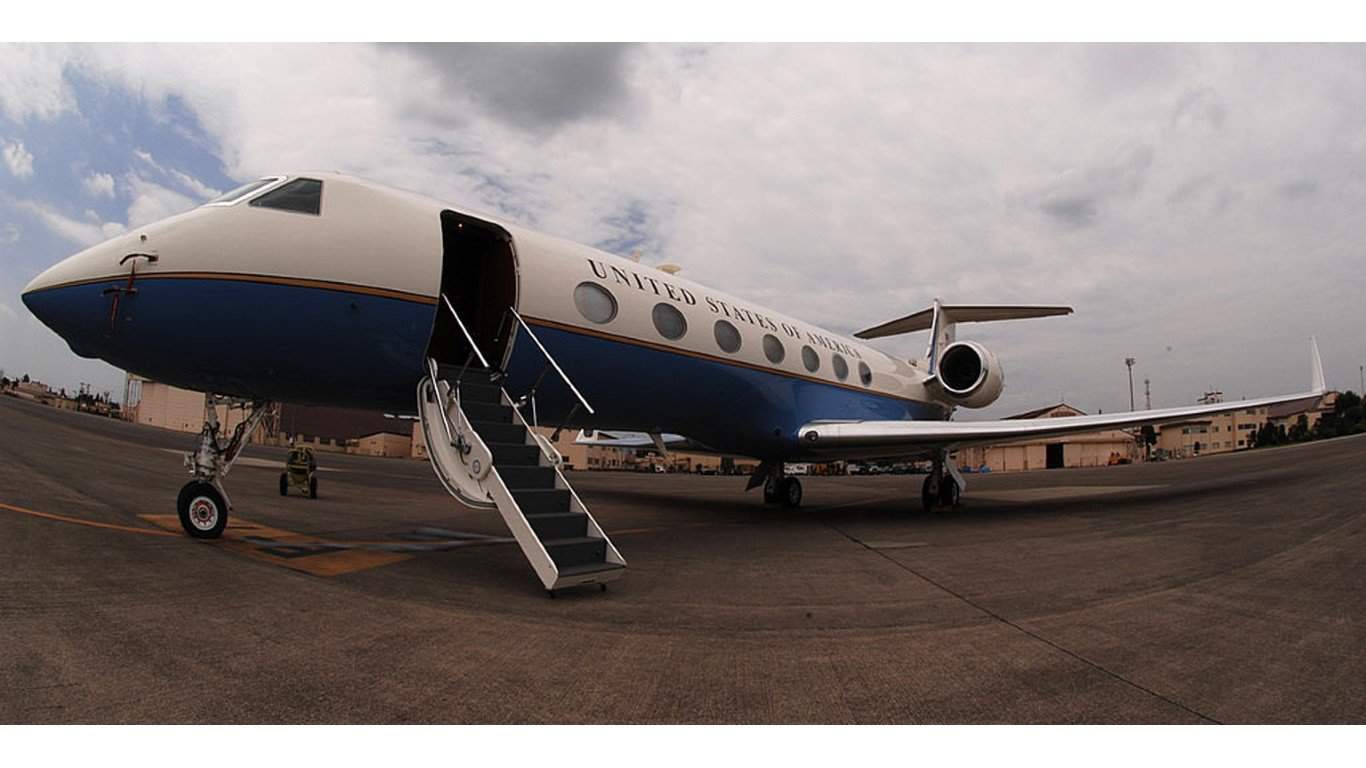
C-20 Gulfstream IV
- Type: Military VIP passenger transport aircraft
- Year introduced: 1983
- Active aircraft: 1
- Top speed: 582 mph
- Armament: N/A
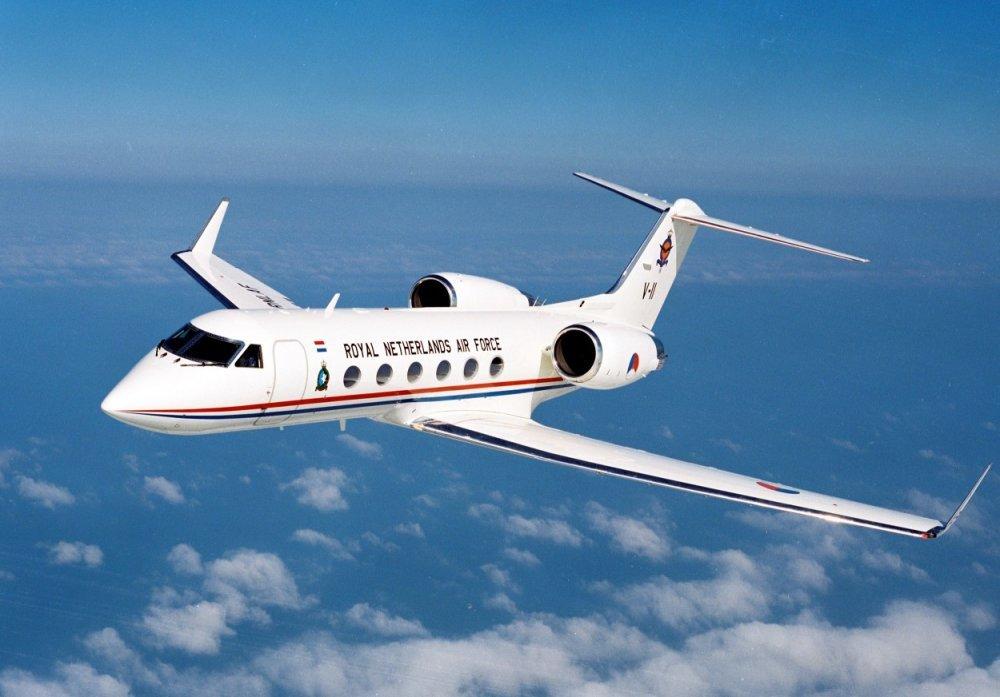
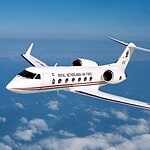
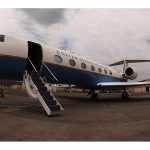
The Gulfstream C-20H is a variant within the Gulfstream series that typically serves as a high-speed transport aircraft, primarily for VIP and high-priority missions. Introduced in 1983 by Gulfstream Aerospace, this aircraft has a top speed of 582 mph, making it one of the fastest in the Army's fleet. Although it carries no armament, the C-20H's speed and range are its main assets, facilitating transport for government officials and top military brass. There is only one active unit in service.
C-5M Super Galaxy
- Type: Heavy-lift transport aircraft
- Year introduced: 1995
- Active aircraft: 52
- Top speed: 518 mph
- Armament: N/A
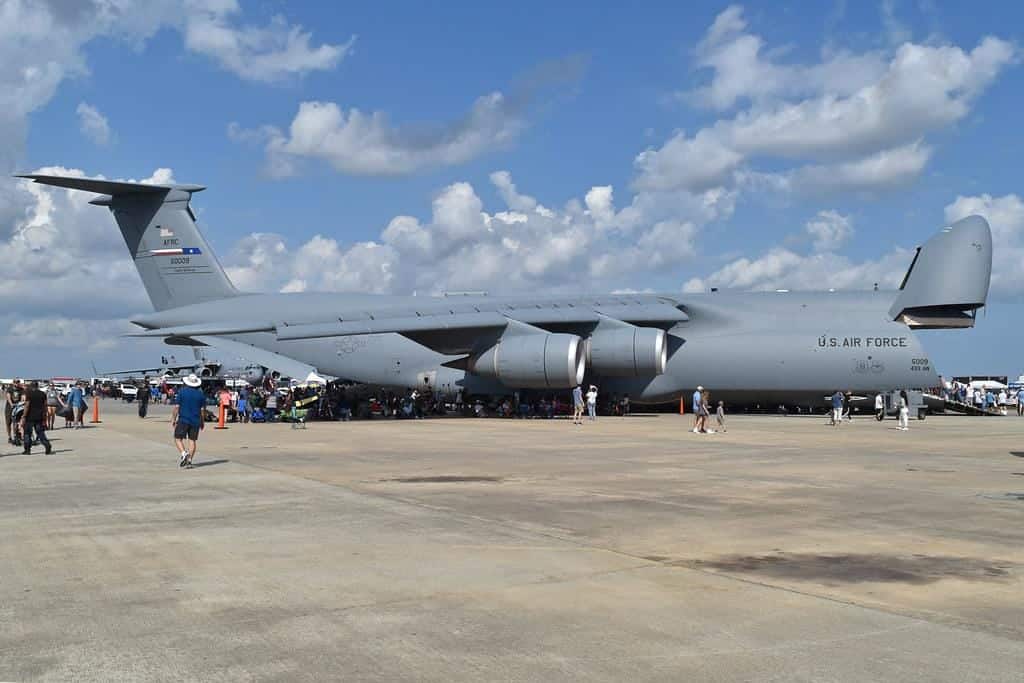
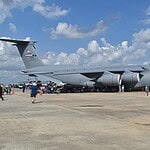
The Super Galaxy is a heavy-lift transport that gives the USAF vast cargo capacity and intercontinental reach. It has flown humanitarian relief missions but is intended to serve for major wartime logistics.
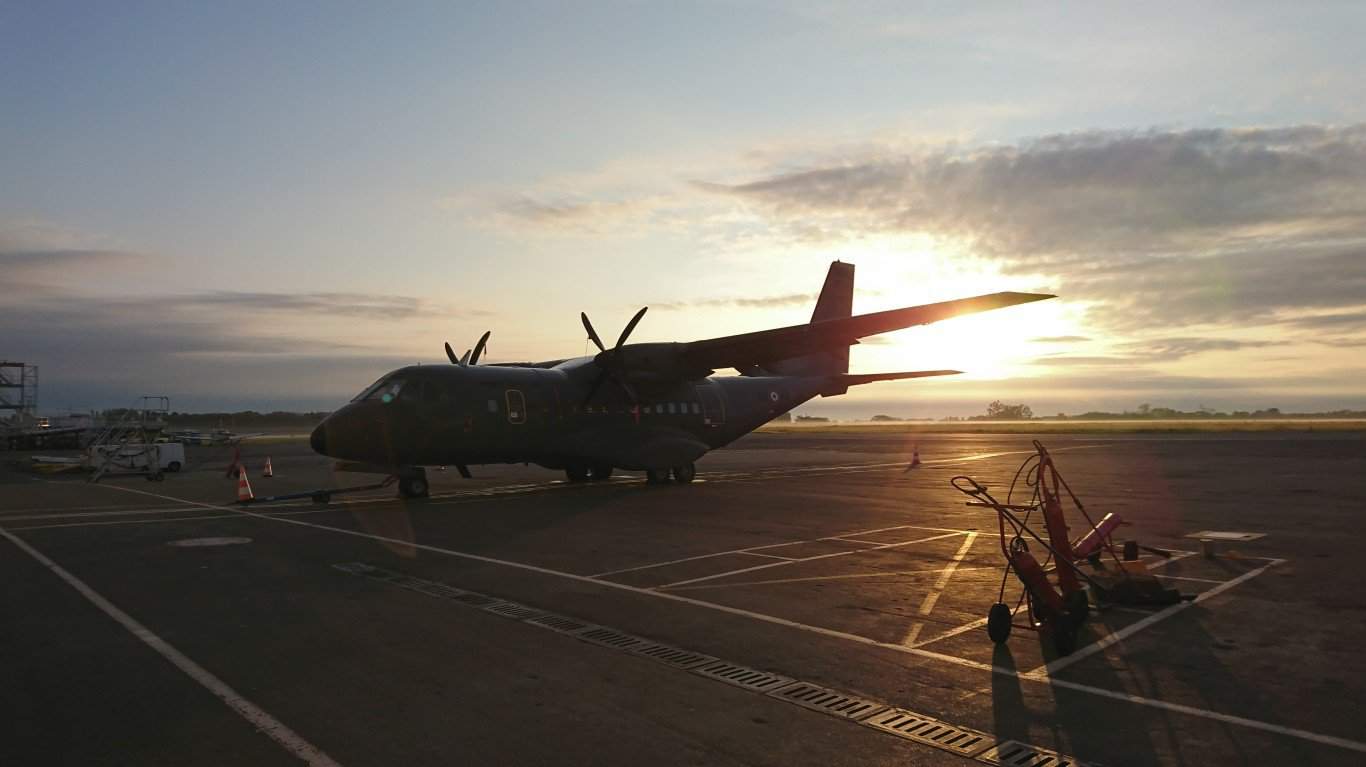
C295
- Type: Tactical transport aircraft
- Year introduced: 2001
- Active aircraft: 3
- Top speed: 358 mph
- Armament: N/A
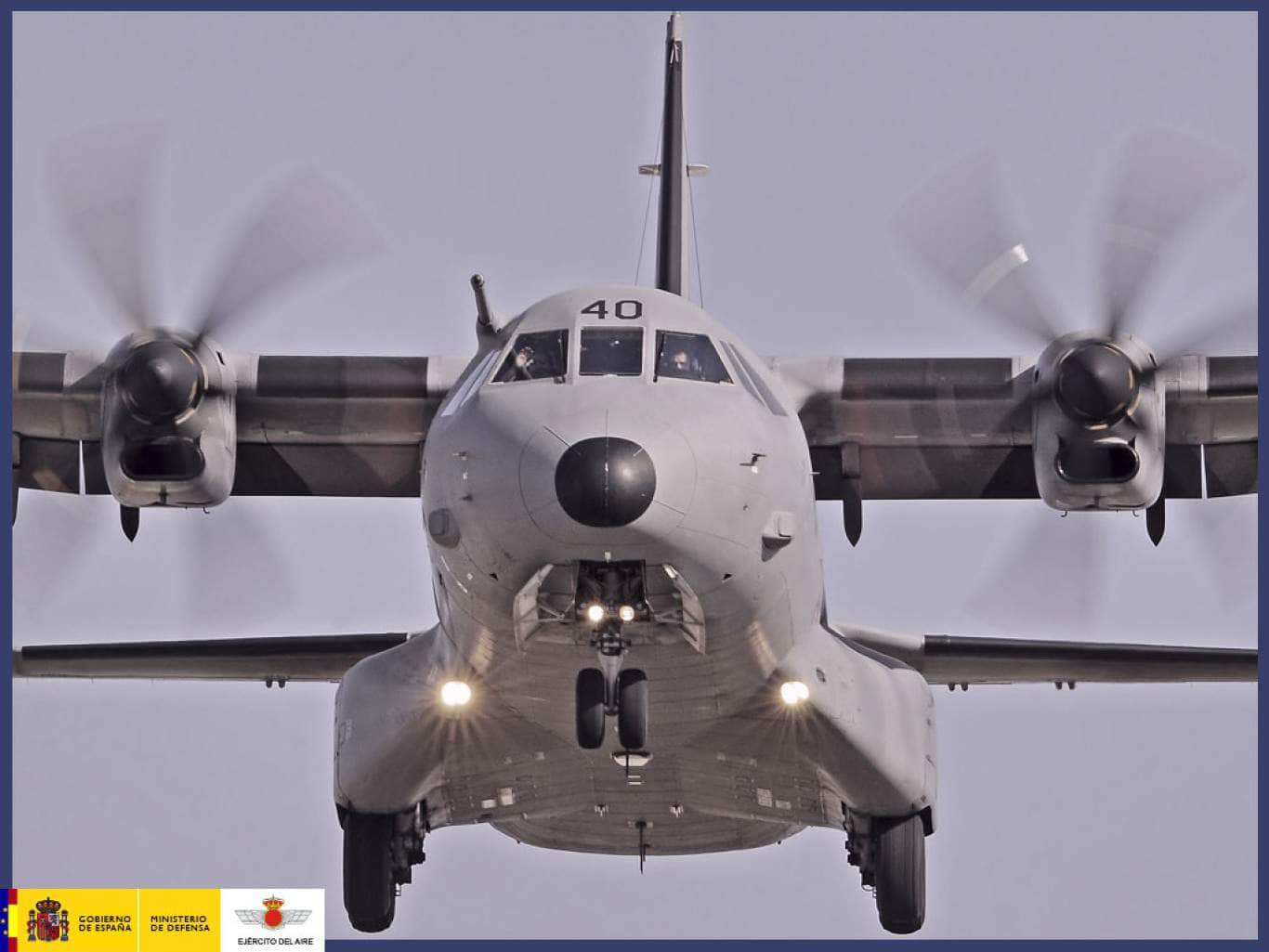
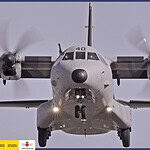
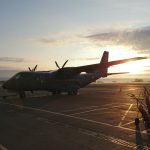
The C-295 is a twin-turboprop tactical transport that fills medium-lift, medevac, and maritime-patrol roles. Its modular cabin can configure a few ways to accept pallets, stretchers, or mission sensors.
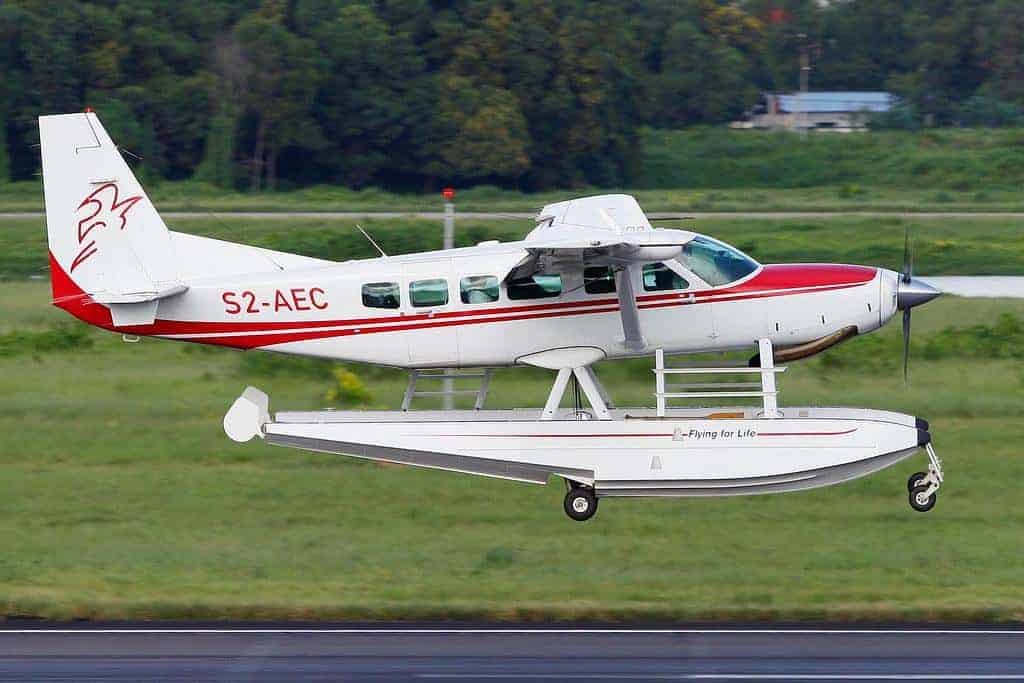
Cessna 208 Caravan
- Type: Turboprop utility aircraft
- Year introduced: 1984
- Active aircraft: 2
- Top speed: 214 mph
- Armament: N/A
The Cessna 208 Caravan, a turboprop utility aircraft, fills a unique role in the U.S. Army, primarily serving small scale specialized tasks. The Caravan was introduced in 1984, designed by Cessna Aircraft, now Textron Aviation. The Caravan boasts a top speed of 214 mph and typically deals in cargo, troop transport, and even surveillance. There is only one active aircraft in the U.S. Army.
CN-235
- Type: Medium-lift tactical transport aircraft
- Year introduced: 1988
- Active aircraft: 5
- Top speed: 282 mph
- Armament: N/A
The CN-235 is a twin-turboprop transport and maritime-patrol used globally for troop lift and surveillance. It has proven popular with smaller air forces for short-field ops.
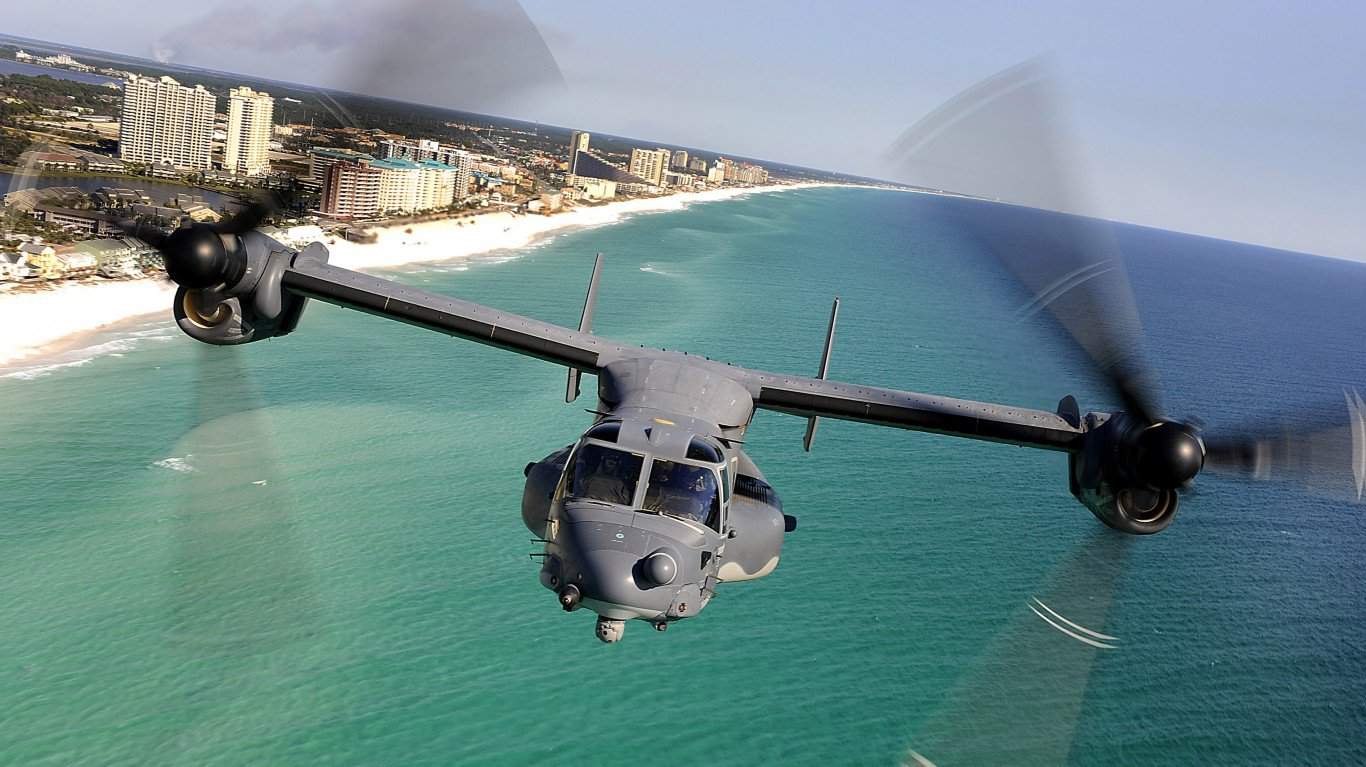
CV-22 Osprey
- Type: Tilt rotor VTOL aircraft
- Year introduced: 2007
- Active aircraft: 51
- Top speed: 316 mph
- Armament: 7.62mm machine guns, 12.7mm machine guns
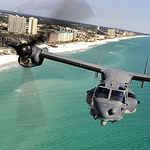
The Osprey's tiltrotor design allows for vertical takeoff and landing like a helicopter, as well as cruise-speed performance like a turboprop. This configuration gives a unique reach for special operations. Built by Bell Boeing, the Osprey fills roles like infiltration, extraction, resupply and humanitarian missions for U.S. Special Operations forces. Its aerial refueling capability extends its mission range dramatically, and its cabin can fit roughly 24 combat-loaded troops. The Osprey has proven its value across Iraq, Afghanistan and other global conflicts.
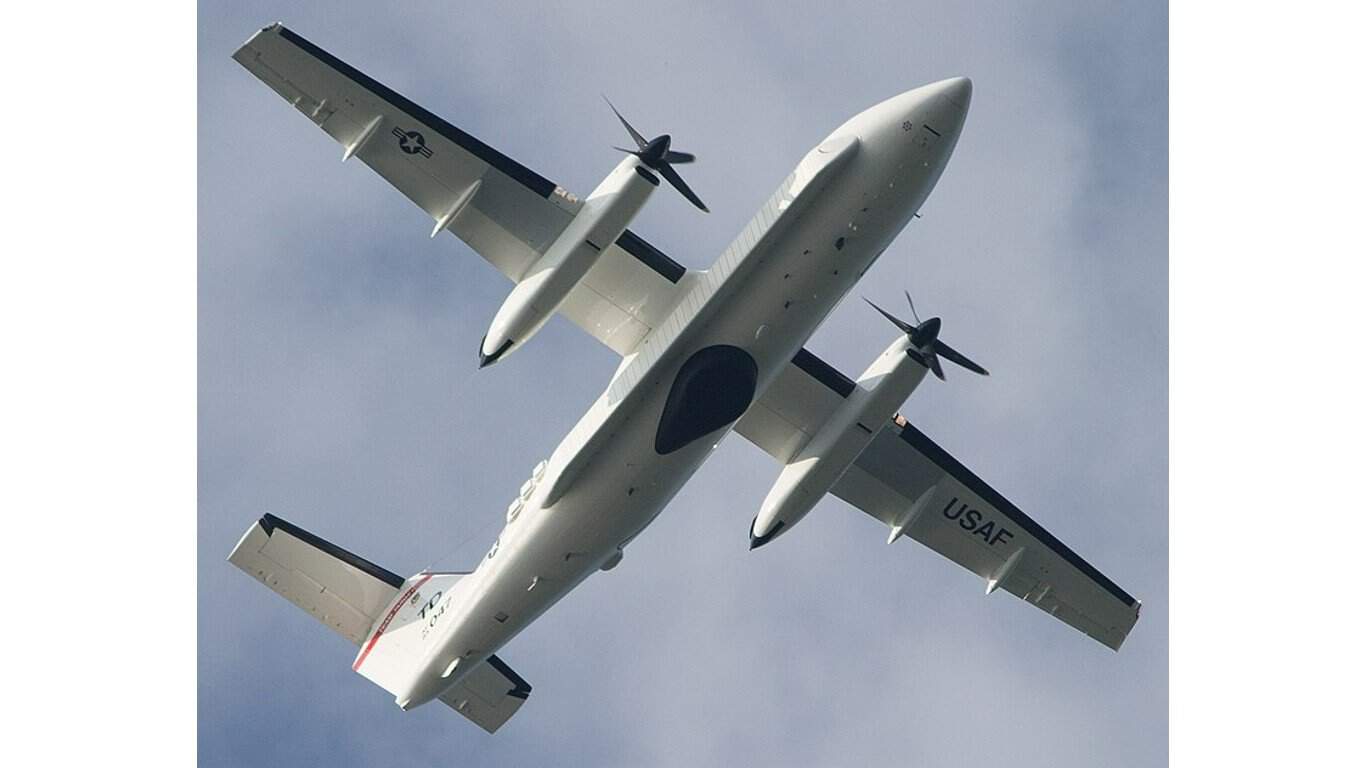
Dash 8
- Type: Transport aircraft
- Year introduced: 1984
- Active aircraft: 10
- Top speed: 317 mph
- Armament: N/A
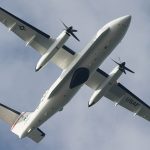
Introduced in 1984, the Dash 8 stands as a key transport aircraft in the Army. Designed by de Havilland, later taken over by Bombardier Aerospace, the Dash 8 can hit a top speed of 317 mph. With 9 active units, it primarily serves in logistic support, personnel transport, and specialized missions such as surveillance and reconnaissance, thanks to its ability to be fitted with advanced sensors. These aircraft are capable of operating from shorter runways, which allows the Army to use the Dash 8 in more remote or confined locations where larger transport aircraft can't go.
DHC-6 Twin Otter
- Type: Transport / light utility aircraft
- Year introduced: 1966
- Active aircraft: 1
- Top speed: 196 mph
- Armament: N/A
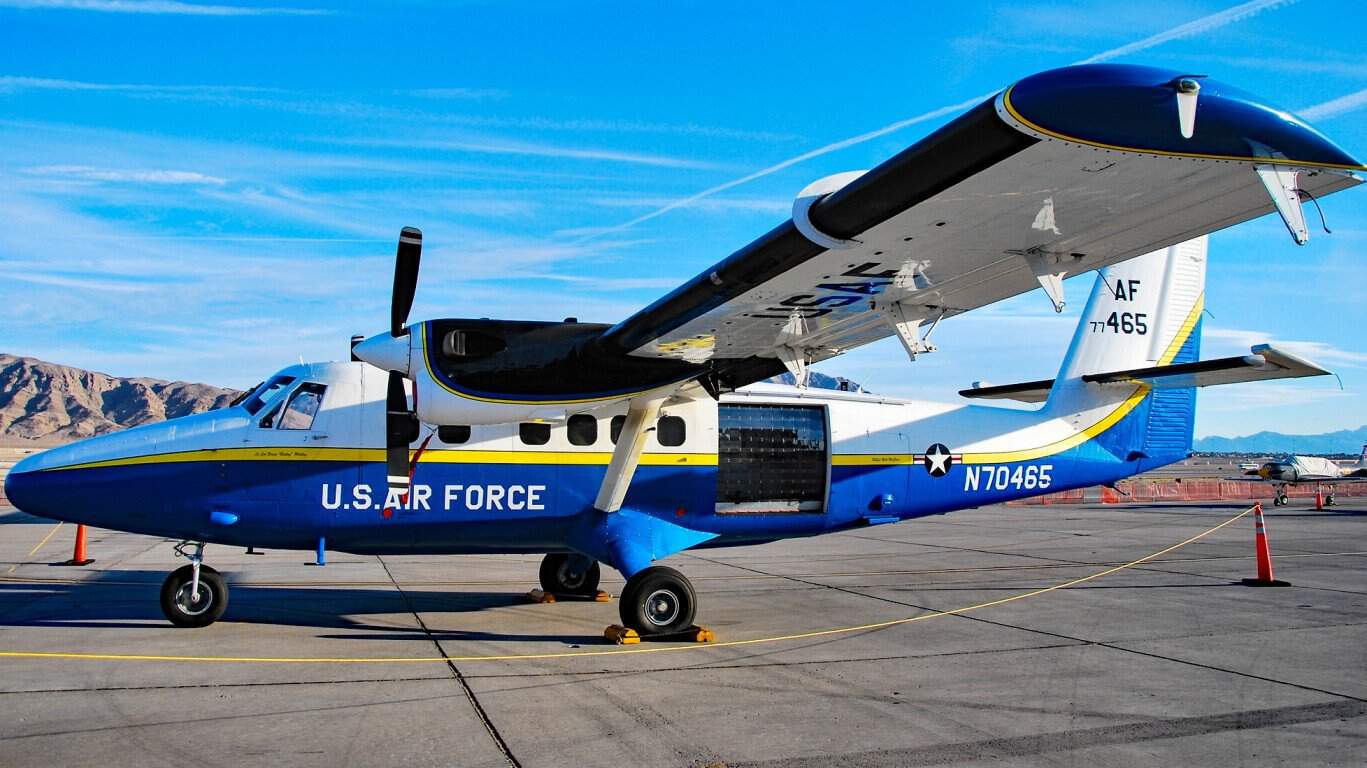
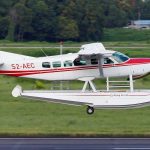
De Havilland Canada's Twin Otter is a STOL utility aircraft used for commuter routes, parachute operations, and special missions. Its simple design and modularity to fit wheels, skis, or floats make it indispensable in remote regions.
E-3 Sentry
- Type: Airborne surveillance, command, control and communications aircraft
- Year introduced: 1977
- Active aircraft: 19
- Top speed: 531 mph
- Armament: N/A
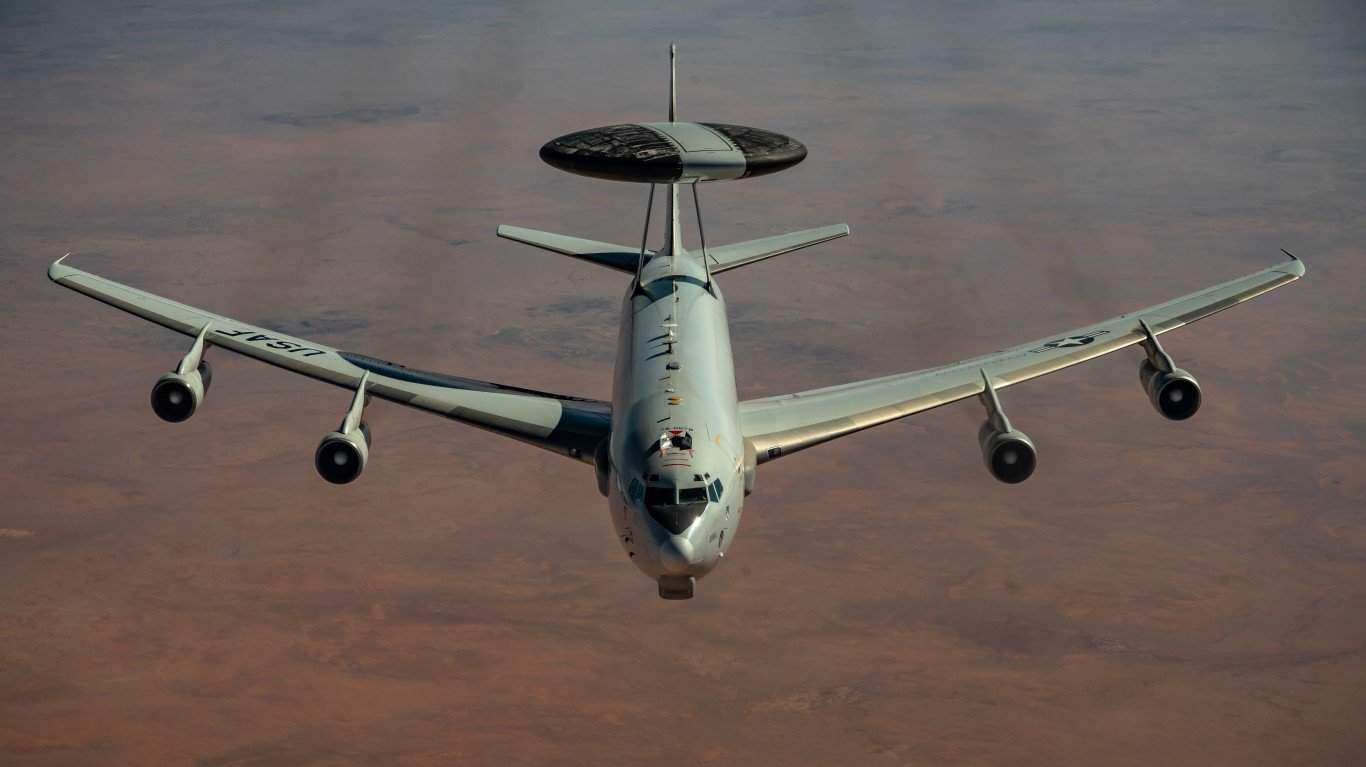
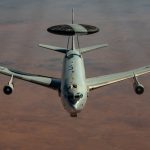
The E-3 Sentry acts as a flying radar tower for NATO and U.S. operations. It links sensors and coordinates air operations. Its rotating radome can track hundreds of airborne and surface contacts simultaneously.
E-4 Advanced Airborne Command Post
- Type: Airborne surveillance, command, control and communications aircraft
- Year introduced: 1974
- Active aircraft: 4
- Top speed: 602 mph
- Armament: N/A
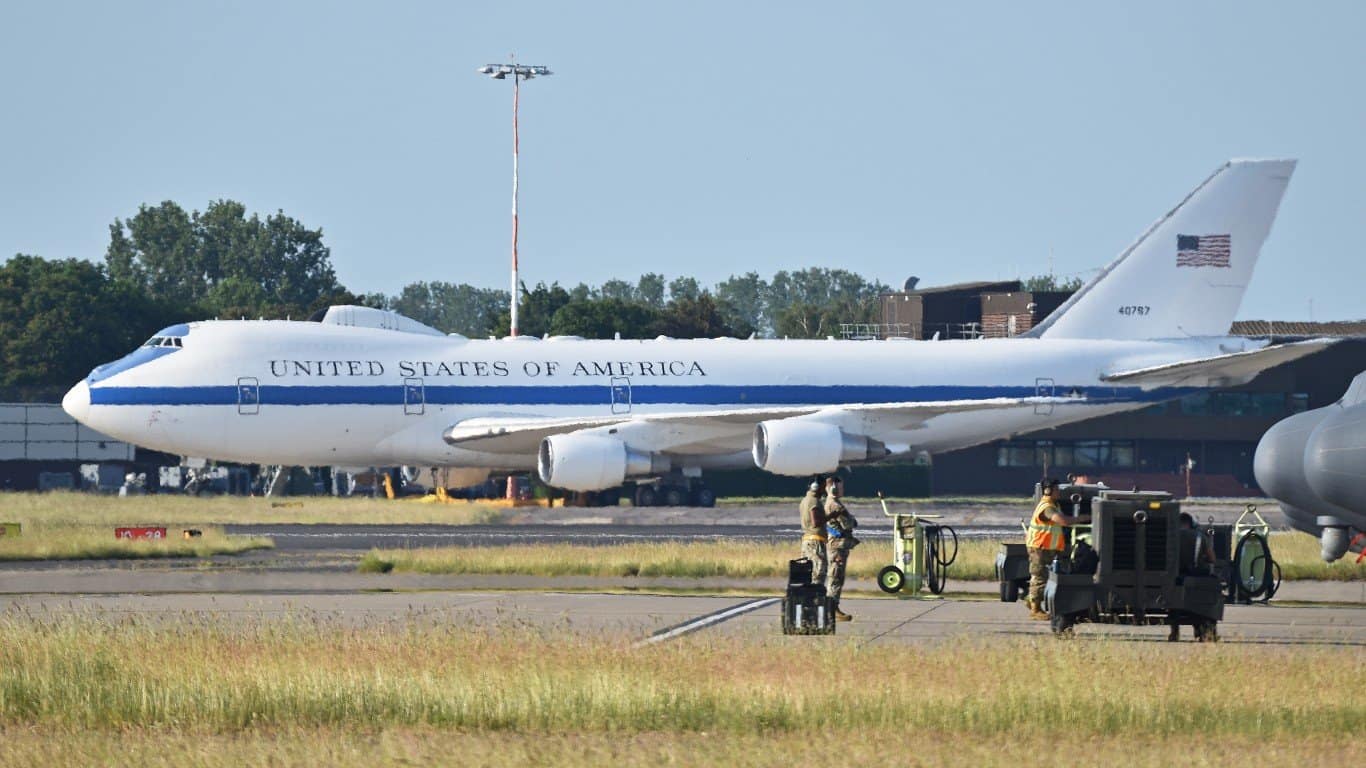
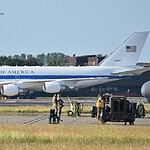
The E-4 (Nightwatch) is a flying survivable command post for the National Command Authority. It is EMP-hardened, refuelable, and fitted with extensive secure communications so leaders can direct forces during crises. Four of these aircraft remain on alert to ensure continuity of government.
EC-130H Compass Call
- Type: Electronic Countermeasures (ECM) aircraft
- Year introduced: 1983
- Active aircraft: 4
- Top speed: 300 mph
- Armament: N/A
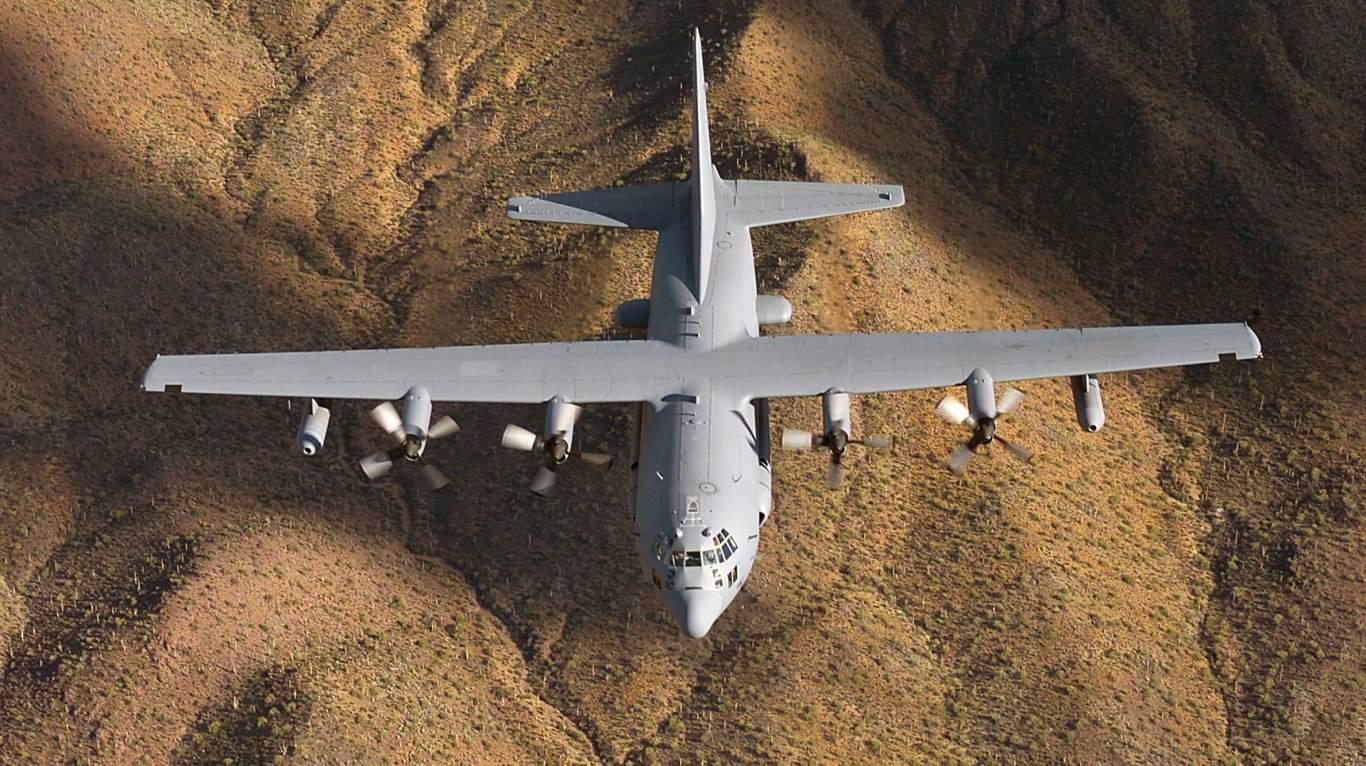
A heavily modified C-130, the EC-130H Compass Call is the USAF's tactical electronic-attack platform, jamming enemy communications. It has been deployed in operations ranging from the Balkans to Afghanistan. Compass Call crews have flown thousands of combat sorties to support coalition forces.
EC-37B Compass Call
- Type: Electronic warfare aircraft
- Year introduced: 2023
- Active aircraft: 4
- Top speed: 652 mph
- Armament: N/A
The EC-37B is the Gulfstream-based follow-on to Compass Call, hosting mission systems on a modern business-jet airframe for wider reach and lower operating cost. It entered service in the 2020s to modernize airborne electronic-attack and communications-denial capabilities.
F-15 C/E/EX Eagle II
- Type: Air superiority fighter aircraft
- Year introduced: 1976
- Active aircraft: 351
- Top speed: 1,875 mph
- Armament: 20mm M61A1 automatic cannon, Sidewinder missiles, Sparrow missiles, Maverick missiles, HARM missiles, laser-guided bombs, joint direct attack munitions, cluster bombs, nuclear bombs
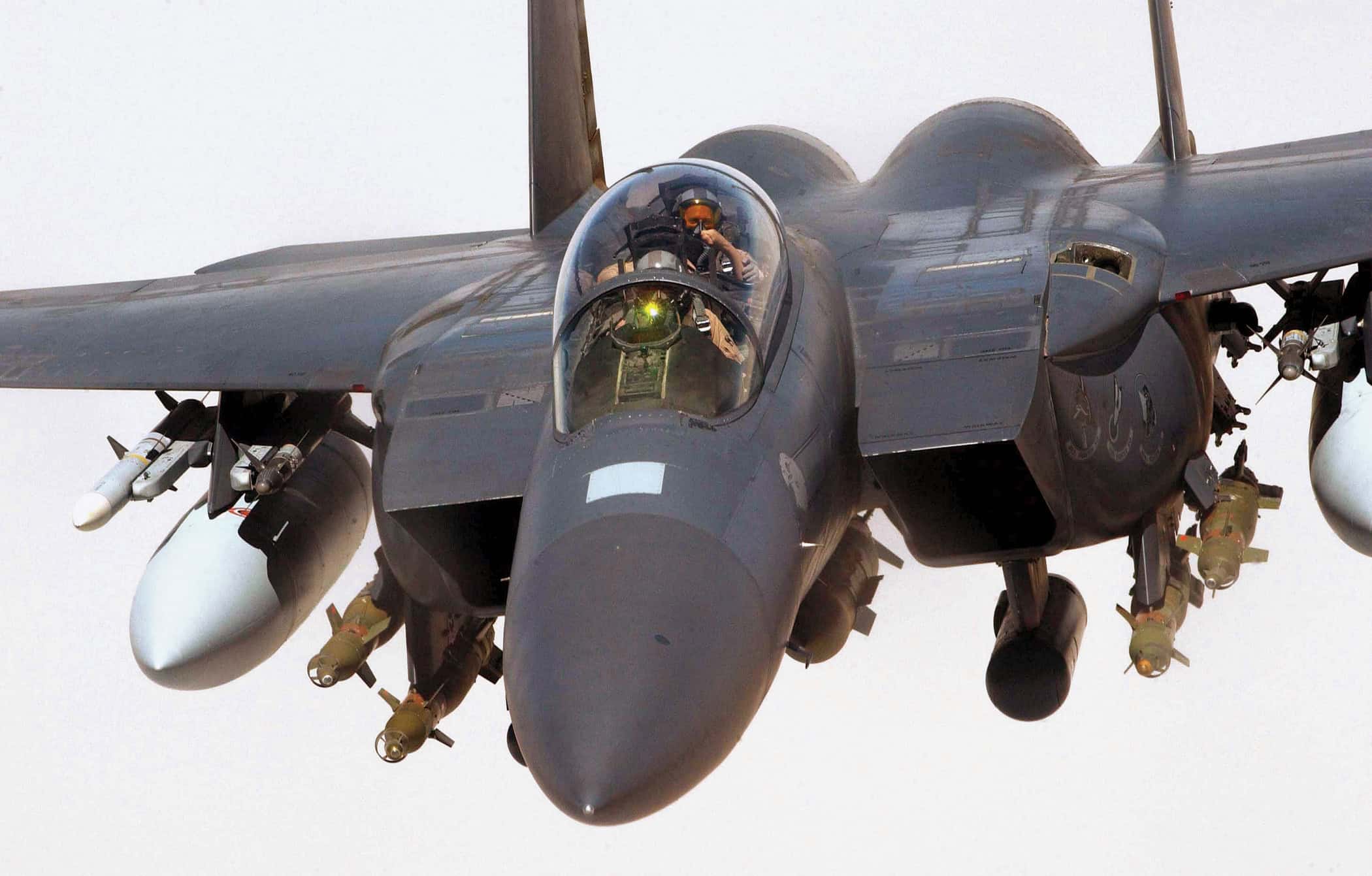
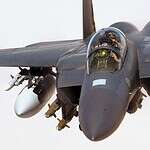
Developed by McDonnell Douglas in the 1970s and later produced under Boeing, the F-15 family of fighter jets is one of the world's most iconic fighters. Capable of speeds greater than Mach 2 and powered by twin engines, the F-15 can haul heavy loads (roughly 16,000 pounds of ordnance on some variants) including air-to-air missiles and bombs. Its combat record is perhaps the best in the world with more than 100 air-to-air victories with no losses in air combat. It has proved itself as an air superiority fighter in conflicts like Desert Storm and more. The Strike Eagle variant added precision ground-attack capabilities, notably in Iraq, Afghanistan and Syria.
F-16C Fighting Falcon
- Type: Multirole 4th generation fighter aircraft
- Year introduced: 1978
- Active aircraft: 708
- Top speed: 1,317 mph
- Armament: 20mm M61 automatic cannon, Sidewinder missiles, AMRAAM missiles, Maverick missiles, Penguin missiles, Runway denial bombs, cluster bombs, laser-guided bombs, conventional drop bombs
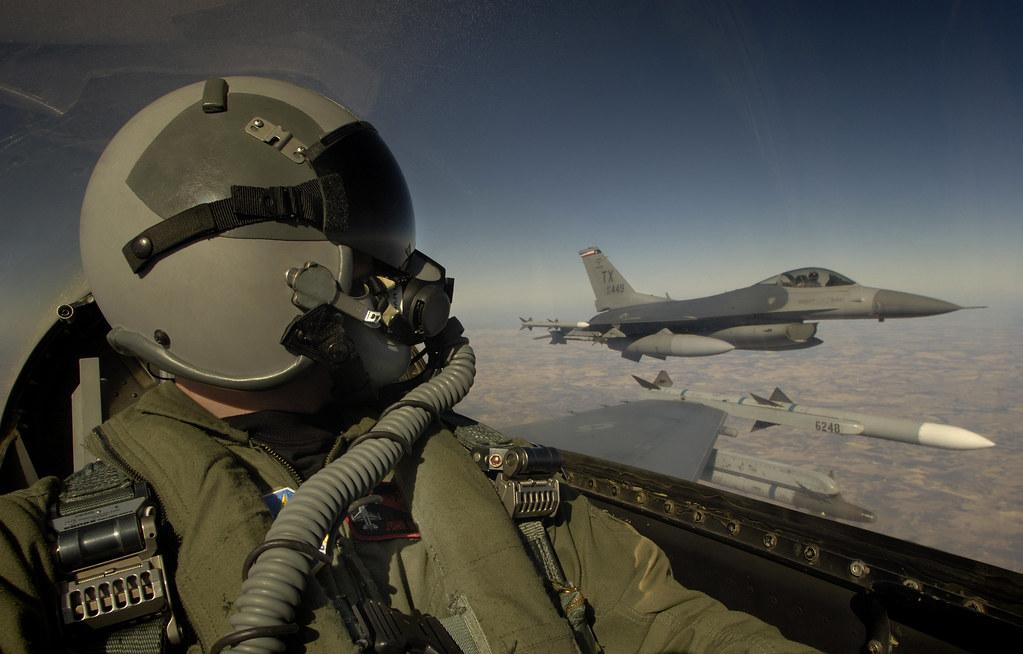
The multirole F-16 Fighting Falcon, introduced in 1978, carved out a global niche as an affordable fourth-generation fighter. Over the years it has been upgraded, but it is still cost-effective compared with newer jets like the F-35. Early variants go for around $13 million while more modern ones cost roughly $25–$60 million depending on the variant. Standard armament includes a 20mm internal cannon plus wide missile and bomb options. The F-16 tops out around 1,300 mph with an operational range near 2,600 miles.
F-22 Raptor
- Type: 5th generation air dominance fighter aircraft
- Year introduced: 2005
- Active aircraft: 178
- Top speed: 1,599 mph
- Armament: 20mm automatic cannon, Sidewinder missiles, AMRAAM missiles, joint drop munitions, drop bombs, air-launched cruise missiles
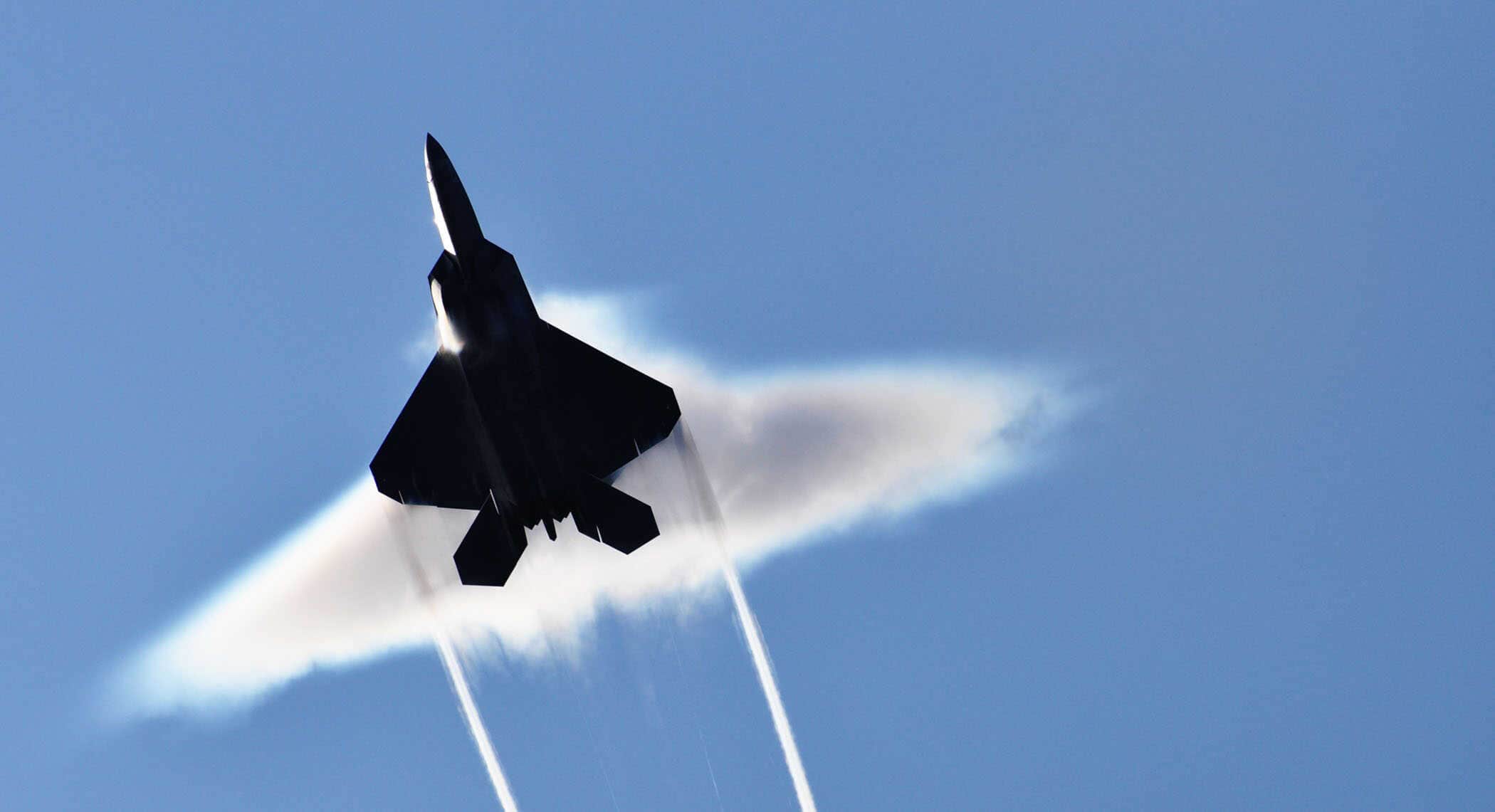
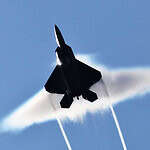
The F-22 Raptor is an air-dominance stealth fighter that was introduced in the mid-2000s. Its production was capped early for cost and policy reasons, making the F-22 rarer and one of the most technologically advanced air-superiority platforms of its era.
F-35A Lightning II
- Type: Multirole 5th generation aircraft
- Year introduced: 2016
- Active aircraft: 246
- Top speed: 1,199 mph
- Armament: 25mm GAU-12/U automatic cannon, Sidewinder missiles, Paveway guided bombs, Rockeye II bombs, Brimstone missiles, Storm Shadow missiles, drop bombs
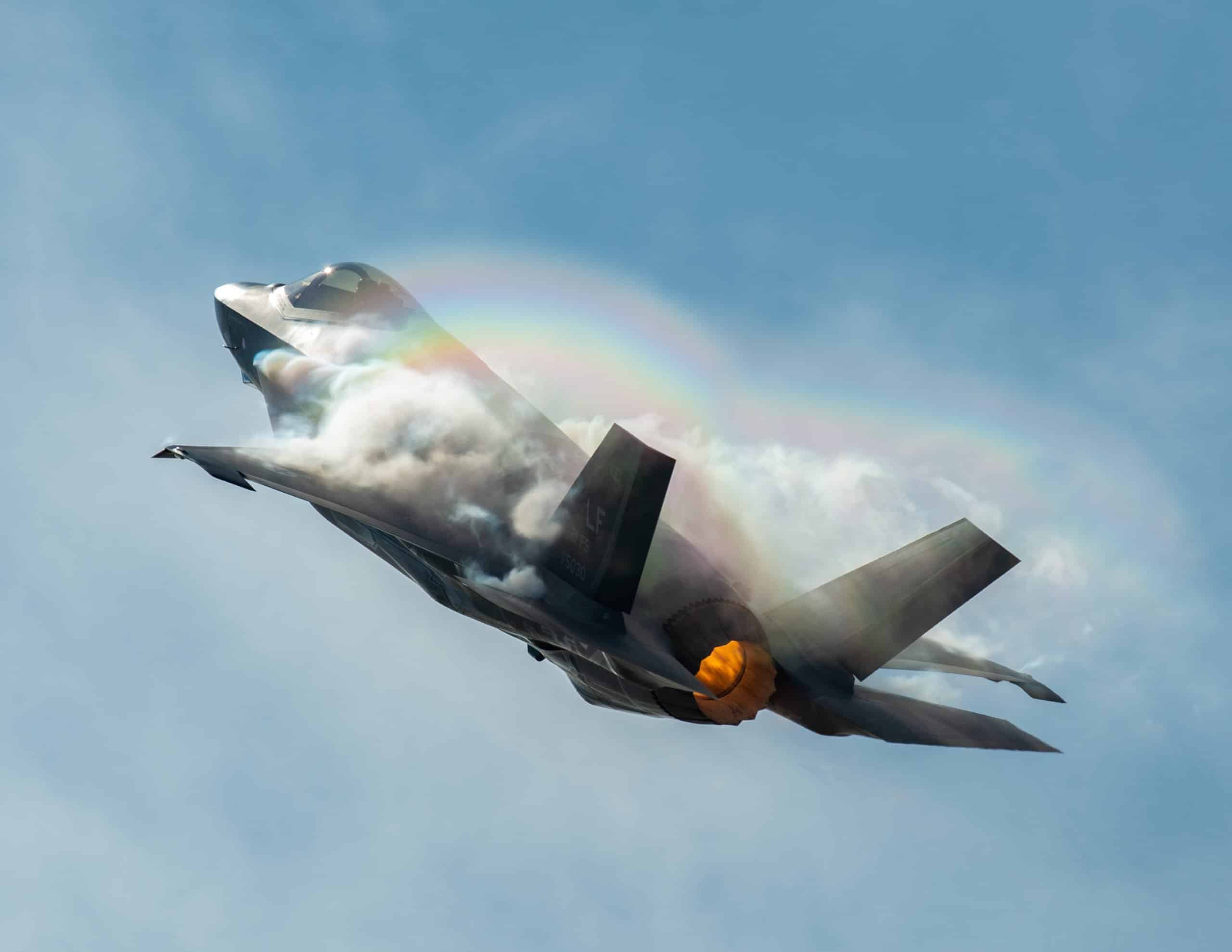
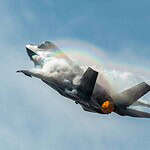
The F-35 Lightning II is a 5th-generation multirole stealth fighter developed by Lockheed Martin and Northrop Grumman for all U.S. armed forces as well as allies. It entered service in the 2010s to replace older fighter jets with improved sensors and stealth. Note that there are three distinct variants (A/B/C) of the F-35 that share a common core (one with VTOL capabilities), making the F-35 the most widely used stealth jet in history.
HC-130J Combat King II
- Type: Transport / in-flight refueler aircraft
- Year introduced: 1959
- Active aircraft: 40
- Top speed: 416 mph
- Armament: N/A
The Combat King II is the combat search-and-rescue variant of the C-130J. It is configured for long-range SAR, airdrop, and helicopter aerial refueling. It also supports CSAR and contested-environment recoveries worldwide.
KC-135 Stratotanker
- Type: Aerial tanker / in-flight refueler
- Year introduced: 1957
- Active aircraft: 375
- Top speed: 530 mph
- Armament: N/A
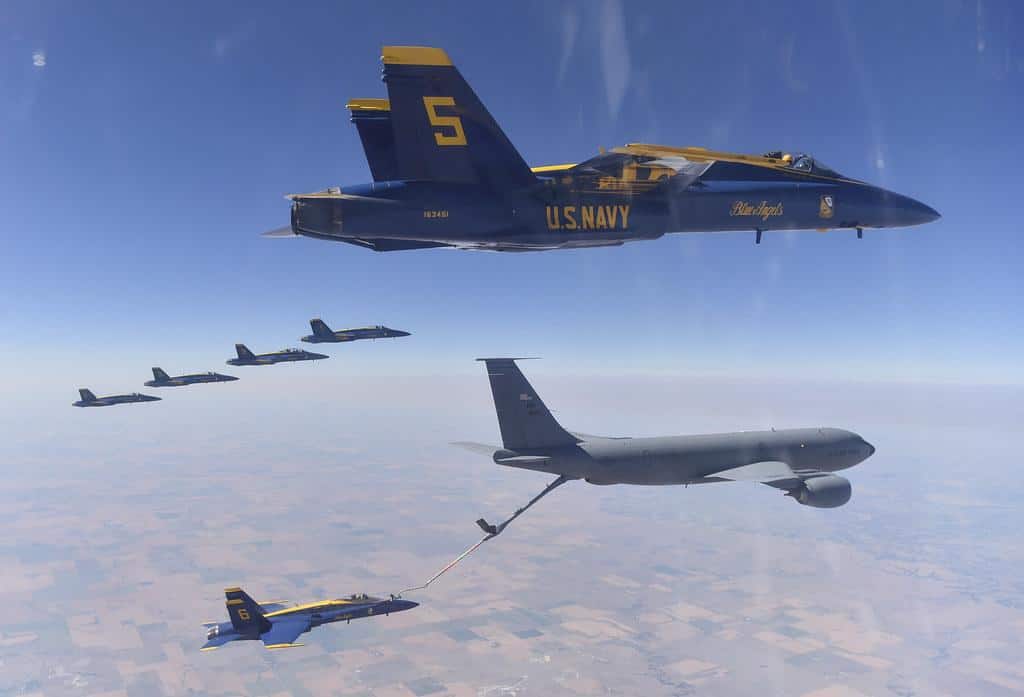
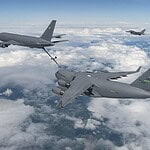
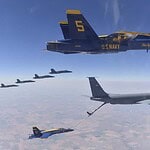
Boeing's KC-135, built from the 707 airliner in the 1950s, is the USAF's long-serving aerial refueler. Basically, this aircraft has been extending fighter and bomber reach worldwide since the Cold War. Modern upgrades keep many flying. KC-135s have refueled everything from SR-71s to modern fighters and remain a strategic force multiplier.
KC-46 Pegasus
- Type: Aerial tanker / in-flight refueler
- Year introduced: 2019
- Active aircraft: 88
- Top speed: 569 mph
- Armament: N/A
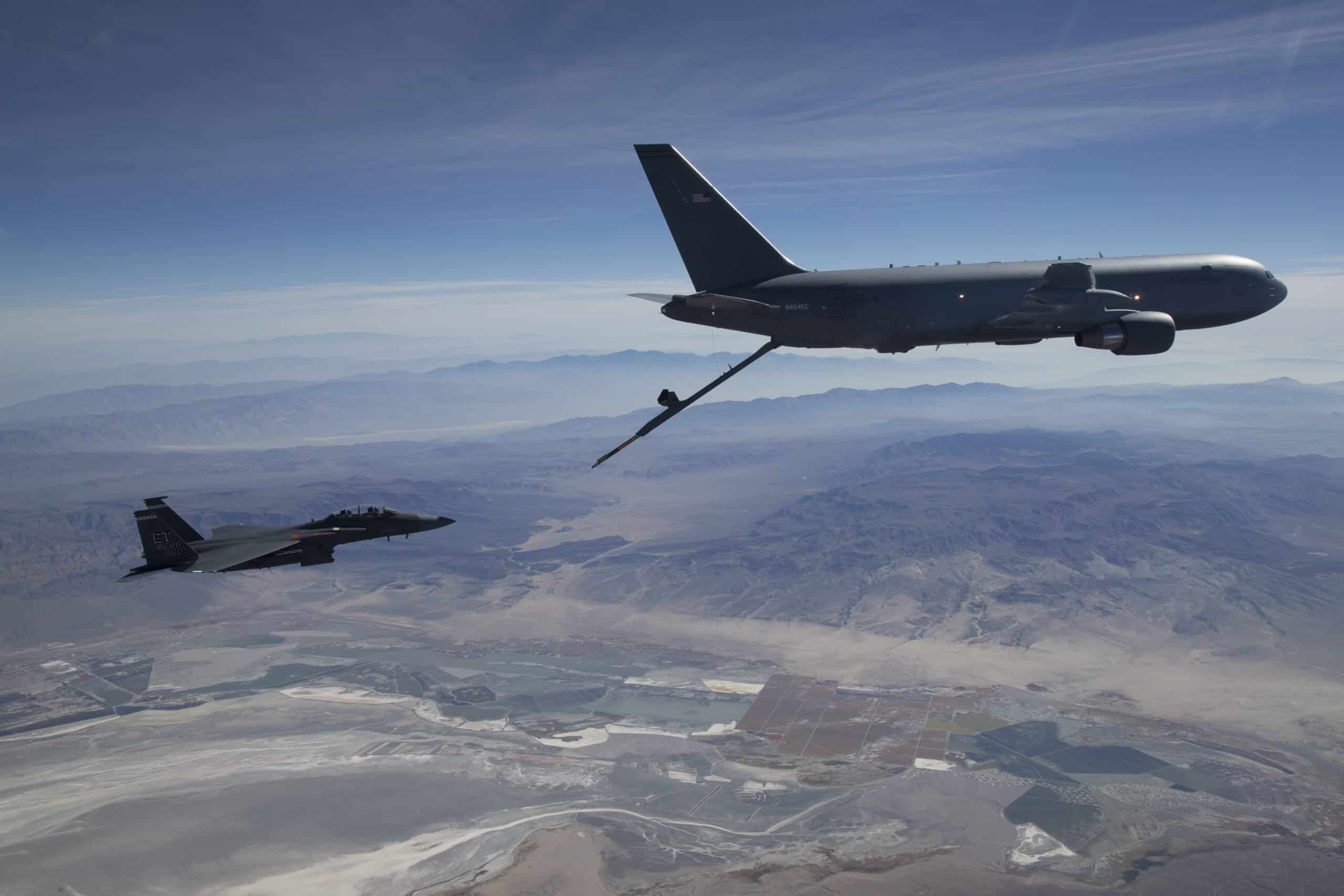
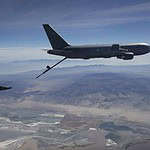
The KC-46 is the USAF's newest tanker, fielded to replace aging the aging fleet of KC-135s with improved cargo, refueling, and avionics capability. It entered service in the late 2010s.
Learjet 35
- Type: Transport aircraft
- Year introduced: 1973
- Active aircraft: 19
- Top speed: 530 mph
- Armament: N/A
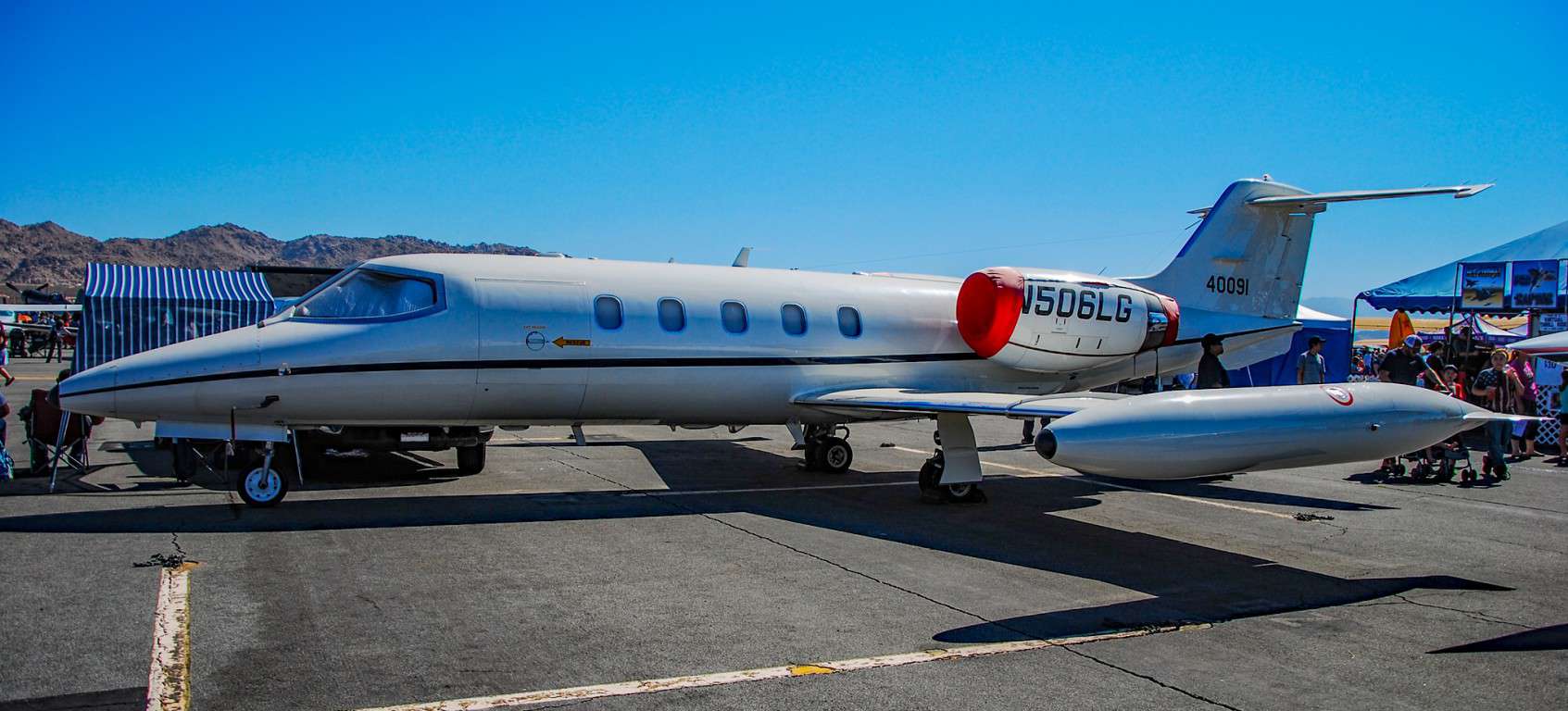
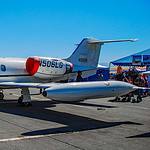
The Learjet 35 is a twin-jet business aircraft introduced in the 1970s, known for its speed, range, and low operating cost. Outside of corporate transport it has found roles as an air ambulance and military trainer.
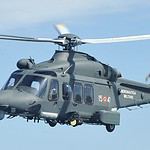
Leonardo AW139
- Type: Medium-lift utility helicopter
- Year introduced: 2003
- Active aircraft: 8
- Top speed: 193 mph
- Armament: 7.62mm general purpose machine guns
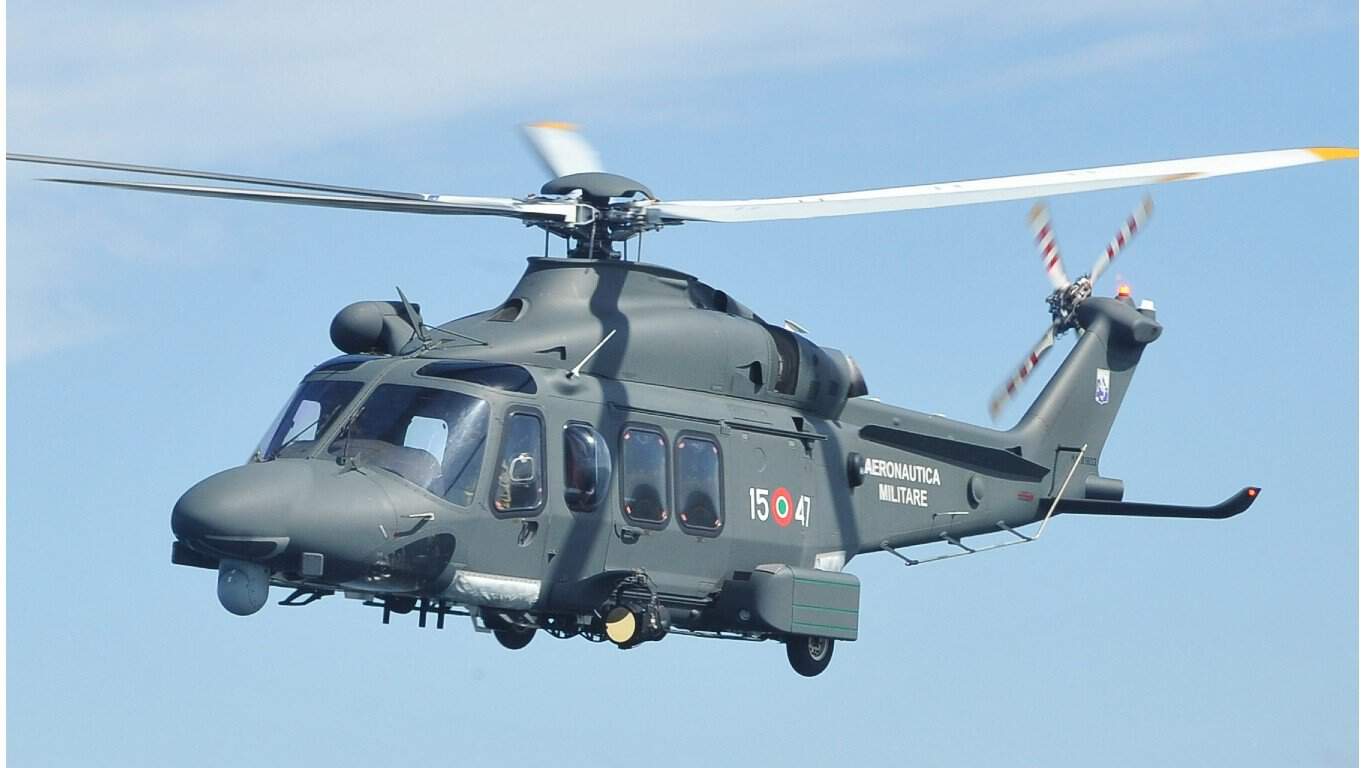
Originally designed and constructed by Leonardo, the AW139 is used by both the military and civilians. There are currently four in active service of the U.S. Air Force. These helicopters were initially designed for search-and-rescue missions, but they have been adopted for other purposes since then. The military version can equip small machine guns, but its primary designation is not for combat.
MC-130J Commando II
- Type: Special operations transport aircraft
- Year introduced: 2012
- Active aircraft: 57
- Top speed: 416 mph
- Armament: N/A
The MC-130J is the USAF Special Operations C-130J variant for infiltration, resupply, and airdrop. It is known for its effectiveness in low-level, night, and clandestine missions.
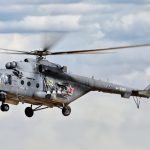
Mi-171 Hip-H
- Type: Medium-lift transport helicopter
- Year introduced: 1981
- Active aircraft: 1
- Top speed: 158 mph
- Armament: Shturm missiles, rocket pods, 23mm cannon pods, 7.62mm machine guns
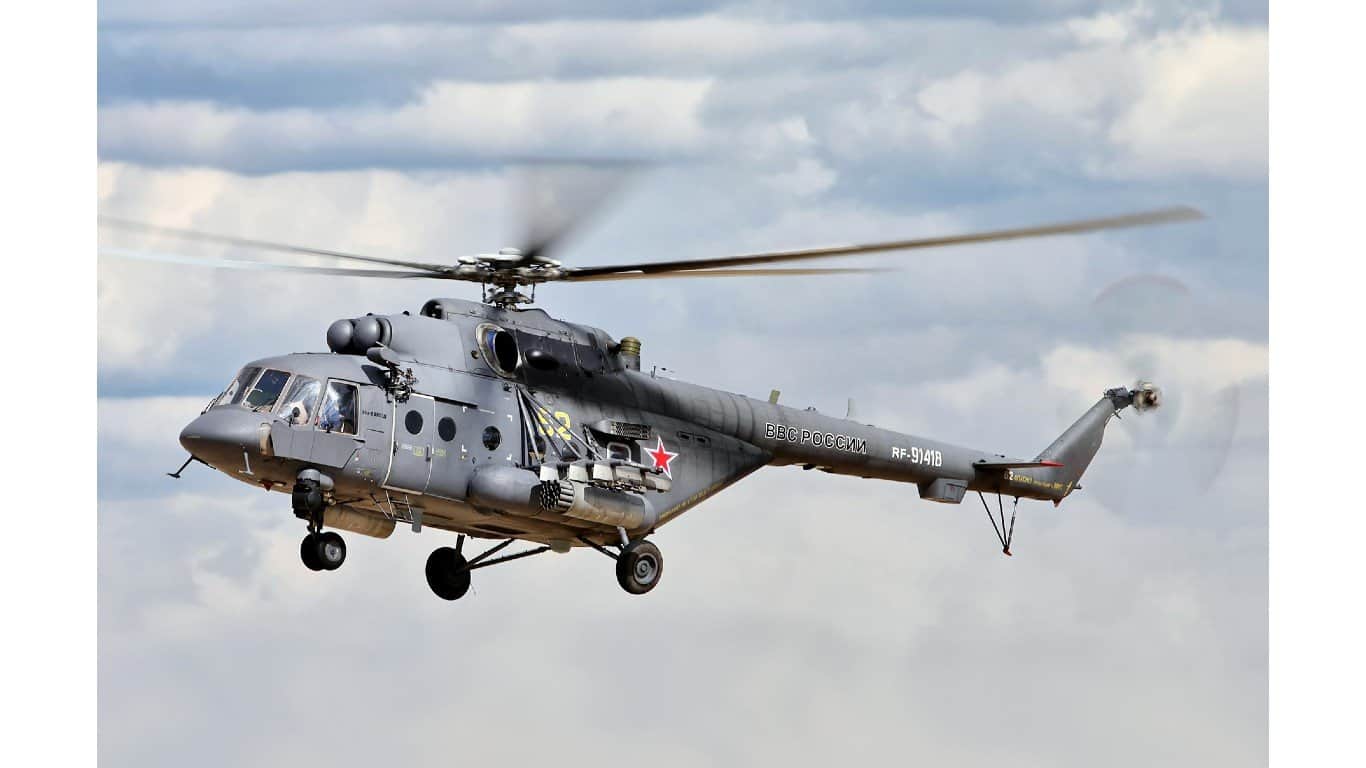
Originally designed by the Soviets at the Mil Moscow Helicopter Plant, this has been a staple for the Russian Air Force for years. While this is a widely used helicopter for many militaries around the world, the U.S. Air Force only has one. However, American engineering for other more advanced helicopters like the Black Hawk or Apache is more of a priority for the U.S. Air Force.
PA-31 Navajo
- Type: Utility aircraft
- Year introduced: 1967
- Active aircraft: 1
- Top speed: 261 mph
- Armament: N/A
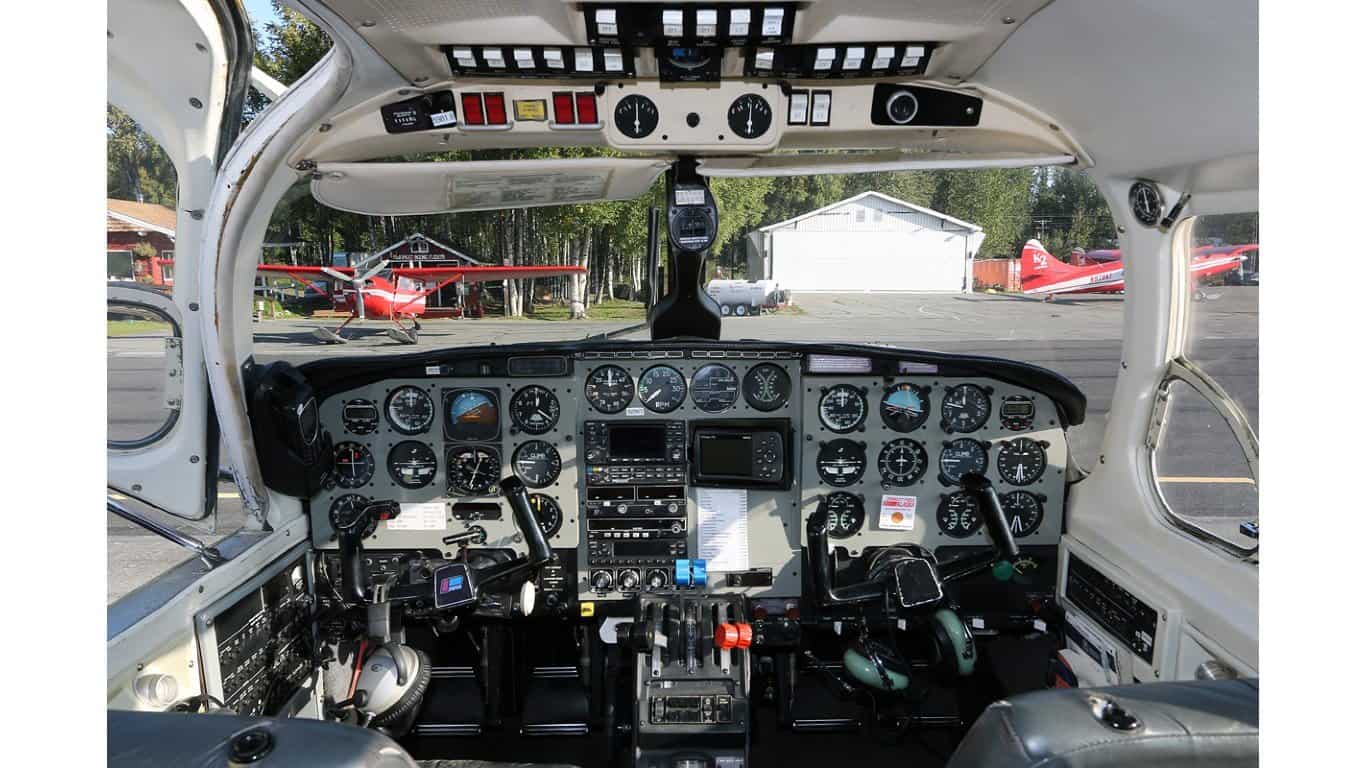
The PA-31 Navajo is a twin-engine light transport introduced in the 1960s as a utility aircraft. Outside of the military it is widely flown by regional carriers and charter services.
S-70 Black Hawk
- Type: Medium-lift multi-mission helicopter
- Year introduced: 1979
- Active aircraft: 95
- Top speed: 183 mph
- Armament: 7.62mm machine guns, Hellfire missiles, 12.7mm gatling guns, M134 gatling guns, rocket pods, 30mm chain gun
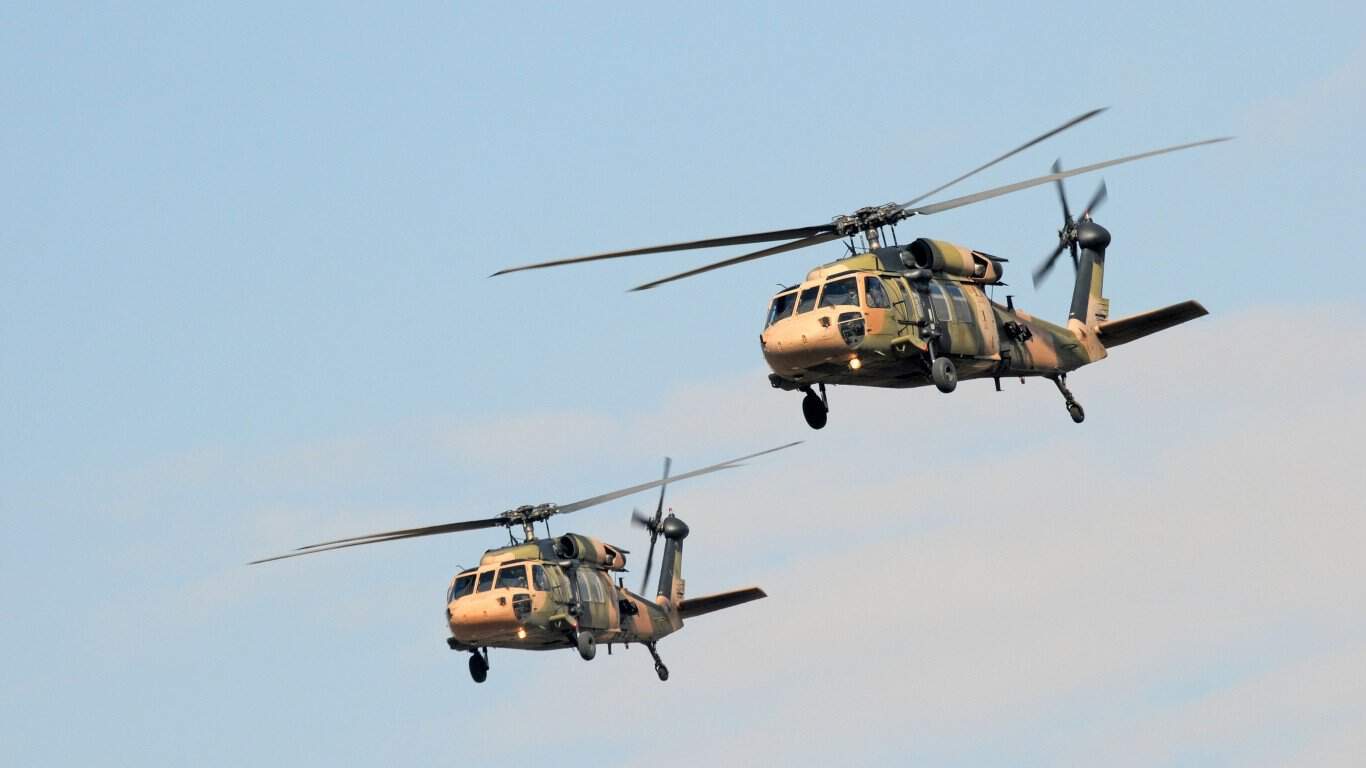
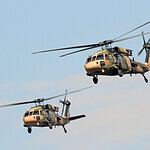
Black Hawk helicopters have been a global workhorse for not just the U.S. Armed forces. They were famously seen in the 1993 Battle of Mogadishu where they performed under intense urban fire and helped evacuate casualties. This was later dramatized in the film Black Hawk Down. Widely regarded as one of the most iconic helicopters ever built, the UH-60 family serves across U.S. military branches with several thousand of these in service. Powered by twin turboshaft engines and sporting a four-bladed main rotor plus four-bladed tail rotor, the Black Hawk can exceed 180 mph, typically flies with two pilots and two crew chiefs, transports up to 11 fully equipped soldiers, and carries roughly a 9,000-pound payload.
U-2 Dragon Lady
- Type: High-altitude surveillance aircraft
- Year introduced: 1955
- Active aircraft: 24
- Top speed: 475 mph
- Armament: N/A
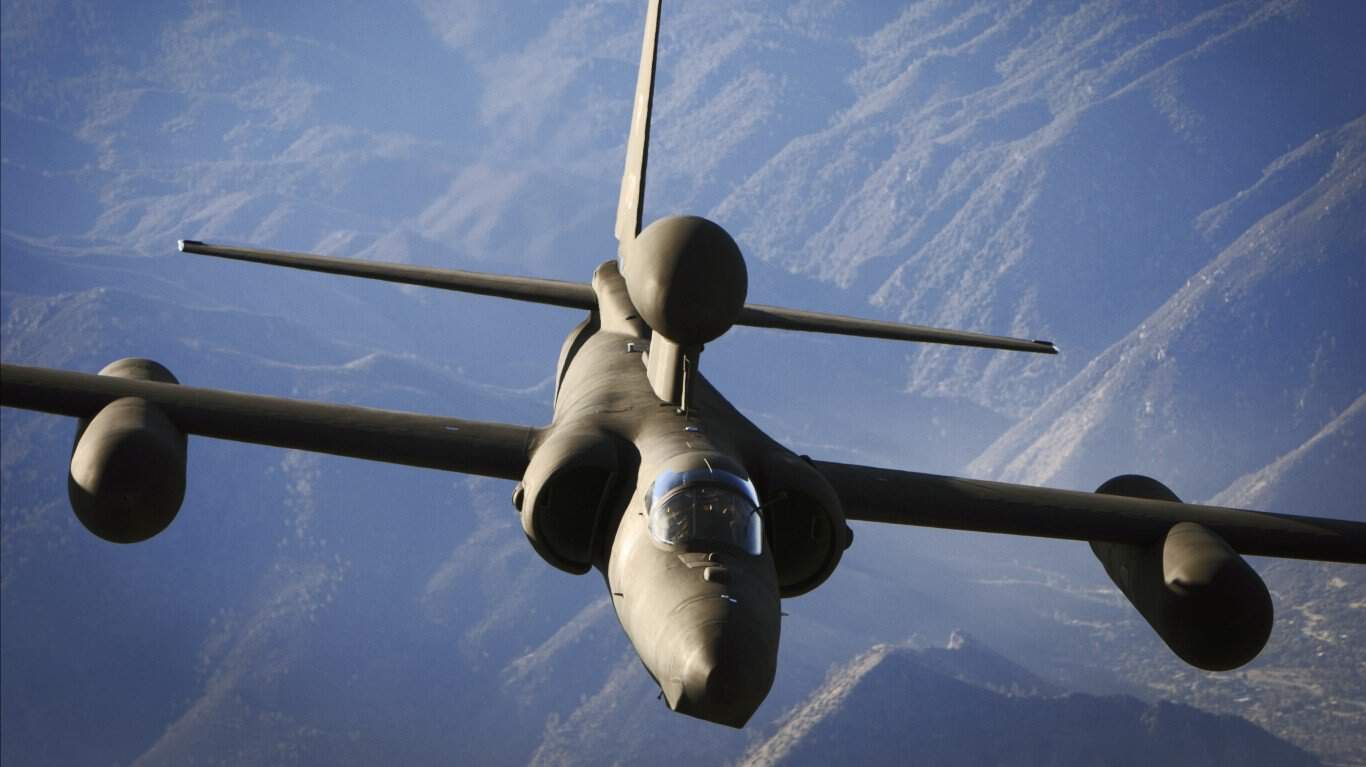
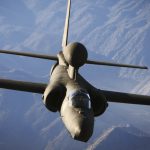
The U-2 Dragon Lady is a high-altitude reconnaissance aircraft built for strategic ISR. It was first flown in the 1950s and saw service during the Cold War. The Dragon Lady still provides high-altitude surveillance for the USAF.
U-28A Draco
- Type: Light utility aircraft
- Year introduced: 1994
- Active aircraft: 34
- Top speed: 329 mph
- Armament: N/A
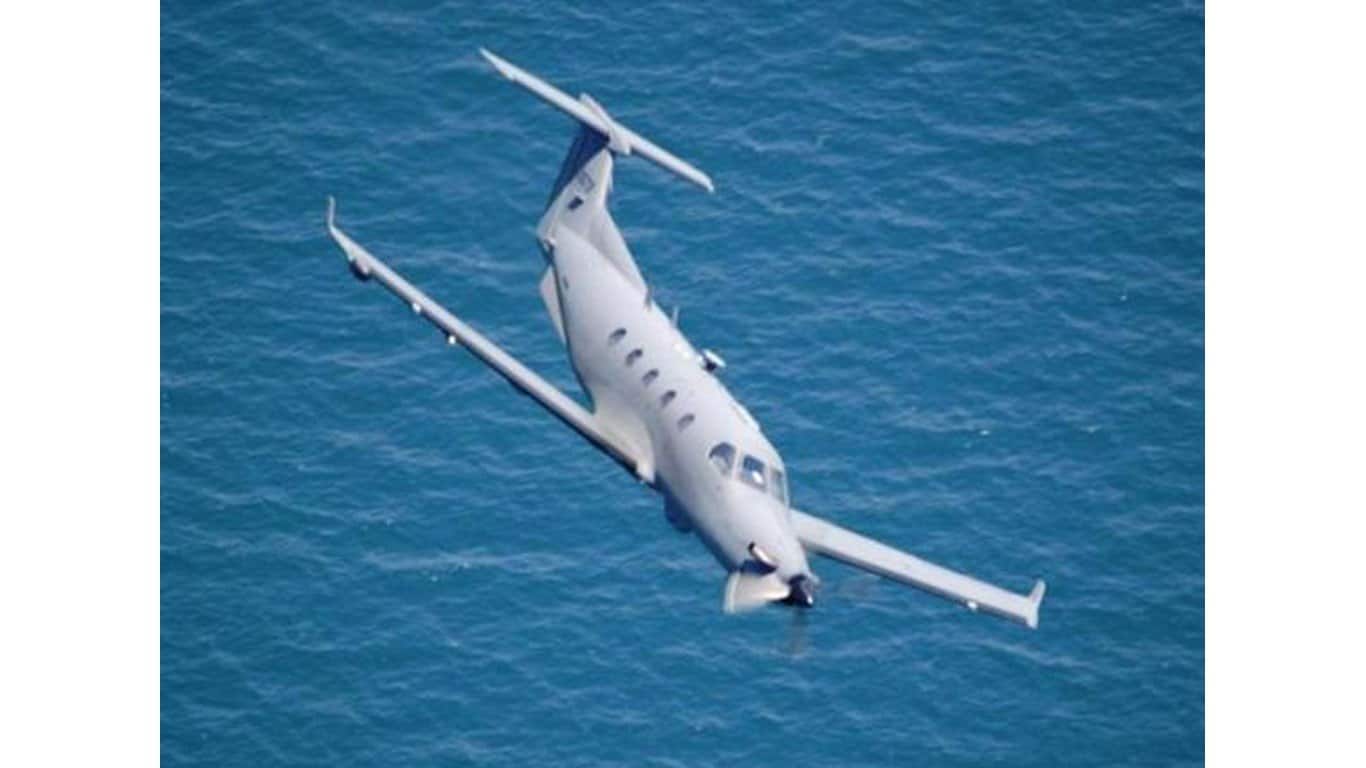
The U-28A Draco is the USAF Special Operations aircraft used for ISR, light transport, and overwatch. These aircraft offer flexible, short-field operations with modern sensor suites and real-time comms for special operations.
UH-1N Twin Huey
- Type: Multi-role utility helicopter
- Year introduced: 1970
- Active aircraft: 64
- Top speed: 150 mph
- Armament: 12.7mm GAU-16 machine gun, 7.62mm machine guns, 70mm rocket pods
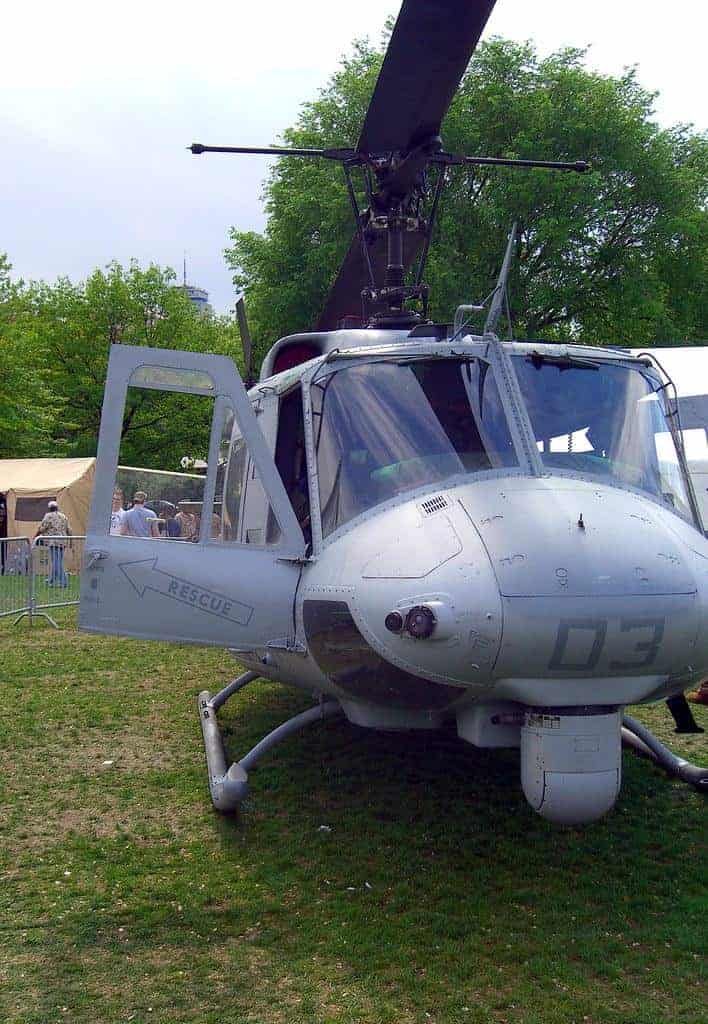
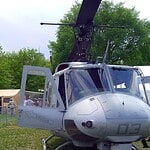
The UH-1N Twin Huey is a multi-role utility helicopter introduced in 1970, with a top speed of 150 mph and a wide range of armaments, including 12.7mm GAU-16 machine guns and 70mm rocket pods. It was manufactured by Bell Helicopter, and it has been widely used by the U.S. military since the 1970s. There have been many variations of the UH-1 Huey that span a number roles, but mainly combat. Other notable variants are the UH-1 Iroquois, UH-1Y Venom, and AH-1 Cobra.
The image featured at the top of this post is ©Public Domain / Wikimedia Commons / Original