



Firearms Designed for Urban Warfare That Gave Soldiers a Major Edge
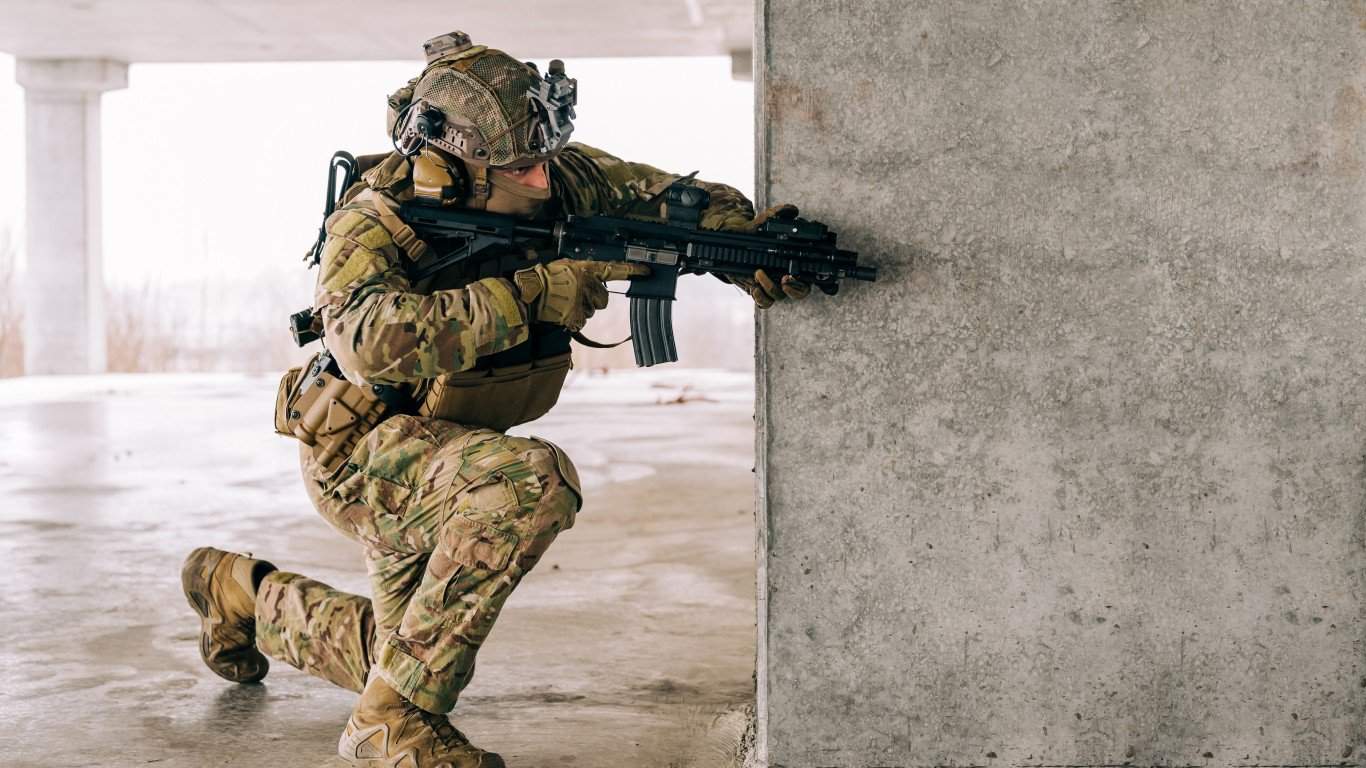
Urban warfare has transformed how firearms are designed and used, shifting the focus from raw firepower to precision, control, and adaptability. In dense cities filled with tight corridors, crowded streets, and constant civilian presence, soldiers and law enforcement must rely on weapons built for speed and maneuverability. Many of today’s most widely used firearms, including compact carbines, modular rifles, and specialized submachine guns, were developed specifically to meet the demands of close-quarters combat.
These innovations did more than improve performance in urban environments. They helped reshape modern tactical doctrine. By examining the firearms that proved most effective in city fighting, we can better understand how urban conflict continues to influence military strategy, special operations, and law enforcement worldwide.
To build this list, History Computer reviewed a range of historical and military sources, focusing on firearms designed or refined for urban combat. Each entry highlights its origin, role in close-quarters engagements, and the lasting impact it had on how modern forces operate.
Here is a look at the firearms built for urban combat zones that changed the game:
Where the Battlefield Shrinks
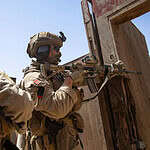
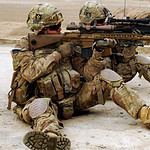
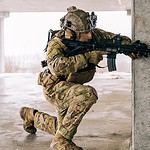
Urban combat transforms the battlefield into a confined and unpredictable environment, where engagement distances are often reduced to just a few meters. Buildings, hallways, and narrow streets replace open terrain, forcing soldiers to react quickly in close quarters. In these conditions, speed and precision become more important than range or raw firepower, requiring firearms that can be handled efficiently in tight spaces while maintaining control during rapid engagements.
Why Compactness Changes Everything
In urban environments, the size of a firearm can determine its effectiveness. Longer weapons are harder to maneuver in confined spaces, making compact designs far more practical. Short barrels, folding stocks, and bullpup configurations allow operators to maintain firepower while improving handling. Lightweight systems also reduce fatigue, enabling sustained operations in physically demanding environments where mobility is essential.
Control, Recoil, and Rapid Engagement
Effective urban combat requires firearms that balance firepower with controllability. High rates of fire can be advantageous, but only if the operator can maintain accuracy. Low recoil systems allow for faster follow-up shots, while precision is critical to minimize collateral damage in densely populated areas. These factors have driven the development of firearms optimized for controlled, rapid engagements in close quarters.
Modular Weapons and Tactical Flexibility
Modern urban combat demands flexibility, and firearms have evolved to meet this need through modular design. Accessories such as optics, lights, lasers, and suppressors enhance performance in low-light and confined environments. This adaptability allows a single platform to be configured for multiple roles, reflecting a broader shift in doctrine toward versatile, mission-specific equipment.
How Urban Combat Reshaped Firearms Doctrine
The challenges of urban warfare have driven significant changes in how firearms are designed and used. Special operations forces and law enforcement units have played a key role in developing tactics and equipment suited for close-quarters combat. These innovations have influenced global military doctrine, leading to firearms that prioritize versatility, reliability, and control. As a result, the lessons learned in urban environments continue to shape modern combat strategies.
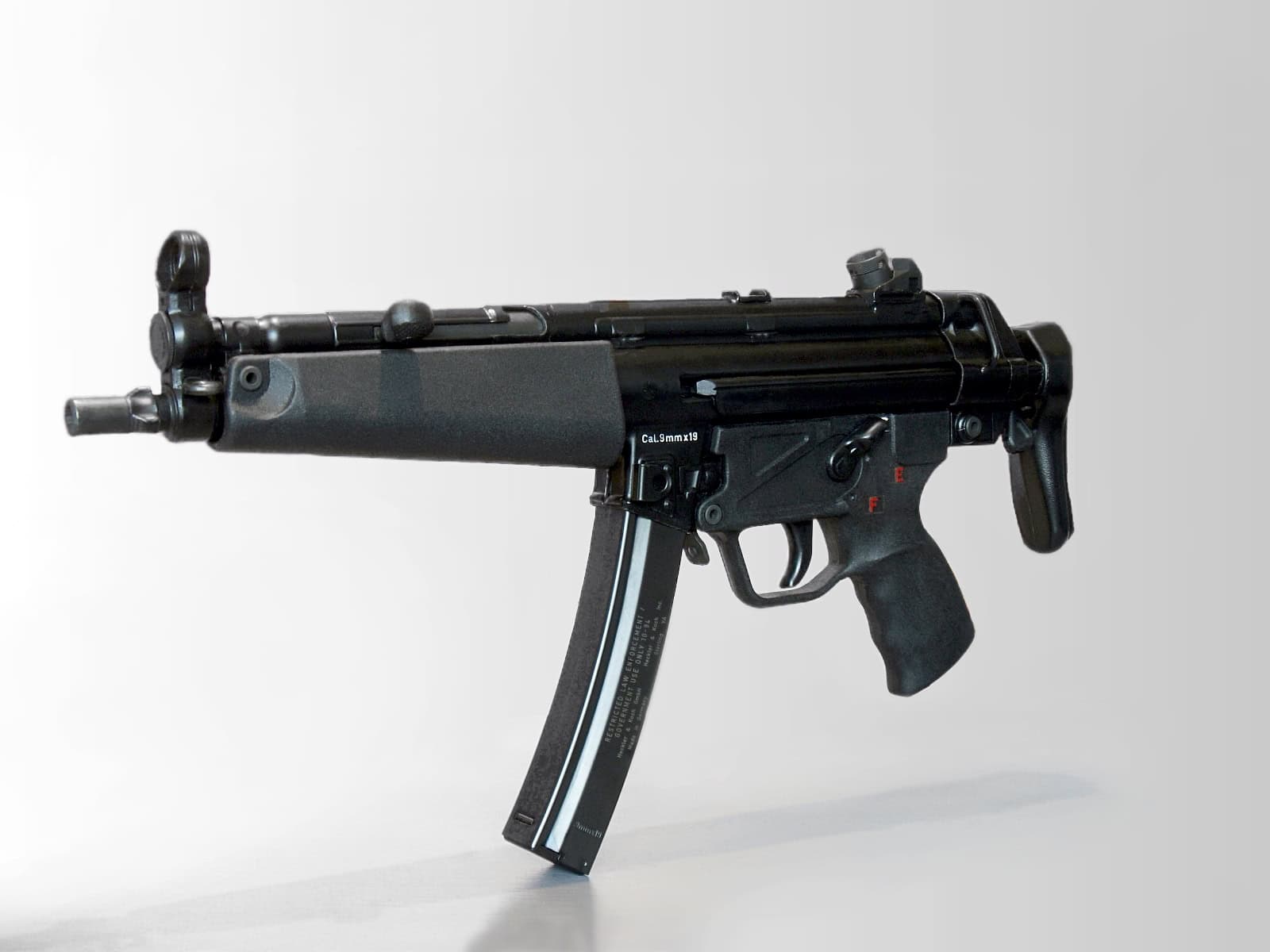
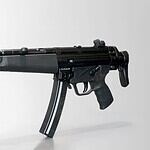
HK MP5
- Weapon Type: SMG
- Country of Origin: Germany
- Year Introduced: 1966
- Primary Urban Conflict or Use Case: Counterterror / SWAT
- Key Urban Design Feature: Compact size, low recoil
- CQB Role: Room clearing
- Tactical Advantage in Urban Combat: High controllability
- Doctrine or Tactical Impact: Defined modern CQB doctrine
The HK MP5 became the gold standard for close-quarters battle, particularly in counterterror operations, due to its low recoil and exceptional controllability. Its widespread use by elite units demonstrated the effectiveness of precision over volume in confined spaces. This weapon helped define modern CQB doctrine, emphasizing accuracy, control, and coordinated room-clearing techniques.
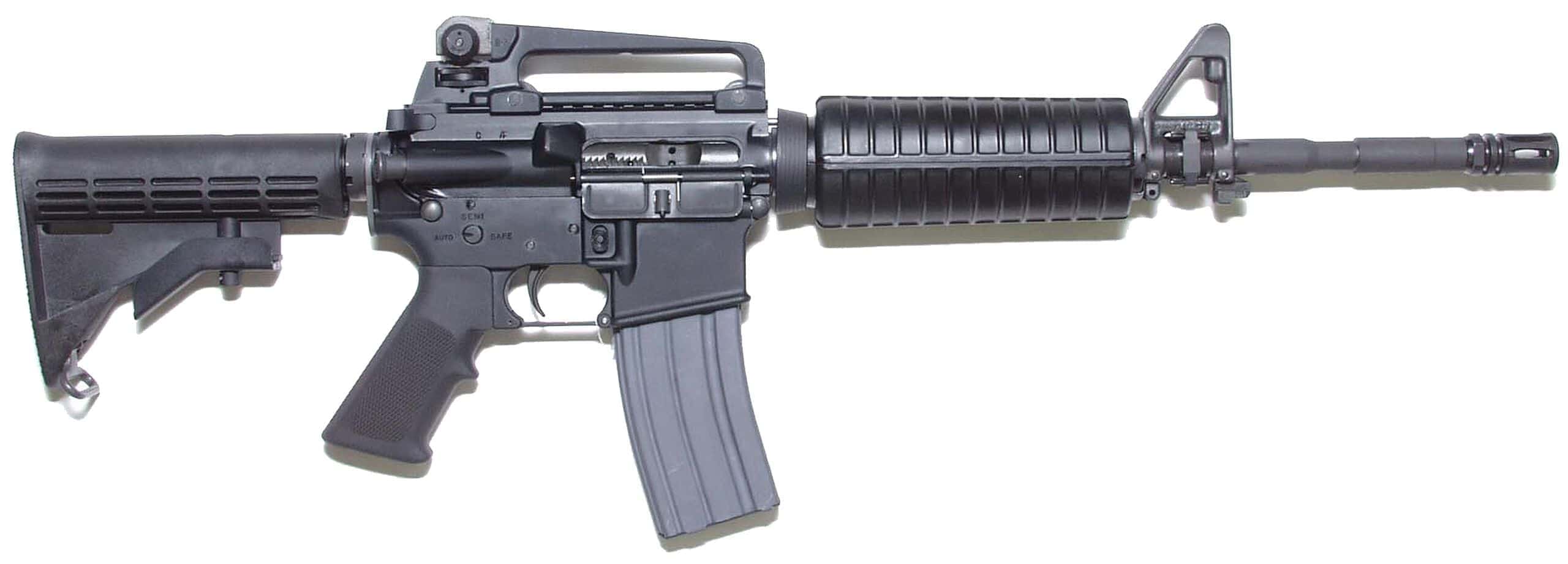
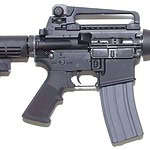
M4 Carbine
- Weapon Type: Carbine
- Country of Origin: United States
- Year Introduced: 1994
- Primary Urban Conflict or Use Case: Iraq / Afghanistan
- Key Urban Design Feature: Modular platform
- CQB Role: Urban infantry
- Tactical Advantage in Urban Combat: Versatility in tight spaces
- Doctrine or Tactical Impact: Standardized modular rifle doctrine
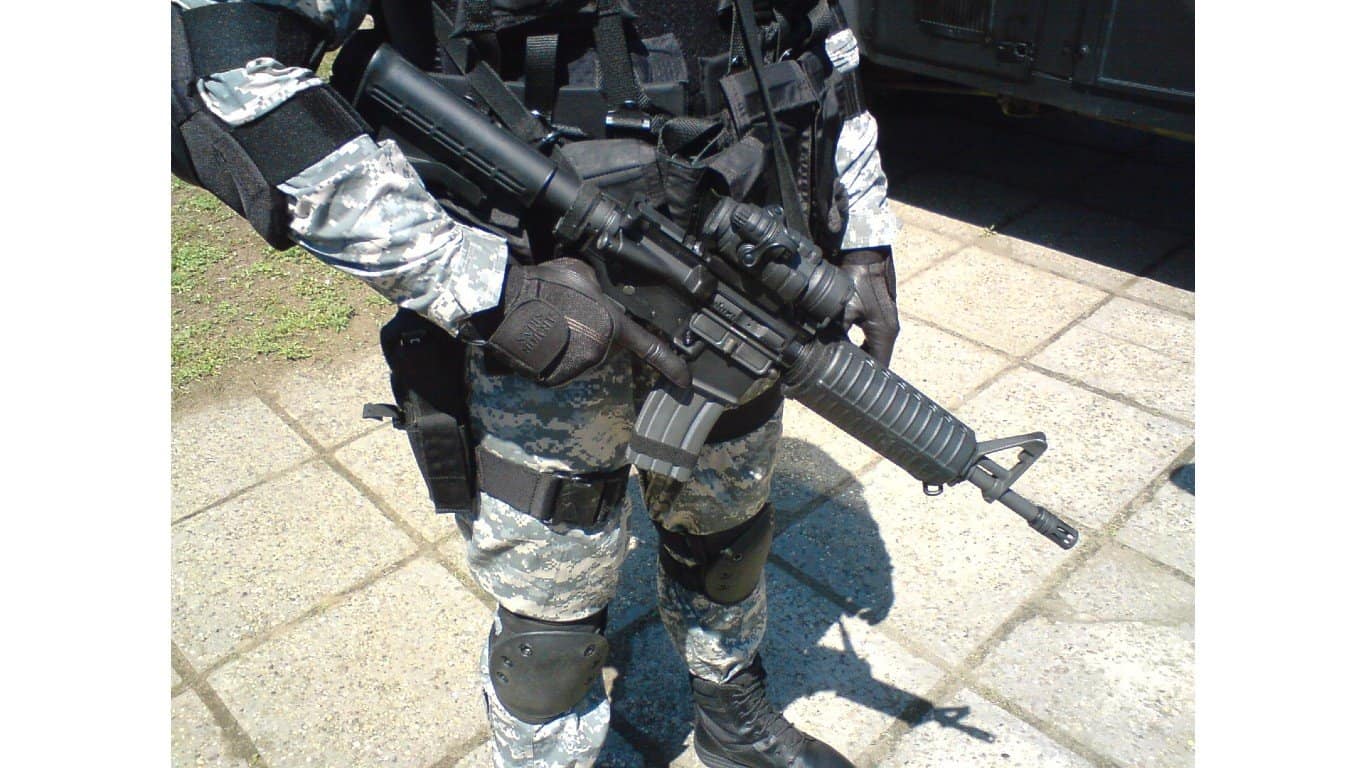
The M4 Carbine transformed urban combat by combining compact size with modular adaptability. Its ability to mount optics, lights, and suppressors allowed soldiers to tailor the weapon for specific missions. This flexibility helped standardize modern infantry doctrine, where adaptability and customization are critical in complex urban environments.
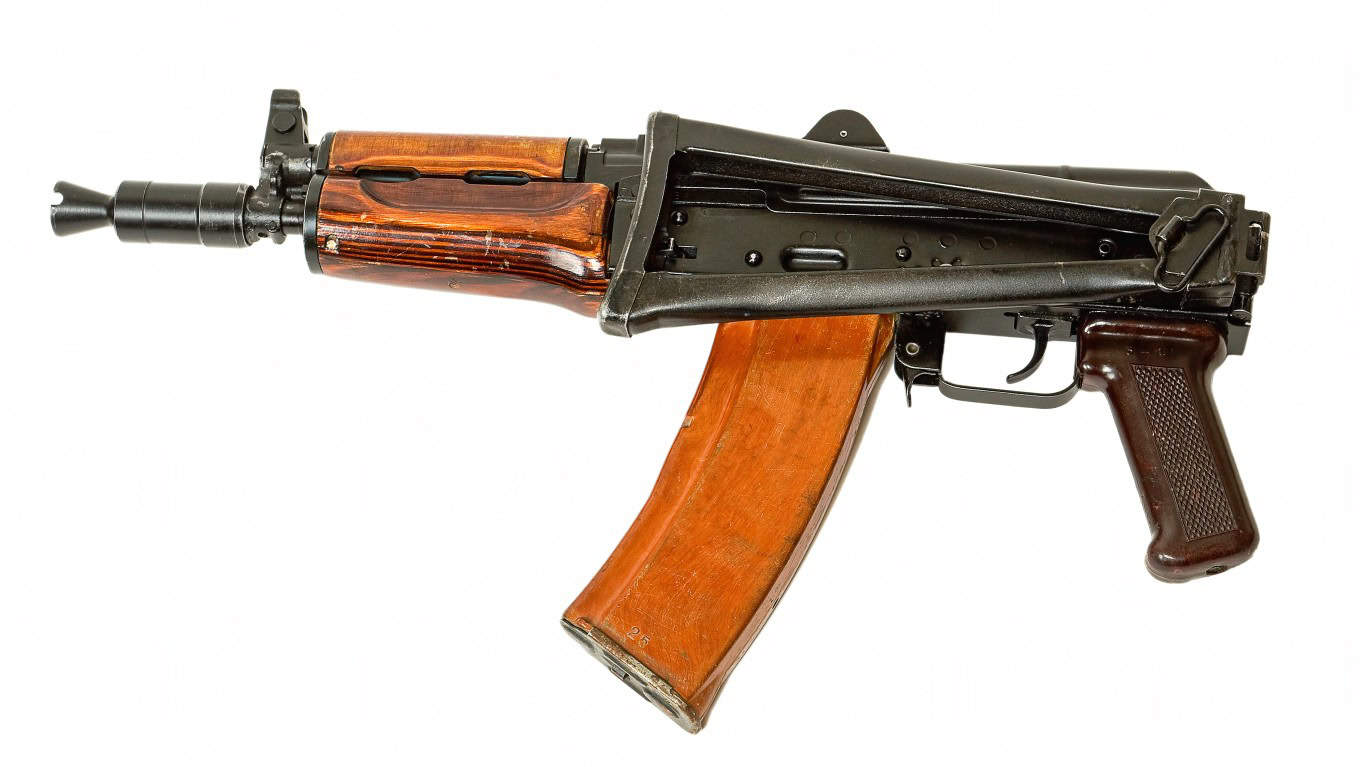
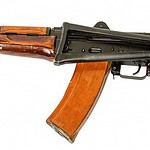
AKS-74U
- Weapon Type: Compact Carbine
- Country of Origin: Soviet Union
- Year Introduced: 1979
- Primary Urban Conflict or Use Case: Urban warfare
- Key Urban Design Feature: Short barrel
- CQB Role: Vehicle / CQB
- Tactical Advantage in Urban Combat: Compact maneuverability
- Doctrine or Tactical Impact: Influenced compact rifle design
The AKS-74U was designed for vehicle crews and special units operating in confined spaces, offering the reliability of the AK platform in a compact form. Its effectiveness in urban combat highlighted the importance of maneuverability, influencing the development of short-barrel rifles for close-quarters engagements.
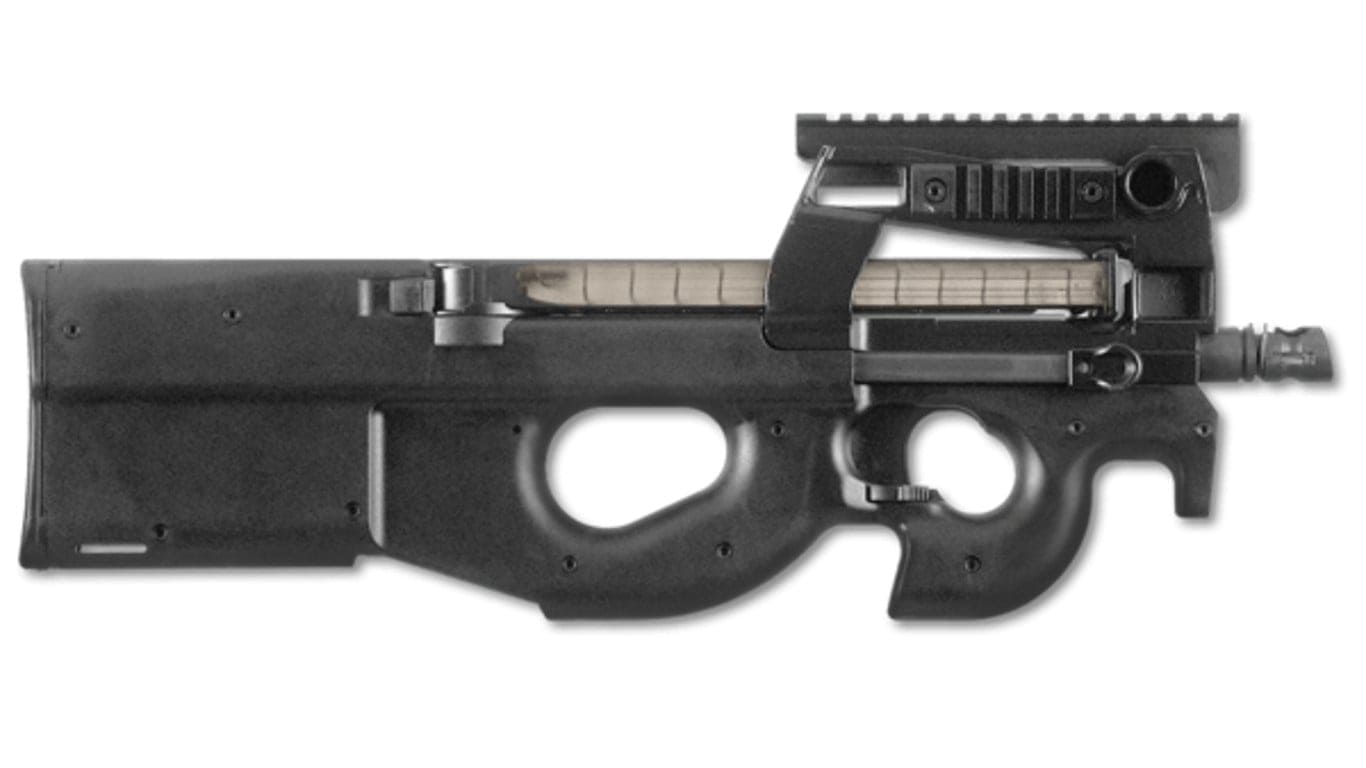
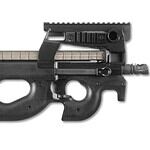
FN P90
- Weapon Type: PDW
- Country of Origin: Belgium
- Year Introduced: 1990
- Primary Urban Conflict or Use Case: Counterterror units
- Key Urban Design Feature: High-capacity magazine
- CQB Role: Close defense
- Tactical Advantage in Urban Combat: Compact high-volume fire
- Doctrine or Tactical Impact: Changed PDW concept
The FN P90 introduced a high-capacity, compact design that allowed operators to maintain sustained fire in close quarters. Its unique configuration and armor-penetrating capability made it ideal for specialized roles. This weapon helped shape the personal defense weapon concept, prioritizing compactness and firepower for urban combat.
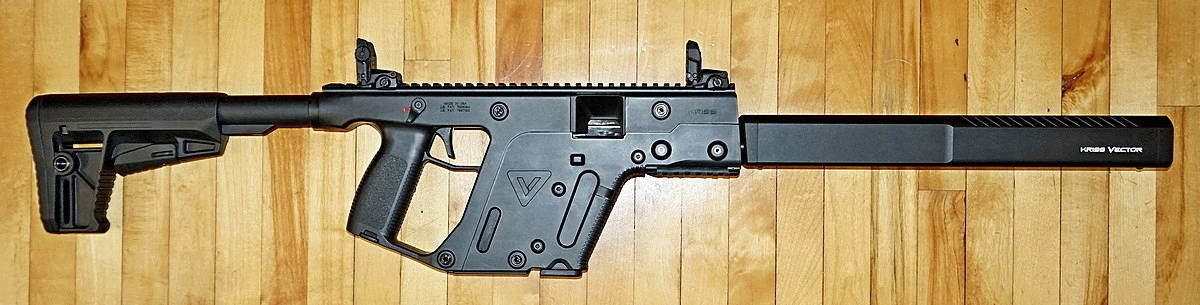
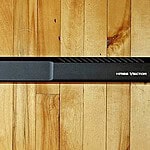
KRISS Vector
- Weapon Type: SMG
- Country of Origin: United States
- Year Introduced: 2009
- Primary Urban Conflict or Use Case: Law enforcement
- Key Urban Design Feature: Recoil mitigation system
- CQB Role: CQB
- Tactical Advantage in Urban Combat: Low recoil rapid fire
- Doctrine or Tactical Impact: Innovated recoil control
The KRISS Vector’s innovative recoil mitigation system allows for rapid, controlled fire in tight spaces. This design improves accuracy during high-rate engagements, making it effective for CQB scenarios. It represents a shift toward engineering solutions that enhance controllability in fast-paced urban combat.
Uzi
- Weapon Type: SMG
- Country of Origin: Israel
- Year Introduced: 1950
- Primary Urban Conflict or Use Case: Urban combat
- Key Urban Design Feature: Compact design
- CQB Role: Infantry / CQB
- Tactical Advantage in Urban Combat: Ease of use
- Doctrine or Tactical Impact: Early SMG doctrine influence
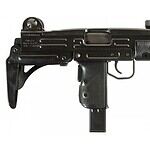
The Uzi’s compact design and ease of use made it one of the first widely adopted submachine guns for urban warfare. Its reliability and portability allowed it to be used effectively by military and police forces, influencing early urban combat tactics and the development of modern SMGs.
Micro Uzi
- Weapon Type: SMG
- Country of Origin: Israel
- Year Introduced: 1980
- Primary Urban Conflict or Use Case: Special forces
- Key Urban Design Feature: Ultra-compact
- CQB Role: CQB
- Tactical Advantage in Urban Combat: Extreme portability
- Doctrine or Tactical Impact: Advanced compact SMG design
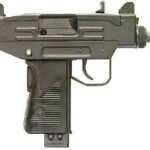
The Micro Uzi pushed compactness to its limits, offering extreme portability for special operations forces. While challenging to control, its size made it ideal for close protection and confined environments. It demonstrated the tradeoffs between size and controllability in CQB weapon design.
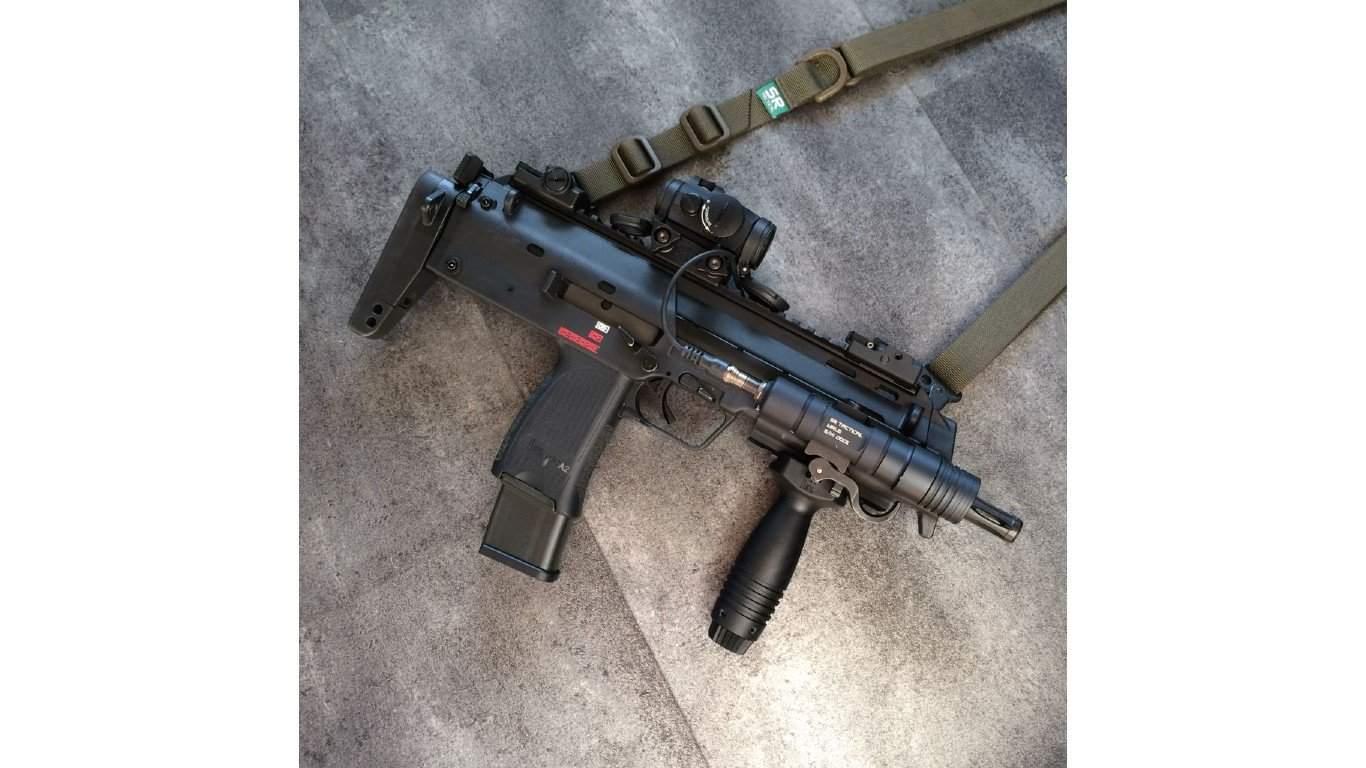
HK MP7
- Weapon Type: PDW
- Country of Origin: Germany
- Year Introduced: 2001
- Primary Urban Conflict or Use Case: Special forces
- Key Urban Design Feature: Armor-piercing rounds
- CQB Role: Close protection
- Tactical Advantage in Urban Combat: Penetration in CQB
- Doctrine or Tactical Impact: Modern PDW evolution
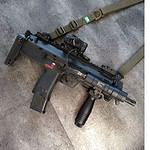
The HK MP7 was designed to provide armor-piercing capability in a compact platform, addressing the evolving threats of urban combat. Its lightweight design and effectiveness against protected targets influenced modern PDW development, emphasizing penetration and portability.
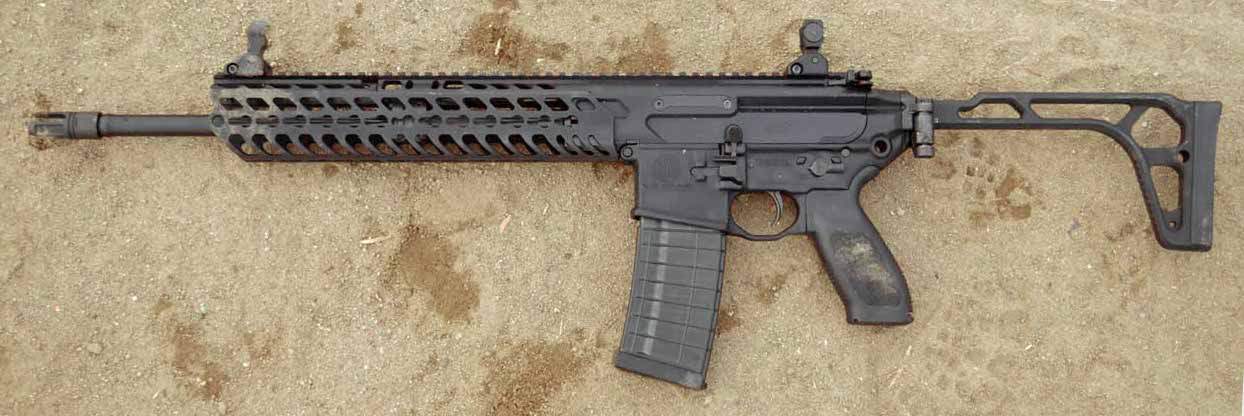
SIG Sauer MCX
- Weapon Type: Rifle
- Country of Origin: United States
- Year Introduced: 2015
- Primary Urban Conflict or Use Case: Special operations
- Key Urban Design Feature: Suppressor-ready
- CQB Role: CQB / suppressed ops
- Tactical Advantage in Urban Combat: Low signature
- Doctrine or Tactical Impact: Influenced suppressed doctrine
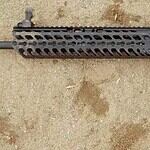
The SIG MCX’s suppressor-ready design and modularity make it highly effective for urban operations, particularly in low-visibility or stealth scenarios. Its adaptability reflects modern doctrine, where reducing signature and maintaining flexibility are key priorities in complex environments.
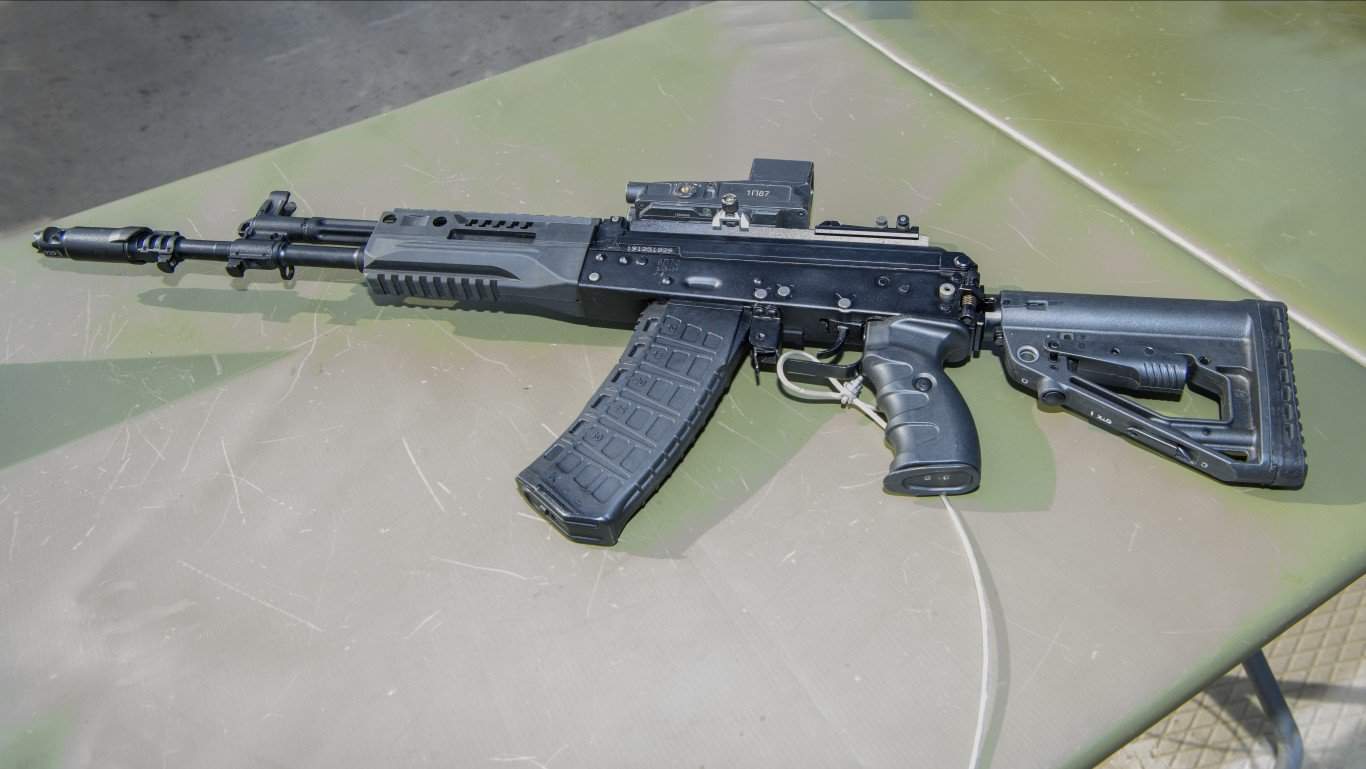
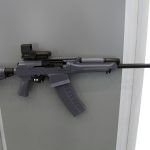
AK-12
- Weapon Type: Rifle
- Country of Origin: Russia
- Year Introduced: 2018
- Primary Urban Conflict or Use Case: Urban warfare
- Key Urban Design Feature: Improved ergonomics
- CQB Role: Infantry
- Tactical Advantage in Urban Combat: Better control
- Doctrine or Tactical Impact: Modernized AK platform
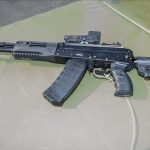
The AK-12 modernized the AK platform with improved ergonomics and modular features, making it more effective in urban combat. These enhancements allow for better control and adaptability, aligning with contemporary infantry tactics that prioritize flexibility and precision.
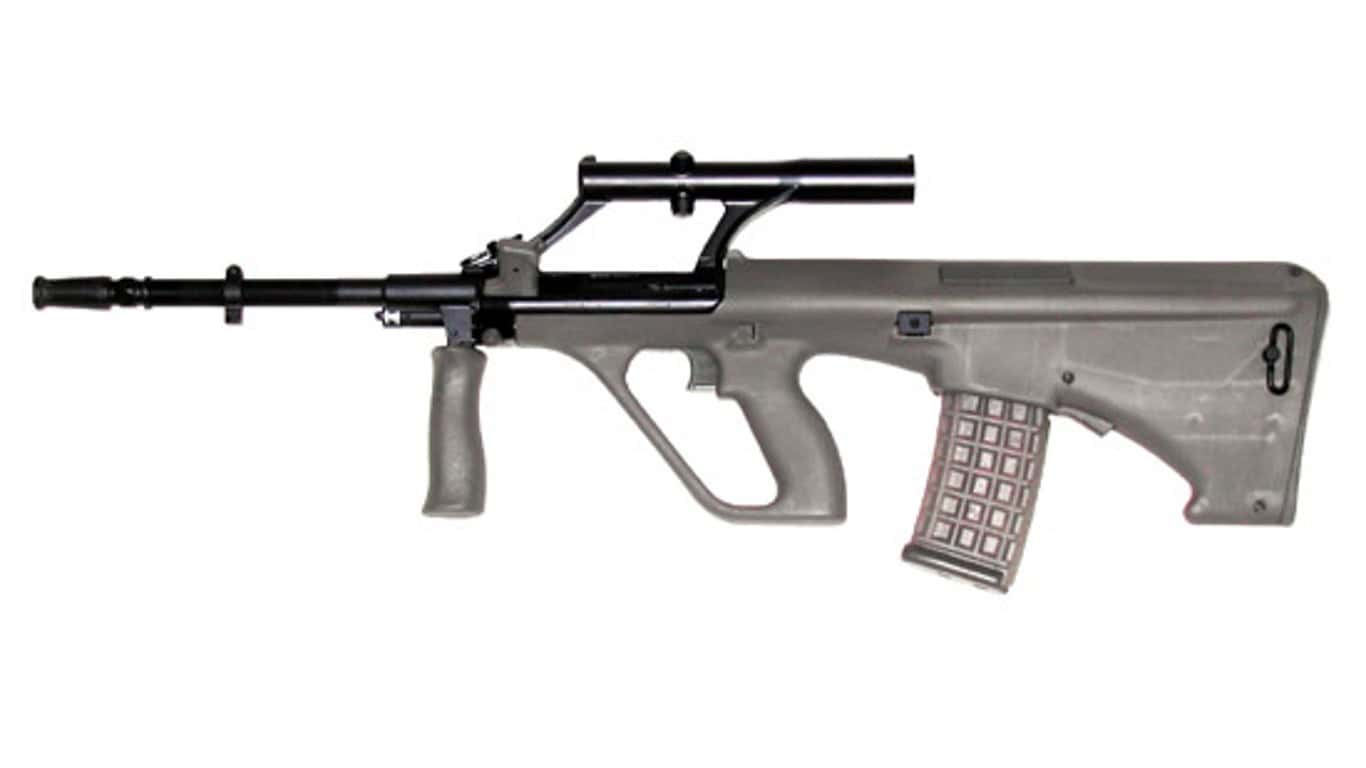
Steyr AUG
- Weapon Type: Bullpup Rifle
- Country of Origin: Austria
- Year Introduced: 1977
- Primary Urban Conflict or Use Case: Urban combat
- Key Urban Design Feature: Bullpup layout
- CQB Role: Infantry
- Tactical Advantage in Urban Combat: Short overall length
- Doctrine or Tactical Impact: Popularized bullpup design
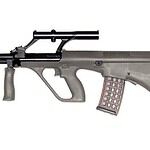
The Steyr AUG’s bullpup design allows for a full-length barrel in a compact form, making it ideal for maneuvering in tight spaces. Its configuration influenced the adoption of bullpup rifles in urban environments, where space and mobility are critical.
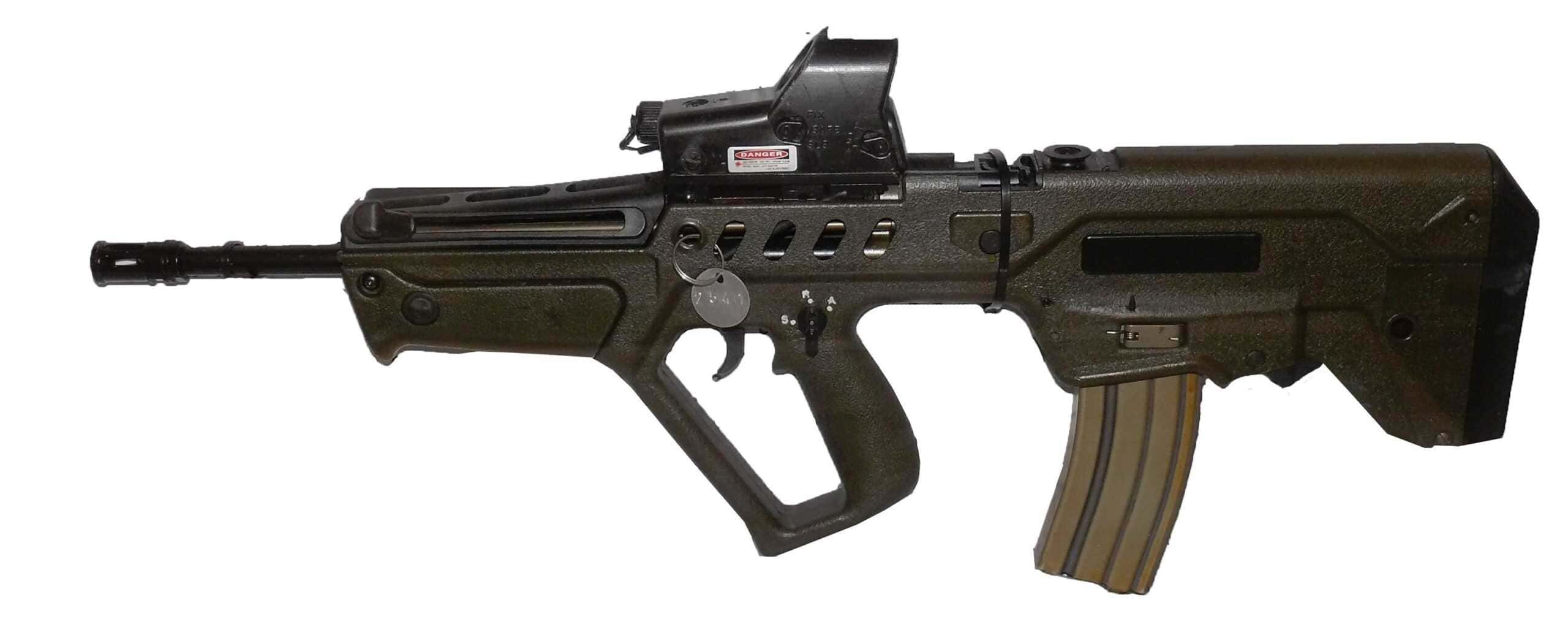
Tavor TAR-21
- Weapon Type: Bullpup Rifle
- Country of Origin: Israel
- Year Introduced: 2001
- Primary Urban Conflict or Use Case: Urban warfare
- Key Urban Design Feature: Rear-weight balance
- CQB Role: Infantry
- Tactical Advantage in Urban Combat: Compact control
- Doctrine or Tactical Impact: Urban rifle optimization
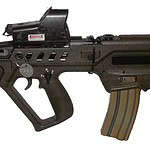
The Tavor TAR-21 was designed with urban combat in mind, offering a compact, rear-balanced configuration that enhances control. Its success reflects the importance of ergonomics and maneuverability in modern infantry weapons.
FN SCAR
- Weapon Type: Rifle
- Country of Origin: Belgium
- Year Introduced: 2004
- Primary Urban Conflict or Use Case: Special forces
- Key Urban Design Feature: Modular components
- CQB Role: CQB / assault
- Tactical Advantage in Urban Combat: Adaptability
- Doctrine or Tactical Impact: Enhanced modular doctrine
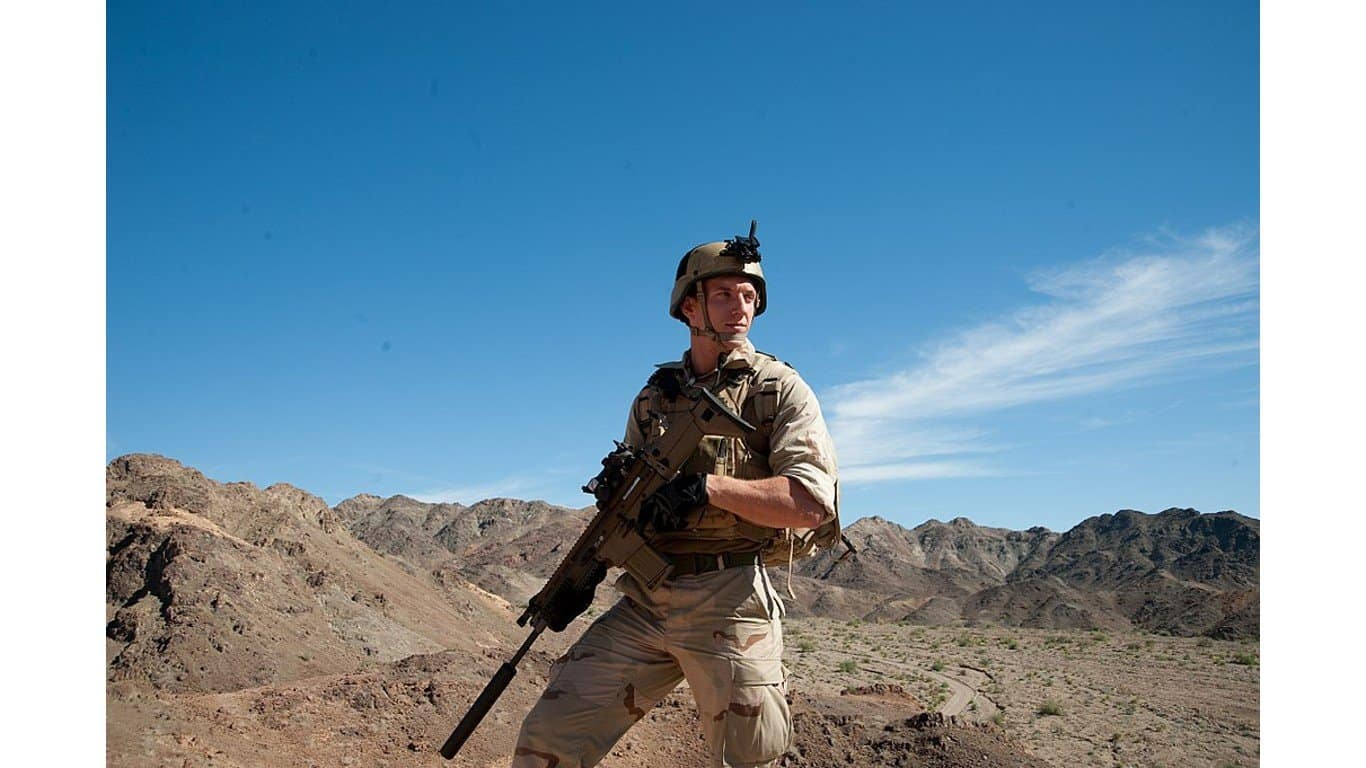
The FN SCAR’s modular design allows it to be configured for a wide range of missions, including urban combat. Its adaptability supports modern doctrine, where a single platform can fulfill multiple roles, reducing logistical complexity.
Colt Commando
- Weapon Type: Carbine
- Country of Origin: United States
- Year Introduced: 1960
- Primary Urban Conflict or Use Case: Vietnam / urban
- Key Urban Design Feature: Short barrel
- CQB Role: CQB
- Tactical Advantage in Urban Combat: Compact firepower
- Doctrine or Tactical Impact: Early CQB carbine concept
The Colt Commando introduced the concept of a compact carbine, providing firepower in a smaller package. Its use in close-quarters environments influenced the development of modern short-barrel rifles, emphasizing maneuverability without sacrificing effectiveness.
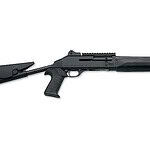
Benelli M4
- Weapon Type: Shotgun
- Country of Origin: Italy
- Year Introduced: 1999
- Primary Urban Conflict or Use Case: Urban breaching
- Key Urban Design Feature: Semi-auto system
- CQB Role: Breaching
- Tactical Advantage in Urban Combat: Reliable rapid fire
- Doctrine or Tactical Impact: Modern combat shotgun standard
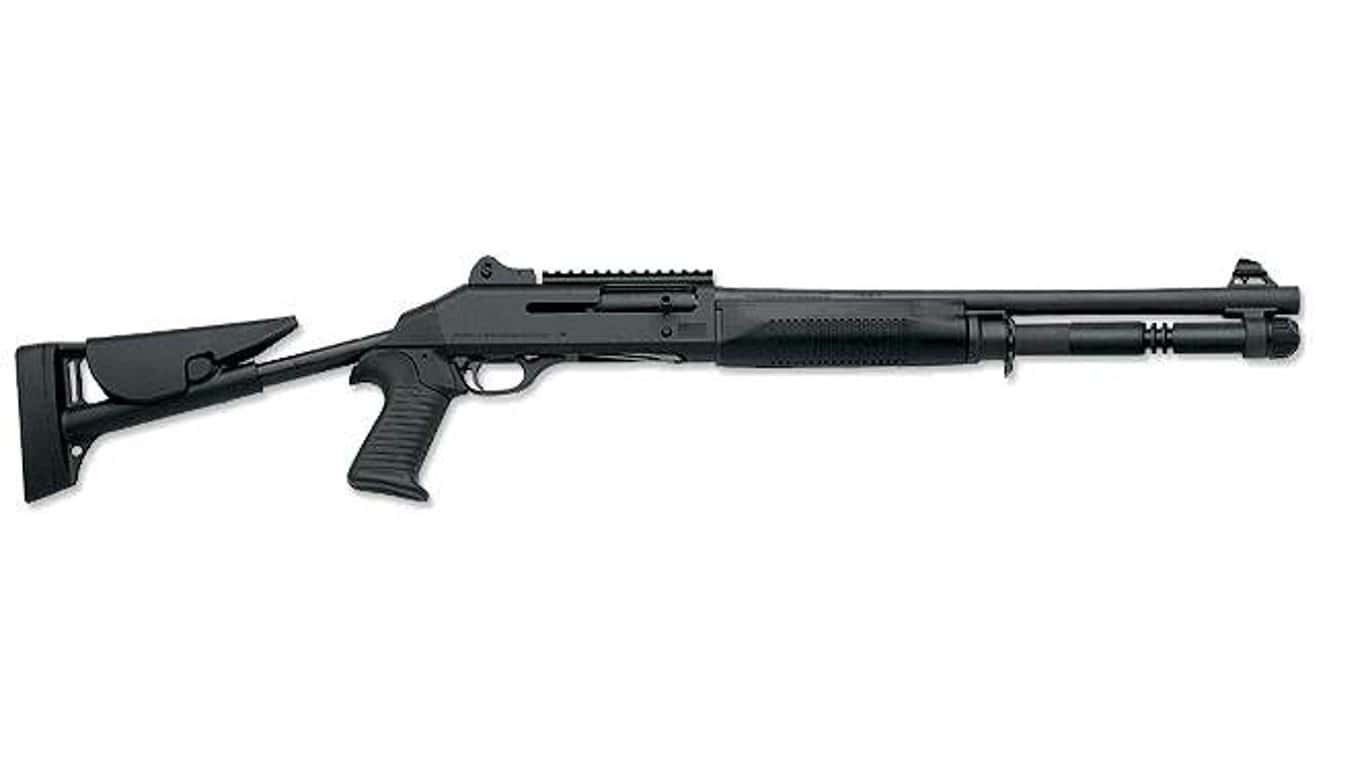
The Benelli M4’s semi-automatic operation provides reliable, rapid fire for breaching and close-range engagements. Its performance in urban combat has made it a standard for modern military shotguns, emphasizing speed and reliability.
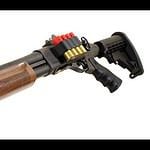
Remington 870
- Weapon Type: Shotgun
- Country of Origin: United States
- Year Introduced: 1950
- Primary Urban Conflict or Use Case: Police / military
- Key Urban Design Feature: Pump action
- CQB Role: Breaching
- Tactical Advantage in Urban Combat: Reliability
- Doctrine or Tactical Impact: Law enforcement standard
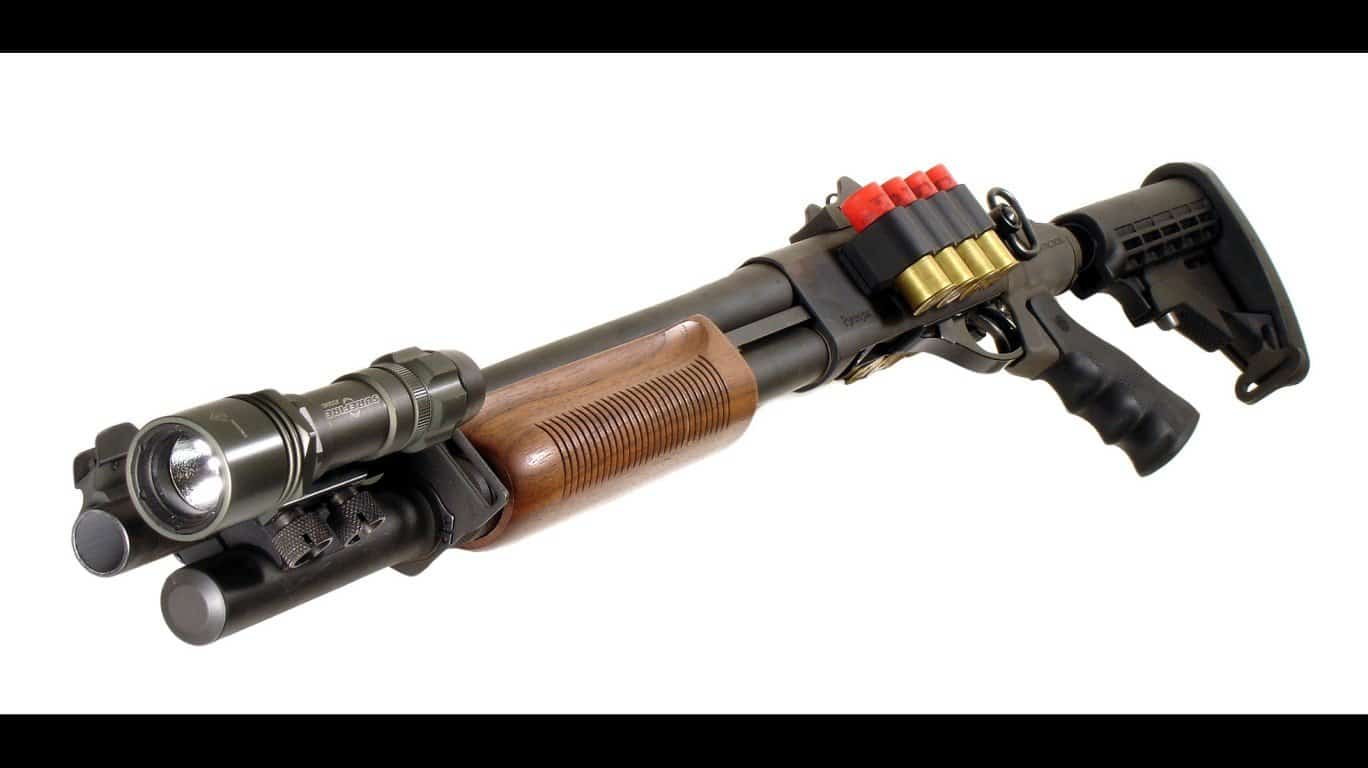
The Remington 870’s simplicity and reliability have made it a staple in law enforcement and military operations. Its effectiveness in breaching and close-range engagements highlights the enduring value of pump-action shotguns in urban combat.
Saiga-12
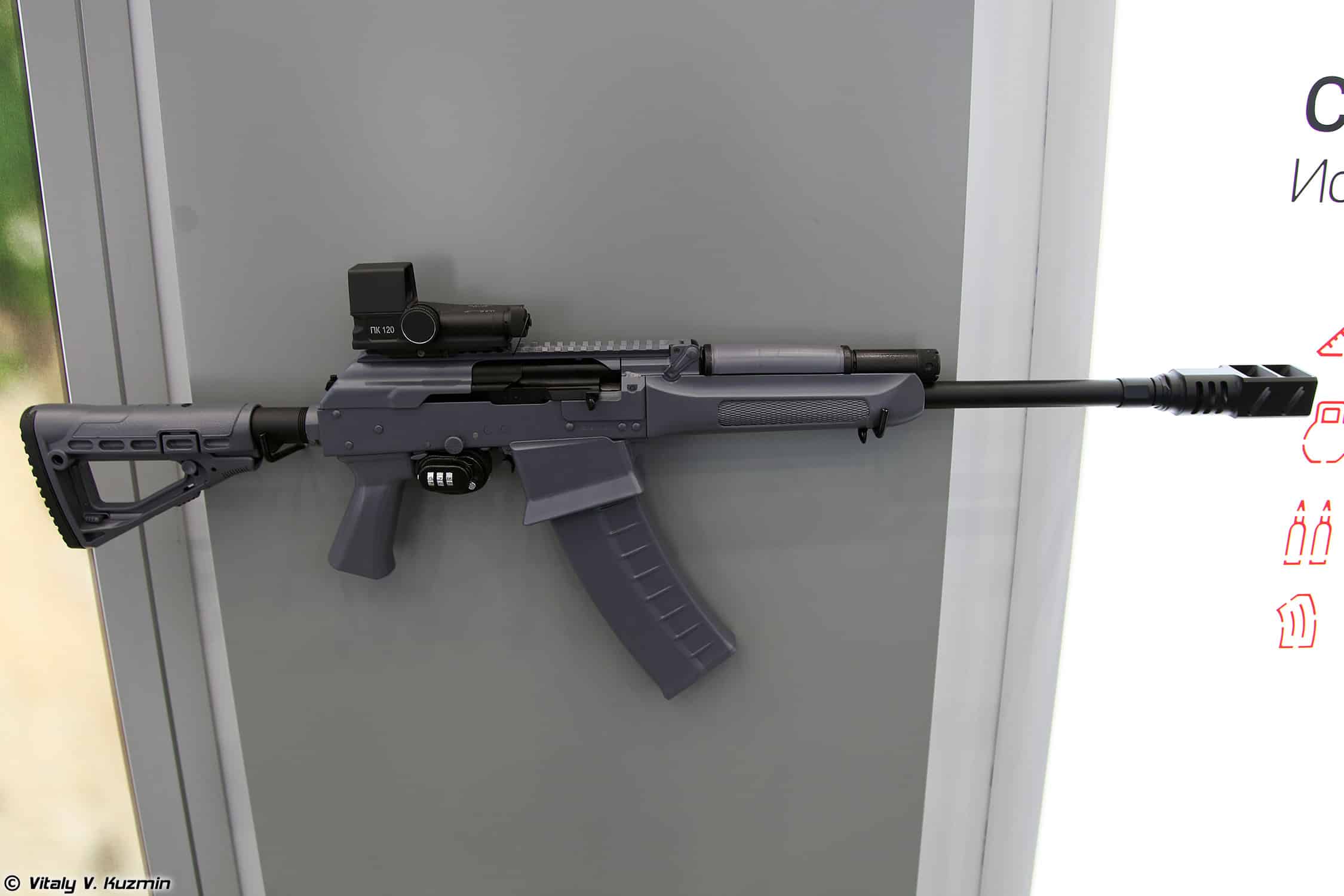
- Weapon Type: Shotgun
- Country of Origin: Russia
- Year Introduced: 1997
- Primary Urban Conflict or Use Case: Urban combat
- Key Urban Design Feature: Semi-auto
- CQB Role: Close combat
- Tactical Advantage in Urban Combat: High fire rate
- Doctrine or Tactical Impact: Expanded shotgun roles
The Saiga-12’s semi-automatic operation and high capacity provide significant firepower in close quarters. Its design expands the role of shotguns in urban combat, offering rapid engagement capability.
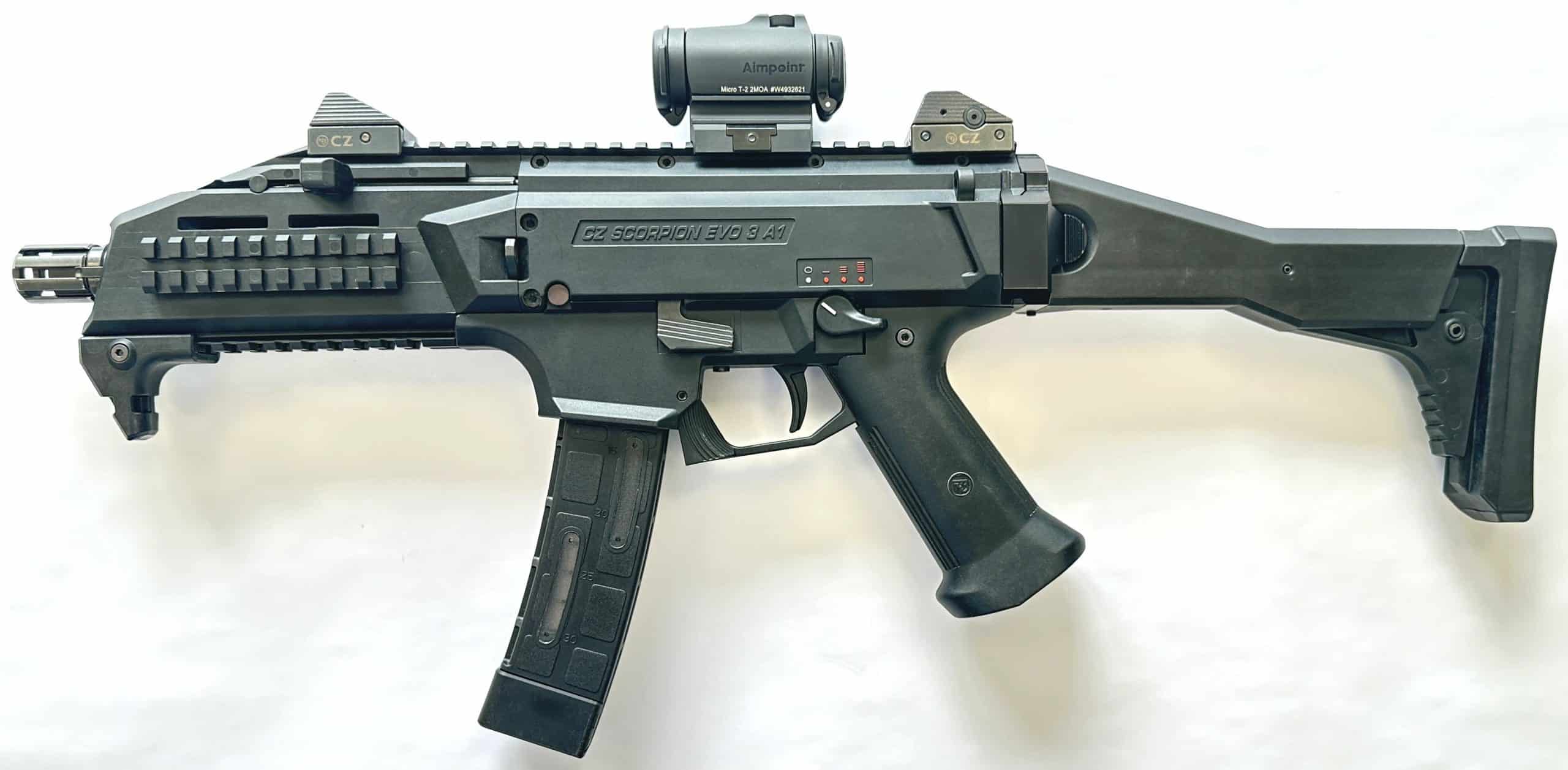
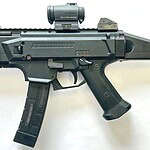
CZ Scorpion Evo 3
- Weapon Type: SMG
- Country of Origin: Czech Republic
- Year Introduced: 2009
- Primary Urban Conflict or Use Case: Law enforcement
- Key Urban Design Feature: Compact frame
- CQB Role: CQB
- Tactical Advantage in Urban Combat: Ease of control
- Doctrine or Tactical Impact: Modern SMG resurgence
The CZ Scorpion Evo 3 represents the modern resurgence of SMGs, combining compactness with improved ergonomics. Its design reflects the continued relevance of submachine guns in urban environments.
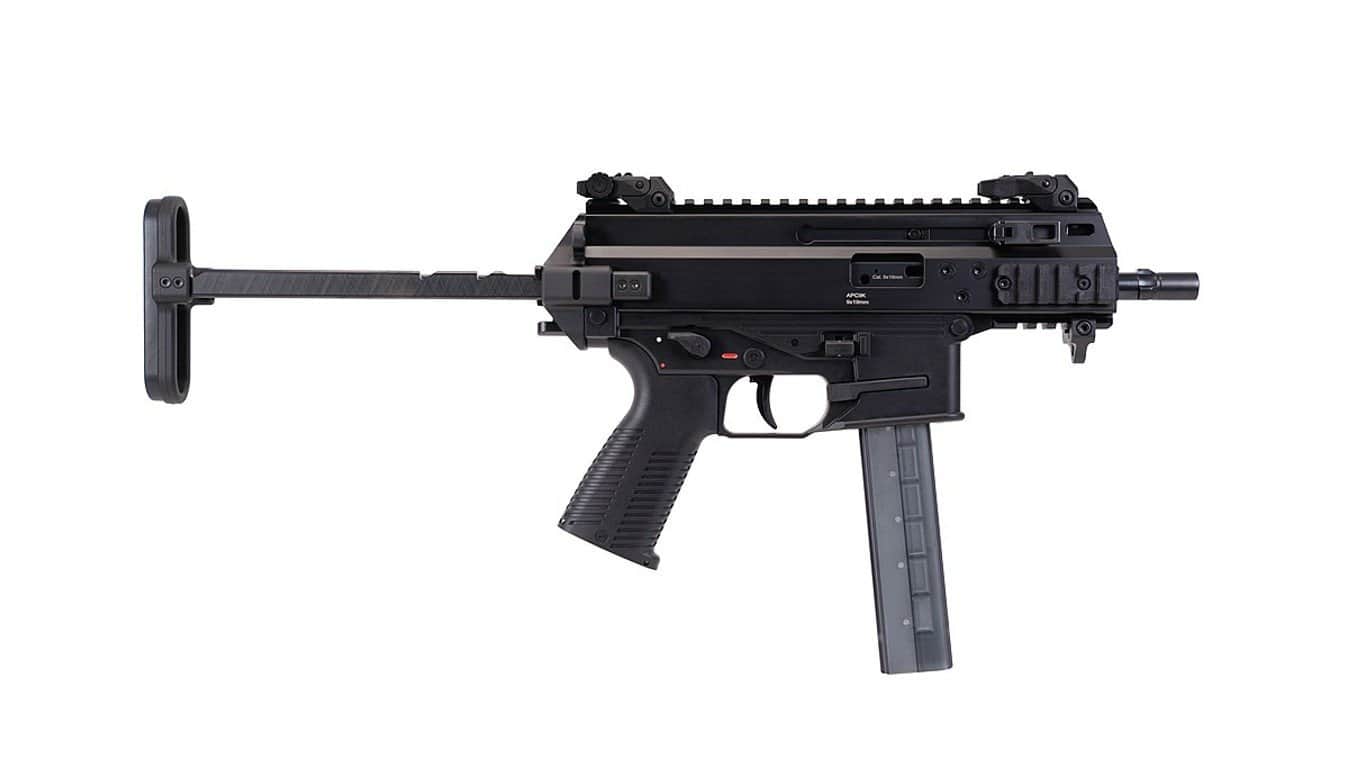
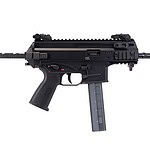
B&T APC9
- Weapon Type: SMG
- Country of Origin: Switzerland
- Year Introduced: 2011
- Primary Urban Conflict or Use Case: Special forces
- Key Urban Design Feature: Modular design
- CQB Role: CQB
- Tactical Advantage in Urban Combat: Precision control
- Doctrine or Tactical Impact: Advanced SMG systems
The B&T APC9 offers precision and modularity in a compact platform, making it highly effective for special operations. Its design emphasizes control and adaptability, key elements of modern CQB doctrine.
HK416
- Weapon Type: Rifle
- Country of Origin: Germany
- Year Introduced: 2004
- Primary Urban Conflict or Use Case: Special forces
- Key Urban Design Feature: Gas piston system
- CQB Role: CQB
- Tactical Advantage in Urban Combat: Reliability
- Doctrine or Tactical Impact: Improved AR platform doctrine
The HK416 improves upon the AR platform with a gas piston system, enhancing reliability in harsh conditions. Its adoption by elite units highlights the importance of dependable performance in urban combat.
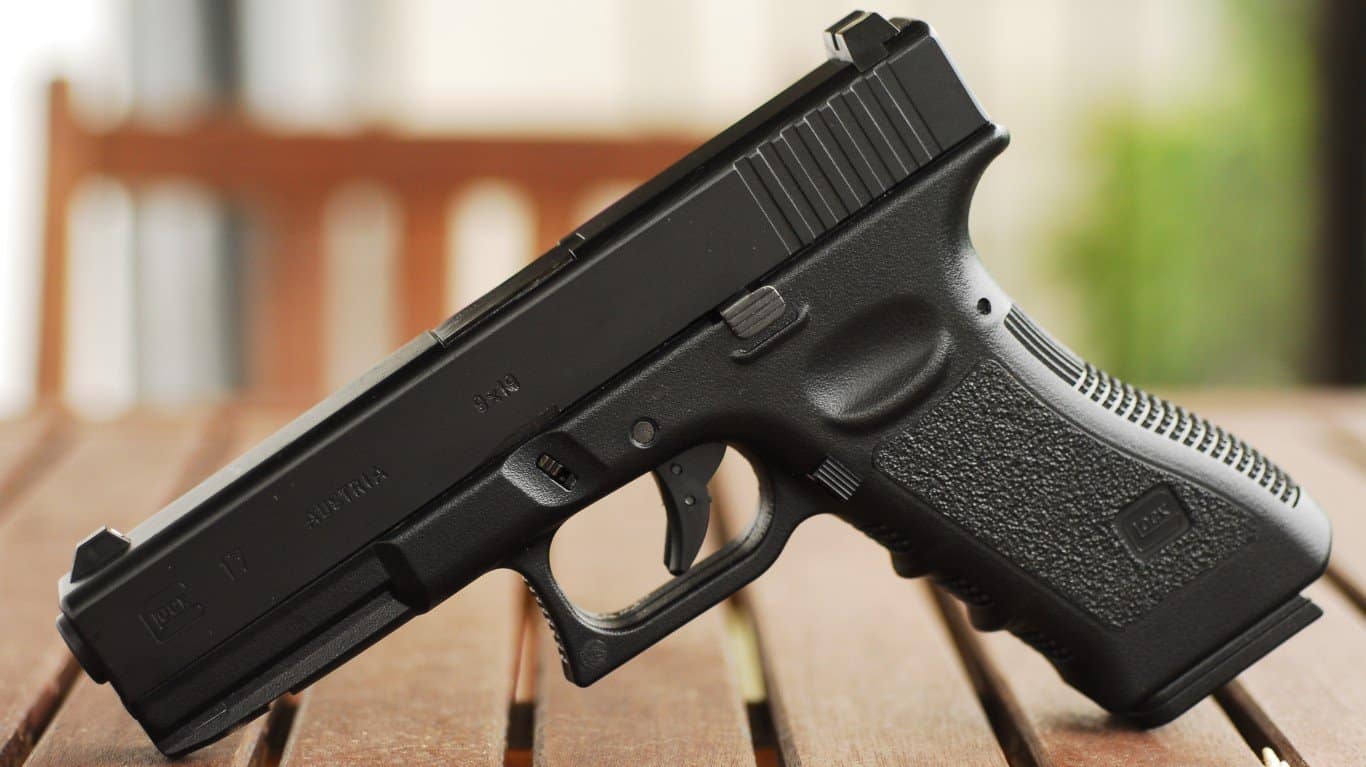
Glock 17
- Weapon Type: Pistol
- Country of Origin: Austria
- Year Introduced: 1982
- Primary Urban Conflict or Use Case: Law enforcement
- Key Urban Design Feature: Polymer frame
- CQB Role: Sidearm
- Tactical Advantage in Urban Combat: Lightweight
- Doctrine or Tactical Impact: Modern pistol standard
The Glock 17’s lightweight polymer design and reliability have made it a standard sidearm for military and law enforcement. Its ease of use and durability support its role in close-quarters engagements.
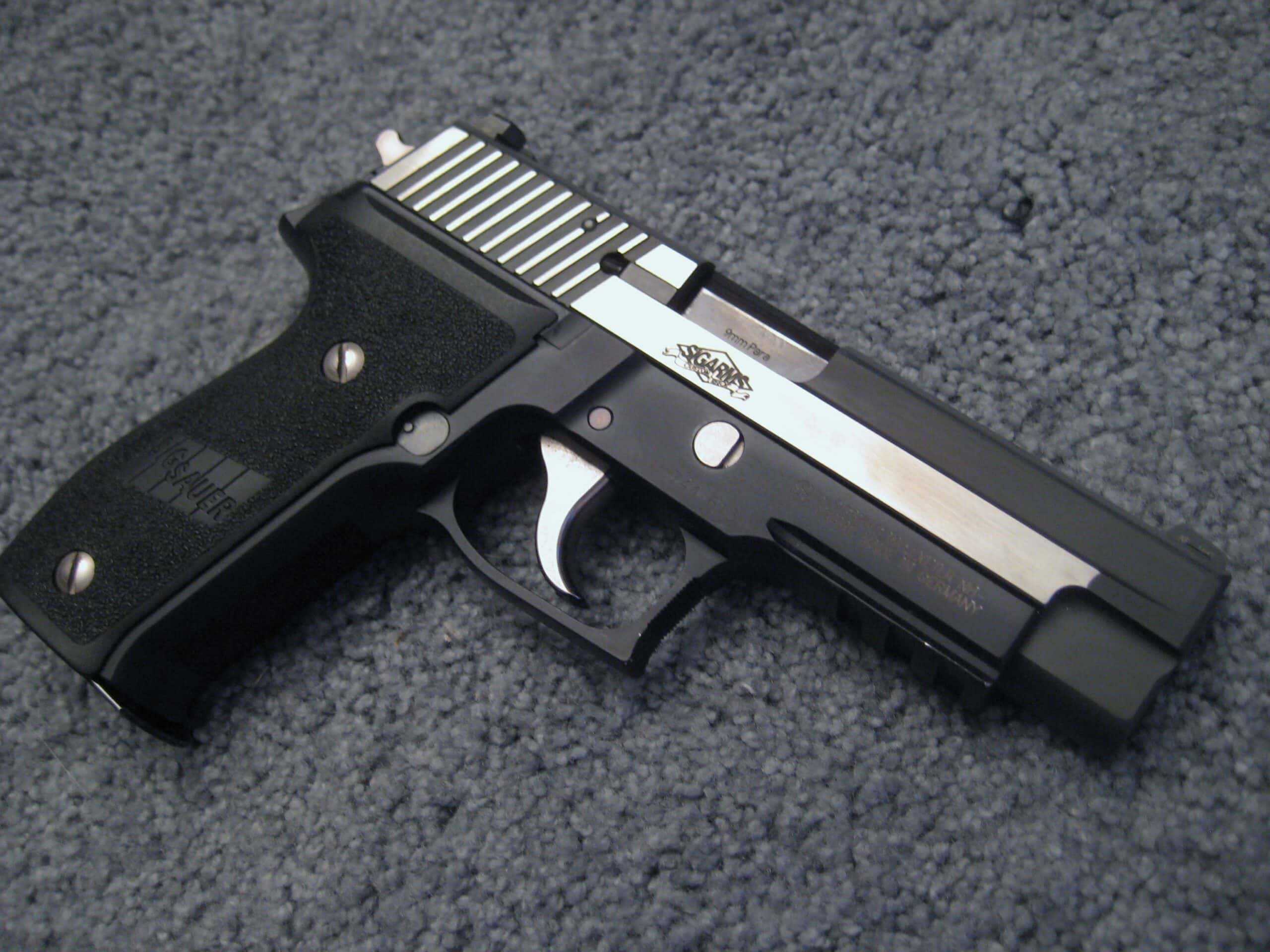
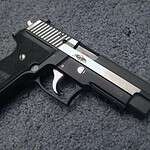
SIG Sauer P226
- Weapon Type: Pistol
- Country of Origin: Germany/Switzerland
- Year Introduced: 1984
- Primary Urban Conflict or Use Case: Military / police
- Key Urban Design Feature: High capacity
- CQB Role: Sidearm
- Tactical Advantage in Urban Combat: Reliability
- Doctrine or Tactical Impact: Adopted by special units
The SIG Sauer P226’s reliability and accuracy have made it a trusted sidearm for special operations forces. Its performance in urban environments underscores the importance of dependable secondary weapons.
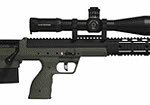
Desert Tech MDR
- Weapon Type: Bullpup Rifle
- Country of Origin: United States
- Year Introduced: 2017
- Primary Urban Conflict or Use Case: Urban ops
- Key Urban Design Feature: Forward ejection
- CQB Role: CQB
- Tactical Advantage in Urban Combat: Ambidextrous use
- Doctrine or Tactical Impact: Bullpup innovation
The Desert Tech MDR’s forward ejection system allows for ambidextrous use in confined spaces, enhancing versatility. Its bullpup design reflects ongoing innovation in compact rifle platforms.
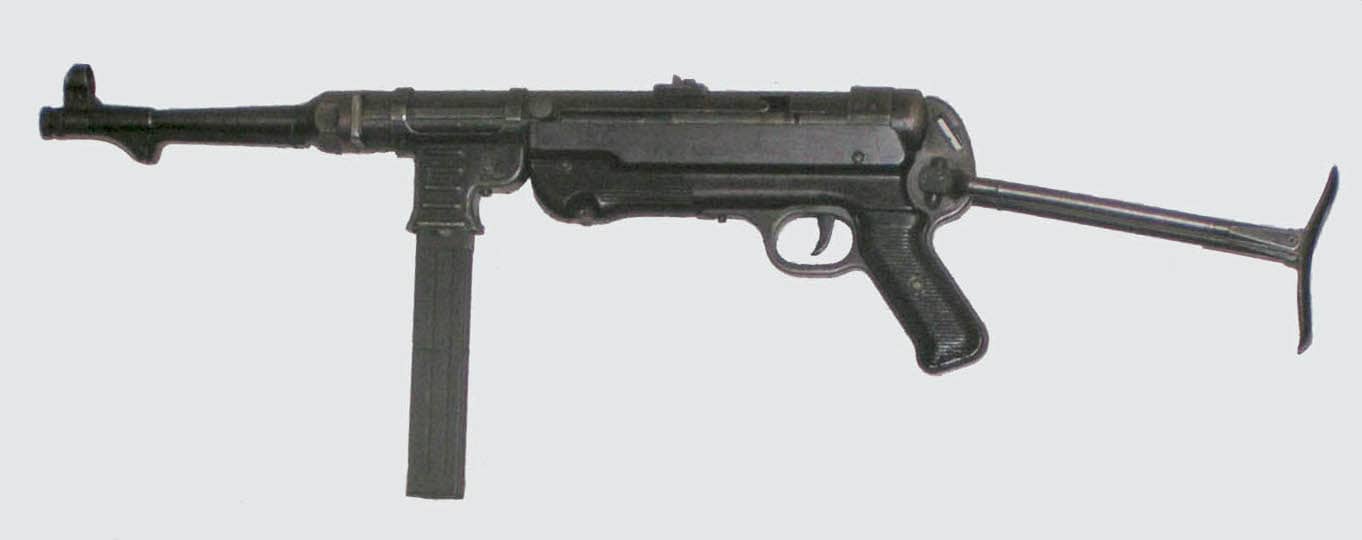
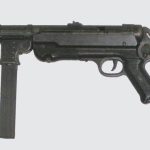
MP40
- Weapon Type: SMG
- Country of Origin: Germany
- Year Introduced: 1940
- Primary Urban Conflict or Use Case: WWII urban
- Key Urban Design Feature: Folding stock
- CQB Role: CQB
- Tactical Advantage in Urban Combat: Compact fire
- Doctrine or Tactical Impact: Early urban SMG use
The MP40 was one of the earliest submachine guns designed for close-quarters combat, offering compact firepower for urban engagements. Its use during World War II influenced the development of modern SMGs.
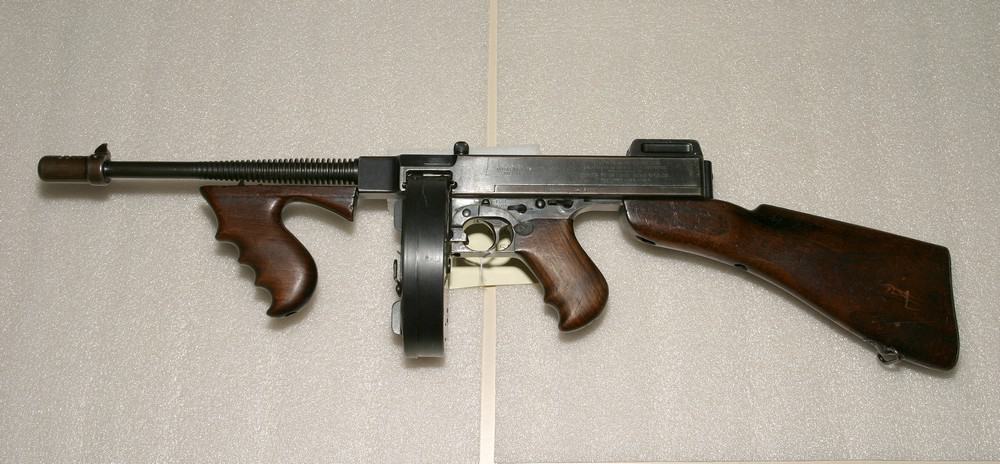
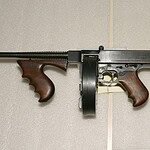
Thompson SMG
- Weapon Type: SMG
- Country of Origin: United States
- Year Introduced: 1921
- Primary Urban Conflict or Use Case: WWII urban
- Key Urban Design Feature: High fire rate
- CQB Role: CQB
- Tactical Advantage in Urban Combat: Stopping power
- Doctrine or Tactical Impact: Influenced SMG doctrine
The Thompson submachine gun provided high firepower in close-quarters combat, making it effective in urban environments. Its impact on early infantry tactics helped establish the role of SMGs in modern warfare.
The image featured at the top of this post is ©santoelia/Shutterstock.com