



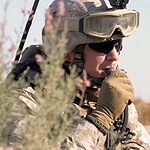
Everything U.S. Paratroopers Carry When Dropping Behind Enemy Lines
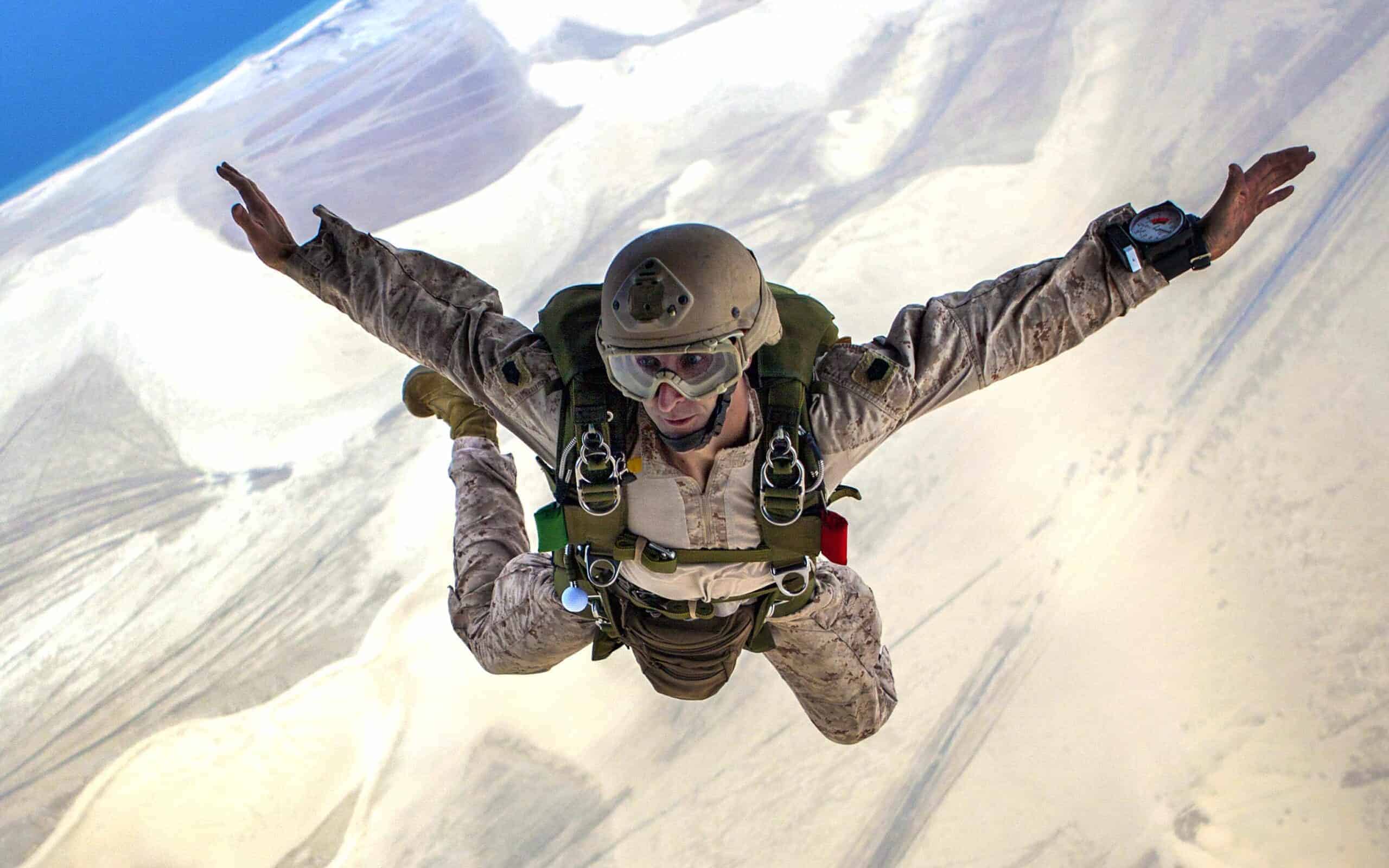
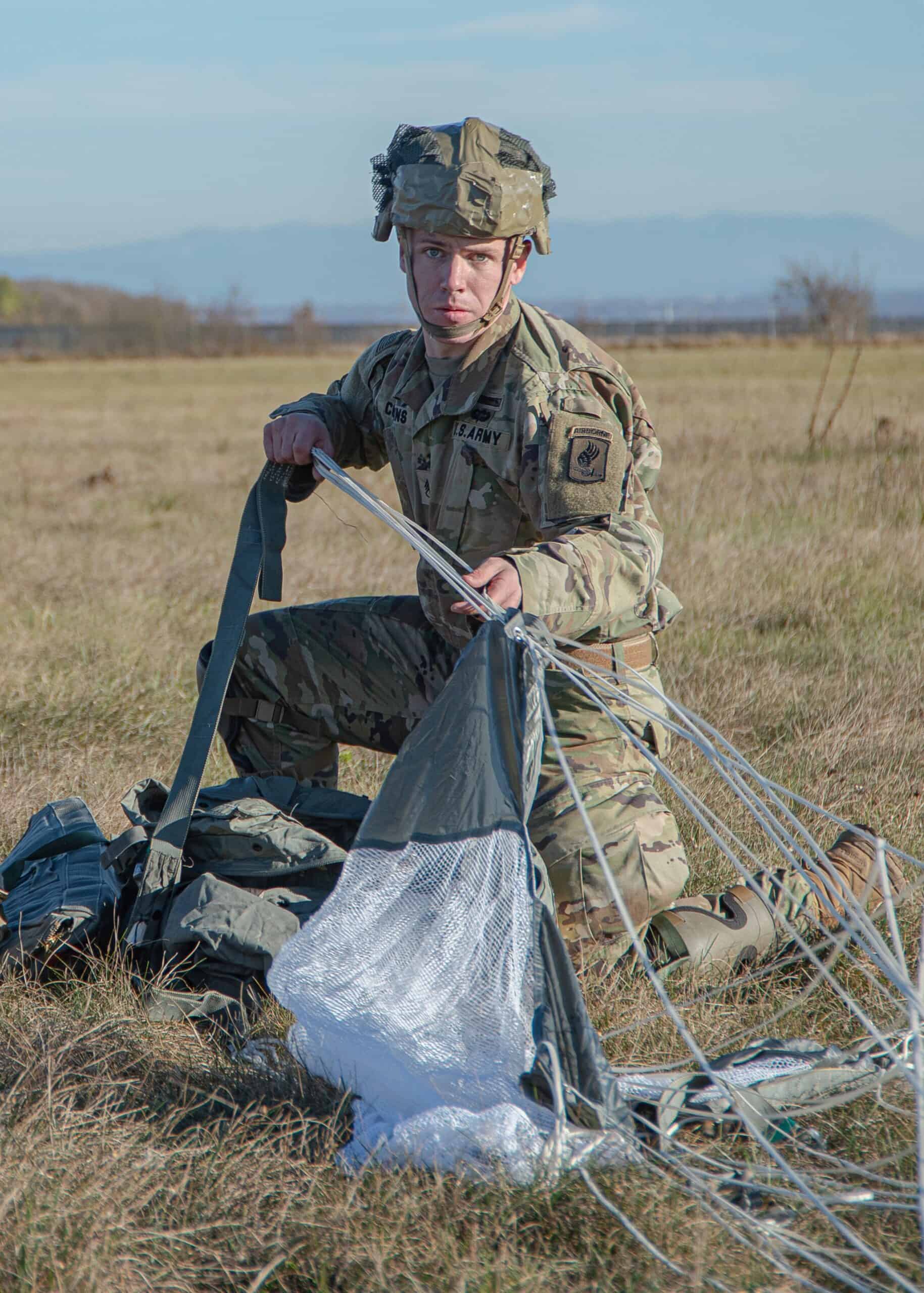
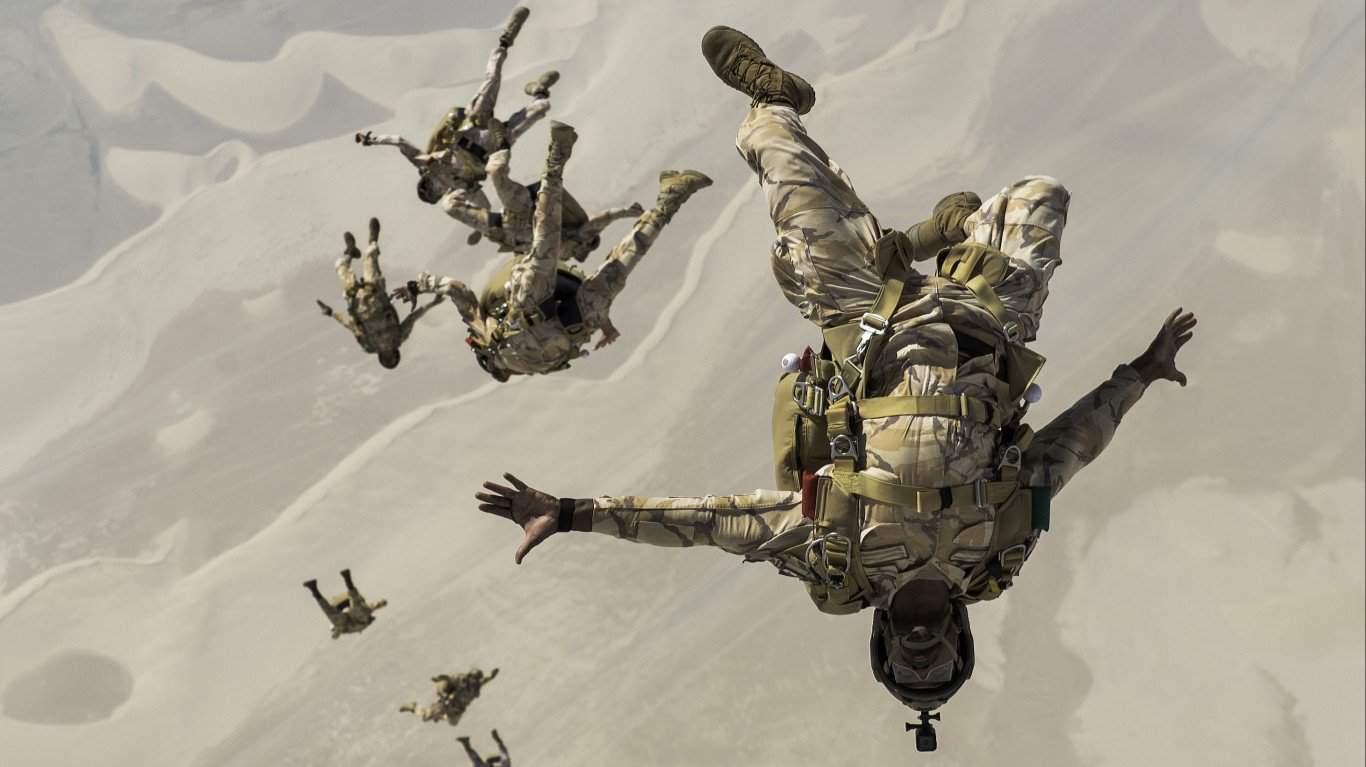
U.S. paratroopers are built for speed, surprise, and independence. Dropped behind enemy lines with little to no immediate support, they rely entirely on what they carry to fight, survive, and complete their mission. Every piece of gear is chosen with purpose, balancing firepower, mobility, and the ability to operate in isolation from the moment they hit the ground.
From rifles and explosives to communications systems and survival equipment, their loadout is designed for fast-moving, high-risk operations where there’s no margin for error. Airborne units are trained to secure objectives quickly and hold their ground until reinforcements arrive, often in hostile and unpredictable environments. Here’s a closer look at the weapons and gear U.S. paratroopers carry into enemy territory.
Everything Starts the Moment They Hit the Ground
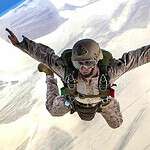
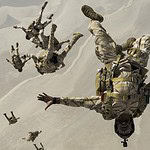
For U.S. paratroopers, the mission begins the instant they land. Dropped behind enemy lines, often with limited support, they must be ready to fight immediately. Every weapon and piece of gear they carry is chosen with that moment in mind—ensuring they can secure their position, engage the enemy, and establish control before reinforcements arrive.
Mobility and Firepower Must Be Balanced
Airborne operations demand a careful balance between carrying enough firepower and remaining mobile. Paratroopers cannot afford to be weighed down, yet they must be equipped to handle a wide range of threats. This balance defines what makes airborne loadouts unique compared to conventional infantry.
Built for Isolation Behind Enemy Lines
Unlike other units, paratroopers often operate in isolation, cut off from immediate support. Their gear must allow them to survive, communicate, and sustain operations independently. This means carrying not just weapons, but the tools needed to endure and adapt in unpredictable environments.
Technology Enhances Combat Effectiveness
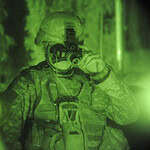
Modern airborne loadouts include advanced communication systems, night vision devices, and targeting equipment that significantly enhance battlefield awareness. These technologies allow paratroopers to coordinate more effectively and engage threats with greater precision, even in low-visibility conditions.
The Gear That Defines Airborne Operations
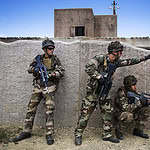
The weapons and equipment on this list represent the essential tools that U.S. paratroopers rely on when operating behind enemy lines. Each item plays a critical role in ensuring combat readiness, survivability, and mission success, highlighting how airborne forces are equipped to fight immediately upon landing.
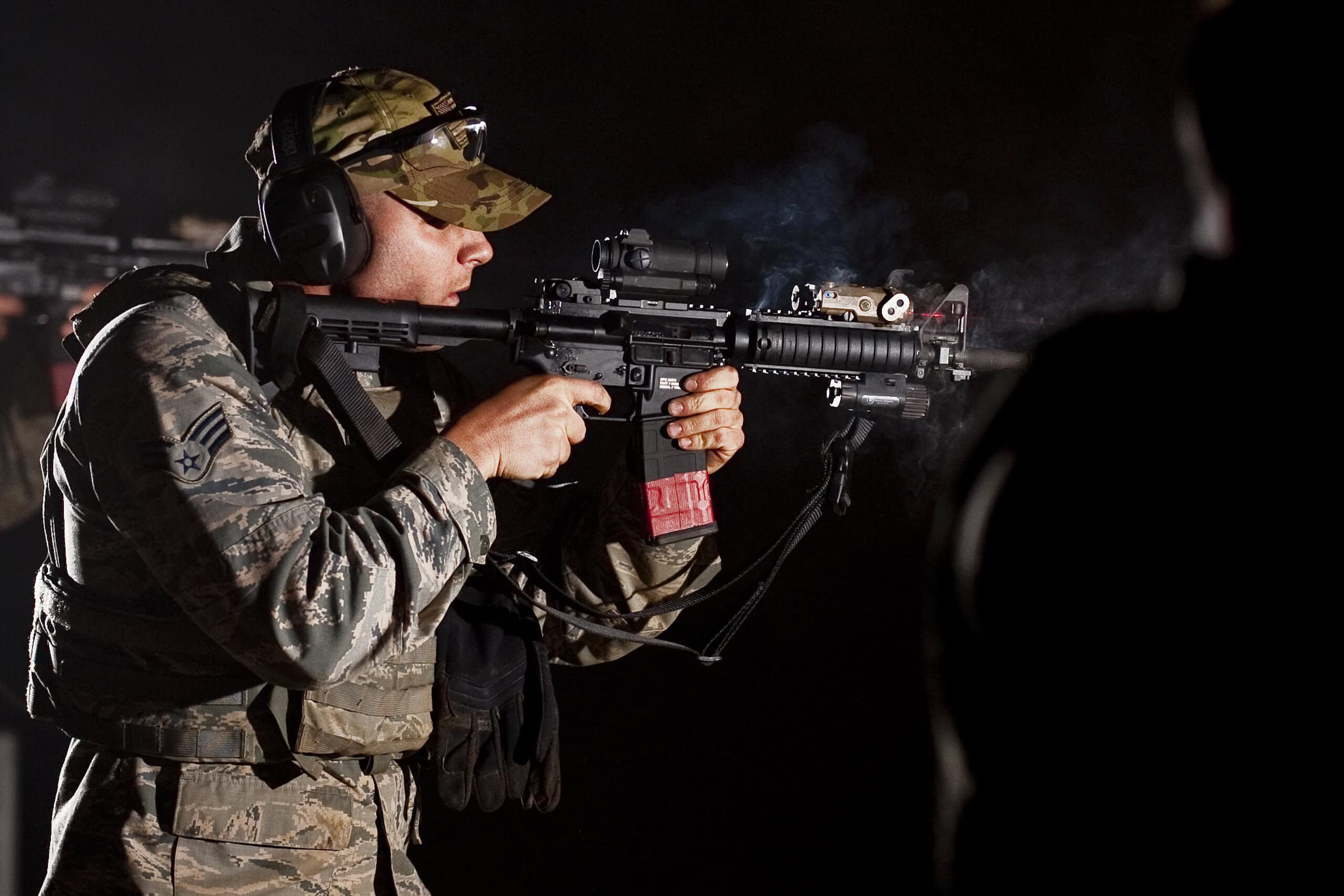
M4 Carbine
- Category: Primary weapon
- Manufacturer: Colt / FN
- Year introduced to service: 1994
- Weight (Approx.): ~6.5 lbs
- Primary function: Infantry combat
- Deployment method: Jumped with
- Key advantage in airborne operations: Immediate combat readiness
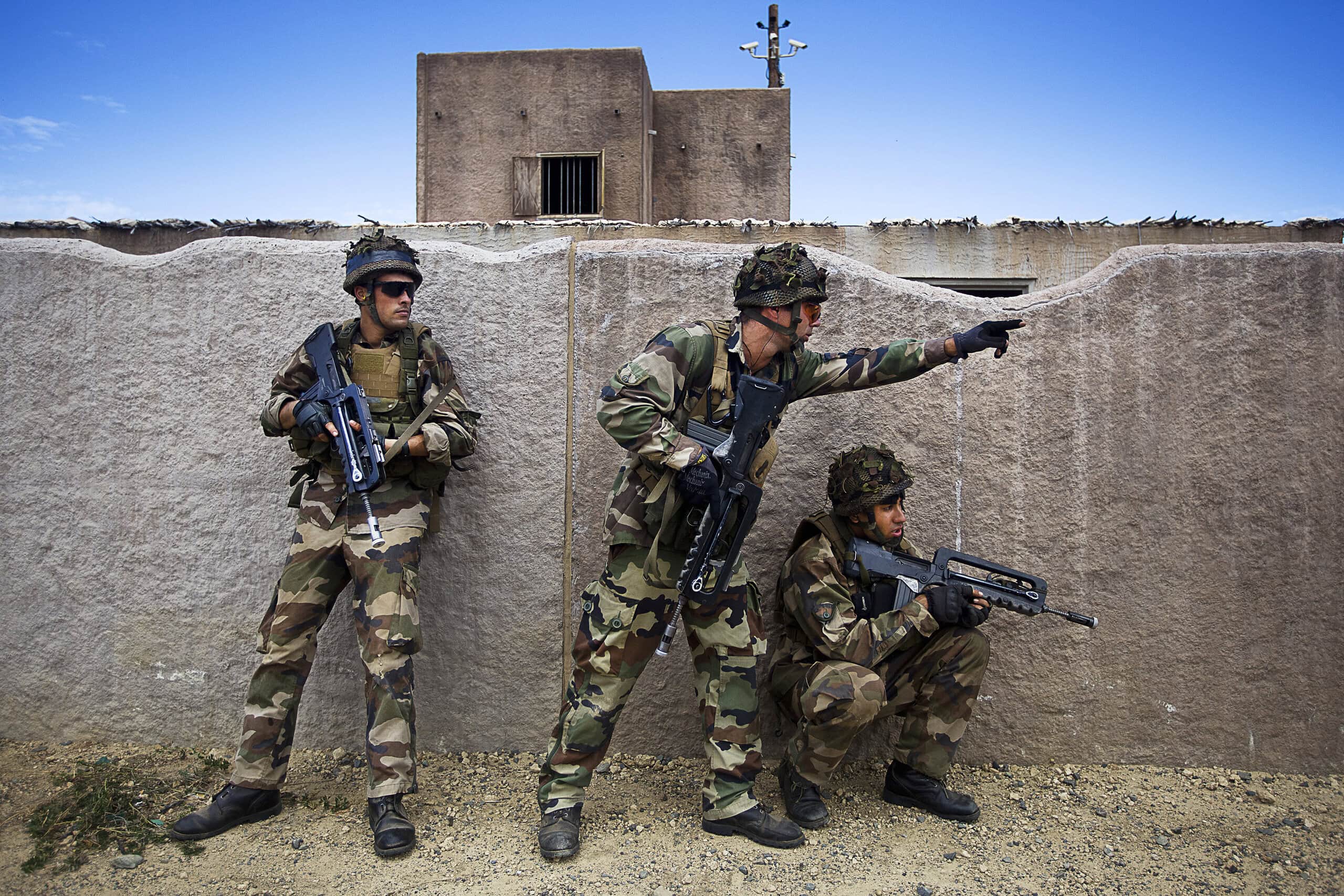
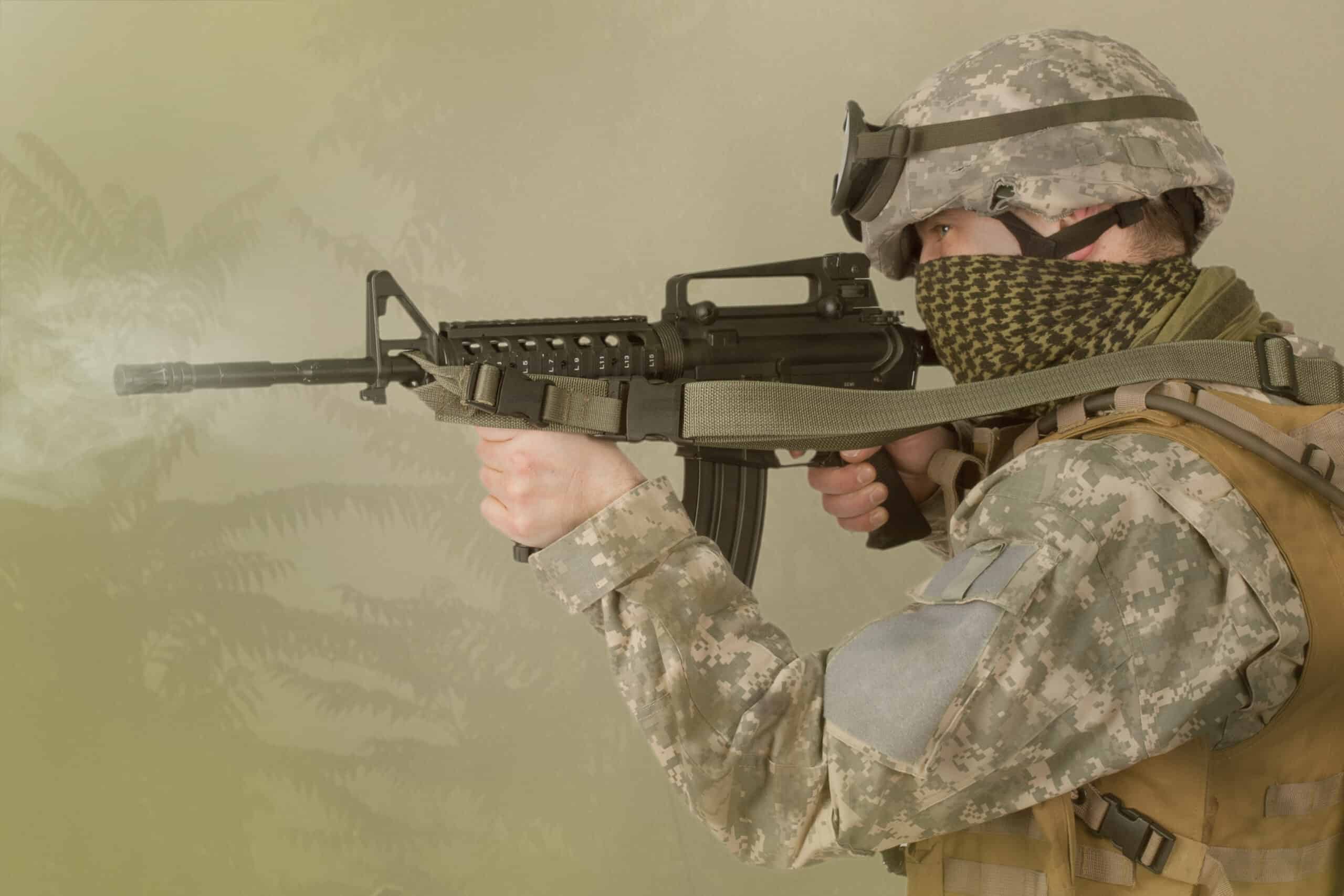
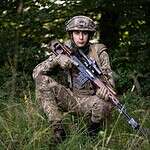
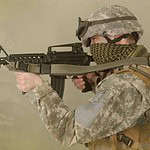
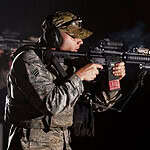
The M4 Carbine is the standard rifle for U.S. paratroopers, valued for its compact size and versatility. Its lightweight design makes it ideal for airborne operations, where mobility is critical. Upon landing, it provides immediate firepower, allowing troops to engage targets quickly while maintaining maneuverability in complex terrain.
M249 SAW
- Category: Support weapon
- Manufacturer: FN Herstal
- Year introduced to service: 1984
- Weight (Approx.): ~17 lbs
- Primary function: Suppressive fire
- Deployment method: Jumped with
- Key advantage in airborne operations: High firepower in small unit
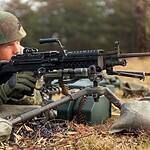
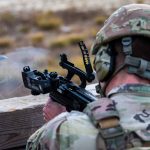
The M249 SAW provides squad-level suppressive fire, allowing paratroopers to establish dominance immediately after landing. Its high rate of fire helps pin down enemy forces, giving units time to organize. Despite its weight, its firepower makes it essential for small-unit operations behind enemy lines.
M240B
- Category: Support weapon
- Manufacturer: FN Herstal
- Year introduced to service: 1977
- Weight (Approx.): ~27 lbs
- Primary function: Medium machine gun
- Deployment method: Bundle/drop
- Key advantage in airborne operations: Sustained firepower
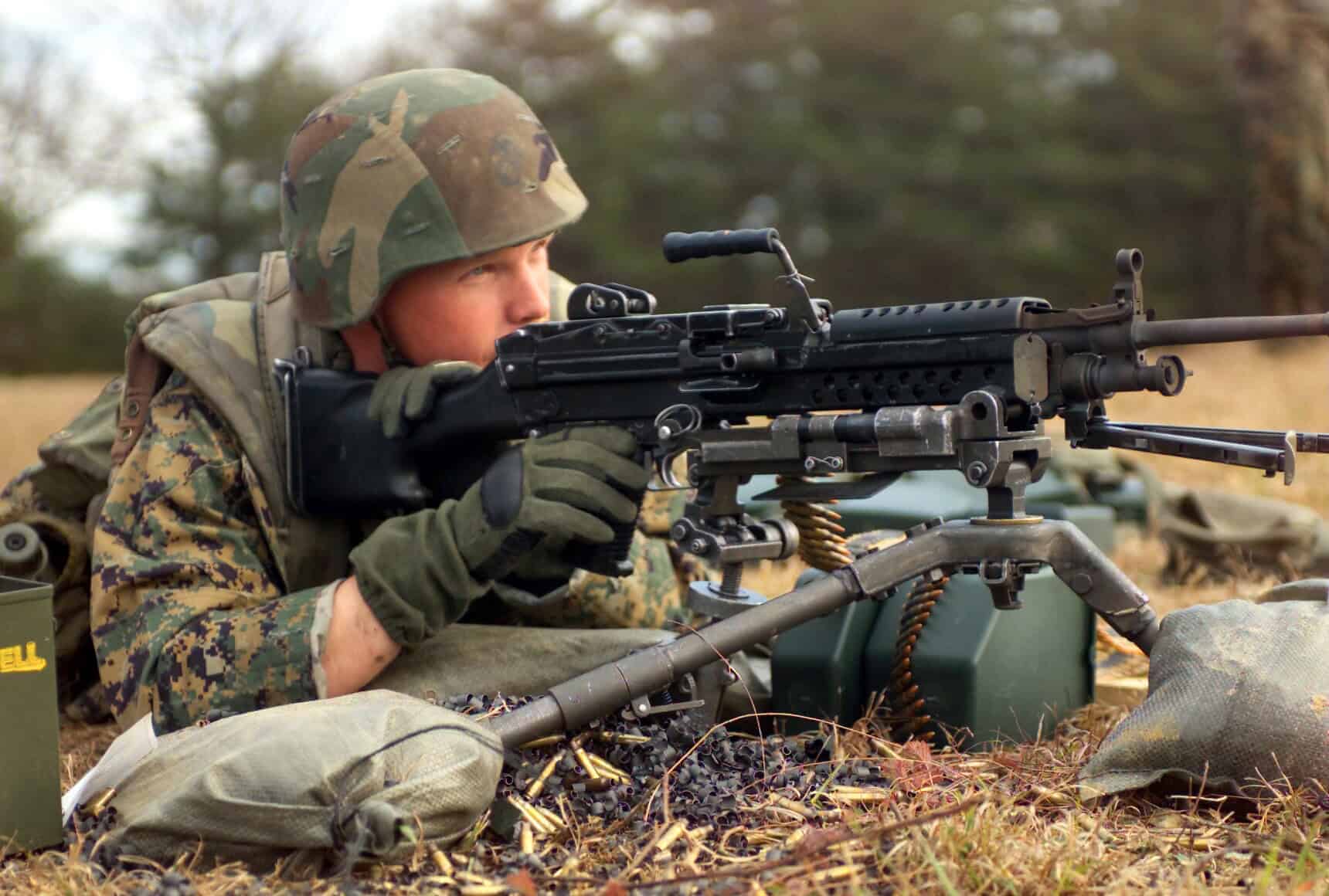
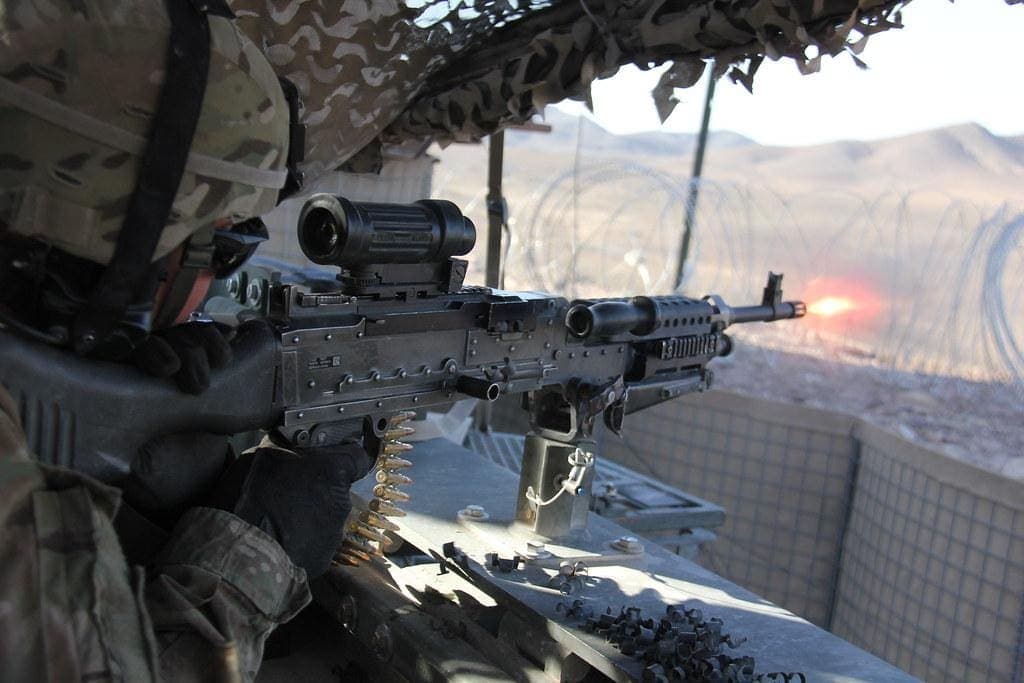
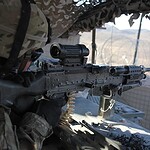
The M240B delivers sustained, heavy firepower, making it a key support weapon in airborne units. Often deployed via equipment bundles due to its weight, it provides the ability to engage targets at longer ranges. Its presence significantly enhances a unit's defensive and offensive capabilities after insertion.
M320 Grenade Launcher
- Category: Support weapon
- Manufacturer: Heckler & Koch
- Year introduced to service: 2009
- Weight (Approx.): ~3.3 lbs
- Primary function: Explosive support
- Deployment method: Jumped with
- Key advantage in airborne operations: Precision explosive capability
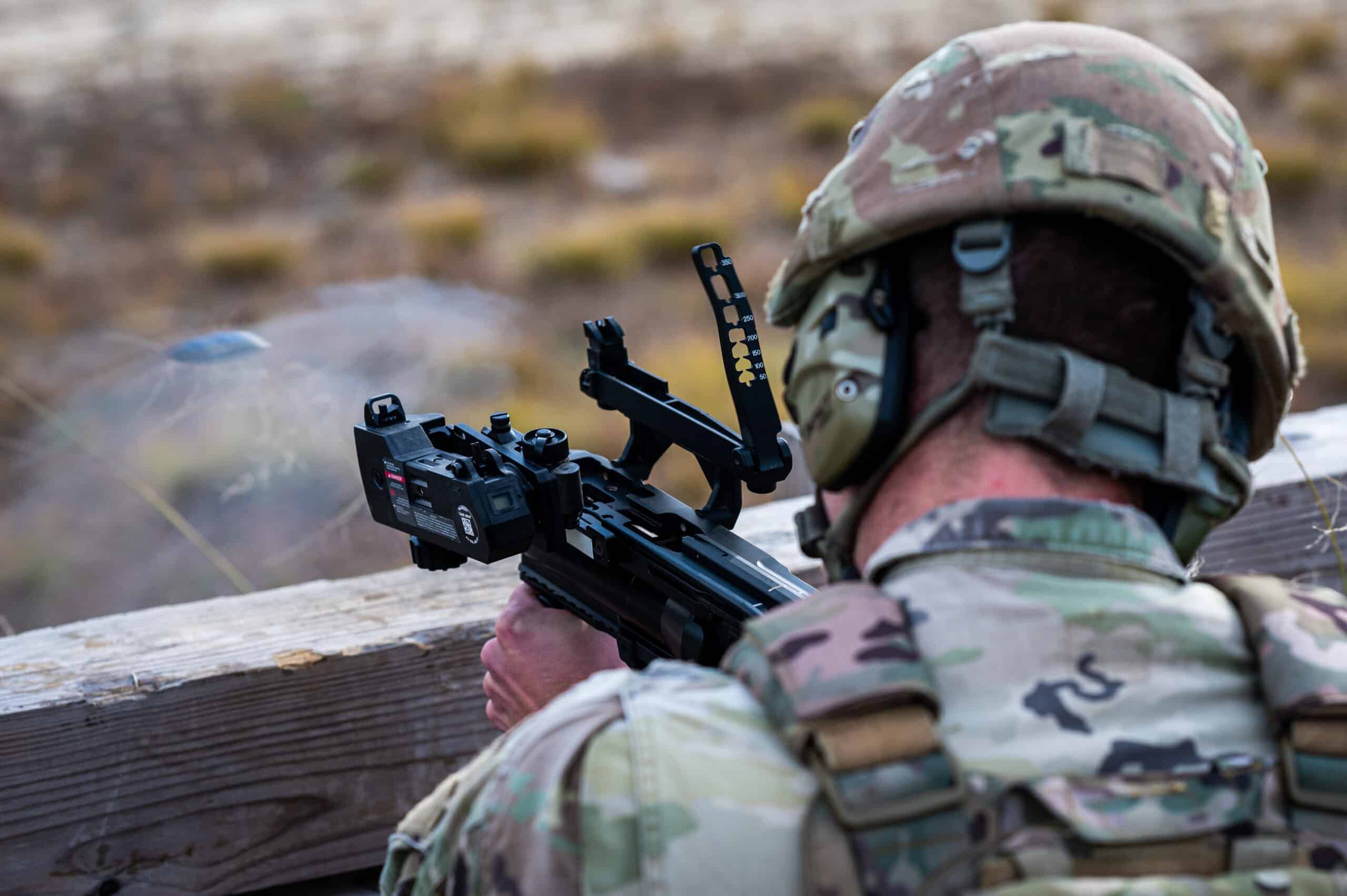
The M320 Grenade Launcher adds precision explosive capability to airborne units, allowing soldiers to engage enemies behind cover. Its compact design makes it easy to carry during jumps. After landing, it provides immediate access to indirect firepower, increasing a squad's versatility.
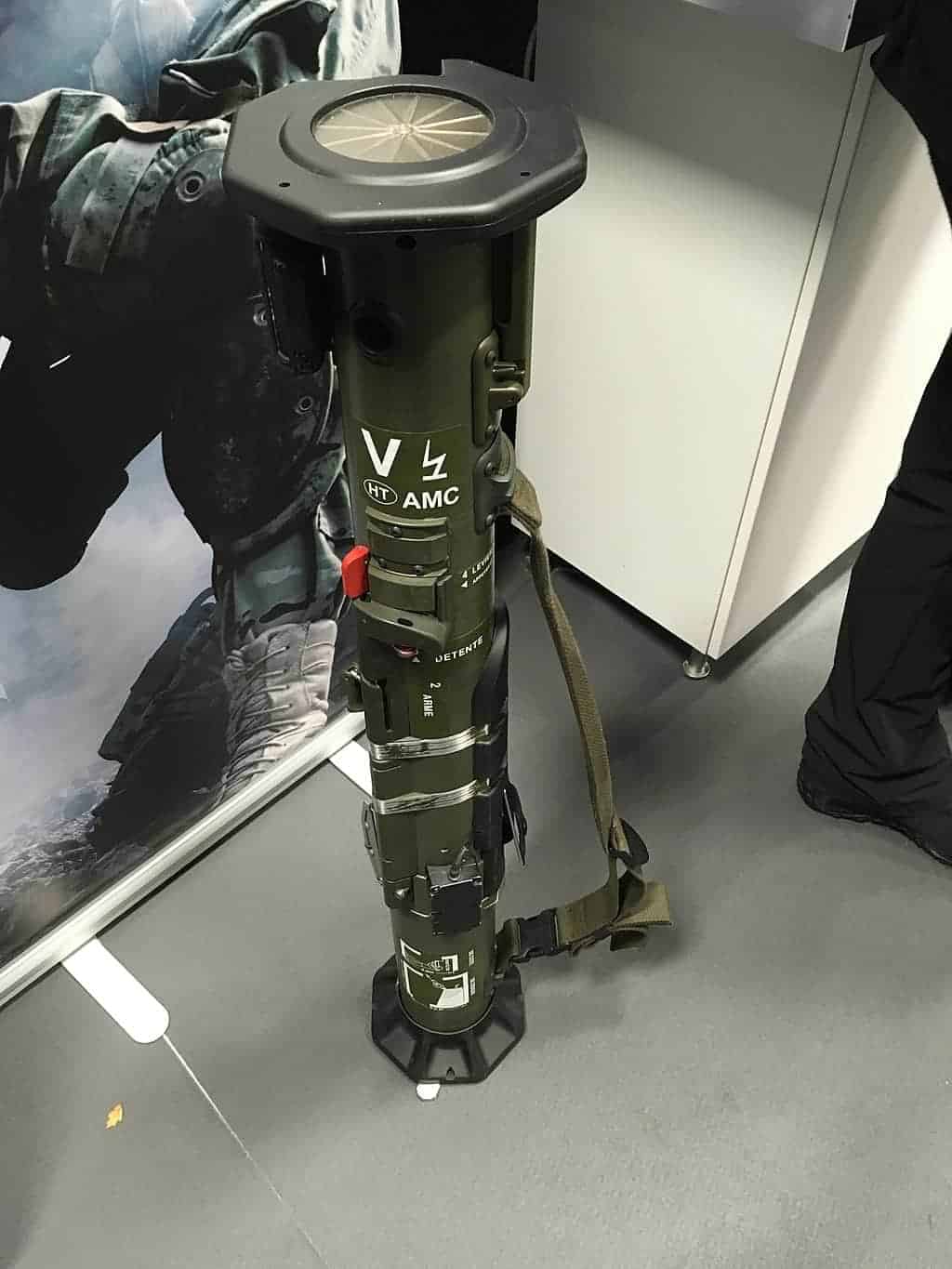
M136 AT4
- Category: Explosive
- Manufacturer: Saab Bofors
- Year introduced to service: 1987
- Weight (Approx.): ~15 lbs
- Primary function: Anti-armor
- Deployment method: Jumped with
- Key advantage in airborne operations: Lightweight anti-armor
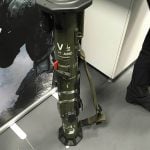
The M136 AT4 gives paratroopers a lightweight, disposable anti-armor capability. Easy to carry during airborne operations, it allows soldiers to engage armored threats without relying on heavier systems. Its simplicity and effectiveness make it a critical tool in unpredictable combat environments.
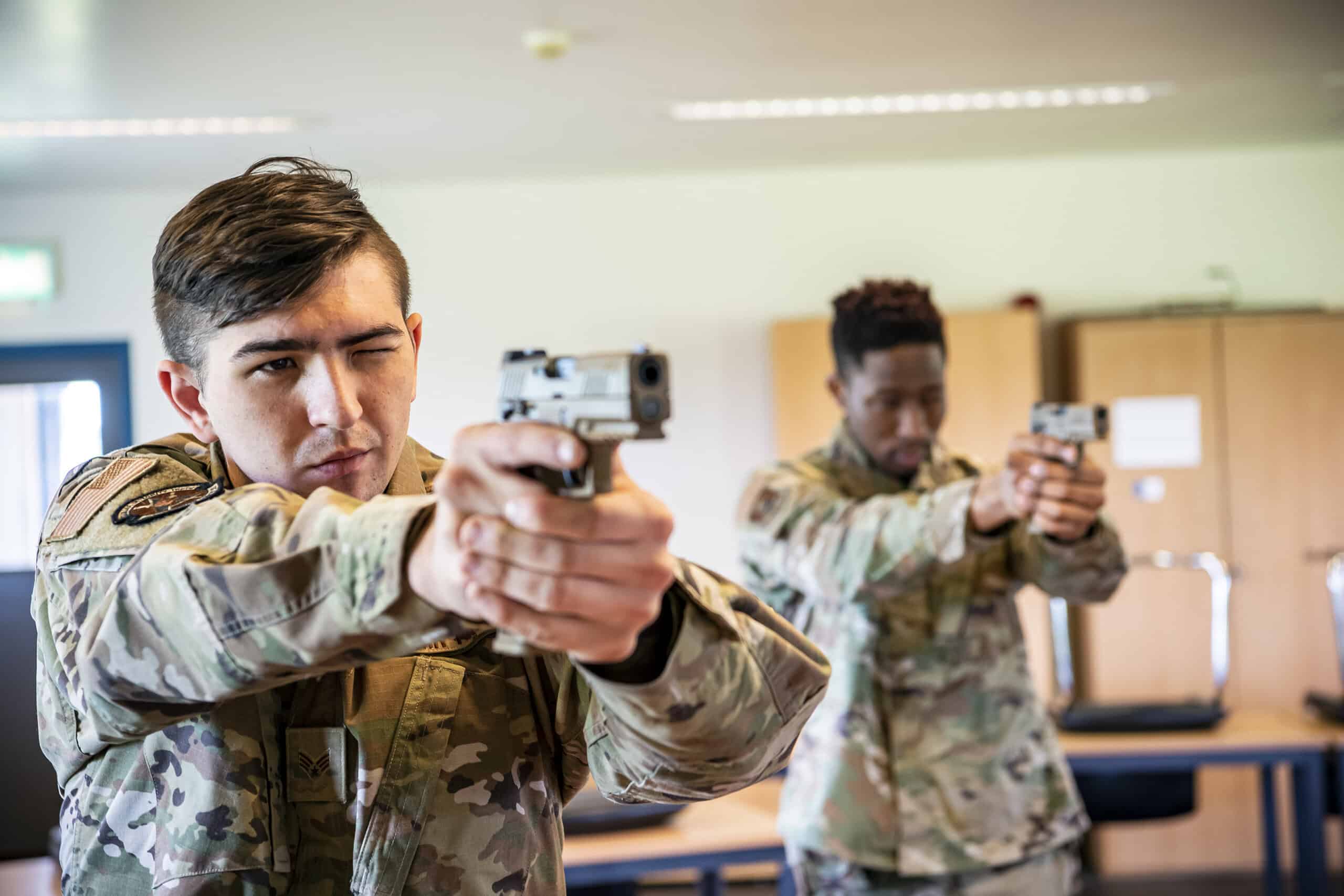
M17/M18 Handgun
- Category: Sidearm
- Manufacturer: SIG Sauer
- Year introduced to service: 2017
- Weight (Approx.): ~2 lbs
- Primary function: Secondary weapon
- Deployment method: Jumped with
- Key advantage in airborne operations: Backup weapon reliability
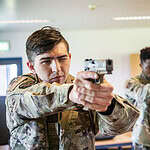
The M17/M18 handgun serves as a reliable backup weapon for paratroopers. Compact and easy to carry, it ensures soldiers remain armed even if their primary weapon is unavailable. Its role is especially important in close-quarters combat scenarios encountered after landing.
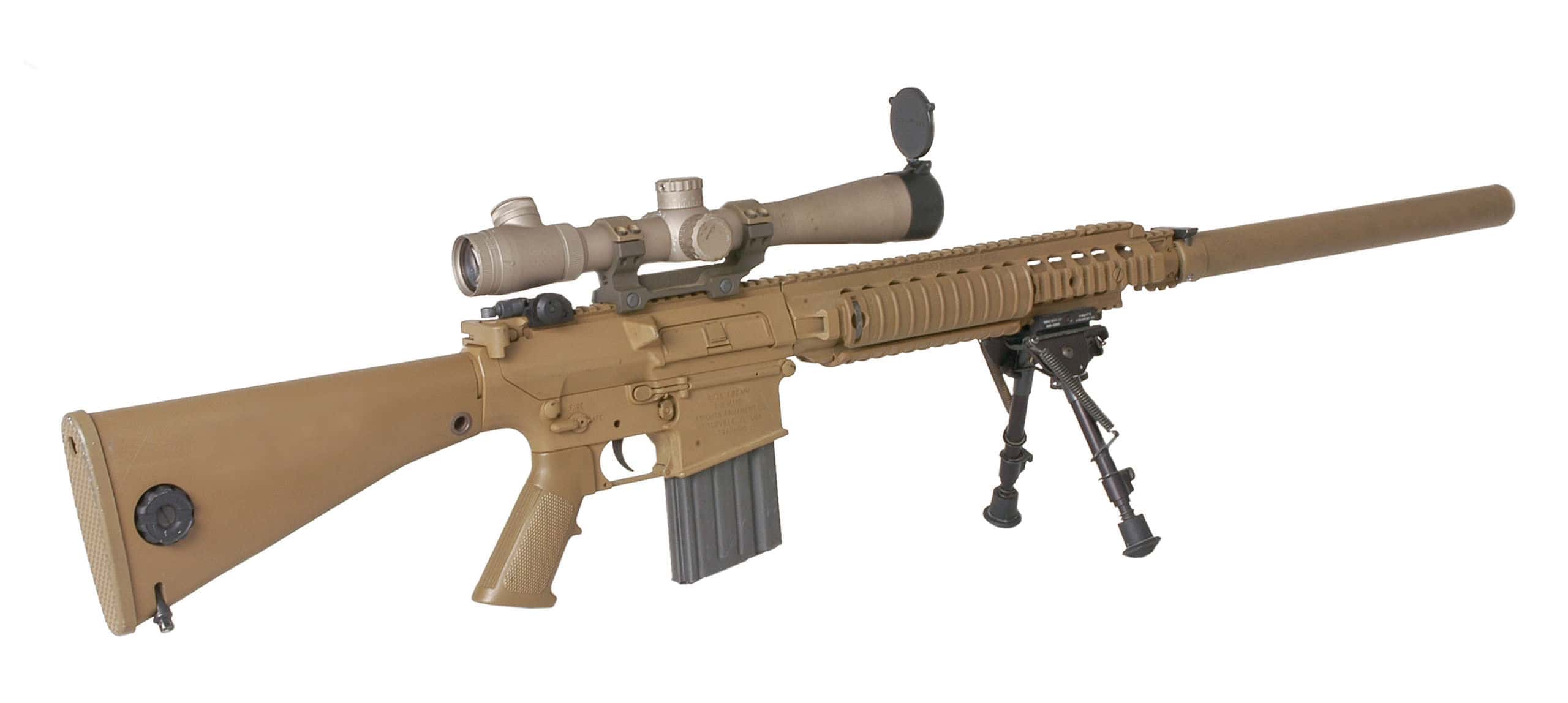
M110 SASS
- Category: Sniper
- Manufacturer: Knight's Armament
- Year introduced to service: 2007
- Weight (Approx.): ~15 lbs
- Primary function: Precision fire
- Deployment method: Bundle/drop
- Key advantage in airborne operations: Long-range engagement
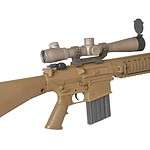
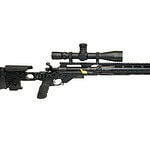
The M110 SASS provides precision fire at extended ranges, supporting airborne units in overwatch roles. Typically deployed via bundles, it allows designated marksmen to engage high-value targets. Its accuracy enhances the effectiveness of small units operating independently.
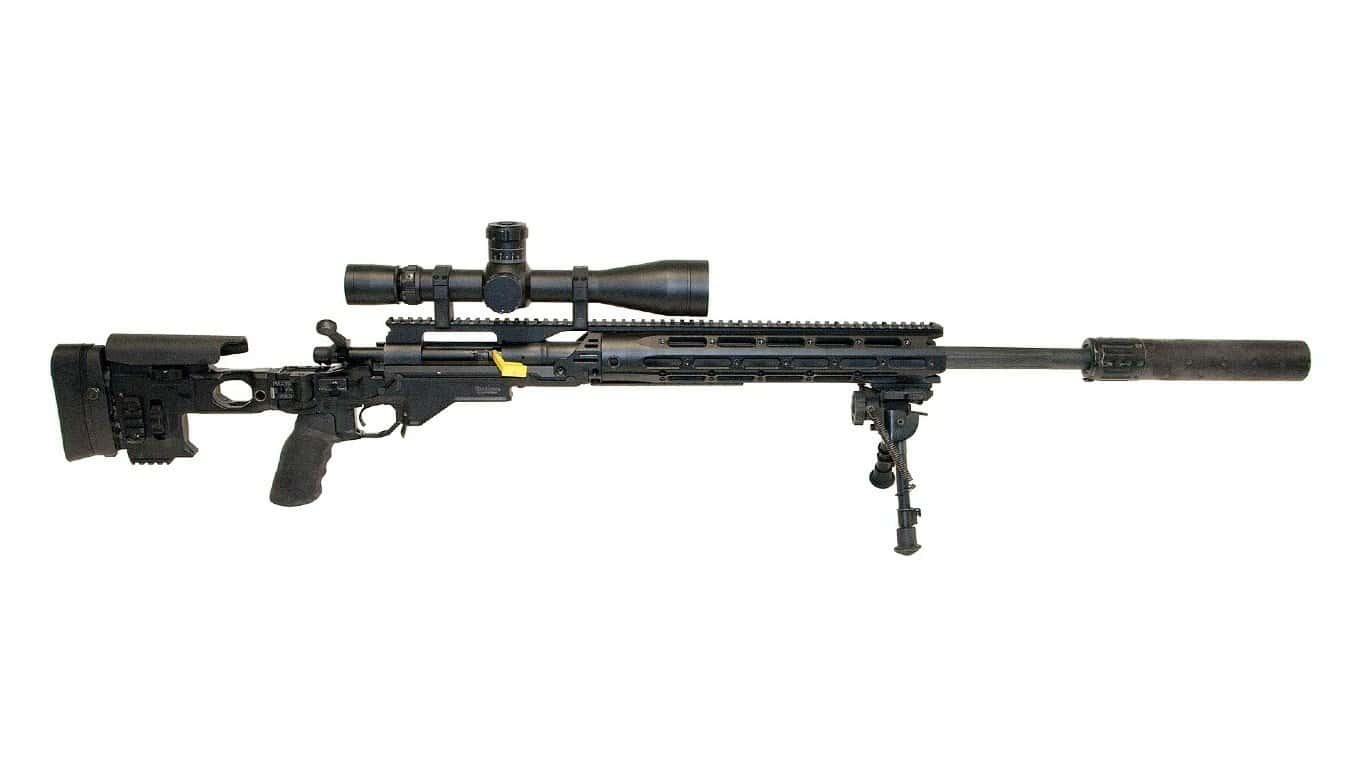
M2010 ESR
- Category: Sniper
- Manufacturer: Remington
- Year introduced to service: 2010
- Weight (Approx.): ~12 lbs
- Primary function: Sniper role
- Deployment method: Bundle/drop
- Key advantage in airborne operations: High accuracy at range
The M2010 Enhanced Sniper Rifle offers improved long-range precision, enabling paratroopers to engage targets at greater distances. Its deployment ensures that airborne units maintain the ability to conduct precision engagements, even when isolated from larger support elements.
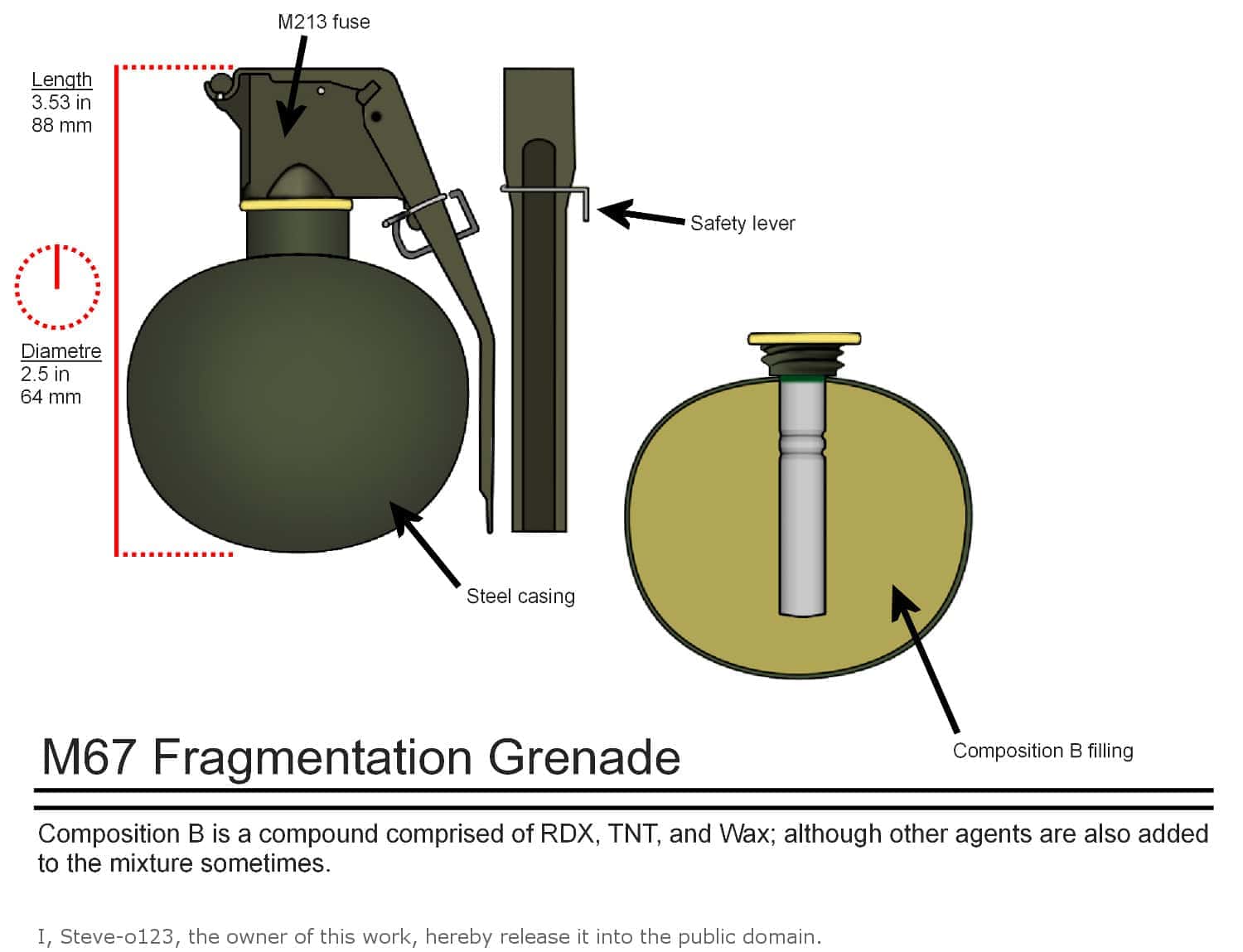
M67 Grenade
- Category: Explosive
- Manufacturer: US Army
- Year introduced to service: 1969
- Weight (Approx.): ~0.9 lbs
- Primary function: Fragmentation
- Deployment method: Jumped with
- Key advantage in airborne operations: Compact lethal explosive
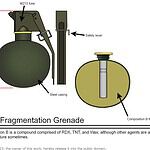
The M67 fragmentation grenade is a compact but highly lethal explosive, ideal for close combat situations. Easily carried during airborne insertion, it allows paratroopers to clear enemy positions quickly. Its reliability and effectiveness make it a standard part of every soldier's loadout.
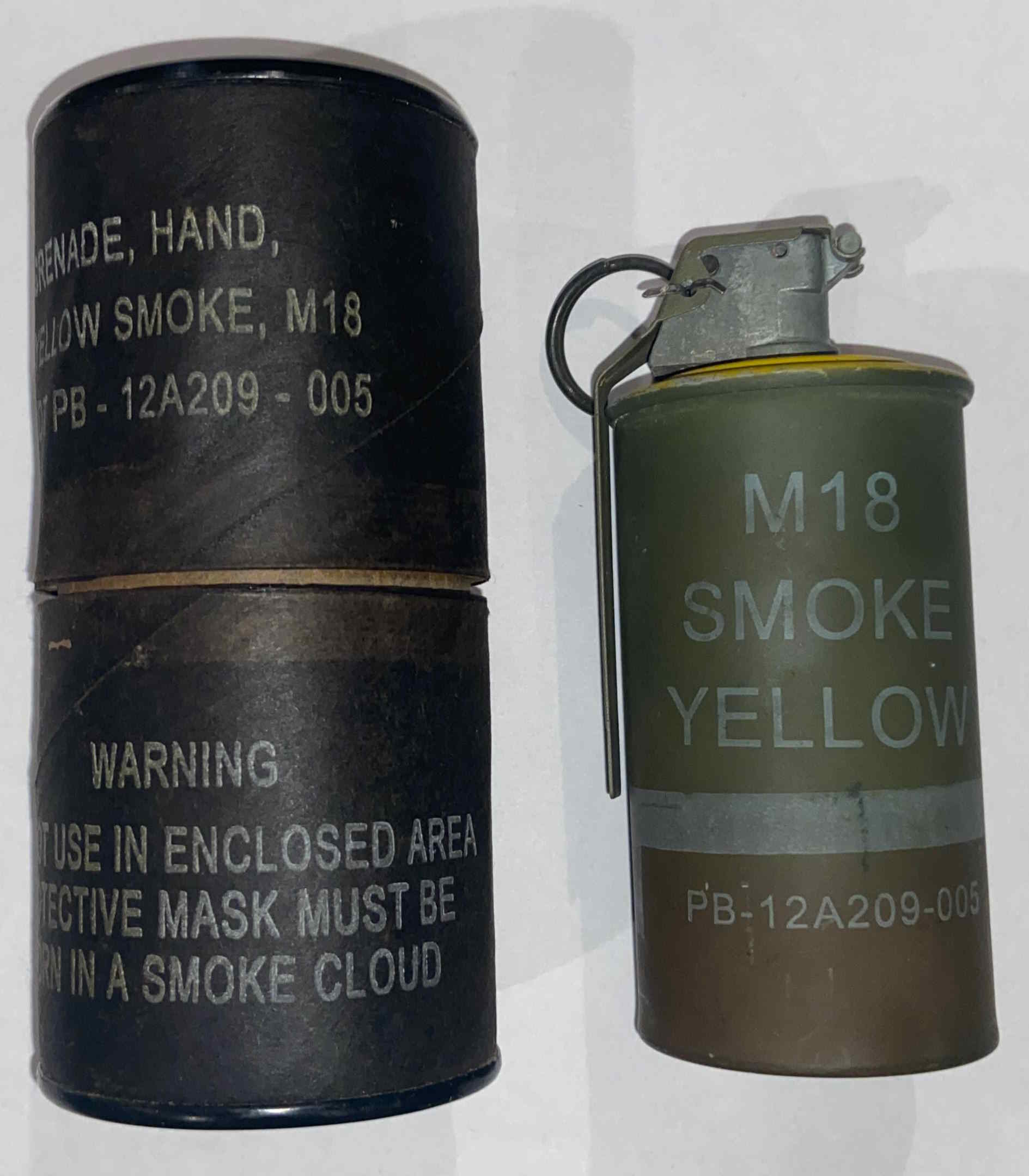
M18 Smoke
- Category: Explosive
- Manufacturer: US Army
- Year introduced to service: 1940s
- Weight (Approx.): ~1.3 lbs
- Primary function: Concealment
- Deployment method: Jumped with
- Key advantage in airborne operations: Visual concealment
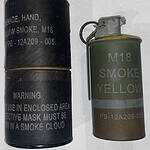
The M18 smoke grenade provides concealment and signaling capabilities, essential for coordinating movements after landing. It can obscure enemy vision or mark positions for friendly forces. Its versatility makes it a key tool in dynamic combat environments.
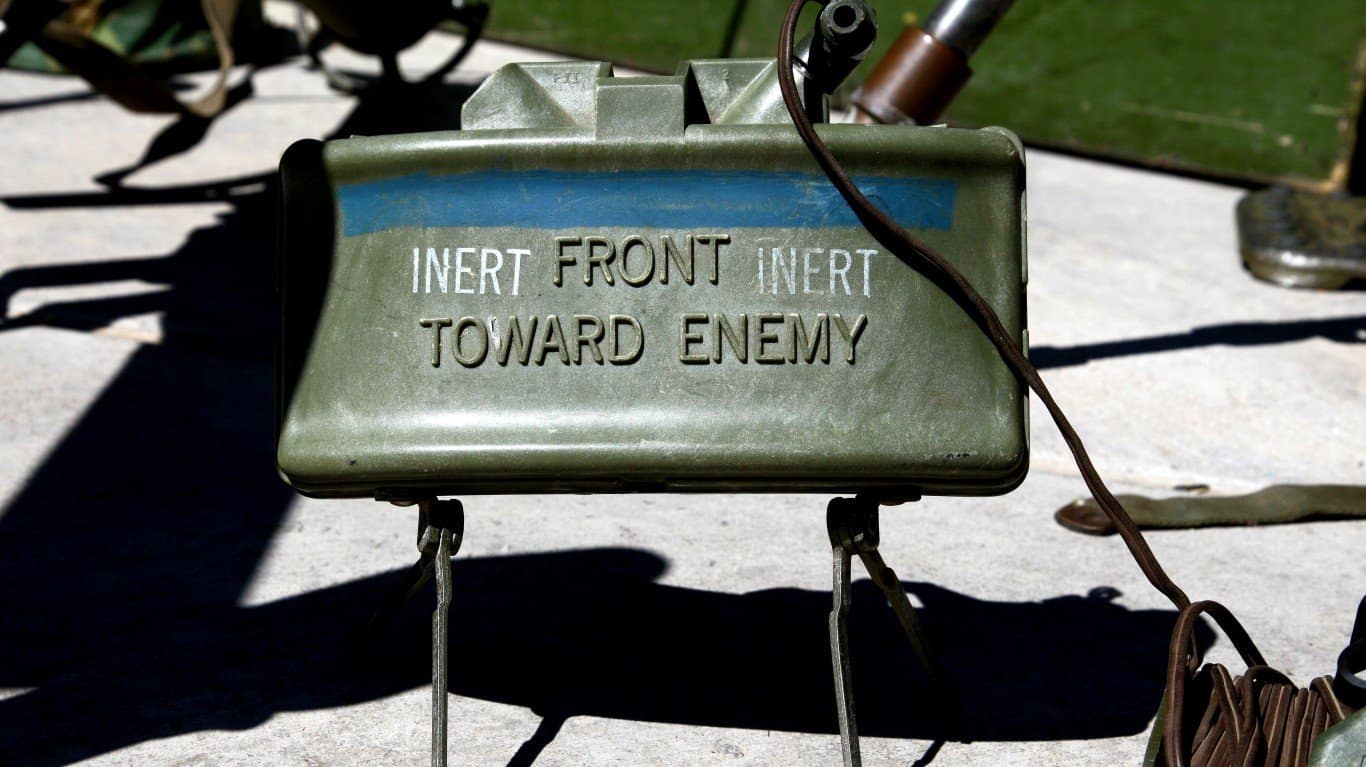
Claymore M18A1
- Category: Explosive
- Manufacturer: US Army
- Year introduced to service: 1960
- Weight (Approx.): ~3.5 lbs
- Primary function: Area denial
- Deployment method: Bundle/drop
- Key advantage in airborne operations: Directional explosive defense
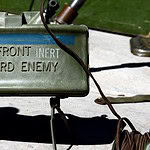
The Claymore mine offers directional explosive power, allowing paratroopers to establish defensive perimeters. Often deployed after landing, it provides a force multiplier against approaching threats. Its ability to control terrain makes it invaluable in defensive operations.
T-11 Parachute
- Category: Airborne gear
- Manufacturer: US Army
- Year introduced to service: 2010
- Weight (Approx.): ~38 lbs
- Primary function: Insertion
- Deployment method: Worn
- Key advantage in airborne operations: Safer descent
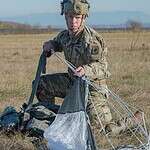
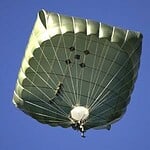
The T-11 parachute system is the primary means of insertion for U.S. paratroopers, designed to reduce injury rates and improve stability. Its reliability ensures that soldiers can reach the ground safely and be ready for immediate action, making it fundamental to airborne operations.
Reserve Parachute
- Category: Airborne gear
- Manufacturer: US Army
- Year introduced to service: Modern
- Weight (Approx.): ~15 lbs
- Primary function: Backup insertion
- Deployment method: Worn
- Key advantage in airborne operations: Redundant safety
The reserve parachute provides a critical backup in case of primary system failure. Worn during every jump, it ensures a second chance at safe descent. Its presence is essential for maintaining safety in high-risk airborne operations.
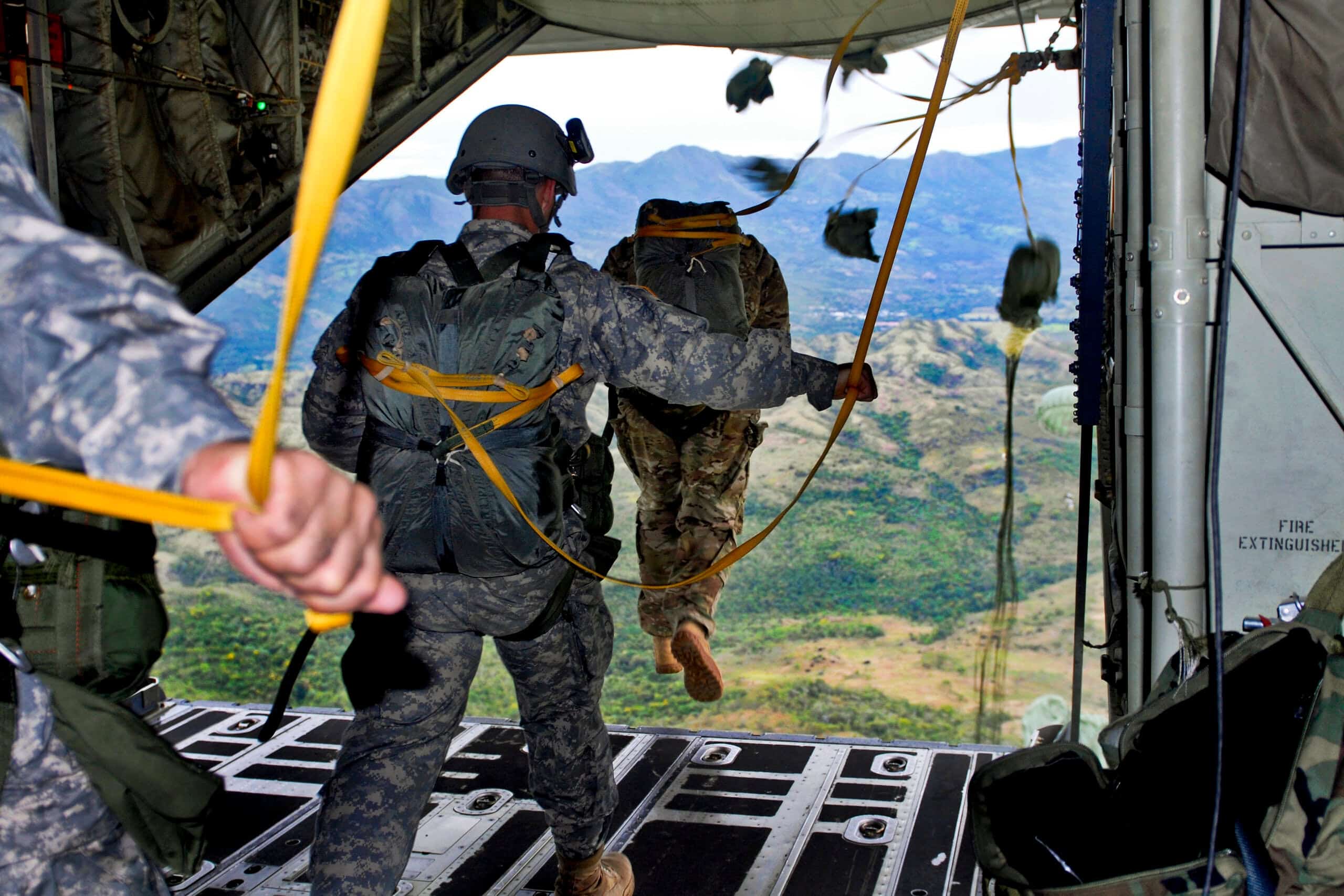
Static Line
- Category: Airborne gear
- Manufacturer: US Army
- Year introduced to service: WWII
- Weight (Approx.): N/A
- Primary function: Deployment system
- Deployment method: Worn
- Key advantage in airborne operations: Automatic deployment
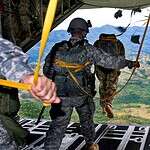
The static line system automatically deploys the parachute upon exiting the aircraft, allowing for rapid mass insertion. This system enables paratroopers to focus on landing and immediate combat readiness rather than deployment procedures.
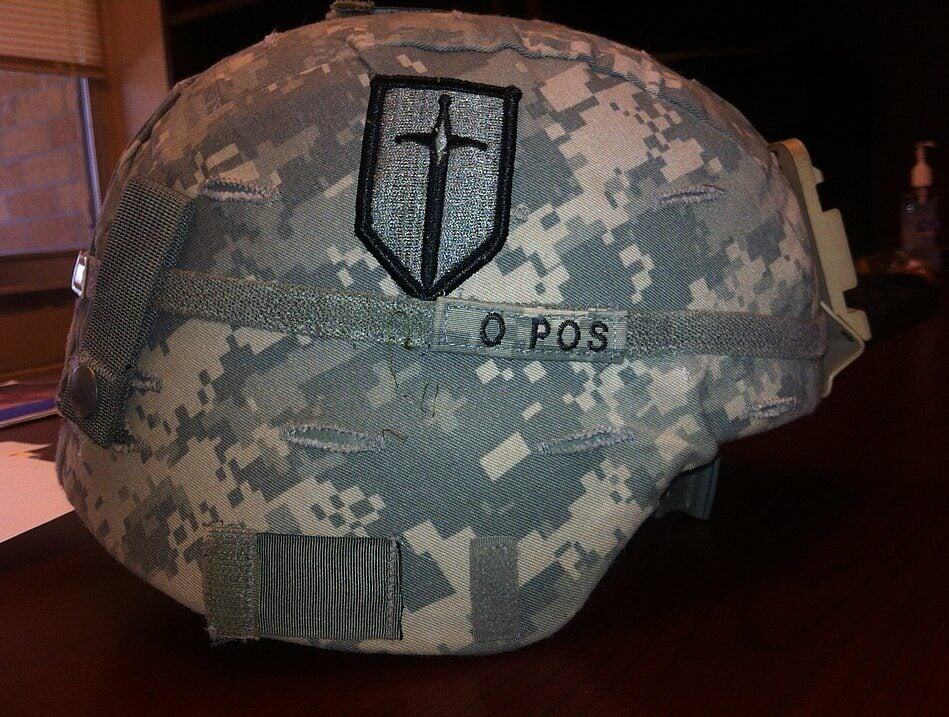
ACH Helmet
- Category: Protection
- Manufacturer: US Army
- Year introduced to service: 2000s
- Weight (Approx.): ~3 lbs
- Primary function: Head protection
- Deployment method: Worn
- Key advantage in airborne operations: Ballistic protection
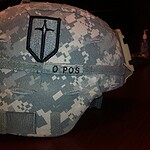
The Advanced Combat Helmet protects against ballistic threats while supporting mounted equipment such as night vision devices. Its design balances protection with comfort, ensuring paratroopers can operate effectively during extended missions.
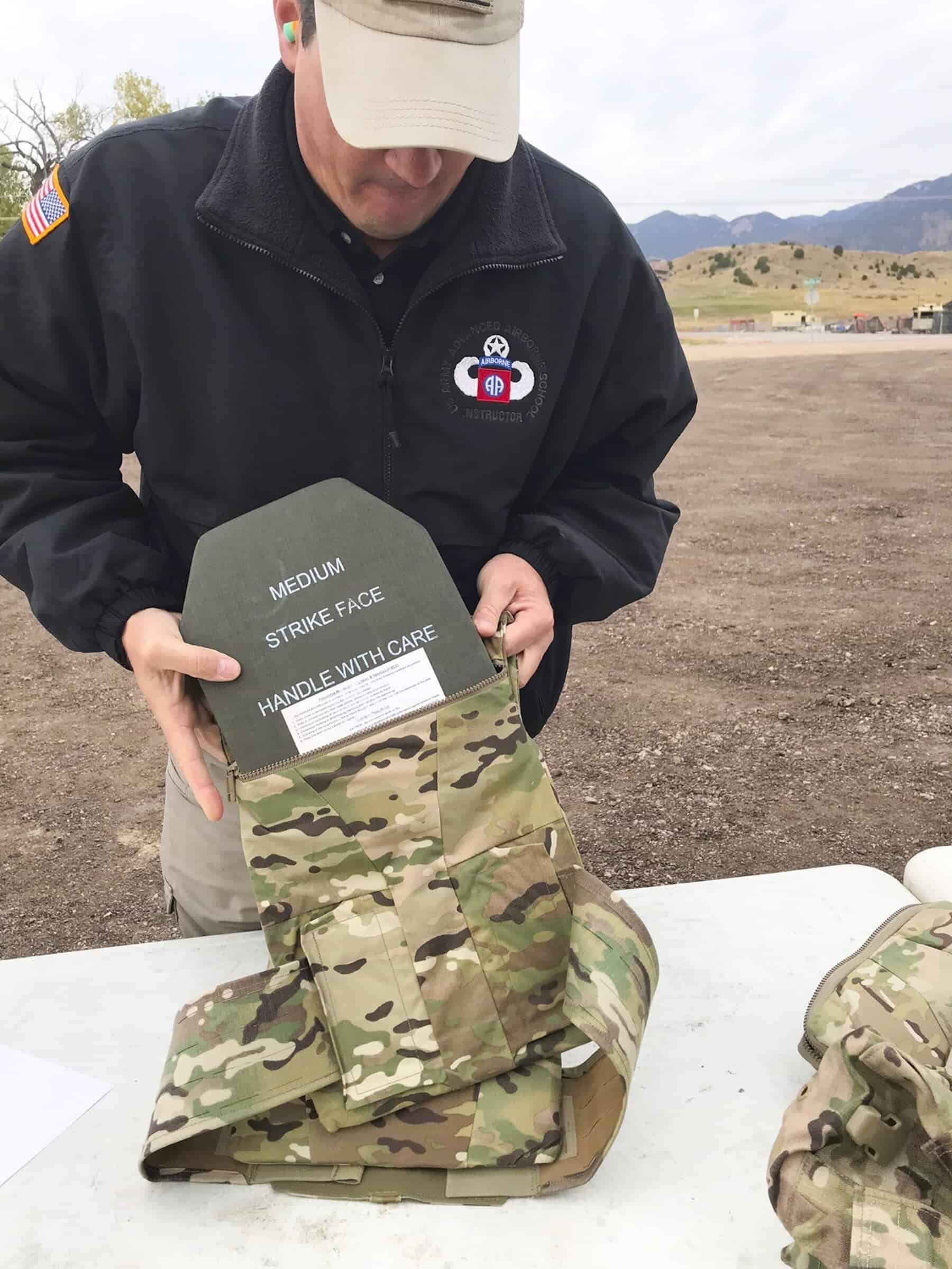
Plate Carrier/IOTV
- Category: Protection
- Manufacturer: US Army
- Year introduced to service: 2000s
- Weight (Approx.): ~15-30 lbs
- Primary function: Body armor
- Deployment method: Worn
- Key advantage in airborne operations: Vital protection
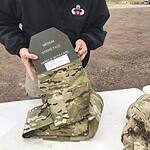
The plate carrier or IOTV provides critical protection against small arms fire and shrapnel. While adding weight, it significantly increases survivability. For paratroopers operating behind enemy lines, this protection is essential in high-risk environments.
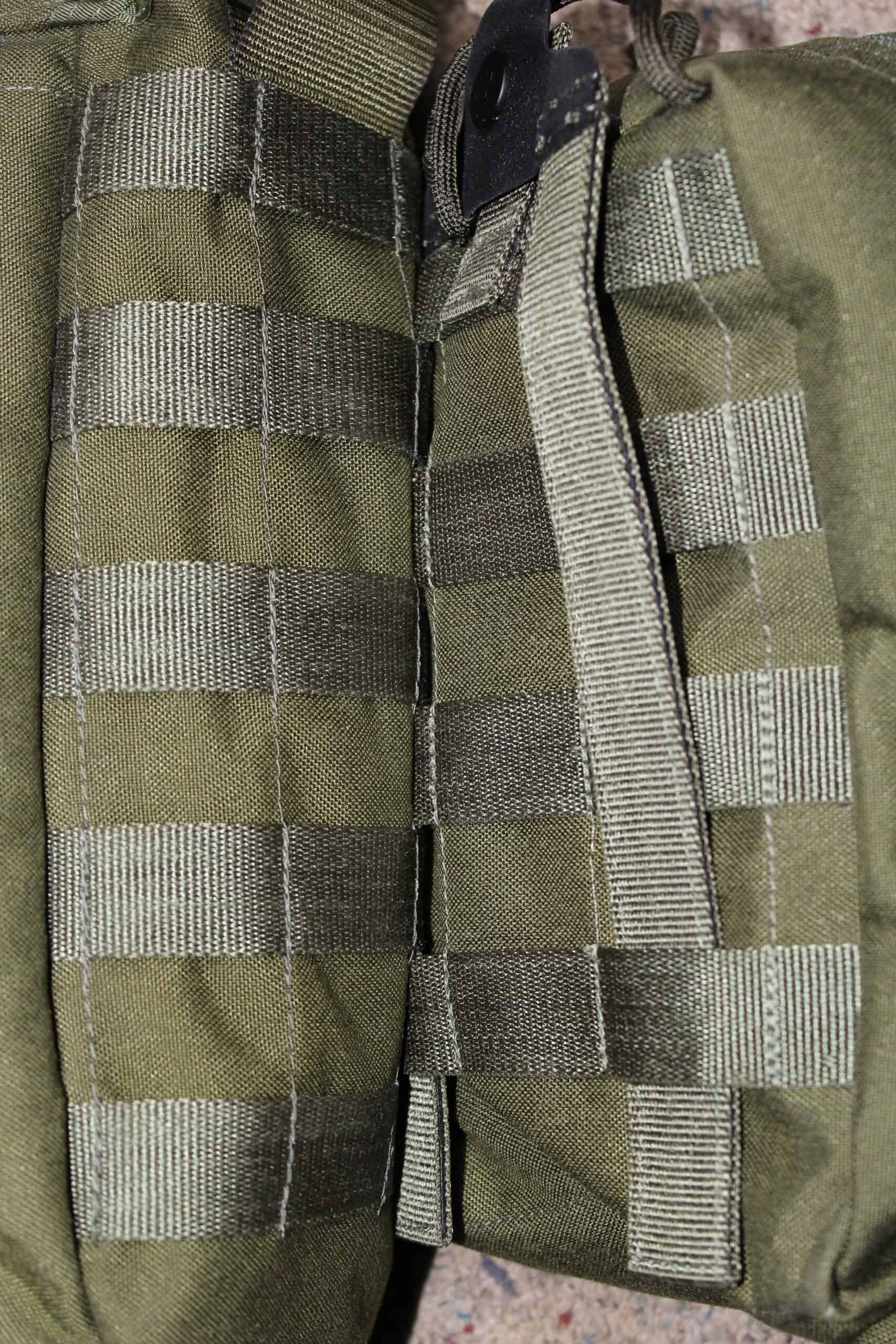
MOLLE System
- Category: Load-bearing
- Manufacturer: US Army
- Year introduced to service: 1997
- Weight (Approx.): ~3 lbs
- Primary function: Gear carriage
- Deployment method: Worn
- Key advantage in airborne operations: Modular loadout
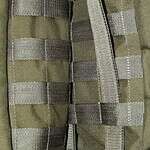
The MOLLE system allows paratroopers to customize their loadout, ensuring essential gear is accessible after landing. Its modular design supports mission-specific configurations, enhancing efficiency and readiness.
Rucksack
- Category: Load-bearing
- Manufacturer: US Army
- Year introduced to service: Modern
- Weight (Approx.): ~5 lbs empty
- Primary function: Carry equipment
- Deployment method: Bundle/drop
- Key advantage in airborne operations: Extended sustainment
The tactical rucksack enables paratroopers to carry essential supplies, including ammunition, food, and equipment. Often dropped separately, it ensures sustained operations after insertion. Its capacity supports extended missions behind enemy lines.
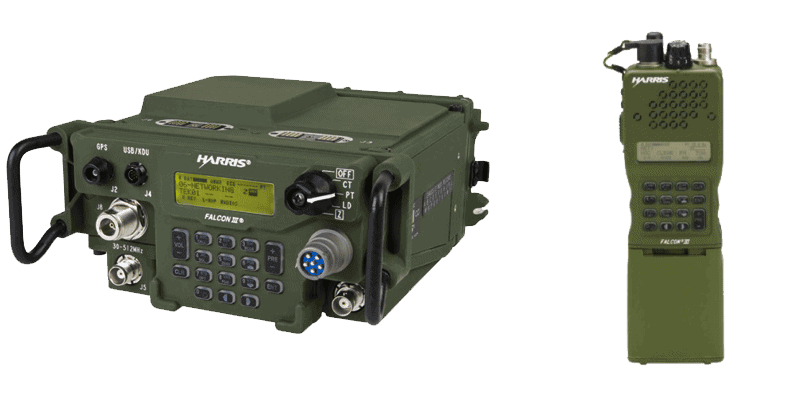
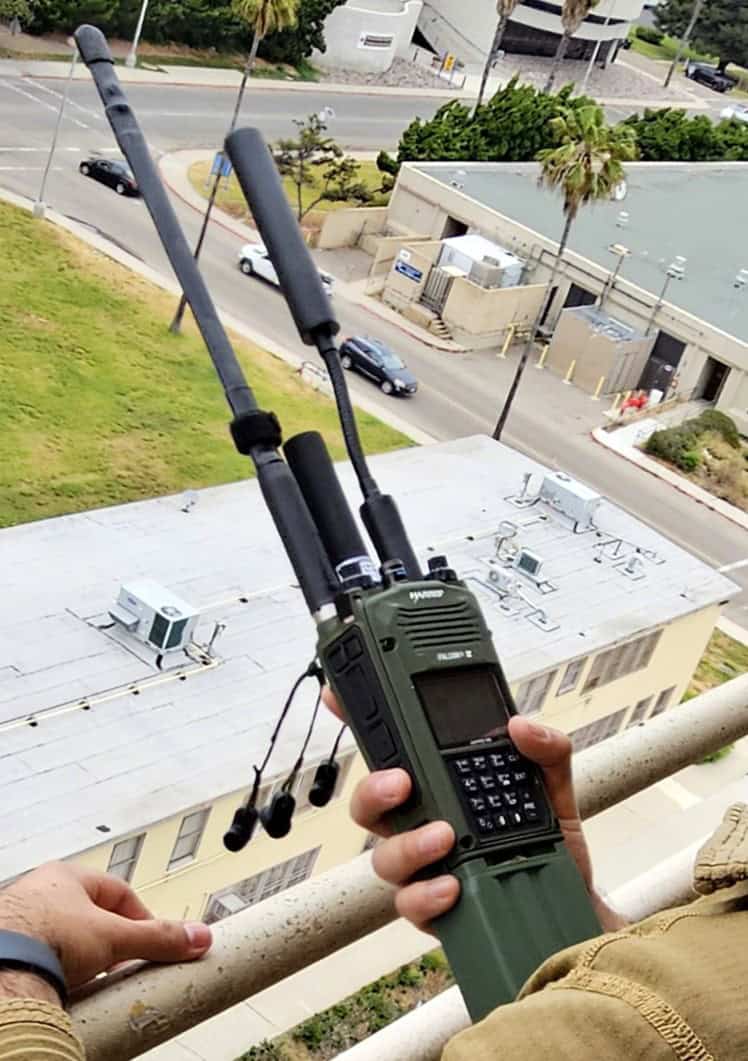
AN/PRC-152
- Category: Communication
- Manufacturer: Harris
- Year introduced to service: 2000s
- Weight (Approx.): ~2.5 lbs
- Primary function: Radio comms
- Deployment method: Jumped with
- Key advantage in airborne operations: Reliable comms
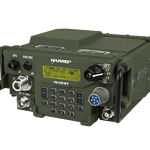
The AN/PRC-152 radio provides reliable communication between units, essential for coordination in isolated operations. Its portability allows paratroopers to maintain contact with command and other units, ensuring effective teamwork.
AN/PRC-163
- Category: Communication
- Manufacturer: L3Harris
- Year introduced to service: 2010s
- Weight (Approx.): ~2.5 lbs
- Primary function: Advanced comms
- Deployment method: Jumped with
- Key advantage in airborne operations: Multi-channel comms
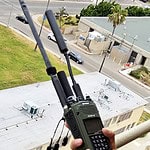
The AN/PRC-163 offers advanced, multi-channel communication capabilities, improving coordination in complex operations. Its enhanced features allow simultaneous communication across networks, making it a critical tool for modern airborne units.
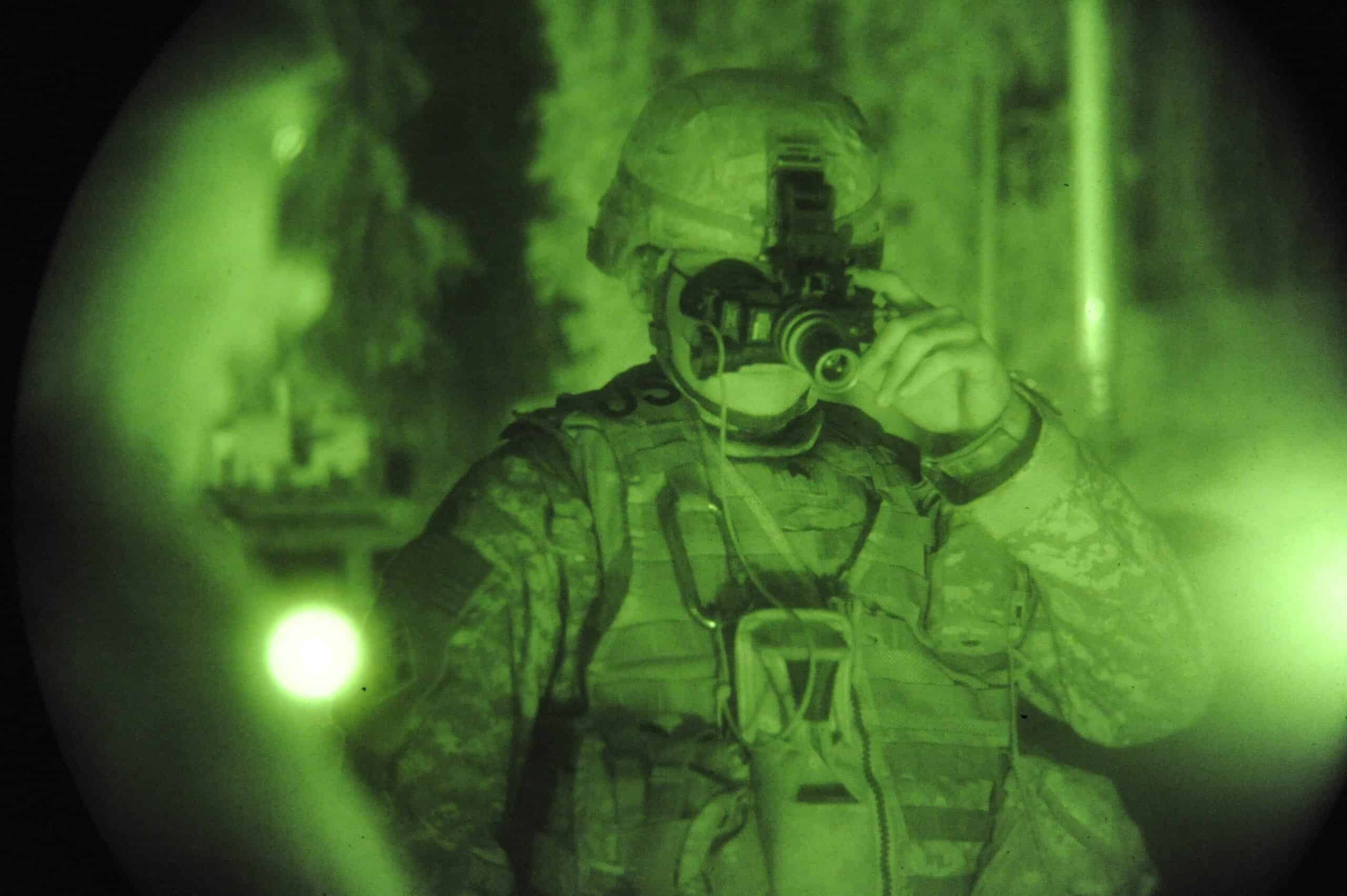
AN/PVS-14
- Category: Night vision
- Manufacturer: US Army
- Year introduced to service: 2000s
- Weight (Approx.): ~0.7 lbs
- Primary function: Night ops
- Deployment method: Worn
- Key advantage in airborne operations: Night combat capability
The AN/PVS-14 night vision device allows paratroopers to operate effectively in low-light conditions. Mounted on helmets, it enhances situational awareness and combat capability during night operations, which are common in airborne missions.
AN/PEQ-15
- Category: Targeting
- Manufacturer: US Army
- Year introduced to service: 2000s
- Weight (Approx.): ~0.5 lbs
- Primary function: Laser targeting
- Deployment method: Mounted
- Key advantage in airborne operations: Improves targeting
The AN/PEQ-15 laser designator improves targeting accuracy, especially in low-light environments. Mounted on weapons, it allows for precise aiming and coordination with other forces, increasing effectiveness in combat.
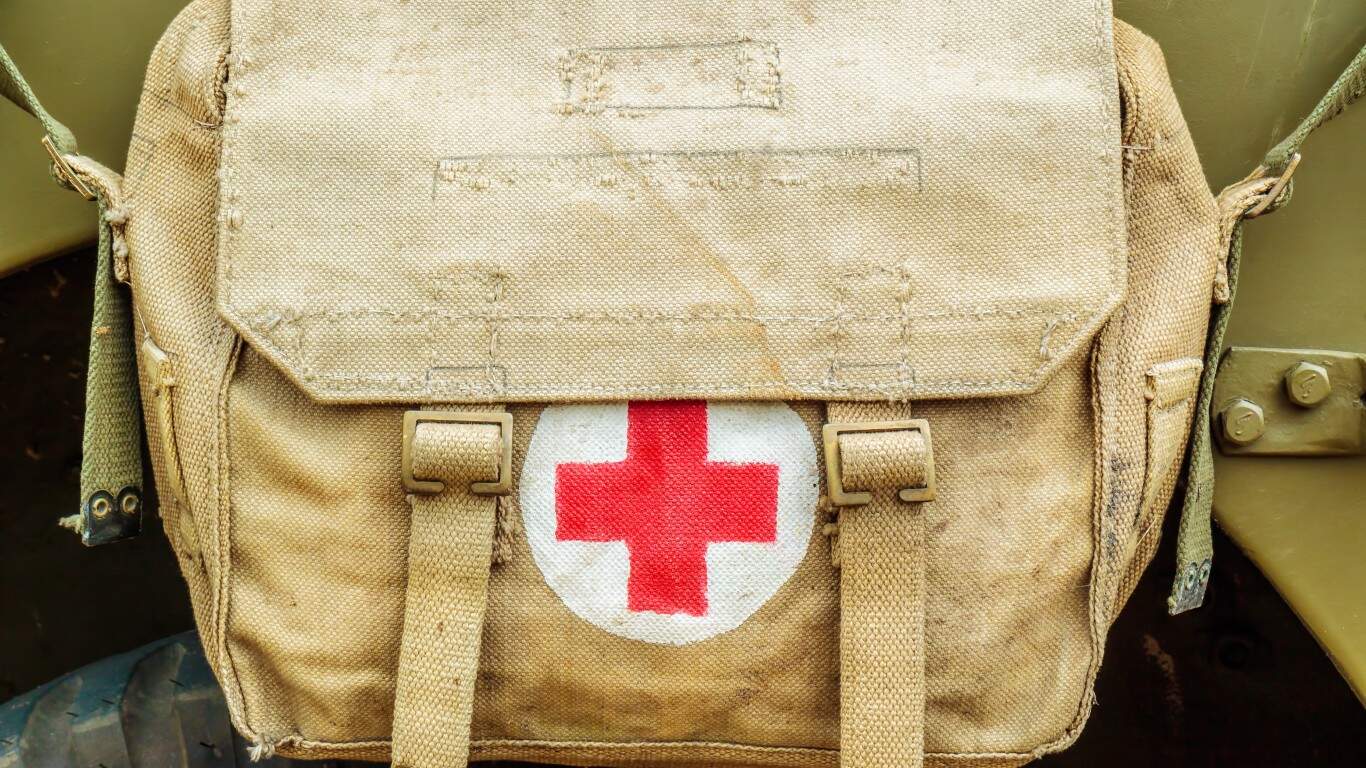
IFAK
- Category: Medical
- Manufacturer: US Army
- Year introduced to service: Modern
- Weight (Approx.): ~2 lbs
- Primary function: Medical
- Deployment method: Worn
- Key advantage in airborne operations: Immediate treatment
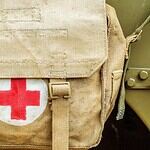
The Individual First Aid Kit (IFAK) provides immediate medical support, allowing paratroopers to treat injuries quickly. Its accessibility is critical in isolated operations where medical evacuation may be delayed.
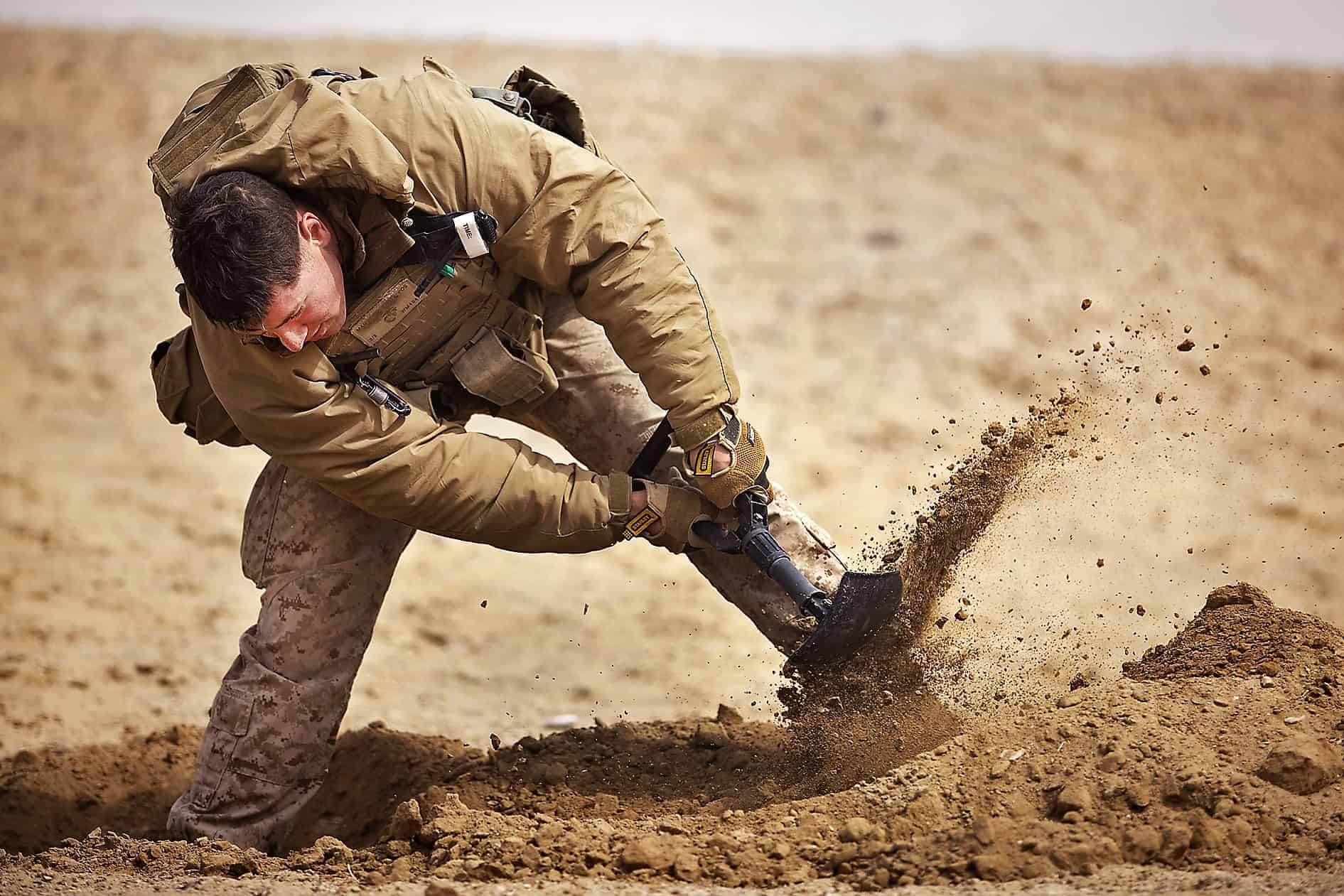
E-Tool
- Category: Tool
- Manufacturer: US Army
- Year introduced to service: WWII
- Weight (Approx.): ~2.5 lbs
- Primary function: Digging
- Deployment method: Carried
- Key advantage in airborne operations: Field fortifications
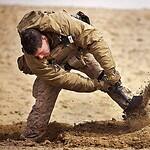
The entrenching tool allows paratroopers to quickly dig defensive positions or clear obstacles. Compact and portable, it supports survivability and adaptability in the field.
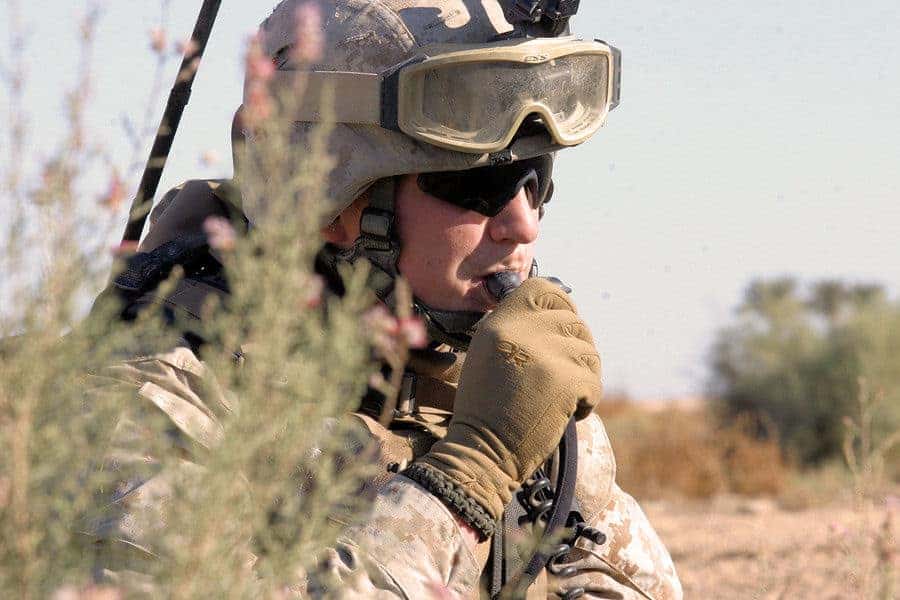
Hydration System
- Category: Sustainment
- Manufacturer: US Army
- Year introduced to service: Modern
- Weight (Approx.): ~2-3 lbs
- Primary function: Water supply
- Deployment method: Worn
- Key advantage in airborne operations: Sustainment in field
The hydration system ensures paratroopers remain hydrated during extended operations. Its hands-free design allows soldiers to maintain readiness while sustaining themselves in challenging environments.
The image featured at the top of this post is ©marine_corps / Flickr