






Desert Warfare Weapons That Changed How Modern Wars Are Fought
Desert warfare has long been one of the harshest testing grounds in military history, where extreme heat, blowing sand, and endless open terrain push weapons to their limits. In these unforgiving conditions, only the most durable and adaptable systems survive, often going on to influence how wars are fought around the world. From battle-tested rifles to advanced tanks and precision strike aircraft, many of today’s most important military technologies were either built for or perfected in desert combat.
At History Computer, we took a closer look at the weapons designed for desert warfare that helped shape modern combat. To build this list, we reviewed a wide range of historical and military sources, identifying key systems and highlighting their country of origin, primary desert conflicts, combat roles, and the specific advantages that made them so effective in arid environments.
Understanding how desert warfare has shaped modern combat helps explain why certain weapons still dominate battlefields far beyond the desert. The need for reliability, mobility, and long-range performance in extreme conditions has driven innovations that continue to influence military strategy and design today. By examining these weapons, you get a clearer picture of how some of the world’s most challenging environments helped define the tools of modern war.
The Battlefield That Forces Innovation
Desert warfare remains one of the most unforgiving combat environments on Earth, where extreme heat, fine sand, and vast open terrain expose even the smallest weaknesses in military equipment. Weapons that fail under these conditions are quickly abandoned, while those that succeed often do so because they are built with durability and simplicity in mind. In this environment, the battlefield does more than test technology—it actively shapes how weapons are designed and used in future conflicts.
Why Reliability Matters More Than Power
In desert conditions, sand and dust can infiltrate nearly every moving part of a weapon system, causing malfunctions that render even advanced designs ineffective. As a result, weapons that perform best in these environments tend to prioritize reliability over raw power or complexity. This has led to a broader shift in military thinking, where ease of maintenance and consistent performance are often valued more highly than cutting-edge features that may fail under harsh conditions.
Range, Visibility, and Open Terrain Warfare
The desert’s wide-open landscapes eliminate much of the natural cover found in other environments, dramatically increasing engagement distances. This makes long-range targeting, precision strikes, and advanced optics critical components of success on the battlefield. Air power and artillery systems benefit greatly from these conditions, allowing forces to engage enemies from extended ranges. These factors have played a key role in shaping modern combat doctrine centered on visibility and reach.
Mobility and Logistics Win Wars in the Desert
The sheer scale of desert environments demands a high level of mobility, as forces must cover large distances quickly while maintaining operational effectiveness. Lightweight and adaptable vehicles often outperform heavier systems when speed and flexibility are required. At the same time, maintaining supply lines and keeping equipment operational in extreme heat presents ongoing logistical challenges. These realities have driven innovation in both mobility platforms and sustainment strategies across modern militaries.
From Desert Conflicts to Global Doctrine
Weapons that prove effective in desert warfare often go on to influence military doctrine far beyond those environments. Lessons learned from conflicts such as World War II’s North African campaign, the Gulf War, and more recent operations in the Middle East have shaped how modern forces are equipped and deployed. As a result, the desert continues to serve as one of the most important proving grounds for weapons that ultimately define global combat standards.
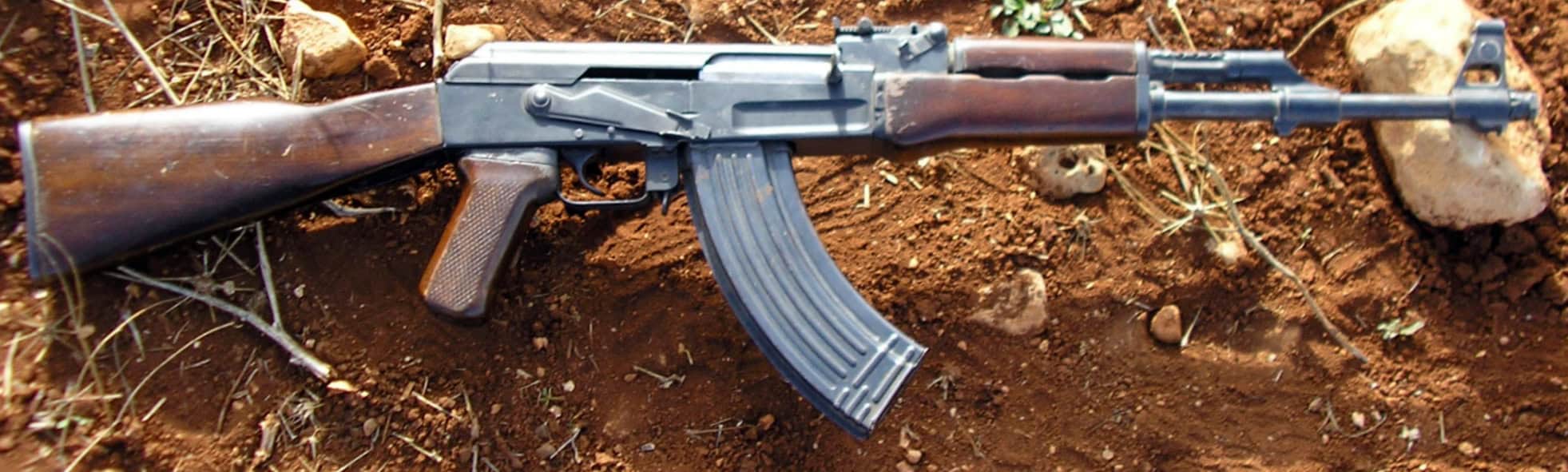
AK-47
- Weapon Type: Assault Rifle
- Country of Origin: Soviet Union
- Year Introduced: 1947
- Primary Desert Conflict or Theater: Various Middle East & Africa
- Key Desert Adaptation: Loose tolerances for sand reliability
- Combat Role in Desert Warfare: Infantry weapon
- Operational Advantage in Desert Conditions: High reliability in dust and sand
- Doctrine or Modern Warfare Impact: Set global standard for rugged small arms
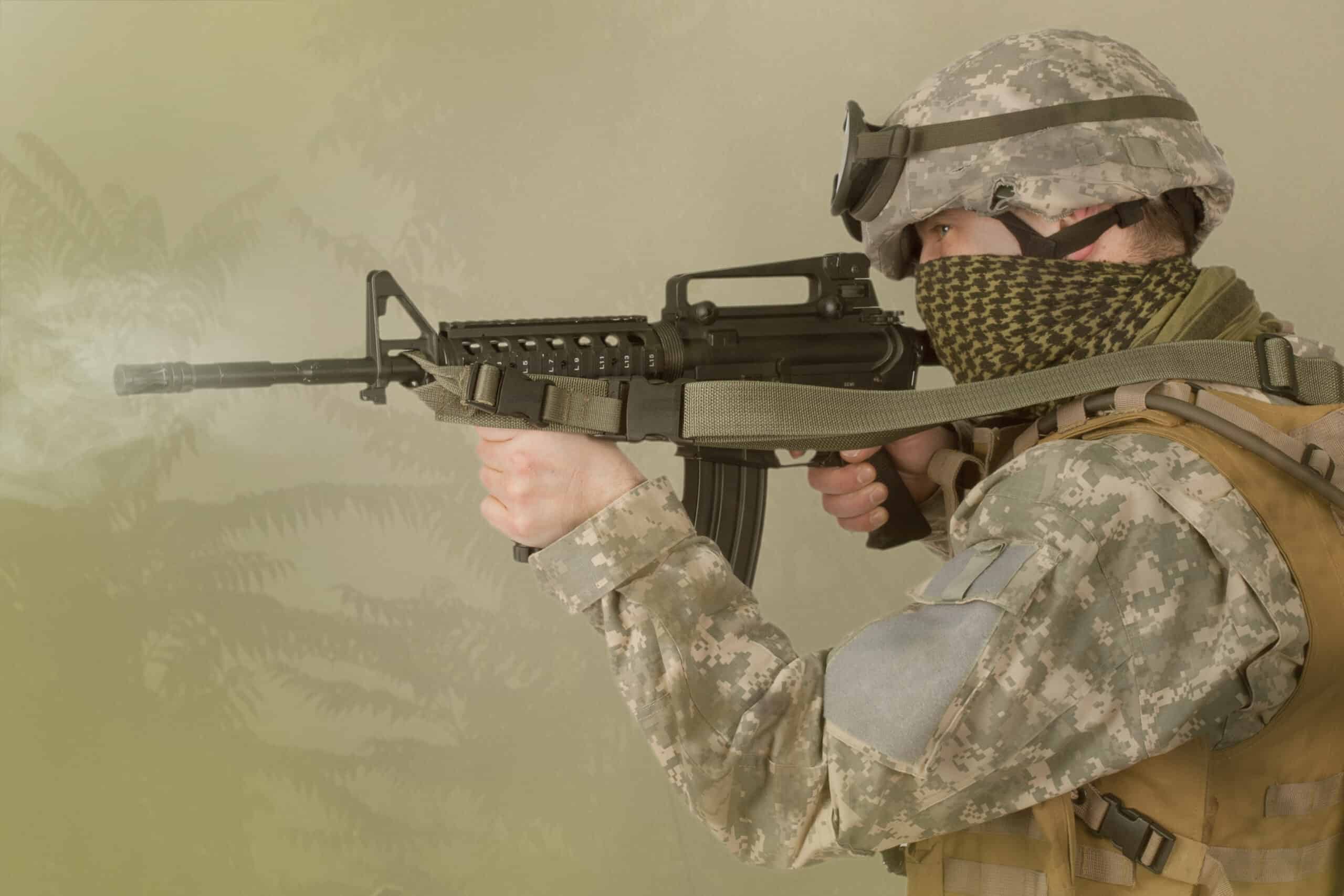
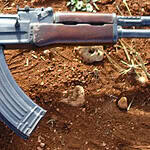
The AK-47’s loose tolerances and simple gas system made it exceptionally reliable in sand-heavy environments, where tighter Western designs often failed. Its performance across Middle Eastern and African deserts proved that durability could outweigh precision in sustained combat. This reliability-first philosophy influenced modern small arms design, especially for forces operating in harsh, austere environments where maintenance is limited.
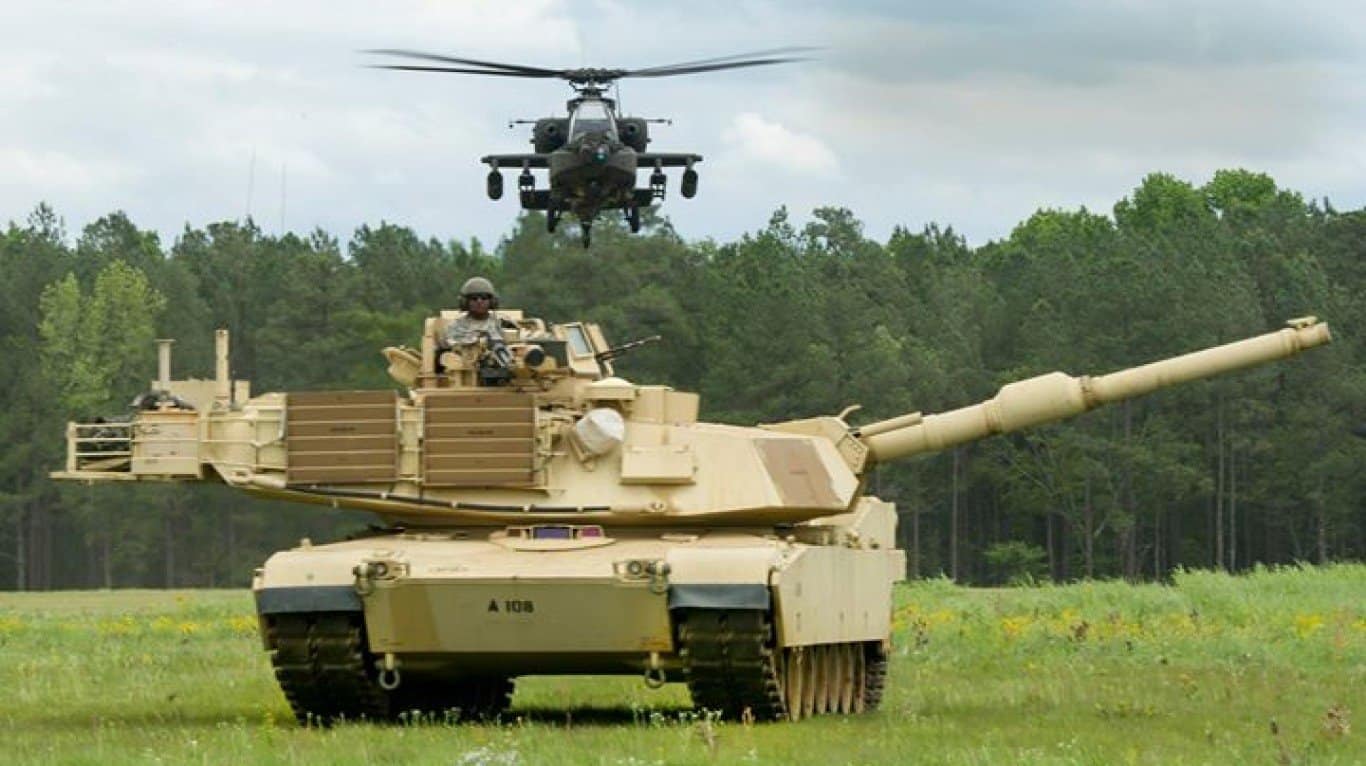
M1A1 Abrams
- Weapon Type: Main Battle Tank
- Country of Origin: United States
- Year Introduced: 1985
- Primary Desert Conflict or Theater: Gulf War
- Key Desert Adaptation: Advanced filtration & turbine performance
- Combat Role in Desert Warfare: Armored breakthrough
- Operational Advantage in Desert Conditions: Superior mobility and targeting in open desert
- Doctrine or Modern Warfare Impact: Redefined armored warfare dominance
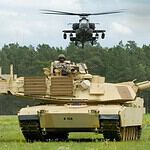
The M1A1 Abrams demonstrated overwhelming superiority during the Gulf War, where its advanced targeting systems and mobility allowed U.S. forces to dominate open desert engagements. Its ability to operate effectively in extreme heat while maintaining accuracy at long range reshaped armored warfare doctrine, emphasizing sensor integration, crew survivability, and long-distance engagement capabilities in modern tank design.
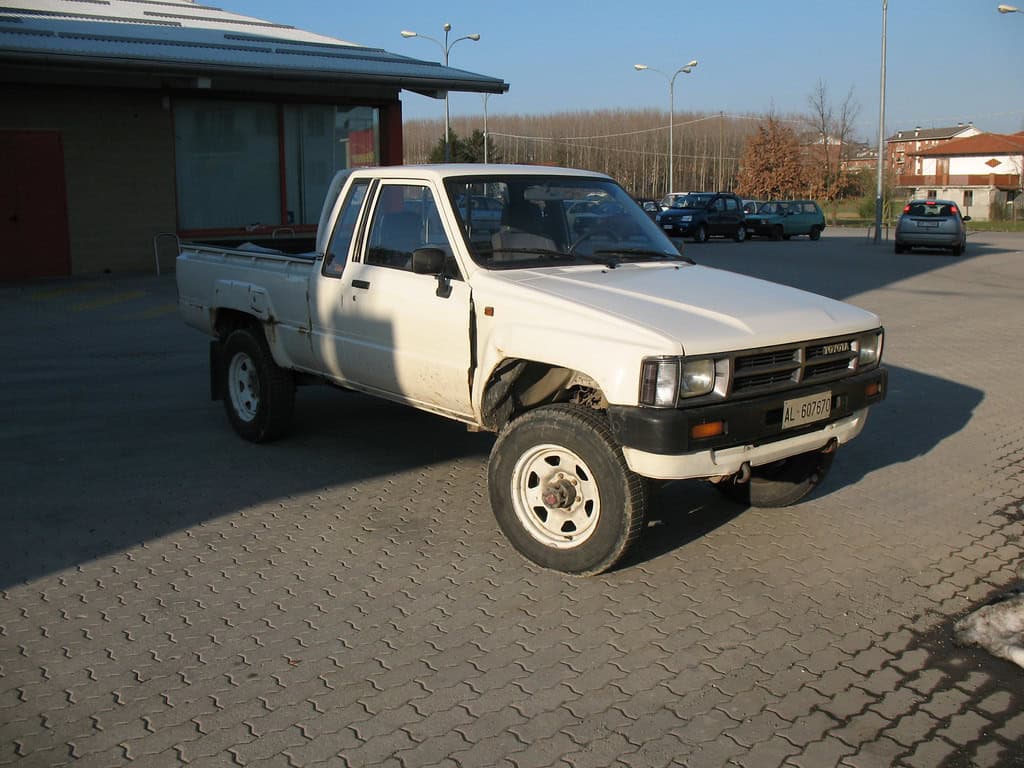
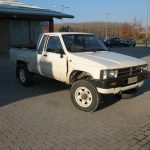
Toyota Hilux
- Weapon Type: Utility Vehicle
- Country of Origin: Japan
- Year Introduced: 1968
- Primary Desert Conflict or Theater: Chad-Libya Conflict / Middle East
- Key Desert Adaptation: Lightweight mobility over sand
- Combat Role in Desert Warfare: Irregular warfare transport
- Operational Advantage in Desert Conditions: Extreme mobility and adaptability
- Doctrine or Modern Warfare Impact: Defined modern technical warfare
The Toyota Hilux became synonymous with desert warfare due to its unmatched reliability, speed, and adaptability. Often mounted with heavy weapons, it allowed irregular forces to conduct fast-moving operations across vast desert terrain. Its widespread use redefined asymmetric warfare, proving that mobility and improvisation could rival traditional armored forces in open environments.
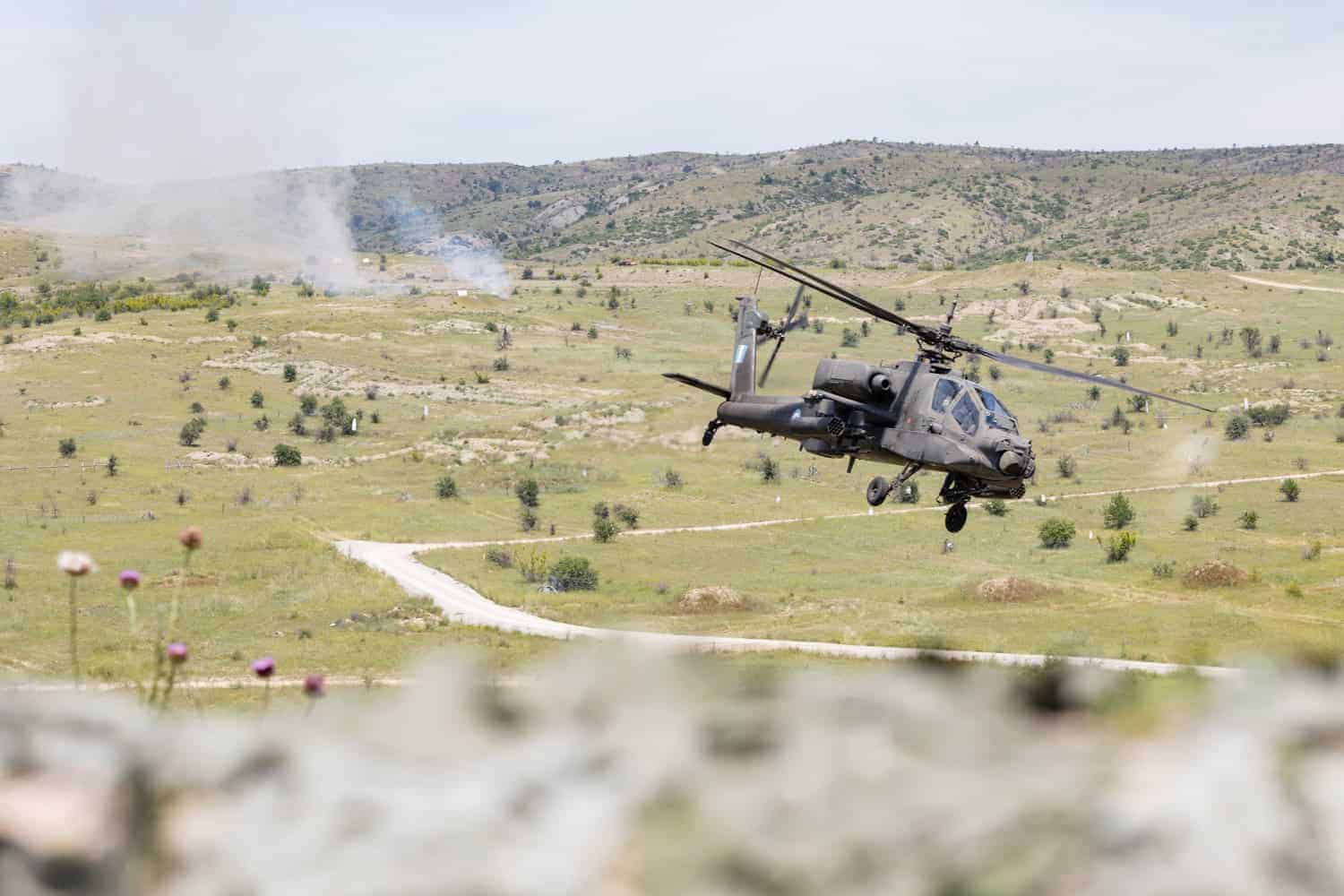
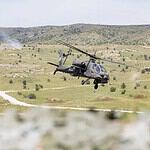
AH-64 Apache
- Weapon Type: Attack Helicopter
- Country of Origin: United States
- Year Introduced: 1986
- Primary Desert Conflict or Theater: Gulf War / Iraq
- Key Desert Adaptation: Advanced targeting in open terrain
- Combat Role in Desert Warfare: Close air support
- Operational Advantage in Desert Conditions: Night dominance in open desert
- Doctrine or Modern Warfare Impact: Shaped modern attack helicopter doctrine
The AH-64 Apache thrived in desert warfare by leveraging long-range sensors and night-fighting capabilities to exploit open terrain. Its performance in Iraq showed how attack helicopters could dominate battlespace without direct line-of-sight engagement. This shifted modern doctrine toward integrated air-ground operations, where helicopters act as precision strike platforms in wide, exposed theaters.
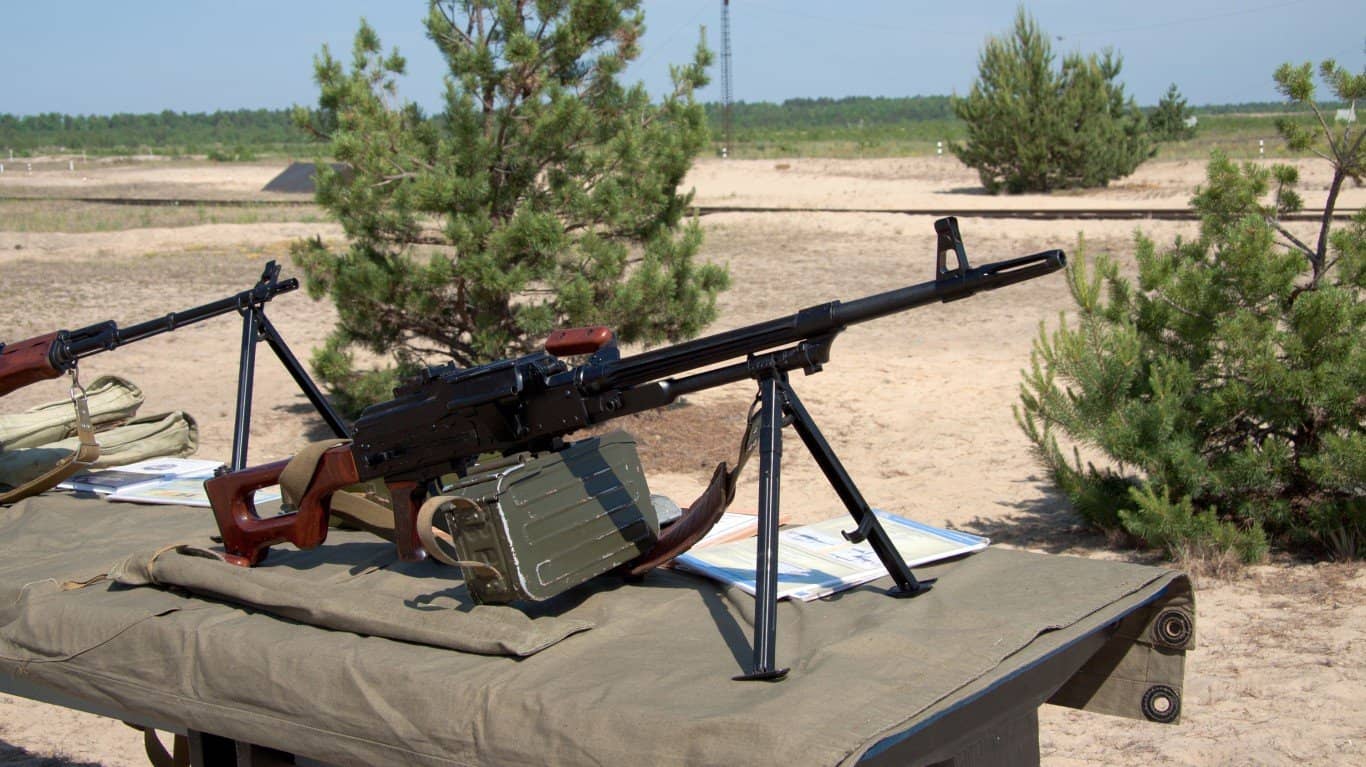
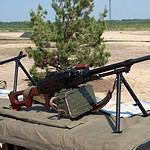
PKM Machine Gun
- Weapon Type: Machine Gun
- Country of Origin: Soviet Union
- Year Introduced: 1961
- Primary Desert Conflict or Theater: Afghanistan / Middle East
- Key Desert Adaptation: Reliable gas system
- Combat Role in Desert Warfare: Sustained fire support
- Operational Advantage in Desert Conditions: Consistent performance in sand
- Doctrine or Modern Warfare Impact: Influenced GPMG design priorities
The PKM’s rugged construction and reliable gas system allowed it to function consistently in sand and dust, where many Western counterparts struggled. Its sustained fire capability made it a staple in desert conflicts, particularly among irregular forces. The PKM reinforced the importance of reliability and ease of maintenance, shaping modern general-purpose machine gun design priorities.
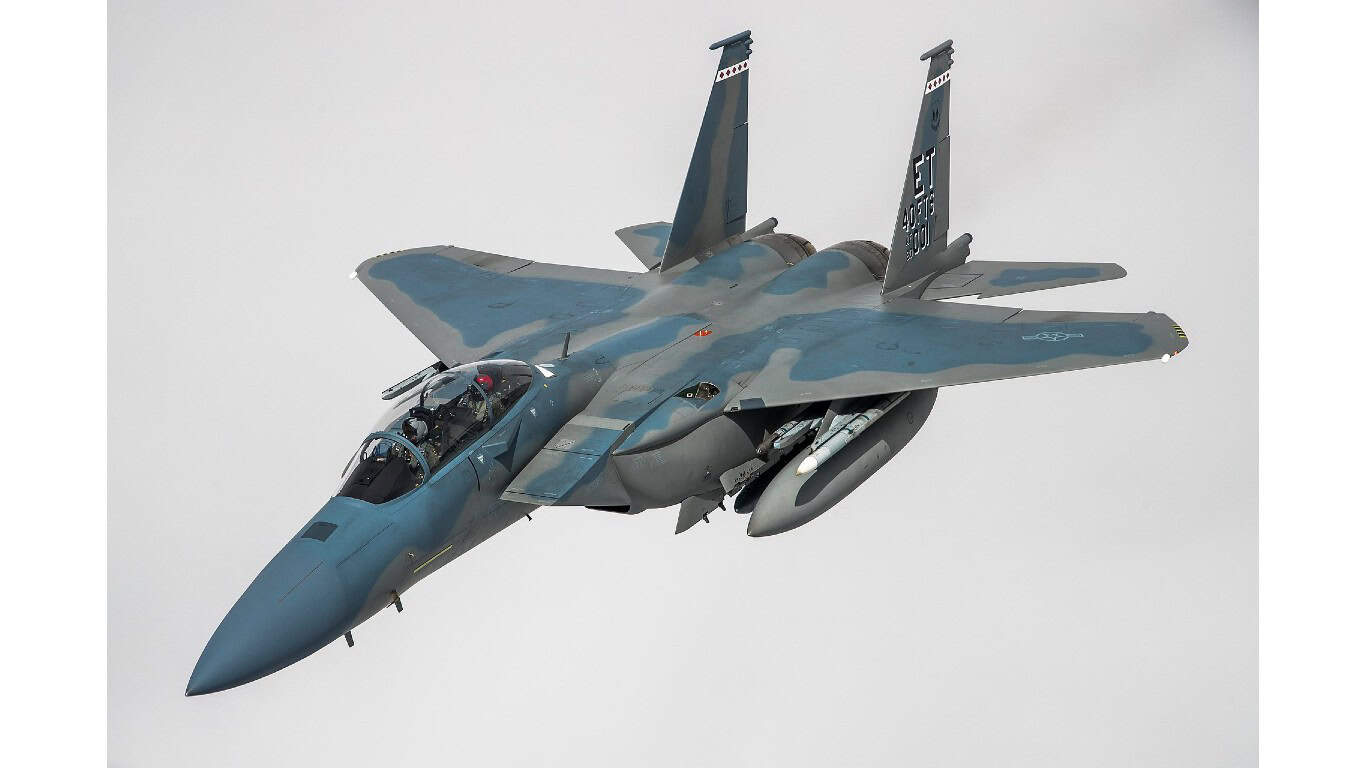
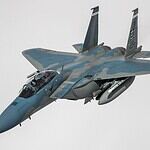
F-15E Strike Eagle
- Weapon Type: Strike Fighter
- Country of Origin: United States
- Year Introduced: 1989
- Primary Desert Conflict or Theater: Gulf War / Iraq
- Key Desert Adaptation: Long-range strike capability
- Combat Role in Desert Warfare: Deep strike
- Operational Advantage in Desert Conditions: Long-range precision in open terrain
- Doctrine or Modern Warfare Impact: Set standard for multirole strike fighters
The F-15E Strike Eagle’s long-range strike capability made it ideal for desert warfare, where targets are often dispersed across vast distances. Its precision targeting systems allowed for effective engagements deep within enemy territory. This capability helped define modern multirole fighters, emphasizing range, payload, and precision in large, open combat environments.
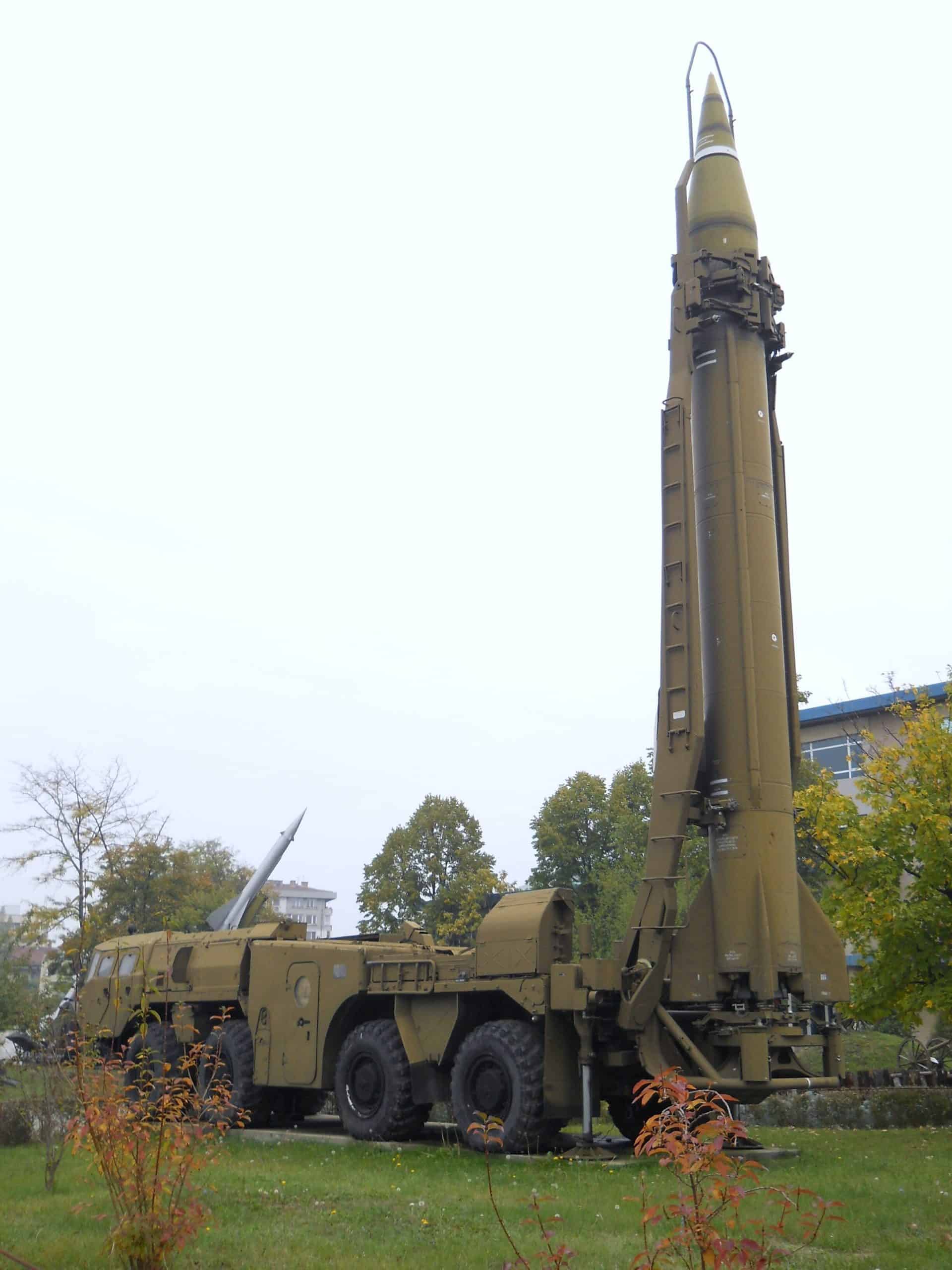
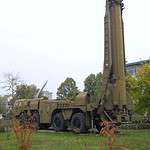
Scud Missile
- Weapon Type: Ballistic Missile
- Country of Origin: Soviet Union
- Year Introduced: 1955
- Primary Desert Conflict or Theater: Gulf War
- Key Desert Adaptation: Mobile launch capability
- Combat Role in Desert Warfare: Strategic strike
- Operational Advantage in Desert Conditions: Psychological impact over wide areas
- Doctrine or Modern Warfare Impact: Changed missile warfare doctrine
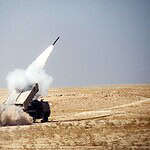
The Scud missile demonstrated how mobile ballistic systems could influence desert warfare by striking targets far beyond the front lines. Its use in the Gulf War highlighted the psychological and strategic impact of long-range weapons in open terrain. This reshaped missile defense priorities and underscored the importance of mobility and concealment in modern missile doctrine.
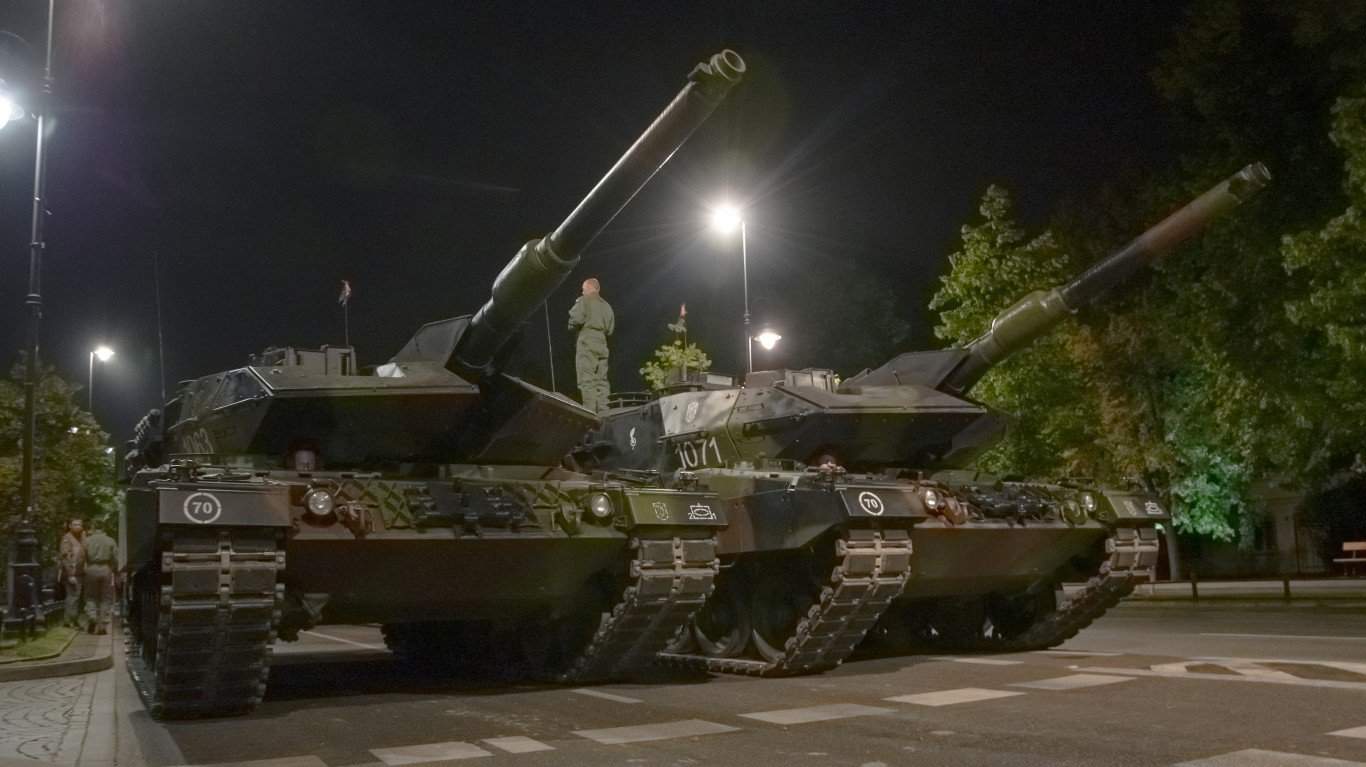
Leopard 2A6
- Weapon Type: Main Battle Tank
- Country of Origin: Germany
- Year Introduced: 2001
- Primary Desert Conflict or Theater: Afghanistan
- Key Desert Adaptation: Improved cooling and optics
- Combat Role in Desert Warfare: Armored combat
- Operational Advantage in Desert Conditions: High accuracy in open terrain
- Doctrine or Modern Warfare Impact: Enhanced NATO tank doctrine
The Leopard 2A6’s deployment in hot, dusty environments required adaptations in cooling and filtration systems, proving its versatility beyond European theaters. Its accuracy and fire control systems performed exceptionally well in open terrain. These capabilities reinforced NATO doctrine emphasizing precision, survivability, and adaptability across diverse combat environments, including deserts.
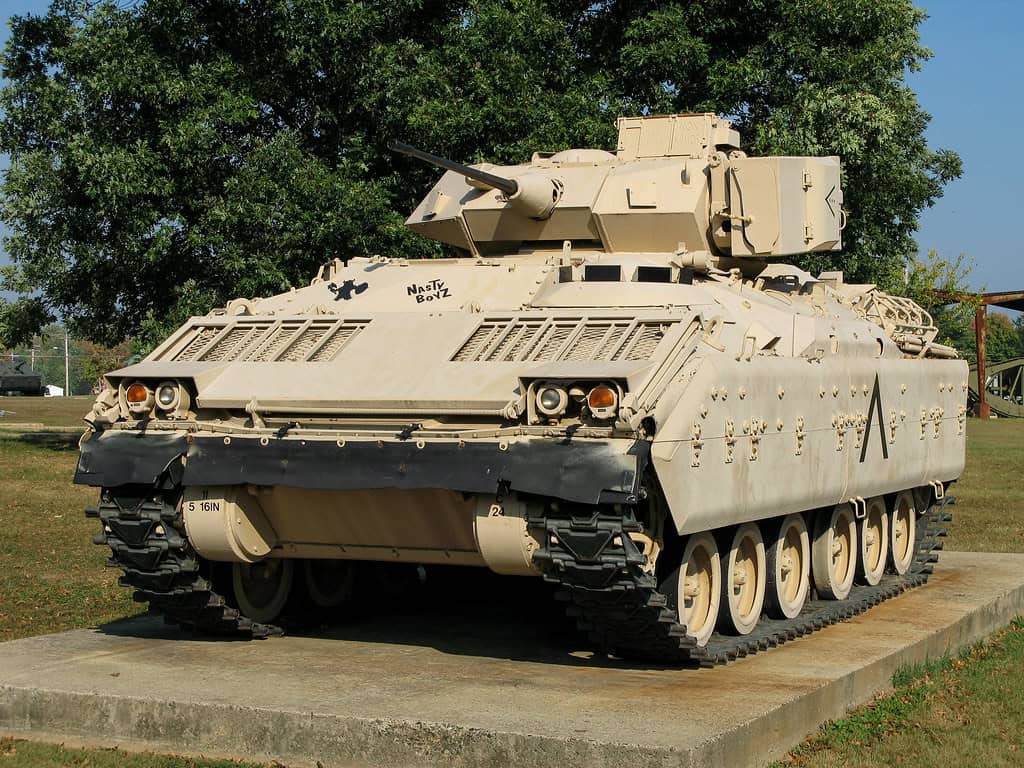
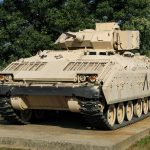
M2 Bradley
- Weapon Type: Infantry Fighting Vehicle
- Country of Origin: United States
- Year Introduced: 1981
- Primary Desert Conflict or Theater: Gulf War / Iraq
- Key Desert Adaptation: Desert mobility upgrades
- Combat Role in Desert Warfare: Infantry support
- Operational Advantage in Desert Conditions: Combined arms efficiency
- Doctrine or Modern Warfare Impact: Shaped IFV doctrine
The M2 Bradley excelled in desert warfare by combining mobility, firepower, and infantry support in a single platform. Its performance during the Gulf War demonstrated the effectiveness of integrated combined arms tactics in open terrain. This helped shape modern infantry fighting vehicle doctrine, emphasizing coordination between armored units and dismounted troops.
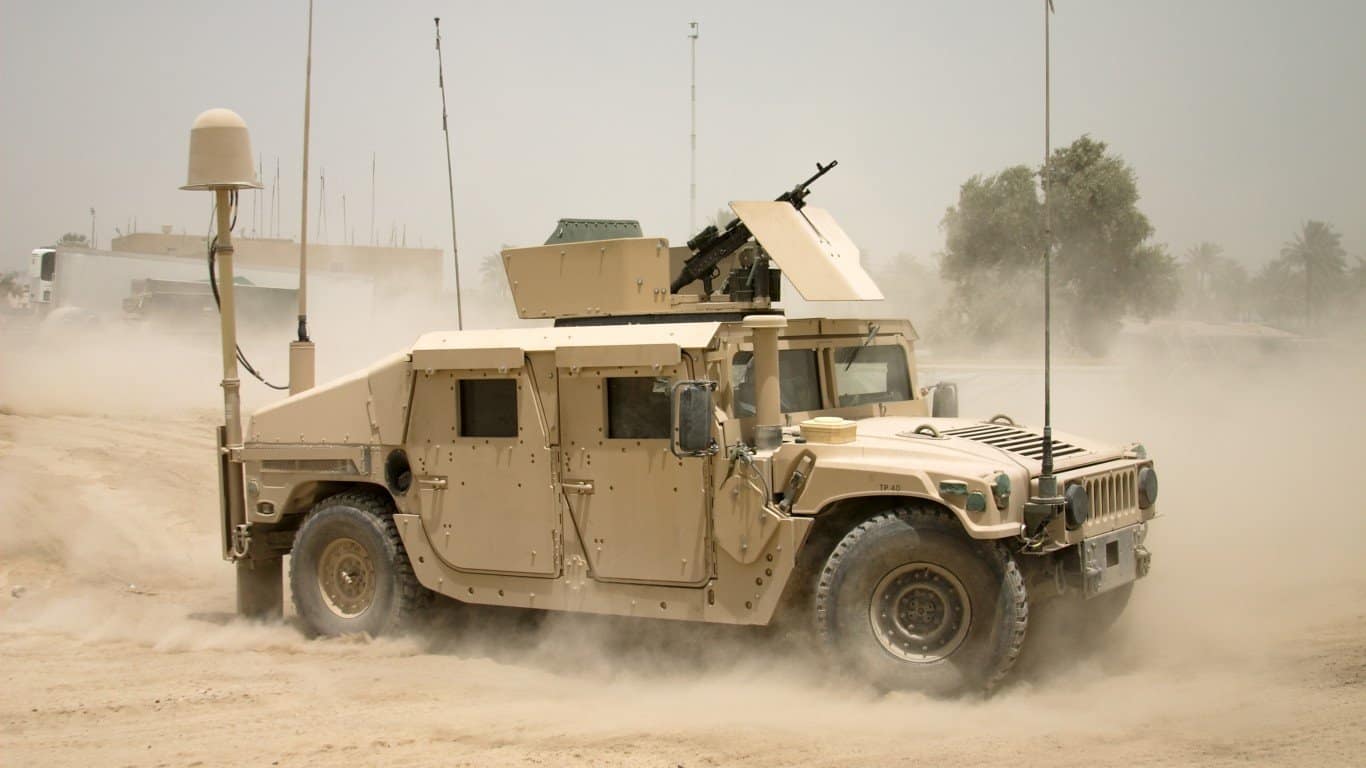
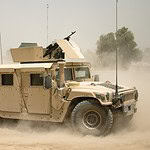
Humvee (HMMWV)
- Weapon Type: Utility Vehicle
- Country of Origin: United States
- Year Introduced: 1984
- Primary Desert Conflict or Theater: Iraq / Afghanistan
- Key Desert Adaptation: High mobility design
- Combat Role in Desert Warfare: Transport / patrol
- Operational Advantage in Desert Conditions: Versatility in desert terrain
- Doctrine or Modern Warfare Impact: Standardized light military mobility
The Humvee became a cornerstone of desert operations due to its versatility and ability to traverse difficult terrain. Its widespread use in Iraq and Afghanistan highlighted the importance of adaptable, multi-role vehicles in modern warfare. However, its vulnerabilities also led to the development of more heavily armored platforms, influencing future vehicle design.
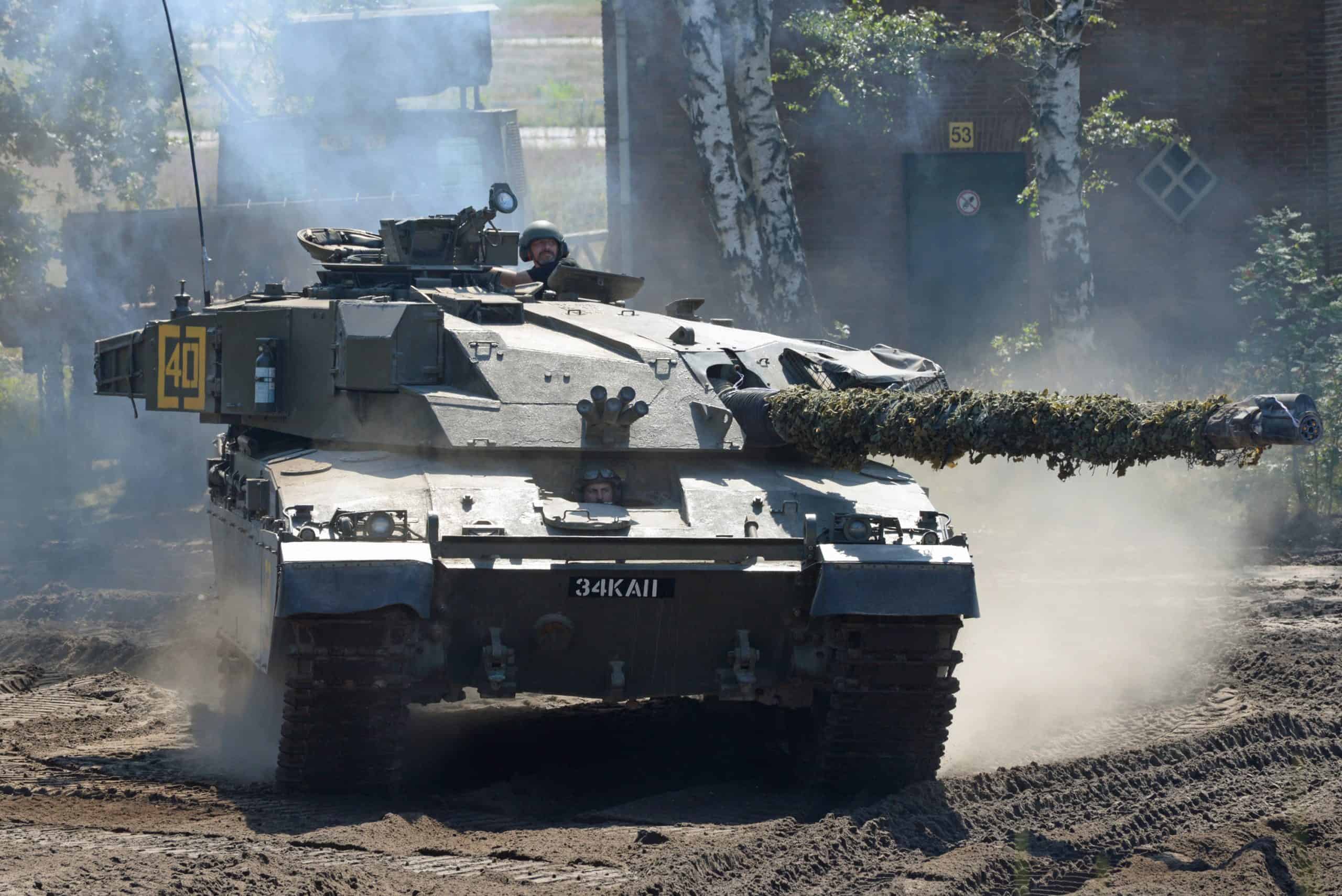
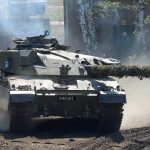
Challenger 2
- Weapon Type: Main Battle Tank
- Country of Origin: United Kingdom
- Year Introduced: 1998
- Primary Desert Conflict or Theater: Iraq War
- Key Desert Adaptation: Enhanced armor & cooling
- Combat Role in Desert Warfare: Armored warfare
- Operational Advantage in Desert Conditions: Extreme survivability
- Doctrine or Modern Warfare Impact: Reinforced heavy armor doctrine
The Challenger 2 proved its durability and survivability in desert combat, particularly during operations in Iraq. Its advanced armor allowed it to withstand significant threats while maintaining operational effectiveness. This reinforced the continued relevance of heavy armor in modern warfare, even in environments that favor mobility and long-range engagement.
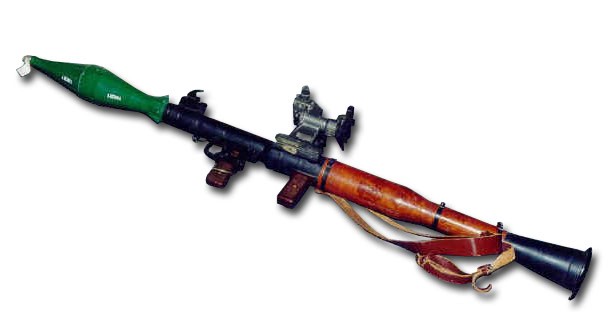
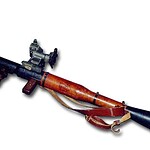
RPG-7
- Weapon Type: Anti-Tank Weapon
- Country of Origin: Soviet Union
- Year Introduced: 1961
- Primary Desert Conflict or Theater: Middle East conflicts
- Key Desert Adaptation: Simple, durable design
- Combat Role in Desert Warfare: Anti-armor
- Operational Advantage in Desert Conditions: Effective in open terrain ambushes
- Doctrine or Modern Warfare Impact: Became global insurgent staple
The RPG-7 became one of the most widely used anti-armor weapons in desert conflicts due to its simplicity and effectiveness. Its ability to engage armored vehicles in open terrain made it a key tool for insurgent forces. This highlighted the enduring threat of low-cost, portable weapons and influenced modern countermeasures and vehicle design.
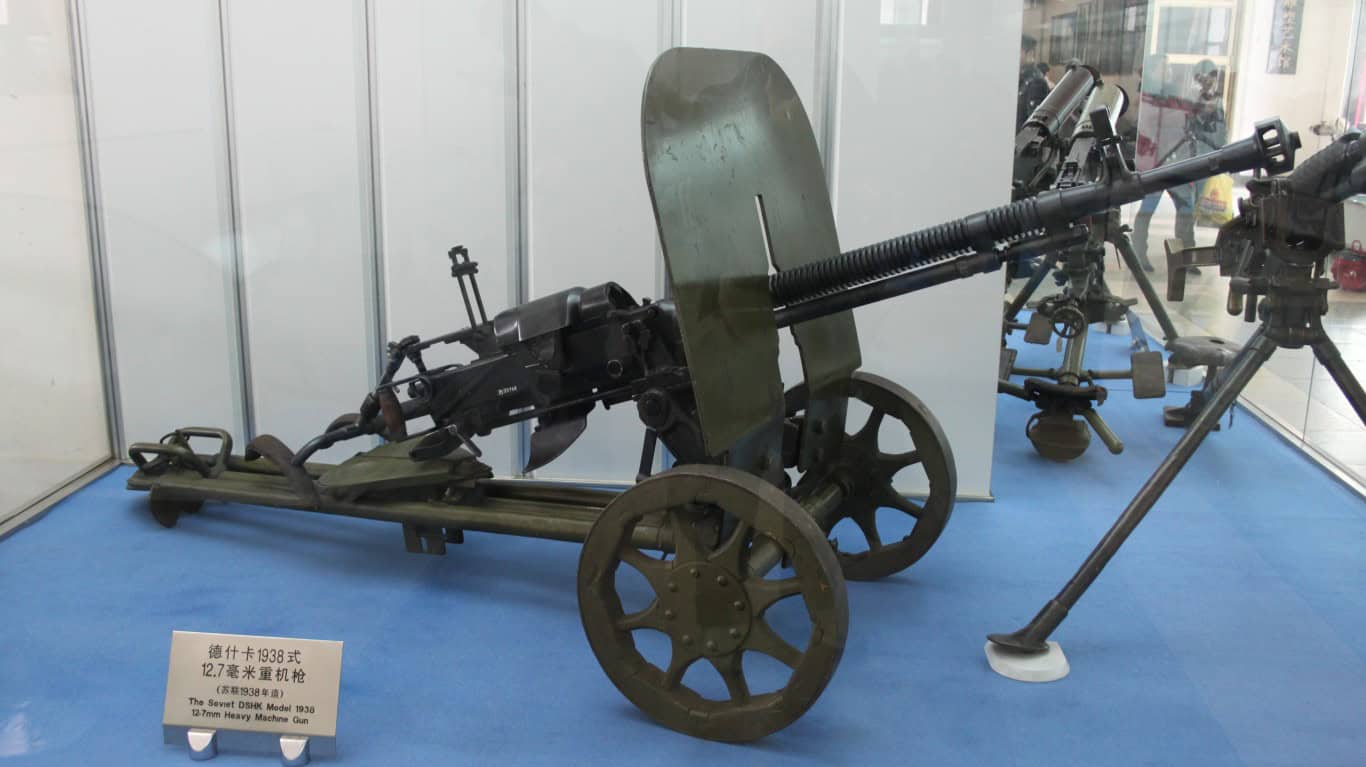
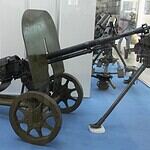
DShK Heavy Machine Gun
- Weapon Type: Heavy Machine Gun
- Country of Origin: Soviet Union
- Year Introduced: 1938
- Primary Desert Conflict or Theater: Middle East / Africa
- Key Desert Adaptation: Robust design
- Combat Role in Desert Warfare: Anti-air / support
- Operational Advantage in Desert Conditions: Reliable heavy firepower
- Doctrine or Modern Warfare Impact: Influenced heavy MG deployment
The DShK’s robust construction and heavy firepower made it effective in desert environments, where long sightlines allow for extended engagement ranges. Its dual role against ground and low-flying air targets added versatility. The DShK influenced the continued use of heavy machine guns in mobile desert warfare platforms.
BM-21 Grad
- Weapon Type: MLRS
- Country of Origin: Soviet Union
- Year Introduced: 1963
- Primary Desert Conflict or Theater: Middle East
- Key Desert Adaptation: Truck-mounted mobility
- Combat Role in Desert Warfare: Area saturation
- Operational Advantage in Desert Conditions: Rapid fire over open terrain
- Doctrine or Modern Warfare Impact: Changed artillery tactics
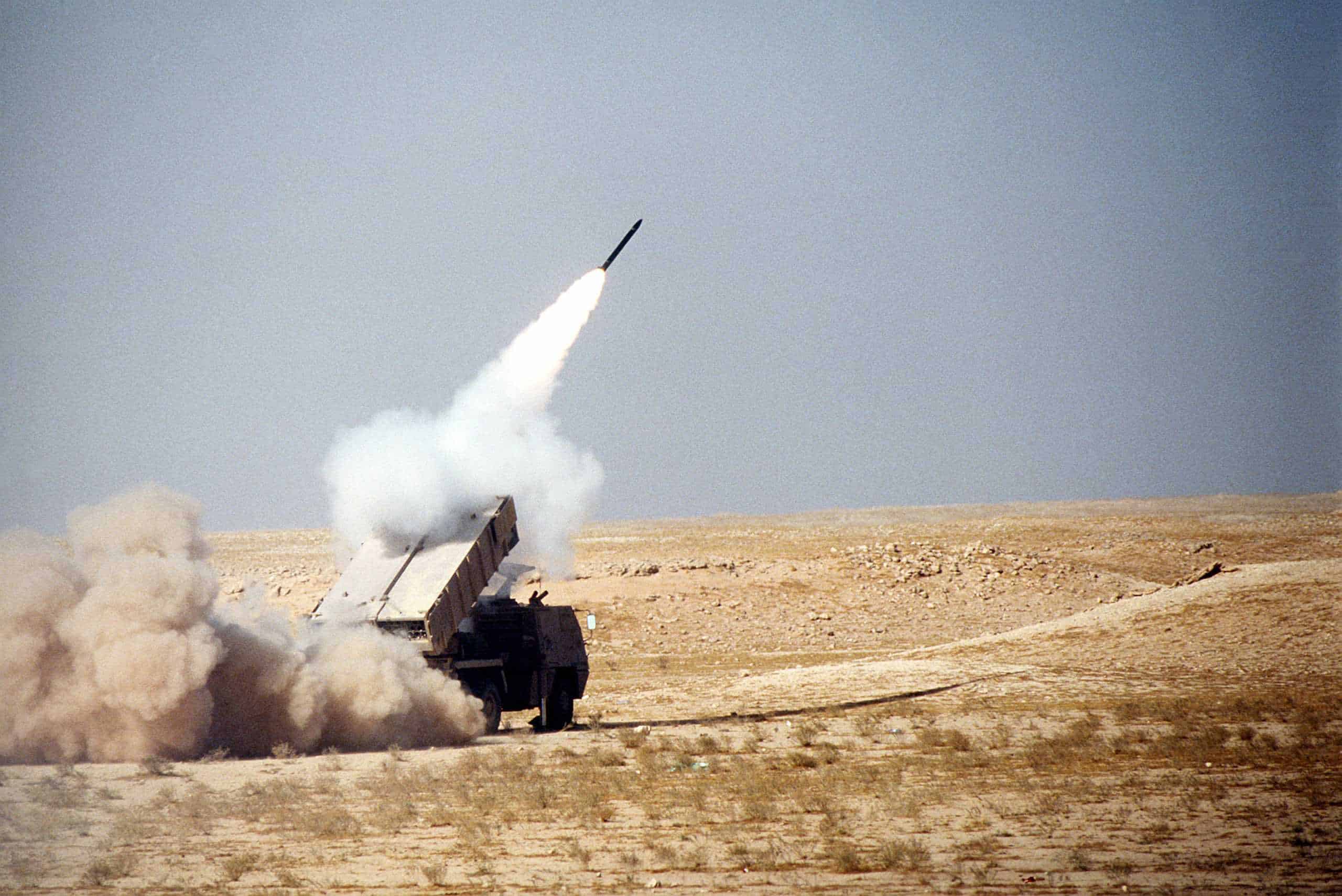
The BM-21 Grad’s ability to deliver rapid, area-saturating fire made it highly effective in open desert terrain. Its truck-mounted mobility allowed for quick repositioning, reducing vulnerability. This system helped shape modern artillery doctrine, emphasizing speed, mobility, and overwhelming firepower in large-scale engagements.
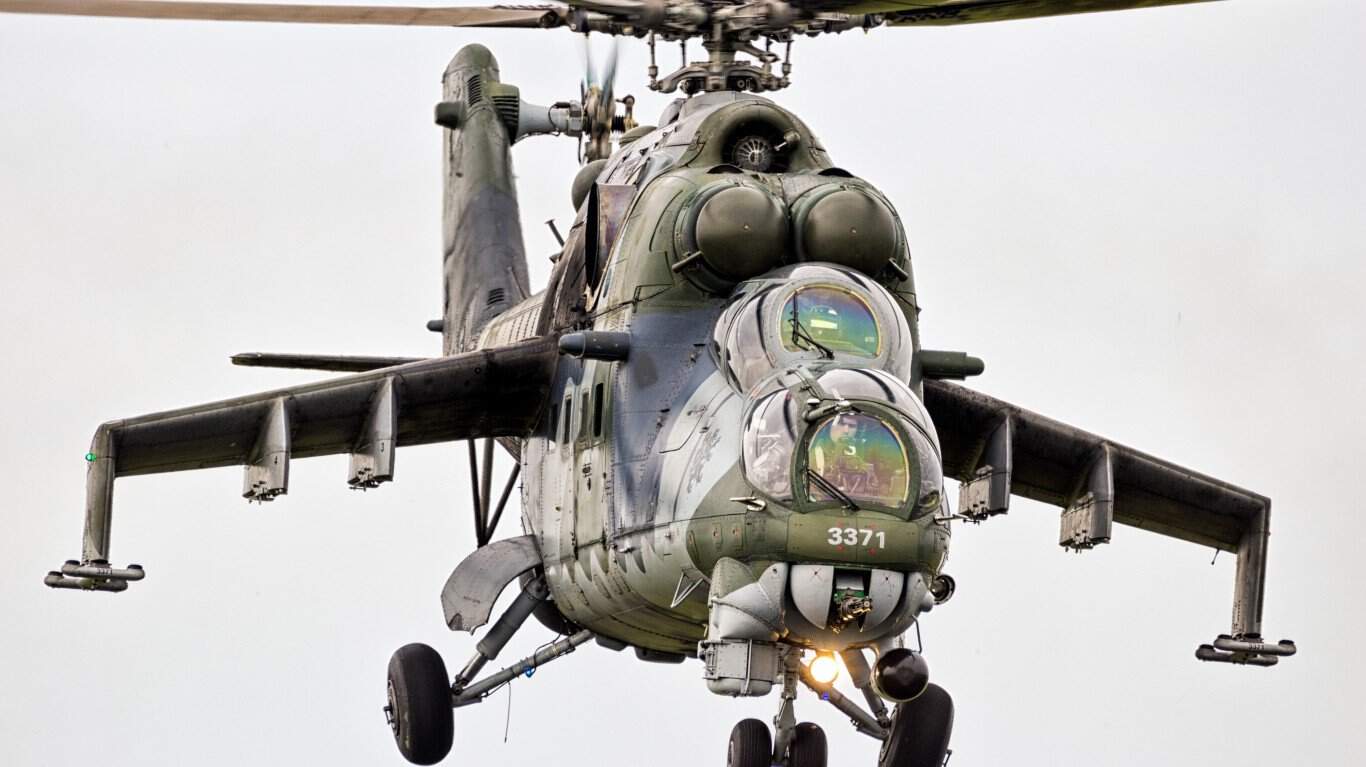
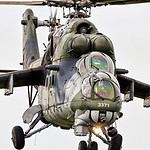
Mi-24 Hind
- Weapon Type: Attack Helicopter
- Country of Origin: Soviet Union
- Year Introduced: 1972
- Primary Desert Conflict or Theater: Afghanistan
- Key Desert Adaptation: Armored helicopter design
- Combat Role in Desert Warfare: Close support
- Operational Advantage in Desert Conditions: Durability in harsh conditions
- Doctrine or Modern Warfare Impact: Influenced hybrid helicopter roles
The Mi-24 Hind combined troop transport and attack capabilities, making it a versatile platform in desert warfare. Its armored design allowed it to withstand harsh conditions while delivering firepower. This hybrid approach influenced future helicopter designs, blending transport and combat roles for greater operational flexibility.
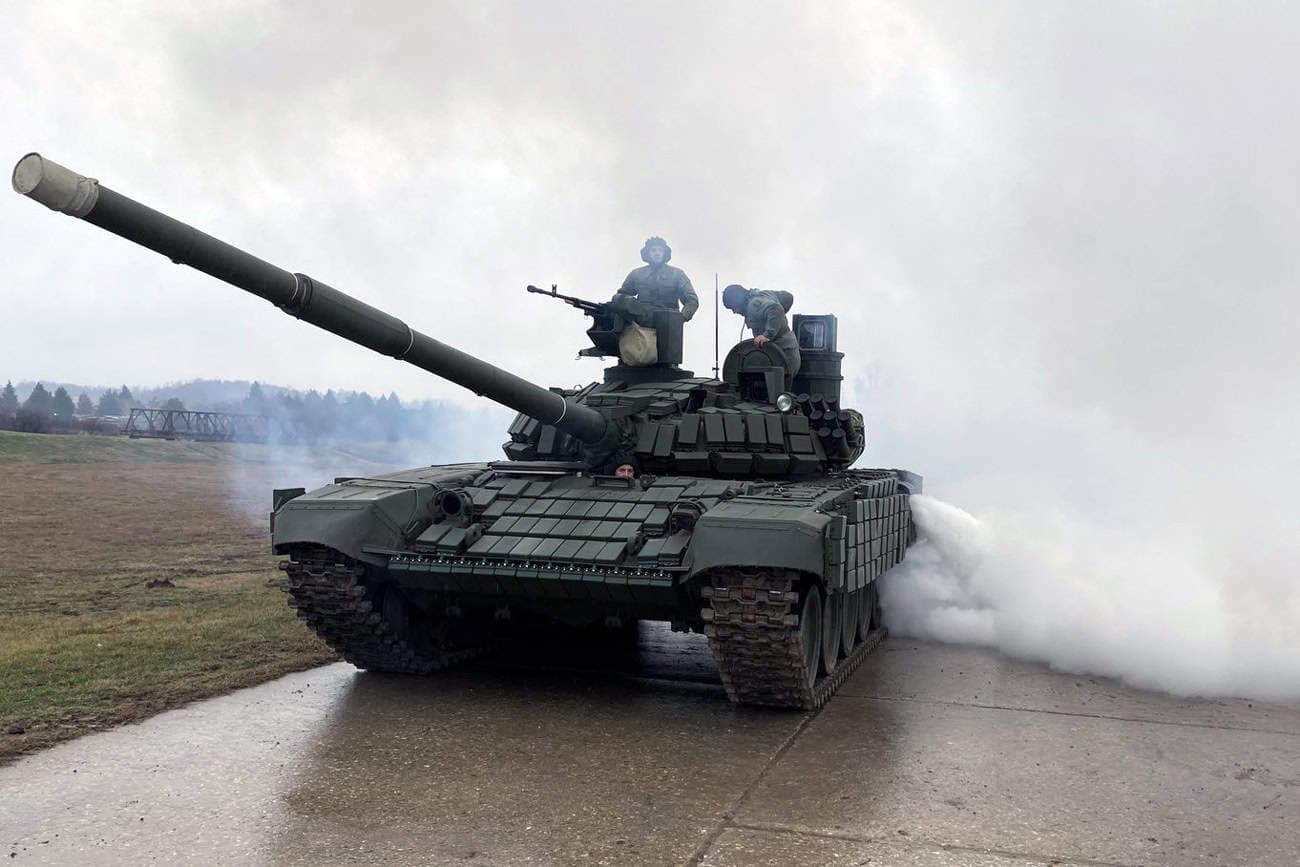
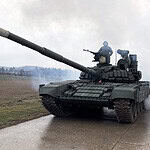
T-72
- Weapon Type: Main Battle Tank
- Country of Origin: Soviet Union
- Year Introduced: 1973
- Primary Desert Conflict or Theater: Middle East
- Key Desert Adaptation: Simple rugged design
- Combat Role in Desert Warfare: Armored warfare
- Operational Advantage in Desert Conditions: Ease of operation in desert
- Doctrine or Modern Warfare Impact: Mass-produced tank doctrine
The T-72’s simple, rugged design allowed it to operate effectively in desert environments despite harsh conditions. While not as advanced as Western tanks, its ease of use and mass production made it a staple in many armies. This demonstrated the value of affordability and scalability in modern armored warfare.
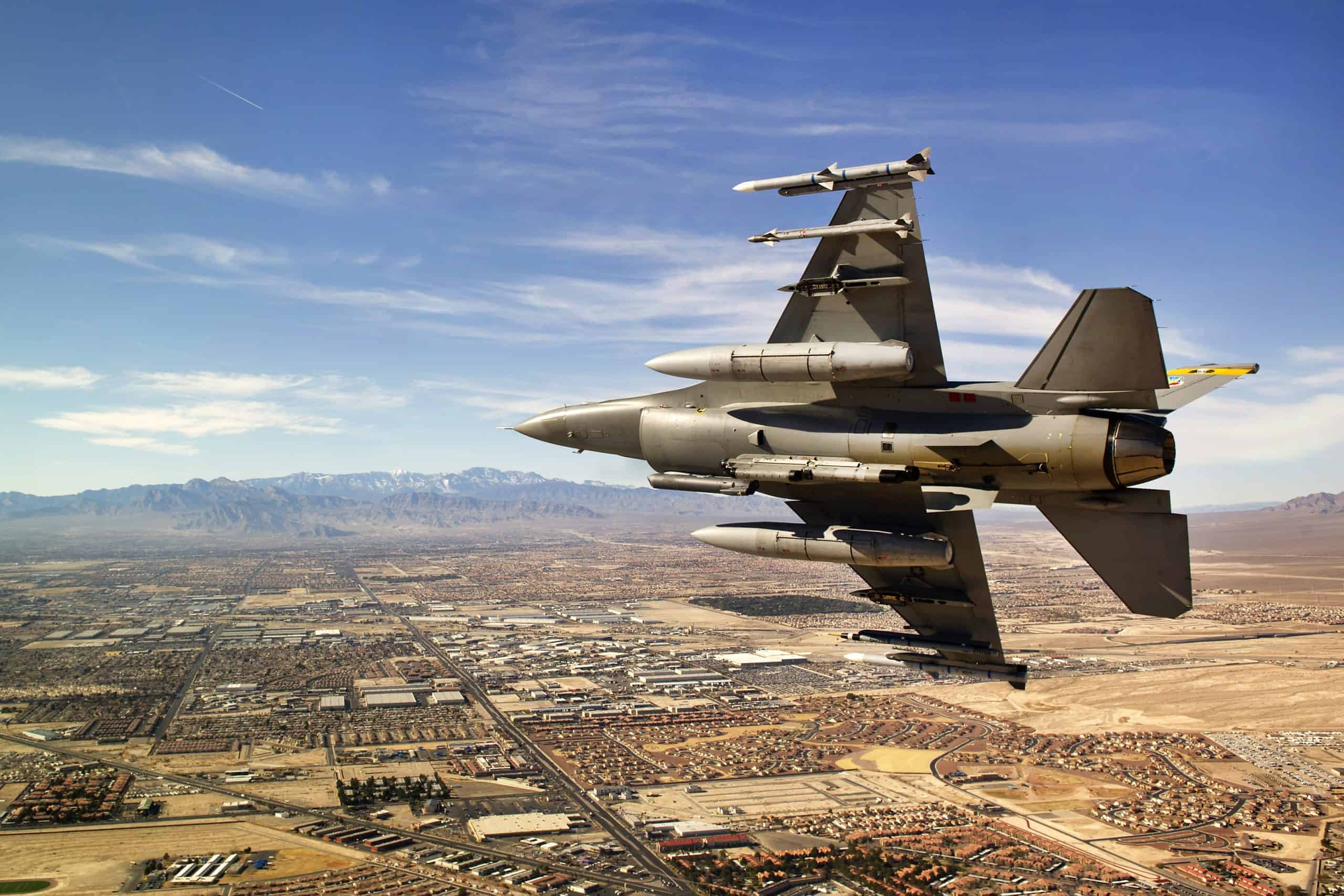
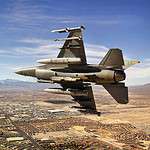
F-16 Fighting Falcon
- Weapon Type: Multirole Fighter
- Country of Origin: United States
- Year Introduced: 1978
- Primary Desert Conflict or Theater: Middle East
- Key Desert Adaptation: Adaptable airframe
- Combat Role in Desert Warfare: Air superiority
- Operational Advantage in Desert Conditions: Agility in open skies
- Doctrine or Modern Warfare Impact: Standardized multirole fighter concept
The F-16’s adaptability allowed it to perform a wide range of missions in desert environments, from air superiority to ground attack. Its agility and relatively low operating cost made it a workhorse in Middle Eastern air forces. This versatility helped define the modern multirole fighter concept.
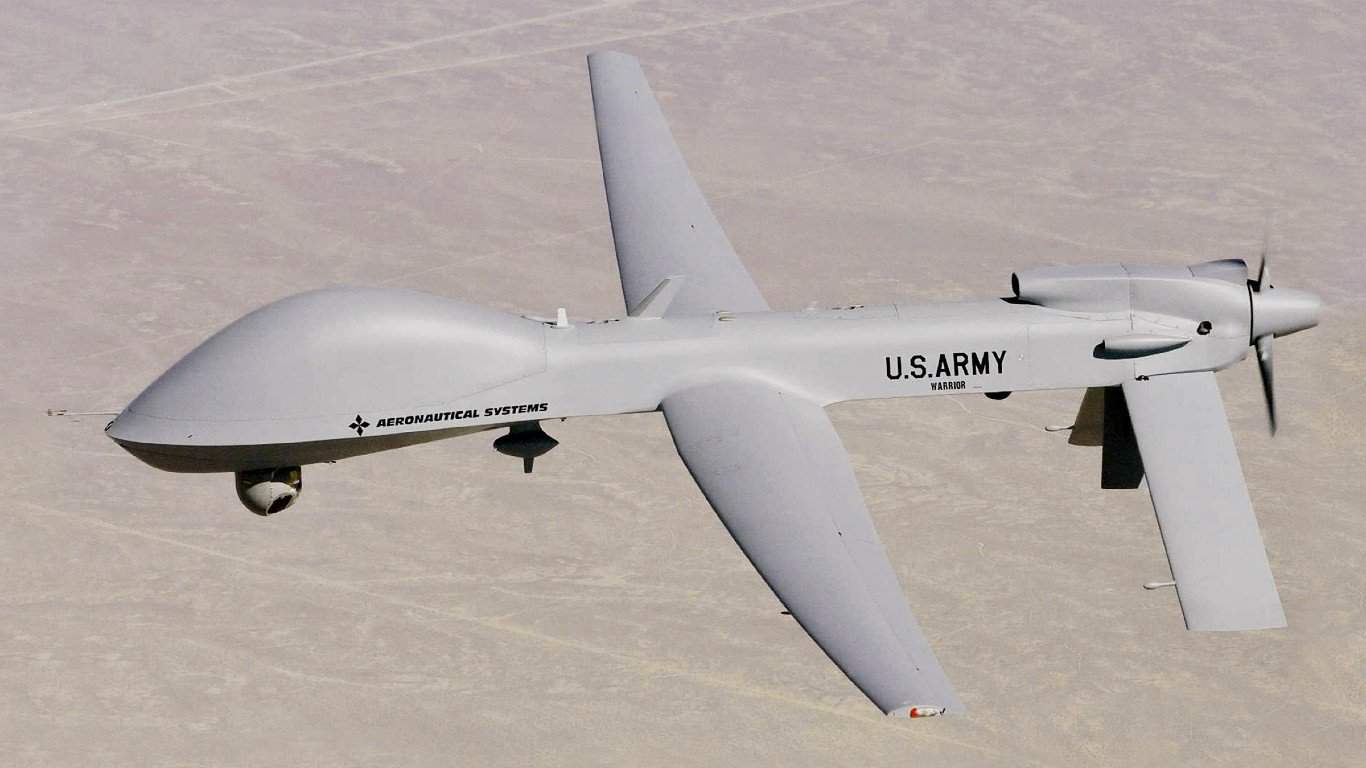
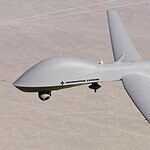
MQ-1 Predator
- Weapon Type: UAV
- Country of Origin: United States
- Year Introduced: 1995
- Primary Desert Conflict or Theater: Afghanistan / Iraq
- Key Desert Adaptation: Long-endurance ISR
- Combat Role in Desert Warfare: Surveillance / strike
- Operational Advantage in Desert Conditions: Persistent desert surveillance
- Doctrine or Modern Warfare Impact: Pioneered drone warfare
The MQ-1 Predator revolutionized desert warfare by providing persistent surveillance over vast, open terrain. Its ability to loiter for extended periods allowed for continuous monitoring of enemy activity. This capability fundamentally changed modern warfare, introducing drone-based intelligence and targeted strike operations.
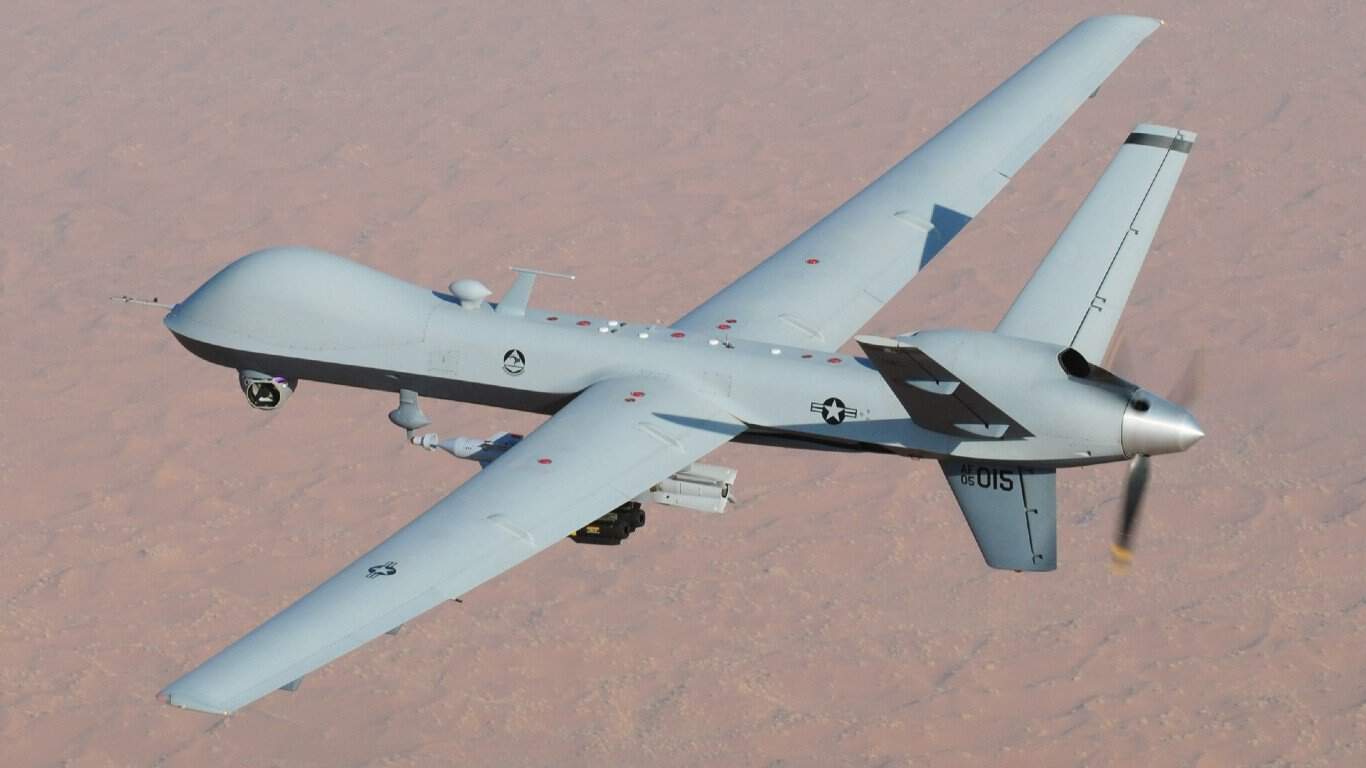
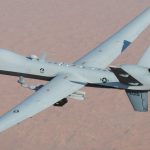
MQ-9 Reaper
- Weapon Type: UAV
- Country of Origin: United States
- Year Introduced: 2007
- Primary Desert Conflict or Theater: Middle East
- Key Desert Adaptation: Extended payload & endurance
- Combat Role in Desert Warfare: Strike / ISR
- Operational Advantage in Desert Conditions: Precision strikes over wide areas
- Doctrine or Modern Warfare Impact: Defined modern UAV strike doctrine
Building on the Predator, the MQ-9 Reaper added greater payload and strike capability, making it a dominant force in desert combat. Its ability to conduct precision strikes over long durations reshaped modern warfare, emphasizing remote operations and reduced risk to personnel.
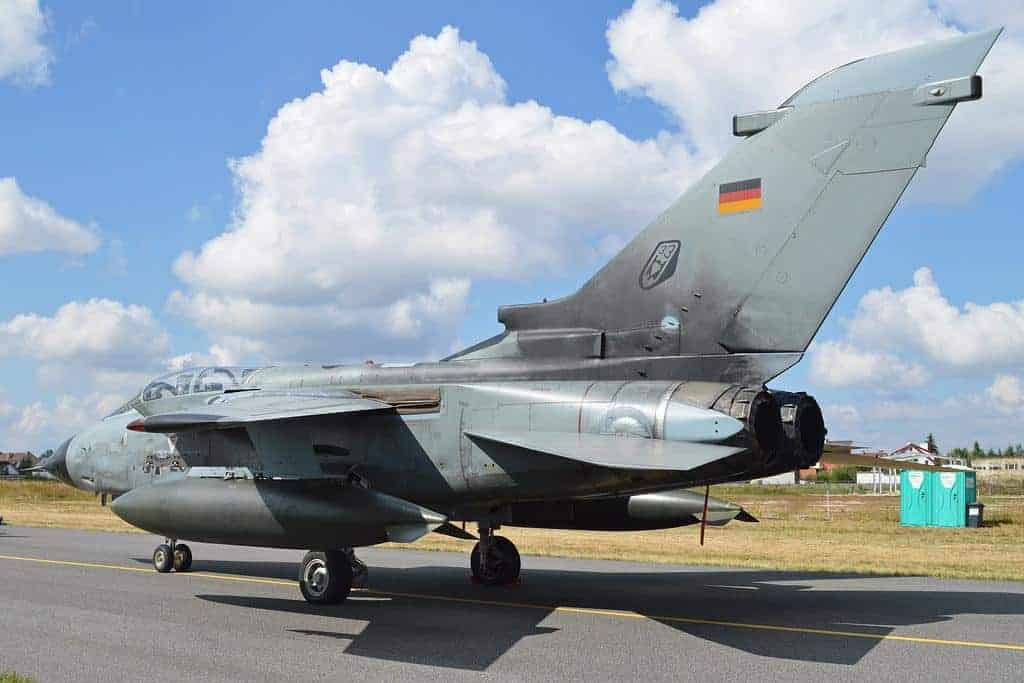
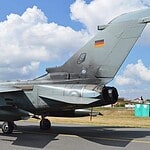
Panavia Tornado GR4
- Weapon Type: Strike Aircraft
- Country of Origin: Multinational
- Year Introduced: 1980
- Primary Desert Conflict or Theater: Gulf War
- Key Desert Adaptation: Low-level strike optimization
- Combat Role in Desert Warfare: Strike missions
- Operational Advantage in Desert Conditions: Precision at range
- Doctrine or Modern Warfare Impact: Shaped European strike doctrine
The Tornado GR4’s low-level strike capabilities were highly effective in desert operations, allowing it to penetrate defenses and deliver precision strikes. Its performance during the Gulf War demonstrated the importance of specialized strike aircraft in large-scale conflicts, influencing European air combat doctrine.
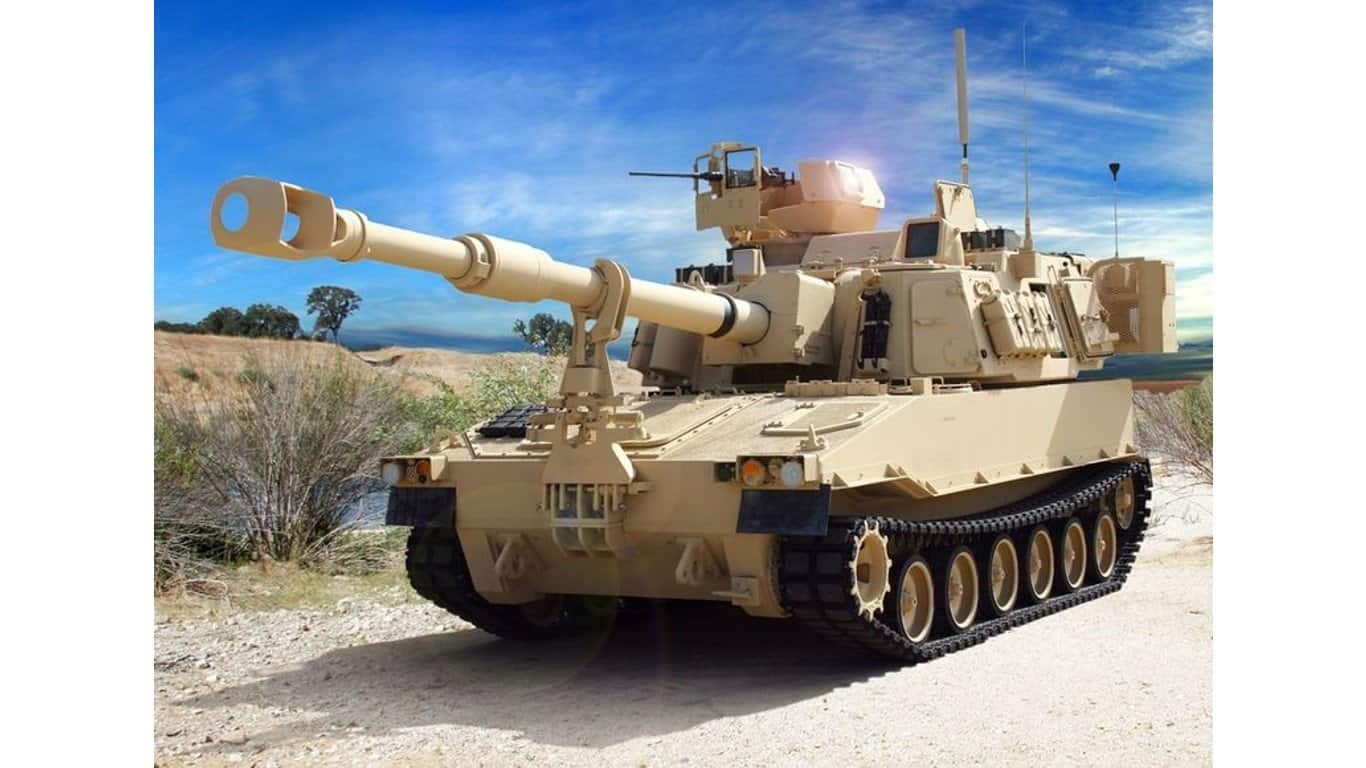
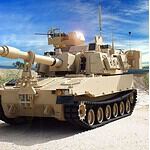
M109 Paladin
- Weapon Type: Self-Propelled Howitzer
- Country of Origin: United States
- Year Introduced: 1963
- Primary Desert Conflict or Theater: Iraq
- Key Desert Adaptation: Mobile artillery platform
- Combat Role in Desert Warfare: Fire support
- Operational Advantage in Desert Conditions: Sustained fire in open terrain
- Doctrine or Modern Warfare Impact: Modernized artillery mobility
The M109 Paladin provided mobile, sustained artillery support in desert environments, where range and mobility are critical. Its ability to reposition quickly reduced vulnerability to counter-battery fire. This helped modernize artillery doctrine, emphasizing mobility and survivability.
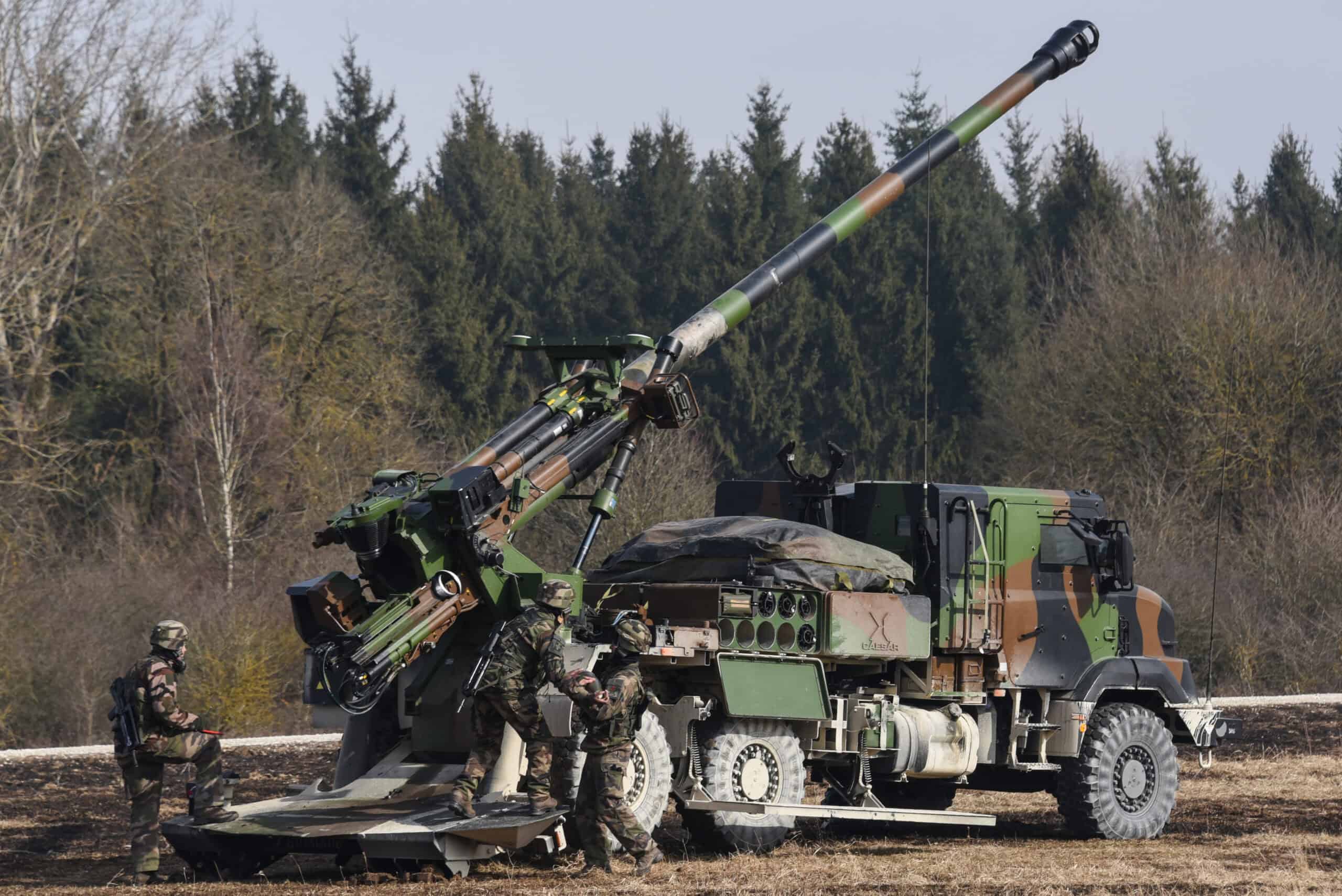
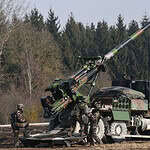
CAESAR Howitzer
- Weapon Type: Self-Propelled Howitzer
- Country of Origin: France
- Year Introduced: 2008
- Primary Desert Conflict or Theater: Sahel
- Key Desert Adaptation: Truck-mounted system
- Combat Role in Desert Warfare: Mobile artillery
- Operational Advantage in Desert Conditions: Rapid deployment in deserts
- Doctrine or Modern Warfare Impact: Advanced shoot-and-scoot doctrine
The CAESAR howitzer’s truck-mounted design made it highly effective in desert warfare, where mobility is essential. Its shoot-and-scoot capability allowed for rapid deployment and repositioning. This system exemplifies modern artillery trends toward lighter, more mobile platforms.
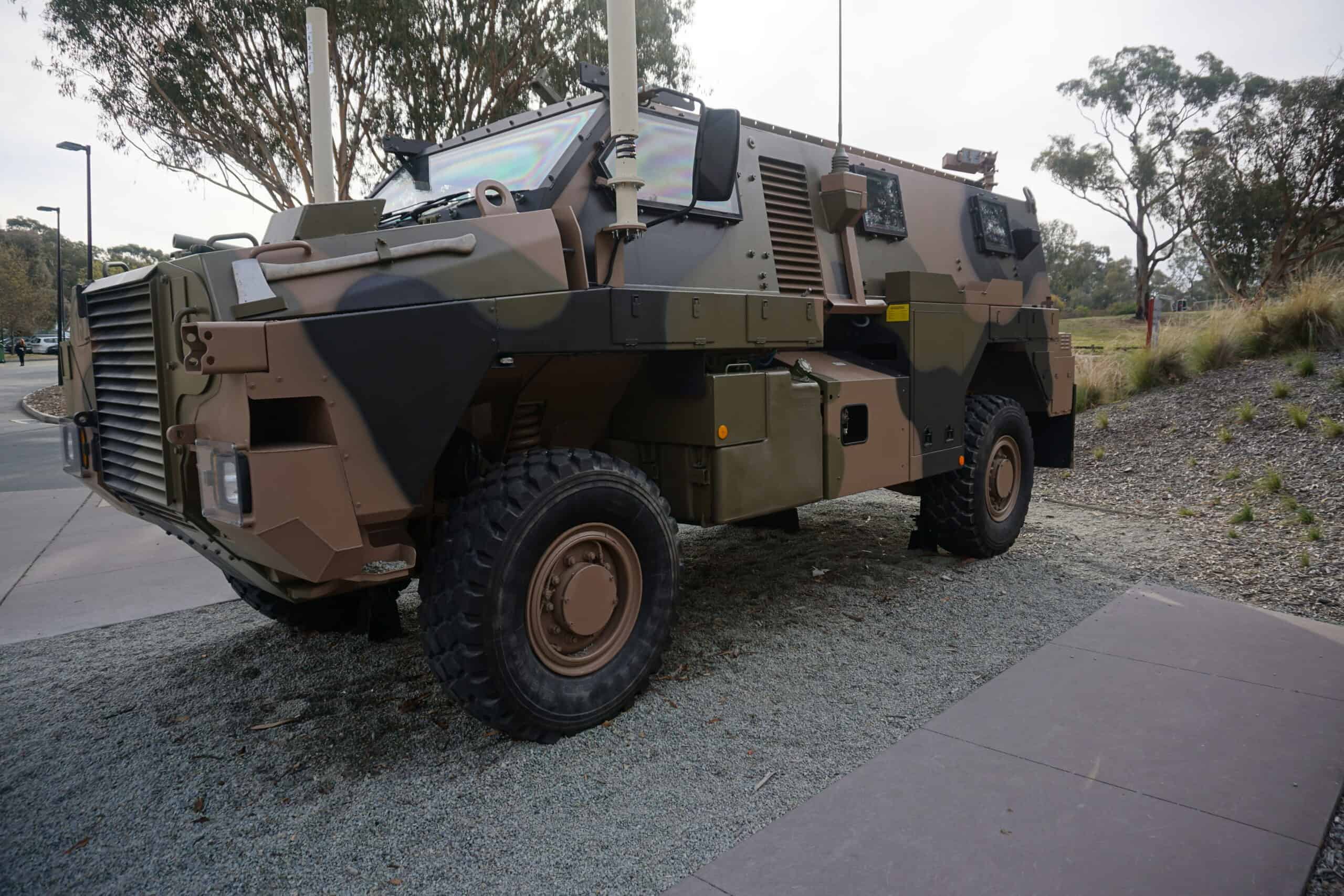
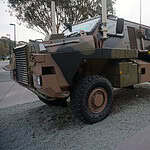
Bushmaster IMV
- Weapon Type: Armored Vehicle
- Country of Origin: Australia
- Year Introduced: 1998
- Primary Desert Conflict or Theater: Middle East
- Key Desert Adaptation: Mine-resistant design
- Combat Role in Desert Warfare: Troop transport
- Operational Advantage in Desert Conditions: Survivability in harsh terrain
- Doctrine or Modern Warfare Impact: Influenced MRAP design
The Bushmaster IMV was designed for survivability in harsh environments, including deserts. Its mine-resistant design protected troops from IED threats common in modern conflicts. This vehicle helped shape the development of MRAP platforms, emphasizing crew protection in asymmetric warfare.
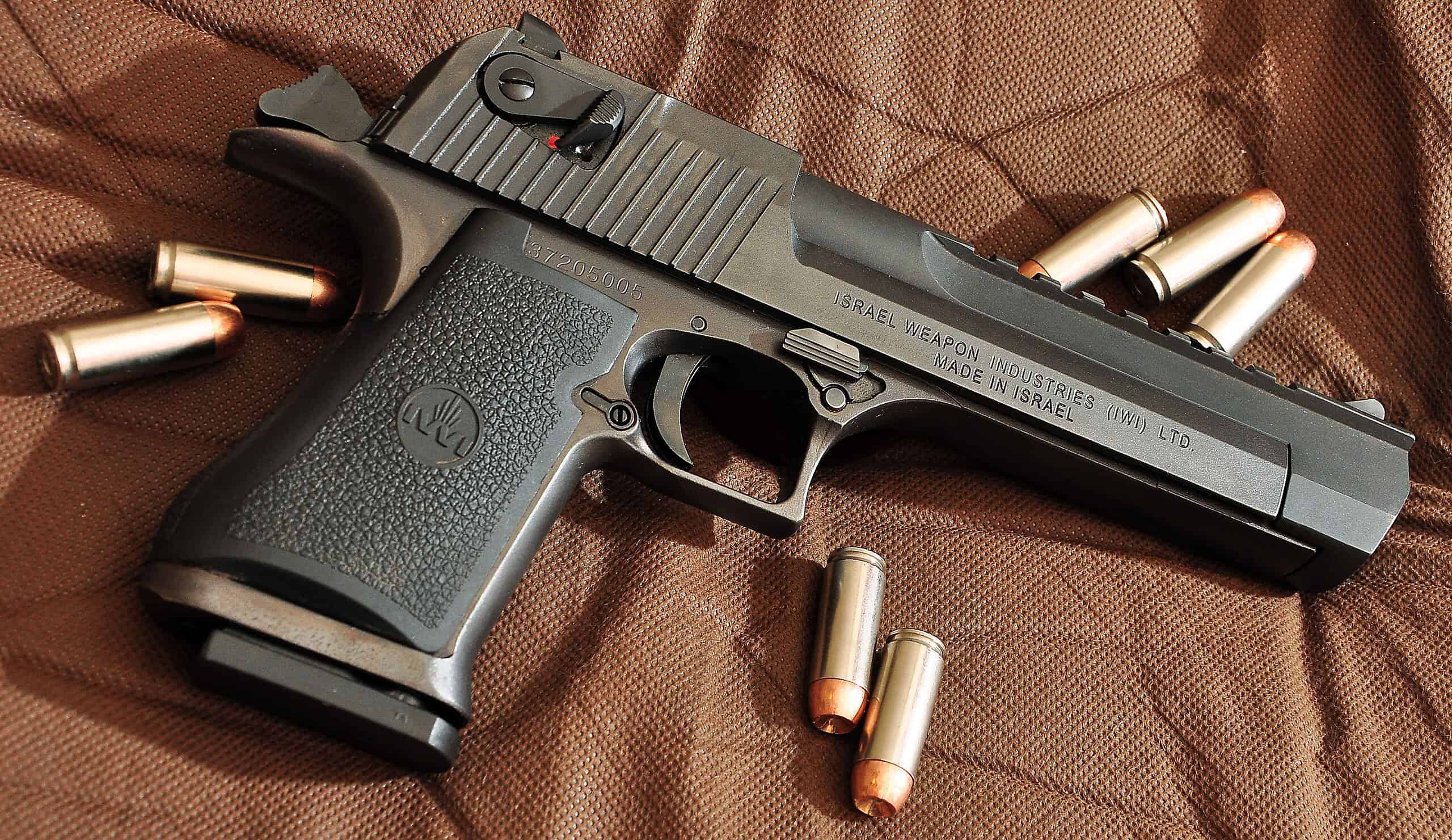
Desert Eagle
- Weapon Type: Pistol
- Country of Origin: Israel/USA
- Year Introduced: 1983
- Primary Desert Conflict or Theater: Various
- Key Desert Adaptation: High-caliber design
- Combat Role in Desert Warfare: Sidearm
- Operational Advantage in Desert Conditions: Limited desert relevance
- Doctrine or Modern Warfare Impact: Cultural rather than doctrinal impact
While not a battlefield staple, the Desert Eagle gained recognition for its performance in harsh environments and symbolic association with desert warfare. Its limited practical use highlights the gap between perception and operational reality, reinforcing that effective desert weapons prioritize reliability and practicality over raw power.
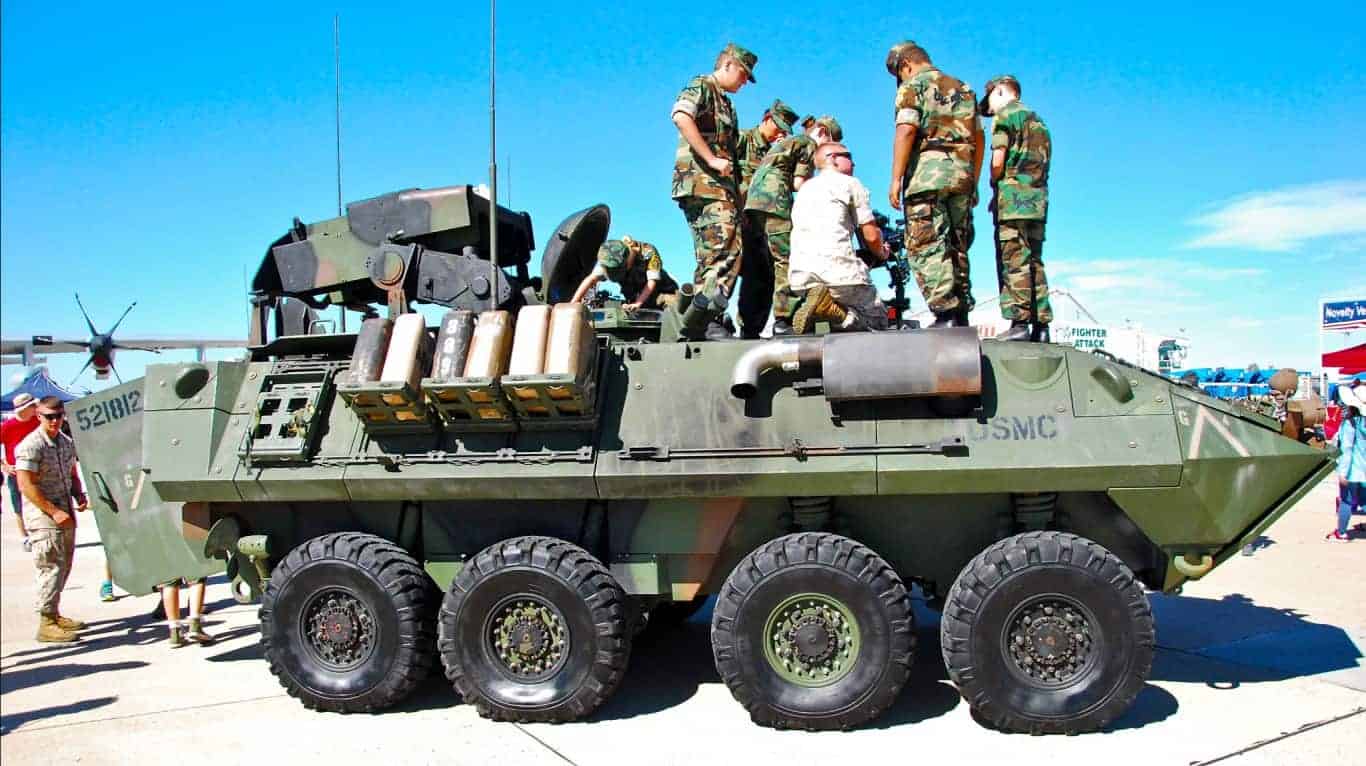
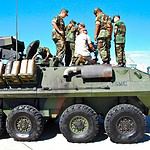
LAV-25
- Weapon Type: Armored Vehicle
- Country of Origin: United States
- Year Introduced: 1983
- Primary Desert Conflict or Theater: Gulf War
- Key Desert Adaptation: High-speed mobility
- Combat Role in Desert Warfare: Recon / assault
- Operational Advantage in Desert Conditions: Speed in open terrain
- Doctrine or Modern Warfare Impact: Defined USMC light armor doctrine
The LAV-25’s speed and mobility made it ideal for reconnaissance and rapid assault in desert terrain. Its performance during the Gulf War demonstrated the value of light armored vehicles in fast-paced operations. This influenced modern doctrine emphasizing speed and flexibility in open environments.
The image featured at the top of this post is ©zim286 / iStock via Getty Images