
A Look Back at The Biggest Winter Storms in American History
With winter storms forecast to impact Tennessee and New York, it is worth examining how similar events shaped the past. Long before digital models and satellite imagery, historic winter storms struck with limited warning, leaving communities vulnerable to snow, wind, and extreme cold. These events offer valuable insight into how weather disasters influenced infrastructure, policy, and technological progress.
Major winter storms have repeatedly exposed weaknesses in communication systems, transportation networks, and emergency planning. From buried telegraph lines in the nineteenth century to overwhelmed power grids in the modern era, each storm revealed new challenges. In response, governments and engineers developed improved forecasting tools, stronger infrastructure, and better disaster coordination.
By looking back at the biggest winter storms to hit the United States, we can trace how extreme weather helped drive innovation and preparedness. As modern storms threaten densely populated regions, these historical examples show how past failures and lessons continue to shape how society responds to winter extremes today.
Christmas Blizzard, Nationwide US, 2022
The Christmas Blizzard of December 2022 brought extreme cold and blizzard conditions across much of the United States. Arctic air pushed wind chills below minus 40 degrees in parts of the Midwest and Great Plains. Buffalo, New York received more than 50 inches of snow with hurricane force wind gusts. At least 90 deaths were attributed to the storm nationwide. Economic losses were estimated in the billions due to power failures and travel disruptions. First responders carried out door-to-door rescues in whiteout conditions.
Winter Storm Jonas, Eastern US, 2016
Winter Storm Jonas hit the eastern United States in January 2016 with heavy snow and coastal flooding. Parts of West Virginia recorded more than 40 inches of snow. Major cities including New York, Baltimore, and Washington DC shut down transportation systems. At least 55 deaths were reported, many due to traffic accidents and carbon monoxide poisoning. Damages exceeded $3 billion. The storm was notable for its slow movement and prolonged impacts. Emergency crews conducted thousands of rescues during the event.
Snowmageddon, Mid Atlantic US, 2010
Snowmageddon refers to a series of powerful winter storms that struck the Mid Atlantic in February 2010. Washington DC recorded over 56 inches of snow during the month. Roof collapses, power outages, and impassable roads were widespread. At least 41 deaths were associated with the storms. Federal offices were closed for multiple days, an extremely rare event. Damages were estimated in the billions. The storms highlighted the vulnerability of densely populated regions to extreme winter weather.
North American Blizzard, Eastern US, 1996
The Blizzard of January 1996 buried much of the eastern United States under heavy snow. Parts of Pennsylvania, Virginia, and New York saw more than 30 inches. Major cities including Washington DC and New York City were shut down for nearly a week. At least 154 deaths were linked to the storm and its aftermath. Damages exceeded $3 billion when accounting for flooding during the thaw. National Guard units were deployed to assist with rescues. The storm became a benchmark for East Coast winter weather.
Superstorm of 1993, Eastern US, 1993
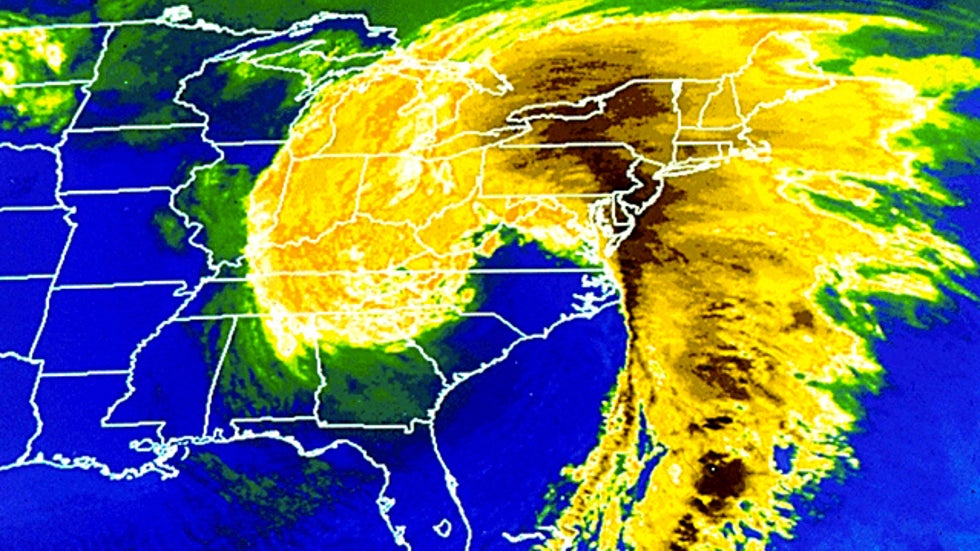
The Superstorm of March 1993 was one of the most powerful winter storms ever recorded in the United States. It affected over 20 states from the Gulf Coast to New England. Snow totals exceeded 50 inches in parts of the Appalachians. The storm caused at least 318 deaths and nearly $5.5 billion in damages. Blizzard conditions shut down major airports and interstates for days. Some areas of Florida even experienced rare snowfall. It was one of the first storms accurately forecast several days in advance.
Blizzard of 1978, New England and the Midwest
The Blizzard of 1978 paralyzed much of New England and the Midwest in February. Boston received more than 27 inches of snow, much of it driven by winds over 50 miles per hour. Thousands of cars were abandoned on highways, including in downtown Boston. At least 100 people died across the affected region. Economic losses were estimated at over $520 million. The storm prompted sweeping changes to emergency response and snow removal policies. Stories emerged of neighbors sheltering stranded motorists in their homes.
Great Appalachian Storm, Eastern US, 1950
The Great Appalachian Storm of November 1950 combined heavy snow, flooding rain, and intense winds across the eastern United States. Some areas of West Virginia and Ohio recorded more than 30 inches of snow. Winds reached 90 miles per hour along parts of the East Coast. At least 353 deaths were attributed to the storm, many from flooding and exposure. Damage estimates exceeded $66 million at the time. The storm disrupted rail and air travel for days. It helped improve early storm tracking and forecasting techniques.
Armistice Day Blizzard, Midwest US, 1940
The Armistice Day Blizzard of November 1940 struck the Upper Midwest with little warning. Warm conditions suddenly gave way to heavy snow and hurricane force winds, with gusts over 70 miles per hour. Snowfall exceeded 26 inches in parts of Minnesota and Wisconsin. At least 154 people were killed, including many hunters caught outdoors by surprise. Damages were estimated near $154 million in 1940 dollars. The storm devastated shipping on the Great Lakes, sinking or grounding dozens of vessels. Heroic rescues were carried out by local residents using boats and sleds in whiteout conditions.
Great Blizzard of 1899, Eastern and Southern US
The Great Blizzard of 1899 brought record cold and snow to nearly the entire eastern half of the United States. Snow fell as far south as Florida, where ice floes were reported along the St. Johns River. Temperatures dropped below zero across much of the South, shattering long standing records. At least 100 people were killed, many due to exposure and transportation accidents. Livestock losses were enormous, particularly in the South where animals were unprepared for the cold. The storm caused widespread agricultural damage and food shortages. It remains one of the coldest events in US history.
Great Blizzard of 1888, Northeast US
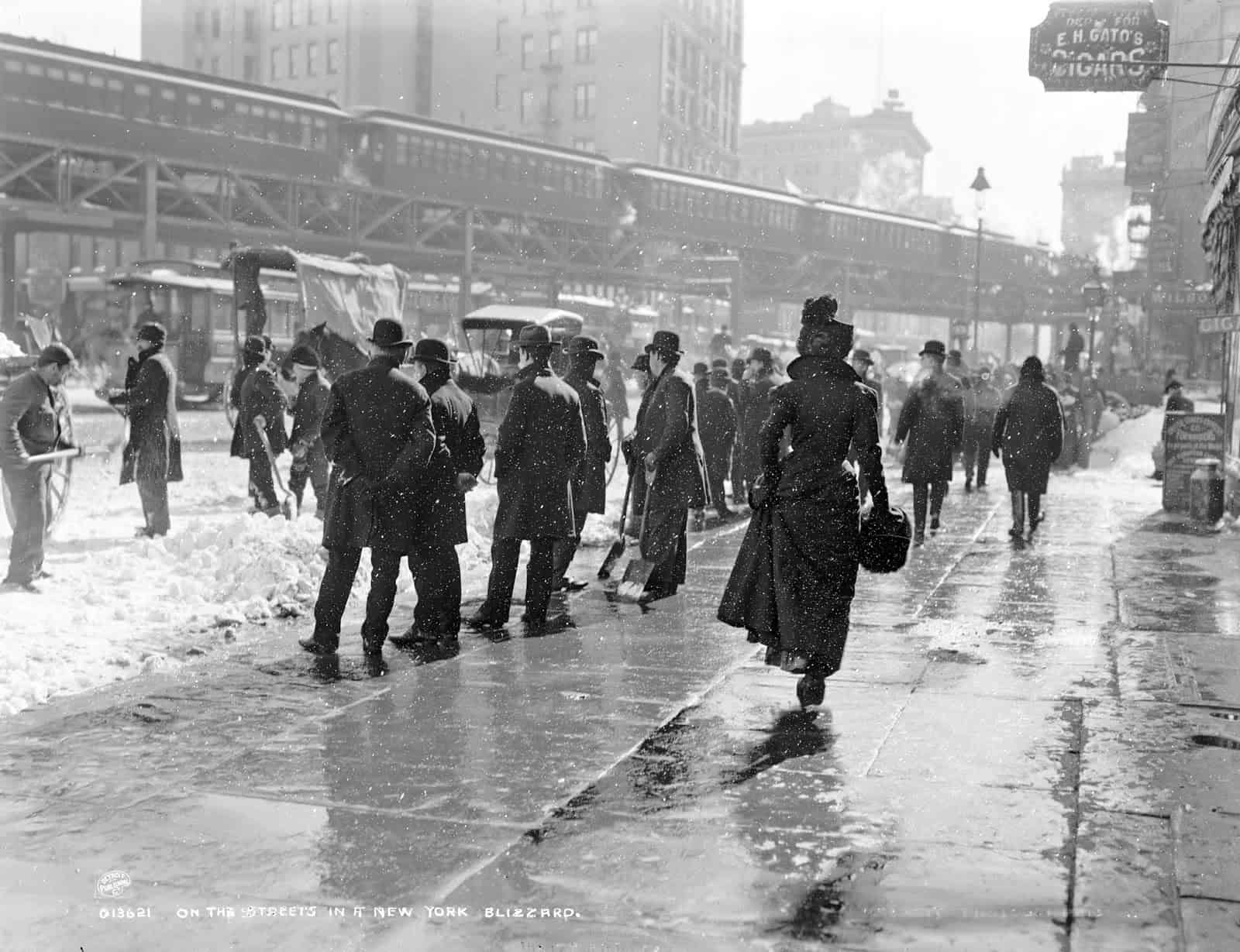
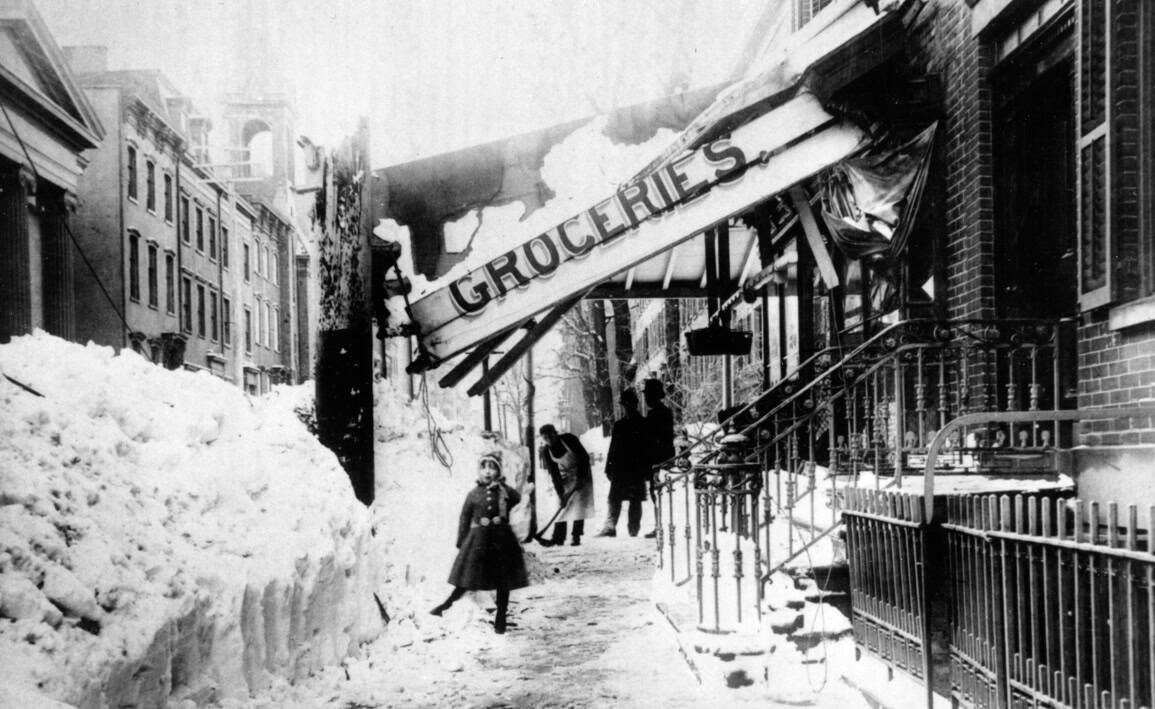
The Great Blizzard of 1888 remains one of the most infamous winter storms in American history. Striking the Northeast in March, the storm dumped up to 50 inches of snow in parts of New York, Connecticut, and Massachusetts. Winds exceeded 45 miles per hour, creating massive snowdrifts that buried homes and railroads. An estimated 400 people died, many of them in New York City, where transportation and communication were paralyzed for days. Property damage was estimated at about $25 million at the time, equivalent to hundreds of millions today. The storm accelerated the push to bury utility lines underground. Countless rescues were carried out by neighbors using ropes to navigate streets turned into white canyons.
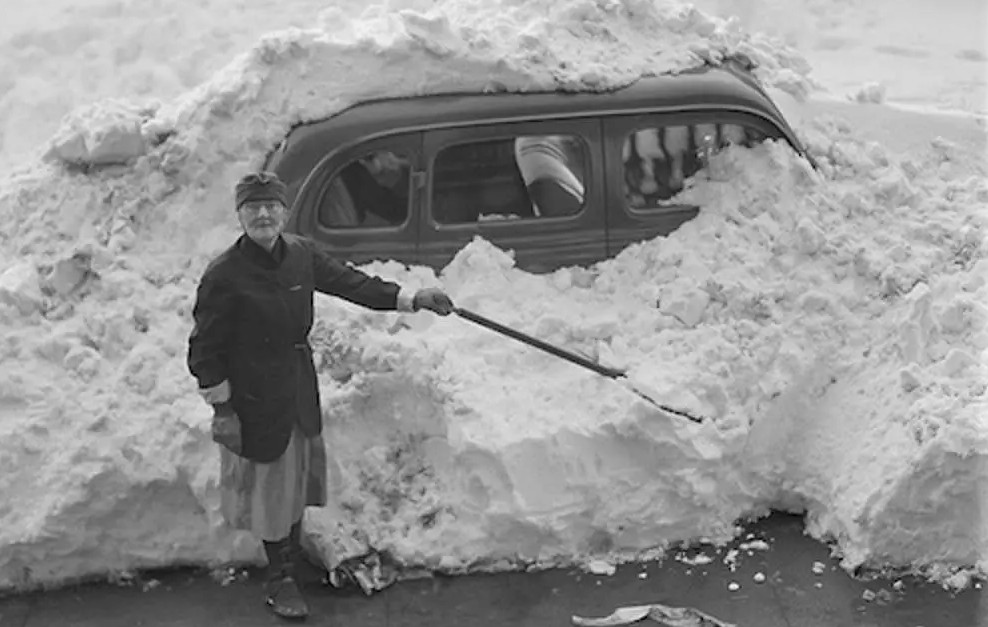
The image featured at the top of this post is ©Internet Archive / Creative Commons