







7 Ancient Mysteries Scientists Still Can't Explain
Key Points
- The Great Pyramid of Giza, one of the Seven Wonders of the Ancient World, is still a mystery as scientists cannot explain how it was built.
- The Antikythera mechanism, considered the world's first computer, is a 2,000-year-old device that tracks celestial time and planetary movements, but its construction remains unexplained.
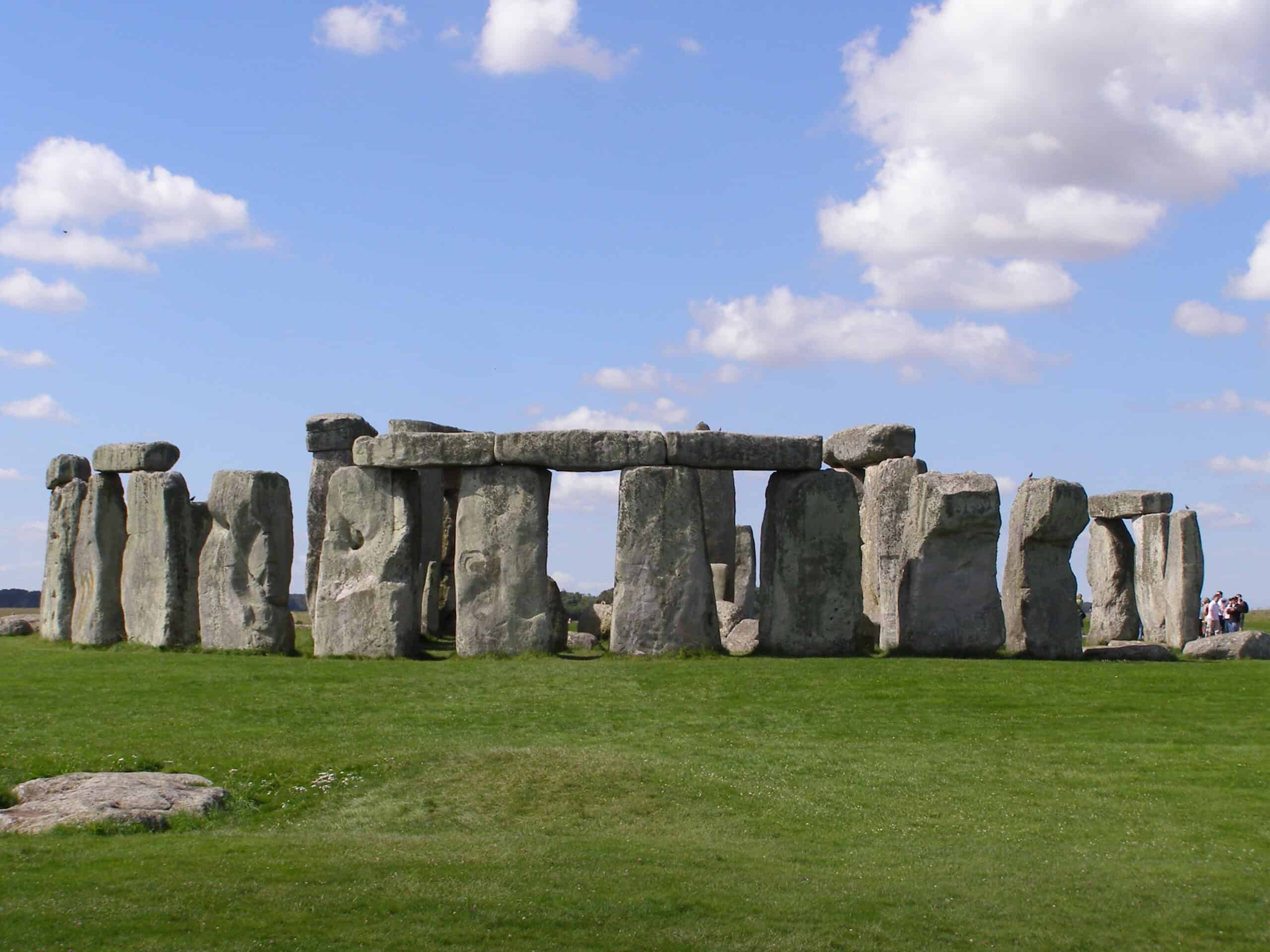
- Stonehenge, a prehistoric wonder in England, continues to baffle researchers who have been unable to determine its purpose or origin.
- The Voynich manuscript, a 600-year-old book with illustrations of unknown plants and written in an unidentified language, remains undeciphered.
- The Nazca lines in Peru, deep-foot markings on rockfaces, are still a mystery as their purpose and meaning are unknown.
In our technologically advanced world, everything from smart homes to deep-space exploration is possible. Yet, there is plenty of stuff right here on our planet that we know next to nothing about. For instance, these ancient mysteries scientists can’t explain teach us a valuable lesson — perhaps we should focus more on what’s right here on Earth before conquering the Universe.
The Great Pyramid of Giza
One of the Seven Wonders of the Ancient World, the Great Pyramid of Giza is the oldest and largest ancient building still standing. Archeologists speculate that it took around two decades to build this incredible masterpiece which is believed to be a tomb. Yet, nobody can say for sure that it is a resting place. Moreover, scientists still can’t explain how this behemoth was built.
Antikythera Mechanism
Explaining how the pyramids were built is not the only ancient mystery scientists can’t explain. The Antikythera mechanism is equally baffling. Dubbed “the world’s first computer,” this strange contraption was found on a Greek shipwreck and is believed to be around 2,000 years old. It features a dial system that tracks celestial time, phases of the Moon, timing of eclipses, and the movements of planets around the Sun. While it is pretty clear what the Greeks used it for, nobody can explain how they managed to build it — and why it is more advanced than any other thing from the era.
Stonehenge
Stonehenge is one of England’s most famous landmarks, dated around 5,000 years ago. It was first recorded by the Romans, but neither the ancient Romans nor anyone coming after them ever managed to unveil the mystery behind this prehistoric wonder. Was it a temple for religious ceremonies? Was it used to predict seasons and tell time? Maybe it is a remnant of an ancient civilization lost in time? Chances are we’ll never know.
Voynich Manuscript
Named after the Polish-American antiquarian bookseller who acquired it in 1912, the Voynich manuscript is believed to have originated somewhere in Central Europe some 600 years ago. The manuscript seems to be a sort of botanical book. It includes illustrations of plants (none of which match any known plant species) and is written in a strange language that nobody can pinpoint. While some scholars believe it is Hebrew, translations so far haven’t produced any coherent sentences. Moreover, around 20 percent of the words do not exist in any known language.
Nazca Lines
The Nazca lines are nearly deep-foot markings into the side of rockfaces. They belong to the ancient civilization of Nazca in Peru (hence the name) and typically resemble plants or animals. Some markings are more challenging to understand and resemble hieroglyphs. But whether it’s an animal or an unknown symbol, nobody knows why the Nazca people carved them. The latest hypotheses suggest they could be related to astronomy, but it’s all speculation.
Sacsayhuaman
Peru is home to many mysteries, including Sacsayhuaman. This massive Incan stone structure is the size of a fortress. However, the Inca assembled without the use of any binding substance (such as mortar). To make things even harder for us to explain how the Inca built it, the structure consists of randomly shaped stones that somehow fit so snugly together that they didn’t budge for centuries. Beyond the architectural marvel, scientists also can’t explain how the Incans moved these massive rocks that weigh as much as 100 tons per block.
Roman Dodecahedrons
Roman artifacts have conquered generations of archeologists and history enthusiasts, but scientists couldn’t find explanations for all of them. An example is the dodecahedron. This bizarre object features a 12-sided shape and has no known purpose. Some claim they were decorative objects, others bet they were used in religious rituals, while conspirators believe they are some alien weapon. The only certain thing we know about them is that all dodecahedra were made between 100 and 300 CE.