





30 Battle-Tested Weapons That Stayed in Service for Decades
Across decades of conflict, only a select group of weapons proved so reliable and adaptable that they remained in service long after their expected lifespan. These systems survived shifting battlefields, new enemies, and evolving military doctrine because they consistently delivered when it mattered most.
To identify these enduring weapons, History Computer reviewed historical archives, military records, and defense analysis. We examined the wars each weapon served in, the upgrades that kept them relevant, and the engineering decisions that allowed them to outlast multiple conflicts.
Here is a closer look at the military weapons that stood the test of time.
Why Are We Covering This?
Weapons that outlived multiple wars reveal what actually matters in combat: reliability, adaptability, and proven performance under pressure. While technology and doctrine have changed over time, these systems remained in service because they consistently delivered results across different conflicts, environments, and enemies. By examining why certain weapons endured while others were replaced, this highlights how battlefield realities shape military decision-making and why institutional trust, not novelty, ultimately determines which weapons remain in use.
Most Weapons Are Built for One War
Most military weapons are designed for a specific war, enemy, or moment in time. Their service lives are usually measured in decades, with replacement expected once technology advances or doctrine shifts. Very few systems are ever meant to survive beyond the conflict that inspired them.
Combat Is the Ultimate Filter
Combat is the ultimate filter for military hardware. Weapons that perform well on paper often fail under real battlefield conditions, while others exceed expectations. The systems that endure are those repeatedly proven across different wars, terrains, and enemies, earning trust through consistent performance rather than theory.
Adaptation Keeps Weapons Alive
Longevity depends on adaptation. Weapons that outlived multiple wars did so by evolving through upgrades, new variants, and expanded roles. Feedback from combat shaped improvements, allowing these systems to remain relevant even as tactics, technology, and threats changed around them.
Replacements Often Fell Short
Many of these weapons remained in service because replacements never fully delivered. Some alternatives were too expensive, too complex, or failed to match the reliability and effectiveness of proven systems. In practice, commanders continued to rely on what worked best rather than what was newest.
Why These Weapons Still Matter
These weapons still matter because they shaped how modern militaries fight. Their long service lives reflect institutional trust built through repeated combat validation. More than historical footnotes, they offer lessons about durability, simplicity, and adaptability that continue to influence battlefield decisions today.
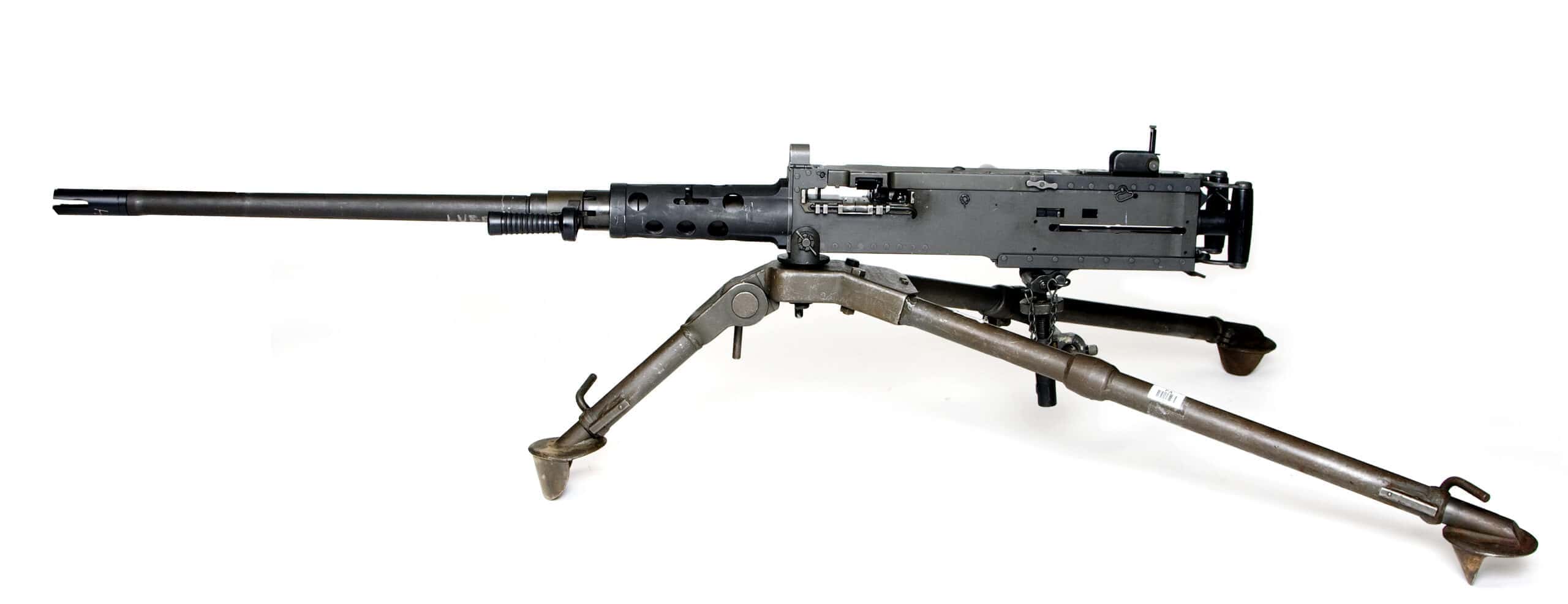
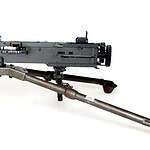
M2 Browning .50-cal
- Category of weapon: Small arms
- Year introduced to service: 1918
- Wars served in: WWI, WWII, Cold War, GWOT
- Primary combat role: Heavy machine gun
- Why it was so effective: Reliability and power
- How it adapted over time: Upgraded mounts, optics, ammo
- Why it was never fully replaced: No replacement matches versatility
The M2 Browning has remained in service for more than a century because of its unmatched reliability, power, and adaptability. Used on vehicles, aircraft, ships, and ground mounts, it evolved through upgrades rather than replacement. Few weapons deliver the same balance of range, lethality, and durability across so many conflicts.
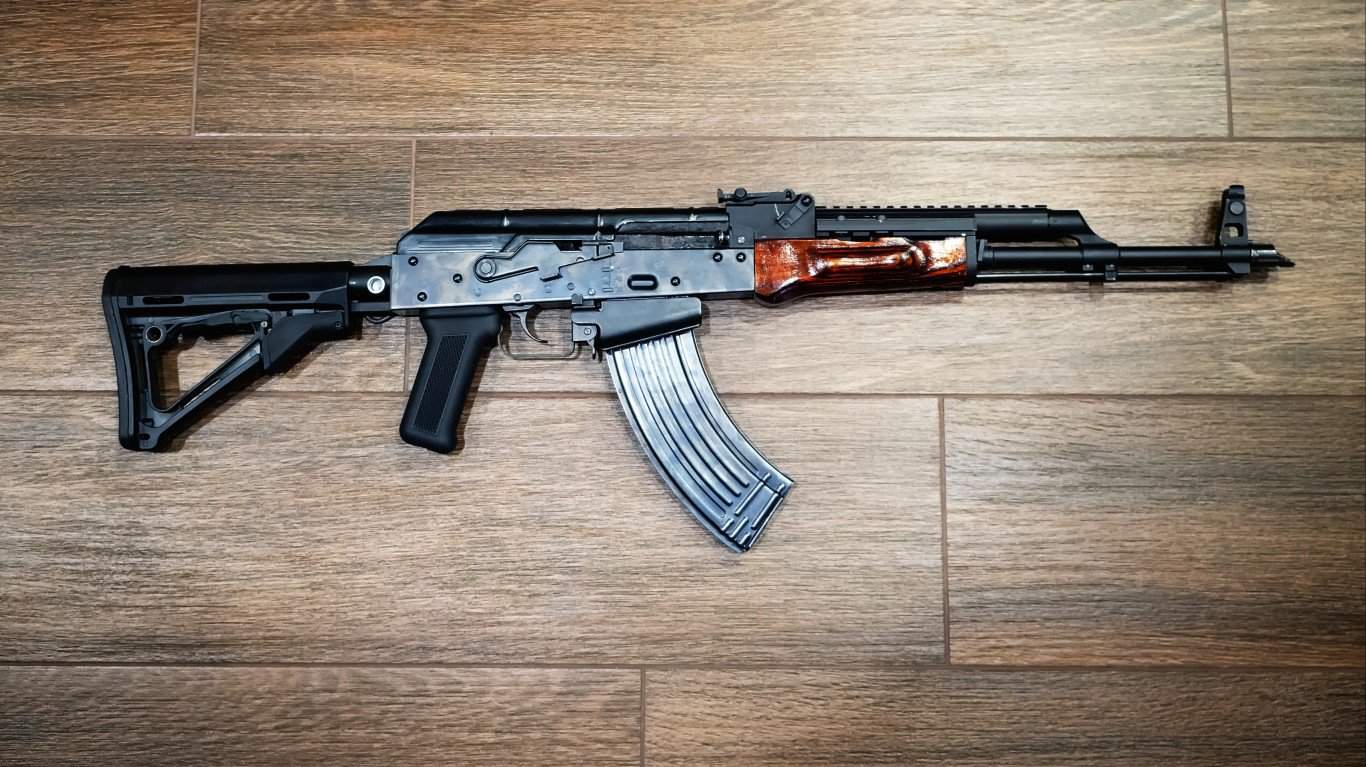
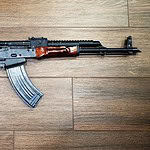
AK-47 / AKM
- Category of weapon: Small arms
- Year introduced to service: 1947
- Wars served in: Cold War, proxy wars, modern conflicts
- Primary combat role: Infantry rifle
- Why it was so effective: Simplicity and durability
- How it adapted over time: Variants, calibers, modernization
- Why it was never fully replaced: Too widespread and effective
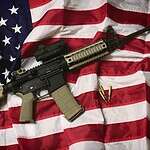
The AK-47 family outlived multiple wars by prioritizing simplicity, durability, and ease of use. Its adaptability across climates and conflicts ensured relevance long after its introduction, making it one of the most enduring combat weapons in history.
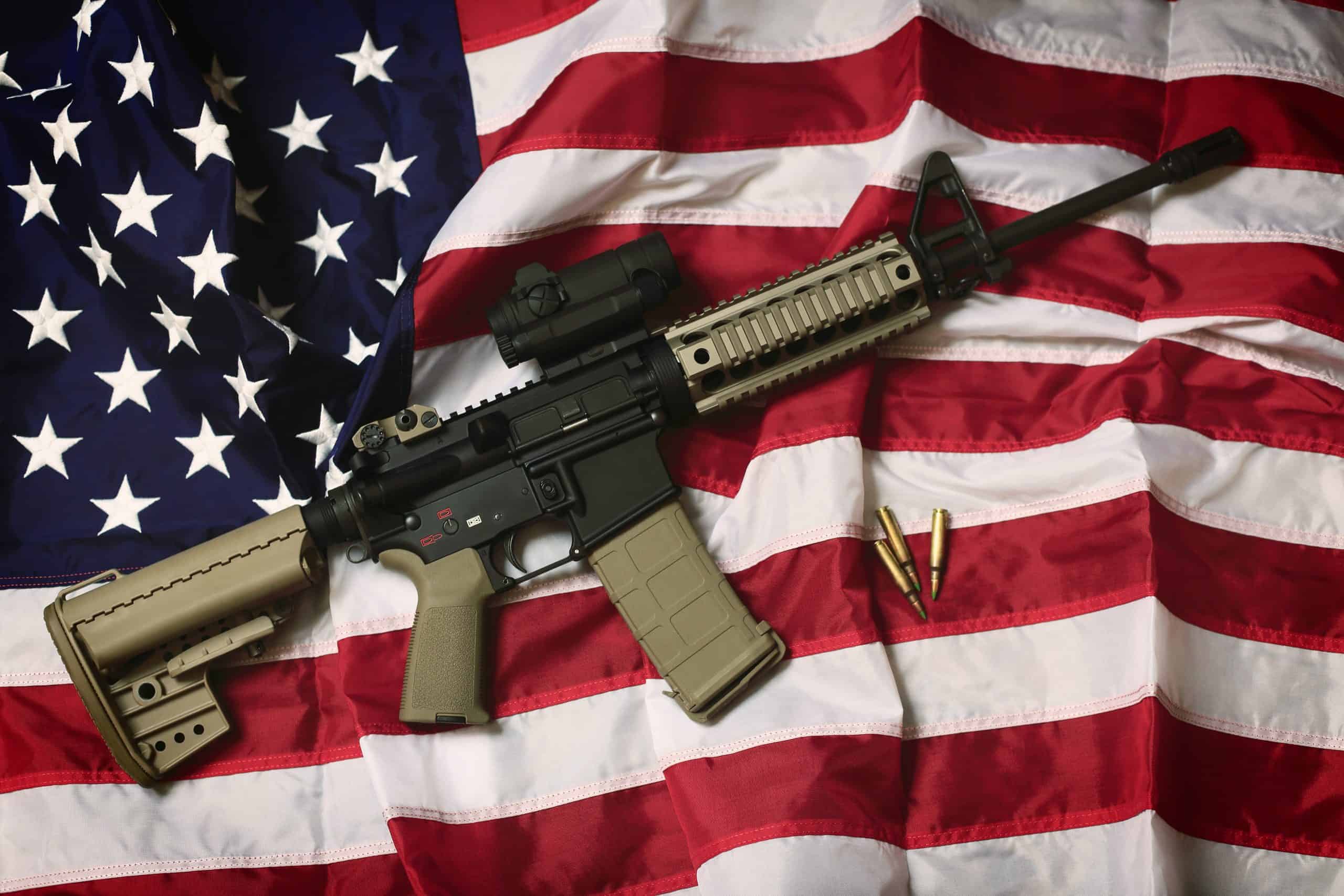
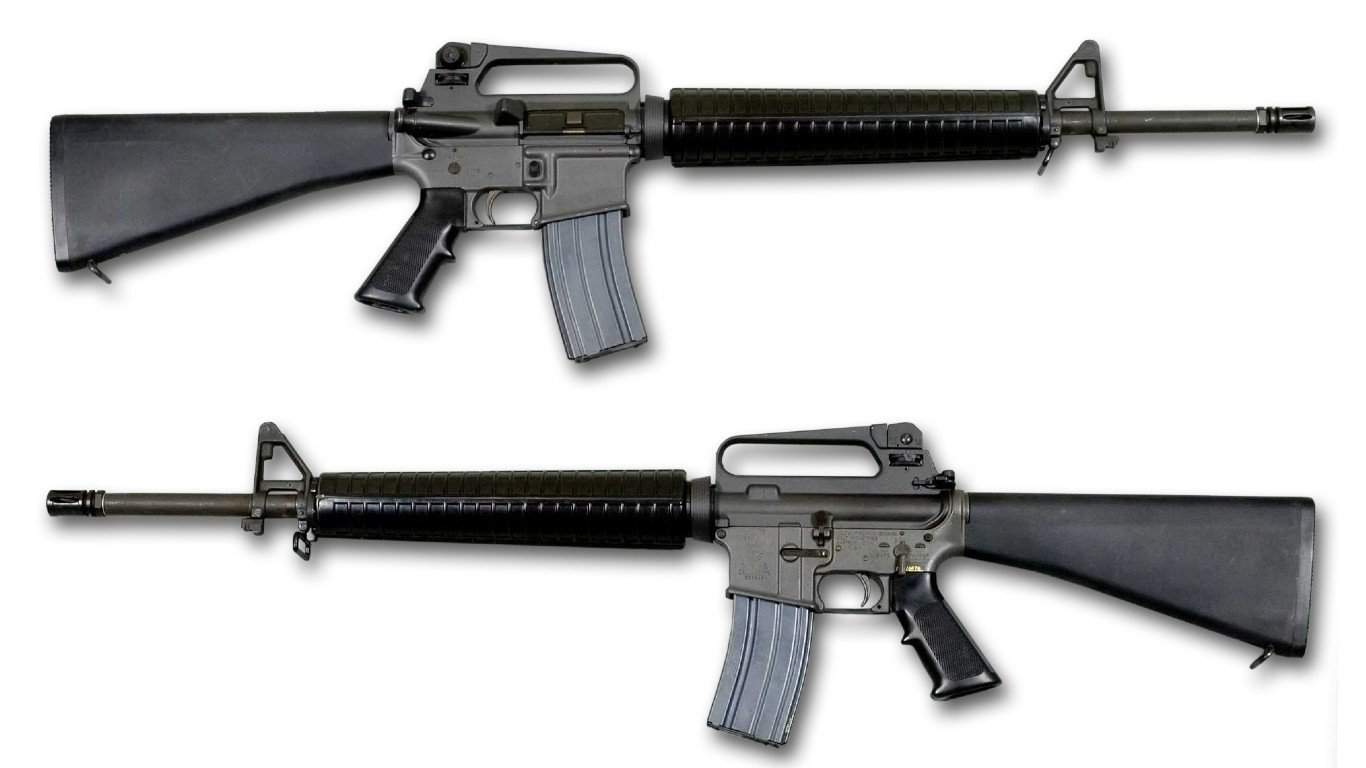
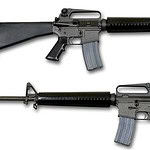
M16 / M4 Rifle Family
- Category of weapon: Small arms
- Year introduced to service: 1964
- Wars served in: Vietnam, Cold War, GWOT
- Primary combat role: Infantry rifle
- Why it was so effective: Lightweight and modular
- How it adapted over time: Optics, rails, calibers
- Why it was never fully replaced: Continuously evolved
The M16 and M4 family survived decades of conflict by evolving alongside doctrine. Improvements in reliability, optics integration, and modularity allowed the platform to remain effective across vastly different wars.
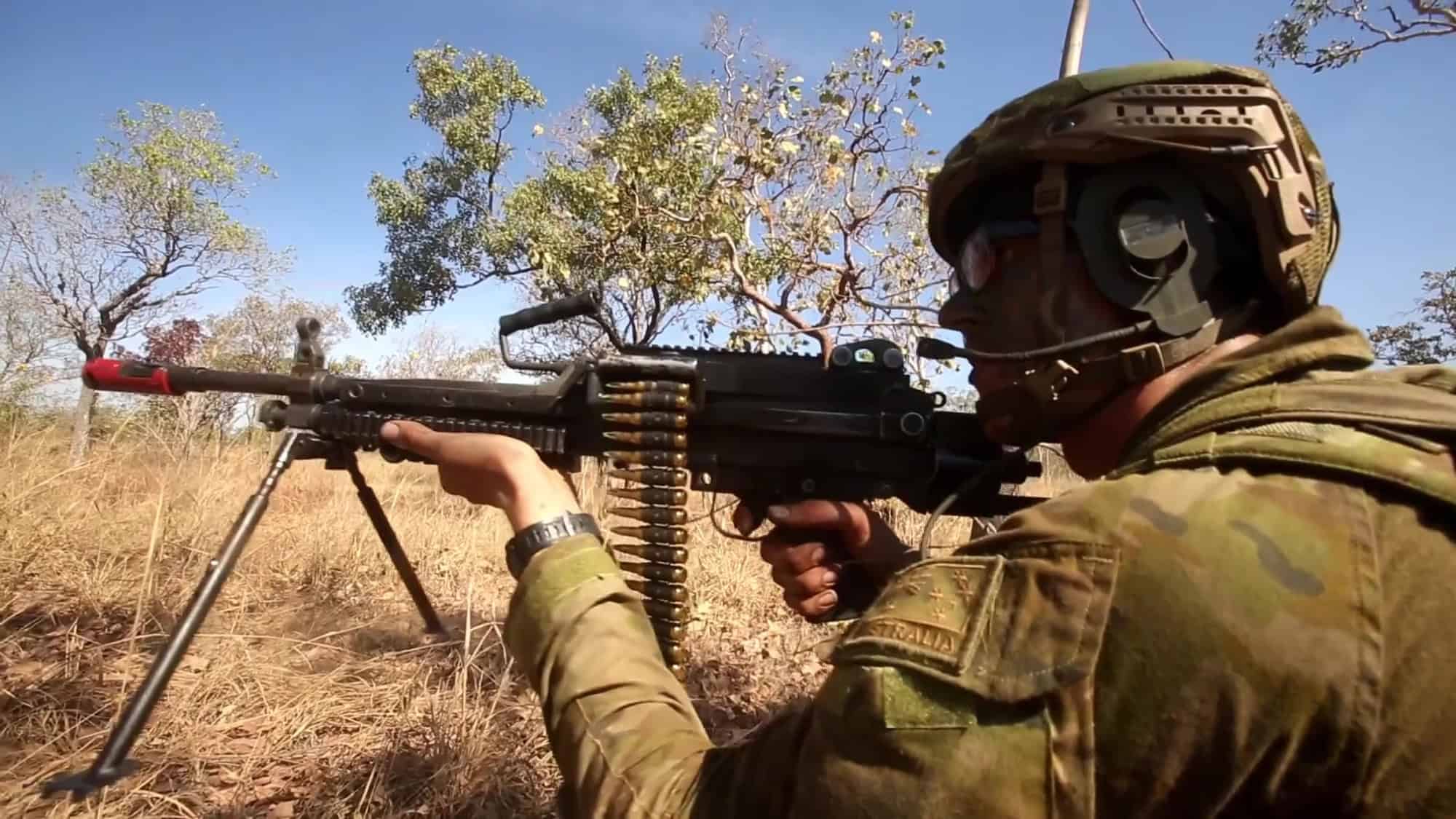
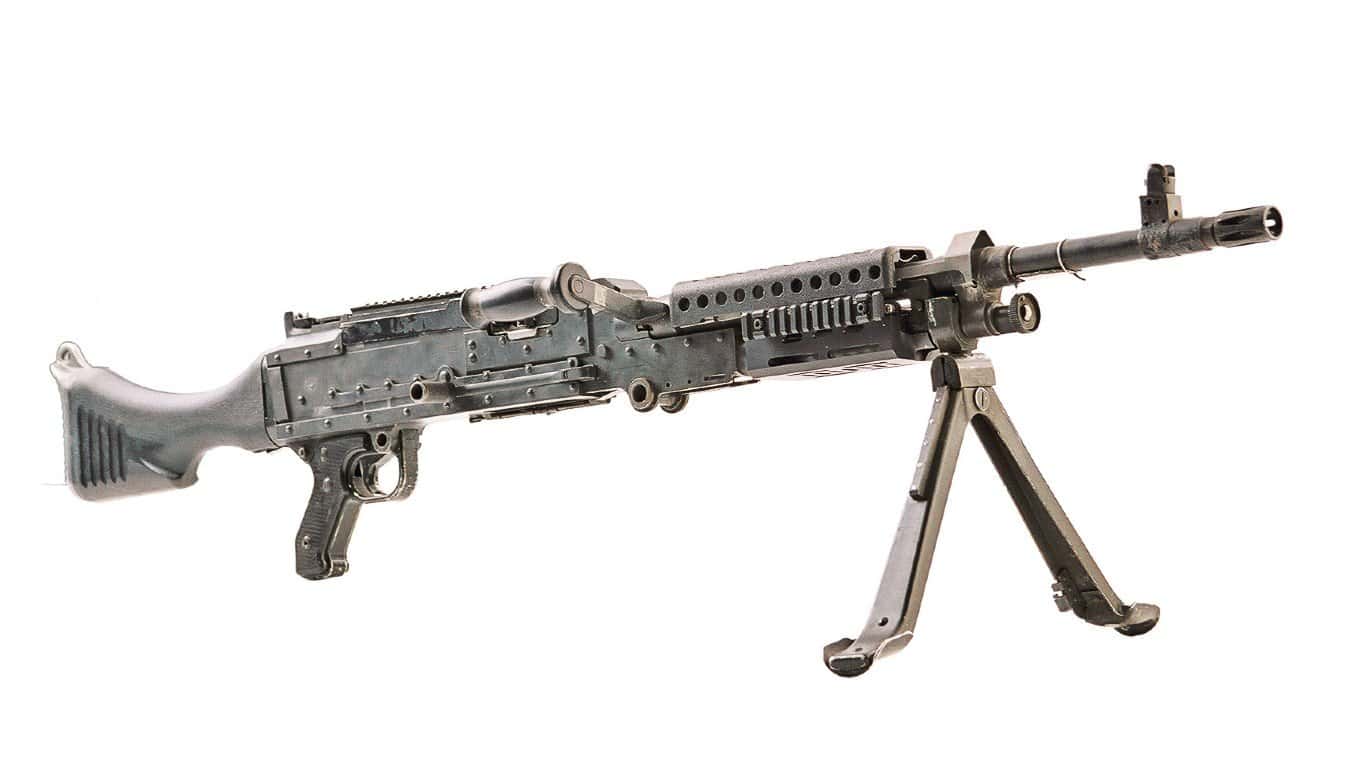
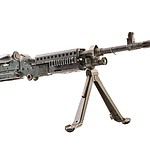
FN MAG / M240
- Category of weapon: Small arms
- Year introduced to service: 1958
- Wars served in: Cold War, GWOT, modern conflicts
- Primary combat role: General-purpose machine gun
- Why it was so effective: Balance of firepower and mobility
- How it adapted over time: Weight reduction, optics
- Why it was never fully replaced: No superior alternative
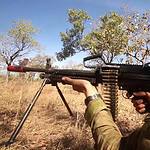
The FN MAG and its U.S. M240 variant continue serving because they deliver sustained firepower with proven reliability. Modern upgrades have kept the platform relevant in infantry and vehicle roles.
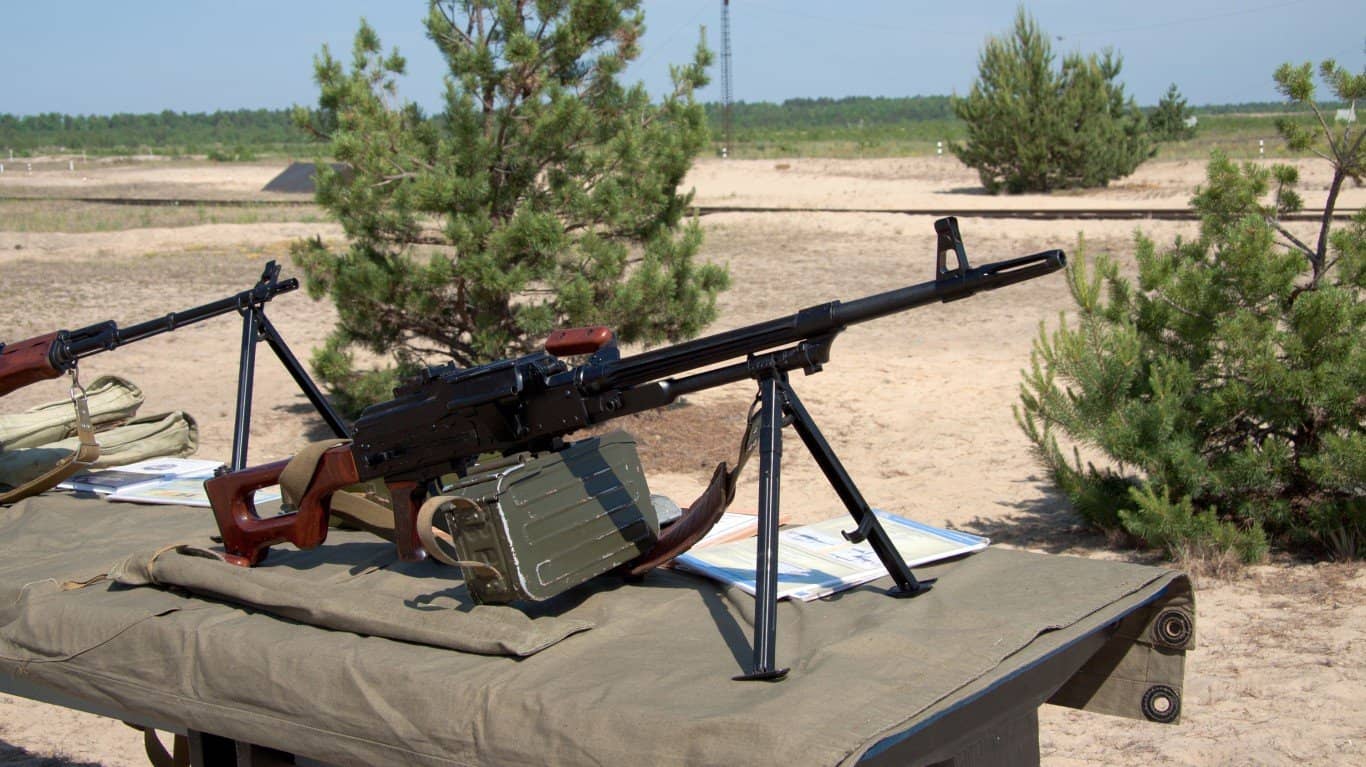
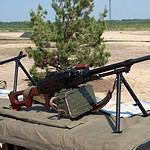
PK / PKM
- Category of weapon: Small arms
- Year introduced to service: 1961
- Wars served in: Cold War, modern conflicts
- Primary combat role: General-purpose machine gun
- Why it was so effective: Rugged simplicity
- How it adapted over time: Modern optics and mounts
- Why it was never fully replaced: Highly cost-effective
The PK machine gun family remains effective due to its simplicity and reliability. Its ability to function in harsh conditions ensured long-term battlefield relevance.
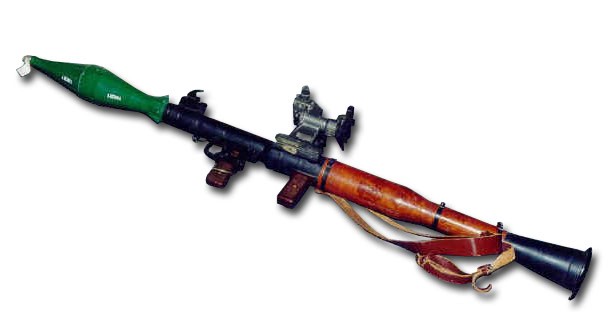
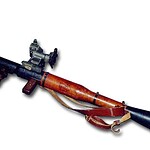
RPG-7
- Category of weapon: Small arms
- Year introduced to service: 1961
- Wars served in: Cold War, GWOT, modern conflicts
- Primary combat role: Anti-armor weapon
- Why it was so effective: Low cost, versatility
- How it adapted over time: Warhead variants
- Why it was never fully replaced: No simple replacement
The RPG-7 outlived multiple wars by giving infantry a cheap and flexible answer to armor and fortifications. Its adaptability through new warheads ensured continued relevance.
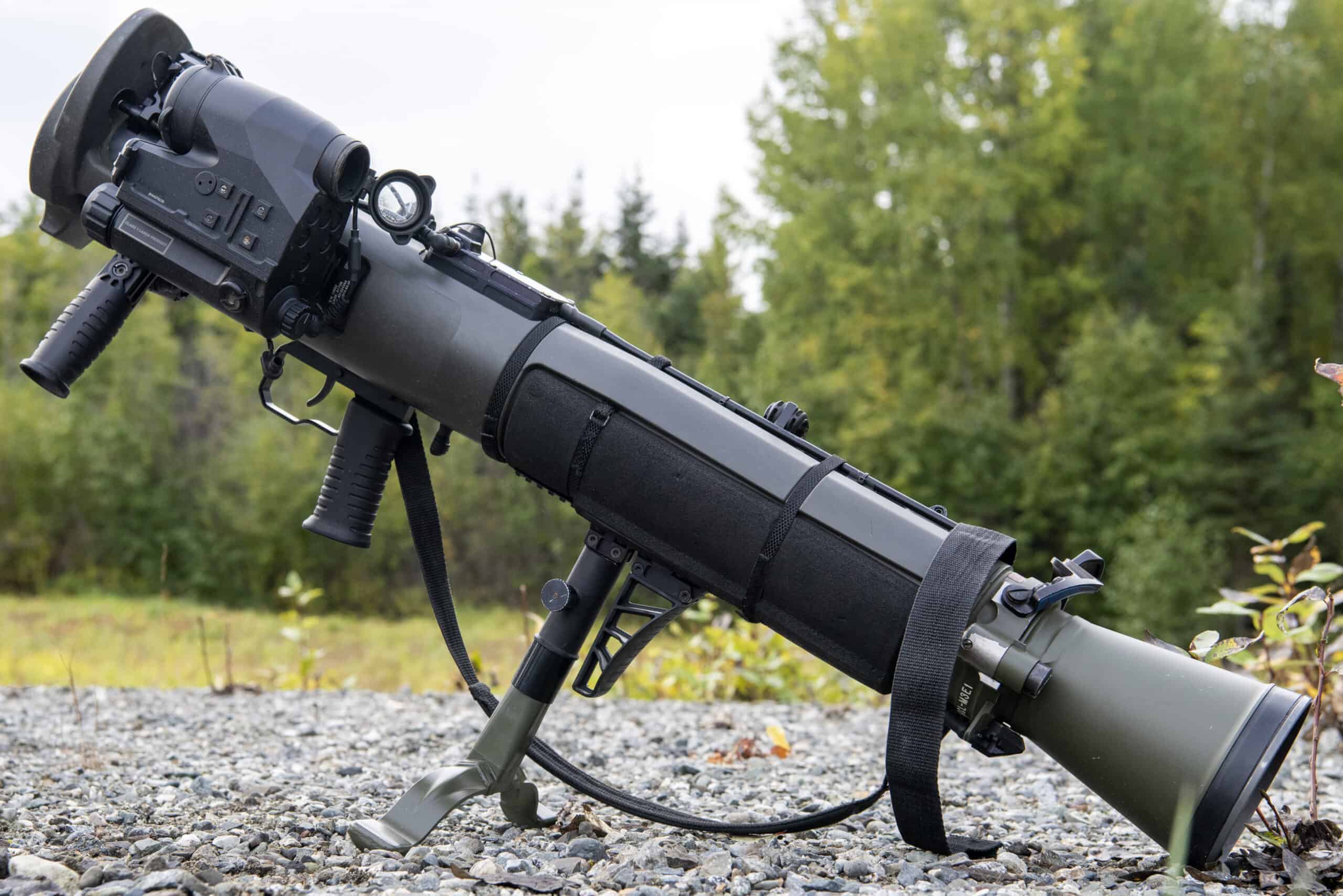
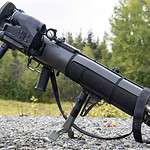
Carl Gustaf
- Category of weapon: Small arms
- Year introduced to service: 1948
- Wars served in: Cold War, GWOT, modern conflicts
- Primary combat role: Recoilless rifle
- Why it was so effective: Multi-role firepower
- How it adapted over time: New ammo and optics
- Why it was never fully replaced: Unique infantry support role
The Carl Gustaf recoilless rifle has remained relevant by adapting to multiple missions, from anti-armor to bunker busting, making it indispensable across conflicts.
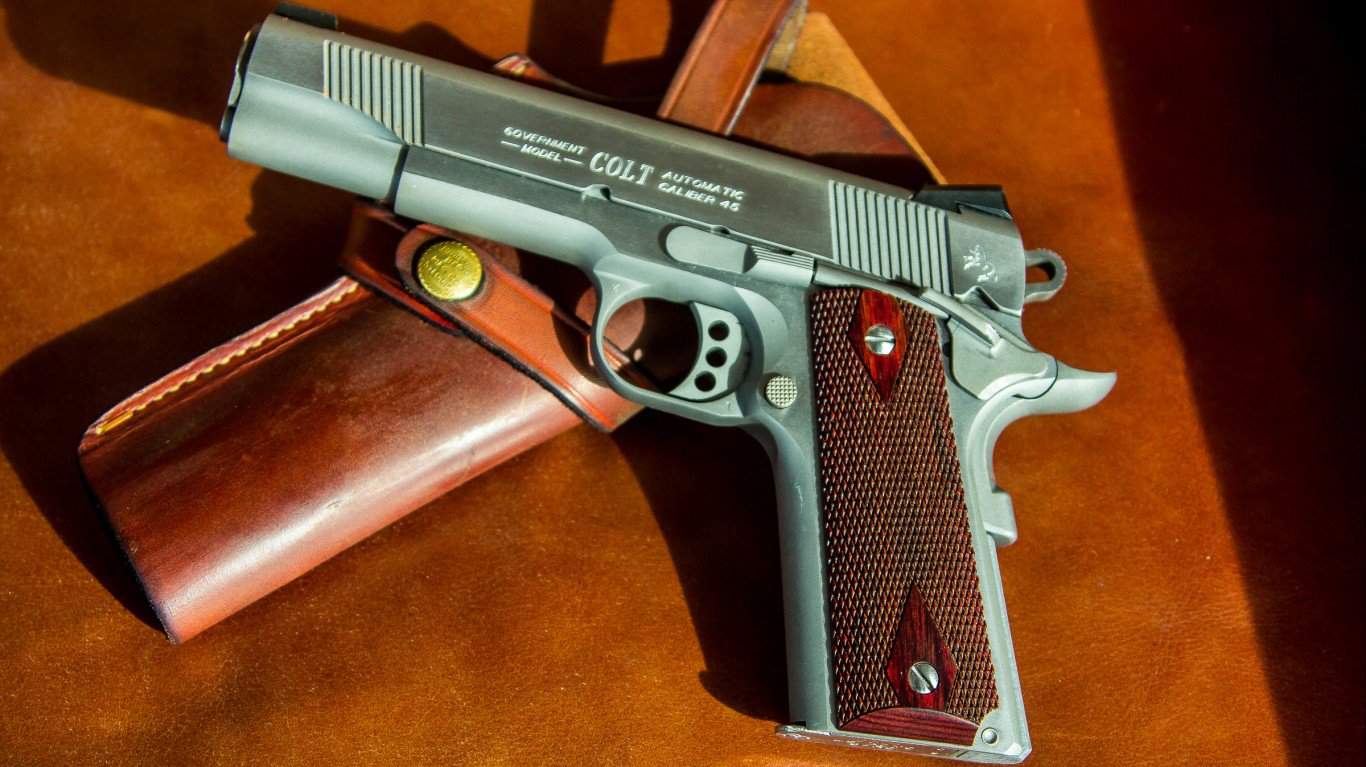
M1911 Pistol
- Category of weapon: Small arms
- Year introduced to service: 1911
- Wars served in: WWI, WWII, Cold War
- Primary combat role: Sidearm
- Why it was so effective: Stopping power
- How it adapted over time: Limited modernization
- Why it was never fully replaced: Legacy reliability
The M1911 served through multiple wars due to its reliability and effectiveness as a combat sidearm. Though largely replaced, its influence persists.
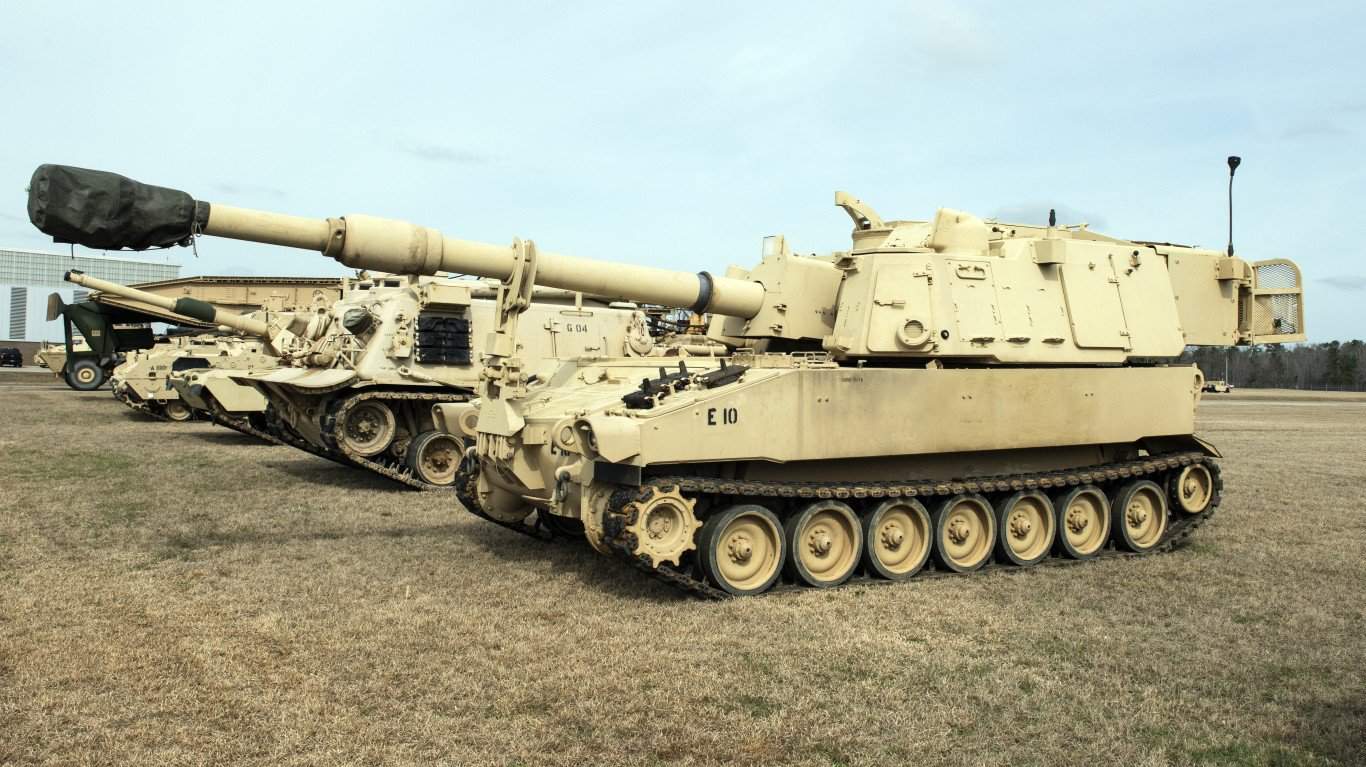
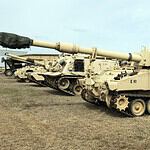
M109 Howitzer
- Category of weapon: Artillery
- Year introduced to service: 1963
- Wars served in: Vietnam, Cold War, modern conflicts
- Primary combat role: Self-propelled artillery
- Why it was so effective: Mobility and firepower
- How it adapted over time: Electronics, ammo
- Why it was never fully replaced: Continual upgrades
The M109 survived multiple wars by evolving its fire-control systems and ammunition, remaining a backbone of artillery units.
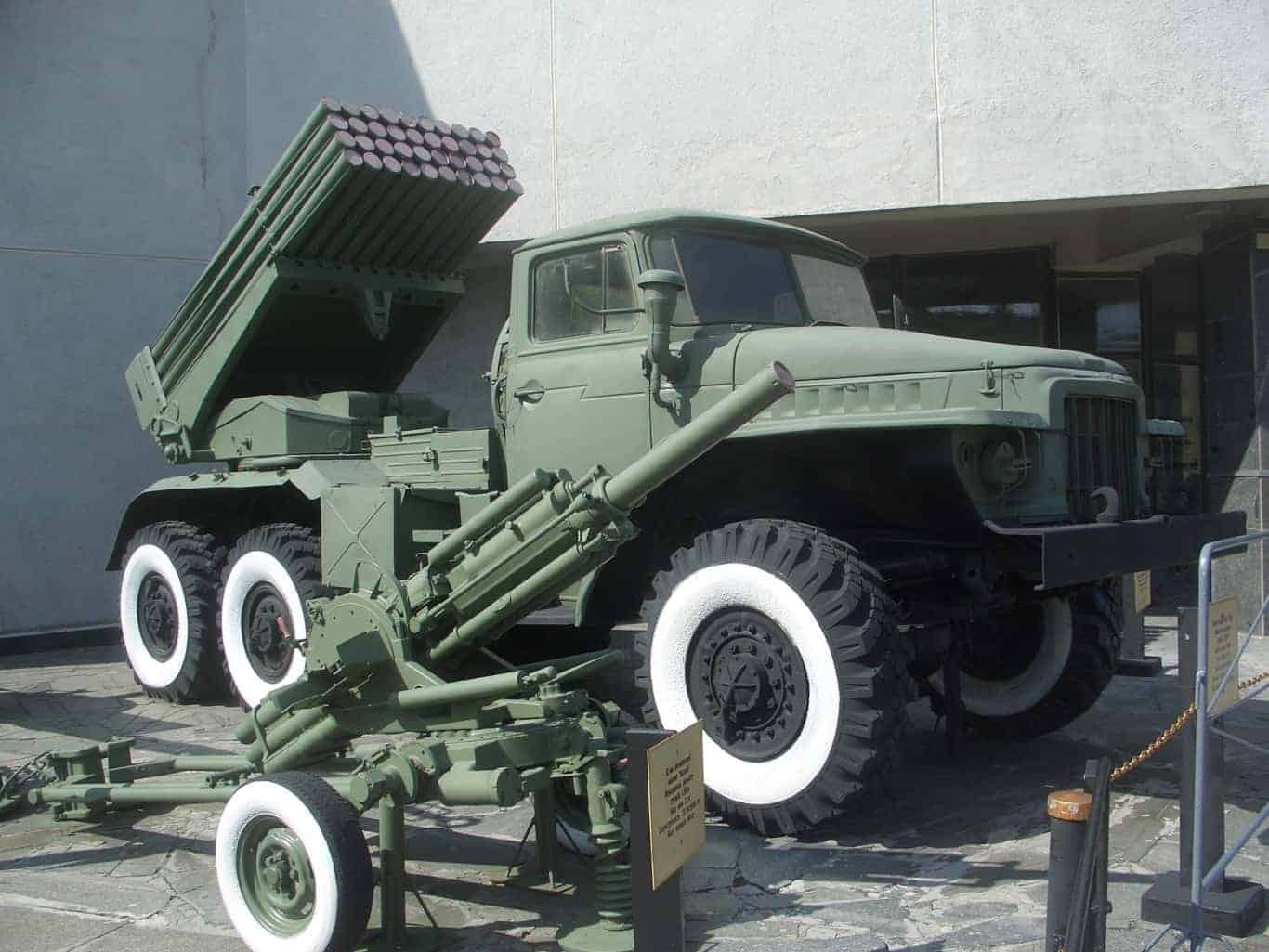
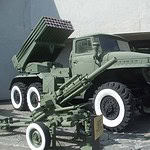
BM-21 Grad
- Category of weapon: Artillery
- Year introduced to service: 1963
- Wars served in: Cold War, modern conflicts
- Primary combat role: Rocket artillery
- Why it was so effective: Simplicity and saturation
- How it adapted over time: Improved rockets
- Why it was never fully replaced: Low-cost effectiveness
The BM-21 Grad endured because of its simplicity and devastating area effects, making it a persistent presence on modern battlefields.
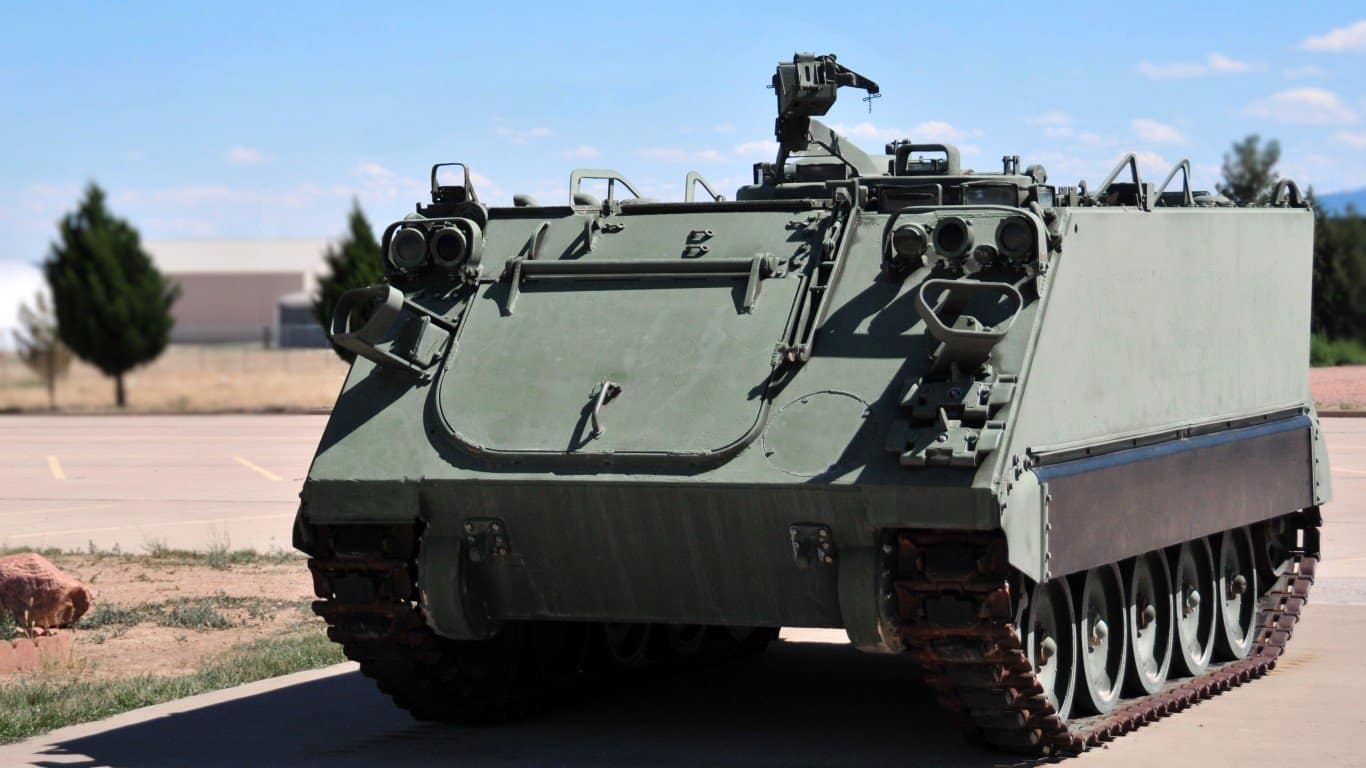
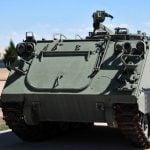
M113 APC
- Category of weapon: Ground vehicle
- Year introduced to service: 1960
- Wars served in: Vietnam, Cold War, modern conflicts
- Primary combat role: Armored transport
- Why it was so effective: Versatility
- How it adapted over time: Role conversions
- Why it was never fully replaced: Cheap and adaptable
The M113 armored personnel carrier outlived multiple wars by adapting into dozens of variants, serving roles far beyond troop transport.
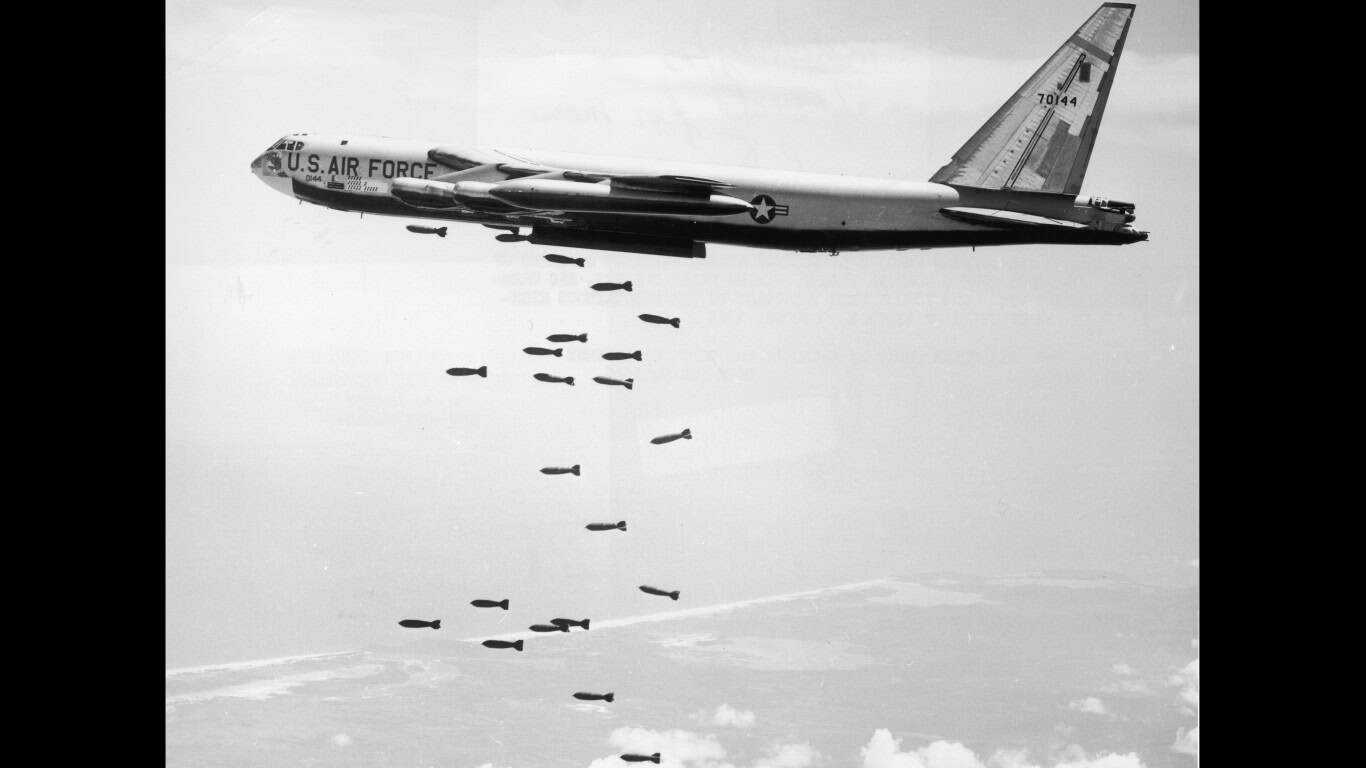
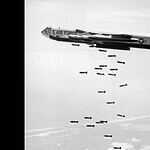
B-52 Stratofortress
- Category of weapon: Aircraft
- Year introduced to service: 1961
- Wars served in: Cold War, Vietnam, GWOT
- Primary combat role: Strategic bomber
- Why it was so effective: Payload and range
- How it adapted over time: Avionics and weapons
- Why it was never fully replaced: No equivalent payload platform
The B-52 remains effective due to its unmatched payload and adaptability. Continuous upgrades allowed it to remain combat-relevant across generations of warfare.
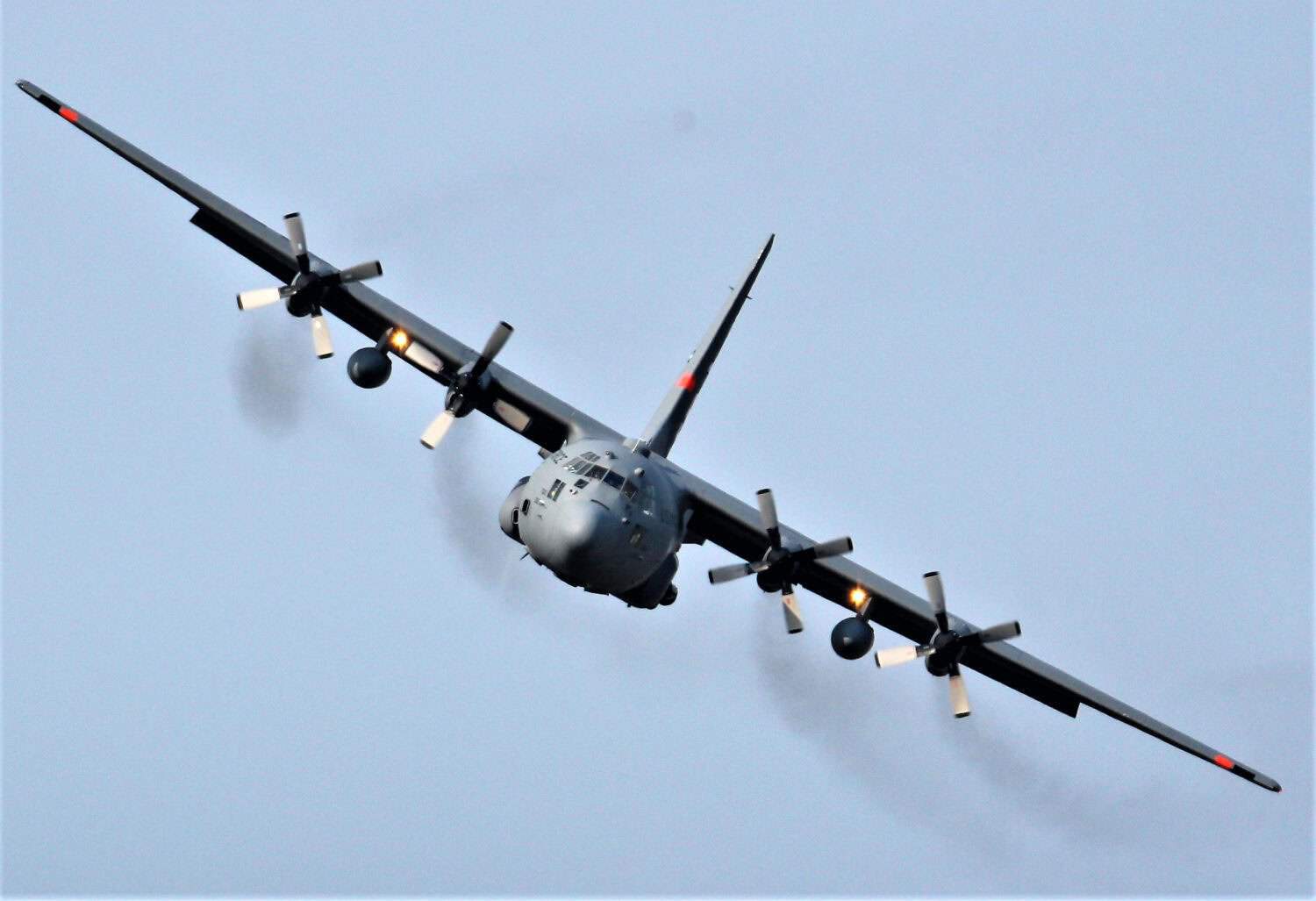
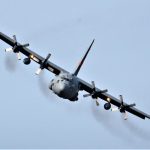
C-130 Hercules
- Category of weapon: Aircraft
- Year introduced to service: 1956
- Wars served in: Vietnam, GWOT, modern conflicts
- Primary combat role: Tactical airlift
- Why it was so effective: Versatility
- How it adapted over time: Avionics, engines
- Why it was never fully replaced: No true replacement
The C-130 survived multiple wars by excelling in roles ranging from transport to special operations, adapting to every conflict environment.
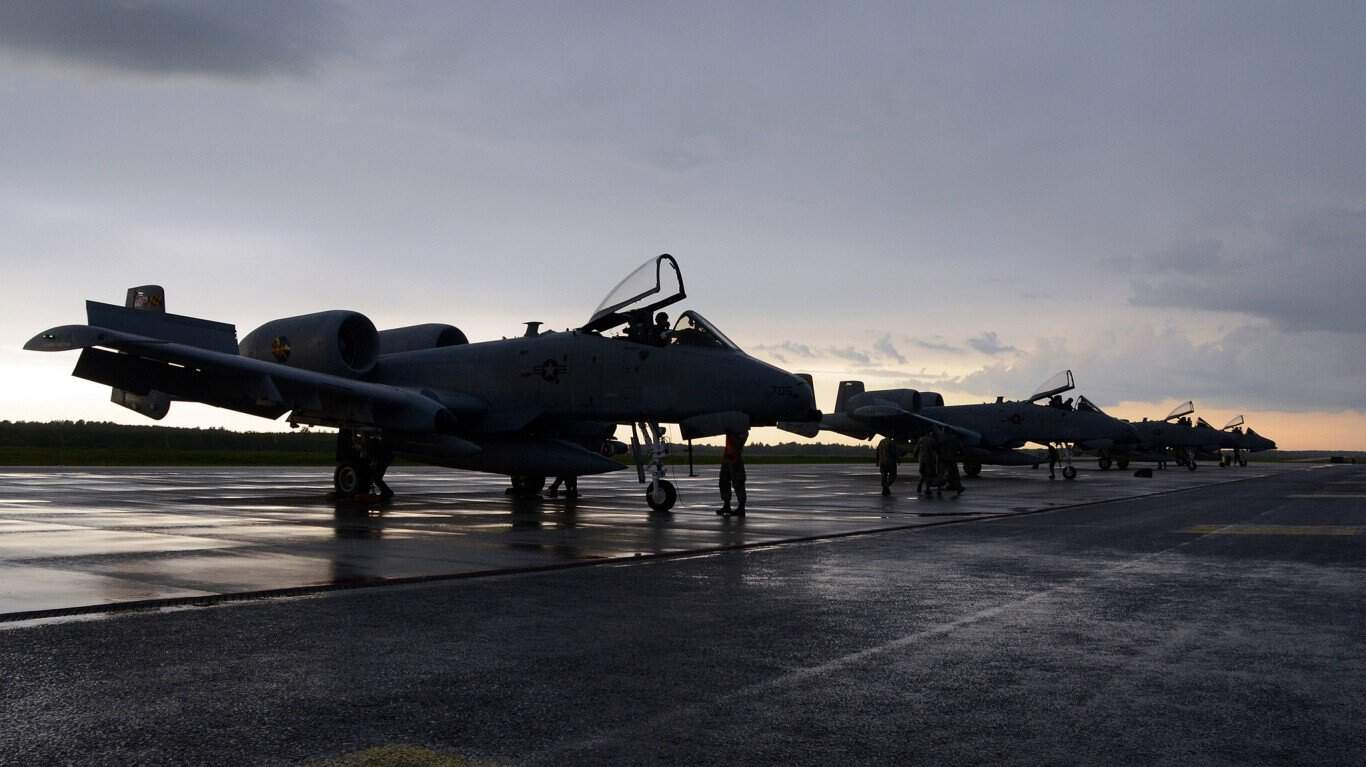
A-10 Thunderbolt II
- Category of weapon: Aircraft
- Year introduced to service: 1977
- Wars served in: Cold War, GWOT
- Primary combat role: Close air support
- Why it was so effective: CAS specialization
- How it adapted over time: Avionics and weapons
- Why it was never fully replaced: Unique CAS role
The A-10 endured due to its unmatched close air support effectiveness, remaining relevant despite repeated retirement efforts.
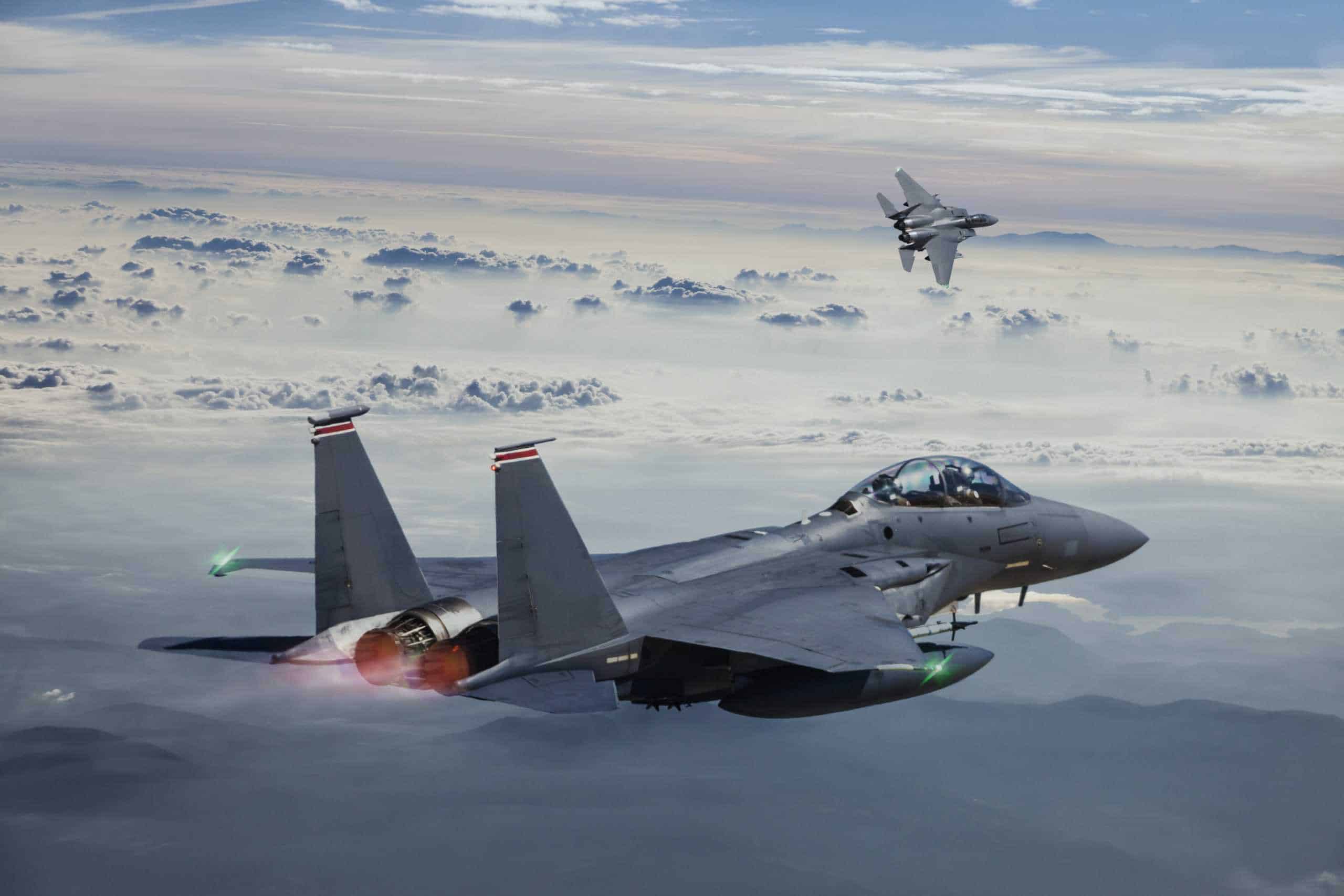
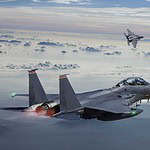
F-15 Eagle
- Category of weapon: Aircraft
- Year introduced to service: 1976
- Wars served in: Cold War, GWOT
- Primary combat role: Air superiority
- Why it was so effective: Performance margin
- How it adapted over time: Avionics and radar
- Why it was never fully replaced: Still competitive
The F-15 outlived multiple conflicts because its performance margin allowed upgrades to keep pace with new threats.
F-16 Fighting Falcon
- Category of weapon: Aircraft
- Year introduced to service: 1978
- Wars served in: Cold War, GWOT
- Primary combat role: Multirole fighter
- Why it was so effective: Cost-effective flexibility
- How it adapted over time: Radar and avionics
- Why it was never fully replaced: Widely modernized
The F-16's adaptability and affordability allowed it to serve across multiple wars and remain effective decades after introduction.
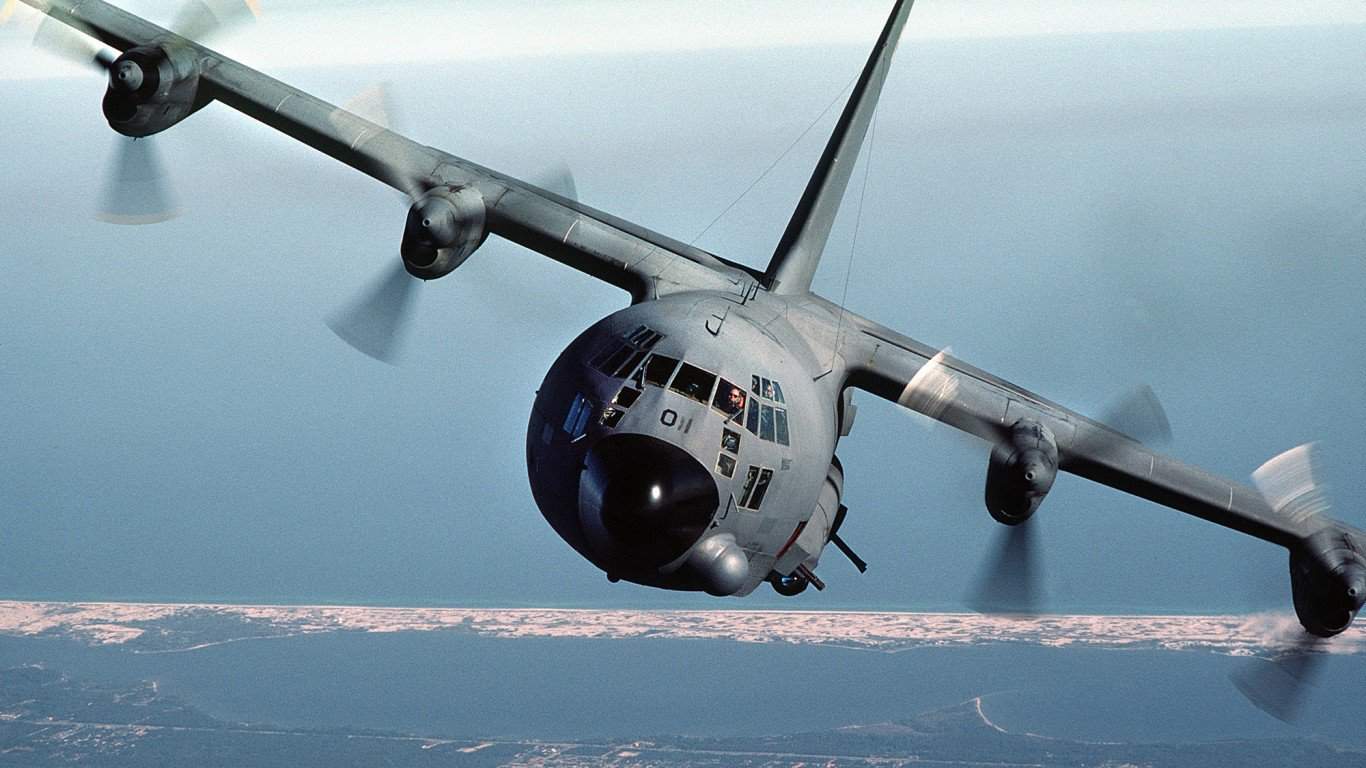
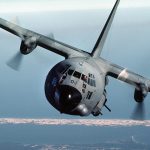
AC-130 Gunship
- Category of weapon: Aircraft
- Year introduced to service: 1968
- Wars served in: Vietnam, GWOT
- Primary combat role: Gunship
- Why it was so effective: Persistent fire support
- How it adapted over time: Sensors and weapons
- Why it was never fully replaced: No equivalent
The AC-130 remains irreplaceable due to its precision firepower and ability to loiter over battlefields.
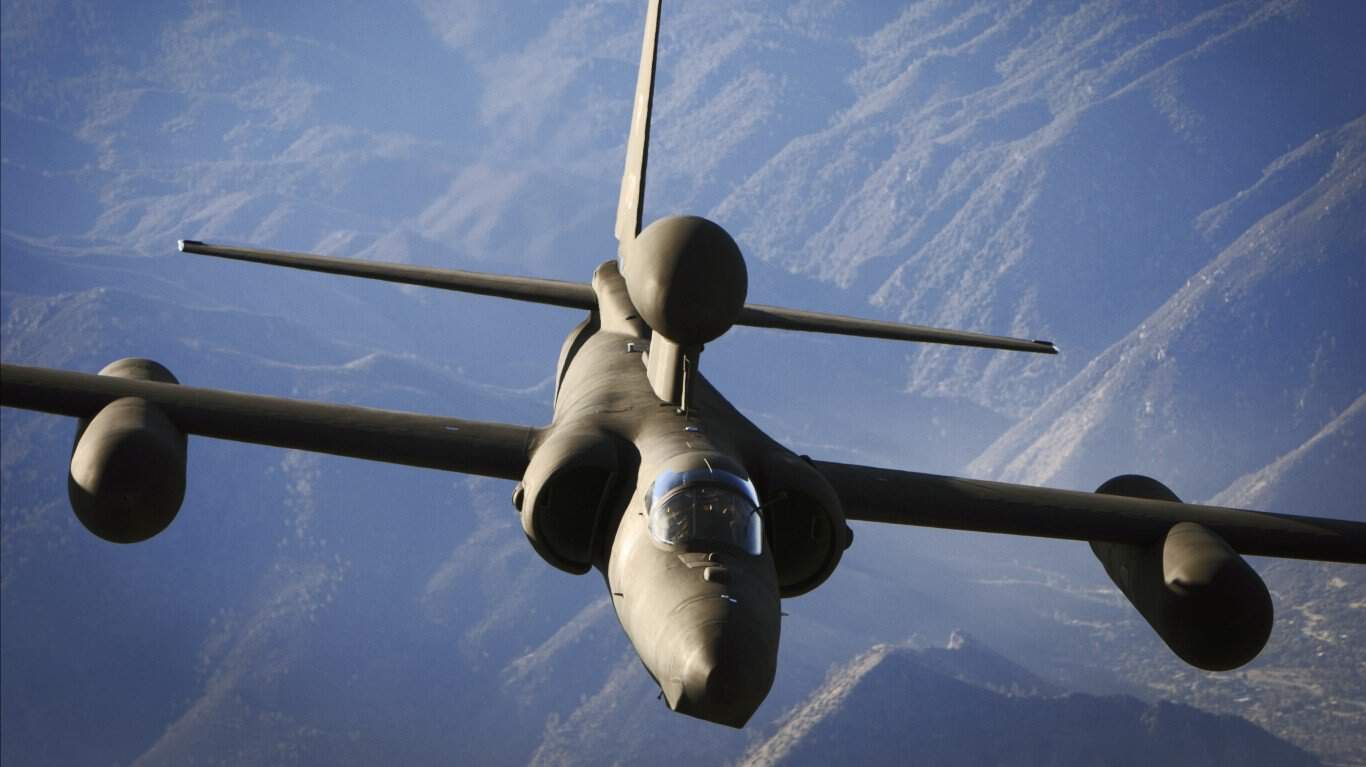
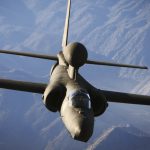
U-2 Dragon Lady
- Category of weapon: Aircraft
- Year introduced to service: 1957
- Wars served in: Cold War, modern conflicts
- Primary combat role: ISR
- Why it was so effective: Extreme altitude
- How it adapted over time: Sensor upgrades
- Why it was never fully replaced: Unique ISR niche
The U-2 outlived multiple wars by operating at altitudes few aircraft can match, retaining ISR relevance through modernization.
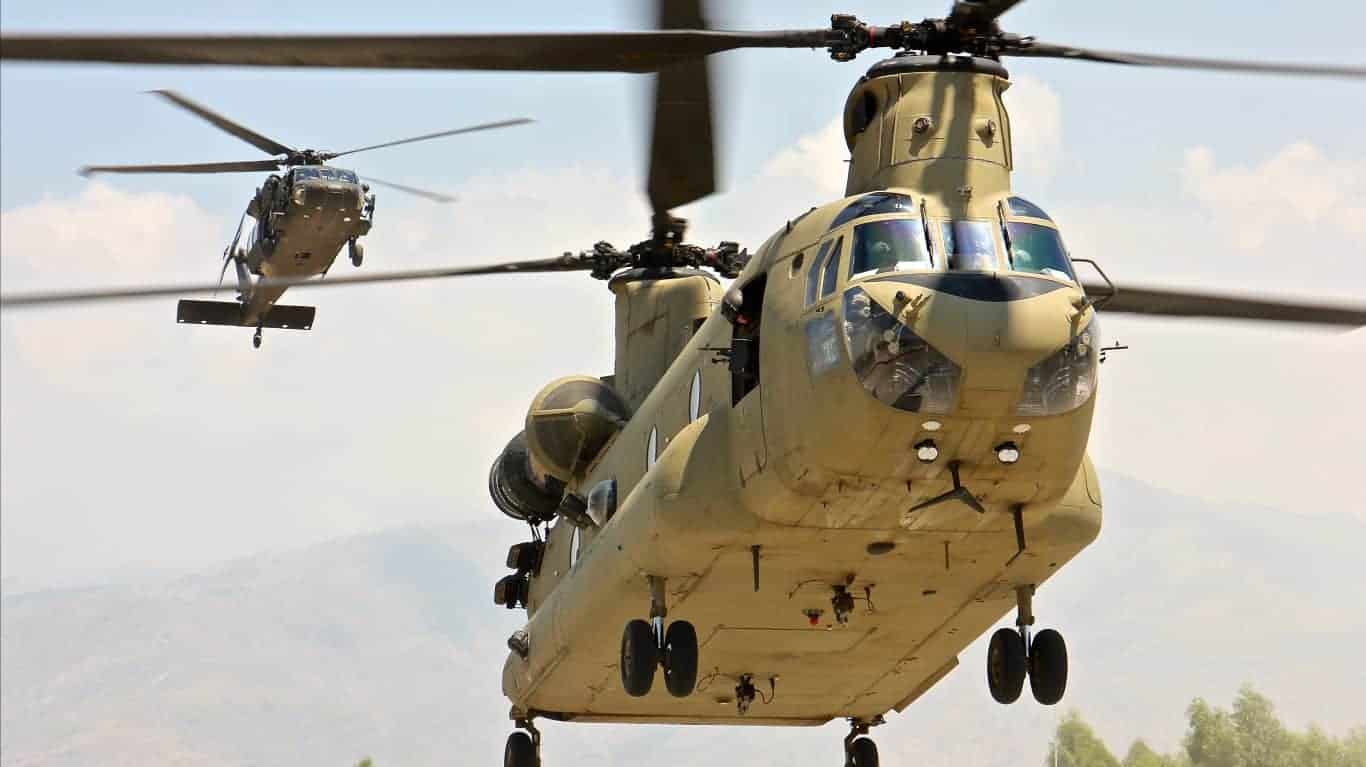
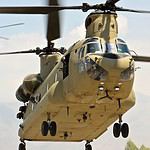
CH-47 Chinook
- Category of weapon: Helicopter
- Year introduced to service: 1962
- Wars served in: Vietnam, GWOT, modern conflicts
- Primary combat role: Heavy lift
- Why it was so effective: Lift efficiency
- How it adapted over time: Avionics and engines
- Why it was never fully replaced: No replacement
The Chinook remains in service because its tandem-rotor design delivers unmatched lift for its size, adaptable across wars.
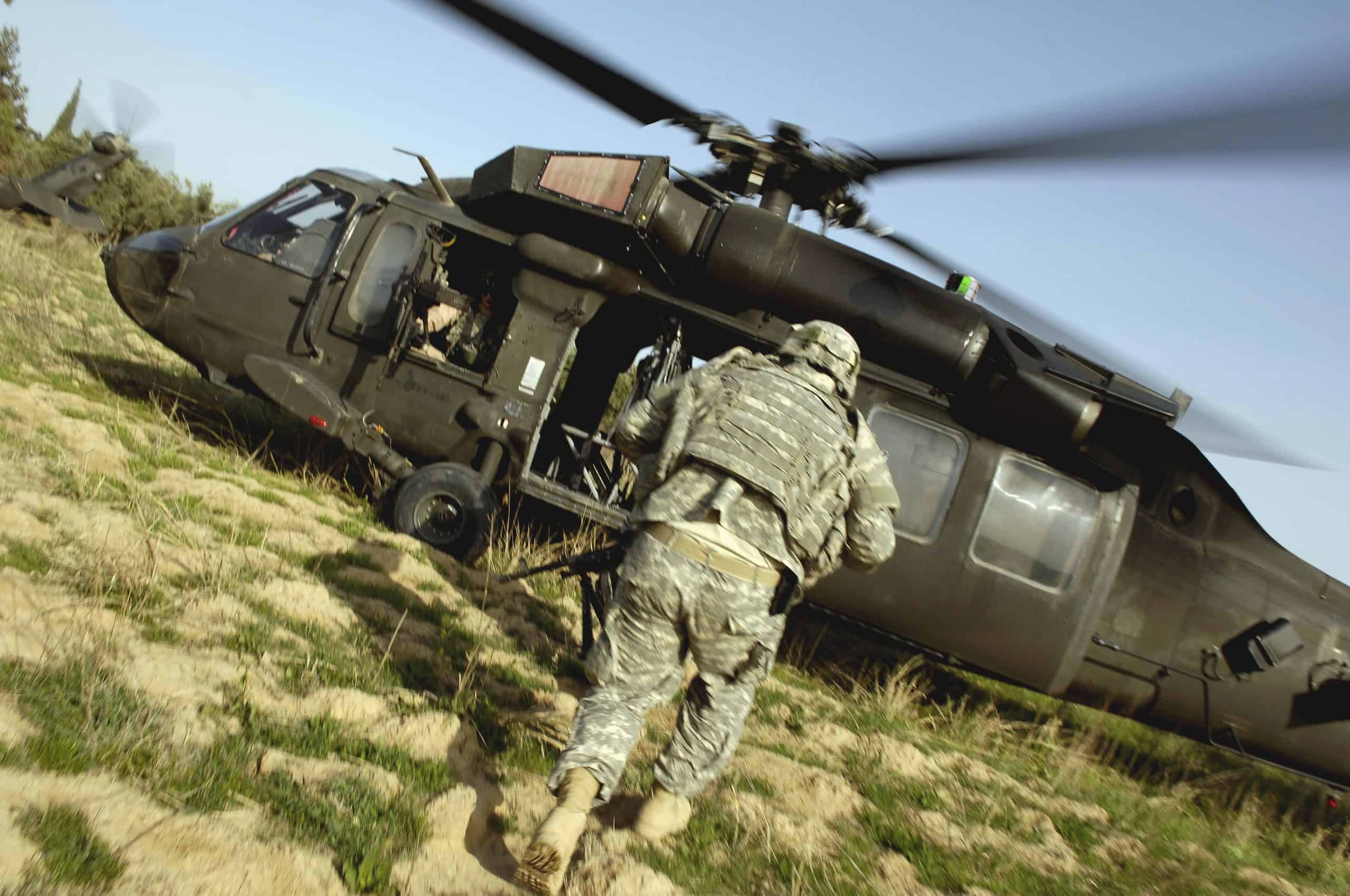
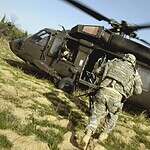
UH-60 Black Hawk
- Category of weapon: Helicopter
- Year introduced to service: 1979
- Wars served in: Cold War, GWOT
- Primary combat role: Utility helicopter
- Why it was so effective: Versatility
- How it adapted over time: Avionics and engines
- Why it was never fully replaced: Highly adaptable
The Black Hawk survived multiple wars by performing transport, medevac, and assault roles across decades of conflict.
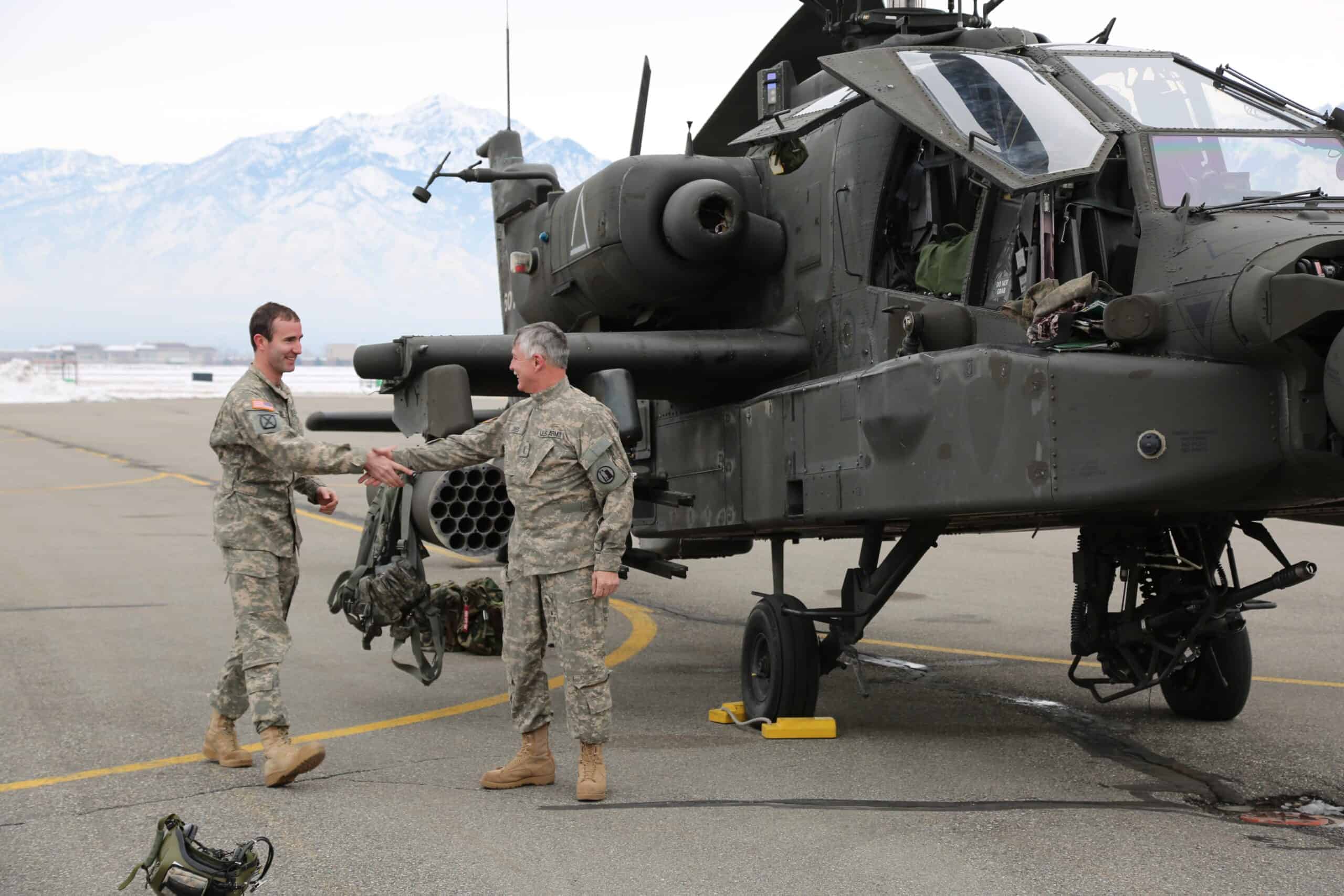
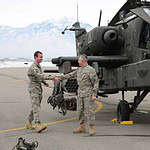
AH-64 Apache
- Category of weapon: Helicopter
- Year introduced to service: 1986
- Wars served in: Cold War, GWOT
- Primary combat role: Attack helicopter
- Why it was so effective: Survivability and firepower
- How it adapted over time: Sensors and weapons
- Why it was never fully replaced: Still unmatched
The Apache remained effective through continuous upgrades that kept it lethal and survivable across modern wars.
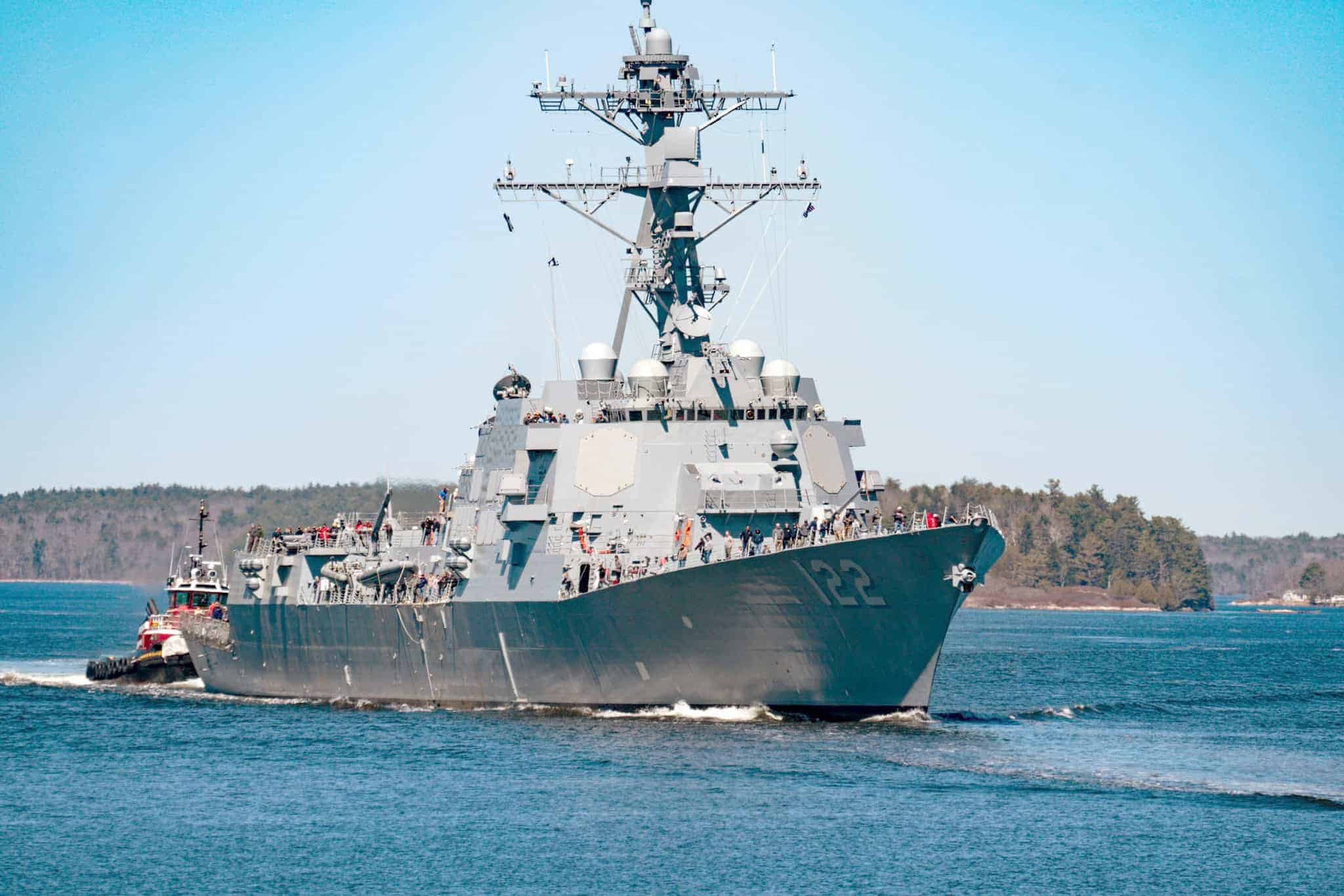
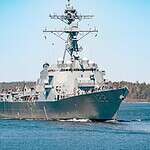
Arleigh Burke-class Destroyer
- Category of weapon: Naval
- Year introduced to service: 1991
- Wars served in: Cold War, GWOT, modern conflicts
- Primary combat role: Surface combatant
- Why it was so effective: Multi-mission capability
- How it adapted over time: Aegis upgrades
- Why it was never fully replaced: Continual relevance
Arleigh Burke-class destroyers survived multiple conflicts due to their adaptable design and continuous upgrades.
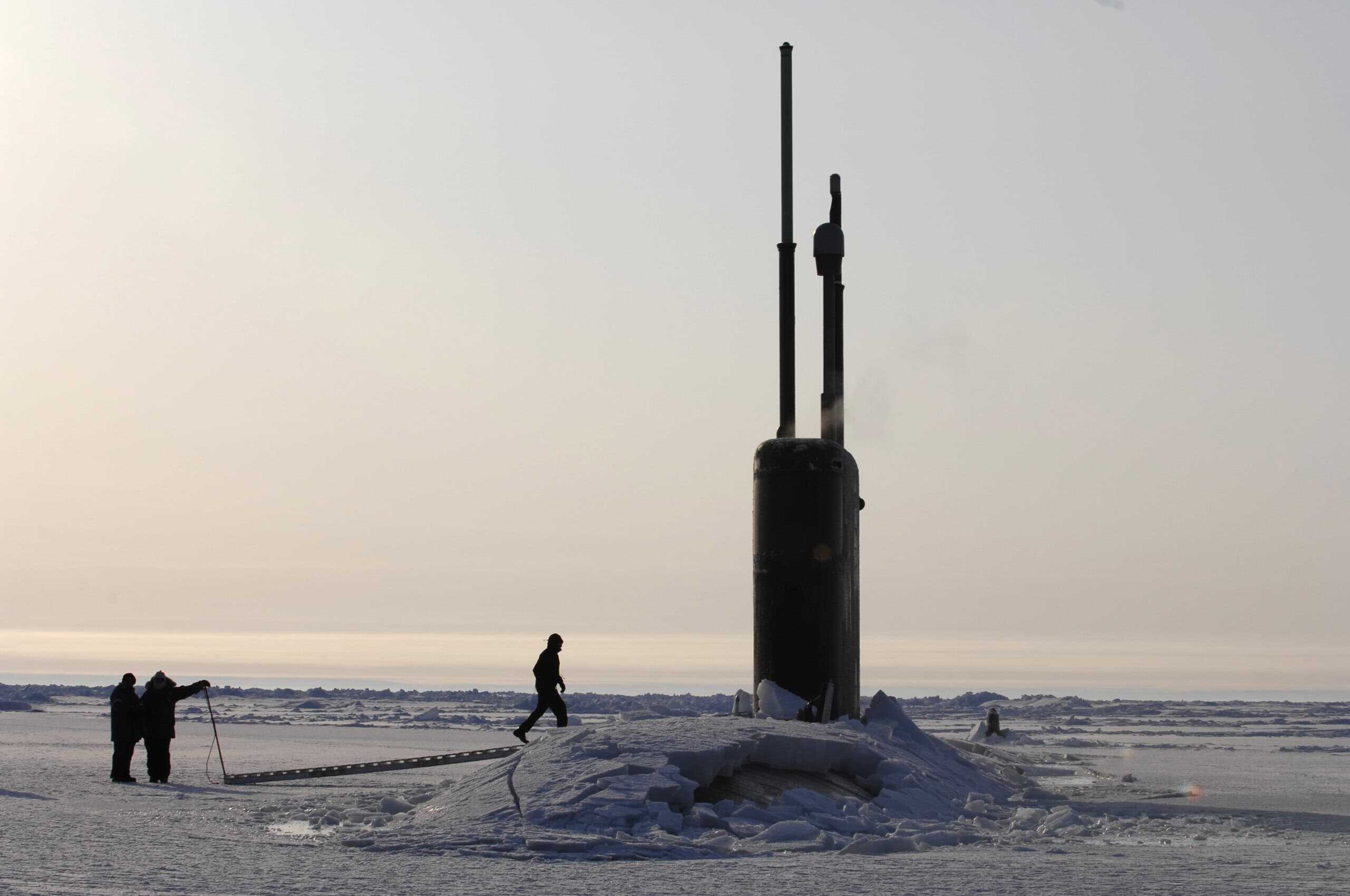
Los Angeles-class Submarine
- Category of weapon: Naval
- Year introduced to service: 1976
- Wars served in: Cold War, post–Cold War
- Primary combat role: Attack submarine
- Why it was so effective: Stealth and endurance
- How it adapted over time: Sensors and weapons
- Why it was never fully replaced: Cost-effective
Los Angeles-class submarines remained effective across decades due to their stealth and adaptability.
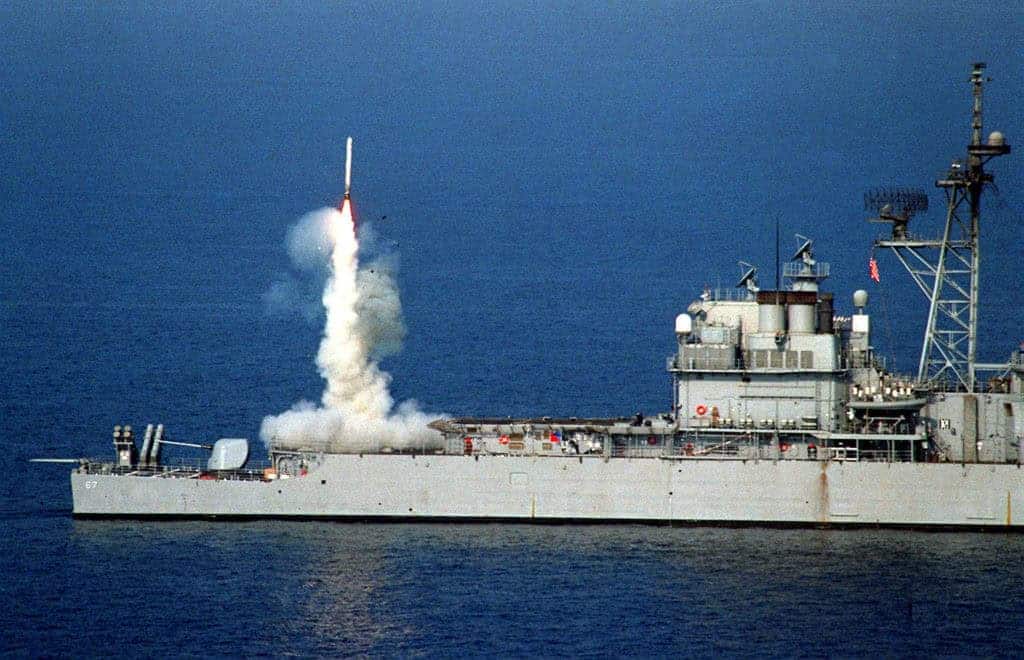
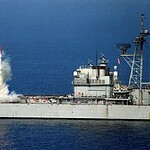
Tomahawk Cruise Missile
- Category of weapon: Missile
- Year introduced to service: 1983
- Wars served in: Cold War, GWOT, modern conflicts
- Primary combat role: Precision strike
- Why it was so effective: Long-range accuracy
- How it adapted over time: Guidance upgrades
- Why it was never fully replaced: Still unmatched
The Tomahawk outlived multiple wars by providing precise, long-range strike capability adaptable to evolving targets.
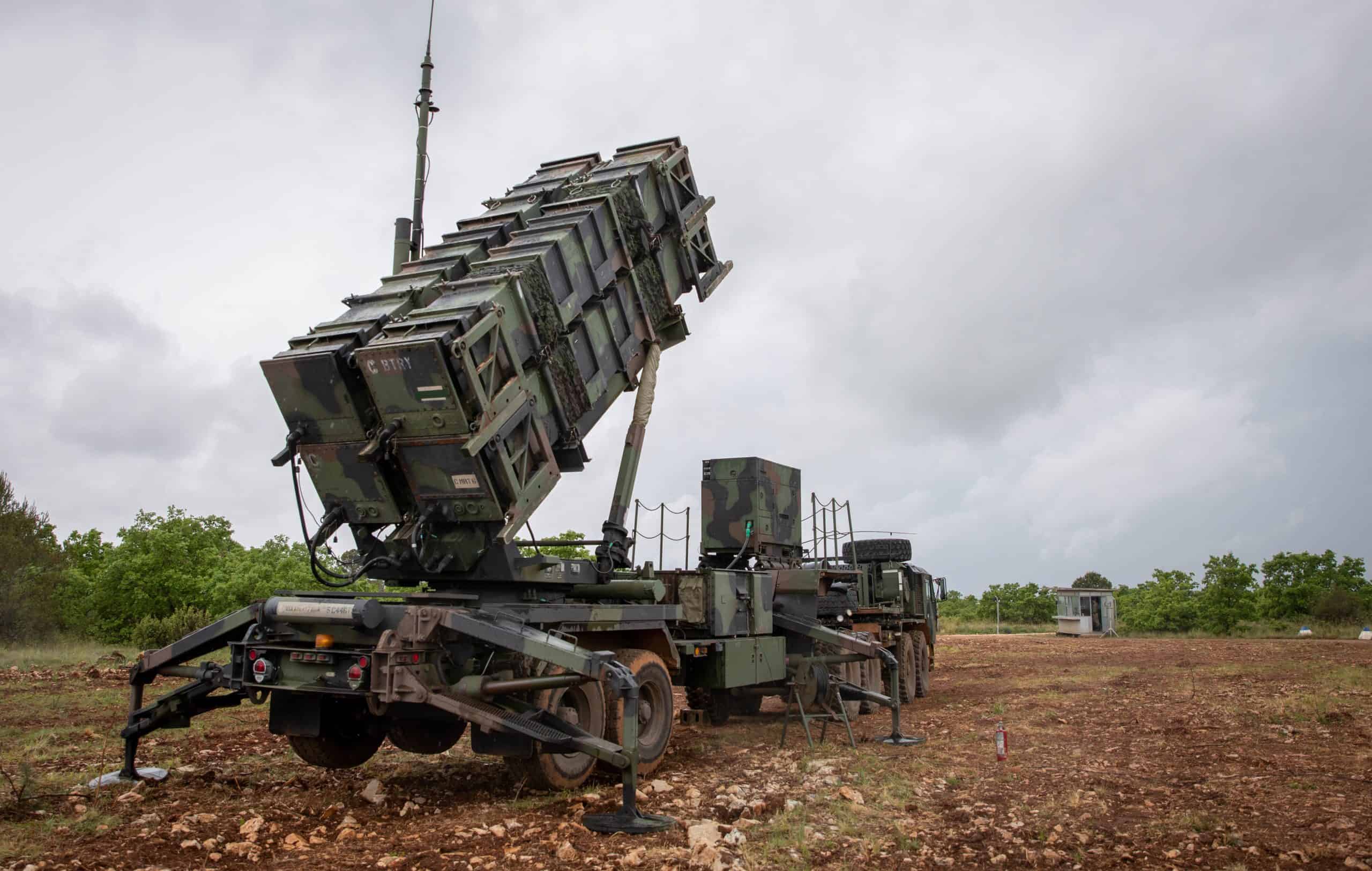
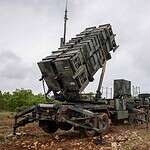
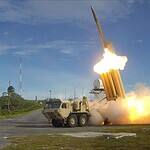
Patriot Air Defense System
- Category of weapon: Missile
- Year introduced to service: 1984
- Wars served in: Cold War, modern conflicts
- Primary combat role: Air defense
- Why it was so effective: Versatility
- How it adapted over time: Radar and missile upgrades
- Why it was never fully replaced: Critical role
Patriot systems remain essential due to continuous upgrades and evolving missile threats.
TOW Missile
- Category of weapon: Missile
- Year introduced to service: 1970
- Wars served in: Cold War, GWOT
- Primary combat role: Anti-tank
- Why it was so effective: Reliability
- How it adapted over time: Improved guidance
- Why it was never fully replaced: Still effective
The TOW missile survived by adapting to new armor threats through upgraded guidance and warheads.
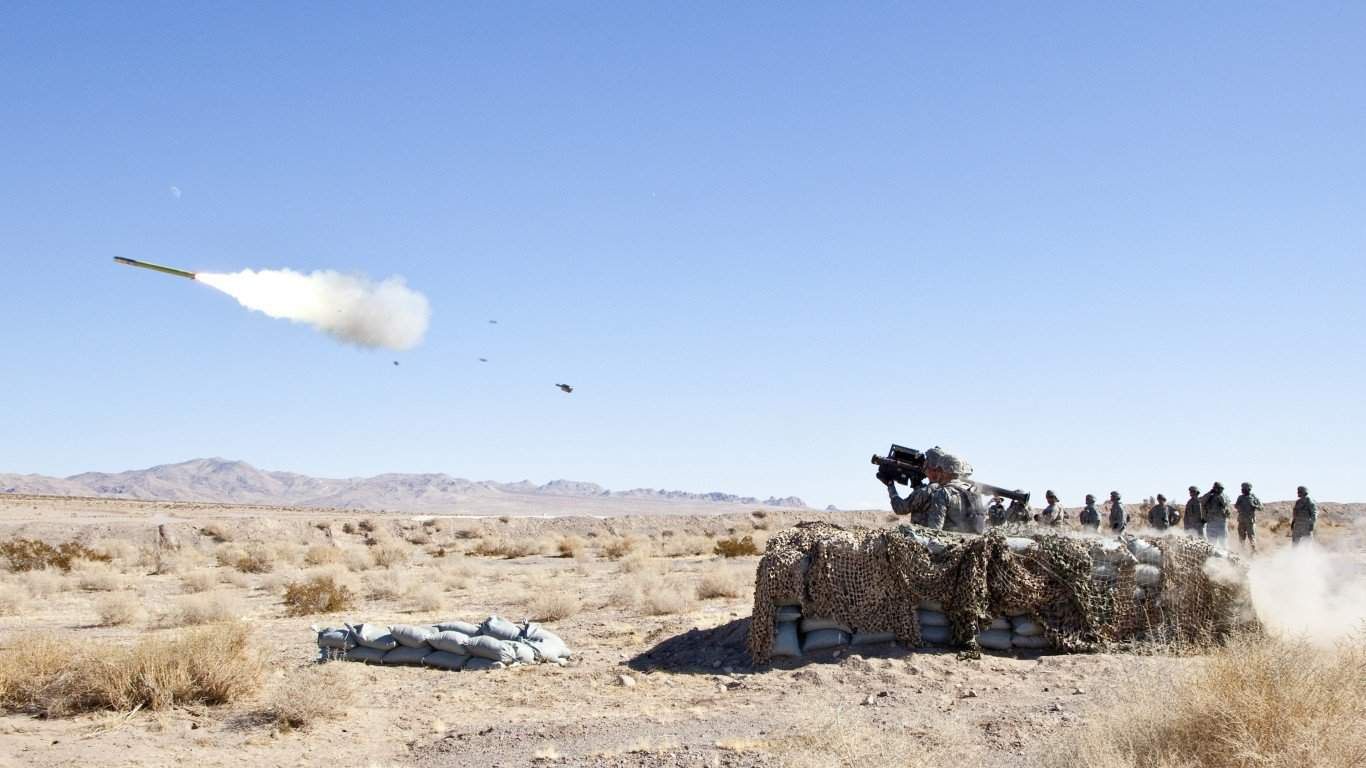
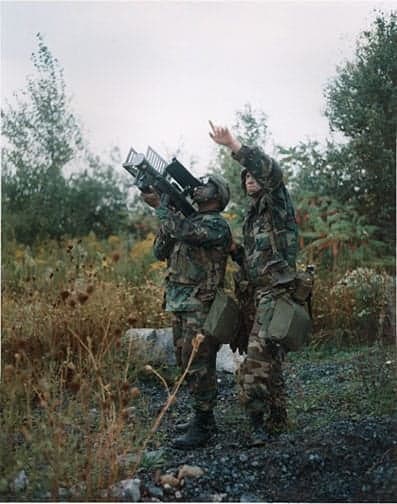
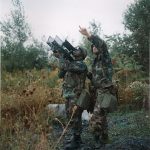
Stinger MANPADS
- Category of weapon: Missile
- Year introduced to service: 1981
- Wars served in: Cold War, GWOT
- Primary combat role: Air defense
- Why it was so effective: Portability
- How it adapted over time: Improved seekers
- Why it was never fully replaced: No simple alternative
Stinger missiles outlived multiple wars by giving infantry a portable, lethal air-defense option.
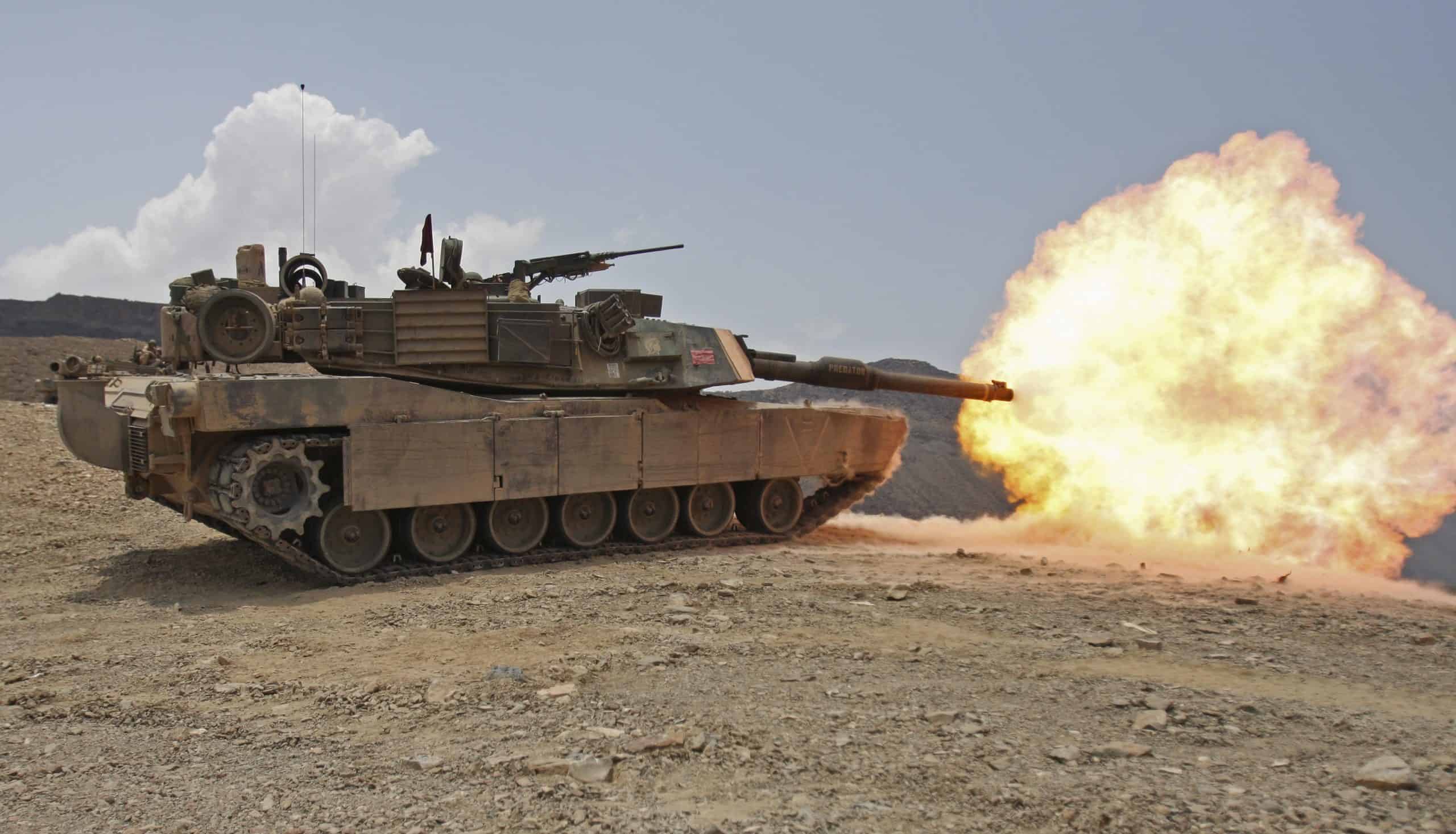
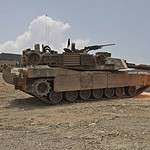
M1 Abrams
- Category of weapon: Ground vehicle
- Year introduced to service: 1980
- Wars served in: Cold War, GWOT
- Primary combat role: Main battle tank
- Why it was so effective: Survivability
- How it adapted over time: Armor and electronics
- Why it was never fully replaced: Upgrades over replacement
The M1 Abrams remained dominant through modernization, retaining battlefield relevance across decades of conflict.
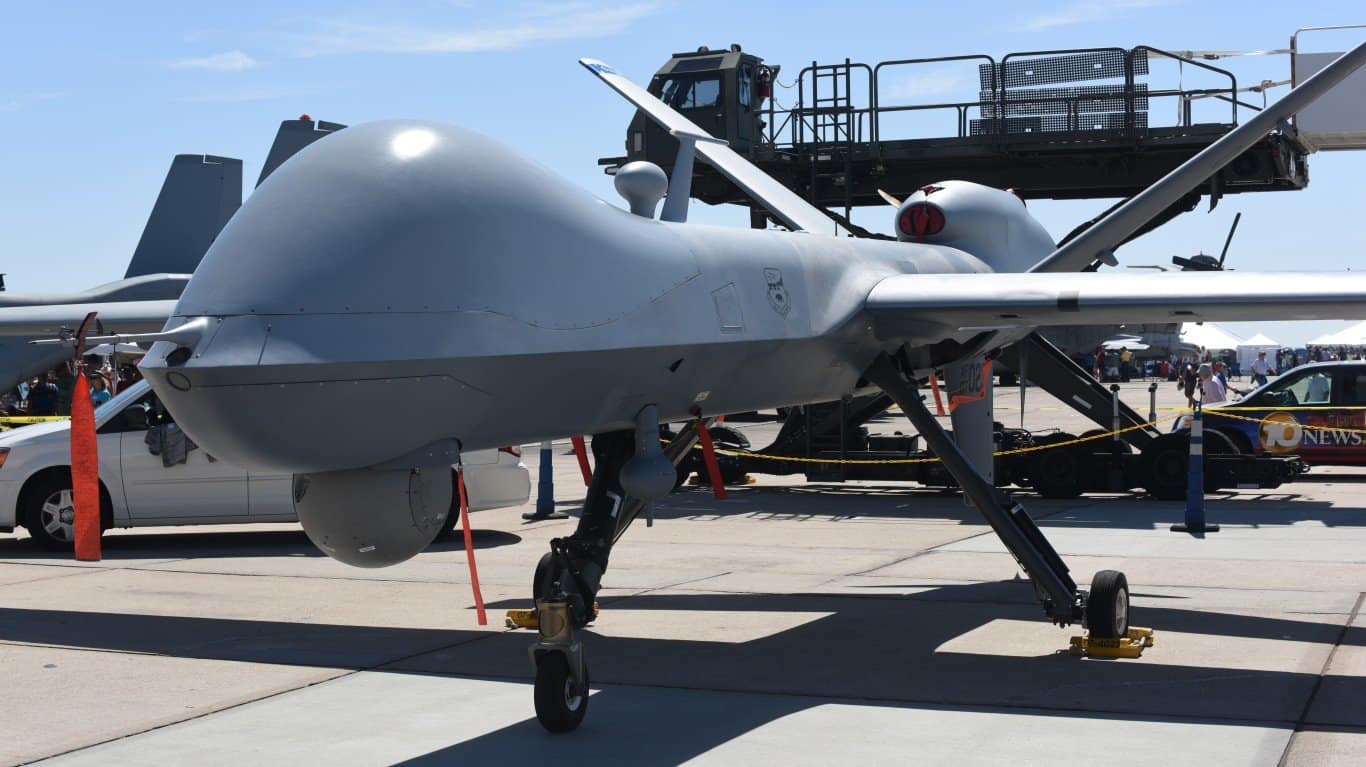
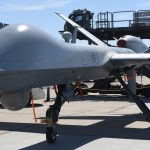
MQ-9 Reaper
- Category of weapon: Aircraft
- Year introduced to service: 2007
- Wars served in: GWOT, modern conflicts
- Primary combat role: ISR/strike
- Why it was so effective: Persistence
- How it adapted over time: Sensor upgrades
- Why it was never fully replaced: Continual evolution
Early MQ-9 Reapers remained effective due to constant upgrades that expanded ISR and strike roles.
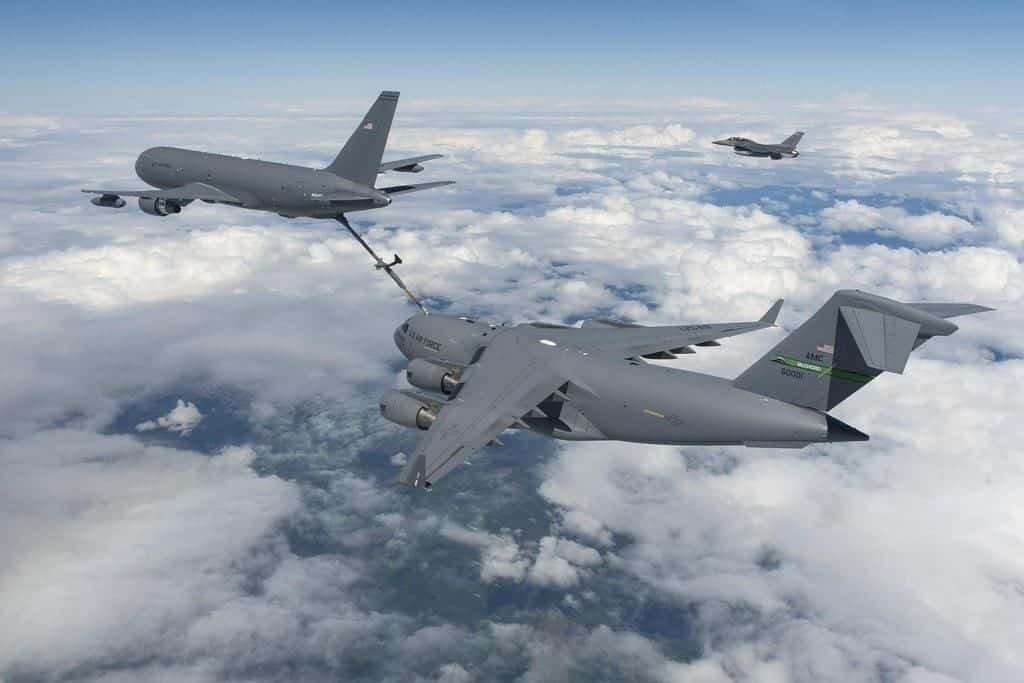
C-17 Globemaster III
- Category of weapon: Aircraft
- Year introduced to service: 1995
- Wars served in: Post–Cold War, GWOT
- Primary combat role: Strategic airlift
- Why it was so effective: Payload and flexibility
- How it adapted over time: Avionics upgrades
- Why it was never fully replaced: Essential airlift
The C-17 outlived initial expectations by delivering strategic airlift capability across modern conflicts.
The image featured at the top of this post is ©casenbina / E+ via Getty Images