









26 Guns Soldiers Say Are the Most Overhyped
Throughout military history, some weapons have generated enormous hype before entering service, only to disappoint the soldiers who relied on them in the field. While many firearms are praised for innovation, reliability, or firepower, not all live up to their reputations once they face real combat conditions. From fragile early rifles to machine guns known for frequent malfunctions, some designs simply failed to meet expectations. In this article, History Computer takes a closer look at firearms that were heavily promoted but often criticized by the troops who used them.
To identify these overhyped firearms, History Computer reviewed a range of historical records and military reference sources. The weapons are presented chronologically and include additional details such as country of origin, manufacturer, and other key specifications.
Why Are We Covering This?
Weapons that fail on the battlefield can reveal systemic problems in how militaries design, test, and adopt new equipment. When procurement decisions prioritize marketing claims, politics, or cost savings over frontline performance, the consequences fall on the soldiers who depend on these weapons to survive. Understanding these overhyped guns and the flaws behind them, shines a light on the gaps between expectation and reality, and why rigorous testing and honest feedback must guide every military acquisition.
The Myth vs. Reality of Military Firearms
Modern militaries often roll out weapons marketed as revolutionary, reliable, or "battle-changing," but real-world combat exposes the truth quickly. Soldiers on the ground learn which guns perform under pressure and which collapse under the weight of their own hype. This gap between expectation and battlefield reality is where the stories of the most overhyped weapons begin.
Why Overhyped Weapons Fail
Many of the guns that earn glowing praise during development end up disappointing troops for familiar reasons: rushed procurement cycles, limited testing, fragile components, or designs shaped more by marketing than by battlefield practicality. When weapons don't account for sand, mud, heat, cold, or sustained firing, failure isn't just possible — it's inevitable.
The Human Cost of Bad Weapons
When a rifle jams, a machine gun overheats, or a sidearm fails to fire, the consequences fall directly on the soldiers relying on them. Early M16 failures in Vietnam, unreliable coaxial guns in armored vehicles, and fragile pistols issued in the Pacific all show how defective weapons translate into real risk. Every malfunction has a human story attached to it.
From Iconic Names to Real Frustration
Some weapons on this list enjoy pop-culture fame or glowing reputations, while others were introduced with bold claims about modernization and performance. Yet many of these same guns became infamous among the troops forced to use them. The disconnect between public perception and frontline experience reveals how easily hype can overshadow harsh reality.
The Bigger Picture Behind Bad Guns
The weapons soldiers grow to hate aren't just isolated failures — they highlight systemic problems in military procurement and testing. When decision-makers prioritize cost, politics, or marketing over durability and soldier feedback, the result is gear no one trusts. These firearms reflect a broader lesson: in war, every piece of equipment must prove itself where it matters most — in the hands of the people who rely on it.
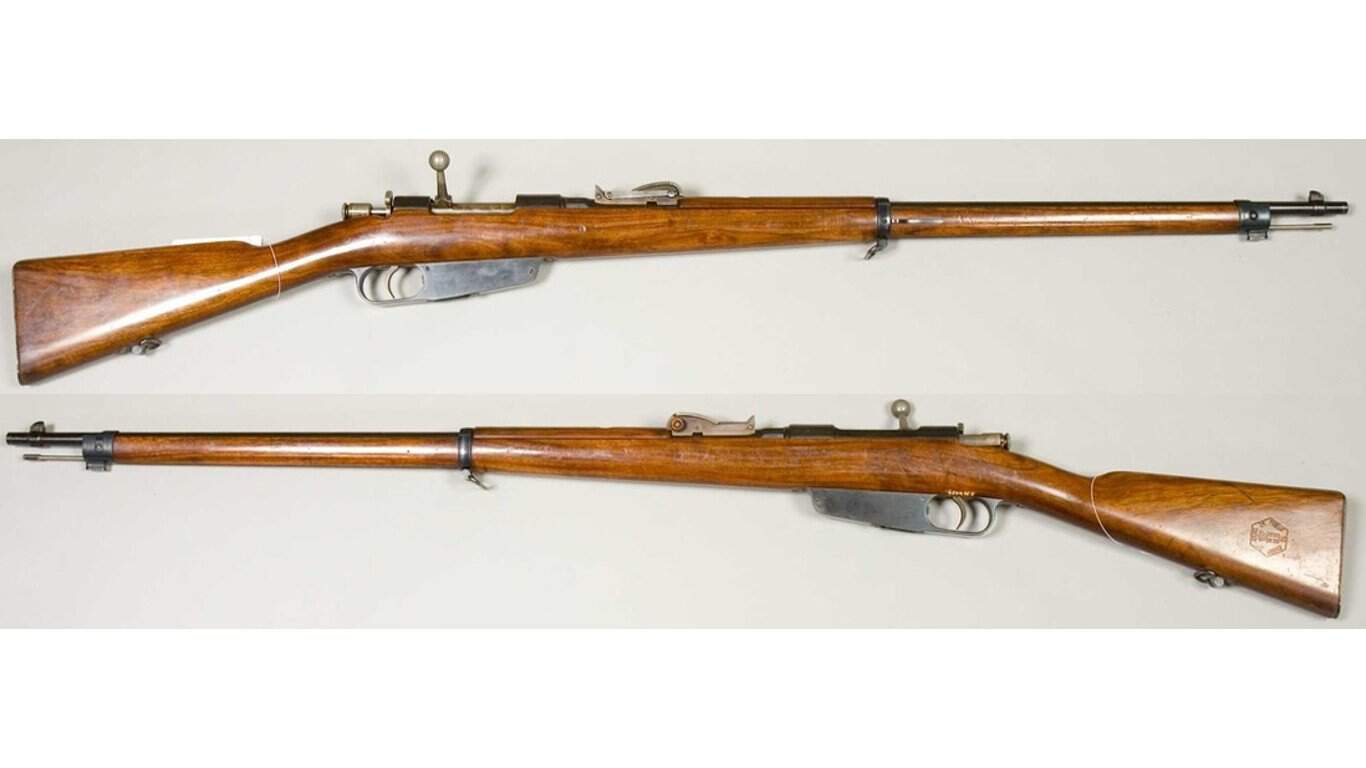
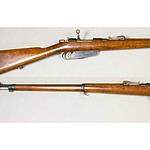
Carcano M91
- Type: Bolt-Action Rifle
- Year: 1891
- Country of origin: Italy
- Manufacturer: Terni
- Claimed advantages: Cheap, easy to produce
- Real world problems: Weak cartridge, awkward clip
- Theatres of war: WWI, WWII
- Outcome: Outclassed by peers
The Carcano M91 served for decades but was often criticized for its awkward clip system and weak ballistic performance. Variations in manufacturing quality further undermined accuracy, leaving troops underwhelmed compared to rival rifles.
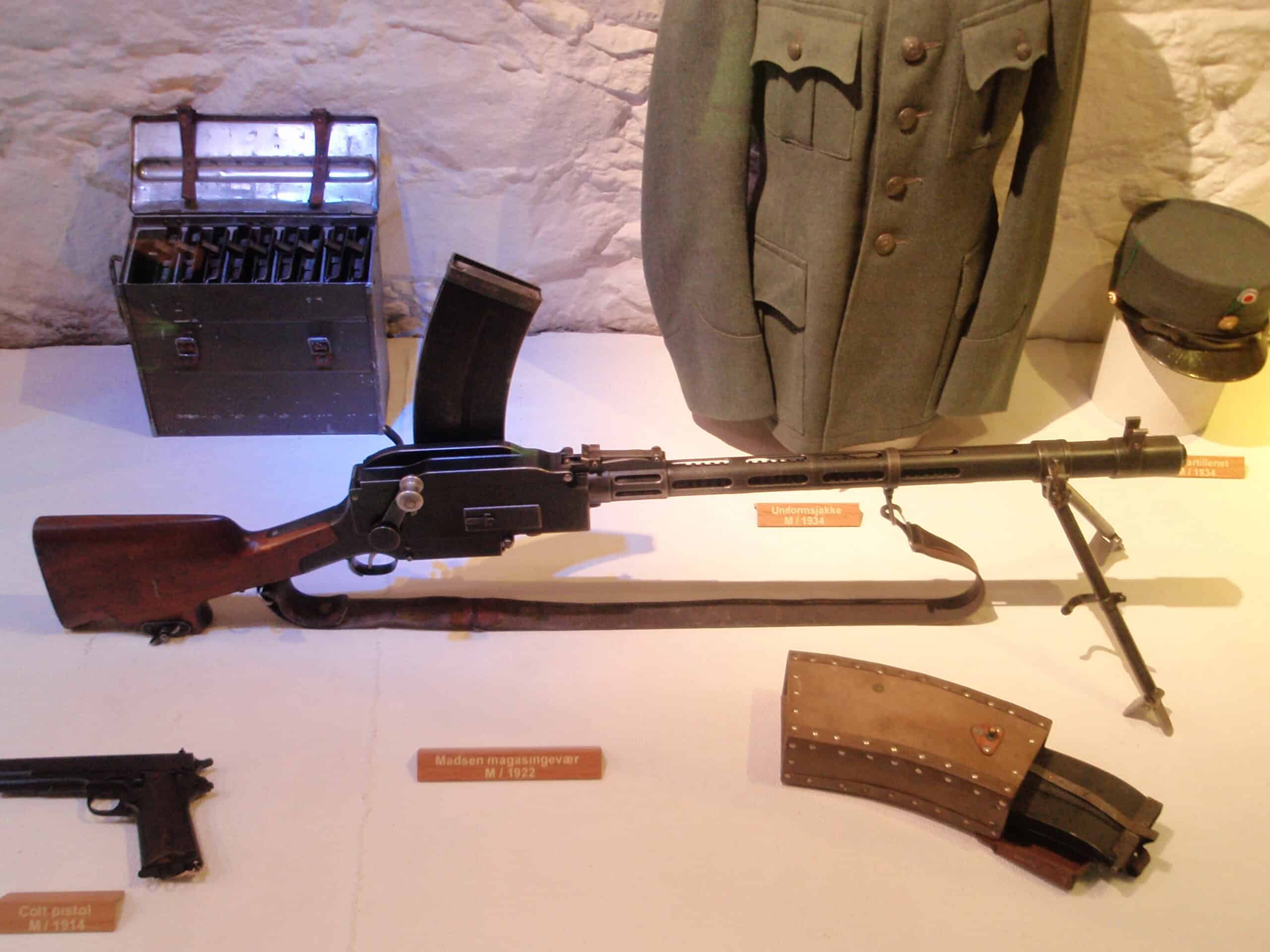
Madsen LMG
- Type: LMG
- Year: 1902
- Country of origin: Denmark
- Manufacturer: Madsen
- Claimed advantages: Portable automatic fire
- Real world problems: Overly complex internal design
- Theatres of war: Latin America, WWII
- Outcome: Replaced gradually
The Madsen was groundbreaking early on, but its intricate internal mechanism required constant upkeep. Later users found it temperamental and fragile compared to newer, simpler machine guns.
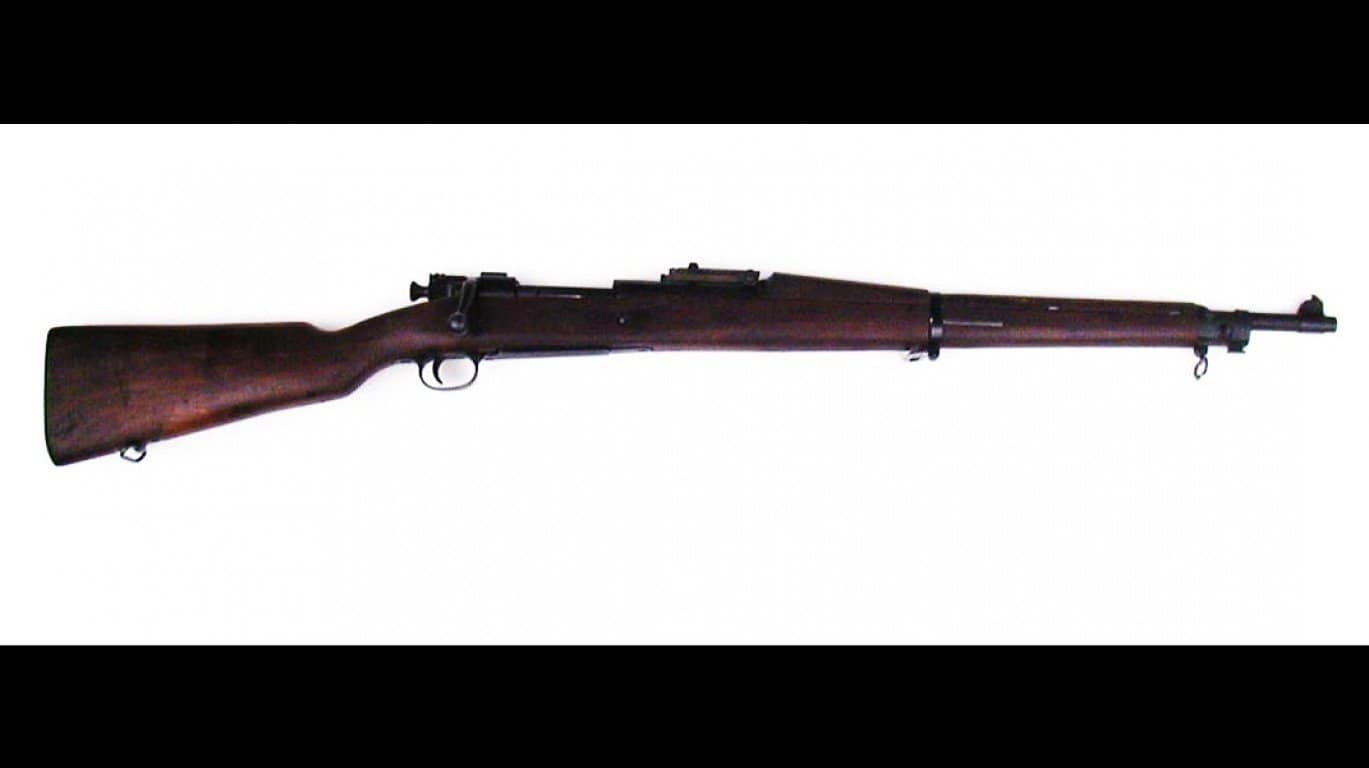
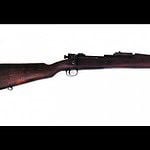
M1903 Springfield (Low-Number)
- Type: Bolt-Action Rifle
- Year: 1903
- Country of origin: USA
- Manufacturer: Springfield Armory
- Claimed advantages: Accurate and robust
- Real world problems: Heat-treatment flaws caused failures
- Theatres of war: WWI
- Outcome: Recalled and corrected
Early M1903 Springfields were produced with improper heat treatment, causing dangerous receiver failures. Although later models were excellent rifles, the early production run damaged troop confidence and led to major recalls.
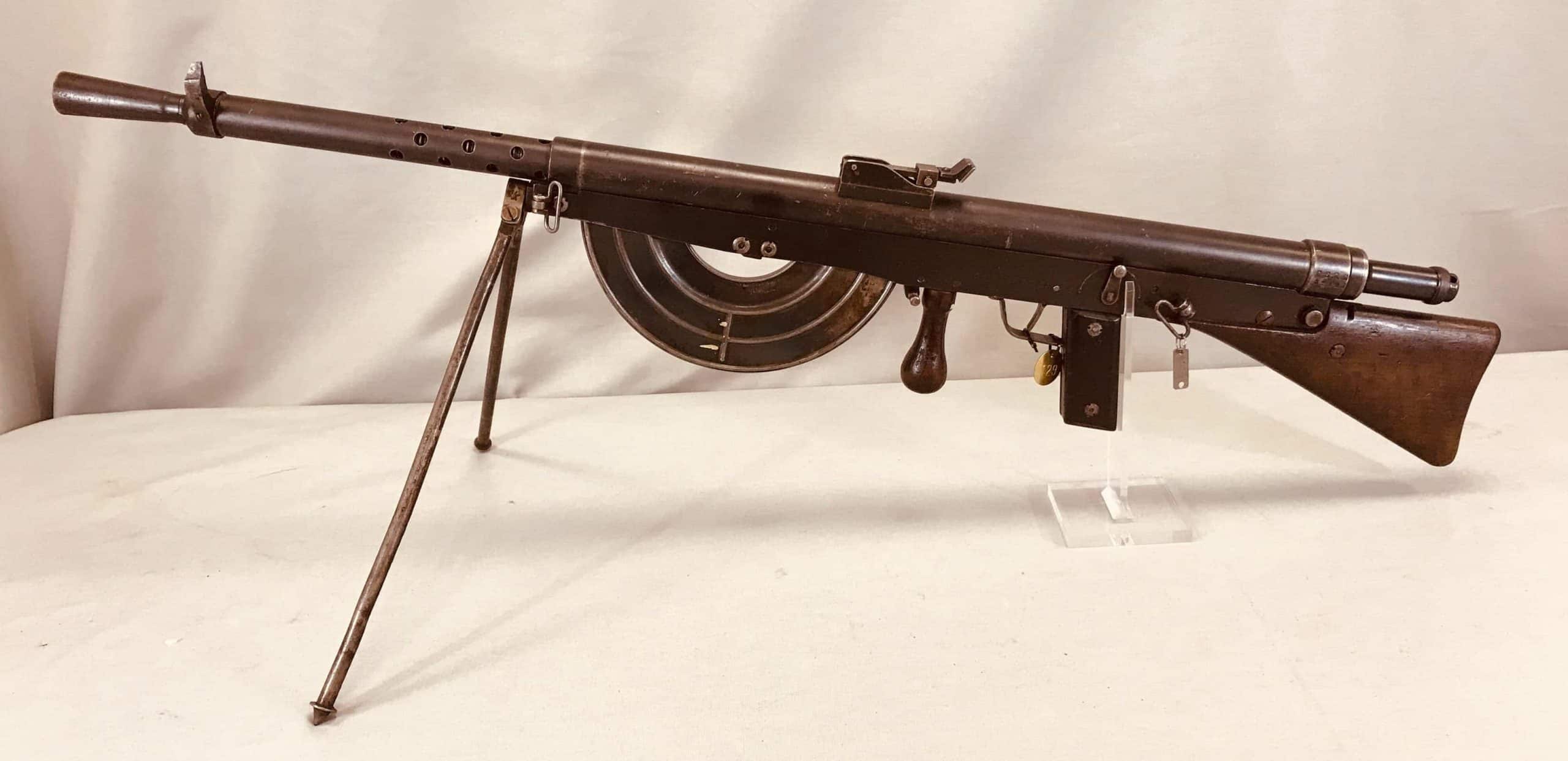
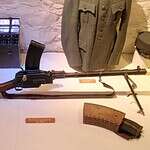
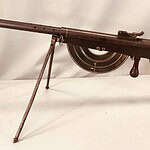
Chauchat
- Type: Light Machine Gun
- Year: 1915
- Country of origin: France
- Manufacturer: Gladiator
- Claimed advantages: Low cost, portable automatic fire
- Real world problems: Frequent jams, fragile magazine
- Theatres of war: World War I
- Outcome: Replaced after the war
The Chauchat was intended to give infantry automatic firepower at low cost. Instead, its flimsy magazines and poor manufacturing created constant stoppages. Soldiers despised how unreliable it was under trench conditions. Despite massive deployment, it became infamous as one of the worst machine guns ever issued.
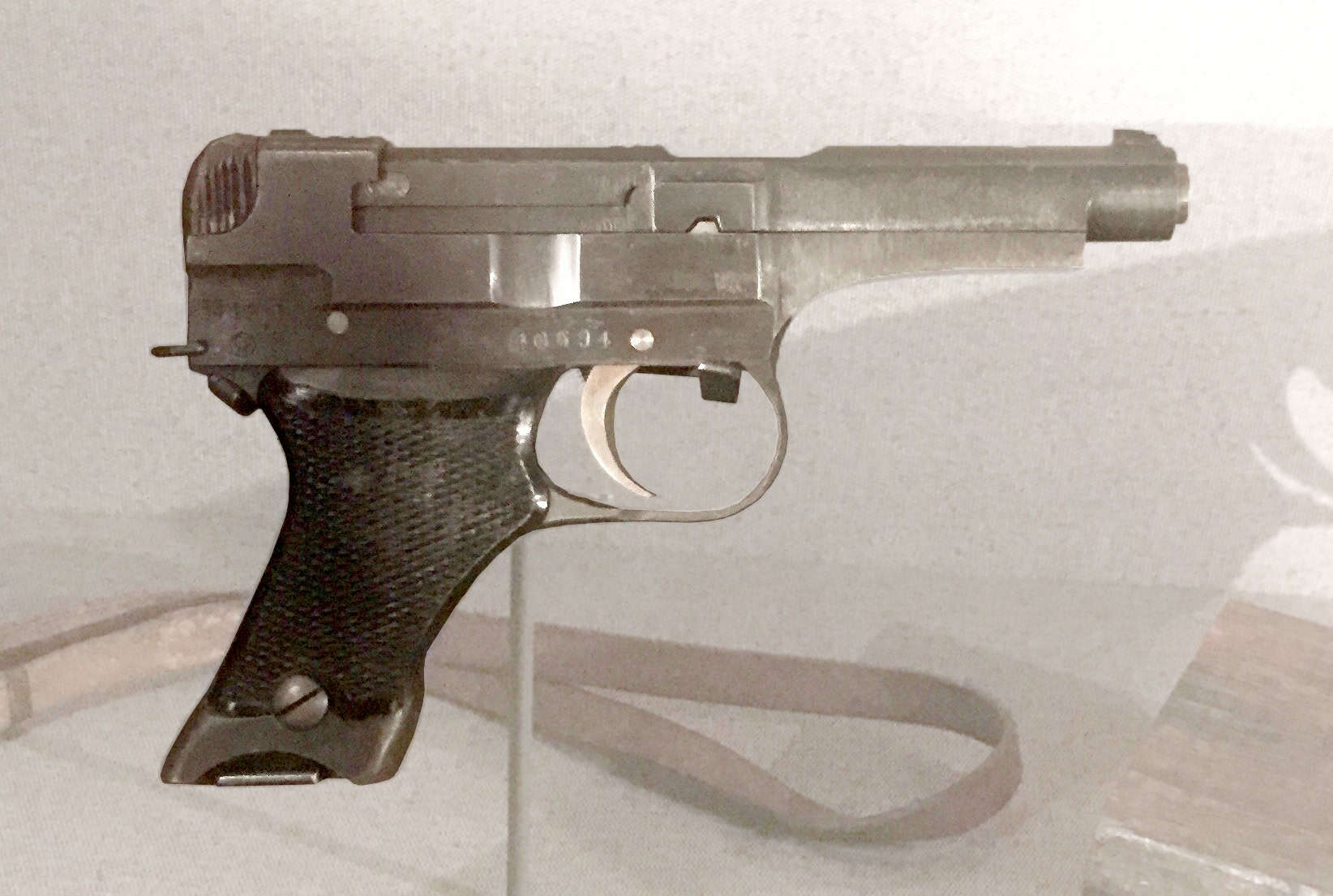
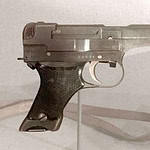
Type 94 Nambu
- Type: Pistol
- Year: 1935
- Country of origin: Japan
- Manufacturer: Nambu Arms
- Claimed advantages: Compact officer pistol
- Real world problems: Accidental discharges, weak frame
- Theatres of war: Pacific Theater
- Outcome: Regarded as failure
The Type 94 Nambu became notorious for its exposed sear, which could fire the weapon unintentionally. Combined with poor durability and low stopping power, it earned a reputation as one of the most dangerous pistols to its own operator.
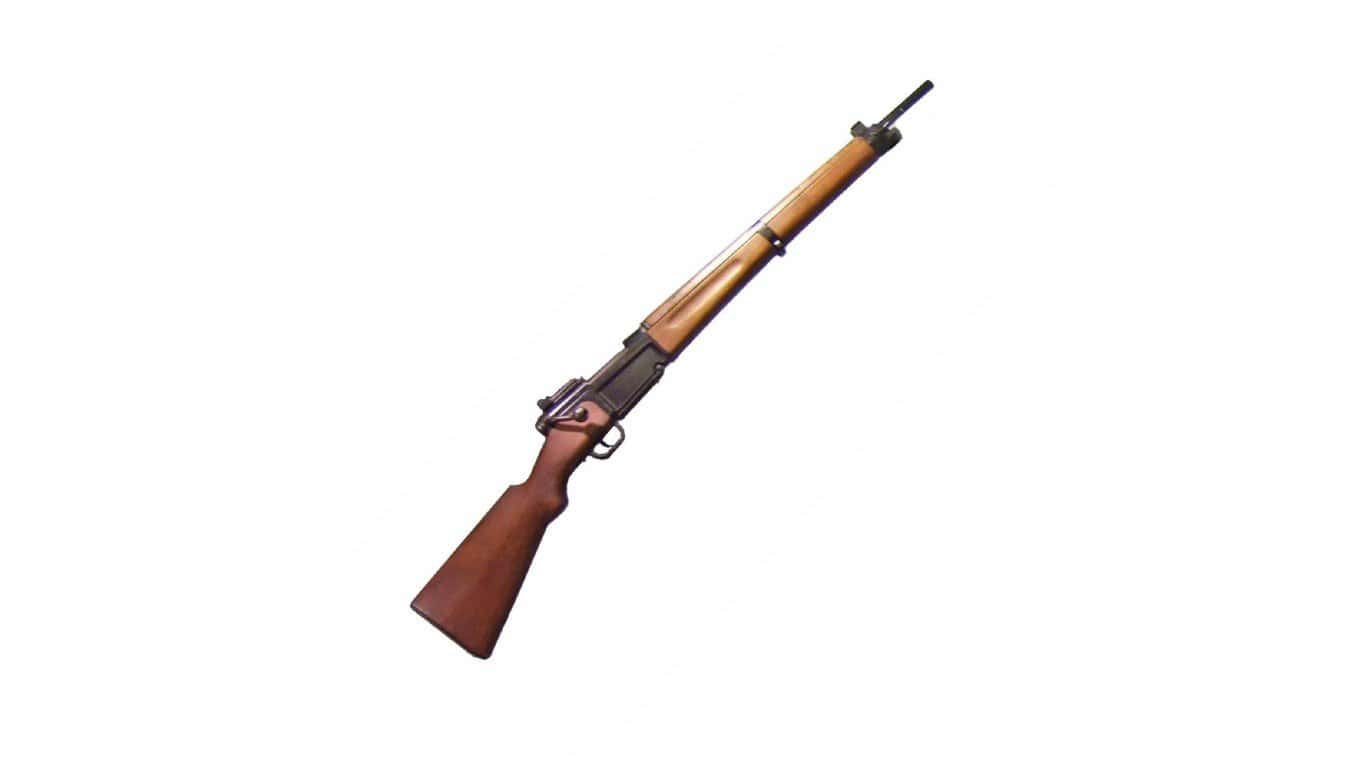
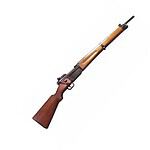
MAS-36 (Late War)
- Type: Bolt-Action Rifle
- Year: 1936
- Country of origin: France
- Manufacturer: Saint-Étienne
- Claimed advantages: Simple, rugged
- Real world problems: Rough machining in late-war models
- Theatres of war: WWII
- Outcome: Replaced postwar
Late-war MAS936 rifles suffered from rushed machining, making actions rough and accuracy inconsistent. Though fundamentally durable, these flaws frustrated troops expecting a primary service rifle to perform with more refinement.
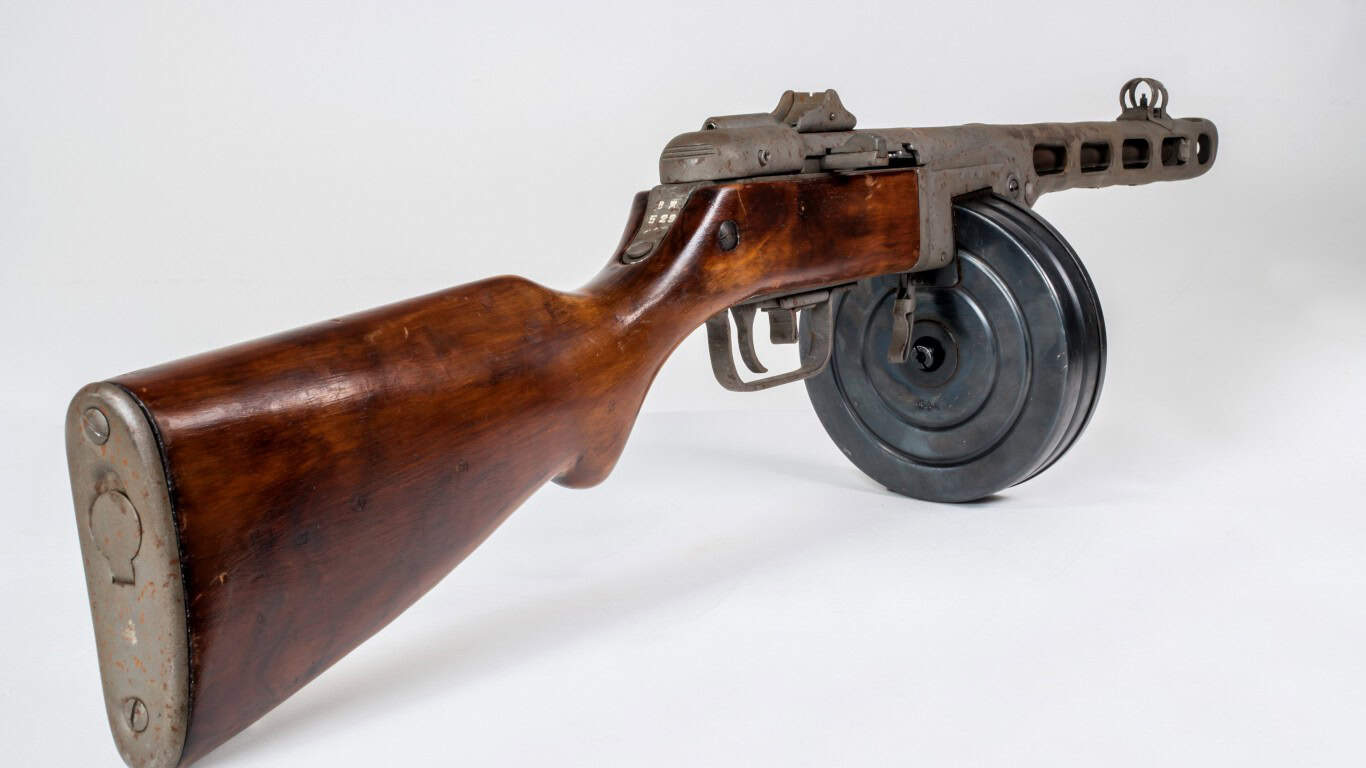
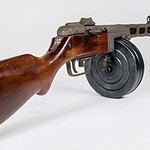
PPSh-41 (Chinese Copies)
- Type: SMG
- Year: 1940s
- Country of origin: China
- Manufacturer: Various
- Claimed advantages: High ROF, simple design
- Real world problems: Poor metallurgy, inconsistent reliability
- Theatres of war: Korean War
- Outcome: Mixed reputation
Original Soviet PPSh941s were reliable, but many Chinese copies suffered from substandard materials and machining. Troops reported jams and rapid wear, diminishing the model's battlefield reputation.
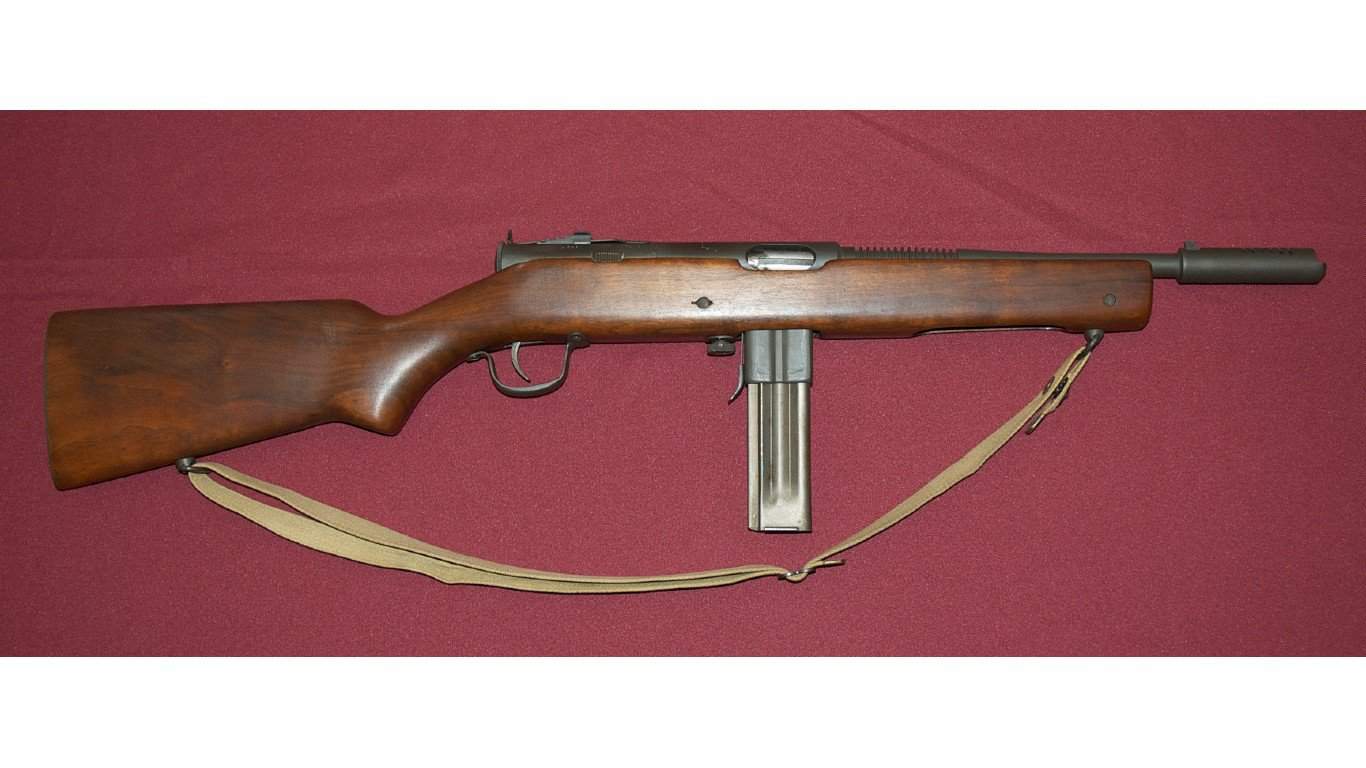
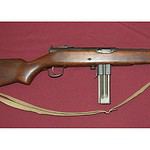
Reising M50
- Type: Submachine Gun
- Year: 1941
- Country of origin: USA
- Manufacturer: H&R
- Claimed advantages: Lightweight, cheaper than Thompson
- Real world problems: Jam-prone, complex disassembly
- Theatres of war: Pacific War
- Outcome: Pulled from frontline use
The Reising M50 looked like an economical SMG solution but failed in mud and sand. Its complicated takedown and fragile components frustrated Marines, who quickly abandoned it for sturdier alternatives.
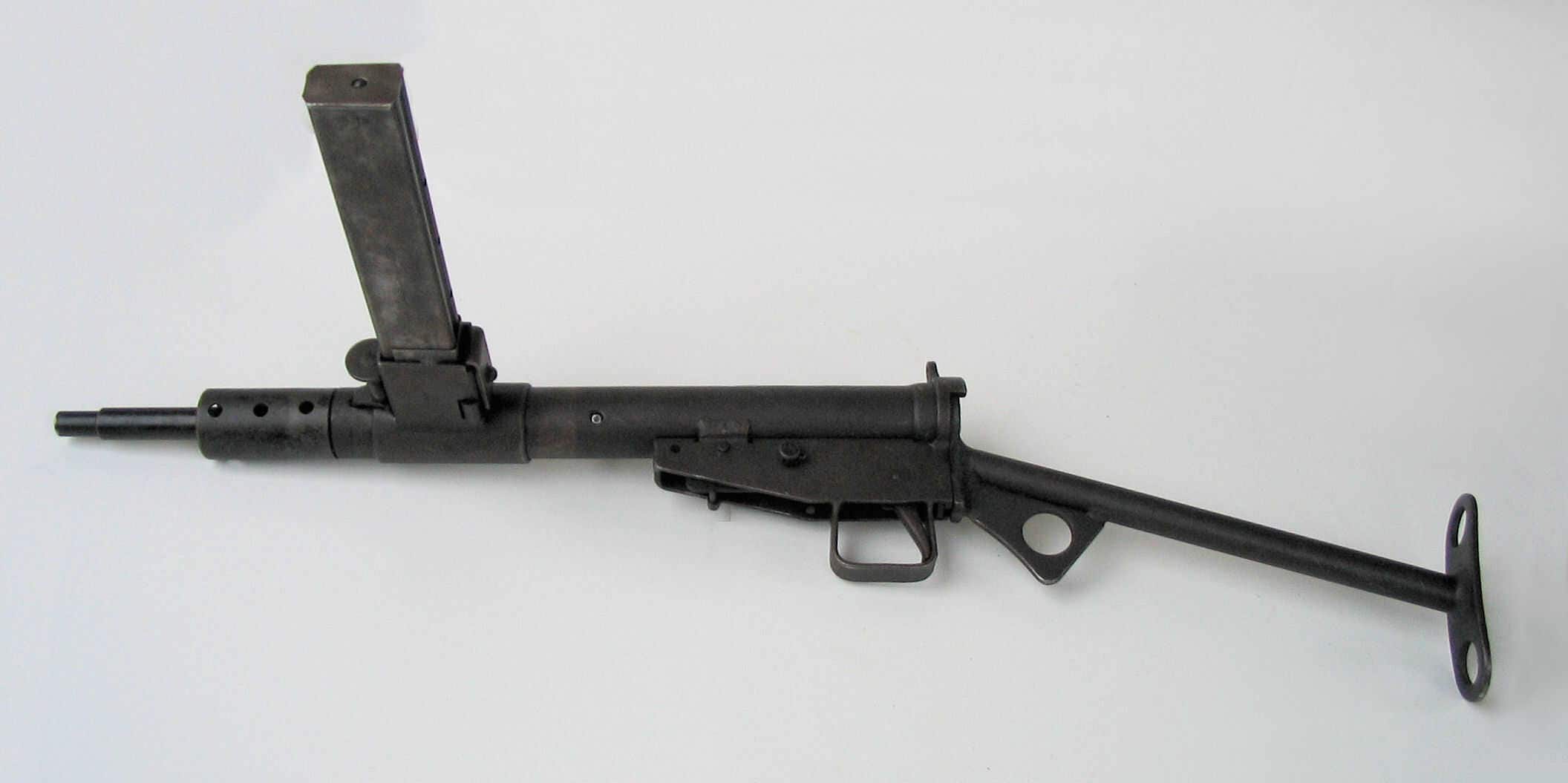
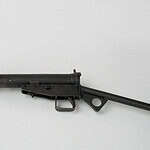
Sten Mk II
- Type: SMG
- Year: 1941
- Country of origin: UK
- Manufacturer: Enfield
- Claimed advantages: Cheap, mass-producible
- Real world problems: Accidental discharges, jamming
- Theatres of war: WWII Europe
- Outcome: Used from necessity
The Sten Mk II was valued for low cost but plagued by accidental discharges and spotty reliability. Soldiers treated it as a weapon of last resort, reflecting the compromises of wartime mass production.
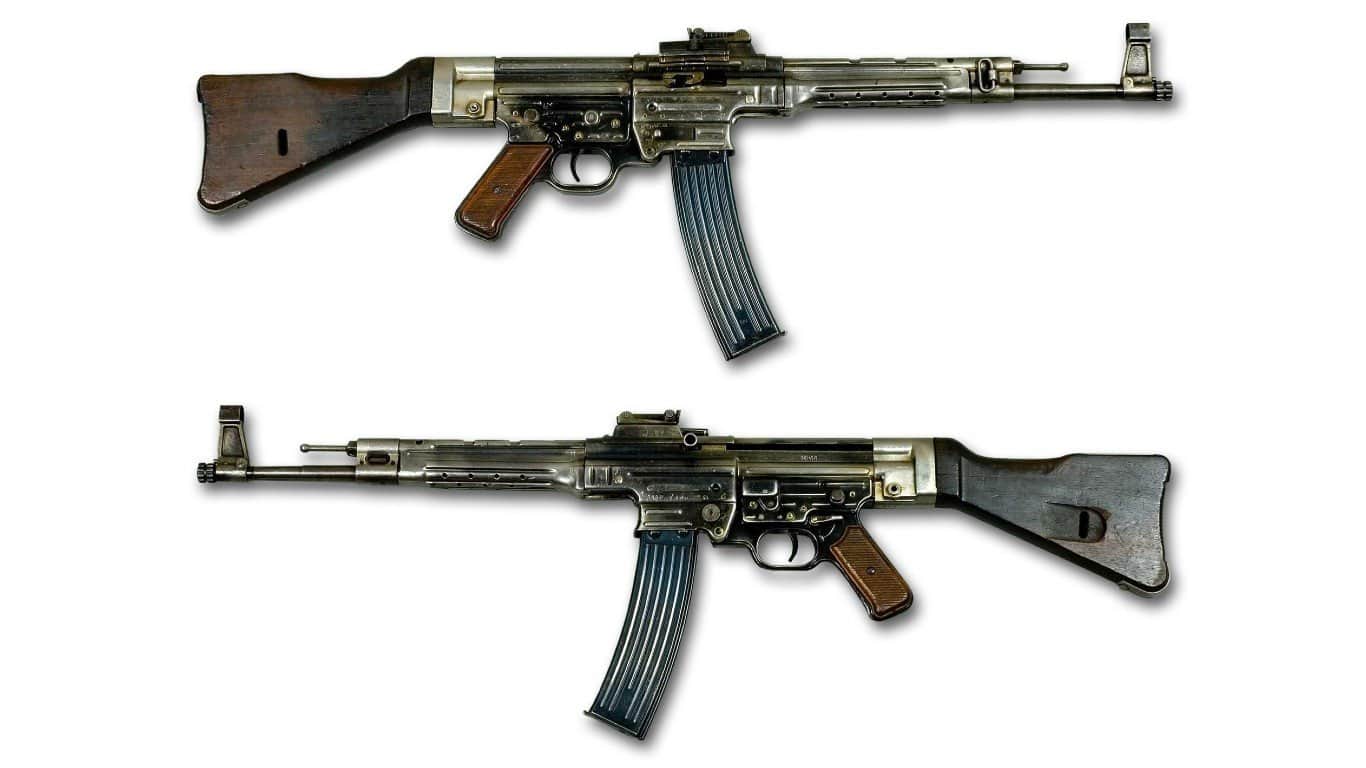
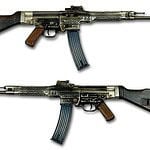
StG 44 (Late War)
- Type: Assault Rifle
- Year: 1943
- Country of origin: Germany
- Manufacturer: Haenel
- Claimed advantages: First true assault rifle
- Real world problems: Late-war metallurgy failures
- Theatres of war: Eastern & Western Fronts
- Outcome: Limited by war production
The StG 44 was revolutionary, but late-war production shortcuts produced brittle parts and reduced reliability. Troops valued its firepower, but manufacturing inconsistencies and supply shortages limited its impact.
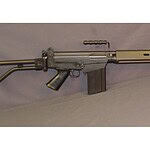
FN FAL (Tropics)
- Type: Battle Rifle
- Year: 1954
- Country of origin: Belgium
- Manufacturer: FN Herstal
- Claimed advantages: Global standard, reliable
- Real world problems: Jamming in heat/humidity
- Theatres of war: Africa, South America
- Outcome: Mixed service longevity
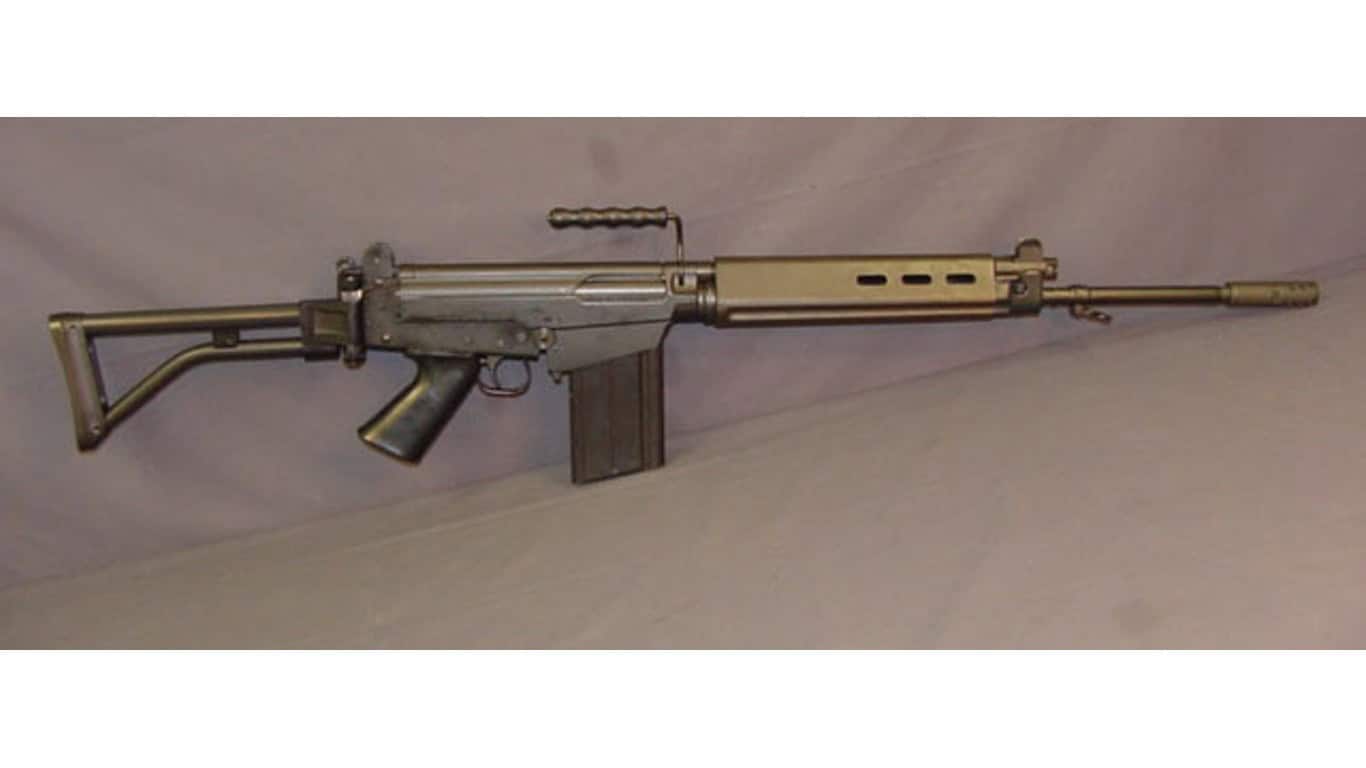
The FN FAL performed well in Europe but faltered in tropical environments. Tight tolerances caused overheating and jamming, pushing many militaries to replace it with more forgiving AK-type rifles better suited to mud and humidity.
M60
- Type: GPMG
- Year: 1957
- Country of origin: USA
- Manufacturer: Saco Defense
- Claimed advantages: High firepower, modern design
- Real world problems: Overheating, weak parts, feed issues
- Theatres of war: Vietnam War
- Outcome: Replaced by M240
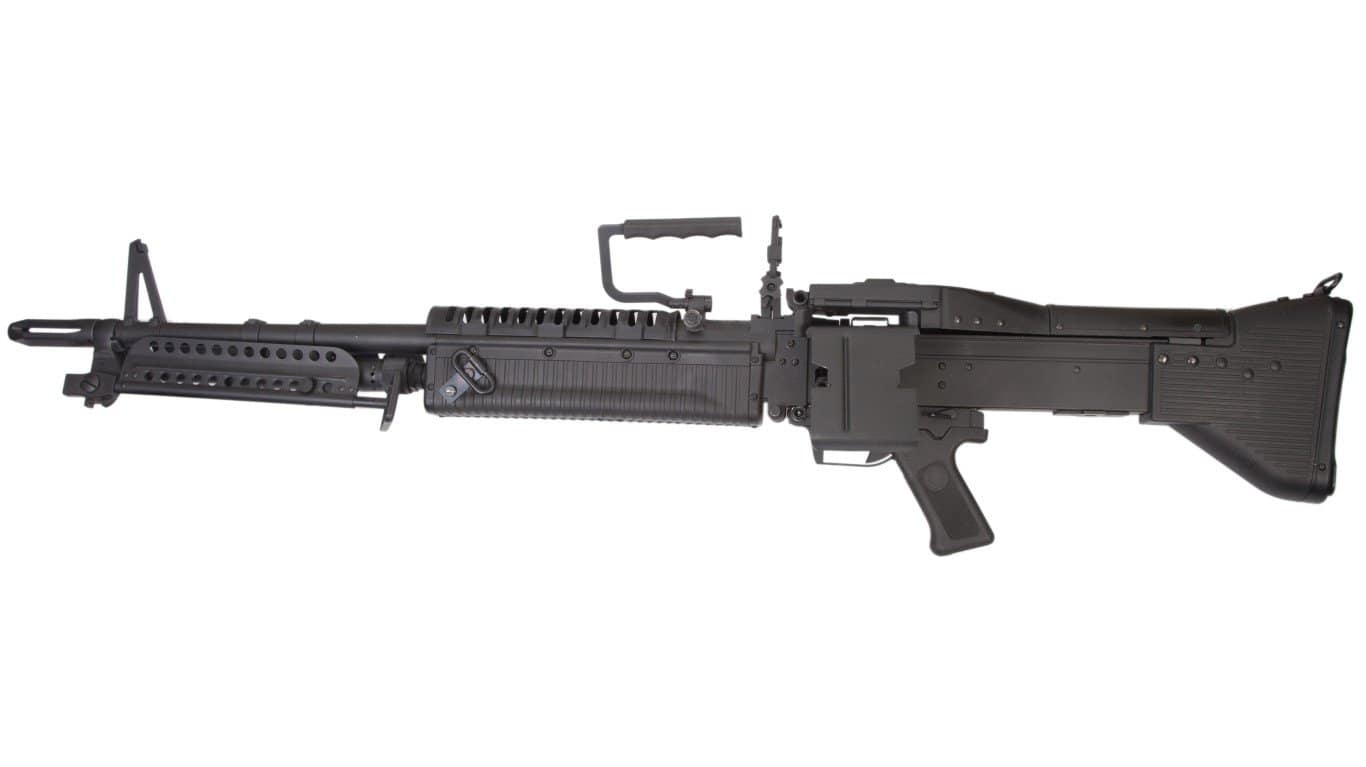
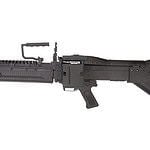
The M60 achieved pop9culture fame, but gunners knew its flaws well. Parts stretched, barrels overheated, and feed systems failed under prolonged use. Although capable when functioning, it demanded constant maintenance. Eventually the more reliable M240 replaced it across U.S. forces.
M14
- Type: Battle Rifle
- Year: 1959
- Country of origin: USA
- Manufacturer: Springfield Armory
- Claimed advantages: Accurate, powerful
- Real world problems: Heavy, uncontrollable in full-auto
- Theatres of war: Vietnam
- Outcome: Replaced by M16
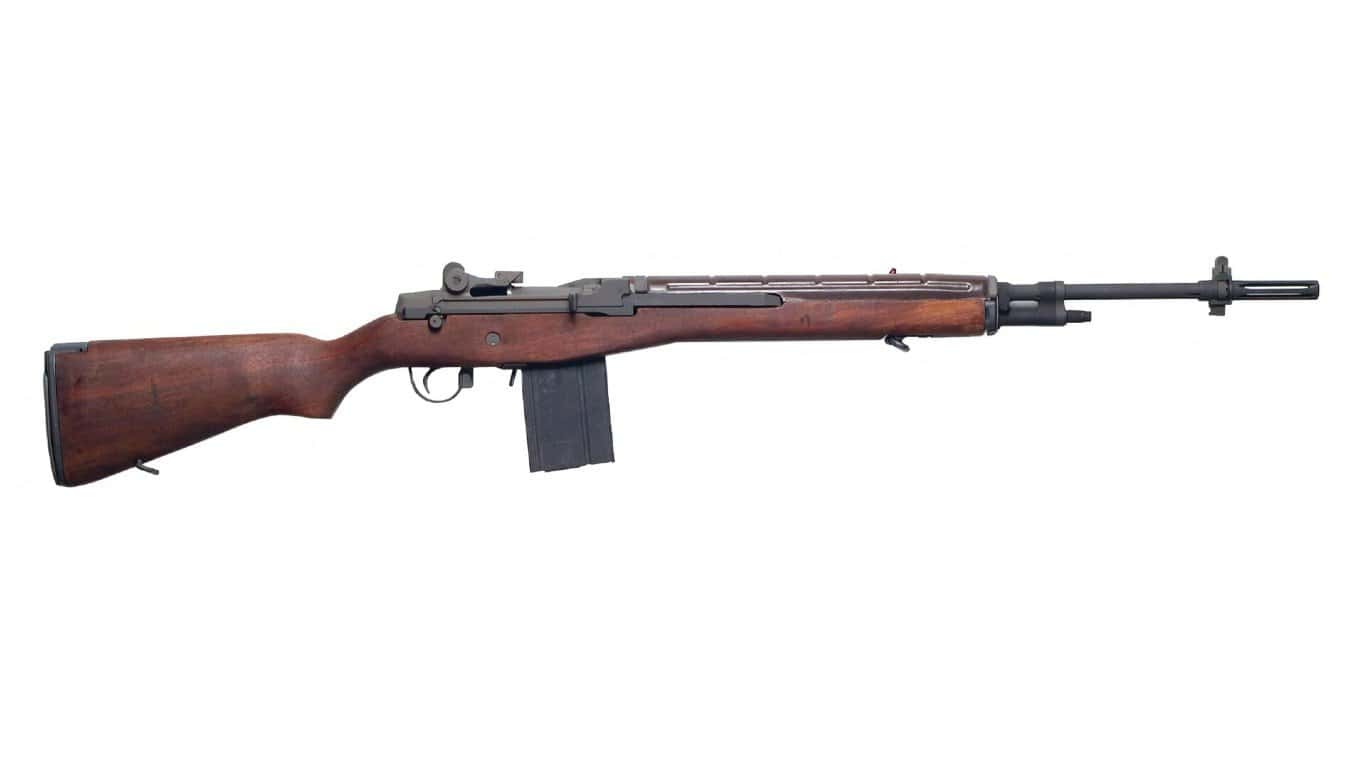
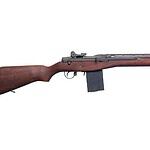
The M14 was America's last standard-issue battle rifle, but its weight, recoil, and jungle-unfriendly wood stock made it unpopular in Vietnam. Full-auto fire was nearly useless, and troops struggled to maintain it in humid conditions.
M73/M219
- Type: Coaxial MG
- Year: 1960s
- Country of origin: USA
- Manufacturer: GM Hydramatic
- Claimed advantages: High rate of fire
- Real world problems: Chronic jamming, extraction failures
- Theatres of war: Vietnam, Cold War
- Outcome: Replaced by M240C
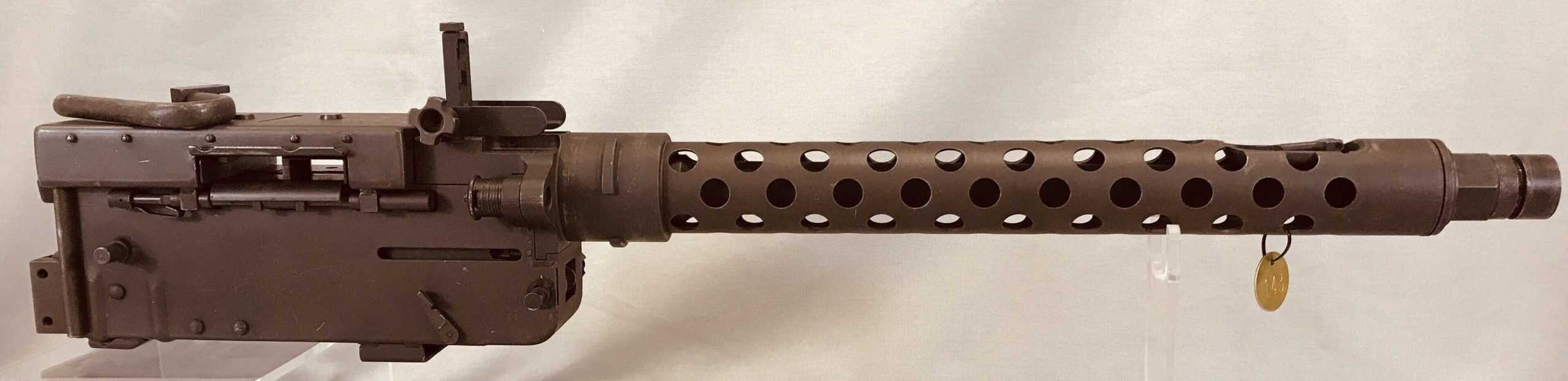
Tank crews hated the M73/M219 for its constant stoppages and maintenance burden. Intended as a robust coaxial gun, it instead became known as one of the least reliable weapons ever fitted to U.S. armored vehicles.
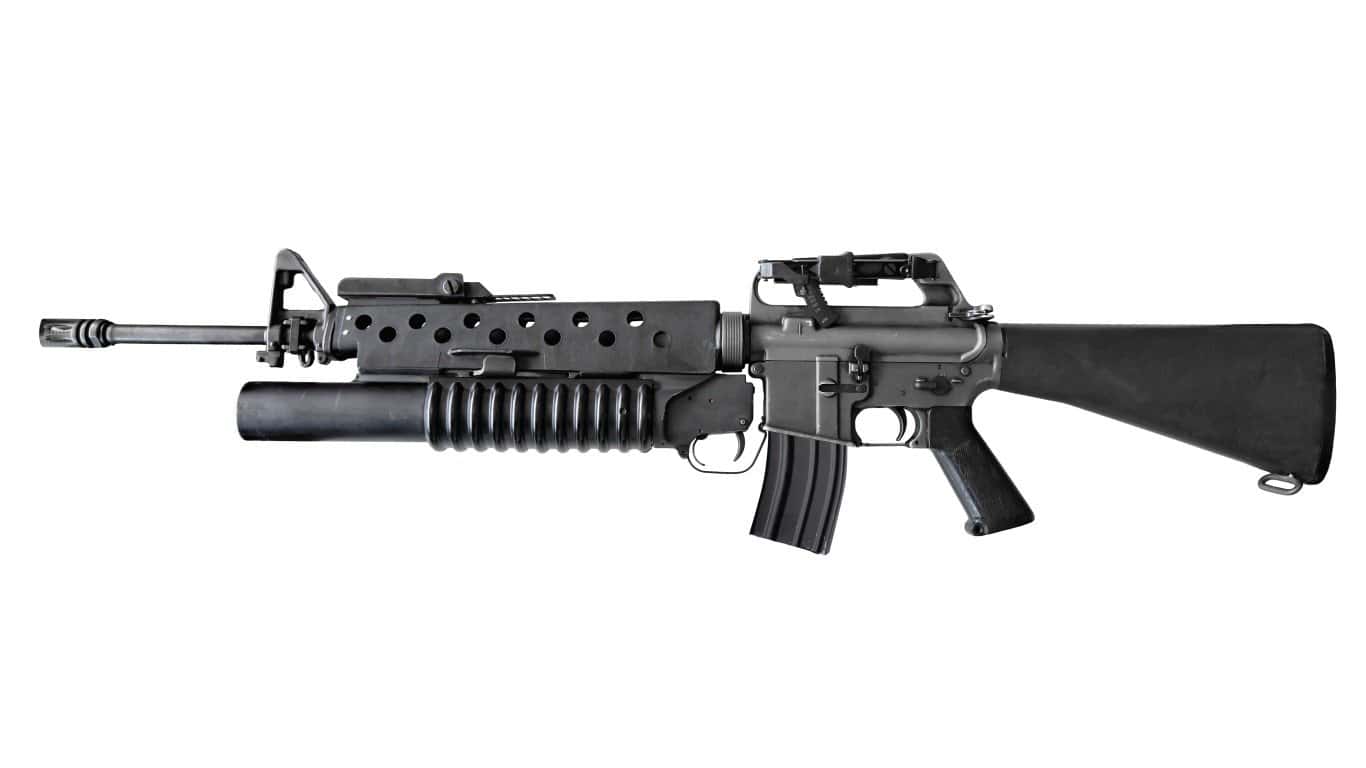
M16A1
- Type: Assault Rifle
- Year: 1967
- Country of origin: USA
- Manufacturer: Colt
- Claimed advantages: Lightweight, accurate, low recoil
- Real world problems: Jamming, fouling, poor early ammo
- Theatres of war: Vietnam War
- Outcome: Improved in later variants
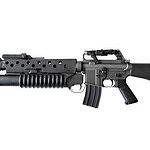
The M16A1 entered Vietnam with huge promises, but poor ammunition and inadequate cleaning kits led to rampant jamming. Troops found themselves stuck with a rifle that failed at critical moments, damaging confidence in its design. Although later fixes made the rifle reliable, its early failures became a cautionary tale of rushed adoption.
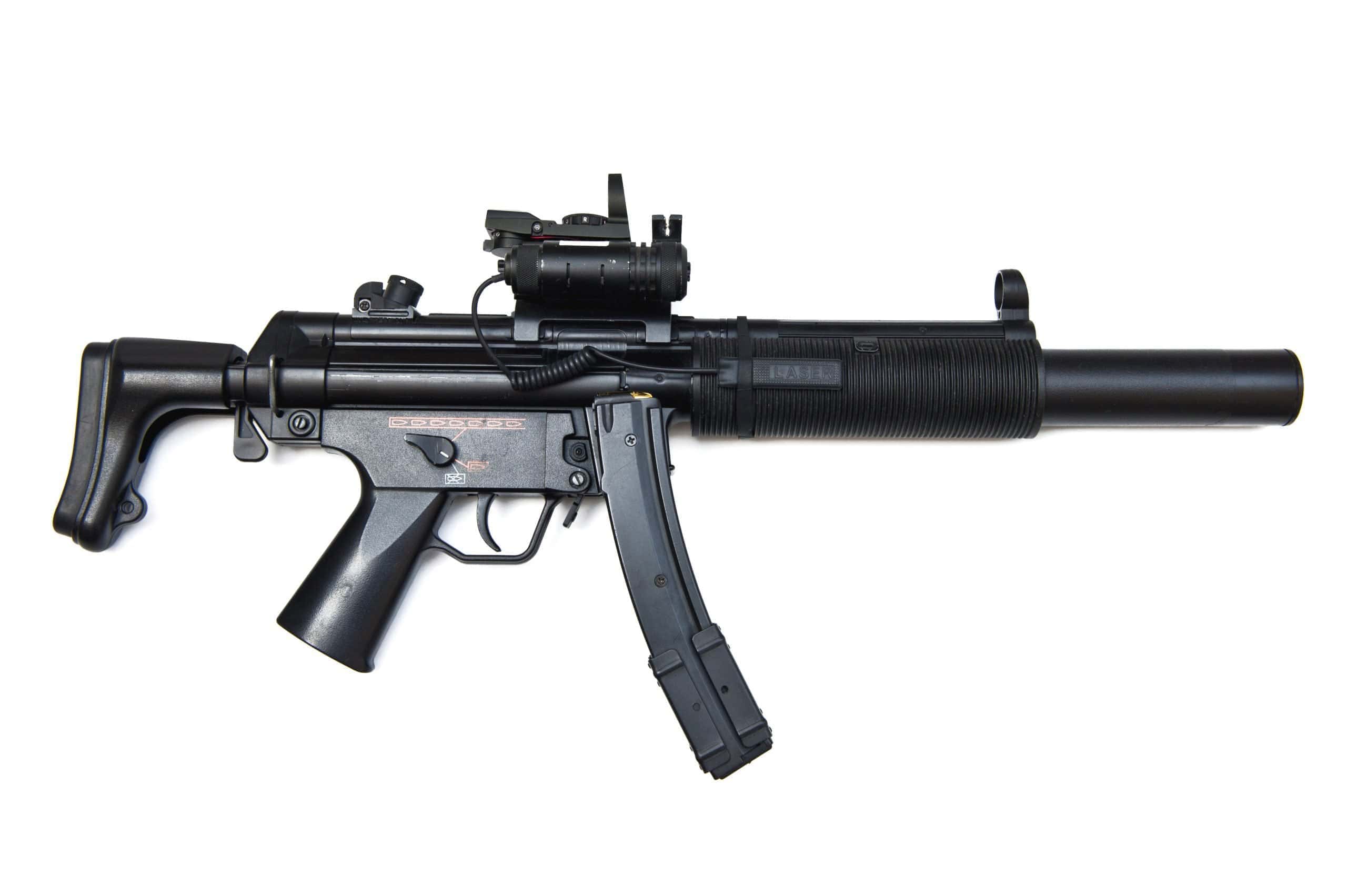
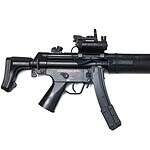
MP5SD (Desert Use)
- Type: SMG
- Year: 1974
- Country of origin: Germany
- Manufacturer: Heckler & Koch
- Claimed advantages: Silent, elite-tier weapon
- Real world problems: Sand sensitivity, limited range
- Theatres of war: Middle East
- Outcome: Replaced by carbines
The MP5SD excelled in close-quarters stealth roles, but desert troops found it unreliable in sand and ineffective at outdoor ranges. As warfare shifted toward carbine dominance, the SD variant faded from frontline use.
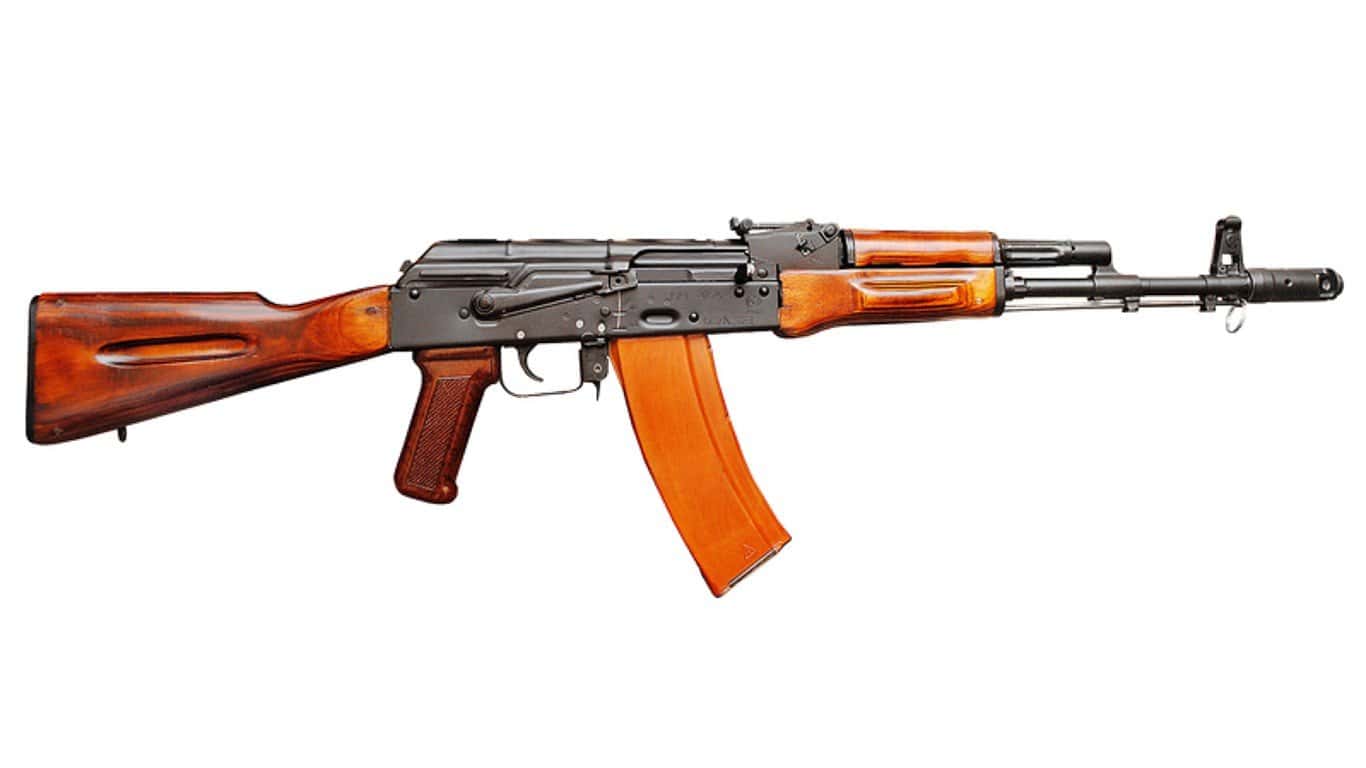
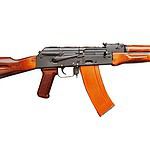
AK-74 (Early Issues)
- Type: Assault Rifle
- Year: 1974
- Country of origin: USSR
- Manufacturer: Izhmash
- Claimed advantages: Low recoil, improved accuracy
- Real world problems: Corrosive ammo, brittle magazines
- Theatres of war: Afghanistan
- Outcome: Improved with later production
The AK974 improved on the AKM, but early batches of corrosive ammunition caused severe barrel pitting. Troops also reported brittle magazines in freezing conditions. These initial problems faded after manufacturing updates.
Steyr AUG A1
- Type: Bullpup Rifle
- Year: 1977
- Country of origin: Austria
- Manufacturer: Steyr Mannlicher
- Claimed advantages: Futuristic, modular, compact
- Real world problems: Fragile magazines, mushy trigger
- Theatres of war: Global use
- Outcome: Mixed frontline reputation
The AUG sold militaries on compact firepower, but troops often complained about its soft trigger, fragile magazines, and specialized maintenance needs. While still admired in some circles, others found it unwieldy and unreliable in harsh environments.
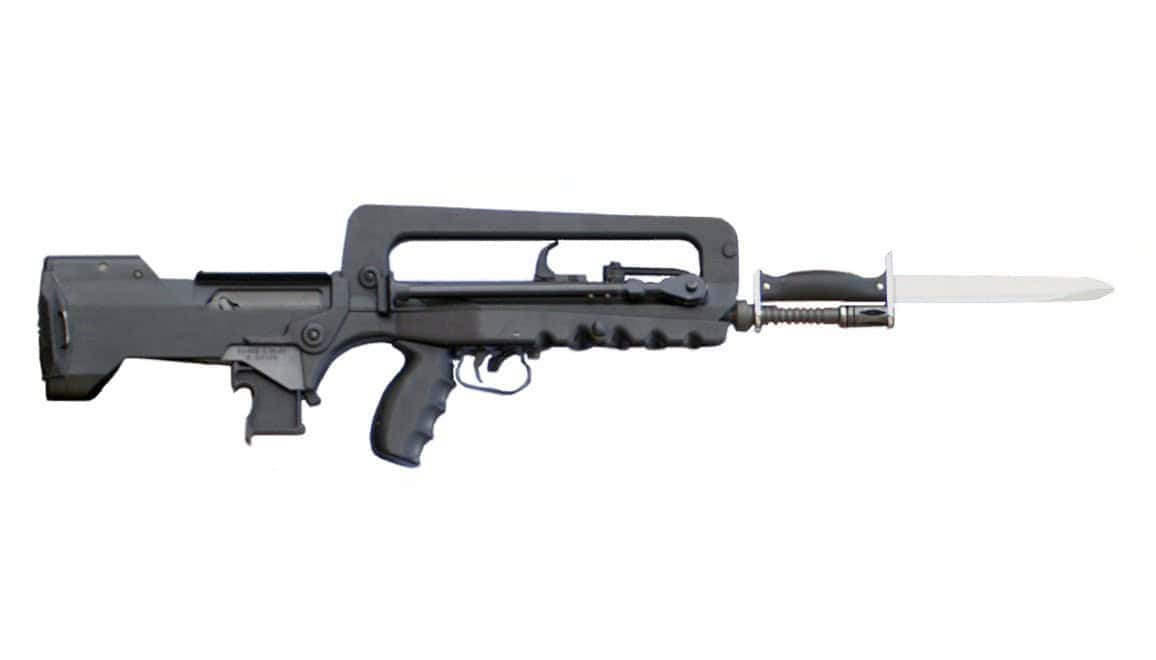
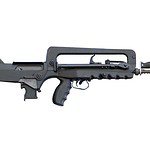
FAMAS F1
- Type: Bullpup Rifle
- Year: 1978
- Country of origin: France
- Manufacturer: MAS
- Claimed advantages: High rate of fire, compact
- Real world problems: Ammo incompatibility, fragile parts
- Theatres of war: International deployments
- Outcome: Replaced by HK416
The FAMAS F1 handled well and fired rapidly, but its dependence on special French ammo created reliability issues abroad. As ammo supply dwindled and parts aged, troops increasingly struggled with failures, prompting France to replace it with the HK416.
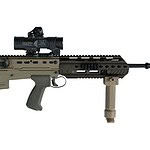
L85A1
- Type: Bullpup Rifle
- Year: 1985
- Country of origin: UK
- Manufacturer: RSAF Enfield
- Claimed advantages: Compact, accurate, modern
- Real world problems: Unreliable in sand, fragile parts
- Theatres of war: Gulf War, Afghanistan
- Outcome: Rebuilt into A2/A3
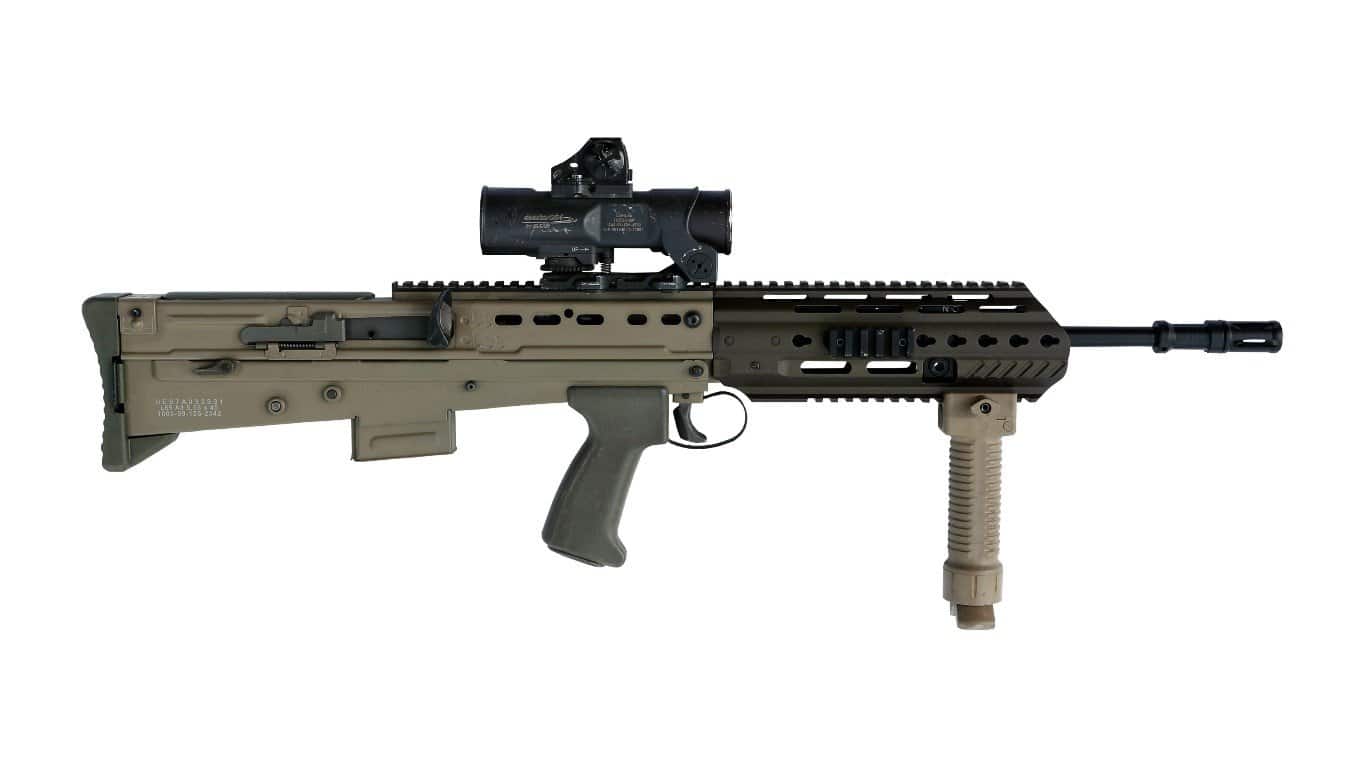
Britain's L85A1 looked futuristic on paper but performed poorly in harsh conditions. Sand caused constant jamming, while fragile parts broke under normal use. Troops distrusted the weapon until a major redesign corrected many issues. Its troubled debut remains a major procurement embarrassment.
M9 Beretta
- Type: Pistol
- Year: 1985
- Country of origin: USA
- Manufacturer: Beretta
- Claimed advantages: High capacity, NATO standard
- Real world problems: Slide failures, weak recoil spring
- Theatres of war: Iraq, Afghanistan
- Outcome: Replaced by SIG M17
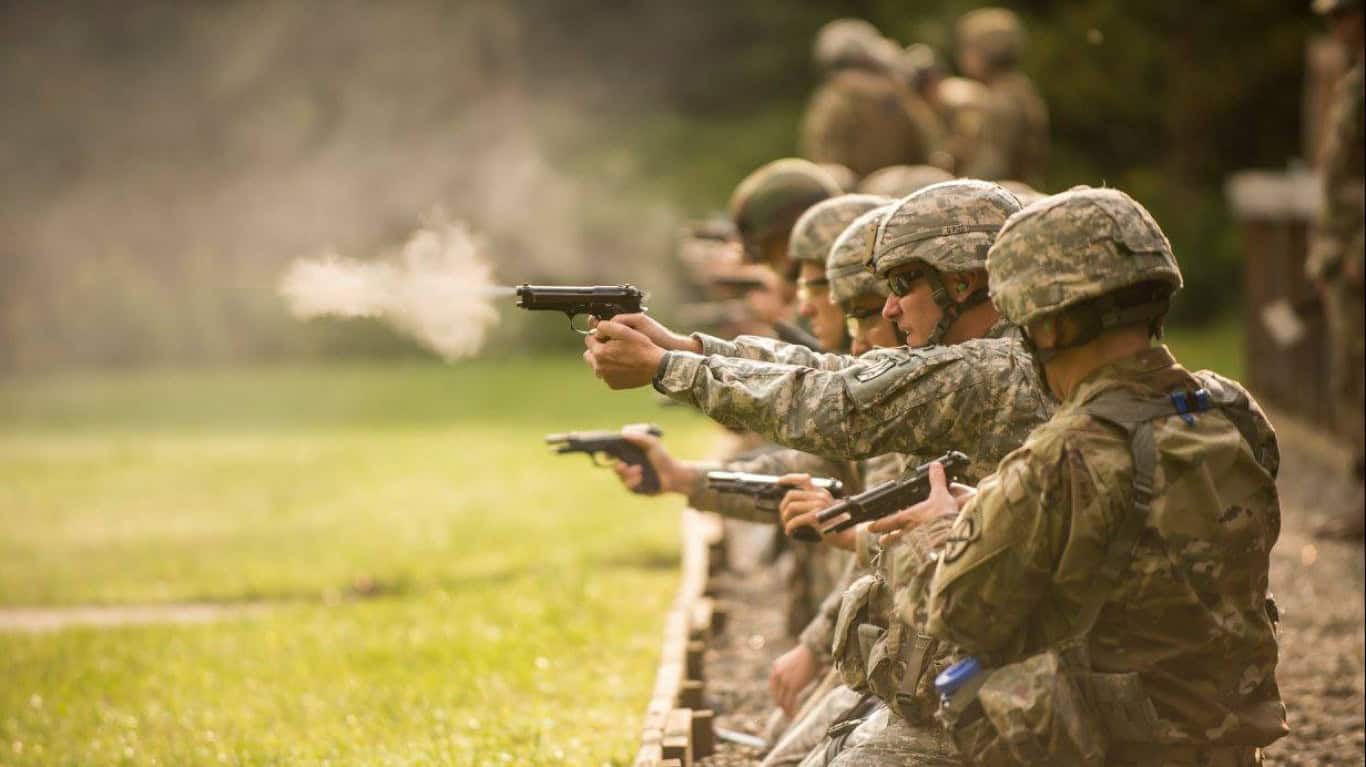
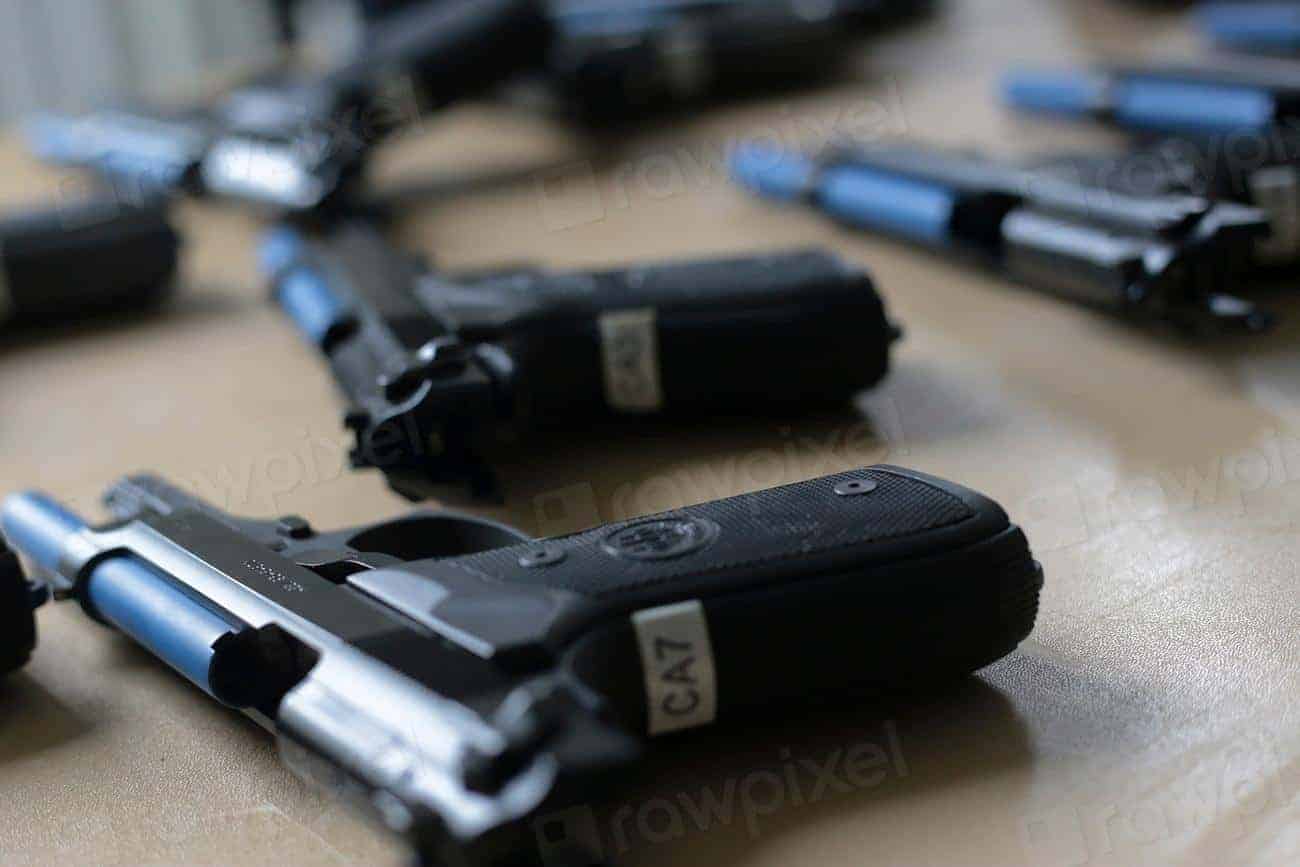
The M9 promised capacity and smooth handling, but troops disliked its bulk, variable reliability, and weak stopping power. Sand exposure worsened its performance in Iraq and Afghanistan. After decades of mixed reputation, the U.S. replaced it with the SIG M17.
SIG 550 (Early Export)
- Type: Assault Rifle
- Year: 1986
- Country of origin: Switzerland
- Manufacturer: SIG
- Claimed advantages: Precision machining, accuracy
- Real world problems: Heavy, sensitive to dirt
- Theatres of war: Global use
- Outcome: Selective adoption
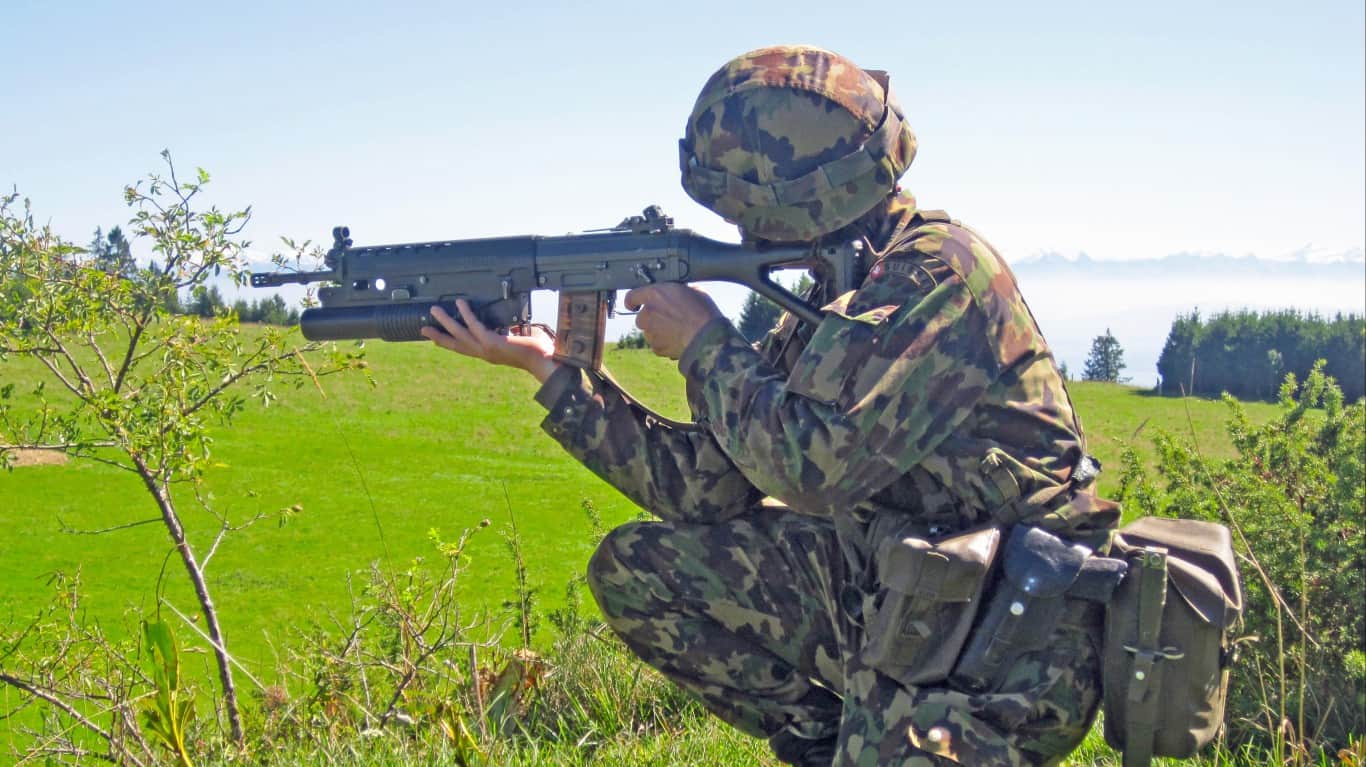
The SIG 550 won praise from marksmen but proved too heavy and maintenance-sensitive for many armies. Its exceptional accuracy came at the cost of field practicality, limiting its mass adoption.
SA80 LSW
- Type: Support Weapon
- Year: 1989
- Country of origin: UK
- Manufacturer: Royal Ordnance
- Claimed advantages: Accurate, long barrel
- Real world problems: Poor sustained fire, reliability issues
- Theatres of war: Bosnia, Iraq
- Outcome: Relegated to niche use
The SA80 LSW promised automatic support fire but lacked the durability and reliability needed for the role. Shared flaws with the L85A1 rifle and weak sustained-fire performance led troops to favor true machine guns for squad support.
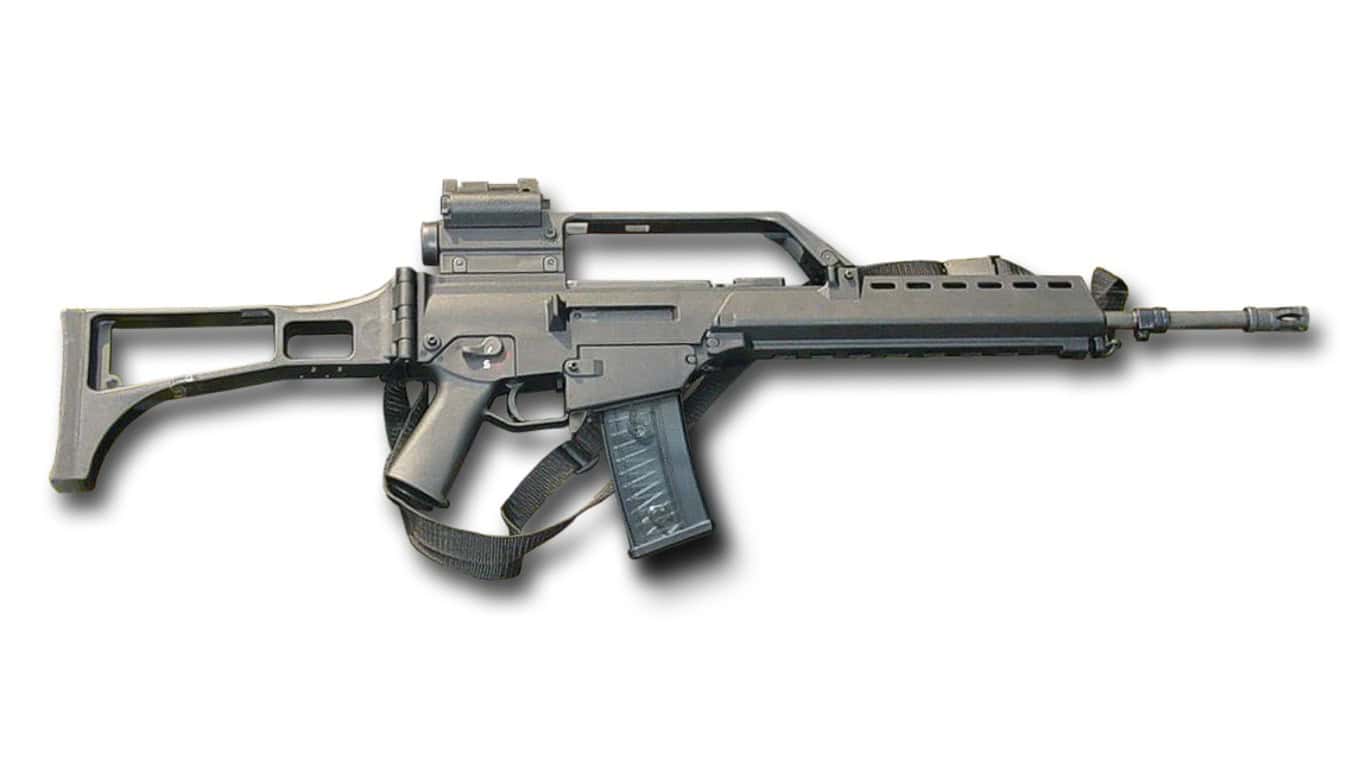
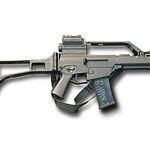
G36
- Type: Assault Rifle
- Year: 1997
- Country of origin: Germany
- Manufacturer: Heckler & Koch
- Claimed advantages: Accurate, lightweight, modular
- Real world problems: Heat-related accuracy loss
- Theatres of war: Afghanistan
- Outcome: Phased out in Germany
Germany's G36 was praised early on, but combat in Afghanistan revealed severe accuracy loss when the rifle heated up. The polymer-heavy design couldn't maintain zero under sustained fire. Once exposed publicly, pressure built to replace it with a more durable platform.
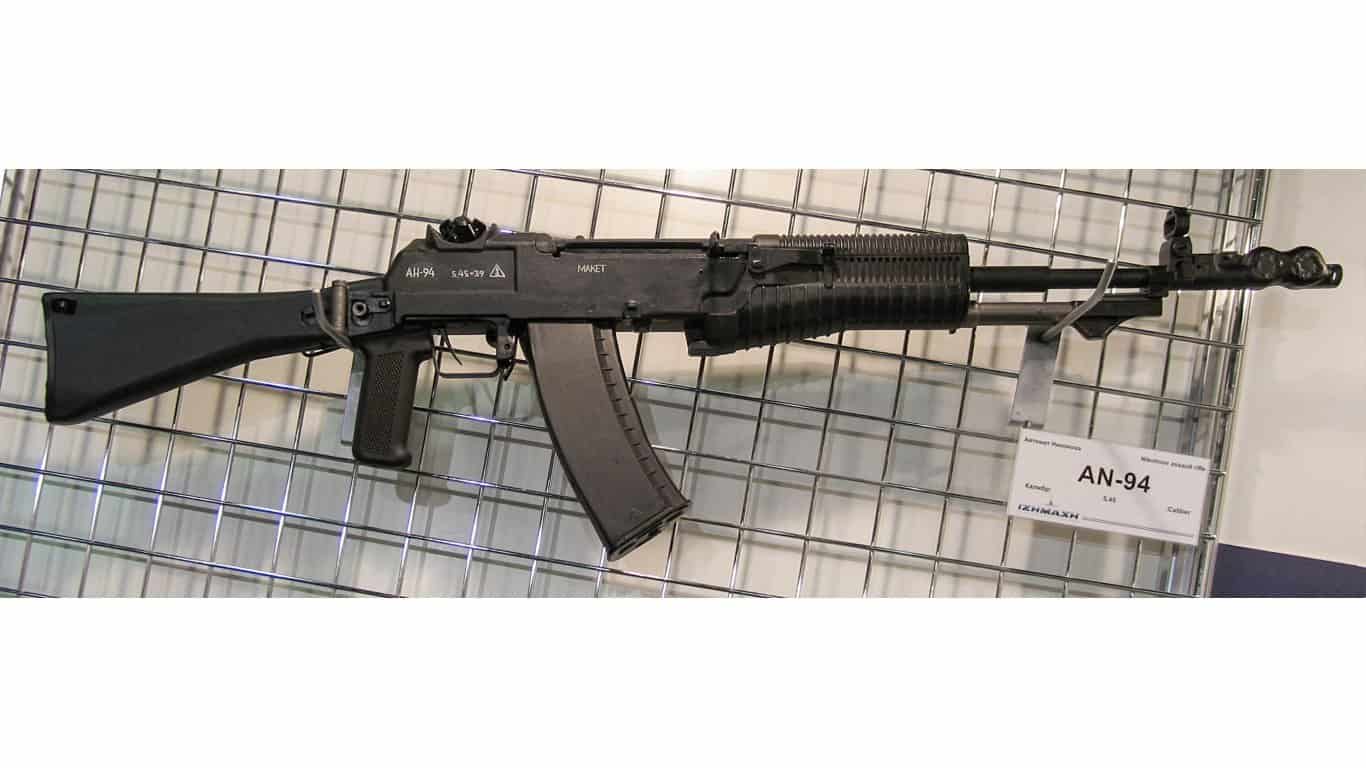
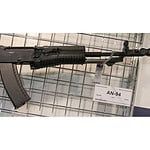
AN-94
- Type: Assault Rifle
- Year: 1997
- Country of origin: Russia
- Manufacturer: Izhmash
- Claimed advantages: Hyper-burst accuracy
- Real world problems: Extremely complex, fragile parts
- Theatres of war: Chechnya
- Outcome: Limited adoption
The AN94's ingenious recoil system produced impressive first-shot bursts, but the design was too delicate and complicated for real combat conditions. Russian troops disliked its maintenance demands, restricting it to niche units.
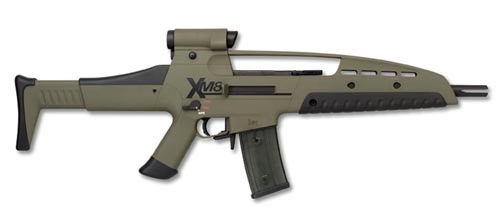
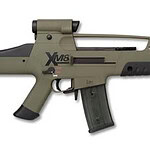
XM8
- Type: Assault Rifle
- Year: 2003
- Country of origin: USA
- Manufacturer: Heckler & Koch
- Claimed advantages: Future modular rifle
- Real world problems: Melting handguards, procurement issues
- Theatres of war: U.S. Trials
- Outcome: Cancelled
The XM8 was marketed as a next-gen rifle offering unmatched reliability. Testing exposed melting furniture and questionable durability, while political disputes killed momentum. Despite promising ergonomics, it never progressed past prototypes.
The image featured at the top of this post is ©Getmilitaryphotos / Shutterstock.com – License / Original