

25 Weapons That Helped the Allies Win World War II
World War II was decided by more than strategy and manpower. The weapons each side brought to the battlefield often determined how quickly an army could advance, how effectively it could defend, and whether it could maintain momentum during major campaigns. For the Allies, several key systems provided advantages that Axis forces struggled to overcome, helping shift the balance of the war over time. Here, we'll a closer look at the weapons that gave the Allies the edge in this conflict.
To determine the weapons that gave the Allies a decisive edge in WWII, History Computer reviewed various historical and military sources. We included supplemental information regarding each weapon's country, category, primary role, key theater of impact, and ultimately what advantage it gave the Allied Forces.
Here is a look at the weapons that gave the Allies a decisive edge in WWII:
Why Are We Covering This?
Understanding why the Allies ultimately won World War II requires looking closely at the weapons and technologies that shaped the conflict. While leadership, strategy, and manpower all played major roles, certain systems gave Allied forces clear advantages in combat. From more effective infantry weapons to aircraft that secured the skies and technologies that revealed enemy plans, these tools helped shift the balance of power. Examining them provides a clearer picture of how innovation, production, and battlefield effectiveness contributed to the Allied victory.
The Weapons That Helped Turn the War
World War II was fought across continents with massive armies, fleets, and air forces. While strategy and leadership mattered enormously, the weapons used by each side often determined how battles unfolded. Certain Allied systems proved especially effective, giving troops advantages in firepower, mobility, intelligence, and production that Axis forces struggled to counter.
Technology Meets Industrial Power
One of the Allies' greatest strengths was the ability to combine innovation with large-scale production. New weapons were not only developed but built in quantities that allowed them to influence the war. This combination of technology and manufacturing ensured Allied forces could equip armies, supply allies, and replace losses faster than their opponents.
Fighting on Land, Sea, and in the Air
The Second World War was truly global, and victory depended on success in multiple domains. Tanks and infantry weapons shaped ground battles, aircraft fought for control of the skies, and naval systems determined who controlled the oceans. In each area, certain Allied weapons helped shift the balance of power.
Turning Points on the Battlefield
Many of the war's most important moments were influenced by the tools available to the forces involved. Escort fighters protected bombers over Europe, amphibious landing craft enabled invasions, and improved anti-submarine weapons helped secure vital shipping lanes. These advantages accumulated over time and gradually weakened Axis resistance.
The Systems That Gave the Allies the Edge
The weapons in this list represent technologies and platforms that helped change the trajectory of the war. Some were revolutionary designs, while others succeeded because they could be produced in enormous numbers. Together, they illustrate how equipment, innovation, and industrial capacity helped the Allies achieve victory in World War II.
M1 Garand
- Country: United States
- Weapon category: Infantry Weapon
- Year introduced to service: 1936
- Primary role: Semi-automatic service rifle
- Key theater of impact: Western Front
- Axis counterpart: Kar98k
- Advantage it gave the allies: Higher infantry firepower
- Historical significance: Gave U.S. troops faster sustained fire than many opponents
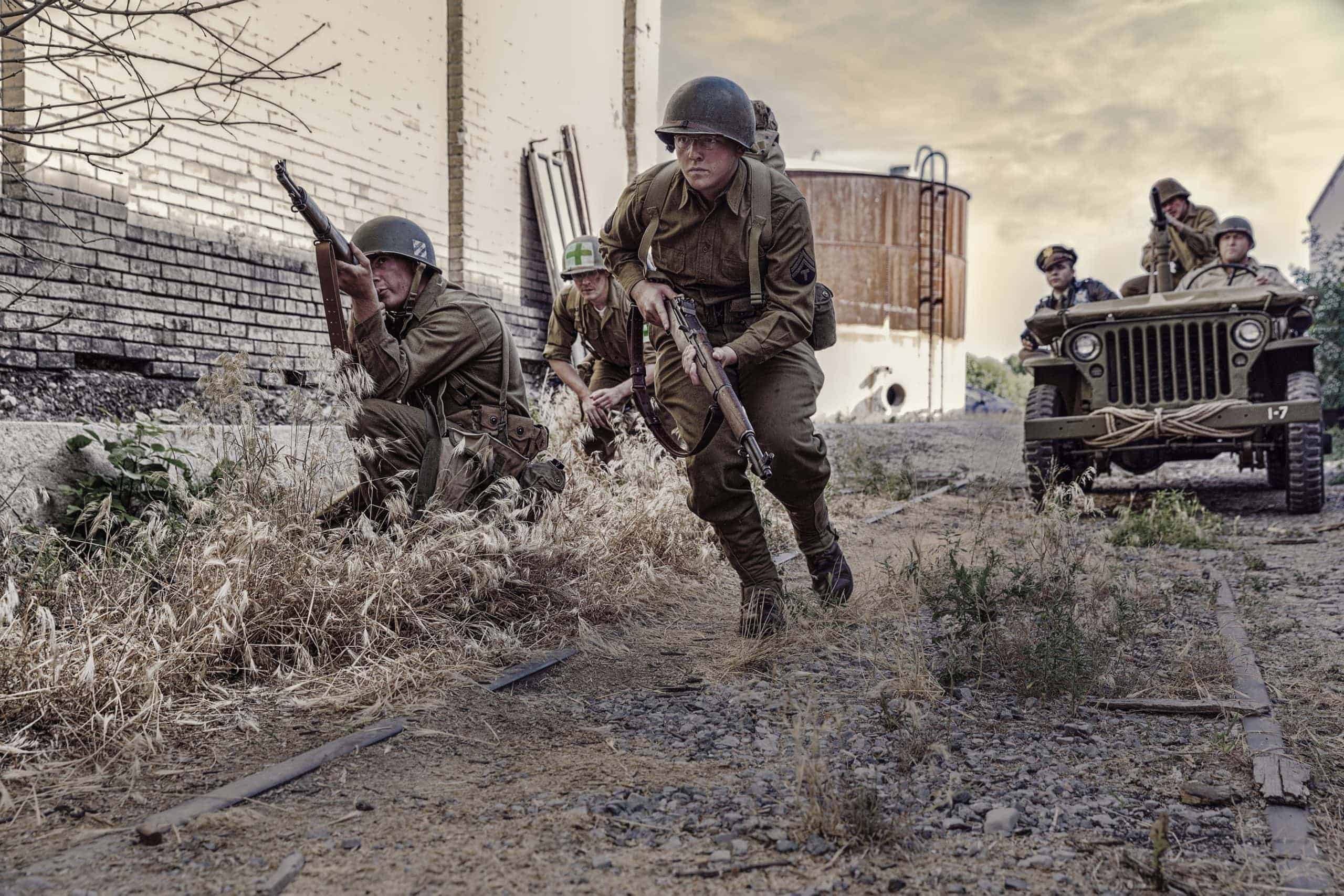
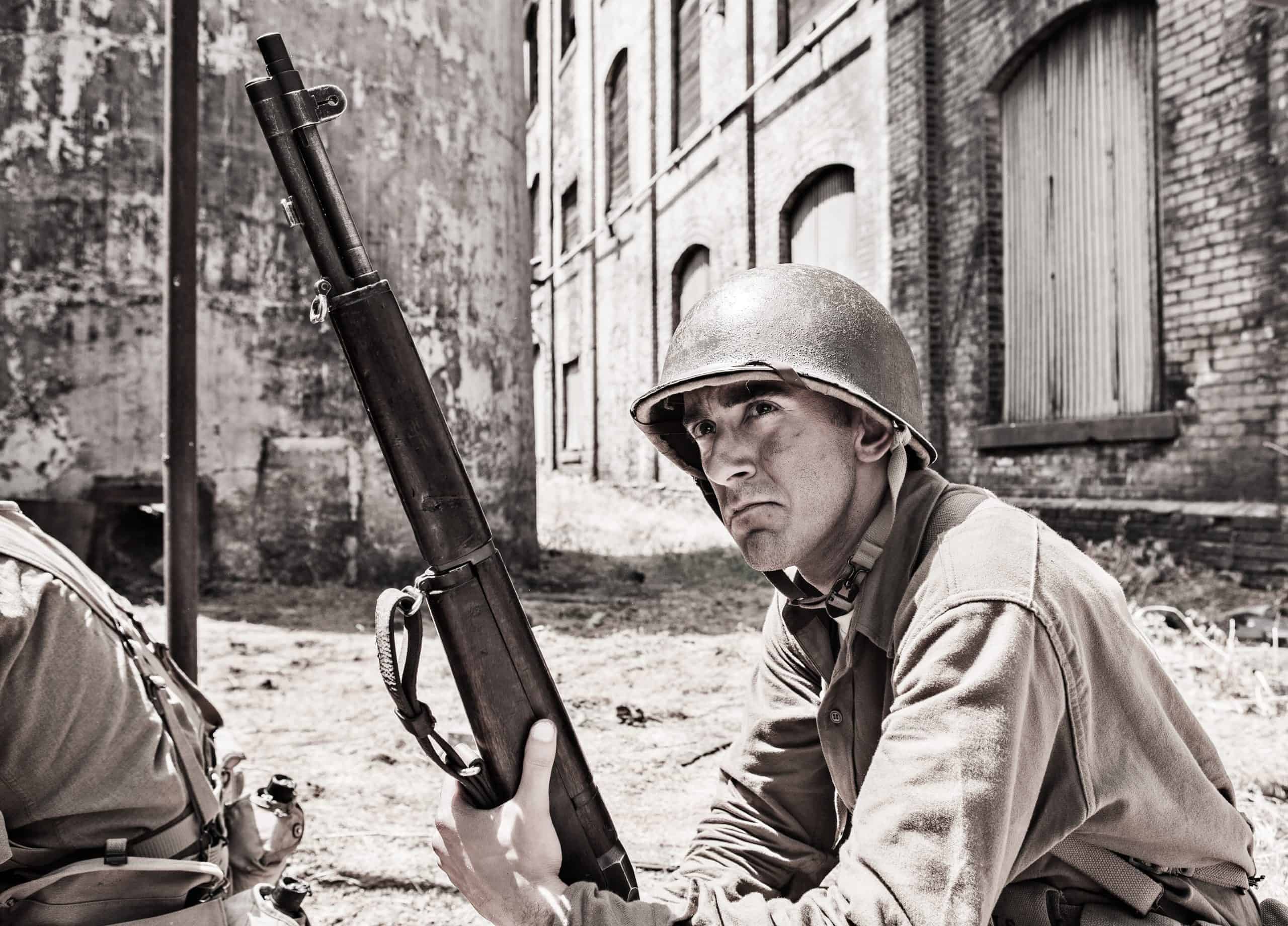
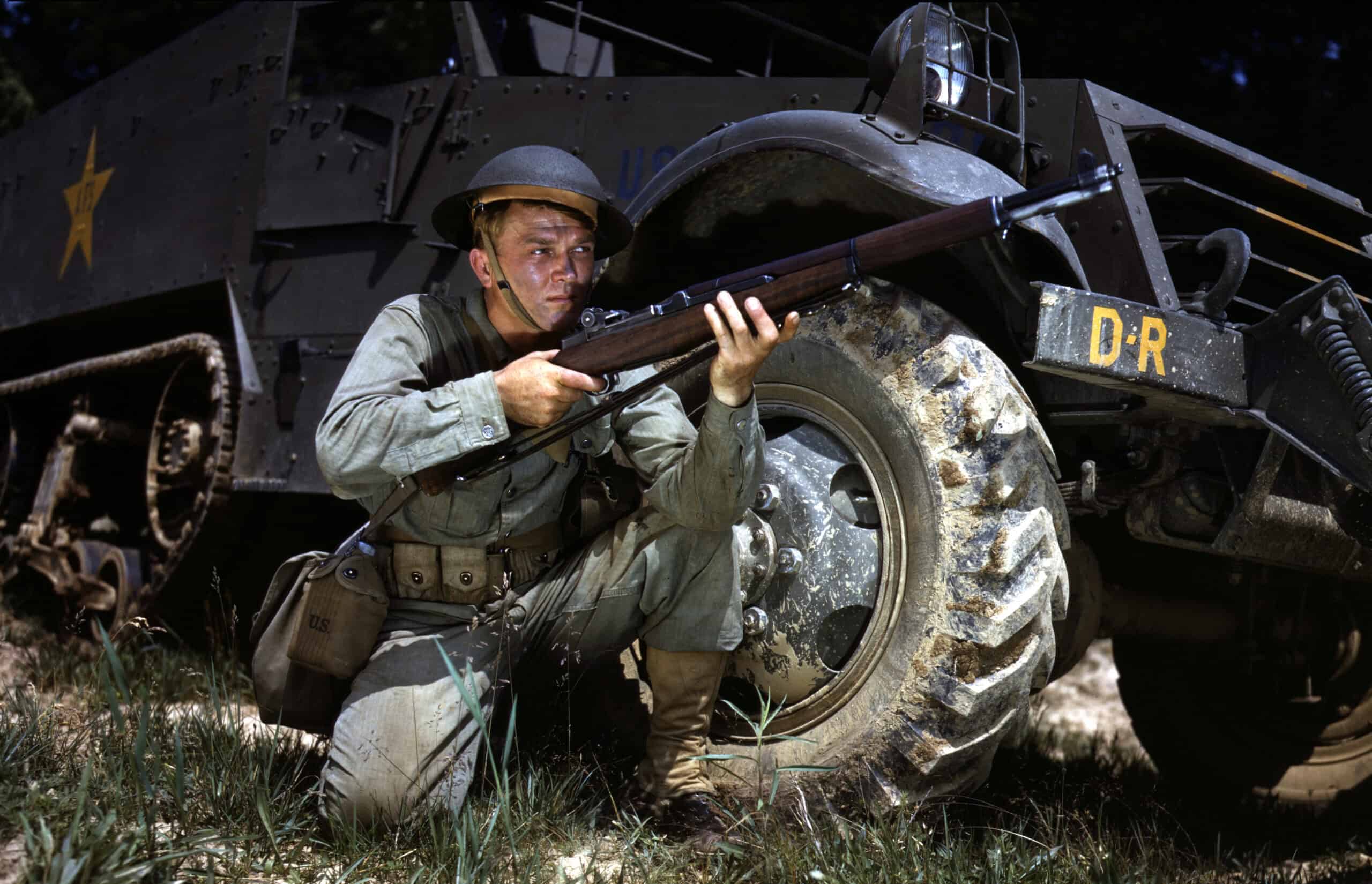
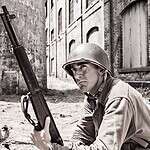
The M1 Garand gave American infantry a meaningful advantage by allowing soldiers to fire semi‑automatic shots while many opponents still used bolt‑action rifles. In fast‑moving engagements across Europe and the Pacific, that higher rate of fire could decide firefights quickly. Its reliability and firepower helped U.S. units maintain offensive momentum during key Allied advances.
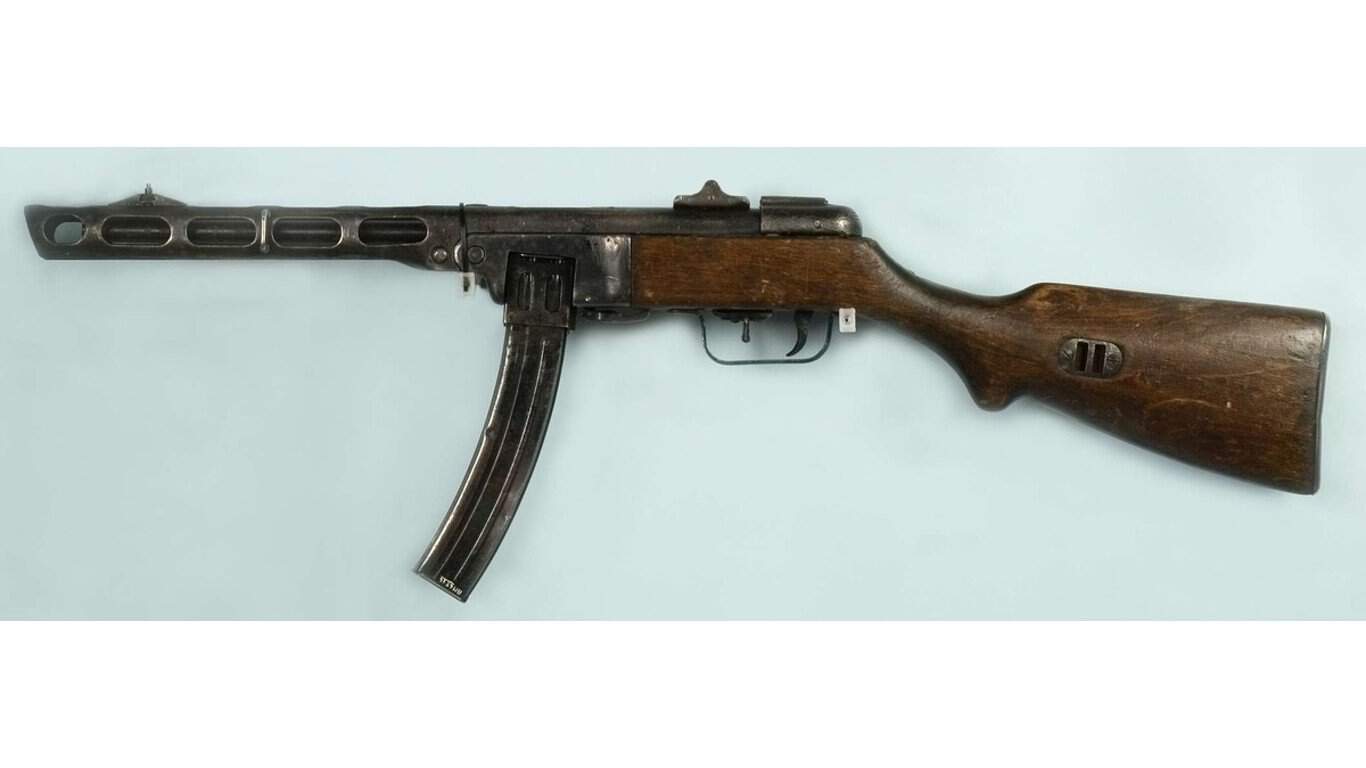
PPSh-41
- Country: Soviet Union
- Weapon category: Infantry Weapon
- Year introduced to service: 1941
- Primary role: Submachine gun
- Key theater of impact: Eastern Front
- Axis counterpart: MP40
- Advantage it gave the allies: Mass close-range firepower
- Historical significance: Dominated urban and close combat on the Eastern Front
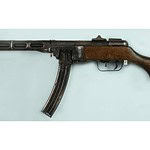
The PPSh‑41 became a defining weapon of Soviet infantry during the brutal fighting on the Eastern Front. With a high rate of fire and large drum magazine, it excelled in urban battles like Stalingrad where close‑quarters combat was constant. Its simplicity also allowed mass production, ensuring Soviet troops were heavily armed in critical defensive and offensive operations.
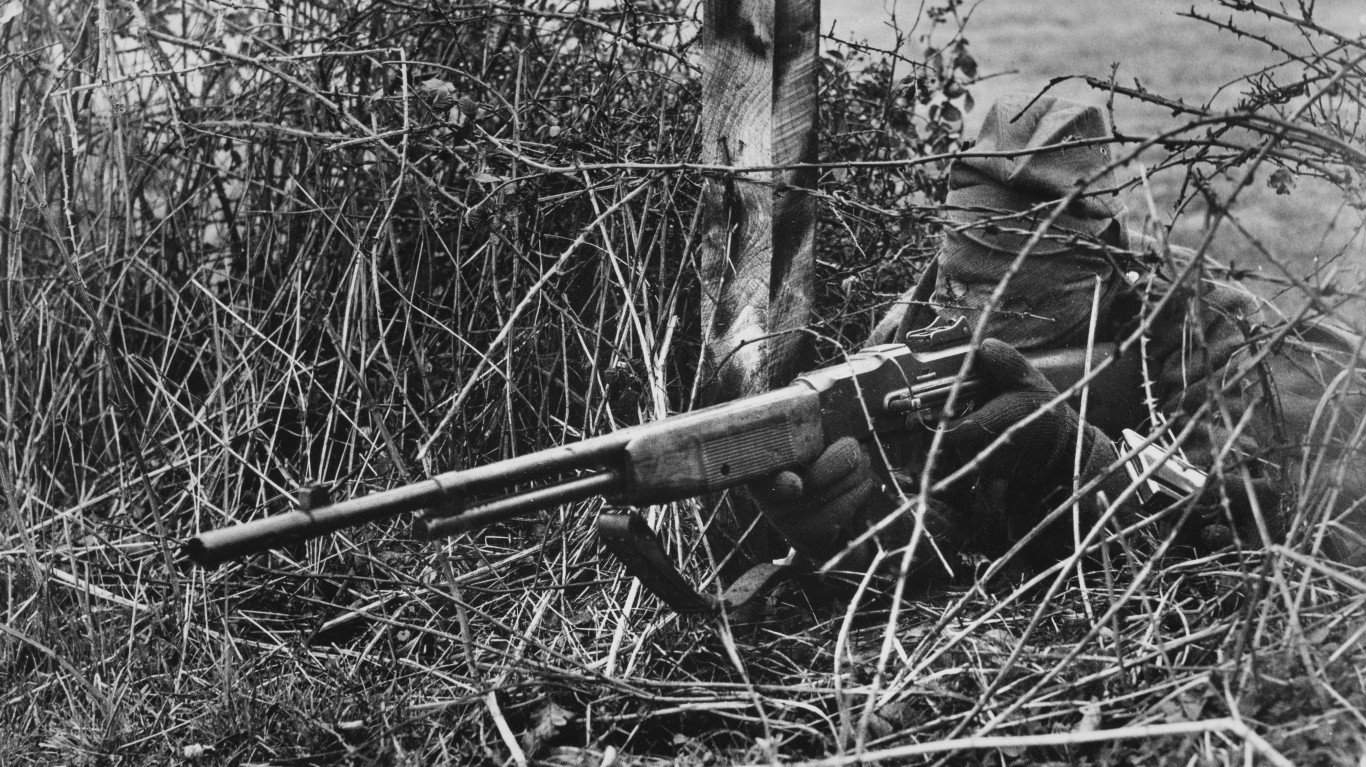
Browning Automatic Rifle
- Country: United States
- Weapon category: Infantry Weapon
- Year introduced to service: 1918
- Primary role: Squad automatic weapon
- Key theater of impact: Western Front
- Axis counterpart: MG34 / MG42
- Advantage it gave the allies: Mobile automatic fire
- Historical significance: Gave American squads portable suppressive fire
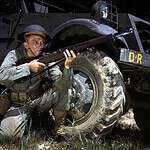
The BAR gave American infantry squads a level of mobile automatic firepower that could suppress enemy positions while troops maneuvered. Instead of relying solely on heavier machine guns, units could bring automatic fire directly into assaults. This flexibility helped U.S. forces maintain pressure on Axis defenses during many engagements across Europe.
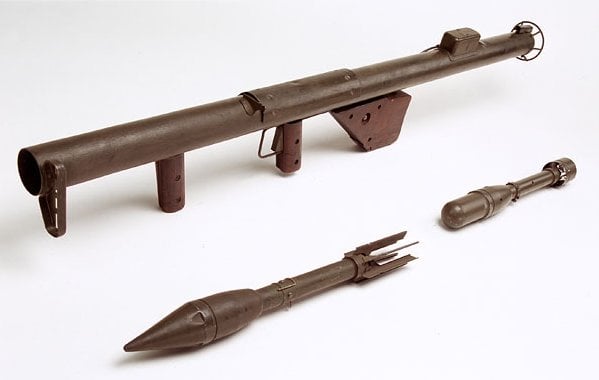
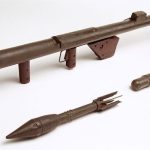
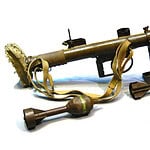
Bazooka
- Country: United States
- Weapon category: Infantry Weapon
- Year introduced to service: 1942
- Primary role: Rocket anti-tank weapon
- Key theater of impact: Western / Pacific
- Axis counterpart: Panzerfaust
- Advantage it gave the allies: Infantry anti-tank capability
- Historical significance: Allowed infantry to defeat armored vehicles
The bazooka changed infantry tactics by giving small units a realistic way to defeat tanks and fortified positions. Before weapons like this, soldiers often struggled to counter armored threats without artillery support. By putting anti‑armor capability directly in the hands of infantry, the bazooka increased battlefield flexibility and confidence against Axis vehicles.
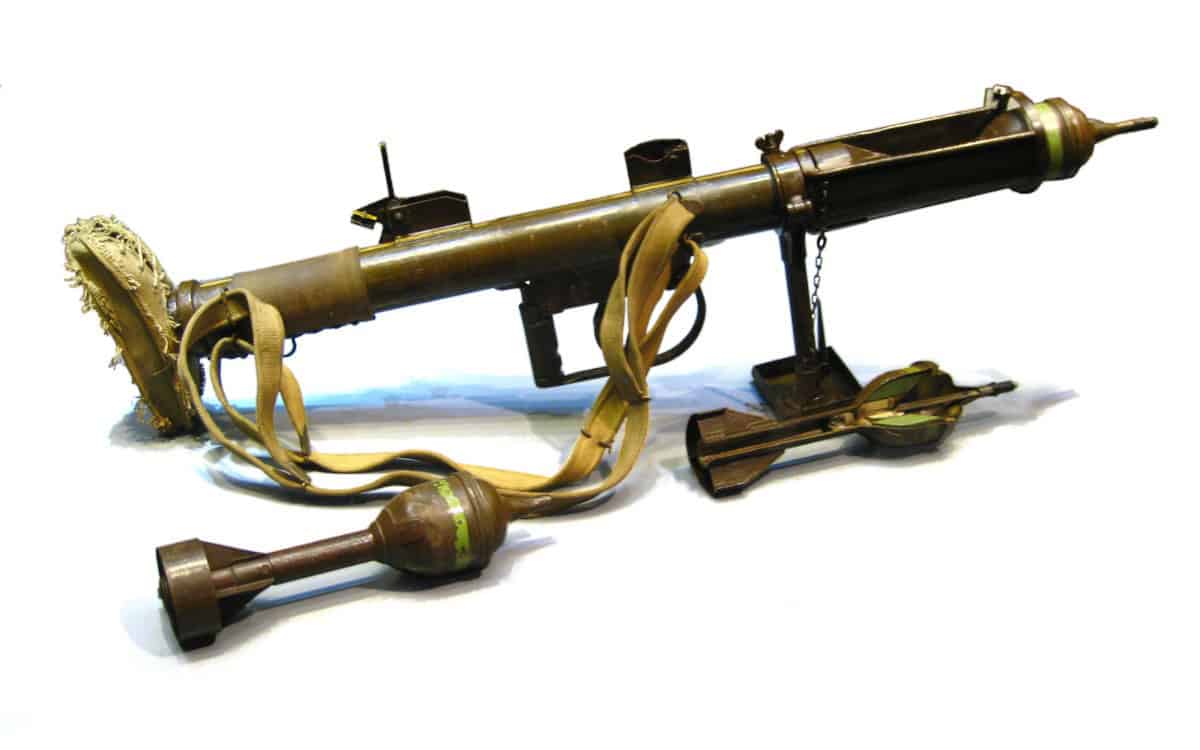
PIAT
- Country: United Kingdom
- Weapon category: Infantry Weapon
- Year introduced to service: 1942
- Primary role: Anti-tank launcher
- Key theater of impact: Western Front
- Axis counterpart: Panzerfaust
- Advantage it gave the allies: Close-range anti-tank defense
- Historical significance: Provided infantry a way to stop German armor
The British PIAT provided Allied infantry with a powerful if unconventional anti‑tank weapon. Despite its awkward operation, it proved effective in ambushes and defensive fighting, particularly in Europe. Infantry equipped with PIAT launchers could threaten German armor at close range, forcing tanks to operate more cautiously in urban and defensive environments.
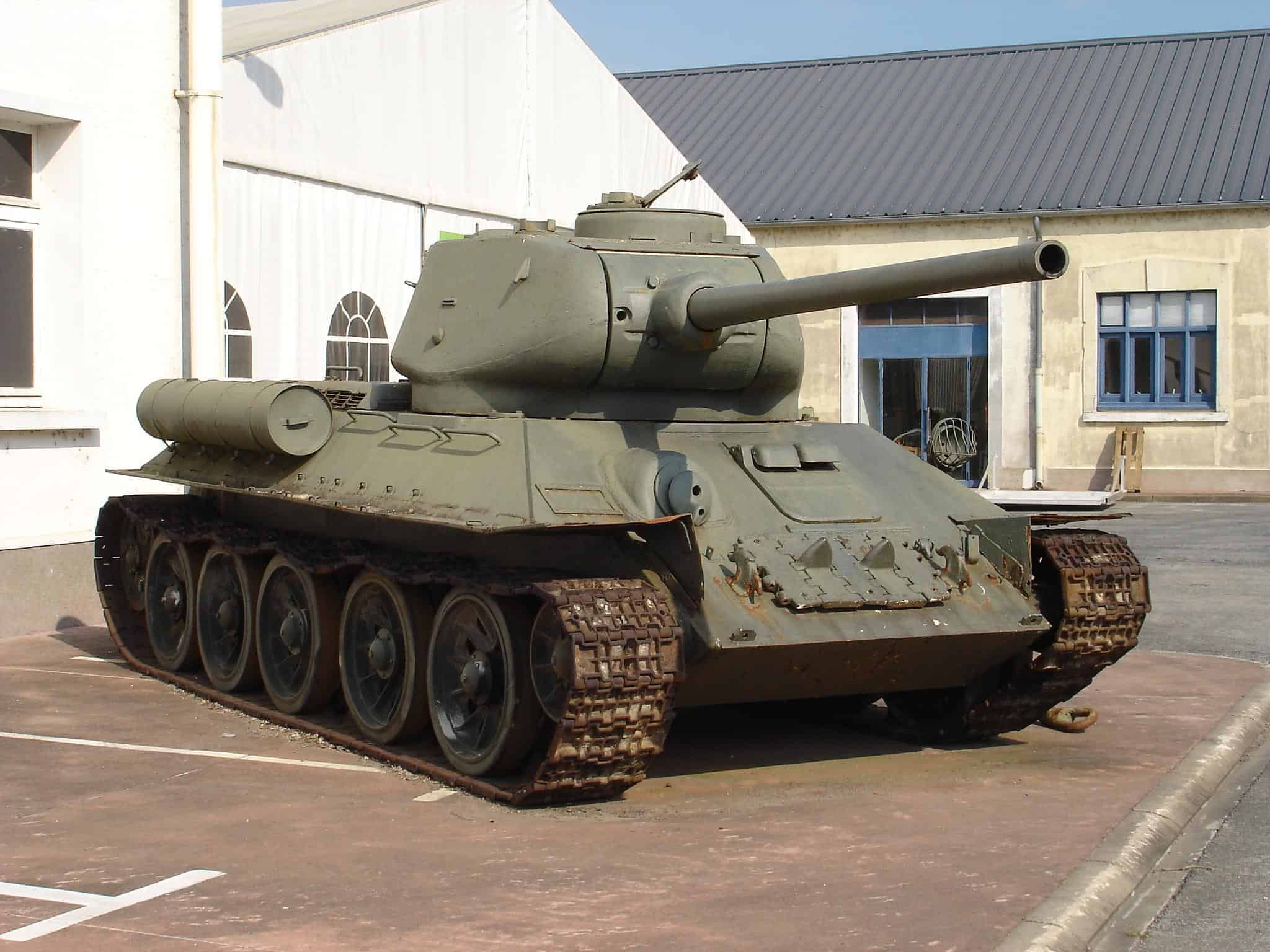
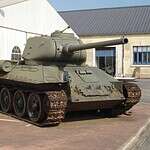
T-34
- Country: Soviet Union
- Weapon category: Tank
- Year introduced to service: 1940
- Primary role: Medium tank
- Key theater of impact: Eastern Front
- Axis counterpart: Panzer IV
- Advantage it gave the allies: Armor + mobility balance
- Historical significance: One of the most effective tanks of the war
The Soviet T‑34 combined sloped armor, mobility, and a powerful gun in a way that shocked German forces when it first appeared. Early Axis tanks struggled to deal with it effectively. More importantly, the Soviet Union produced the tank in enormous numbers, allowing the Red Army to recover from losses and maintain pressure on German armies.
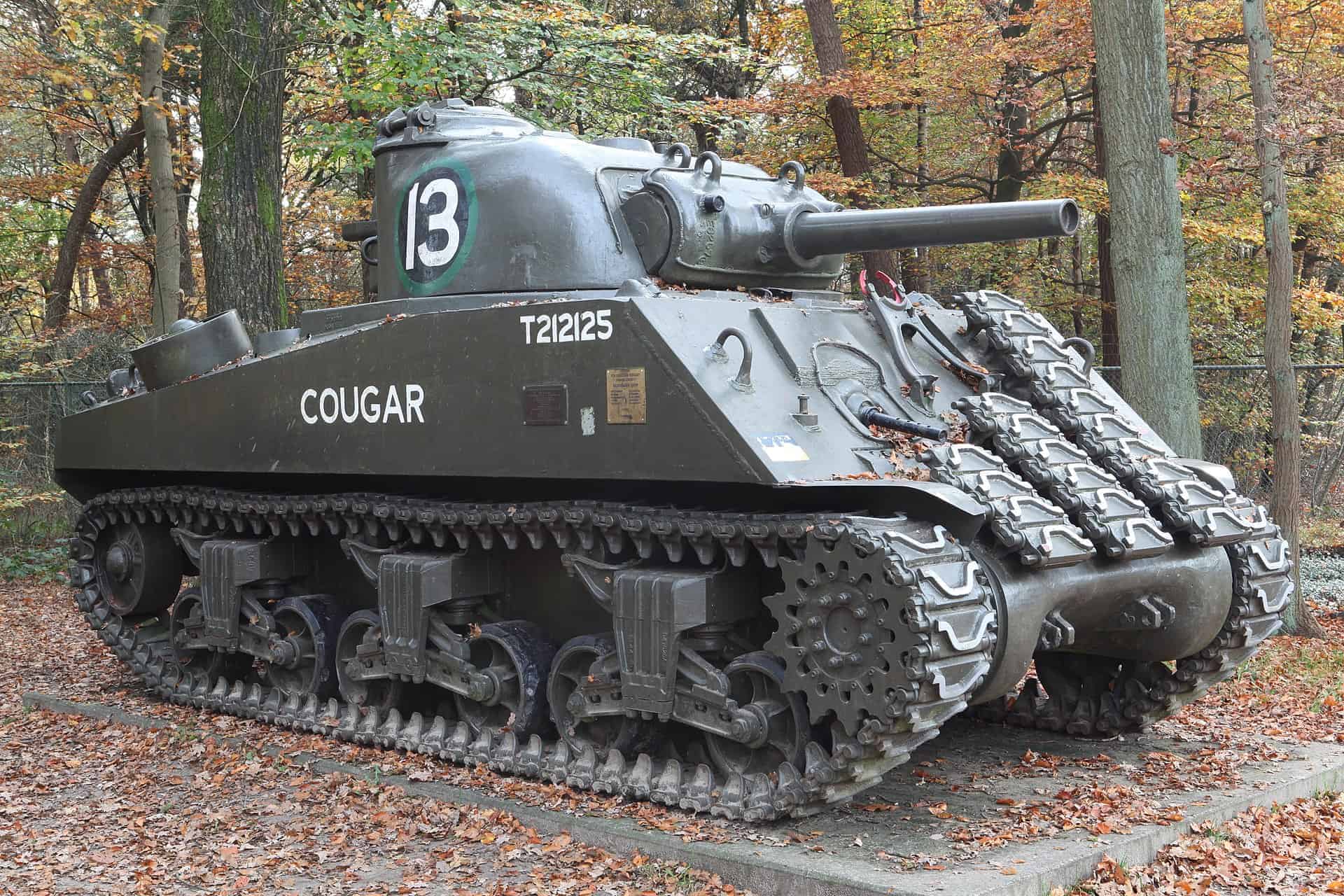
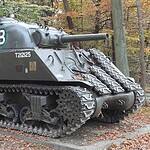
M4 Sherman
- Country: United States
- Weapon category: Tank
- Year introduced to service: 1942
- Primary role: Medium tank
- Key theater of impact: Western / Pacific
- Axis counterpart: Panzer IV
- Advantage it gave the allies: Mass production
- Historical significance: Enabled Allied armored offensives through numbers
The Sherman was not always superior to individual German tanks, but its reliability, ease of production, and sheer numbers made it one of the most important Allied vehicles of the war. Large formations of Shermans allowed Allied commanders to sustain offensives, replace losses quickly, and keep armored units active across multiple theaters.
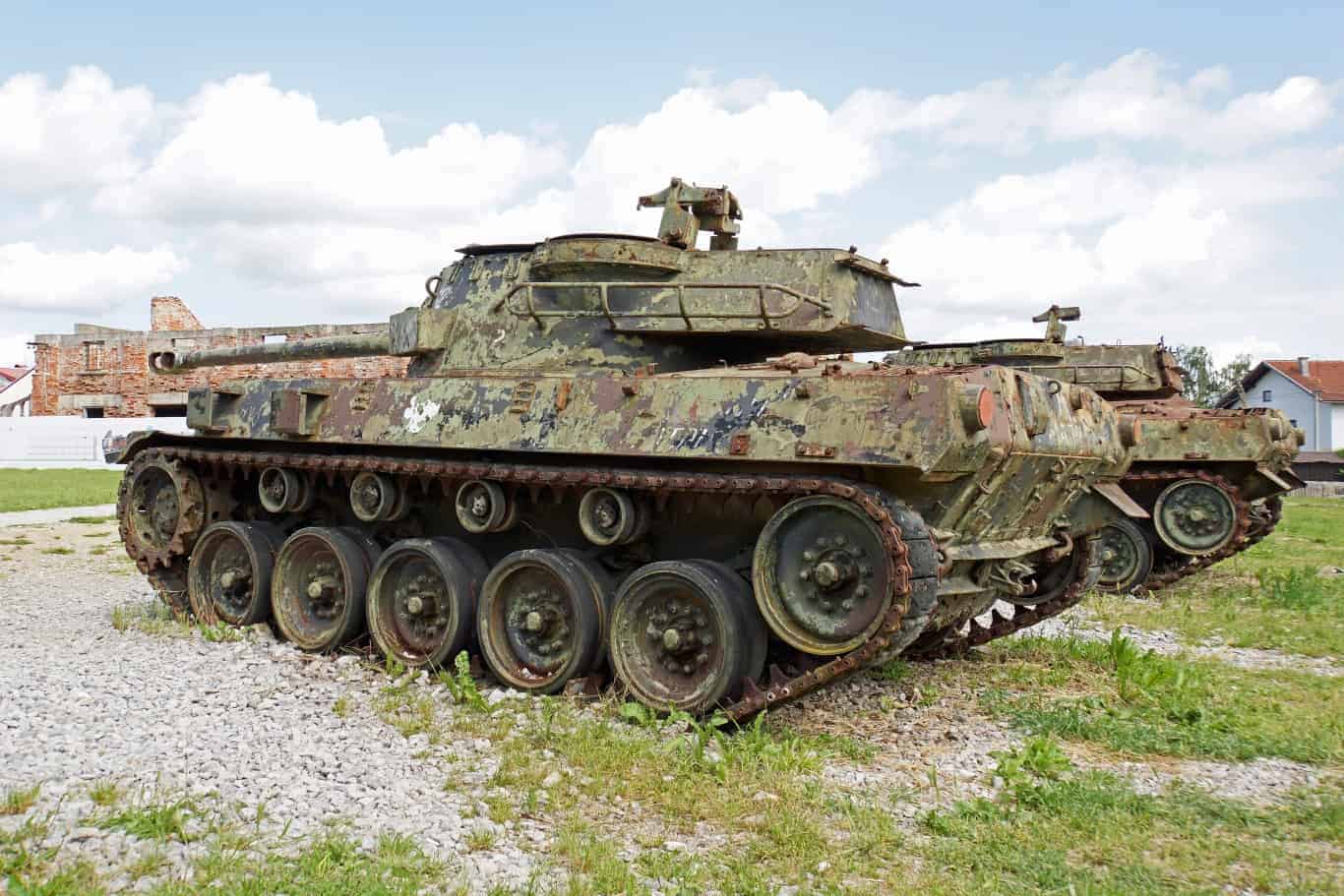
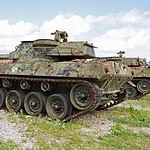
M18 Hellcat
- Country: United States
- Weapon category: Tank Destroyer
- Year introduced to service: 1943
- Primary role: Fast tank destroyer
- Key theater of impact: Western Front
- Axis counterpart: Panther
- Advantage it gave the allies: Speed and maneuverability
- Historical significance: Fastest armored vehicle of the war
The M18 Hellcat demonstrated how speed could be a weapon in armored warfare. Designed as a tank destroyer, it could move quickly enough to outmaneuver heavier German tanks and strike from advantageous positions. This mobility made it valuable during fast‑moving operations in Europe where rapid reactions were essential.
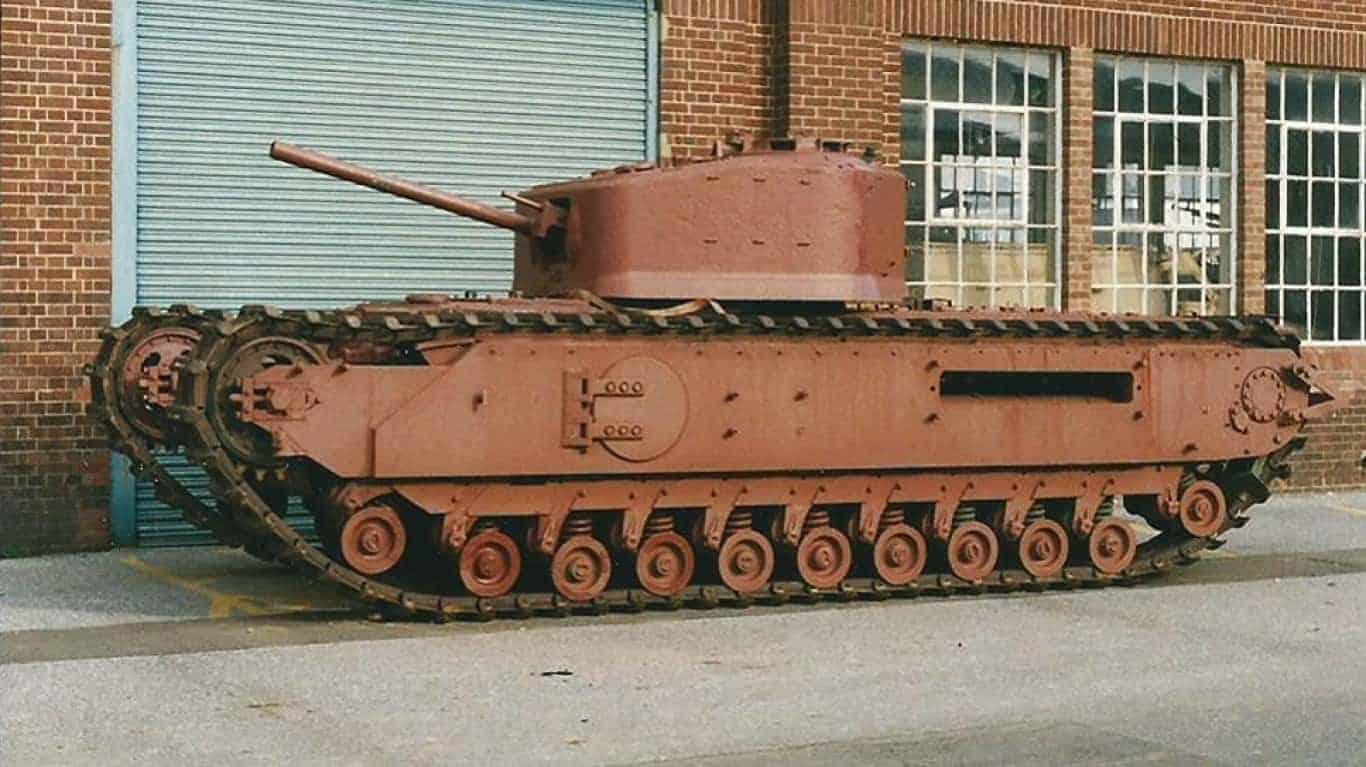
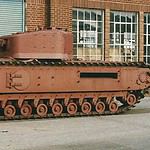
Churchill Tank
- Country: United Kingdom
- Weapon category: Tank
- Year introduced to service: 1941
- Primary role: Infantry support tank
- Key theater of impact: Western Europe
- Axis counterpart: Panzer IV
- Advantage it gave the allies: Heavy armor
- Historical significance: Excelled in difficult terrain and assaults
The Churchill tank excelled in situations where mobility over rough terrain and strong armor mattered more than speed. It performed particularly well during assaults on fortified positions and difficult landscapes. In several campaigns, its ability to survive heavy fire allowed Allied forces to push through defenses that might otherwise have stalled an advance.
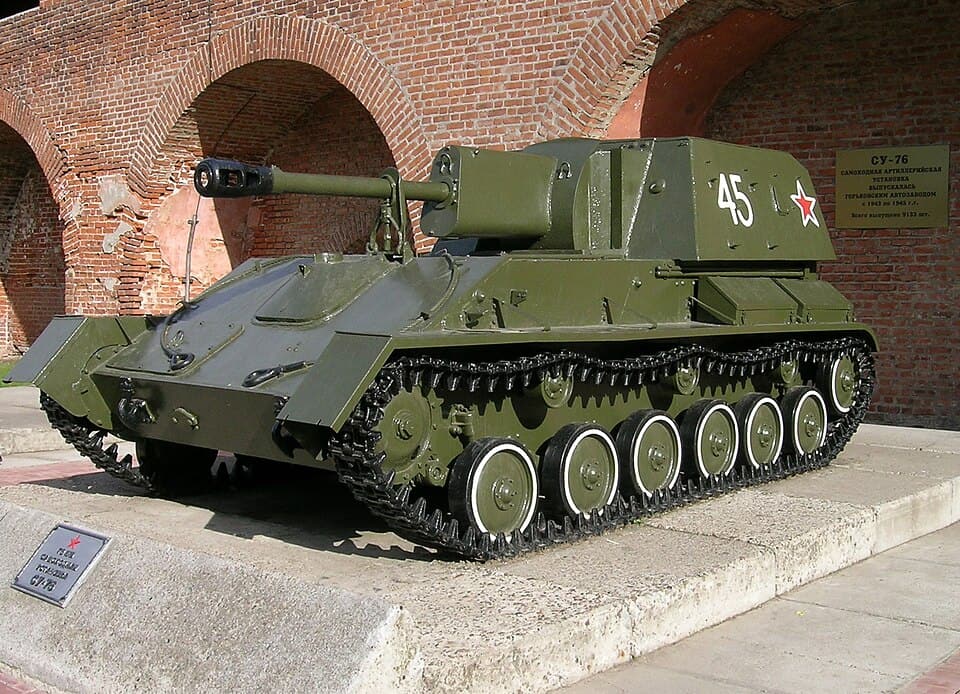
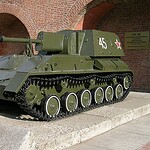
SU-76
- Country: Soviet Union
- Weapon category: Self-Propelled Gun
- Year introduced to service: 1942
- Primary role: Mobile artillery support
- Key theater of impact: Eastern Front
- Axis counterpart: StuG III
- Advantage it gave the allies: Mobile support fire
- Historical significance: Provided large numbers of mobile guns
The SU‑76 gave Soviet forces a simple and widely available mobile artillery platform that could support infantry during offensive operations. Although lightly armored, it allowed units to bring direct fire against enemy strongpoints. Its widespread use meant Soviet troops often had artillery support close at hand during key battles.
P-51 Mustang
- Country: United States
- Weapon category: Aircraft
- Year introduced to service: 1942
- Primary role: Escort fighter
- Key theater of impact: European Air War
- Axis counterpart: Bf 109
- Advantage it gave the allies: Long-range escort
- Historical significance: Protected bombers deep into Germany
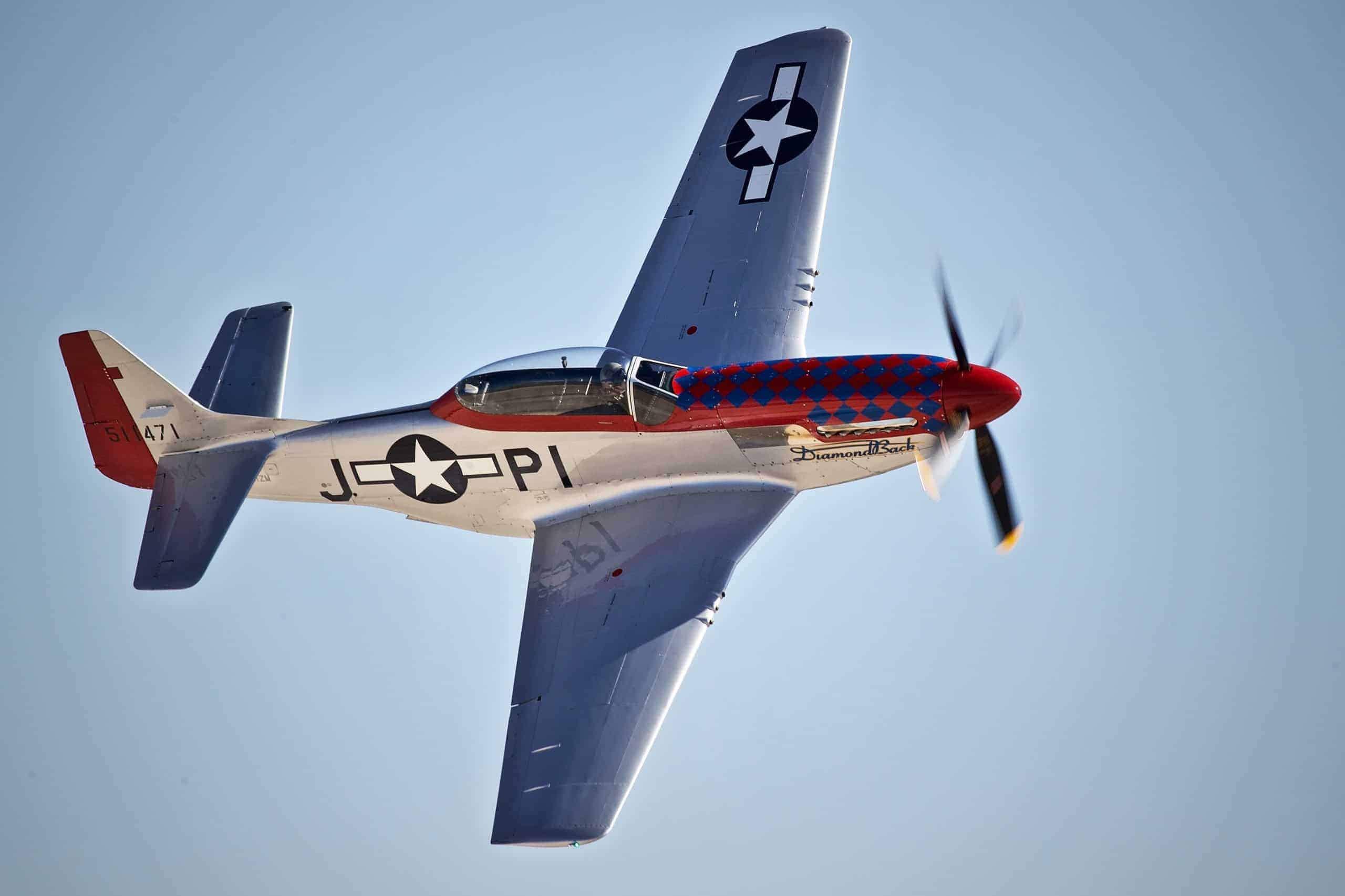
The P‑51 Mustang transformed the air war over Europe by escorting bombers deep into German territory. Earlier fighters lacked the range to stay with bomber formations. With the Mustang providing protection, Allied strategic bombing became far more effective and German interceptors faced a far more dangerous opponent in the skies.
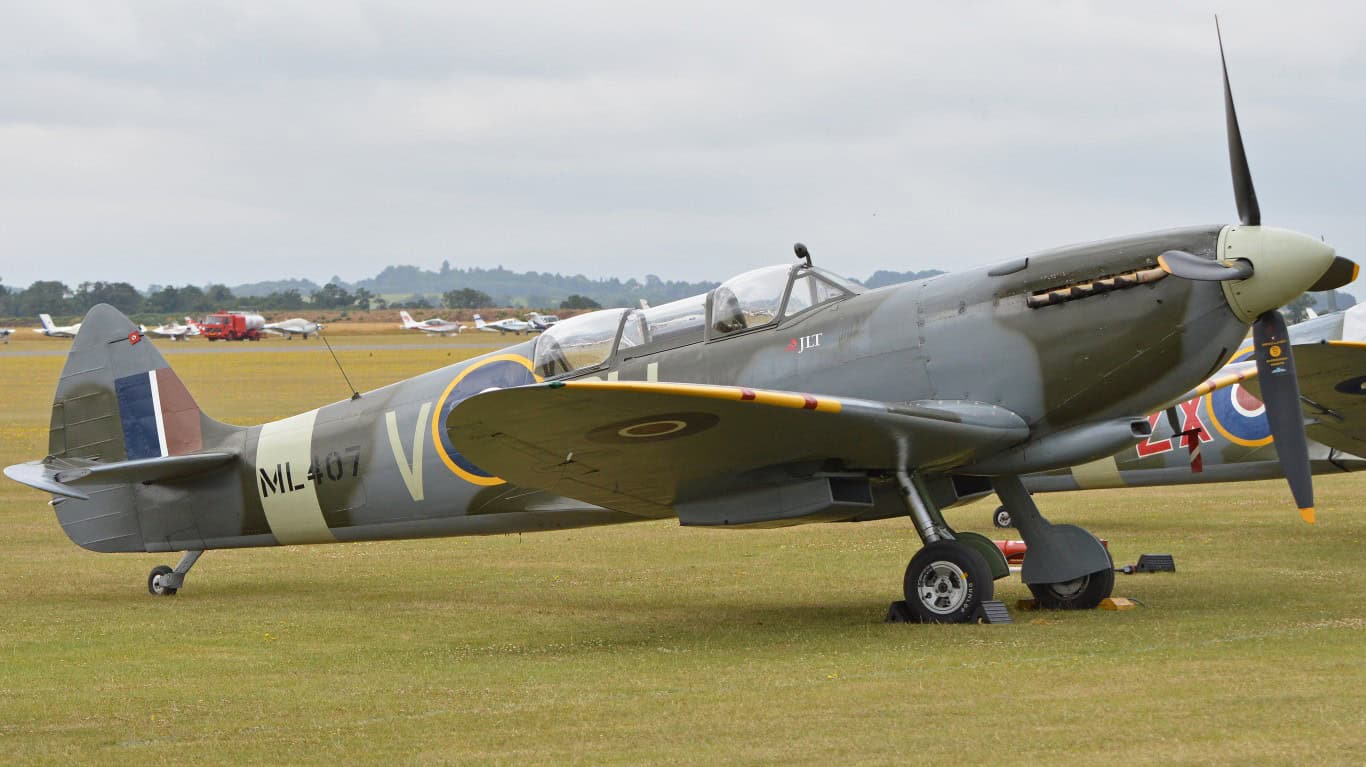
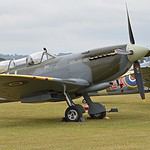
Spitfire
- Country: United Kingdom
- Weapon category: Aircraft
- Year introduced to service: 1938
- Primary role: Fighter aircraft
- Key theater of impact: Western Europe
- Axis counterpart: Bf 109
- Advantage it gave the allies: Air defense
- Historical significance: Key aircraft in gaining air superiority
The Spitfire became a symbol of Allied air power thanks to its performance and adaptability. Initially famous for its role in defending Britain, it later supported offensive operations across Europe. Its continued upgrades allowed it to remain competitive against Axis fighters throughout the war.
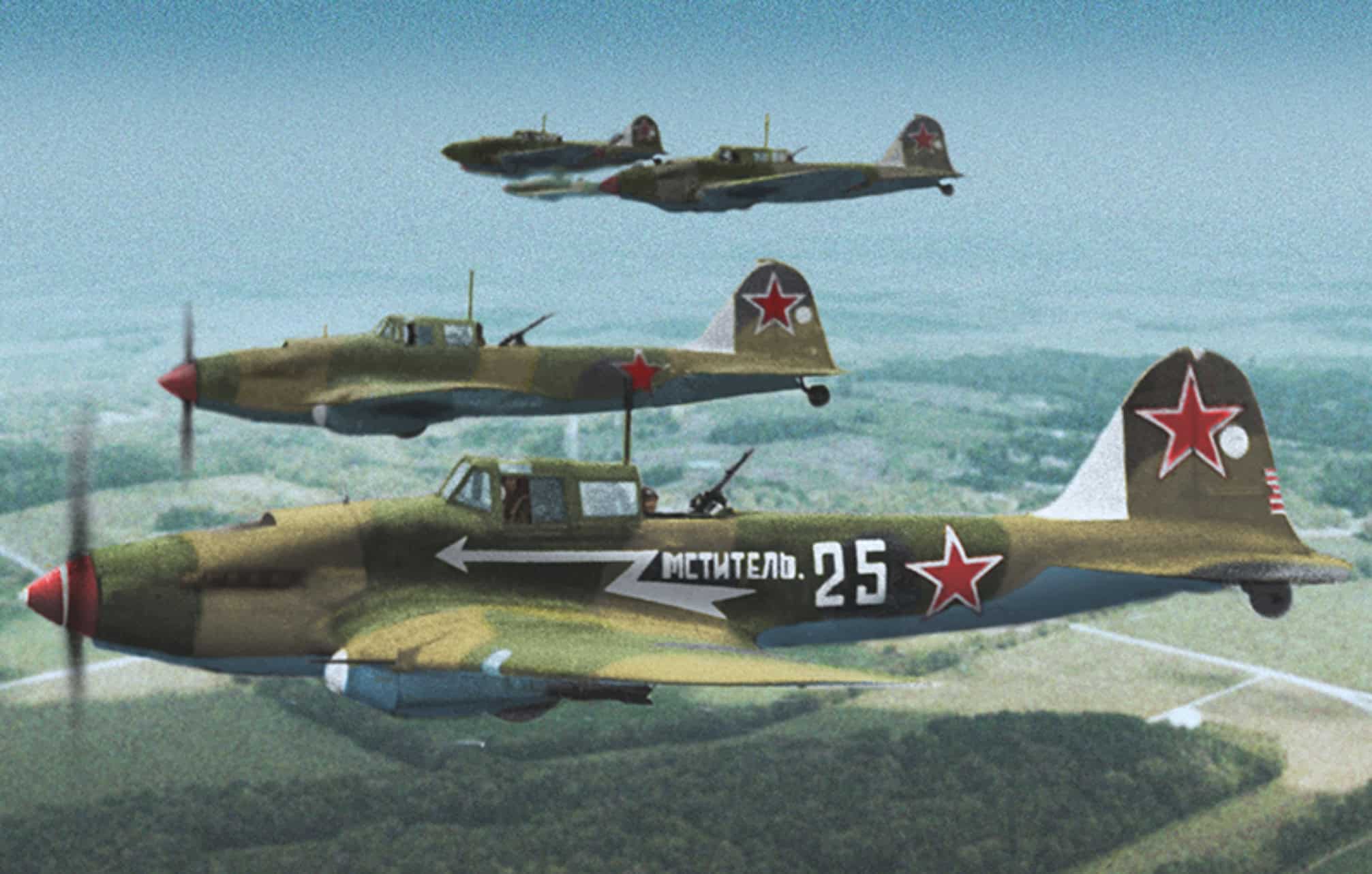
Il-2 Sturmovik
- Country: Soviet Union
- Weapon category: Aircraft
- Year introduced to service: 1941
- Primary role: Ground-attack aircraft
- Key theater of impact: Eastern Front
- Axis counterpart: Ju 87
- Advantage it gave the allies: Armored attack aircraft
- Historical significance: Devastated German ground forces
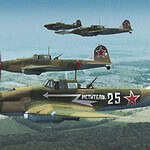
The Il‑2 Sturmovik served as one of the most important ground‑attack aircraft of the war. Heavily armored and armed, it could strike tanks, artillery, and troop concentrations on the Eastern Front. Its presence on the battlefield gave Soviet forces powerful air support during major offensives against German positions.
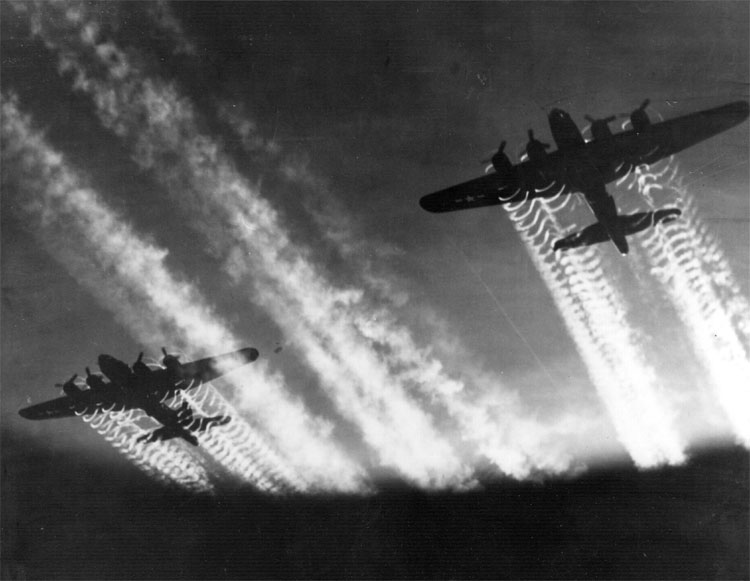
B-17 Flying Fortress
- Country: United States
- Weapon category: Aircraft
- Year introduced to service: 1938
- Primary role: Heavy bomber
- Key theater of impact: European Air War
- Axis counterpart: He 177
- Advantage it gave the allies: Strategic bombing
- Historical significance: Central to Allied bombing campaign
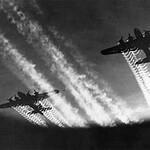
The B‑17 became central to the Allied daylight bombing campaign over Europe. Its heavy defensive armament and ability to absorb damage allowed formations to reach strategic targets deep inside Axis territory. Over time, sustained bombing campaigns weakened German industry and disrupted production critical to the war effort.
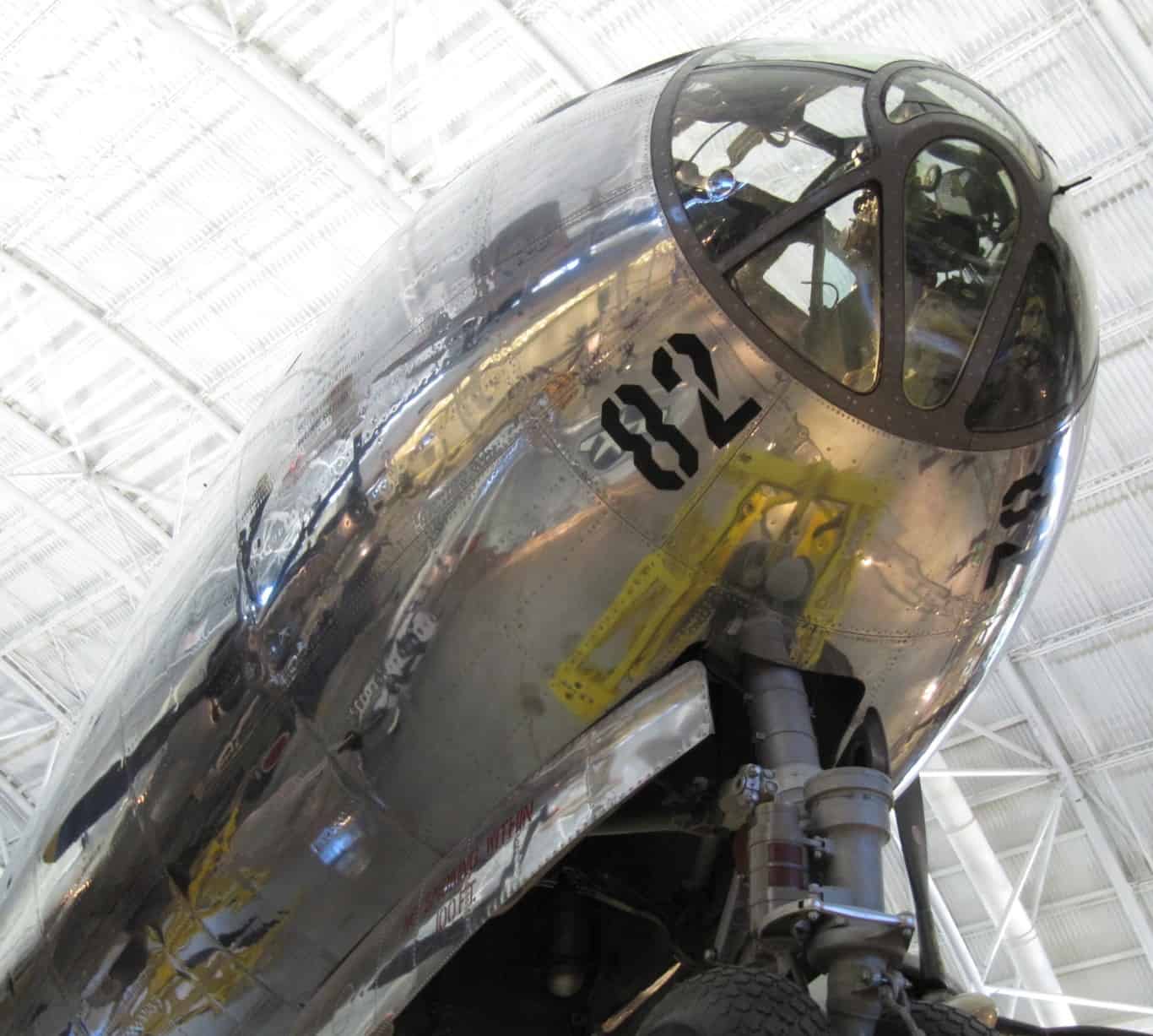
B-29 Superfortress
- Country: United States
- Weapon category: Aircraft
- Year introduced to service: 1944
- Primary role: Long-range bomber
- Key theater of impact: Pacific
- Axis counterpart: Japanese interceptors
- Advantage it gave the allies: Long-range strike
- Historical significance: Enabled bombing campaign against Japan
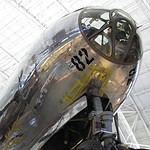
The B‑29 represented a major technological leap in bomber design with long range, pressurized cabins, and advanced systems. Operating primarily in the Pacific, it allowed the United States to strike Japan directly from distant bases. Its ability to deliver massive bomb loads played a decisive role late in the war.
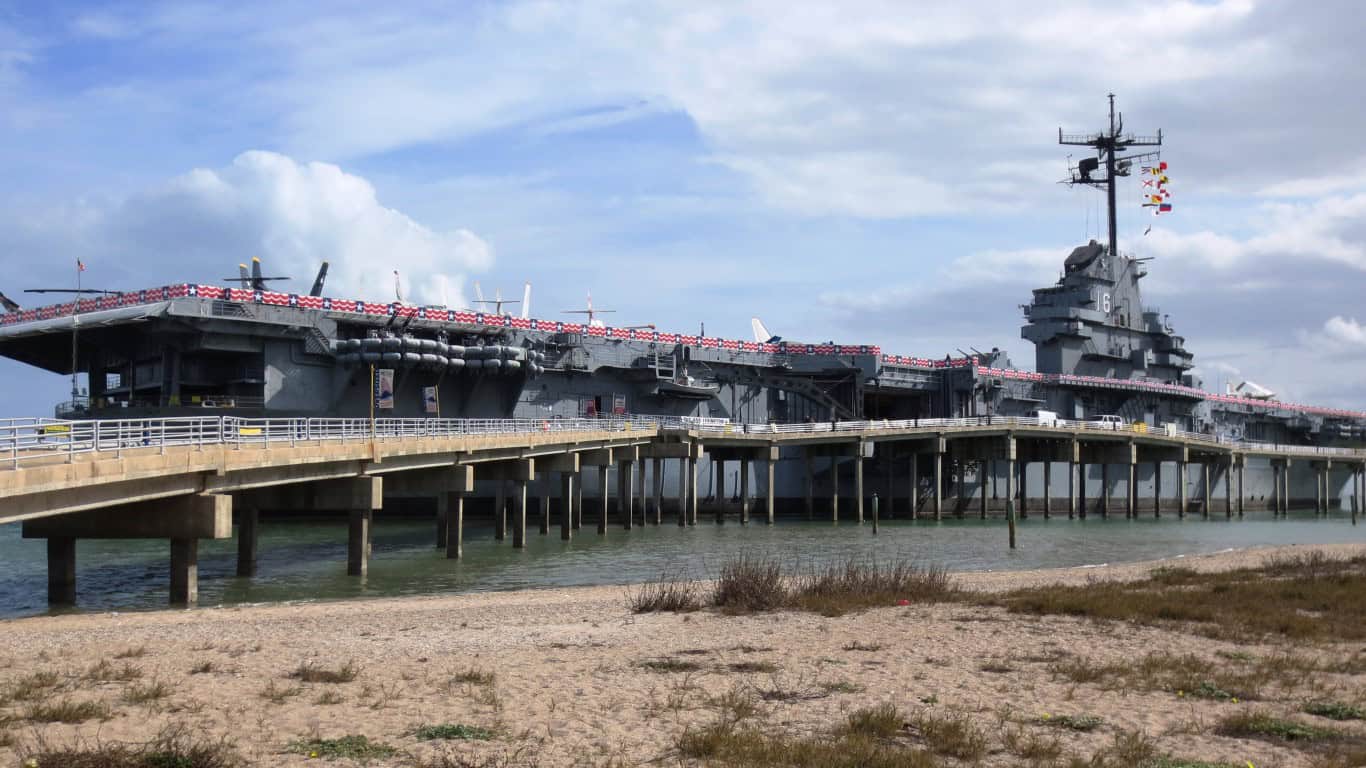
Essex-class Carrier
- Country: United States
- Weapon category: Naval System
- Year introduced to service: 1943
- Primary role: Fleet aircraft carrier
- Key theater of impact: Pacific
- Axis counterpart: Japanese carriers
- Advantage it gave the allies: Carrier dominance
- Historical significance: Backbone of U.S. Pacific naval power
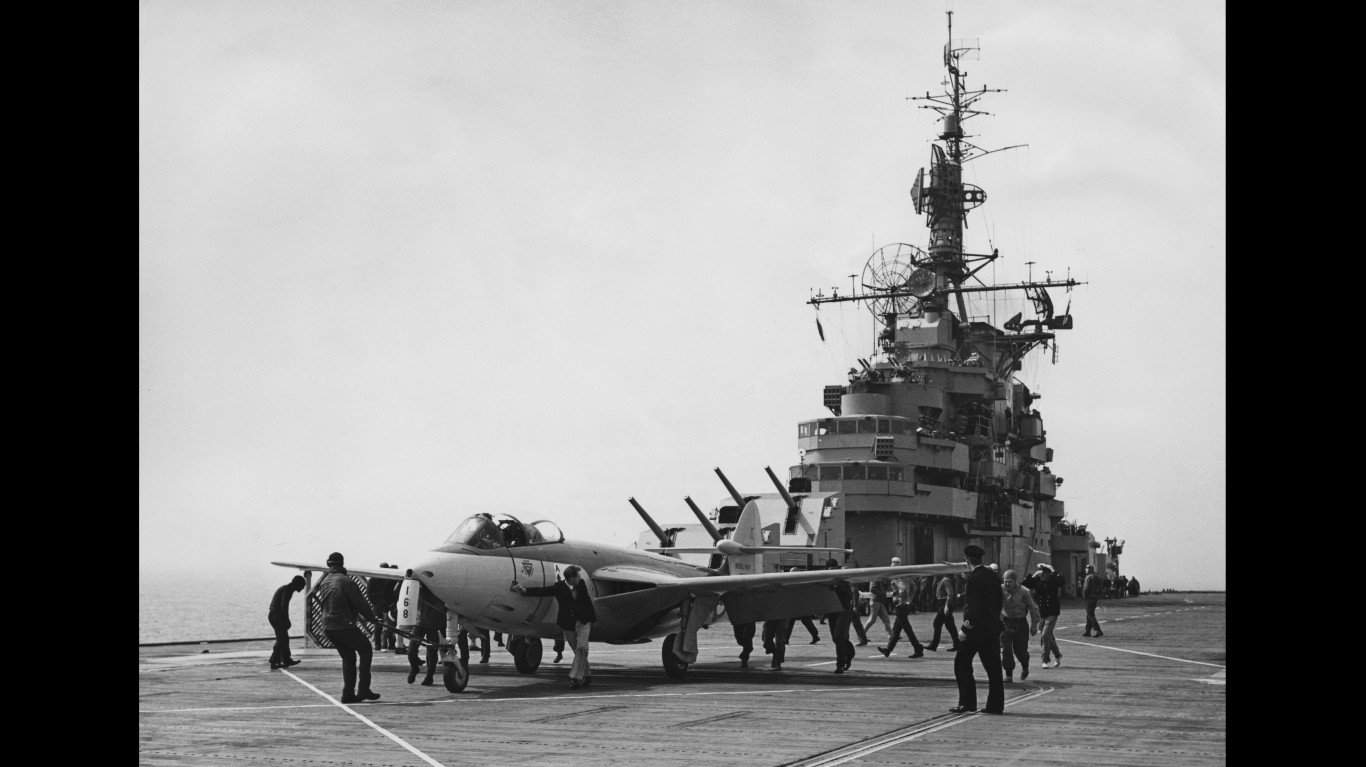
The Essex‑class carriers formed the backbone of American naval aviation in the Pacific. With large air groups and strong defenses, they allowed the U.S. Navy to project power across vast distances. These ships supported major campaigns that gradually pushed Japanese forces back toward their home islands.
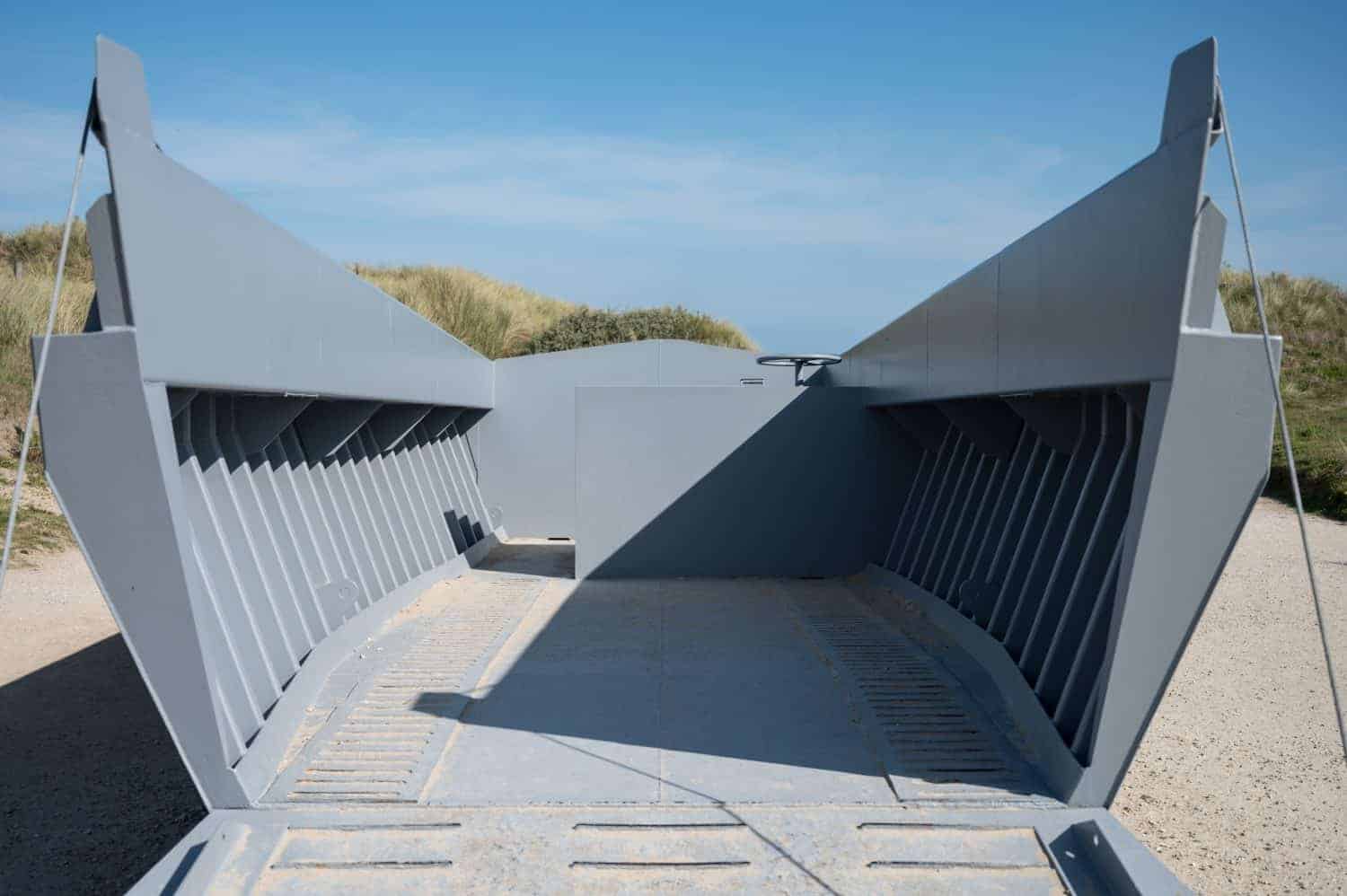
LCVP Higgins Boat
- Country: United States
- Weapon category: Amphibious Craft
- Year introduced to service: 1942
- Primary role: Landing craft
- Key theater of impact: Western Europe / Pacific
- Axis counterpart: Coastal defenses
- Advantage it gave the allies: Amphibious capability
- Historical significance: Enabled large amphibious invasions
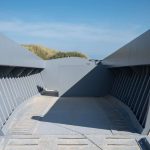
The Higgins landing craft made large amphibious invasions possible by delivering soldiers and equipment directly onto hostile beaches. Without it, operations like the Normandy landings would have been far more difficult to execute. Its simple design and mass production allowed Allied planners to conduct complex amphibious assaults.
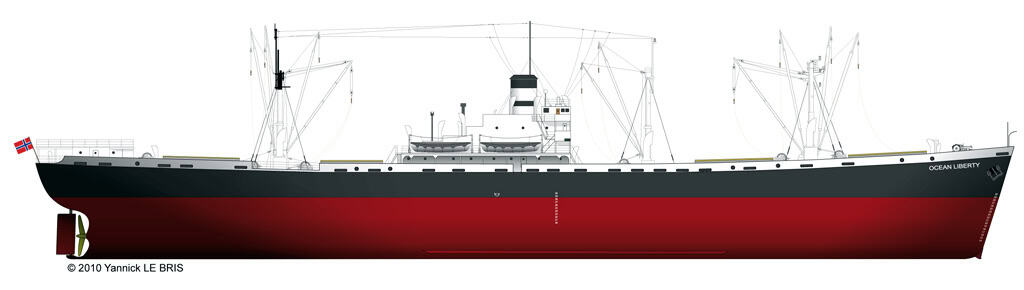
Liberty Ship
- Country: United States
- Weapon category: Logistics Vessel
- Year introduced to service: 1941
- Primary role: Cargo transport
- Key theater of impact: Atlantic
- Axis counterpart: U-boats
- Advantage it gave the allies: Mass logistics
- Historical significance: Kept Allied supply lines moving
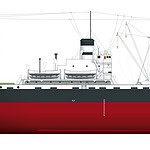
Liberty ships were not glamorous weapons, but they were essential to victory. Built rapidly in American shipyards, they transported troops, fuel, and equipment across oceans threatened by submarines. Their sheer numbers ensured Allied forces remained supplied throughout the war.
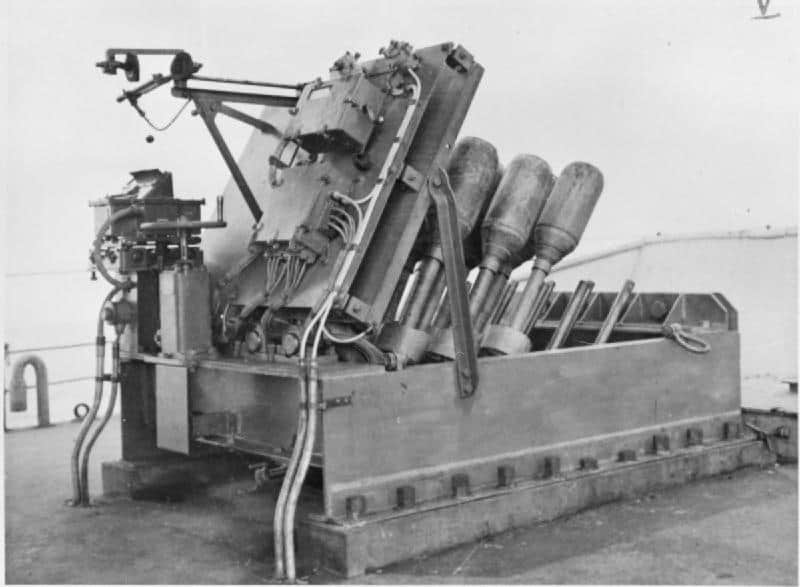
Hedgehog
- Country: United Kingdom
- Weapon category: Naval Weapon
- Year introduced to service: 1942
- Primary role: Anti-submarine weapon
- Key theater of impact: Atlantic
- Axis counterpart: U-boats
- Advantage it gave the allies: Improved ASW attacks
- Historical significance: Increased success against submarines
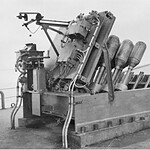
The Hedgehog anti‑submarine weapon improved the effectiveness of Allied escort ships against German U‑boats. Unlike depth charges, it allowed attacks without losing sonar contact. This increased the likelihood of destroying submarines and helped turn the tide in the Battle of the Atlantic.
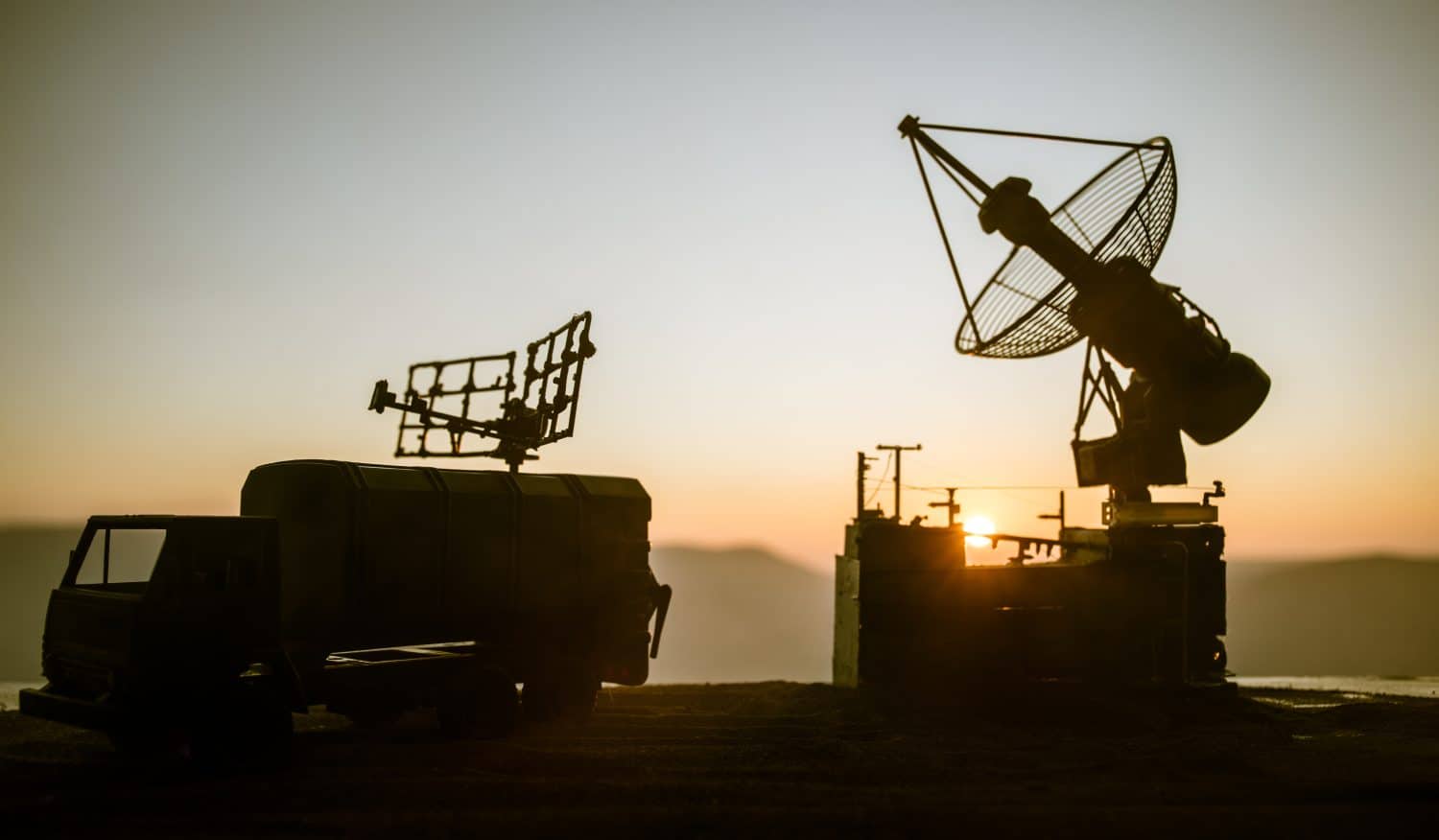
Radar
- Country: United Kingdom / Allies
- Weapon category: Technology
- Year introduced to service: 1939
- Primary role: Detection system
- Key theater of impact: Atlantic / Europe
- Axis counterpart: German radar
- Advantage it gave the allies: Early detection
- Historical significance: Transformed air and naval awareness
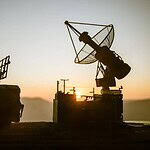
Radar fundamentally changed how the Allies detected enemy aircraft and ships. Early warning allowed defenses to prepare before attacks arrived, saving lives and improving interception rates. As the technology improved, it became one of the most important advantages the Allies held during the war.
Sonar / ASDIC
- Country: United Kingdom
- Weapon category: Technology
- Year introduced to service: 1930s
- Primary role: Submarine detection
- Key theater of impact: Atlantic
- Axis counterpart: U-boats
- Advantage it gave the allies: Sub detection
- Historical significance: Improved convoy protection
ASDIC and other sonar systems helped Allied navies locate submerged submarines that threatened shipping lanes. Combined with improved tactics and weapons, this technology played a major role in protecting convoys. Without it, German U‑boats might have inflicted far greater damage on Allied logistics.
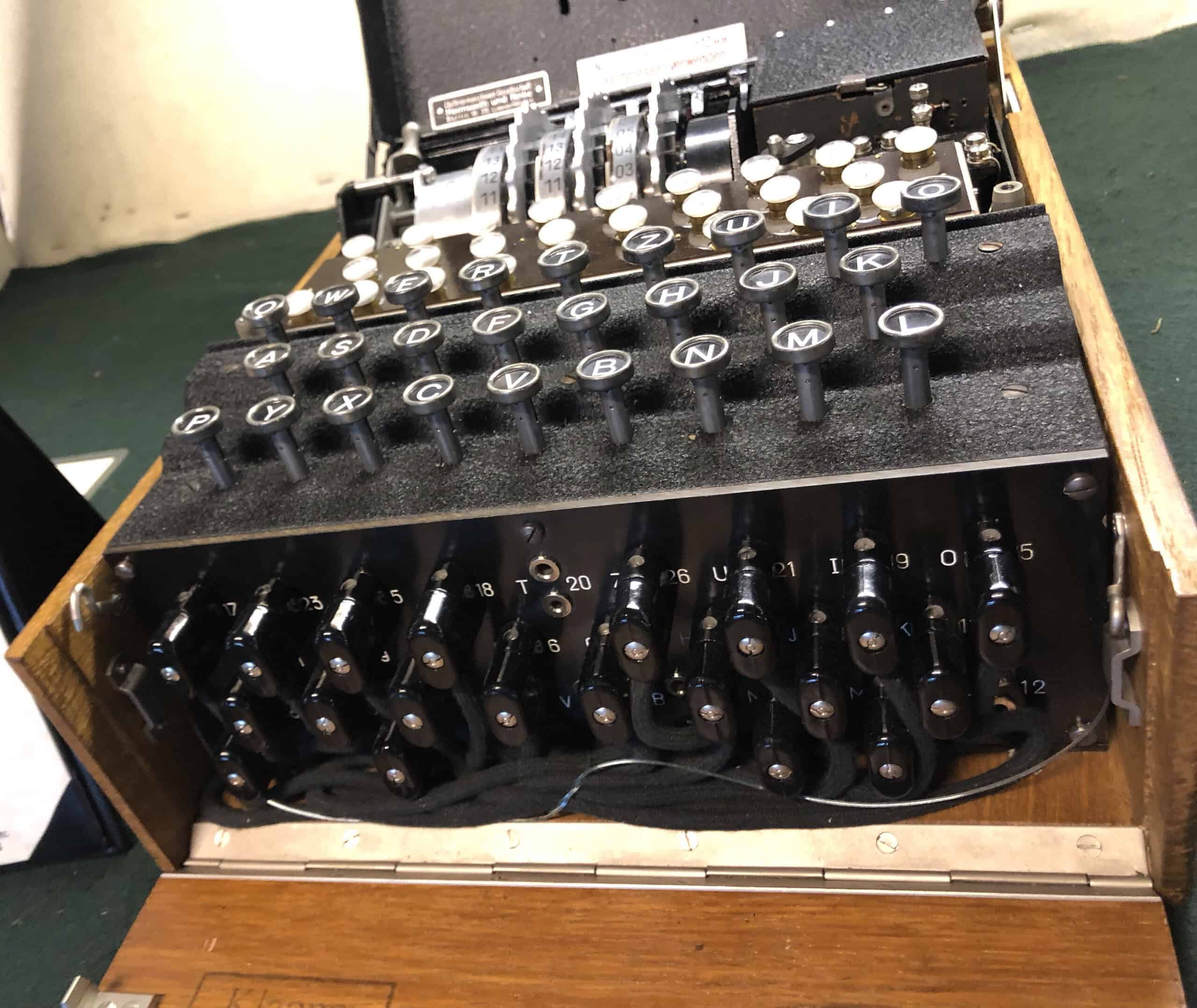
Ultra / Enigma Codebreaking
- Country: United Kingdom
- Weapon category: Intelligence System
- Year introduced to service: 1940
- Primary role: Signals intelligence
- Key theater of impact: Atlantic / Europe
- Axis counterpart: Enigma
- Advantage it gave the allies: Operational intelligence
- Historical significance: Revealed German plans
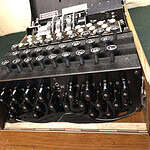
Breaking the German Enigma codes allowed Allied leaders to read critical communications and anticipate enemy movements. Intelligence gained through Ultra influenced naval battles, convoy routing, and major operations. This informational advantage saved ships, shortened campaigns, and gave the Allies insight their opponents did not realize had been compromised.
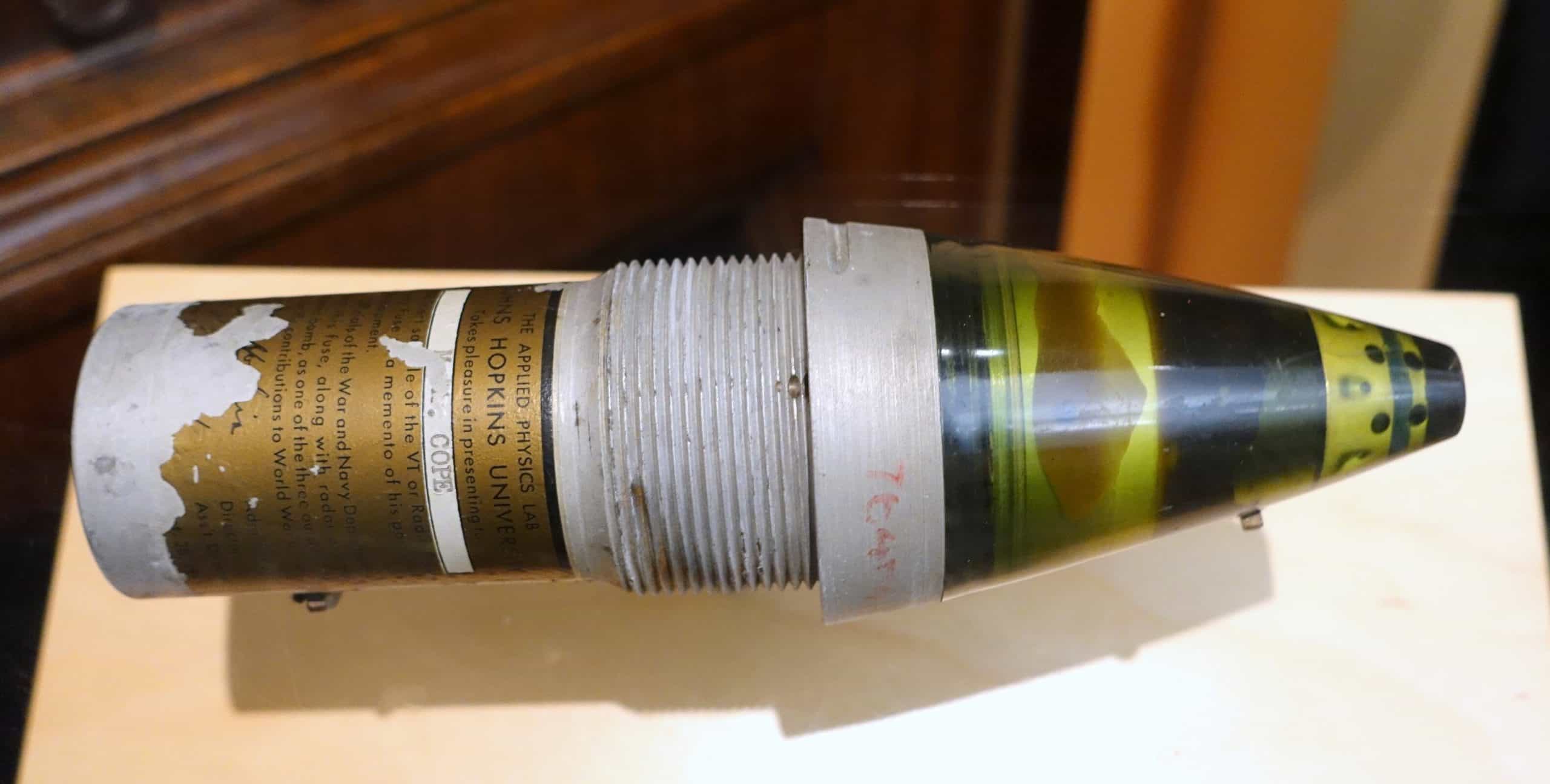
Proximity Fuze
- Country: United States
- Weapon category: Technology
- Year introduced to service: 1943
- Primary role: AA artillery fuze
- Key theater of impact: Europe / Pacific
- Axis counterpart: Conventional AA
- Advantage it gave the allies: Improved anti-aircraft effectiveness
- Historical significance: Made AA fire far more lethal
The proximity fuze dramatically improved the effectiveness of anti‑aircraft artillery by detonating shells when they passed near a target. Instead of relying on precise timing or direct hits, defenses became far more lethal against enemy aircraft. This innovation strengthened air defense and protected Allied forces in several theaters.
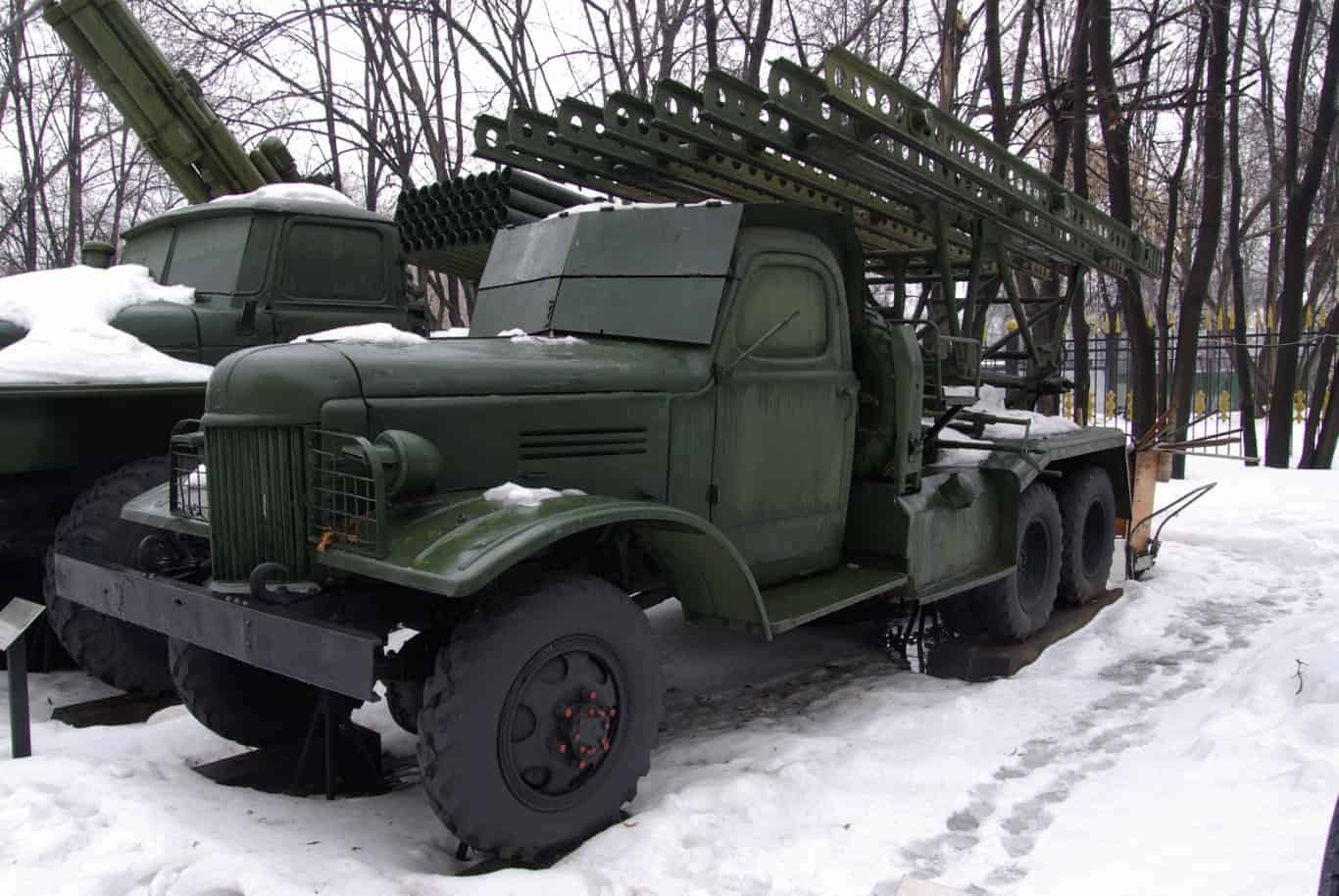
Katyusha Rocket Launcher
- Country: Soviet Union
- Weapon category: Artillery
- Year introduced to service: 1941
- Primary role: Rocket artillery
- Key theater of impact: Eastern Front
- Axis counterpart: Nebelwerfer
- Advantage it gave the allies: Mass bombardment
- Historical significance: Overwhelmed enemy positions quickly
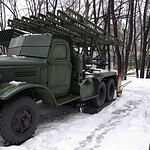
The Soviet Katyusha rocket launcher delivered sudden and overwhelming barrages that could devastate enemy formations. While not always precise, the psychological and physical impact of mass rocket fire was enormous. German troops often faced intense bombardment before Soviet assaults began.
Atomic Bomb
- Country: United States
- Weapon category: Strategic Weapon
- Year introduced to service: 1945
- Primary role: Nuclear weapon
- Key theater of impact: Pacific
- Axis counterpart: None
- Advantage it gave the allies: War-ending capability
- Historical significance: Forced Japan's surrender
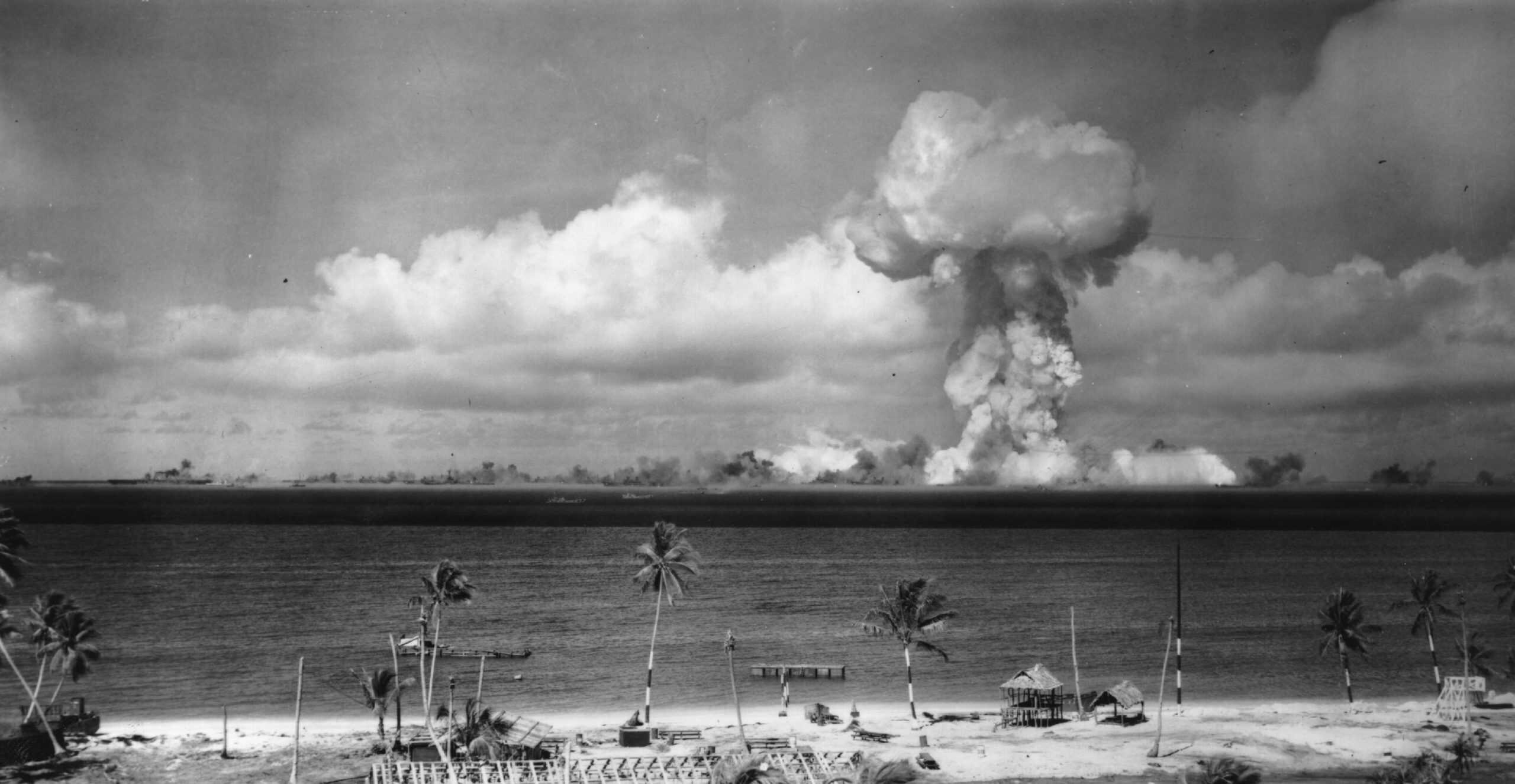
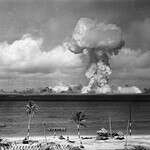
The atomic bomb represented a completely new level of destructive power and ultimately forced Japan to surrender. Its use ended the war in the Pacific and demonstrated the emerging role of nuclear weapons in global conflict. Although controversial, its impact on the outcome of World War II was undeniable.
The image featured at the top of this post is ©Shutterstock – License / Original