



















20 Overhyped Films That Became Major Hollywood Flops
Big-budget films with huge expectations don’t always live up to the hype. Some arrive looking like guaranteed hits, only to fall short in ways that the industry doesn’t forget.
Across decades of Hollywood, the same issues show up again and again. Whether it’s overspending, poor timing, or trying to build a franchise too quickly, these films highlight where things went off track.
Take a look at 20 overhyped movies that didn’t deliver and what their failures revealed about Hollywood.
Heaven’s Gate (1980)
United Artists hyped this film as director Michael Cimino’s big follow-up to his Best Picture-winning film, The Deer Hunter, and the studio funded this old-school Western epic on an unusually large scale. It couldn't help but become a cautionary tale after the shoot spiraled into massive delays, reshoots, a ballooning budget, and brutal reviews on the original cut of the film. After a fast commercial collapse, Heaven's Gate shook studio confidence in director-driven blank checks, falling into relative obscurity.
Ishtar (1987)
This film looked like a sure thing, as Elaine May was paired with Warren Beatty and Dustin Hoffman at the height of their star power. Columbia expected a prestigious comedy event, but that isn't what they received. The film ultimately turned into a warning for anyone listening to the pre-release narrative after reports of impossibly high costs and a rocky production poisoned the buzz. Eventually, the movie arrived to savage reviews and a weak turnout that made the budget headline much bigger than any of the jokes.
The Bonfire of the Vanities (1990)
This film had built-in heat, given that it was set to be a glossy adaptation of Tom Wolfe’s bestseller with Brian De Palma directing and a stacked, high-profile cast. The movie became a flop because the overall tone of the film landed awkwardly, the satire feeling blunted on screen. Critics and audiences rejected what they saw as an expensive project that missed the book’s bite, condemning it to remain a failure.
Waterworld (1995)
Universal sold Waterworld as a Kevin Costner mega-adventure and treated the floating-set production as something meant to rival the biggest blockbusters of the era. However, it became a warning about production risks when storms, timelines, logistics, and resets drove the price up, and the box office was not strong enough to erase the story that the movie cost too much to be called a win. You can still tour the set at Universal Studios Hollywood today, even though it remains as lackluster as the film itself.
Cutthroat Island (1995)
Film studios once chased a Pirates of the Caribbean-style hit years before that brand ever existed, banking on big stunts, expensive sets, star-studded casting, and a classic swashbuckler flick to draw in the crowds. It failed as a lesson in timing and appeal because audiences did not buy the leads or the concept at all. Plus, the costs were enormous, and the theatrical run was so weak that studios treated pirates as toxic for years. It took a studio like Disney to make pirates popular again.
The Island of Dr. Moreau (1996)
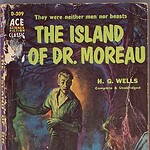
This film concept promised a dark, prestige sci-fi shocker based on a famous H. G. Wells novel, and the cast made it look like a serious event picture; the audience was ready for this one. However, it fell apart in complete chaos when behind-the-scenes turmoil and creative instability produced a film that felt disjointed. The result of this highly-anticipated film? Poor word of mouth that ultimately drowned any curiosity that might remain about the premise.
The Postman (1997)
Kevin Costner was coming off multiple major hits (not including Waterworld) and sold this film as a hopeful, big-screen epic. With his name so deeply attached, the studio expected a sweeping crowd-pleaser. It went wrong because the runtime and tone tested patience (it felt like a slow plod through a boring plot), critics were harsh, and the budget set a bar the box office could not clear, turning it into shorthand for an over-serious blockbuster gamble. It remains a relic
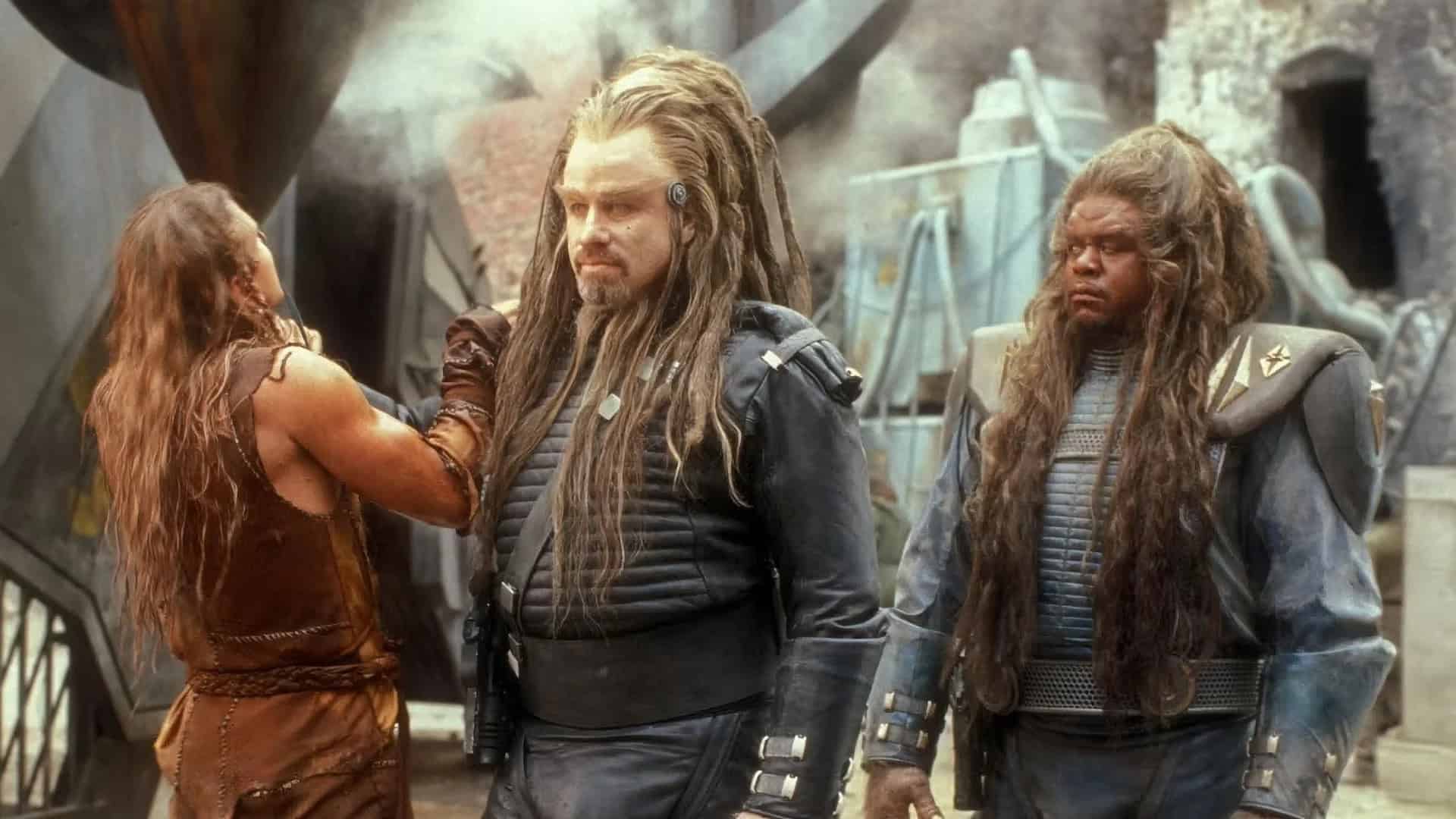
Battlefield Earth (2000)
Pushed as a huge sci-fi spectacle and carrying the extra attention of being a long-gestating passion project starring John Travolta, Battlefield Earth was another exciting sci-fi film for its time. It failed entirely in its execution, as the acting, visuals, style choices, and so much more became a target for ridicule. Plus, the film's negative reputation hardened so quickly that it defined the film more than the story did, both during its time in theaters and long after.
Final Fantasy: The Spirits Within (2001)
While hyped as a breakthrough in realistic computer animation, and the Final Fantasy brand promising a blockbuster-sized fanbase and a new era for digital actors, this little-known film did none of this in reality. It completely flopped because the film’s look and the art style of the protagonists landed in an uncanny, emotionally distant zone for many viewers. Additionally, the huge budget demanded a mainstream turnout that a darker, more abstract story did not deliver, despite it being rooted in a popular video game series.
Town & Country (2001)
The cast of Town & Country signaled an upscale adult comedy, and the studio expected star power and sophistication to translate this film into a reliable hit. However, it didn't deliver and ultimately became a cautionary tale about delays in Hollywood. With a troubled, extended production, inflated costs prevailed and made the finished movie feel behind the moment, with audiences largely ignoring it upon its release.
The Adventures of Pluto Nash (2002)
Eddie Murphy’s track record in the early 2000s made studios believe almost anything he put his weight behind could open big, and the film was positioned as a glossy sci-fi comedy built around him. How could it possibly go wrong? Pluto Nash failed because the jokes and concept did not connect despite Murphy's star power. Plus, the expensive production left no room for a soft opening, and the movie’s reputation as a misfire crushed any chance of a rebound.
Gigli (2003)
Sold on star heat and tabloid attention, the studio behind Gigli assumed its celebrity spotlight would translate this odd little ditty into a must-see release. It couldn't help but collapse as reviews were punishing, as the reported tone of the film felt off to audiences, with word of mouth spreading fast. There was no way to keep this film going in a positive light, despite Jennifer Lopez and Ben Affleck's obvious chemistry.
Mars Needs Moms (2011)
This lesser-known flick is actually considered to be one of Disney's greatest film failures of all time. Disney hyped it as a big family event built on cutting-edge motion-capture and a classic “kid in space” adventure hook, but it failed, and it failed spectacularly. Utilizing expensive animation, the characters still read as emotionally flat and eerie to many viewers. Plus, marketing struggled to sell the tone to the right audience, and the enormous budget made the ultimately weak turnout all the more catastrophic.
John Carter (2012)
Disney made another poor bet on a massive sci-fi launch from director Andrew Stanton after his Pixar run, with the studio hoping the source material would seed an entirely new and successful franchise. It all went wrong because the marketing did not clearly explain what the movie was or why it mattered; given how soon this movie came out after Mars Needs Moms, it's clear Disney's marketing department needed an update during this era. To make them see even more out of touch, the title and trailer messaging felt generic, and the huge spend turned a merely decent box office into a total headline failure.
The Lone Ranger (2013)
With Johnny Depp starring in a blockbuster reboot from the Pirates of the Caribbean team, The Lone Ranger was poised to pair a famous American brand with big action and even bigger star power. However, the budget climbed to a level that demanded gigantic returns, whether that be because of star power or another reason. Reviews and word of mouth were mixed, to put it politely, and audiences did not embrace the tone, leaving the studio with franchise-sized costs but not franchise-sized demand.
Jupiter Ascending (2015)
The Wachowskis were coming off a legacy of world-building sci-fi, and the studio positioned Jupiter Ascending as an original space opera with plenty of blockbuster visuals. However, it struggled because the story felt confusing to many viewers, with the tone swinging wildly. The film's mixed reception prevented the kind of momentum an expensive original IP needs to grow and work, so no more films resulted from this unique concept.
Fantastic Four (2015)
Fox hyped a darker reboot that could refresh Marvel’s Fantastic Four, and the cast and release slot signaled major potential. However, reports of creative conflict and reshoots fed bad buzz, with the final film feeling uneven to audiences, and poor word of mouth shut down the idea of building anything bigger on top of it. With another Fantastic Four film recently released, the 2015 version may end up long forgotten.
The Golden Compass (2007)
Sold as the next big fantasy franchise with a beloved book series and a prestige cast meant to launch multiple films, The Golden Compass did anything but deliver. It underperformed and became a clear warning about adaptation risk, as the storytelling felt compromised to many fans of the book. The domestic turnout at the box office was softer than needed, and the franchise plan stalled when the movie did not feel like a sure investment in the U.S. market.
The Last Airbender (2010)
Nickelodeon’s animated series, Avatar: The Last Airbender, already had a passionate fanbase, and the studio treated the movie as the start of a long, effects-heavy fantasy movie series. It unfortunately failed because the adaptation choices angered fans, leading to harsher critics and the brand’s trust was eroded so quickly that sequels stopped feeling viable even before any long-term plan could begin. Most fans of this franchise stick with the animated series, and for good reason.
Cats (2019)
Universal hyped this Broadway classic as an awards-season event by pairing this famous musical with a director coming off a Best Picture win and a celebrity-packed cast. However, the digital-fur visuals utilized in the film triggered widespread backlash, and even reports of last-minute VFX fixes reinforced the idea that the film’s biggest hook was also its biggest problem. The musical's core fanbase couldn't fathom why they didn't utilize more practical effects, and many critics can't help but agree, too.
The Mummy (2017)
Positioned as the launchpad for Universal’s planned Dark Universe franchise with Tom Cruise headlining, The Mummy remake stumbled because audiences felt the shared-universe setup completely crowded out the plot of the movie itself. The reception of the film was mixed to negative, and the studio’s larger rollout lost momentum almost immediately when the first step failed to inspire confidence.
The image featured at the top of this post is ©IMDB