


20 Military Rifles That Changed the Course of Warfare
Most rifles fulfill their role and eventually fade into history, but a select few have had a lasting impact on how wars are fought. These weapons introduced major advancements in firepower, accuracy, reliability, and design, forcing armies to adapt their tactics or risk being outmatched on the battlefield.
From early bolt-action innovations to modern automatic platforms, each of these rifles played a role in shaping military doctrine and global conflict. In this slideshow, History Computer examines 20 of the most influential military rifles ever developed, exploring when they were introduced, where they were used, and how they changed warfare.
The Weapons That Rewrote the Battlefield
For most of history, wars were shaped more by tactics than technology. Then certain rifles appeared that forced armies to rethink everything—from formations and engagement distances to how soldiers were trained. These were not incremental improvements. They were battlefield disruptors that permanently altered the way wars were fought.
When Firepower Changed Strategy
Each major leap in rifle technology triggered a chain reaction. Faster reload times made traditional formations obsolete. Greater accuracy expanded combat ranges. Semi-automatic fire increased battlefield lethality. Over time, rifles stopped being simple infantry tools and became drivers of military strategy.
Innovation That Forced the World to Adapt
The rifles on this list did more than give one army an advantage—they forced rival nations to respond. Some sparked arms races. Others became the blueprint for future service weapons. When a rifle was widely copied or feared, it signaled that warfare itself had shifted.
From Black Powder to Modular Warfare
The story of military rifles mirrors the evolution of modern combat. What began with slow, smoke-filled battlefields progressed into an era defined by precision, speed, and adaptability. Across two centuries, these weapons helped transform industrial warfare into the highly mobile, technologically integrated conflicts seen today.
The Rifles That Didn't Just Fight Wars—They Changed Them
Many rifles served with distinction, but only a select few changed the trajectory of military history. Their influence extended beyond the battles they fought, shaping doctrine, procurement, and battlefield expectations for generations. Understanding these rifles is, in many ways, understanding how modern warfare came to look the way it does.
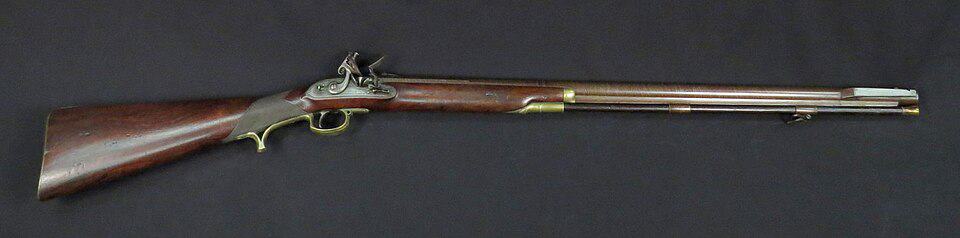
Baker Rifle
- Country of origin: United Kingdom
- Year introduced to service: 1800
- Conflict / era of impact: Napoleonic Wars
- Technological breakthrough: Precision rifling for infantry
- Doctrinal shift created: Birth of trained marksmen
- Global influence: Influenced light infantry tactics across Europe
- Why it changed warfare: Proved accuracy could defeat mass formations
The Baker Rifle proved that precision could outperform massed musket fire. Issued to specialized rifle units during the Napoleonic Wars, it enabled accurate engagement at ranges previously considered impractical. This forced armies to reconsider the value of marksmanship, helping establish the concept of trained light infantry and permanently shifting battlefield expectations toward accuracy over sheer volume.
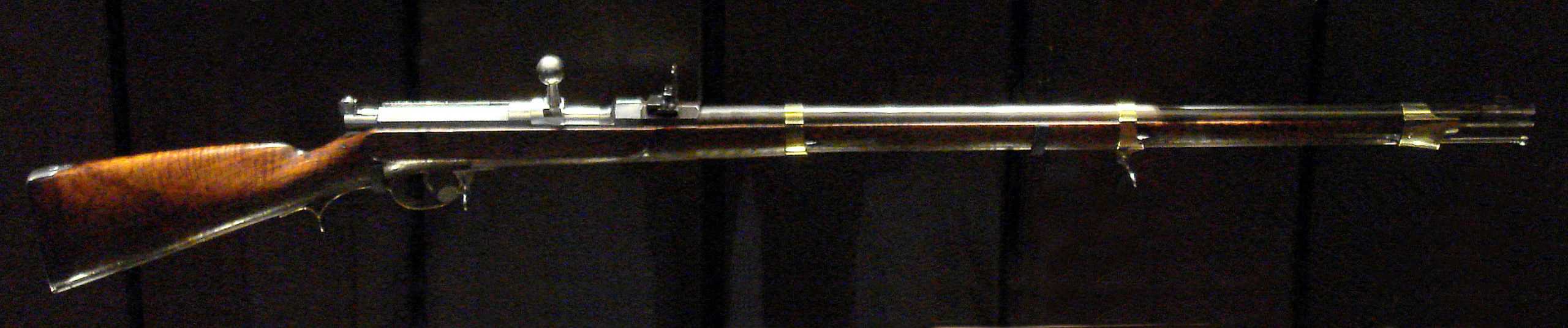
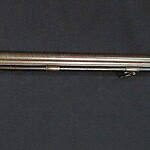
Dreyse Needle Gun
- Country of origin: Prussia
- Year introduced to service: 1841
- Conflict / era of impact: Mid-19th Century European Wars
- Technological breakthrough: First practical bolt-action
- Doctrinal shift created: Enabled prone reloading and faster fire
- Global influence: Shocked rival European armies
- Why it changed warfare: Revolutionized infantry survivability and rate of fire
Prussia's Dreyse Needle Gun introduced the practical bolt-action breechloader, allowing soldiers to reload while prone and fire significantly faster than opponents using muzzleloaders. Its battlefield success demonstrated the tactical advantage of rate of fire and survivability, pushing European armies toward breechloading systems and accelerating the modernization of infantry weapons across the continent.
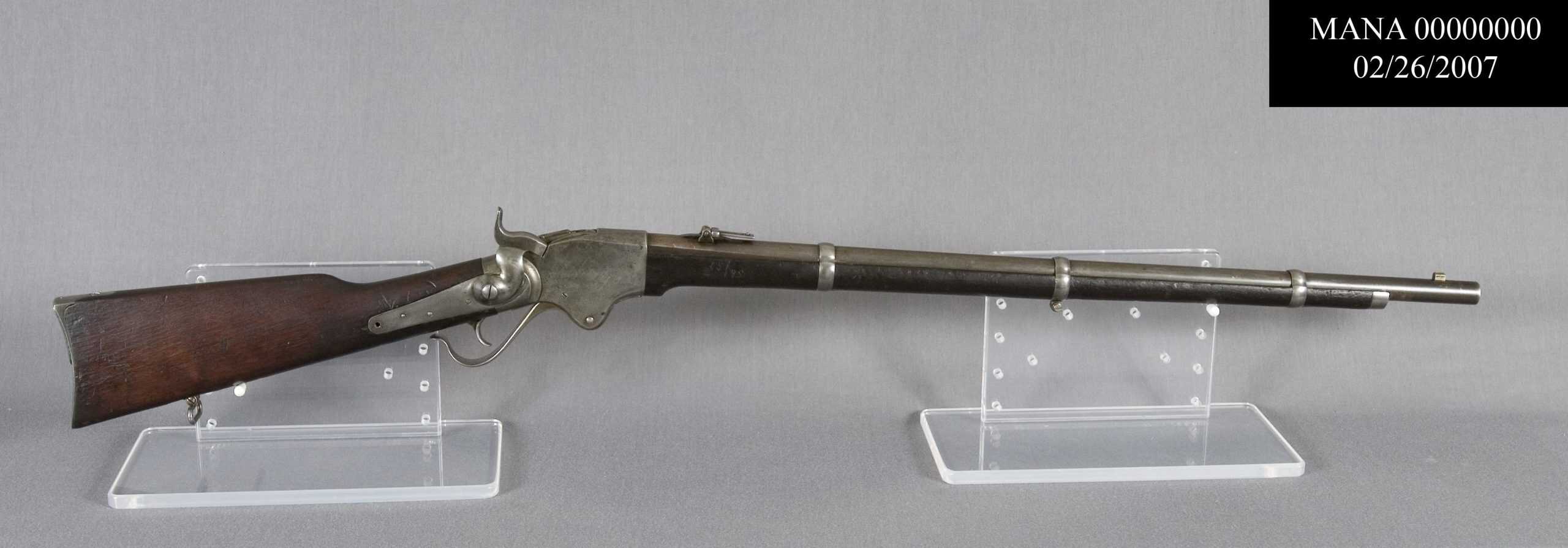
Spencer Repeating Rifle
- Country of origin: United States
- Year introduced to service: 1860
- Conflict / era of impact: American Civil War
- Technological breakthrough: Reliable repeating mechanism
- Doctrinal shift created: Dramatically increased volume of fire
- Global influence: Demonstrated repeating rifles' battlefield value
- Why it changed warfare: Foreshadowed the future of infantry firepower
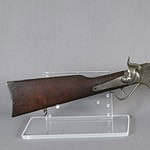
The Spencer Repeating Rifle gave Union forces a dramatic increase in sustained firepower during the American Civil War. Soldiers could fire multiple rounds without reloading from the muzzle, overwhelming opponents accustomed to slower weapons. Its success proved that repeating rifles could transform engagements, laying the groundwork for the widespread adoption of multi-shot infantry arms.
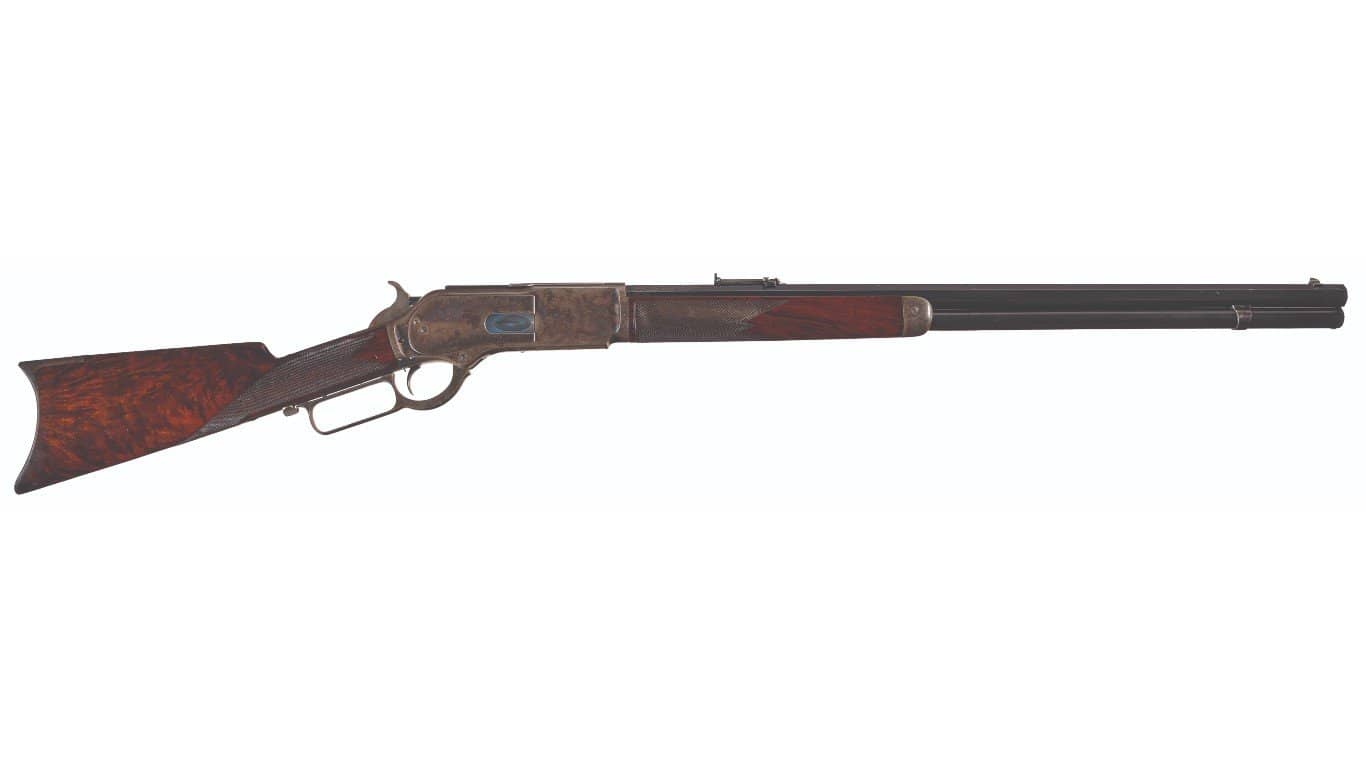
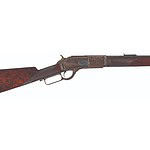
Winchester Model 1873
- Country of origin: United States
- Year introduced to service: 1873
- Conflict / era of impact: Late Industrial Warfare
- Technological breakthrough: Durable repeating platform
- Doctrinal shift created: Normalized rapid-fire shoulder weapons
- Global influence: Influenced global repeating rifle development
- Why it changed warfare: Showed sustained fire could reshape engagements
The Winchester Model 1873 helped normalize the idea that infantry could deliver rapid, repeated fire from a shoulder weapon. While often associated with frontier conflicts, its durable repeating mechanism influenced military thinking worldwide by demonstrating that sustained fire capability could decisively shape smaller engagements and irregular warfare.
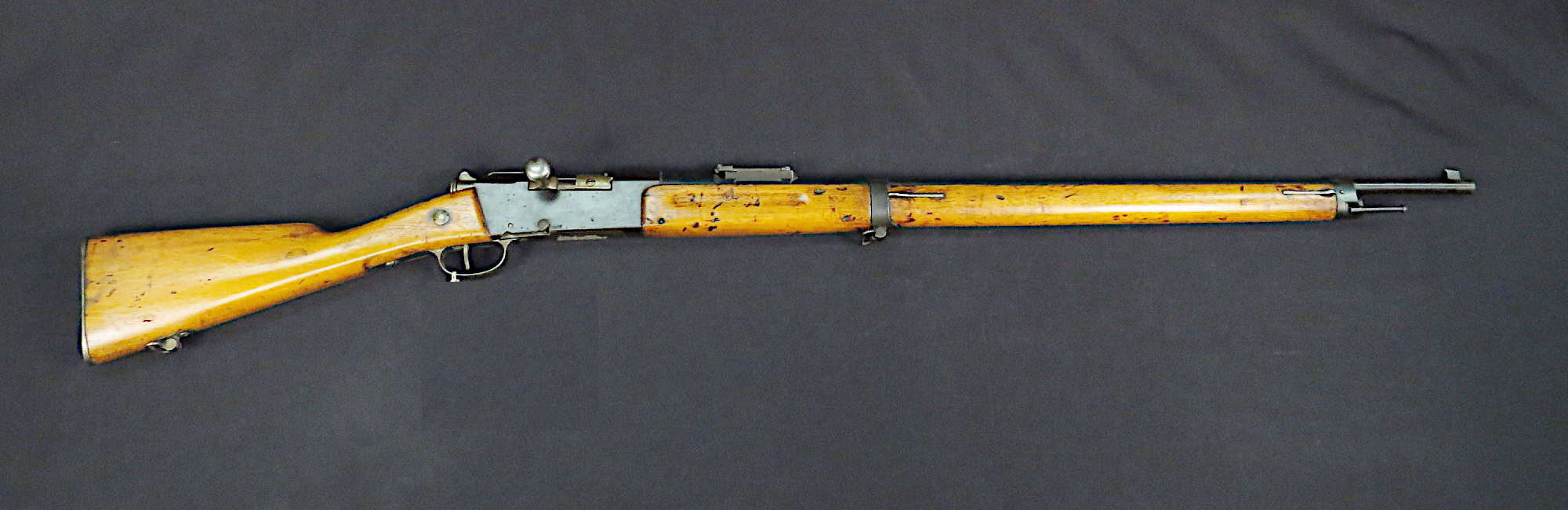
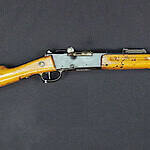
Lebel Model 1886
- Country of origin: France
- Year introduced to service: 1886
- Conflict / era of impact: Pre-WWI Industrial Arms Race
- Technological breakthrough: Smokeless powder cartridge
- Doctrinal shift created: Extended engagement distances
- Global influence: Triggered worldwide arms modernization
- Why it changed warfare: Transformed battlefield visibility and tactics
France's Lebel Model 1886 was the first military rifle built around smokeless powder ammunition, dramatically reducing battlefield smoke while increasing velocity and range. Opposing forces suddenly found themselves visible while French troops were not, triggering an international arms race and redefining how industrial-era battles would be fought.
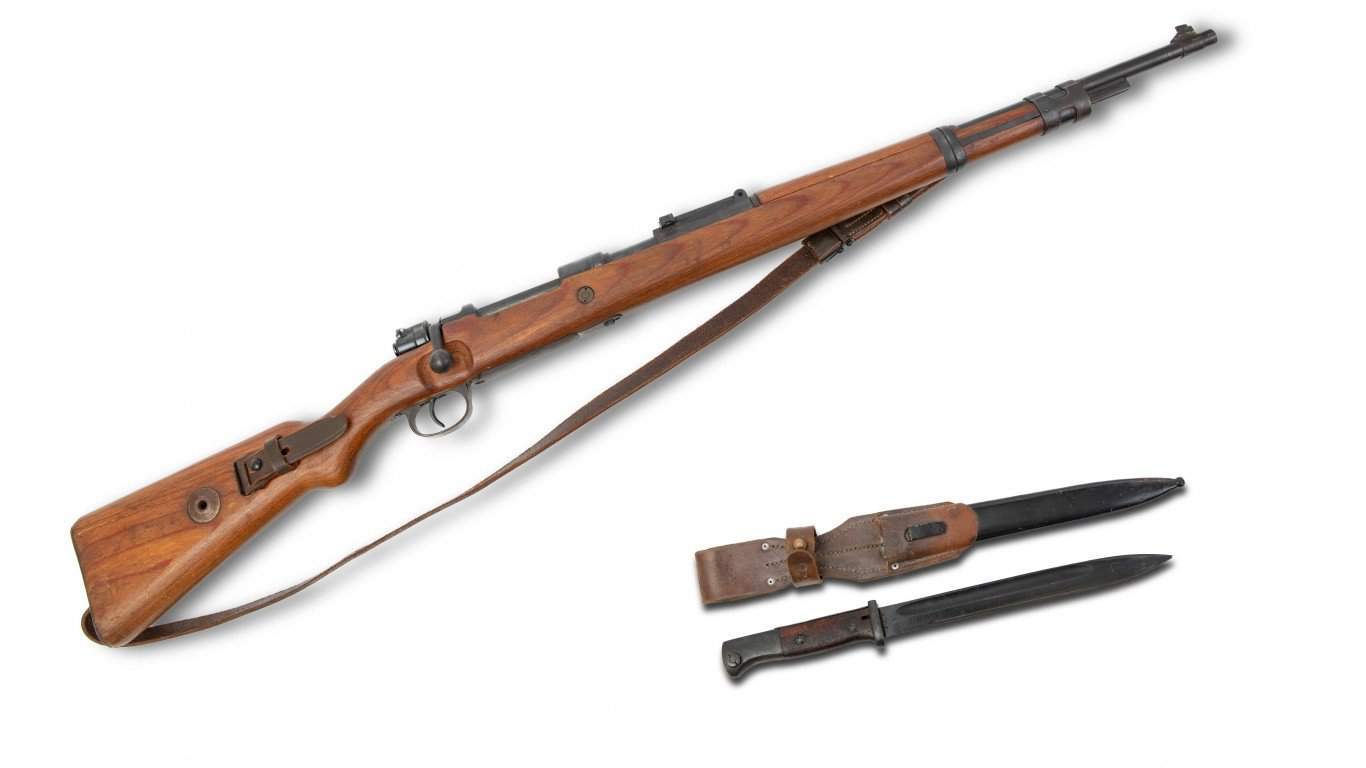
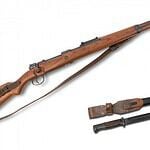
Mauser Gewehr 98
- Country of origin: Germany
- Year introduced to service: 1898
- Conflict / era of impact: WWI
- Technological breakthrough: Stripper-clip feeding and strong action
- Doctrinal shift created: Set the bolt-action standard
- Global influence: Copied worldwide
- Why it changed warfare: Defined rifle design for half a century
The Mauser Gewehr 98 established a benchmark for bolt-action strength, feeding reliability, and battlefield durability. Its stripper-clip system improved reload speed, while its robust action influenced rifle engineering across multiple continents. For decades, military rifles were measured against Mauser standards, making it one of the most consequential infantry weapons ever produced.
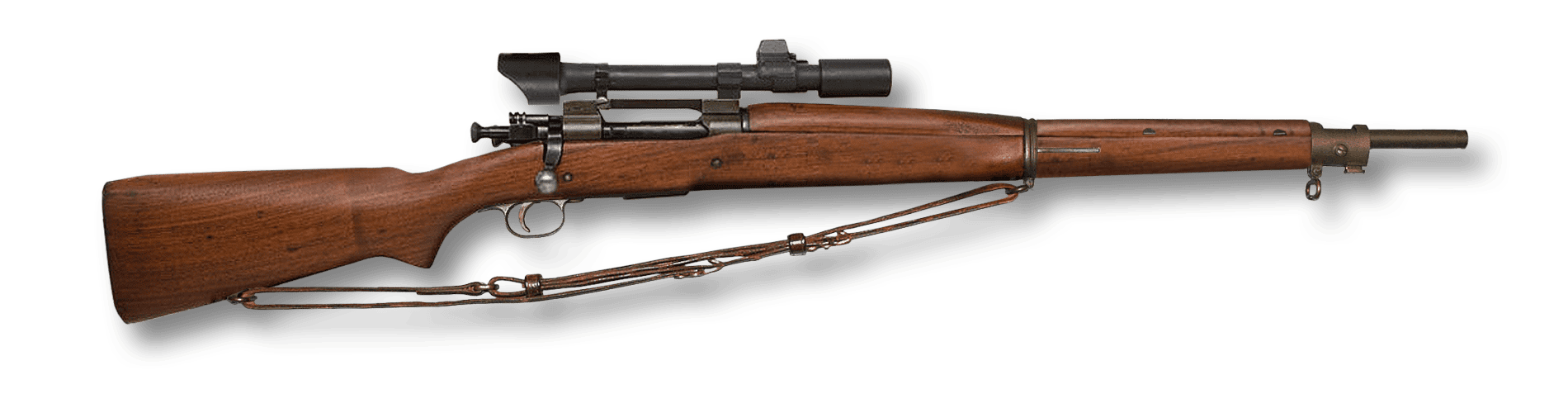
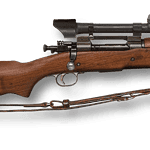
M1903 Springfield
- Country of origin: United States
- Year introduced to service: 1903
- Conflict / era of impact: WWI
- Technological breakthrough: Precision manufacturing
- Doctrinal shift created: Raised expectations for accuracy
- Global influence: Influenced U.S. and allied doctrine
- Why it changed warfare: Helped standardize modern infantry rifles
The M1903 Springfield combined proven Mauser mechanics with American manufacturing precision, producing a rifle that elevated expectations for accuracy and consistency. Its performance helped standardize what a modern service rifle should deliver, reinforcing the importance of dependable, precision-capable infantry weapons in large-scale warfare.
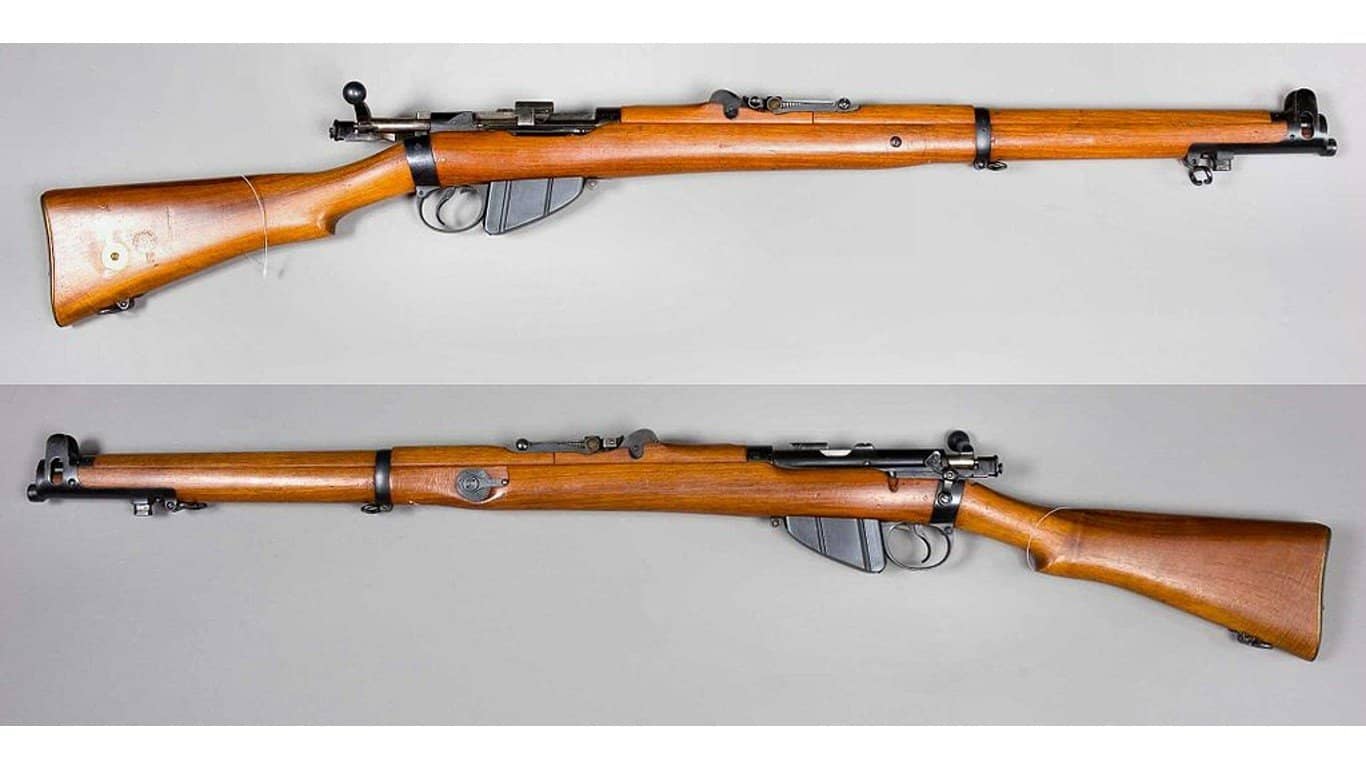
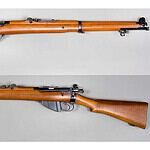
Lee–Enfield SMLE
- Country of origin: United Kingdom
- Year introduced to service: 1907
- Conflict / era of impact: WWI
- Technological breakthrough: High-capacity magazine with fast bolt
- Doctrinal shift created: Enabled rapid volley fire
- Global influence: Respected globally
- Why it changed warfare: Changed expectations for sustained infantry fire
The Lee–Enfield SMLE enabled British forces to deliver extraordinarily rapid bolt-action fire, famously demonstrated through the 'mad minute.' Its higher magazine capacity and smooth bolt operation encouraged doctrines emphasizing sustained, accurate volleys, forcing adversaries to reassess assumptions about bolt-action limitations.
Mondragón Rifle
- Country of origin: Mexico
- Year introduced to service: 1908
- Conflict / era of impact: Early Semi-Auto Era
- Technological breakthrough: Early self-loading capability
- Doctrinal shift created: Previewed future infantry rifles
- Global influence: Studied internationally
- Why it changed warfare: Proved semi-autos were viable
The Mondragón Rifle was one of the earliest semi-automatic service rifles, proving that self-loading technology was achievable even if manufacturing challenges limited widespread adoption. Its existence signaled the future of infantry weapons, influencing later designs and encouraging continued investment in semi-automatic capability.
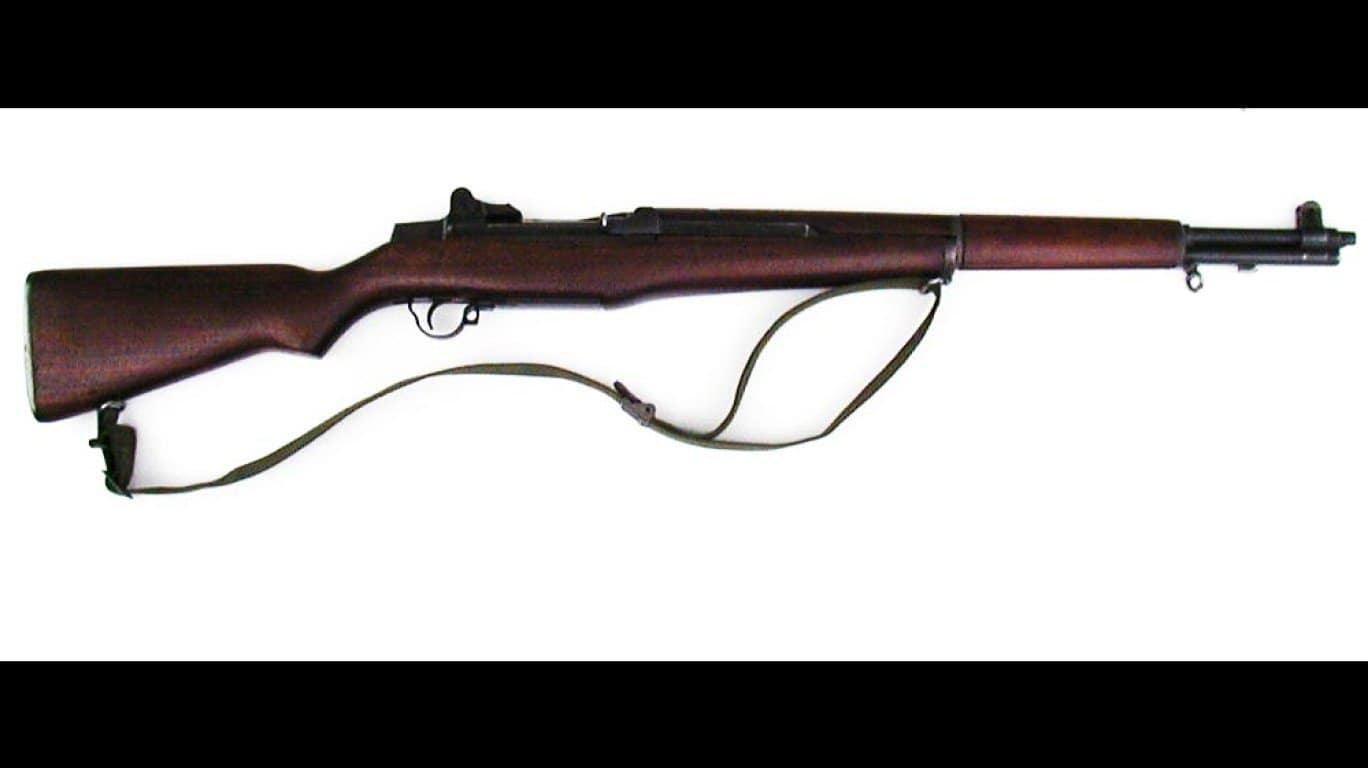
M1 Garand
- Country of origin: United States
- Year introduced to service: 1936
- Conflict / era of impact: WWII
- Technological breakthrough: Gas-operated semi-auto system
- Doctrinal shift created: Normalized semi-auto infantry
- Global influence: Admired and studied globally
- Why it changed warfare: Gave U.S. forces a major firepower advantage
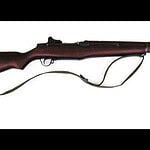
The M1 Garand normalized semi-automatic infantry fire at scale, giving U.S. troops a significant rate-of-fire advantage during World War II. Opponents relying on bolt-action rifles struggled to match this output, demonstrating that faster follow-up shots could directly translate into battlefield superiority.
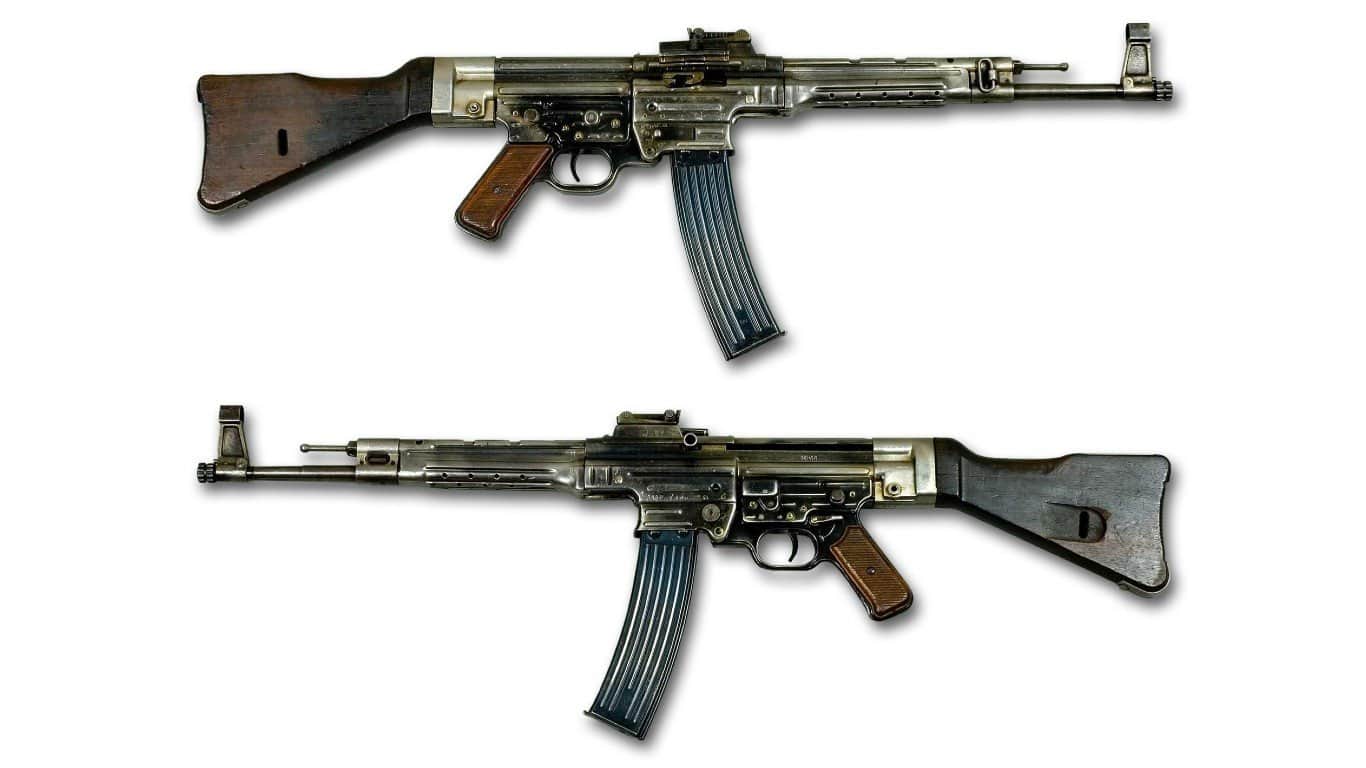
StG 44
- Country of origin: Germany
- Year introduced to service: 1944
- Conflict / era of impact: WWII
- Technological breakthrough: Intermediate cartridge + select fire
- Doctrinal shift created: Created assault rifle doctrine
- Global influence: Inspired nearly every modern service rifle
- Why it changed warfare: Rewrote infantry combat philosophy
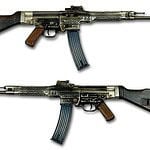
Germany's StG 44 created the assault rifle category by pairing an intermediate cartridge with controllable automatic fire. It allowed soldiers to engage effectively across varied combat distances, fundamentally reshaping infantry doctrine. Nearly every modern service rifle traces conceptual roots to this breakthrough.
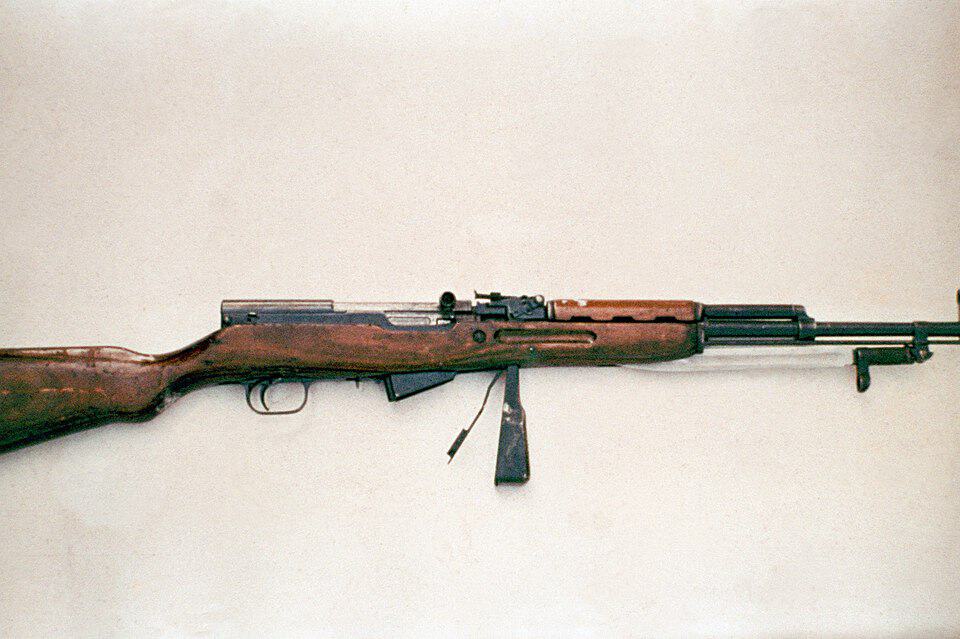
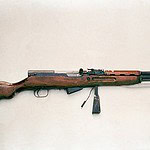
SKS
- Country of origin: Soviet Union
- Year introduced to service: 1945
- Conflict / era of impact: Early Cold War
- Technological breakthrough: Intermediate cartridge adoption
- Doctrinal shift created: Bridged bolt-action to assault rifles
- Global influence: Exported widely
- Why it changed warfare: Helped armies transition to modern cartridges
Though transitional, the SKS validated the battlefield practicality of intermediate cartridges, showing they could balance recoil, ammunition weight, and effective range. It helped militaries understand that traditional full-power rounds were not always necessary, smoothing the path toward assault rifle adoption.
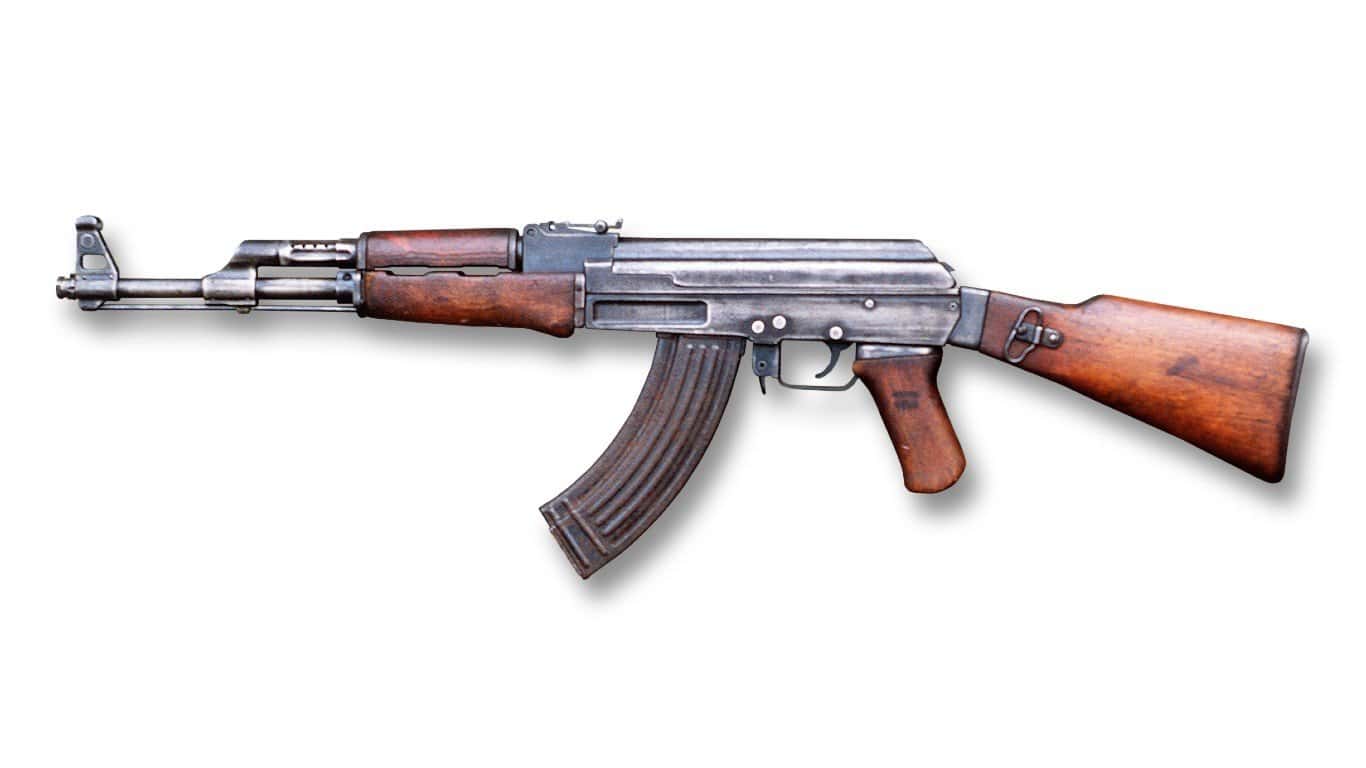
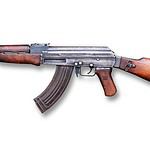
AK-47
- Country of origin: Soviet Union
- Year introduced to service: 1947
- Conflict / era of impact: Cold War
- Technological breakthrough: Extreme reliability with simple design
- Doctrinal shift created: Enabled mass armament
- Global influence: Most globally proliferated rifle
- Why it changed warfare: Shaped insurgencies and modern conflicts
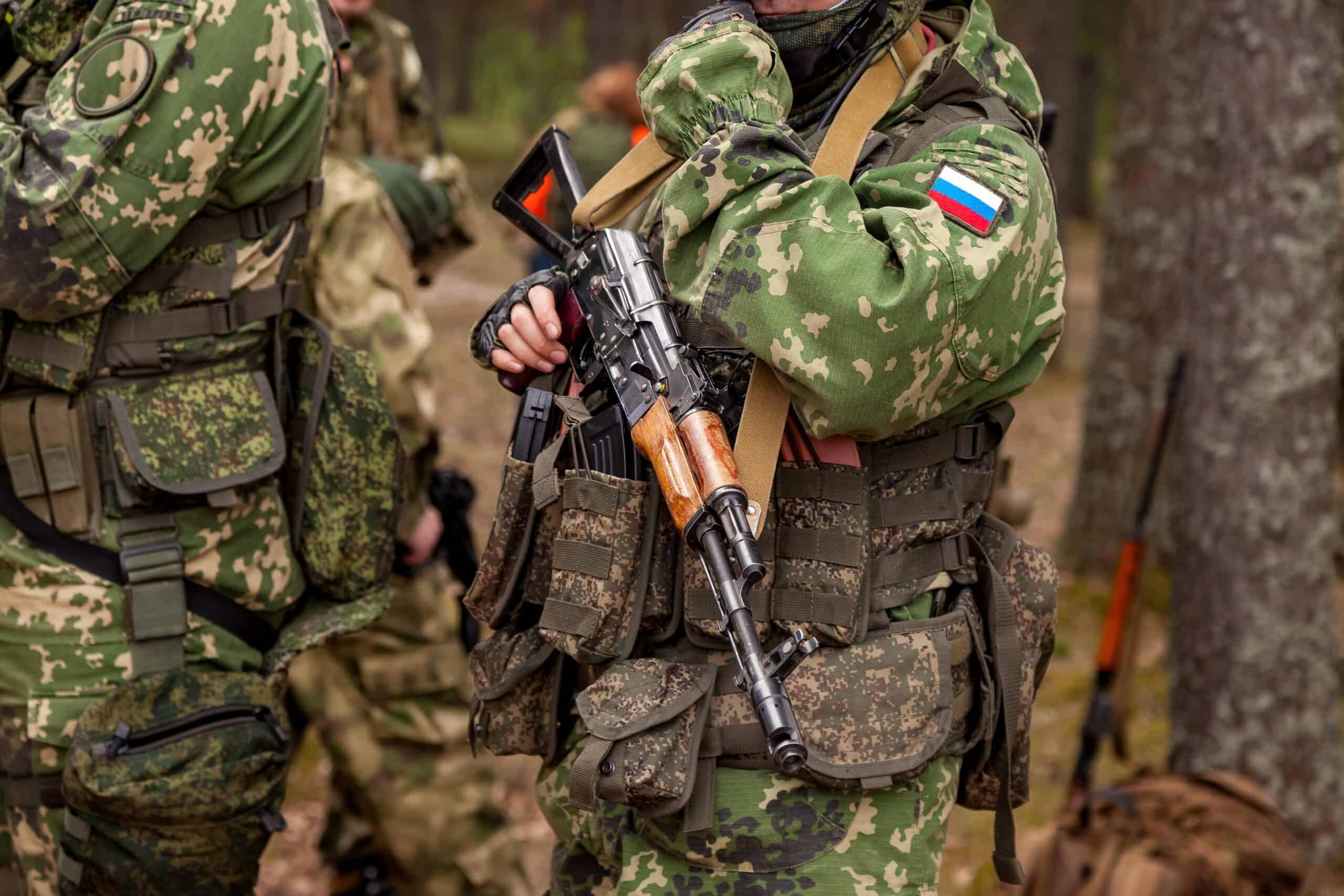
The AK-47 combined reliability, simplicity, and mass production in a way no rifle had before. Its ability to function in harsh conditions enabled widespread global distribution, shaping insurgencies, revolutions, and conventional conflicts alike. Few weapons have influenced the character of modern warfare more profoundly.
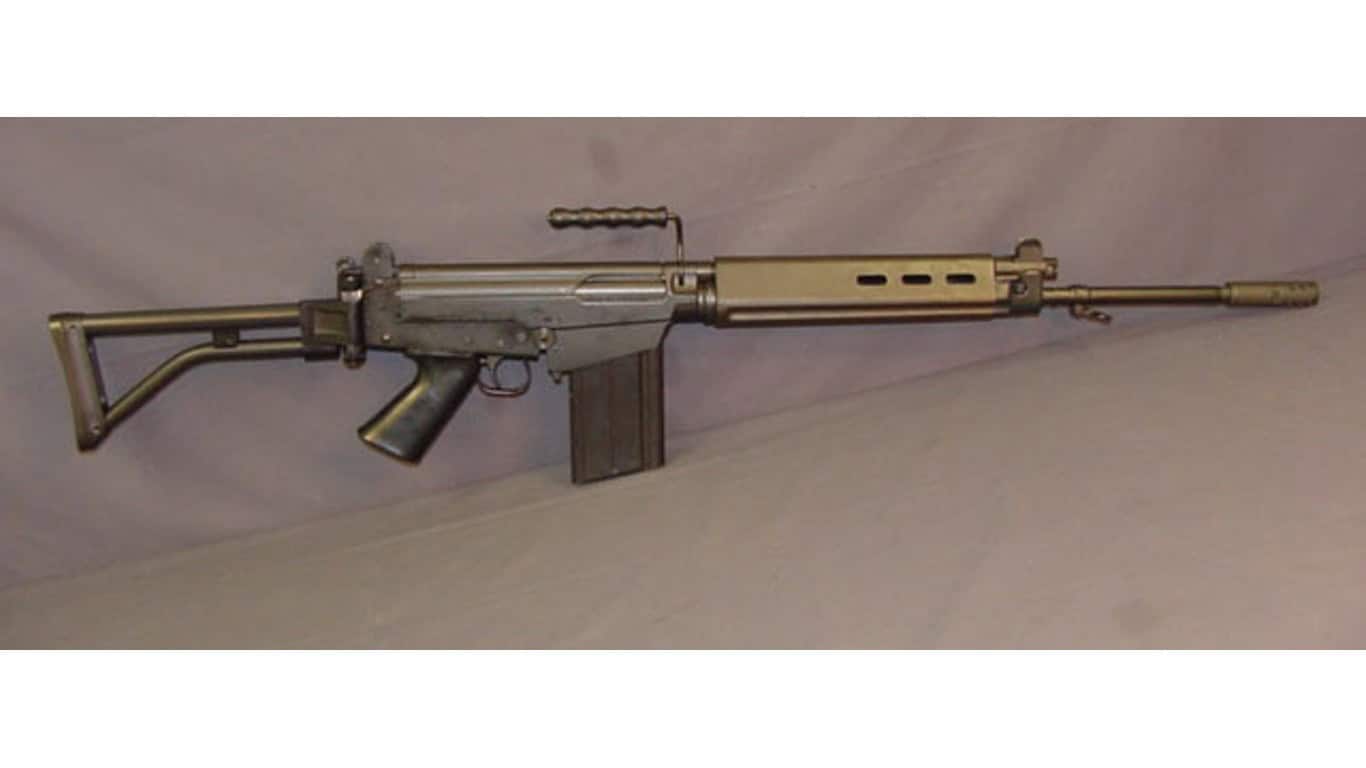
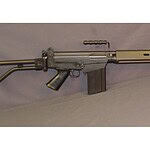
FN FAL
- Country of origin: Belgium
- Year introduced to service: 1953
- Conflict / era of impact: Cold War
- Technological breakthrough: NATO standardization
- Doctrinal shift created: Unified Western rifle doctrine
- Global influence: Adopted by over 90 countries
- Why it changed warfare: Defined Cold War infantry expectations
The FN FAL became the backbone of Western-aligned armies during the Cold War, promoting ammunition standardization and shared doctrine across NATO partners. Its widespread adoption demonstrated the strategic value of interoperability, helping unify allied infantry capabilities during a tense geopolitical era.
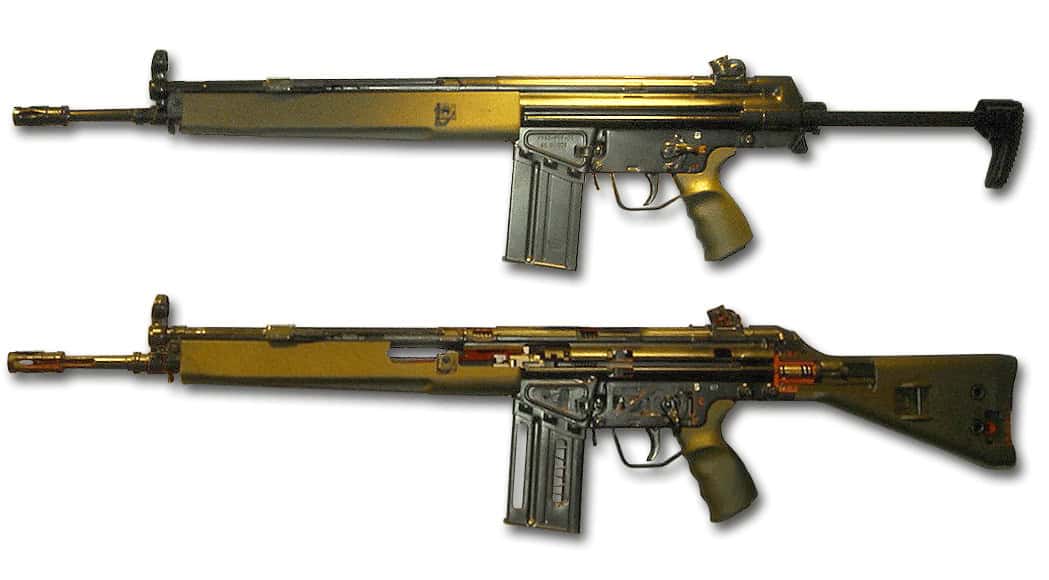
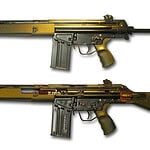
HK G3
- Country of origin: West Germany
- Year introduced to service: 1959
- Conflict / era of impact: Cold War
- Technological breakthrough: Mass-producible battle rifle
- Doctrinal shift created: Balanced cost and performance
- Global influence: Licensed worldwide
- Why it changed warfare: Proved advanced rifles could be affordable
The HK G3 proved that an advanced battle rifle could remain affordable and mass-producible through its roller-delayed system. Adopted worldwide, it reinforced the importance of balancing performance with manufacturing practicality, influencing procurement strategies for decades.
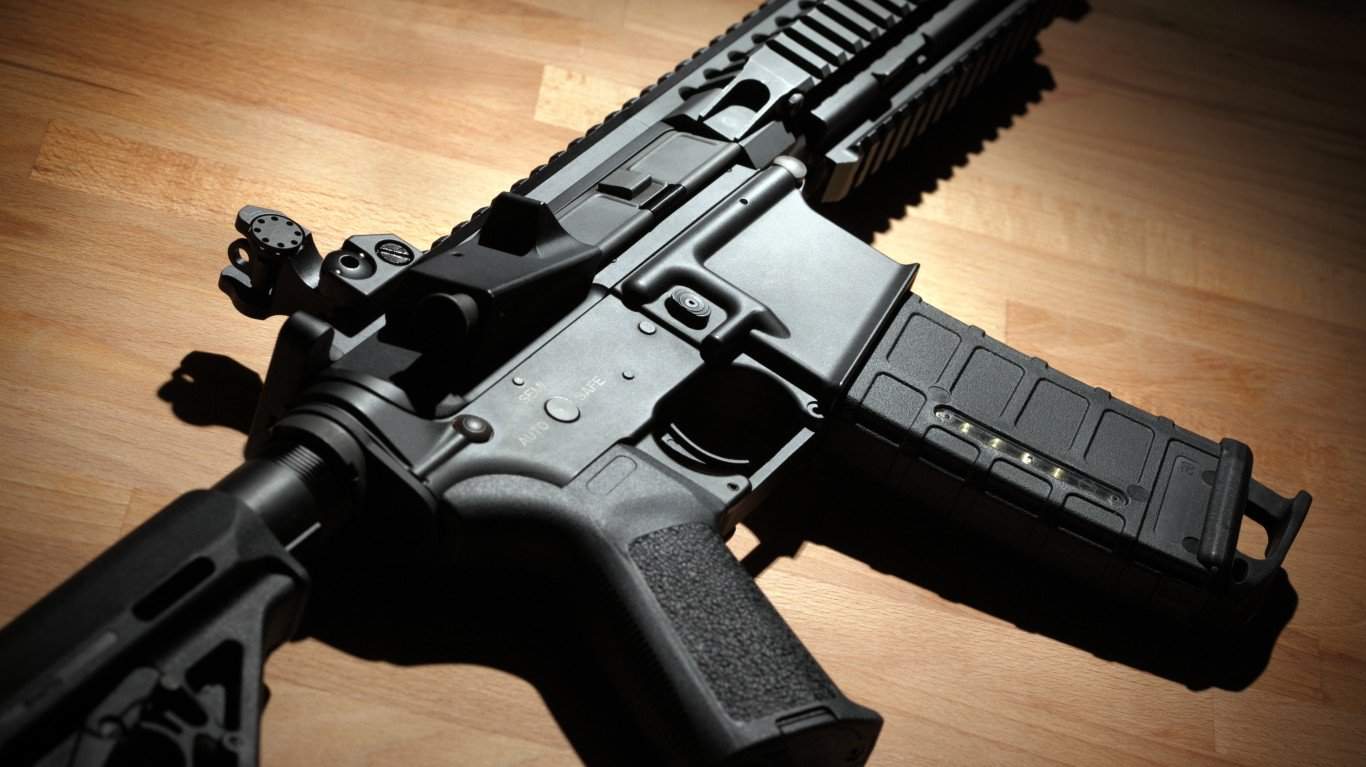
AR-15 / M16
- Country of origin: United States
- Year introduced to service: 1960
- Conflict / era of impact: Vietnam War
- Technological breakthrough: Lightweight high-velocity cartridge
- Doctrinal shift created: Prioritized mobility and ammo load
- Global influence: Copied and adapted globally
- Why it changed warfare: Shifted doctrine toward speed and volume
The AR-15 and its military variant, the M16, introduced lightweight construction and high-velocity ammunition that allowed soldiers to carry more rounds without sacrificing effectiveness. This shift emphasized mobility and sustained fire, altering infantry tactics during the Vietnam War and beyond.
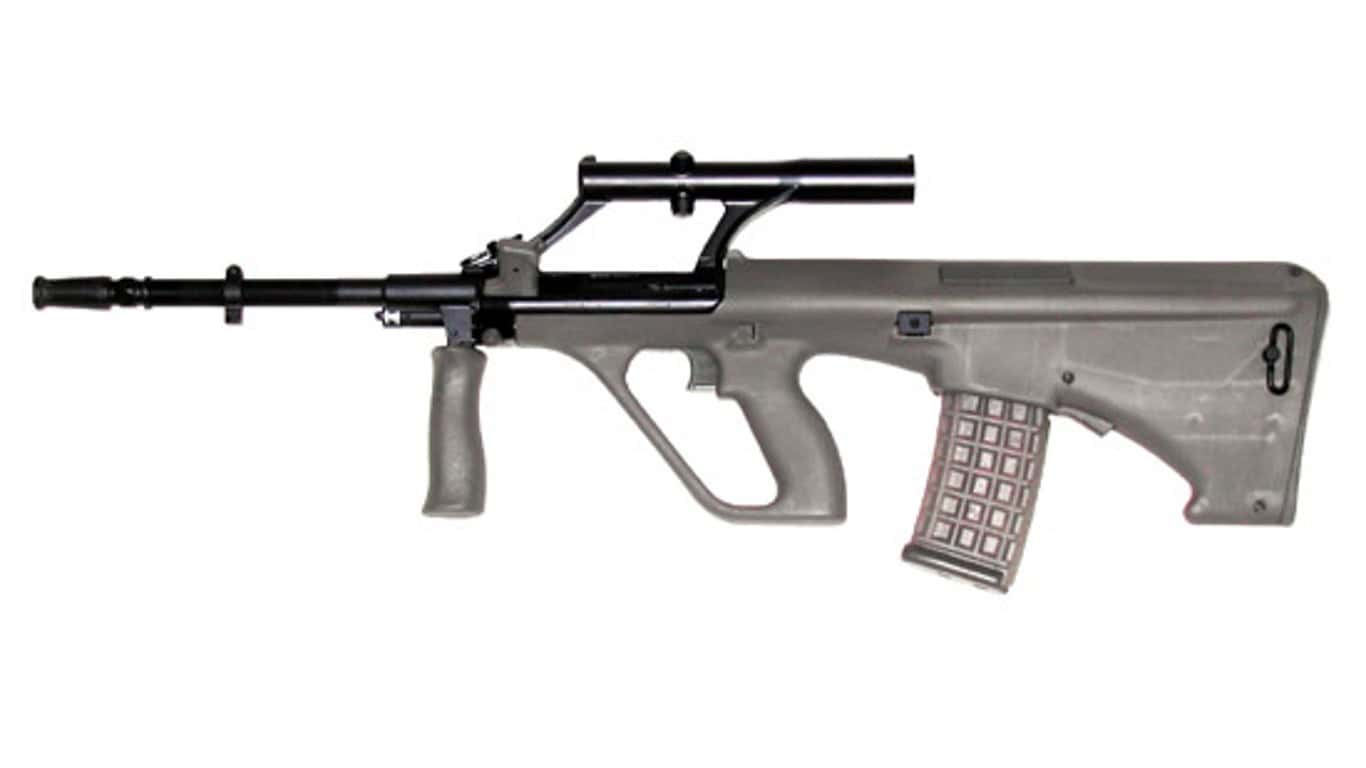
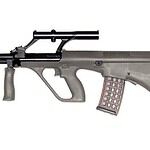
Steyr AUG
- Country of origin: Austria
- Year introduced to service: 1977
- Conflict / era of impact: Late Cold War
- Technological breakthrough: Compact bullpup layout
- Doctrinal shift created: Redefined rifle ergonomics
- Global influence: Influenced modern compact rifles
- Why it changed warfare: Showed size reduction need not sacrifice performance
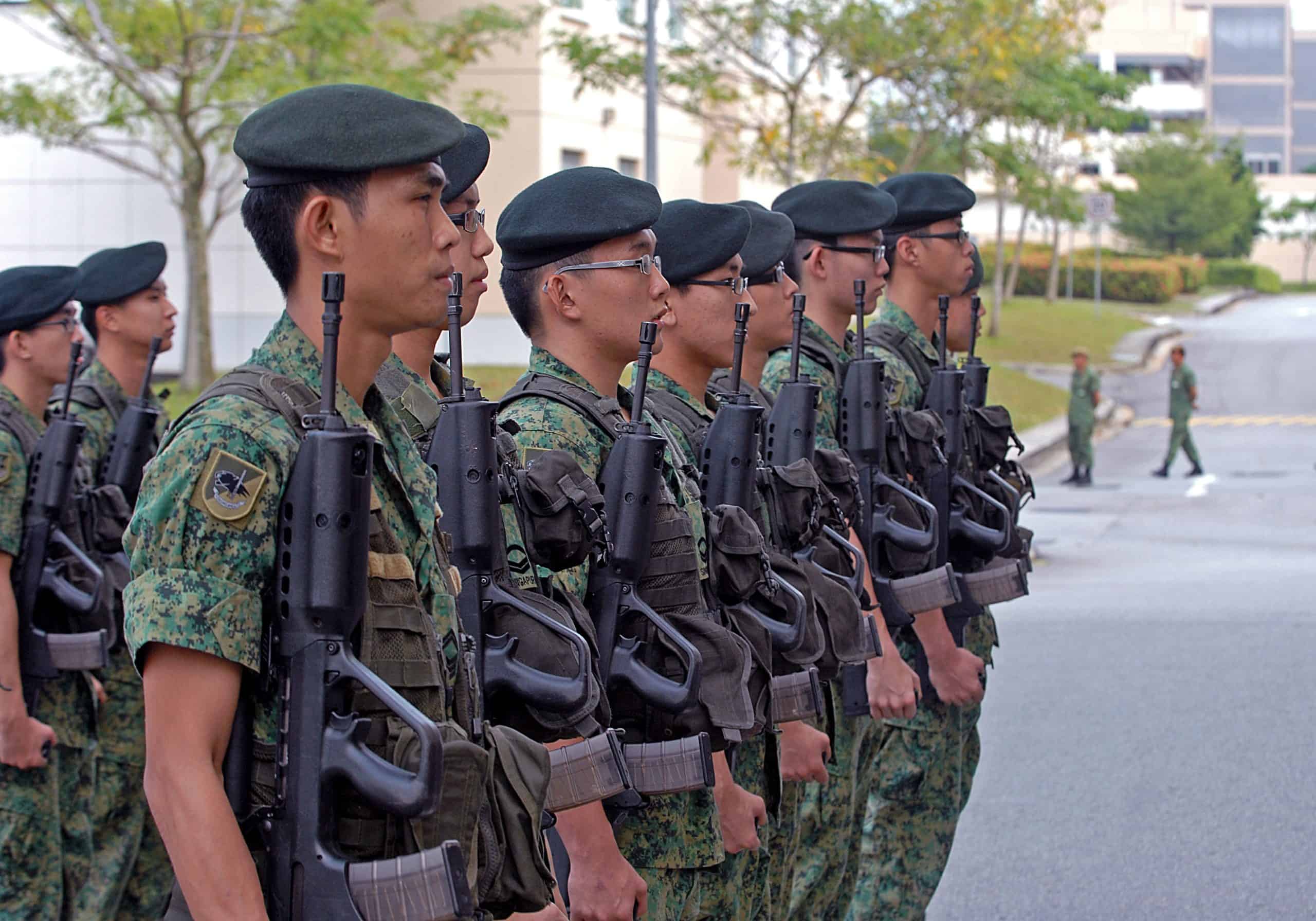
The Steyr AUG brought the bullpup configuration into mainstream military service, demonstrating that a compact rifle could maintain full-length barrel performance. Its ergonomic innovations influenced later designs and helped redefine expectations for maneuverability in mechanized and urban environments.
M4 Carbine
- Country of origin: United States
- Year introduced to service: 1994
- Conflict / era of impact: Modern Mechanized Warfare
- Technological breakthrough: Modular accessory system
- Doctrinal shift created: Enabled mission-specific customization
- Global influence: Adopted across NATO
- Why it changed warfare: Ushered in the modular rifle era
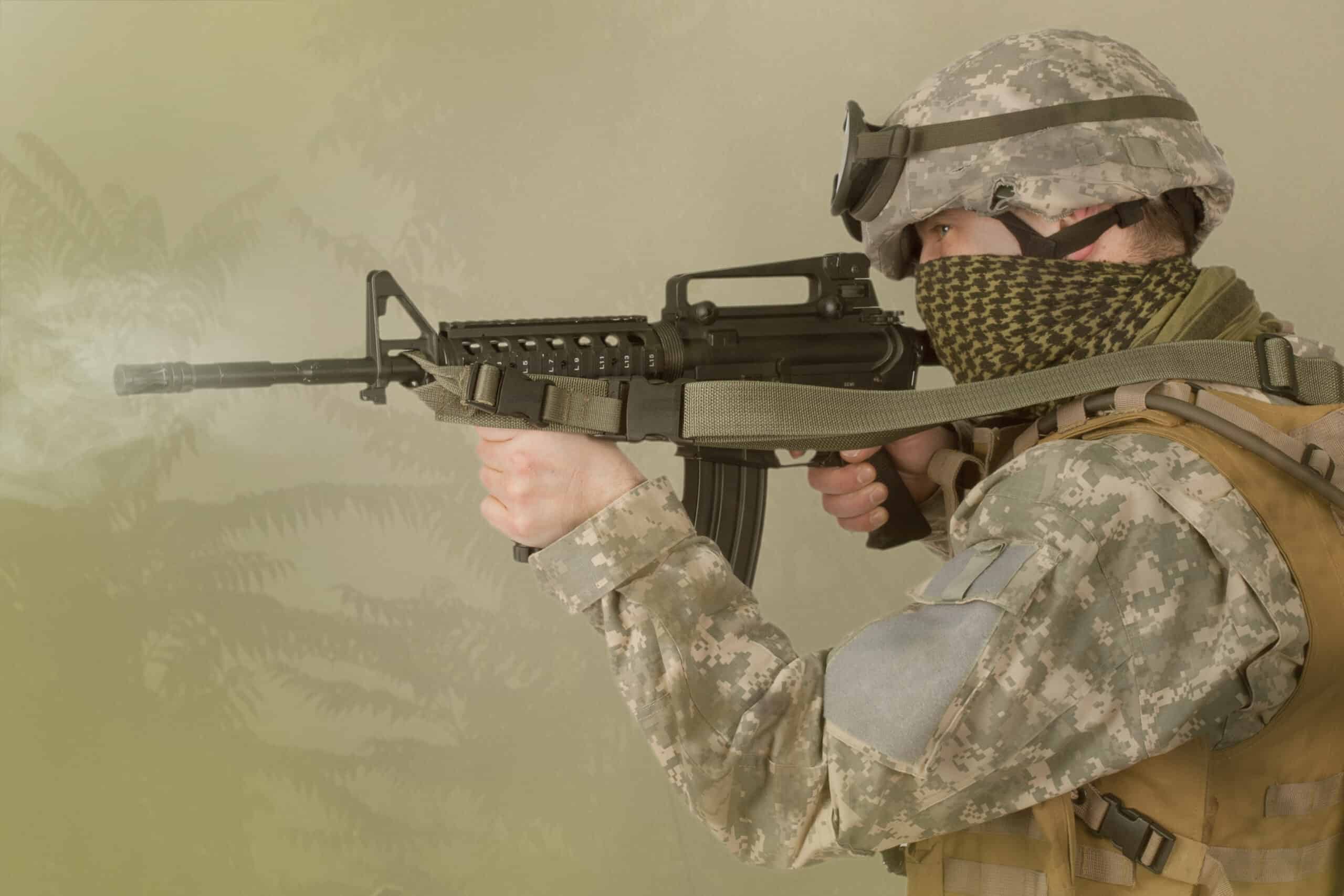
The M4 Carbine advanced the concept of modularity, allowing soldiers to tailor weapons with optics, lights, and mission-specific accessories. This adaptability aligned with modern combat's unpredictable nature, helping usher in the era of configurable infantry platforms.
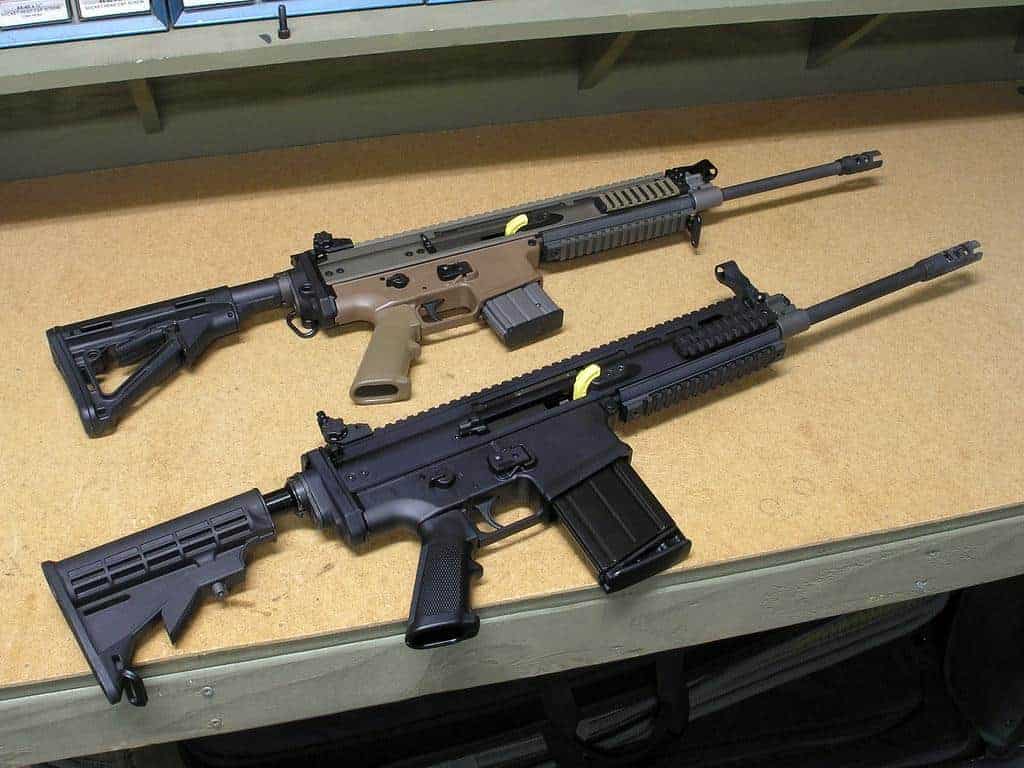
FN SCAR
- Country of origin: Belgium / United States
- Year introduced to service: 2004
- Conflict / era of impact: Global War on Terror
- Technological breakthrough: Multi-caliber adaptability
- Doctrinal shift created: Built around special operations needs
- Global influence: Studied by modern militaries
- Why it changed warfare: Highlighted adaptability as a core requirement
Developed for U.S. Special Operations Command, the FN SCAR emphasized adaptability through multi-caliber capability and modular components. Its design reflected a growing recognition that modern missions demand flexibility, influencing how militaries evaluate future rifle platforms.
HK416
- Country of origin: Germany
- Year introduced to service: 2005
- Conflict / era of impact: Modern Warfare
- Technological breakthrough: Improved reliability over direct impingement
- Doctrinal shift created: Raised reliability expectations
- Global influence: Adopted by elite units worldwide
- Why it changed warfare: Influenced next-generation service rifles
The HK416 merged the familiar ergonomics of the AR platform with a gas-piston system that improved reliability under demanding conditions. Its adoption by elite units elevated expectations for durability and performance, shaping the direction of next-generation Western service rifles.
The image featured at the top of this post is ©zim286 / iStock via Getty Images