




17 Assassination Attempts That Shook U.S. Presidential History
In 2024, two separate attempts were made on presidential candidate Donald Trump, underscoring how volatile modern politics can be. While such events feel shocking in the moment, assassination attempts have appeared throughout American history.
From sitting presidents to major party candidates, political leaders have faced threats during some of the nation’s most turbulent eras. History Computer examined historical records, Secret Service documentation, and other authoritative sources to explore 17 moments when U.S. presidents or candidates were targeted and what changed in the aftermath.
How Assassinations Affect Everyone
An assassination attempt can be deeply traumatizing, even to people who were not physically present.
Assassination attempts can have a profound impact on our psychological wellbeing. Regardless of one's political persuasion, it's traumatizing when an assassination attempt on a political leader occurs. Witnessing unexpected violence in person or even through the media can produce or exacerbate symptoms of PTSD in some people, including youth, previous victims of violence, and veterans. Although most of us have never met our political leaders, their ubiquitous media presence makes them feel like someone we know, making attacks on them feel even more personal. And that effect is, of course, multiplied many times over for those who are ardent supporters of that politician.
Confidence in Government
Assassinations can call into question the stability of our institutions.
Assassination attempts can call into question the stability of our government and the safety of our country. If the most well-guarded citizens in the country are vulnerable to this kind of violence, is anyone really safe? Does this level of violence mean we are headed toward even worse social unrest? Can our government protect us . . . and itself?
Economic Repercussions
Political violence causes reactions in financial markets that ripple through the economy.
The market reacts quickly to unexpected events. The Dow fell 1.4% on July 15, 2024, when news of the first attempt on Trump's life went public. Gold futures rose to a near-all-time high of $2,445 an ounce as investors sought a safe haven from potential economic instability. On the other hand, believing that the event would boost Trump's popularity and reelection chances, other investors pumped up the price of Bitcoin and stocks like Tesla that were thought to benefit from Trump's anticipated economic policies in a second term. Even for those who aren't investors, these kinds of shifts have a ripple effect throughout the economy that can impact ordinary people's pocketbooks.
How Does the Secret Service Protect Presidents?
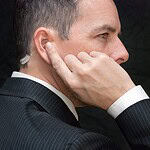
The Secret Service protects the country's top leaders and their immediate families.
The United States Secret Service has an interesting history. Lincoln approved its creation the day he was shot, with operations beginning on July 5, 1865. However, the organization's original mission was anti-counterfeiting. Full-time presidential protection didn't begin until 1901, after McKinley's assassination. Over six decades later, in the wake of RFK's 1968 assassination, it expanded to candidate protection. Today, the Secret Service also protects former presidents and their spouses and children under 16, foreign leaders and their spouses visiting the U.S., and others as designated by presidential executive order.
To protect these leaders, the Secret Service gathers intelligence about potential threats, coordinates manpower and logistics with local law enforcement, pre-checks venues for security threats, and provides physical security for the White House, the Vice President's home, and the Department of the Treasury. The Secret Service guards not only against shooters but also assesses potential airborne threats and the possibility of unconventional attacks with chemical or biological agents. Breakdowns in security, such as what happened with the Trump assassination attempt, are thoroughly investigated both internally and under Congressional review.
Check out all of the attempted assassinations against U.S. presidents and potential presidential candidates:
1. Andrew Jackson (1835)
The first President to face an attempted assassination was Andrew Jackson. A man named Richard Lawrence, who thought he was the heir to the throne of England, tried to shoot the President at the United States Capitol building. He had two pistols, but both misfired, and Jackson was unharmed.
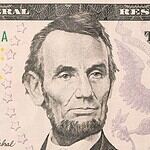
2. Abraham Lincoln (1865)
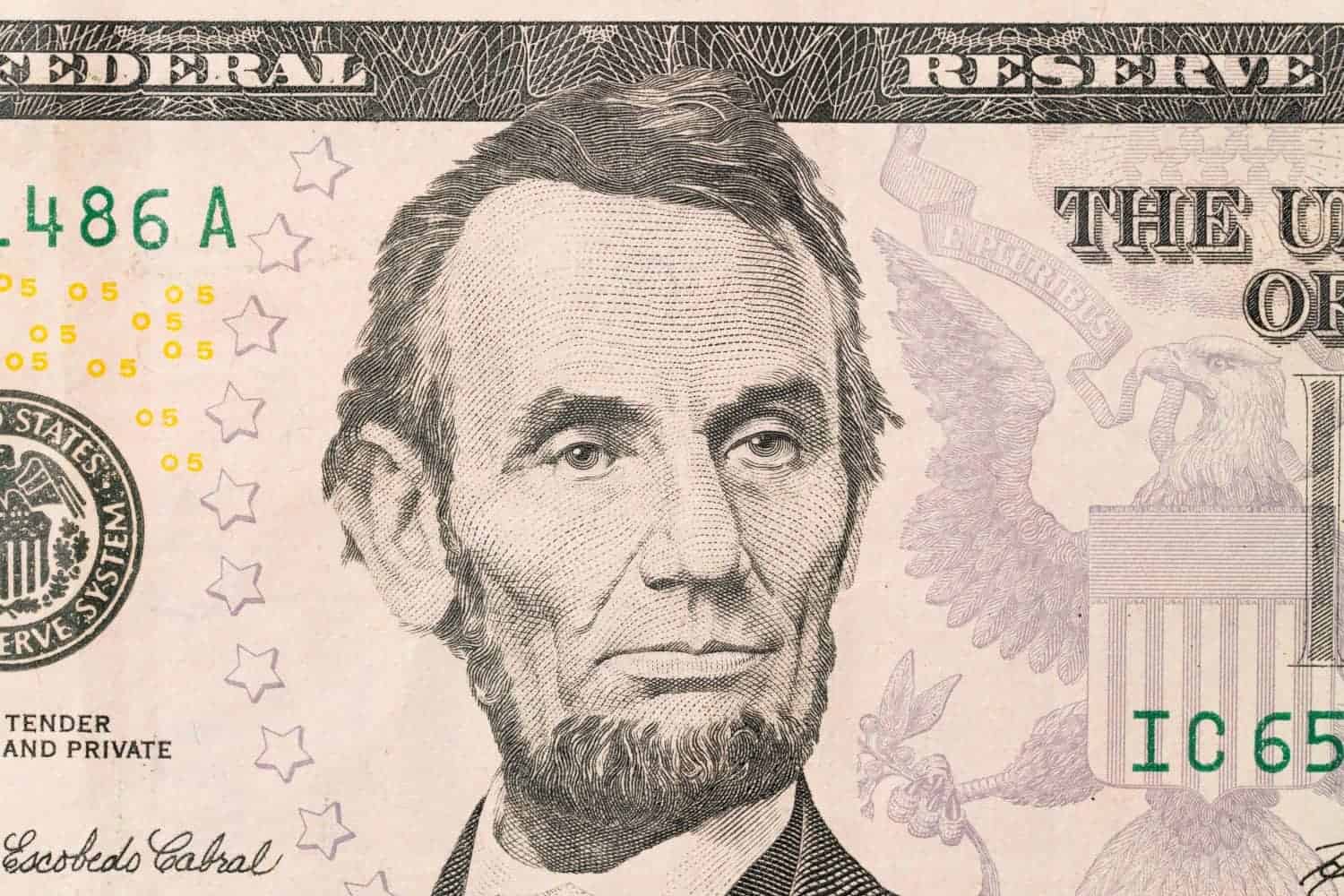
The first President who was killed by an assassin was Abraham Lincoln. He was shot as he watched a play at Ford's Theatre in Washington, D.C., and died the next morning. Actor John Wilkes Booth, a supporter of the Confederacy, committed the crime and was tracked down and killed 12 days later.
3. James Garfield (1881)
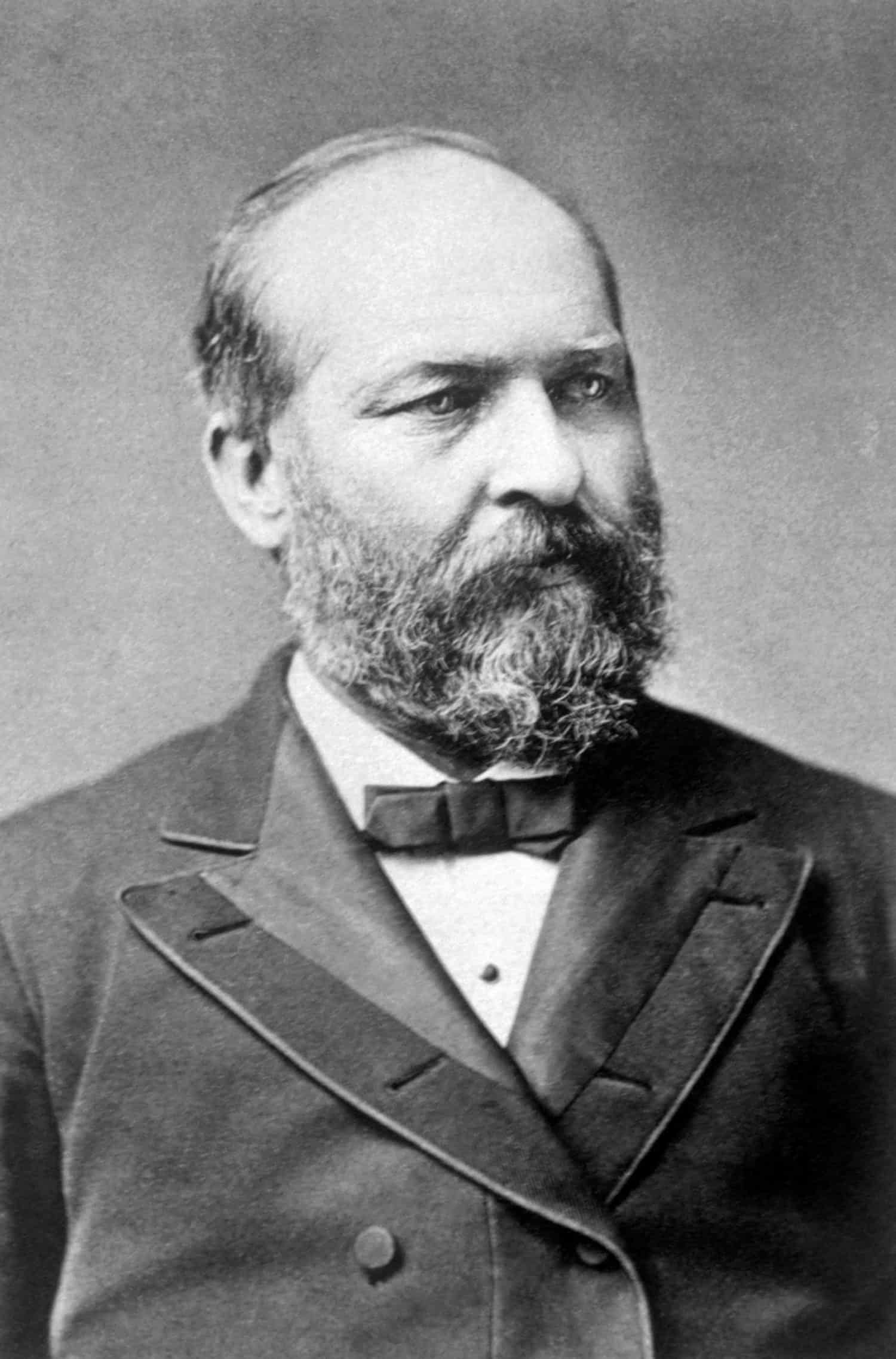
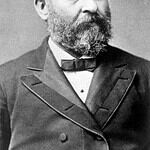
The 20th President of the United States, James A. Garfield, was shot and killed just six months into his first term of office. Charles J. Guiteau shot him at a railroad station in the capital. The President might have survived, given better medical care, but unsanitary procedures by his doctors led to an infection that he died from two months later.
4. William McKinley (1901)
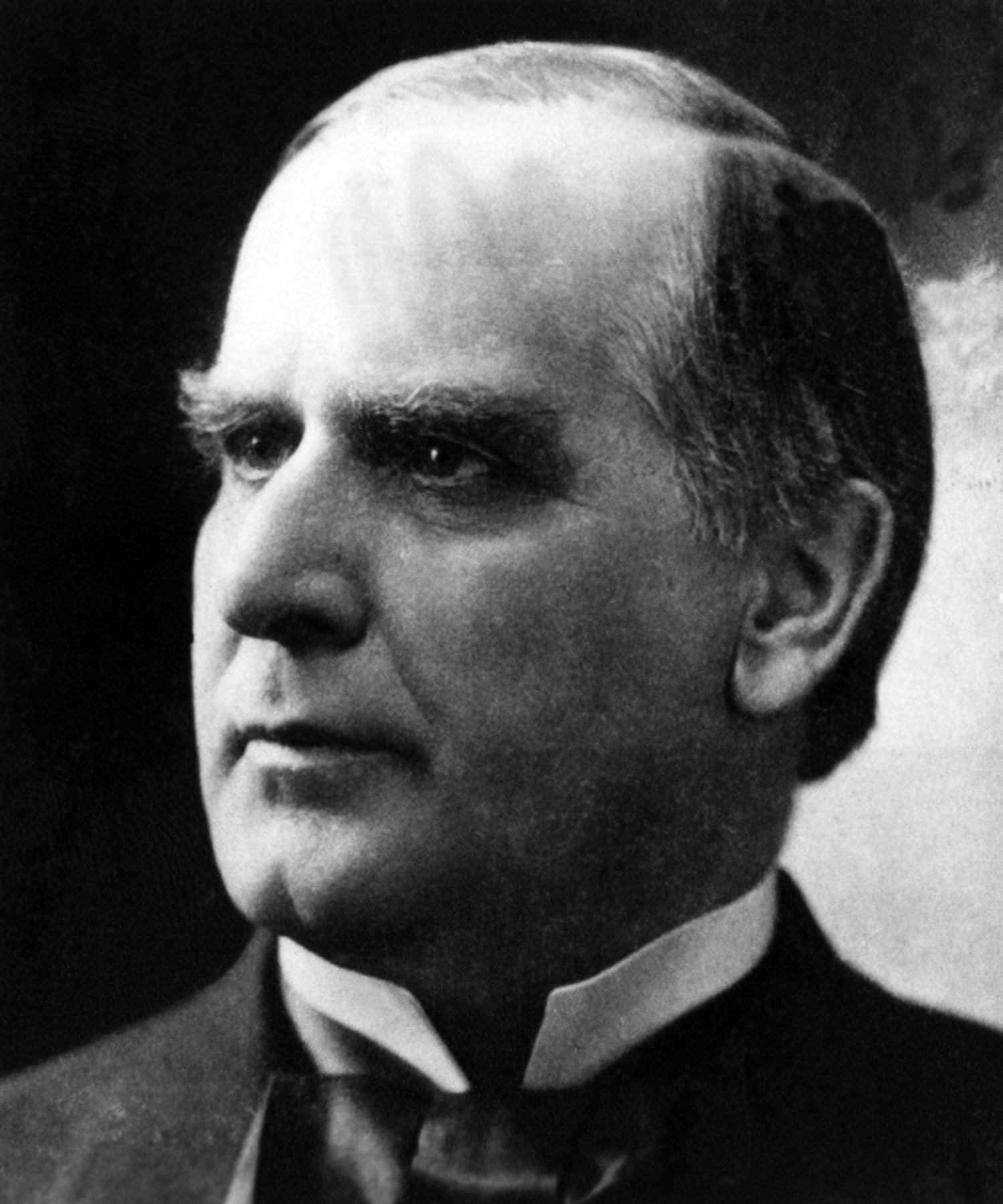
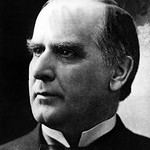
President William McKinley was shot by an anarchist named Leon Czolgosz at the Pan-American Exposition in Buffalo. He died eight days later, and Vice President Theodore Roosevelt assumed office as president.
5. Theodore Roosevelt (1912)
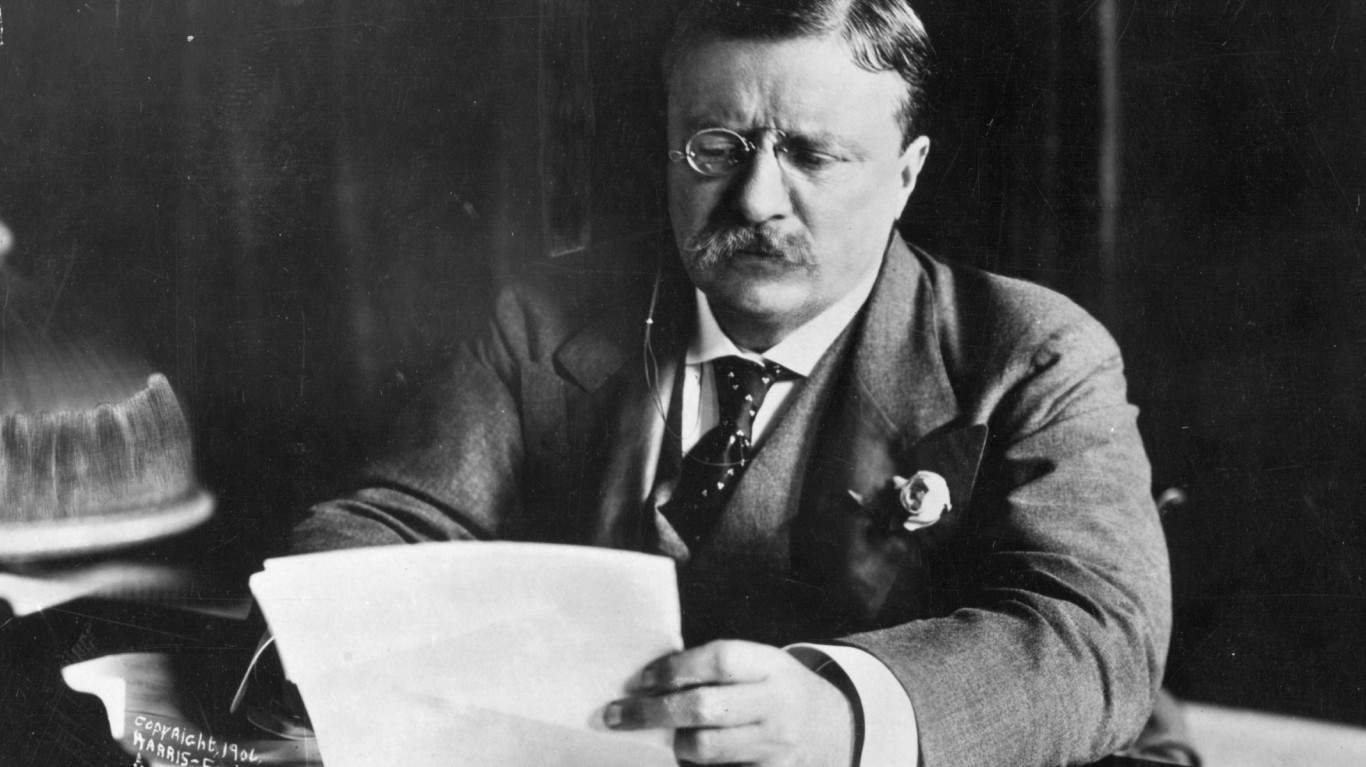
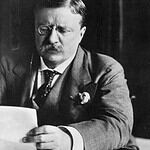
In 1912, former President Theodore Roosevelt ran for office again and was campaigning in Milwaukee. A saloonkeeper named John Schrank shot him, but the bullet was slowed down by a steel eyeglass case and a 50-page thick folded copy of his speech. From his hunting experience, Roosevelt knew because he was not coughing blood that the bullet had not reached his lung. So, incredibly, he proceeded to give his speech, saying, "It takes more than that to kill a Bull Moose." Doctors concluded removing the bullet would be too dangerous, so the President lived with it lodged in his chest for the rest of his life.
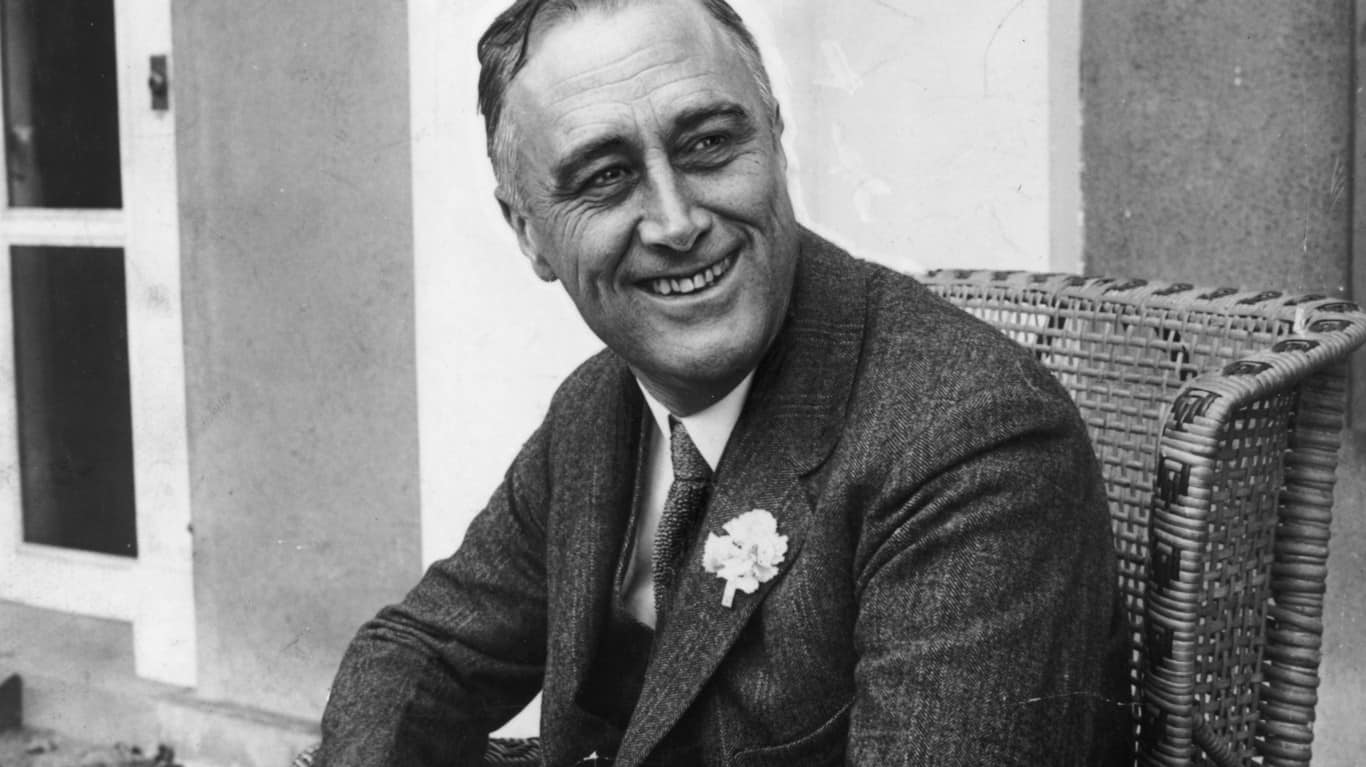
6. Franklin Roosevelt (1933)
Franklin Roosevelt was giving a speech in Miami when Giuseppe Zangara fired five shots to try to kill him. He missed, and the President was unharmed. However, five other bystanders were injured, and the mayor of Chicago, Anton Cermak, was hit and died 19 days later. Zangara was executed by the electric chair just five weeks later for the murder of Mayor Cermak.
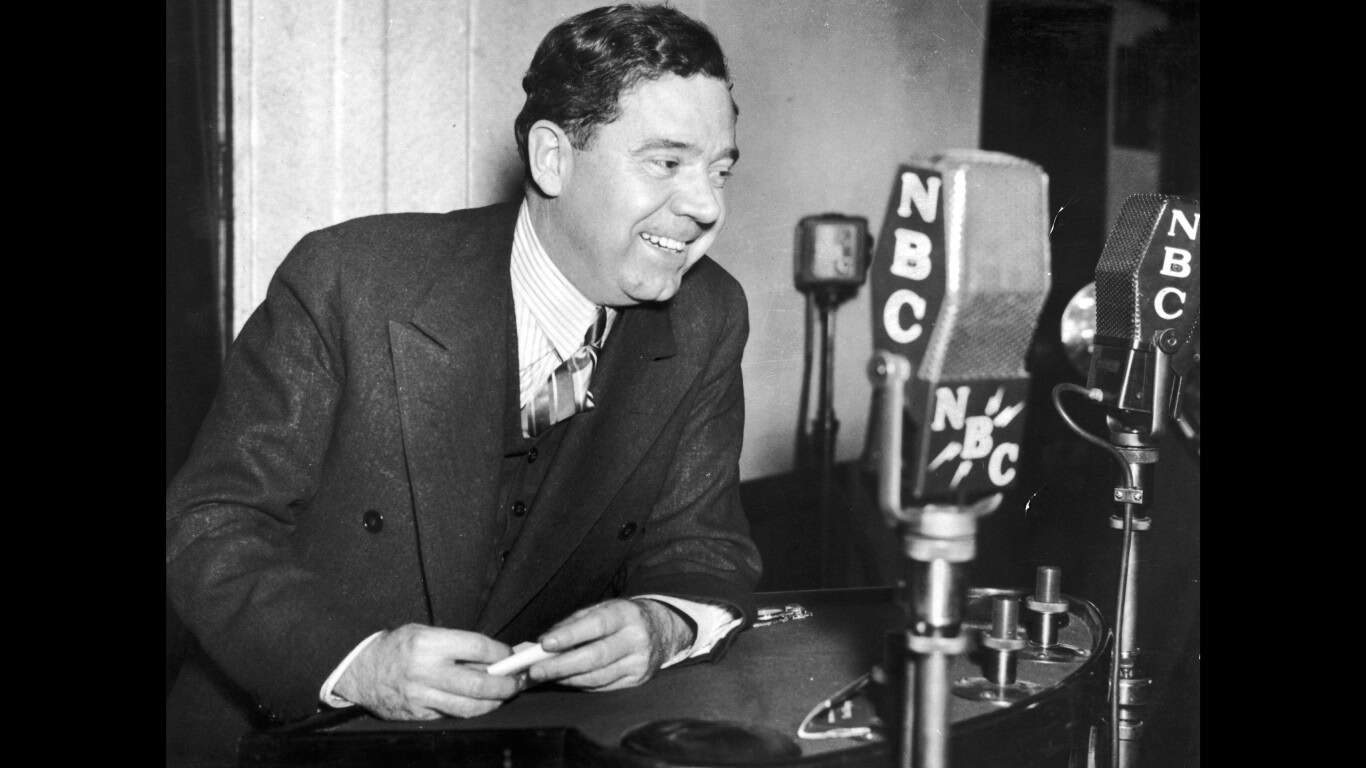
7. Huey P. Long (1935)
Huey P. Long was a Louisiana senator and prospective presidential candidate. He was shot and killed at the Louisiana State Capitol in 1935. However, there is some question of whether the assassin, Carl Weiss, was actually the cause of Long's death. Many historians believe it is likely Long was accidentally killed by his bodyguards as they fired back at Weiss.
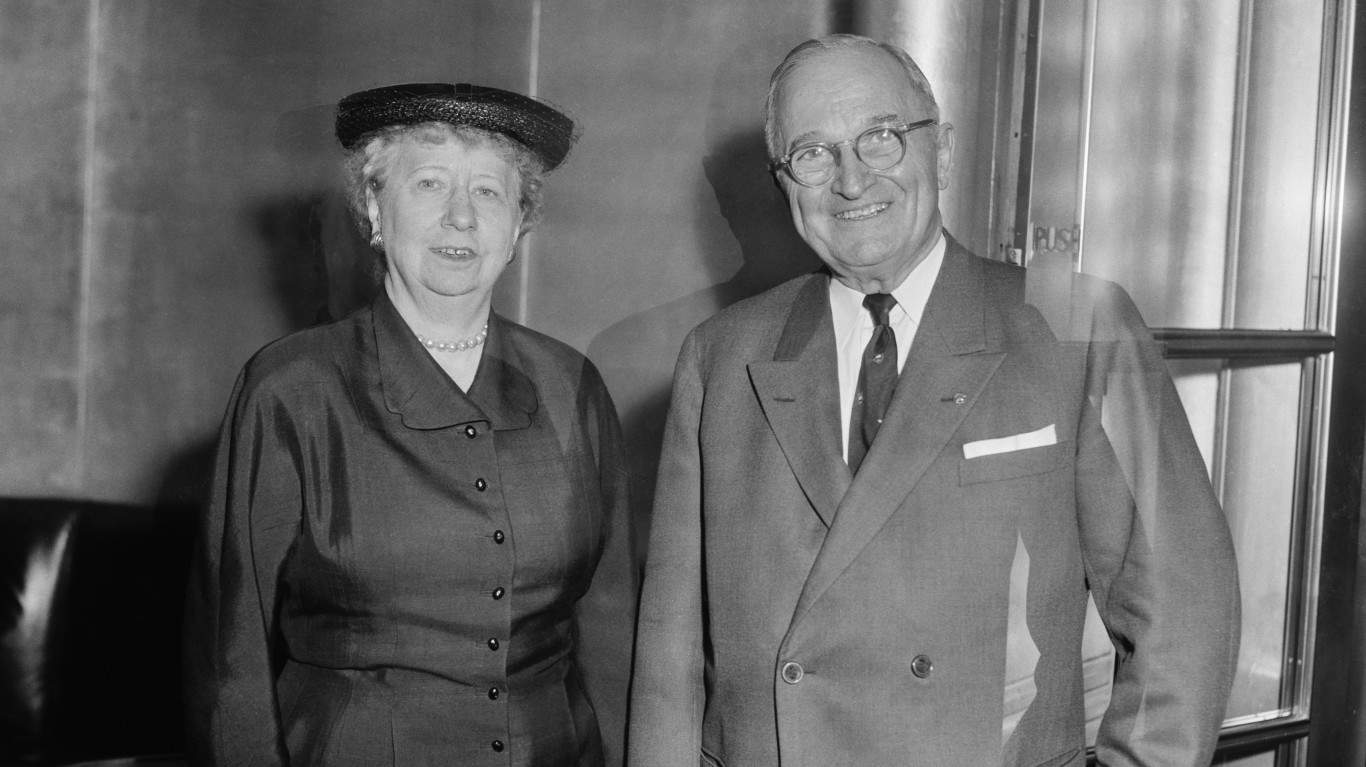
8. Harry Truman (1950)
In 1950, President Harry Truman had moved out of the White House while it was being renovated. Griselio Torresola and Oscar Collazo tried to invade Blair House, the President's temporary residence, but Torresola was shot and killed by the police, and Collazo was apprehended. Truman commuted his death sentence to life in prison, and in 1979, President Jimmy Carter commuted the sentence to time served and allowed his release.
9. John F. Kennedy (1960, 1963)
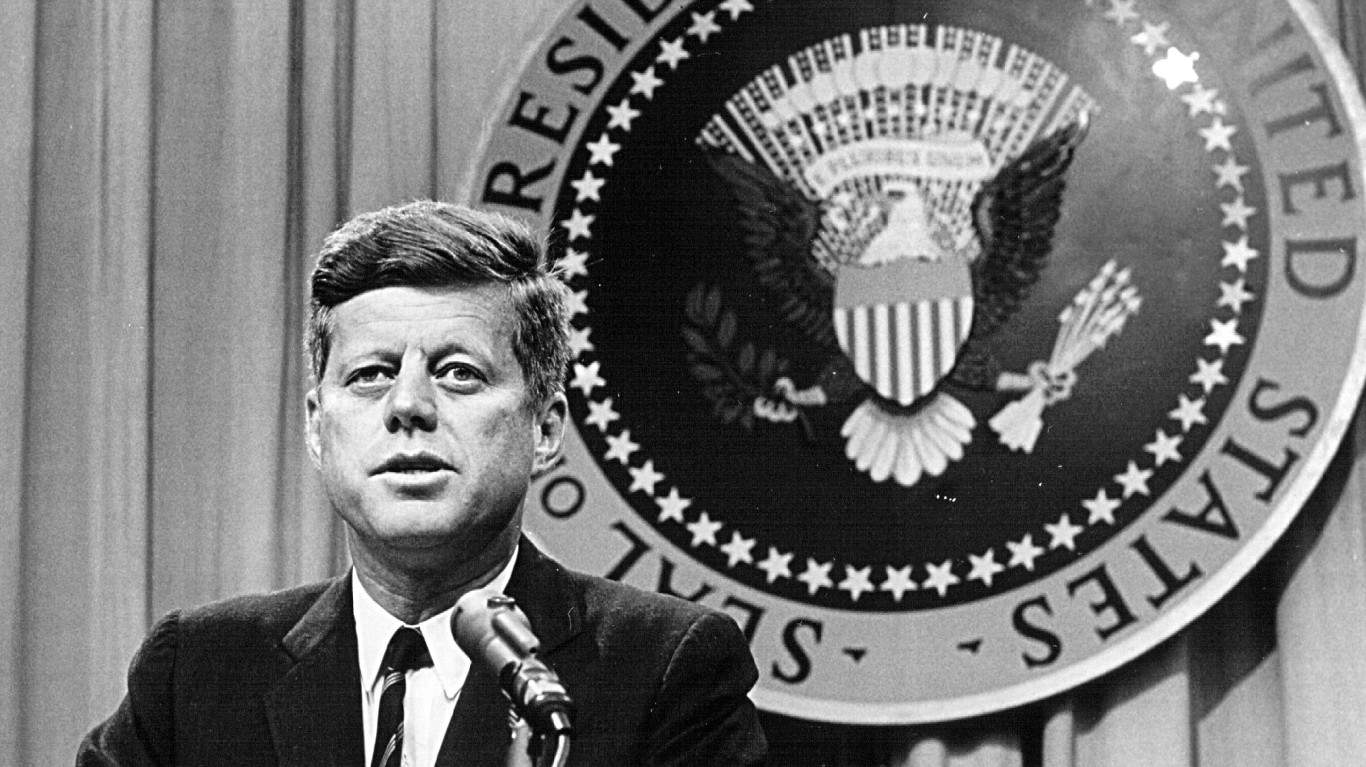
President John F. Kennedy endured two assassination attempts. In 1960, Richard Paul Pavlick intended to crash a dynamite-laden car into the President's motorcade but changed his mind when he saw that Mrs. Kennedy and their small children were with him.
Lee Harvey Oswald had no such mercy. In 1963, he fatally shot the President in Dallas, Texas, and wounded John Connally, the state governor. Oswald himself was shot and killed by a nightclub owner named Jack Ruby two days later.
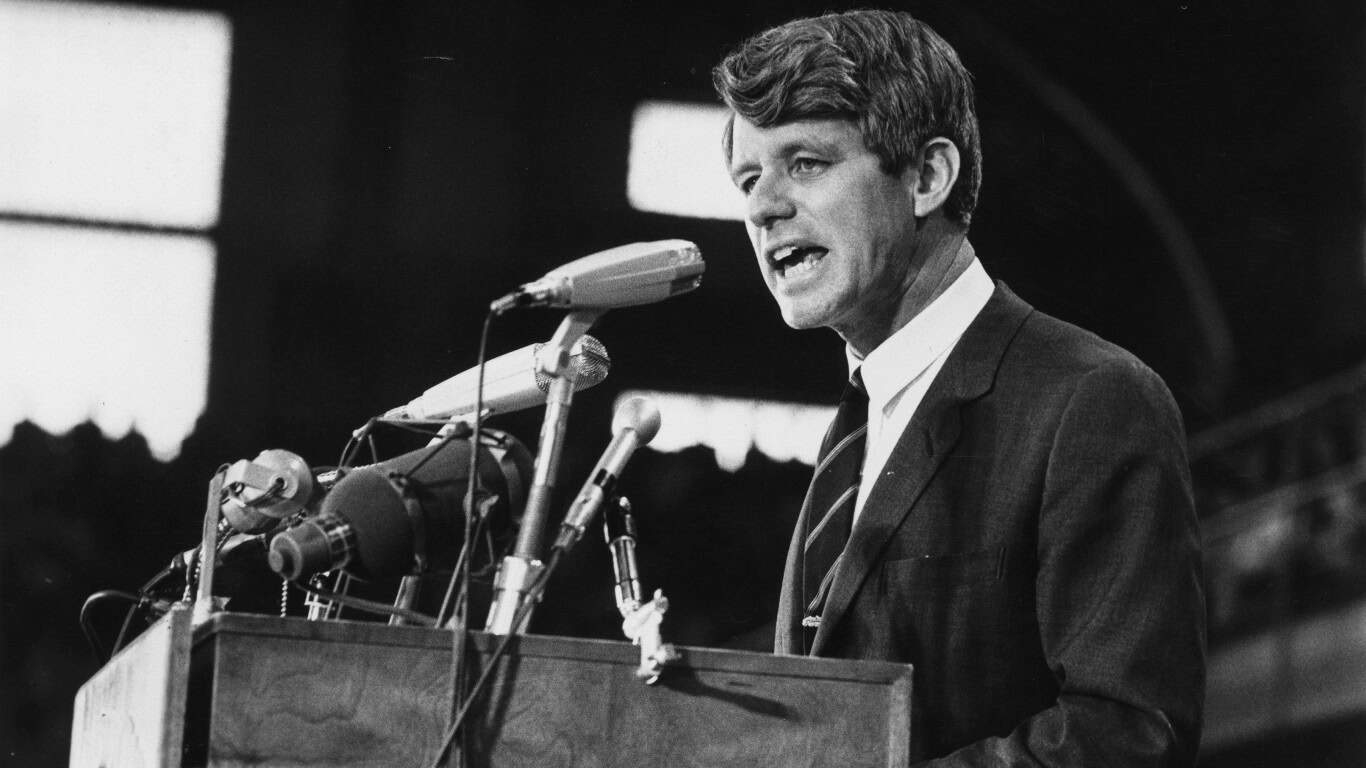
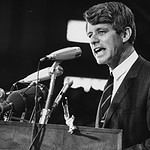
10. Robert F. Kennedy (1968)
Compounding the tragedy of JFK's assassination, his brother Robert F. Kennedy was assassinated in 1968, just five years later. The murder occurred in Los Angeles after he had won the South Dakota and California primaries for the Democratic nomination for President. The shooter, Sirhan Bishara Sirhan, said that he had done so "with 20 years of malice aforethought." Sirhan is now 80 years old and was most recently denied parole in 2023.
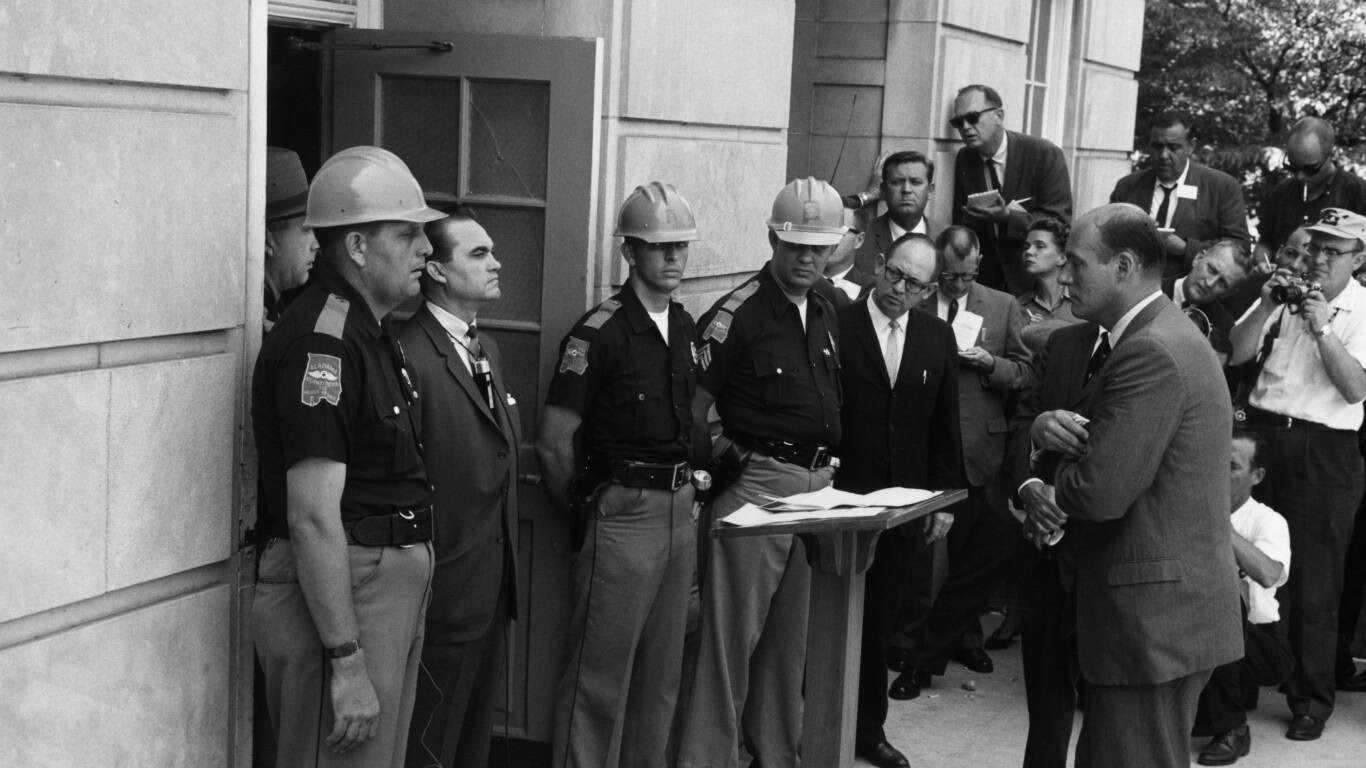
11. George Wallace (1972)
George Wallace was the former governor of Alabama, an outspoken segregationist, and a Democratic presidential candidate in 1972. Arthur Bremer, having failed in a plot to kill President Richard Nixon, switched targets to Wallace. Bremer shot him as he campaigned in Laurel, Maryland, leaving him paralyzed and wounding three bystanders. In the years following his brush with death, Wallace reconciled with Civil Rights leaders and dramatically changed his views on racial equality.
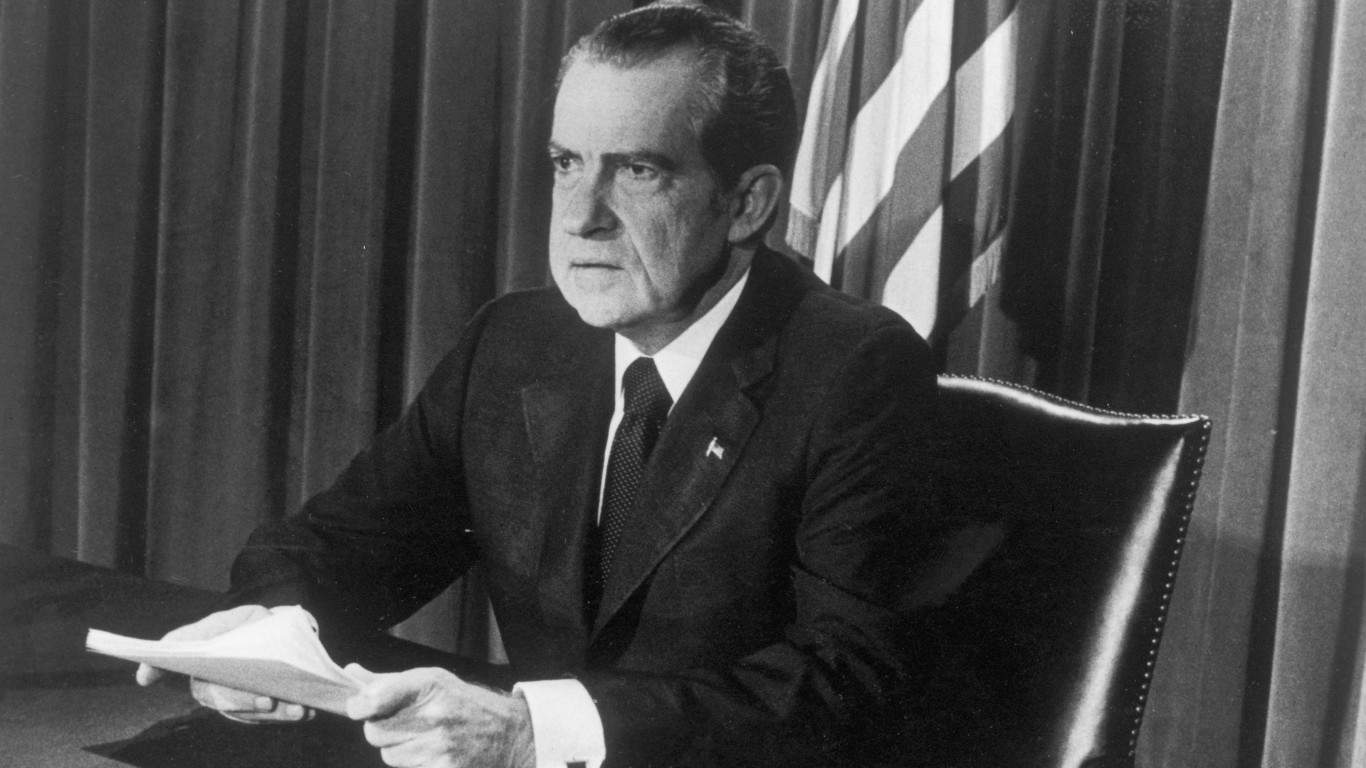
12. Richard Nixon (1972, 1974)
President Richard Nixon had two brushes with possible assassination. Arthur Bremer, the man who shot George Wallace, originally plotted to assassinate Nixon during the President's visit to Ottawa, Canada. Bremer, a United States citizen, drove across the border and smuggled guns into the country but was unable to get close enough to Nixon to carry out his plan.
Another plot on Nixon's life was foiled in 1974. Samuel Joseph Byck tried to hijack a plane at Baltimore/Washington International Airport with the intention of crashing it into the White House. He killed a police officer and the plane's copilot before another officer shot and wounded him. Byck committed suicide before he could be taken into custody.
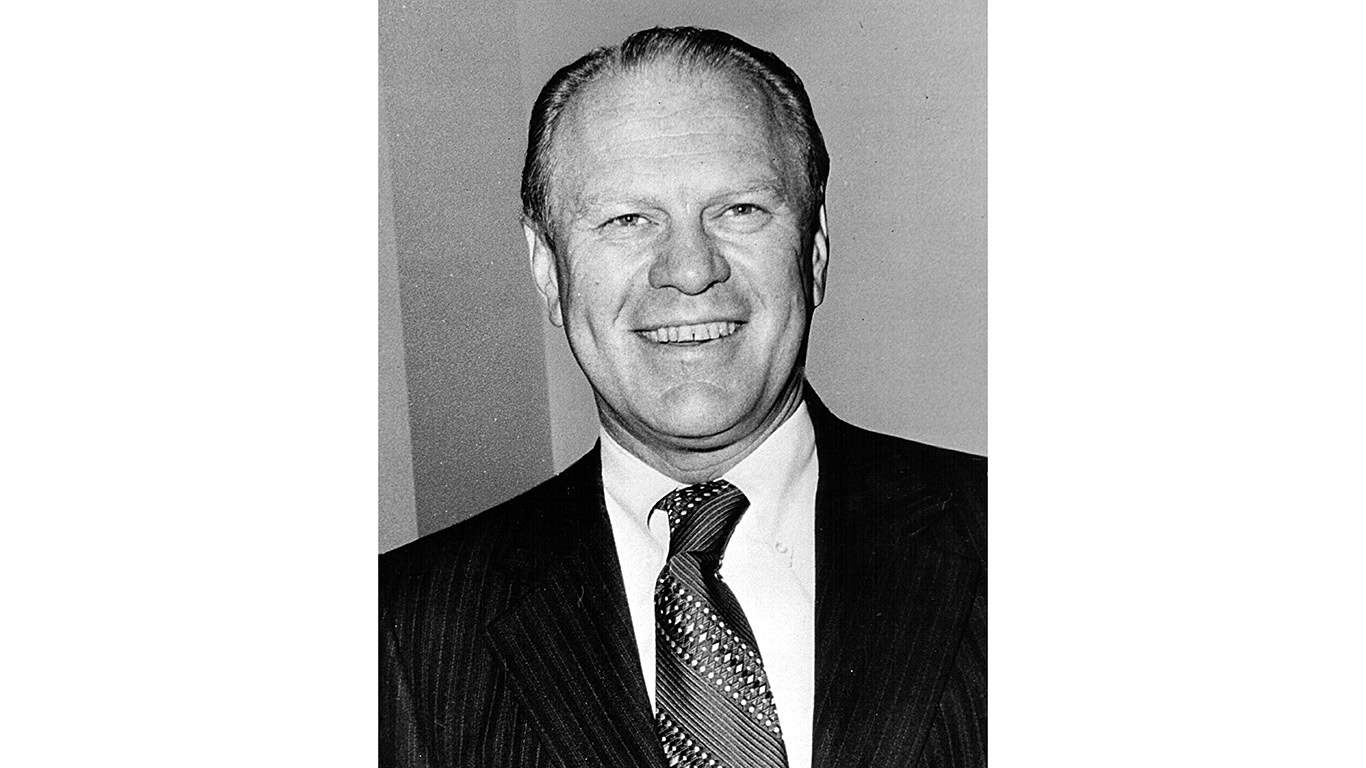
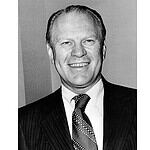
13. Gerald Ford (1975)
Like Nixon, Gerald Ford was the subject of two attempted assassinations, both in San Francisco just a few weeks apart in 1975. The first was carried out by Lynette "Squeaky" Fromme, who was a member of the Manson crime family. She tried to shoot the President, but her gun misfired. Just a few weeks later, another woman, Sara Jane Moore, fired shots at the President in San Francisco but missed.
14. Ronald Reagan (1981)
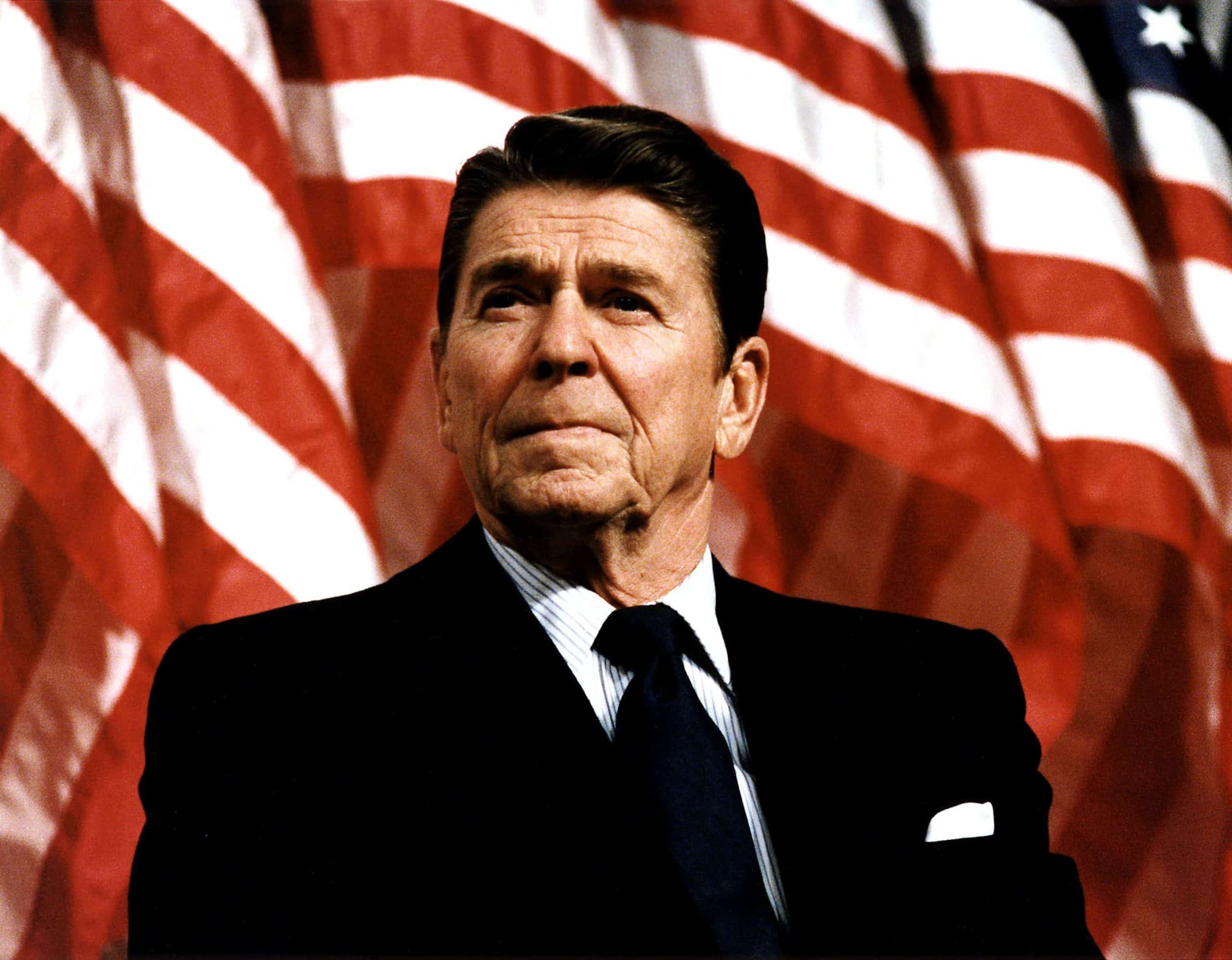
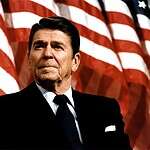
John Hinckley Jr. shot President Ronald Reagan in 1981 as he was leaving the Hilton Hotel in Washington. A bullet ricocheted off the limousine and hit Reagan in the chest, just missing his heart and grazing a rib. A special agent and a police officer were wounded. White House Press Secretary James Brady sustained a serious head wound that left him disabled until he passed away 33 years later, at which point his death was ruled a homicide.
15. George H.W. Bush (1993)
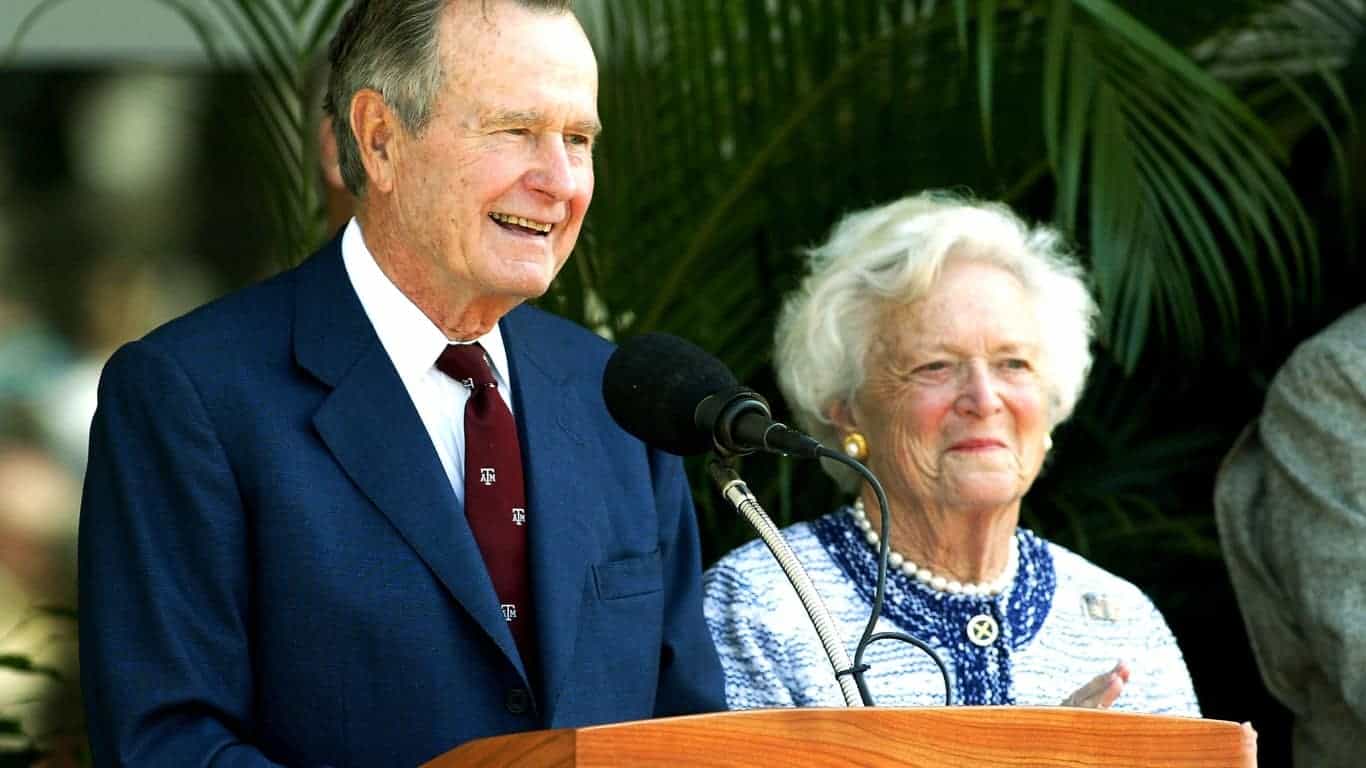
In retaliation for his defeat in the first Persian Gulf War, Iraqi President Saddam Hussein employed assassins to try to kill President George H.W. Bush. During a state visit to Kuwait, the assassins plotted to kill the President with a car bomb, but the plot was foiled, and 17 people were arrested. After U.S. personnel visited Kuwait and determined the Iraqi government was behind the attempt, President Bill Clinton ordered a cruise missile strike on an Iraqi Intelligence Service building in Baghdad. In Kuwait, all but one of the defendants were charged with crimes.
16. Barack Obama (2011, 2018)
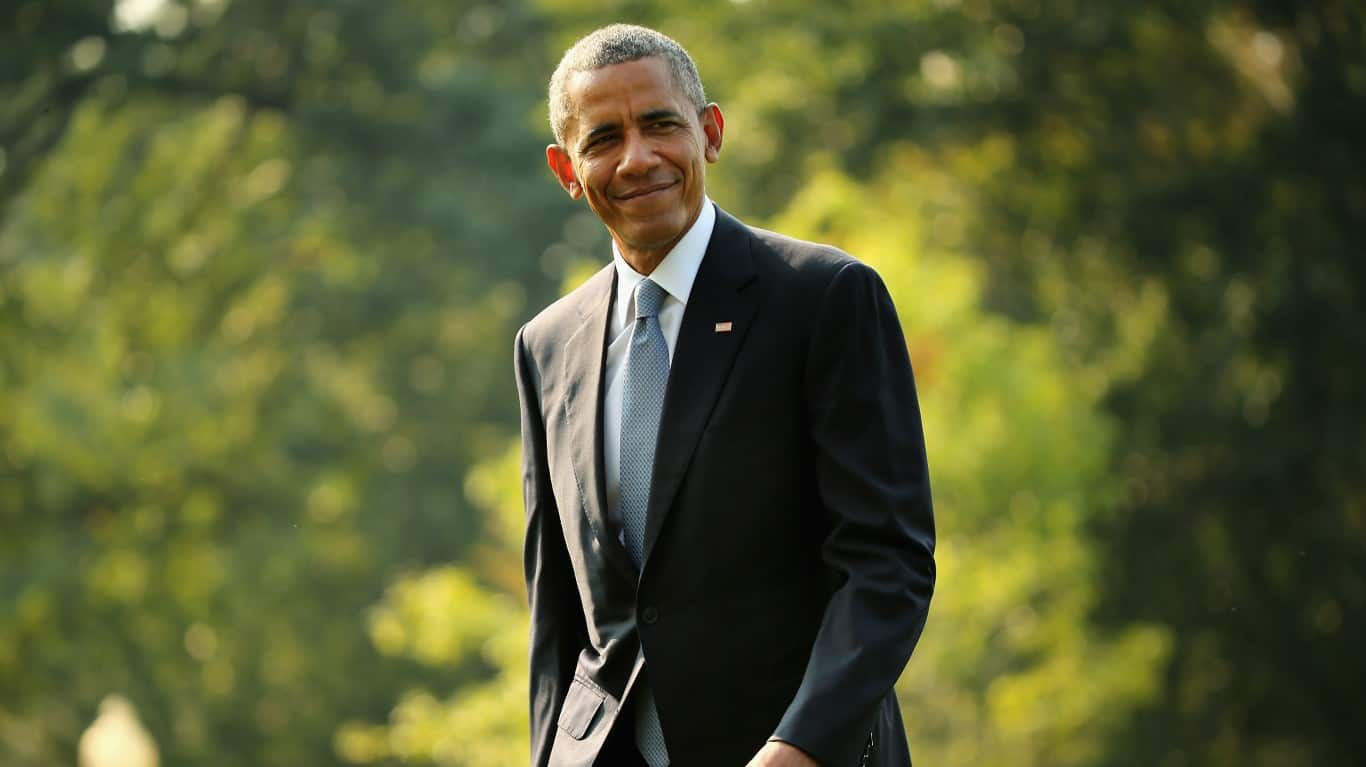
In 2011, Oscar Ramiro Ortega-Hernandez attempted to kill President Obama by firing shots at the White House. Although the building was struck, no one was injured. Seven years later in 2018, Cesar Sayoc Jr. mailed pipe bombs to Obama, Hillary Clinton, and Joe Biden. These were all intercepted and did not reach their targets.
17. Donald Trump (2024)
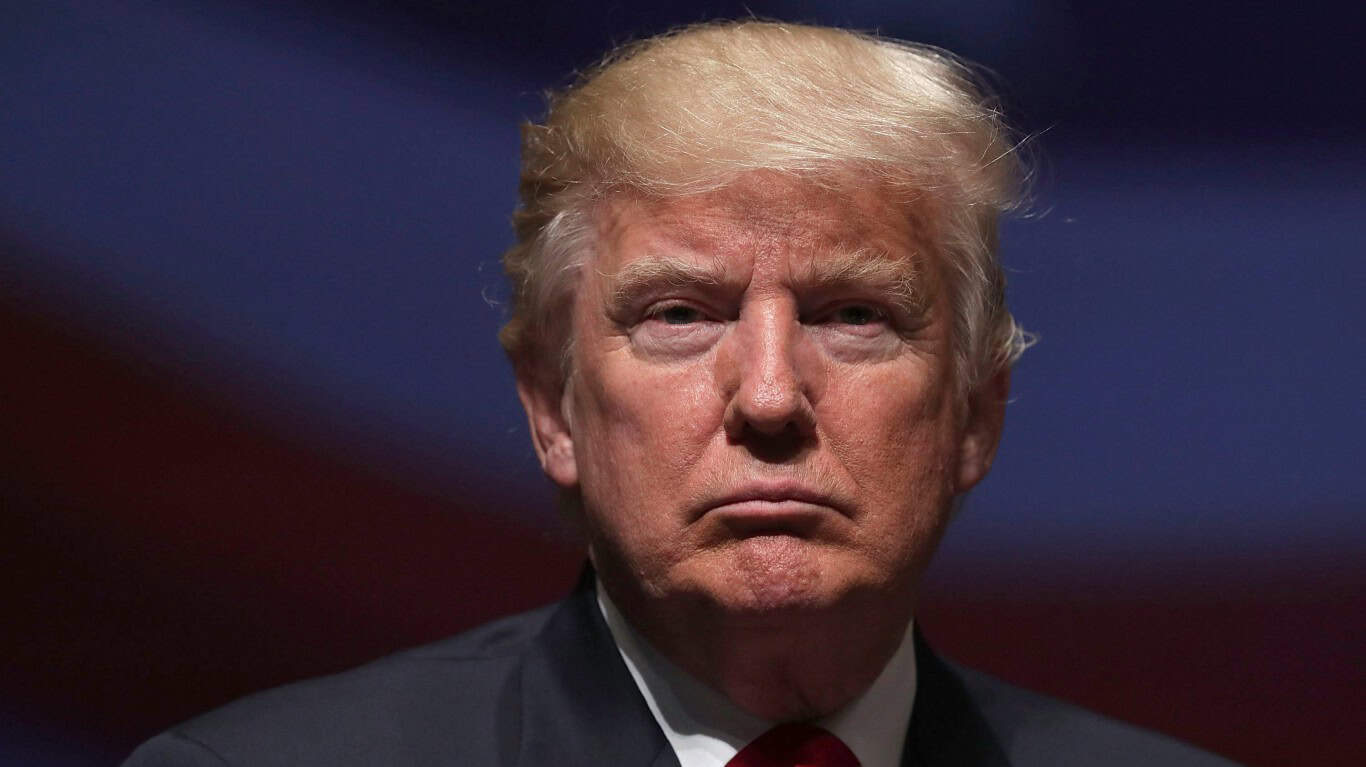
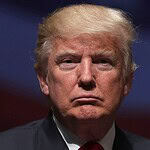
While giving a campaign speech in Butler, Pennsylvania, former President and current presidential candidate Donald Trump was shot by Thomas Matthew Crooks. A bullet grazed Trump's ear. One spectator died, and two others were wounded. The Secret Service shot and killed the would-be assassin, and federal investigators began trying to unravel how such a security breach occurred. Several months later, in September 2024, Trump faced a second attempted assassination by Ryan Wesley Routh, who spent hours waiting for Trump at his golf course before he was found and arrested.
The image featured at the top of this post is ©aruba200 / Getty Images