

















11 Common Myths About Firearms and Ammunition, Debunked
Firearms and ammunition are often the subject of strong opinions and ongoing debate. While some concerns are rooted in fact, many widely held beliefs are based on misconceptions that have been repeated over time. These myths appear in media coverage, public discussions, and everyday conversations, shaping how people understand how firearms function and how ammunition behaves.
Some misconceptions are relatively minor, but others can influence public policy, safety practices, and broader discussions around regulation. For example, suppressors do not make firearms silent, and ammunition is generally stable when stored and handled properly. Misunderstandings about maintenance, functionality, and terminology can also lead to unsafe handling or unrealistic expectations.
Accurate information is essential for both firearm owners and the general public. A clearer understanding of how firearms and ammunition work supports safer use, more informed decision-making, and more productive conversations around safety and policy.
Myth 1: "Silencers" Make Guns Whisper-Quiet
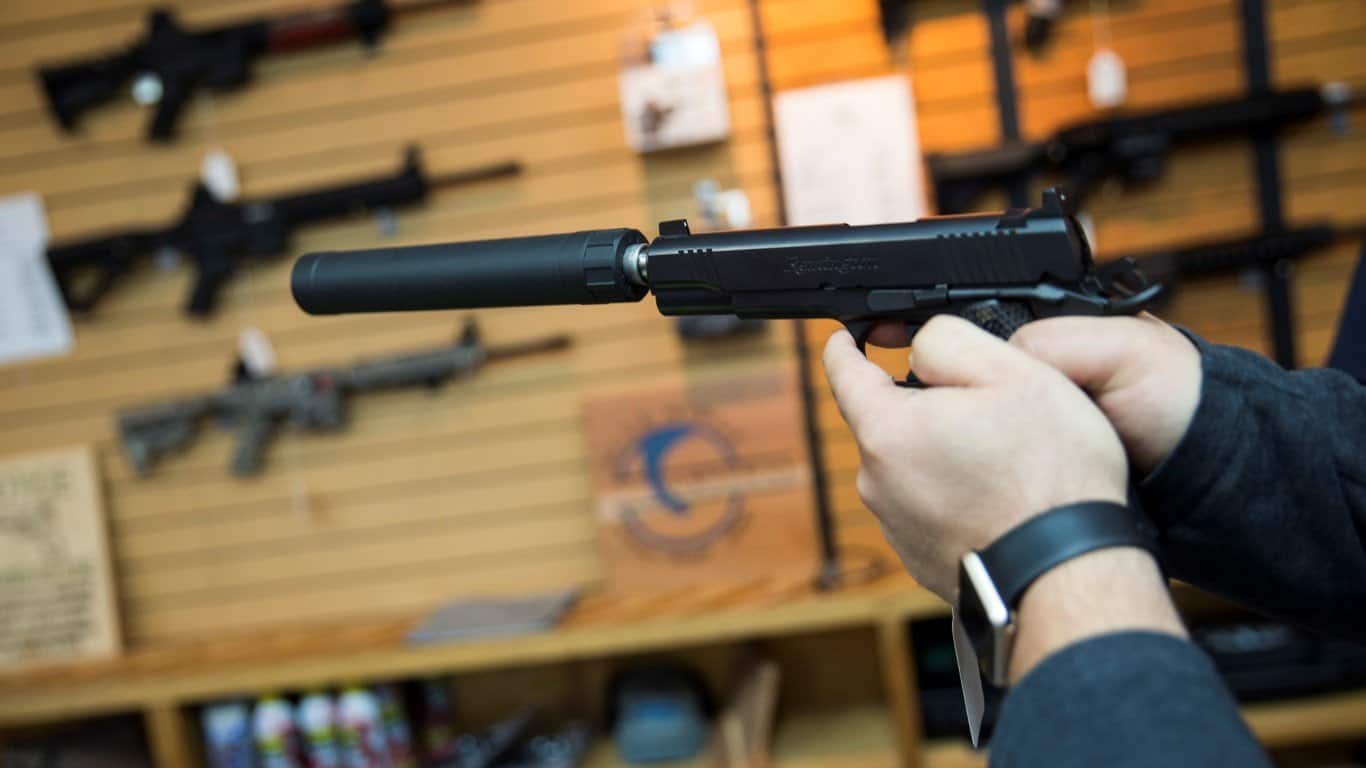
In Hollywood, the hitman fires a pistol with a little metal tube on the end and all you hear is a soft pfft. The truth is far less sneaky. A suppressor1often called a "silencer"doesn't make a gunshot silent. It simply reduces the noise by about 20 to 35 decibels, which is enough to make shooting safer for hearing but nowhere near silent.A typical suppressed handgun is still as loud as a jackhammer. It won't go unnoticed, and hearing protection is still a must at the range. Suppressors are about reducing ear damage and improving shooter comfort, not about turning gunfire into a whisper.
Myth 2: Ammunition "Goes Off" Easily
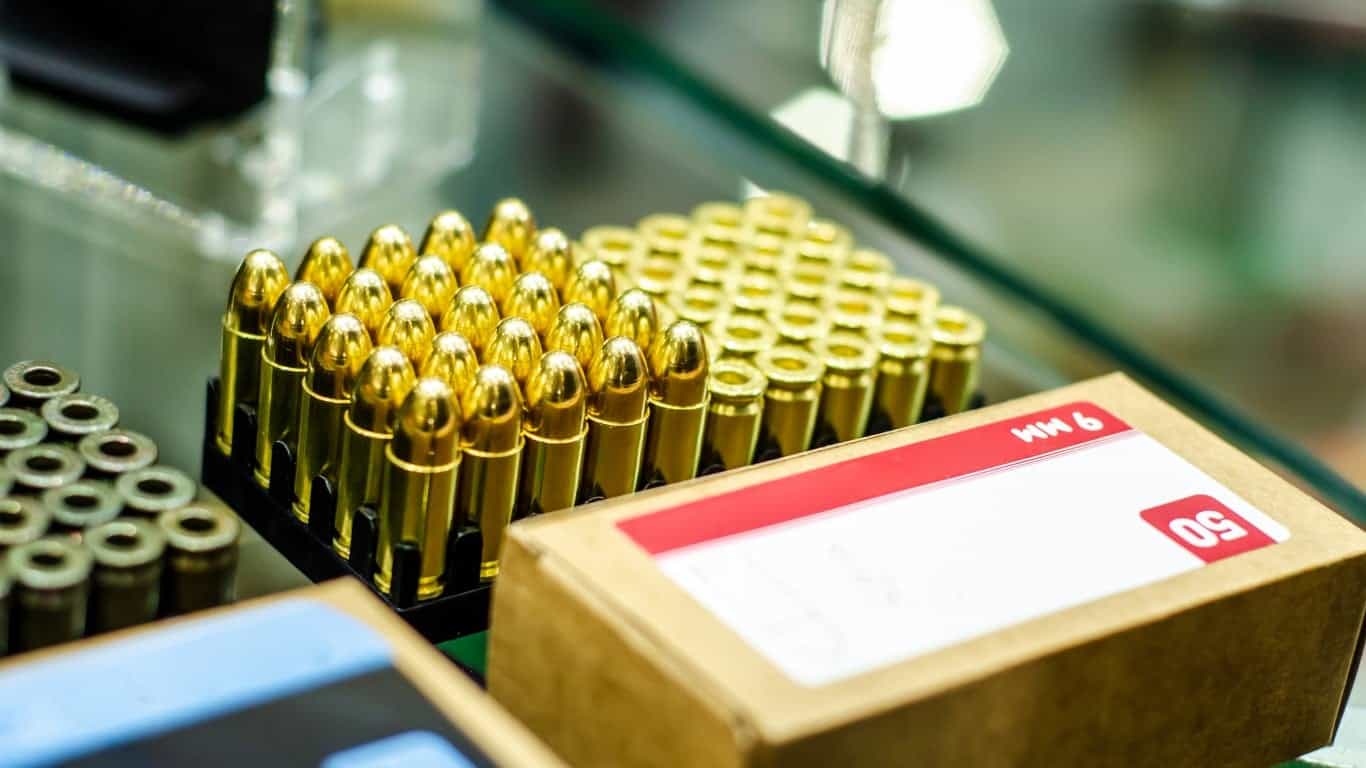
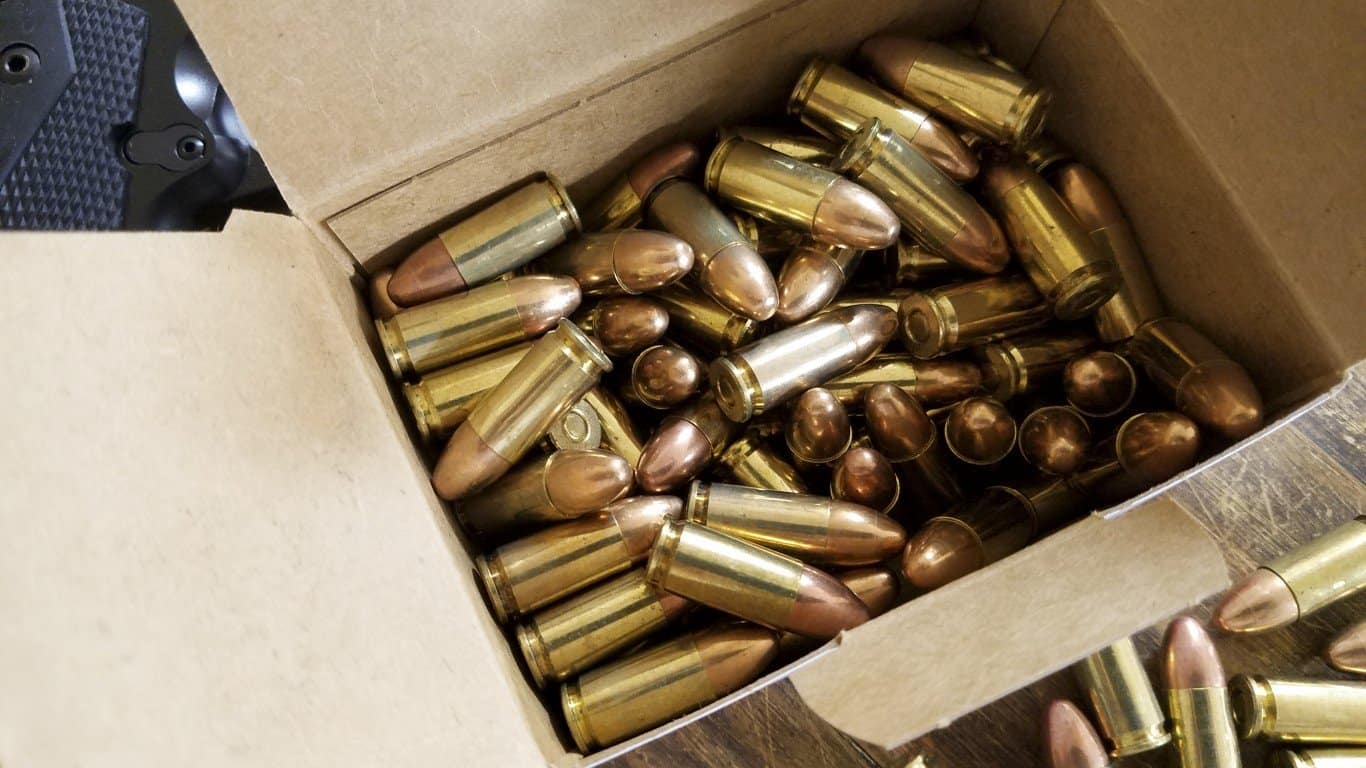
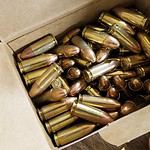
Some imagine that a box of cartridges is like a row of tiny grenades, ready to detonate if dropped or left in the sun. In reality, a bullet only fires when its primer receives a sharp, focused strikeusually from a gun's firing pin. Dropping a round might dent the casing or damage the bullet, but it won't cause the kind of dramatic explosion you see in movies.Extreme heat can make ammo dangerous, and rounds tossed into a fire may pop. But without a gun barrel to contain and direct the energy, the bullet isn't going to rocket across the room like a miniature missile. Safe storage still matters, but the odds of "accidental" firing from normal handling are extremely low.
Myth 3: Modern Civilian Guns Are "Machine Guns"
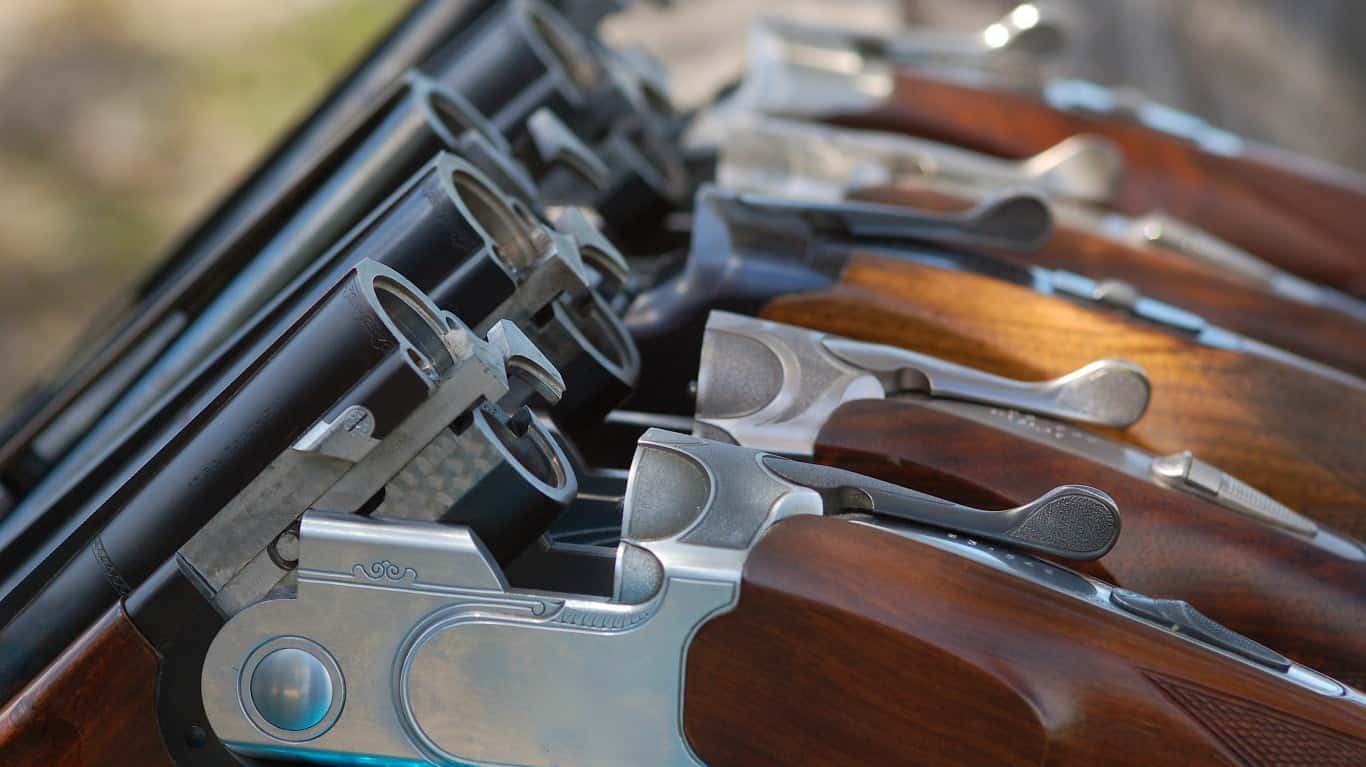
One of the most common misunderstandings involves the difference between semi-automatic and fully automatic firearms. Civilian rifles that look like military rifles are almost always semi-automatic, meaning one round is fired per trigger pull.A fully automatic weaponwhat most people mean by "machine gun"fires continuously as long as the trigger is held down. These have been tightly regulated in the United States since 1934, require special federal registration, and are rare in civilian hands. The visual similarities between certain rifles don't mean they function the same.
Myth 4: Bigger Caliber Means Guaranteed "Stopping Power"
Pop culture loves the idea that a larger bullet automatically means more devastating results. While bigger calibers can deliver more energy, what matters most in stopping a threat is shot placement. A small, well-placed round can be more effective than a large one that misses vital areas.Medical research shows that, short of a grenade, there's really no magic bullet size that guarantees instant incapacitation. Real-world outcomes depend on a host of variables: the target's movement, the shooter's accuracy, the ammunition's design, and even plain luck.
Myth 5: Ballistic "Fingerprints" Are Foolproof
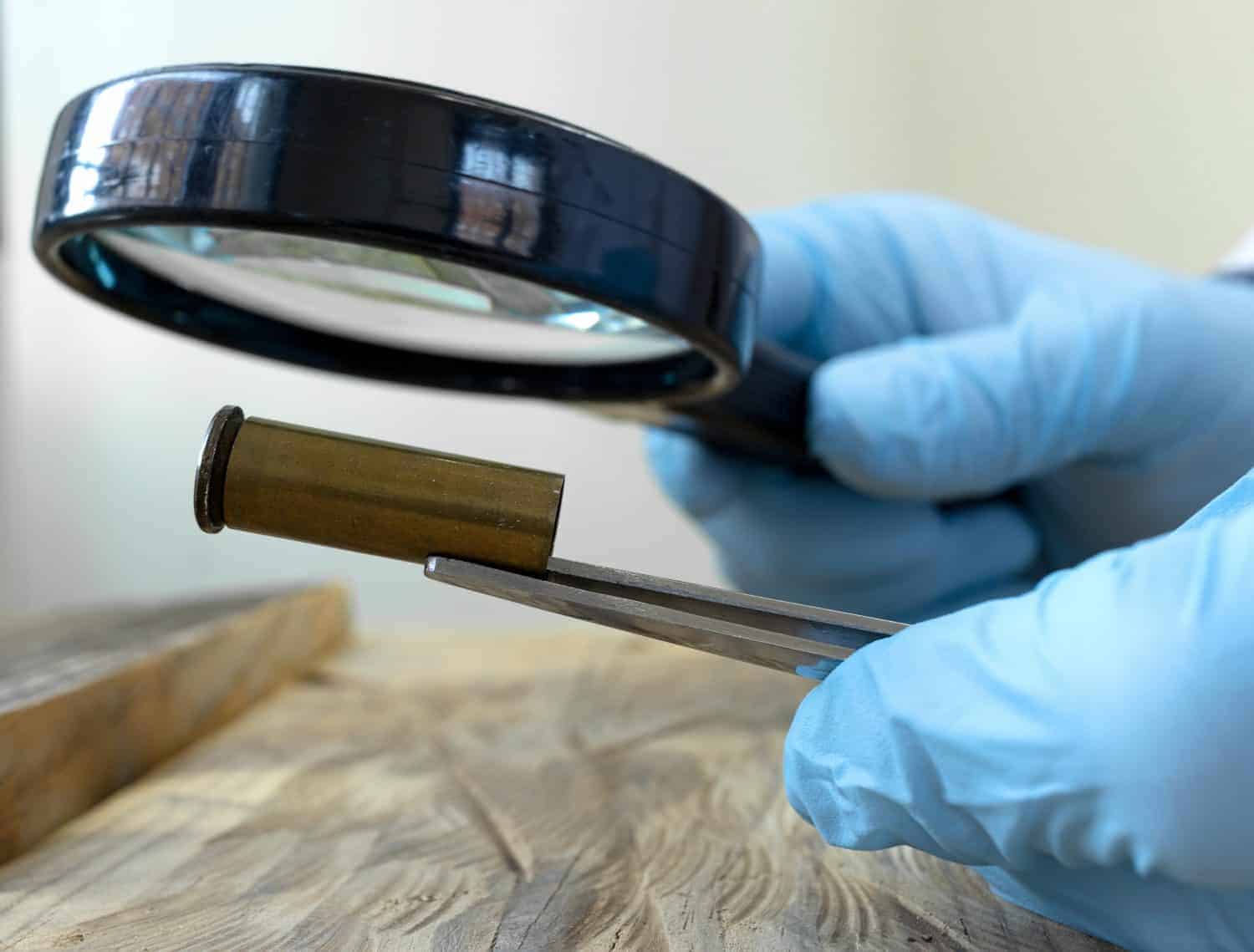
Crime shows often portray forensic experts matching a recovered bullet to a specific gun with certainty. While it's true that rifling in a barrel leaves unique marks on bullets, these markings can change over time as the barrel wears. Poor-quality ammo, damaged bullets, or environmental factors can make identification harder. In the real world, ballistic matching can be a valuable investigative lead, but it's far from the flawless "fingerprint" you see on TV.
Myth 6: You Don't Need to Clean Modern Guns
Is it true, as some owners believe, that modern manufacturing makes gun cleaning almost unnecessary? Today's firearms are often more resistant to corrosion than older models, but they still need care. Powder residue, dirt, and moisture can cause malfunctions, especially if the gun is used frequently or stored in poor conditions. Cleaning and lubrication help ensure reliability. For a gun kept loaded for home defense, it's smart to check and maintain it at least every few monthsmore often if it's been fired.
Myth 7: "Smart Guns" Are Common and Reliable
The concept of a firearm that only works for its authorized owner is appealing, and they do exist. These so-called "smart guns" often rely on fingerprint readers or RFID chips to unlock the weapon. But in practice, the technology still faces big hurdles. Most smart gun designs are expensive, slow to activate, and sometimes fail under real-world conditions like dirt, sweat, or gloves. Neither police departments nor the military have adopted them widely, and they haven't really taken off in the civilian market either. Colorado-based Biofire is one of the first companies to make a facial-recognition biometric gun available to customers.
Myth 8: Gunshots Have Great Range and Accuracy
Many non-shooters imagine that any firearm can hit a target hundreds of yards away with ease. In truth, effective range depends heavily on the gun, the ammunition, and the shooter's skill. For most people, a standard handgun is only reliable out to about 25 60 yards.Rifles can certainly reach farther, but hitting consistently at long range takes training, good optics, and a steady handthings movies tend to gloss over.
Myth 9: "Armor-Piercing" Ammo Is Everywhere
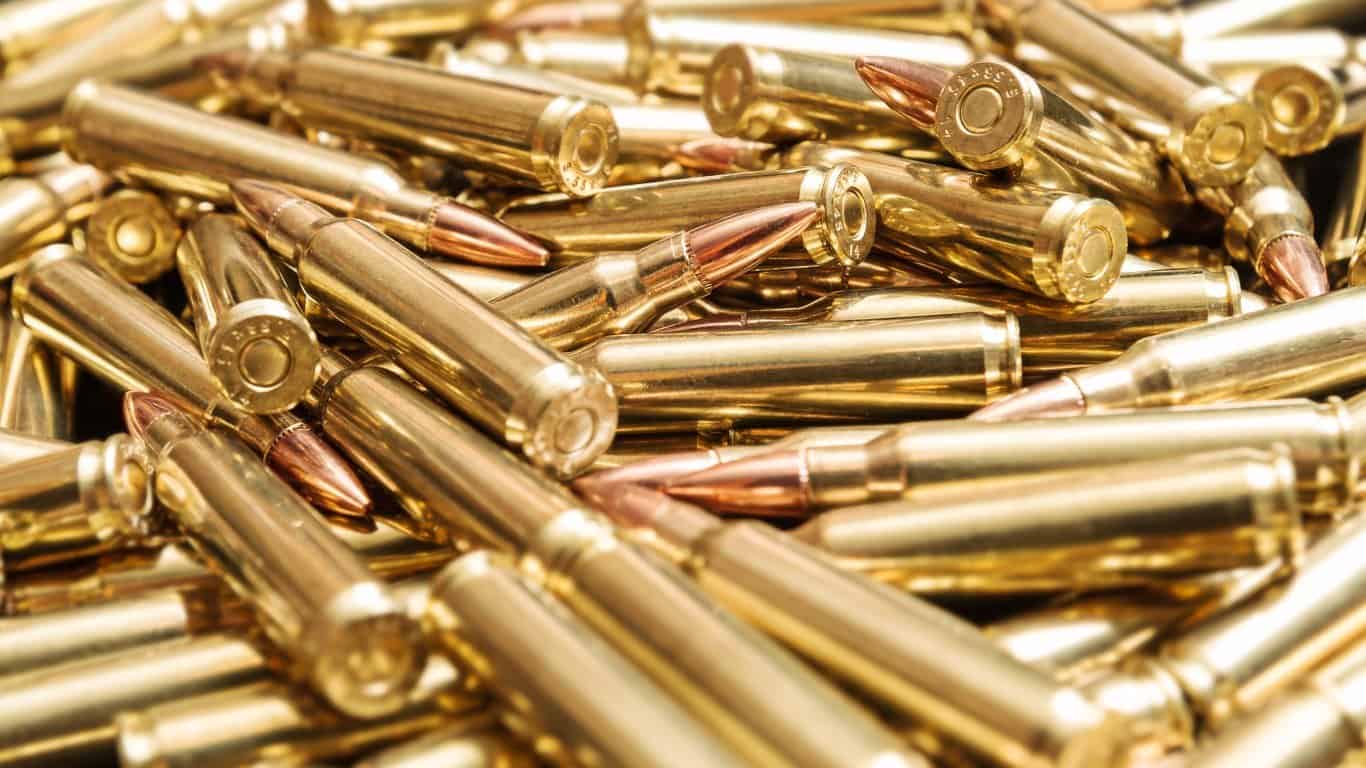
The term "armor-piercing" gets thrown around loosely, often without understanding what it actually means. Standard body armor worn by police is designed to stop most handgun rounds. Some high-velocity rifle cartridges can penetrate these vests, but performance depends on bullet design, speed, and the rating of the armor. Actual armor-piercing rounds are military-grade equipment illegal for civilian sale.
Myth 10: Ammunition Expires Quickly
Like canned food, ammunition has a shelf lifebut it's measured in decades, not months. If stored in a cool, dry place and protected from extreme temperature swings, ammo can remain reliable for 30, 40, or even 80 years. In fact, collectors often use surplus military rounds from World War II with no issues. That said, any round that looks corroded, swollen, or otherwise damaged should be disposed of safely rather than fired.
Myth 11: Explosions, Richochets, and More
In the movies, shooting a car makes it explode, bullets send people flying backwards, and ricochets spark off every metal surface. In reality, cars almost never explode from gunfire. Gasoline needs to vaporize and mix with the right concentration of air to explode and cars are designed to minimize the risk of a fuel explosion. A person who is shot usually collapses in place or stumbles; they don't sail through the air. Ricochets are less common than you'd think. Whether they happen and how they behave depends on the bullet type, the hardness of the material they hit, and the angle of the shot.
The Bottom Line
Firearms and ammunition have always attracted mythssome rooted in outdated experiences, others born in Hollywood sound stages. Separating fact from fiction isn't about winning an argument; it's about creating a shared understanding that leads to safer handling, smarter policy, and more honest conversations.By challenging myths and sticking to the facts, we can cut through the noise, improve safety for everyone, and ensure that our opinions and policy advocacy are based on what's real, not just what we've heard.
The image featured at the top of this post is ©artas / iStock via Getty Images