
The office of the American Vice President was once famously described by John Adams, the first in the nation’s history, as “the most insignificant office that ever the invention of man contrived or his imagination conceived.” For most Americans, that’s true. Unless you took government classes in school, it’s difficult to even tell what the vice president does while in office. The very same insignificance that Adams opined upon changes in an instant when tragedy befalls the sitting president.
History has shown us on more than one occasion where the American Vice President has been thrust into the highest office of the land during some of the nation’s darkest hours. Whether it’s through assassination, sudden death, or a scandal that has never been seen before. These weren’t just shifts in leadership, but putting the American Constitution’s resilience to the test.
John Tyler
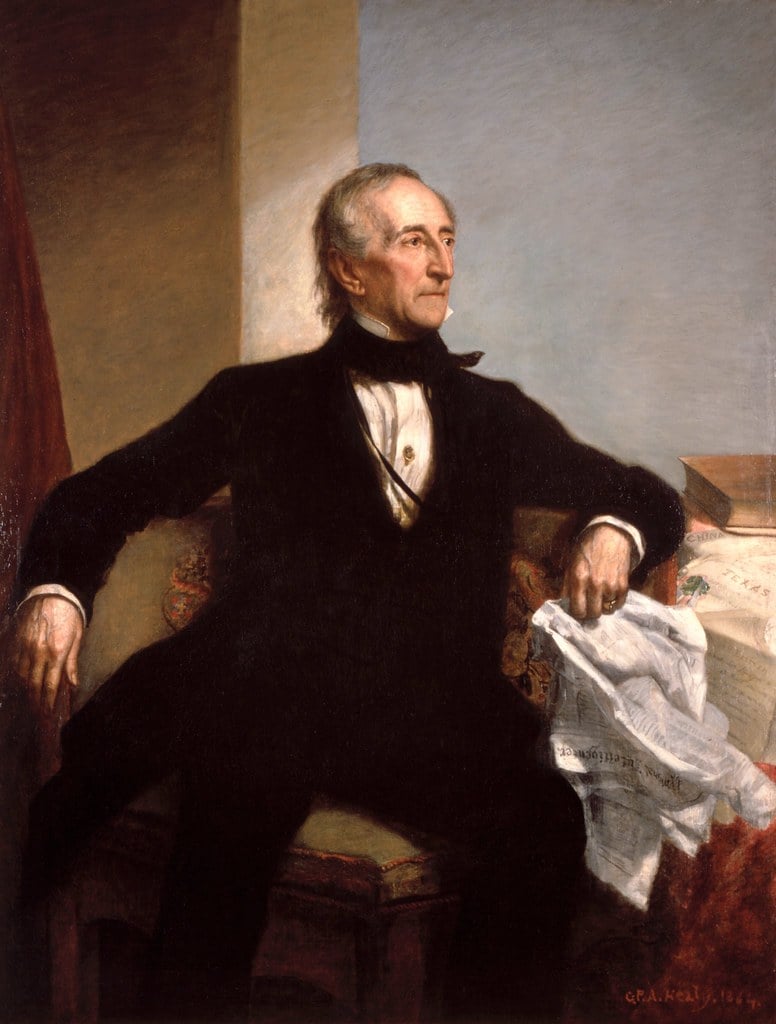
©"10 John Tyler" by US Department of State is licensed under PDM 1.0. – Original / License
The very first time a vice president had to rise to the occasion was a mere 50 years or so after the Constitution was enacted. Vice President John Tyler was thrust into the role just 31 days after the death of William Henry Harrison. The aftermath of Harrison’s death sparked something of a constitutional crisis. Was the vice president intended to take over all duties of the president until the end of the term, or merely served as the “acting president” until another election was held?
Tyler didn’t give much time to debate the nuances of the vague language surrounding the Constitution. Shortly after Harrison’s death, he rushed to the nation’s capital, took the oath, and started serving as the American President in full. Mail addressed to the “Acting President”, which might have been a jab toward Tyler, was returned unopened.
Tyler established the Tyler Precedent, or that the successor of the office fully inherits the powers and title of the office of the president. This was done out of sheer force of will, as it would’ve no doubt taken months for any sort of resolution to come about from Congress. The nation mourned the loss of its first President while in office, and Tyler made sure the executive branch wouldn’t sit vacant in the event of a national tragedy.
Andrew Johnson
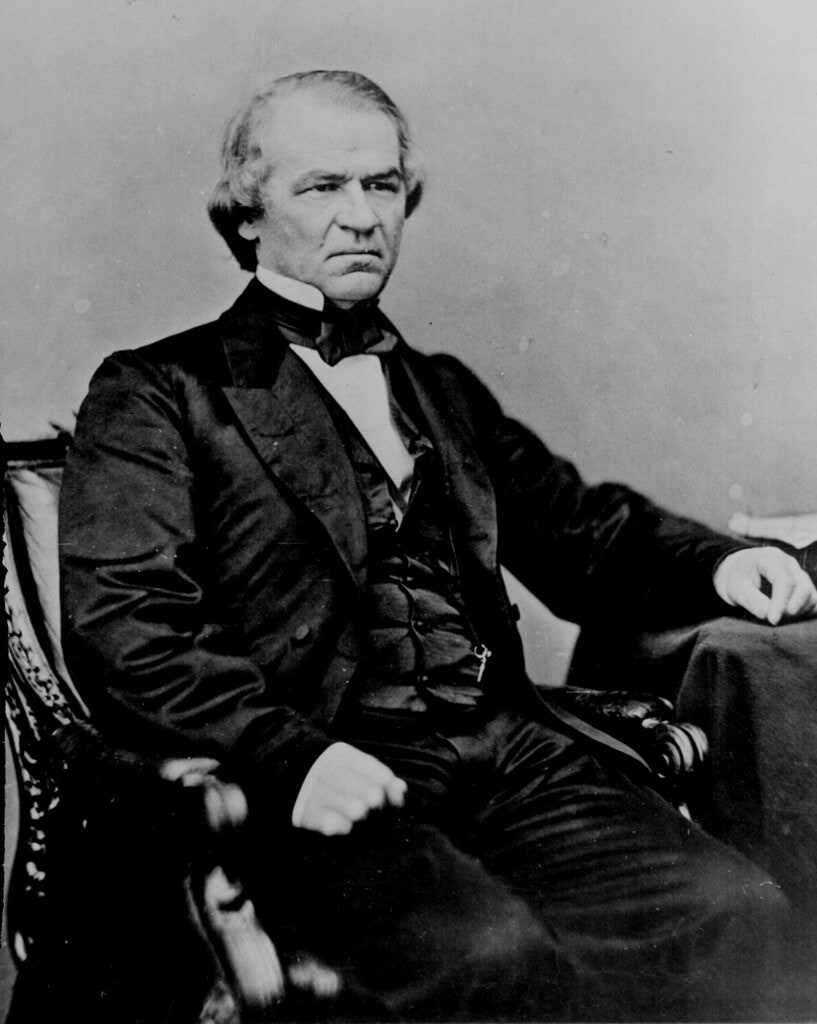
©"Andrew Johnson, Vice President and President" by Marion Doss is licensed under BY-SA 2.0. – Original / License
As the American Civil War drew to a close, the nation began to breathe a sigh of relief. The bloodiest, nastiest conflict in American history, to this day in fact, was over. The wounds were still raw, tensions were high, and President Abraham Lincoln had a plan to essentially refurbish the Union from scratch. Tragedy struck at Ford’s Theater when John Wilkes Booth shot and killed Lincoln. Lincoln had been divisive, but had been instrumental in appointing the leaders who brought the war to an end.
His Vice President, Andrew Johnson, was a strategic pick. A pro-Union Democrat from Tennessee, Johnson was handpicked to show national unity in a rather uncertain time. Johnson lacked Lincoln’s political acumen and proved to be highly unpopular. Much of his presidency was spent in a bitter battle with Congress over Reconstruction and the further integration of the emancipated slaves into the nation. Questions lingered over what rights were afforded to the freed slaves.
Johnson showed that while the transition of power could be immediate, the execution of that power was a vastly different story. Johnson would go on to make history as the first American President to ever be impeached and removed from office. His time serving as the American President demonstrated that rising to the occasion wasn’t a guarantee of providing any sort of meaningful leadership.
Theodore Roosevelt
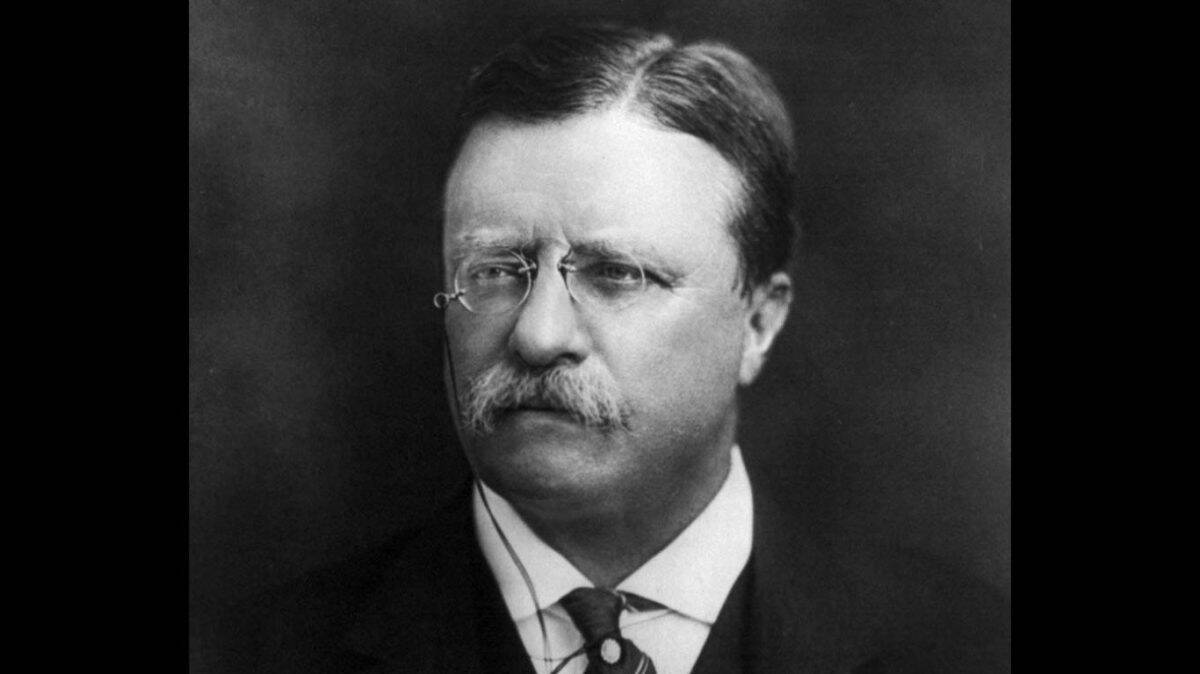
The early 20th century brought another presidential assassination to the fore. William McKinley was shot in Buffalo by Leon Czolgosz. McKinley had established the Republican Party in the industrialized states, providing a stronghold that lasted well into the 1970s with the Southern Strategy. His Vice President, Theodore Roosevelt, was kicked in as McKinley’s running mate out of fears from the Republican Party. If anything, Roosevelt taking the highest office in the land was something of a worst-case scenario for the Republicans.
His ascension to the office of President was a seismic shift. At the age of 42, Roosevelt was the youngest person to ever hold the office. More to the point, he transformed the presidency, showing that the force of will in leadership could lead to bold new eras. It was under Roosevelt that we saw the United States enter its Progressive Era and take a larger place on the world stage.
It is hard to say whether McKinley would’ve stayed the course or laid the groundwork for the United States to become a world power if left to finish his term and potentially get elected as the incumbent. One thing is certain: Roosevelt provided a much-needed shot in the arm and helped set the foundation for the United States to become a major player on the world stage.
Harry S. Truman
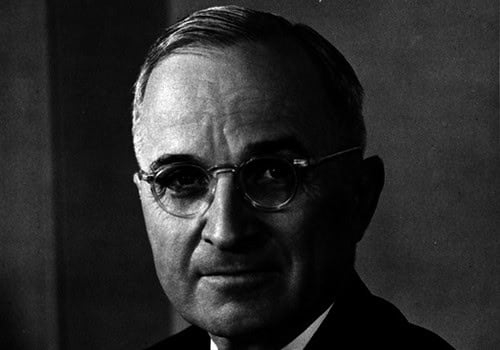
©"Harry-truman" by myglesias is licensed under BY-SA 2.0. – Original / License
Franklin D. Roosevelt was America’s longest-serving President, being elected for four terms, and presiding over the vast majority of the Great Depression and the bulk of the Second World War. His final Vice President, Harry S. Truman, had only been in his position for 82 days when Roosevelt suddenly died. He was left in the dark about some of the more significant late-war plans, like the Manhattan Project.
As Truman once stated, “I felt like the moon, the stars, and all the planets had fallen on me.” He was given the unenviable task of seeing the Second World War to its logical conclusion, and the decision to use the atomic bomb fell upon his shoulders. On Truman’s desk, you’d find a sign simply reading, “The Buck Stops Here”, meaning that above all else, the President has to make those hard decisions and live by their consequences.
Truman would use the atomic bombs to secure a victory over Imperial Japan and would ultimately oversee the rebuilding of Europe alongside the United Kingdom and France. His mentality of making the tough decisions no one else should make became a gold standard for the office of Vice President, something that would carry over for our next talking point.
Lyndon B. Johnson
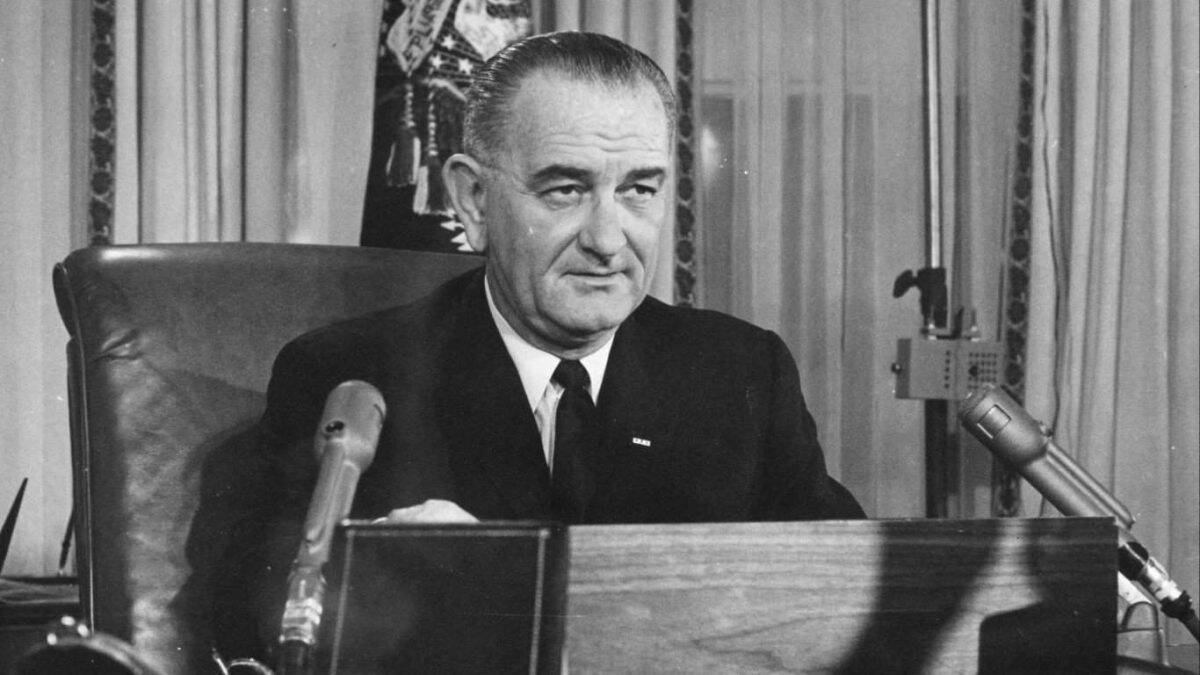
©Keystone / Getty Images
John F. Kennedy made history as the youngest person ever elected to the office of president, at just 43 years old. He was a fresh face in a rather stodgy office, and it reflected on the policies and actions he took while serving as President. Kennedy oversaw the likes of the start of the Space Race, which would see the United States put a man on the moon by 1969. The Civil Rights Movement began to get real legs and support thanks to his empathy and actions. More infamously, he started the American involvement in the Vietnam War, which saw more and more American advisors serving in combat roles.
Tragedy struck on November 22, 1963, when Kennedy was shot and killed in Dallas, Texas. As Air Force One took the coffin bearing the body of JFK to Washington, his Vice President, Lyndon B. Johnson, was sworn into office. It’s important to set the backdrop of Kennedy’s assassination, which was near the height of Cold War paranoia. There was a massive degree of uncertainty as to what would come next, and conspiracies abound to this day.
Johnson proved to be a polarizing leader, pushing forward significant social legislation in the Civil Rights Act of 1964. He also saw the Vietnam War spiral out of control under his leadership, with the American people quickly growing tired of a foreign war that over 50,000 soldiers dead. Johnson was able to harness the collective grief of the people into a lightning rod, pushing it forward. Sadly, his legacy is mired by involvement in Southeast Asia.
Gerald Ford

©"No Known Restrictions: President Gerald Ford After Giving a Television Speech at the White House, Washington, D.C by Marion S. Trikosko, 1975 (LOC)" by pingnews.com is licensed under PDM 1.0. – Original / License
The final person we’re talking about today didn’t rise to the office of President out of some national tragedy. Gerald Ford landed in the office of the President at a time of moral collapse in the federal government. Richard Nixon’s involvement in the Watergate scandal had put the public’s trust in the government at an all-time low, and both Nixon and his Vice President, Spiro Agnew, would resign while facing pressure and pending criminal charges.
It’s telling that upon taking the office, Ford remarked, “Our long national nightmare is over.” Ford made history as the first serve as the Vice President and President without ever being elected to the office. His decision to pardon Nixon was deeply unpopular at the time, but is now seen by historians as a necessary evil of sorts. The nation needed to heal, and the faster, the better.
Conclusion
Lyndon B. Johnson once said, “The presidency is a task that no one man can perform, and yet it is a task that must be performed by one man.” If we can take anything from the men we’ve profiled today, it is that the office of Vice President is anything but “insignificant.” Sure, for most VPs, they’ll spend their time in office doing the usual duties, presiding over the Senate, and casting whatever tie-breakers are needed. When the situation arises, however, the VP is expected to rise to the occasion and provide leadership in the nation’s darkest hour.
The image featured at the top of this post is ©Gorodenkoff/Shutterstock.com