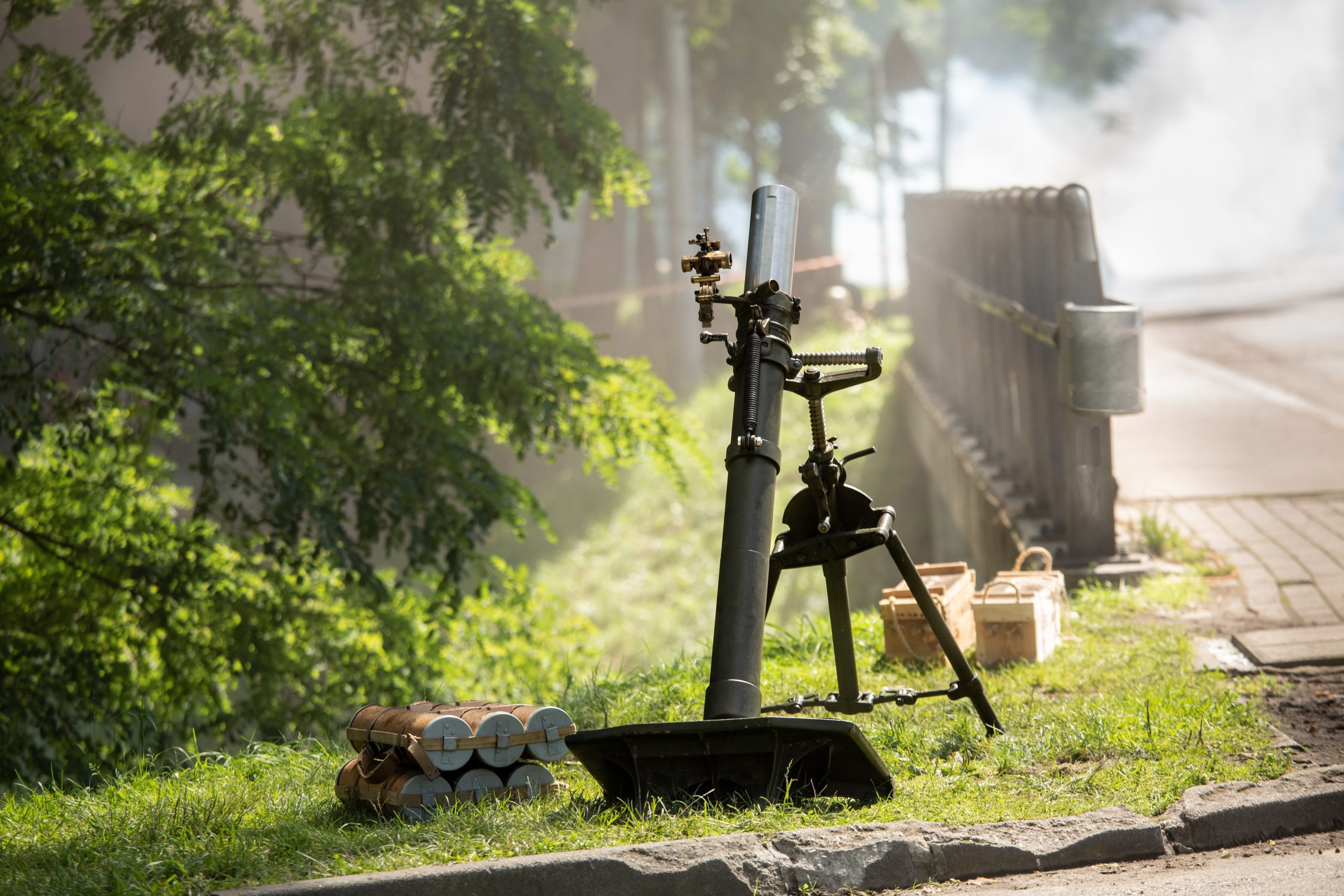

Warfare has been a large driver for technology, pushing human progress forward as engineers, strategists, and nations explore the edges of what is possible. This is done in the pursuit of strategic advantages, as any edge a military can gain on a peer is a net bonus. Some military inventions seem so outlandish at first glance that you can’t help but imagine they’d be doomed to failure from the very start. However, sometimes these long shots pay off in big ways, with massive gains to be seen, often in the form of decisive battles or shutting down whatever advantages an enemy might have. From gunpowder rockets to electromagnetic guns, the battlefield is constantly reshaped by technological progress, with some of these technological leaps making it back home to civilian life. Today, we’re looking at some of the most surprising military inventions to ever be utilized.
The First Rockets
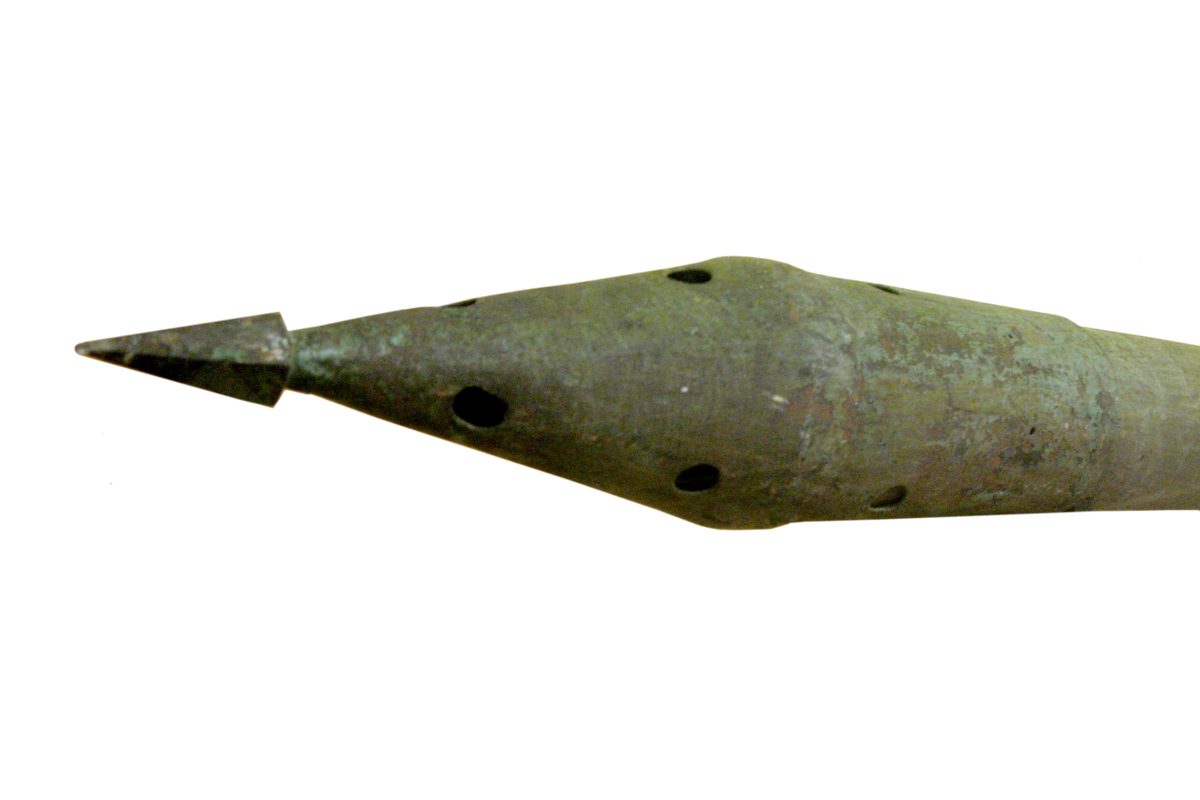
©"Congreve rocket img 2950" by Rama is licensed under BY-SA 3.0. – Original / License
Basic rockets were first established in China, but were rather fragile in the best of conditions, making use of wood or bamboo encasement. Iron encasement came about with the Kingdom of Mysore in India during the late 18th century or so. Indian engineers revolutionized rockets, increasing the range and effectiveness when compared to their more fragile counterparts. These refined rockets were highly effective, as the British would later go on to capture thousands of examples during the Anglo-Mysore Wars.
While primitive compared to modern guided munitions like the cruise missile, it was still highly effective when compared to modern artillery. British forces would go on to develop Congreve rockets, which would see use in the European theaters of the Napoleonic Wars and the War of 1812. What seemed like a long shot proved to be a highly effective means of dominating the battlefield, something that would pave the way forward for modern rocketry in the future.
The Gunpowder Weapons of the Song Dynasty
Speaking of Chinese rockets, the Song dynasty was the first major power to ever utilize gunpowder in any meaningful way. The early rockets we mentioned are just one example. Song soldiers would also make use of fire arrows, or arrows fitted with tubes of gunpowder. These had increased velocity, while also having the added benefit of having some incendiary properties. Gunpowder wasn’t a mere dalliance for the Song dynasty, but rather a means of highly effective military strategy.
Early firearms, like fire lances, could be devastating en masse, and certainly presaged the European wars of the coming centuries. Chinese accounts from the time recall that gunpowder devices weren’t mere curiosities, but highly effective means of breaking sieges or destroying entire enemy forces at land or at sea.
Naval Mines
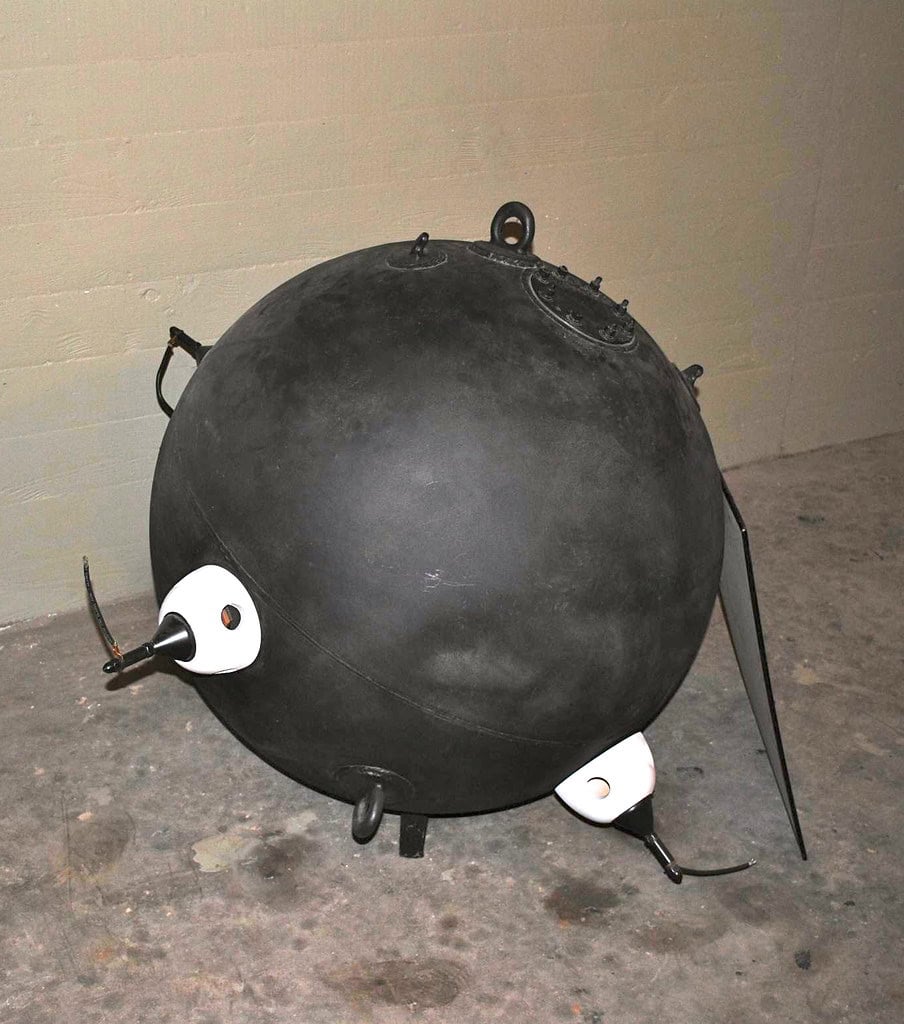
©"World War II Naval Mines" by Lee Cannon is licensed under BY-SA 2.0. – Original / License
Naval mines date back to at least the Ming dynasty, with military texts contemporary to the time detailing crude explosive devices hidden in containers that could drift into enemy shipping lanes. Devices had primitive fuses, but could be readily detonated by mechanical triggers or by ambushers waiting on the shore.
While they’re relatively common now and have been a staple of naval warfare for centuries at this point, in the 14th-century Ming dynasty, the naval mine was a revolution. Unattended, explosive devices were a leap forward for naval warfare. It wasn’t long before just about every naval power in the world decided to start making use of mines for the waterways.
PIAT Anti-Tank Weapon
At the start of the Second World War, armored warfare had taken significant leaps forward. The use of anti-tank rifles, or dedicated big-bore bolt-action rifles, was proving to be too weak against the sloped and reinforced steel hulls of German tanks. Heavy weaponry like the Boys rifle was simply not enough by 1941 when the war began heating up in earnest. British engineers started work on Project, Infantry, Anti-Tank, a rather crude device. However, where the PIAT takes a step forward isn’t in the use of a spring-loaded launching mechanism.
Instead, the shaped charges at the center of the PIAT’s armament were the next forward for anti-armor infantry weaponry. All the explosive energy was focused on a single, small point. British infantry could effectively engage German armor at combat distances, negating many of the advantages of the Panzer and Tigers fielded. Shaped charges are still the norm for anti-tank weaponry, albeit with some more high-tech twists.
Balloons

©Douglas Knight/ via Getty Images
Airpower is a guaranteed asset for many modern nations. However, for those who could, it was a massive boon in the earliest days of aviation. The Great War saw world powers essentially coming up with military aviation as they went, with the fledgling doctrines of aerial reconnaissance being codified as the war raged on. Aerial reconnaissance has a much older origin point, interestingly enough. The French Revolution saw French forces making use of tethered hot-air balloons, functioning as airborne sentry towers.
Balloons were the norm for aerial surveillance for centuries, lasting from the late 18th century until well into the start of the Great War. While primitive compared to modern solutions, they were working with the technology available at the time. Compared to the cost of developing whole new airframes, there is something certainly attractive about having a relatively low-cost, effective solution. These days, satellites and drones effectively fulfill the same function.
The Portable Radio
A lack of communication kills on the battlefield. Ancient warfare and well into the early years of the First World War relied on things like signal flags, flares, and runners to deliver messages between units. The start of the Second World War began the communication revolution for militaries. However, a 1940 contract with Motorola from the United States Department led to the development of a portable two-way radio. This radio, or SCR-300, was massive by modern standards, but allowed essentially real-time communication between units in the field.
Prior methods of communication could be severed easily. Runners were easy targets for machine guns, telephone wires could be cut with a well-placed bombardment, and signals could easily be obscured by smoke and the general chaos of battle. The portable radio changed all of that seemingly overnight. Commands could come from responses to actions on the battlefield, and as technology advanced, smaller radios were developed.
Guided Bullets
©Payless Images/Shutterstock.com
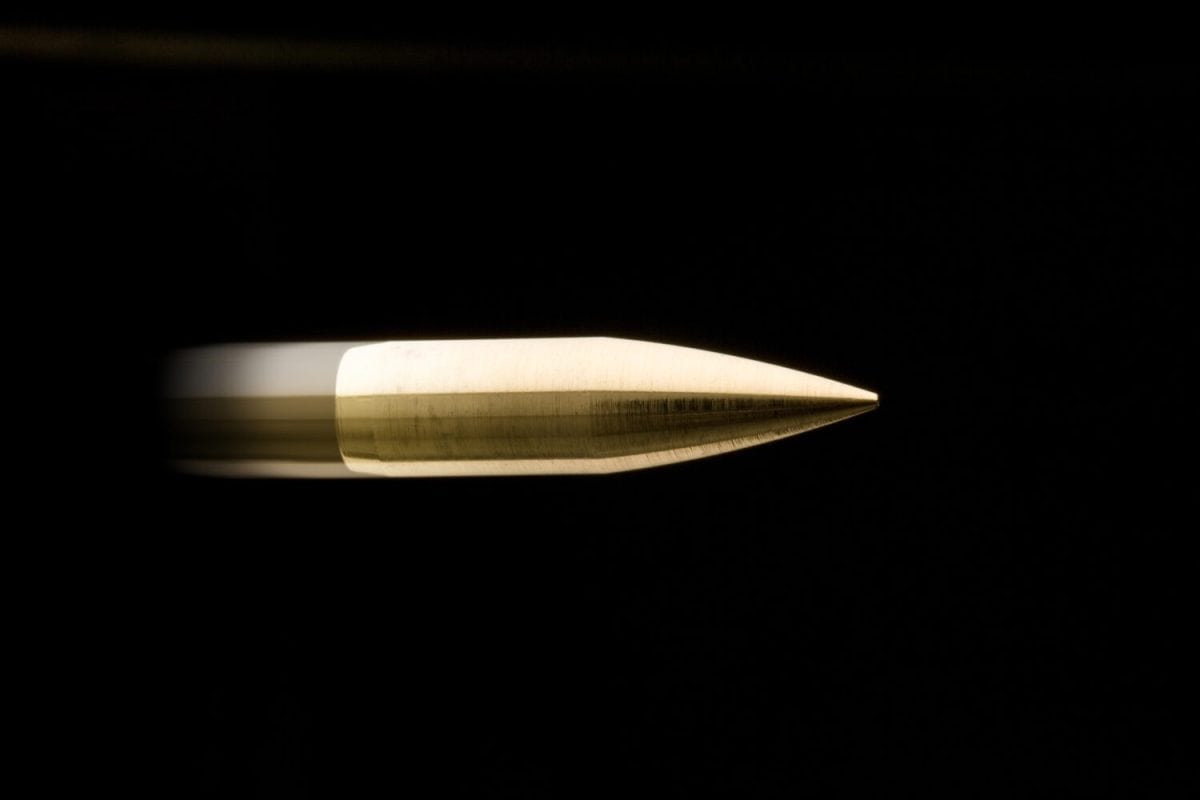
There is nothing in the realm of military technology that is as outlandish and seemingly fictional as the notion of self-guiding bullets. That said, trials in 2015 with DARPA’s Extreme Tasked Ordnance, or EXACTO, showed .50 caliber bullets steering in mid-air to course correct and strike a target. While these haven’t been tested by any means in a live-fire exercise, the sheer notion of the technology is like something out of a sci-fi film.
These self-guiding rounds can compensate for factors like motion, windage, and varying weather conditions. If anything, this proves that such pipe dreams were indeed quite feasible, just the technology wasn’t available at the time. What this means for future warfare remains to be seen; however, it doesn’t bode well for whoever is on the receiving end of the perfected technology.
Railguns
Speaking of science fiction, we’d be remiss without mentioning the often vaunted, seemingly vaporware developments surrounding railguns. The United States Navy has been heavily involved in the development of such a weapon, with increased funding and accelerated research coming about in the 2000s. The basic concept behind a railgun relies on extreme projectile speeds, often exceeding the speed of sound many times over, when compared to traditional munitions. The technology is promising and looks to bring BVR engagements to naval warfare.
The 2020s have seen the United States Navy suspend its program for the time being, as costs and integration onto existing platforms are a growing concern. Other nations haven’t stopped their programs, as Japan’s own Maritime Self-Defense Force would attest. A recent test saw a successful firing of a ship-mounted railgun, showing the technology is feasible. Time will tell if these become standard armament, but now that the technology has been shown to be doable, I think it’s simply a matter of getting costs down and adapting platforms as necessary.
The Broader Impact of Military Technology
©SashaMagic/Shutterstock.com
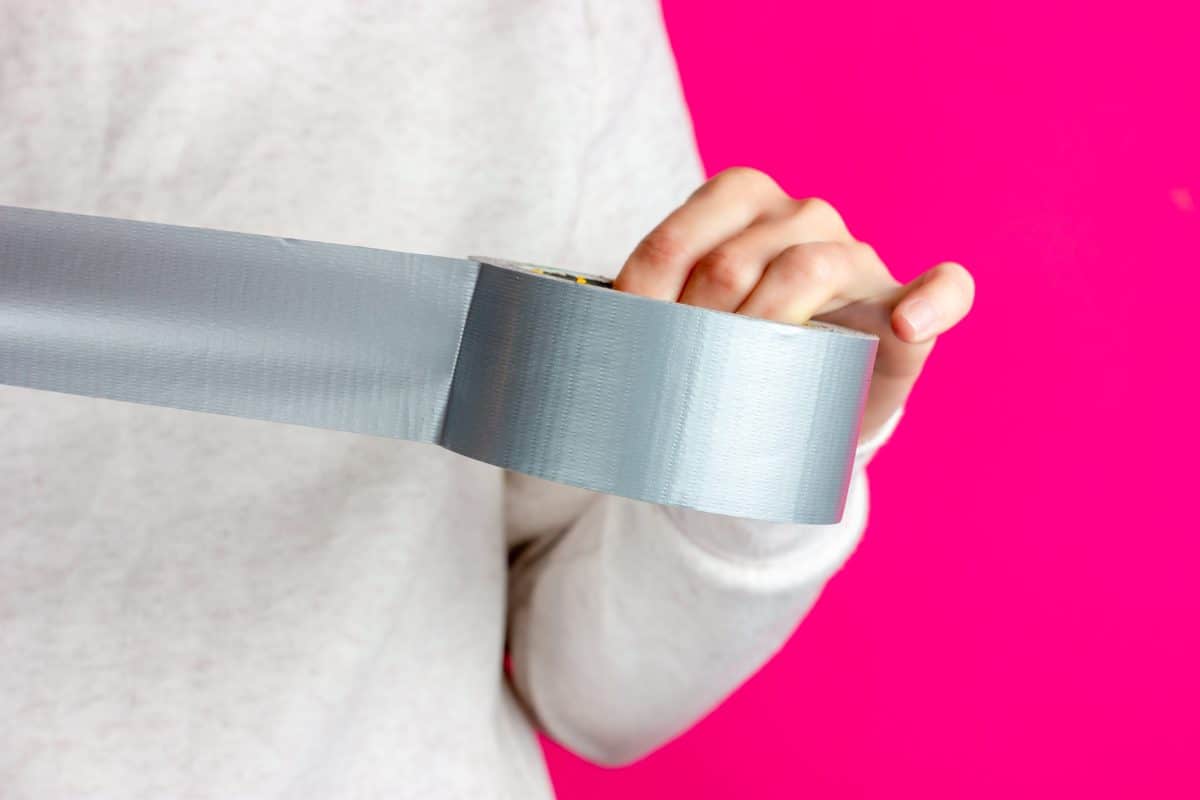
Military technology developed for the battlefield often has alternative applications that aren’t immediately evident. Duct tape was developed during the Second World War to keep ammunition cases free of water, enabling the transport of vital supplies in nightmarish conditions. Superglue was intended to be a superplastic for military optics, but ended up becoming one of the most enduring adhesives in the post-World War 2 era. Finally, we touched on two-way radios, but the technology has largely pioneered modern telecommunications, especially when considering any sort of modern handsets.
Military innovations often find their way into the hands of civilians when peace time arrives. It only stands to reason that these battlefield necessities, however outlandish they might seem, end up as household staples when integrated into the wider public.
Conclusion
Massive jumps forward in technology can often stretch the limits of believability. That said, warfare often has a way of emphasizing the need for any possible edge you can get. It isn’t just a demonstration of human ingenuity under fire, but rather a reflection of the human need to constantly keep pushing forward, regardless of the circumstances.
The image featured at the top of this post is ©Krysek/Shutterstock.com