Turning Points of the Great War: 15 Battles That Changed History
When you think about more recent military history, it’s unsurprising that World War II is the centerpiece of most conversations. The last true global conflict, the battles of the Second World War, are undoubtedly the most memorable. However, World War I was just as dangerous, and had the result turned out differently, World War II could have looked very different.
15. Battle of Caporetto
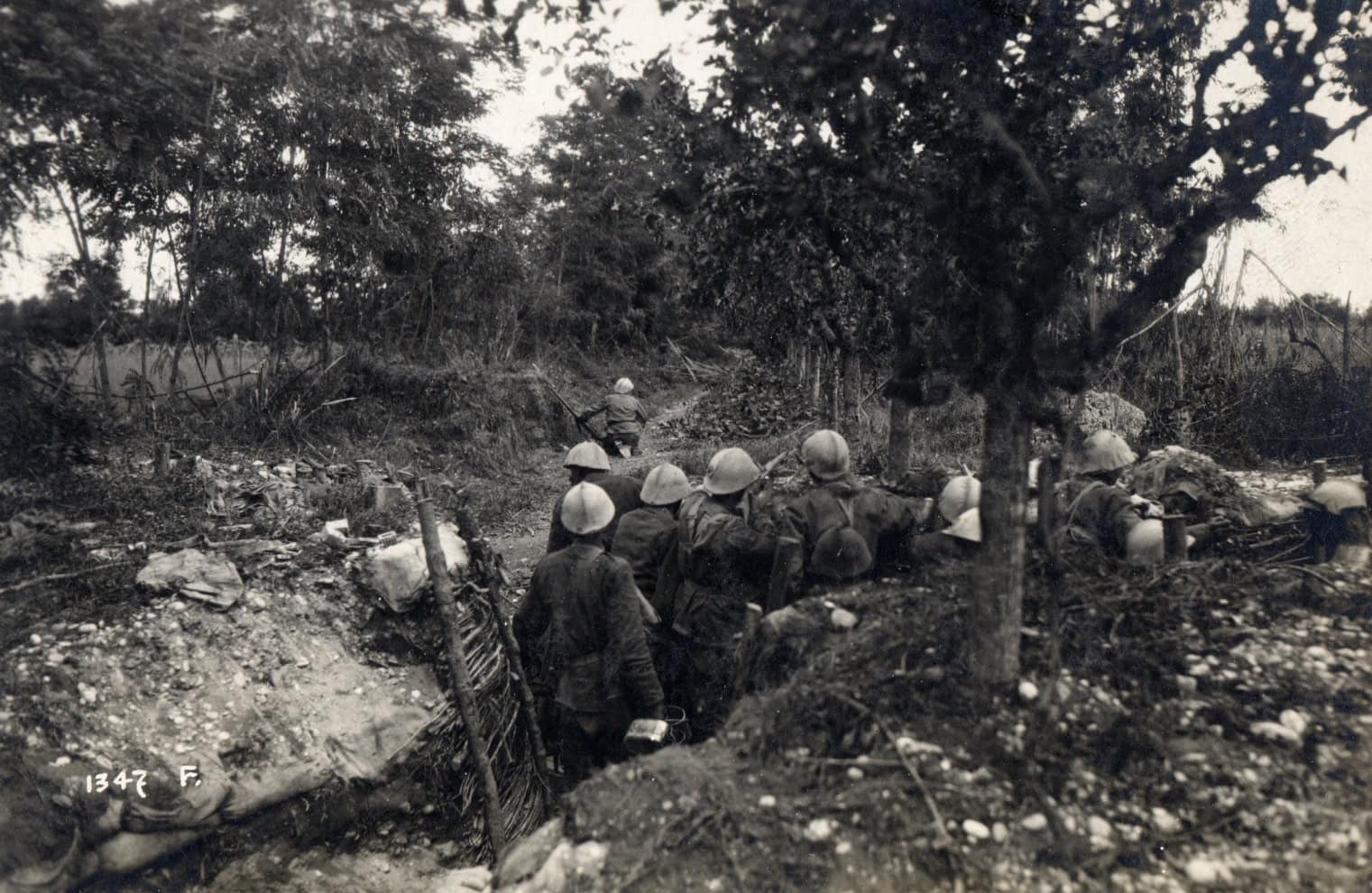
Italy's defeat at the Battle of Caporetto undoubtedly resulted in the war continuing for many months. With Germany and Austria-Hungary facing down Italy, Italian forces were overwhelmed, and the Italian Second Army collapsed.
Around 300,000–400,000 Italian troops became casualties, including over 10,000 killed, 30,000 wounded, and up to 300,000 taken prisoner.' with 'Around 300,000 Italian troops became casualties, including over 10,000 killed, 30,000 wounded, and up to 275,000 taken prisoner. The Allies diverted troops from the West to prevent a complete Italian defeat. This reinforcement effort undeniably delayed other offensives that might have ended the war sooner.
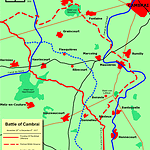
14. Battle of Cambrai
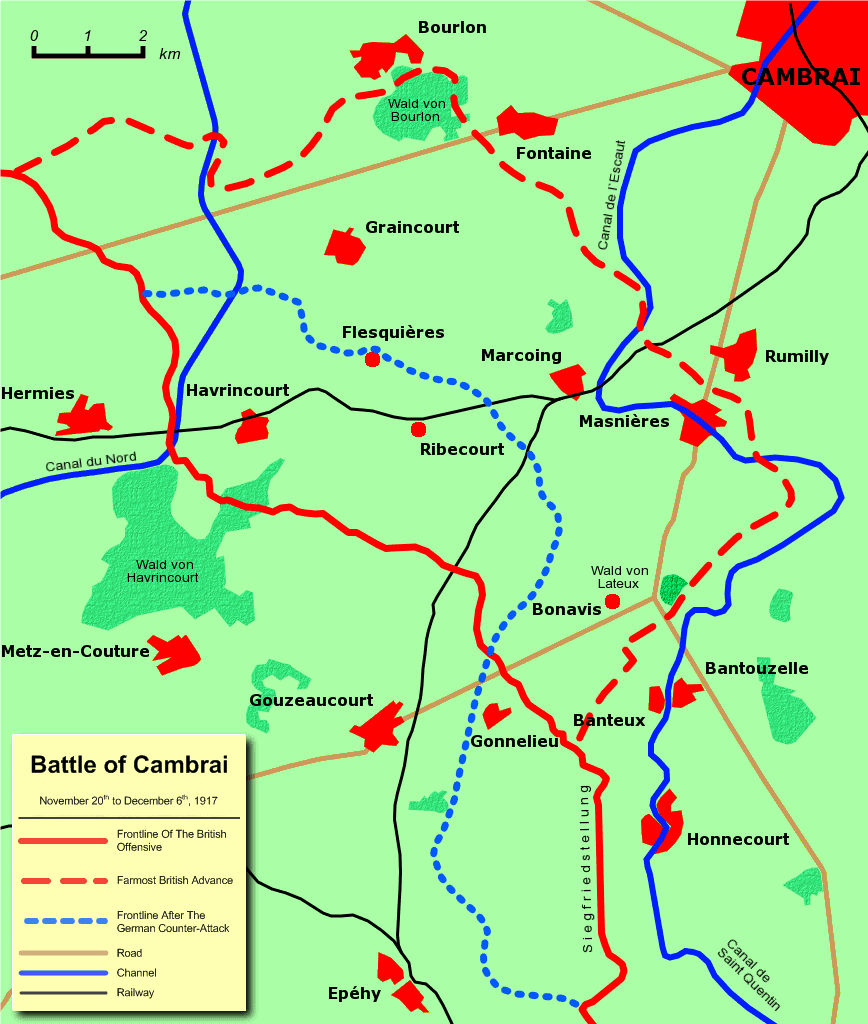
While not as decisive as other battles on this list, the Battle of Cambrai was notable for being the first action during the conflict in which tanks, as many as 476 of them, played a major role. It was during this battle that the tank showed its worth by crushing enemy trenches, which had defined prolonged stalemates on the battlefield.
13. Second Battle of the Marne
In the war's final days, Germany made one last attempt to turn the tide during the Second Battle of the Marne. Allied forces sought to resist Germany’s final offensive of the conflict and to counterattack. It might have succeeded had German forces been better organized, but the Allies pushed Germany back across the Marne, which allowed them to launch the Hundred Days Offensive.
12. Battle of Amiens
With Allied forces once again aligned against Germany at the Battle of Amiens, this battle kicked off the Hundred Days Offensive, which ended with the Battle of Meuse-Argonne. The Battle of Amiens significantly damaged German morale and laid the groundwork for defeating it in the next 100 days. The Allies advanced hard and fast, supported by tanks, artillery, and air support, overrunning German lines. For this reason, Germany calls August 8 the “Black Day of the German Army.”
11. German Spring Offensive
Between March and July 1918, Germany attacked Western forces to end the war on this front. Germany attacked British and Allied forces with artillery, infantry, and gas, allowing it to gain a significant upper hand.
After defeating Russia on the Eastern Front, Germany hoped that Western forces would be worn down after three years of fighting. While Germany's tactics were initially successful, the Allies ultimately stopped Germany and avoided what would have been a crushing blow to morale.
10. Battle of Tannenberg
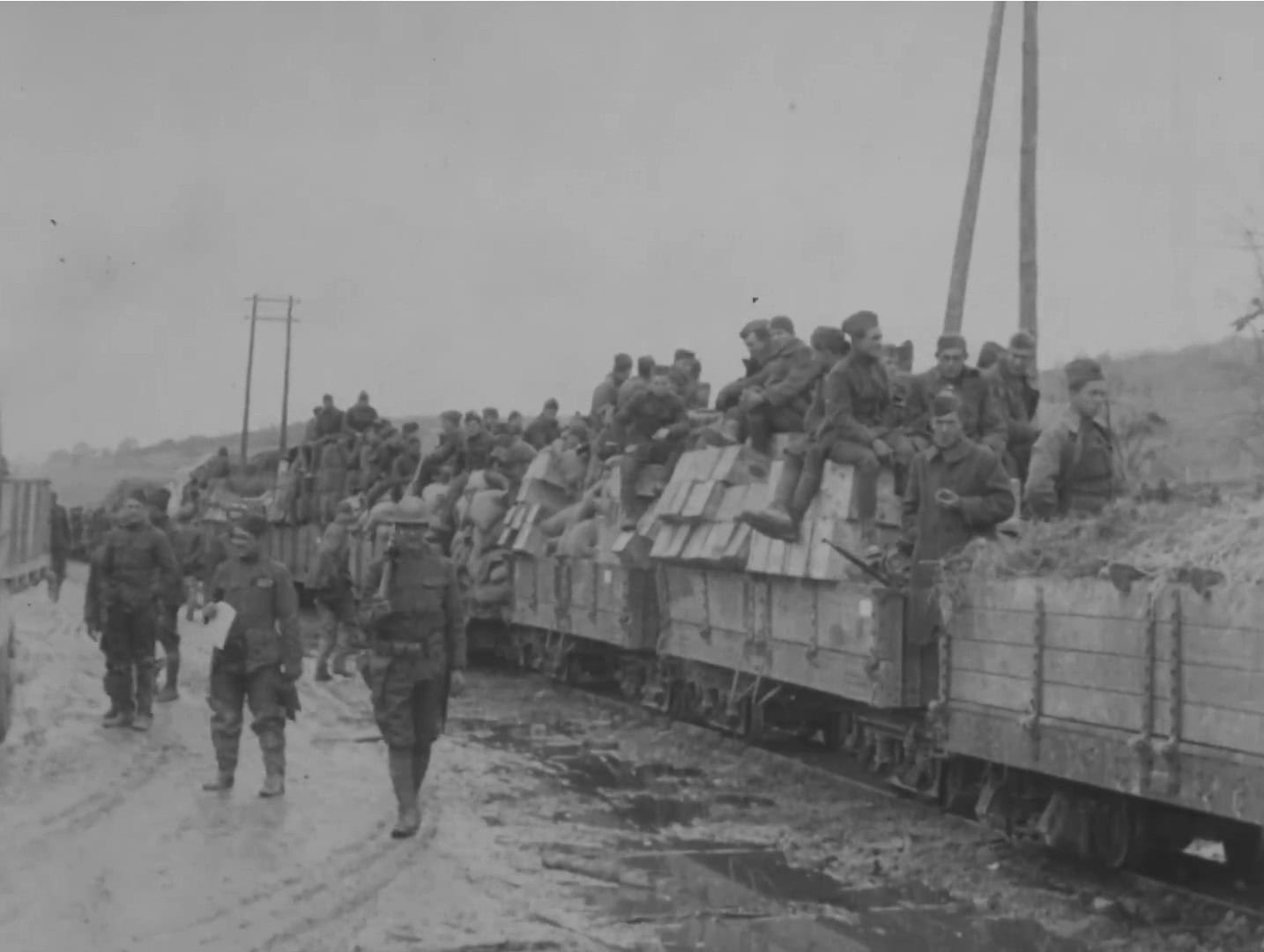
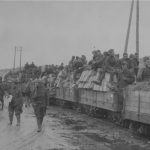
The Battle of Tannenberg, fought between Russia and Germany in August 1914, was a complete failure for Russia and almost destroyed its Second Army. The battle is famous for Germany's use of rail lines to take on not one but two Russian armies and to continuously reinforce its own troops with supplies and reinforcements by train.
9. Battle of Cantigny
Until this point, the US was not a major factor in the First World War, as it took America months to raise its army and ship it overseas. The arrival of American forces culminated on May 28, 1918, when the US and French troops attacked and took control of the town of Cantigny. Even after Germany counterattacked seven times, the US held fast, and Germany realized that America's involvement would prevent the easy victory it had hoped for.
8. Battle of Meuse-Argonne
The largest American military offensive of World War I, the Meuse-Argonne Offensive, incorporated the efforts of 1.2 million US troops battling for 47 days in 1918. During this time, 1.2 million US troops, though inexperienced, along with 800,000 French forces, took part in a battle that saw more than 26,000 Americans killed.
However, the German Second Army was cut off, and American forces pushed the Germans back 30 miles. The battle was a major factor leading to the armistice that ended the First World War.
7. Brusilov Offensive
While the Germans and French battled west, the Eastern Front allowed Russia and the Central Powers to fight. This battle, the Brusilov Offensive, was Russia’s greatest military victory. It defeated Austria-Hungary and forced Germany to transfer troops from the West to the East to avoid being pushed back by Russia. General Aleksei Brusilov ordered various Russian attacks, many of which were surprise offensives that broke through enemy lines, even at a high cost.
6. Third Ypres Campaign
One of the most horrifying battles of the war, the Third Ypres Campaign, took up most of the second half of 1917. The goal was to capture the area around the Belgian city of Ypres, allowing the Allies to continue building a line that could hold back German advances. The British had hoped this battle would end the war quickly, but even without a decisive victory, German general Ludendorff is often quoted as saying that the Battle of Amiens marked the 'black day' of the German Army, but the Third Ypres Campaign also contributed to German exhaustion.
5. Battle of the Somme
The Battle of the Somme, which took place between July 1 and November 18, 1916, was a horrific battle that resulted in more than a million casualties. While the battle itself weakened Germany, it came at a heavy cost, even if it was the first battle to see the use of tanks. Over the period of the battle, the British only advanced seven miles, owing to Germany’s strong defensive position, though it was a strategic success.
4. Battle of Jutland
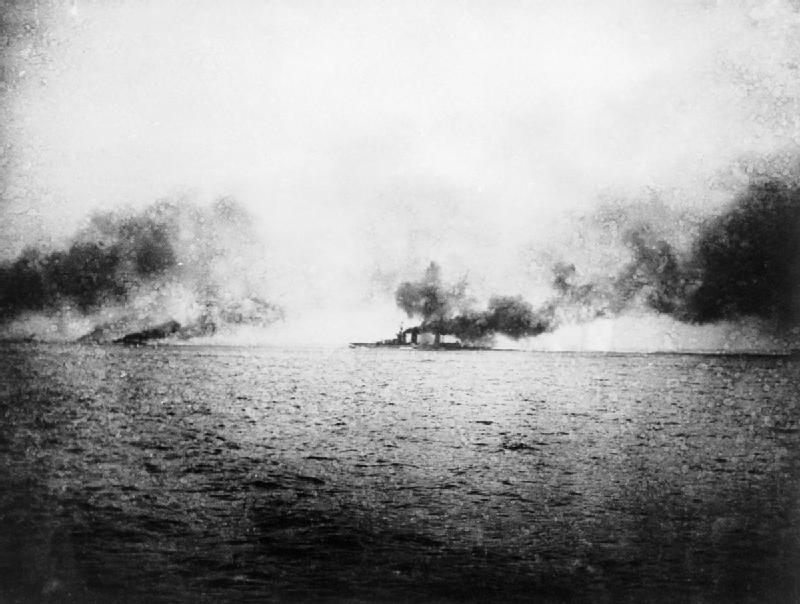
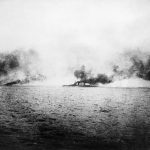
Widely regarded as one of the battles that truly impacted the war’s end, the Battle of Jutland changed the course of history. British and German ships exchanged fire during the largest naval battle of the war, as 250 ships and 100,000 men engaged in heavy combat.
The British blockade of Germany, which was already in place, continued after the battle and contributed to Germany's eventual defeat.
3. Battle of Gallipoli
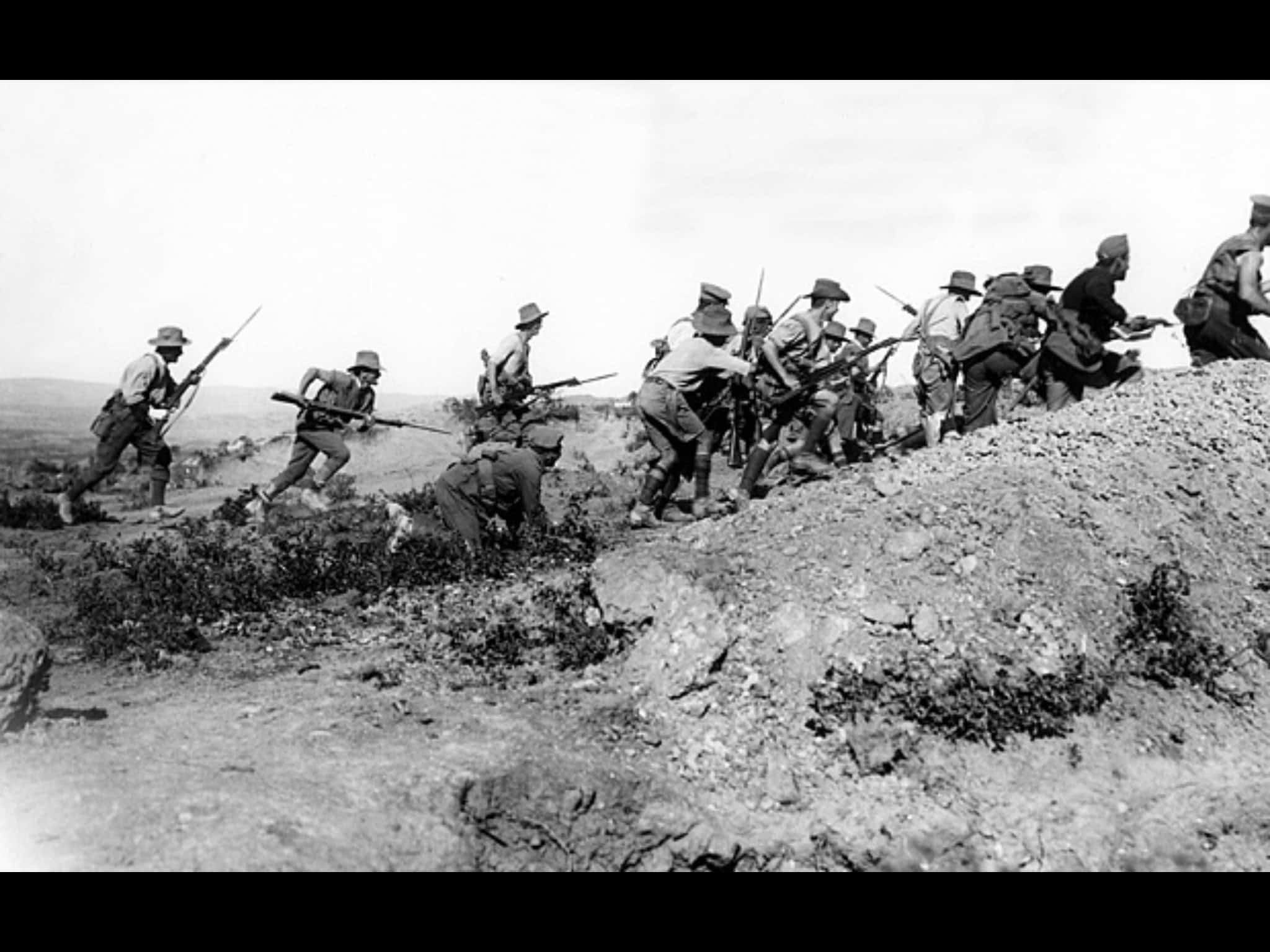
The Battle of Gallipoli is most remembered as an opportunity for the Allies to gain the upper hand in the conflict. Lasting from February 1915 to January 1916, the UK, France, Australia, and New Zealand tried to knock the Ottoman Empire out of the war. Still, the Ottoman resolve was too strong. With poor planning, Allied forces were stuck in the trenches amidst summer heat, with inadequate supplies and disease, and eventually forcing the Allies to retreat.
2. Battle of Verdun
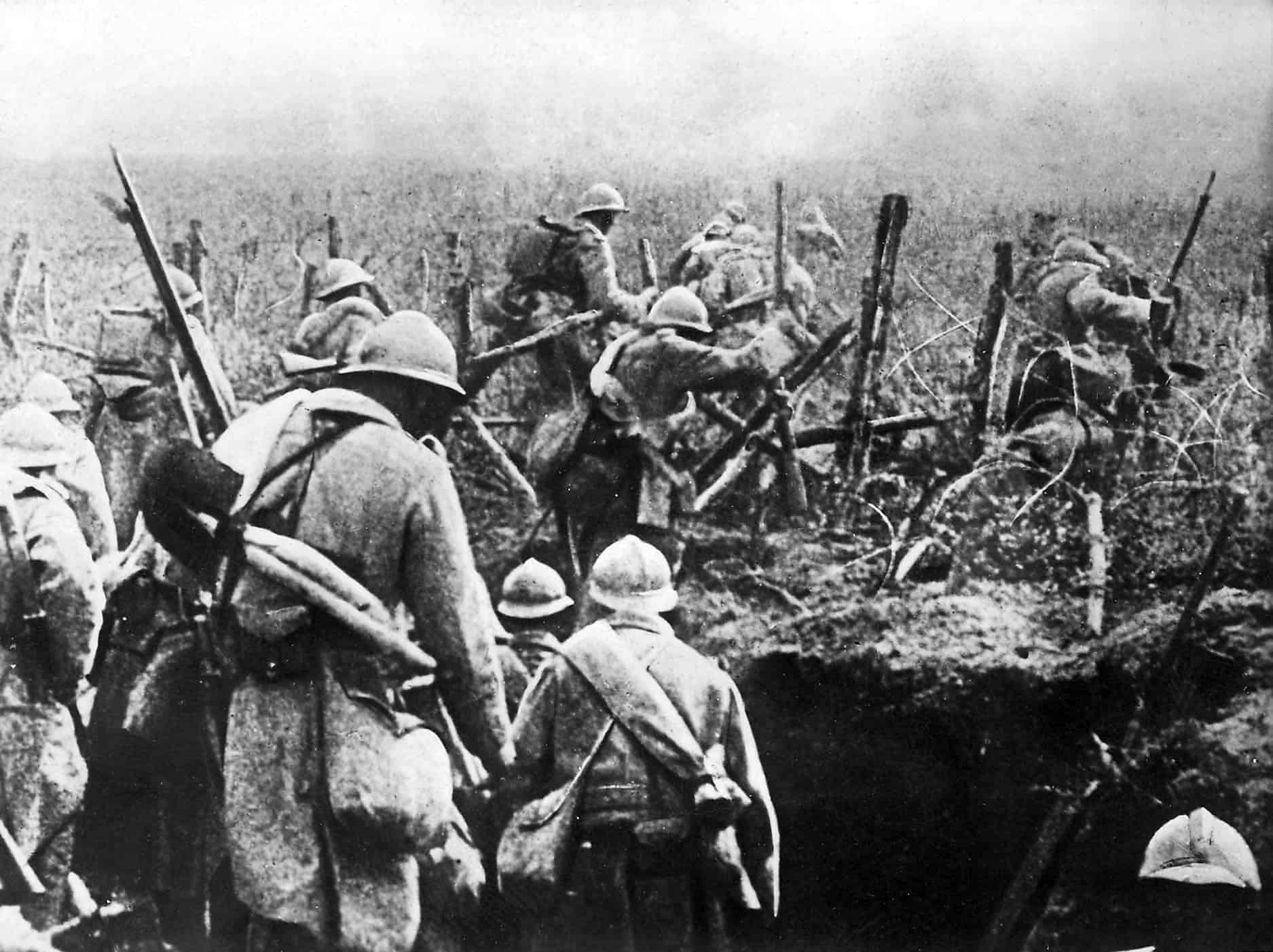
The Battle of Verdun, which took place from February 21 to December 18, 1916, involved France and Germany facing off. This battle was essential to show France that it could resist Germany’s strength and maintain its morale.
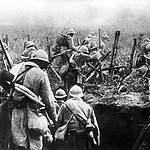
The battle temporarily stripped Germany of its supply lines and weakened its position in the war. With combined French and German casualties totaling around 700,000, the hard-fought French defense at Verdun gave the Allies confidence that they could withstand German offensives.
1. First Battle of Marne
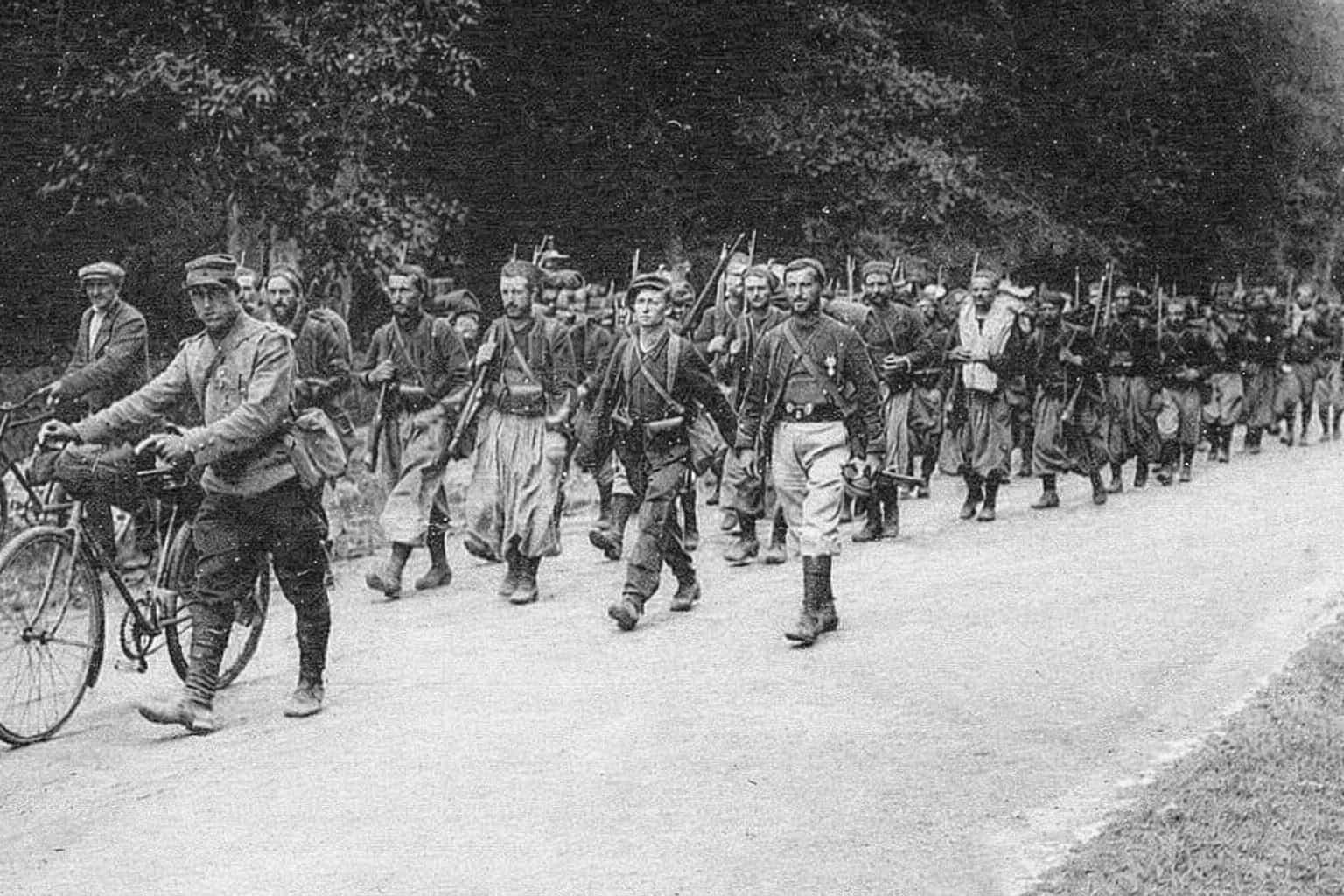
Best known as the “Miracle on the Marne,” the First Battle of the Marne has been called one of the most critical battles in history. With France and the United Kingdom facing off against Germany, the Allies finally stopped Germany’s advance, preventing it from winning the war in its first month. Instead, Germany’s loss in this battle, including over 500,000 combined casualties, led to four years of trench warfare and gridlock.