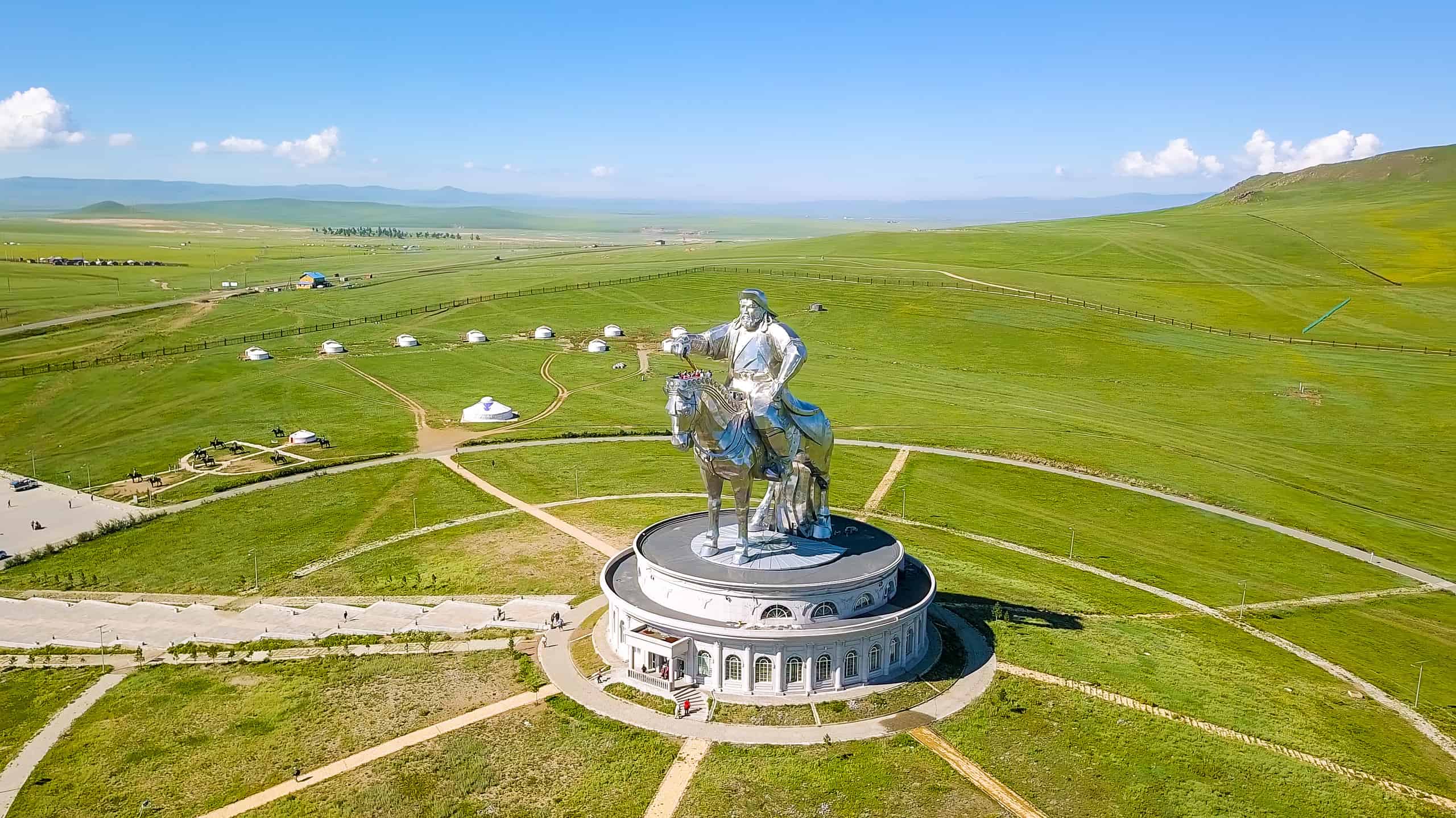

When looking through military history, certain leaders stand apart from the pack. This isn’t down to tactical acumen, logistical planning, or the usual doldrums that define great leaders. Instead, it comes down to the sheer audacity they displayed when meeting their enemies on the battlefield. Make no mistake, a lack of fear when waging war isn’t recklessness, but rather the ability to make tough decisions in the heat of the moment. The leaders we’re looking at today were able to make a mark on history through their mettle, while also shaping the battlefield throughout the ages.
Alexander the Great
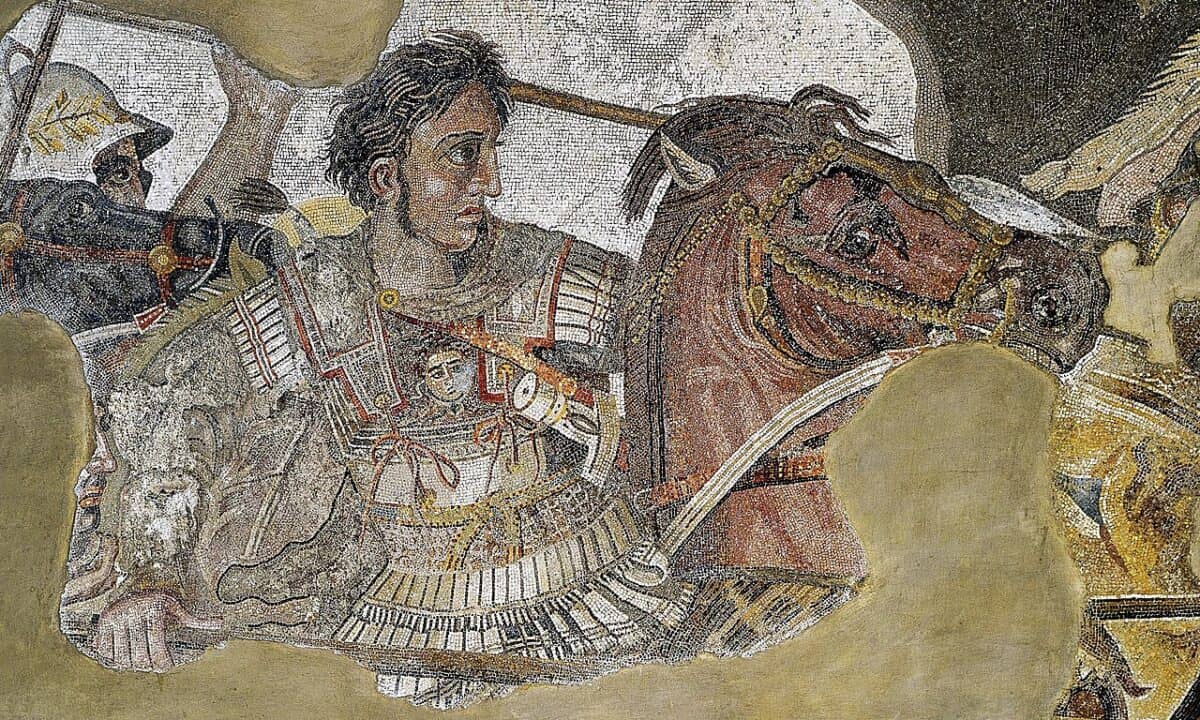
A few names come to mind when it comes to fearless military leaders, but not many will rise to the very top like Alexander the Great. Alexander ascended to his position at the age of just 20 years old, inheriting a powerful, seasoned military from his father. Phillip of Macedon was no slouch when it came to military command. Alexander was the stuff of legends, focusing on relentless expansion in the face of all else.
Alexander led from the front, which wasn’t terribly uncommon when looking at some of the Greek city-states of Antiquity. Where Alexander distinguished himself, however, was by placing himself in incredibly dangerous positions, a strategy that would ultimately serve to improve morale and motivate his troops. Alexander’s most famous military conquest was arguably his conquest of the Persian Empire.
He was often outmanned, facing one of the premier powers of the ancient world. Alexander’s fearlessness wasn’t just in the face of impending danger, but also in how he conducted strategic movements. Speed was key for Alexander’s conquest of Persia, and he fractured the great empire in one fell swoop. He certainly heard his sobriquet, whether it be through marching into unknown territory or pushing his army to the limits of logistics and endurance. By the time of his death at 32 years old, Alexander had created one of the largest empires in known history, stretching from the Greek Isles to India.
Hannibal Barca
©Gilmanshin/Shutterstock.com
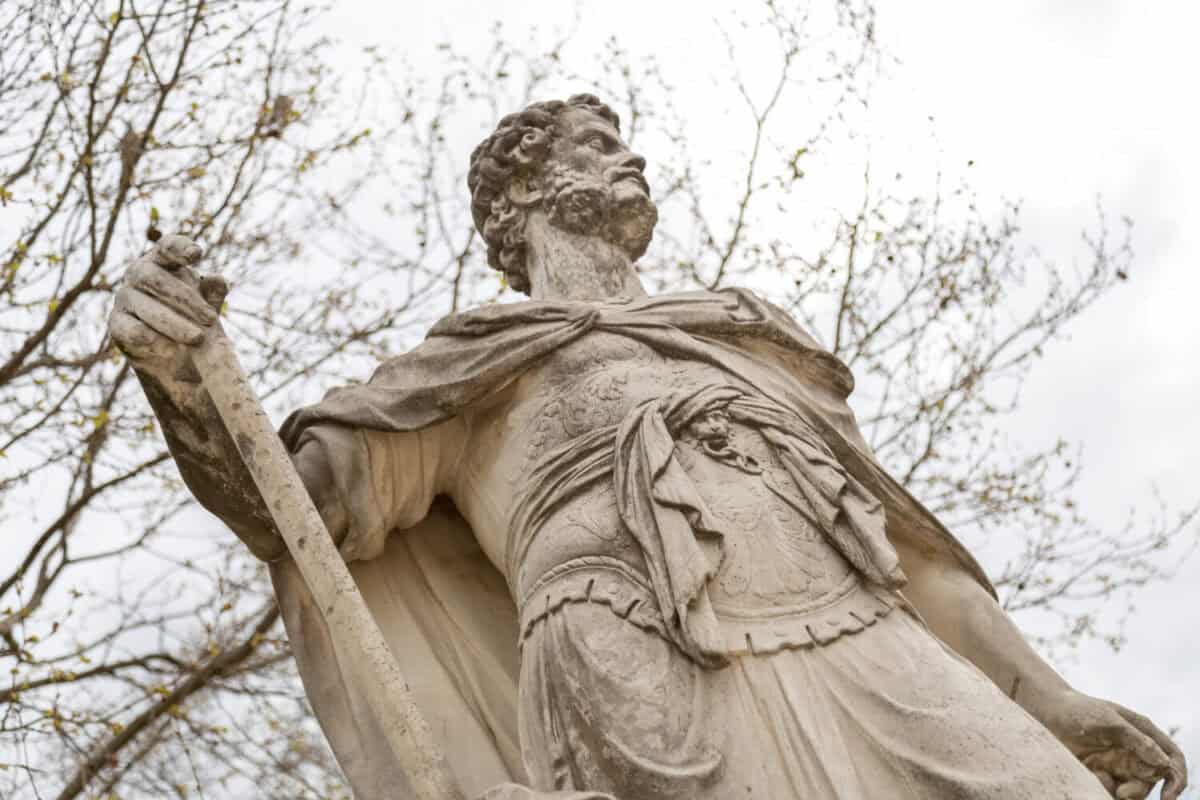
When it comes to fearlessness, any military leader has to be willing to push the envelope. Hannibal Barca of Carthage is one of history’s greatest tacticians, and his sheer audacity during the Second Punic Wars deserves a spotlight. Hannibal was a massive thorn in the side of the Roman Legions, sneaking a whole army, including war elephants, across the Italian Alps to wage war. This crossing took a considerable amount of fearlessness, but Hannibal’s daring actions helped to secure his infamy in the Mediterranean.
This came to a head at the Battle of Cannae, where Hannibal willingly allowed his central formations to purposely weaken and lull the Romans into a false sense of security. His flanks rushed in, completing a double encirclement on Roman forces. The entrapped Romans were killed to nearly the last man, delivering a crushing defeat that sent the Republic scrambling to raise new legions.
Hannibal was willing to campaign in enemy territory, something that flew in the face of conventional wisdom of the time. His double encirclement is something that is still analyzed and studied in-depth at military academies around the world. Carthage was a regional power, not quite to the level of the Roman Republic, but Hannibal quickly proved that underestimating your opponent could be a lethal mistake.
Genghis Khan
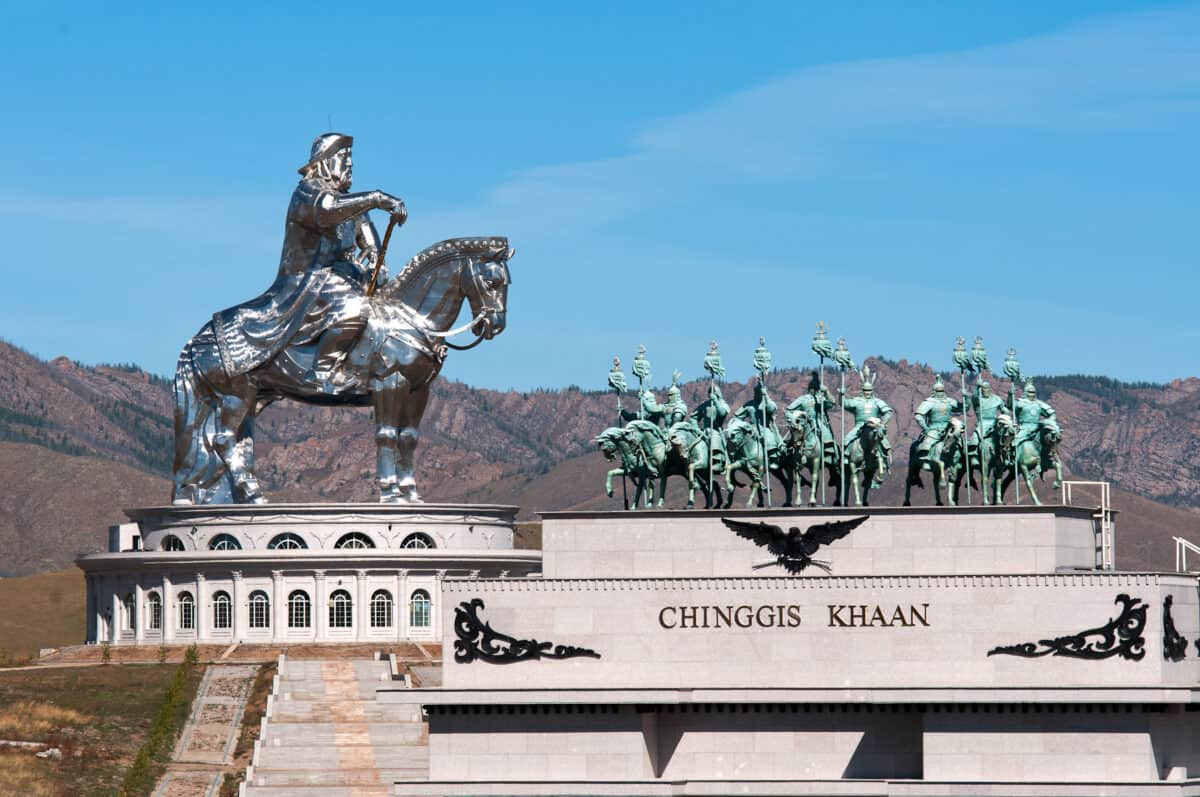
A force of horseback archers doesn’t seem like quite the game changer you’d expect for medieval warfare. Genghis Khan wasn’t your typical general, especially when considering his contemporaries. The Mongols promoted based on meritocracy, rather than working along the lines of selecting leaders based on their station or birthright.
Loyalty was an absolute in the Mongol Army, but the ability to rise through the ranks was something unheard of during the 13th century. Genghis Khan cut a bloody path through Asia and Eastern Europe, relying on speed and decisive strikes. His command structure was shockingly modern, highly efficient, and used communication to coordinate attacks.
Those horse archers proved to be a nightmare for the rigid formations of your typical army of the era. They hit hard and fast, looting from the land rather than having to constrain themselves to logistics. Establishing the largest contiguous land empire in history, the Mongols’ success was held together by the sheer force of will exhibited by Genghis Khan. Upon his death, the empire collapsed, showing that a leader in the right place at the right time could make a splash.
Napoleon Bonaparte
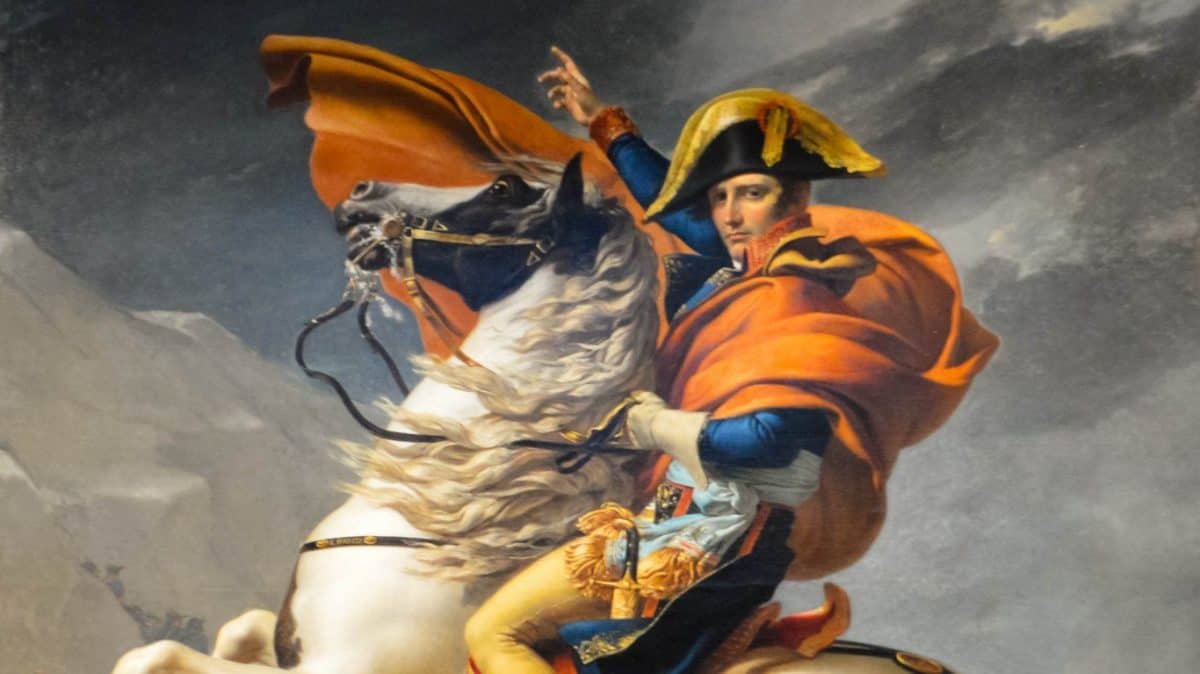
You would think that coming out of a politically tumultuous period like the French Revolution and facing a collective invasion from some of the premier forces of Europe would be a fool’s errand. Emerging out of the Revolution as the de facto Emperor of France, Napoleon Bonaparte waged war in a way that certainly flew in the face of European norms.
Napoleon’s fearless nature often had him on the very frontlines, facing gunfire and artillery barrages right alongside the rank and file troops. He helped to revolutionize the military organization systems, establishing corps and emphasizing maneuver and rapid response. This is best shown at victories in Austerlitz and Jena, where the Grand Armée showed its penchant for timing, effective concentration of forces, and deception.
Napoleon dared to engage some of the most powerful coalitions of European powers that could be mustered during the 19th century. He wasn’t always successful, as his later campaigns resulted in his eventual defeat and ousting from power. That said, no one dared to stand against the whole of Europe in quite the same way, let alone changing the very nature of warfare in the process.
Erwin Rommel
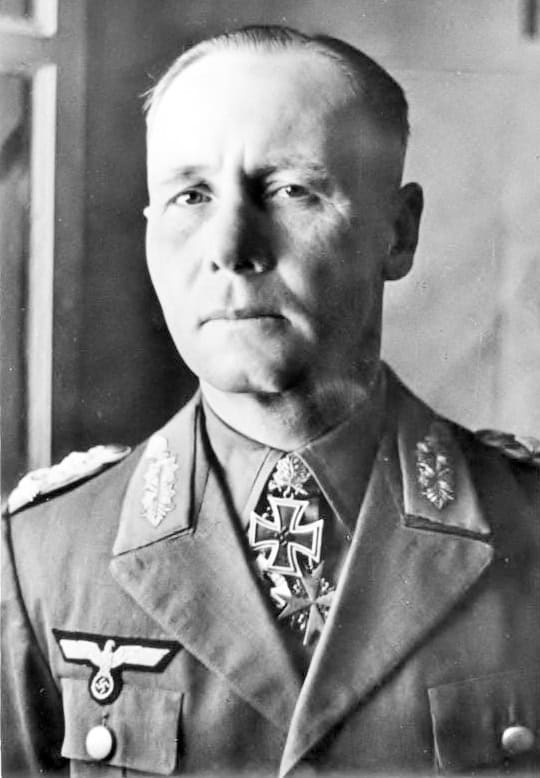
©"File:Bundesarchiv Bild 146-1977-018-13A, Erwin Rommel(brighter).jpg" by Otto is licensed under BY-SA 3.0. – Original / License
The Desert Fox, Erwin Rommel, quickly gained infamy for his leadership in the North Africa campaign during the Second World War. Like many of the leaders we’ve featured so far, Rommel led from forward positions, often conducting inspections of front-line conditions himself. His tactical agility and willingness to act independently led to some surprising victories, often against numerically superior forces.
Rommel was all about operational boldness, as you might expect of one of the most fearless military leaders of all time. Unexpected attacks, rolling with the punches, and rapid movements were par for the course. His counterparts in the Allies had something of a begrudging respect for Rommel, praising his tactical brilliance and bold leadership methods. Rommel refused to be hemmed in by convention, seeing the modern battlefield as a series of fluid opportunities, rather than following a rote method of engagement.
George S. Patton
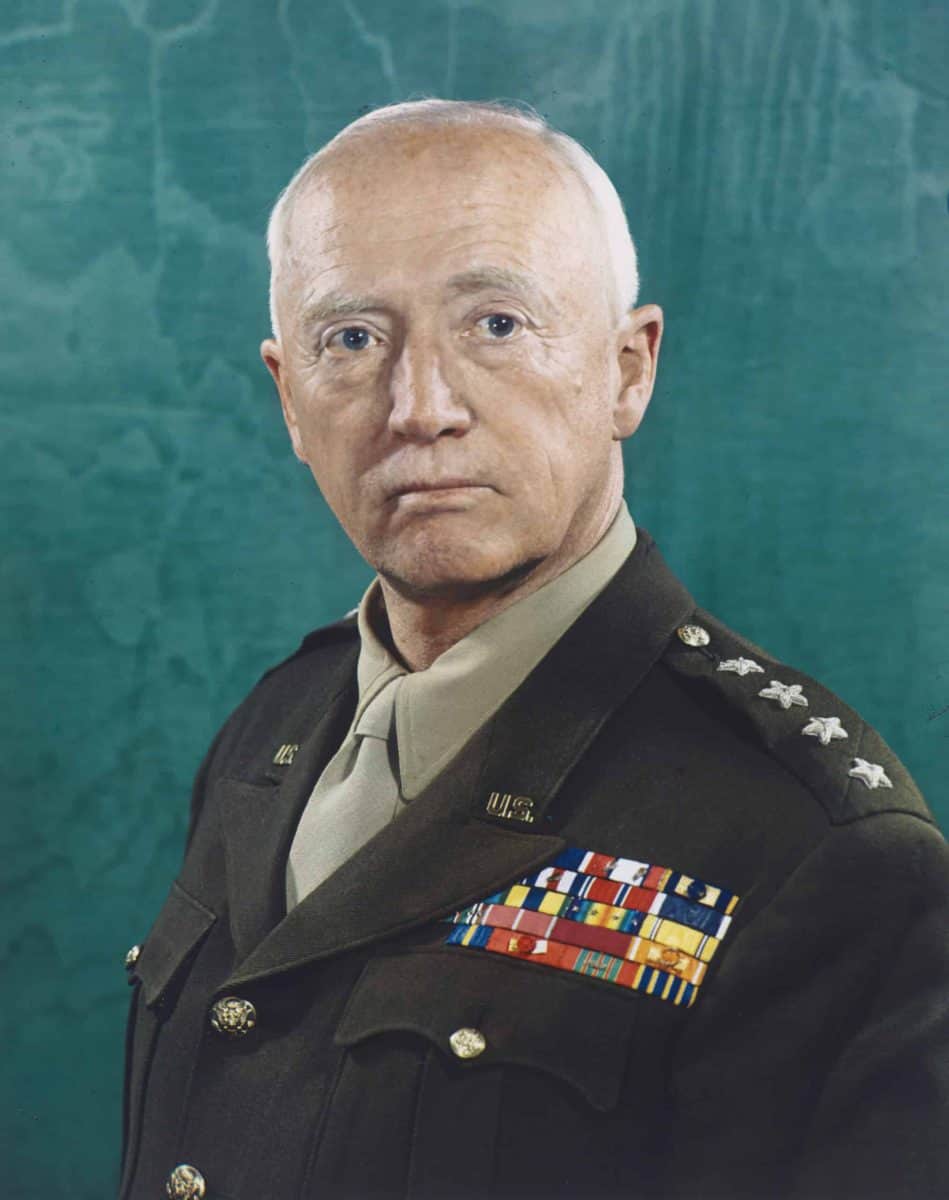
©Robert F. Cranston, CC0, via Wikimedia Commons – Original / License
Old Blood and Guts, or General George S. Patton, was arguably the most aggressive of the generals who led forces for the United States during the Second World War. His actions throughout the North African Campaign and Western Front are characterized by a relentless momentum. For Patton, concentration of firepower and solid tactics were good. However, speed and aggression could deliver a decisive blow. His bombastic, theatrical personality was also good for morale, something that helped instill confidence in his troops as they faced the Germans.
His fearless nature is perhaps shown during the Battle of the Bulge. Airborne troops were besieged by the Germans, enduring relentless assaults and artillery barrages. Patton rapidly pivoted the Third Army, in brutal winter conditions, to relieve those forces at Bastogne. He wasn’t always the best man for the job, but when it comes to fearless military leaders, few have earned the sort of reputation Patton has for the American military.
Conclusion
Fearless military leaders are something of a lightning rod when it comes to military history. Daring has a curious effect on the battlefield, with many of the leaders we’ve covered being the subject of intense study and analysis to this very day. It takes a special sort of leader to go above and beyond the norms and conventions of military strategy, and sometimes it pays off in a major way.
The image featured at the top of this post is ©Maykova Galina/Shutterstock.com