

Since the start of military aviation, speed has been a defining factor in how fighters are built and used. Faster speeds allow for swift interception, evasion, and the ability to project power across vast distances. In the modern era, a keener understanding of the principles behind aviation has led to fighter craft that can exceed Mach 2, especially when looking back at some of the 4th-generation craft used during the Cold War. With that in mind, let’s take a look at some of the fastest fighter jets to take to the skies, and what that means when stacked against modern trends.
Why Speed Matters
©Stocktrek Images / Stocktrek Images via Getty Images
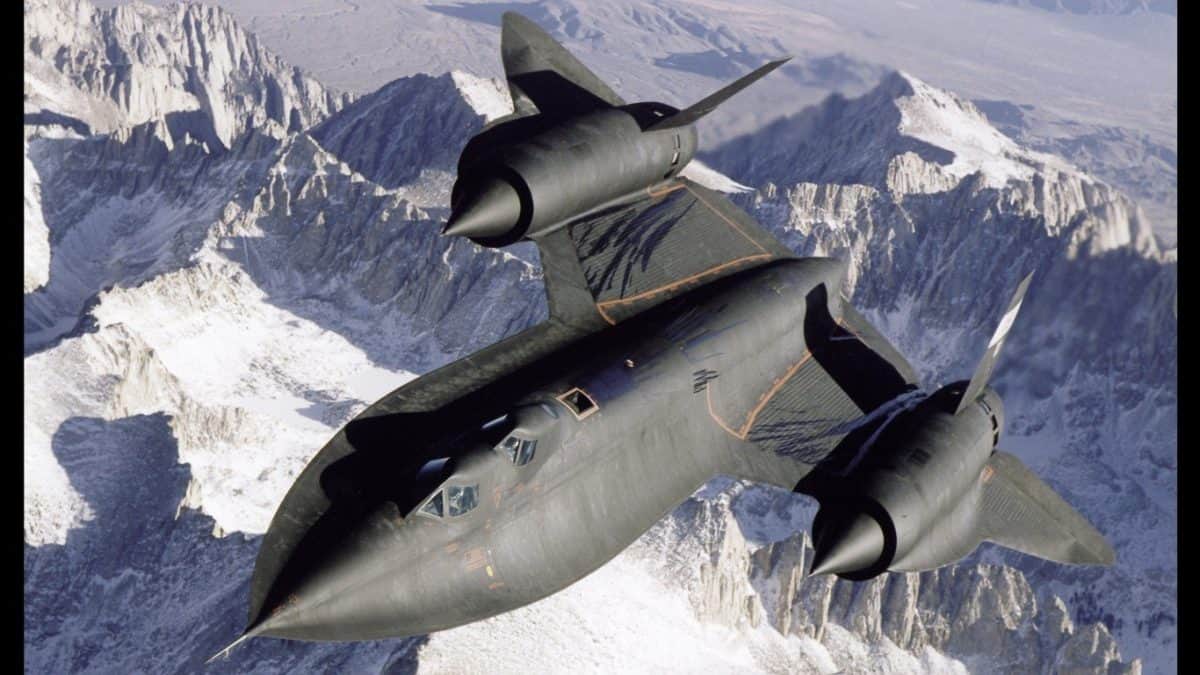
Speed provides numerous tactical advantages. A fighter with a fast top velocity can readily intercept enemy aircraft, escape unfavorable circumstances, and reposition across battlefields as the situation requires. This came to a head when looking at the wargame scenarios of the Cold War. In the era before ICBMs became a common part of the nuclear arsenal, nuclear weapons were to be deployed in a strategic context through the use of bombers and other aircraft. Being able to intercept high-altitude bombers or other platforms would mean the difference between vital targets being struck or remaining safe.
Speed comes at a cost, however. Aircraft optimized for extreme speed often have sacrifices in other areas of performance, often losing agility, range, or payload capacity. High-speed flight also places extreme stress on the airframes and engines of these aircraft. That said, for a time, speed was vital to the continued survival of just about every nation, taking a different approach to how they utilized airpower.
The Cold War and the Age of Extreme Speed
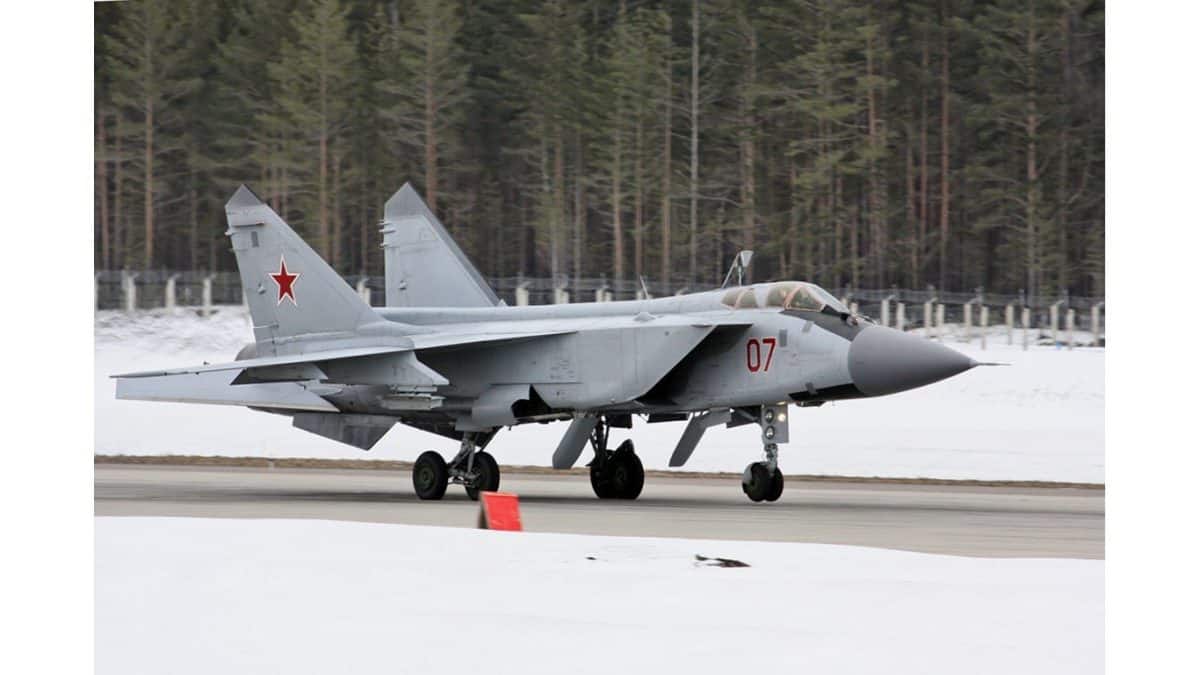
The maximum limits of speed were reached during the Cold War, with interceptor aircraft being specially designed for highly specialized missions. The most famous of the interceptors from this era is the MiG-25 Foxbat, a Soviet design which was capable of achieving flights exceeding Mach 3. Given the general lack of information surrounding the aircraft, NATO was led to believe the Foxbat was a highly agile fighter.
What they missed is the sacrifices made to the Foxbat’s overall design to intercept high-altitude reconnaissance platforms like the SR-71 Blackbird. The massive turbojet engines and extensive use of heat-resistant materials were an engineering feat for the era, but sustained burns at Mach 3 meant that operational flight time for the Foxbat was quite low. It lacked overall maneuverability and sophisticated avionics, making it ill-suited for air superiority.
This concept was built upon, as the MiG-31 Foxhound would attest. This was another purpose-built interceptor, but with more considerations taken for long-range combat. It came equipped with long-range missiles, powerful radar systems, and a high operational top speed at nearly Mach 3. The MiG-31 is a specialized craft for certain, but it remains one of the fastest aircraft in service to this day.
American Approaches to High-Speed Fighters
©Staff Sgt. Tony R. Tolley, U.S. Air Force / Public Domain / Wikimedia Commons – Original / License
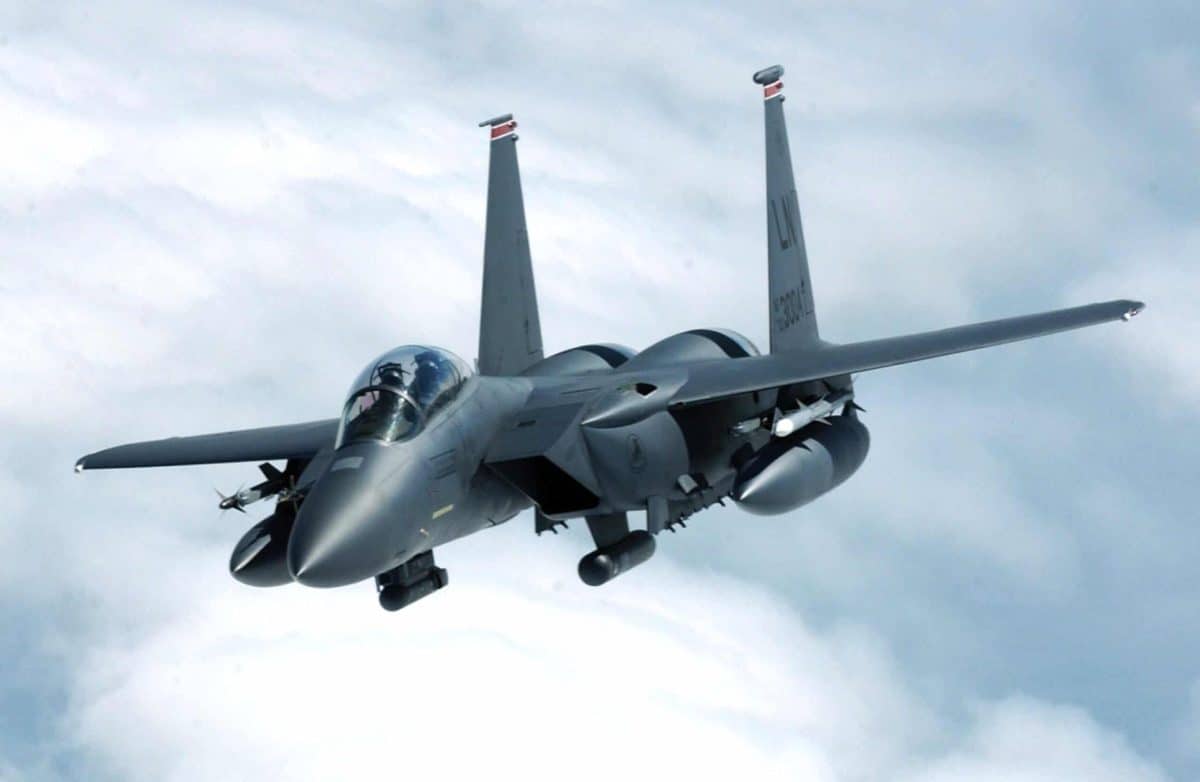
On the other side of the conflict, the United States focused on a rather different approach to speed when it came to fighters. The F-15 Eagle, introduced in 1972, had a fairly potent top speed, but focused on air superiority over solely interception. It achieved this through high top speeds, powerful avionics, and the ability to bring quite a substantial combat load to bear.
The F-15 is undefeated, at least in air-to-air fights, showing that the notion of agility and top speeds could work co-mingle with ease. A balanced design readily outperforms specialized aircraft, or so the design philosophy of American air power went at the time. In the 50+ years since its introduction, the F-15 and its modernized variants still see frontline service across the world.
When it comes to true air superiority, you’d be remiss without mentioning the F-22 Raptor. It isn’t the fastest jet, at least when compared to some of the specialized aircraft built during the Cold War. It can supercruise. This means it can achieve flight exceeding the speed of sound without having to engage its afterburners. Speed isn’t the sole factor when looking at the F-22, as it brings highly advanced sensors and stealth technology alongside its superb maneuverability.
European Fighters and Multirole Expectations
©Shoaib Ahmed Jan/Shutterstock.com
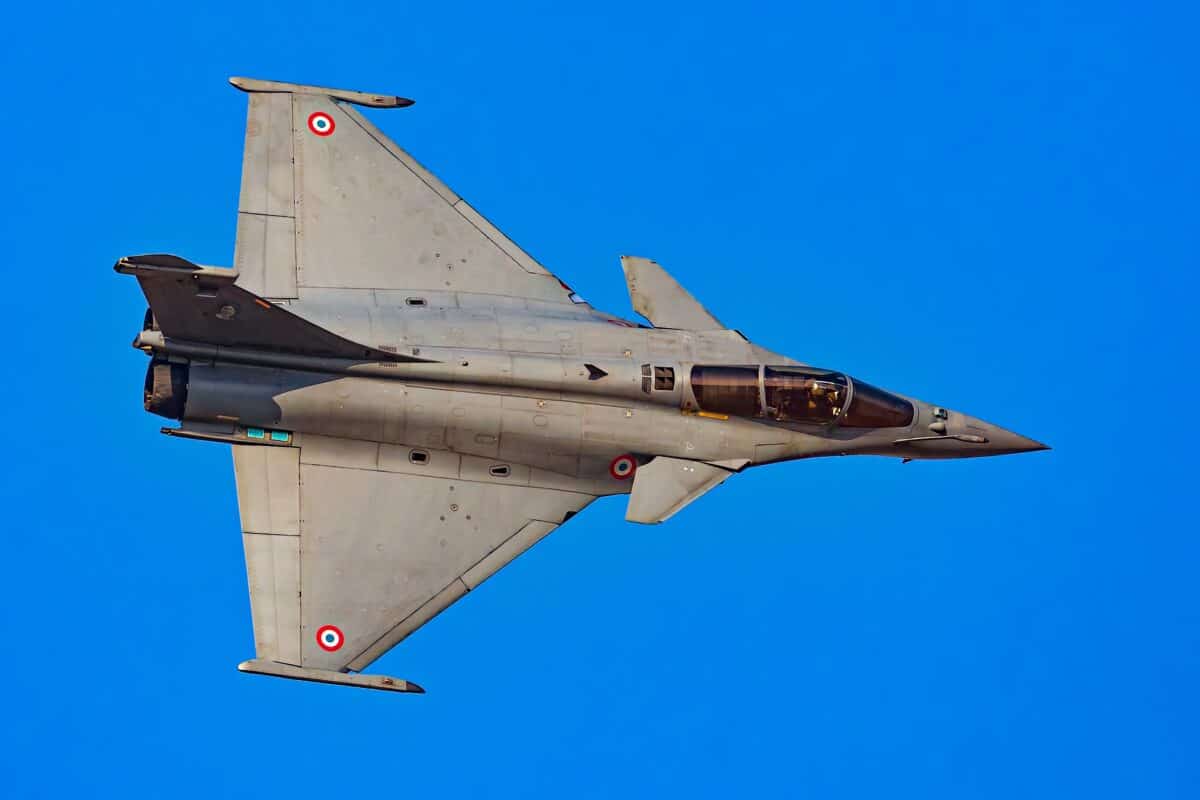
The rest of continental Europe doesn’t really shoot for specialized aircraft like the F-15 Eagle or specialized naval craft like the F-14 Tomcat. Instead, the emphasis is on multirole performance, with flexibility and adaptability being the name of the game. Modern platforms like the Eurofighter Typhoon and Dassault Rafale are more than capable of achieving Mach 2 flight at top speeds, ably placing them at the upper end of the limits of modern fighter performance.
Their flexibility allows them to excel at a variety of different missions like close air support, reconnaissance, and air superiority. Speed enables them to rapidly respond to threats. A fine balance of avionics systems, electronic warfare systems, and modern advances like fly-by-wire maneuverability often matters far more than high-speed interception on modern battlefields.
The Saab JAS 39 Gripen is a recent aircraft that reflects this design philosophy, with efficiency and adaptability being at the center of its design philosophy. It is slower than pure air superiority fighters like the F-22 Raptor, but that isn’t its purpose. It allows air fleets to build around cutting-edge systems while still being fairly cost-effective.
Russian Fighters Beyond Interceptors
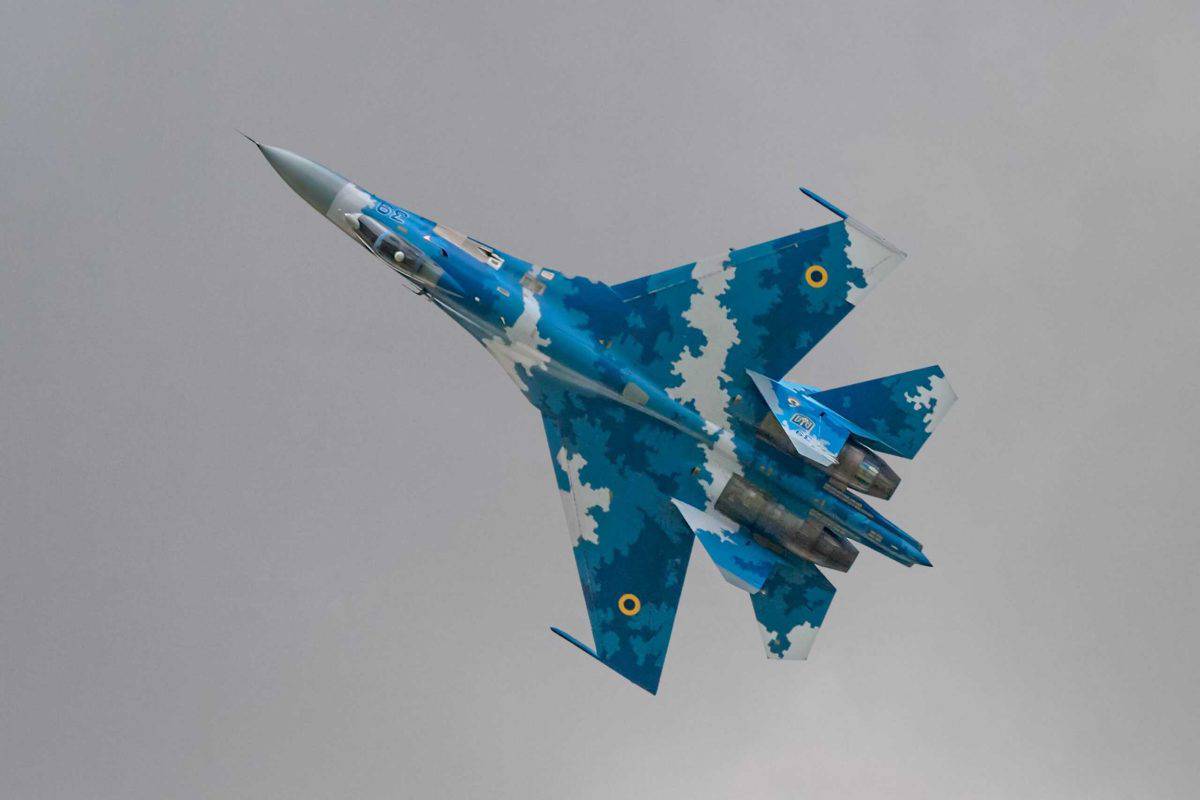
The Soviet Union, and its successor state, the Russian Federation, had a family of fighter jets that weren’t solely focused on interception. Platforms like the Su-27 provide a blend of speed, range, and agility. This includes more modern platforms, like the Su-30 and Su-35 variants, with these serving as something of a multirole fighter, with flexibility like we discussed when looking at European fighters.
The Sukhoi family of fighters can easily exceed Mach 2, which doesn’t match the raw speed of a flight platform like the previously mentioned Foxbat or Foxhound. That said, their design focuses on the shifting priorities of the modern battlefield, rather than extreme edge case scenarios.
The Changing Role of Speed
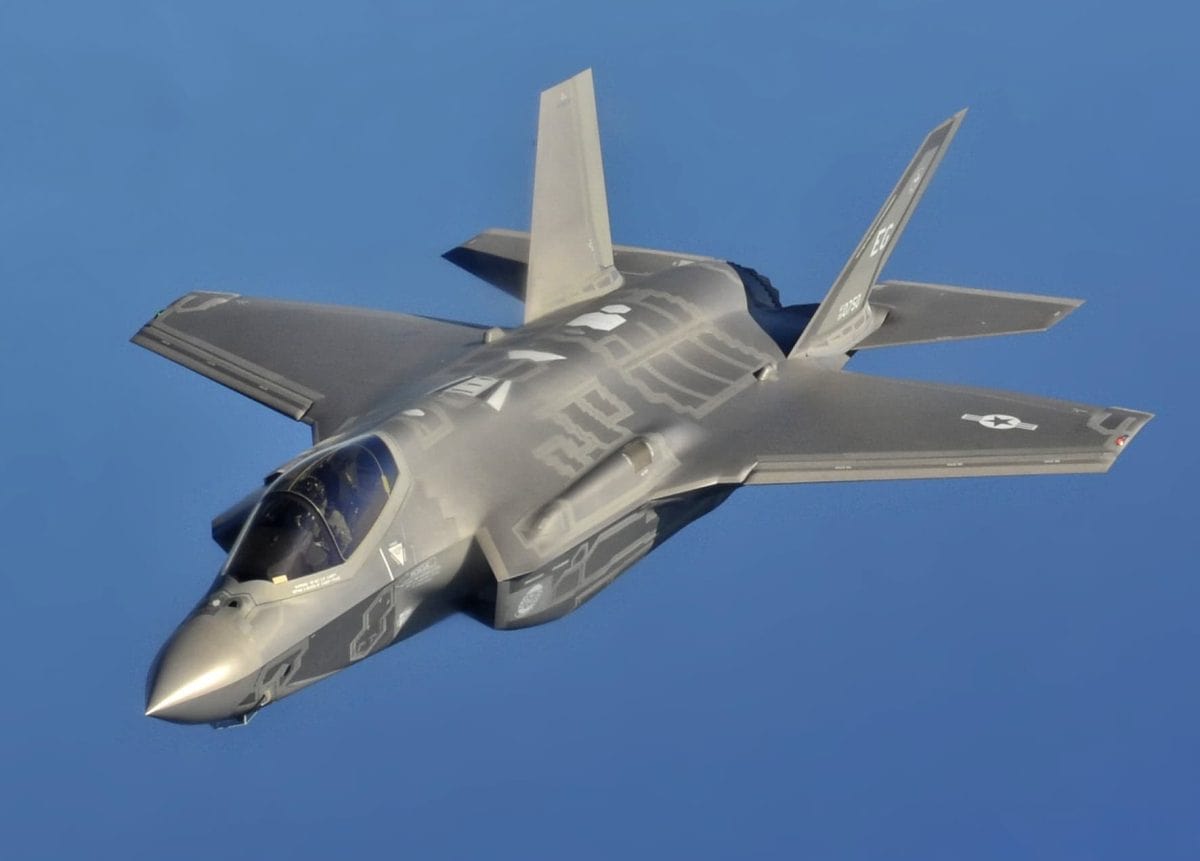
U.S. Air Force F-35A Lightning II Joint Strike Fighters from the 58th Fighter Squadron, 33rd Fighter Wing, Eglin AFB, Fla. perform an aerial refueling mission with a KC-135 Stratotanker from the 336th Air Refueling Squadron from March ARB, Calif., May 14, 2013 off the coast of Northwest Florida. The 33rd Fighter Wing is a joint graduate flying and maintenance training wing that trains Air Force, Marine, Navy and international partner operators and maintainers of the F-35 Lightning II. (U.S. Air Force photo by Master Sgt. Donald R. Allen/Released)
©Sgt. Donald R. Allen, U.S. Air Force via Wikimedia Commons – Original / License
Speed is no longer the defining attribute for a capable fighter jet. Advances in radar, missiles, and the prominence of electronic warfare suites have shifted air combat toward BVR, or beyond visual range, engagements. Detection, sighting, and engagement come before aircraft even see each other in the sky. As such, you need the ability to avoid detection, hence the recent push toward stealth for even basic multirole fighters.
As we’ve seen with fighters like the F-35 and F-22, speed alone isn’t needed for survivability, as avoiding detection can be just as effective. Speed is still an important factor, as aircraft need to be able to make it to the combat zone or break off a fight as needed. Future shifts in aircraft designs might see the rise of hypersonic craft, especially when considering the likes of unmanned aircraft.
That said, we’re likely to see a continued push toward stealth and balanced multirole performance above all else. Balance and flexibility are simply a means to make a fighter, which is by no means a cheap proposition, a cost-effective investment for any nation.
Conclusion
Speed has a quality all of its own when looking at fighters, at least for those who are military aviation buffs. We’ve seen the blistering speeds of aircraft like the MiG-25 Foxbat and the supercruise capabilities of the F-22 Raptor, but that only tells one part of the story. Speed isn’t a top consideration when looking at the designs of modern aircraft. Things like stealth and the flow of data are just as vital on the battlefield in the modern era. Times have changed, but speed can still make a difference.
The image featured at the top of this post is ©vaalaa/Shutterstock.com