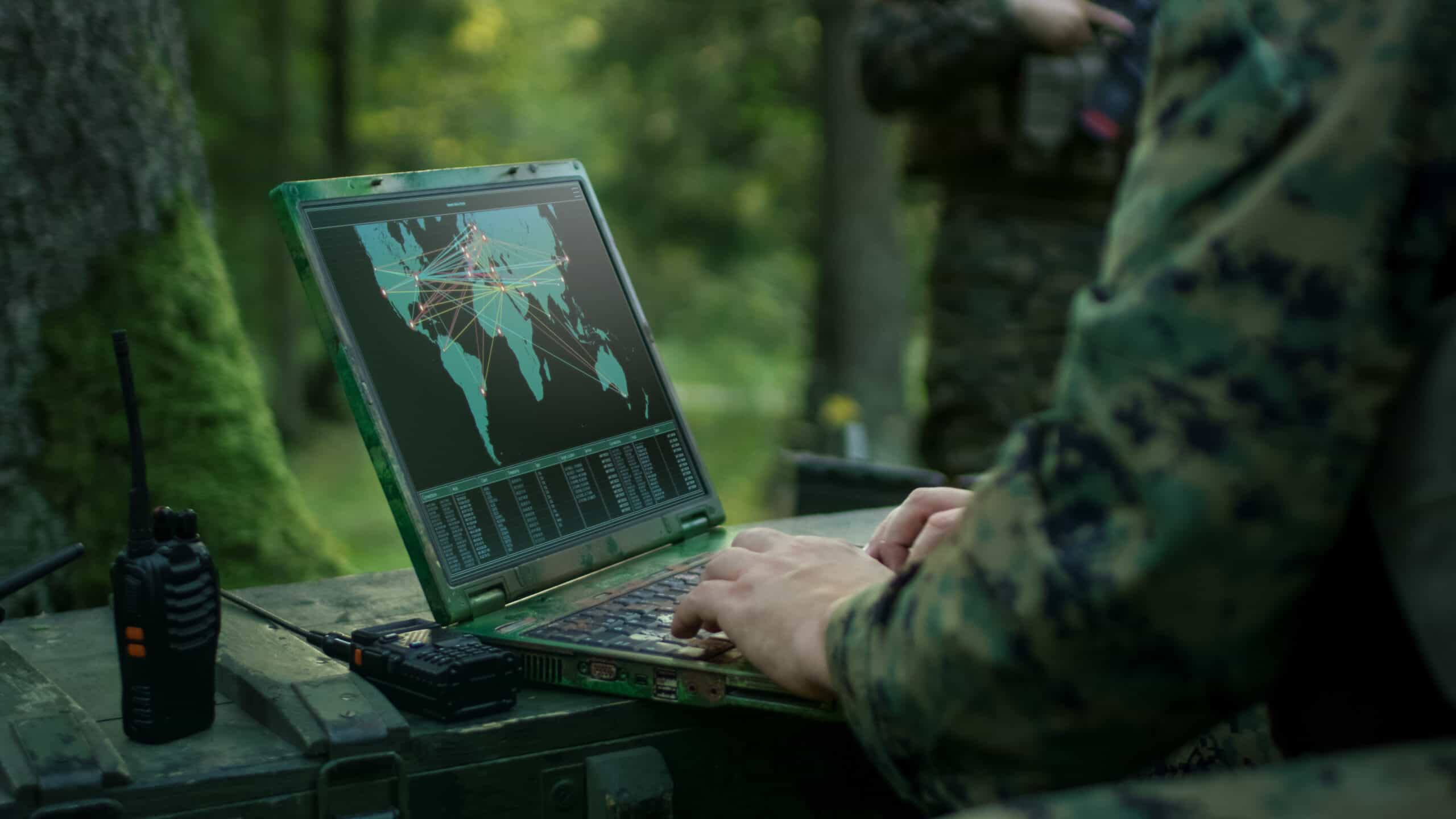

Ever since the dawn of warfare, military mobility has played a key role. Moving your forces faster, farther, and more decisively than an adversary has been one of the determining factors in the overall military success of any nation throughout history. Military mobility isn’t solely a matter of logistics, but rather a strategic tool. Its evolution throughout the history of warfare shapes the broader narrative of technological innovation, and its implications have shaped the way nations fight.
The Ancient Foundation
©VicVa/Shutterstock.com
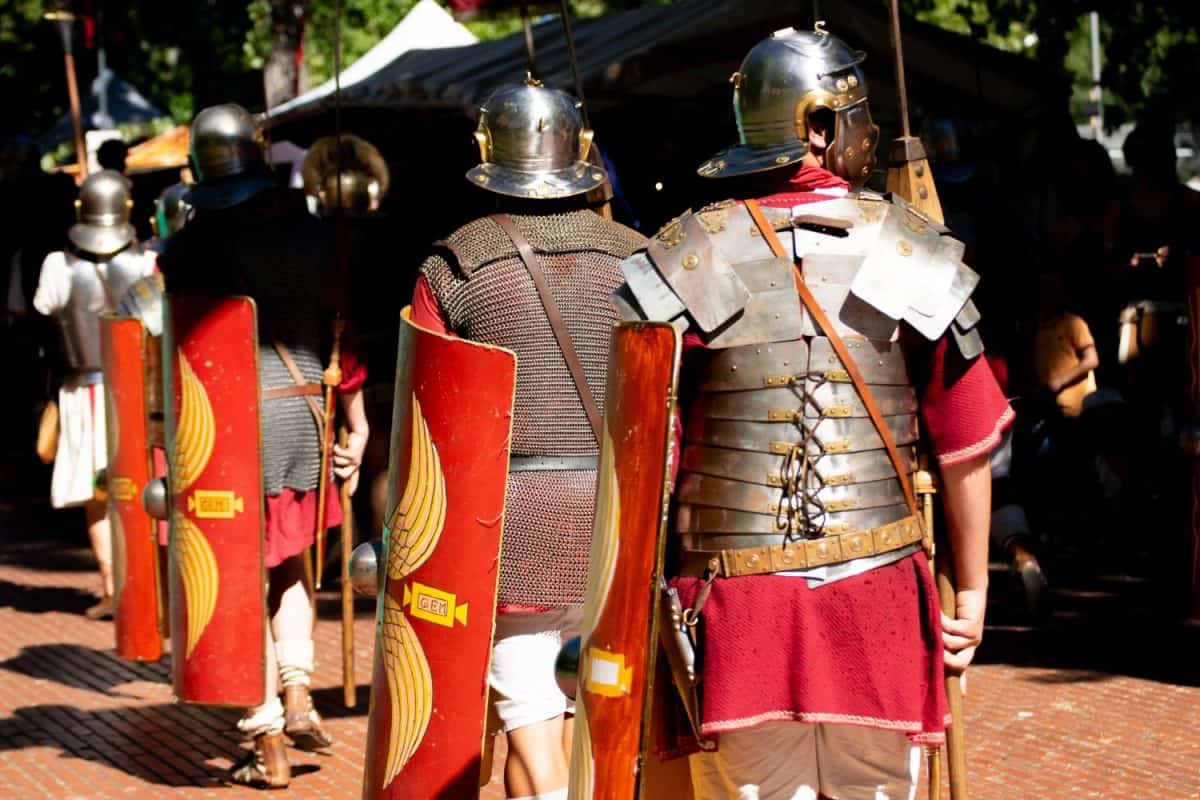
The overwhelming majority of mankind’s history saw two primary methods of transport and military mobility: human legs and what animals were available. Leg infantry formed the basis for the great armies under the control of Alexander the Great, the legions of Rome, and so much more. The pace of campaigns was dictated by how fast a man could march while carrying all of his equipment, eating from the land, and staying fit enough to fight when they reached the battlefield.
Ancient Rome’s army is regarded as one of the most effective fighting forces of the ancient world. This reputation wasn’t predicated on the concepts of cutting-edge weaponry, but the ability to move men where they were needed. Rome built roads, a rather dull military innovation, solely for the rapid repositioning of forces as needed across the empire.
The domestication of livestock, like horses, set a new dimension for speed. A horse is naturally stronger, able to go further, and ultimately do things that people can’t. The introduction of cavalry to ancient and medieval warfare cannot be understated. It became a method of exploiting weaknesses and pursuing the enemy when they routed. It proved to be highly effective for the inhabitants of the Eurasian steppes, as the Scythians, Huns, and Mongols built entire military traditions around military mobility. The Mongols in particular mounted one of the most successful campaigns in recorded history throughout the 13th century, solely based on how nimble their forces were.
The Age of Gunpowder
©"DSC_6294 – Fire that musket —- NOW." by archer10 (Dennis) is licensed under BY-SA 2.0. – Original / License
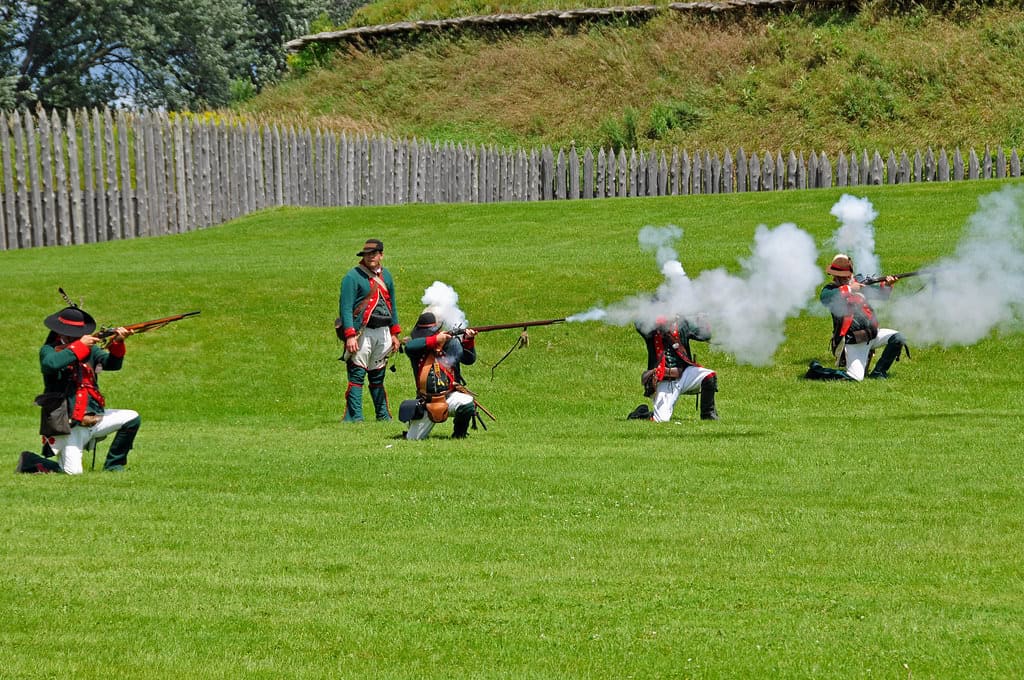
The introduction of gunpowder to the armies of Europe had a profound change on the way wars were fought. It was no longer a matter of physically capable men skilled at wielding pikes and swords, but rather something driven by technology. A musket, or later rifle, was an equalizer of sorts, allowing men of all stripes to fight. However, it complicated the matter of logistics, as you need ammunition to successfully conduct any campaign.
Firearms were a decisive turning point in military history, but they carried burdens. Cannons and artillery needed trained teams and dedicated transports. Elaborate supply trains were drummed up to keep armies supplied. Further, those very same armies grew larger and hungrier, as nationalism became a prevailing train of thought throughout parts of continental Europe.
This is best seen in the campaigns conducted in the wake of the French Revolution by Napoleon Bonaparte, who amassed forces that were unheard of across the Western world in terms of sheer size. Bonaparte was a master of military mobility, organizing his forces into corps to aid in operational speed. However, as the tail end of his campaigns demonstrates, there were hard limits on how fast you could move before the industrial age.
The Industrial Revolution
©Everett Collection/Shutterstock.com
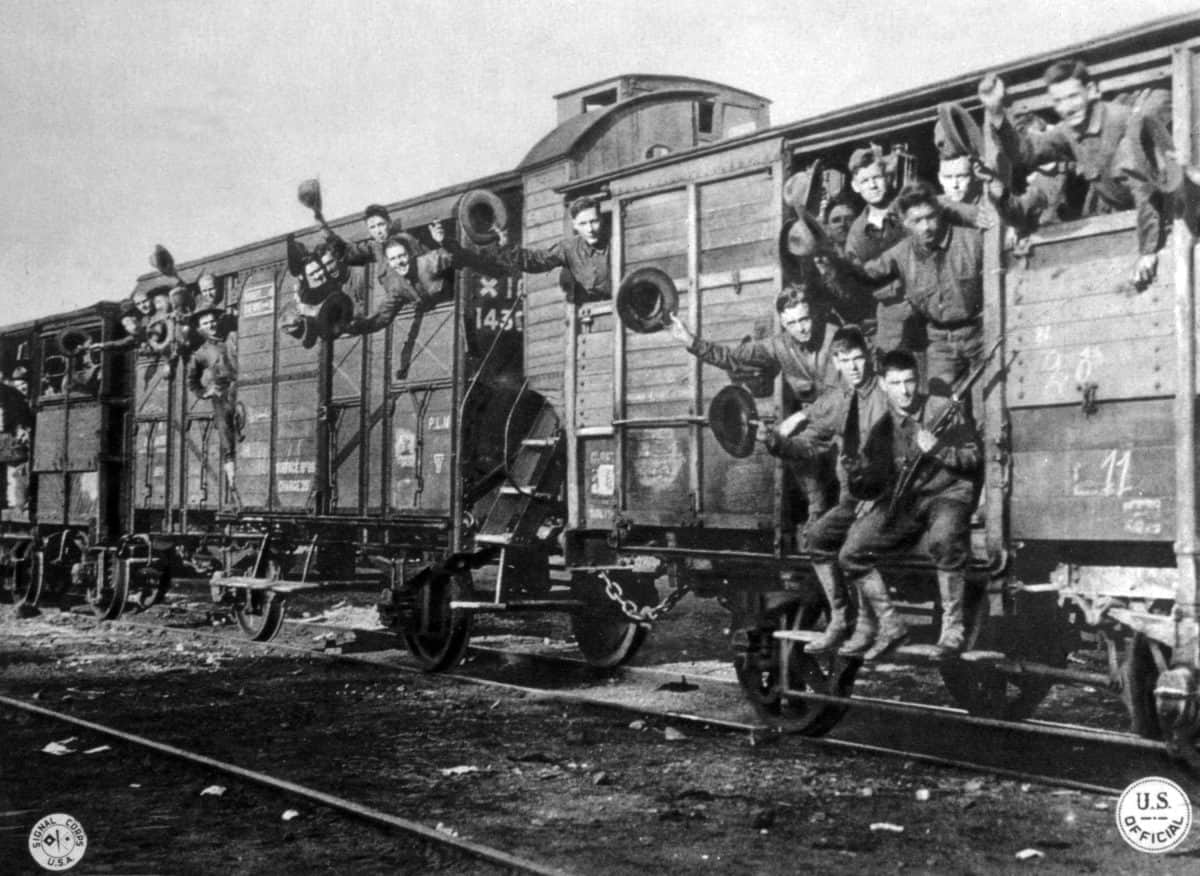
Railroads transformed military mobility in a profound way, something that hadn’t been seen since the domestication of the horse. Armies could be moved at speeds that daily marches couldn’t hope to sustain. That isn’t even getting to the supplies and equipment that moved alongside them. The earliest indicator of the future of warfare came about in the American Civil War, where the Union’s success hinged on the control of the rail lines for maintaining the strategic initiative.
The Franco-Prussian War saw the rail elevated to an exacting military science. The Prussian General Staff had a reputation for being one of the few in continental Europe to excel at mobilization. This paid off tenfold, as Prussian forces arrived at the front well before the French could mobilize a coherent defense. The campaign lasted six weeks, with the French, once one of the dominant players in Europe, being soundly defeated.
The lessons learned from the Franco-Prussian War weren’t ignored, either. By the time the First World War started, entire war plans were drawn up based on the efficacy of organizing and deploying forces by rail. The German Reich in particular drew up the infamous Schlieffen Plan based on railway timetables. Military mobility was inextricably entwined with the march of technological progress.
Mechanization
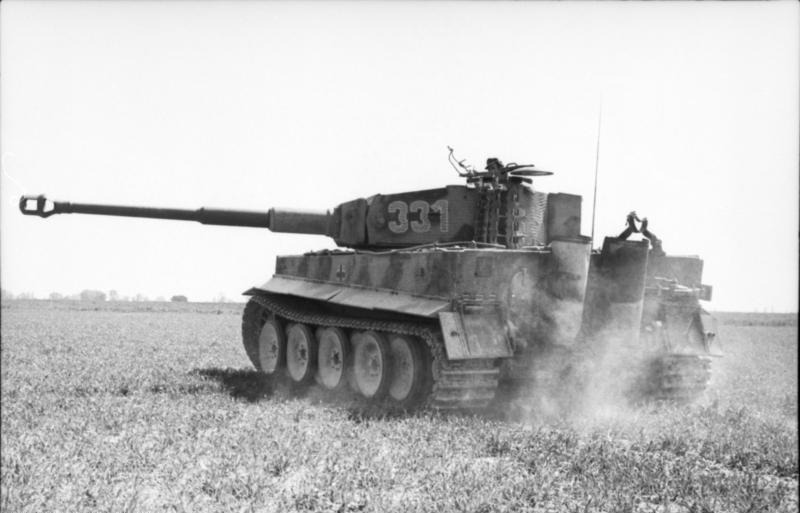
The early 20th century saw the invention of the internal combustion engine. This introduced a level of military mobility that even the railways couldn’t hope to reach. While fast, railways were static in their placement. Armed forces began the process of mechanization, the earliest stages of which were seen by the use of trucks and the development of the battle tank in 1917.
The interwar period, namely the 1920s and 1930s, saw the world’s nations drawing up plans based on the power of mechanization when it came to pure military mobility. German forces in particular would show just how effective it could be in the earliest years of the Second World War, from 1939 to 1940. German forces blazed across borders, making full use of armored tanks, trucks, and air power.
The fall of France followed six weeks after the Germans blitzed across the Maginot Line. This was a shocking development for the world, as France had been one of the bulwarks on the Western Front during the First World War. Mechanization showed that military mobility gains a dimension where the enemy cannot simply respond in a timely fashion. Mobility would become a currency of sorts for all the nations that fought in World War 2, shaping the nature of warfare for decades to come.
Air Superiority
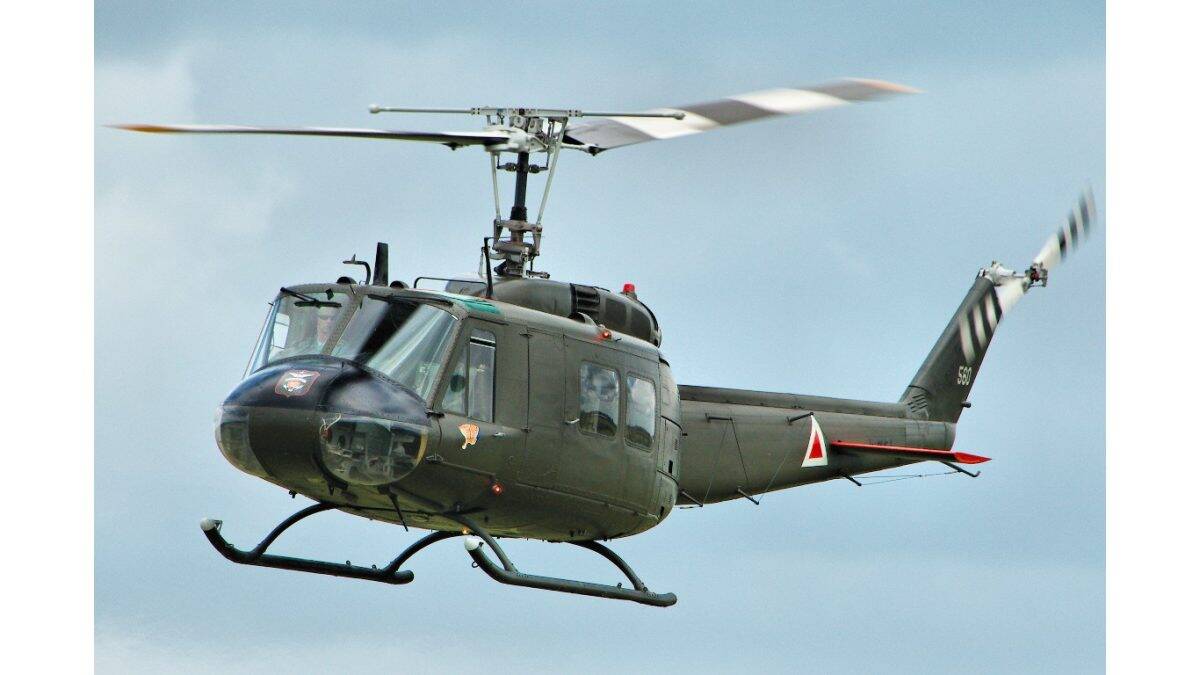
Paratroopers and air superiority were a determining factor in force projection throughout the Second World War. Paratroopers cannot easily resupply in the field, however. The helicopter, which debuted in its truest capacity during the Vietnam War, showed just how fluid the nature of military mobility was becoming. Forces could deploy from forward operating bases, engage the enemy, and break to resupply as needed.
Precision airlifts and airborne operations gave a level of strategic depth that simply wasn’t considered during either of the World Wars. Rapid deployment became a major tentpole of American military doctrine, with the assumption that speed could at least partially substitute for sheer numbers, if at least temporarily.
The Modern Era
©Anton Petrus / Moment via Getty Images
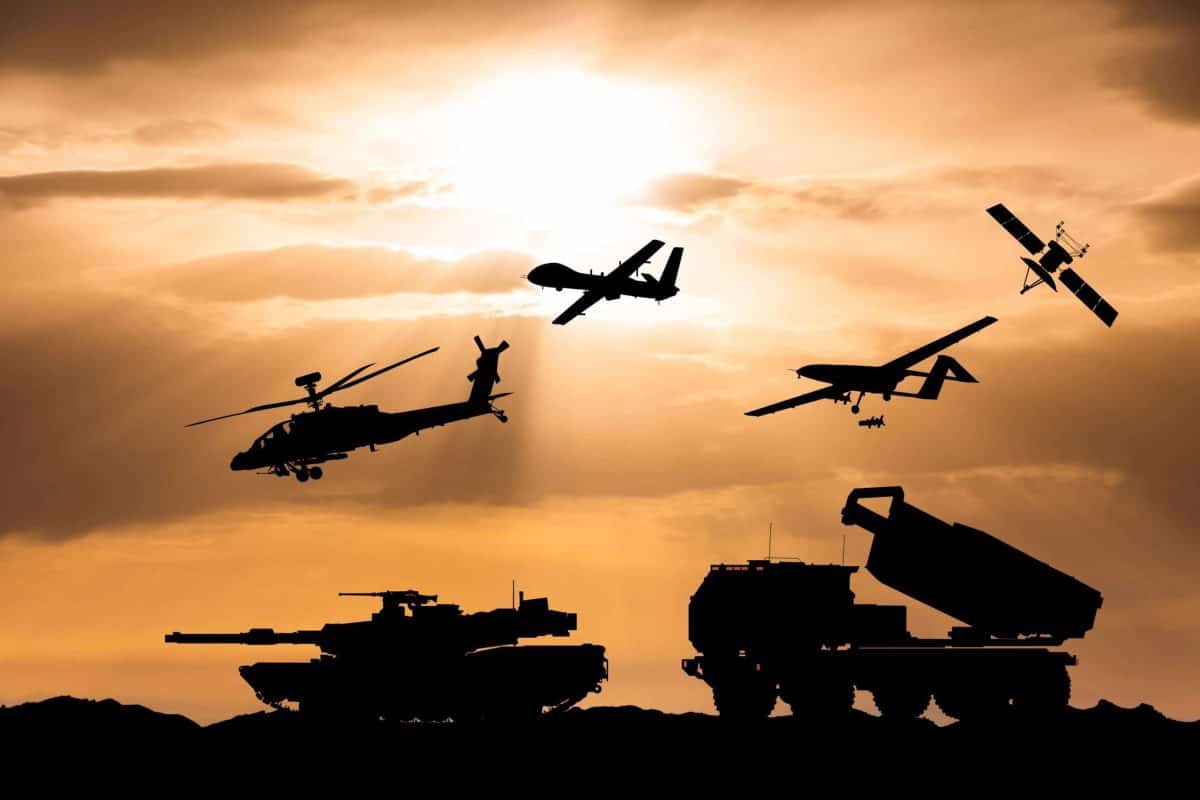
Digitalization of the modern army has given rise to new dimensions when it comes to military mobility. It isn’t solely about the mobilization and rapid deployment of troops to critical points on the battlefield, but rather the speed at which information flows. Real-time command and control systems are a common part of the modern battlefield, and an army that can observe, decide, and act faster than the enemy has a sort of mobility that gives a decisive edge.
This is being seen with the deployment of autonomous weapons systems, drones, and precision-guided logistics. Drones in particular allow for the rapid interdiction of targets without endangering personnel. Autonomous weapons systems can sustain operations without fatigue, and are readily exposed to operational risks without incurring the cost of losing a costly weapons platform like a battle tank. This is while taking into consideration the speed at which some of the previously mentioned concepts are allowing for truly rapid military mobility. The upper echelon of the world’s militaries are able to place troops on the ground in a matter of hours, rather than weeks.
Conclusion
Whether you’re looking at the Macedonian phalanxes of Alexander the Great or the fiber-optic drones being used in the Russo-Ukrainian War, there is the simple fact that military mobility is king above all other planning considerations. The side that can move nimbly, adapt, and outrange their adversary is going to win the engagement. Tools and technology change. That much is a given. However, the concept of speed being paramount to military operations will never change. If anything, it is the oldest and most competitive arms race in the history of warfare.
The image featured at the top of this post is ©Gorodenkoff/Shutterstock.com