






The Arctic Is the Next Strategic Battlefield
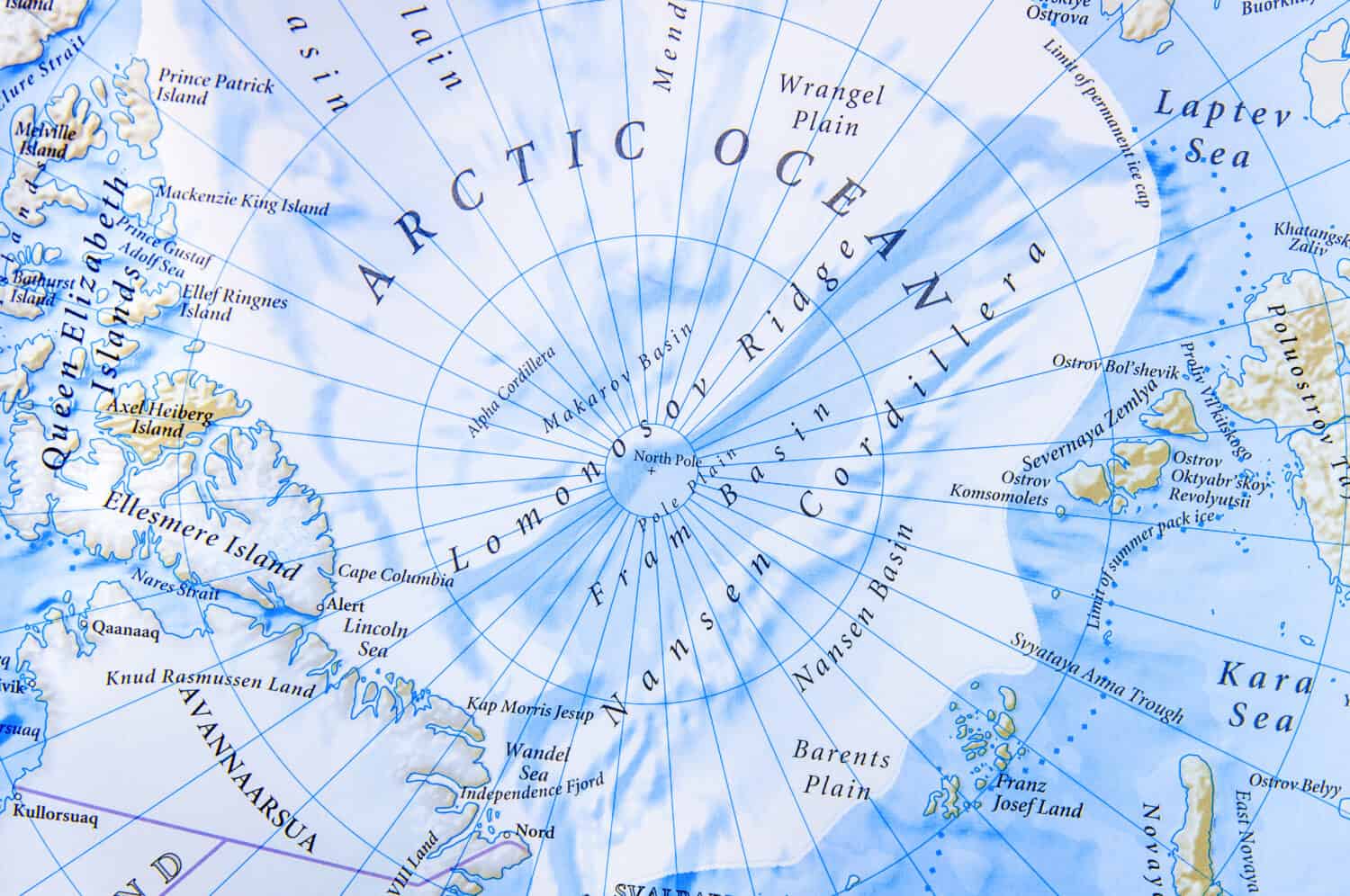
The Arctic Circle is rapidly emerging as one of the most strategically important regions in the world, driven by melting ice, new shipping routes, and increasing military presence. Unlike traditional naval theaters, the Arctic presents extreme challenges that demand specialized capabilities. The weapons that succeed here are those that can operate in freezing conditions, across vast distances, and under constant environmental pressure.
Submarines Rule Beneath the Ice
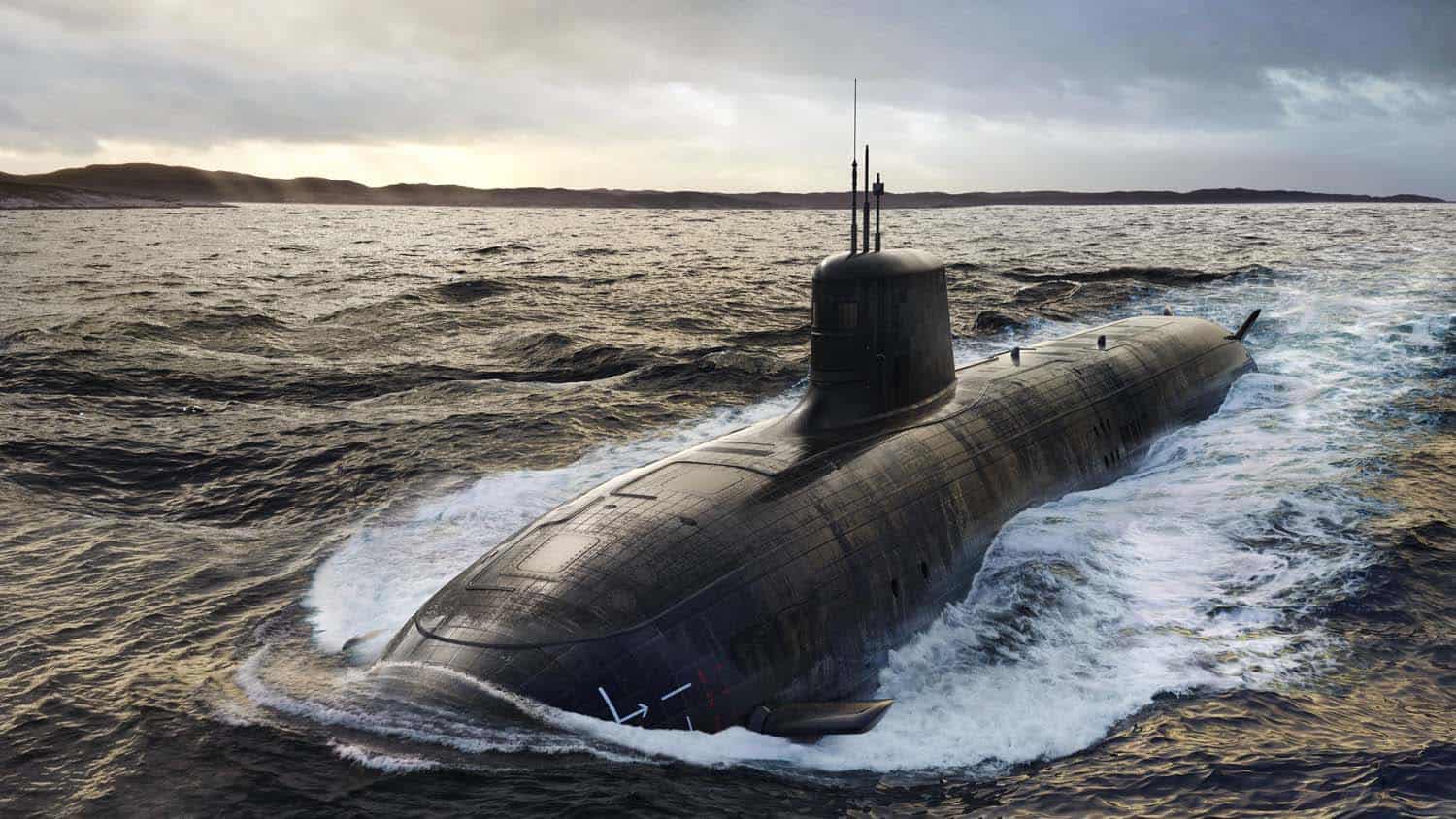
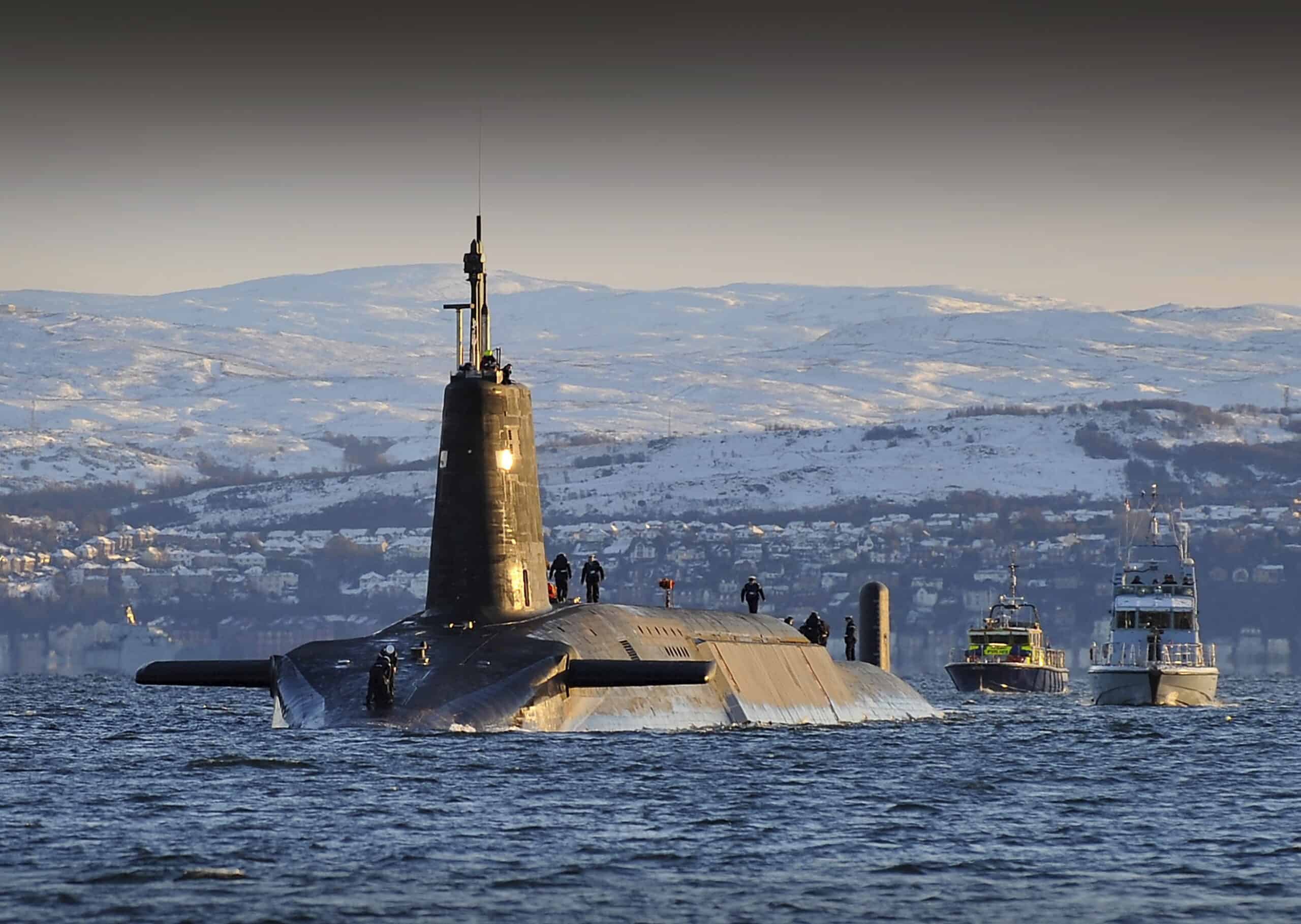
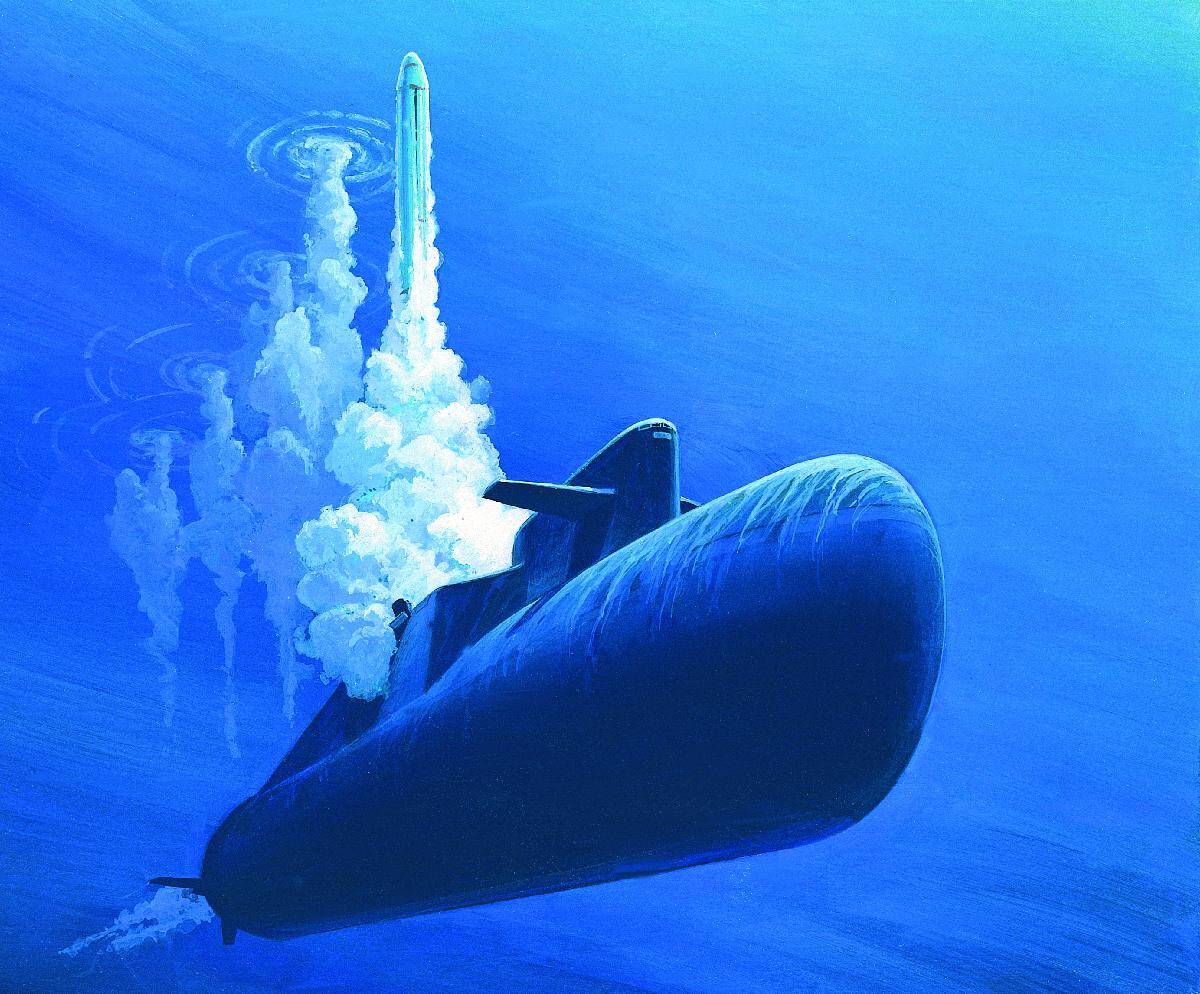
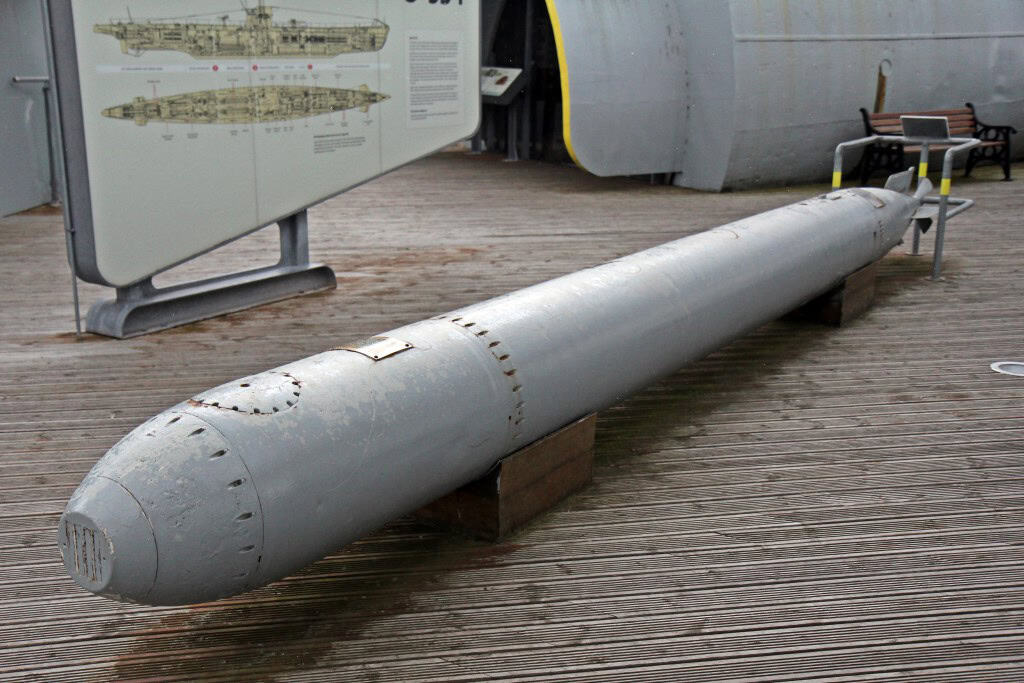
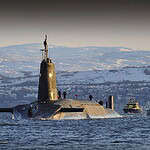
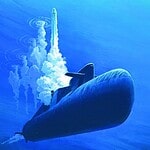
In the Arctic, the most important battles may take place out of sight, beneath layers of ice and freezing water. Submarines have a natural advantage in this environment, able to move undetected and launch weapons from concealed positions. This makes undersea warfare a defining element of Arctic dominance, with torpedoes and submarine-launched missiles playing a central role.
Range Defines Control
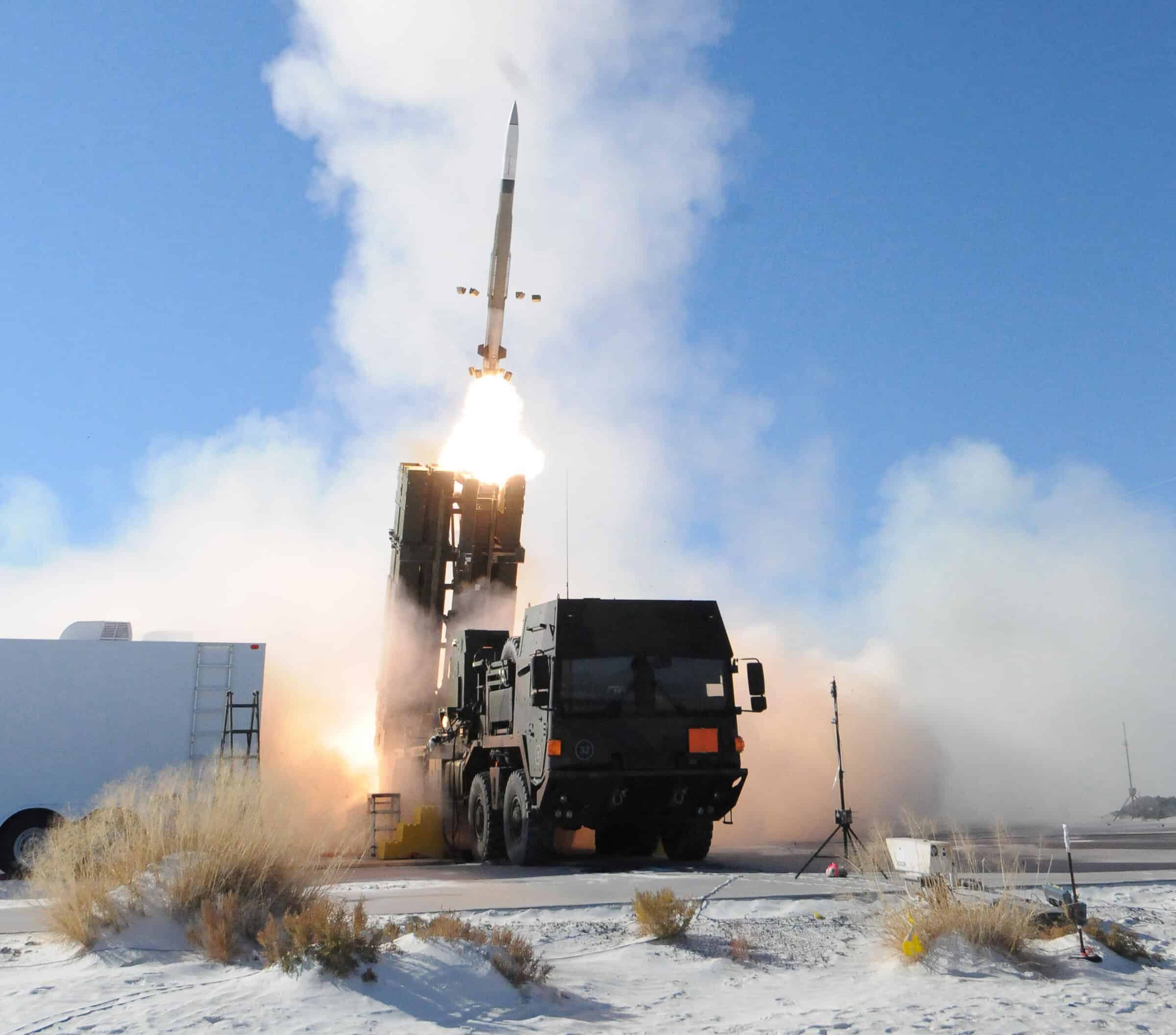
The Arctic is vast, with limited infrastructure and long distances between potential points of conflict. Weapons that can strike targets across hundreds or even thousands of kilometers provide a significant advantage, allowing forces to project power without exposing themselves. Long-range missiles and strategic systems are therefore essential for maintaining control in this remote region.
Speed and Surprise in Extreme Conditions
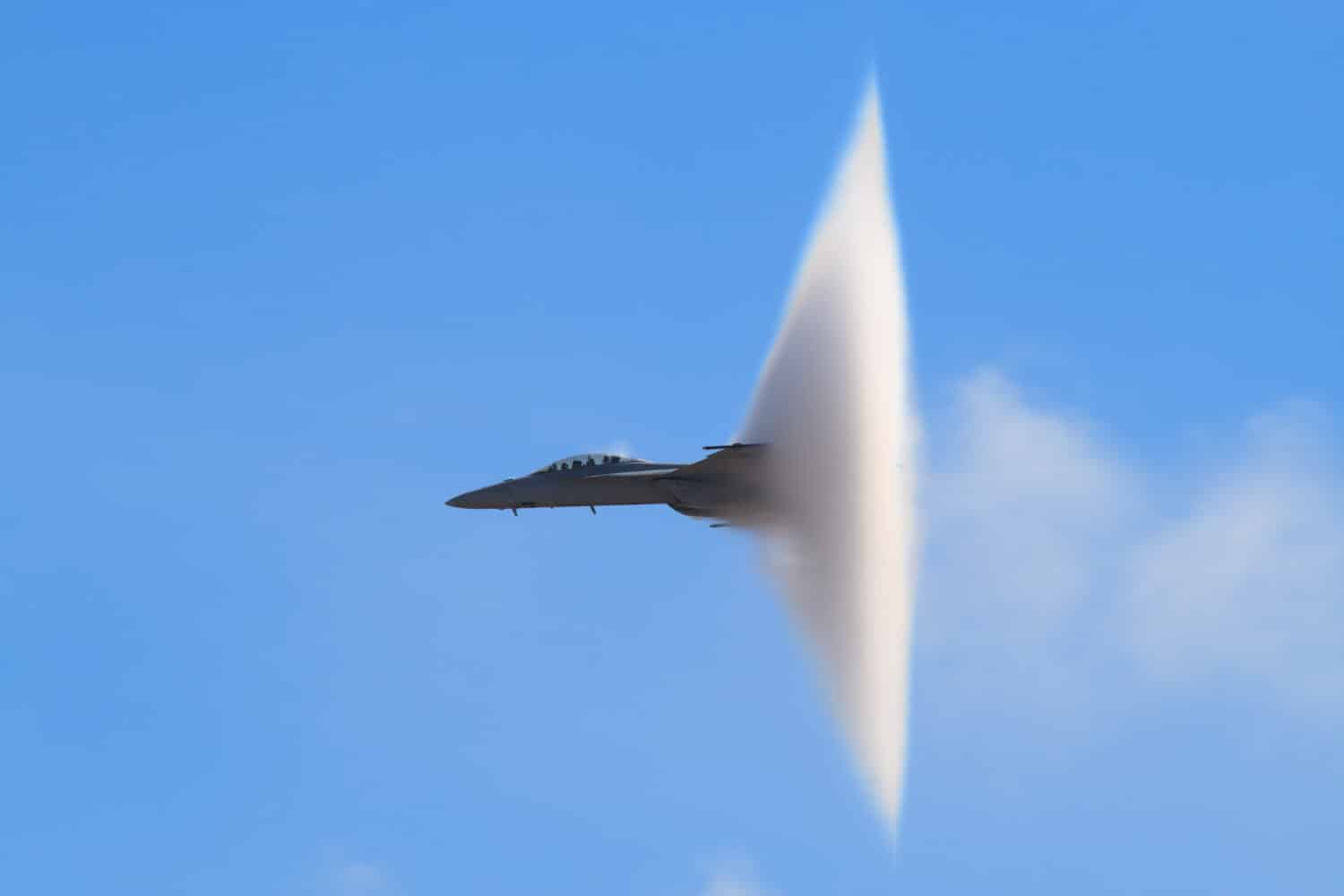
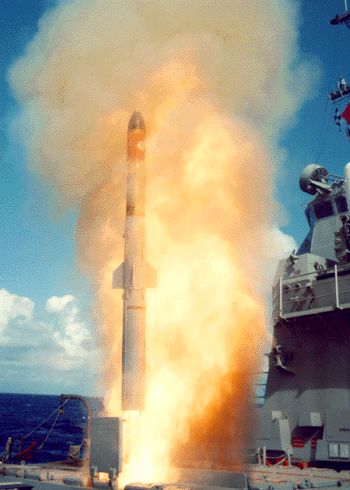
In an environment where detection can be difficult and reaction times are limited, speed becomes a decisive factor. Hypersonic missiles and high-speed torpedoes can overwhelm defenses, especially in the Arctic where early warning systems may be less effective. These weapons introduce a level of unpredictability that can shift the balance of power.
A New Era of Strategic Competition
The Arctic is no longer a remote and isolated region—it is becoming a focal point of global strategic competition. Nations are investing in weapons and technologies specifically designed to operate in this environment, recognizing its growing importance. The systems that dominate here will play a key role in shaping the future balance of power.
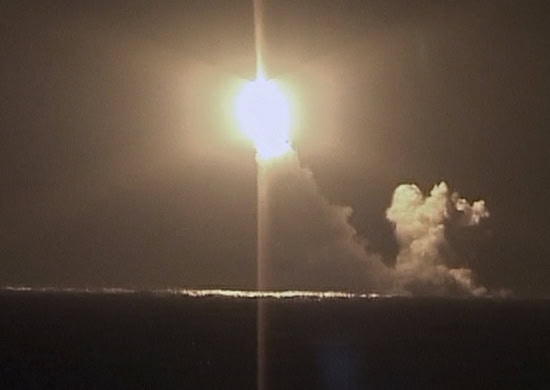
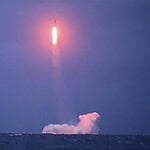
RSM-56 Bulava
- Country of Origin: Russia
- Weapon Type: SLBM
- Launch Platform: Borei-class SSBN
- Estimated Range: ~8,000 km
- Primary Role in Arctic Warfare: Strategic deterrence
- Key Arctic Advantage: Under-ice launch capability
- Operational Strength: Nuclear MIRV payload
- Why It Dominates in the Arctic: Ensures second-strike from Arctic bastions
The Bulava is central to Russia’s Arctic nuclear strategy, designed to be launched from submarines operating beneath ice cover. Its MIRV capability ensures a survivable second-strike option, making it a cornerstone of deterrence in a region where stealth and concealment are critical.
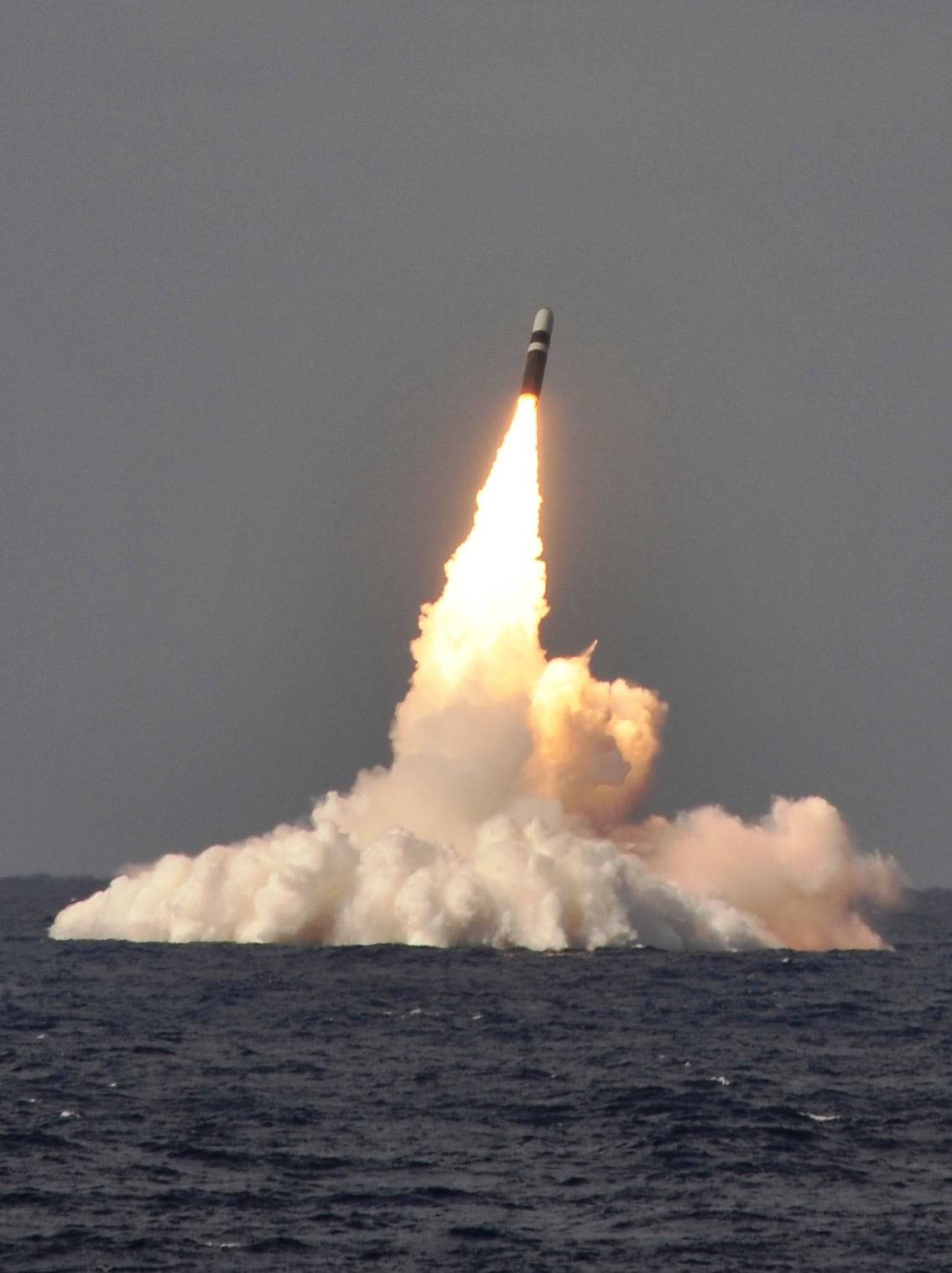
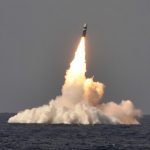
UGM-133 Trident II
- Country of Origin: United States
- Weapon Type: SLBM
- Launch Platform: Ohio/Columbia-class SSBN
- Estimated Range: ~12,000 km
- Primary Role in Arctic Warfare: Strategic deterrence
- Key Arctic Advantage: Global reach from polar waters
- Operational Strength: High accuracy and MIRV
- Why It Dominates in the Arctic: Extends US deterrence deep into Arctic
The Trident II provides unmatched range and accuracy, allowing U.S. submarines to project nuclear deterrence from Arctic patrol areas. Its precision and reliability make it one of the most powerful strategic weapons in the world.
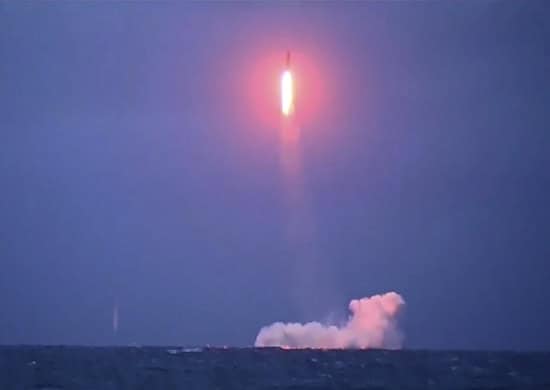
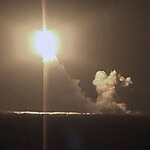
R-29RMU Sineva
- Country of Origin: Russia
- Weapon Type: SLBM
- Launch Platform: Delta IV SSBN
- Estimated Range: ~8,300 km
- Primary Role in Arctic Warfare: Strategic deterrence
- Key Arctic Advantage: Cold-launch under ice
- Operational Strength: Long range reliability
- Why It Dominates in the Arctic: Sustains Russian Arctic nuclear presence
The Sineva missile supports Russia’s legacy Arctic deterrence force, capable of cold-launch operations beneath ice. Its long range ensures coverage across strategic targets from protected bastion zones.
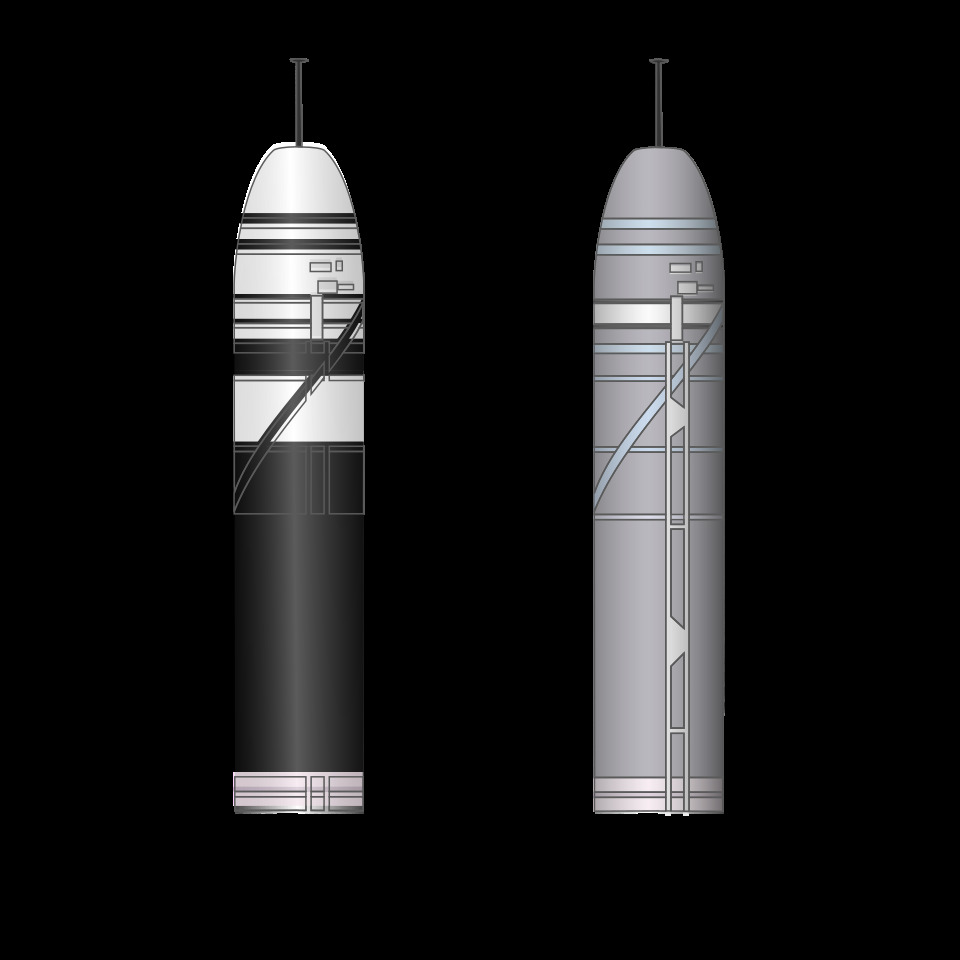
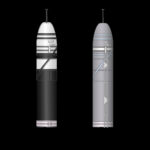
M51 missile
- Country of Origin: France
- Weapon Type: SLBM
- Launch Platform: Triomphant-class SSBN
- Estimated Range: ~10,000 km
- Primary Role in Arctic Warfare: Strategic deterrence
- Key Arctic Advantage: Ocean-spanning reach
- Operational Strength: High payload
- Why It Dominates in the Arctic: Supports NATO deterrence posture
France’s M51 extends NATO’s nuclear deterrence into Arctic-relevant waters, offering long-range strike capability from secure submarine platforms. Its payload and range ensure credible strategic presence.
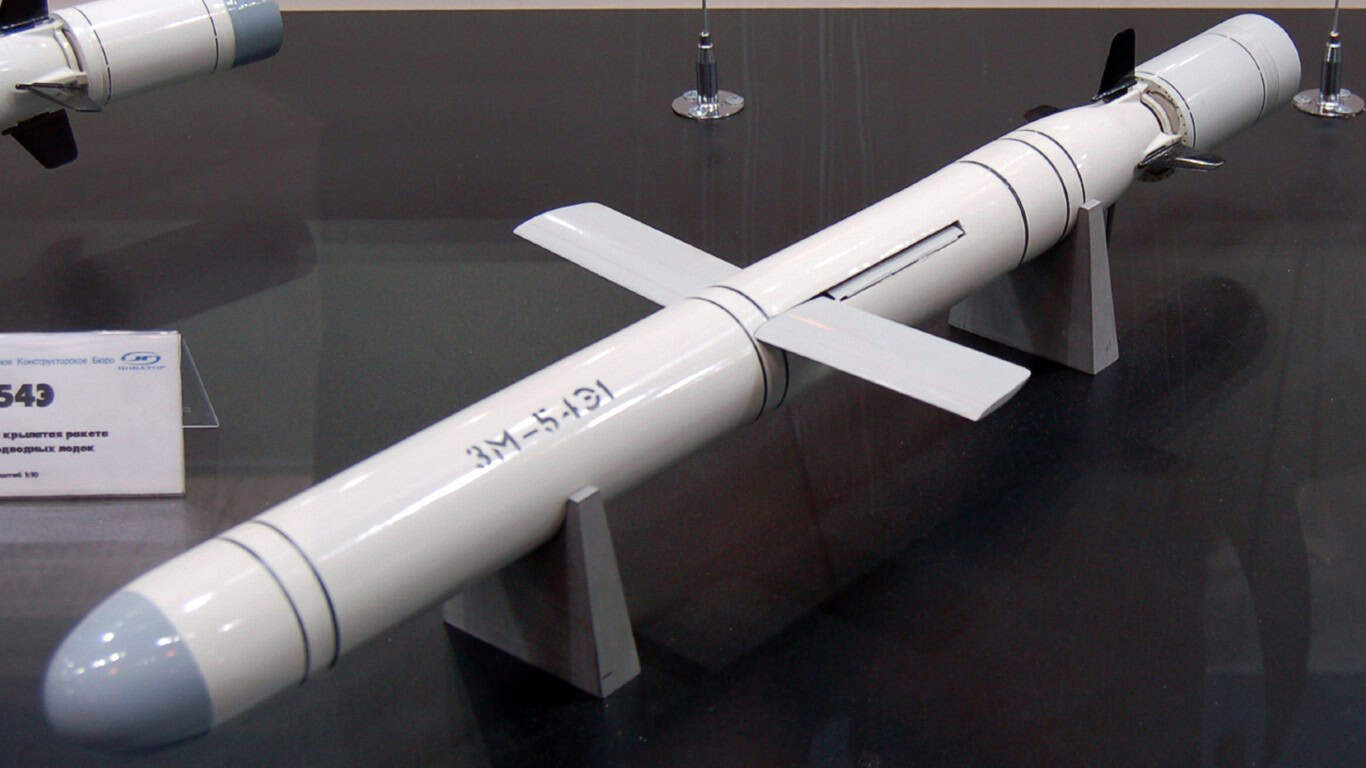
Kalibr missile
- Country of Origin: Russia
- Weapon Type: Cruise missile
- Launch Platform: Submarine/Surface
- Estimated Range: ~1,500–2,500 km
- Primary Role in Arctic Warfare: Long-range strike
- Key Arctic Advantage: Submarine-launched in Arctic waters
- Operational Strength: Precision strike
- Why It Dominates in the Arctic: Allows covert Arctic strikes
The Kalibr allows Russia to launch precision strikes from submarines operating in Arctic waters, enabling covert engagement of distant targets without exposing surface assets.
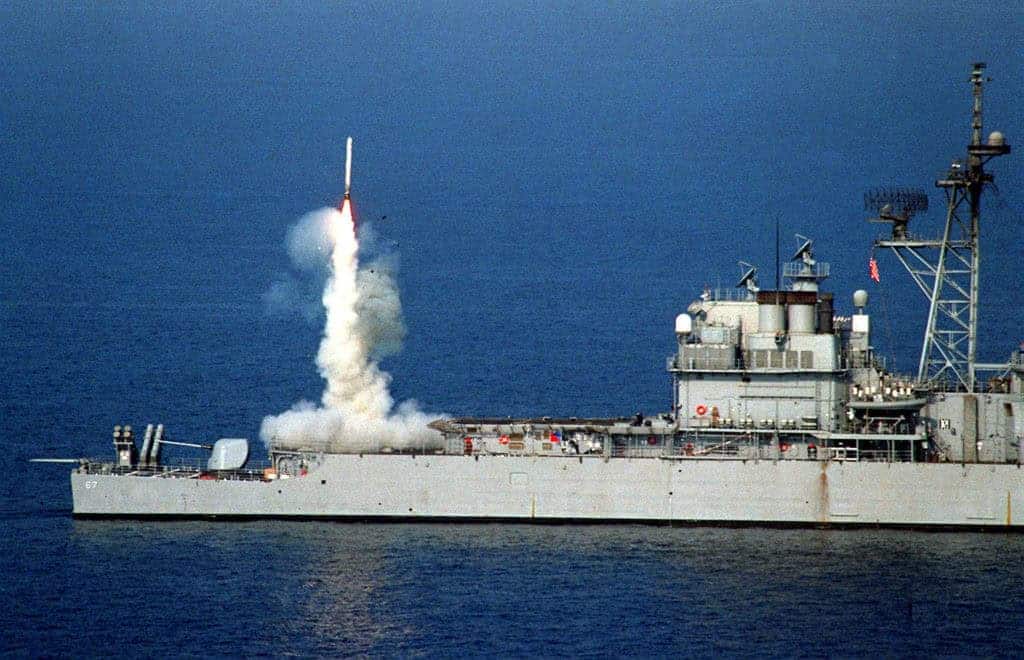
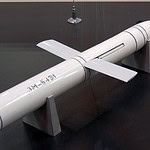
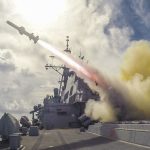
Tomahawk missile
- Country of Origin: United States
- Weapon Type: Cruise missile
- Launch Platform: Submarine/Surface
- Estimated Range: ~1,600 km
- Primary Role in Arctic Warfare: Long-range strike
- Key Arctic Advantage: Cold-weather capable
- Operational Strength: Precision and flexibility
- Why It Dominates in the Arctic: Reliable remote strike option
The Tomahawk provides reliable long-range strike capability from both submarines and surface ships. Its proven performance and adaptability make it a key tool for operations in remote Arctic regions.
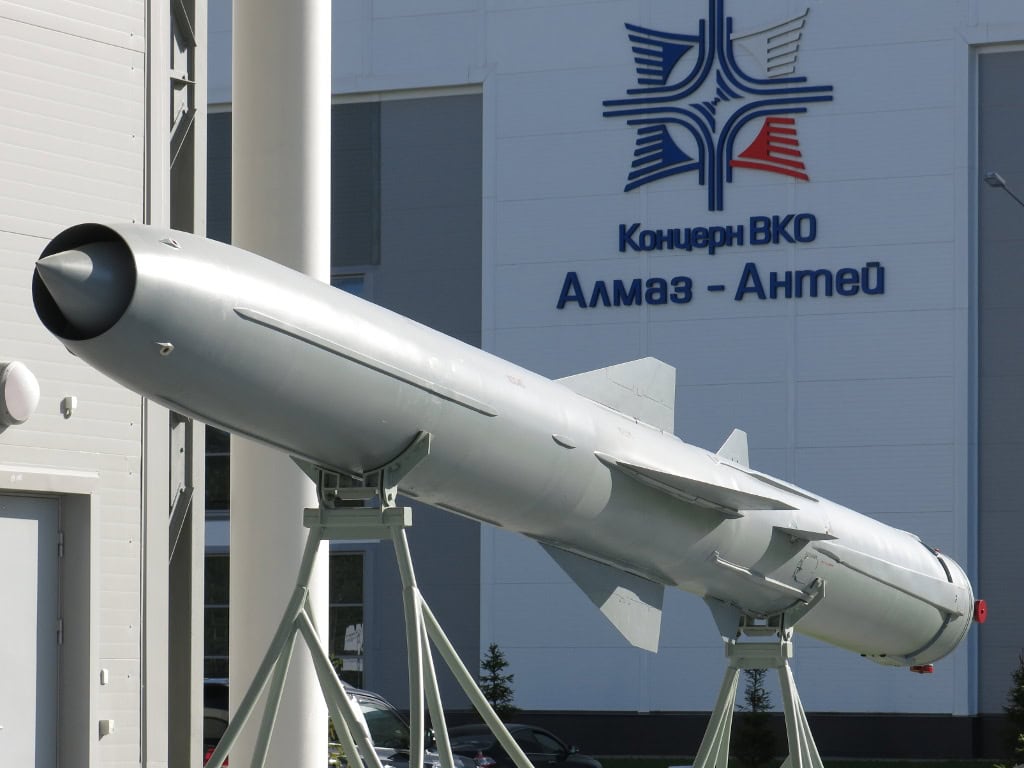
P-800 Oniks
- Country of Origin: Russia
- Weapon Type: Anti-ship missile
- Launch Platform: Surface/Submarine
- Estimated Range: ~300 km
- Primary Role in Arctic Warfare: Anti-ship
- Key Arctic Advantage: High speed in cold environments
- Operational Strength: Supersonic speed
- Why It Dominates in the Arctic: Hard to intercept in Arctic
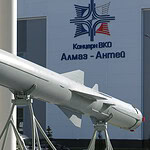
The Oniks missile’s supersonic speed makes it difficult to intercept, particularly in the vast and sparsely defended Arctic. It poses a significant threat to surface vessels.
3M22 Zircon
- Country of Origin: Russia
- Weapon Type: Hypersonic missile
- Launch Platform: Surface/Submarine
- Estimated Range: ~1,000 km
- Primary Role in Arctic Warfare: Anti-ship/land strike
- Key Arctic Advantage: Extreme speed reduces reaction time
- Operational Strength: Hypersonic velocity
- Why It Dominates in the Arctic: Dominates large Arctic distances
The Zircon’s hypersonic speed dramatically reduces reaction time for defenders, making it a game-changing weapon for Arctic engagements across vast distances.
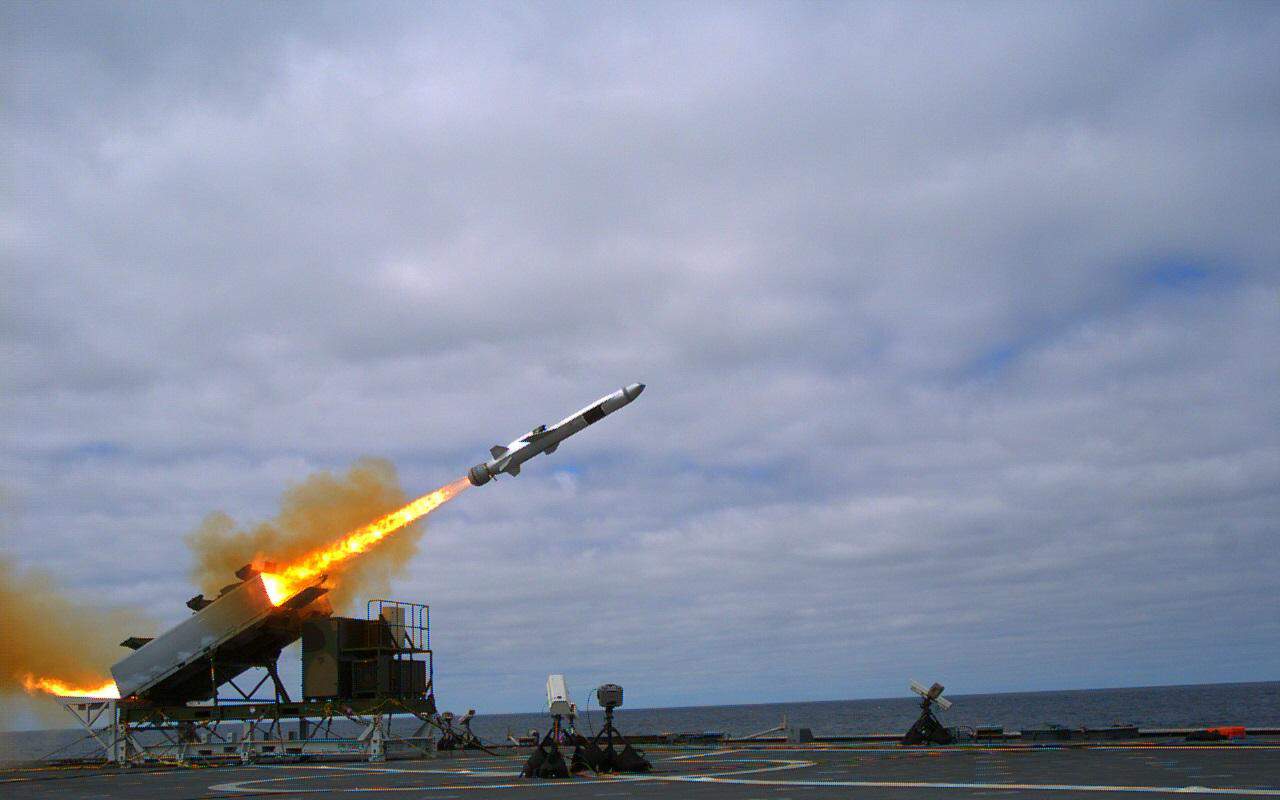
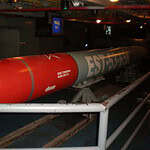
Naval Strike Missile
- Country of Origin: Norway
- Weapon Type: Anti-ship missile
- Launch Platform: Surface
- Estimated Range: ~185 km
- Primary Role in Arctic Warfare: Anti-ship
- Key Arctic Advantage: Designed for cold maritime ops
- Operational Strength: Sea-skimming stealth
- Why It Dominates in the Arctic: Ideal for Arctic coastal defense
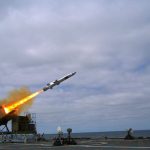
The Naval Strike Missile is optimized for cold-weather maritime operations, offering stealthy sea-skimming flight that makes it well-suited for Arctic coastal defense scenarios.
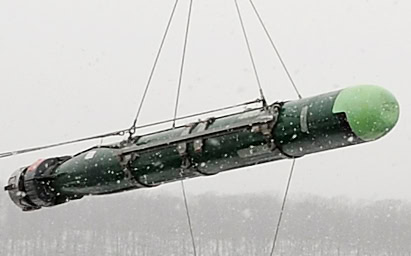
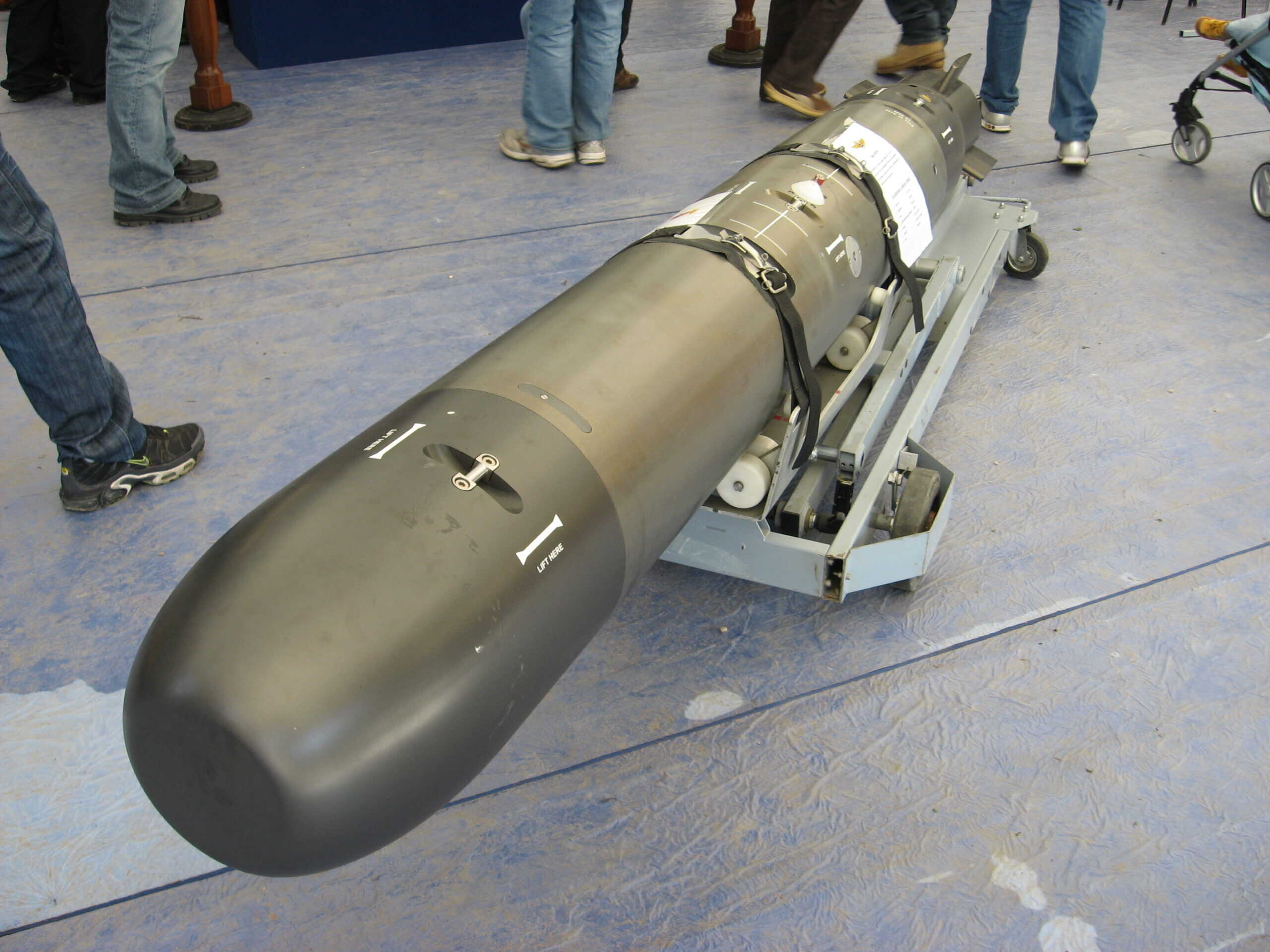
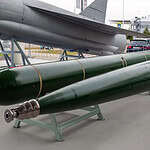
Mark 48 torpedo
- Country of Origin: United States
- Weapon Type: Heavy torpedo
- Launch Platform: Submarine
- Estimated Range: ~50 km
- Primary Role in Arctic Warfare: Anti-submarine/ship
- Key Arctic Advantage: Deep-water Arctic capability
- Operational Strength: High speed and guidance
- Why It Dominates in the Arctic: Key under-ice combat weapon
The Mark 48 torpedo is a cornerstone of U.S. submarine warfare, capable of engaging both submarines and surface ships in deep, cold waters typical of the Arctic.
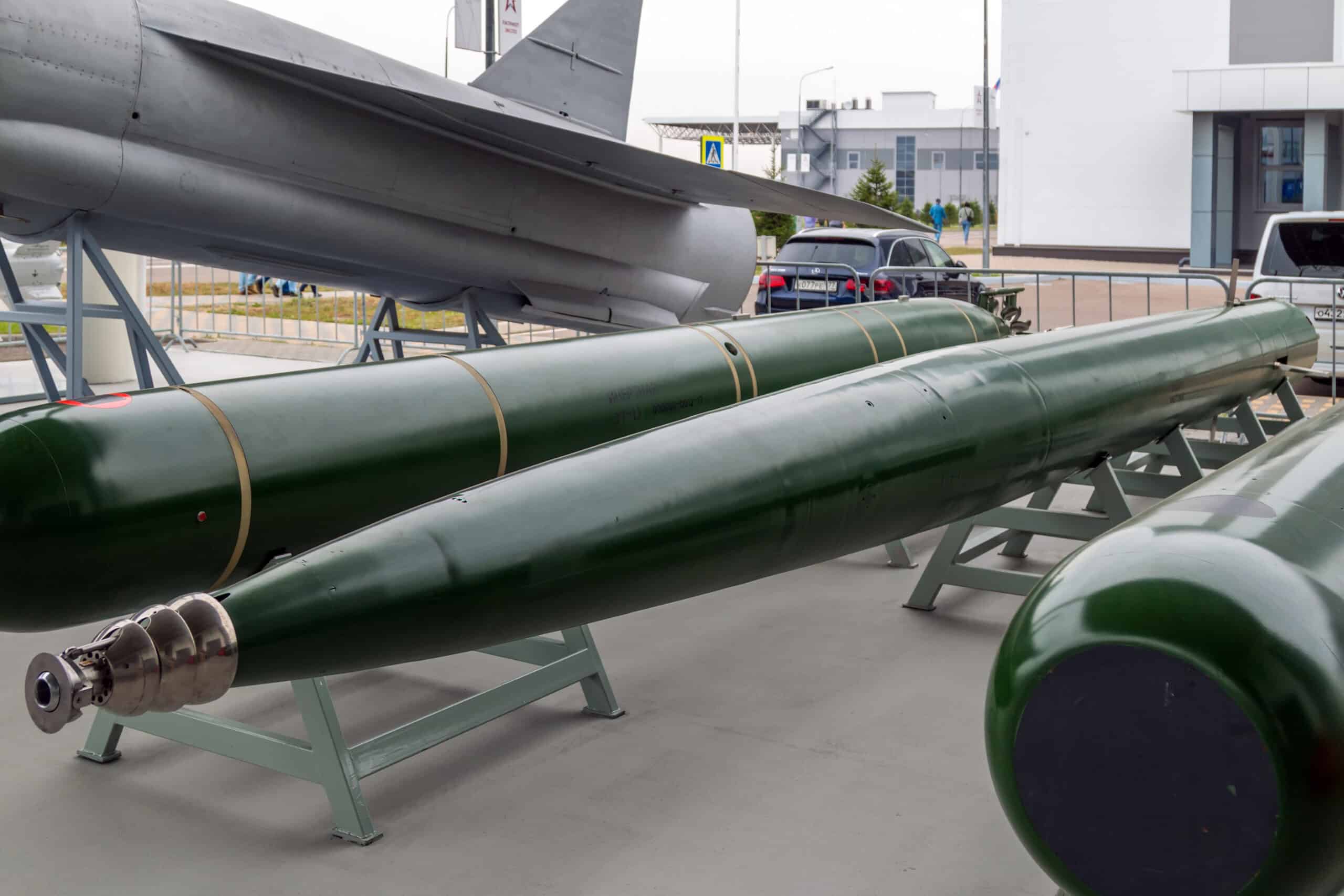
VA-111 Shkval
- Country of Origin: Russia
- Weapon Type: Supercavitating torpedo
- Launch Platform: Submarine
- Estimated Range: ~7–10 km
- Primary Role in Arctic Warfare: Anti-submarine
- Key Arctic Advantage: Speed in dense cold water
- Operational Strength: Extreme velocity
- Why It Dominates in the Arctic: Surprise attack capability
The Shkval’s supercavitating technology allows it to travel at extremely high speeds, making it a formidable surprise weapon in underwater engagements.
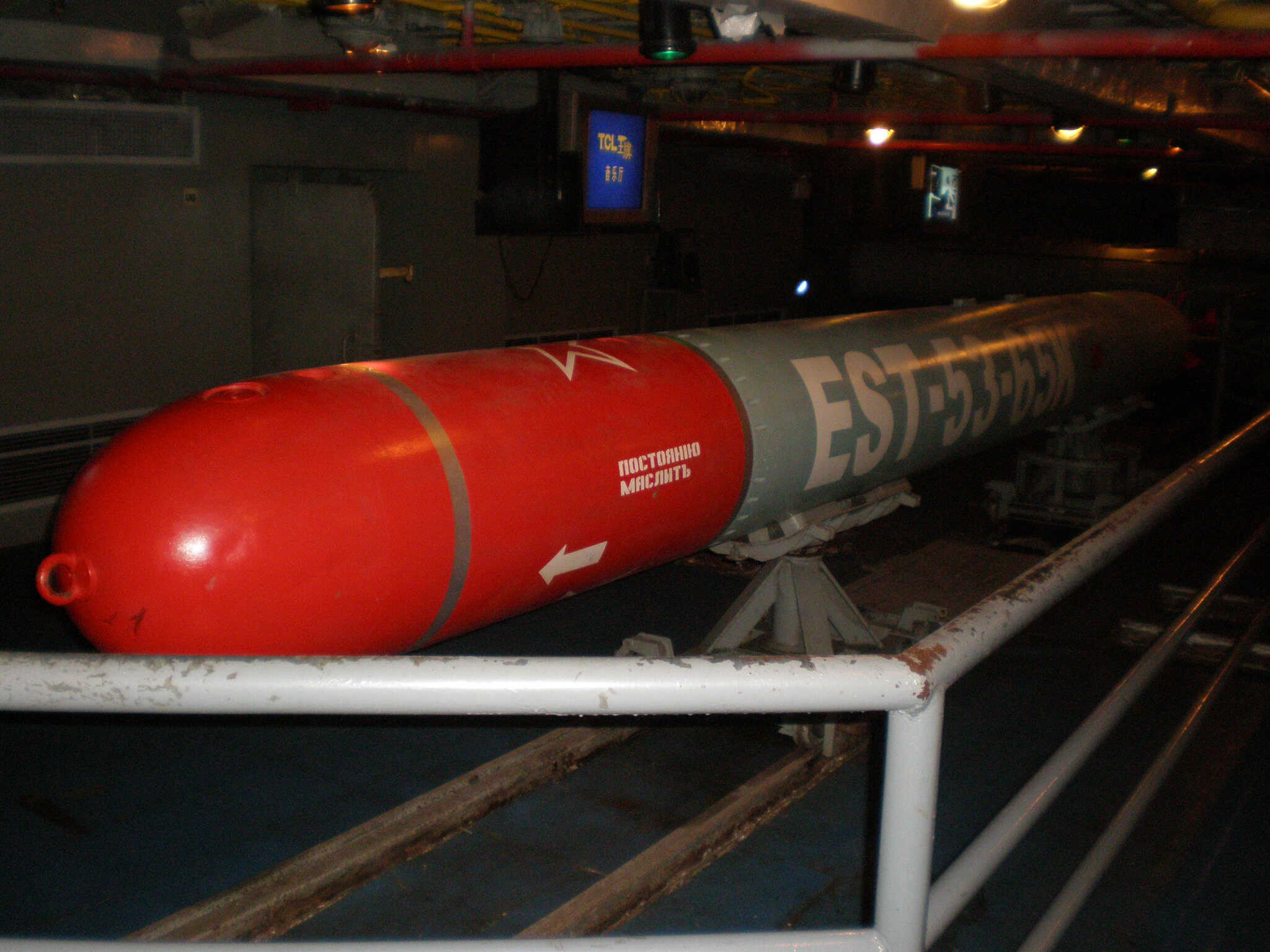
Type 65 torpedo
- Country of Origin: Russia
- Weapon Type: Heavy torpedo
- Launch Platform: Submarine
- Estimated Range: ~50 km
- Primary Role in Arctic Warfare: Anti-ship
- Key Arctic Advantage: Large warhead for Arctic targets
- Operational Strength: Long-range
- Why It Dominates in the Arctic: Effective against large vessels
The Type 65 torpedo is designed for long-range engagements against large naval targets, offering significant destructive capability in Arctic waters.
Spearfish torpedo
- Country of Origin: United Kingdom
- Weapon Type: Heavy torpedo
- Launch Platform: Submarine
- Estimated Range: ~50 km
- Primary Role in Arctic Warfare: Anti-submarine
- Key Arctic Advantage: Cold-water optimized
- Operational Strength: Advanced guidance
- Why It Dominates in the Arctic: Reliable NATO ASW weapon
The Spearfish torpedo provides advanced guidance and reliability, making it a key component of NATO’s anti-submarine warfare capability in cold environments.
F21 torpedo
- Country of Origin: France
- Weapon Type: Heavy torpedo
- Launch Platform: Submarine
- Estimated Range: ~50 km
- Primary Role in Arctic Warfare: Anti-submarine
- Key Arctic Advantage: Deep water performance
- Operational Strength: Modern electronics
- Why It Dominates in the Arctic: High survivability
The F21 torpedo offers modern electronics and survivability features, enhancing France’s ability to operate effectively in deep Arctic waters.
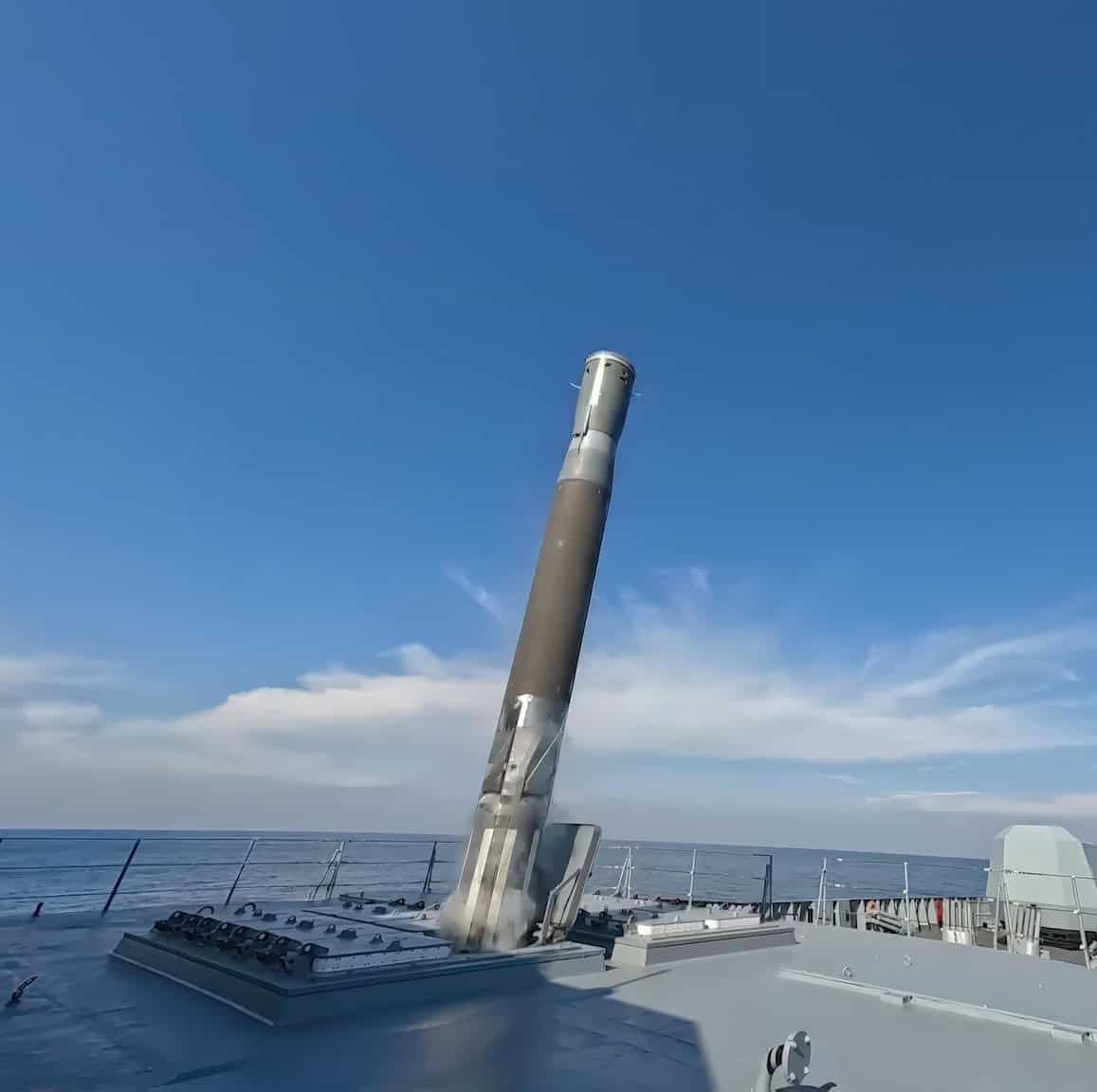
RUM-139 VL-ASROC
- Country of Origin: United States
- Weapon Type: ASW missile
- Launch Platform: Surface VLS
- Estimated Range: ~22 km
- Primary Role in Arctic Warfare: Anti-submarine
- Key Arctic Advantage: Rapid response in cold waters
- Operational Strength: Vertical launch
- Why It Dominates in the Arctic: Extends ASW reach
The VL-ASROC enables rapid engagement of submarines from surface ships, extending anti-submarine reach in Arctic conditions where detection windows are limited.
APR-3 torpedo
- Country of Origin: Russia
- Weapon Type: Light torpedo
- Launch Platform: Aircraft/Ship
- Estimated Range: ~3 km
- Primary Role in Arctic Warfare: Anti-submarine
- Key Arctic Advantage: High-speed descent in cold water
- Operational Strength: Rocket propulsion
- Why It Dominates in the Arctic: Quick engagement
The APR-3 uses rocket propulsion to rapidly close on targets, making it effective for quick engagements in cold Arctic waters.
MU90 Impact
- Country of Origin: Europe
- Weapon Type: Light torpedo
- Launch Platform: Ship/Helicopter
- Estimated Range: ~23 km
- Primary Role in Arctic Warfare: Anti-submarine
- Key Arctic Advantage: Designed for cold/deep water
- Operational Strength: Advanced homing
- Why It Dominates in the Arctic: Versatile NATO ASW
The MU90 Impact is designed for versatility in cold and deep water environments, offering advanced homing capabilities for effective ASW operations.
Poseidon nuclear torpedo
- Country of Origin: Russia
- Weapon Type: Unmanned nuclear torpedo
- Launch Platform: Submarine/UUV
- Estimated Range: Intercontinental
- Primary Role in Arctic Warfare: Strategic deterrence
- Key Arctic Advantage: Under-ice autonomous travel
- Operational Strength: Nuclear payload
- Why It Dominates in the Arctic: Redefines Arctic deterrence
The Poseidon represents a new class of strategic weapon, capable of autonomous, long-range travel beneath Arctic ice. Its nuclear payload makes it a powerful deterrent.
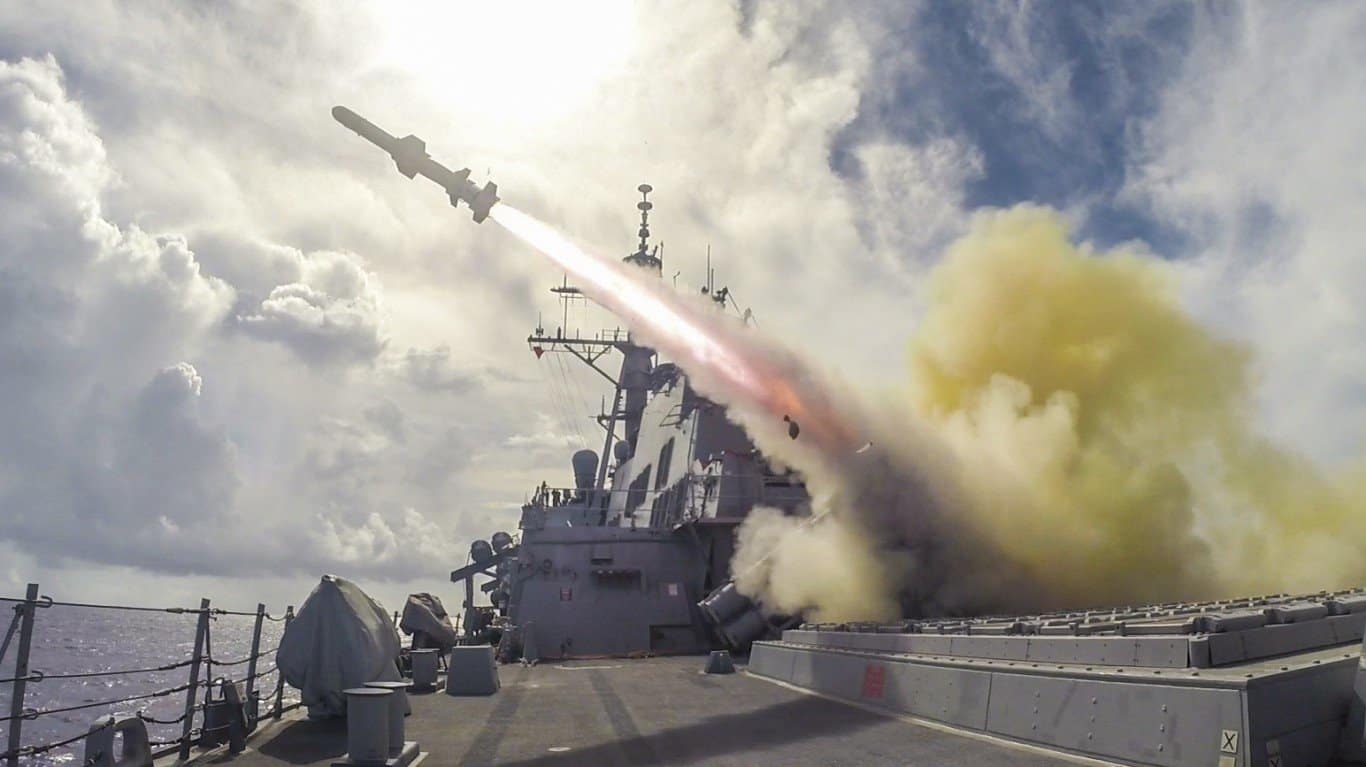
UGM-84 Harpoon
- Country of Origin: United States
- Weapon Type: Anti-ship missile
- Launch Platform: Surface/Submarine
- Estimated Range: ~125 km
- Primary Role in Arctic Warfare: Anti-ship
- Key Arctic Advantage: All-weather operation
- Operational Strength: Reliable targeting
- Why It Dominates in the Arctic: Widely deployed NATO system
The Harpoon remains a widely deployed anti-ship missile, offering reliable targeting and performance in all-weather conditions, including the Arctic.
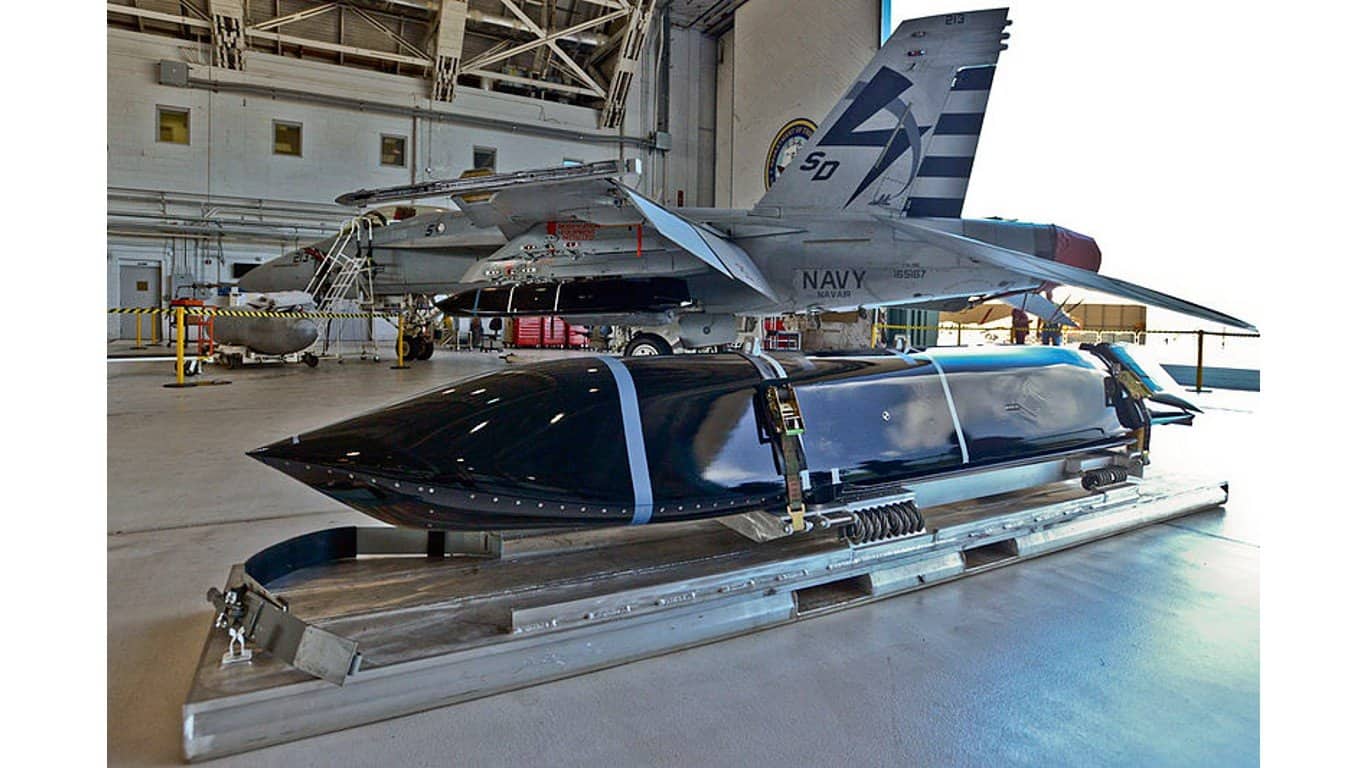
LRASM
- Country of Origin: United States
- Weapon Type: Anti-ship missile
- Launch Platform: Surface/Air
- Estimated Range: ~500+ km
- Primary Role in Arctic Warfare: Anti-ship
- Key Arctic Advantage: Autonomous targeting in remote zones
- Operational Strength: Stealth and AI guidance
- Why It Dominates in the Arctic: Ideal for contested Arctic
The LRASM’s autonomous targeting and stealth features make it well-suited for contested Arctic environments where communication and targeting may be limited.
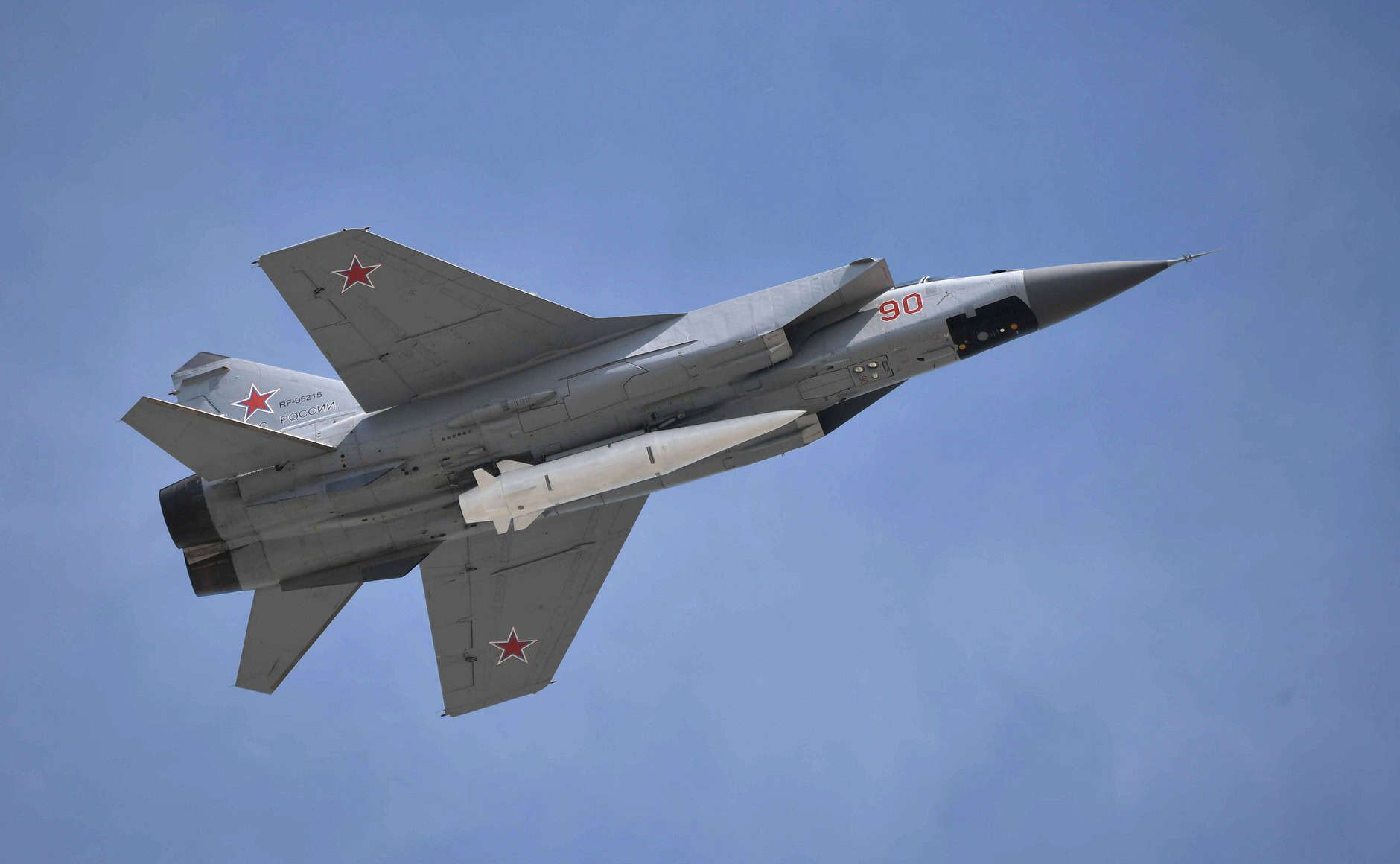
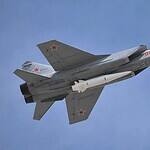
Kinzhal missile
- Country of Origin: Russia
- Weapon Type: Hypersonic missile
- Launch Platform: Aircraft
- Estimated Range: ~2,000 km
- Primary Role in Arctic Warfare: Strike
- Key Arctic Advantage: Extreme speed in vast regions
- Operational Strength: Hypersonic
- Why It Dominates in the Arctic: Rapid Arctic strike capability
The Kinzhal’s hypersonic speed allows rapid strike capability across the Arctic, reducing response time for defenders.
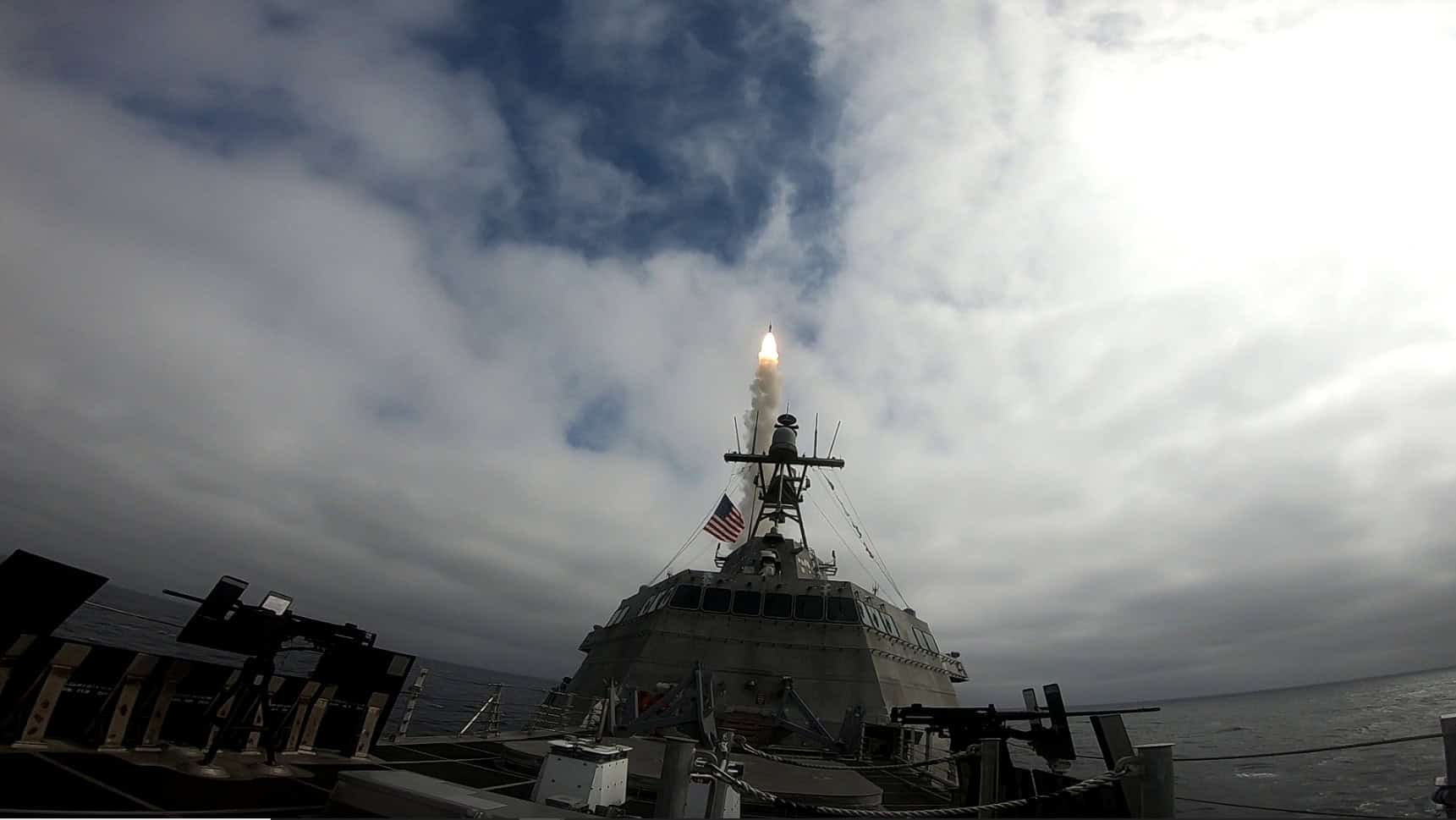
SM-6 missile
- Country of Origin: United States
- Weapon Type: Multi-role missile
- Launch Platform: Surface VLS
- Estimated Range: ~370 km
- Primary Role in Arctic Warfare: Air/Surface defense
- Key Arctic Advantage: Cold-weather capable
- Operational Strength: Multi-role flexibility
- Why It Dominates in the Arctic: Protects Arctic fleets
The SM-6 provides multi-role defense capabilities, protecting naval assets from air and surface threats in Arctic operations.
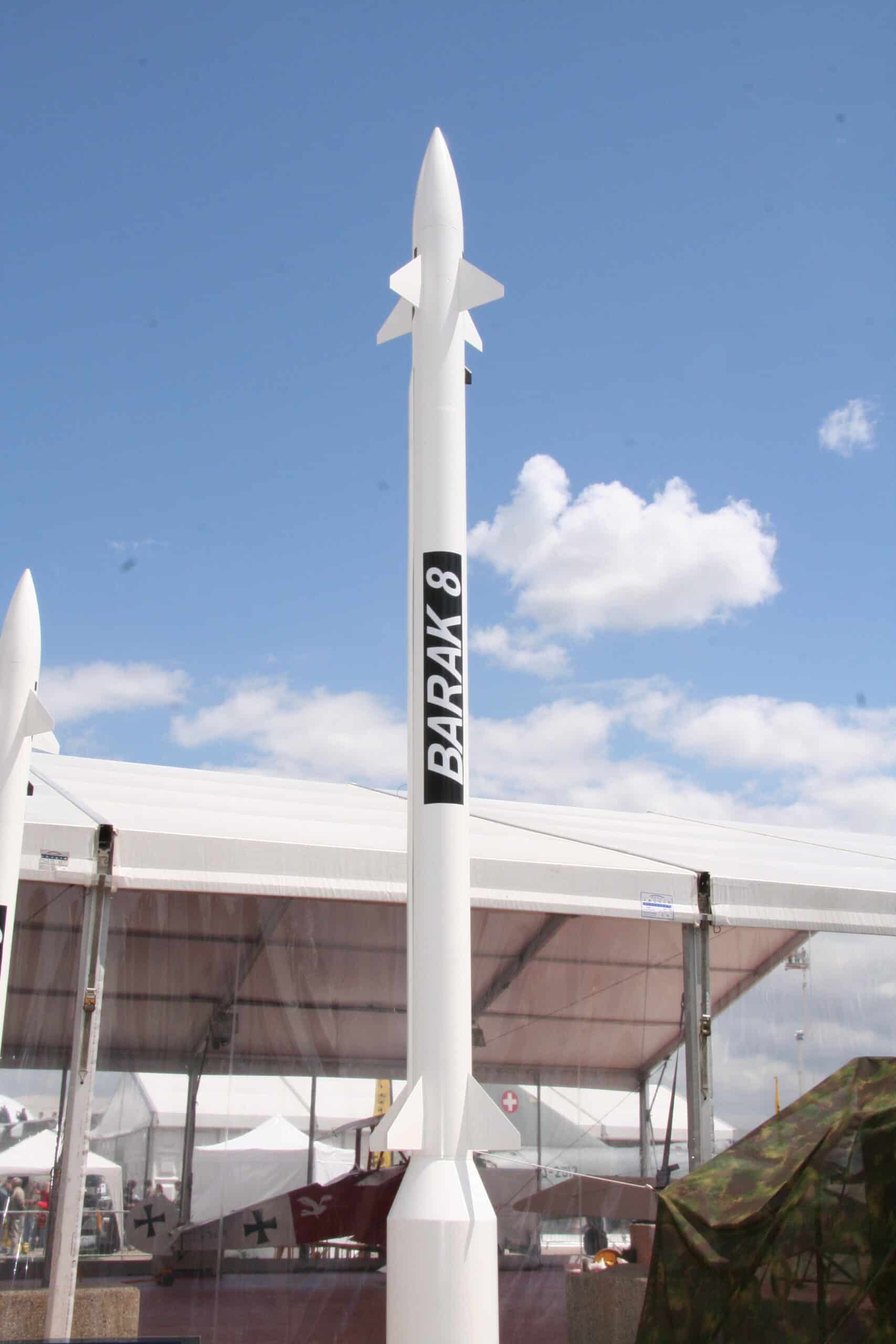
Barak 8
- Country of Origin: Israel/India
- Weapon Type: Air defense missile
- Launch Platform: Surface VLS
- Estimated Range: ~70–100 km
- Primary Role in Arctic Warfare: Air defense
- Key Arctic Advantage: All-weather capability
- Operational Strength: Active radar guidance
- Why It Dominates in the Arctic: Protects naval assets
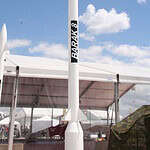
The Barak 8 offers advanced air defense capabilities, ensuring protection for naval forces operating in challenging Arctic conditions.
Type 055 VLS system
- Country of Origin: China
- Weapon Type: VLS missile system
- Launch Platform: Surface ship
- Estimated Range: Varies
- Primary Role in Arctic Warfare: Multi-role strike
- Key Arctic Advantage: Large missile capacity
- Operational Strength: High versatility
- Why It Dominates in the Arctic: Potential Arctic projection
China’s Type 055 VLS system provides significant missile capacity and versatility, enabling a wide range of strike and defense options, potentially extending into Arctic operations.
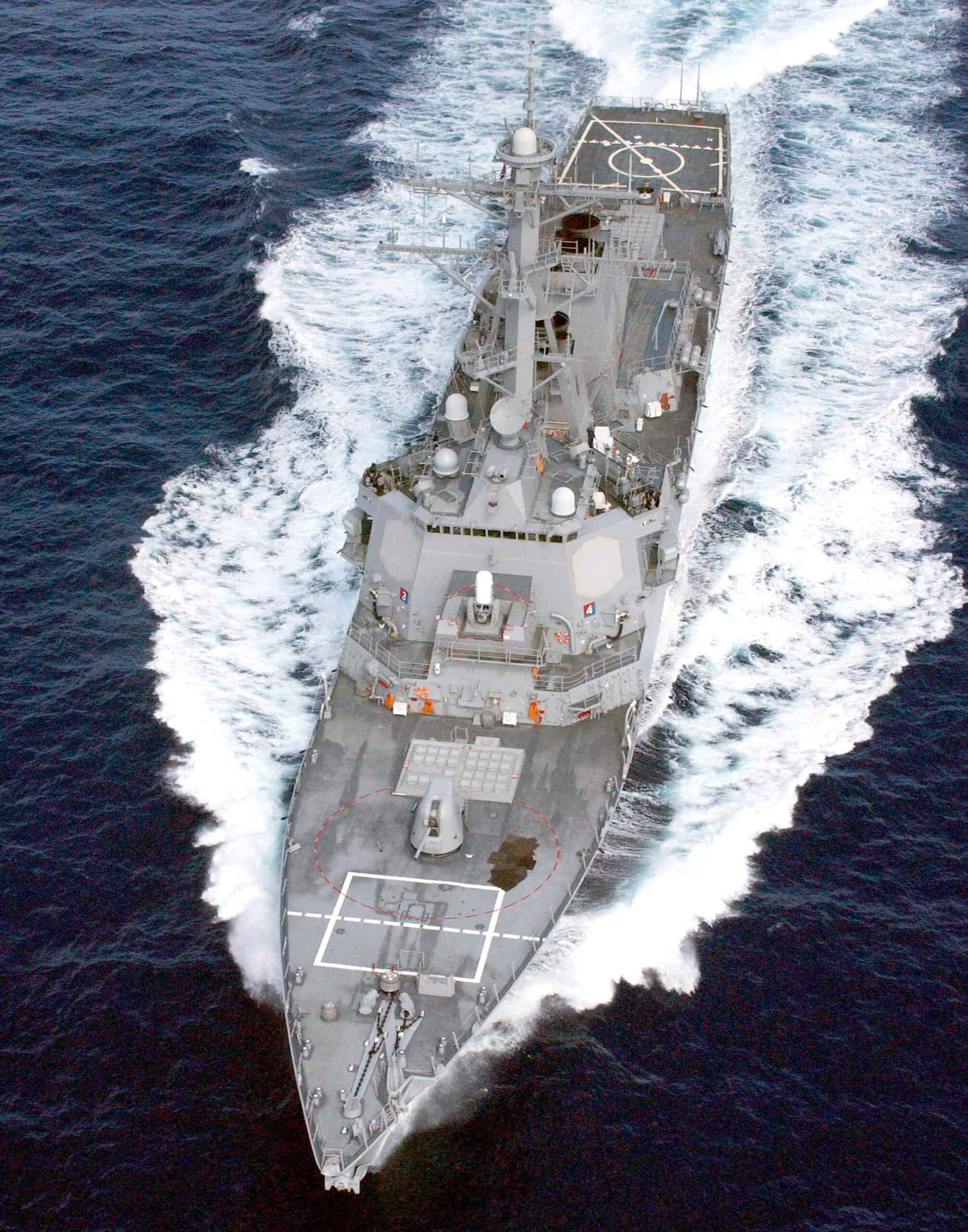
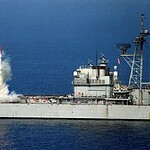
Aegis Combat System
- Country of Origin: United States
- Weapon Type: Combat system
- Launch Platform: Surface ship
- Estimated Range: Varies
- Primary Role in Arctic Warfare: Integrated defense
- Key Arctic Advantage: Cold-weather capable
- Operational Strength: Sensor fusion
- Why It Dominates in the Arctic: Coordinates Arctic defense
The Aegis Combat System integrates sensors and weapons to provide comprehensive defense, making it a critical component of Arctic naval operations.