

Military history is often seen through the lens of success. When looking back on the weapons and vehicles that have powered warfare over the ages, there are some exceptions, however. You’ll find history books, especially those centered around World War 2, littered with superweapons like the massive Maus tank proposed by Nazi Germany. The Maus was a product of ambition and hubris, rather than being a battlefield weapon that just blew up in the faces of its operators.
That said, when you’re looking at something like innovation, you’ll run aground in consideration of things like the engineering limits of the era or even basic principles like the laws of physics. With that in mind, let’s take a closer look at some of history’s strangest weapons and why they failed.
The HMS Captain
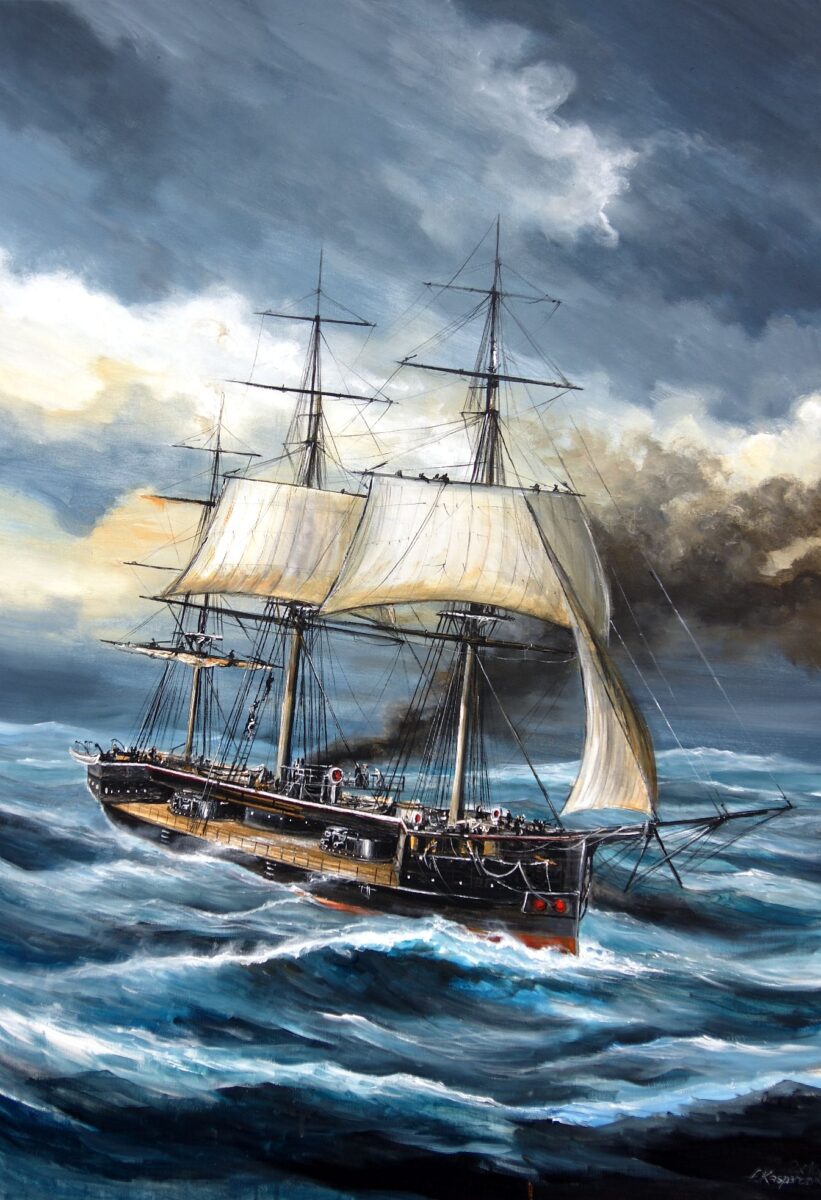
©"HMS CAPTAIN 1869" by Howard J. Fuller is licensed under BY-SA 4.0. – Original / License
The mid-19th century saw the Royal Navy at odds with its naval craft. The era of the sail was coming to an end, and the dawn of the steam age was just around the corner. As such, there were some growing pains, as you might expect. The overall goal of the mid-1800s was to see a sailing vessel with vast operational ranges and devastating firepower. The result, however, was the HMS Captain, a ship that looked to be the epitome of then-modern engineering.
The Captain was designed with an exceptionally low freeboard, meaning its deck sat mere feet above water. This was intended to reduce its profile, making it less possible hits on the vessel as a target. Unusually, this was counteracted with the inclusion of a full sailing rig, at the insistence of designer Cowper Coles.
The heavy turrets, sails, and low deck of the ship made for an unsteady vessel. Stiff winds would see the masts act as great levers, threatening to plunge it to the depths below. This all came to a head during a particularly strong gale in 1870, which saw the low deck dip beneath the waves. The Captain capsized in a matter of seconds, leading to the loss of nearly 500 men, with Coles himself being among the casualties.
Project X-Ray

©U.S. Fish and Wildlife Service Headquarters / CC BY 2.0 – Original / License
The Allies were just as prone to strange wonder weapons during the Second World War as their counterparts in the Axis. There was no shortage of unusual biological weapons, primarily intended to overcome material disadvantages in the early years of the war. Project X-Ray was a rather unusual battlefield weapon, looking to use the natural hibernating instincts of bats. In theory, this would see bats naturally roosting in the nooks and crannies of buildings in Japanese cities, before timed incendiary devices would detonate.
The concept was sound, and the hibernating behavior had some well-proven research behind it. However, where this weapon failed came about as a means of being too effective. During testing at the Carlsbad Army Airfield in New Mexico, these bat bombs turned out to be a little good at their job. The bats escaped from their confinement and did what they instinctively knew to do.
The base’s barracks and a general’s car went up in flames, with the aftermath of the blaze seeing significant damage inflicted on the facility. The United States military opted for more traditional munitions and technologies, as weapons with a mind of their own might have a little trouble distinguishing between friend and foe.
Charles de Gaulle
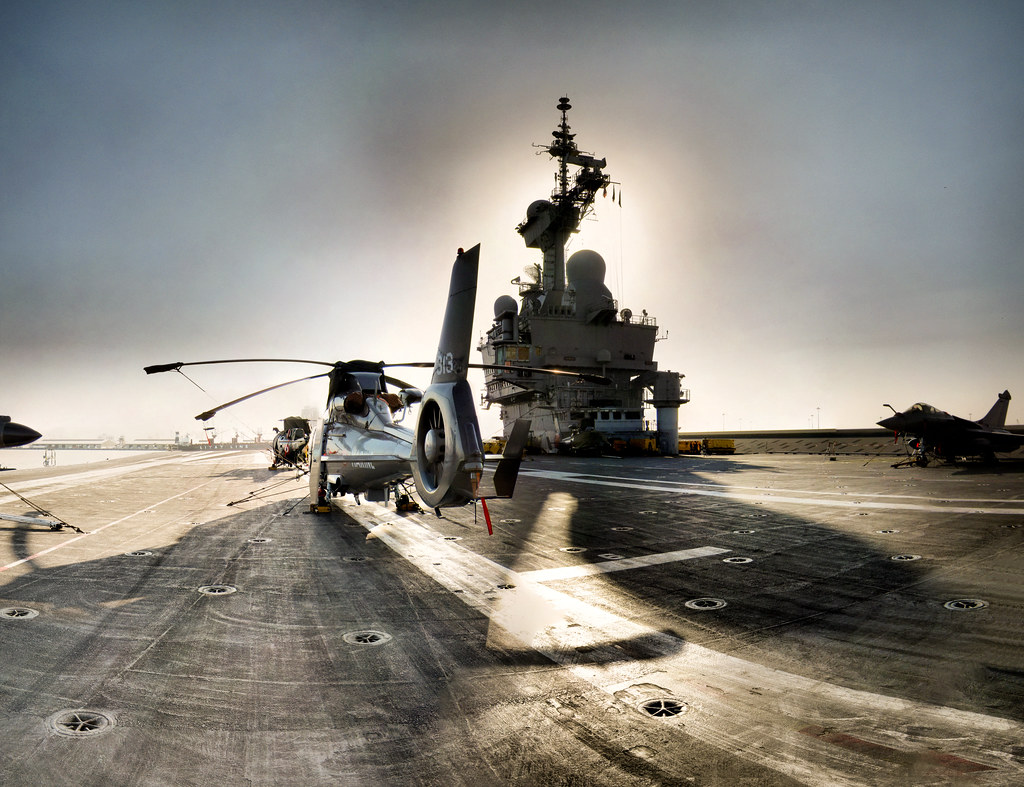
©"Porte avions Charles de Gaulle – 29-12-2010 – 15h56" by Panoramas is licensed under BY-ND 2.0. – Original / License
The most recent entry on our list shows that the sort of thinking that goes into any failed battlefield weapon is alive and well in the 21st century. Often, in the modern era, at least, we see failures as a result of budgetary concerns or the constraints of technology. For the nuclear supercarrier Charles de Gaulle, it serves as a potent reminder of the need to make sure you’re not sparing any expense when it comes to things like precision manufacturing.
Trials for the massive aircraft carrier in the Atlantic saw it experiencing a sudden, violent vibration. One of the custom-designed propellers meant to drive the massive vessel shattered into pieces, with one section of the blade shearing off and falling to the ocean floor. To add further insult to injury, engineers were forced to scavenge propellers from the Foch and Clemenceau, decidedly less prestigious vessels.
The Charles de Gaulle was able to move under its own power following the retrofitting of the diesel propellers, but it operated at reduced speeds for years to come. This high-tech super carrier essentially became a sea-faring snail, which was the death knell for a vessel meant to take part in high-tempo global conflicts. The issues have been fixed since, but it was a rough few years for the Charles de Gaulle during its maiden launch.
Holt Field Monitor
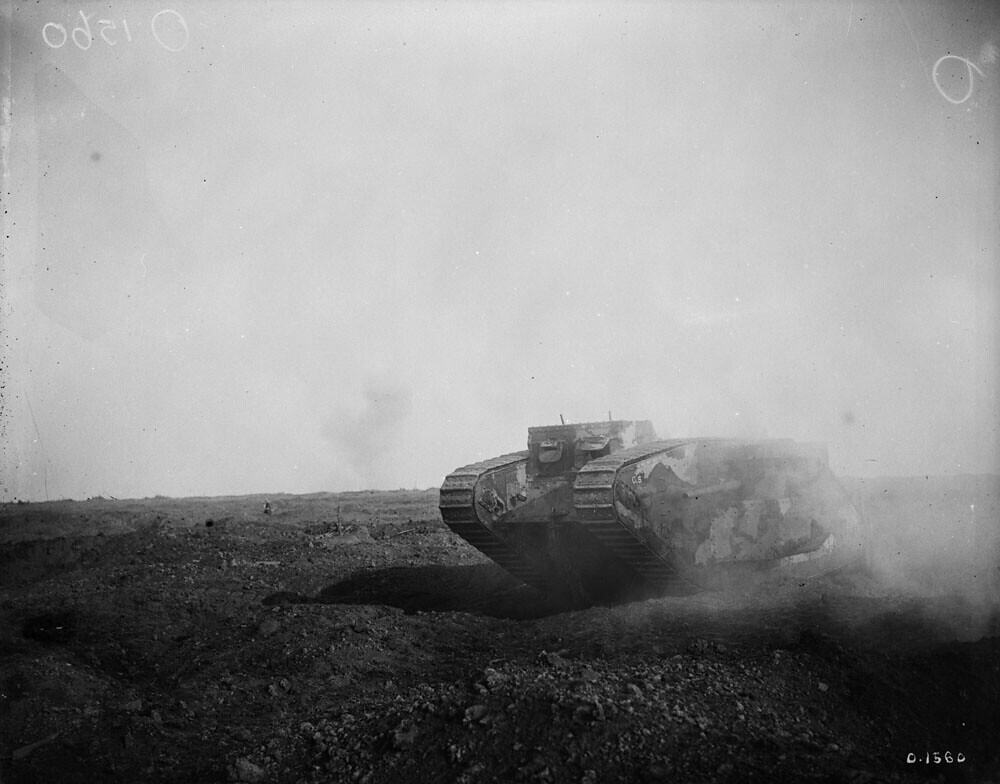
©"A Mark I tank in action, July 1917 / Un char Mark I en marche, en juillet 1917" by BiblioArchives / LibraryArchives is licensed under BY 2.0. – Original / License
By 1917, the Great War had seen millions dead, with the stalemate of the trenches finally broken by the introduction of the battle tank. The first battle tanks to take to the battlefield were British designs, as the Mark I was the first truly viable vehicle to see use throughout the war. American engineers thought they could do it better, making something akin to a land battleship. This wasn’t too far off the mark from the original concept of the Mark I, which called for a mobile platform with armor, firepower, and the ability to maneuver as the chief concepts.
The Field Monitor was a 150-ton monster that looked more like a demonstration of industrial excess as opposed to a viable ground vehicle. It made use of 2 massive wheels to power it, rather than the caterpillar tracks that are the norm even today. It didn’t make use of a diesel engine, but rather relied on a pair of steam engines like a massive locomotive. It was intended to house a crew that lived inside the machine for days at a time, while boasting multiple 75mm cannons.
Physics had other thoughts when it came to the Field Monitor. The mud and rough terrain of the Western Front would never see the massive vehicle. During testing at the Aberdeen Proving Ground, the Field Monitor simply sank into the ground. The massive steam engines required substantial amounts of fuel and water to keep running, making for a logistical nightmare. The era of landships never came to pass, and for good reason.
Conclusion
The graveyard of military history isn’t just a place of mangled steel and burnt-out husks of weapons, but a clear demonstration of over-specialization. In theory, all of the weapons covered today were viable, but the solutions lacked any sort of nuance or consideration for basic things like the laws of physics.
While we’ve largely moved on to an era of smart weapons and digital battlefields, these failures serve as a stark reminder. The more complex you make a system, the more points of failure you introduce. A spring snapping during a 1800s demonstration of an artillery piece is just as much of a failure as a military drone detonating before it hits its target.
That said, what will be the modern bat bomb? There is no doubt a weapon on the drawing board for tomorrow’s battlefield that seems brilliant, but will likely end up being an expensive failure in its aftermath. As the old saying goes, “No plan of operations can be at all relied upon beyond the first encounter with the enemy.” We can only hope that today’s engineers are at least heeding the moral of some of these failures and taking those lessons to heart.
The image featured at the top of this post is ©Air Force Research Laboratory / Public domain – License / Original