





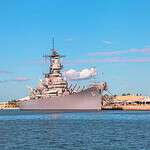
25 U.S. Warships That Projected American Power Across the Globe
America didn’t become a global power by accident—it sailed there. Some of the most important moments in U.S. history didn’t happen on land, but on the decks of ships that carried American influence across the world. From the early fleets that announced the country’s arrival on the global stage to today’s carrier strike groups that can respond anywhere in days, these vessels made U.S. power projection possible. In many ways, they are the reason American power reaches as far as it does. Here, History Computer is taking a closer look at these U.S. naval vessels.
To determine the ships that extended U.S. power far beyond its shores, History Computer reviewed various historical and military sources. We included supplemental information for each ship regarding the year commissioned, era of strategic impact, primary role, operational reach advantage, key capability, and a notable deployment for each.
Here is a look at the ships that extended U.S. power far beyond its shores:
The Ships That Carried America Across the World
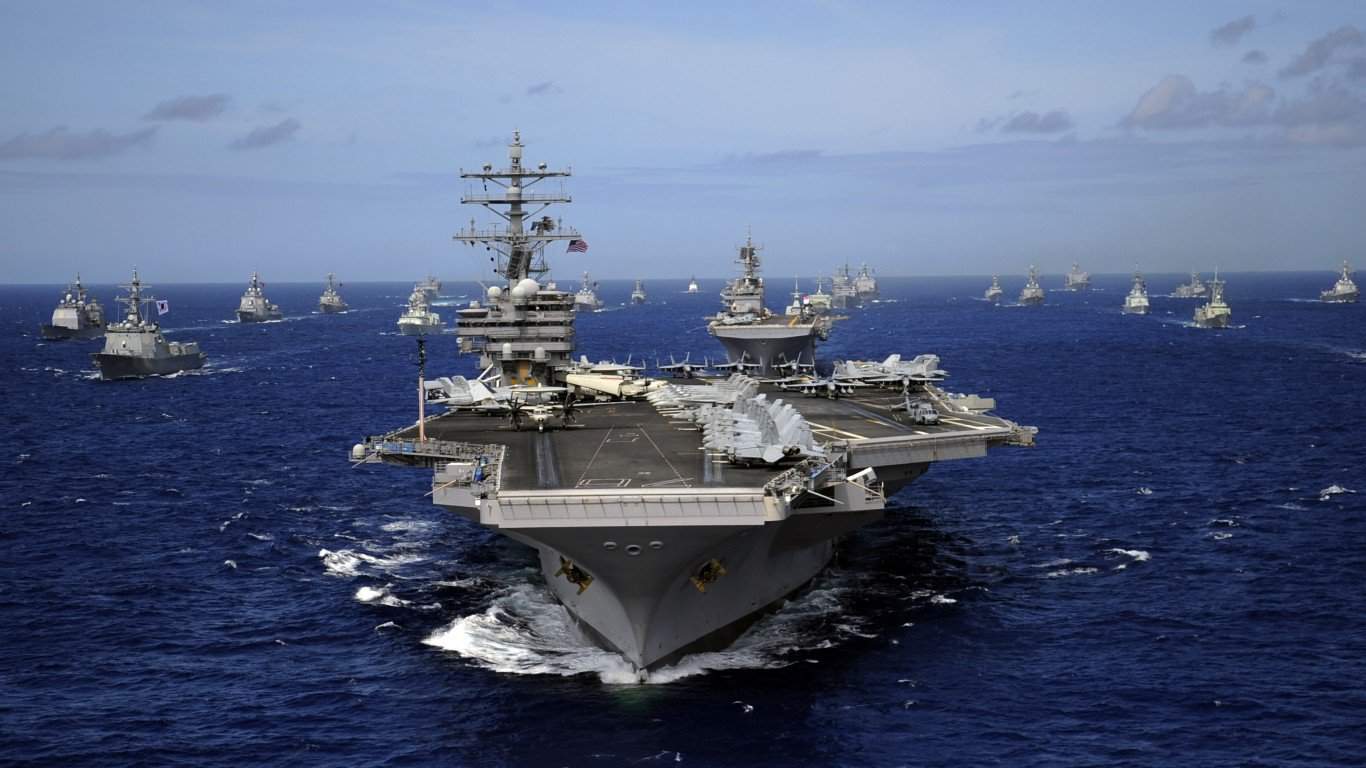
The rise of the United States as a global power did not happen by geography alone—it was built on the ability to move force across oceans. From early steel-hulled cruisers to modern nuclear-powered carriers, certain ships made it possible for the U.S. to operate far beyond its own shores. These vessels didn’t just expand reach—they defined what global presence actually looked like in practice.
From Coastal Defense to Global Reach
At the turn of the 20th century, the U.S. Navy began shifting from a force focused on coastal defense to one capable of sustained global operations. Deployments like the Great White Fleet proved that American naval power could travel, endure, and influence events worldwide. This transformation marked the beginning of a true blue-water navy, capable of shaping outcomes far from home.
Carriers and the Power of Distance
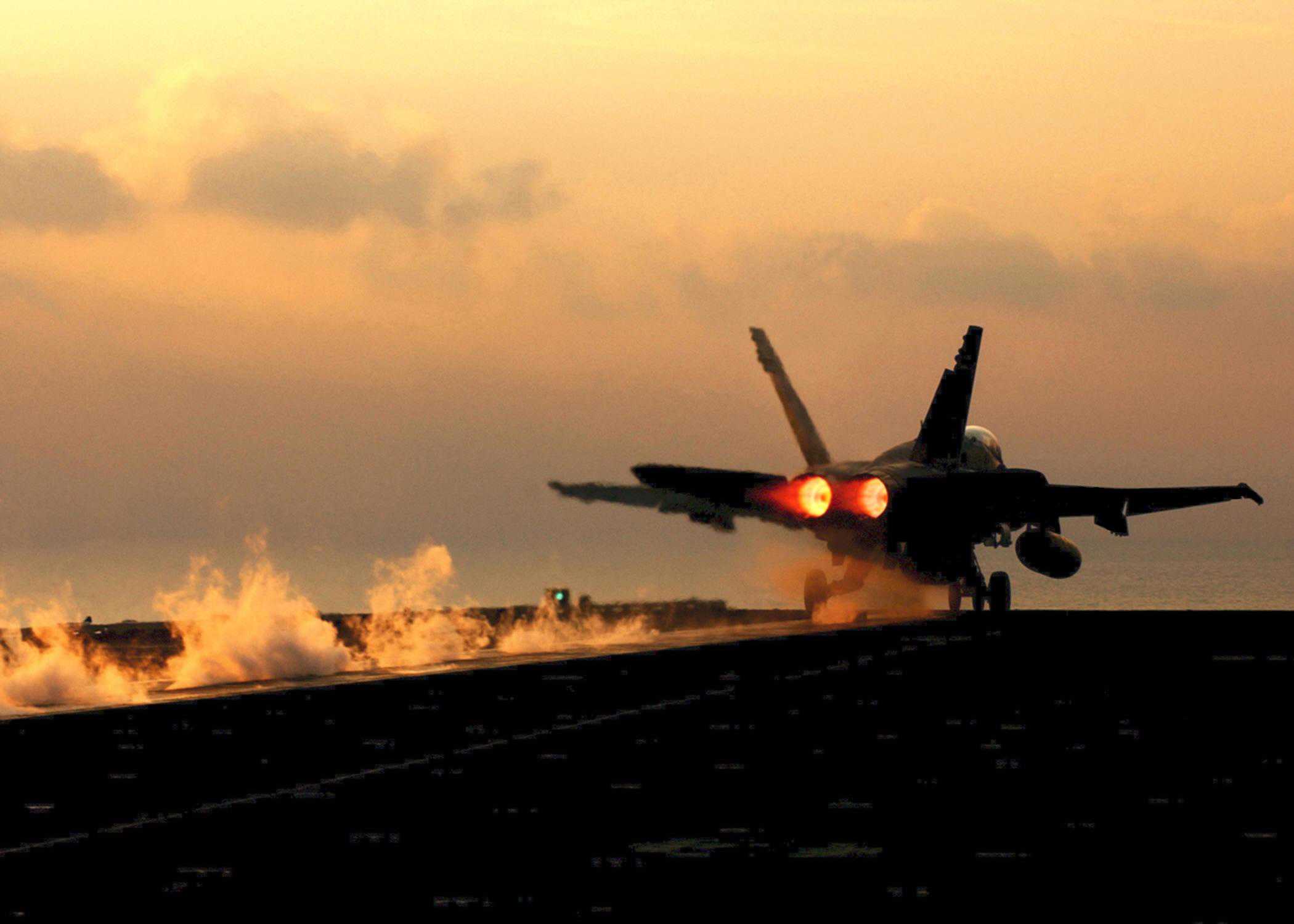
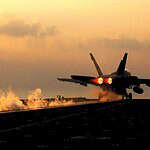
World War II revealed that control of the seas no longer depended on guns alone—it depended on aircraft launched from ships. Aircraft carriers allowed the United States to strike targets hundreds of miles away, reshaping naval warfare and enabling operations across the vast Pacific. This shift made it possible to project power without relying on nearby land bases.
Sustaining Power Anywhere in the World
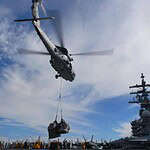
Projecting power globally requires more than combat ships—it requires the ability to stay there. Replenishment vessels, nuclear propulsion, and integrated fleet systems allowed U.S. naval forces to operate for extended periods without returning home. This logistical backbone ensured that American power was not just far-reaching, but persistent.
A Navy Built for Presence and Influence
Today’s U.S. Navy reflects more than a century of evolution in global power projection. From amphibious assault ships delivering Marines to submarines operating unseen beneath the surface, each platform plays a role in maintaining influence across regions. These ships represent not just military capability, but a continuous presence that shapes global stability and deterrence.
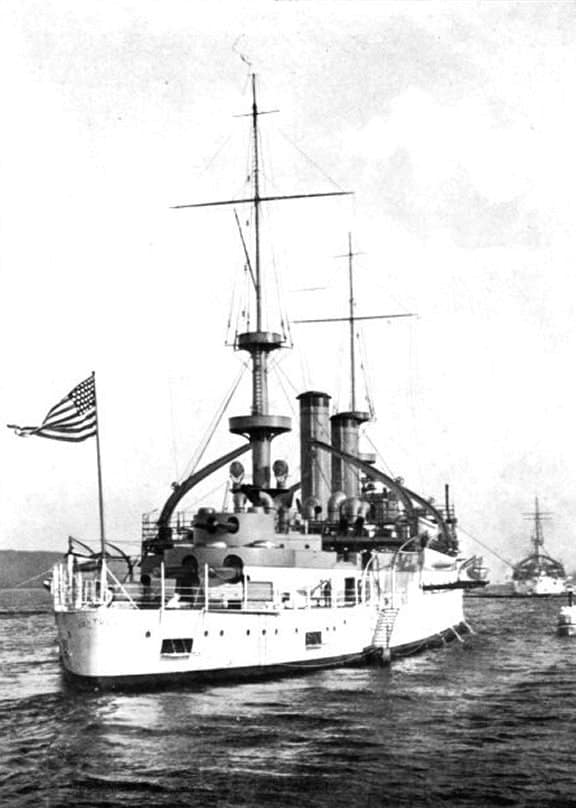
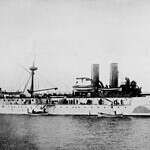
USS Maine (ACR-1)
- Ship Class / Type: Armored Cruiser
- Year Commissioned: 1895
- Era of Strategic Impact: Pre-WWI
- Primary Role in Power Projection: Forward naval presence
- Operational Reach Advantage: Steel hull + long-range deployment
- Key Capability: Heavy naval guns
- Doctrine / Strategic Shift Enabled: Symbol of overseas projection
- Notable Deployment / Use Case: Spanish-American War
The USS Maine became a flashpoint that propelled the United States into overseas conflict, marking an early step toward global naval presence. While not a power-projection platform in the modern sense, its deployment and destruction catalyzed a shift toward outward-looking strategy. It helped signal the transition from a coastal defense mindset to one that embraced expeditionary naval operations.
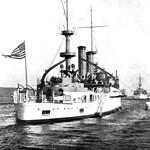
USS Great White Fleet
- Ship Class / Type: Battle Fleet
- Year Commissioned: 1907
- Era of Strategic Impact: Pre-WWI
- Primary Role in Power Projection: Global naval demonstration
- Operational Reach Advantage: Long-range fleet deployment
- Key Capability: Battleship squadron
- Doctrine / Strategic Shift Enabled: Demonstrated blue-water capability
- Notable Deployment / Use Case: World tour diplomacy
The Great White Fleet’s global voyage showcased the United States’ ability to deploy and sustain a battle fleet across oceans. This demonstration of endurance and logistics sent a clear geopolitical message about American reach. It validated blue-water naval doctrine and proved that the U.S. could project power far beyond its shores for extended periods.
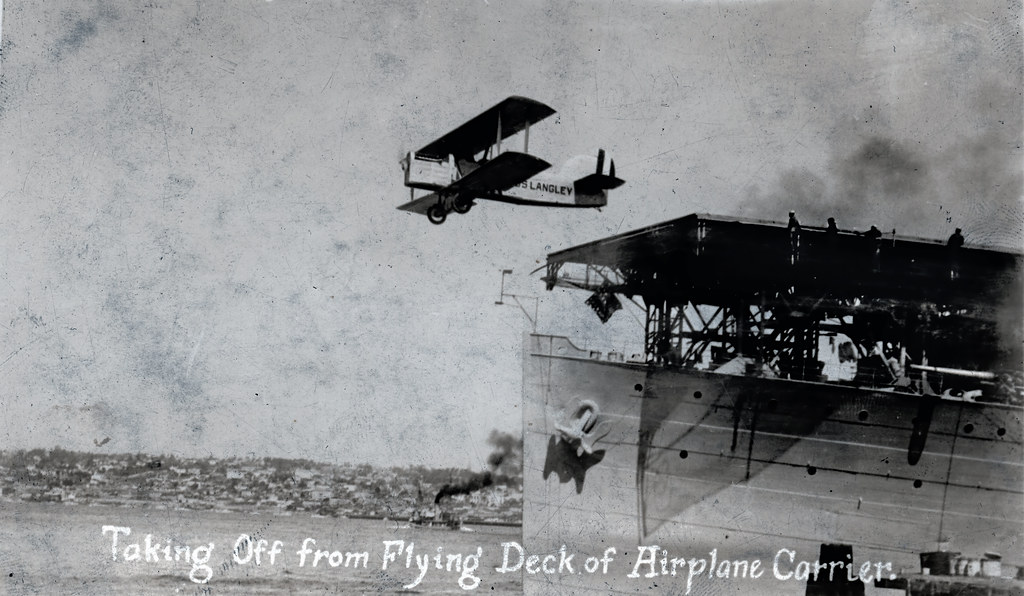
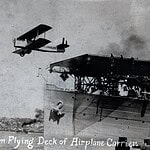
USS Langley (CV-1)
- Ship Class / Type: Aircraft Carrier
- Year Commissioned: 1922
- Era of Strategic Impact: Interwar
- Primary Role in Power Projection: Carrier aviation testing
- Operational Reach Advantage: Mobile airpower at sea
- Key Capability: Early carrier air wing
- Doctrine / Strategic Shift Enabled: Birth of naval aviation doctrine
- Notable Deployment / Use Case: Carrier experimentation
As the Navy’s first aircraft carrier, USS Langley introduced the concept of mobile airpower at sea. It enabled experimentation that would redefine naval warfare, shifting focus from guns to aircraft. Langley laid the doctrinal foundation for carrier strike operations, ultimately enabling the U.S. to project airpower globally without relying on foreign bases.
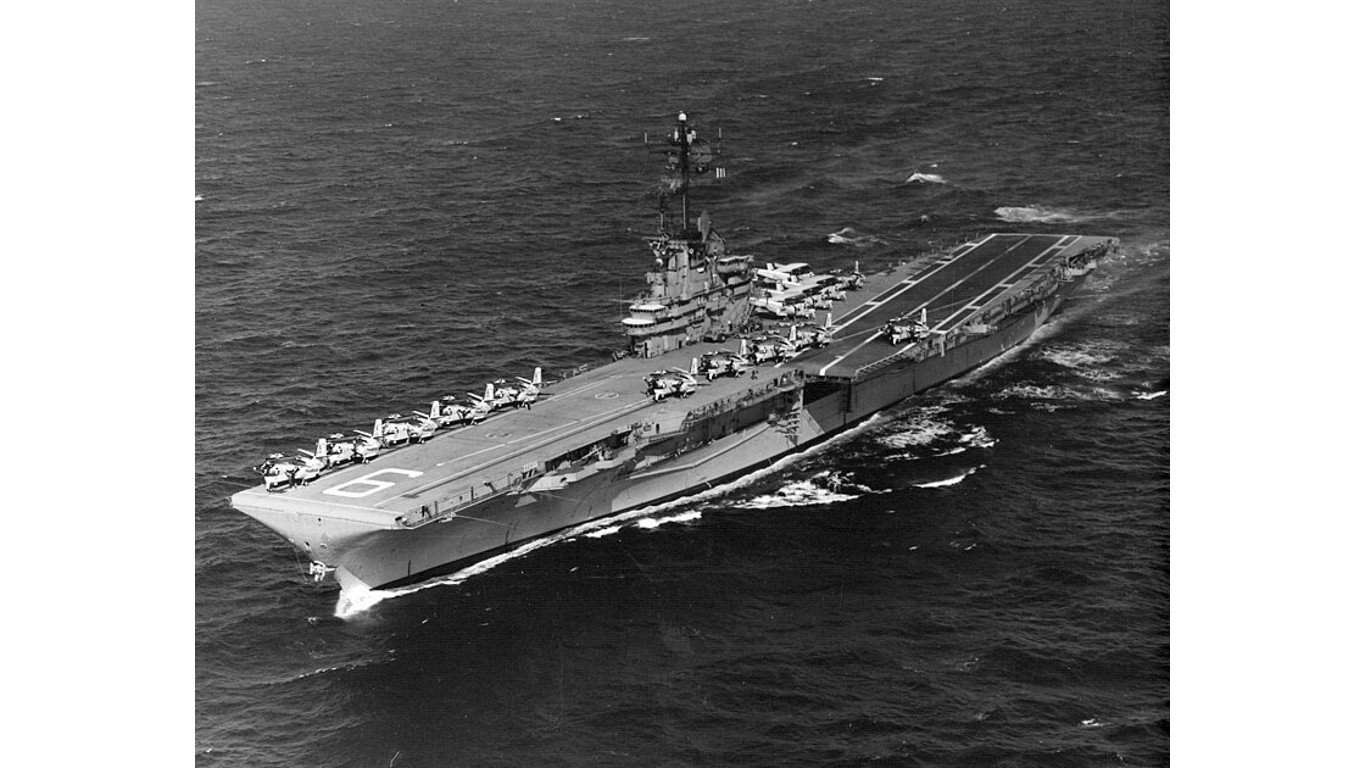
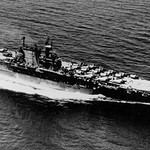
USS Enterprise (CV-6)
- Ship Class / Type: Aircraft Carrier
- Year Commissioned: 1938
- Era of Strategic Impact: WWII
- Primary Role in Power Projection: Pacific air dominance
- Operational Reach Advantage: Carrier-based strike reach
- Key Capability: Large carrier air wing
- Doctrine / Strategic Shift Enabled: Carrier warfare dominance
- Notable Deployment / Use Case: Pacific Theater
USS Enterprise (CV-6) demonstrated that aircraft carriers could deliver decisive power across vast ocean distances. Operating throughout the Pacific, it enabled sustained offensive operations without reliance on land bases. Its success cemented the carrier as the centerpiece of U.S. naval power projection and redefined how maritime wars would be fought.
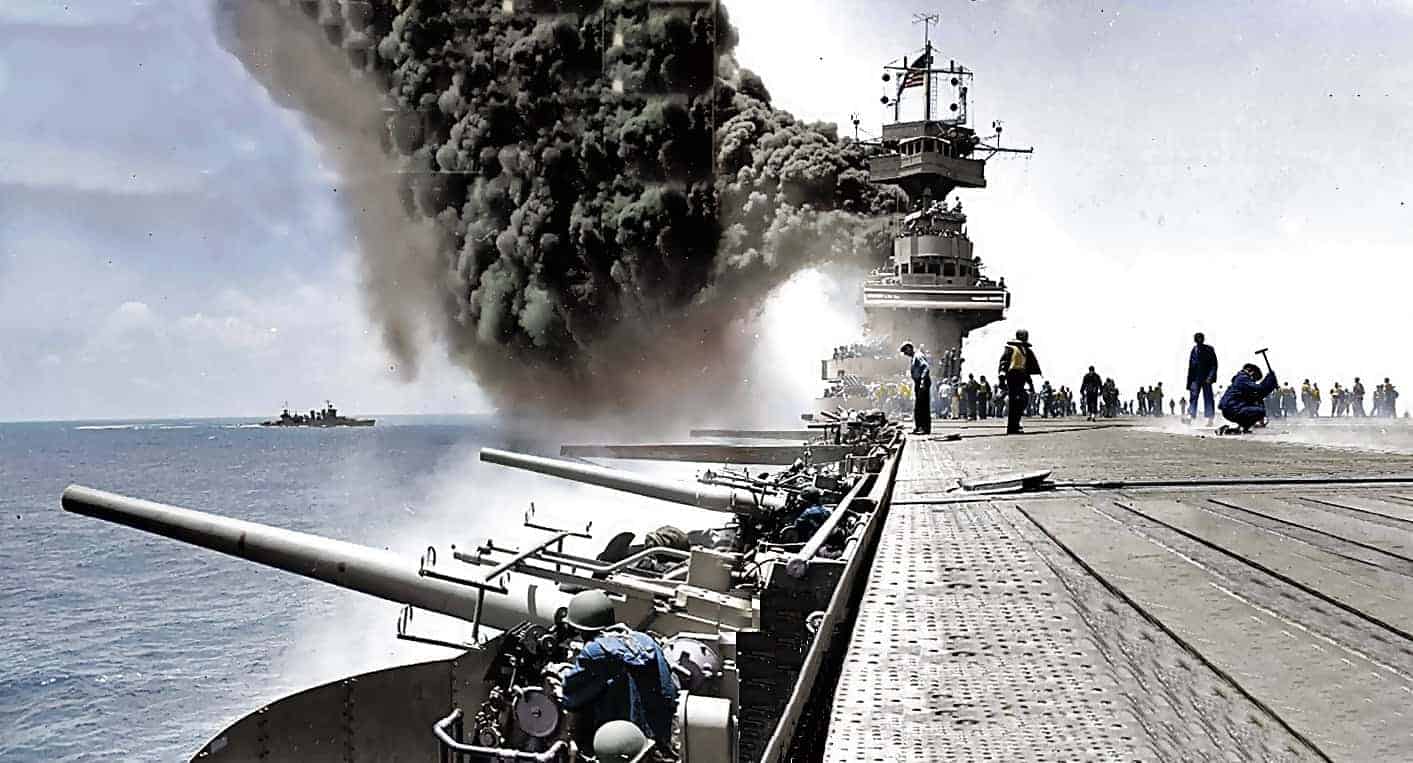
USS Yorktown (CV-5)
- Ship Class / Type: Aircraft Carrier
- Year Commissioned: 1937
- Era of Strategic Impact: WWII
- Primary Role in Power Projection: Fleet carrier operations
- Operational Reach Advantage: Mobile strike capability
- Key Capability: Carrier air wing
- Doctrine / Strategic Shift Enabled: Enabled decisive naval battles
- Notable Deployment / Use Case: Battle of Midway
USS Yorktown played a pivotal role at Midway, proving that carriers could decide battles before fleets ever sighted each other. Its ability to project airpower hundreds of miles reshaped naval tactics. Yorktown helped validate carrier-centric warfare, allowing the U.S. to contest and dominate distant theaters.
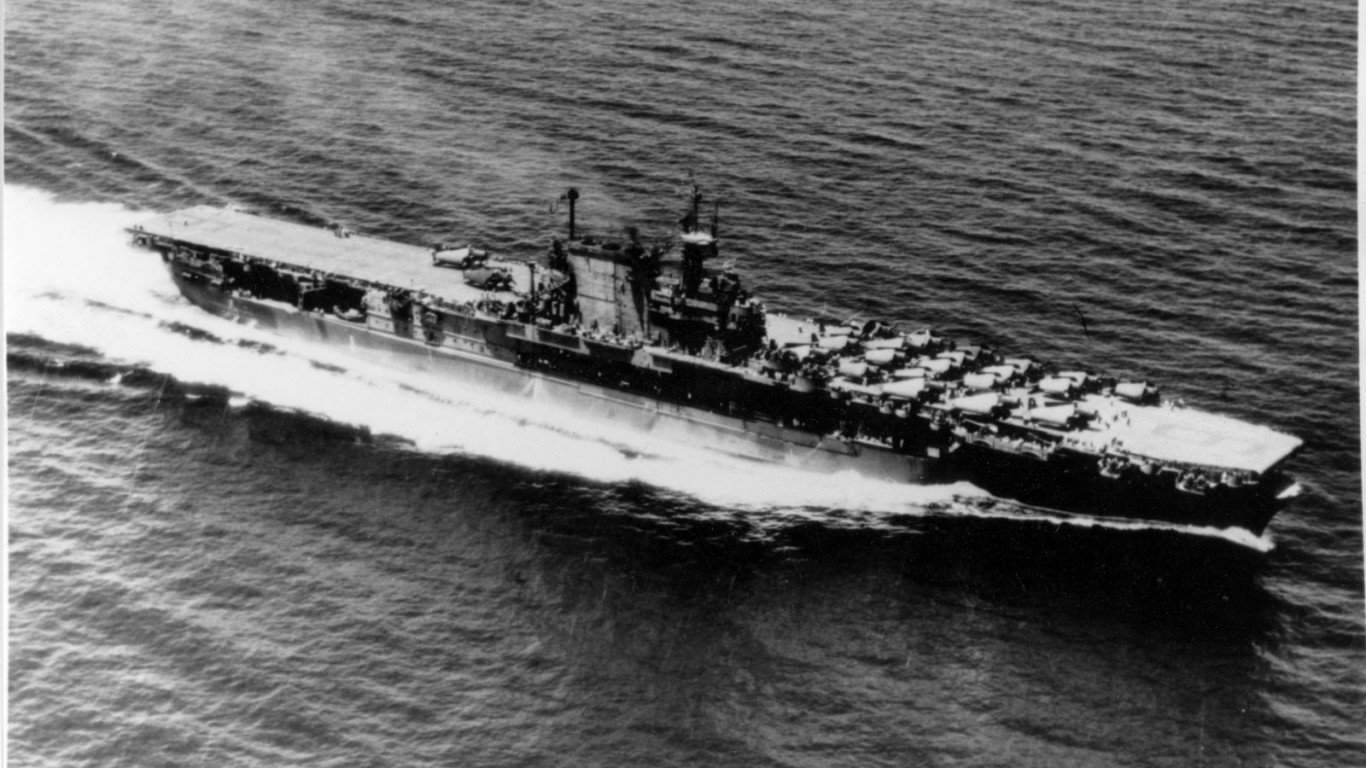
USS Essex (CV-9)
- Ship Class / Type: Aircraft Carrier
- Year Commissioned: 1942
- Era of Strategic Impact: WWII
- Primary Role in Power Projection: Sustained carrier warfare
- Operational Reach Advantage: Mass carrier production
- Key Capability: Air wing operations
- Doctrine / Strategic Shift Enabled: Enabled large-scale projection
- Notable Deployment / Use Case: Pacific campaigns
The Essex-class, led by USS Essex, enabled the U.S. to sustain continuous carrier operations across the Pacific. Their numbers and capability allowed for persistent presence and overwhelming strike capacity. This class demonstrated that industrial scale combined with carrier aviation could project power globally and decisively.
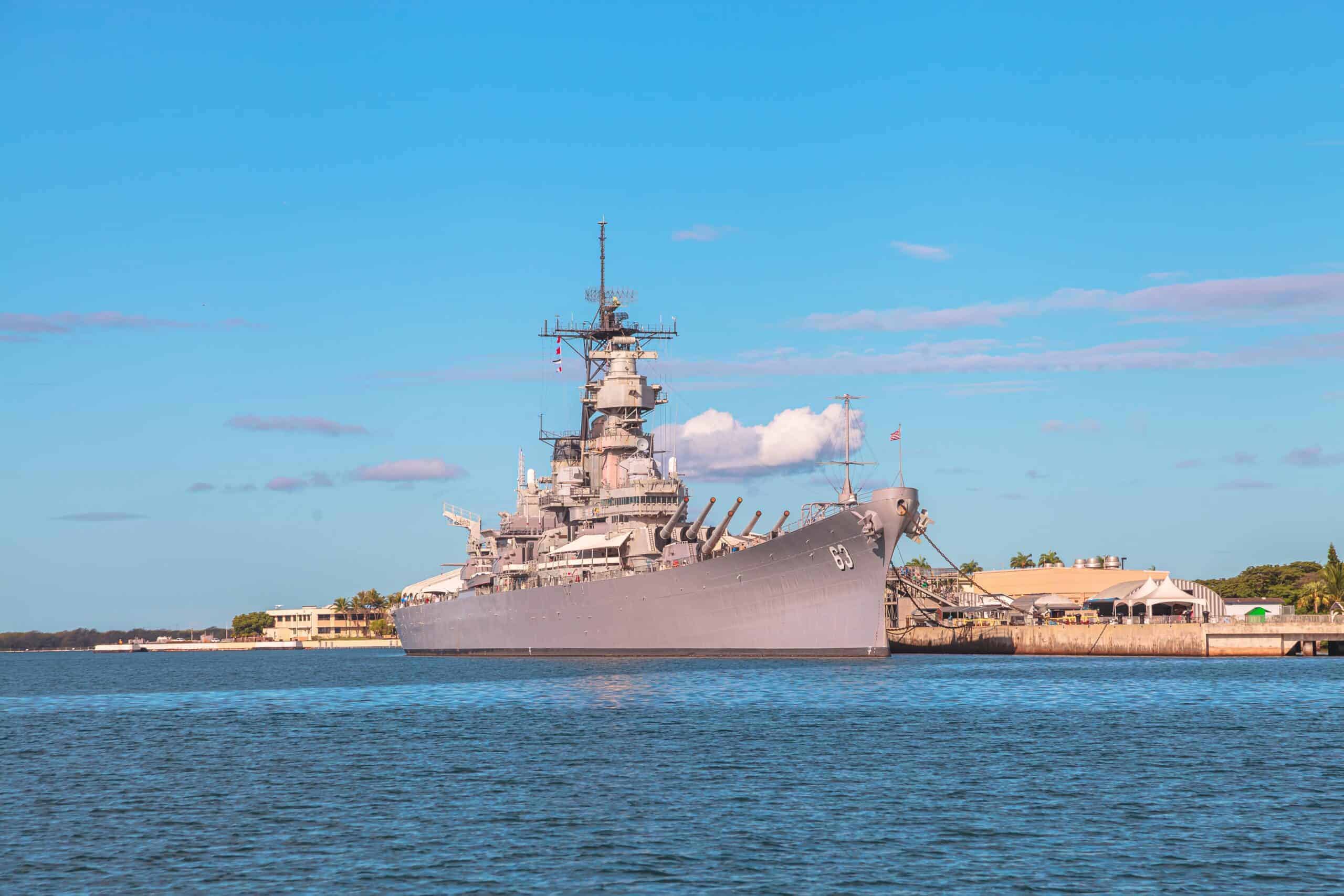
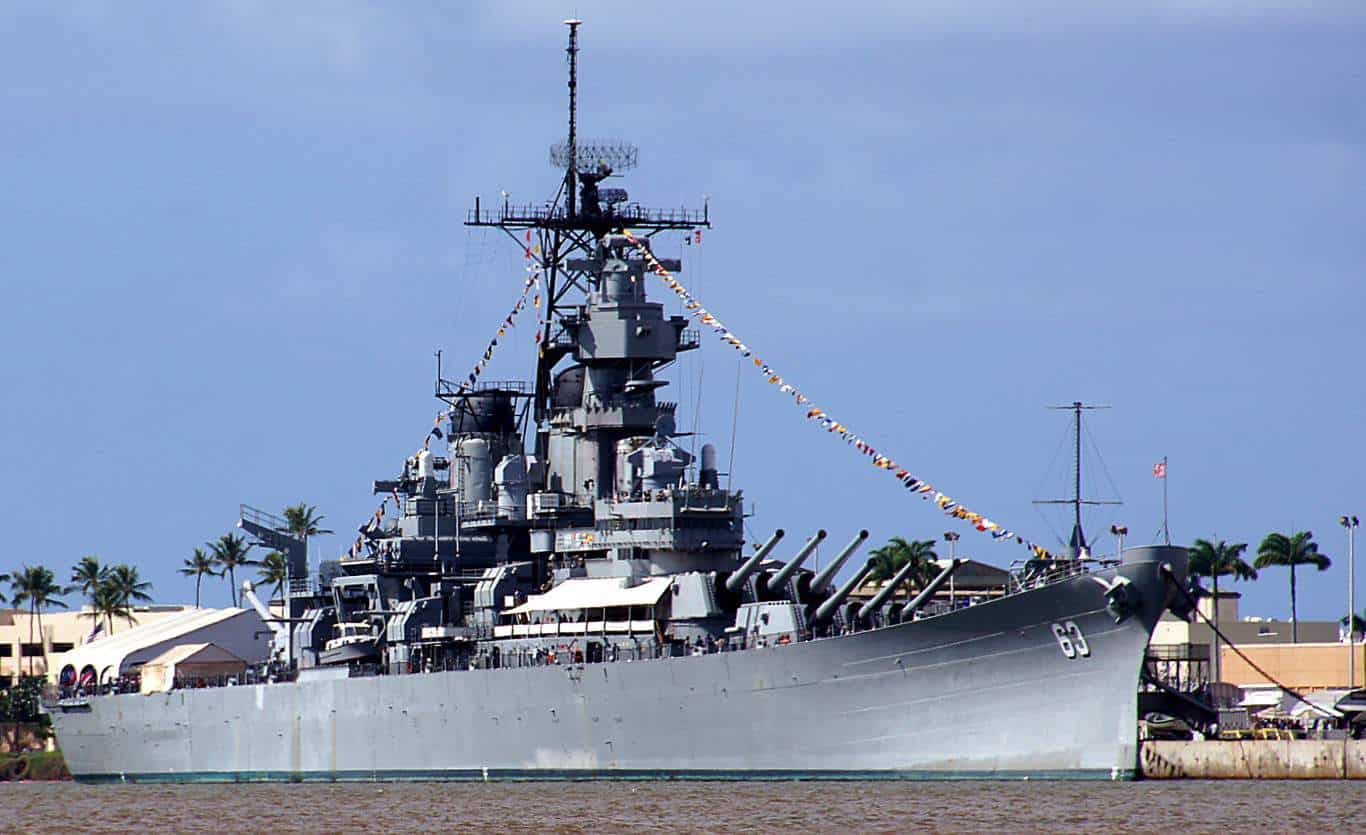
USS Missouri (BB-63)
- Ship Class / Type: Battleship
- Year Commissioned: 1944
- Era of Strategic Impact: WWII
- Primary Role in Power Projection: Heavy naval firepower
- Operational Reach Advantage: Long-range naval bombardment
- Key Capability: 16-inch guns
- Doctrine / Strategic Shift Enabled: Symbol of dominance
- Notable Deployment / Use Case: WWII and Korea
USS Missouri extended U.S. power through overwhelming naval gunfire, supporting operations from island assaults to Korea. Its presence symbolized American dominance and the ability to deliver destructive force from the sea. While carriers rose to prominence, Missouri showed battleships still had a role in projecting power ashore.
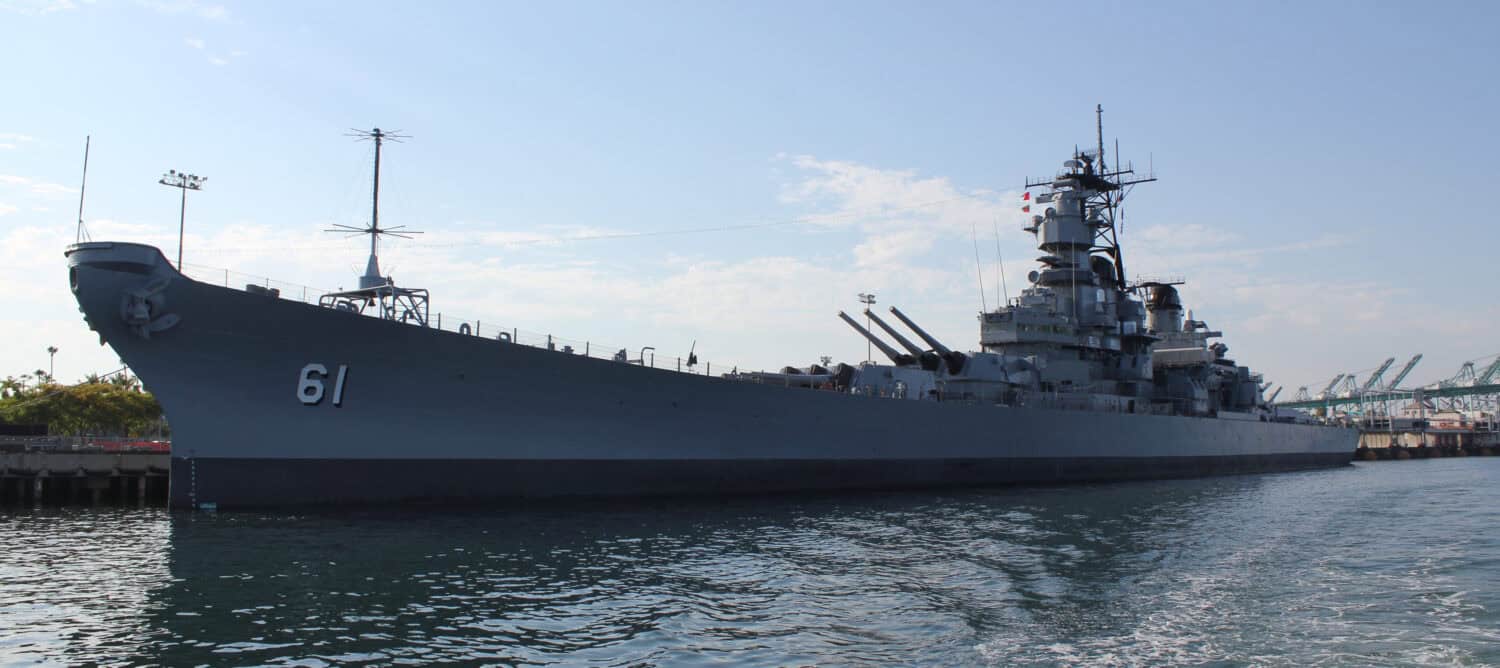
USS Iowa (BB-61)
- Ship Class / Type: Battleship
- Year Commissioned: 1943
- Era of Strategic Impact: WWII
- Primary Role in Power Projection: Fast battleship escort
- Operational Reach Advantage: High-speed deployment
- Key Capability: Heavy artillery
- Doctrine / Strategic Shift Enabled: Integrated fleet escort role
- Notable Deployment / Use Case: WWII Pacific
USS Iowa combined speed with heavy firepower, allowing it to escort carriers and contribute to fleet operations across the Pacific. Its ability to keep pace with carrier groups ensured protection and added strike capability. Iowa highlighted how traditional platforms could adapt to support global naval projection.
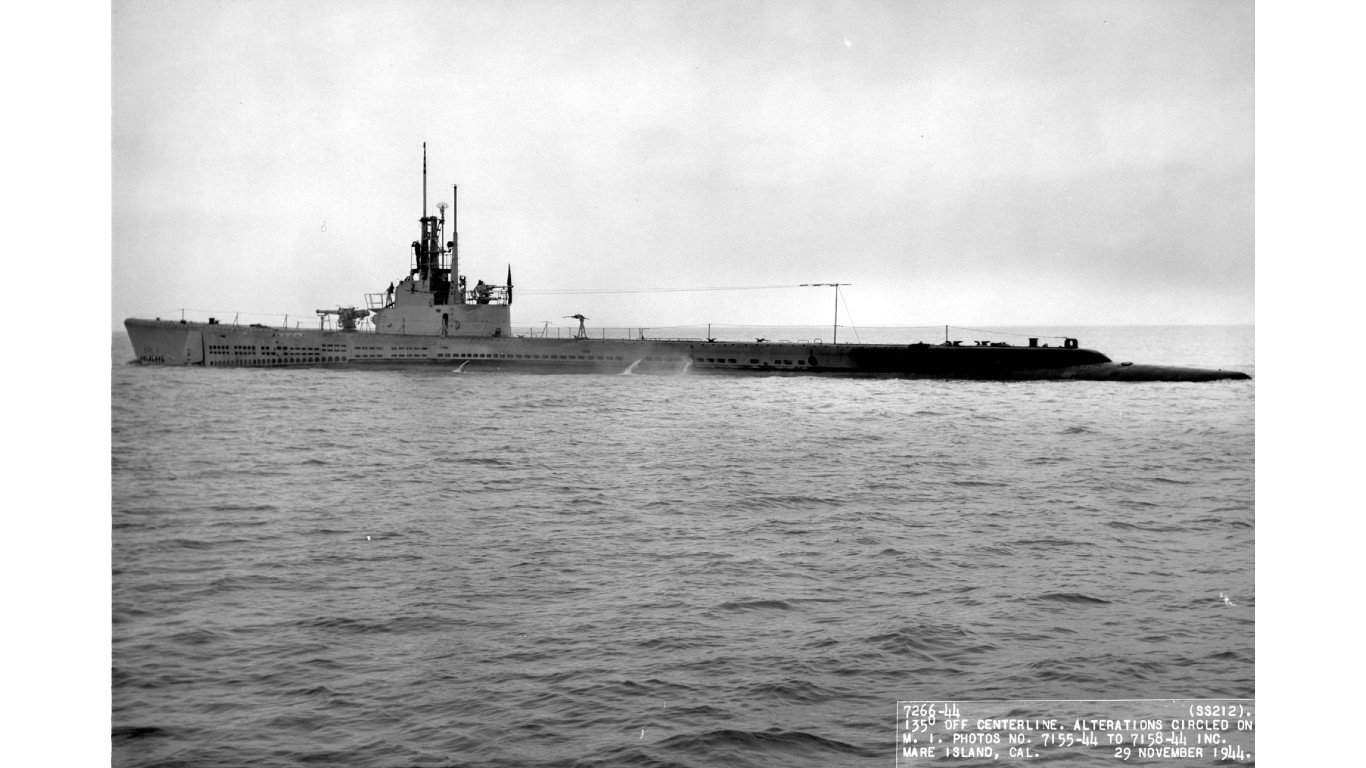
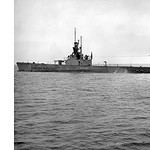
USS Gato (SS-212)
- Ship Class / Type: Submarine
- Year Commissioned: 1941
- Era of Strategic Impact: WWII
- Primary Role in Power Projection: Sea denial
- Operational Reach Advantage: Long endurance patrols
- Key Capability: Torpedo warfare
- Doctrine / Strategic Shift Enabled: Submarine commerce raiding
- Notable Deployment / Use Case: Pacific shipping attacks
Gato-class submarines enabled the U.S. to project power invisibly across vast ocean spaces by targeting enemy logistics. Their long-range patrols disrupted supply lines and weakened adversaries far from U.S. shores. This demonstrated how undersea warfare could extend influence without direct confrontation.
USS Forrestal (CV-59)
- Ship Class / Type: Supercarrier
- Year Commissioned: 1955
- Era of Strategic Impact: Cold War
- Primary Role in Power Projection: Jet-powered carrier ops
- Operational Reach Advantage: Large deck for jets
- Key Capability: Jet aircraft operations
- Doctrine / Strategic Shift Enabled: Modern carrier doctrine
- Notable Deployment / Use Case: Cold War deployments
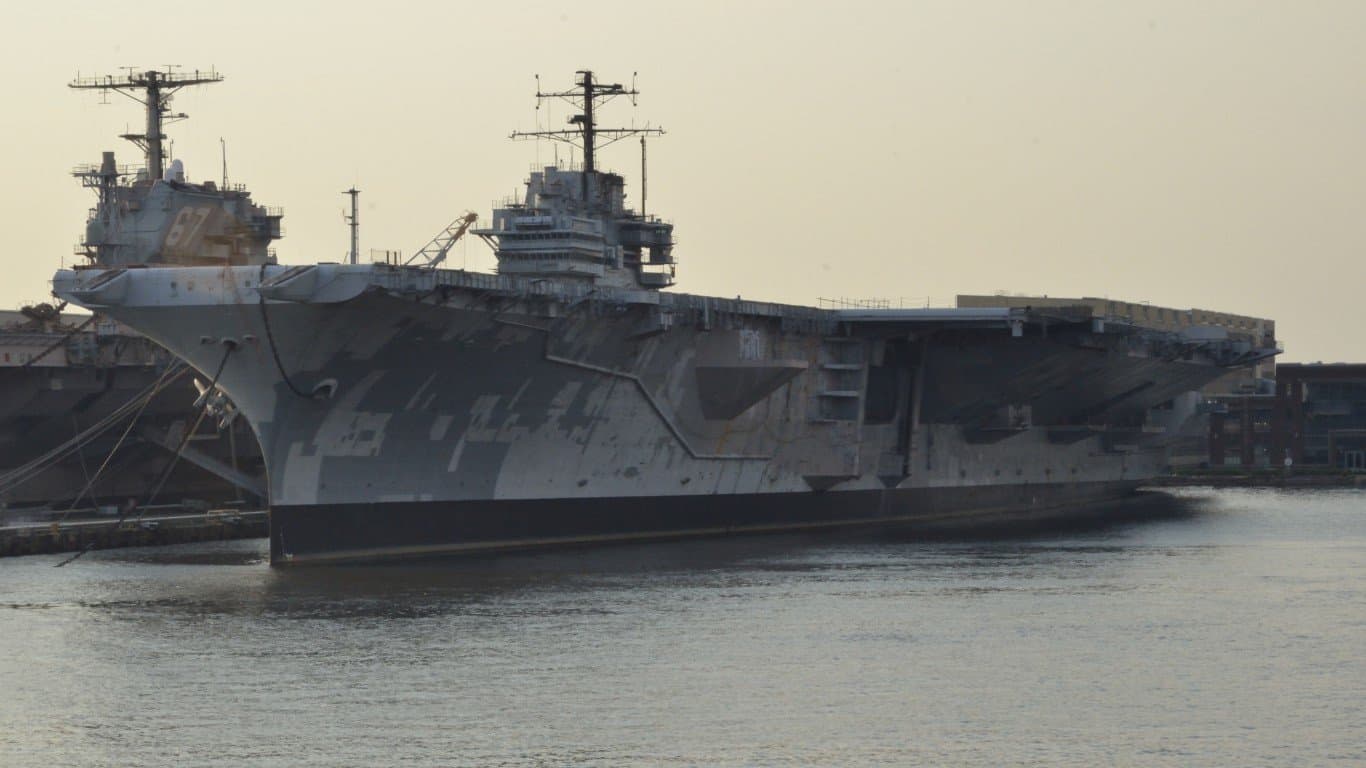
USS Forrestal ushered in the era of supercarriers capable of operating jet aircraft at scale. This dramatically increased the range and lethality of naval aviation. Forrestal allowed the U.S. to project advanced airpower globally, reinforcing carrier groups as a cornerstone of Cold War deterrence.
USS Enterprise (CVN-65)
- Ship Class / Type: Nuclear Carrier
- Year Commissioned: 1961
- Era of Strategic Impact: Cold War
- Primary Role in Power Projection: Global carrier presence
- Operational Reach Advantage: Nuclear propulsion
- Key Capability: Endurance operations
- Doctrine / Strategic Shift Enabled: Continuous global reach
- Notable Deployment / Use Case: Vietnam War
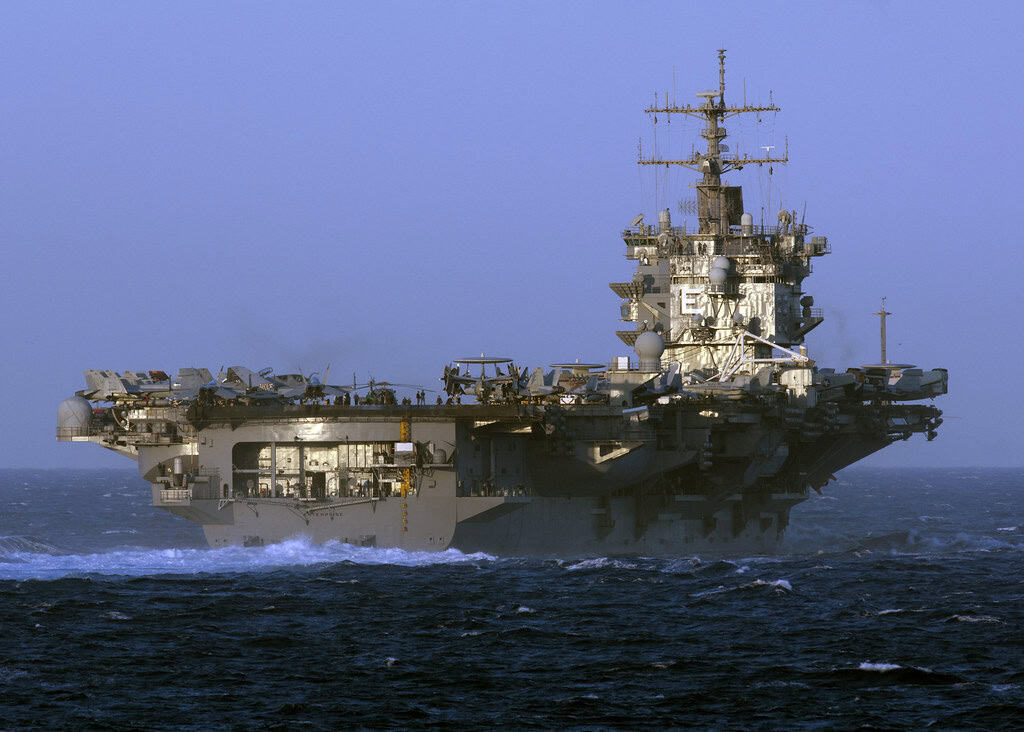
USS Enterprise (CVN-65) revolutionized naval operations with nuclear propulsion, enabling extended deployments without refueling. This endurance allowed for near-continuous presence in critical regions. It significantly expanded the operational reach of U.S. naval forces and set a new benchmark for global power projection.
USS Nimitz (CVN-68)
- Ship Class / Type: Nuclear Carrier
- Year Commissioned: 1975
- Era of Strategic Impact: Cold War/Modern
- Primary Role in Power Projection: Sustained global strike
- Operational Reach Advantage: Unlimited range
- Key Capability: Carrier air wing
- Doctrine / Strategic Shift Enabled: Carrier strike group doctrine
- Notable Deployment / Use Case: Multiple global deployments
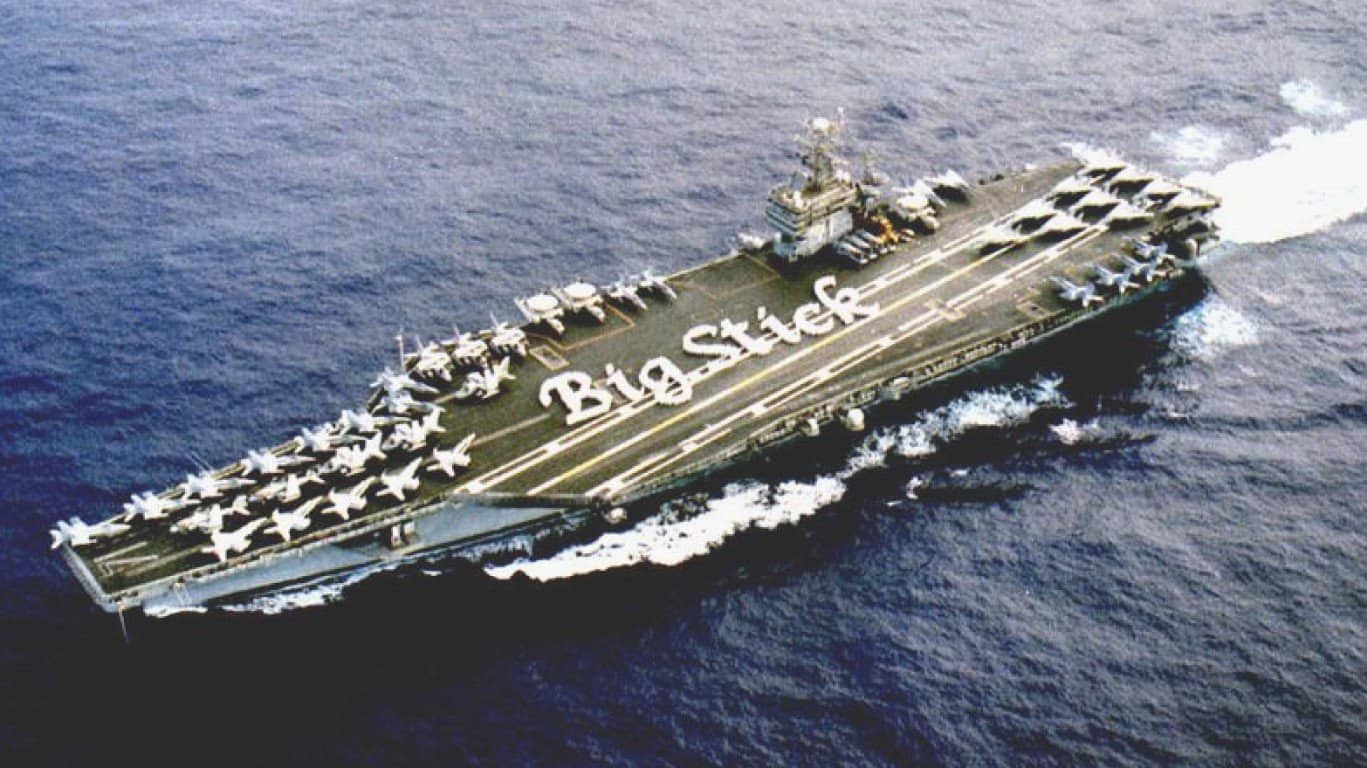
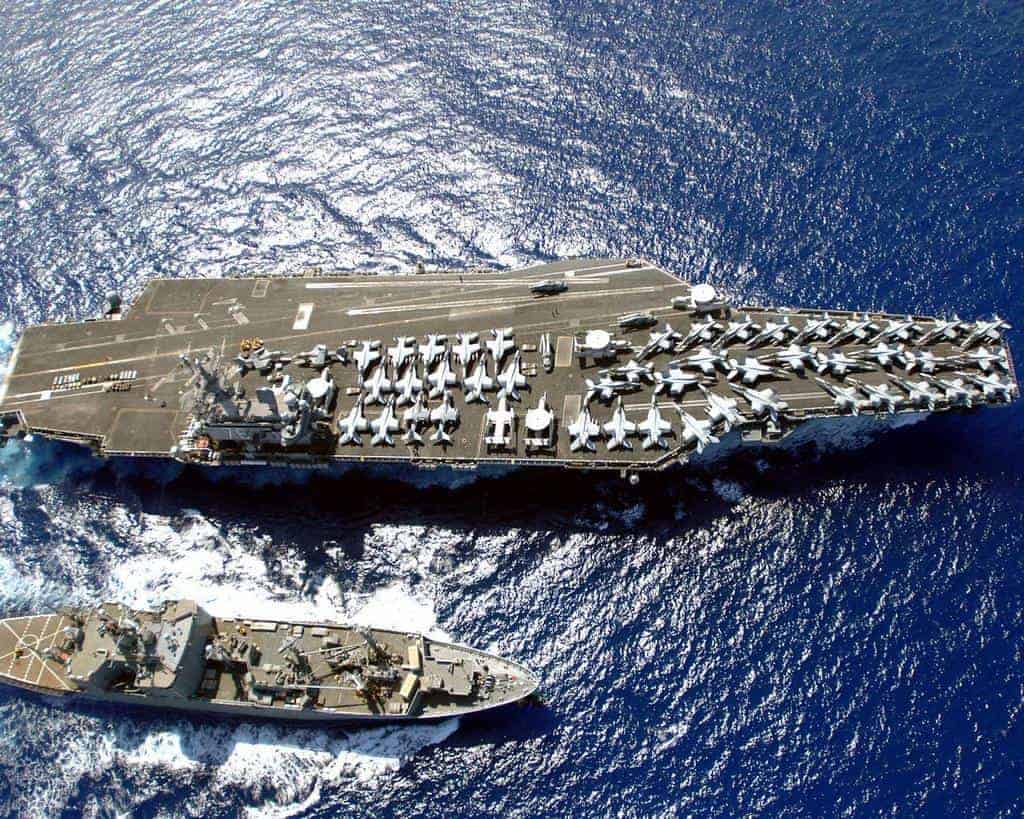
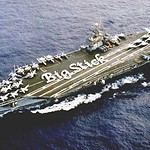
USS Nimitz and its class solidified the concept of the carrier strike group as a persistent global force. With nuclear propulsion and large air wings, these ships could remain deployed for extended periods. They enabled the U.S. to maintain a forward presence and rapidly respond to crises worldwide.
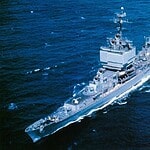
USS Long Beach (CGN-9)
- Ship Class / Type: Nuclear Cruiser
- Year Commissioned: 1961
- Era of Strategic Impact: Cold War
- Primary Role in Power Projection: Fleet escort
- Operational Reach Advantage: Nuclear-powered escort
- Key Capability: Guided missiles
- Doctrine / Strategic Shift Enabled: Extended escort endurance
- Notable Deployment / Use Case: Cold War patrols
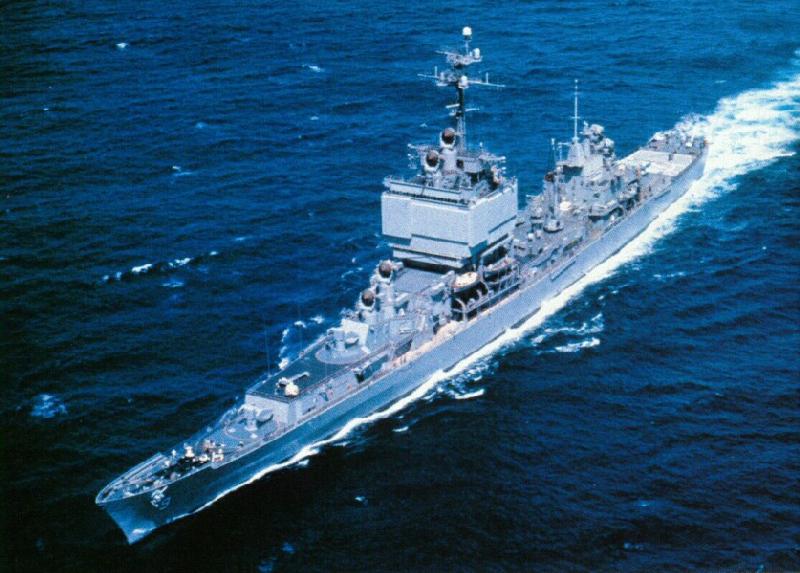
USS Long Beach extended the reach of carrier groups by providing nuclear-powered escort capability. Its endurance matched that of nuclear carriers, ensuring continuous protection and missile coverage. It demonstrated how supporting ships could be just as critical in enabling sustained global operations.
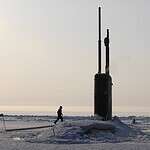
USS Los Angeles (SSN-688)
- Ship Class / Type: Attack Submarine
- Year Commissioned: 1976
- Era of Strategic Impact: Cold War
- Primary Role in Power Projection: Subsurface dominance
- Operational Reach Advantage: Nuclear stealth endurance
- Key Capability: Torpedoes + cruise missiles
- Doctrine / Strategic Shift Enabled: Forward stealth operations
- Notable Deployment / Use Case: Cold War patrols
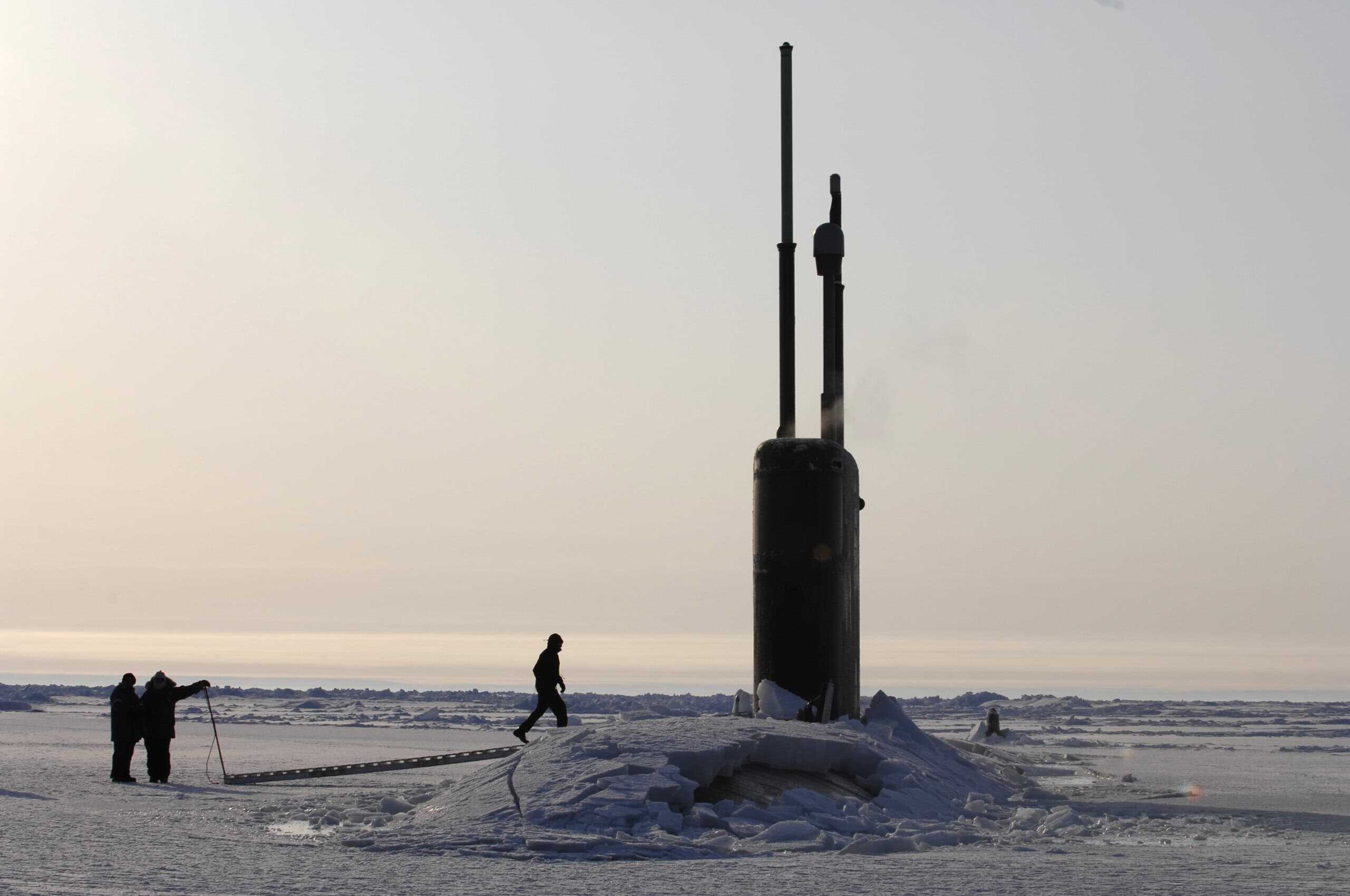
The Los Angeles-class attack submarines allowed the U.S. to project power stealthily across the globe. Their speed, endurance, and strike capability enabled covert operations and deterrence. These submarines expanded the reach of U.S. influence beneath the surface, complicating adversary planning.
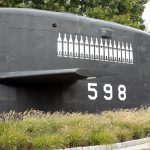
USS George Washington (SSBN-598)
- Ship Class / Type: Ballistic Submarine
- Year Commissioned: 1959
- Era of Strategic Impact: Cold War
- Primary Role in Power Projection: Nuclear deterrence
- Operational Reach Advantage: Submerged missile capability
- Key Capability: SLBMs
- Doctrine / Strategic Shift Enabled: Nuclear triad expansion
- Notable Deployment / Use Case: Deterrence patrols
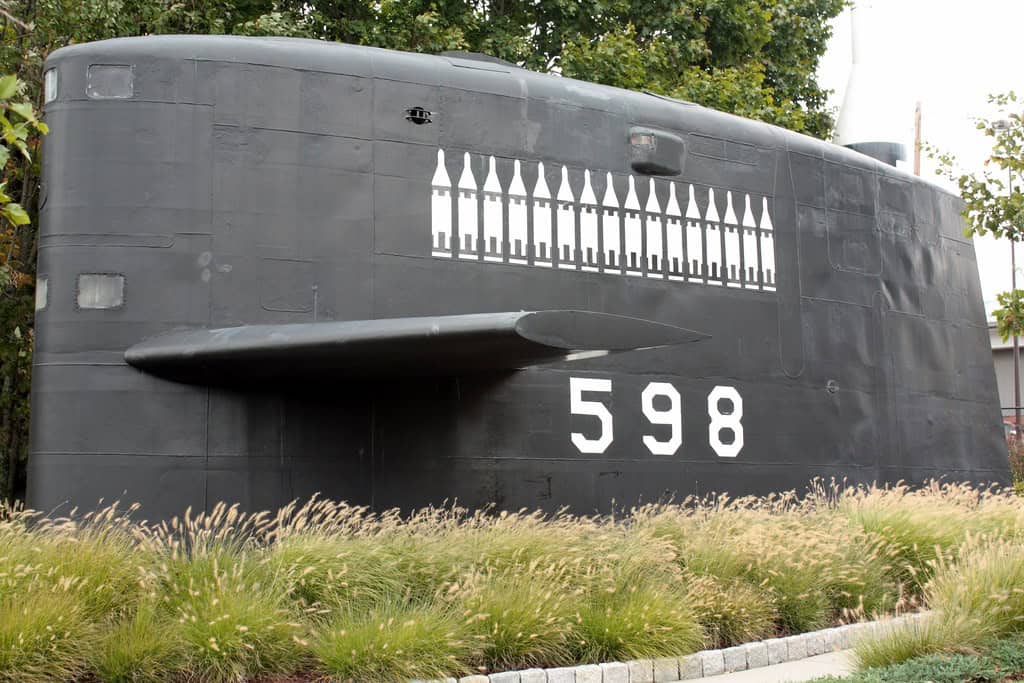
USS George Washington introduced the concept of ballistic missile submarines, enabling a survivable nuclear deterrent at sea. Its ability to remain hidden while carrying strategic weapons extended U.S. power globally. This platform became a critical component of the nuclear triad and long-term deterrence strategy.
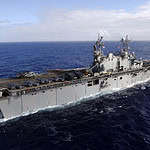
USS Wasp (LHD-1)
- Ship Class / Type: Amphibious Assault Ship
- Year Commissioned: 1989
- Era of Strategic Impact: Modern
- Primary Role in Power Projection: Marine deployment
- Operational Reach Advantage: Sea-based assault
- Key Capability: Marine expeditionary unit
- Doctrine / Strategic Shift Enabled: Expeditionary warfare
- Notable Deployment / Use Case: Global deployments
USS Wasp enabled the rapid deployment of Marine forces from the sea, allowing the U.S. to project ground power without relying on nearby bases. Its ability to launch aircraft and landing craft made it a flexible tool for crisis response and expeditionary operations worldwide.
USS Tarawa (LHA-1)
- Ship Class / Type: Amphibious Assault Ship
- Year Commissioned: 1976
- Era of Strategic Impact: Cold War/Modern
- Primary Role in Power Projection: Amphibious operations
- Operational Reach Advantage: Integrated assault capability
- Key Capability: Helicopter + landing craft
- Doctrine / Strategic Shift Enabled: Expanded amphib doctrine
- Notable Deployment / Use Case: Cold War ops
USS Tarawa expanded the concept of amphibious warfare by integrating aviation and landing operations into a single platform. This allowed for more flexible and rapid assaults from the sea. It reinforced the U.S. ability to project power directly onto hostile shores.
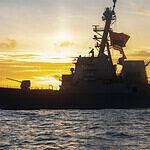
USS Arleigh Burke (DDG-51)
- Ship Class / Type: Destroyer
- Year Commissioned: 1991
- Era of Strategic Impact: Modern
- Primary Role in Power Projection: Missile strike
- Operational Reach Advantage: Aegis system
- Key Capability: Tomahawk missiles
- Doctrine / Strategic Shift Enabled: Precision strike doctrine
- Notable Deployment / Use Case: Middle East operations
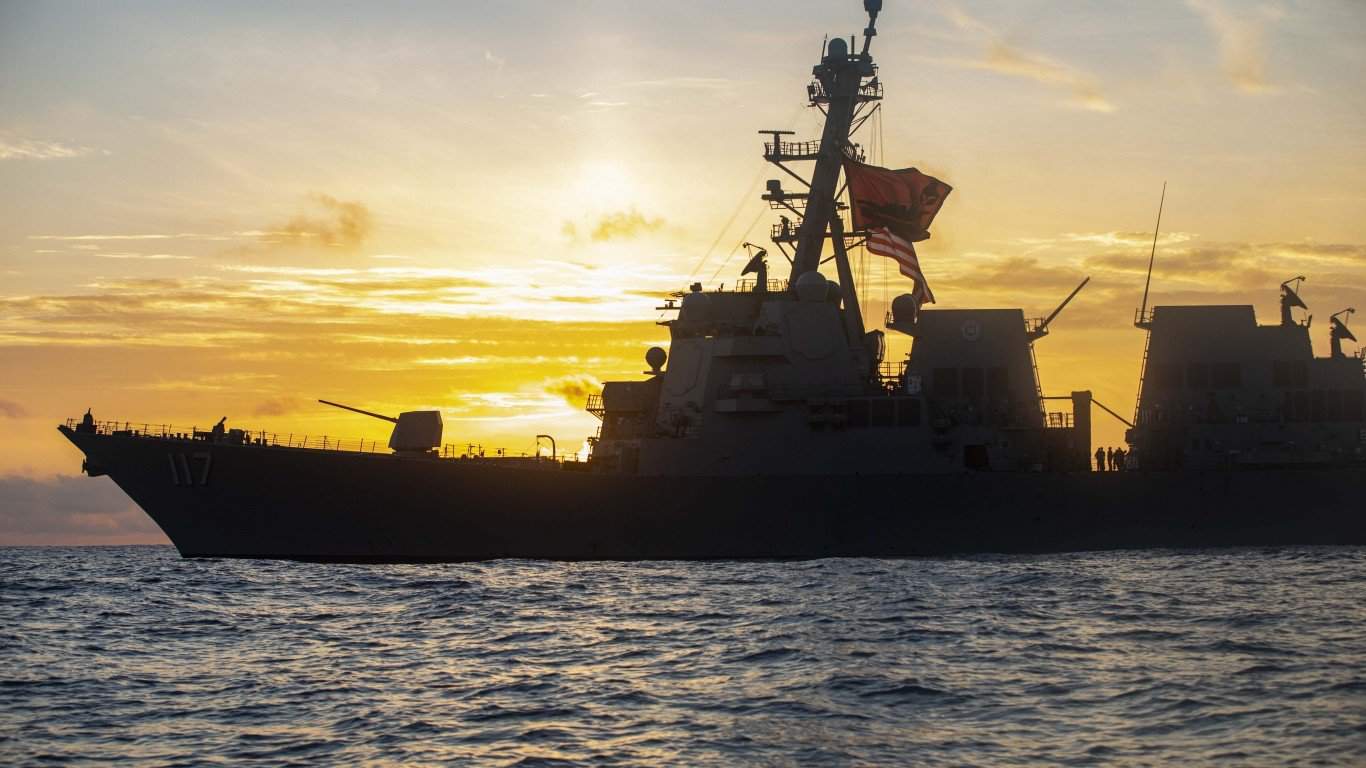
The Arleigh Burke-class destroyers enabled precision strike capabilities across long distances through cruise missiles. Their advanced sensors and Aegis system allowed them to operate as both offensive and defensive platforms. These ships extended U.S. reach by enabling strikes without direct presence.
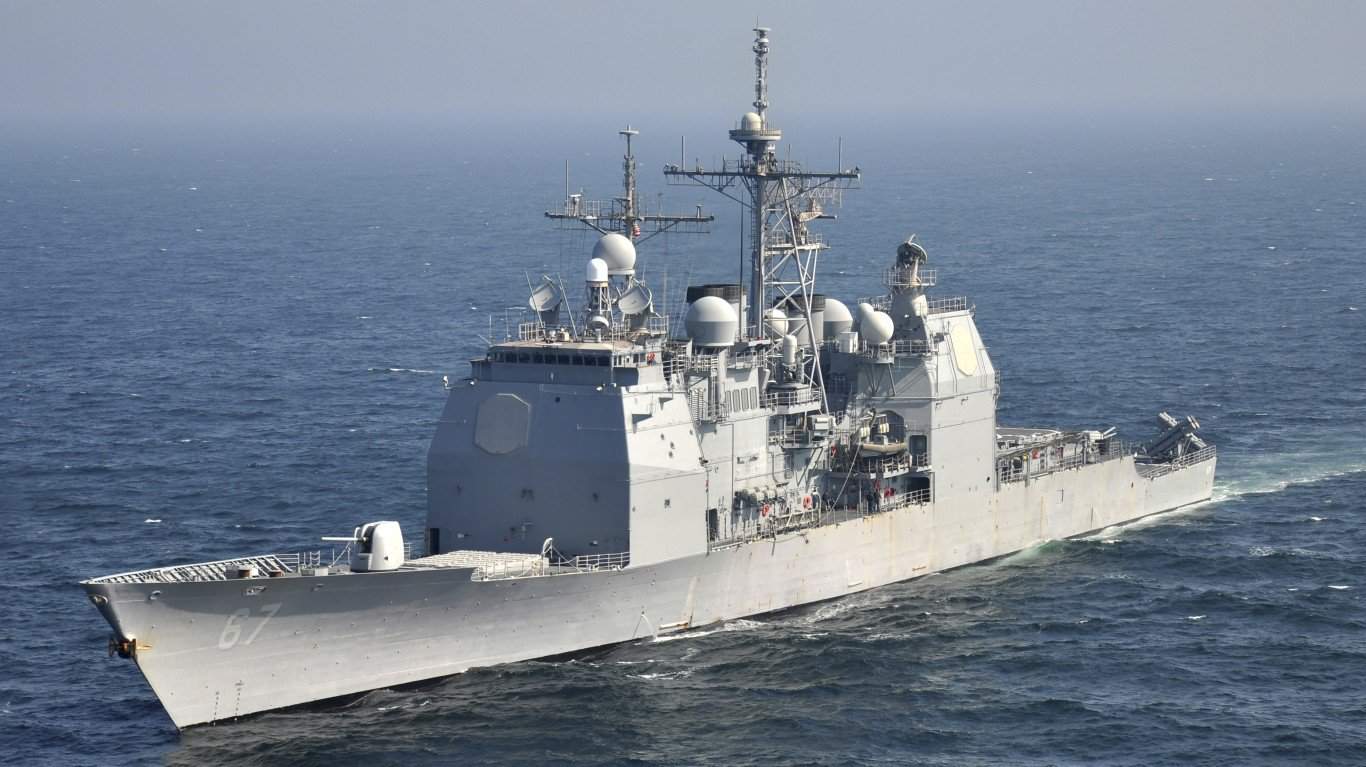
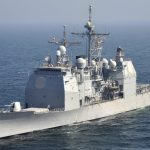
USS Ticonderoga (CG-47)
- Ship Class / Type: Cruiser
- Year Commissioned: 1983
- Era of Strategic Impact: Modern
- Primary Role in Power Projection: Fleet air defense
- Operational Reach Advantage: Aegis combat system
- Key Capability: Missile systems
- Doctrine / Strategic Shift Enabled: Integrated air defense
- Notable Deployment / Use Case: Gulf War
USS Ticonderoga introduced the Aegis combat system, transforming fleet air defense and coordination. This capability allowed carrier groups to operate more safely in contested environments. It enhanced the survivability and effectiveness of U.S. power projection forces.
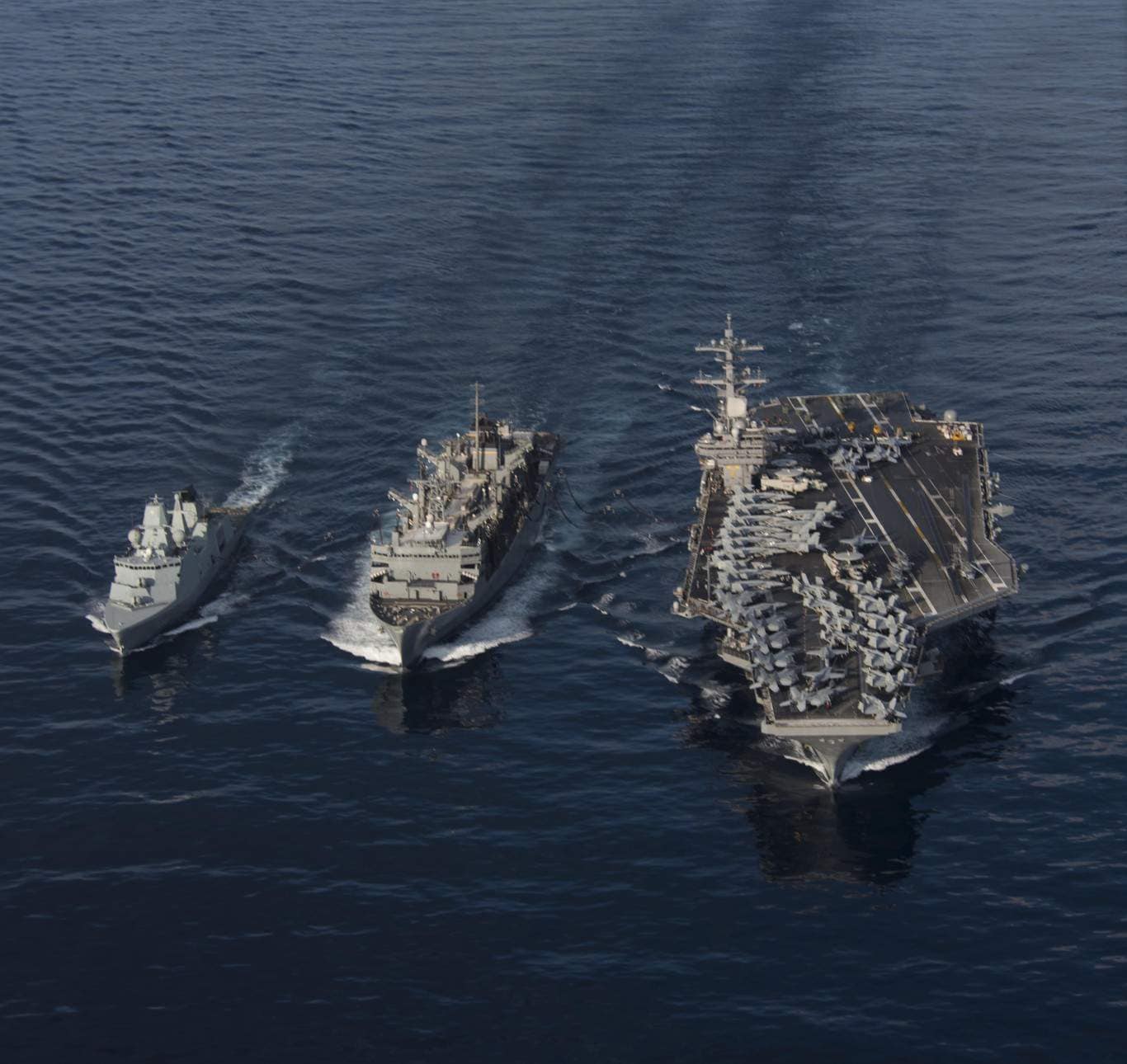
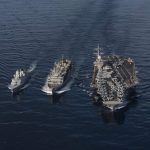
USS Supply (AOE-6)
- Ship Class / Type: Support Ship
- Year Commissioned: 1994
- Era of Strategic Impact: Modern
- Primary Role in Power Projection: Fleet logistics
- Operational Reach Advantage: Underway replenishment
- Key Capability: Fuel + supplies
- Doctrine / Strategic Shift Enabled: Sustained deployments
- Notable Deployment / Use Case: Carrier support
USS Supply enabled continuous global operations by replenishing ships at sea. This logistical capability removed the need for frequent port calls, dramatically extending operational reach. It proved that sustainment is just as critical as combat power in projecting influence.
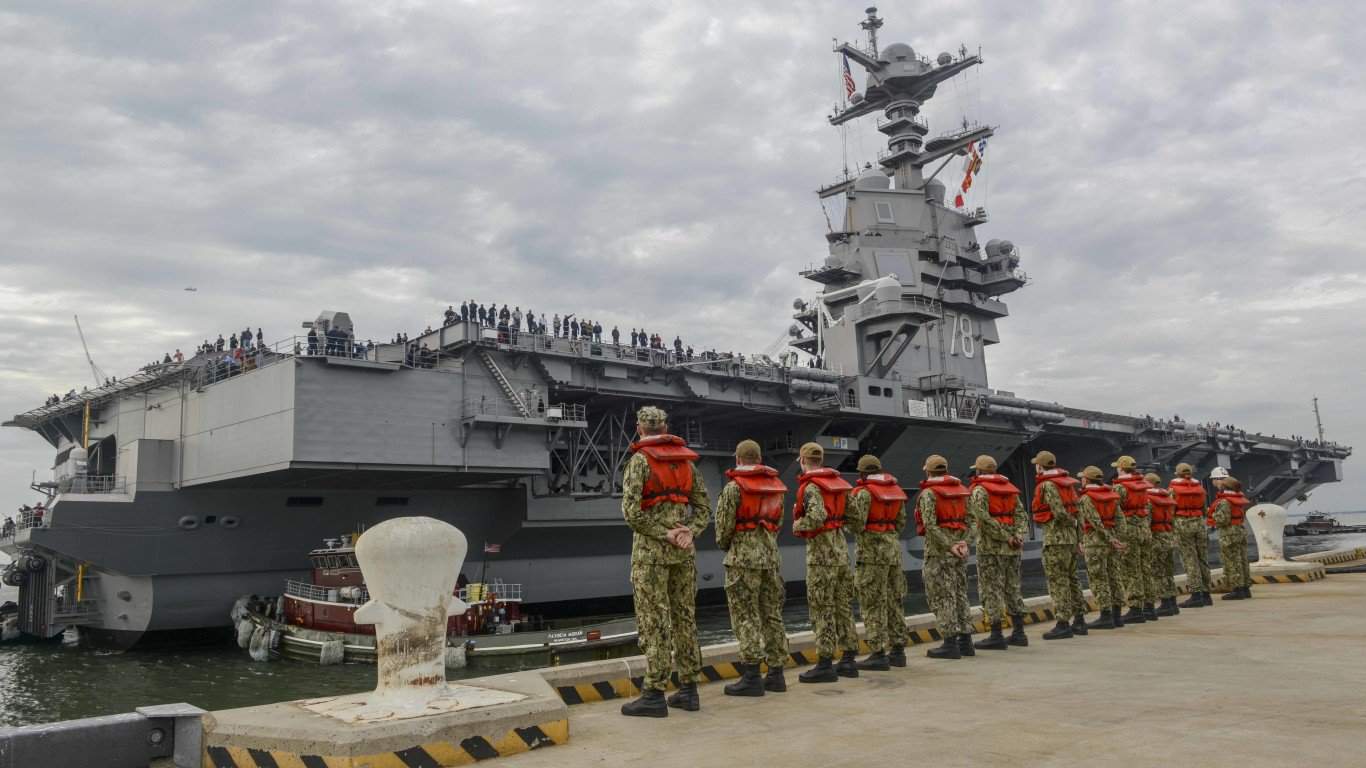
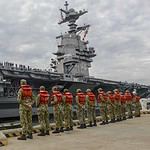
USS Gerald R. Ford (CVN-78)
- Ship Class / Type: Aircraft Carrier
- Year Commissioned: 2017
- Era of Strategic Impact: Modern
- Primary Role in Power Projection: Advanced carrier ops
- Operational Reach Advantage: Next-gen systems
- Key Capability: Enhanced air wing
- Doctrine / Strategic Shift Enabled: Future carrier doctrine
- Notable Deployment / Use Case: Modern deployments
USS Gerald R. Ford represents the next generation of carrier-based power projection, incorporating advanced launch systems and improved sortie rates. These enhancements increase efficiency and combat effectiveness. It ensures that carriers remain central to U.S. global reach in the future.
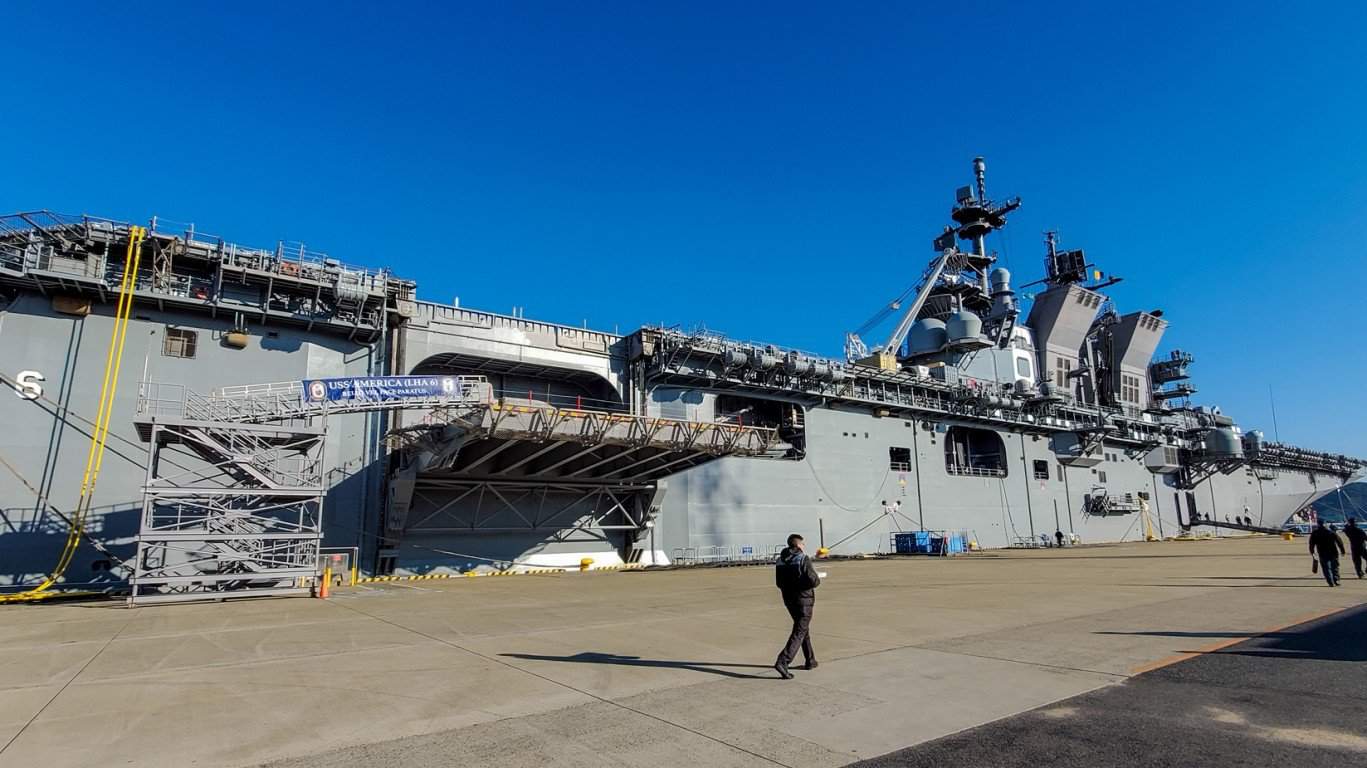
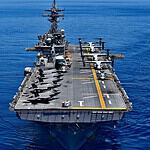
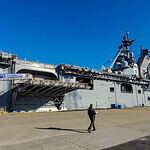
USS America (LHA-6)
- Ship Class / Type: Amphibious Assault Ship
- Year Commissioned: 2014
- Era of Strategic Impact: Modern
- Primary Role in Power Projection: Air-centric assault
- Operational Reach Advantage: F-35B capability
- Key Capability: STOVL air ops
- Doctrine / Strategic Shift Enabled: Modern amphib doctrine
- Notable Deployment / Use Case: Pacific presence
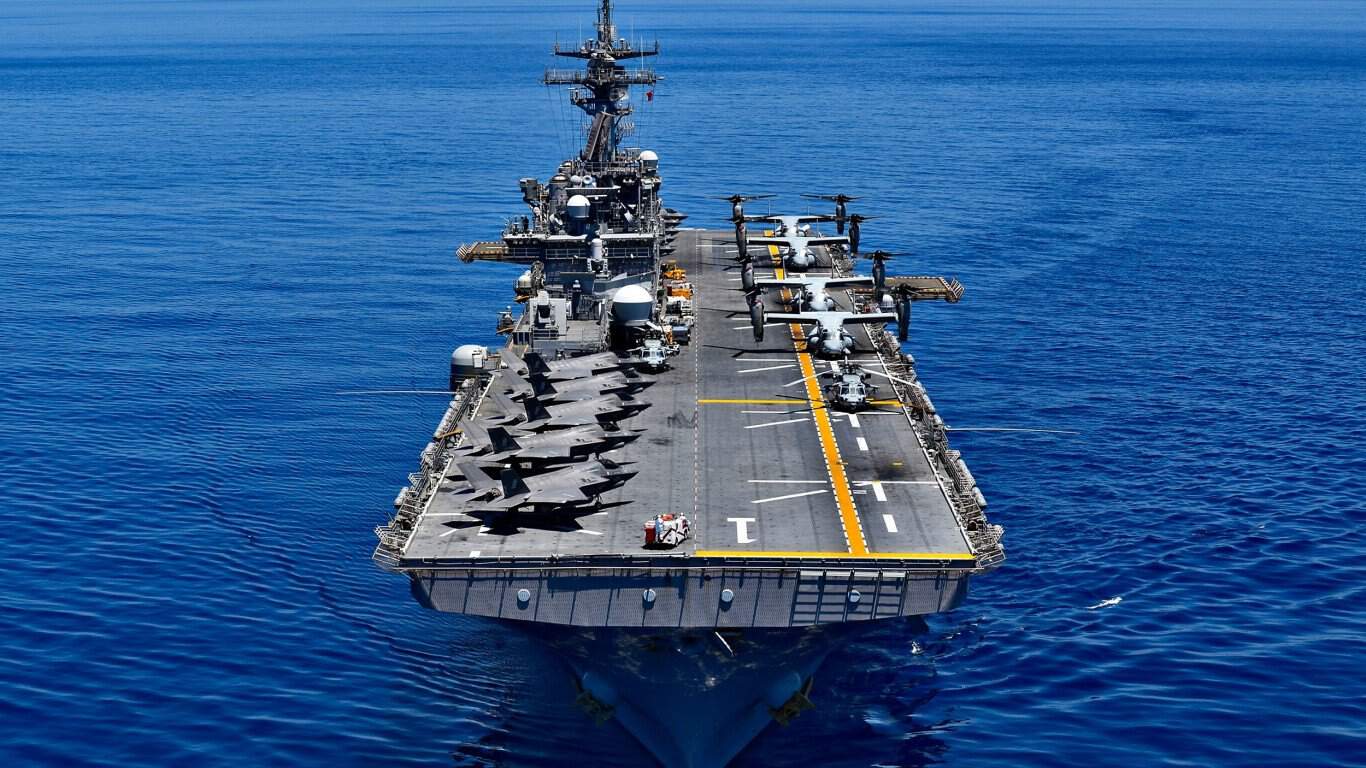
USS America emphasizes aviation-centric amphibious operations, enabling advanced aircraft like the F-35B to operate from amphibious ships. This expands the range and flexibility of Marine forces. It highlights the growing importance of hybrid platforms in modern warfare.
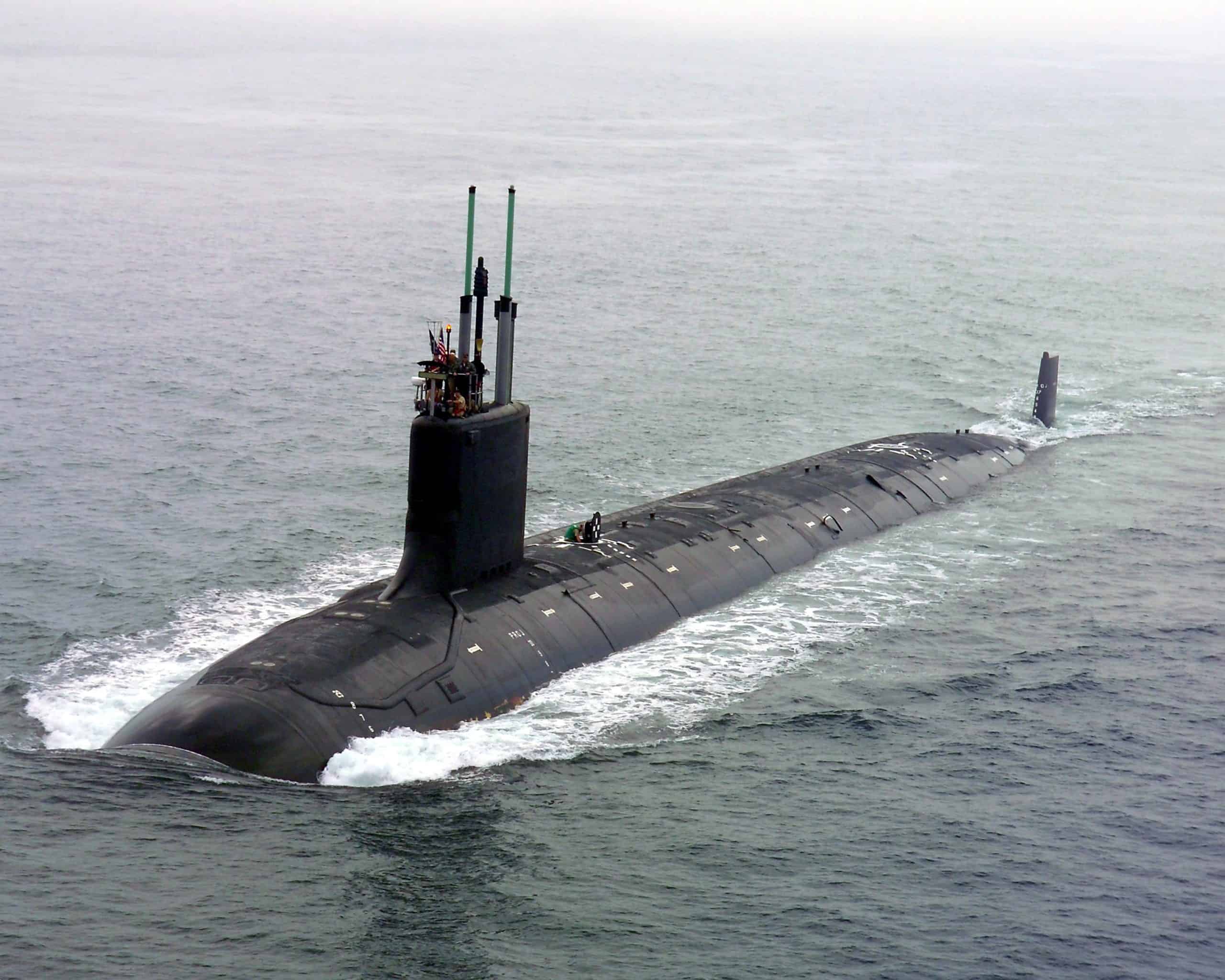
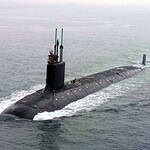
USS Virginia (SSN-774)
- Ship Class / Type: Attack Submarine
- Year Commissioned: 2004
- Era of Strategic Impact: Modern
- Primary Role in Power Projection: Stealth strike
- Operational Reach Advantage: Advanced sensors
- Key Capability: Tomahawk missiles
- Doctrine / Strategic Shift Enabled: Littoral operations
- Notable Deployment / Use Case: Modern patrols
The Virginia-class submarines enhanced the U.S. ability to operate in both deep and coastal waters. Their advanced sensors and strike capabilities allow for precise, covert operations. They extend U.S. influence into contested and sensitive regions worldwide.
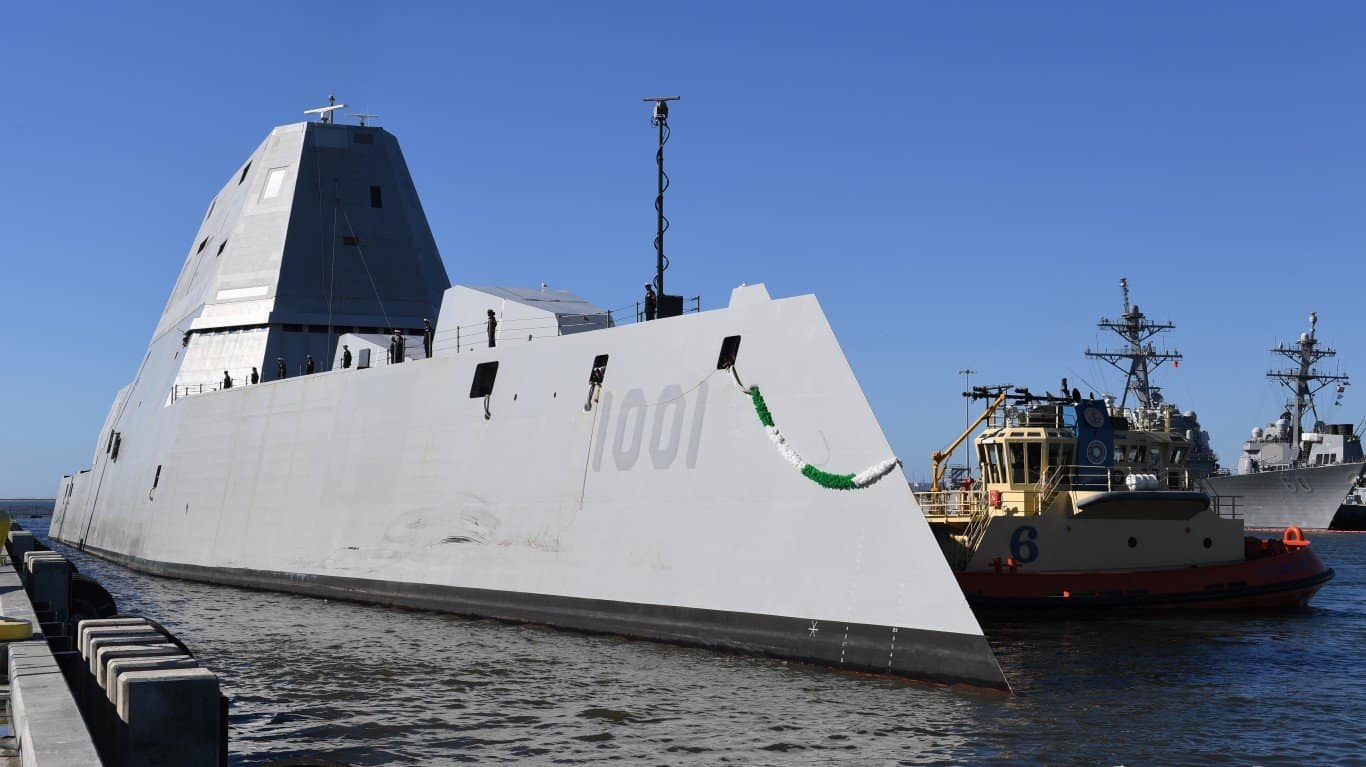
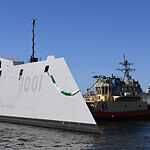
USS Zumwalt (DDG-1000)
- Ship Class / Type: Destroyer
- Year Commissioned: 2016
- Era of Strategic Impact: Modern
- Primary Role in Power Projection: Stealth surface ops
- Operational Reach Advantage: Low radar profile
- Key Capability: Advanced gun system
- Doctrine / Strategic Shift Enabled: Next-gen surface warfare
- Notable Deployment / Use Case: Experimental deployment
USS Zumwalt introduced stealth design to surface combatants, reducing detectability and enabling operations in contested environments. Its advanced systems represent a shift toward future naval warfare concepts. It highlights ongoing innovation in extending U.S. reach.
USS Lewis and Clark (T-AKE-1)
- Ship Class / Type: Cargo Ship
- Year Commissioned: 2006
- Era of Strategic Impact: Modern
- Primary Role in Power Projection: Logistics support
- Operational Reach Advantage: Global resupply
- Key Capability: Dry cargo transport
- Doctrine / Strategic Shift Enabled: Sustained global presence
- Notable Deployment / Use Case: Fleet support
USS Lewis and Clark ensures that forward-deployed forces remain supplied with critical materials. Its role in global resupply supports long-term deployments and sustained operations. It underscores the importance of logistics in maintaining U.S. power projection.
The image featured at the top of this post is ©Stocktrek Images / Stocktrek Images via Getty Images