


















25 Combat Vehicles That Revolutionized Ground Warfare Tactics
Some of the most important shifts in military history didn’t come from strategy rooms, instead they came from the machines rolling onto the battlefield. Certain combat vehicles proved so effective, so disruptive, that they forced entire armies to rethink how wars were fought almost overnight. Whether it was the introduction of the first tanks in World War I or the rise of mine-resistant vehicles in modern conflicts, these machines changed the game entirely, influencing tactics that are still used today. Here, History Computer is taking a closer look at the combat vehicles that changed ground warfare tactics forever.
To determine the combat vehicles that changed ground warfare tactics, History Computer reviewed various historical and military sources. We included supplemental information for each vehicle regarding the country of origin, vehicle type, its primary tactical role, and ultimately why it mattered.
Here is a look at the combat vehicles that changed ground warfare tactics:
Why Are We Covering This?
Understanding how combat vehicles have shaped ground warfare is essential to understanding how modern militaries fight and win wars. These platforms did more than add firepower or protection—they forced entire armies to rethink doctrine, from breaking trench stalemates to enabling high-speed combined arms offensives and adapting to urban and asymmetric battlefields. By examining the vehicles that changed tactics, we gain insight into how battlefield innovation occurs, how adversaries respond, and why the evolution of ground combat continues to be driven as much by mobility and survivability as by raw firepower.
The Machines That Changed How Wars Are Fought
From the trenches of World War I to the shattered cities and open battlefields of the modern era, combat vehicles have done far more than transport troops or deliver firepower. They have repeatedly changed the way armies think, move, and fight. Every major leap in armored warfare introduced new possibilities for protection, mobility, and shock effect, forcing military planners to rethink battlefield tactics. These vehicles did not simply support existing doctrine—they often created entirely new ways of waging war on land.
Breaking the Deadlock of Static Warfare
Before armored fighting vehicles entered combat, land warfare could grind into brutal stalemate, especially when entrenched defenses and machine guns made offensive movement almost suicidal. The arrival of early tanks began to break that pattern by giving armies a way to cross difficult terrain, absorb enemy fire, and push through defensive lines. This restored movement to the battlefield and marked the beginning of mechanized warfare, proving that armor could help overturn even the most deeply entrenched tactical assumptions.
The Rise of Speed, Coordination, and Combined Arms
By the Second World War, combat vehicles had evolved into the backbone of fast-moving offensive warfare. Tanks, assault guns, half-tracks, and other armored platforms helped create a new model of battle built on speed, coordination, and combined arms integration. Infantry could move with armored spearheads, breakthroughs could be exploited more quickly, and attacks became more fluid and destructive. The battlefield was no longer just about holding ground—it was about seizing tempo and overwhelming the enemy before defenses could recover.
Technology Forces Tactical Evolution
As military technology advanced during the Cold War, combat vehicles became more specialized and more influential in shaping doctrine. Infantry fighting vehicles allowed troops to fight while mounted, main battle tanks redefined the balance between protection and firepower, and self-propelled air defense and artillery systems added new layers of battlefield lethality. Each innovation forced a response, creating a constant cycle of tactical adaptation in which mobility, survivability, and battlefield integration became more important than ever.
Modern Warfare and the Shift to Adaptability
Modern warfare has placed a premium on adaptability, and the combat vehicles of today reflect that reality. Whether designed for urban warfare, amphibious assault, rapid deployment, or protection against mines and improvised explosive devices, these platforms respond to a battlefield that is more fragmented and unpredictable than ever before. In today’s conflicts, the most important vehicles are often the ones that help forces survive, reposition, and respond across multiple kinds of combat environments, proving that tactical influence is no longer measured by firepower alone.
Mark I tank
- Country of Origin: United Kingdom
- Vehicle Type: Heavy Tank
- Year Introduced to Service: 1916
- Conflict / Era of Impact: World War I
- Primary Tactical Role: Breakthrough
- Key Tactical Innovation: First armored tracked combat vehicle
- Doctrine / Battlefield Shift Caused: Ended trench stalemate assumptions
- Why It Mattered: Introduced armored mobility to cross trenches and resist small arms fire
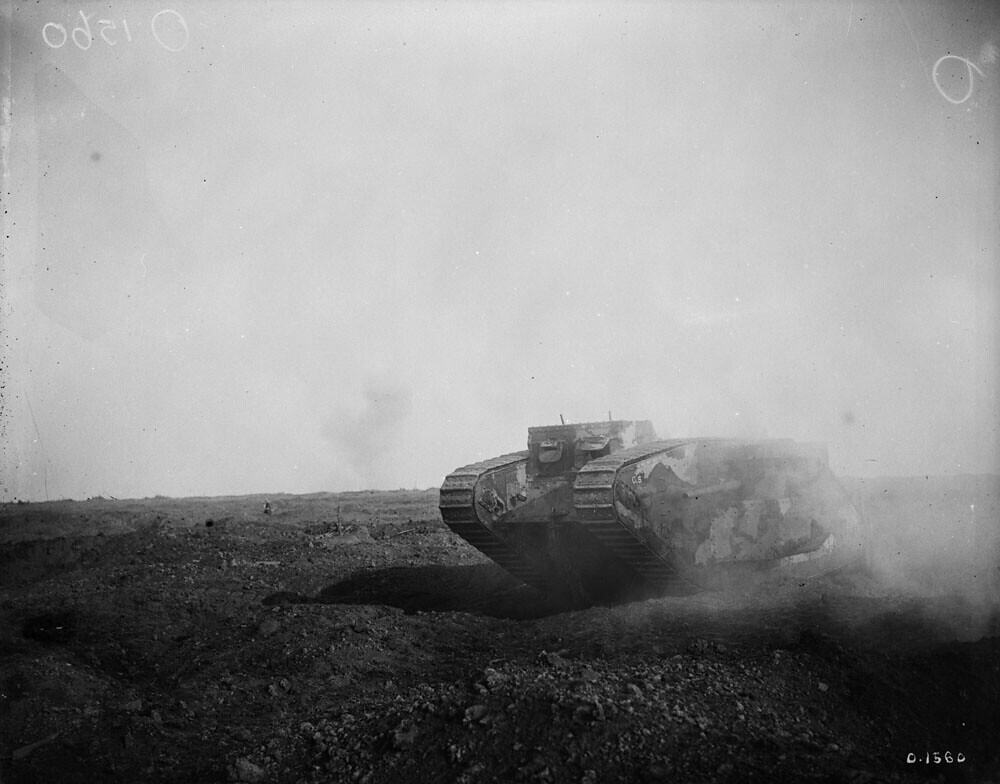
The Mark I tank marked the first successful attempt to break the deadlock of trench warfare, introducing armored mobility where infantry had previously been pinned down. Its ability to cross trenches and resist small arms fire forced a fundamental shift away from static defensive warfare. Even in its primitive form, it proved that mechanized breakthrough operations could redefine battlefield movement and survivability.
Renault FT
- Country of Origin: France
- Vehicle Type: Light Tank
- Year Introduced to Service: 1917
- Conflict / Era of Impact: World War I
- Primary Tactical Role: Infantry support
- Key Tactical Innovation: First rotating turret layout
- Doctrine / Battlefield Shift Caused: Set standard tank design template
- Why It Mattered: Defined modern tank layout with turret, engine, and crew separation
The Renault FT established the modern tank blueprint with its fully rotating turret, separating crew roles and improving battlefield flexibility. This design allowed tanks to engage targets in all directions while maneuvering, making them far more effective in dynamic combat. Its influence reshaped armored doctrine globally, setting a standard still followed in nearly every main battle tank today.
Vickers Medium Mark I
- Country of Origin: United Kingdom
- Vehicle Type: Medium Tank
- Year Introduced to Service: 1923
- Conflict / Era of Impact: Interwar
- Primary Tactical Role: Mobile warfare testing
- Key Tactical Innovation: Early mechanized doctrine platform
- Doctrine / Battlefield Shift Caused: Influenced armored doctrine development
- Why It Mattered: Helped develop concepts for independent armored maneuver
The Vickers Medium Mark I played a crucial role in developing early mechanized warfare concepts during the interwar period. It allowed militaries to experiment with independent armored formations rather than infantry support roles. These exercises laid the groundwork for fast-moving armored units, helping shape doctrines that would later evolve into blitzkrieg and deep battle strategies.
Panzer IV
- Country of Origin: Germany
- Vehicle Type: Medium Tank
- Year Introduced to Service: 1939
- Conflict / Era of Impact: World War II
- Primary Tactical Role: Combined arms spearhead
- Key Tactical Innovation: Versatile support tank
- Doctrine / Battlefield Shift Caused: Enabled Blitzkrieg tactics
- Why It Mattered: Key backbone of German armored divisions
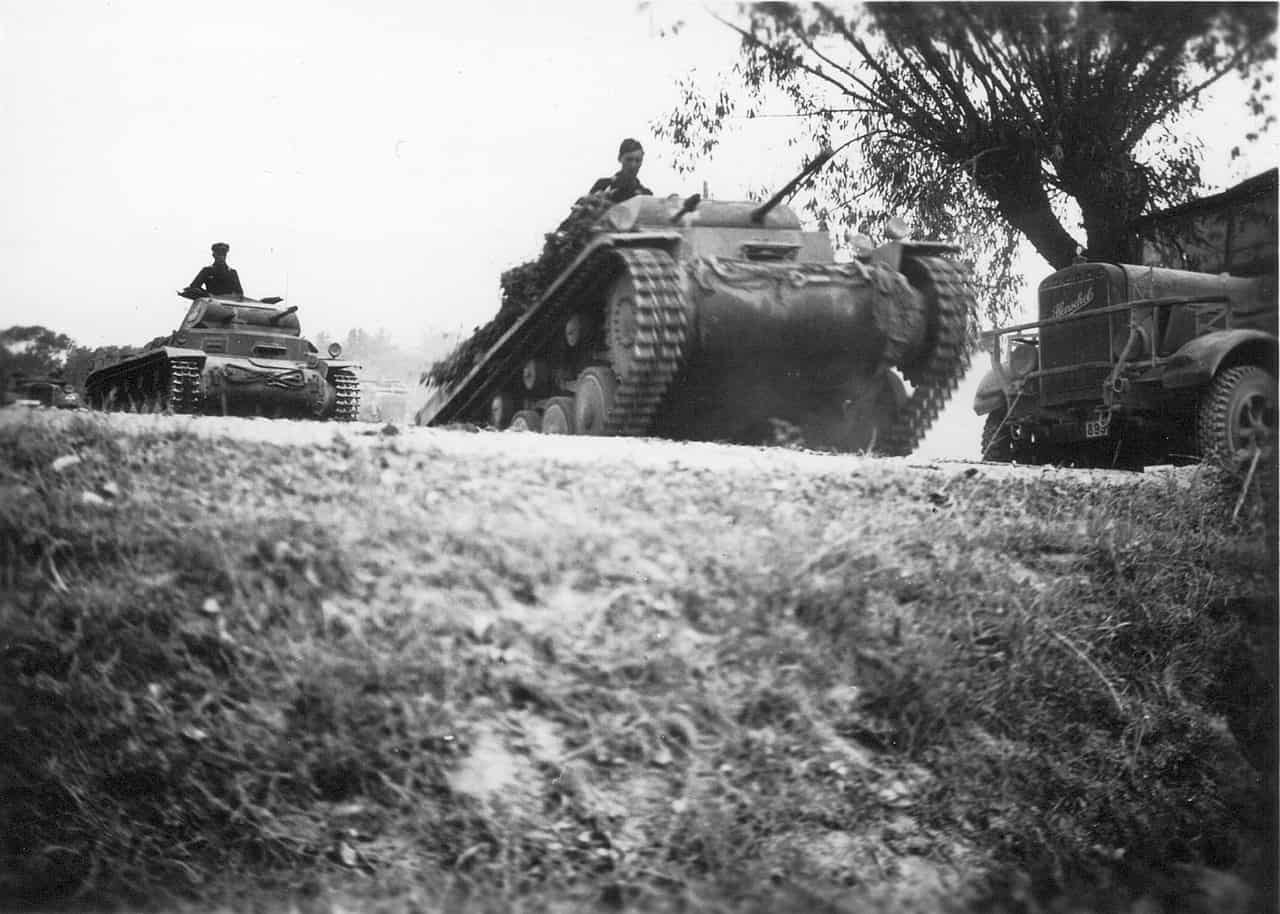
The Panzer IV became a central component of Germany’s combined arms approach, supporting infantry and spearheading armored advances. Its adaptability allowed it to remain relevant throughout the war, reinforcing the importance of versatile armored platforms. It helped demonstrate that coordinated use of tanks, infantry, and air power could rapidly overwhelm enemy defenses and redefine offensive operations.
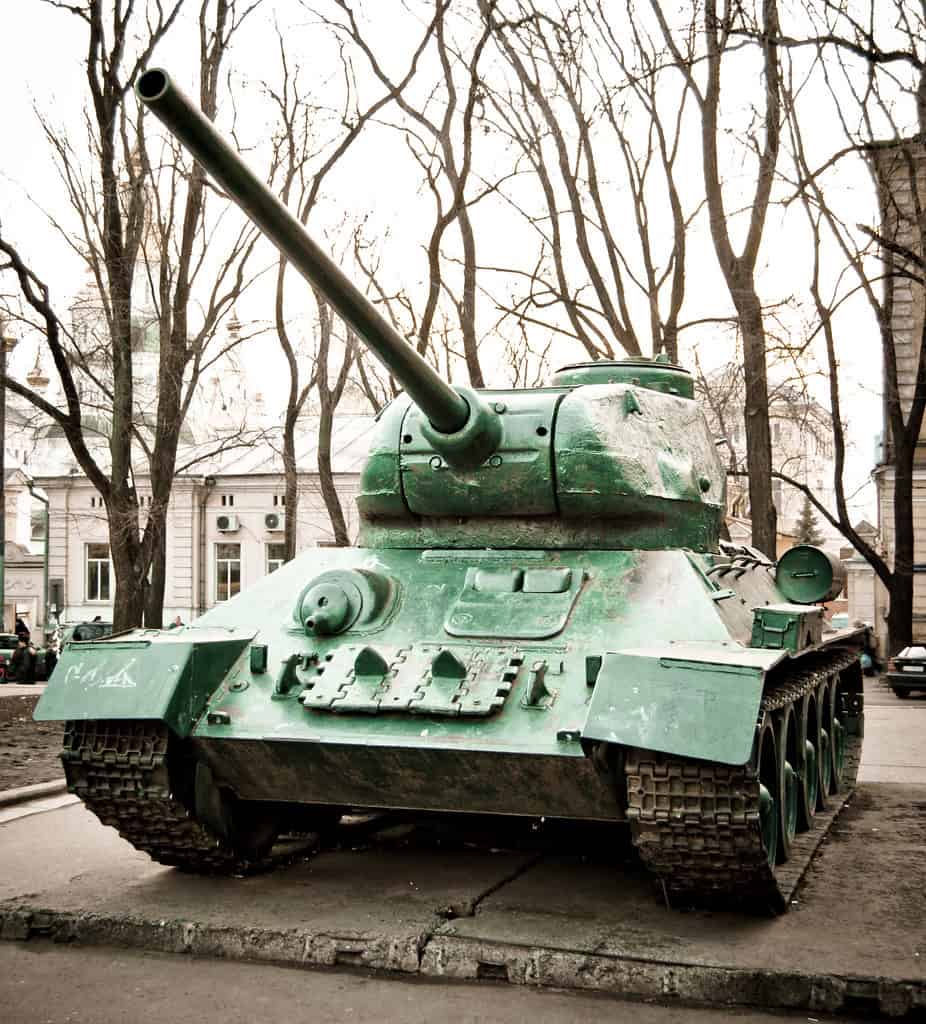
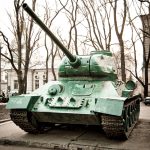
T-34
- Country of Origin: Soviet Union
- Vehicle Type: Medium Tank
- Year Introduced to Service: 1940
- Conflict / Era of Impact: World War II
- Primary Tactical Role: Breakthrough / exploitation
- Key Tactical Innovation: Sloped armor + mobility
- Doctrine / Battlefield Shift Caused: Forced redesign of German anti-tank tactics
- Why It Mattered: Redefined balance of armor, speed, and firepower
The T-34 introduced a powerful combination of sloped armor, mobility, and firepower that forced adversaries to rethink anti-tank strategies. Its ability to operate effectively across harsh terrain and conditions enabled deep offensive operations. This balance became the standard for future tank design and demonstrated that survivability and maneuverability could coexist at scale.
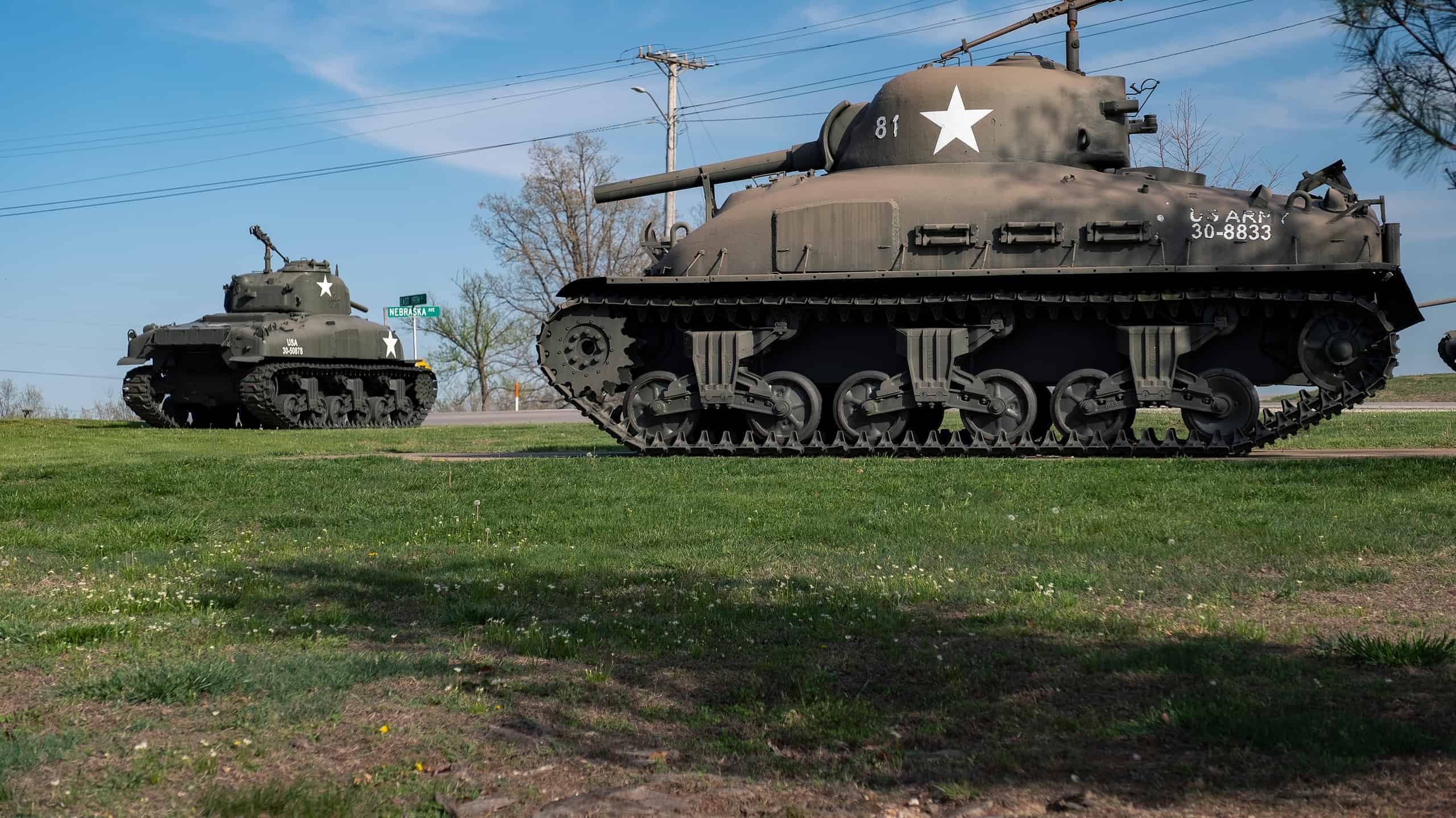
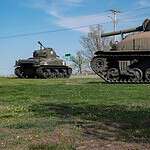
M4 Sherman
- Country of Origin: United States
- Vehicle Type: Medium Tank
- Year Introduced to Service: 1942
- Conflict / Era of Impact: World War II
- Primary Tactical Role: Mass armored warfare
- Key Tactical Innovation: Reliable mass production
- Doctrine / Battlefield Shift Caused: Enabled sustained mechanized offensives
- Why It Mattered: Showed power of logistics-driven armored warfare
The M4 Sherman emphasized reliability and mass production over individual superiority, enabling sustained mechanized offensives across multiple theaters. Its logistical advantages allowed Allied forces to maintain operational momentum, reinforcing the idea that industrial capacity could dictate battlefield success. It shifted tactics toward continuous pressure rather than isolated armored engagements.
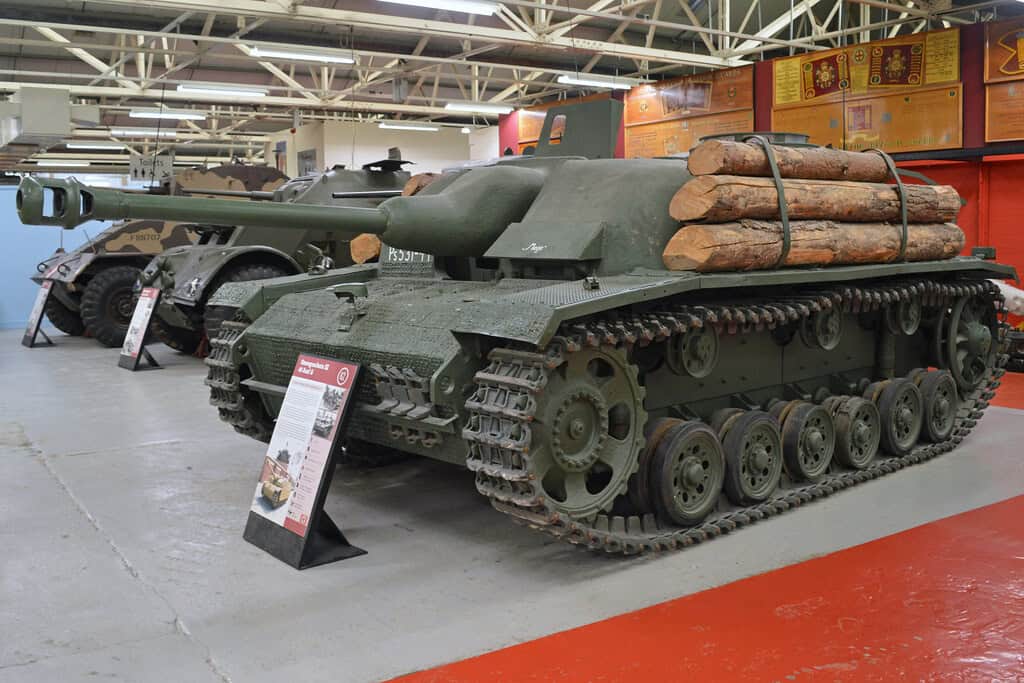
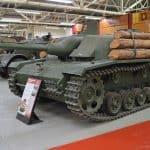
StuG III
- Country of Origin: Germany
- Vehicle Type: Assault Gun
- Year Introduced to Service: 1940
- Conflict / Era of Impact: World War II
- Primary Tactical Role: Infantry support / tank destroyer
- Key Tactical Innovation: Low-profile assault gun design
- Doctrine / Battlefield Shift Caused: Shifted focus to defensive anti-tank warfare
- Why It Mattered: Highly effective ambush platform
The StuG III demonstrated the effectiveness of low-profile, cost-efficient armored vehicles in defensive and ambush roles. Its design prioritized firepower and concealment over turret flexibility, making it highly effective against enemy armor. This forced a tactical shift toward defensive anti-tank warfare and highlighted the value of specialized vehicles in countering armored threats.
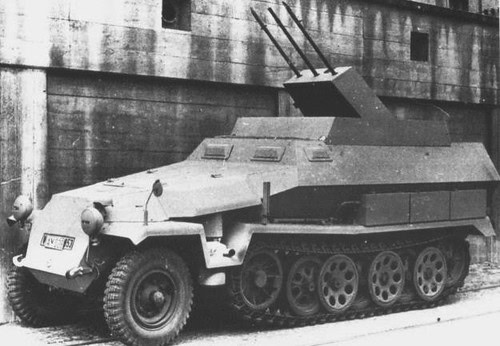
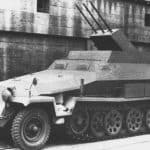
Sd.Kfz. 251
- Country of Origin: Germany
- Vehicle Type: Half-track APC
- Year Introduced to Service: 1939
- Conflict / Era of Impact: World War II
- Primary Tactical Role: Mechanized infantry transport
- Key Tactical Innovation: Armored troop mobility
- Doctrine / Battlefield Shift Caused: Enabled infantry to keep pace with tanks
- Why It Mattered: Core to Blitzkrieg combined arms
The Sd.Kfz. 251 enabled infantry to move alongside tanks under armor protection, fundamentally strengthening combined arms tactics. By keeping infantry integrated with armored units, it ensured that advances could be sustained and defended in real time. This mobility transformed infantry from a follow-on force into an active participant in mechanized offensives.
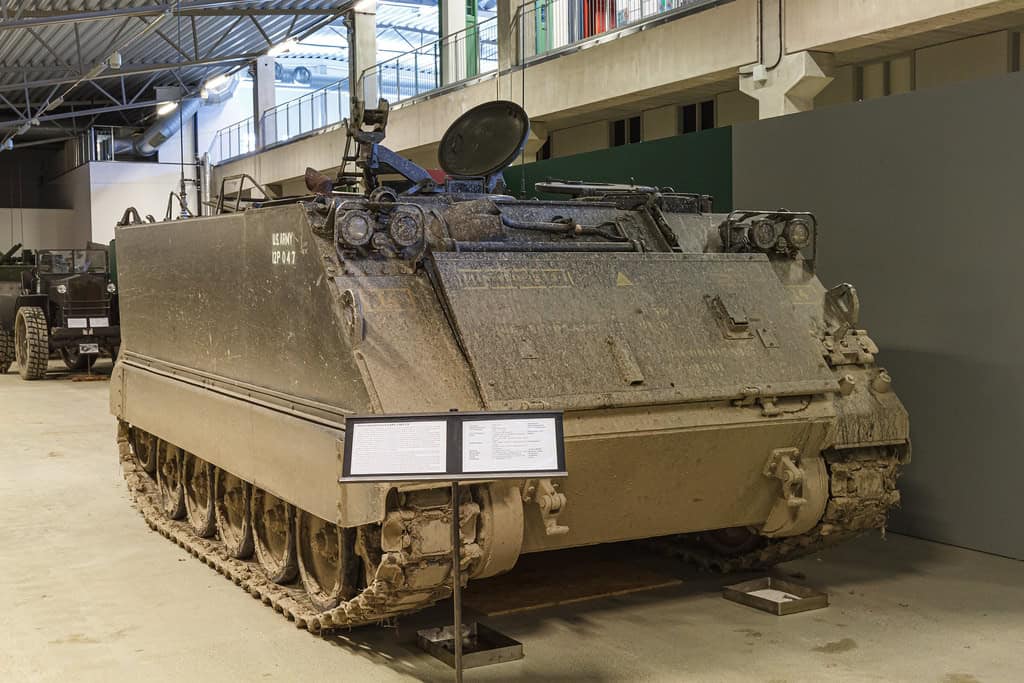
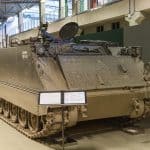
M113 armored personnel carrier
- Country of Origin: United States
- Vehicle Type: APC
- Year Introduced to Service: 1960
- Conflict / Era of Impact: Cold War / Vietnam
- Primary Tactical Role: Mechanized infantry transport
- Key Tactical Innovation: Mass mechanization
- Doctrine / Battlefield Shift Caused: Expanded infantry mobility doctrine
- Why It Mattered: Allowed large-scale armored troop transport
The M113 allowed for large-scale mechanization of infantry forces, particularly in environments like Vietnam where mobility was critical. Its versatility enabled rapid troop deployment, casualty evacuation, and support roles. This expanded the scope of mechanized warfare, making armored mobility a standard expectation rather than a specialized capability.
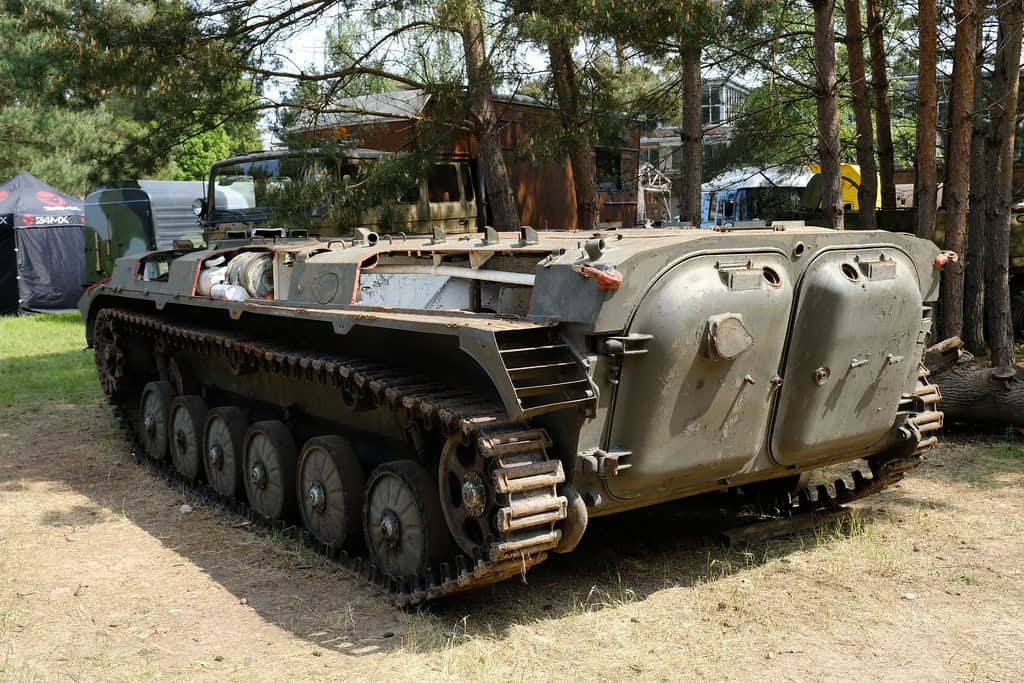
BMP-1
- Country of Origin: Soviet Union
- Vehicle Type: IFV
- Year Introduced to Service: 1966
- Conflict / Era of Impact: Cold War
- Primary Tactical Role: Infantry fighting vehicle
- Key Tactical Innovation: Infantry firing from vehicle
- Doctrine / Battlefield Shift Caused: Changed infantry combat integration
- Why It Mattered: Combined troop transport with direct firepower
The BMP-1 revolutionized infantry tactics by allowing soldiers to fight from within the vehicle rather than dismounting. Its integrated weapon systems gave mechanized units organic anti-armor capabilities, increasing battlefield lethality. This blurred the line between transport and combat platforms, reshaping how infantry operated within armored formations.
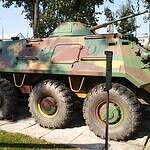
BTR-60
- Country of Origin: Soviet Union
- Vehicle Type: APC
- Year Introduced to Service: 1960
- Conflict / Era of Impact: Cold War
- Primary Tactical Role: Motorized infantry transport
- Key Tactical Innovation: Wheeled armored mobility
- Doctrine / Battlefield Shift Caused: Expanded rapid deployment tactics
- Why It Mattered: Improved mobility for mechanized infantry
The BTR-60 introduced wheeled armored mobility at scale, offering faster and more flexible deployment than tracked vehicles in certain environments. It allowed motorized infantry to rapidly reposition across large distances, enhancing operational tempo. This contributed to a broader shift toward diversified mobility solutions within mechanized forces.
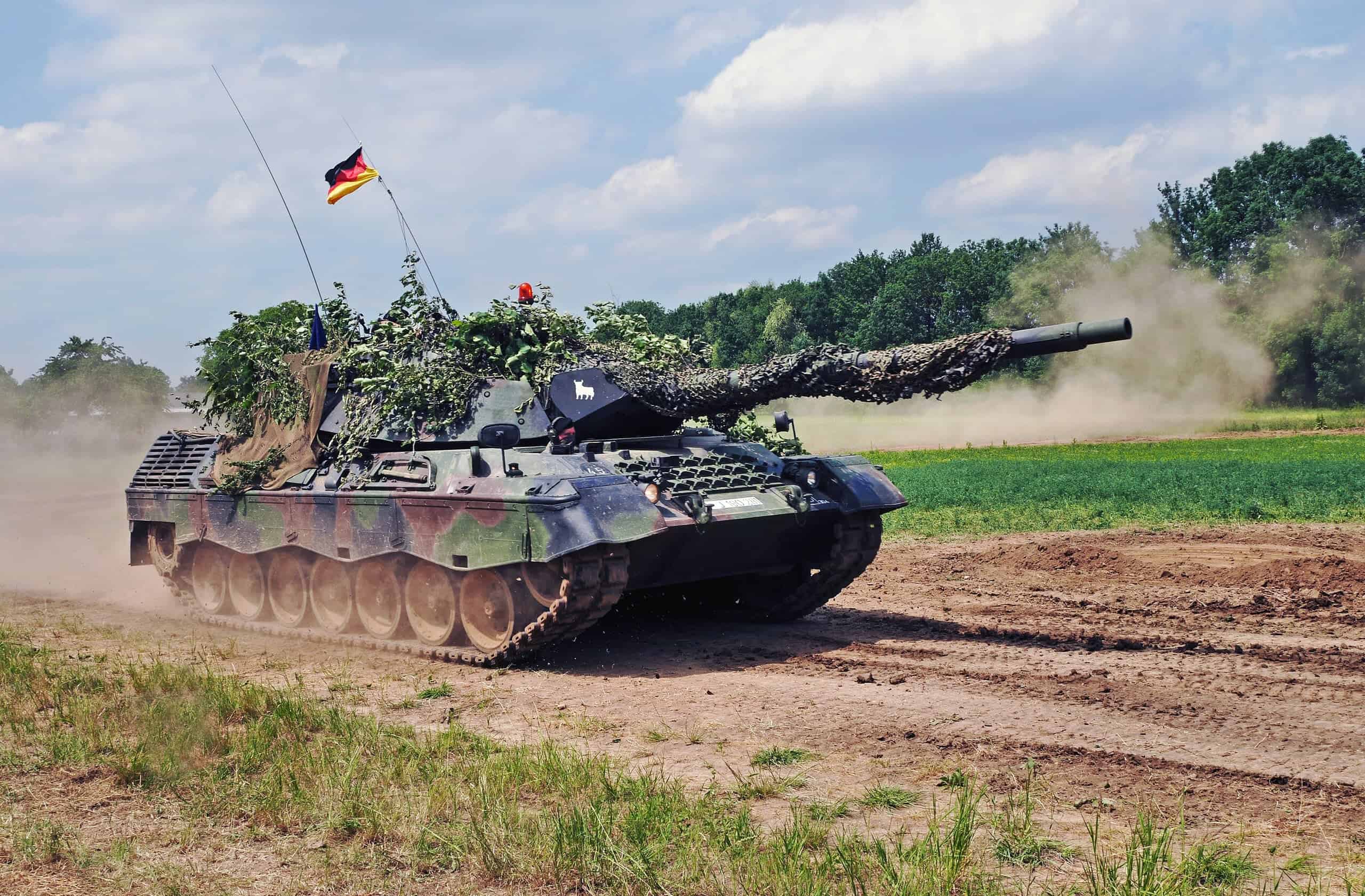
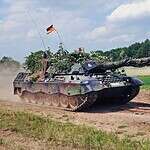
Leopard 1
- Country of Origin: Germany
- Vehicle Type: Main Battle Tank
- Year Introduced to Service: 1965
- Conflict / Era of Impact: Cold War
- Primary Tactical Role: Mobile armored warfare
- Key Tactical Innovation: Speed over armor philosophy
- Doctrine / Battlefield Shift Caused: Shifted MBT design priorities
- Why It Mattered: Focused on mobility and firepower over protection
The Leopard 1 emphasized mobility and firepower over heavy armor, reflecting a shift in thinking about survivability. Rather than relying solely on protection, it prioritized speed and maneuver to avoid threats. This approach influenced NATO doctrine and demonstrated that agility could be just as critical as armor in modern armored warfare.
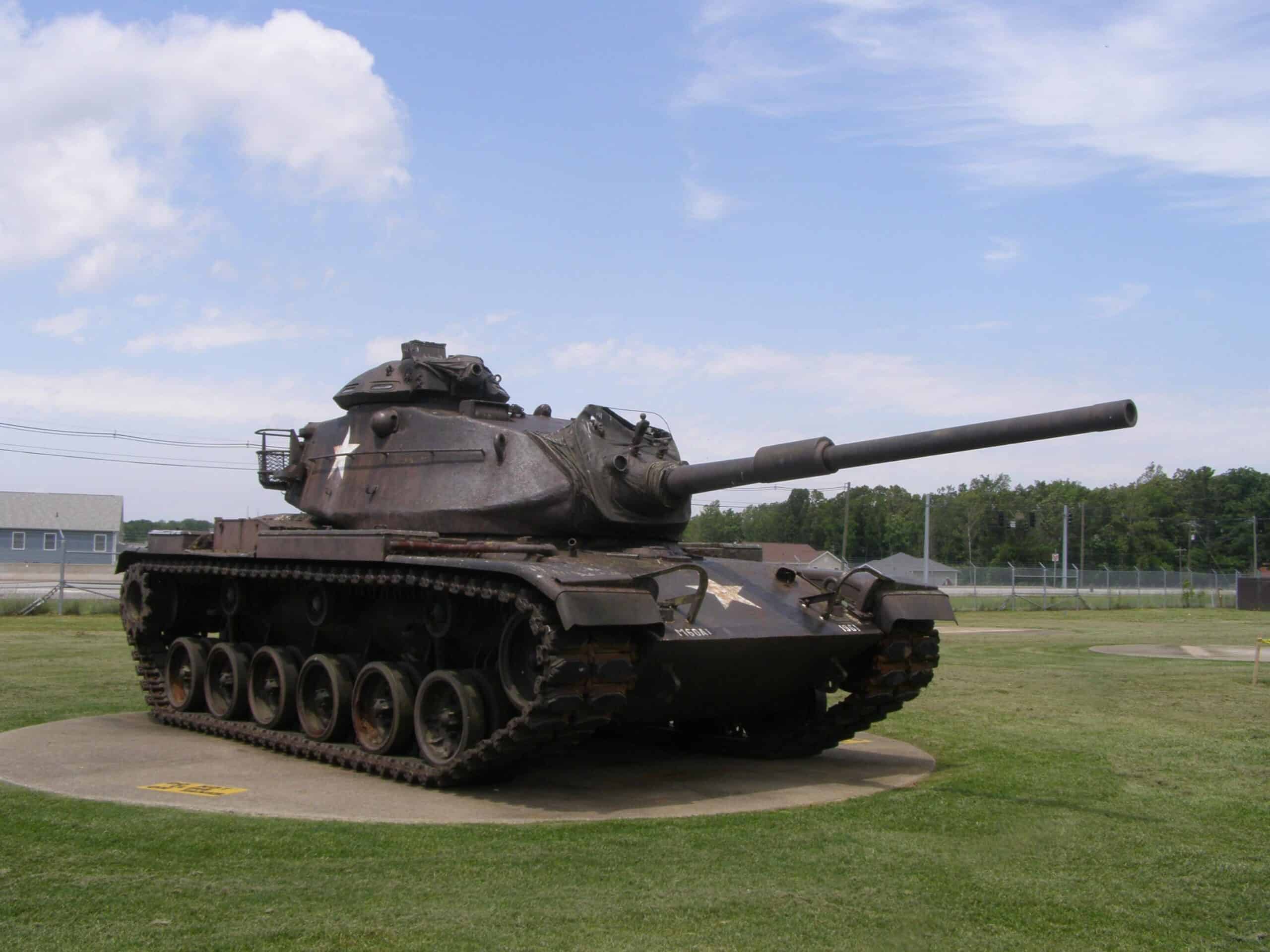
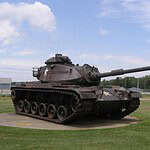
M60 Patton
- Country of Origin: United States
- Vehicle Type: Main Battle Tank
- Year Introduced to Service: 1960
- Conflict / Era of Impact: Cold War
- Primary Tactical Role: Heavy armored warfare
- Key Tactical Innovation: Improved firepower and armor
- Doctrine / Battlefield Shift Caused: Standardized NATO armored doctrine
- Why It Mattered: Key Western MBT during Cold War
The M60 Patton served as a cornerstone of NATO armored forces during the Cold War, reinforcing standardized tank doctrine across allied nations. Its balance of firepower and protection made it a reliable platform for large-scale armored operations. It helped solidify the concept of the main battle tank as the dominant force in ground warfare.
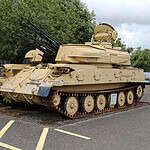
ZSU-23-4 Shilka
- Country of Origin: Soviet Union
- Vehicle Type: SPAAG
- Year Introduced to Service: 1965
- Conflict / Era of Impact: Cold War
- Primary Tactical Role: Mobile air defense
- Key Tactical Innovation: Radar-guided AA system
- Doctrine / Battlefield Shift Caused: Changed low-altitude air threat tactics
- Why It Mattered: Forced aircraft to adapt to mobile AA threats
The Shilka introduced radar-guided mobile air defense, forcing aircraft to operate at higher altitudes or adapt their attack profiles. Its presence on the battlefield significantly altered the relationship between air and ground forces. This marked a shift toward integrated air defense systems as a critical component of ground operations.
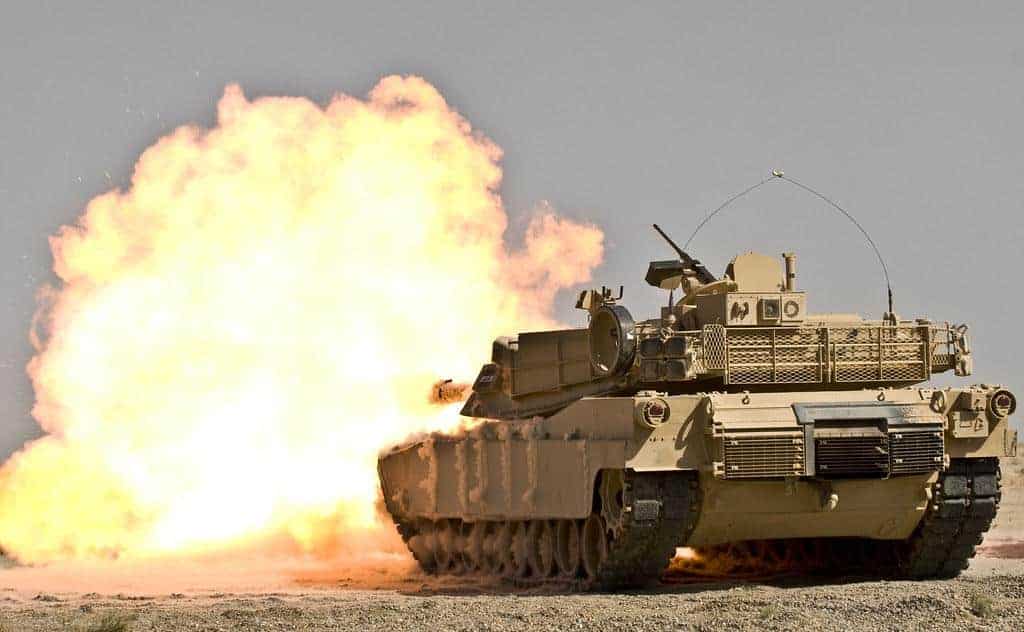
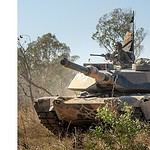
M1 Abrams
- Country of Origin: United States
- Vehicle Type: Main Battle Tank
- Year Introduced to Service: 1980
- Conflict / Era of Impact: Modern
- Primary Tactical Role: High-speed armored warfare
- Key Tactical Innovation: Composite armor + turbine engine
- Doctrine / Battlefield Shift Caused: Defined modern MBT doctrine
- Why It Mattered: Set new standard for survivability and speed
The M1 Abrams set a new standard for modern armored warfare with its advanced armor, fire control systems, and high-speed maneuverability. It enabled rapid, decisive engagements and reinforced the dominance of technologically advanced main battle tanks. Its performance demonstrated the importance of survivability and precision in high-intensity conflicts.
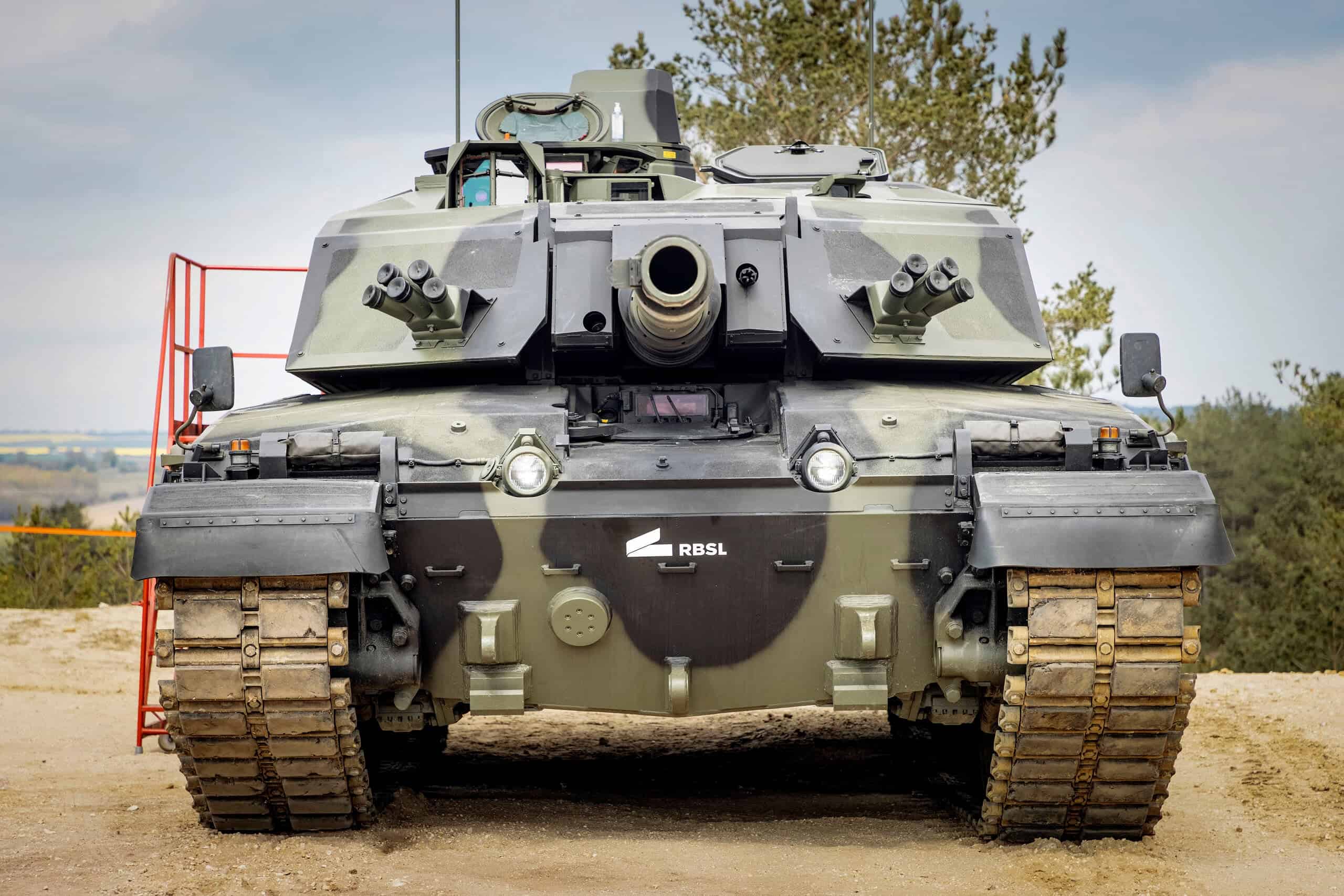
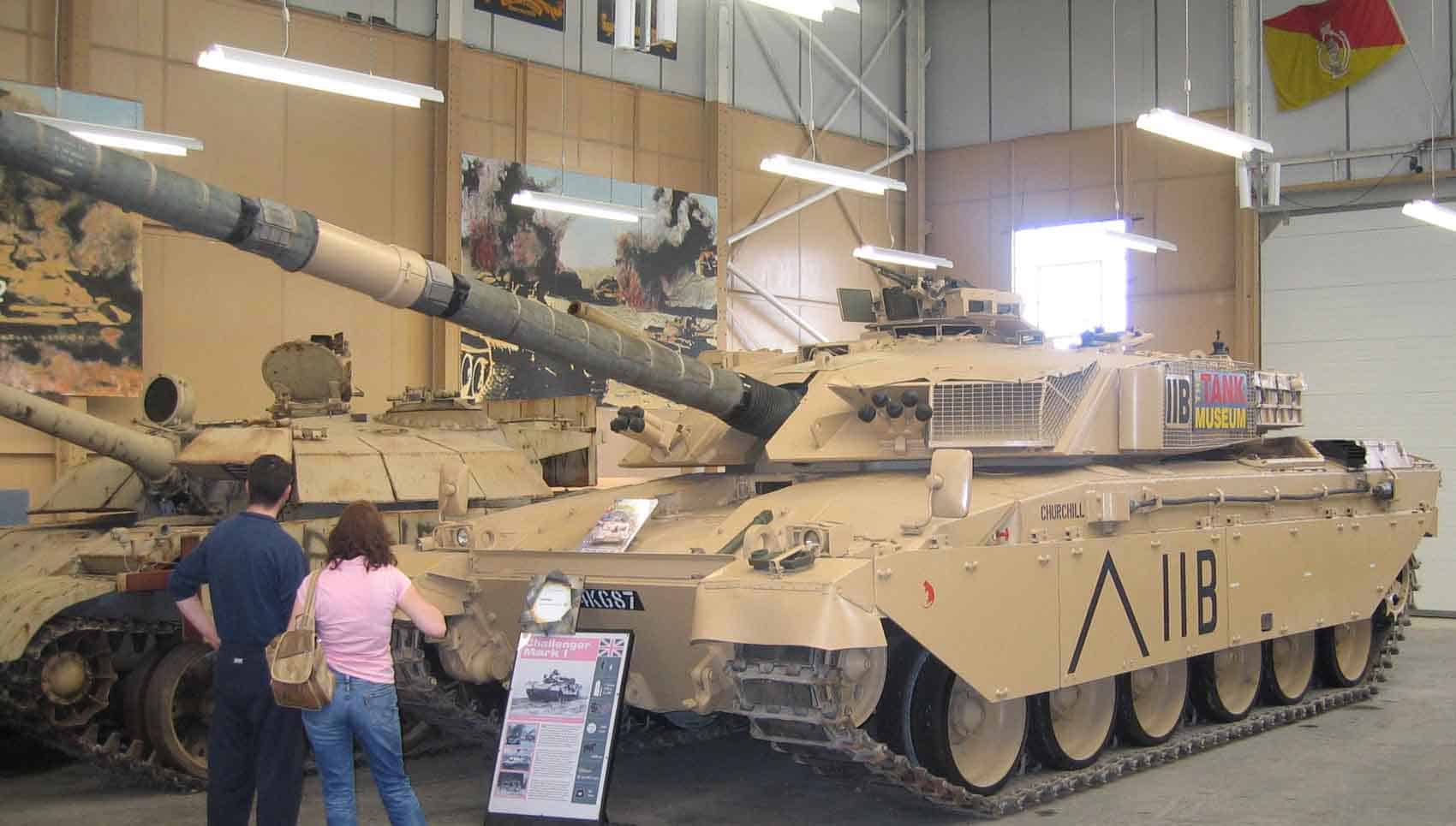
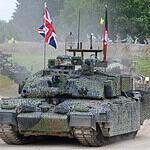
Challenger 2
- Country of Origin: United Kingdom
- Vehicle Type: Main Battle Tank
- Year Introduced to Service: 1998
- Conflict / Era of Impact: Modern
- Primary Tactical Role: Defensive armored warfare
- Key Tactical Innovation: Advanced armor systems
- Doctrine / Battlefield Shift Caused: Reinforced survivability doctrine
- Why It Mattered: Excelled in long-range engagements
The Challenger 2 emphasized survivability and long-range engagement, excelling in defensive and overwatch roles. Its advanced armor systems allowed it to withstand significant threats, reinforcing a doctrine centered on protection and precision. It highlighted the continued importance of durability in modern armored warfare.
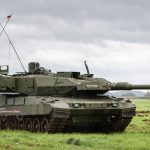
Leopard 2
- Country of Origin: Germany
- Vehicle Type: Main Battle Tank
- Year Introduced to Service: 1979
- Conflict / Era of Impact: Modern
- Primary Tactical Role: Balanced armored warfare
- Key Tactical Innovation: High-performance fire control
- Doctrine / Battlefield Shift Caused: Standard for NATO armored forces
- Why It Mattered: Widely adopted modern MBT platform
The Leopard 2 combined mobility, firepower, and advanced targeting systems, making it one of the most balanced modern tanks. Its widespread adoption among NATO forces standardized high-performance armored capabilities. It demonstrated the effectiveness of multi-role flexibility in modern tank design.
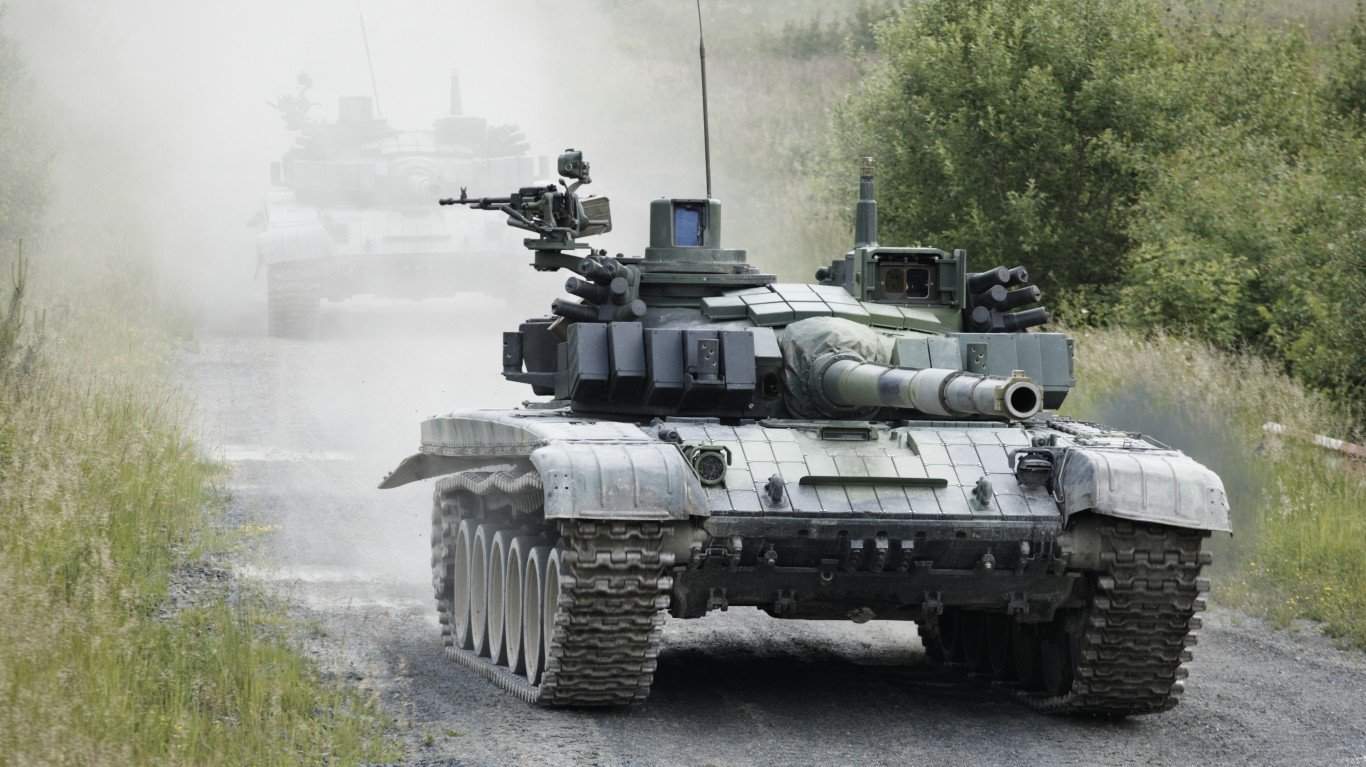
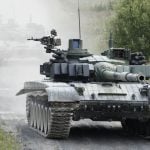
T-72
- Country of Origin: Soviet Union
- Vehicle Type: Main Battle Tank
- Year Introduced to Service: 1973
- Conflict / Era of Impact: Cold War / Modern
- Primary Tactical Role: Mass armored warfare
- Key Tactical Innovation: Autoloader system
- Doctrine / Battlefield Shift Caused: Enabled large-scale tank deployment
- Why It Mattered: Simplified production and operation
The T-72 enabled large-scale deployment of tanks through simplified design and the use of an autoloader, reducing crew requirements. Its affordability and ease of production allowed for widespread use, shaping tactics around massed armored formations. It reinforced the effectiveness of quantity combined with adequate capability.
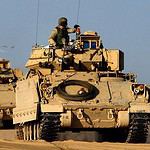
Bradley Fighting Vehicle
- Country of Origin: United States
- Vehicle Type: IFV
- Year Introduced to Service: 1981
- Conflict / Era of Impact: Modern
- Primary Tactical Role: Mechanized infantry combat
- Key Tactical Innovation: Integrated ATGM capability
- Doctrine / Battlefield Shift Caused: Enhanced infantry anti-armor role
- Why It Mattered: Combined transport with tank-killing ability
The Bradley enhanced mechanized infantry by integrating anti-tank guided missiles directly into the platform. This gave infantry units the ability to engage armored threats without relying solely on tanks. It strengthened combined arms tactics by increasing the offensive capabilities of infantry formations.
Stryker
- Country of Origin: United States
- Vehicle Type: Armored Vehicle
- Year Introduced to Service: 2002
- Conflict / Era of Impact: Modern / Iraq War
- Primary Tactical Role: Rapid deployment
- Key Tactical Innovation: Modular wheeled platform
- Doctrine / Battlefield Shift Caused: Shifted toward lighter rapid forces
- Why It Mattered: Enabled fast urban deployment
The Stryker introduced a flexible, wheeled platform designed for rapid deployment and urban operations. Its mobility allowed forces to respond quickly to emerging threats, particularly in asymmetric environments. It represented a shift toward lighter, more adaptable forces capable of operating across diverse combat scenarios.
Achzarit
- Country of Origin: Israel
- Vehicle Type: Heavy APC
- Year Introduced to Service: 1988
- Conflict / Era of Impact: Modern
- Primary Tactical Role: Urban warfare
- Key Tactical Innovation: Heavy armor APC concept
- Doctrine / Battlefield Shift Caused: Changed urban survivability tactics
- Why It Mattered: Converted tank chassis for troop protection
The Achzarit redefined urban warfare survivability by converting tank chassis into heavily armored personnel carriers. This provided infantry with unprecedented protection in high-threat environments. It demonstrated the importance of protection in close-quarters combat and influenced the development of heavy APC concepts.
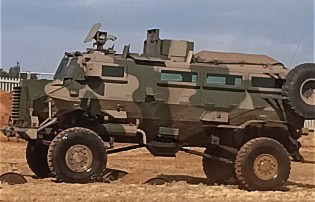
Casspir
- Country of Origin: South Africa
- Vehicle Type: MRAP
- Year Introduced to Service: 1979
- Conflict / Era of Impact: Modern / COIN
- Primary Tactical Role: Mine-resistant patrol
- Key Tactical Innovation: V-shaped hull
- Doctrine / Battlefield Shift Caused: Revolutionized mine protection
- Why It Mattered: Set standard for MRAP vehicles
The Casspir pioneered mine-resistant vehicle design with its V-shaped hull, dramatically improving survivability against improvised explosive devices. Its success in counterinsurgency operations led to widespread adoption of MRAP vehicles. It shifted tactics toward prioritizing troop protection in asymmetric warfare.
BM-21 Grad
- Country of Origin: Soviet Union
- Vehicle Type: MLRS
- Year Introduced to Service: 1963
- Conflict / Era of Impact: Cold War
- Primary Tactical Role: Area saturation fire
- Key Tactical Innovation: Mass rocket artillery
- Doctrine / Battlefield Shift Caused: Changed artillery tactics
- Why It Mattered: Enabled rapid area bombardment
The BM-21 Grad introduced rapid, large-scale rocket artillery capable of saturating wide areas in seconds. This changed artillery tactics by emphasizing volume and speed over precision. It enabled forces to disrupt enemy formations and logistics with overwhelming firepower.
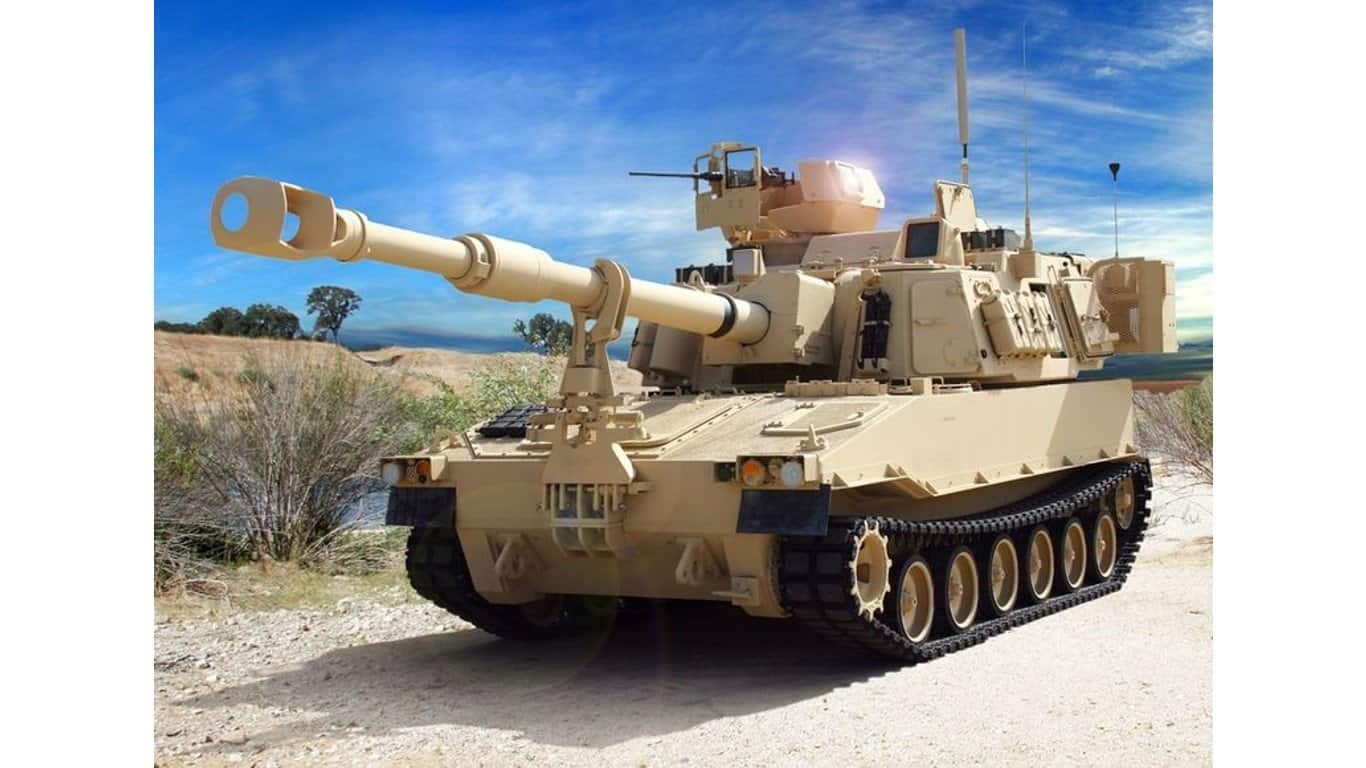
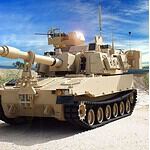
M109 Paladin
- Country of Origin: United States
- Vehicle Type: Self-Propelled Howitzer
- Year Introduced to Service: 1963
- Conflict / Era of Impact: Cold War / Modern
- Primary Tactical Role: Mobile artillery
- Key Tactical Innovation: Shoot-and-scoot capability
- Doctrine / Battlefield Shift Caused: Improved artillery survivability
- Why It Mattered: Allowed rapid repositioning
The M109 Paladin improved artillery mobility with its ability to quickly fire and relocate, reducing vulnerability to counter-battery fire. This “shoot-and-scoot” capability reshaped artillery tactics, emphasizing survivability and responsiveness. It allowed artillery units to remain effective in increasingly dynamic battlefields.
AAV7
- Country of Origin: United States
- Vehicle Type: Amphibious Assault Vehicle
- Year Introduced to Service: 1972
- Conflict / Era of Impact: Modern
- Primary Tactical Role: Amphibious assault
- Key Tactical Innovation: Ship-to-shore mobility
- Doctrine / Battlefield Shift Caused: Enabled modern amphibious operations
- Why It Mattered: Key to Marine expeditionary warfare
The AAV7 enabled seamless transition from sea to land, making large-scale amphibious assaults more viable and efficient. It allowed forces to project power directly onto hostile shores with armored support. This capability reinforced the importance of expeditionary warfare in modern military strategy.
The image featured at the top of this post is ©Ministry of Defence / Wikimedia Commons – License / Original